
Autobiographical songwriting has always been one of music’s most powerful tools.
When artists draw directly from their own lives, the stakes rise: the emotions sharpen, the storytelling deepens, and the listener is pulled into experiences that feel lived rather than imagined. The songs collected here span grief, family trauma, fractured relationships, mental illness and personal reckoning, each one shaped by circumstances too specific to be fictional.
They’re not confessions for their own sake, but attempts to understand the events that changed these musicians forever. In turning private pain into public art, they created some of the most affecting songs of their careers – works that resonate precisely because they began as real lives, not crafted narratives.
1. Neil Young – The Needle and the Damage Done (1972)
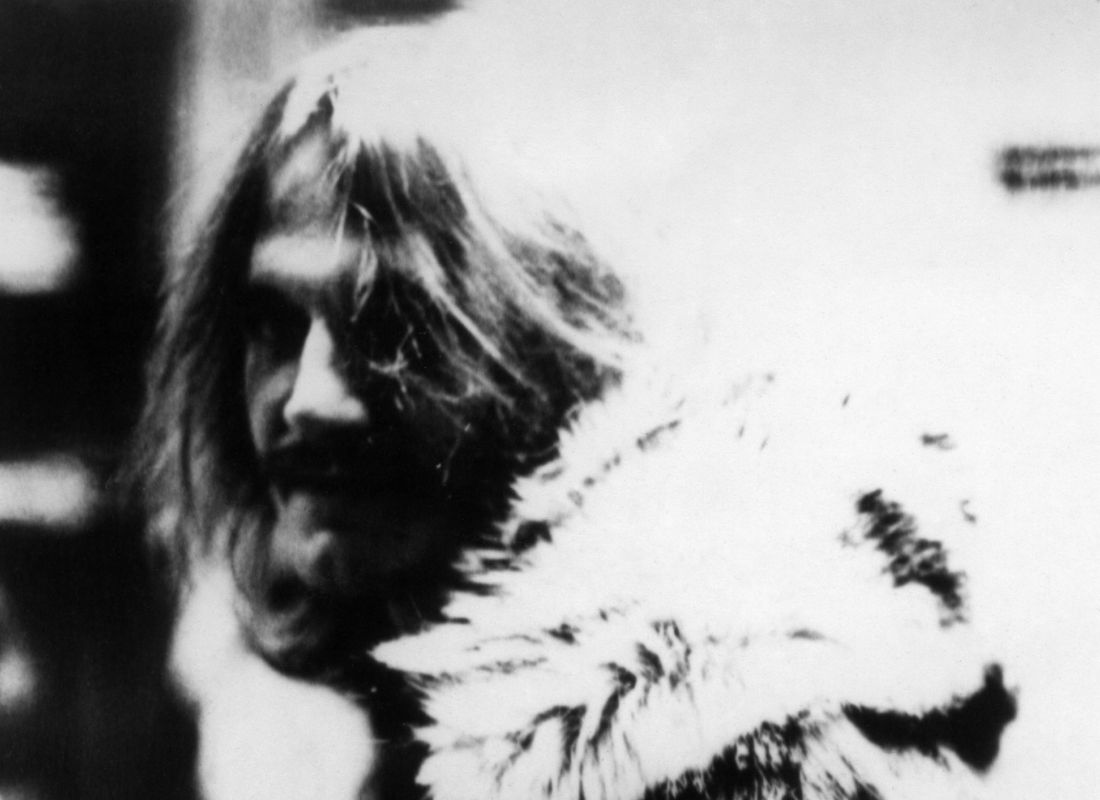
Written in the shadow of heroin addiction, 'The Needle and the Damage Done' from 1972's Harvest is one of rock’s most heartbreaking autobiographical songs.
Neil Young had watched friends and fellow musicians succumb to drugs, most painfully Crazy Horse guitarist Danny Whitten, whose addiction would claim his life just months after the song’s release. Performed live with only voice and acoustic guitar, Young delivers a stark lament that avoids preaching, instead capturing the helplessness of watching gifted people destroy themselves. Its quiet honesty has made it one of the defining anti-drug songs in rock history.
2. Bob Dylan – Idiot Wind (1975)

Few songs expose the emotional wreckage of a relationship as brutally as Bob Dylan’s 'Idiot Wind'. Widely interpreted as a response to the collapse of his marriage to Sara Dylan, it finds him lashing out at both his former partner and himself with extraordinary venom.
Every verse crackles with accusation, regret and wounded pride, yet the song gradually reveals that the narrator is as much to blame as anyone else. One of the towering achievements of Dylan's 1975 masterpiece Blood on the Tracks, it remains among rock’s rawest and most painfully honest breakup songs.
3. David Bowie – Jump They Say (1993)

David Bowie rarely wrote directly about his private life, which makes 'Jump They Say' (from 1993's Black Tie White Noise album) all the more striking. The song was inspired by the tragic fate of his half-brother Terry Burns, who suffered from schizophrenia and died after stepping in front of a train in 1985.
Terry had introduced the young Bowie to jazz, literature and the Beat writers, profoundly shaping his artistic outlook. Beneath its infectious rhythm lies a meditation on mental illness, social pressure and despair, with the title reflecting the cruel voices urging vulnerable people towards destruction.
4. Pink Floyd – Wish You Were Here (1975)

Although often mistaken for a general song about absence, 'Wish You Were Here' is Roger Waters’ deeply personal tribute to Syd Barrett, Pink Floyd’s founding genius, whose mental decline had forced him from the band years earlier. Waters reflects on the painful experience of watching someone physically present but psychologically unreachable, asking whether Barrett had become merely 'a walk-on part in the war'.
The song gained even greater poignancy when Barrett unexpectedly visited the recording sessions for the Wish You Were Here album, almost unrecognisable to his former bandmates. It remains one of rock’s most moving elegies for a lost friend.
5. Joni Mitchell – Little Green (1971)
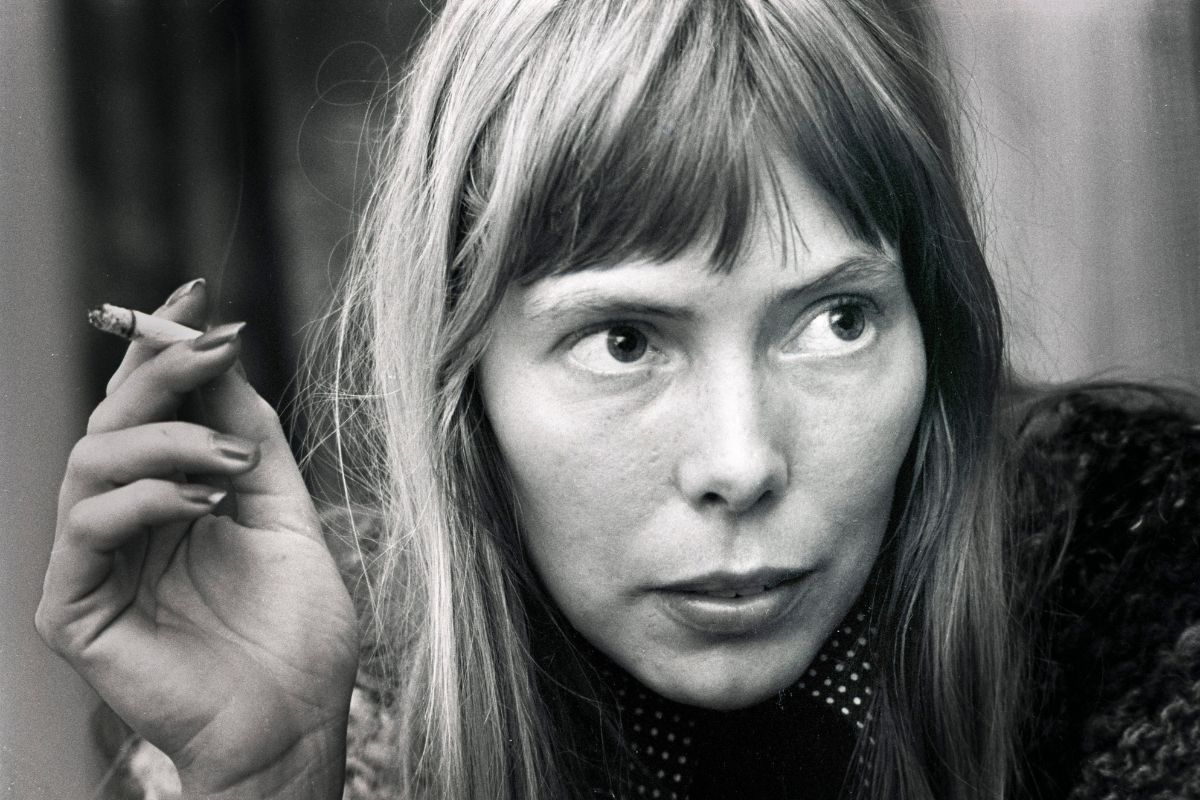
For more than two decades, listeners had no idea that 'Little Green' told one of Joni Mitchell’s deepest personal secrets. Written before the release of Blue, the song is about the daughter Mitchell gave up for adoption in 1965, when she was an unknown young musician unable to support a child.
Rather than dwelling on her guilt or anguish, though, Joni imagines the life her daughter might lead, blessing her future while quietly accepting the pain of separation. Its delicate melody and extraordinary emotional restraint make it one of the most intimate and quietly devastating songs in Mitchell’s catalogue.
6. Pink Floyd – When the Tigers Broke Free (1982)
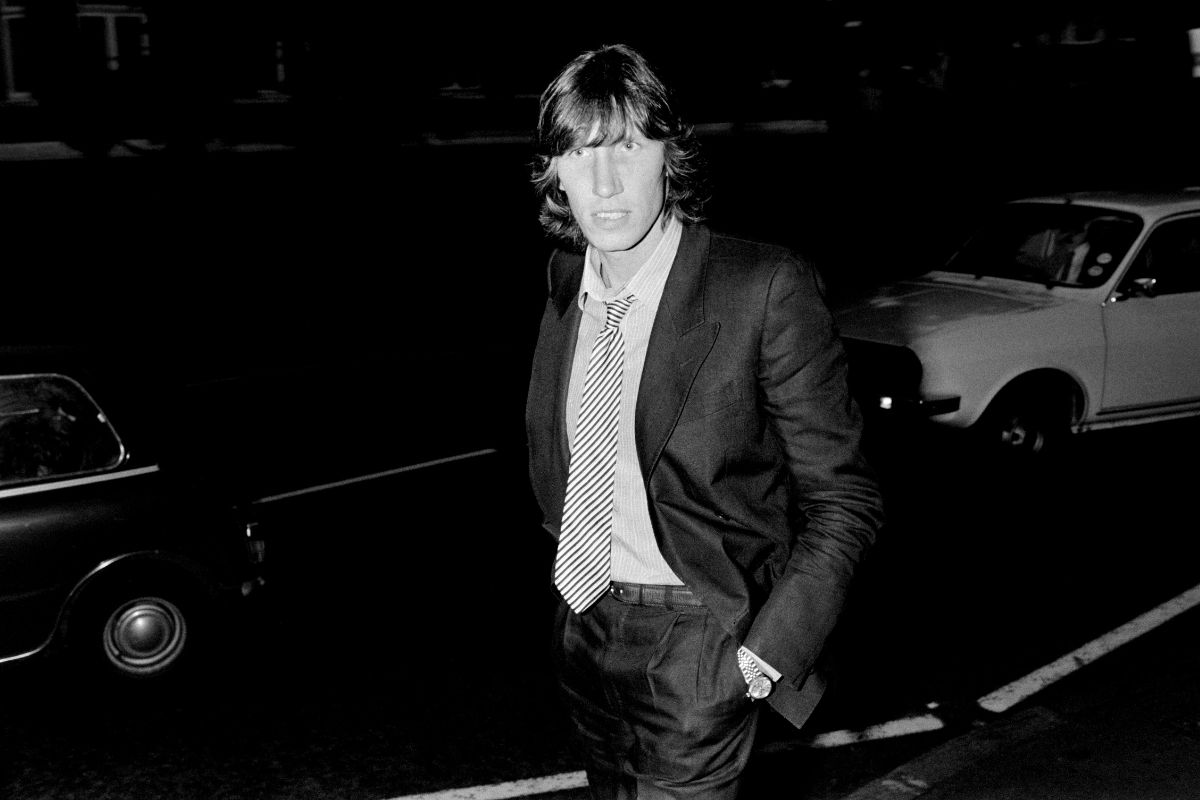
Roger Waters’ most nakedly autobiographical song is a quiet howl of grief. Written about his father’s death at the Battle of Anzio in February 1944, it strips away metaphor and presents loss with documentary clarity: a boy trying to understand why his father never came home, and a man still furious at the military decisions that made it so.
Its restrained arrangement only deepens the ache – a lifetime of unresolved sorrow distilled into a few devastating minutes.
7. Mike & The Mechanics: The Living Years (1988)
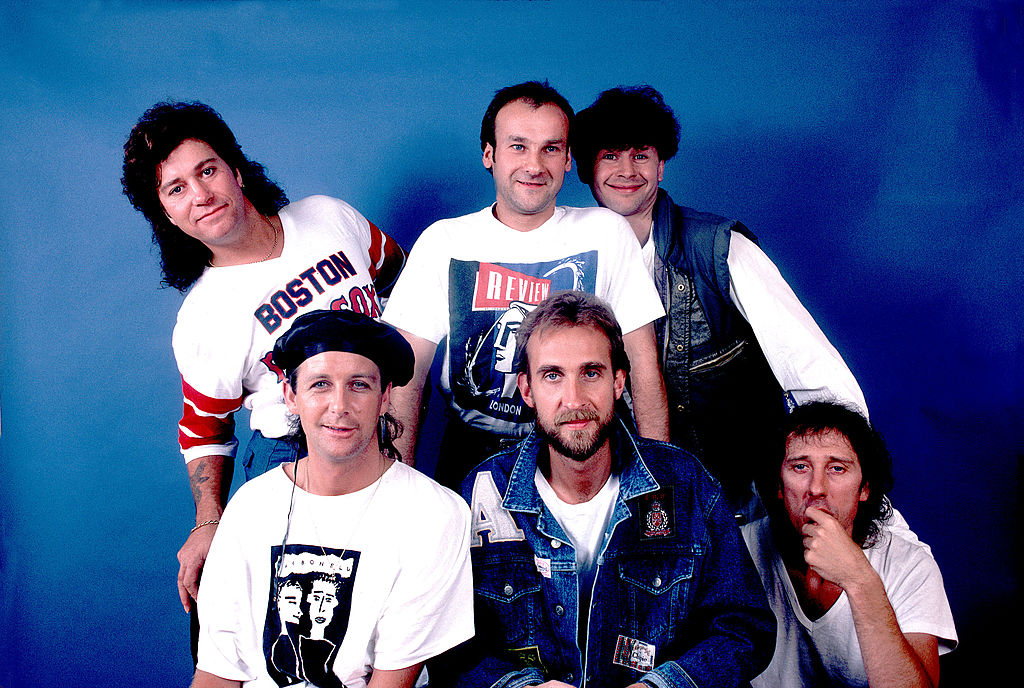
'The Living Years' is one of the most quietly devastating songs ever to reach No 1 – a piece of pop that carries the weight of an unresolved father–son relationship and the grief that follows when time runs out.
At its core, it’s songwriter B.A. Robertson’s story: his father died before they could reconcile, and the song is built from that ache. Paul Carrack’s vocal gives it a kind of trembling dignity: not melodrama, but the pain of things unsaid, misunderstandings never cleared, affection never voiced plainly enough.
What makes it so powerful is its emotional specificity. It isn’t a generic “I miss you” song; it’s about intergenerational stubbornness, the way families talk past each other, the way pride becomes a wall. The chorus – 'I just wish I could have told him in the living years' – lands because it’s universal. Everyone has someone they didn’t say enough to.
8. Trent Reznor – Hurt (1994)
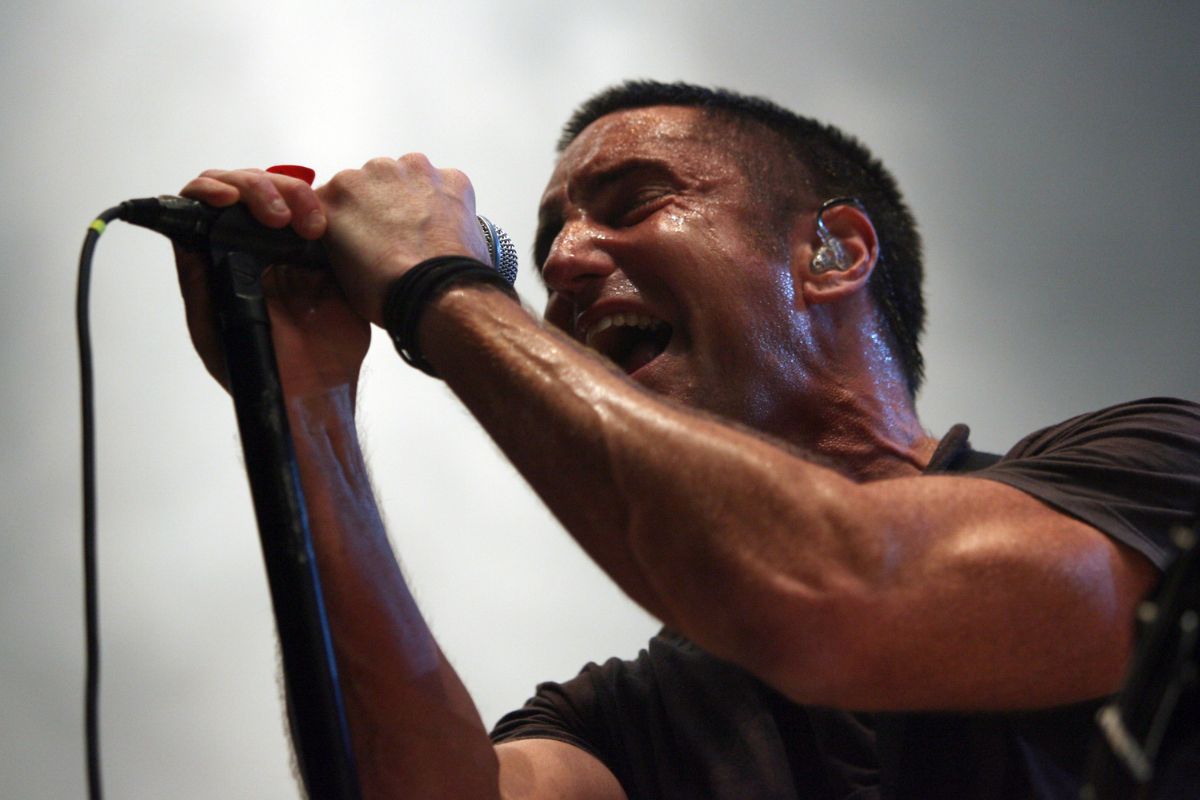
Although often mistaken for a song about drug addiction alone, Hurt is Trent Reznor’s painfully honest examination of depression, self-loathing and emotional isolation. Written during a bleak period while recording The Downward Spiral, it strips away Nine Inch Nails’ industrial aggression to reveal extraordinary vulnerability.
Reznor later admitted he felt emotionally exposed by the song, describing it as one of the most personal things he had ever written. Its raw introspection became so universal that Johnny Cash's celebrated 2002 cover gave it an entirely new, but equally devastating, autobiographical meaning.
9. Bruce Springsteen – Adam Raised a Cain (1978)
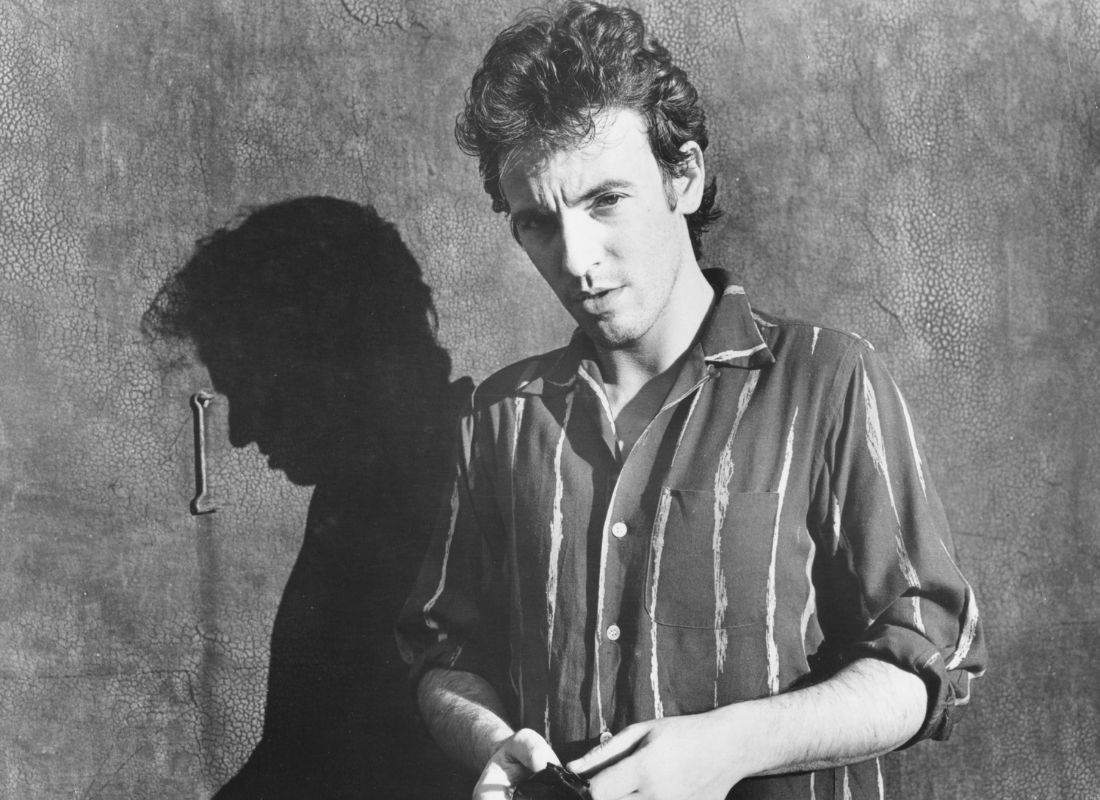
Bruce Springsteen has written repeatedly about his difficult relationship with his father, Douglas, but nowhere more fiercely than on 'Adam Raised a Cain' from 1978's Darkness on the Edge of Town. Inspired by years of emotional distance, simmering anger and mutual incomprehension, the song turns their relationship into a biblical struggle between father and son.
Springsteen later explained that he wanted to capture the way family traits, burdens and wounds are passed from one generation to the next. With its thunderous guitars and tortured vocals, it remains one of the most emotionally charged performances of his career.
10. John Lennon – Mother (1970)

Few songs in rock history are as emotionally exposed as Mother. Written after John Lennon underwent primal therapy, it confronts the twin abandonments that shaped his childhood: his father leaving the family and his mother Julia dying after they had only recently reconnected.
Lennon begins almost conversationally before building to repeated cries of 'Mama don't go' and 'Daddy come home', making the listener feel almost uncomfortably close to his grief. It is less a conventional song than an emotional exorcism, and perhaps the most nakedly autobiographical recording Lennon ever made.
11. Elton John – Someone Saved My Life Tonight (1975)
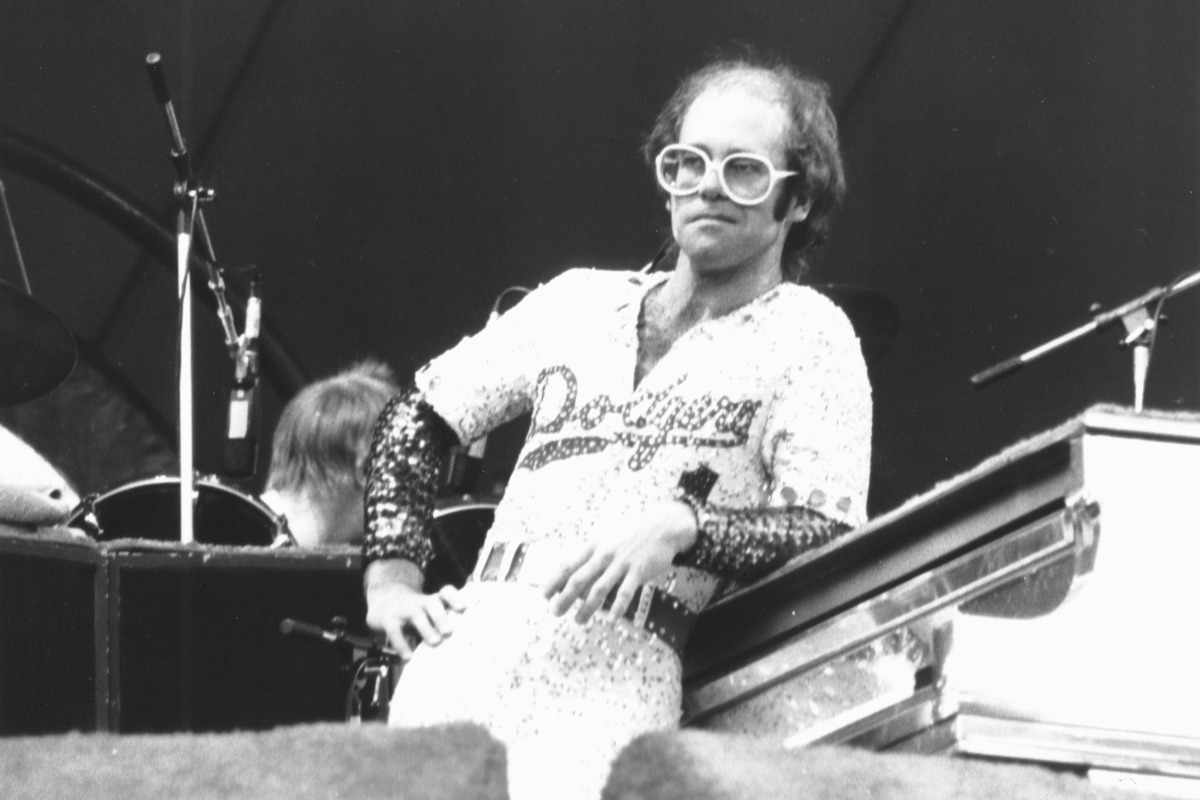
One of Elton John's greatest songs is also among his most revealing. 'Someone Saved My Life Tonight' recounts the period in the late 1960s when he felt trapped into marrying his fiancée, Linda Woodrow, despite knowing the relationship wasn't right.
The 'someone' of the title is friend and songwriter Long John Baldry, who urged him to call off the wedding and pursue the career – and life – he truly wanted. Rather than celebrating escape, the song captures the panic, guilt and emotional suffocation Elton felt, transforming a deeply personal crisis into one of his finest epics.
12. Genesis – Please Don't Ask (1980)
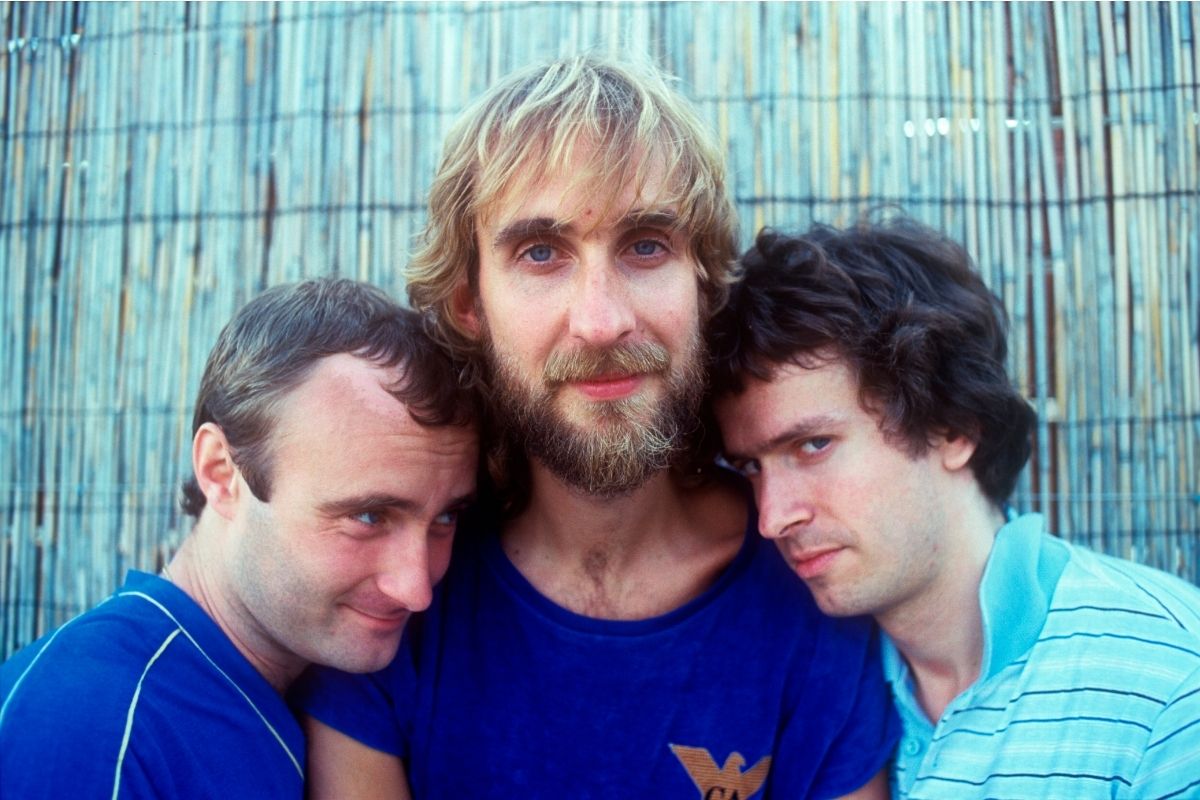
Phil Collins’ most quietly devastating song comes not on his divorce album Face Value (1981), but on the previous year's Genesis LP, Duke. 'Please Don't ask' finds Collins writing not as the wounded partner but as a father trying to guide his children through a separation he can barely articulate himself.
There’s no rage, no theatrics – just guilt, tenderness and emotional exhaustion. Its conversational tone makes the listener feel uncomfortably close, as though overhearing a private moment he never intended to share. Overshadowed by In the Air Tonight, it remains one of his most affecting autobiographical performances.
13. Eric Clapton – Tears in Heaven (1992)
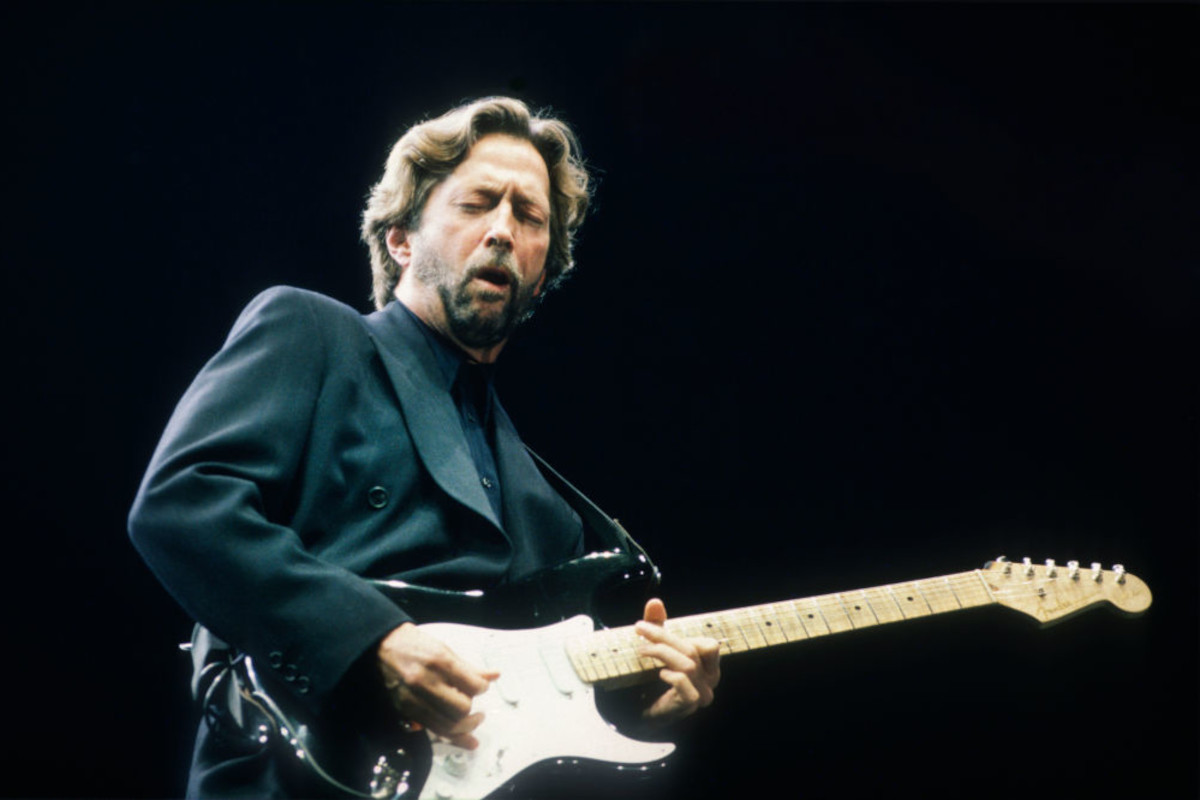
Eric Clapton wrote 'Tears in Heaven' after the unimaginable loss of his four-year-old son, Conor, who died following a fall from a New York apartment in 1991. Rather than rage against fate, Clapton responded with remarkable restraint, asking the heartbreaking question of whether they would recognise one another in the afterlife.
The song became a worldwide hit, but its quiet dignity has always outweighed its commercial success. For many listeners, it remains one of the most moving expressions of parental grief ever committed to record.
14. Marvin Gaye – When Did You Stop Loving Me, When Did I Stop Loving You (1978)
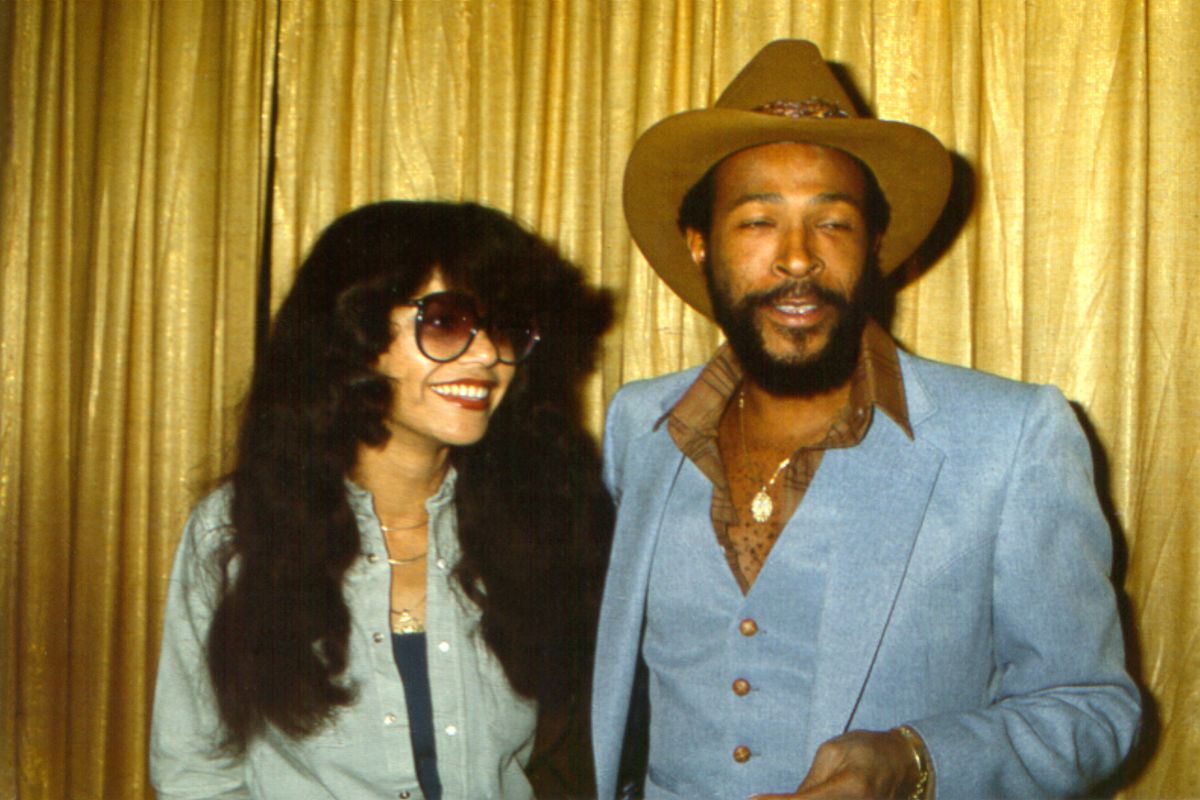
Few albums have been born from such personal circumstances as Marvin Gaye's Here, My Dear. Partly conceived to satisfy the financial terms of his divorce settlement with Anna Gordy, it became an astonishingly candid chronicle of the relationship's collapse.
Opening the album, 'When Did You Stop Loving Me, When Did I Stop Loving You' refuses to cast blame, instead asking the devastating question at the heart of every failed marriage. Initially dismissed as uncomfortably confessional, both the song and the album are now recognised as among Gaye's boldest artistic achievements – proof that emotional honesty can be as compelling as any love song.
15. Peter Gabriel - Family Snapshot (1980)
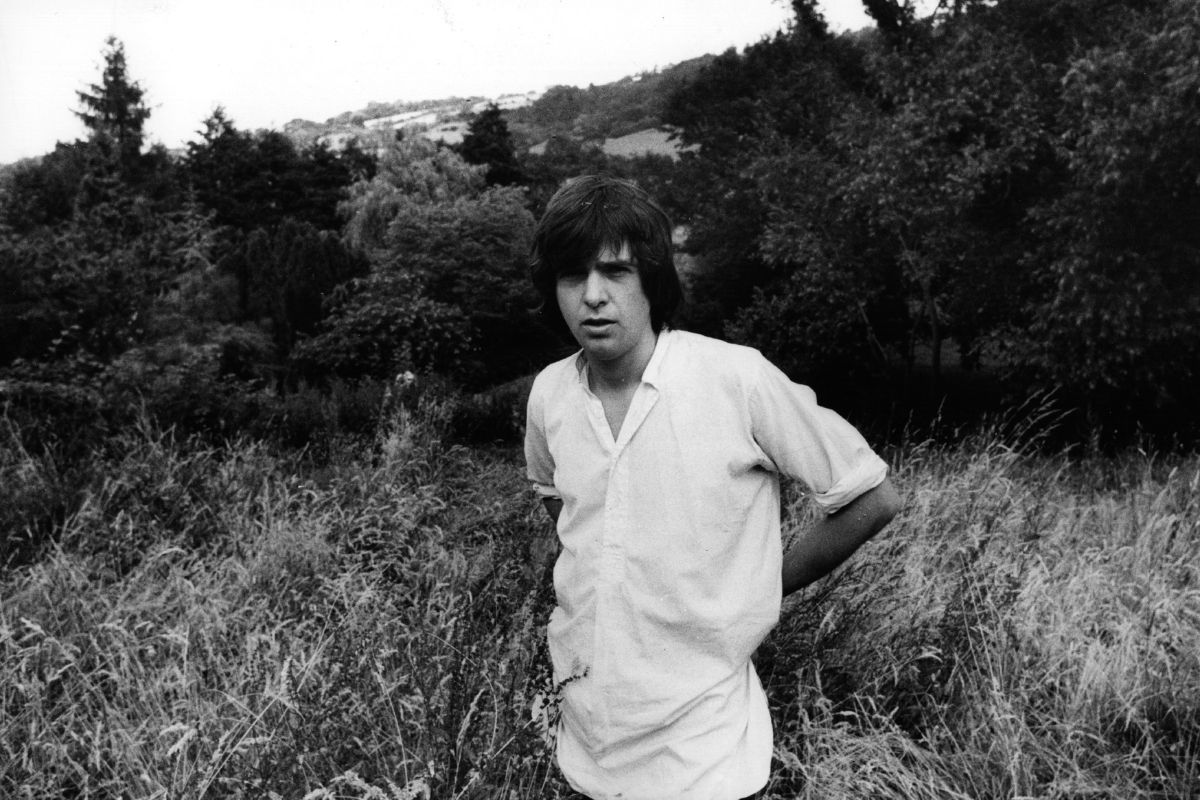
From Gabriel's fourth solo album (also known as Melt), 'Family Snapshot' is a chilling blend of autobiography and imaginative reconstruction. It's inspired partly by the diary of Arthur Bremer (the man who attempted to assassinate U.S. Democratic presidential candidate George Wallace on May 15, 1972) – but is also rooted in Gabriel’s own childhood loneliness.
The song’s narrator – emotionally starved, desperate to be seen – imagines an assassination as a twisted route to recognition. Sparse piano and whispered vocals build into explosive drums, mirroring a psyche tipping from fantasy into action. Its final, triumphant swell is the most disturbing touch: violence framed as self‑actualisation, isolation turned catastrophic.
Five more songs drawing on lived experience
Lou Reed – The Kids (1973)
Drawing oin the childhood memories of his then-wife Bettye Kronstad, Lou Reed channels the emotional wreckage of divorce into something almost too stark to bear. The children’s screams, real or staged, turn family breakdown into operatic devastation.
Tracy Chapman – Fast Car (1988)
Tracy Chapman’s portrait of poverty, responsibility and inherited struggle is less direct autobiography, more fictional composite inspired by the struggles of working-class people, her observations of poverty, and the real-life experiences of her parents. It’s a quiet plea for escape that keeps circling back to the weight of real life.
Nick Cave – Skeleton Tree (2016)
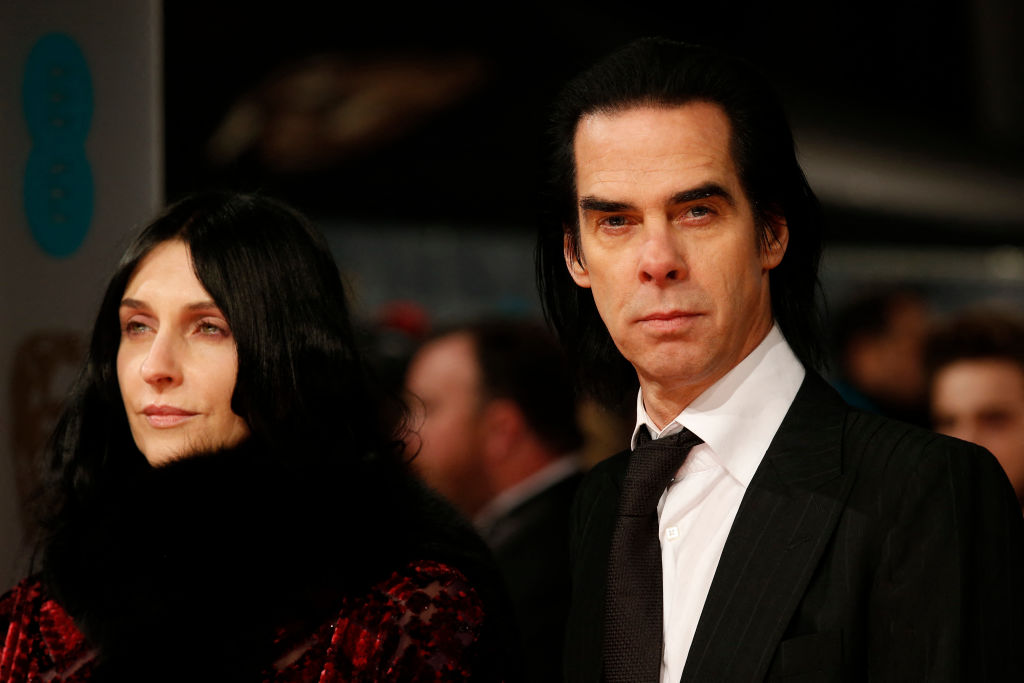
Written in the aftermath of the death of Cave's 15-year-old son Arthur, the title track from 2016's Skeleton Tree moves like grief itself — fractured, hollowed‑out, and unbearably tender. Cave sings from a place where language barely holds.
Nirvana – All Apologies (1993)
Cobain’s exhausted confession of shame and inadequacy feels like a final reckoning. It’s self‑interrogation set to a fragile melody, written by someone collapsing under expectation.
Bob Dylan – Positively 4th Street (1965)
Dylan’s most venomous song isn’t about a lover but a betrayer. It’s a cold, surgical takedown of someone who pretended to support him — friendship curdled into fury.


