Some bands seem to have a knack for making their best records just when everyone thinks they're past it.
A change of singer, a new musical direction, a disastrous run of albums or the loss of a key member can leave a group looking finished. Occasionally, though, it turns out to be exactly what they need.
Fleetwood Mac found a new identity with Stevie Nicks and Lindsey Buckingham. The Bee Gees swapped soft rock for disco and conquered the world. Here are six bands and artists who found a remarkable new lease of life when their first act seemed to be over.
1. AC/DC
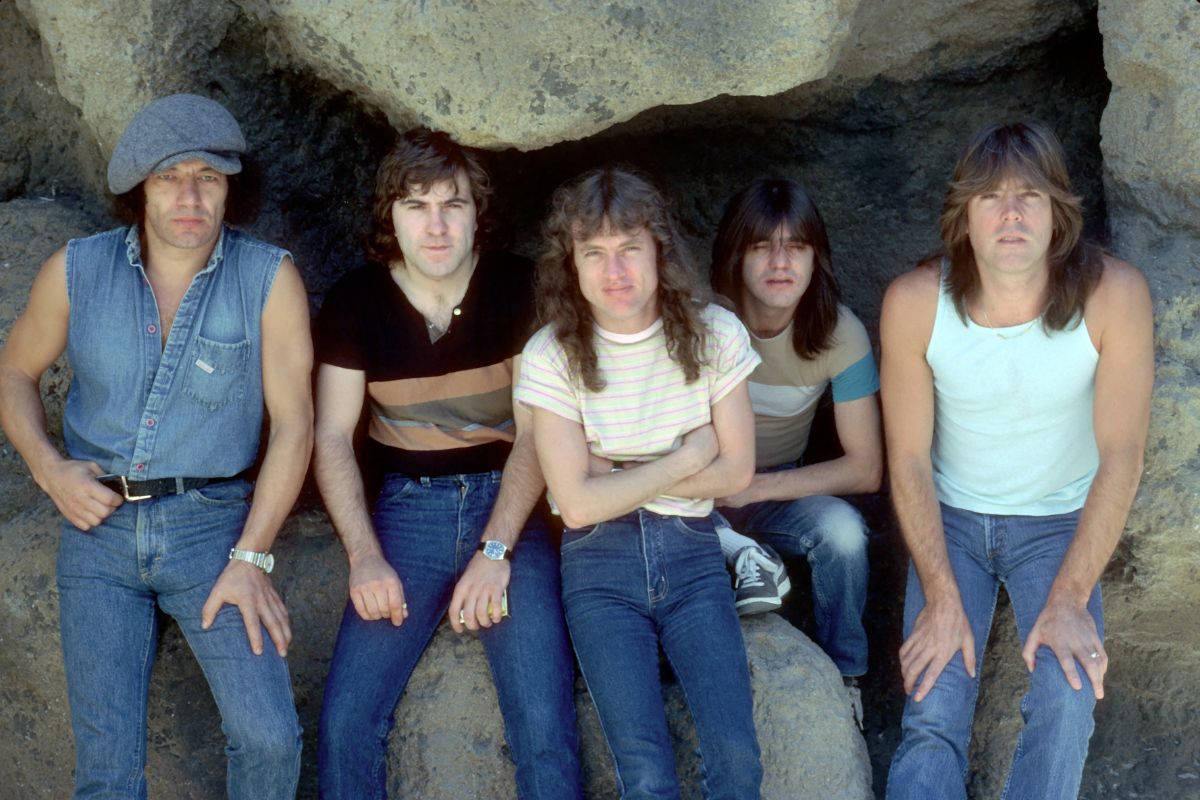
The death of Bon Scott in February 1980 left AC/DC shattered, grieving and widely assumed to be finished. Critics wrote obituaries, fans braced for the end, and even the band weren’t sure they had the strength to continue. What followed is one of rock’s most astonishing second acts.
Recruiting Brian Johnson, they channelled their loss into Back in Black – a thunderous, defiant reinvention that didn’t just keep them alive, but propelled them to a level of global success they’d never reached before. The album became one of the biggest‑selling records in history, its title track a statement of survival. Few bands have ever turned tragedy into triumph so completely.
2. New Order
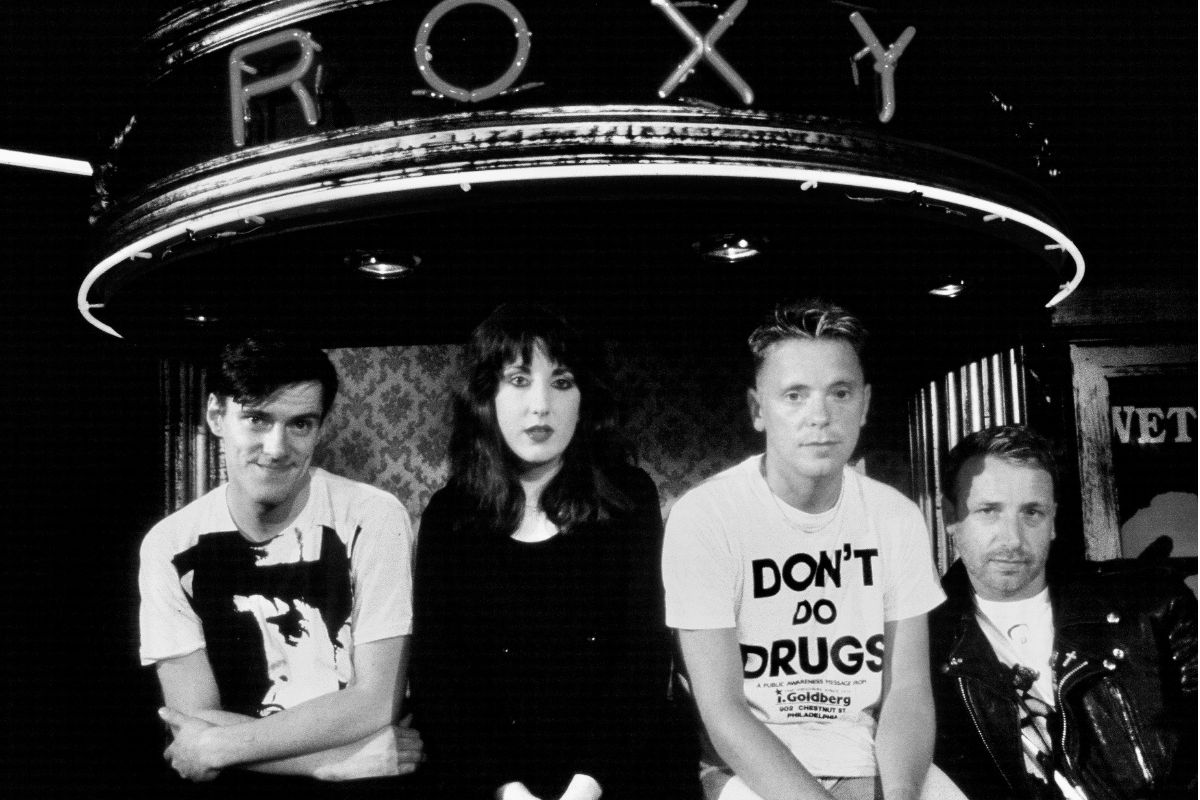
The end of Joy Division could easily have been the end of everything. After Ian Curtis’s death, the remaining members were grieving, directionless and widely assumed to be incapable of continuing. What followed is one of the most extraordinary second acts in modern music.
By embracing drum machines, sequencers and the emerging club culture of the early ’80s, they reinvented themselves as New Order – a band that fused post‑punk melancholy with electronic euphoria. ‘Blue Monday’ became the best‑selling 12‑inch single of all time, and albums like Power, Corruption & Lies and Technique defined the decade. A group once paralysed by tragedy became pioneers of an entirely new sound.
3. Deep Purple
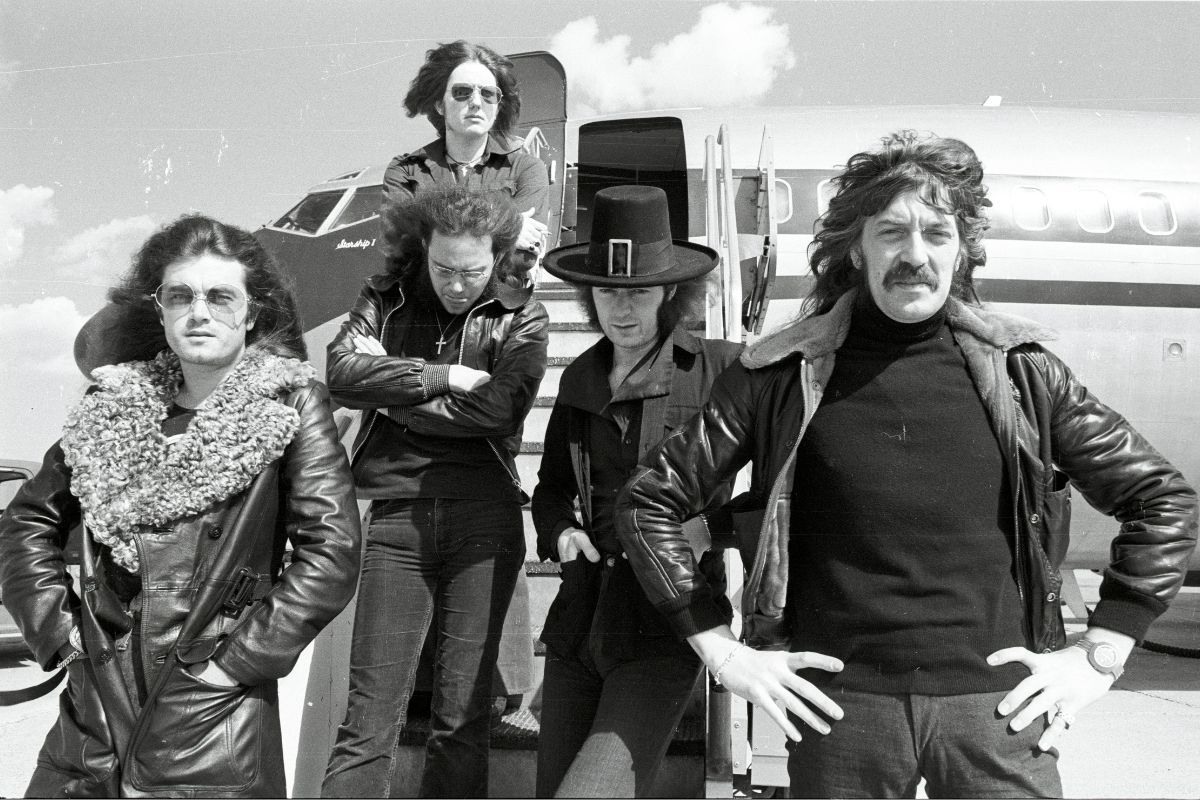
Few bands have reinvented themselves as dramatically – or as successfully – as Deep Purple. Their late‑’60s psychedelic era was fading fast, sales were slipping, and critics saw them as yesterday’s news. Then the Mark II line‑up arrived, and everything changed.
With Gillan and Glover onboard, the band pivoted to a heavier, harder sound, delivering In Rock, Machine Head and the immortal ‘Smoke on the Water’. It was a second act so powerful it rewrote their identity. And remarkably, they did it again in 1984: reunited, revitalised, and armed with Perfect Strangers, they returned from the wilderness to become arena giants once more. Two reinventions, both astonishing.
4. Fleetwood Mac
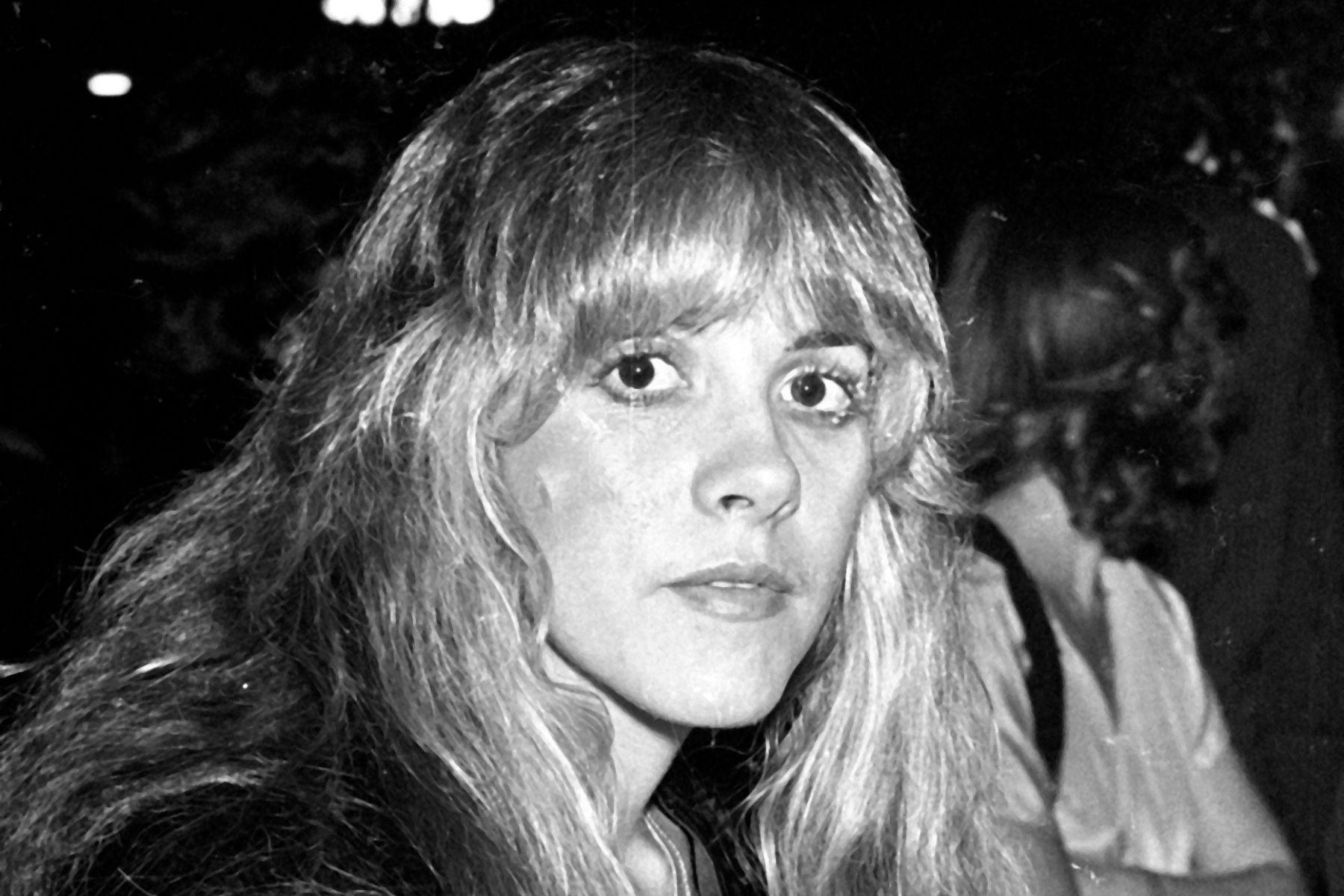
Fleetwood Mac’s second act is one of the most dramatic in rock history. By the early ’70s, they were a band in constant collapse – endless line‑up changes, modest sales, and a reputation as a fading blues outfit.
Then came Lindsey Buckingham and Stevie Nicks. Their arrival didn’t just stabilise the group; it transformed them. The 1975 self‑titled album was a revelation, but Rumours was the true second act: a masterpiece forged from emotional wreckage, turning a band everyone had written off into global superstars. It wasn’t a comeback – it was a rebirth.
5. Bee Gees
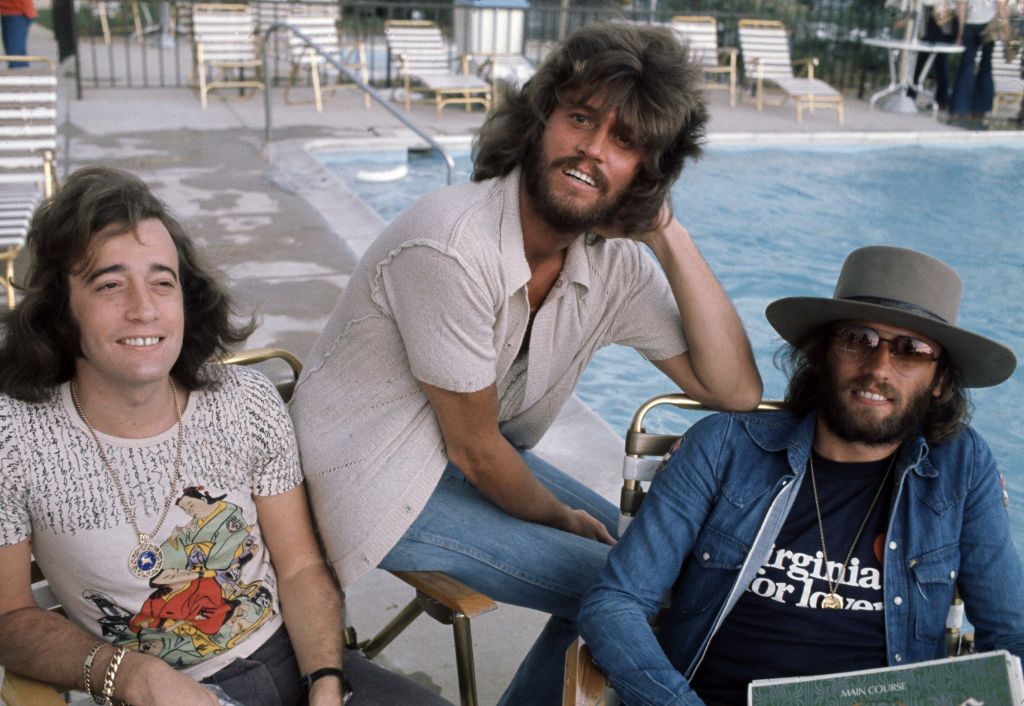
By the early ’70s, the Bee Gees looked finished. Their run of late‑’60s ballads had dried up, sales were slipping, and critics saw them as relics of a bygone era. What followed is one of rock’s most dramatic second acts.
A move to Miami, a shift towards R&B, and a willingness to reinvent themselves produced Main Course, Children of the World and, ultimately, Saturday Night Fever.
Suddenly the band everyone had written off became the defining sound of the disco era, delivering hits that dominated charts worldwide. Their second act didn’t just revive their career – it made them one of the biggest groups on the planet, eclipsing their first act entirely.
6. Johnny Cash

By the early ’90s, Johnny Cash’s career was in ruins. Dropped by his label, ignored by radio, and dismissed as a nostalgia act, he seemed destined to fade quietly. Then came Rick Rubin.
Stripping Cash back to voice and guitar, Rubin encouraged him to record the songs he’d always wanted to sing – stark, intimate performances that revealed the emotional depth beneath the legend.
The resulting American Recordings series was a revelation, restoring Cash’s artistic credibility and introducing him to a new generation. His second act wasn’t just a comeback; it was a reinvention that reshaped his legacy and produced some of the most powerful work of his life.
All photos Getty Images
Top pic The Bee Gees in costume on the set of the film 'Sgt. Pepper's Lonely Hearts Club Band', directed by Michael Schultz, Los Angeles, October 1977. Left to right: Barry, Maurice (1949 - 2003) and Robin Gibb