The 1990s might have been the last great decade for the rock album.
It was certainly one of the last times when albums felt like the centre of popular music, rather than just a way of collecting a few hit singles.
The CD boom gave artists more room to stretch out, while alternative rock, hip-hop, electronic music and Britpop all found new ways to use the format. An album could still feel like an event, whether it came from Seattle, Bristol, Manchester, Reykjavík or the Bronx.
It was a decade that could accommodate some pretty unlikely bedfellows. Nirvana took underground rock into the mainstream. Public Enemy made hip-hop an increasingly powerful political voice. Radiohead began imagining a distinctly unsettling digital future, while Massive Attack made music that was both dark and strangely inviting.
We've picked what we think was the defining album of each year, along with two runners-up that came very close. Thirty records, ten years, and a decade in which popular music seemed to be going in several directions at once.
1990: 🥇Fear of a Black Planet – Public Enemy
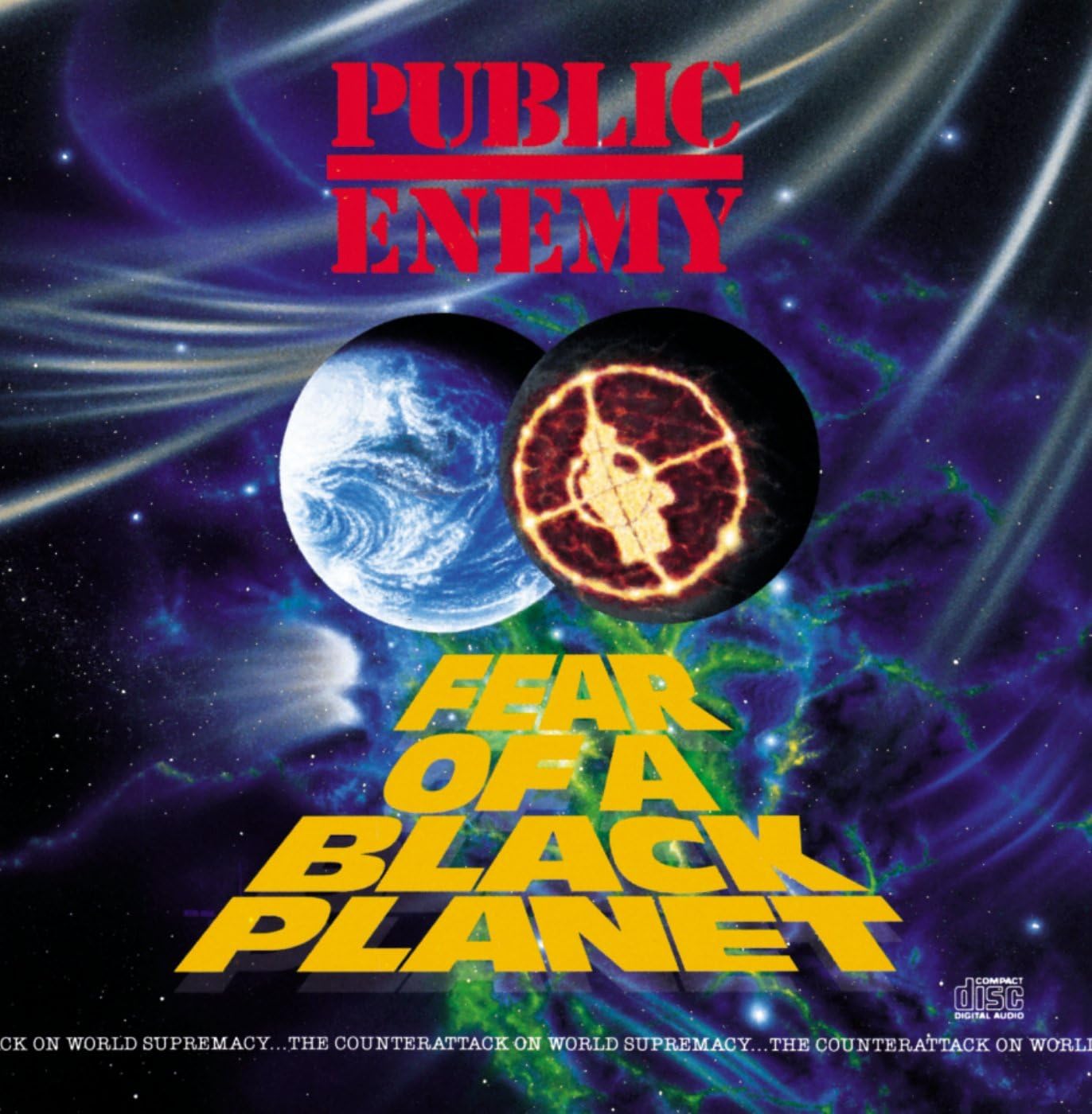
Public Enemy’s third album announced that hip-hop was no longer simply a musical movement but one of the most powerful cultural forces in America. Chuck D’s furious political rhymes collided with The Bomb Squad’s extraordinary walls of samples, noise and funk, creating music that sounded as confrontational as the world it described.
From ‘Welcome to the Terrordome’ to ‘911 Is a Joke’, Fear of a Black Planet is dense, abrasive and thrillingly ambitious – a landmark that helped define the sound and politics of the new decade.
Key track: ‘Welcome to the Terrordome’ – A ferocious blast of paranoia, politics and sample-heavy sonic overload.
🥈: Heaven or Las Vegas (Cocteau Twins). Dreamy, otherworldly and breathtakingly beautiful – the Cocteaus turned their ethereal sound into something surprisingly accessible.
🥉: Violator (Depeche Mode). Built around icy electronic textures, irresistible melodies and Martin Gore’s songs of desire, guilt and obsession, Violator proved that machines could carry enormous emotional weight.
1991: 🥇Nevermind – Nirvana
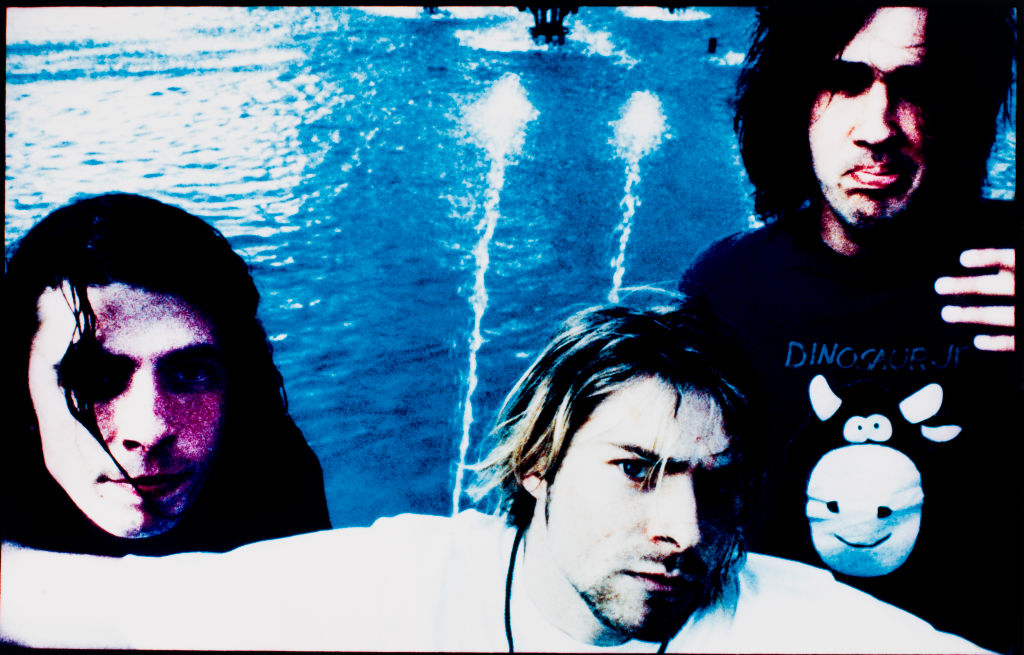
Few albums changed popular music as dramatically as Nevermind. Nirvana took the abrasive energy of underground rock and wrapped it in huge melodies, transforming grunge from a Seattle cult into a worldwide phenomenon.
Kurt Cobain’s wounded vocals, Dave Grohl’s thunderous drumming and the band’s deceptively simple songwriting created a record that sounded raw, immediate and impossibly catchy. Suddenly, the mainstream belonged to the outsiders.
Key track: ‘Smells Like Teen Spirit’. Well, duh. The four-minute cultural earthquake that turned Nirvana into the biggest rock band on the planet.
🥈: The Low End Theory (A Tribe Called Quest). Jazz-infused, bass-heavy and effortlessly cool, Tribe created a hip-hop masterpiece that proved sophistication and groove could coexist.
🥉: Blood Sugar Sex Magik (Red Hot Chili Peppers). Funk, punk and psychedelic rock collide on the album that transformed the Chili Peppers from cult favourites into global rock stars.
1992: 🥇Automatic for the People – R.E.M.
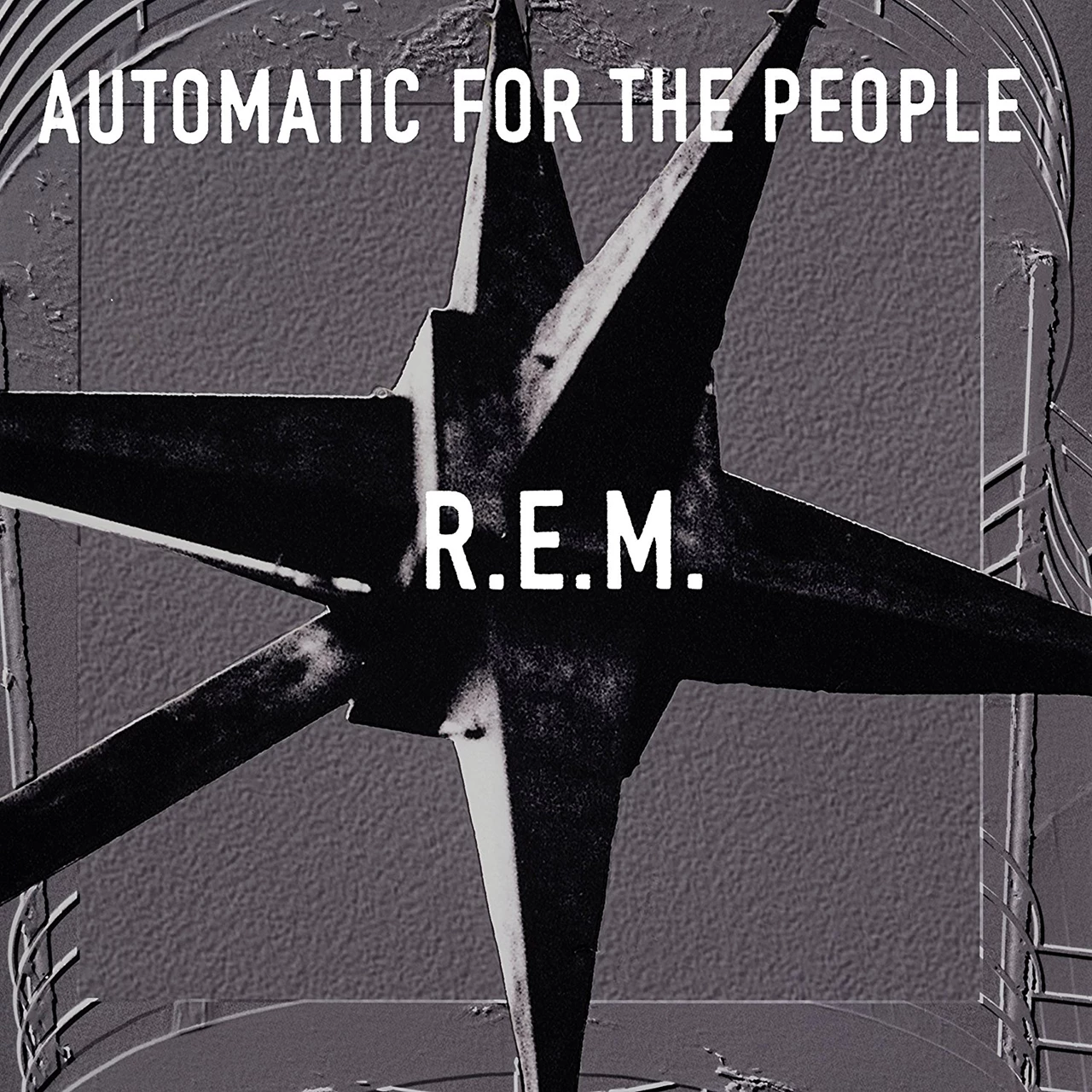
With Automatic for the People, R.E.M. traded the jangling Byrdsian harmoniesof their earlier work for something richer, darker and more reflective. Mortality, loss, loneliness and the passing of time dominate an album whose acoustic guitars, strings and Michael Stipe’s increasingly assured vocals create an atmosphere of autumnal melancholy.
At the height of alternative rock’s explosion, R.E.M. demonstrated that an album could be quietly devastating without sacrificing commercial appeal.
Key track: ‘Everybody Hurts’. A disarmingly simple hymn of consolation that became one of R.E.M.’s most enduring songs.
🥈: Rage Against the Machine (Rage Against the Machine). Explosive rap-metal, revolutionary politics and Tom Morello’s radically inventive guitar work announced a formidable new force.
🥉: Wish (The Cure). Dark, romantic and unexpectedly anthemic, The Cure balanced their trademark melancholy with some of their biggest, brightest and most emotionally expansive songs.
- We ranked all 14 Cure albums – where did Wish finish?
1993: 🥇Debut – Björk
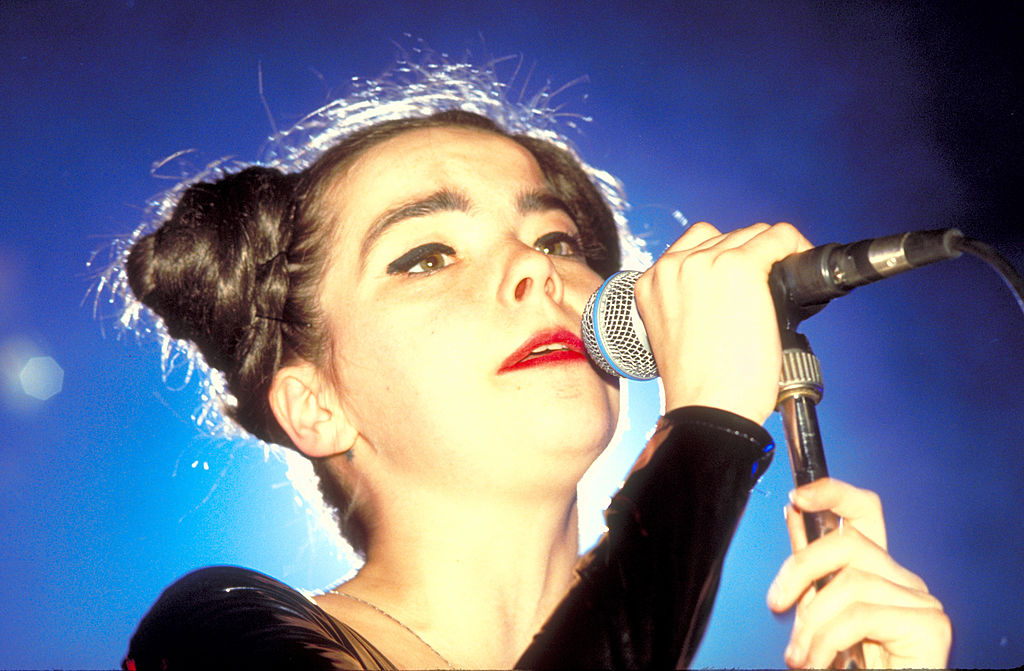
Björk’s Debut sounded like pop music being rebuilt from scratch. Breaking decisively from The Sugarcubes’ rockier sound, the Icelandic singer fused house, trip-hop, jazz, strings and electronic experimentation into something wonderfully strange yet irresistibly melodic.
Working with producer Nellee Hooper, she turned a collection of songs she had been developing for years into a startlingly modern record – one that seemed to point towards the genre-fluid future of ’90s music.
Key track: ‘Human Behaviour’. Björk’s skewed, exuberant pop masterpiece, where pounding beats, orchestration and her extraordinary voice collide.
🥈: Siamese Dream (Smashing Pumpkins). A towering wall of guitars, tenderness and noise, Billy Corgan turned personal turmoil into one of alternative rock’s defining albums.
🥉: In Utero (Nirvana). Rawer, stranger and considerably less polished than Nevermind, Steve Albini’s abrasive production gives songs such as ‘Scentless Apprentice’ a visceral physicality, while Cobain’s increasingly bleak songwriting hints at the personal turmoil that would soon engulf him.
1994: 🥇Grace – Jeff Buckley
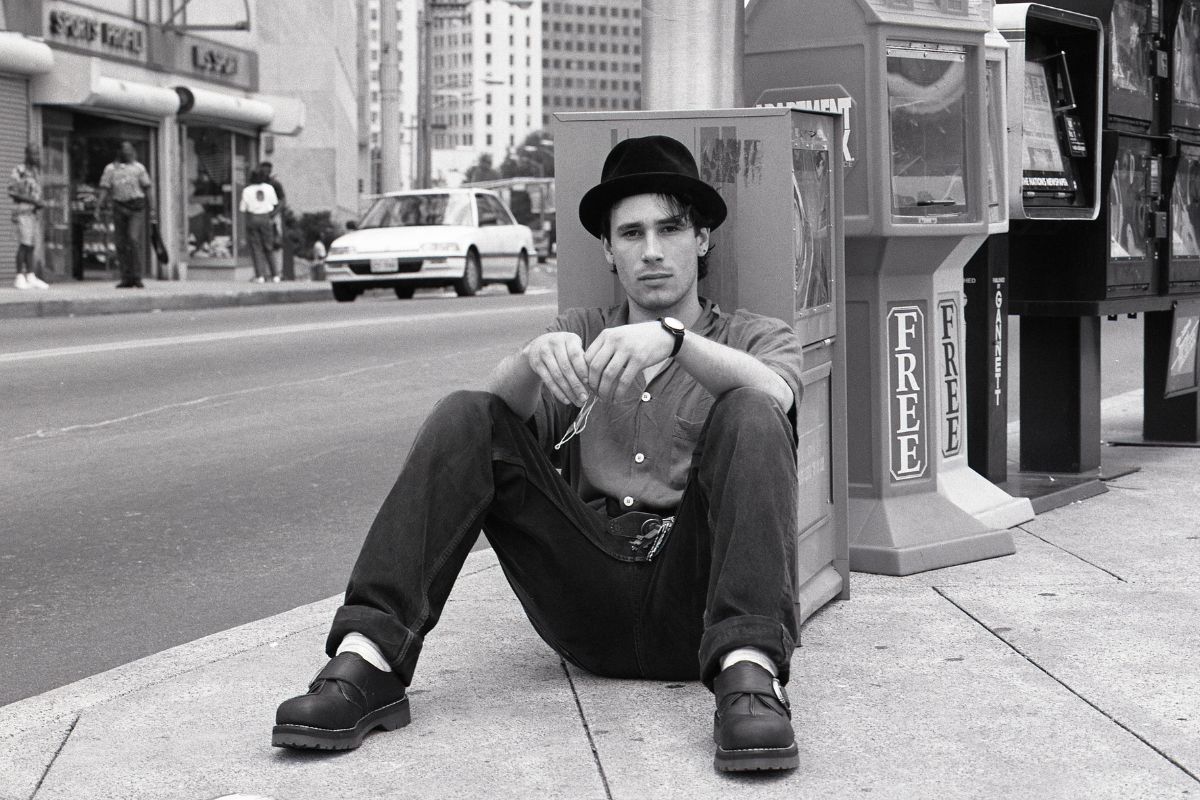
Jeff Buckley made only one studio album, but Grace established him as one of the most extraordinary singer-songwriters of his generation. His astonishing vocal range and emotionally exposed performances are matched by arrangements that move effortlessly from folk intimacy to roaring rock and psychedelic grandeur.
Whether reinterpreting Leonard Cohen’s ‘Hallelujah’ or delivering the aching original ‘Lover, You Should’ve Come Over’, Buckley sounds like he is singing directly from the edge of the abyss.
Key track: ‘Last Goodbye’. A soaring, bittersweet breakup song that showcases Buckley’s extraordinary voice and melodic gift.
- Jeff Buckley features in our roundup of great acts who left us just one album
🥈: Dummy (Portishead). Bristol’s trip-hop pioneers created a smoky, cinematic masterpiece of scratched beats, haunted vocals and noirish atmosphere.
🥉: The Downward Spiral (Nine Inch Nails). Trent Reznor turned industrial rock into a terrifying, cinematic descent into obsession, rage and self-destruction.
1995: 🥇(What’s the Story) Morning Glory? – Oasis
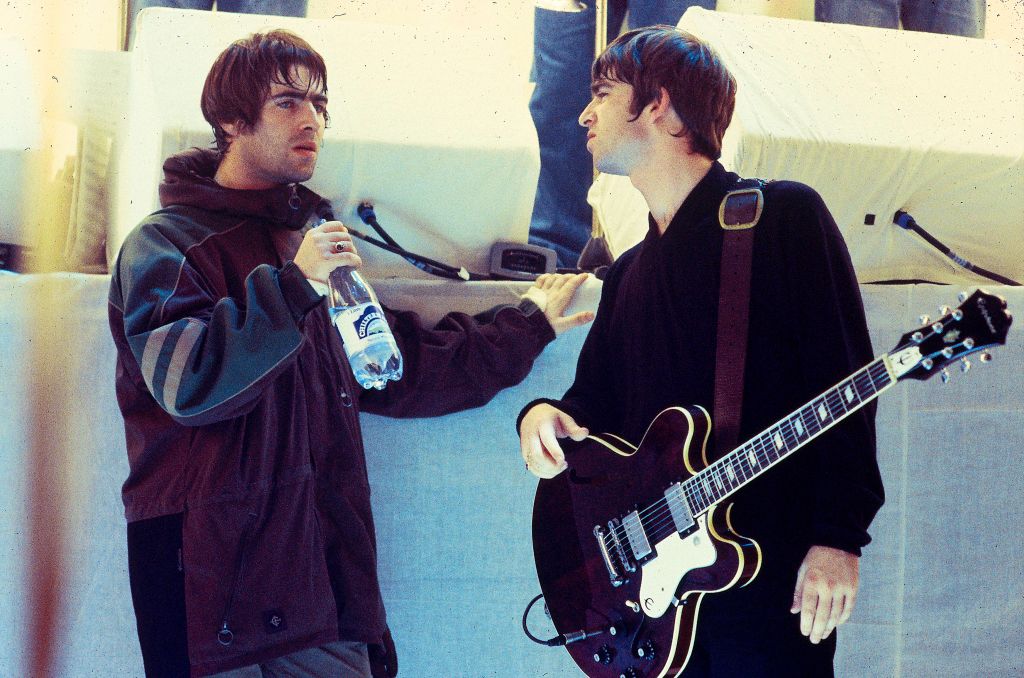
Oasis didn’t invent Britpop, but Morning Glory? turned it into a national obsession. Built on huge choruses, Beatlesque melodies and Liam Gallagher’s sneering vocals, the album captured the swagger and optimism of mid-’90s Britain. ‘Wonderwall’, ‘Don’t Look Back in Anger’ and ‘Champagne Supernova’ gave Oasis an extraordinary run of anthems, transforming them from Manchester hopefuls into one of the biggest bands in the world.
Key track: ‘Don’t Look Back in Anger’. A huge, piano-led anthem that became one of Britpop’s defining moments.
🥈: Foo Fighters (Foo Fighters). Born from Dave Grohl’s grief after Kurt Cobain’s death, this raw, exuberant solo recording became the unlikely launchpad for rock’s next great stadium band.
🥉: The Bends (Radiohead). An emotionally bruised collection of guitar rock that hinted at the radical reinvention to come on OK Computer.
1996: 🥇Odelay – Beck
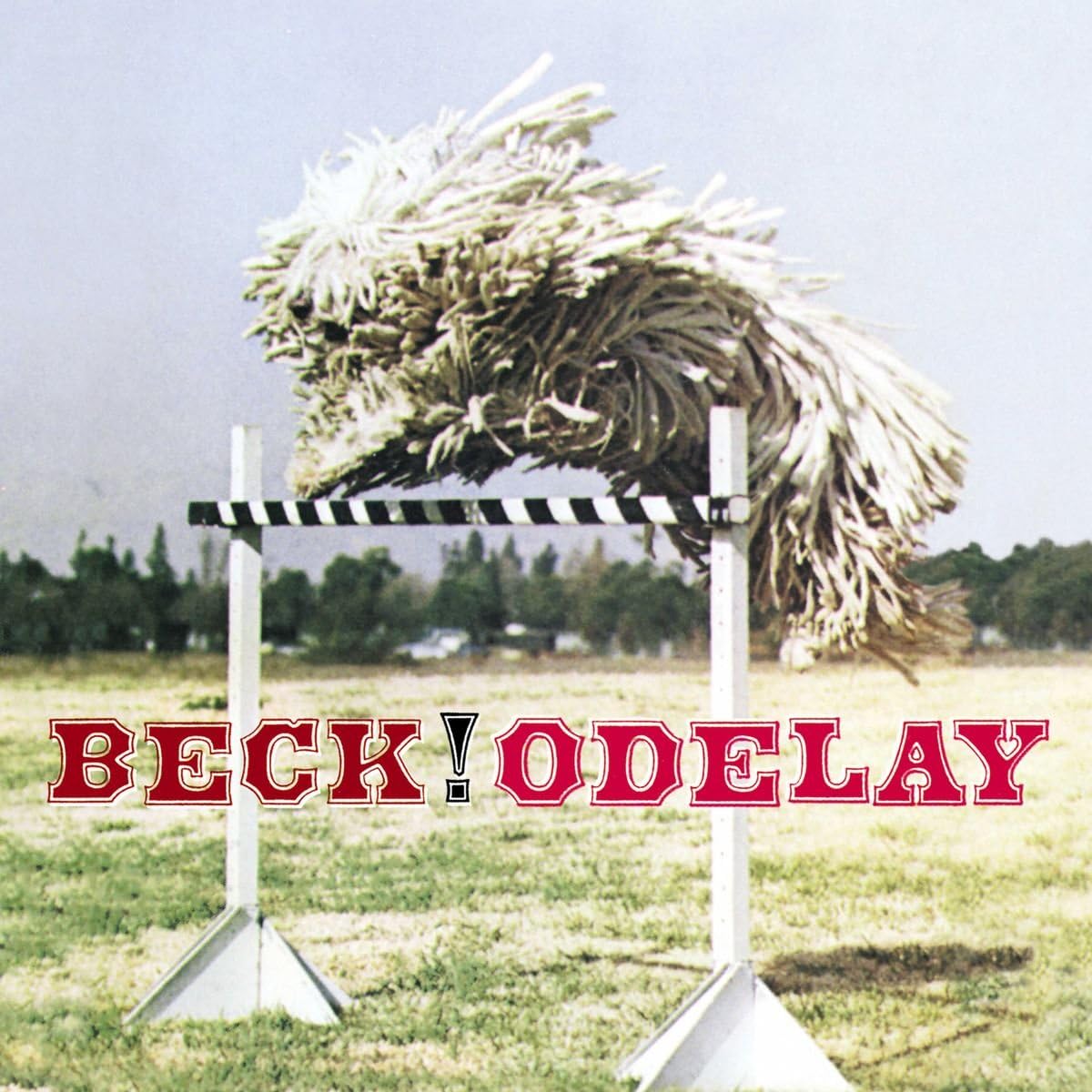
A bit like Björk's Debut a few years before, Odelay was the sound of musical boundaries being gleefully dismantled. Beck and producers the Dust Brothers threw together hip-hop beats, blues, folk, psychedelia, samples and distorted guitars, somehow turning the chaos into irresistibly catchy pop. ‘Where It’s At’, ‘Devil’s Haircut’ and ‘Loser’ made the skinny, bob-cut Bek David Hansen the unlikely poster boy for a generation increasingly comfortable with genre collision. It was playful, inventive and gloriously difficult to categorise.
Key track: ‘Where It’s At’. A swaggering, sample-heavy fusion of hip-hop, rock and electronic music that perfectly captured Beck’s anything-goes approach.
🥈: The Score (Fugees). Lauryn Hill, Wyclef Jean and Pras turned hip-hop into sophisticated, soulful crossover pop without sacrificing its edge.
🥉: Beautiful Freak (Eels). Quirky, melancholy and strangely infectious, E’s off-kilter debut fused grunge, hip-hop beats and warped pop into a wonderfully odd outsider masterpiece.
1997: 🥇OK Computer – Radiohead
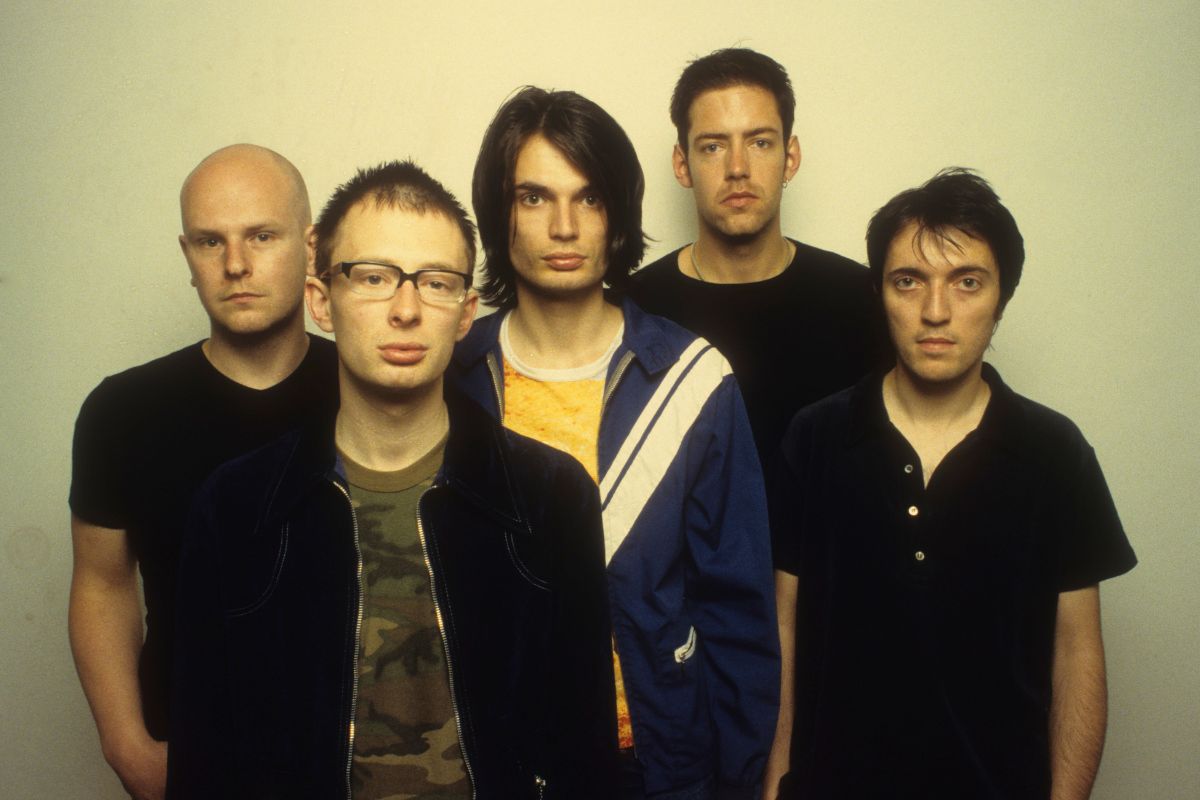
OK Computer captured the growing anxiety of a world hurtling towards the digital age. Radiohead expanded their guitar rock into something vast and unsettling, combining melodic songwriting with electronic textures, studio experimentation and lyrics about alienation, technology and modern life. From the propulsive ‘Paranoid Android’ to the desolate beauty of ‘No Surprises’, it sounded both unmistakably of its time and eerily prophetic.
Key track: ‘Paranoid Android’. A shape-shifting mini-epic that announced Radiohead’s escape from conventional guitar rock.
🥈: Either/Or (Elliott Smith). Intimate, melancholic and beautifully understated, Smith’s lo-fi masterpiece turned quiet confession into songs of extraordinary melodic grace.
🥉: The Boatman’s Call (Nick Cave and the Bad Seeds). Stripped-back, sombre and deeply confessional, Cave traded his usual gothic fury for some of his most vulnerable and beautiful songwriting.
1998: Mezzanine – Massive Attack
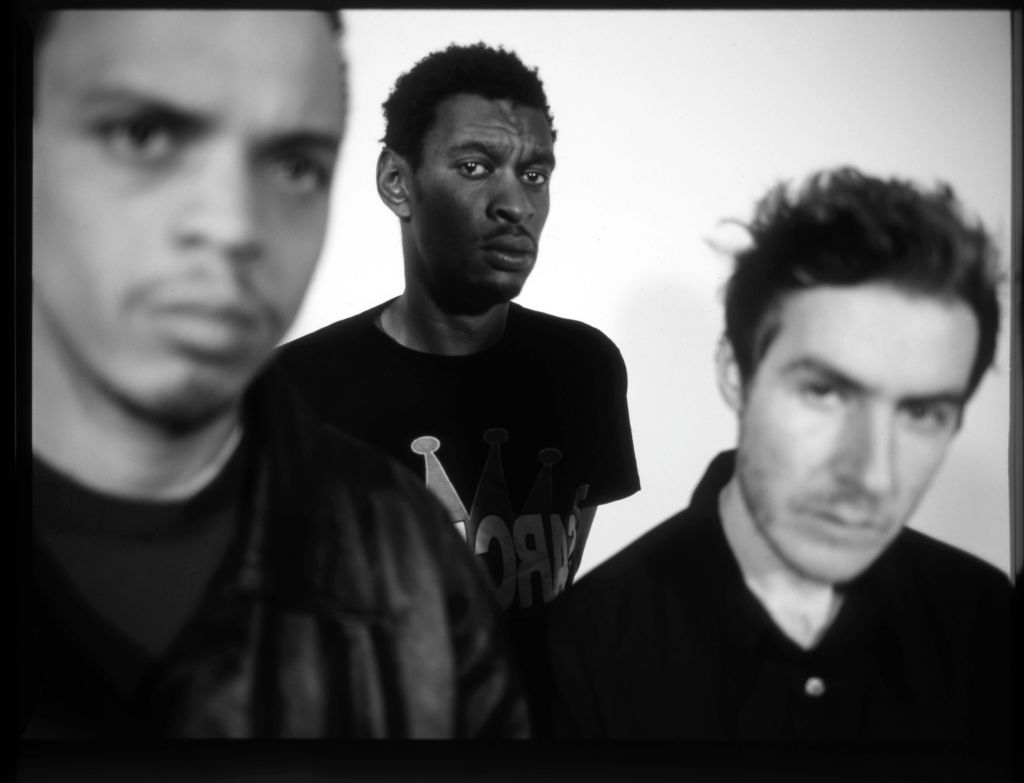
With Mezzanine, Massive Attack pushed trip-hop into darker, more futuristic territory. The warmth of their earlier work was replaced by distorted guitars, subterranean basslines, electronic textures and a pervasive sense of unease. Guest vocalists including Horace Andy and the Cocteau Twins' angel-voiced Elizabeth Fraser add ghostly human voices to this nocturnal landscape. It is an album that seems to exist somewhere between rock, electronic music and the soundtrack to a dystopian future.
Key track: ‘Teardrop’. Elizabeth Fraser’s ethereal vocal floats over one of the most beautiful and hypnotic electronic grooves of the decade.
🥈: The Miseducation of Lauryn Hill (Lauryn Hill). A remarkable fusion of hip-hop, soul, reggae and R&B that established Hill as one of the decade’s defining voices.
🥉: Deserter's Songs (Mercury Rev). Lush, dreamlike and unexpectedly orchestral, Mercury Rev transformed their noisy psychedelic roots into a gorgeous, melancholic masterpiece.
1999: The Soft Bulletin – The Flaming Lips
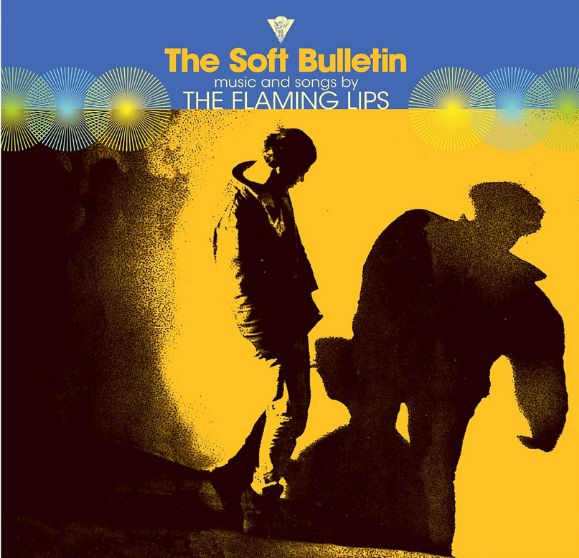
As the 1990s drew to a close, The Flaming Lips produced an album that seemed to absorb everything strange and wonderful about the decade and turn it into something deeply human. The Soft Bulletin combines psychedelic rock, electronic experimentation, orchestral textures and Wayne Coyne’s fragile vocals into songs about love, mortality and the mysteries of existence. It is expansive and futuristic, yet remarkably warm – a beautiful way to end the century.
Key track: ‘Race for the Prize’. A euphoric, orchestral psychedelic anthem about scientists battling to improve the human condition.
🥈: Play (Moby). Moby fused vintage blues and gospel samples with sleek electronic production, creating a surprisingly universal late-’90s crossover phenomenon.
🥉: Black on Both Sides (Mos Def). Lyrically incisive and musically adventurous, Mos Def’s solo debut fused jazz, soul and old-school hip-hop into a brilliantly thoughtful portrait of Black life at the end of the century.
Pics Getty Images