Formed by three school friends in Crawley, southern England in the mid 1970s, The Cure have been through countless changes in line-up down the years, with singer Robert Smith the only ever-present.
Stylistically too they have never stood still, with songs ranging from intensely angry to bleak, funereal, minimalist, epic, quirky, silly, fun and sunshine pop. And yet whatever they tackle, they always sound like The Cure.
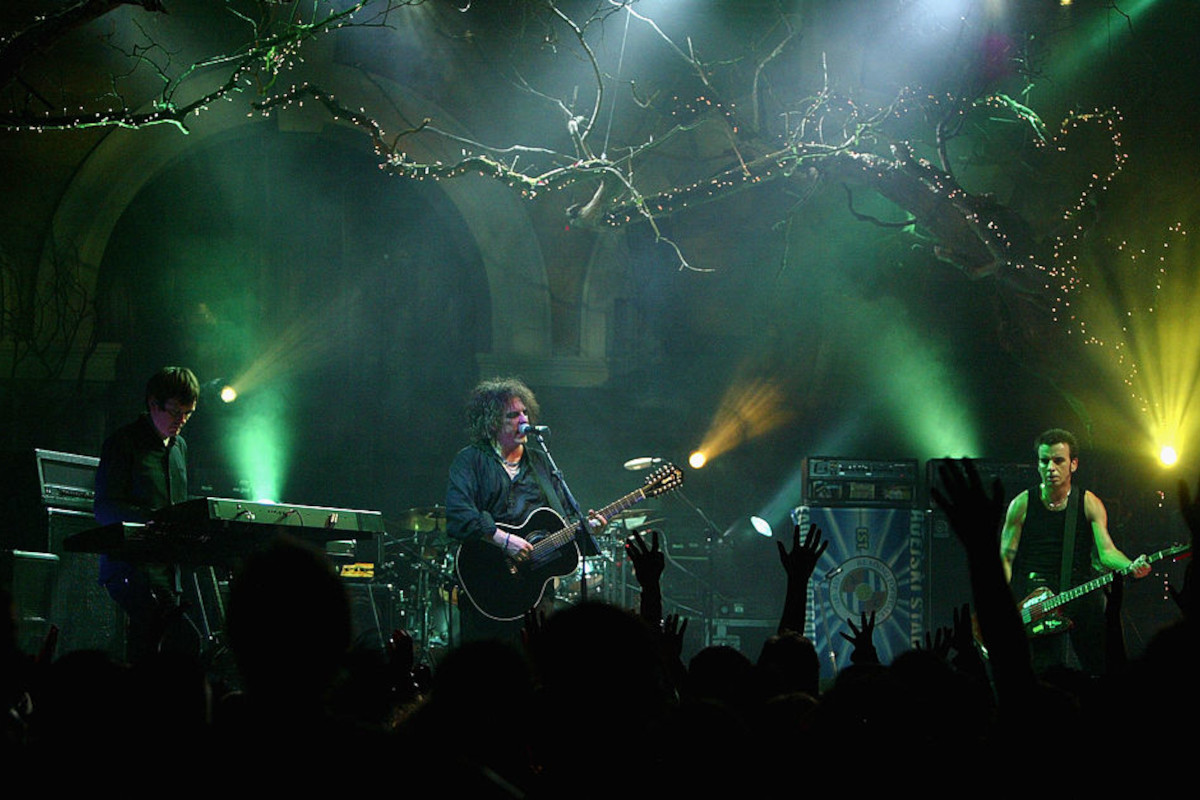
We’ve played all 14 of their studio albums in order before making our ranking, and even we were surprised that albums like Seventeen Seconds and Pornography fell outside of the top five. But that just goes to show the depth of quality to one of England’s all-time greatest bands.
The Cure albums ranked
14. The Cure (2004)
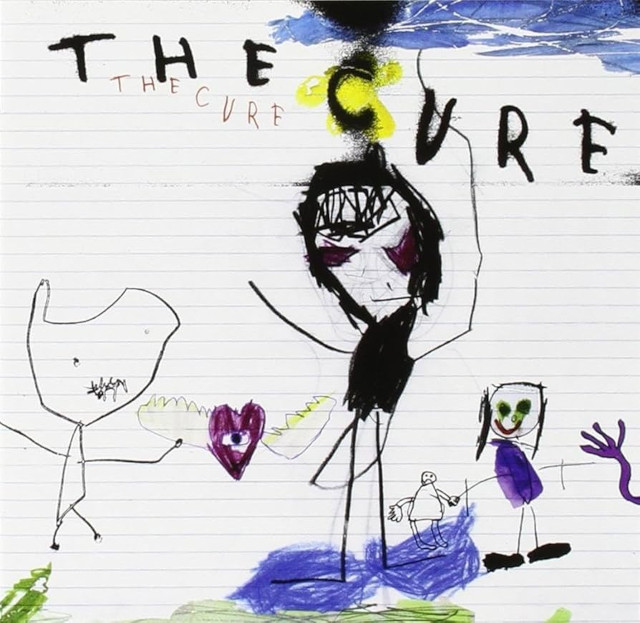
With cover artwork by Smith’s nieces and nephews, 2004’s eponymous release was recorded live in the studio, which is reflected in the heaviness of songs like ‘Los’ and ‘alt.end’. But as a whole, it fails to spark and finds the band searching for an identity four years after Bloodflowers seemed to have set them back on track. Smith says it is his least-favourite Cure record, and it’s hard to disagree.
13. Wild Mood Swings (1996)
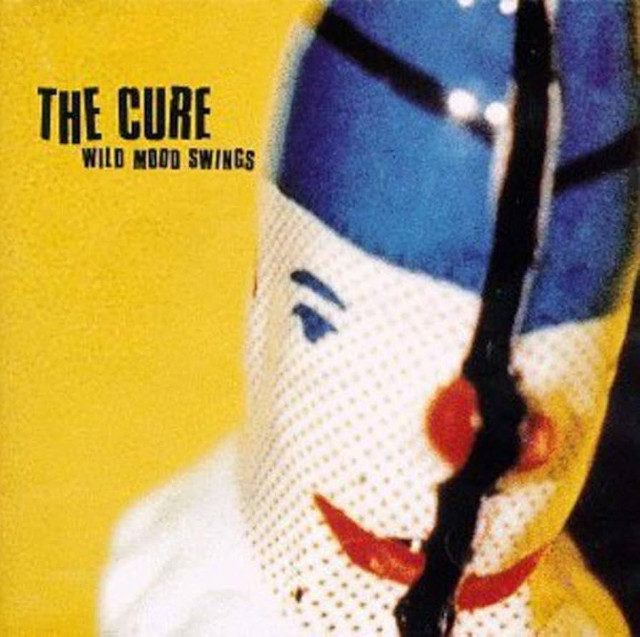
In the four years between Wish and Wild Mood Swings, the musical landscape had changed beyond recognition. Britpop and grunge had left their mark and all of a sudden, it felt like The Cure were a relic from a different age.
In Britain in particular, an air of change and positivity didn’t feel like it needed the gloom merchants of darker times impinging on their newly discovered bright outlook.
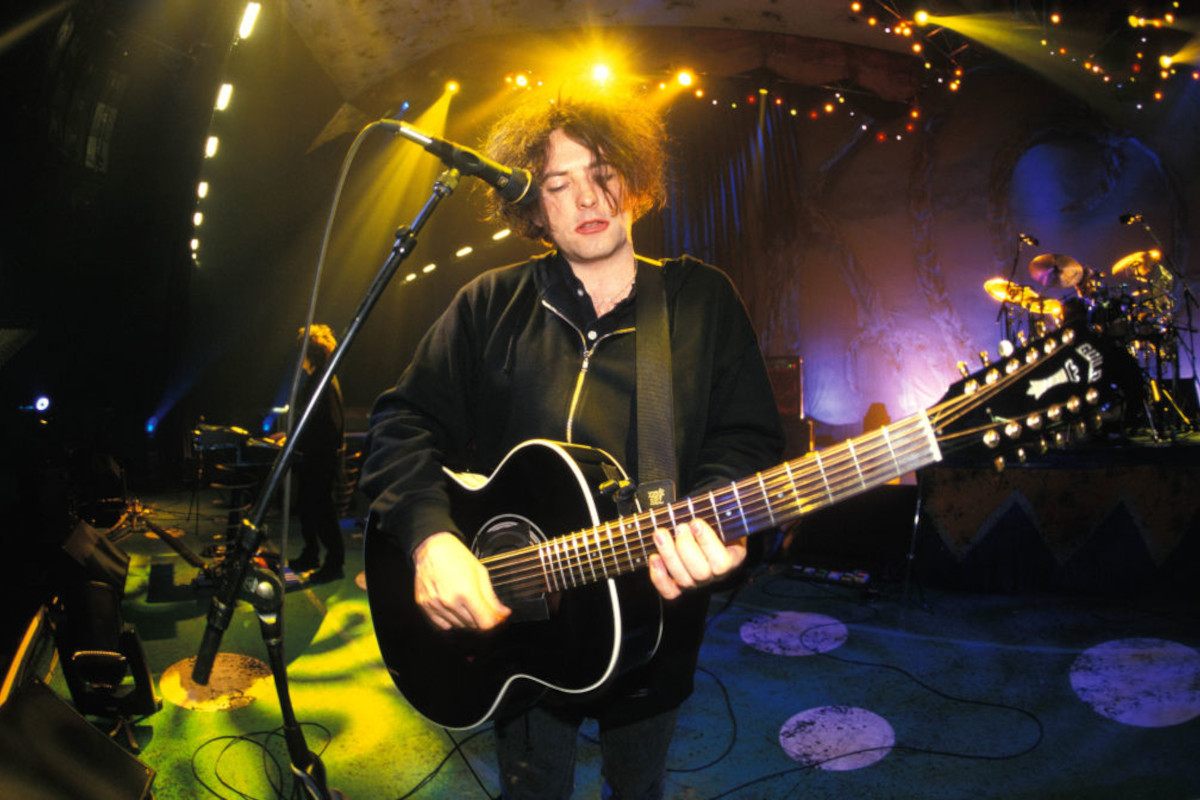
And the album too seemed split between the old and the new, with even the bright single ‘Mint Car’ unable to break through. Smith said of its failure to make an impression on the charts, "I thought it was a better song than 'Friday [I’m In Love]'. But it did absolutely nothing because we weren't the band at that time."
Time hasn’t been kind to it either, and it remains a rarely spun part of their catalogue.
12. 4:13 Dream (2008)
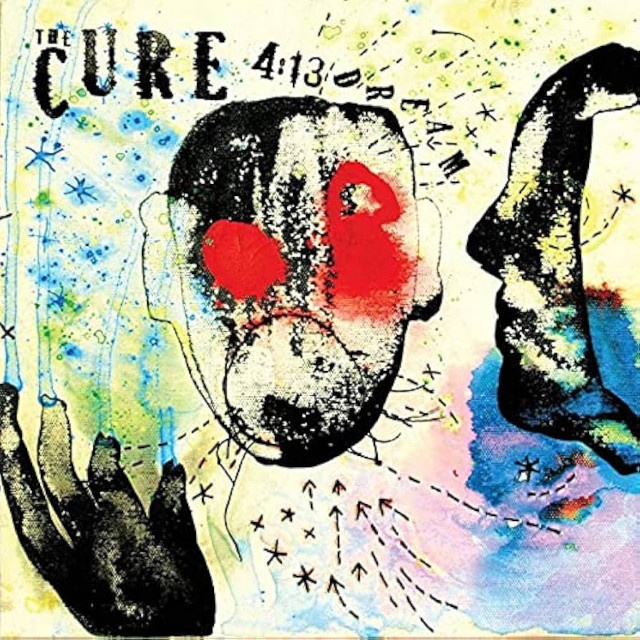
Initially intended as a double album (at least – Robert Smith claimed to have 33 songs ready), 4:13 Dream never quite came together as a single album. Smith clearly liked ‘The Only One’, ‘Freakshow’, ‘Sleep When I’m Dead’ and ‘The Perfect Boy’ as these were lined up for singles.
"It was nowhere near what I wanted it to be," Smith said in 2024, frustrated by the compromises to his vision that resulted in a decent guitar album, but it’s not of the same standards as their earlier work – or what was still to come.
11. Three Imaginary Boys (1979)
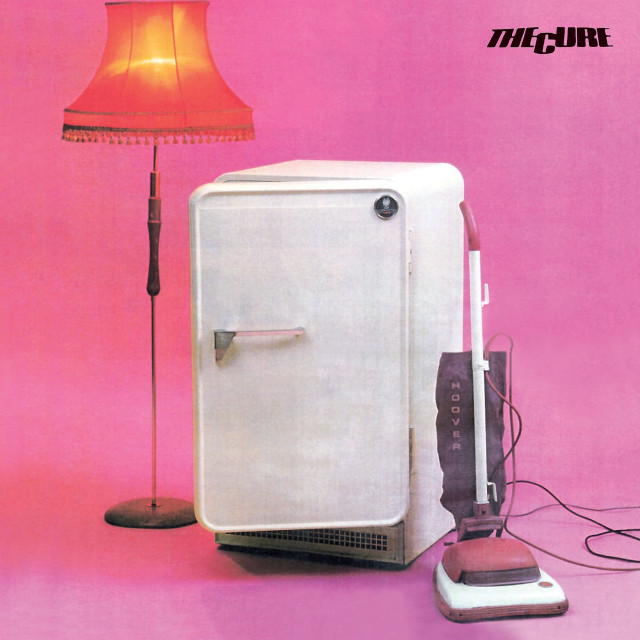
As debut albums go, Three Imaginary Boys is a belter, setting out their stall with a clear defiance. ‘10.15 Saturday Night’, ‘Fire In Cairo’, ‘Grinding Halt’ and, especially, the title track, stand up as excellent post-punk anthems.
- 1979 albums: the 23 greatest LPs from a uniquely restless year
- These are the 27 greatest debut albums of all time
It's not all gold, though. A quite bizarre cover of Jimi Hendrix’s ‘Foxy Lady’, ‘Meathook’ (literally a song about falling love with a meat hook) and ‘So What?’, (on which the lyrics consist of Smith reading an offer for a cake icing and decorating set from the back of a bag of sugar) go down as curiosities at best.
10. Bloodflowers (2000)
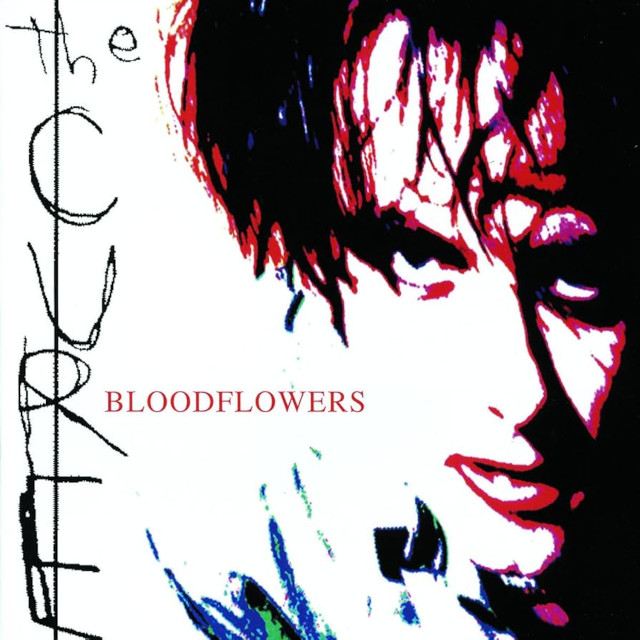
Following the disappointing performance of Wild Mood Swings (1996), Smith was determined to come back with something of greater substance. He spoke of his desire that, if this was to be the last thing they ever did, he wanted it to be good enough to make for a worthy swansong.
He revisited Pornography and Disintegration, with the resulting Bloodflowers becoming the third part of a trilogy, as performed live in 2002. ‘Maybe Someday’ and, especially, ‘Last Days Of Summer’ became fan favourites on an album that has since become viewed as a welcome return to form.
9. The Top (1984)
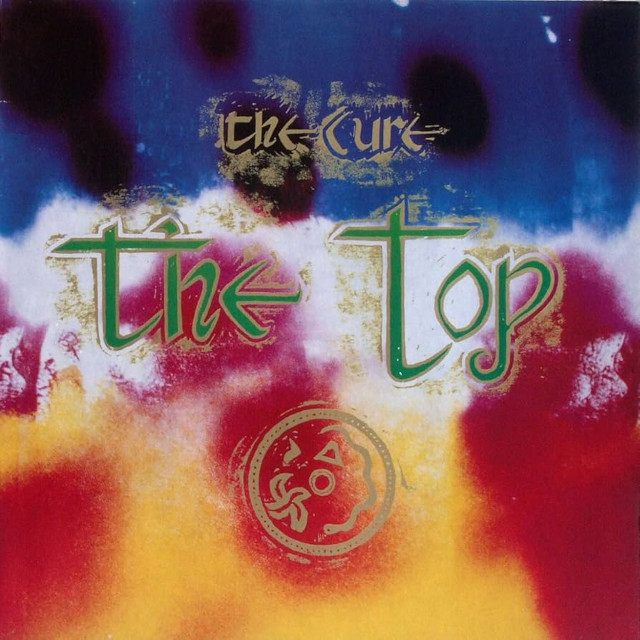
Following three bleak albums in a row (all of them higher up this chart, by the way), The Cure returned in 1984 as a two-piece throwing out disposable yet brilliant electro-pop singles (‘Let’s Go To Bed’, ‘The Walk’ and ‘The Love Cats’). Where next, then, was the question. On The Top, it feels like the band themselves weren’t quite sure. The answer seems to have been to throw everything at it.
1984 was the Eighties' greatest year for music. And here are the 15 albums that prove it
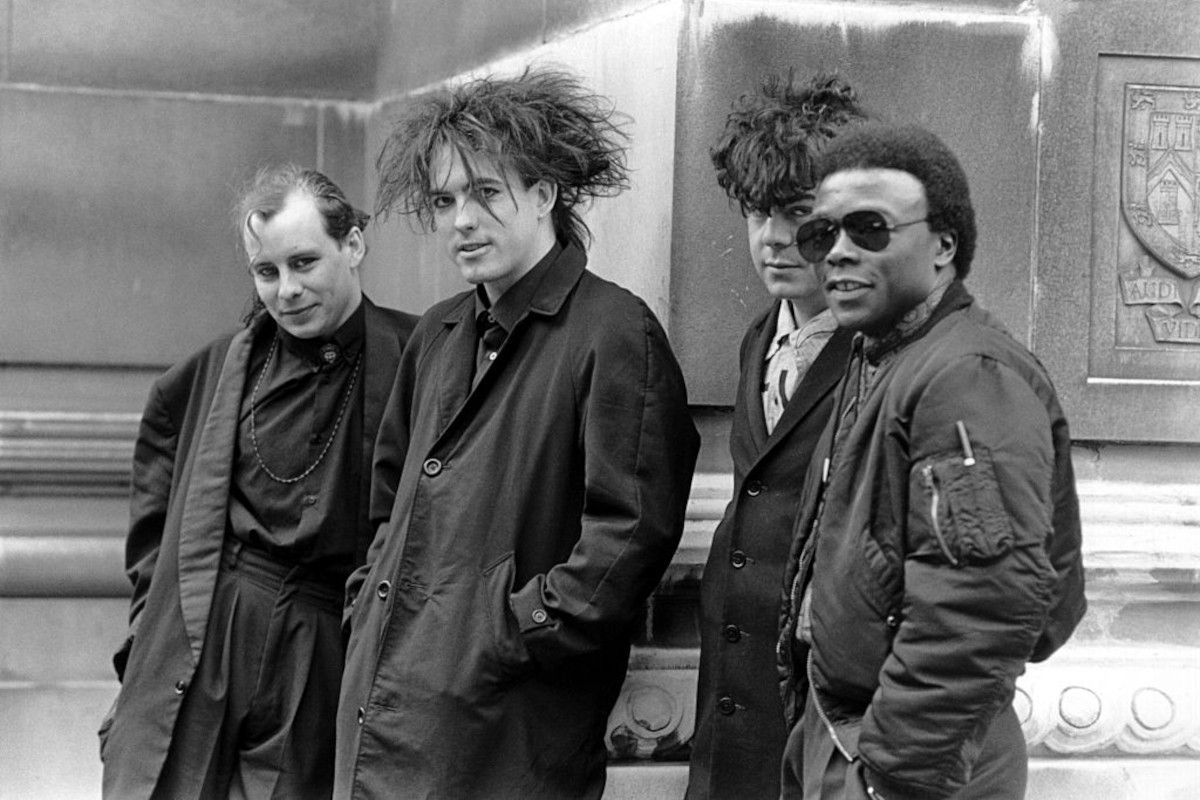
With bass player Simon Gallup having taken temporary leave, Smith assembled a new line up for a rambling psychedelic experience, with flutes and strings supplementing their sound.
Opener ‘Shake Dog Shake’ verges on metal, ‘The Caterpillar’ is a peculiar and somewhat claustrophobic pop single, while in ‘Dressing Up’ and ‘Piggy In The Mirror’ they created two live favourites.
8. Pornography (1982)
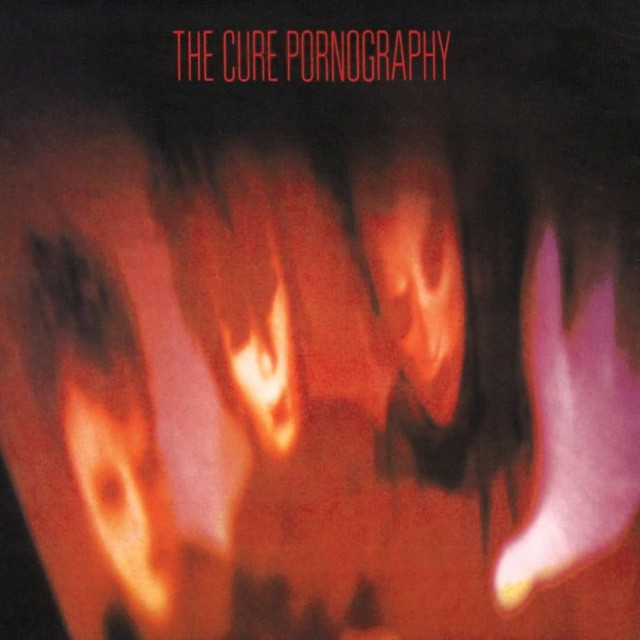
While it’s impossible to deny the brilliance of their third relentlessly gloomy album in a row, the intensity of Pornography makes it a difficult casual listen. The opening rally of "It doesn’t matter if we all die" on ‘One Hundred Years’ sets the scene, and through the brilliant ‘The Hanging Garden’, ‘Siamese Twins’ and ‘A Strange Day’, Smith explores his nightmare visions.
Many Cure fans obsessed over it, and by most bands’ standards, it would be higher on the list. The fact that we rated seven albums higher only goes to show how brilliant a band they are.
7. Songs Of A Lost World (2024)
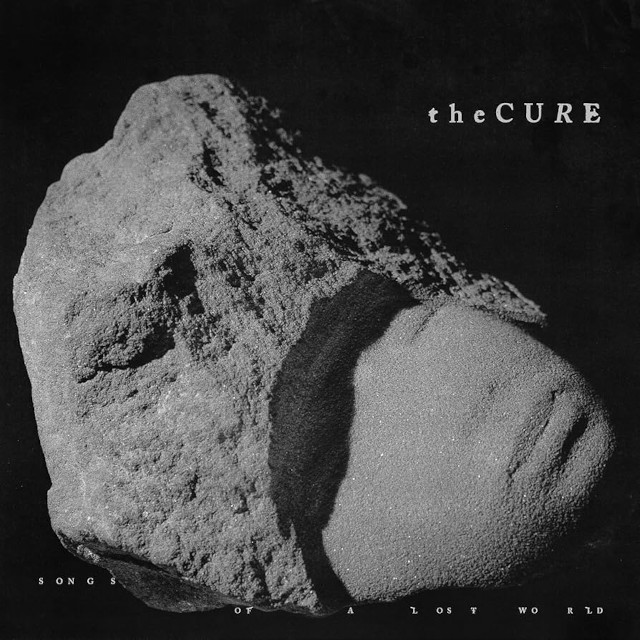
With 16 years having passed since the disappointing 4:13 Dream, anticipation for a new Cure album was mixed. Knowing what they were capable of, long-term fans were hoping for the best while fearing the worst.
It didn’t help that Smith had been talking up the album and proclaiming it imminent for a number of years. But when it finally dropped, a collective sigh of relief was breathed by fans, critics and band alike.
Songs Of A Lost World doesn’t have a catchy pop song, and the variety in styles is limited. But what this does is to create a listening experience that endures and builds across the relatively brief 49 minutes. Smith explores typically dark topics, such as the heart-wrenching pain of ‘I Can Never Say Goodbye’, on which he sings about the death of his brother.
It’s a dazzling album that rightly returned their reputation as one of England’s greatest bands.
6. Seventeen Seconds (1980)
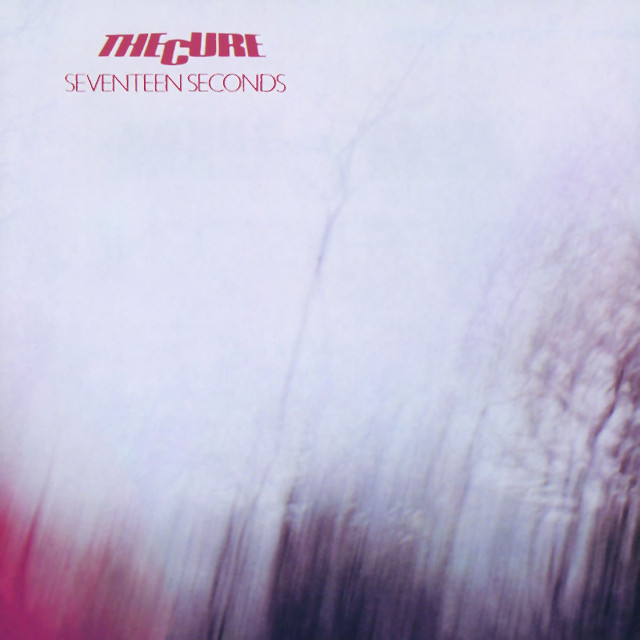
With the follow-up to their debut Three Imaginary Boys, it’s hard to think of a band whose development between their first and second albums was so great. Giant steps is an understatement.
Largely written in the aftermath of being beaten up, Seventeen Seconds was the moment that Robert Smith emerged as an intelligent, literate wordsmith whose songs created worlds, moods and intensely bleak atmospheres.
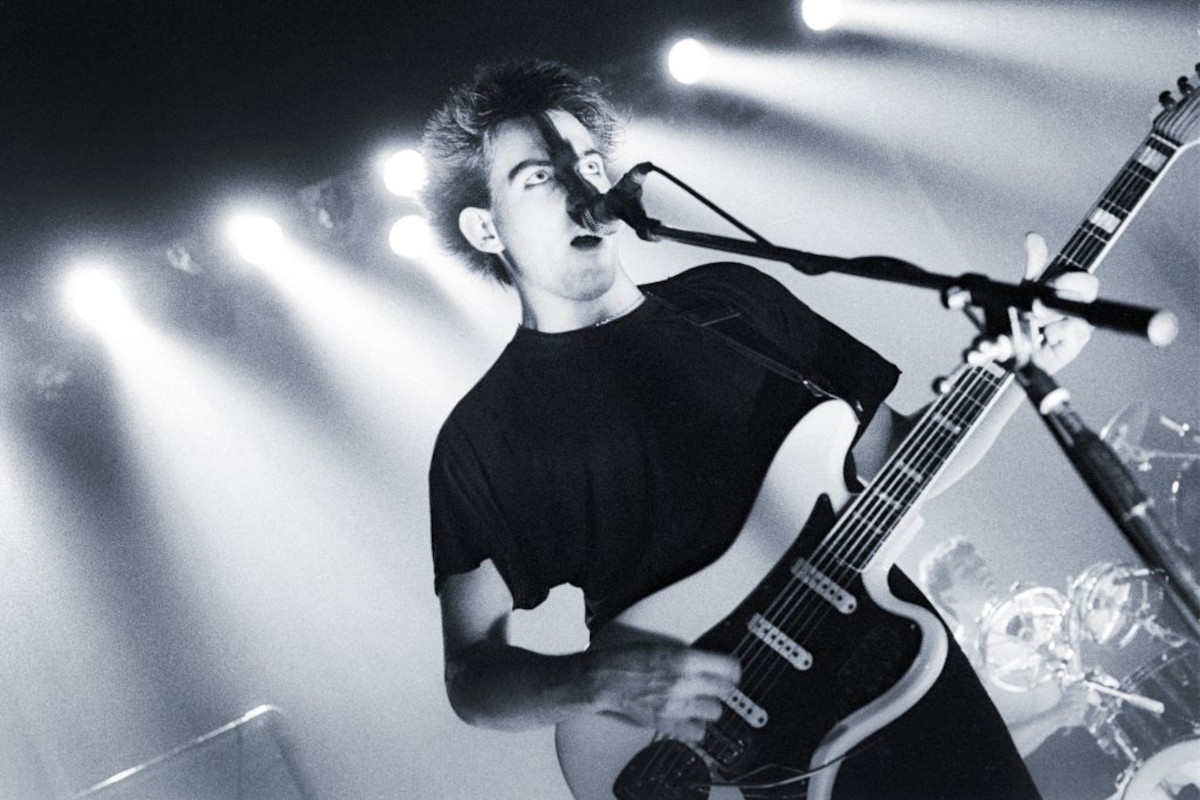
Sparse and serious, songs like ‘M’, ‘Three’ and ‘At Night’ are greeted like victorious soldiers when played live to this day, while ‘A Forest’ is perhaps the definitive Cure song.
5. The Head On The Door (1985)
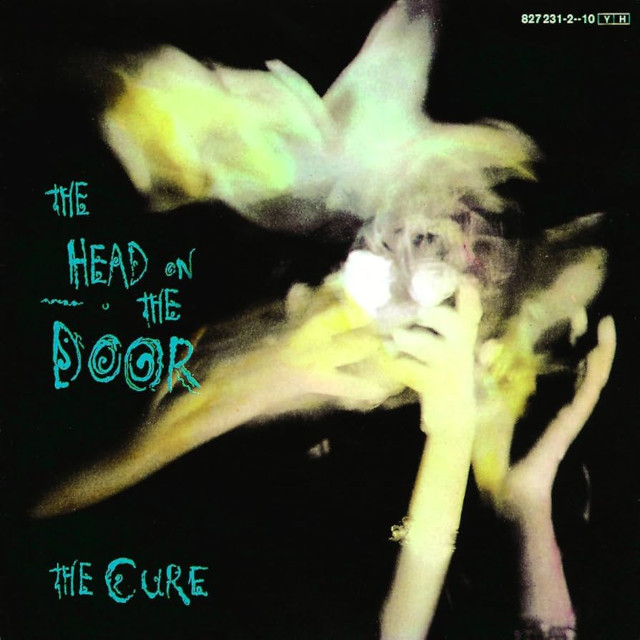
Perhaps their most-polished and accessible album, The Head On The Door takes its name from a line in the hit single ‘Close To Me’, which, alongside fellow hit ‘In Between Days’ took the band into the mainstream. There’s almost power rock here, on the majestic ‘A Night Like This’ and equally glorious ‘Push’.
As a whole, it effortlessly fuses the quirky pop and serious rock that had so confused audiences these last few years, and brought all factions of their fan base together.
It was the first album made by the line-up many consider the band’s best, with Smith and long-standing accomplice Lol Tolhurst (now firmly on keyboards) rejoined by bass player Simon Gallup, augmented by their old partner-in-crime Porl Thompson on guitar and keys, with Boris Williams taking over on drums. It was quite rightly Melody Maker’s album of the year.
4. Faith (1981)
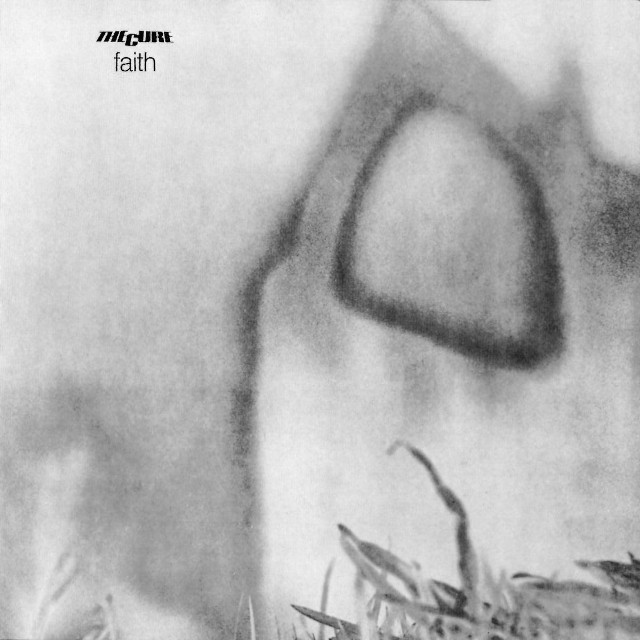
In his brilliant Curepedia: An A-Z of The Cure (2023), the writer Simon Price describes Faith as "A meditation on ideas about faith itself, about religious indoctrination, and about the elusive and ultimately futile human search for eternity." It feels like a grandiose way to describe an album made by a post-punk power trio, and yet there’s no hyperbole in that description.
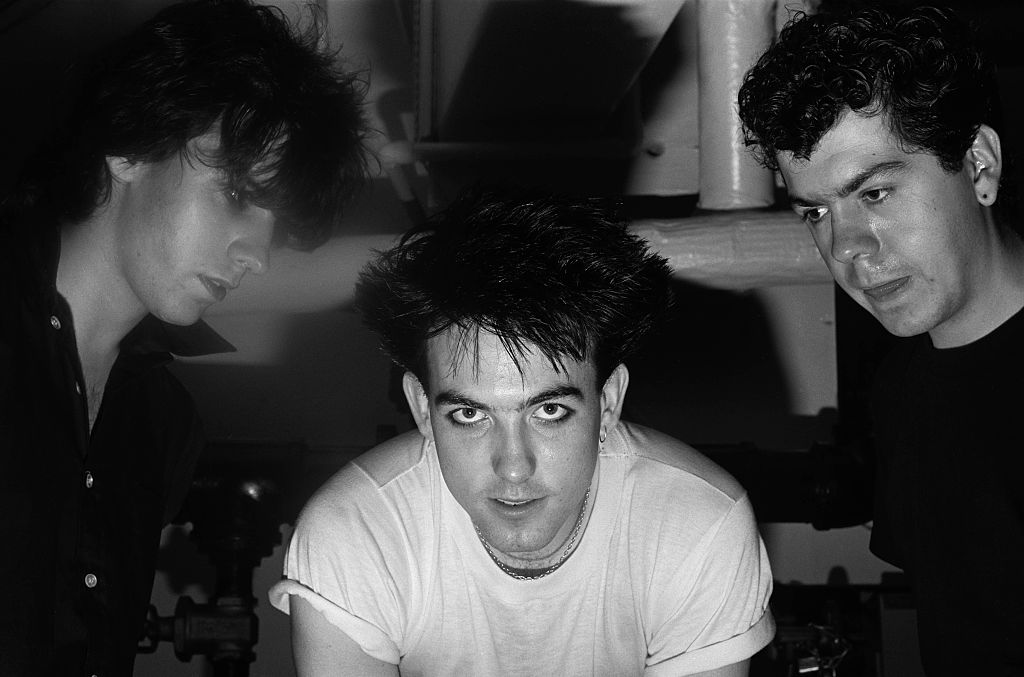
Lyrically, Robert Smith was exploring areas rarely tapped by rock music, and in doing so his own output moved towards the realm of literature. The music too feels sacred, spiritual even, with Gregorian chant echoed from the off on ‘The Holy Hour’. ‘All Cats Are Grey’ is almost as funereal as ‘The Funeral Party’, which very much is, while ‘Doubt’ allows the bubbling anger to the surface.
Closer ‘Faith’ remains one of the best songs they ever made, and whenever they include it in their live set, fans rightly feel like they’re experiencing something very special.
3. Kiss Me, Kiss Me, Kiss Me (1987)
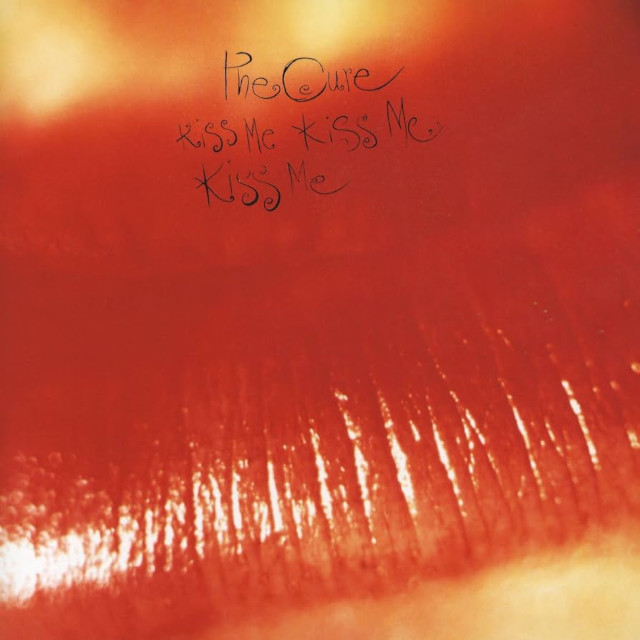
Following a long tradition of English rock legends that includes The Rolling Stones, David Bowie and Pink Floyd, The Cure holed themselves up in a French chateau to record their sprawling double album, Kiss Me, Kiss Me, Kiss Me.
We ranked all 26 Bowie albums. And, um, 'Ziggy Stardust' doesn't make the top 3
That the chateau in question had a vineyard attached could explain how their camp managed to consume a whopping 160 bottles of wine in just a week. All of which makes the brilliance of this album even more baffling.
The perfect pop of ‘Just Like Heaven’ and ‘Catch’ nestles alongside more violent outbursts like ‘The Kiss’ and ‘Fight’. Along the way we have disco (‘Why Can’t I Be You?’, ‘Hot Hot Hot!!!’) and the dreamy ‘One More Time’ and ‘If Only Tonight We Could Sleep’. Yes folks, this is The Cure's White Album.
2. Wish (1992)
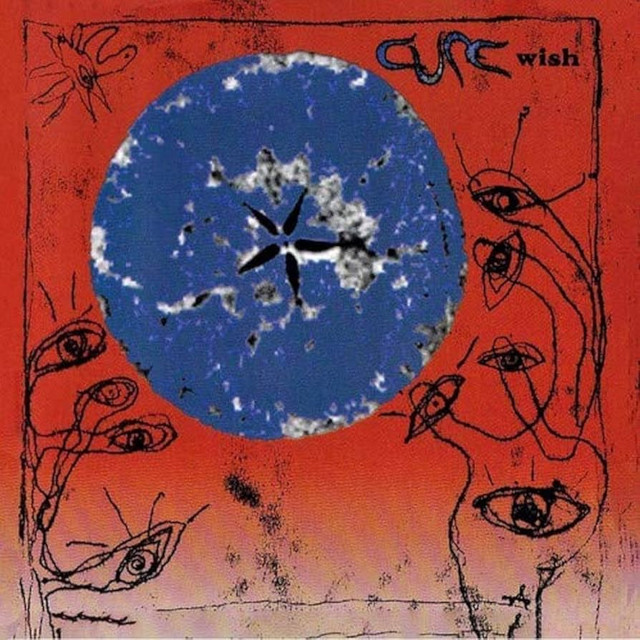
At the time, Wish felt like Disintegration part II, and was dismissed in some quarters for not matching its predecessor, but over the years, it has come to be recognised for what it is – one of their finest albums. It has lightness in launch single ‘High’ and the insanely catchy ‘Friday I’m In Love’ (a global smash hit), but in the likes of ‘Letter To Elise’ it also has beautiful love songs.
‘Trust’ is a devastating exploration of how far wrong a relationship had got, a theme also explored on the epic voyage that is ‘From The Edge Of The Deep Green Sea’. The clever use of ‘Open’ and ‘End’ to bookend the album means it kicks from the off and leaves the listener exhausted by the close.
1. Disintegration (1989)
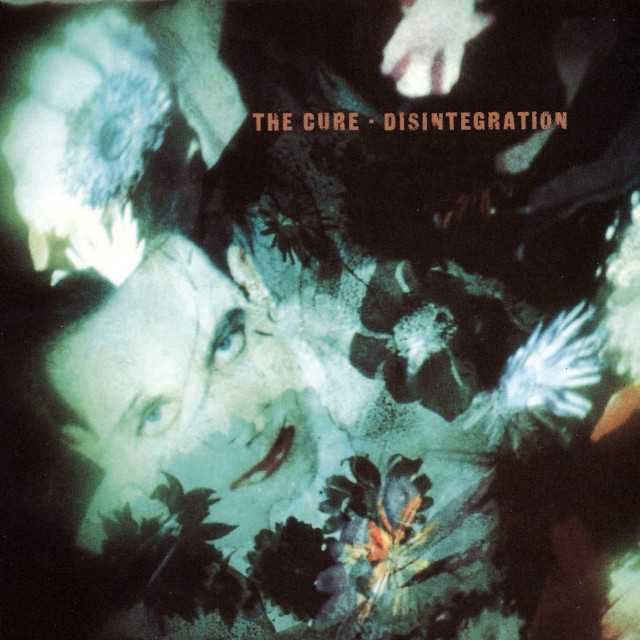
From the opening chimes that announce the majestic ‘Plainsong’, Disintegration is a complete masterpiece. For those lucky enough to have seen them perform it on The Prayer Tour, the bright white of the staging lifted any sense that this was a gloomy album to something far more heavenly.
Yes, the album address darkness on a fairly relentless basis, but by doing it with such clarity of thought and expression, it reveals itself in ways that make it feel more like the second coming than a descent into the depths of hell.
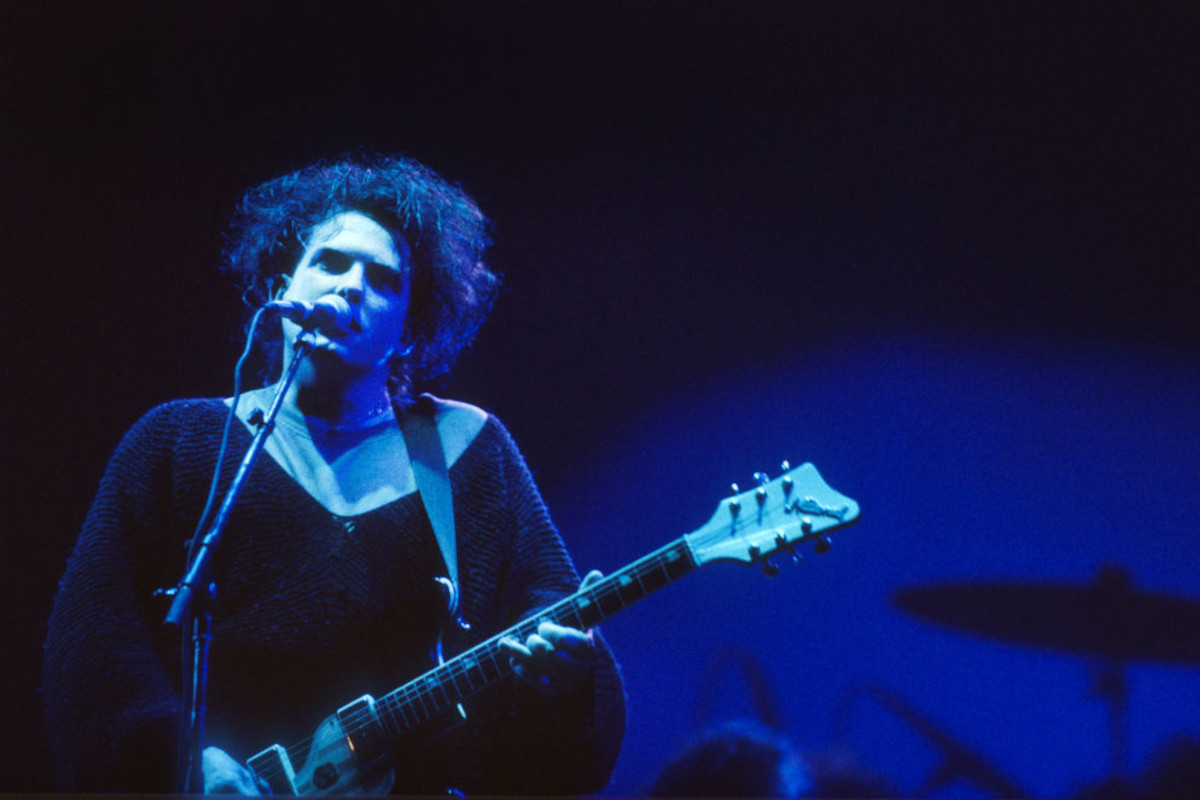
It has such beauty – ‘Pictures Of You’ turns the devastation of a house fire into a love song that even today can reduce Smith to tears when he sings it, while ‘Love Song’ is one of his most simple yet tender compositions. Humour is there too, with the comic-book nightmare of being eaten alive by a giant spider on ‘Lullaby’.
As the album moves into the second half, the intensity rises exponentially. ‘Prayers For Rain’, ‘The Same Deep Water As You’, ‘Disintegration’, ‘Homesick’ and ‘Untitled’ is a run of songs unmatched in their catalogue. The aching pain that spills from Smith’s vocal on ‘Homesick’ reveals an artist completely immersed in his work.
Disintegration is surely the finest album of the 1980s – perhaps even the finest English album of the last 50 years.
All photos Getty Images / Album covers Amazon
Top image Portrait of Robert Smith from The Cure, circa 1989 (converted to black and white)