
One of the many reasons why the late 60s and early 70s were so great is that record companies clearly didn’t have a clue what they were doing.
But at the same time, the suits were terrified of missing out on the next Beatles. So bands had a fabulous opportunity to experiment in plain sight – and get paid for doing so! At the same time, avant-garde artists were able to infiltrate the rock mainstream with their unusual sounds, underlining the era’s status as the most creative in rock history.
Here are 15 albums that brilliantly evoke the adventurous, eclectic spirit alive in music across the decade.
1. Aphrodite’s Child – 666 (1972)
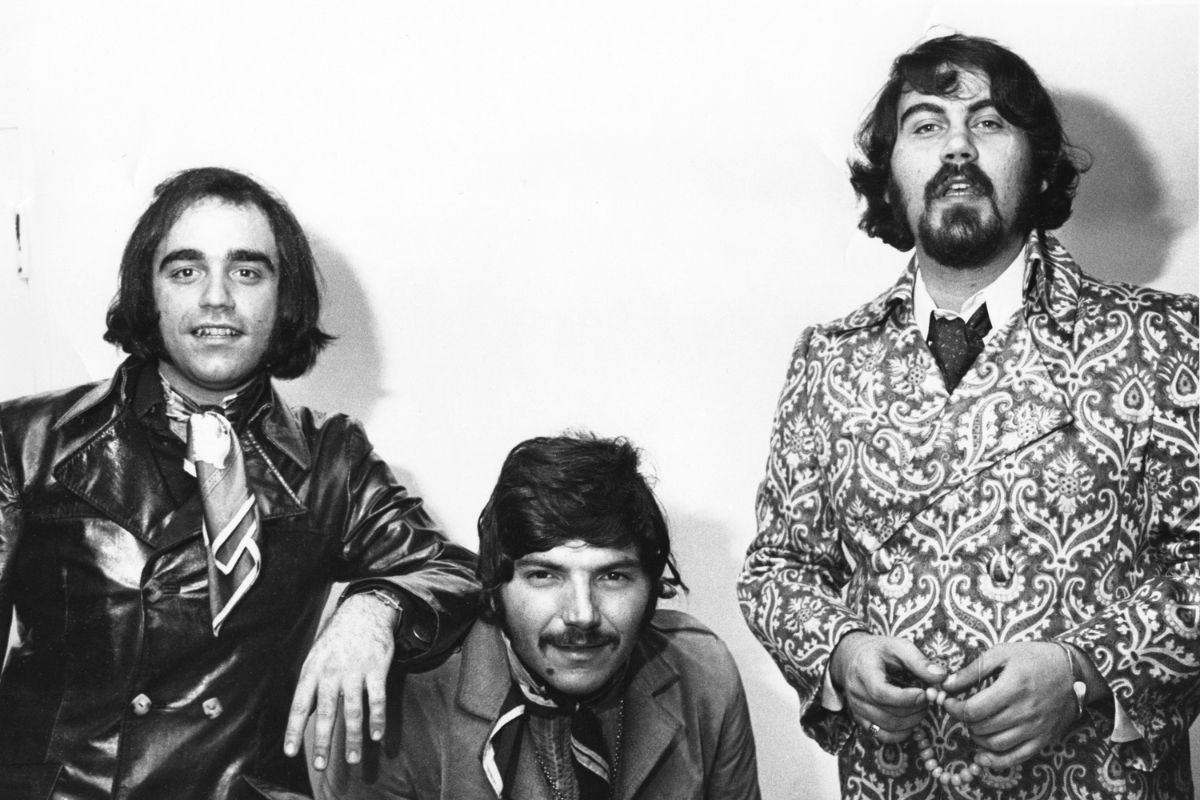
Restless electro pioneer Vangelis and lardy housewives’ fave Demis Roussos in the same band? You’d better believe it! Greek proggers Aphrodite’s Child started out as a common or garden pop band and boasted the talents of both men prior to their solo successes. By 1972 they’d morphed into a prog band whose best – and best-known – piece is the ambitious double concept album, 666, which adapted passages from the biblical Book of Revelation.
It’s an extraordinary piece of music, which was dismissed as overblown (as was the fashion) by some contemporary critics, but has since been reappraised as a prog masterpiece. The band split up shortly after its release, unleashing Vangelis and, alas, Roussos on the world as solo artists.
2. Happy the Man – Happy the Man (1977)
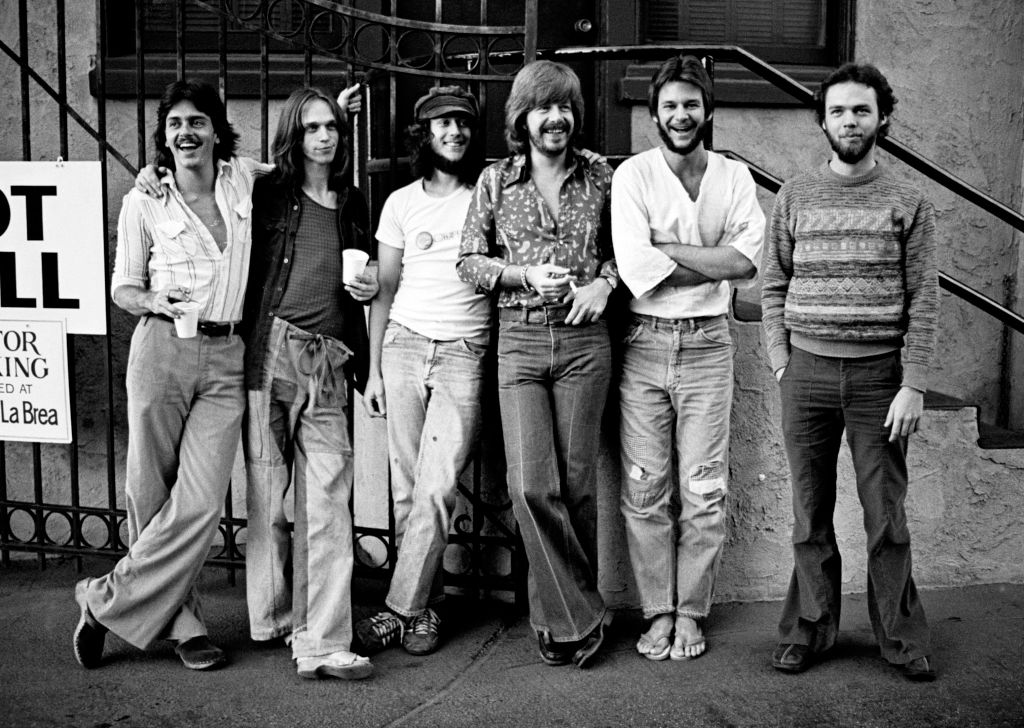
Maryland's Happy the Man made exquisitely intricate, mostly instrumental progressive rock that could stand alongside the best British prog of the era, but somehow remained almost completely unknown outside a small cult audience. Their self-titled debut is packed with shifting rhythms, jazz-fusion influences, synthesizers and beautifully constructed melodies – virtuosic without becoming pompous.
Here was an American band making highly sophisticated, almost entirely non-commercial instrumental prog, and a record company (Sire) thought there was a market for it. They never found that audience, but the album has since become something of a cult classic.
3. Jon Anderson – Olias of Sunhillow (1976)
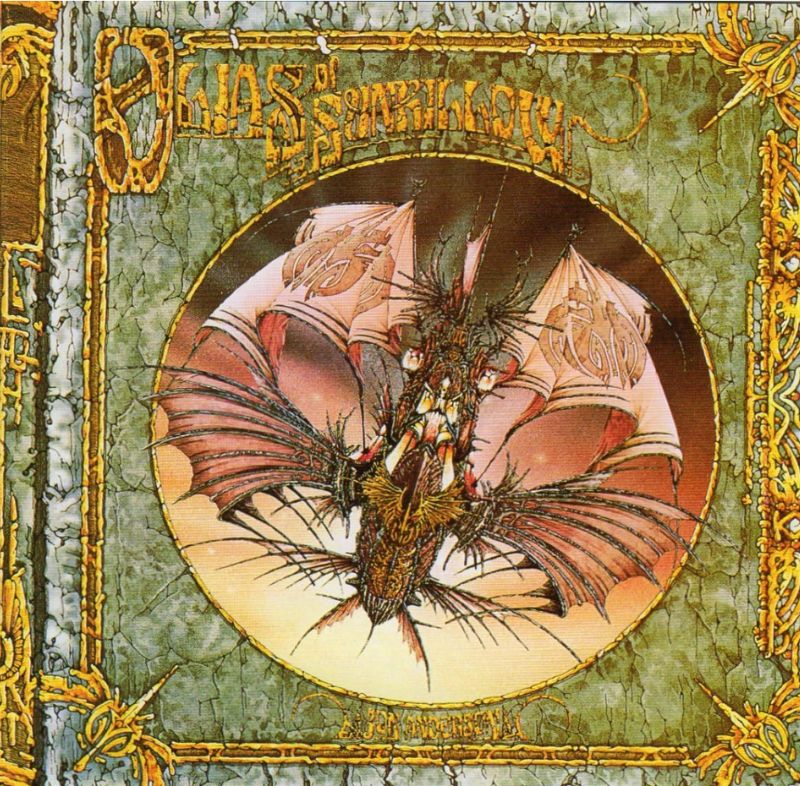
On a break from prog rock behemoths Yes, Jon Anderson’s 1976 solo debut is a staggering feat of individual imagination that stands apart even by the standards of 70s progressive rock. Recorded entirely by Anderson in his garage, the album is a dense, multi-tracked odyssey of ethereal folk, world percussion, and shimmering synthesizers.
What makes Olias of Sunhillow truly beguiling, though, is the total commitment to its high-concept mythology: a tale of an architect building a glider to rescue his people from a collapsing planet. Eschewing the traditional rock format, the music feels like it was beamed in from a celestial forest. It is a fragile, self-contained universe where Anderson’s high-tenor voice floats over strange, organic soundscapes, creating a pastoral-futurist masterpiece that remains hauntingly unique.
4. Magma – Mëkanïk Dëstruktïẁ Kömmandöh (1973)
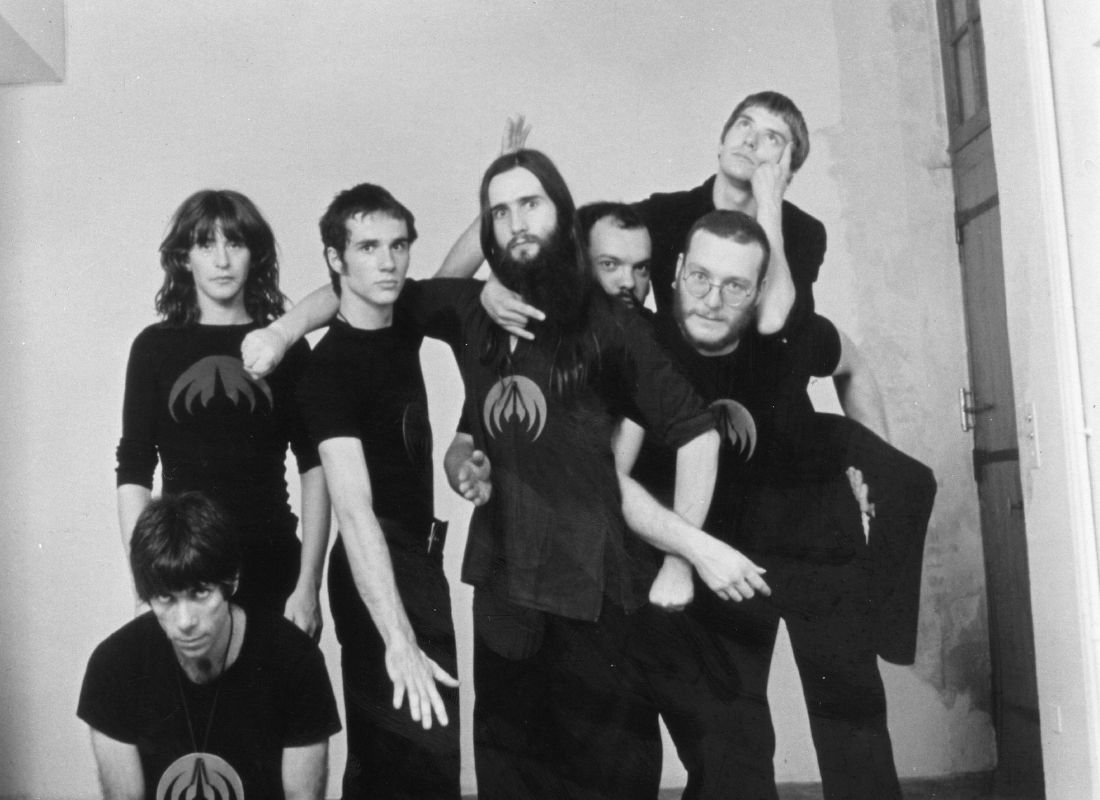
You could select anything from French jazz/prog rockers Magma’s catalogue for these purposes, but we’ll go for their best-known release, 1973’s Mëkanïk Dëstruktïẁ Kömmandöh. Few bands can claim to have invented their own genre, as Magma did with Zeuhl. This is a blend of jazz-rock fusion with symphonic rock, which owes much to the music of John Coltrane.
Founder Christian Vander also created his own language, Kobaïan, spoken on the fictional planet of, um, Kobaïa. And MDK is the album on which all this came together. Recorded at Manor Studios in Oxford and released, remarkably, on A&M Records (what did they think they were getting?), it’s an incredibly strange, hypnotic record which has appealed to generations of fans with a taste for the alternative – including, most famously, snooker ace Steve Davis, who once promoted a Magma concert in London. Brilliantly, Magma are still out there and still playing strange, bewitching music.
5. Tonto’s Expanding Head Band – Zero Time (1971)
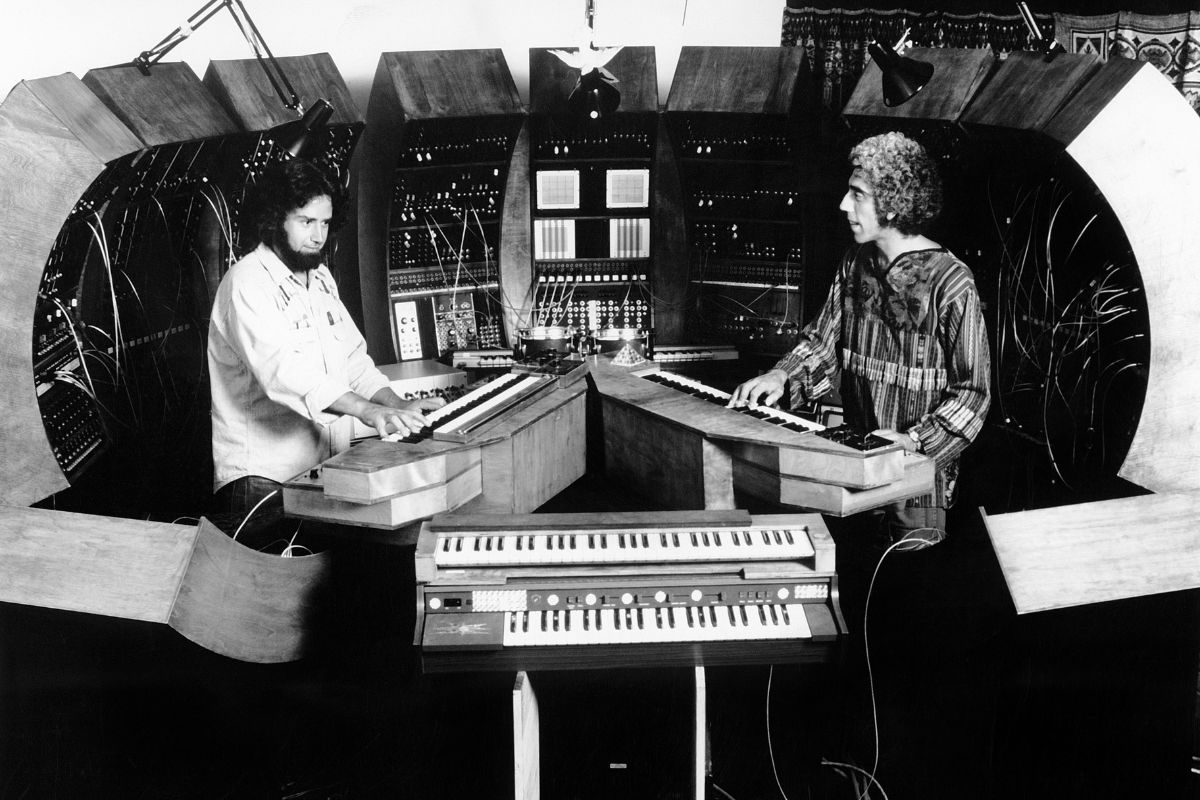
Not actually a band but two blokes, British jazz bassist Malcolm Cecil and American producer Robert Margouleff, the Head Band lasted for only two albums in the early 1970s, but are now acknowledged as pioneers of electronic music. Tonto was nothing to do with Native Americans, but was in fact an acronym for The Original New Timbral Orchestra – AKA the world’s first polyphonic synthesizer, an enormous beast of a machine designed by Cecil himself.
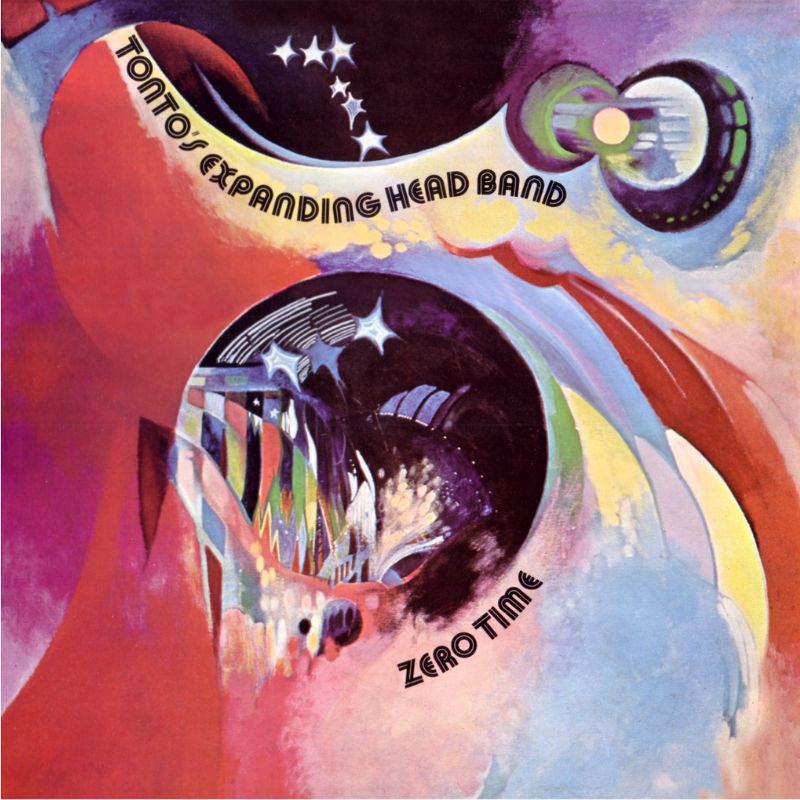
Released by Embryo Records, Zero Time was envisaged as a showcase for the device, its strange pulsating, spacey sounds winning a small but enthusiastic audience. That audience famously included Stevie Wonder, who featured TONTO on such hit albums as Talking Book (1972) and 1973's Innervisions.
6. Robert Calvert – Captain Lockheed and the Starfighters (1974)
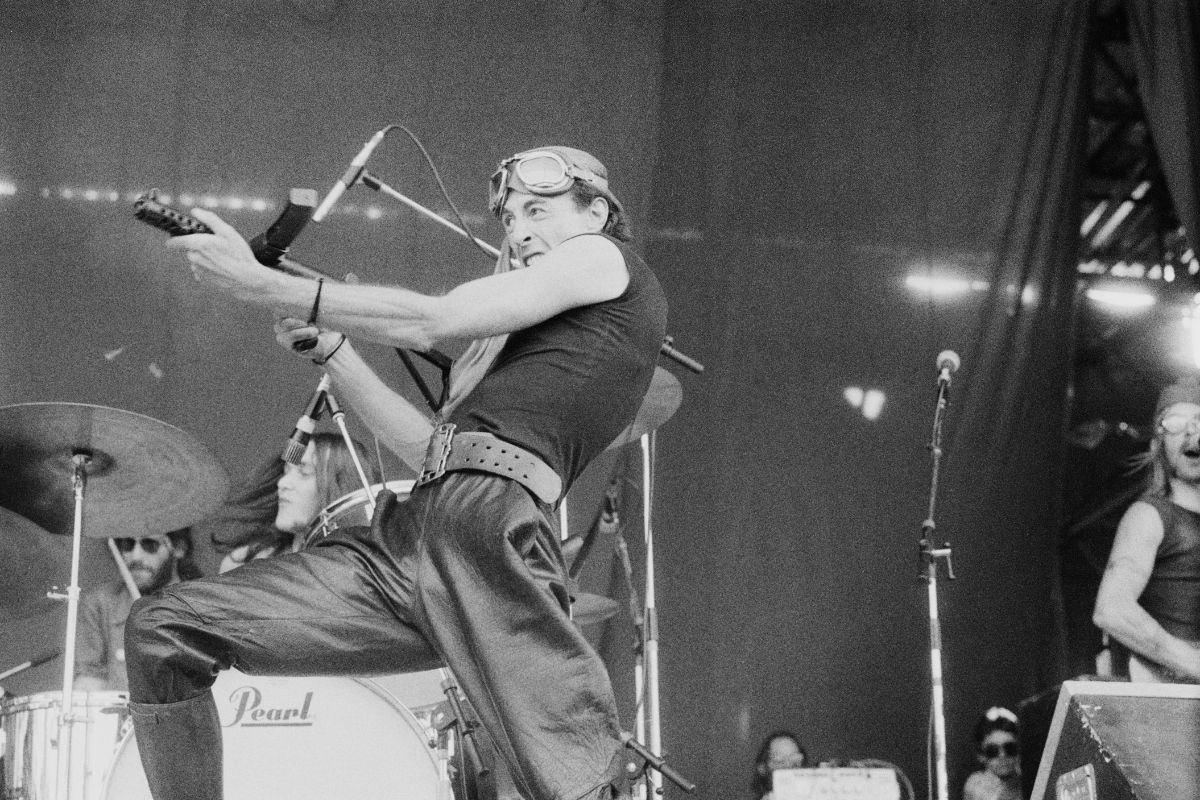
As anyone who had the good fortune to see him fronting Hawkwind will know, Bob Calvert was the eccentric’s eccentric. He actually suffered from bipolar disorder, once being sectioned under the Mental Health Act. But he also managed to produce two bizarre concept albums, with a variety of musician chums.
The first and best of these is 1974's Captain Lockheed and the Starfighters. Based on the true story of the Luftwaffe’s disastrous Starfighter aircraft (aka the 'Widowmaker'), which claimed the lives of more than 100 pilots, it’s a semi-comic piece with lots of funny accents, for which he roped in the likes of Brian Eno, Michael Moorcock, Viv Stanshall and most of Hawkwind. There are also some terrific songs, many of which, like ‘Ejection’ and ‘The Right Stuff’, found their way into Hawkwind’s live set.
7. Brian Eno – Another Green World (1975)
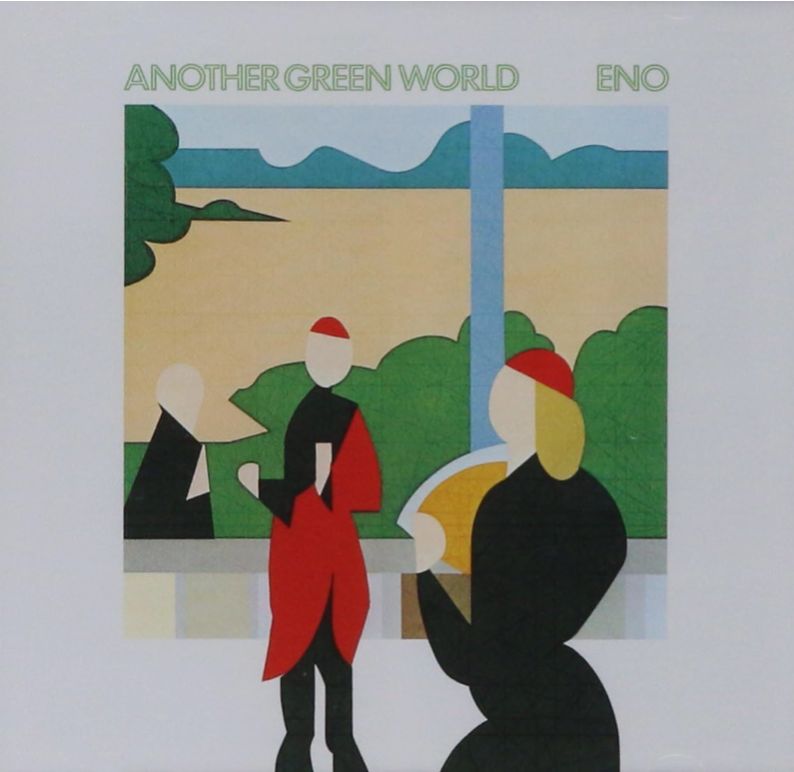
Yes, it’s Eno again. His third solo album Another Green World saw the great rock boffin move towards the world of ambient music that was to obsess him later in his career. Indeed, only five of its 14 tracks have lyrics. And many of the instruments listed in the credits are inventions. 'Castanet guitars’, for example, are ordinary guitar parts electronically treated to sound like castanets.
Despite critical acclaim and featuring guest appearances by the starry likes of Robert Fripp (King Crimson), Phil Collins and John Cale, the public neglected to buy it and the album failed to chart. These days it regularly appears on those Greatest Albums of the 1970s lists. An extended version of the title track was also used as the theme tune to the BBC arts programme Arena.
8. Heldon – Heldon II: Allez-Teia (1975)
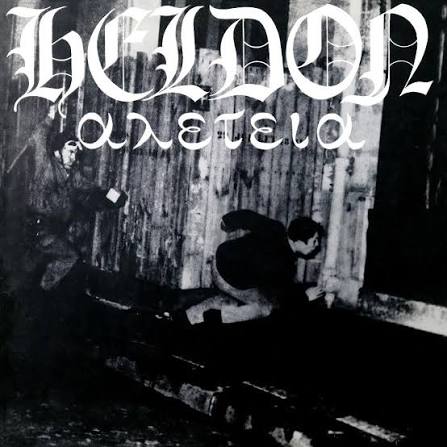
French guitarist Richard Pinhas's Heldon were making music that sounded as though prog had been fed through a laboratory full of synthesizers, tape loops and electronic circuitry. Allez-Teia is a particularly good example: abrasive, hypnotic and futuristic, with Pinhas's distorted guitar locked into Moog-driven electronic patterns.
It sits somewhere between krautrock, prog, early industrial music and what would eventually become ambient techno. The fact that this extraordinary music was being made in France, well outside the Anglo-American rock mainstream, makes it an ideal example of just how wide the experimental net had become in the 1970s.
9. Faust – The Faust Tapes (1973)
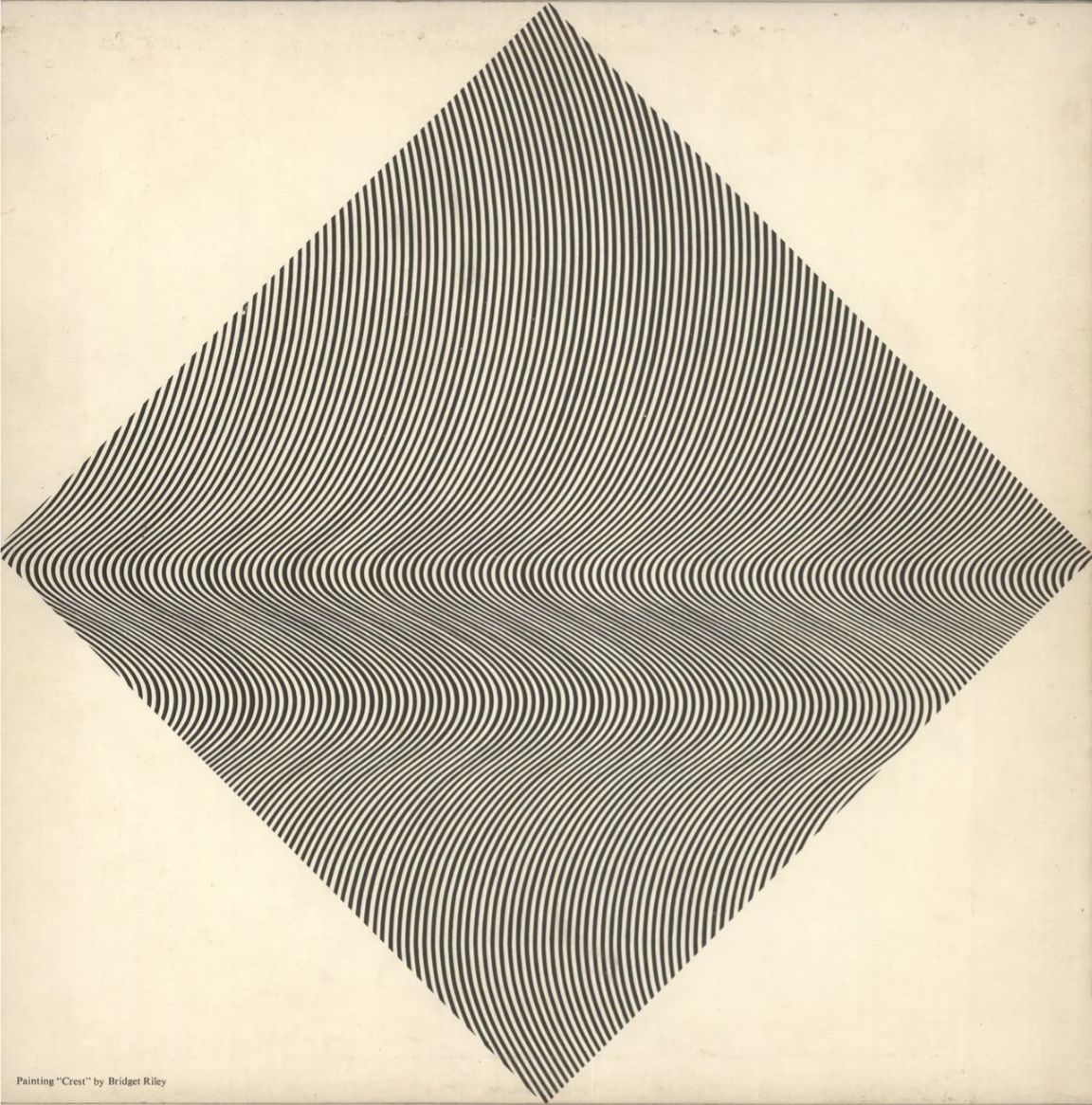
Said to be one of the most bought and least played albums of the 1970s, The Faust Tapes sold 60,000-100,000 copies in 1973, thanks to being pegged by Richard Branson’s Virgin Records at the price of a single (then 49p). Most of these quickly found their way to the bin or the second-hand record shop, but to a minority of weirdoes, this was just the album they’d been looking for.
Eccentric experimental krautrock troupe Faust took the opportunity to reach a wider audience by simply cut’n’pasting into a musical collage leftovers from their archive that were never originally intended for release. This proved hugely influential on a generation of self-styled ‘alternative’ types, but is definitely not for the faint-hearted.
10. Gong – Flying Teapot (1973)
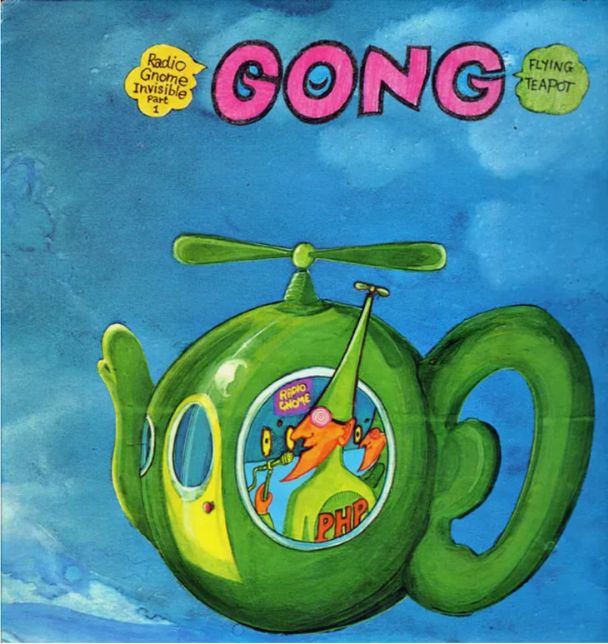
This album serves as the opening chapter of Gong's sprawling 'Radio Gnome Invisible' trilogy, a cornerstone of the 1970s space-rock canon. Led by Daevid Allen, the band constructed a dense, lysergic mythology populated by characters like Pot Head Pixies and Octave Doctors, who traversed the cosmos in flying teapots.
Musically, it is a dizzying, kaleidoscopic blend of avant-garde jazz, psychedelic rock, and Gilli Smyth’s eerie 'space whisper' vocals. The tracks are held together by bubbling VCS3 synthesizers and hypnotic glissando guitar, creating an atmosphere that is simultaneously whimsical and deeply sophisticated. It remains a definitive document of hippie-absurdism, proving that high-level musicality can coexist with total thematic insanity.
11. Van Dyke Parks – Discover America (1972)
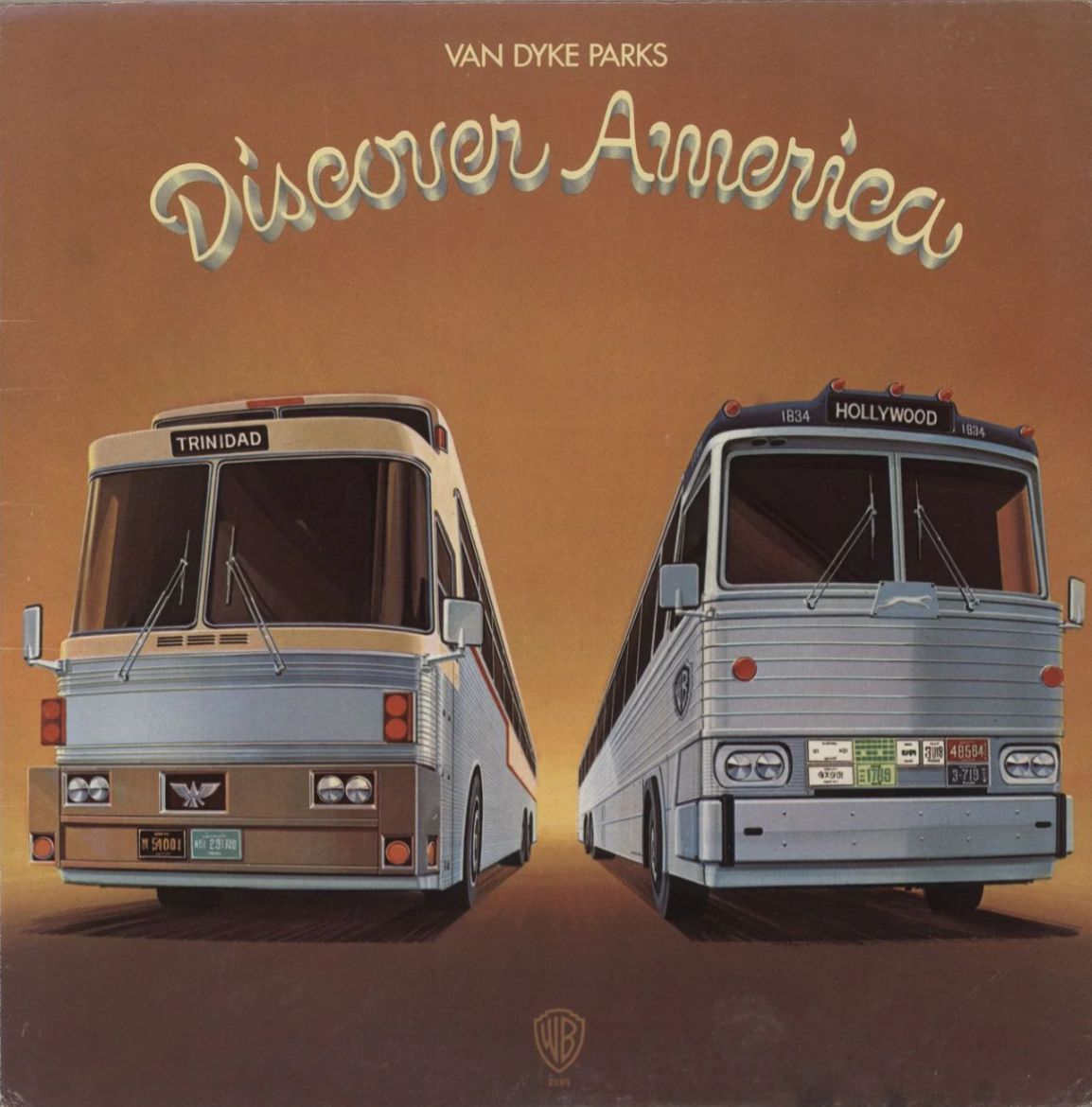
Van Dyke Parks – the lyrical architect behind the Beach Boys’ Smile – crafted this bizarre, orchestral odyssey as a surrealist tribute to American and Caribbean culture. By blending Trinidadian calypso rhythms and steel drums with lush, Hollywood-style strings and Appalachian folk melodies, Parks created a musical experience that feels like a 1940s travelogue directed by a psychedelic visionary.
The album is thick with historical irony and lyrical puns, utilizing a 'baroque-pop' production style that was radically out of step with the gritty blues-rock of the early 1970s. It remains a brilliant, highly theatrical experiment in musical geography that challenges the listener to find the beauty in the strangest corners of Americana.
12. Annette Peacock – I’m The One (1972)
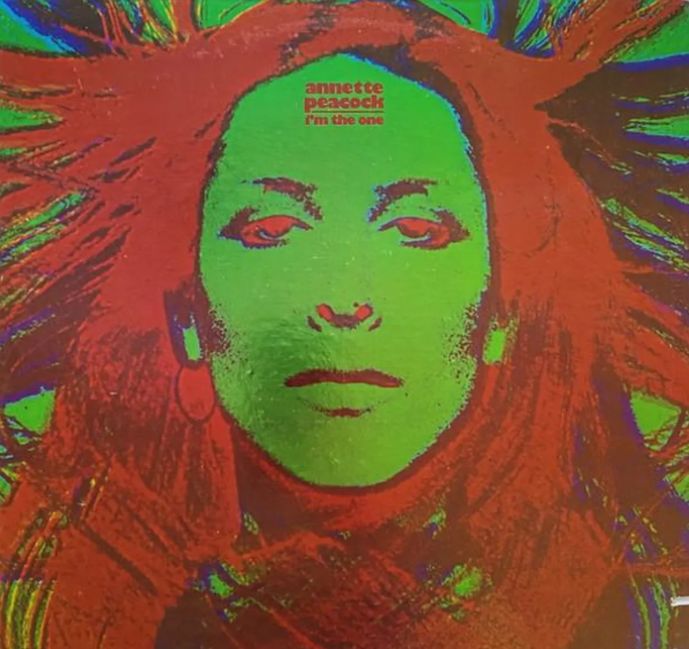
Annette Peacock was a radical pioneer who viewed the early Moog synthesizer not as a keyboard, but as a biological extension. On this landmark album, she became one of the first artists to process her own voice through the Moog’s filters, creating a 'cyborg' jazz-funk sound that predated modern vocoders and Auto-Tune by decades.
Her vocals warp, growl, and dissolve into raw electronic frequencies, blending human vulnerability with mechanical coldness. Backed by a high-calibre band of jazz fusion heavyweights, the record moves between sparse, sensual ballads and dissonant, avant-garde outbursts. It is an incredibly daring, often disturbing work that challenges the boundaries of gender, technology, and the human voice.
13. Battiato – Fetus (1972)
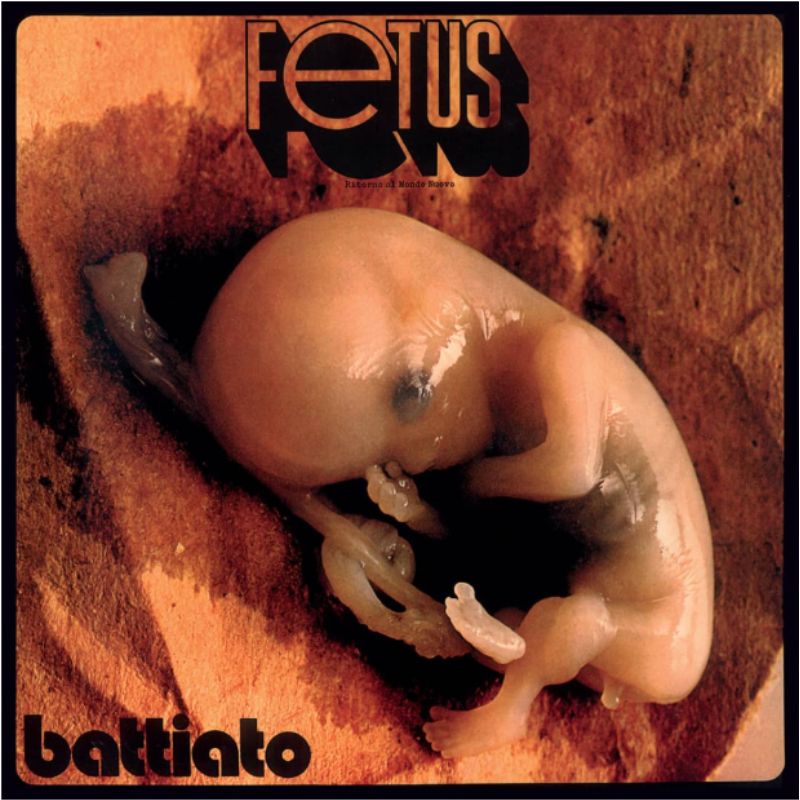
Years before he became Italy’s premier pop star, Franco Battiato was a sonic provocateur obsessed with the intersection of science and spirituality. His debut, Fetus, is a wildly eccentric journey through early VCS3 synthesizer textures and Mediterranean experimentalism. Dedicated to the 'unborn' and the cellular evolution of man, the album mixes clinical, bleeping electronics with operatic vocals and acoustic guitar flourishes.
Battiato created a record that feels like a biological laboratory set in space, blending high-concept philosophical lyrics with jarring rhythmic shifts. It remains a bizarre, fascinating artifact of 'Prog-Elettronica' that captures the exact moment the 1960s psychedelic dream mutated into the cold, technical reality of the 1970s.
14. John Greaves & Peter Blegvad – Kew. Rhone. (1977)
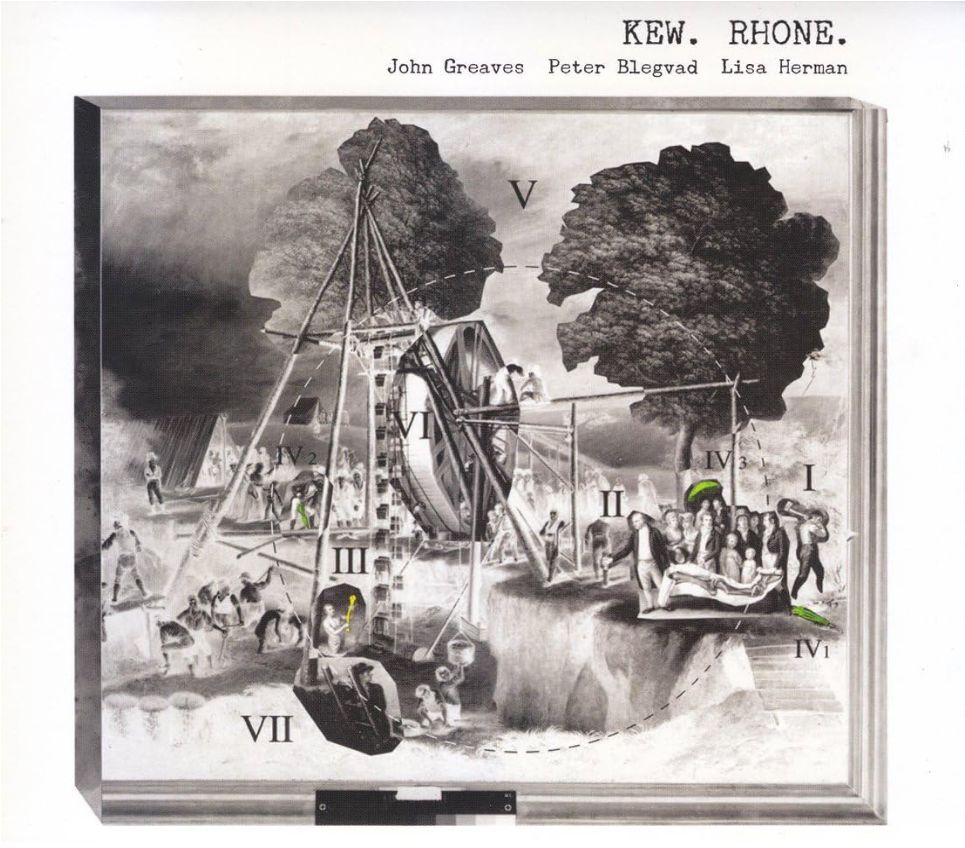
Recorded with an ensemble of Canterbury Scene luminaries and jazz-rock virtuosos, Kew. Rhone. is perhaps the most intellectually dense album of the 1970s. It is a work of literary rock where every lyric is a complex word-game, a list, or a direct description of the album's accompanying diagrams. The music is an impossibly tight, mathematical blend of art-pop and intricate jazz-fusion, serving as a platform for Peter Blegvad’s absurdist poetry.
Themes range from the geometry of shadows to the taxonomy of everyday objects. It is a brilliantly cold and cerebral masterpiece that treats the record sleeve as a textbook, demanding that the listener participate in a riddle that may not have a solution.
15. Paternoster – Paternoster (1972)
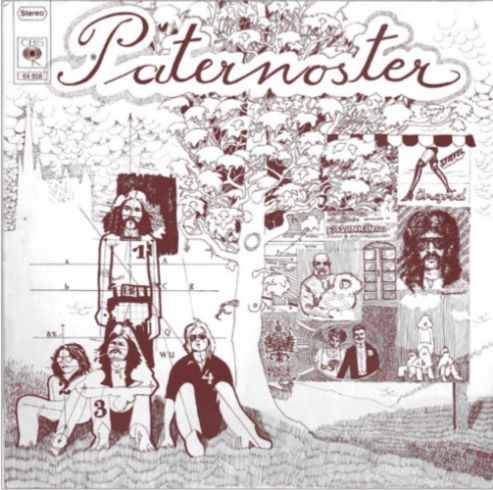
The self-titled 1972 debut by Austrian quartet Paternoster is a haunting monument to 'dark' progressive rock, steeped in an atmosphere of ecclesiastical dread and existential despair. Far removed from the technical gymnastics of their British peers, Paternoster specialized in a slow-burning, organ-drenched sound that feels like a requiem mass being held in a damp cathedral.
Franz Wippel’s heavy use of the Hammond organ creates a thick, swirling fog of sound, while the lyrics grapple with themes of death and isolation. It is a profoundly sombre, beguilingly bleak record that bridges the gap between early psychedelic rock and the doom-laden fringes of the European underground.
Pics Getty Images


