Some albums sound effortless, as if they floated into the world fully formed.
But behind the gloss of timeless classics often lies chaos: months of sleepless nights, ballooning budgets, fragile egos, and clashing visions. Sometimes it was drugs or affairs tearing the band apart. Sometimes it was perfectionism so intense that every note was played, replayed, and replayed again until madness set in. Other times it was the sheer impossibility of matching past success, or one person’s obsession pulling everyone else into the vortex.
And yet, from the wreckage came brilliance. These were records forged in studio lock-ins and bitter arguments, in near-breakdowns and near-bankruptcies. They pushed musicians to the limit, leaving friendships destroyed, reputations scarred, and occasionally careers in ruins – but they also left behind music that still stuns and fascinates.
This is the paradox: the very tension, pain, or mania that made recording unbearable often produced work of extraordinary intensity. Here are 17 classic albums that were a nightmare to make – stories of ambition gone wild, bands on the brink, and the beautiful, unrepeatable chaos that sometimes defines great art.
1. The Beach Boys Smile (1966–67)
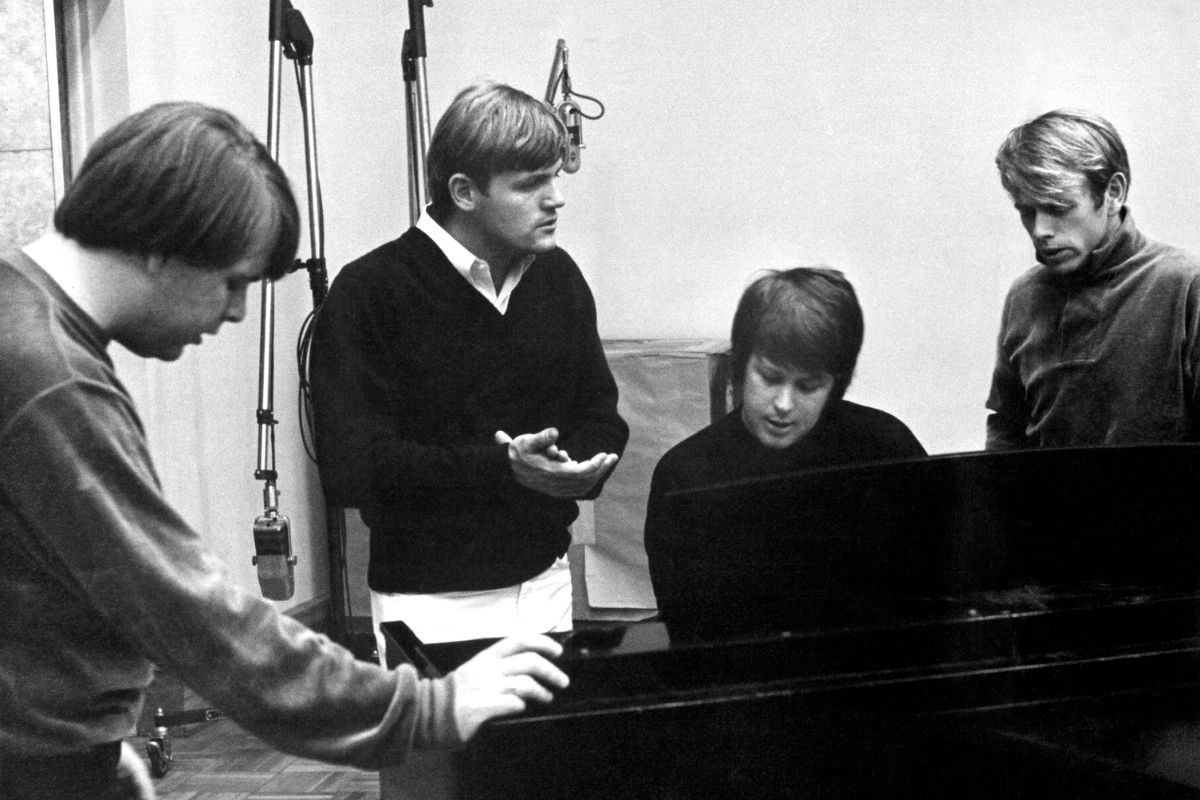
The Beach Boys' visionary frontman Brian Wilson envisioned Smile as 'a teenage symphony to God' that would outdo The Beatles. Instead, it nearly destroyed him. Recording sessions stretched endlessly as Wilson, increasingly unstable, obsessed over details as tiny as the sound of chewing celery. Capitol Records panicked, bandmates doubted the material, and Wilson suffered a breakdown.
The album was shelved, surviving only as fragments and myths. Decades later, fans and critics hailed it as the greatest ‘lost’ record in history. Its belated 2004 reconstruction showed just how close Wilson had come to a masterpiece.
2. Steely Dan Gaucho (1980)
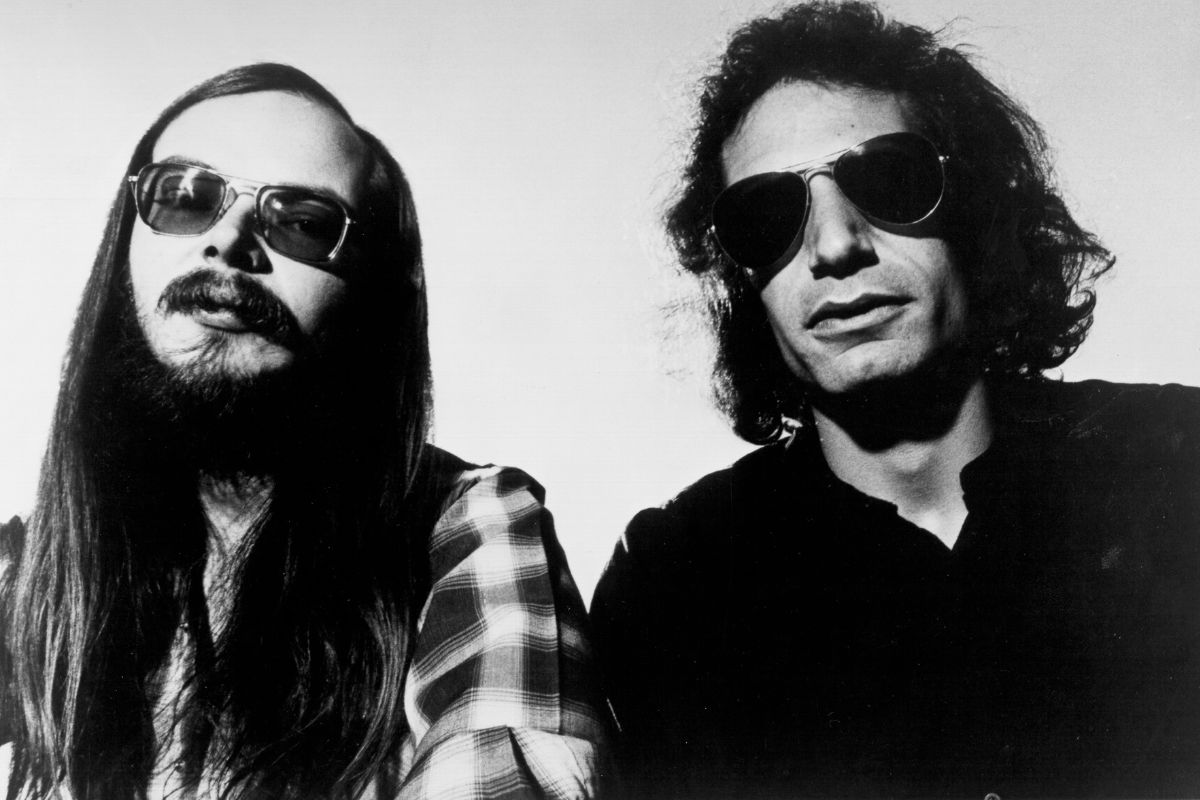
Steely Dan’s Gaucho (1980) is the epitome of a nightmare album to make. By this point, Donald Fagen and Walter Becker’s perfectionism had reached obsessive levels: every note, every vocal, every guitar lick was endlessly re-recorded until it met their impossible standards.
Sessions stretched over months, often broken up by Becker’s drug struggles and Fagen’s exacting demands. Legal battles over contracts and disputes with the label added to the tension, leaving the band exhausted and the sessions notoriously fractious. Despite the chaos, or perhaps because of it, Gaucho emerged as a polished, sophisticated masterpiece of jazz-rock precision.
Its sleek production and intricate arrangements highlight the painstaking craft behind every track – a testament to Becker and Fagen’s uncompromising vision. Yet the human cost was high, and the album’s legend is inseparable from the myth of its arduous creation. Gaucho remains a marvel of studio perfection, proof that genius often comes wrapped in torment.
- Gaucho brought one of rock's most incredible album runs to an end
3. Fleetwood Mac Rumours (1977)
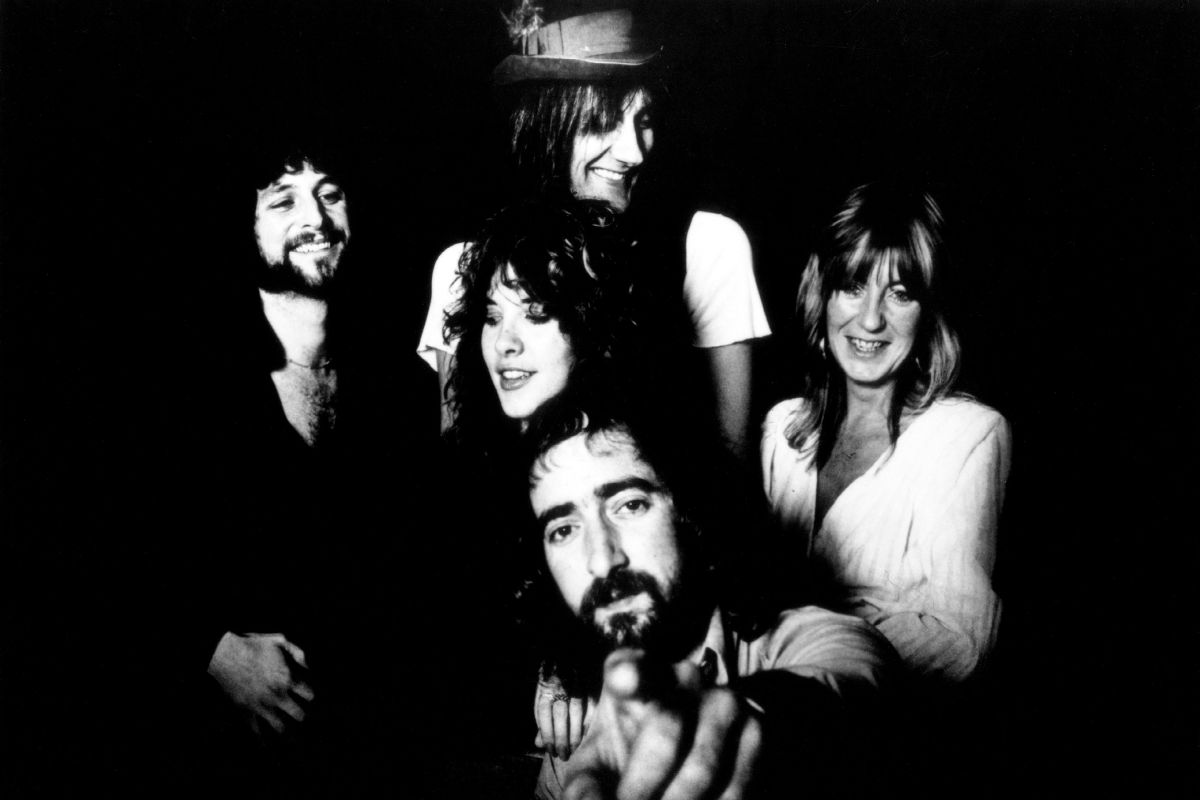
By the mid-’70s, Fleetwood Mac resembled a soap opera more than a band. John and Christine McVie divorced, Stevie Nicks and Lindsey Buckingham were imploding, and Mick Fleetwood’s marriage collapsed. Drugs were also much in evidence.
Incredibly, this toxic stew produced one of the most immaculate albums of all time. Tracks like ‘Go Your Own Way’ and ‘Dreams’ turned private bitterness into universal anthems. Every glare across the studio and every late-night screaming match fuelled Rumours, transforming personal carnage into global catharsis.
4. My Bloody Valentine Loveless (1991)
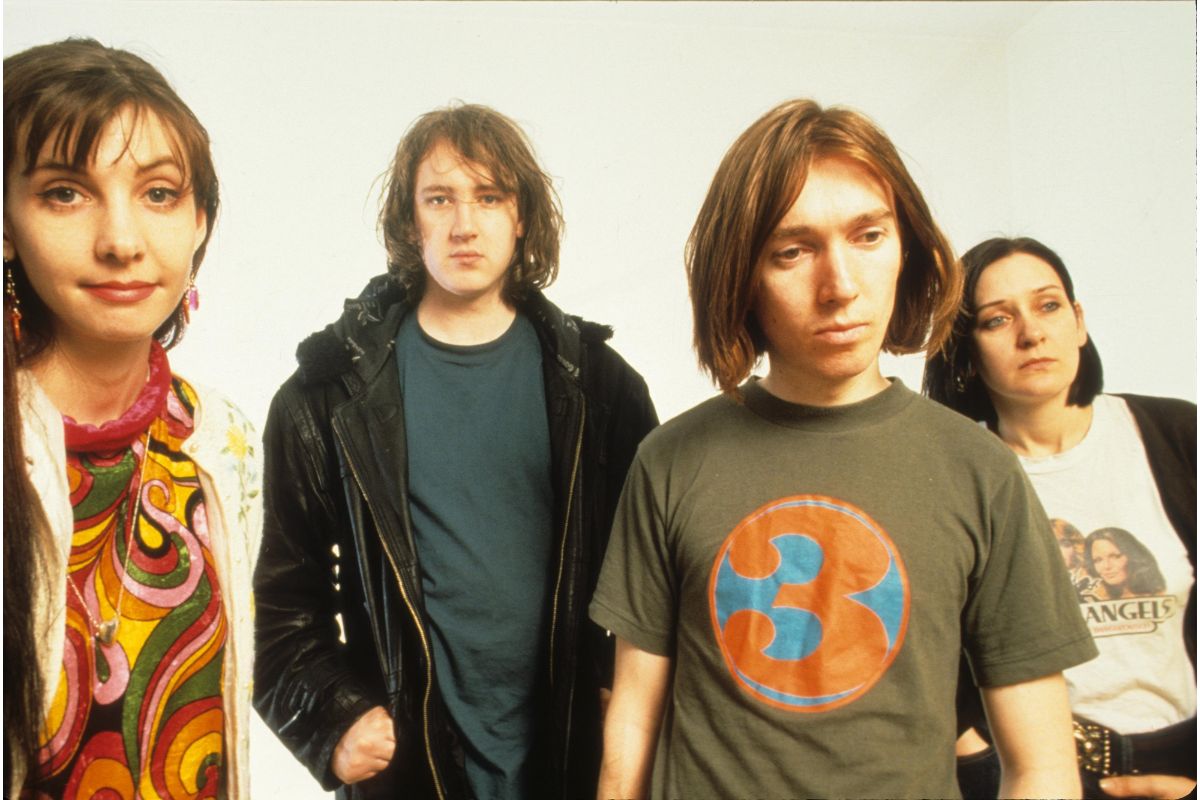
The making of Loveless is the ultimate tale of studio purgatory. Kevin Shields spent two years and a rumoured £250,000 – nearly bankrupting Creation Records – chasing a sound that existed only in his head. The process was a gruelling exercise in sonic obsession, involving 19 different studios and a revolving door of engineers who couldn't grasp Shields' vision of 'glide guitar'.
He spent months layering thousands of micro-rhythms and guitar tracks to create a monolithic wall of sound that felt both fragile and deafening. By the end, the band was physically and financially exhausted, but they had birthed a masterpiece that redefined the possibilities of the guitar.
5. Guns N’ Roses Chinese Democracy (2008)

Few albums have been as ridiculed before release. Axl Rose spent 14 years tinkering, employing a revolving cast of guitarists (including Buckethead), and allegedly spending $13 million. Rumours of tantrums, firings, and endless remixes circulated until the album became a punchline.
Yet when Chinese Democracy finally dropped in 2008, it wasn’t the catastrophe many expected. While no Appetite for Destruction, it was a strange, ambitious monument to Axl’s obsessive vision – and proof that sometimes chaos is the point.
6. Pink Floyd The Wall (1979)
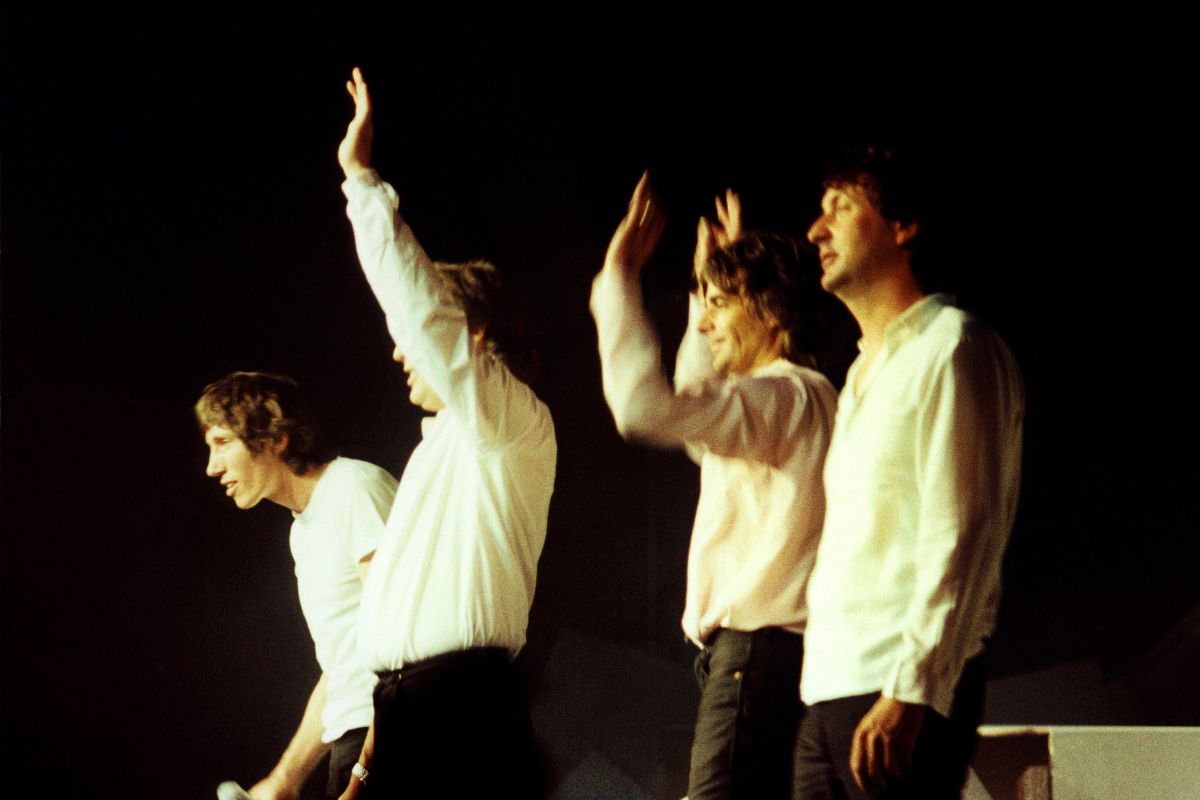
Roger Waters’ authoritarian grip on The Wall nearly tore Pink Floyd apart. The sessions were joyless, with Waters firing keyboardist Richard Wright mid-project. The concept – an epic about isolation and megalomania – seemed to mirror the band’s own dysfunction. Despite endless overdubs, quarrels, and sheer exhaustion, The Wall became a monumental double album and one of Floyd’s defining works. But the cracks were permanent: Wright was gone, and Waters would soon follow.
7. The Beatles Let It Be (1970)
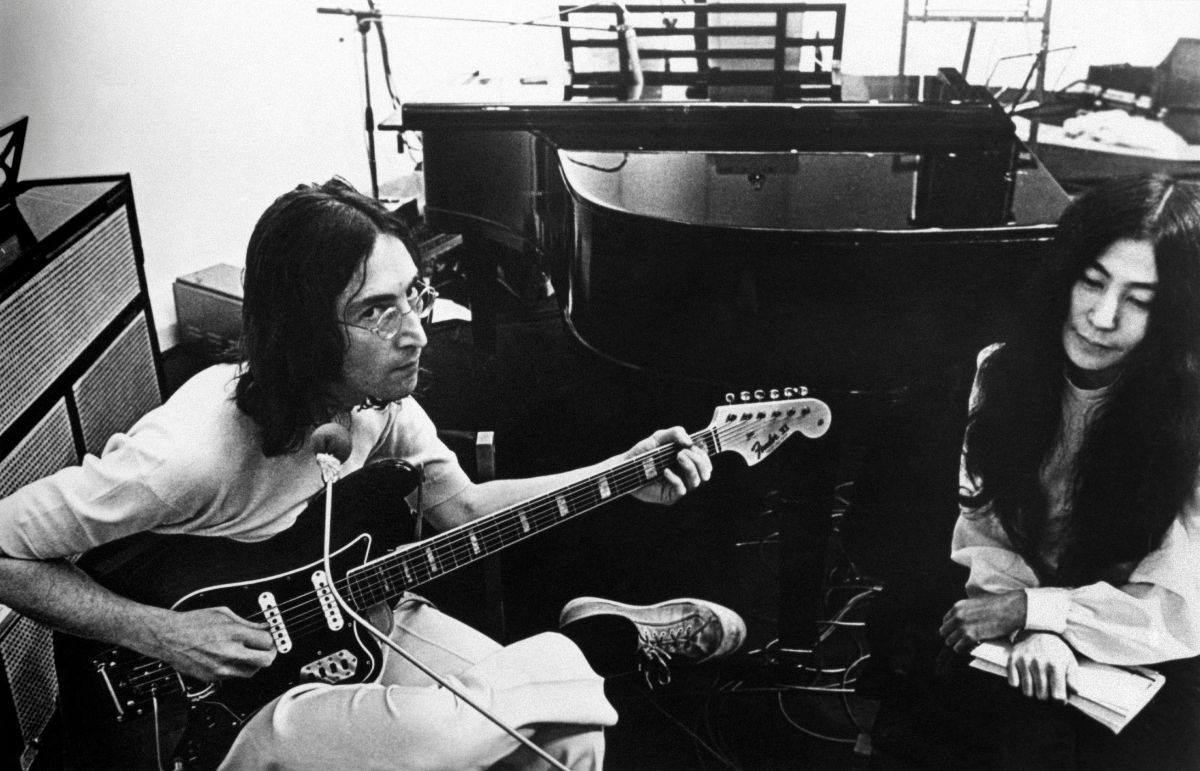
Let It Be was conceived as a back-to-basics project, a raw, no-frills antidote to the studio wizardry of Sgt. Pepper and The White Album. Instead, the 'Get Back' sessions descended into misery, with cameras rolling to capture not joyous creativity but endless squabbles, frosty silences, and George Harrison walking out in frustration. John Lennon seemed disengaged, Paul McCartney domineering, and Ringo Starr was stuck in the middle.
The sessions were eventually shelved until producer Phil Spector slathered them in strings and choirs, much to McCartney’s outrage. Released in 1970, after the Beatles’ breakup, Let It Be felt less like a new chapter than a funereal coda – a record haunted by dissolution.
8. The Who Who’s Next (1971)
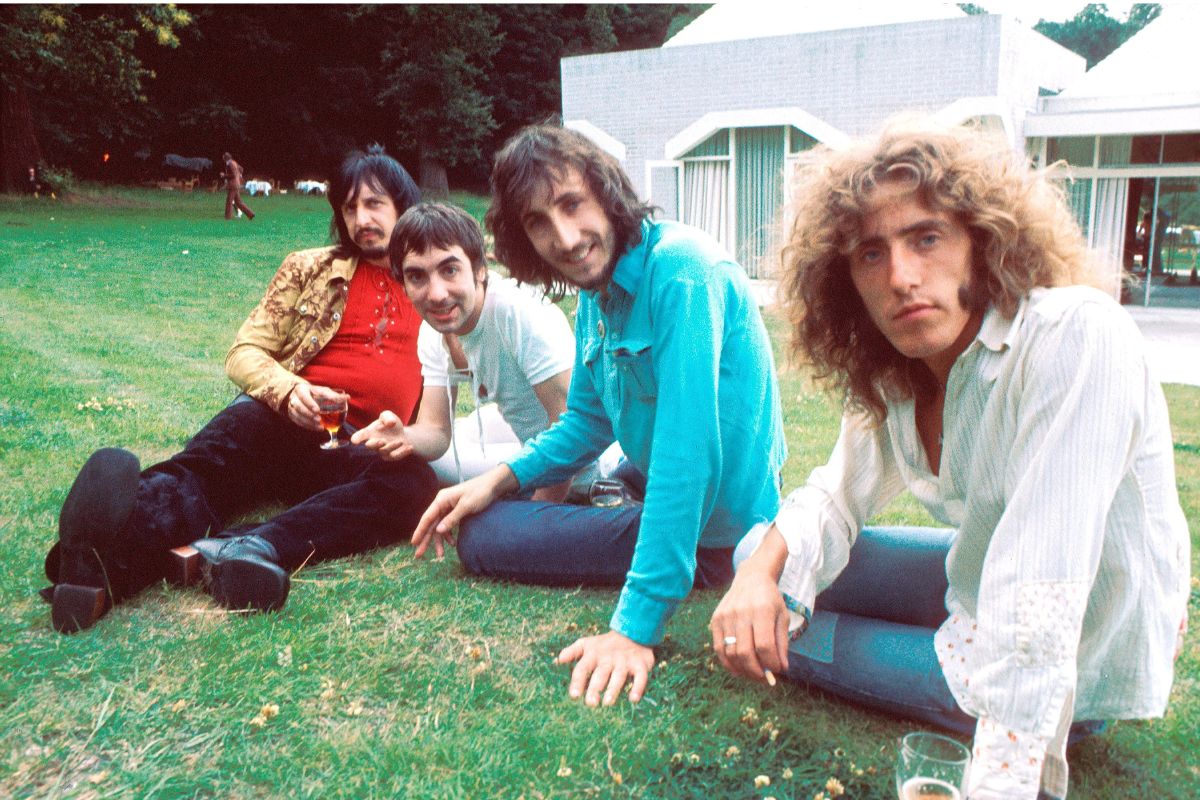
Who’s Next (1971) stands today as one of The Who’s greatest triumphs, but it was born from failure and frustration. Pete Townshend envisioned Lifehouse, a sprawling rock opera about technology, individuality, and spiritual freedom. The concept proved impossibly complex, baffling the band and producers alike, and eventually collapsed under its own weight.
Out of its ashes, the group salvaged the strongest material, recording them with producer Glyn Johns. The result was Who’s Next – a tighter, more immediate record where ambition met clarity, yielding classics like ‘Baba O’Riley’ and ‘Won’t Get Fooled Again’. Sometimes collapse sparks greatness.
9. Tears for Fears The Seeds of Love (1989)
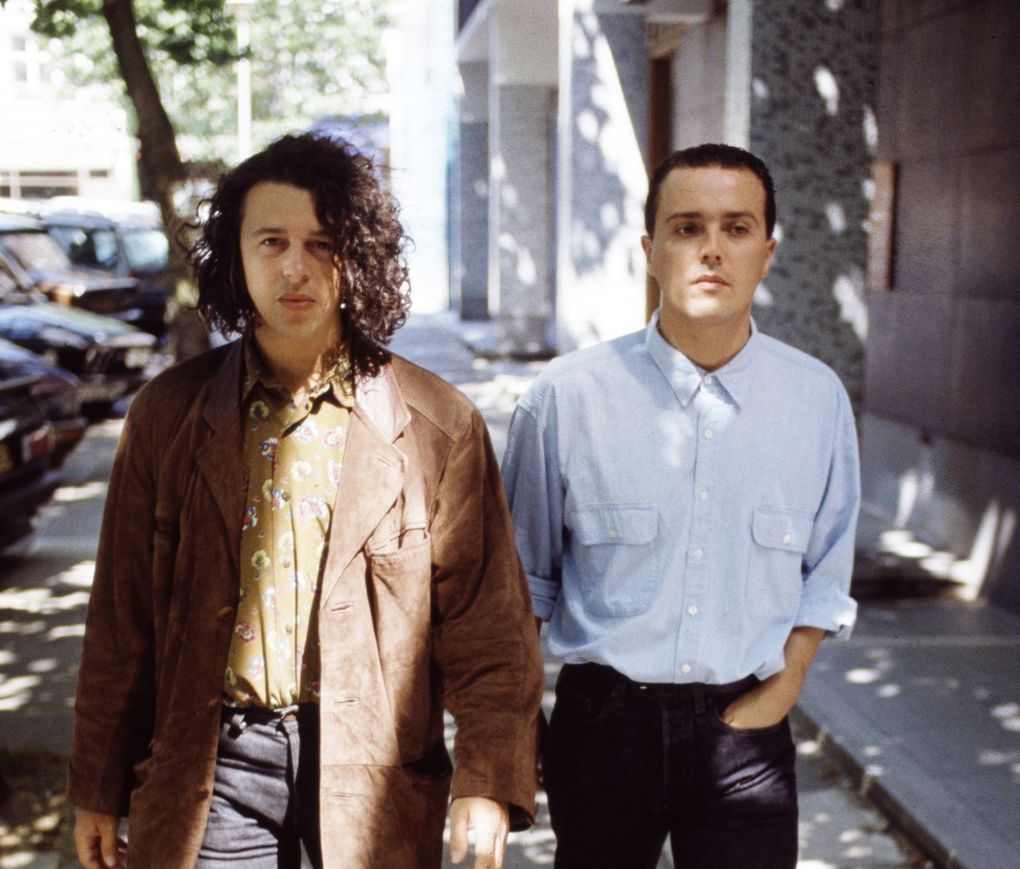
Tears for Fears’ third album took nearly four years, countless sessions, and a mountain of money to complete, becoming one of the most agonizing albums of the decade.
After the success of Songs from the Big Chair, Roland Orzabal and Curt Smith wanted to move beyond synth-pop into warmer, organic territory inspired by The Beatles and jazz. But their perfectionism and constant second-guessing led to chaos. They cycled through producers – including Clive Langer and Alan Griffiths – and dismissed multiple completed versions of songs.
Studio sessions ballooned in cost, allegedly reaching over a million pounds, as they agonized over arrangements and performances. Meanwhile, the partnership between Orzabal and Smith was crumbling, with growing creative and personal tensions adding to the strain. Despite the misery, the final result was lush, intricate, and ambitious – but the ordeal left scars, hastening the duo’s split soon after its release.
10. Nirvana In Utero (1993)
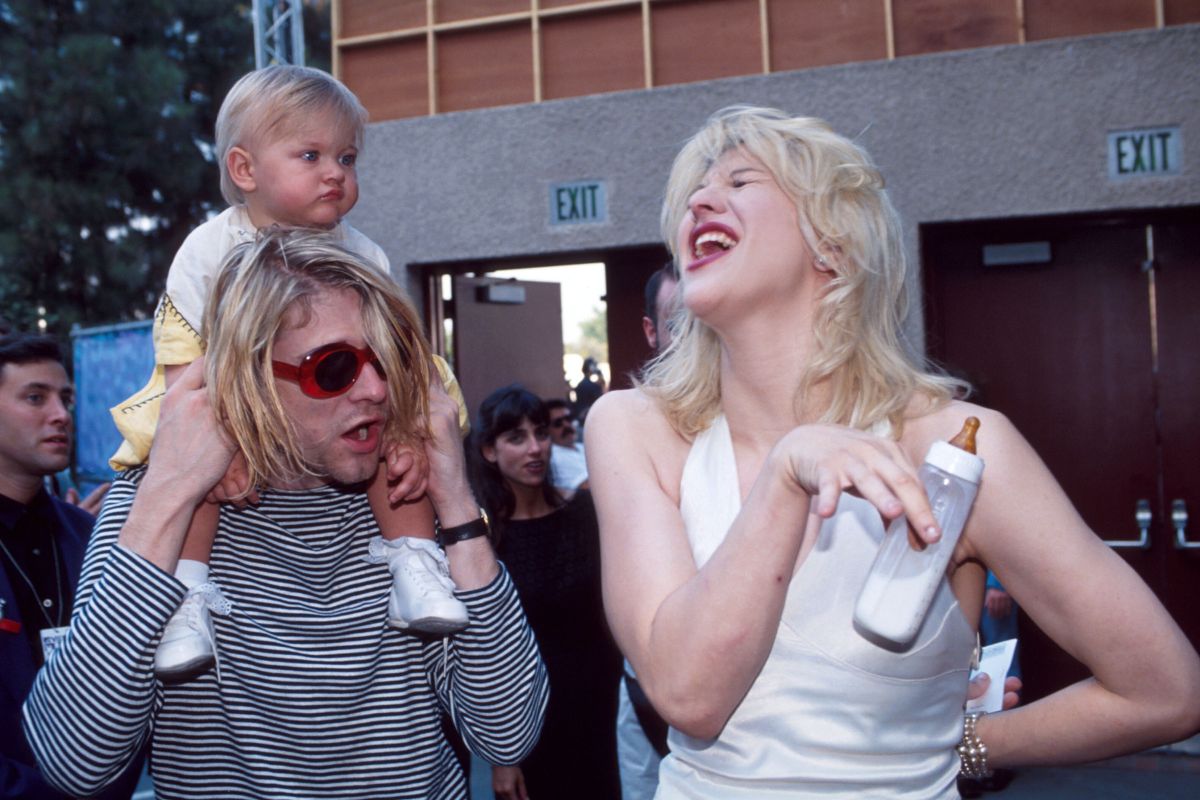
Wanting to escape the polished sheen of Nevermind, Nirvana hired Steve Albini to deliver a raw, abrasive sound. Geffen Records panicked, fearing it was too uncommercial, and insisted on remixes. Kurt Cobain was caught between his punk instincts and mainstream expectations. In the end, compromises were struck, but the tension bled into the music: scalding, uneasy, and cathartic. Tragically, In Utero became Nirvana’s final studio album, its chaotic creation mirroring the turmoil consuming Cobain.
11. The Rolling Stones Exile on Main St. (1972)
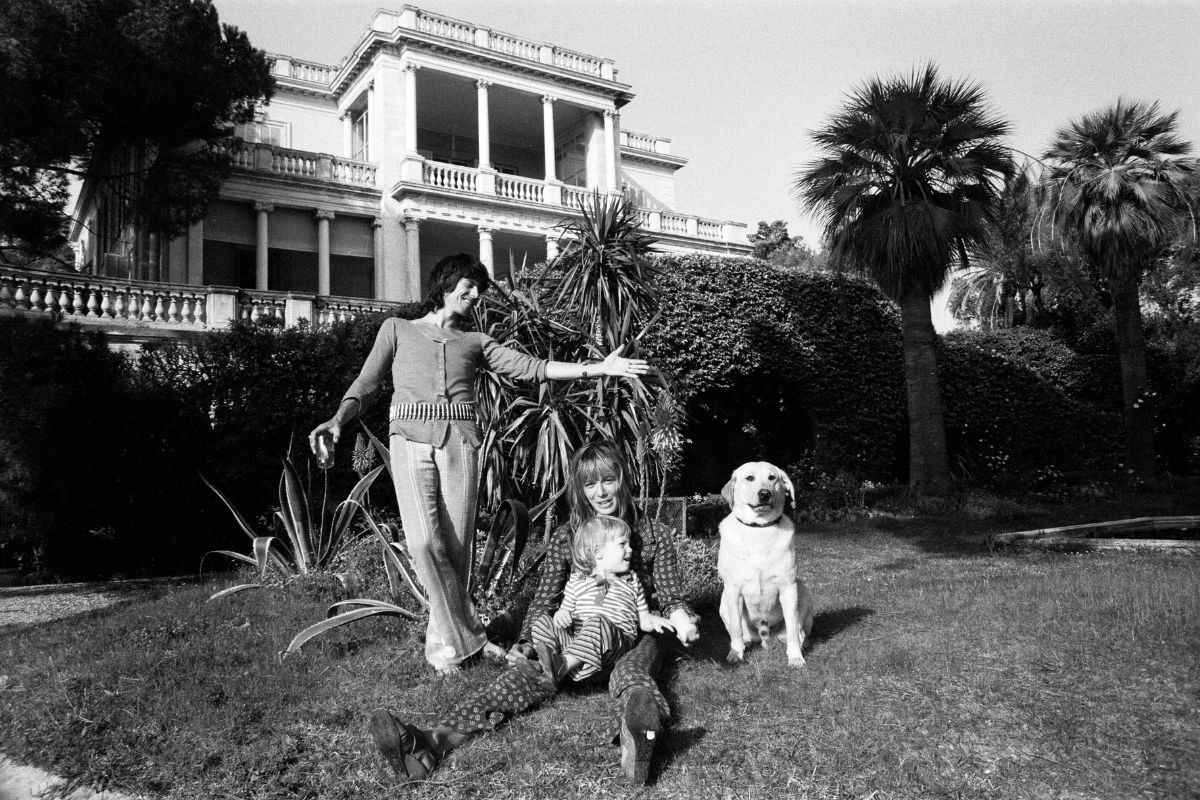
When the Rolling Stones fled Britain as tax exiles in 1971, they set up camp at Keith Richards’ villa, Nellcôte, on the French Riviera. The mansion came with sinister history – it had served as Gestapo headquarters during the Nazi occupation – and its basement became the crucible for Exile on Main St.
Amid stifling heat, faulty equipment, and dreadful acoustics, sessions dissolved into chaos. Richards drifted in and out of consciousness, often joined by his friend Gram Parsons, who fuelled the haze further. Musicians wandered in and out at all hours, never knowing if recording would actually happen. Mick Jagger later complained that the whole process was 'impossible', a swamp of noise, drugs, and lethargy.
Yet somehow, from this mess emerged one of rock’s greatest double albums: a ragged, sprawling mix of blues, gospel, country, and swampy rock ’n’ roll. Its murky sound and loose-limbed groove perfectly captured the Stones’ sleaze-soaked mythology, turning dysfunction into alchemy. Exile on Main St. remains a glorious paradox – born of chaos, yet radiating brilliance.
All pics Getty Images