
Every music fan knows the crushing disappointment of dropping a needle on a highly anticipated album, only to find a creative trainwreck.
But sometimes, amidst the studio infighting, misguided commercial pivots, and uninspired filler, a single spark of absolute genius somehow survives the wreckage. Whether it’s an iconic band completely losing their directional compass or an artist checked out and coasting on a contractual obligation, greatness can strike in the most hostile environments.
These extraordinary anomalies don't just outshine their dismal surroundings – they transcend them entirely. Here are 13 masterpiece rock tracks completely trapped on otherwise terrible albums.
1. The Who – 'Eminence Front' (It's Hard, 1982)
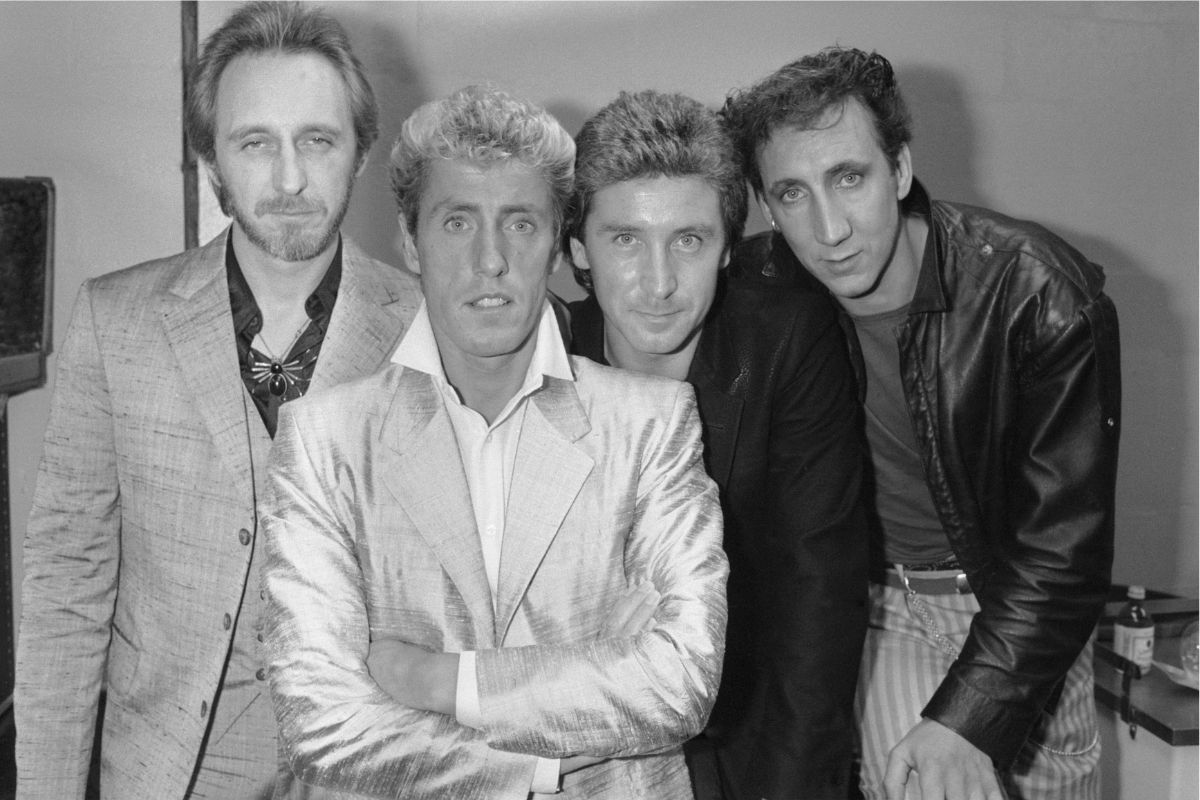
While the rest of It's Hard feels like a band running out of steam, 'Eminence Front' is a cool, dark, and sophisticated masterpiece. Pete Townshend’s jagged, funk-influenced guitar and the hypnotic synthesizer loop create a sense of mounting dread. It’s a scathing critique of 80s decadence and 'big-time' posturing, standing as the only track on the album that feels like it belongs in the pantheon of The Who’s greatest work.
2. Pink Floyd – 'On the Turning Away' (A Momentary Lapse of Reason, 1987)
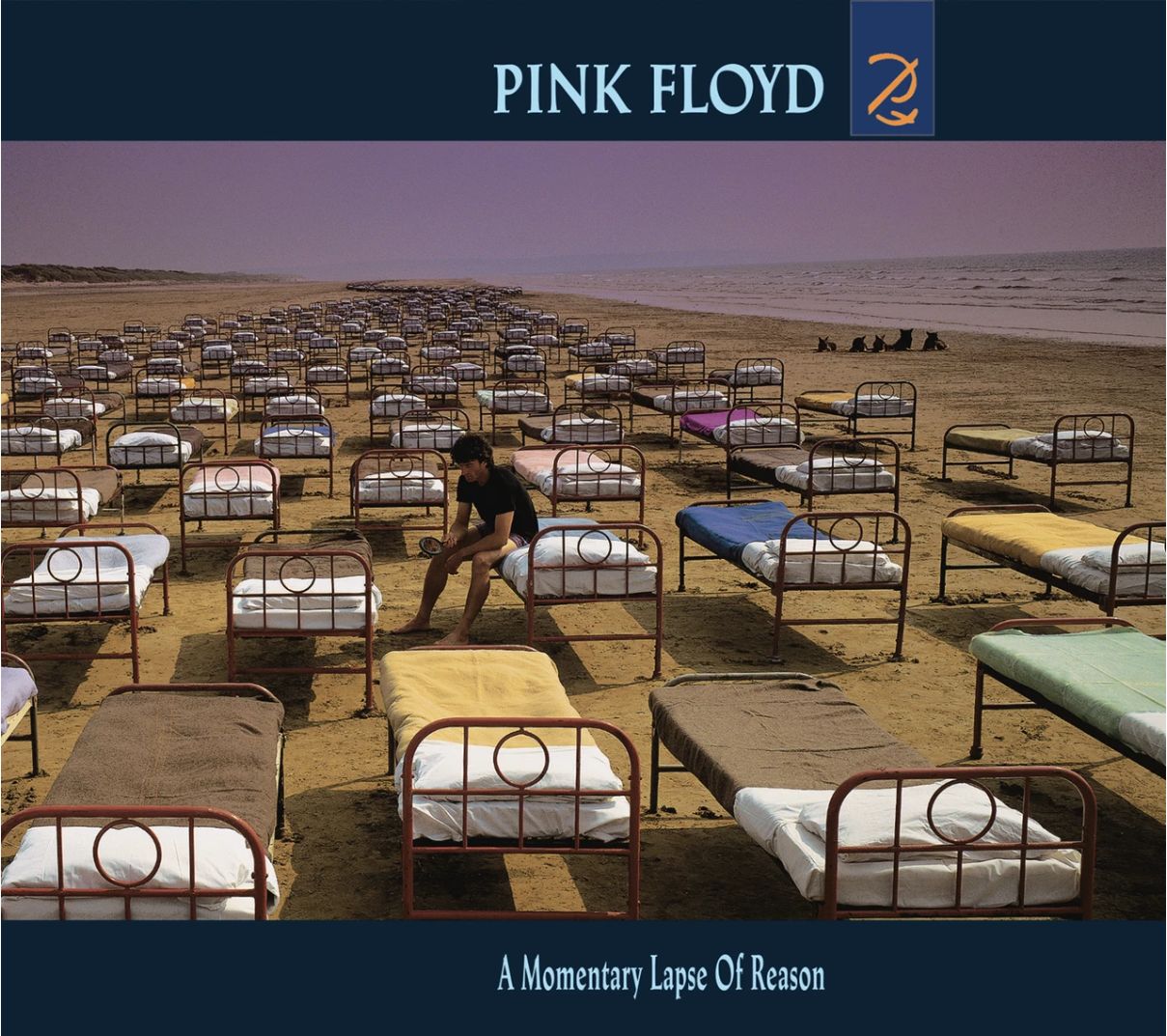
Among the somewhat sterile, synth-heavy landscape of A Momentary Lapse of Reason, 'On the Turning Away' provides the album’s only true moment of soulful gravitas. It eschews 1980s corporate-rock gloss for a timeless, folk-inspired melody that gradually builds into a soaring anthem. David Gilmour’s lyrical guitar solo is among his most emotive, recapturing the 'human' warmth of the band's 1970s peak and proving Pink Floyd could still be profound without Roger Waters.
3. Bob Dylan – 'In the Garden' (Saved, 1980)
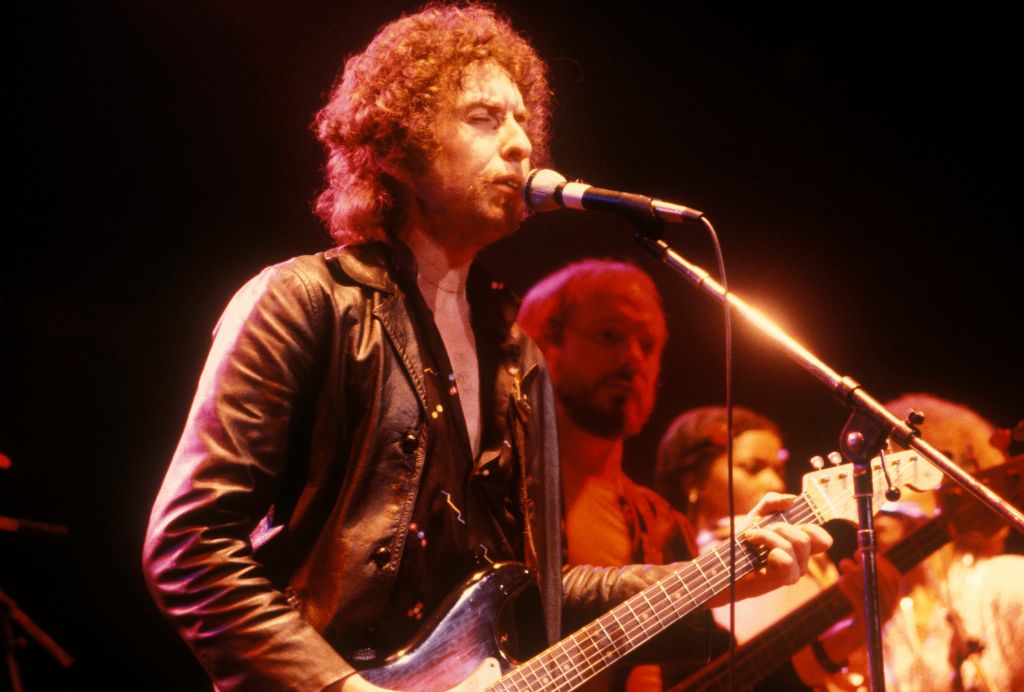
Dylan’s 'born-again' trilogy gets a lot of flak, but while Slow Train Coming has its defenders, 1980’s Saved is widely considered a shrill, overly dogmatic low point in his catalogue. Yet, 'In the Garden' is a small masterpiece of songwriting.
It’s a slow-building, intensely passionate gospel-rock epic that traces the betrayal and arrest of Jesus. Even if you don't buy into the religious message, the sheer emotional weight of Dylan's vocal performance and the magnificent, swelling arrangement make it one of the finest melodies he ever penned.
4. David Bowie – 'Loving the Alien' (Tonight, 1984)
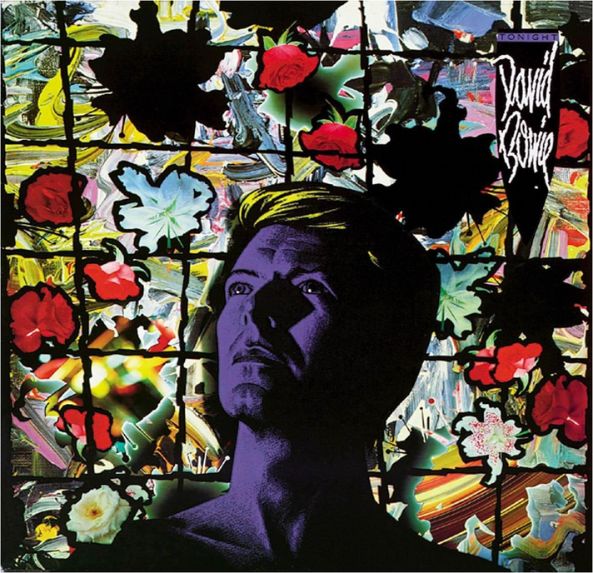
Following the massive commercial success of Let’s Dance, Bowie admittedly entered a creative slump, rushing out Tonight – an uninspired, heavily reggae-influenced pop album filled with half-hearted covers. The opening track, however, is a towering exception.
'Loving the Alien' is a sweeping, deeply majestic art-pop track exploring religious conflict and the history of the Crusades. It features one of Bowie's most powerful, dramatic vocal deliveries of the decade, proving his genius hadn't vanished; it was just buried under mid-80s commercial pressure.
5. Velvet Underground – 'Little Jack' (Squeeze, 1973)
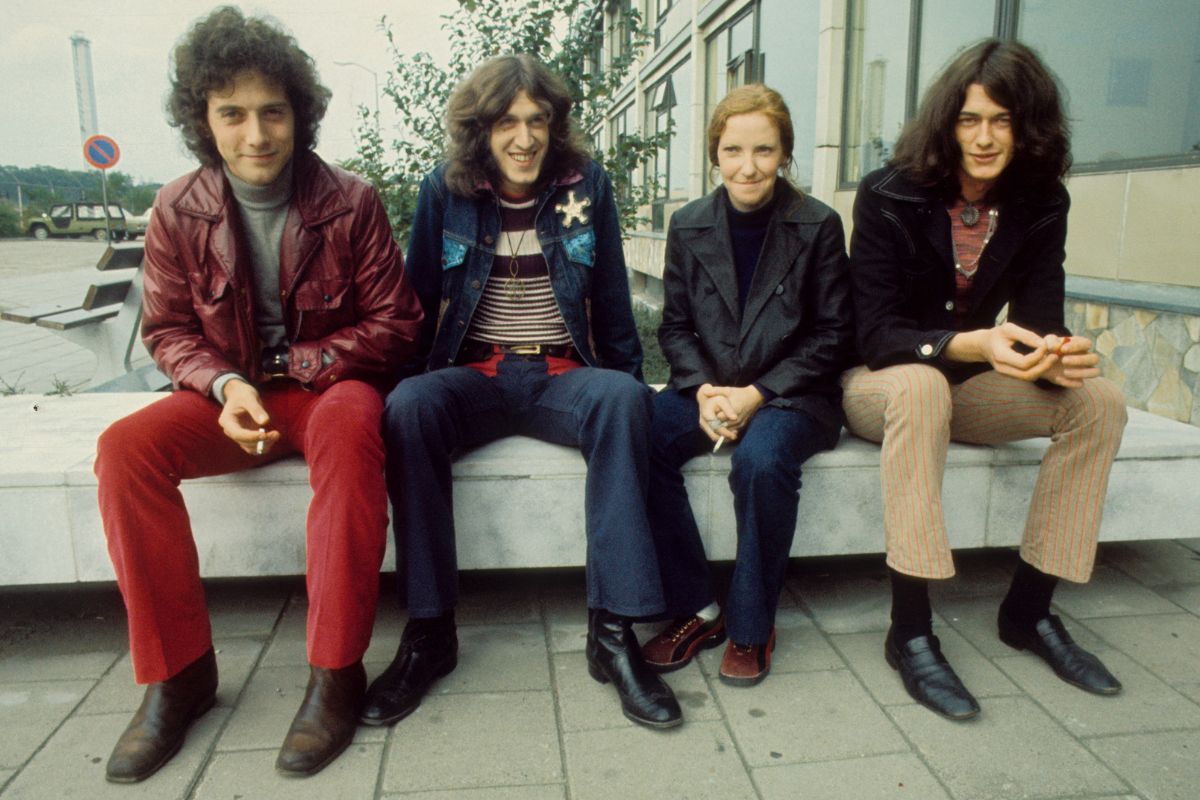
Perhaps the ultimate 'trainwreck album' story. By 1973, Lou Reed, John Cale, and Sterling Morrison had all left the band, leaving touring multi-instrumentalist Doug Yule to release an album under the Velvet Underground name entirely by himself. Squeeze is widely regarded as an embarrassing footnote that shouldn't legally exist.
'Little Jack', though, is the one genuine diamond in the rough. It is a remarkably charming, upbeat pop-rock track driven by a bouncy piano groove and a wonderfully fluid, melodic bassline. Yule channelled his inner Paul McCartney here, delivering a sunny, acoustic melody that sounds like a lost White Album outtake. If this exact track had been released as a Doug Yule solo single rather than being weighed down by the toxic branding of a dead legendary band, it would likely be remembered today as a minor 1970s power-pop classic.
6. Led Zeppelin – 'Wearing and Tearing' (Coda, 1982)
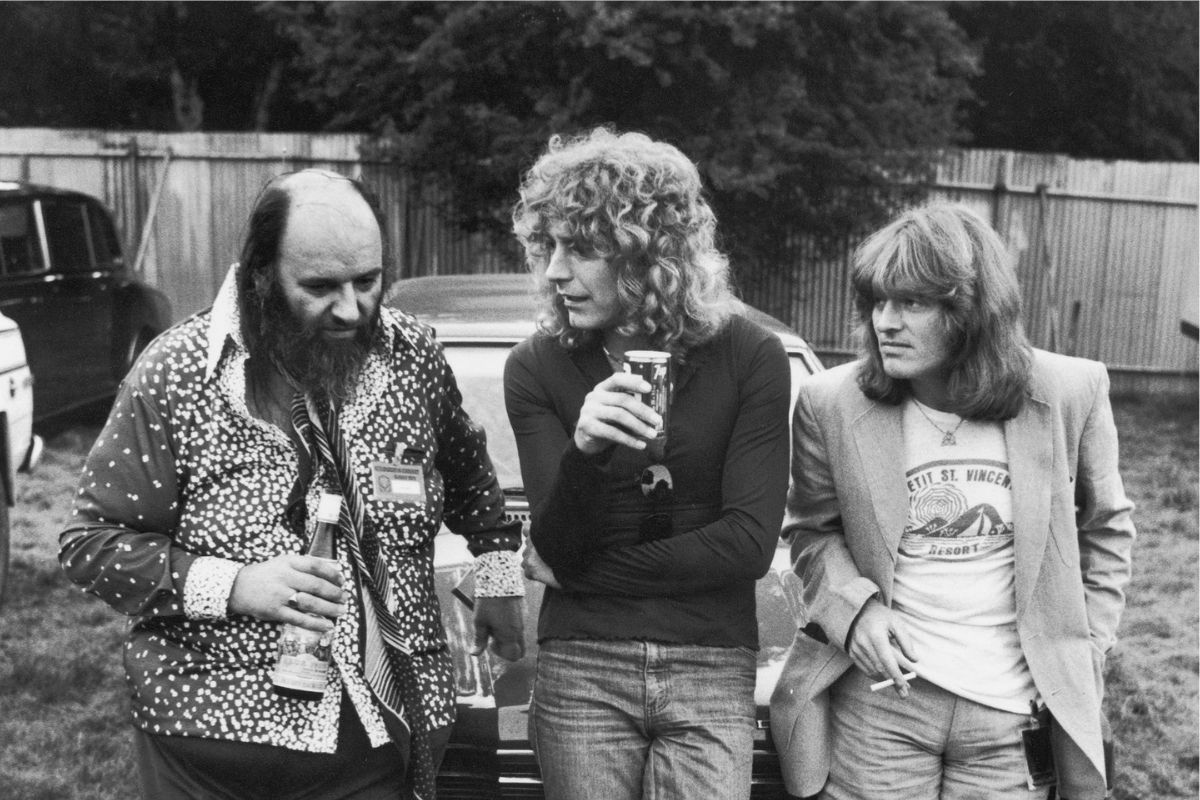
Coda was a collection of leftovers released after Led Zeppelin's demise, and it feels like exactly that: a compilation of scraps. However, 'Wearing and Tearing' is the exception. Left off 1979’s In Through the Out Door because it didn't fit that album’s keyboard-heavy texture, this track is a ferocious, high-octane assault.
Driven by a relentlessly aggressive, hyper-speed riff from Jimmy Page and a thunderous, frantic performance from Bonham, it was Led Zeppelin’s direct, muscular answer to the late-70s punk movement. It proves that even at the very end, Zeppelin could still out-rock bands half their age with terrifying ease.
7. The Beatles – 'Hey Bulldog' (Yellow Submarine, 1969)
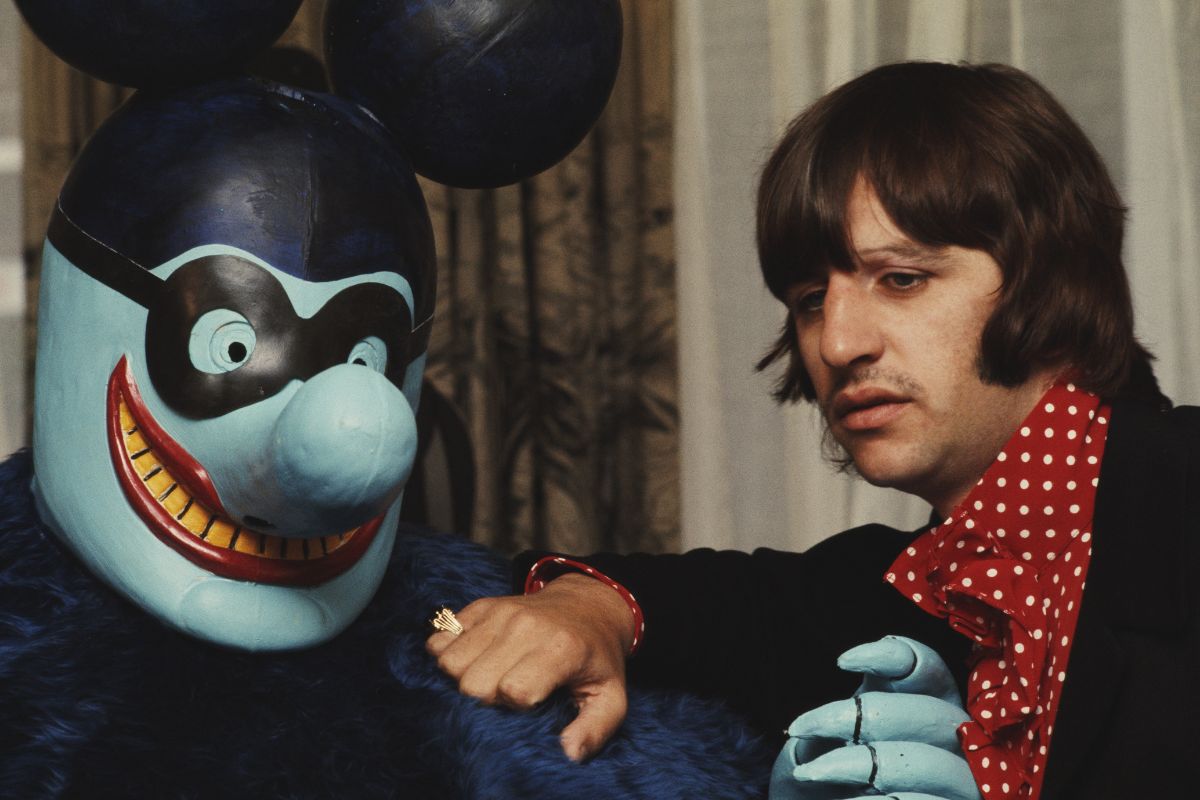
The Yellow Submarine soundtrack is widely considered the 'lightest' Beatles release, filled with orchestral scores and leftovers. 'Hey Bulldog', however, is a ferocious, piano-driven rocker that shows the band at their tightest. Recorded during the 'Lady Madonna' sessions, it features a biting John Lennon vocal and a snarling guitar solo from George Harrison. It is a hidden gem that is far too cool for a children's cartoon soundtrack.
8. The Rolling Stones – 'Time Waits for No One' (It's Only Rock 'n Roll, 1974)
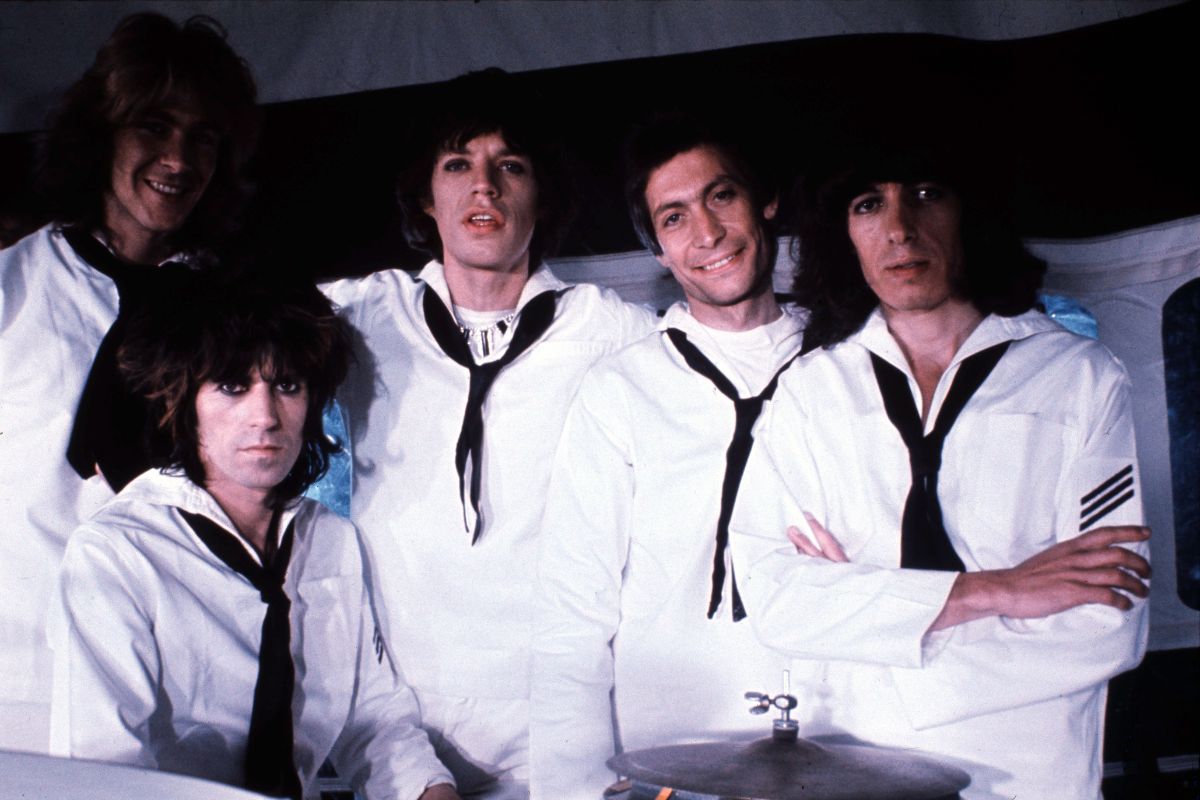
The album It's Only Rock 'n Roll is often seen as something of a comedown from the Stones' 1968-72 golden era. But this track is a sophisticated, jazzy anomaly. It features arguably the greatest guitar solo Mick Taylor ever recorded – a fluid, Latin-infused masterpiece that elevates the song into a transcendental meditation on time. It is a moment of pure beauty on an album otherwise characterized by cynical swagger.
9. Guns N' Roses – 'Ain't It Fun' ("The Spaghetti Incident?", 1993)
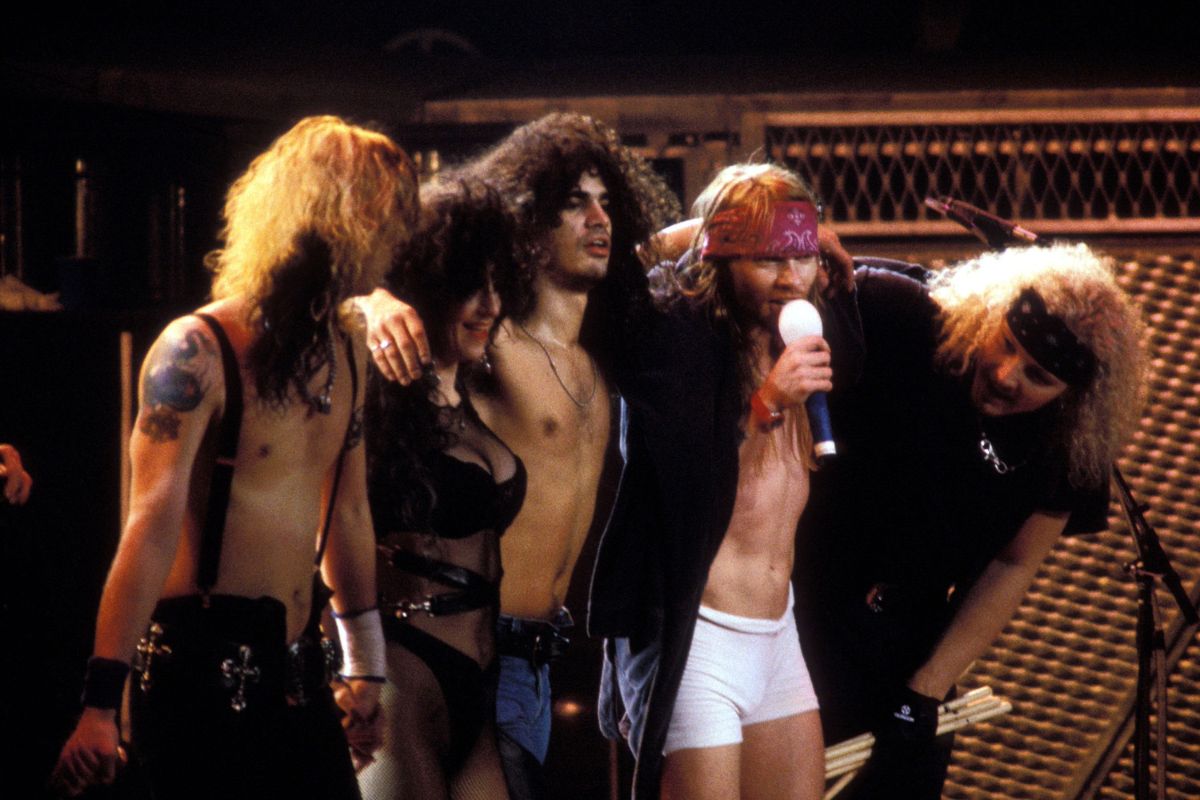
While the rest of The Spaghetti Incident? feels like a contractual obligation filled with lukewarm punk covers, 'Ain't It Fun' is a haunting, cinematic masterpiece. A cover of the Rocket from the Tombs track, it features a dual vocal from Axl Rose and Michael Monroe that drips with genuine nihilism. Its dark, orchestral production and bitter lyrics capture a grit the other tracks lack, serving as a visceral, tragic epitaph for the band's original era.
10. The Kinks – '(A) Face in the Crowd' (Soap Opera, 1975)
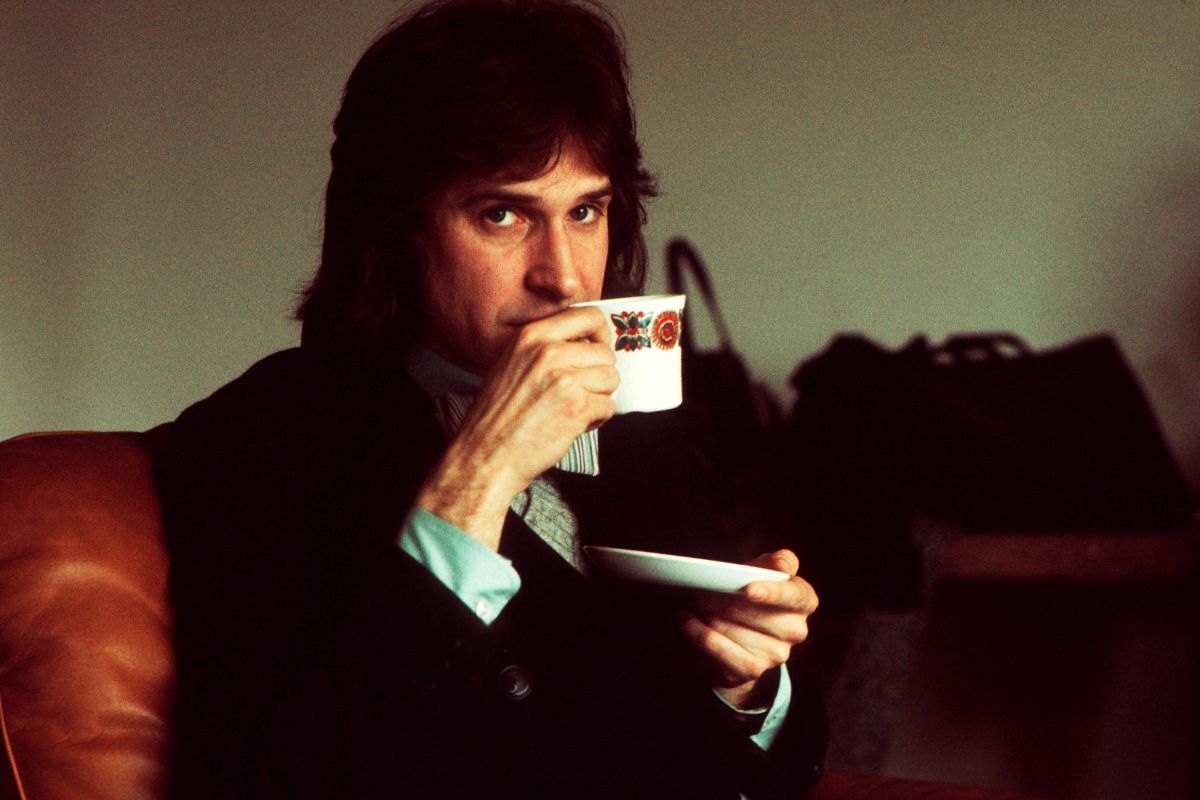
While Soap Opera is often dismissed as Ray Davies’ most indulgent theatrical detour, '(A) Face in the Crowd' is its undeniable emotional anchor. A tender, sparse ballad reminiscent of 'Celluloid Heroes', it finds the protagonist – a rock star masquerading as an 'ordinary man' – finally cracking under the weight of his own artifice. It’s a rare, vulnerable moment where the campy irony of the album drops away, revealing Davies’ profound, lifelong obsession with identity and the quiet dignity of the common worker.
11. Iggy Pop – 'Play It Safe' (Soldier, 1980)
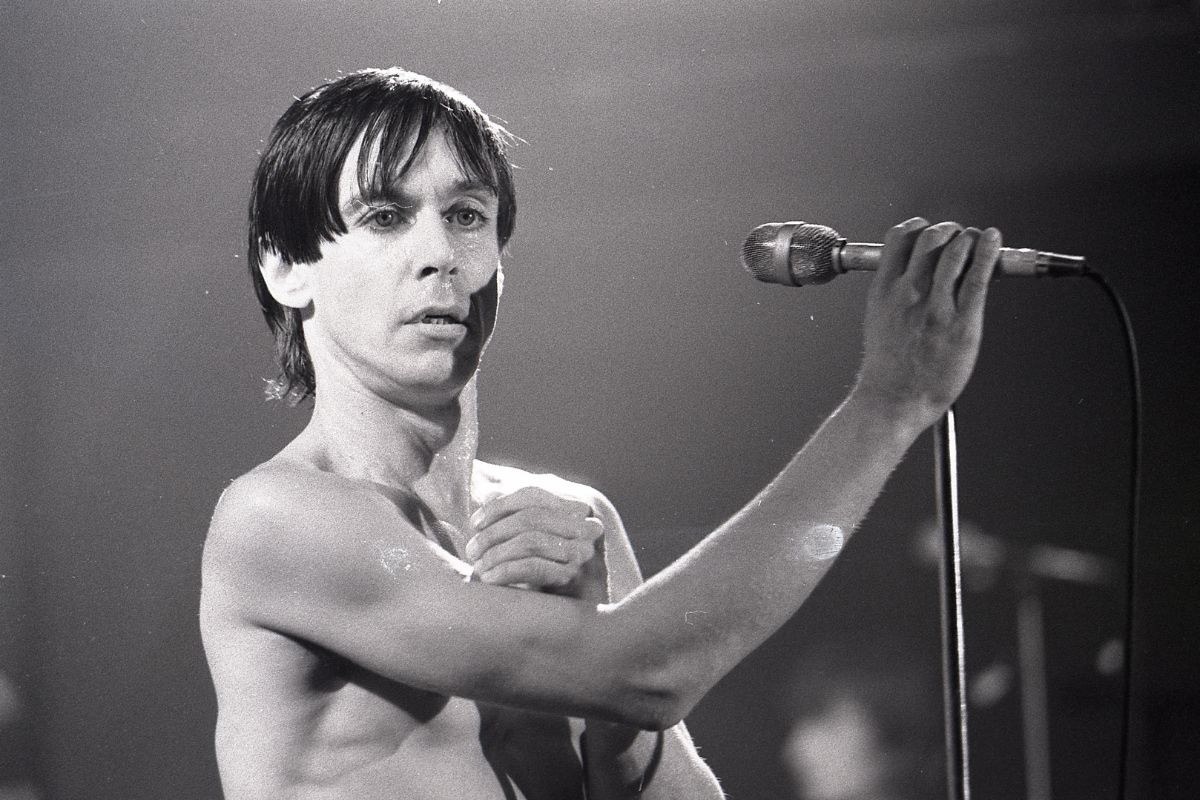
While Soldier is notoriously marred by a thin, flat production and legendary studio infighting that drove David Bowie to walk out of recordings, 'Play It Safe' stands as its brilliant, jagged peak. Co-written with Bowie and featuring backing vocals from Simple Minds' Jim Kerr and Derek Forbes, the track is a biting, sarcastic critique of creative cowardice.
Its repetitive, mechanical groove and Iggy’s mocking delivery capture a 'New Wave' coldness that actually works, providing a rare moment of focused, cynical genius amidst an otherwise disorganized and chaotic recording session.
12. Journey – 'Edge of the Blade' (Frontiers, 1983)
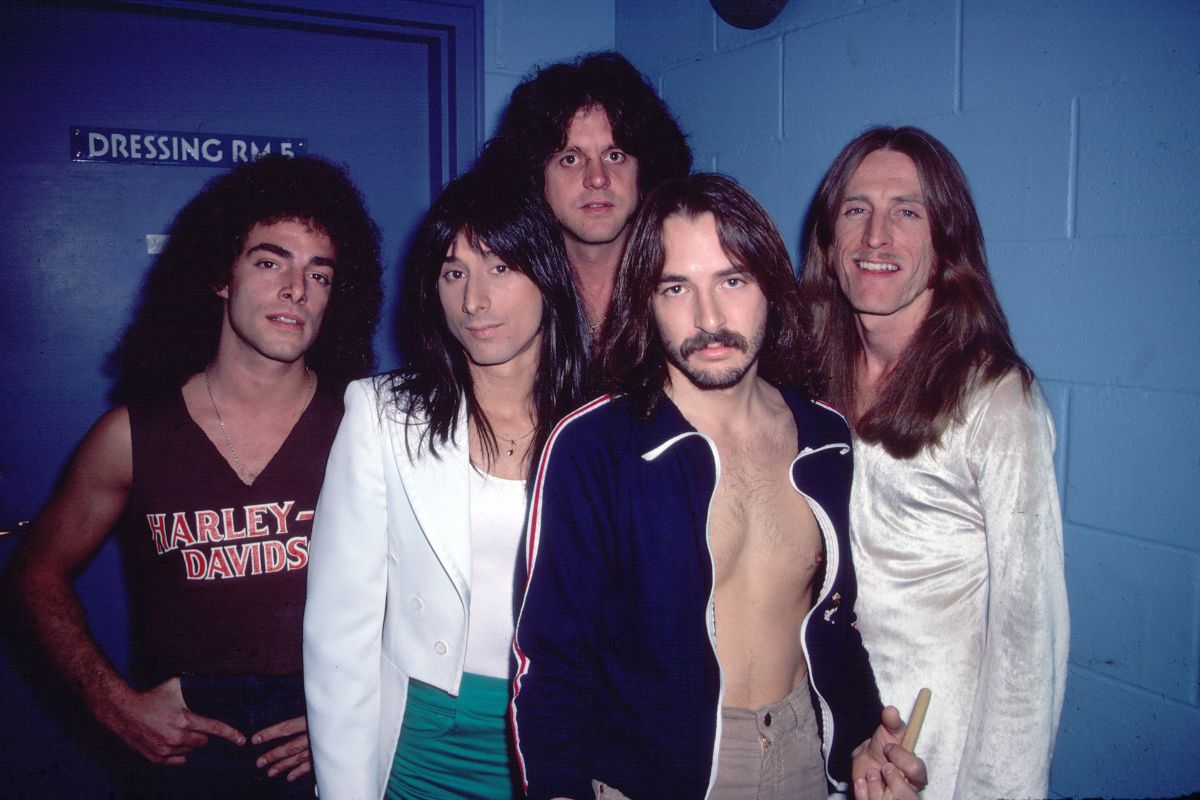
Frontiers saw Journey leaning into a more processed, keyboard-heavy 80s sound that lacked the soulful grit of their early work. But 'Edge of the Blade' is a high-octane hard rock track that reminds you why Steve Perry is one of the greatest singers in history. It’s aggressive, muscular, and features a powerhouse performance that stands head and shoulders above the synthpop ballads that dominate the record.
13. Bauhaus – 'Burning from the Inside' (Burning from the Inside, 1983)
Recorded while frontman Peter Murphy was sidelined with a serious illness, the rest of the band handled much of the songwriting, resulting in a fractured final album. The title track, however, is a quintessential gothic masterpiece. It’s a slow-burning, atmospheric epic that captures the band’s dark magic perfectly, proving they could still conjure shadows even as they were breaking up.
14. Queen – 'Under Pressure' (Hot Space, 1982)
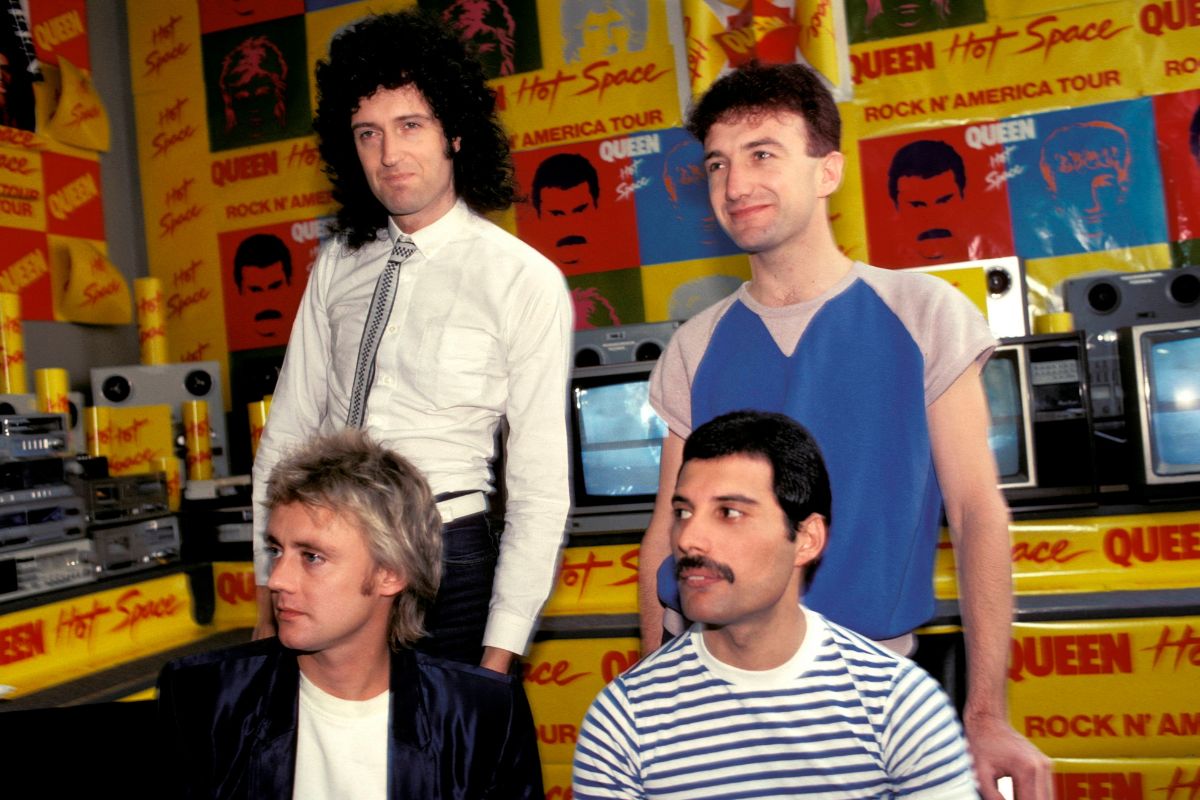
Hot Space was Queen’s ill-fated pivot to mechanical disco, an album that famously alienated their rock-loving fanbase. However, the closing track – a spontaneous collaboration with David Bowie – is one of the most beloved songs in history. Built on John Deacon’s iconic bassline and the soaring vocal interplay between Mercury and Bowie, it provided the emotional weight and human soul that the rest of the synth-heavy album sorely lacked.
15. Grateful Dead – 'Touch of Grey' (In the Dark, 1987)
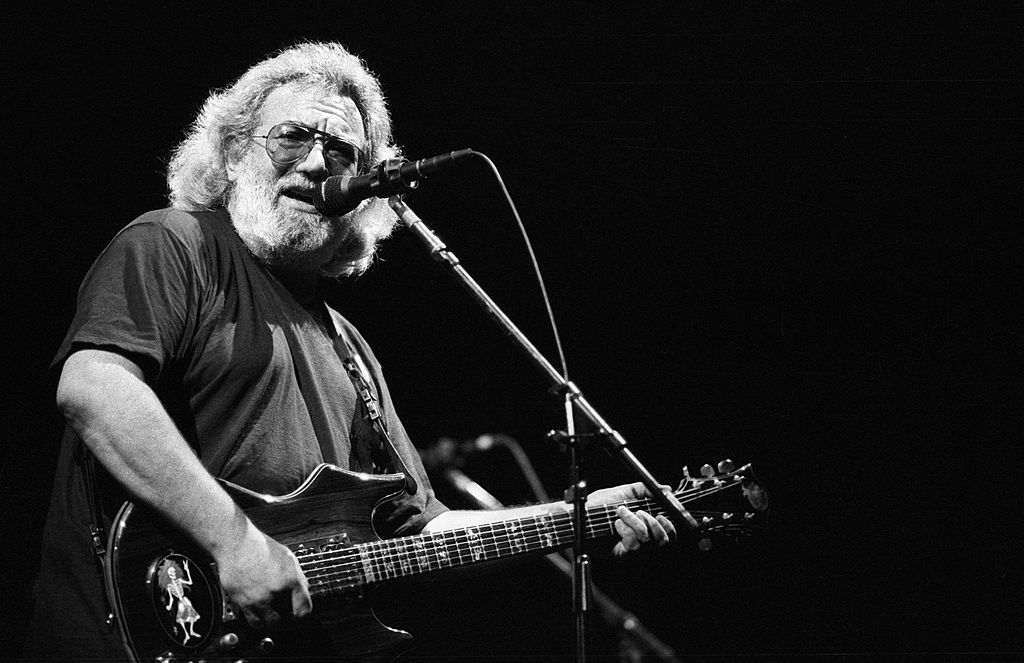
After a long studio drought and Jerry Garcia’s health struggles, the Grateful Dead released In the Dark, their 12th studio album and their first for six years. While much of the album is unremarkable, 'Touch of Grey' became an improbable Top 10 hit. With its resilient lyrics ('I will get by') and catchy, bright melody, it captured the band’s ageing wisdom and survivor spirit. It gave the Dead a new generation of fans, even if the rest of the album struggled to match its infectious optimism.
- We ranked the Grateful Dead's 13 studio albums. And the top 2 came from the SAME year
16. Black Sabbath – 'Zero the Hero' (Born Again, 1983)
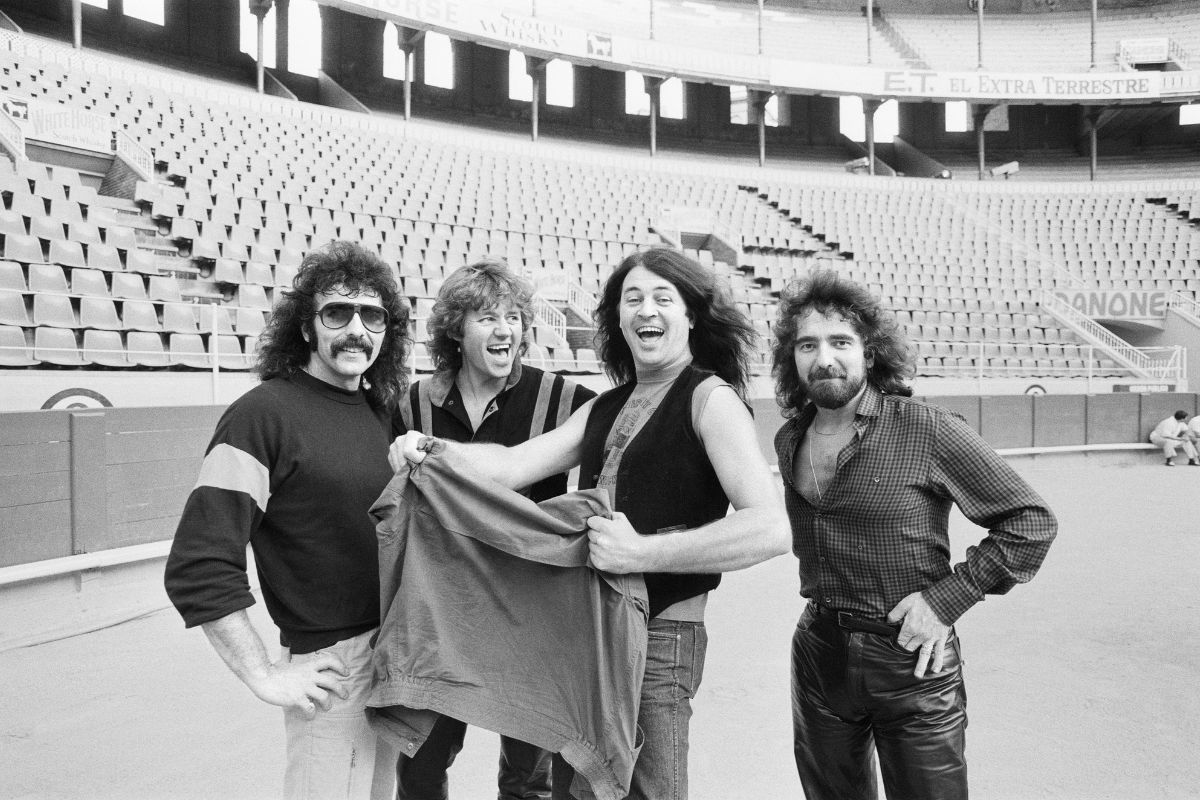
The pairing of Deep Purple frontman Ian Gillan with Black Sabbath was a bizarre 'supergroup' experiment that resulted in Born Again – an album legendary for its hilariously awful, cartoonish devil-baby cover art and a notoriously muddy, unlistenable mix that even the band members hated.
Yet, 'Zero the Hero' is an absolute titan of a track. Built around one of Tony Iommi’s heaviest, most sinister, and relentlessly chugging riffs, it creates a dark, claustrophobic atmosphere that is pure doom-metal perfection. It was so influential that Guns N' Roses implicitly lifted the riff for 'Paradise City', and Danzig famously swiped it for 'Twist of Cain'. It is a towering, monstrous classic buried beneath a production job that sounded like it was recorded underwater.
17. The Cure – 'The 13th' (Wild Mood Swings, 1996)
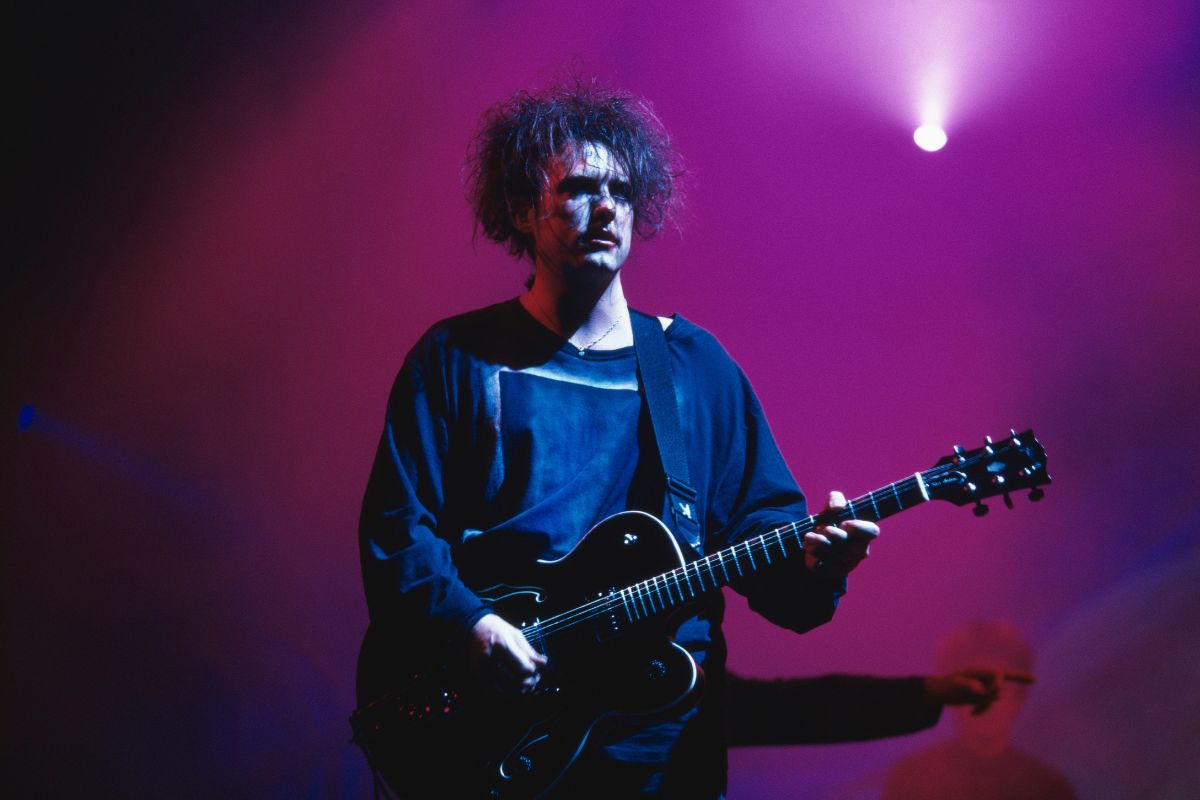
Wild Mood Swings is often cited by fans as the moment The Cure lost their cohesive gloom. However, 'The 13th' is a fascinating, brass-heavy departure. It’s a weird, Latin-influenced track that shows Robert Smith experimenting with rhythm and mood in a way that is far more interesting than the acoustic pop fillers that populate the rest of the bloated record.
Pics Getty Images


