Some groups change music without ever tasting the spotlight.
They spark movements, shape aesthetics, and leave fingerprints on entire genres, yet somehow slip through the cracks of public memory. From rock's mid-Sixties explosion onwards, dozens of bands quietly rewrote the rulebook while bigger names cashed the cheques. These are the cult heroes, the proto‑everything pioneers, the artists whose ideas travelled further than their fame ever did. A few solo acts sneak in too, because influence doesn’t always come in fours.
Here are the acts everyone borrowed from… but almost nobody remembers.
1. The Pretty Things
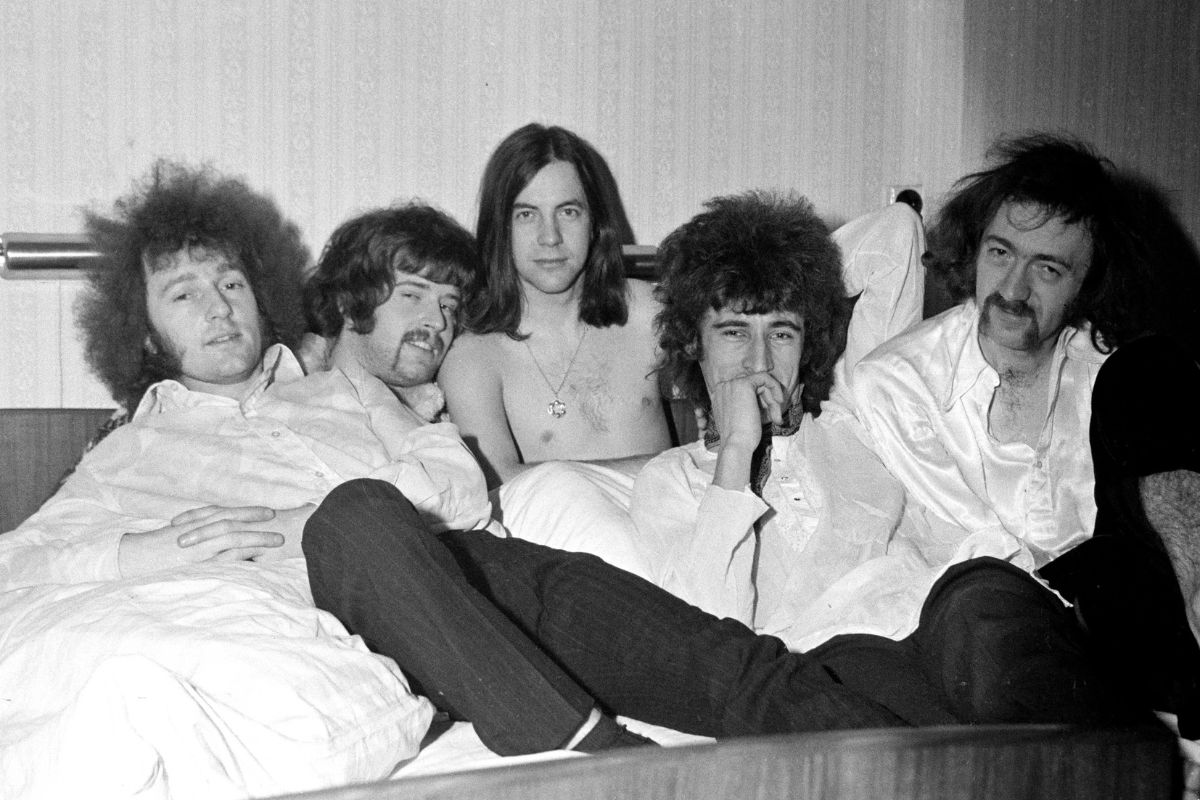
Influenced: The Who, Bowie, The Ramones, Aerosmith, and the entire garage-rock revival scene (The White Stripes, etcetera).
The Pretty Things were initially peers of The Rolling Stones (in fact, guitarist Dick Taylor was the Stones' original bass player). But where the Stones were bluesy and provocative, The Pretty Things were violently feral. Their early singles like "Rosalyn" and "Don't Bring Me Down" feature a snarling, distorted, feedback-drenched chaos that essentially invented garage-punk and proto-punk. They were so wild that they were banned from entire countries (including New Zealand for life) long before The Sex Pistols ever uttered a swearword on television.
Then, in 1968, they pivoted and released S.F. Sorrow. It was a multi-layered, psychedelic masterpiece that followed a single character's life from birth to death. It was the world's very first rock opera. However, due to terrible distribution and production delays, it languished in obscurity.
Months later, Pete Townshend and The Who released Tommy, claimed the invention of the rock opera, and rode it to global superstardom, while S.F. Sorrow was forgotten by the masses. David Bowie loved them so much he covered two of their songs on his Pin Ups album, yet the public never connected the dots.
Key track: 'Cries from the Midnight Circus' (Parachute, 1970)
Listen for: The staggering transition from heavy, acoustic folk-rock into a gritty, blistering, hard-rock groove with snarling vocals. It is the exact sonic blueprint that Aerosmith and Led Zeppelin would turn into stadium-filling rock in the 1970s.
2. Neu!
Influenced: David Bowie, Iggy Pop, Joy Division, Radiohead, Stereolab
This West German duo were the undisputed architects of the 'Motorik' beat — that hypnotic, relentless, minimal 4/4 drum rhythm that defines post-punk and modern alternative rock. By deliberately stripping their music of traditional American blues clichés, they created a driving, infinite sonic highway that felt completely unmoored from the past.
David Bowie begged them to collaborate, and modern indie music is structurally unimaginable without their influence. Yet bitter internal feuds and a complete lack of commercial ambition caused them to flame out early, ensuring that they remained a secret whispered among rock royalty while others conquered the charts.
Key track: 'Hallogallo' (1972)
Listen for: The 'Motorik' beat in all its glory. It is a continuous, driving, un-syncopated 10-minute drum groove that feels like driving down an endless highway. You can hear this exact rhythm in everything from David Bowie's 'Station to Station' to modern Radiohead tracks.
3. Silver Apples
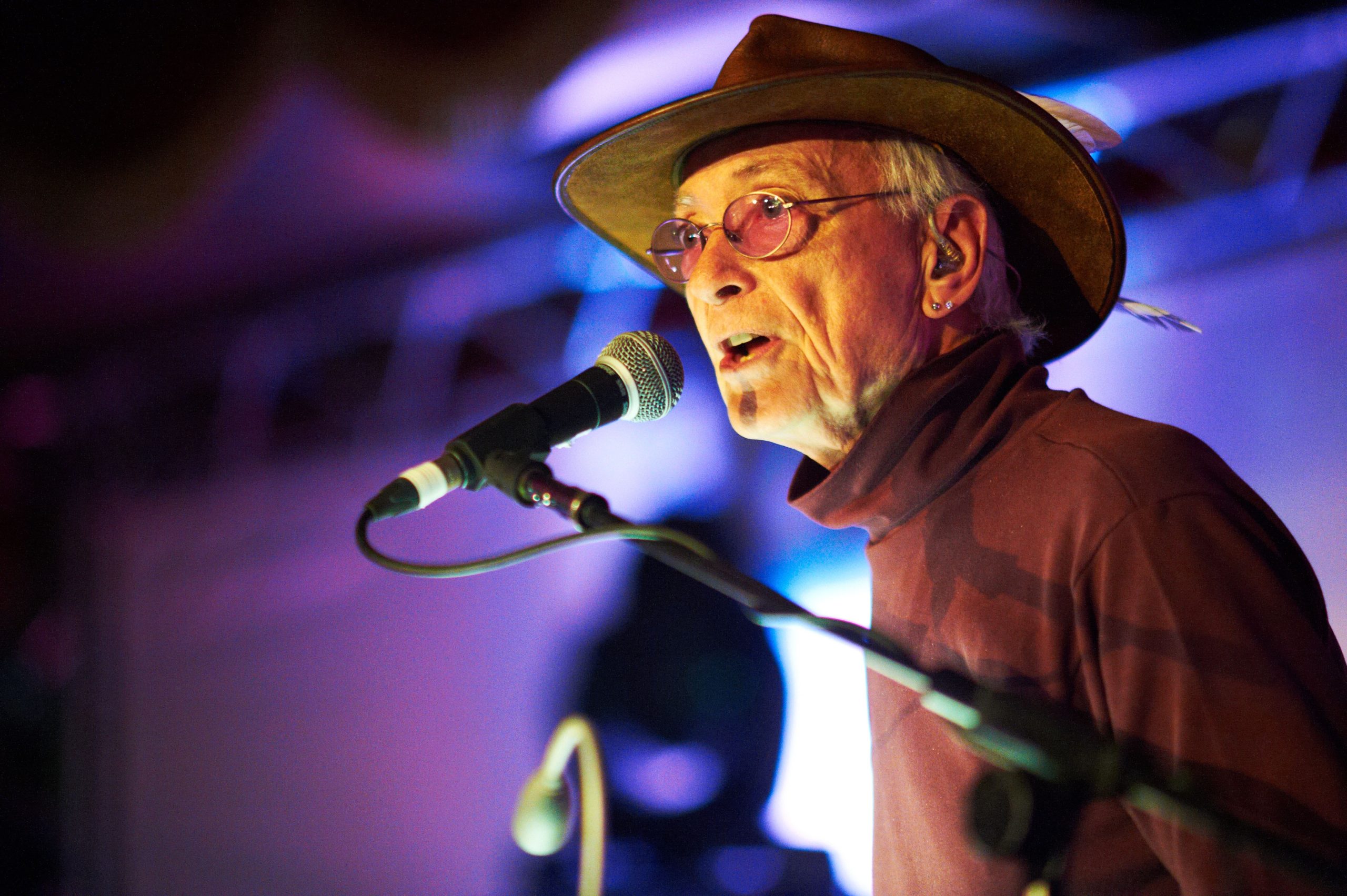
Influenced: Kraftwerk, Suicide, Daft Punk, LCD Soundsystem, krautrock
This late-1960s New York duo consisted of a traditional jazz drummer and a visionary bohemian playing a massive, homemade synthesizer setup constructed from telegraph keys, radio parts, and World War II surplus electronics. Together, they bypassed the guitar era entirely to invent electronic space-rock, pulsing out rhythmic synth loops over tribal beats.
A bizarre legal dispute involving a controversial album cover with a commercial airline pilot abruptly bankrupt the band and forced them off the airwaves. They flamed out just before the German electronic movement arrived to commercialize the exact electronic pulse they had built from trash.
Key track: 'Oscillations' (1968).
Listen for: The hypnotic, unchanging tribal drum beat layered beneath a swirling, blip-heavy synth loop. It sounds entirely mechanized, completely predicting the rise of krautrock and modern electronic dance music.
4. Wipers
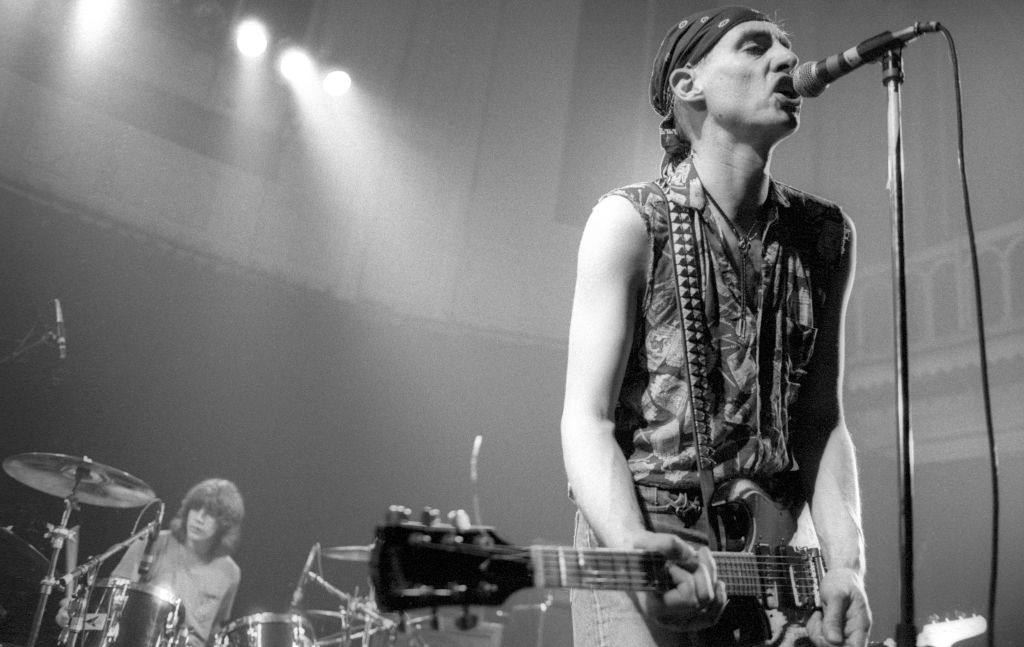
Influenced: Nirvana, Pearl Jam, Mudhoney, and the entire 1990s Pacific Northwest grunge explosion.
Led by the fiercely independent guitarist Greg Sage, this Portland trio blended raw punk energy with dark, heavy, brooding guitar solos that felt suffocated by rain and isolation. In the early 1990s, Kurt Cobain openly admitted that Nirvana was essentially trying to copy The Wipers' heavy, driving sound.
Yet while their disciples went on to dominate MTV and sell out football stadiums, Sage deliberately avoided the corporate music spotlight. He refused interviews, moved to the desert, and left his band’s incredible musical legacy to be cannibalized by the mainstream rock machine.
Key track: 'D-7' (1980)
Listen for: The quiet, brooding, clean guitar intro that suddenly explodes into a massive wall of heavy, distorted, angst-ridden noise. Nirvana loved this track so much they covered it note-for-note, effectively taking the structure for their entire catalogue.
5. The Monks
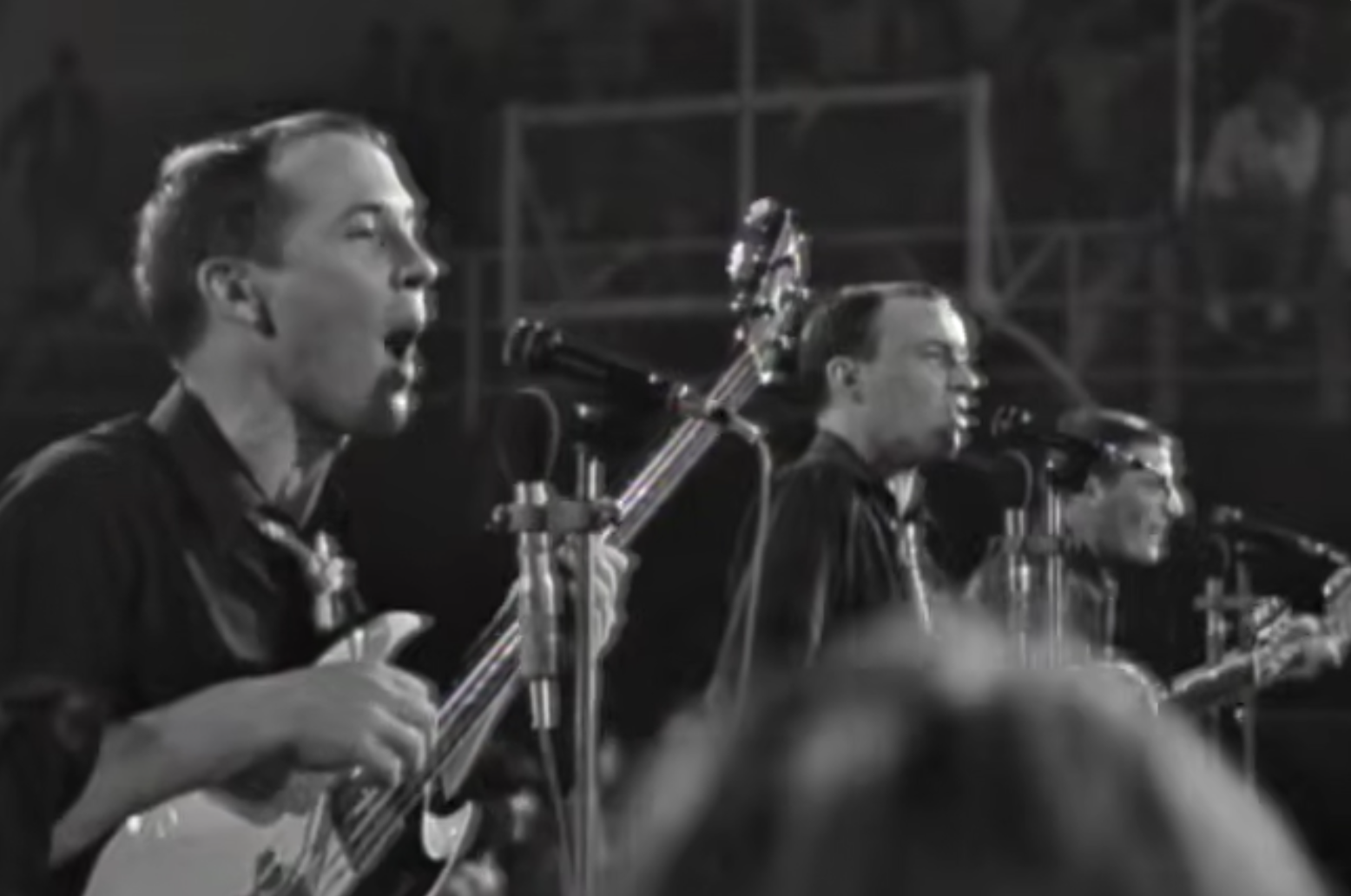
Influenced: The Fall, The White Stripes, Beastie Boys, and industrial garage-punk.
Five American GIs stationed in Germany in 1965 decided to rebel against the dominant, polite British Invasion sound. They shaved monk tonsures into their heads, wore nooses as ties, and created an anti-Beatles racket. Relying on heavy amplifier feedback, a six-string banjo played purely as a percussion instrument, and minimalist, throat-shredding vocal chants, they inadvertently invented garage-punk and industrial repetition.
It was an astonishingly aggressive, abrasive sound for the mid-60s. Audiences hated them, often throwing bottles at the stage, and the band dissolved in less than two years, leaving behind a radical blueprint that underground rock would copy for decades.
Key track: 'Complication' (1966)
6. The United States of America
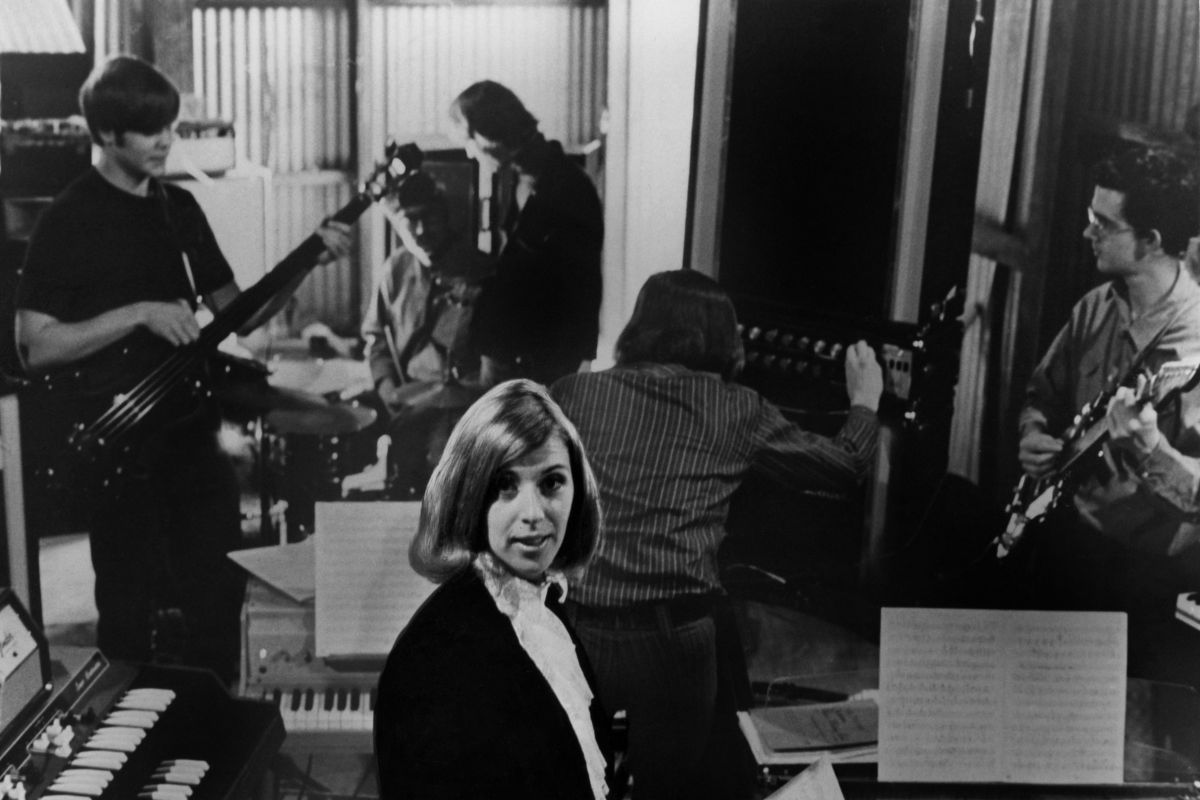
Influenced: Portishead, Broadcast, Stereolab, and the 2000s 'indietronica' movement
In 1968, while every other psychedelic band was buying sitars and singing about flower power, this avant-garde collective did something truly radical: they banned lead guitars from their studio entirely. Instead, they weaponized primitive, custom-built synthesizers, ring modulators, and electronic oscillators to create a cold, politically dystopian masterpiece.
The resulting music was a terrifyingly futuristic blend of electronic noise and sweet pop melodies. The public, understandably, was completely bewildered, and the album sunk without a trace. It took three decades for the trip-hop and indie-electronic movements to finally turn their exact sonic blueprint into a trendy, multi-million-dollar aesthetic.
Key track: 'The Garden of Earthly Delights' (1968)
What to listen for: The eerie, pulsating electronic bassline and the scratching ring-modulator noises. Listen past the 60s vocal style and you are listening directly to Portishead’s Third or a Broadcast record.
7. Television Personalities
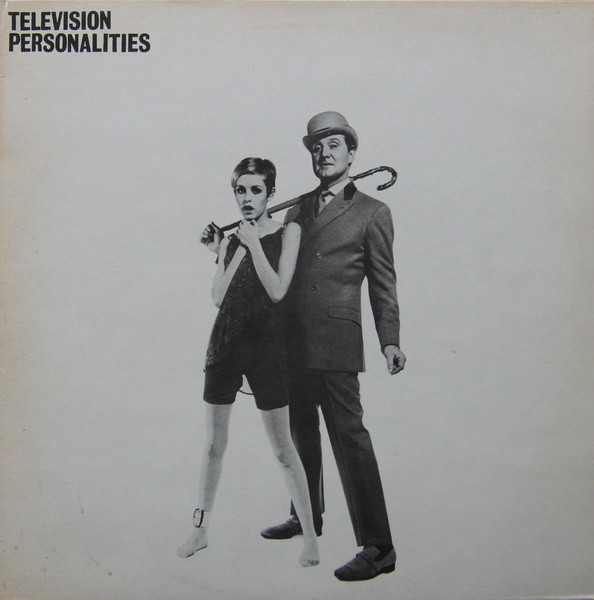
Influenced: The Smiths, Pavement, MGMT, and the entire C86 twee-pop movement.
Led by the eccentric genius Dan Treacy, this shambolic London band pioneered the hyper-literate, lo-fi "indie-pop" aesthetic. They proved that you could write brilliant, deeply affecting, and witty pop songs using cheap, out-of-tune equipment and a flat, unapologetically British vocal delivery. Their bedroom-pop style influenced everyone from Kurt Cobain to Morrissey.
Yet Treacy’s severe mental health battles and chaotic lifestyle meant the band was entirely unmarketable to the mainstream. They languished in poverty and obscurity, while the global alternative music scene adopted their charmingly messy, lo-fi blueprint as a badge of cool.
Key track: 'Part-Time Punks' (1978)
Listen for: The gloriously sloppy, out-of-tune acoustic guitar strumming and the hyper-specific, charmingly witty British lyrics. It is the defining blueprint for the lo-fi, bedroom indie-pop genre.
8. Sir Lord Baltimore
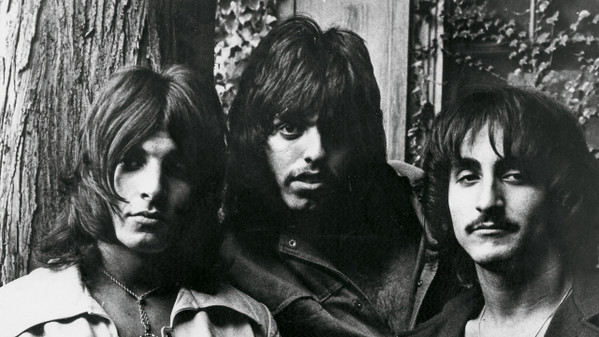
Influenced: Black Sabbath, Soundgarden, Monster Magnet, and the 1990s stoner-rock revival scene.
Long before the term 'heavy metal' was codified by music journalists, this ferocious Brooklyn trio was pushing amplifiers past their absolute limits. In 1970, their debut album featured hyper-distorted, frantic, galloping guitar riffs and a manic drumming style that was simply too abrasive and aggressive for the peace-and-love era.
Music critics of the day utterly savaged them, unable to comprehend the sheer velocity of the music. By the time the rest of the world caught up to heavy rock a few years later, Sir Lord Baltimore had already disbanded due to poor sales, leaving them as a missing link in heavy metal history.
Key track: 'Master Heartache' (1970)
Llisten for: The furious, hyper-speed drum fills opening the track and that instantly recognizable, muddy, overdriven guitar riff. It is the exact DNA of the 90s stoner-metal and grunge sound.
9. The Comsat Angels
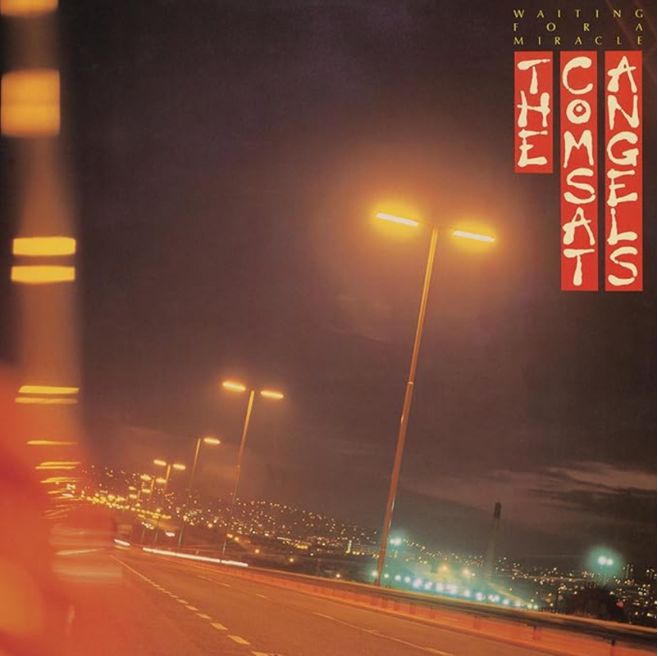
Influenced: Interpol, Editors, The Killers, and the entire 2000s post-punk revival.
Hailing from the industrial northern English town of Sheffield, this criminally overlooked band crafted an icy, atmospheric, and rhythmically heavy post-punk sound that should have made them as culturally massive as Joy Division or The Cure. Their music relied on vast caverns of echoing guitar space and propulsive basslines.
Sadly, a tragic string of bad luck, terrible label promotion, and poor timing meant they missed the commercial boat entirely. When the indie-rock world suddenly revived this exact moody, dark guitar aesthetic in the early 2000s, newer bands achieved global success, while the Comsat Angels remained a footnote.
Key track: 'Independence Day' (1980)
Listen for: The huge, jagged gaps of silence between the high-pitched, echoing guitar lines and the heavy, propulsive bass. When Interpol broke big in 2002, this was the exact dark, spacious atmosphere they copied.
10. Arthur Russell
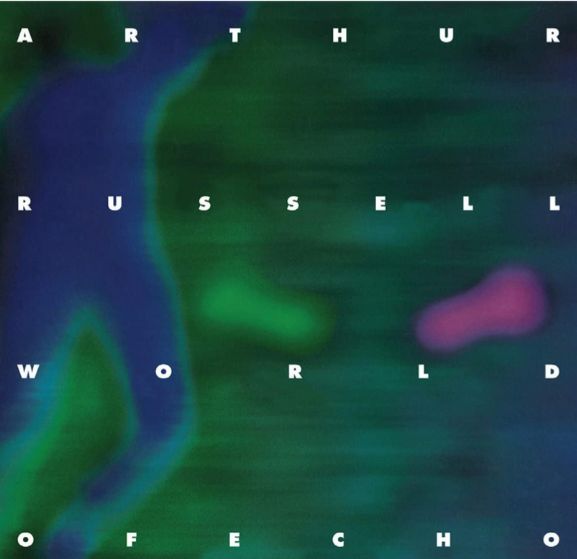
Influenced: Talking Heads, LCD Soundsystem, Blood Orange, Hot Chip
A ghost haunting the margins of downtown Manhattan, cellist and composer Arthur Russell was the ultimate musical shape-shifter. He flitted effortlessly between the Kitchen’s experimental classical circles and the strobe-lit ecstasy of the Paradise Garage.
His music was a sublime paradox: blending skeletal, echo-drenched cello plucking, ethereal folk melodies, and raw, off-kilter dance grooves. It was an uncanny, deeply emotional fusion that laid the actual foundation for the modern indie-dance and house music movements.
Key track: 'Is It All Over My Face?' (as Loose Joints, 1980)
Listen for: The beautifully chaotic, un-metronomic live drumming, the slurred, wonderfully imperfect amateur vocals, and a driving, raw 'mutant-disco' bassline that purposefully dragged behind the beat—inventing the blueprint for modern house music.
11. A.R. Kane
Influenced: My Bloody Valentine, Slowdive, Cocteau Twins, M83
This brilliant British duo actually coined the term 'dream pop' to describe their music, yet history cruelly handed all the credit to the shoegaze movement that followed them. A.R. Kane were the very first to violently mix suffocating walls of guitar feedback with dub basslines, electronic dance beats, and ethereal, floating vocals.
They completely rewrote the rulebook on what a guitar could sound like in the late 1980s. Unfortunately, their music was far too eclectic for the rigid indie press of the era. They were quickly forgotten, while their disciples bought distortion pedals and rode that exact dream-pop wave to alternative rock immortality.
Key track: 'Baby Milk Snatcher' (1988)
Listen for: The way the guitar chords seem to melt and warp in a cloud of reverb and delay, floating over a heavy, danceable dub bassline. It is the literal invention of the "shoegaze" and dream-pop guitar texture.
12. Judee Sill (1970s)

Influenced: Fleet Foxes, Weyes Blood, Joanna Newsom
The first artist signed to David Geffen’s Asylum Records, Judee Sill was the ultimate tragic outsider of the 1970s Laurel Canyon folk scene. While contemporaries chased commercial pop hooks, Sill constructed otherworldly, deeply spiritual music that she called "cosmic American music." Her complex arrangements masterfully blended the acoustic intimacy of California folk with the intricate, mathematical vocal counterpoint of Johann Sebastian Bach.
Judee Sill’s baroque folk — spiritual, harmonic, quietly radical — influenced Joni Mitchell, Fleet Foxes, Weyes Blood and countless modern indie artists. Her life was chaotic, her career short, and her records undersold, but her melodic language echoes everywhere. She’s a perfect example of a solo artist everyone copied without realising.
Key track: 'The Kiss' (1973)
Listen for: The achingly gorgeous, slow-building piano chords that underpin her double-tracked vocal harmonies. Notice how the lush, self-conducted orchestral strings seamlessly intertwine with her voice, completely predicting the modern indie-folk and chamber-pop architecture of the 21st century.
13. Chrome
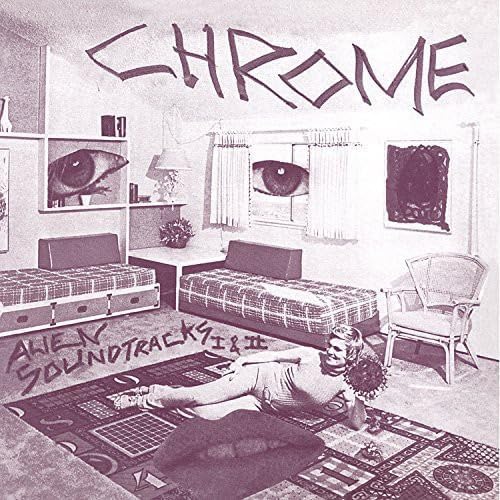
Influenced: Nine Inch Nails, Ministry, Marilyn Manson and the 1990s industrial metal explosion.
In late-1970s San Francisco, Chrome began mixing hallucinogenic psychedelic rock with harsh metallic noise, found-sound tape manipulations, and bleak, dystopian cyberpunk imagery. They laid down the literal railroad tracks for the massive industrial rock explosion of the 1990s, proving that electronic noise and heavy guitars could form a terrifying, cohesive weapon.
However, their music was far too deeply unsettling and unhinged for commercial radio at the time. They remained confined to the extreme underground, completely broke, while future industrial multi-instrumentalists turned their nightmarish vision into platinum-selling arena spectacles.
Key track: 'Chromosome Damage' (1977)
What to listen for: The terrifying mix of metallic, distorted sci-fi vocals, jarring industrial clangs, and jagged punk guitar. It sounds like a broken machine in a dystopian future—the exact blueprint Trent Reznor would turn into a multi-platinum sound.
14. Badfinger
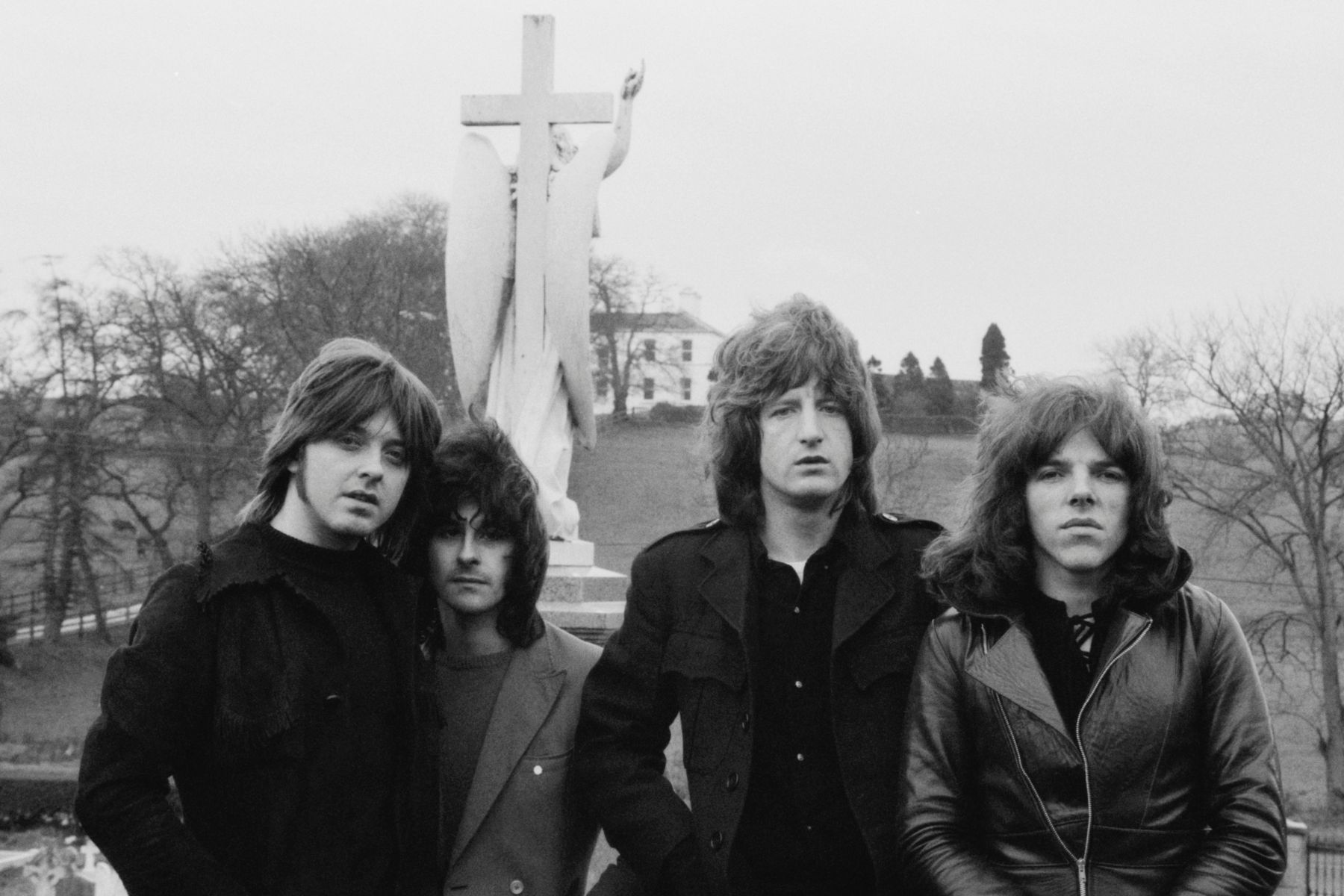
Influenced: Cheap Trick, The Knack, Weezer, and the entire power-pop genre.
Originally signed to the Beatles’ Apple Records label, this immensely talented band practically invented the modern formula for power-pop: soaring, melancholic melodies driving hard against crisp, high-tension guitar riffs. They racked up a few early hits, but behind the scenes, horrific financial fraud by their manager left the band utterly destitute and legally trapped.
Stripped of their earnings and unable to record, the band collapsed into absolute tragedy. While subsequent generations of radio-rock bands made millions using their specific blend of bright hooks and hidden sadness, Badfinger’s name remains permanently overshadowed by their heartbreaking industry story.
Key track: 'No Matter What' (1970)
Listen for: The opening chug of the guitar chord and the flawless transition into a soaring, bittersweet vocal harmony. It's the absolute gold standard for power-pop.
15. Mission of Burma
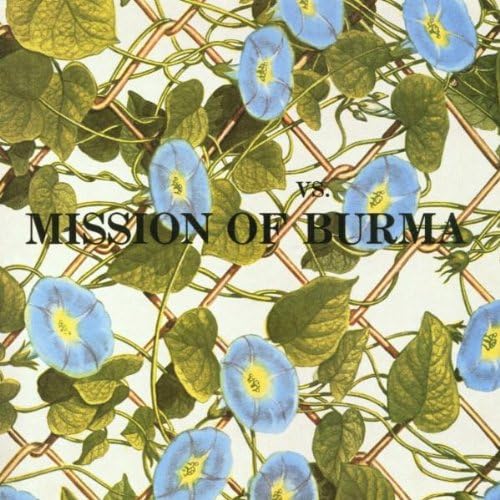
Influenced: R.E.M., Pixies, Nirvana, Pearl Jam, and American indie-rock.
This Boston band provided the definitive blueprint for the 1980s American underground. They pioneered a brilliant mix of artsy post-hardcore dissonance, anthemic pop hooks, and live, avant-garde tape-loops manipulated from the soundboard. They were poised to spearhead the college rock movement, but their career was cut tragically short.
The band was forced to dissolve at their absolute creative peak because their staggering, confrontational stage volume was literally causing the lead singer permanent, agonizing hearing damage. They vanished from the circuit, leaving bands like the Pixies to popularize their loud-quiet-loud dynamic to a massive audience.
Why do some bands become influential but not famous?
Some groups change music without ever getting the credit, and the reasons are rarely simple. Often it’s timing: a band arrives a few years too early, invents a sound before there’s an audience for it, and ends up overshadowed when someone else refines the idea later. Others fall victim to geography — scenes flourish in New York, London or LA, while equally inventive bands in Brisbane or Düsseldorf struggle to be heard. And then there’s the industry itself: poor distribution, chaotic management, or labels who don’t know how to market something that doesn’t fit the moment.
There’s also the strange alchemy of taste. Some bands are artist’s artists, adored by musicians who recognise the craft, but too odd, too subtle or too abrasive for casual listeners. Their legacy becomes a chain of inspiration rather than a chart position. In the end, fame is fickle, but influence is stubborn: it seeps into the culture quietly, shaping the music of people who may never know where the ideas came from.
Personality plays a part too. Many cult‑influencers are uncompromising, eccentric or simply uninterested in the grind of fame. They make brilliant records but don’t tour enough, or they implode just as momentum builds. Meanwhile, bigger acts borrow their innovations — a riff here, a rhythm there, a whole aesthetic sometimes — and carry those ideas into the mainstream. Influence travels; names don’t always follow.
Pics Getty Images
Sir Lord Baltimore pic: Discogs
The Monks pic: YouTube
Top pic Badfinger, 1970