Rock history is full of what-ifs. What if John Bonham hadn't died? What if the Beatles had found a way to stay together?
What if a guitarist who walked away, or a singer who left too soon, had made a different choice?
We know how these stories turned out. The Beatles split, Led Zeppelin decided they shouldn't or couldn't carry on without Bonham. But there were other possibilities, too. Musicians talked about future projects, flirted with new directions and came close to joining forces with people who might have changed their careers.
Some of these scenarios are more plausible than others, of course. But they all offer a chance to look at familiar rock history from a different angle. Here are 13 moments when things might have turned out very differently.
So. What if...
1. The Beatles didn't break up in 1970
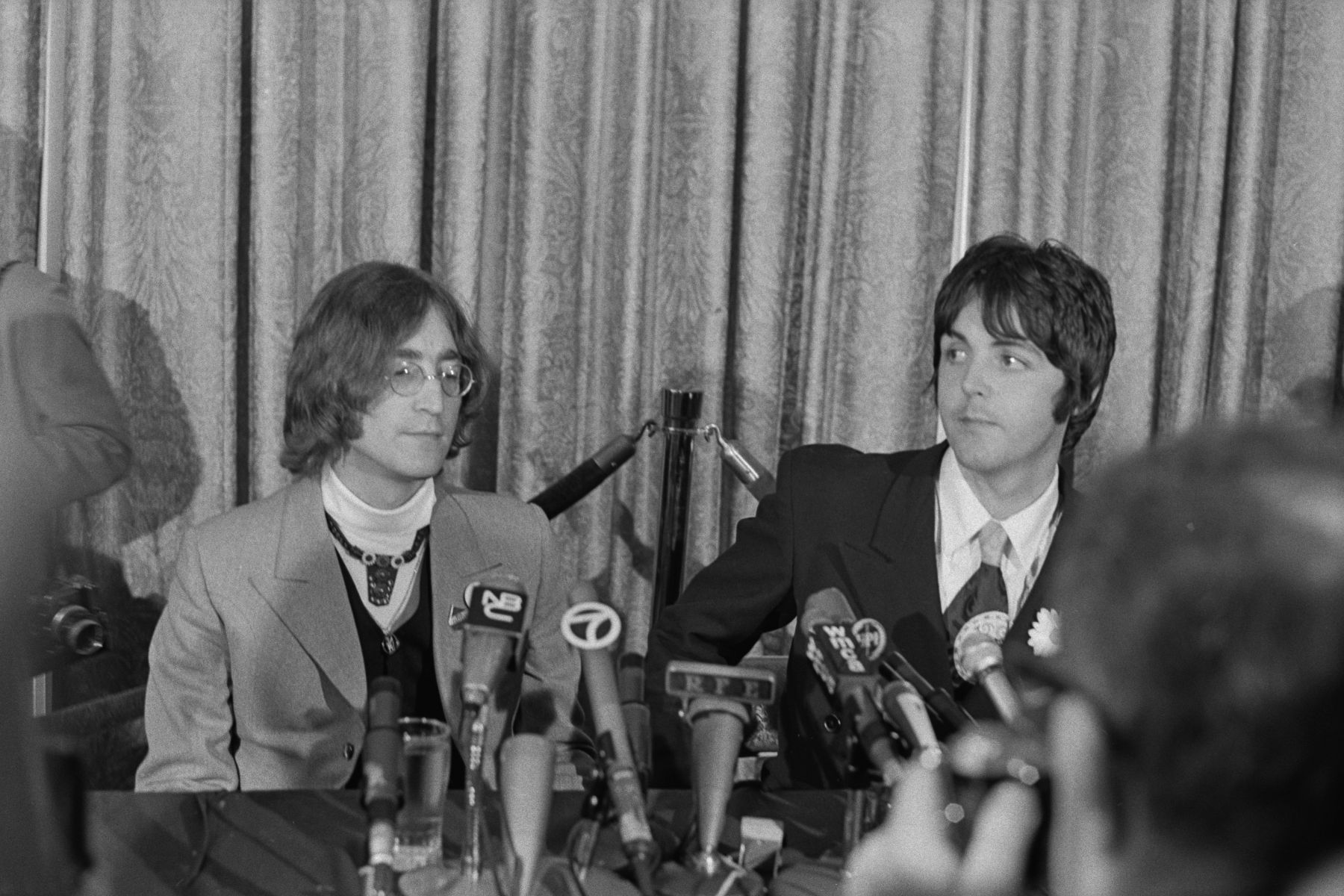
The reality: A mix of business disputes, creative burnout, and diverging personal lives finally broke up the biggest band in history in April 1970. The Fab Four left behind Abbey Road and Let It Be as their last, bittersweet statements, and then all got stuck into solo careers that showed they'd simply outgrown the confines of The Beatles.
But what if: John, Paul, George and Ringo sign a loose, non-exclusive contract in 1970, allowing them to make their own solo albums while coming back together as the Beatles every once in a while. Their 1971 album takes all the best bits from where we know they were going next - Lennon's Imagine, Harrison's All Things Must Pass, McCartney's 'Maybe I'm Amazed' - and is an absolute masterpiece.
Throughout the 1970s, the Beatles continue to function as an on-off cooperative. No touring, but their occasional LPs are right at the heart of the story of Seventies music. They eventually make a smooth transition into the beginnings of the 1980s - synthpop, New Wave and all that - before gracefully agreeing to call it a day.
2. Syd Barrett didn't implode
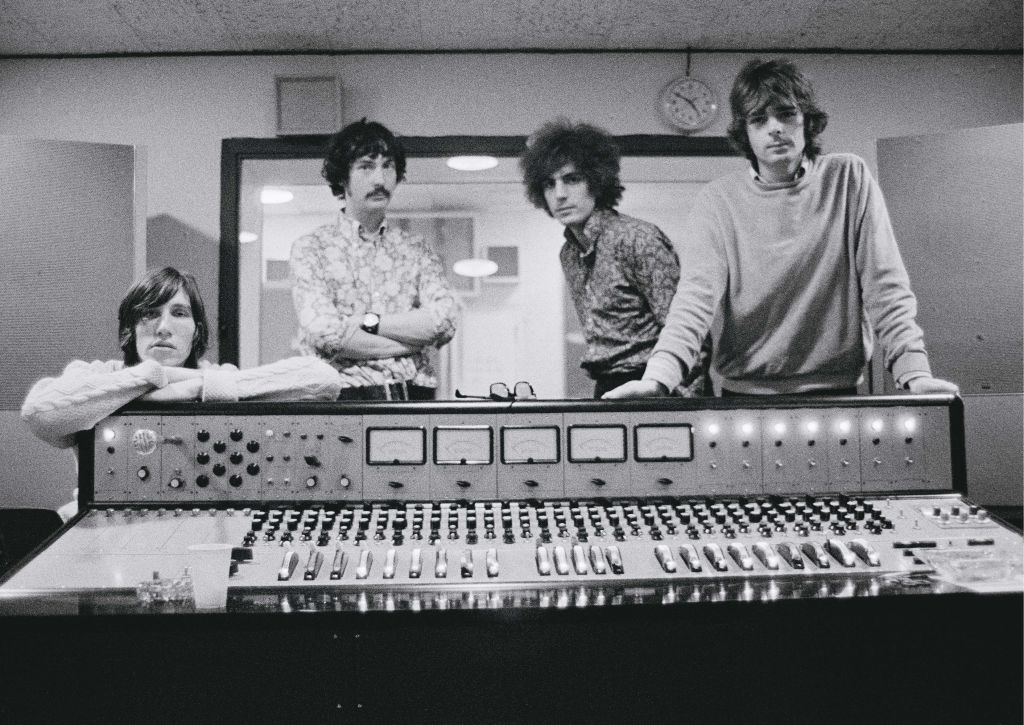
The reality: Pink Floyd’s original visionary, Syd Barret suffered a severe, drug-induced mental breakdown in 1968. The band reluctantly replaced him with David Gilmour, moving away from whimsical pop into progressive, atmospheric rock. The collective trauma of losing Barrett directly inspired their greatest works, including the themes of isolation and madness on The Dark Side of the Moon and Wish You Were Here.
But what if? Barrett gets himself together and quits the LSD, remaining the band's clear-headed leader. David Gilmour never joins, and Roger Waters remains a quiet bassist rather than the primary lyricist. Instead of releasing moody masterpieces like Wish You Were Here and The Wall, Pink Floyd spend the 1970s as a highly successful, eccentric psychedelic pop band.
They release albums filled with whimsical, fairy-tale narratives, acoustic soundscapes, and experimental tape loops. They remain a massive cult favourite in the UK, but never cross over into the stadium-filling, universal monolith that redefined classic rock.
3. Jimi Hendrix survived
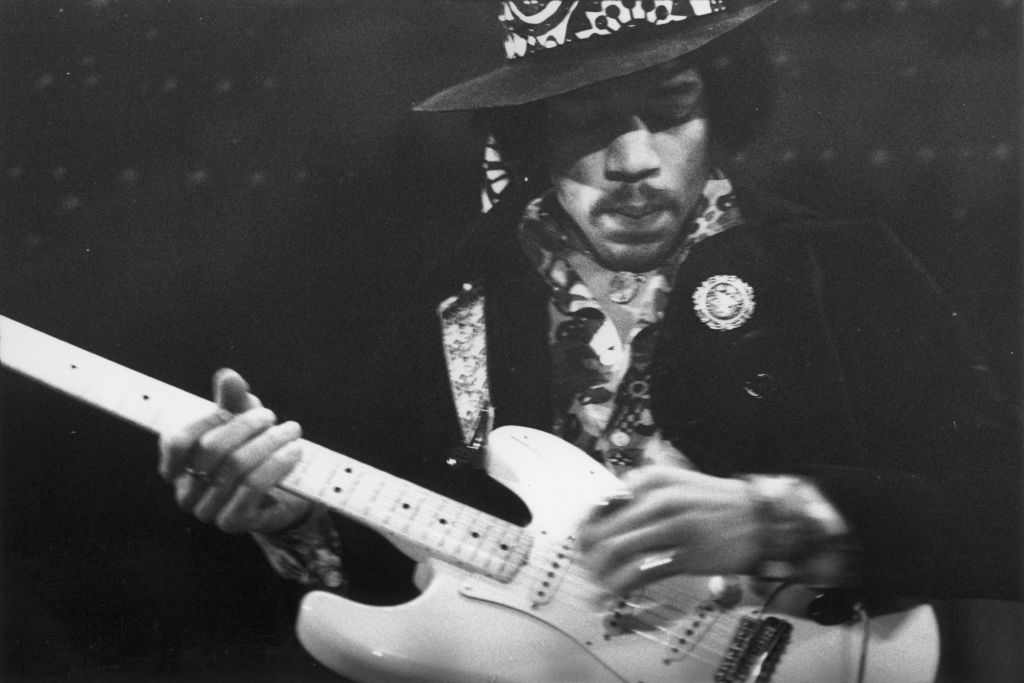
The reality: On September 18, 1970, the legendary guitarist died in London at just 27 years old. His sudden, youthful death had the effect of freezing him in aspic as the symbol of the flair and flamboyance of late 1960s psychedelia: a wild man who set his guitar on fire and made something strangely beautiful from feedback.
But what if: Hendrix survives his drug-induced crisis - and retreats from the public eye. He heads straight to New York to crack on with his planned collaboration with Miles Davis and arranger Gil Evans. In 1971, the trio release a sprawling, electric jazz-fusion-funk masterpiece that points a new direction for black American music.
Hendrix abandons the theatrical tricks of his youth to focus on deep, rhythmic improvisation, becoming a key influence on the rise of P-Funk and early hip-hop. Like Bowie, he becomes one of the 1970s' great artistic chameleons.
4. Brian Wilson finished SMiLE in 1967
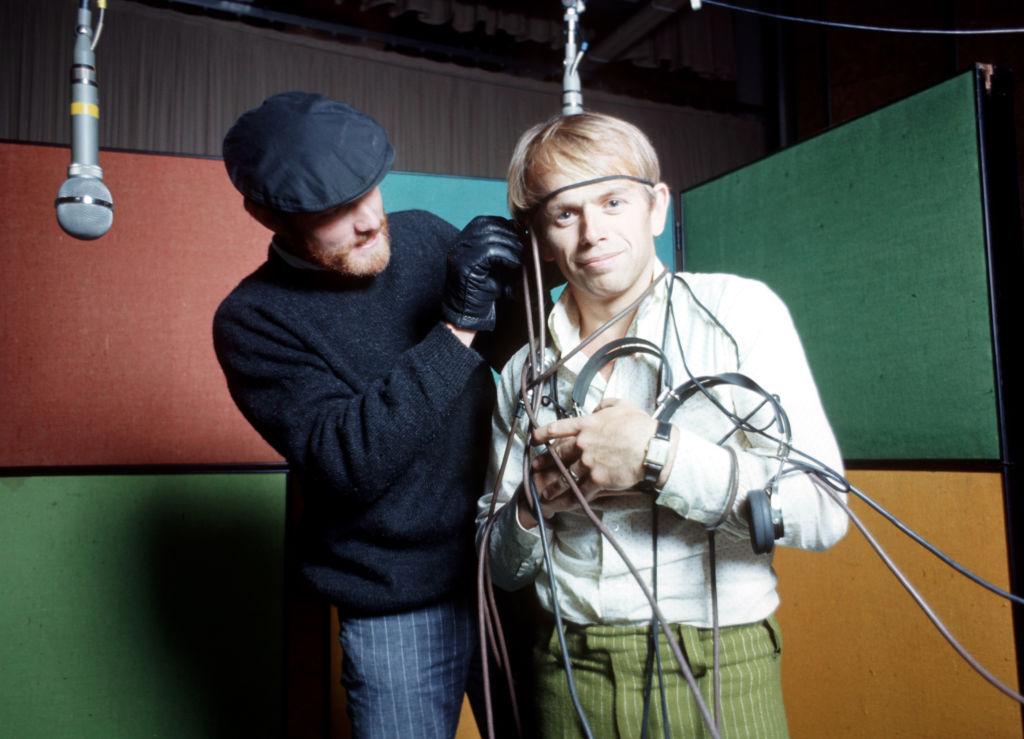
The reality: Facing immense pressure from his record label, pushback from bandmate Mike Love, and a deteriorating mental state, Brian Wilson abandoned his avant-garde pop masterpiece, SMiLE, in mid-1967. The Beatles released Sgt. Pepper unchallenged, securing the pop supremacy crown for Britain. The Beach Boys retreated to simpler, low-key, lo-fi pop, losing their place at the cutting edge of culture.
But what if? Mike Love embraces the complex lyrics, the label stays patient, and a confident Brian Wilson completes the record in early May 1967, weeks before Sgt. Pepper hits shelves. SMiLE explodes into the cultural landscape as an unprecedented, symphonic, psychedelic masterpiece.
It completely alters the course of popular music, demonstrating modular editing and sound-collage decades before their time. The Beatles are forced to react to Wilson, shifting the epicentre of the avant-garde pop revolution back to California.
5. Brian Jones stayed on in the Stones
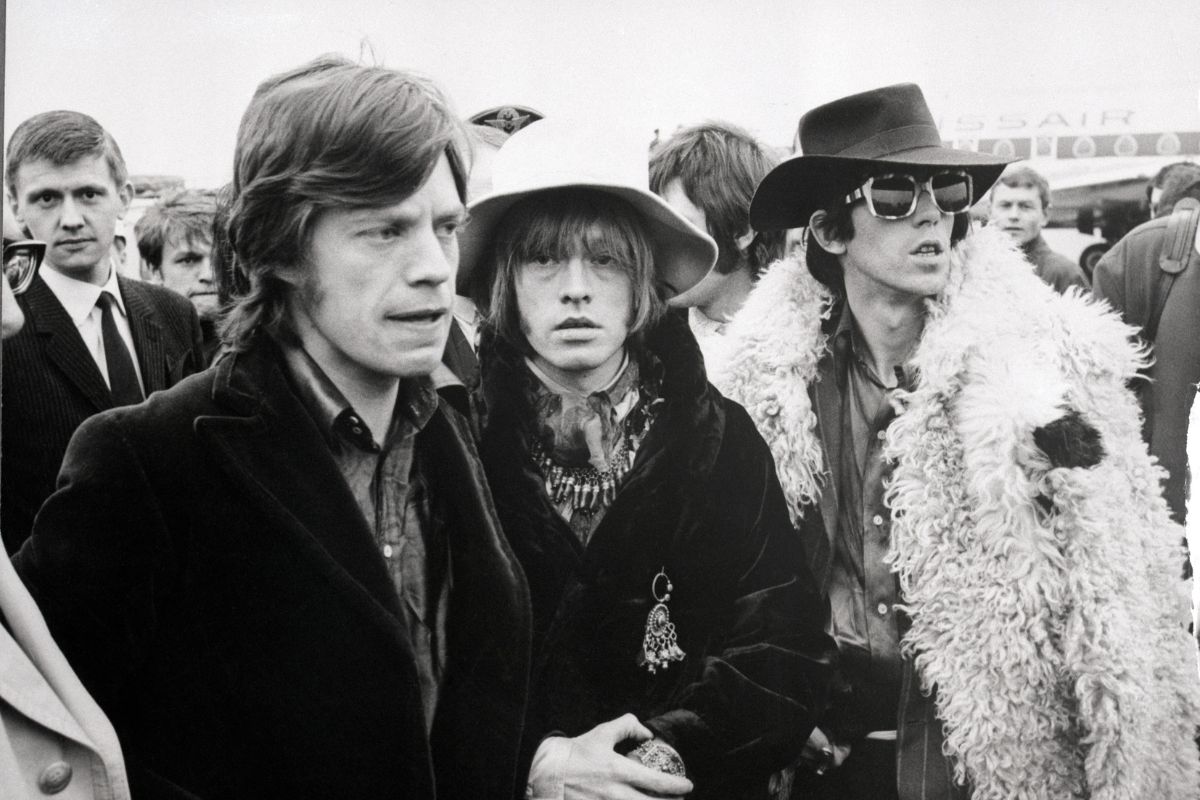
The reality: Rolling Stones founder and musical polymath Brian Jones was fired from the band in June 1969. There were a variety of reasons: Jones's drug addiction was making him increasingly erratic, meaning he missed rehearsals or, when he did get there, contributed little.
A series of drug arrests, meanwhile, meant that he'd been refused a U.S. work visa, meaning that any upcoming American tour with Jones was impossible. Last but not least, Jones' relationship with guitarist Keith Richards was toxic, due to various reasons including musical differences and Richards dating Jones' ex-girlfriend Anita Pallenberg.
Less than a month after his dismissal, Jones tragically drowned in his swimming pool. With his replacement Mick Taylor taking over lead guitar duties, Richards and Mick Jagger steered the Stones into their legendary 'golden era' of swaggering, rootsy blues-rock (Sticky Fingers, Exile on Main St.).
We ranked all 26 Rolling Stones albums – but did the 'Big Four' sweep the top spots?
But what if: Jones successfully gets clean in mid-1969, repairs his relationship with Keith, and remains the band’s chief musical adventurer. His fascination with sitars, marimbas, and world music remains central to the Stones sound.
Instead of the lean, outlaw blues-rock of the early 1970s, the Stones of this timeline release dense, highly experimental, and trippy psychedelic masterpieces. Backed by sprawling percussionists, this alternative version of the Stones is far more eccentric, chasing unusual global sounds rather than the stadium-rock crown.
Here's perhaps our favourite Brian Jones moment: his languid, mournful slide guitar on 1968's 'No Expectations':
6. Van Halen kept David Lee Roth
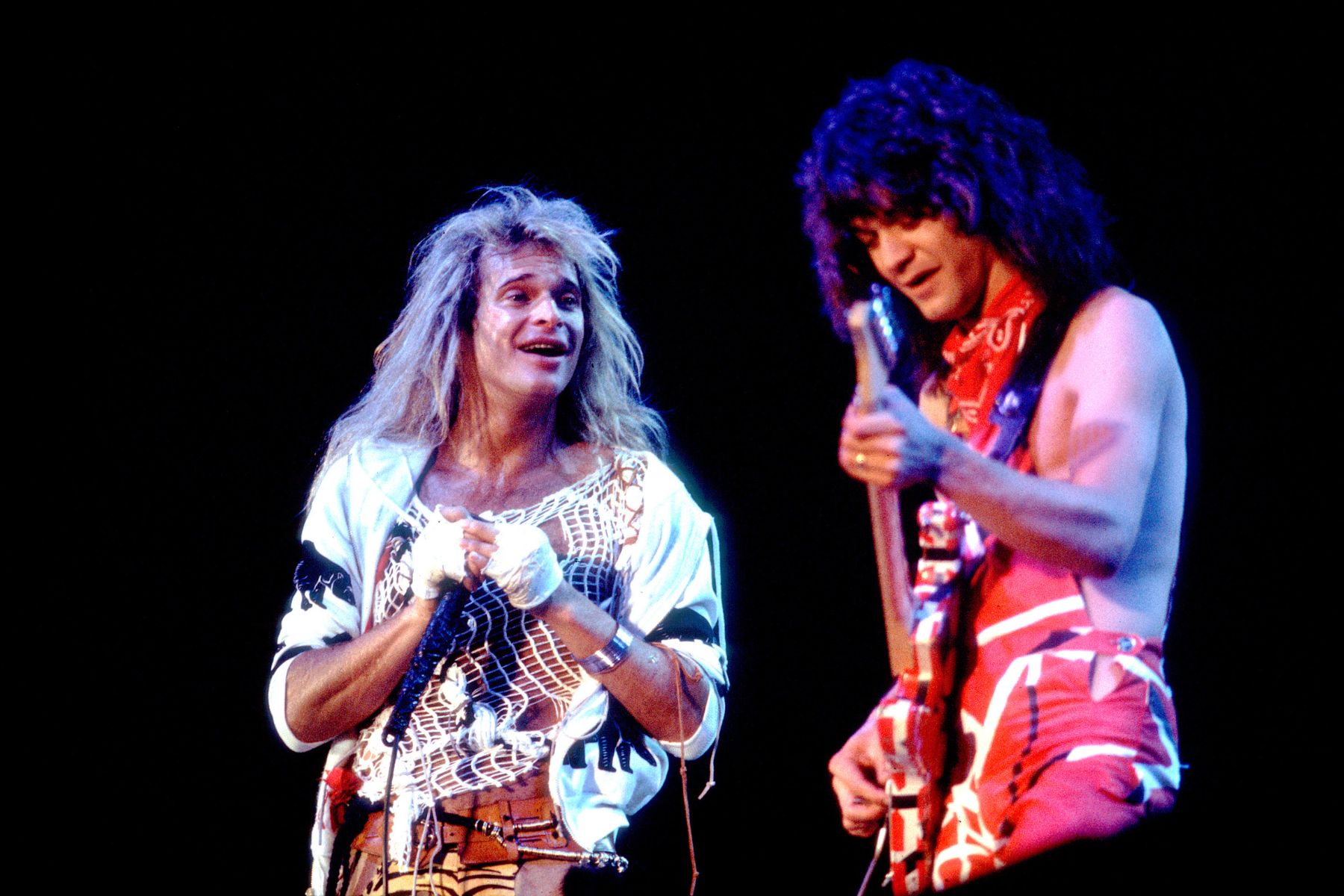
The reality: In 1985, at the absolute peak of their commercial powers following the blockbuster album 1984, severe creative clashes and massive egos caused charismatic frontman David Lee Roth to split from the band. Eddie Van Halen hired Sammy Hagar, steering the group into a highly successful but decidedly safer, more mature 'adult-contemporary' era of melodic keyboard ballads and radio-friendly pop-rock.
But what if? Eddie and Dave call a truce, keeping the original lineup intact. Rather than softening their edges with polished love ballads, the band doubles down on their signature, high-octane Sunset Strip swagger.
Their late-80s albums are sleazy, heavy, and wildly unpredictable guitar-and-vocal battles that act as a bridge between heavy metal and the aggressive funk-rock of the Red Hot Chili Peppers. By keeping their dangerous, chaotic party grit alive, Van Halen completely blocks the rise of Guns N' Roses, remaining the undisputed, uncrowned kings of dangerous stadium rock well into the next decade.
7. Kurt Cobain survived
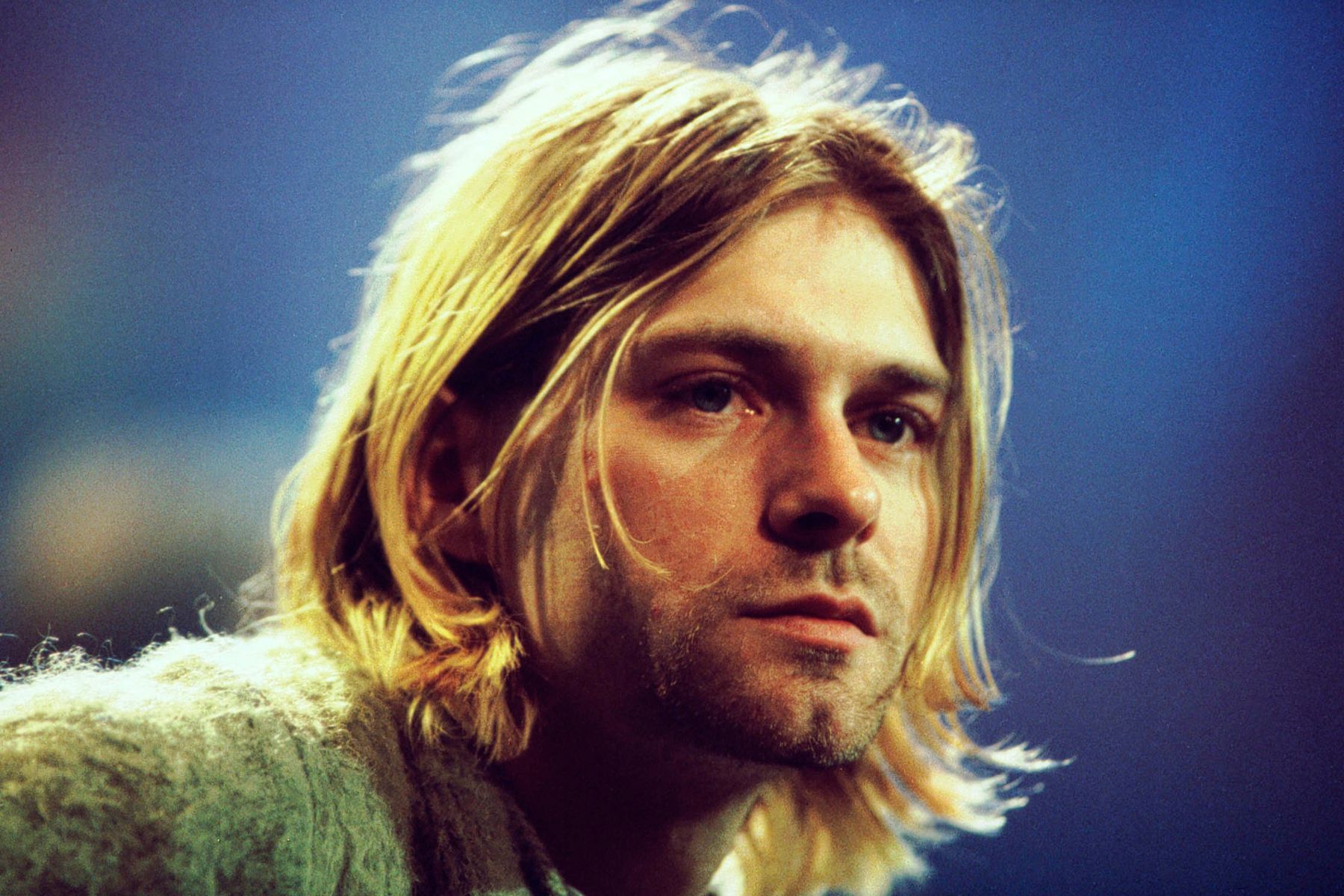
The reality: Kurt Cobain’s tragic suicide in April 1994 brought a sudden, devastating end to Nirvana and began the decline of gringe as a global musical trend. MTV Unplugged in New York, their haunting acoustic set, served as a kind of final statement, hinting at a quieter, more reflective direction they would never get to take.
But what if? Kurt Cobain makes the sensible decision to step away from the spotlight and look after himself. Closing a door on Nirvana's loud, grunge-driven era, in 1995 he collaborates with R.E.M.’s Michael Stipe (the two were close friends and mutual admirers) to record a quiet, experimental folk-blues record featuring with cellos, harmoniums, and fingerpicked guitars.
Forgoing the loud-quiet-loud formula entirely, Cobain spends the late 90s as a beloved, low-key indie recluse, releasing lo-fi home recordings, collaborating with PJ Harvey, and cementing his legacy as a living, evolving elder statesman of alternative folk.
8. Glen Matlock wasn't sacked from the Sex Pistols
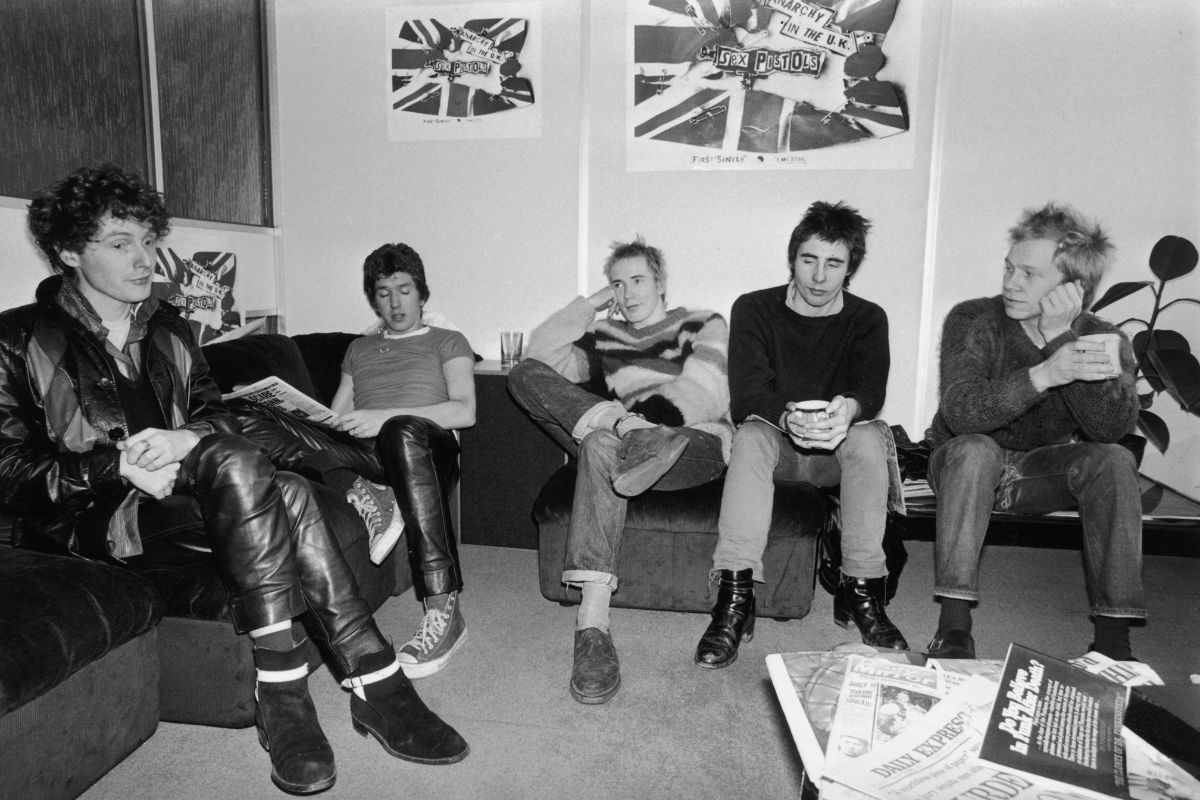
The reality: In early 1977, bassist Glen Matlock was forced out of the Sex Pistols, and replaced by the Sid Vicious. This was by no means a straight swap. Matlock true melodic skills, and had written the chords for nearly every song on the band's debut LP Never Mind the Bollocks. Sid Vicious was musically inept -but looked the part. His arrival shifted the Pistols from a musically tight rock-and-roll unit into a chaotic, tragic media circus, causing them to implode spectacularly on their 1978 US tour.
But what if? Manager Malcolm McLaren is overruled, and Matlock remains in the band. Sid Vicious is retained as kind of colourful hanger-on and fashion icon, but never allowed near an instrument. Instead of collapsing into a sad novelty act, the Pistols enter 1978 as a precision-tooled, melodic powerhouse.
They record a brilliant second album that blends punk aggression with Matlock's pop sensibilities, heavily influencing the post-punk movement. They survive into the 1980s, evolving alongside bands like The Clash into a politically formidable, long-lasting force.
9. John Bonham didn't die
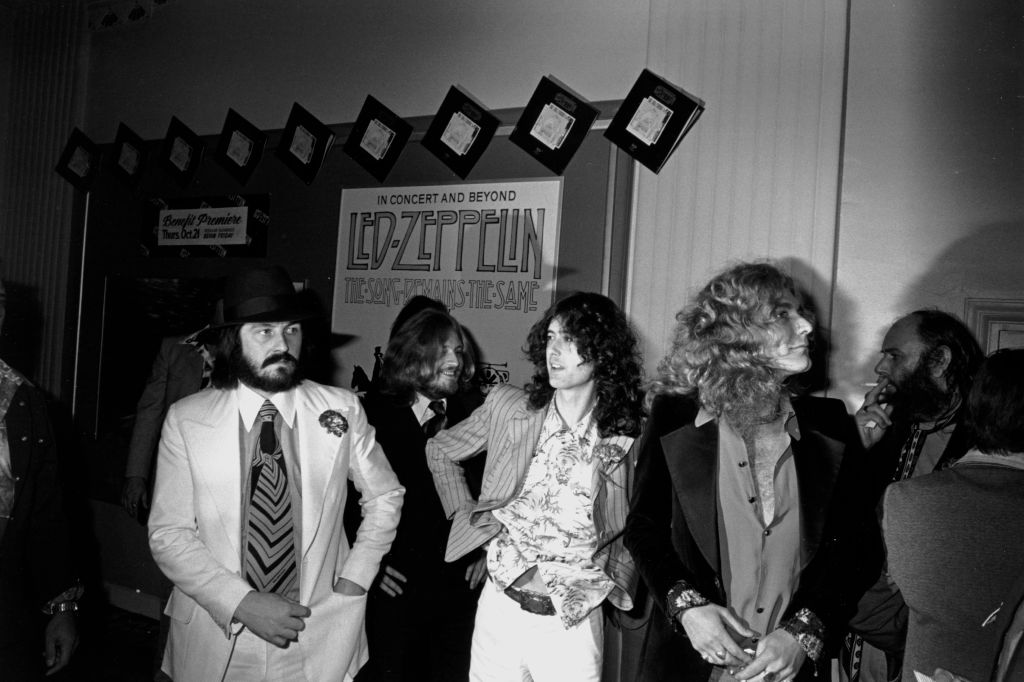
The reality: One of rock's most tantalising (amd tragic) what-ifs. On September 25, 1980, Led Zeppelin's legendary drummer John Bonham tragically passed away. Devastated, Led Zep chose to disband rather than attempt the impossible task of replacing him, releasing a simple statement: 'We could not continue as we were.'
They bowed out with 1979's keyboard-heavy In Through the Out Door - a mild disappointment when set against their early/mid-70s pomp, perhaps, but still a pretty untarnished legacy. And an interesting hint as to where they might have gone in the 1980s...
But what if? Bonham survives his 1980 bender and a revitalised Led Zeppelin embark on their planned North American tour. Entering the studio in late 1981, Jimmy Page reacts to the emerging New Wave of British Heavy Metal (Iron Maiden, Def Leppard) by stripping away In Through the Out Door's synthesizers.
In 1982 the band release a thunderous, lean, hard-rock masterpiece, every bit the equal of II, IV or Physical Graffiti. Robert Plant’s solo career never happens; instead, Zeppelin ride the MTV wave with high-concept music videos, staging massive stadium tours throughout the 1980s that compete directly with a rising U2.
10. Black Sabbath didn't fire Ozzy
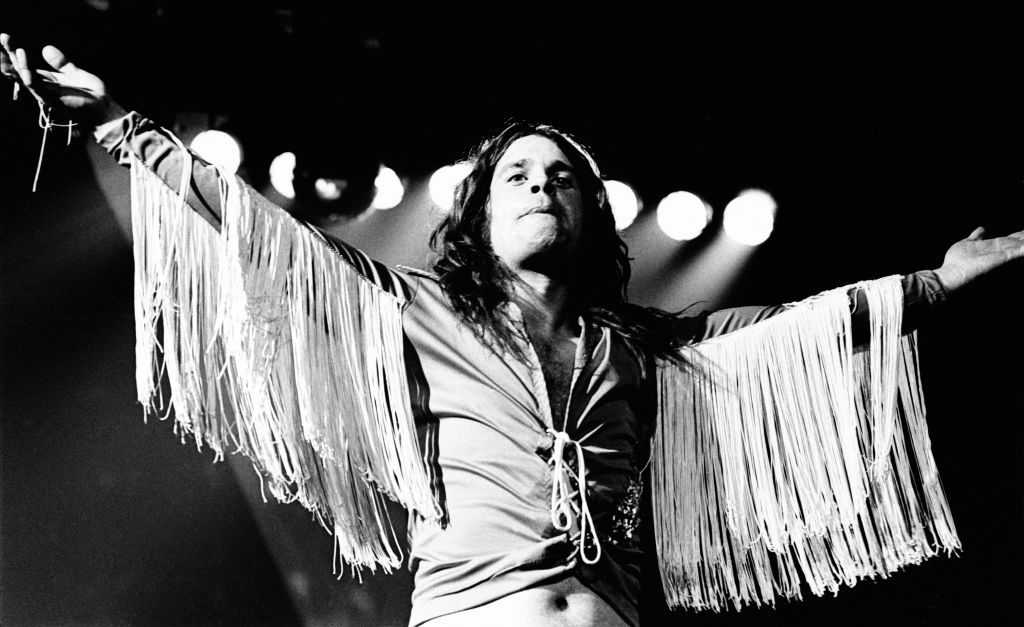
The reality: In 1979, Black Sabbath fired frontman Ozzy Osbourne due to severe substance abuse. They hired Ronnie James Dio, completely shifting their sound to majestic, fantasy-themed 'power metal' with albums like Heaven and Hell. Ozzy went on to launch an incredibly successful solo career with Randy Rhoads, keeping his own heavy, street-level hard-rock flame burning bright throughout the 1980s.
The Sliding Door: Ozzy gets clean, his Sabbath bandmates bear with him, and the classic, slow-chugging Sabbath lineup enters the studio in 1980 to record their next album. Without Dio’s operatic fantasy elements, Sabbath remains committed to their dark, bluesy doom-rock origins. They release a heavy, gritty record in 1980 that directly inspires the emerging underground American 'sludge' and 'stoner rock' movements (Melvins, Kyuss) a decade early, skipping the shiny, polished heavy-metal era altogether.
11. MTV embraced punk from the start
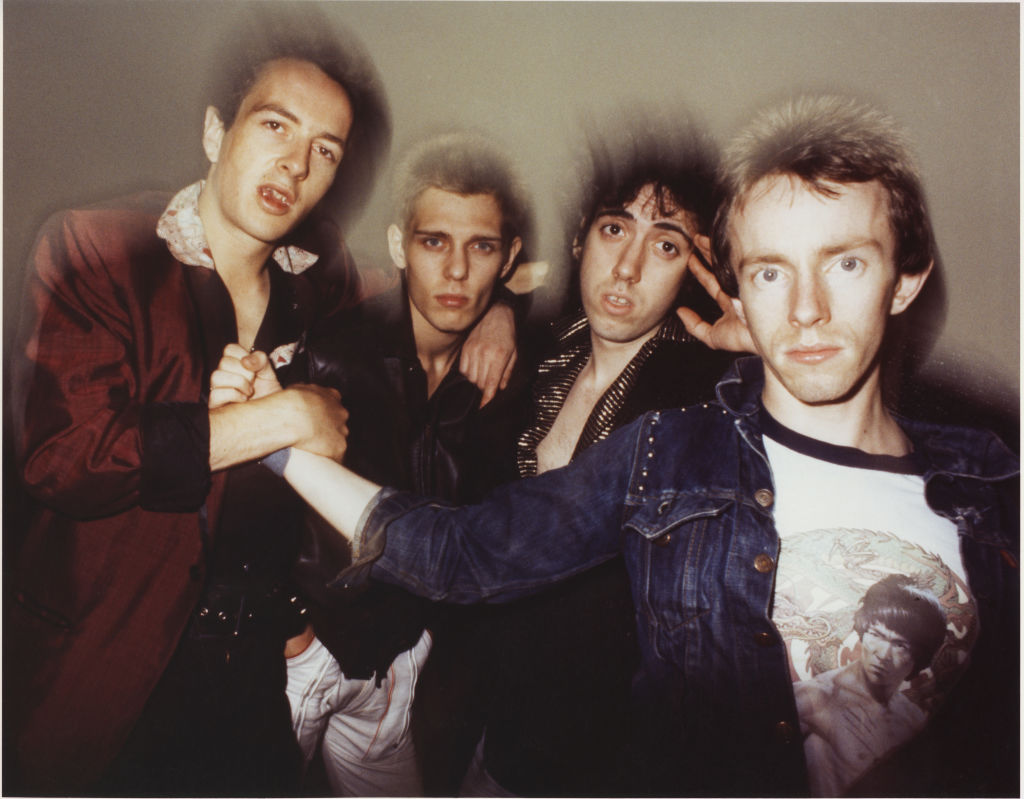
The reality: When MTV launched in August 1981, its programming was notoriously conservative, relying heavily on safe, mainstream album-oriented rock and polished, visual-friendly British synth-pop imports. Raw, aggressive American punk and the burgeoning hardcore scene didn't get a look in, and remained strictly underground until the alternative explosion of the early 1990s.
But what if? Launching with a fiercely rebellious, DIY ethos, MTV decides to actively champion the gritty punk underground right from day one. Instead of safe stadium acts, MTV's 1981 playlist is dominated by the raw energy of The Ramones, the political fury of The Clash, and the frantic, visual chaos of early hardcore bands like Black Flag and X.
The visual aesthetic of the decade shifts instantly from neon synth-pop to leather jackets, safety pins, and sweat-soaked basement shows. This televised exposure means that alternative rock gets its foot in the door to mainstream success a decade early. By 1984, the corporate music industry has already been dismantled and rebuilt by independent labels, making 1991's grunge revolution unnecessary.
12. Freddie Mercury survived long enough for treatment
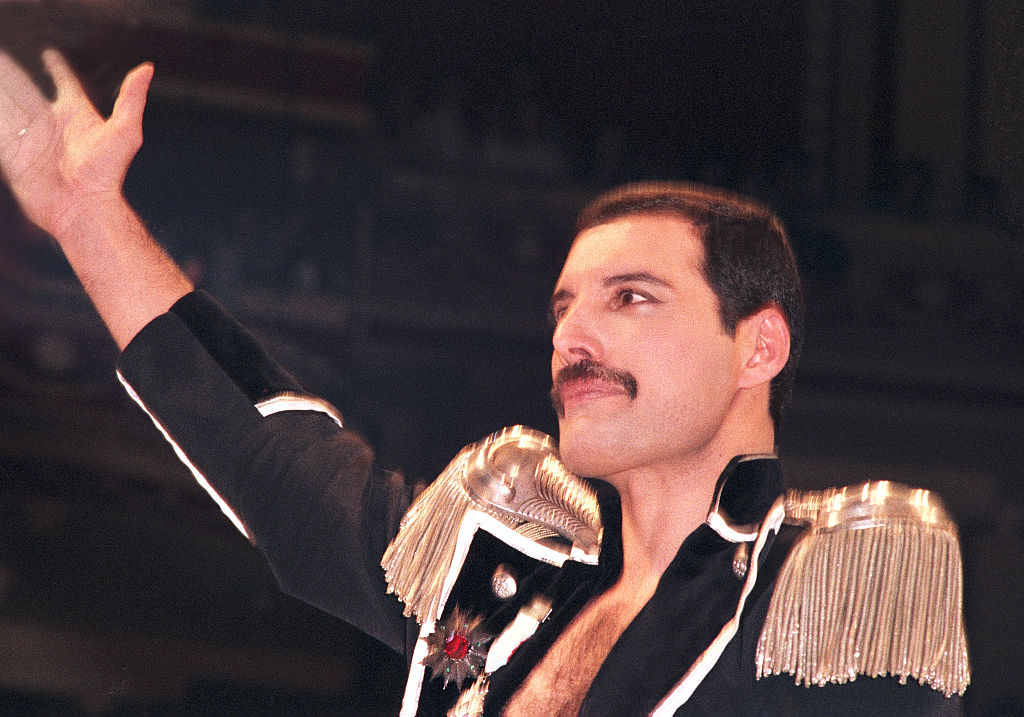
The reality: On November 24, 1991, rock lost its most charismatic frontman. Freddie Mercury's tragic death from AIDS-related bronchopneumonia brought an end to Queen's golden era. While his death catalyzed a massive global conversation about HIV/AIDS awareness, it froze Queen in time as the ultimate stadium-rock champions of the 1970s and '80s.
But what if? Holding on just a few years longer until the breakthrough antiretroviral drug cocktails of the mid-1990s render HIV a manageable chronic illness, Mercury survives. Rather than chasing the gritty grunge trends of the era, Queen pivots to Freddie's true love: rock in its most theatrical form.
The late 1990s see Queen collaborating with avant-garde producers, blending trip-hop beats and industrial synthesizers with grand, operatic orchestration. Meanwhile, Freddie splits his time between Queen's occasional, monumental stadium appearances and a highly successful parallel career scoring West End musicals and recording sweeping classical crossovers.
By the 2012 London Olympics, it is Freddie himself – not a video projection – who leads the stadium in a thunderous, show-stopping vocal improvisation, cementing his place as an active, living legend of global pop culture.
13. The Smiths didn't split in 1987
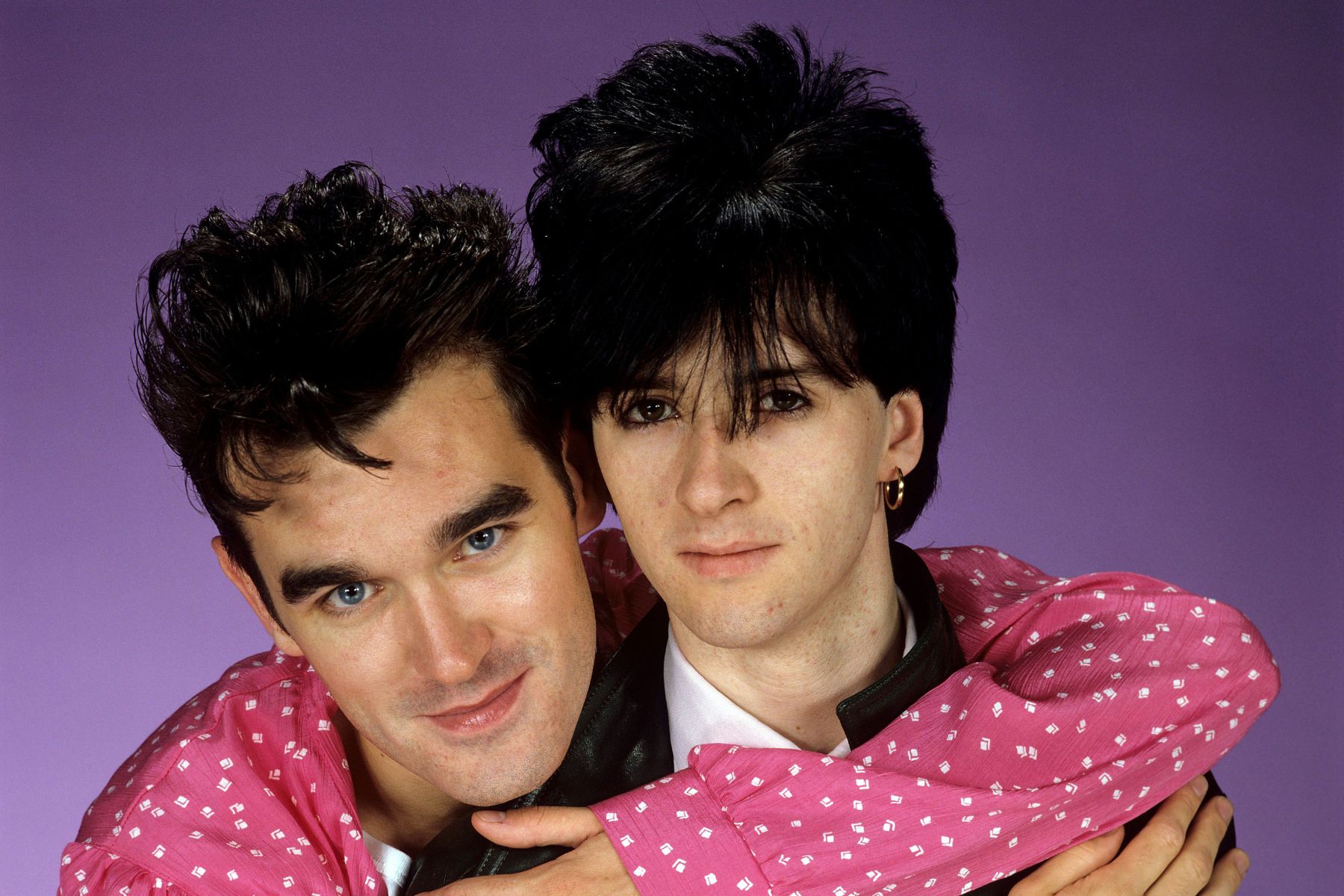
The reality: Exhausted by managing the band, press drama, and artistic friction, guitarist Johnny Marr walked away from The Smiths in July 1987. The band dissolved just as the album Strangeways, Here We Come (perhaps their masterpiece, with apologies to 1986's The Queen is Dead), was released.
Morrissey went solo - successfully, but increasingly controversially. Marr became a nomadic guitar-for-hire, playing with the likes of Matt Johnson (The The) and Bernard Sumner (New Order), and leaving The Smiths' four-year legacy perfectly preserved and entirely untainted.
But what if: The Smiths hire a proper manager, leaving Marr to focus on the music alone. A slightly frazzled band takes a much-needed year-long break before regrouping in 1989. Back together at the dawn of the Manchester/Madchester boom, Marr integrates danceable, baggy rhythms with his signature jangly guitars.
When Britpop explodes in 1994, The Smiths are the scene's dominating force, releasing a multi-platinum album that completely overshadows Oasis and Blur. Nineties indie rock is just that bit more literate and lyrically sharp.
Pics Getty Images