Every great band is more than the sum of its parts.
It's a delicate chemistry: the right personalities, the right talents, and, just as importantly, the right flaws. Change one ingredient and everything can shift. Sometimes a new recruit breathes fresh life into a group. More often, they expose just how fragile that chemistry really was.
Rock history is littered with pivotal moments. A charismatic frontman leaves. A brilliant newcomer arrives. An overlooked band member is thrust into the spotlight. Sometimes the result is a creative rebirth; sometimes it sends a great band down an entirely different path. These are 13 turning points that transformed great bands forever.
1. Syd Barrett leaves Pink Floyd, 1968
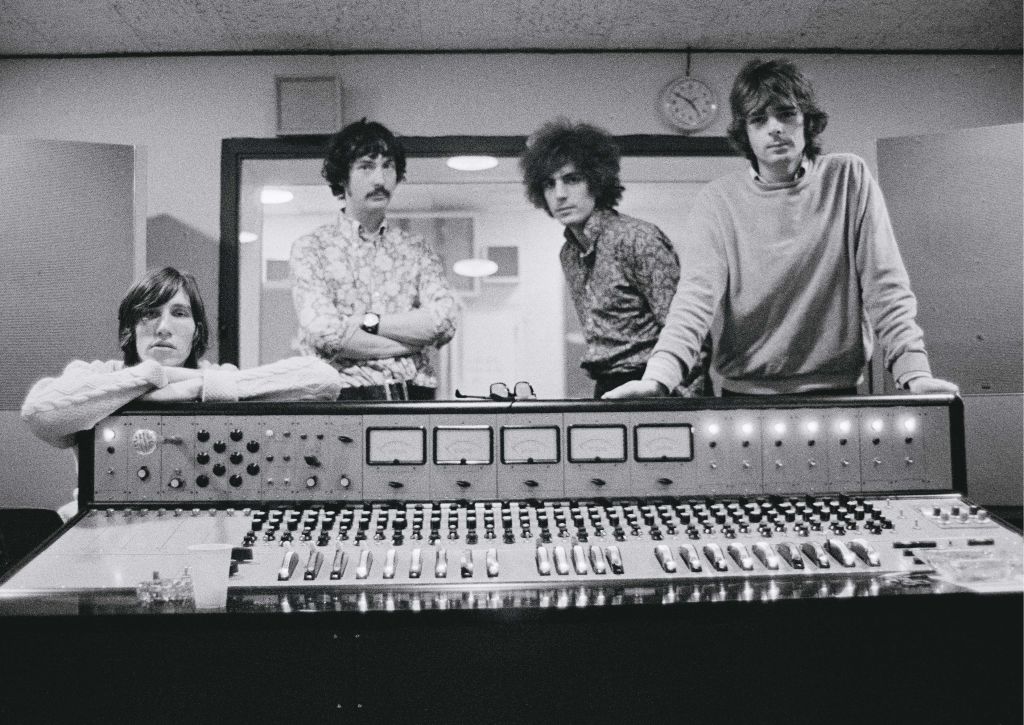
What changed: Pink Floyd lost their creative genius – and accidentally became an even greater band.
Most bands would never recover from losing the member who wrote their songs, sang their hits and embodied their image. Syd Barrett was all three. His psychedelic imagination defined Pink Floyd's early identity, but deteriorating mental health and heavy LSD use made him increasingly unable to perform. David Gilmour was initially brought in simply to support Barrett onstage before Barrett quietly disappeared altogether.
For a while the remaining members looked lost, producing fascinating but uneven records such as A Saucerful of Secrets and Ummagumma. Gradually, however, Roger Waters assumed creative control and Pink Floyd reinvented themselves as masters of the concept album.
The loss of Barrett was devastating personally, yet artistically it forced the band to discover an entirely new identity – one that ultimately produced one of rock's most awe-inspiring album runs in 1973's The Dark Side of the Moon, Wish You Were Here from 1975, 1977's Animals and The Wall in 1980.
Verdict: Good. Barrett-era Floyd has an irresistible high-psychedelia beauty and strangeness that could never be replicated. But it's hard to argue that GiImour's arrival gave them greater conceptual depth. And, crucially, sales.
2. Lindsey Buckingham and Stevie Nicks join Fleetwood Mac, 1975
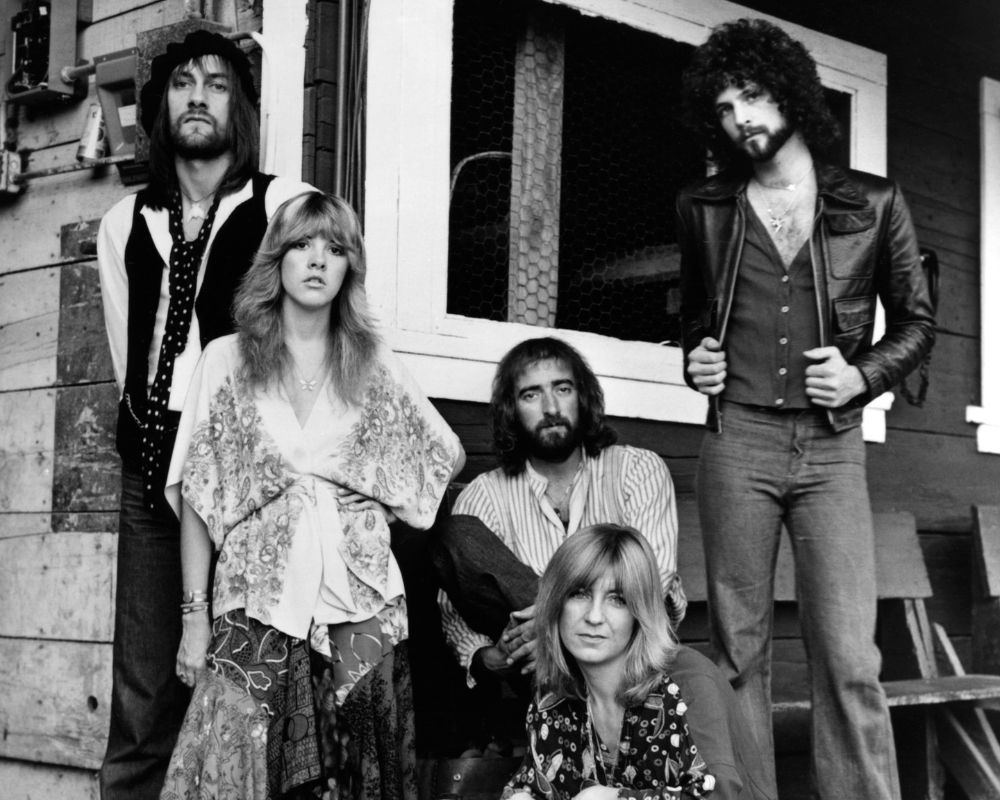
What changed: A respected British rock band became one of the biggest acts in music history.
By 1974, Fleetwood Mac had already enjoyed several incarnations.
They had survived the departure of founder Peter Green, cycled through numerous line-ups and drifted far from their blues roots. Everything changed when drummer Mick Fleetwood invited Lindsey Buckingham to join the band. Buckingham agreed on one condition: his musical partner and girlfriend Stevie Nicks came too. It proved one of the most consequential recruitment decisions in rock history.
Buckingham's melodic instincts and meticulous arrangements combined with Nicks's distinctive songwriting and mystical stage presence to create an entirely new dynamic. The self-titled Fleetwood Mac revitalised the group, while Rumours turned them into global superstars. More importantly, the pair altered the band's sound, shifting it away from its British blues origins towards sophisticated California pop-rock that helped to define an era.
Verdict: Excellent. Few arrivals have changed a band's fortunes so dramatically. Fleetwood Mac were already successful, but Buckingham and Nicks helped turn them into one of the biggest bands on the planet.
3. Brian Johnson replaces Bon Scott (AC/DC, 1980)
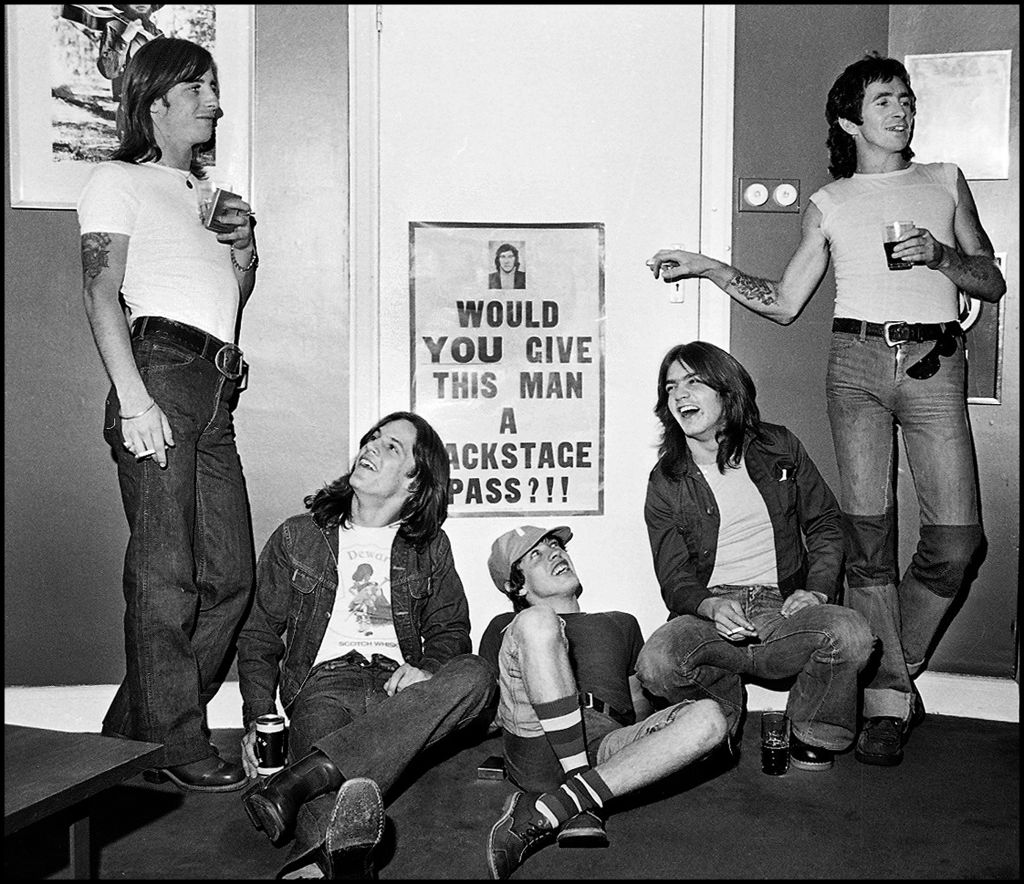
What changed: One of rock's greatest tragedies became one of its greatest reinventions.
Following Bon Scott's death in February 1980, it seemed inconceivable that AC/DC could continue. Scott's laconic humour, bluesy swagger and mischievous charisma had defined the band. Brian Johnson, formerly of Geordie, inherited the impossible task – and somehow succeeded beyond anyone's expectations.
Back in Black became one of the biggest-selling albums in history, and Johnson's rasping, high-octane vocals pushed AC/DC towards an even bigger, more monumental sound. Yet the band's personality shifted. Scott had sounded like the loveable rogue holding court in a pub; Johnson became the voice of stadium rock itself. The wit and blues looseness gave way to precision and brute force. It was a spectacular success, but unmistakably a different incarnation of AC/DC.
Verdict: Good. Bon Scott was a great frontman and his loss was an absolute tragedy. However, by various yardsticks, AC/DC's re-emergence under Brian Johnson must be one of the great replacements in rock history. Something was also lost, though...
4. Peter Gabriel quits Genesis, 1975
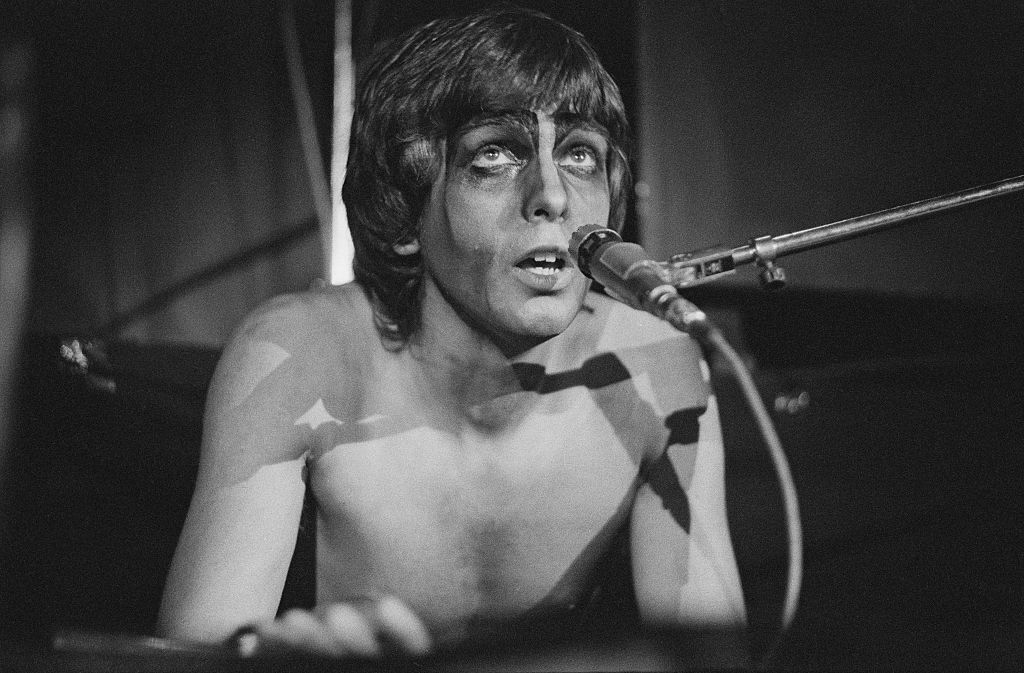
What changed: Genesis survived the departure of one iconic frontman by discovering another.
When Peter Gabriel left Genesis in 1975, many assumed progressive rock's great theatrical storytellers were finished. Gabriel's costumes, surreal narratives and magnetic stage presence seemed impossible to replace. Rather than recruit an outsider, drummer Phil Collins reluctantly stepped forward to sing.
The transition was smoother than anyone expected. Early albums such as A Trick of the Tail retained much of Genesis's progressive ambition, but Collins gradually steered the band towards shorter songs, stronger melodies and, eventually, global pop success. By the mid-1980s Genesis had become one of the world's biggest acts. Few would argue Collins was the wrong choice, yet his arrival fundamentally altered the band's character – from fantastical prog pioneers to polished stadium giants.
Verdict: Mixed. Of course, Genesis reached their peak of success during their Phil Collins-fronted era. And A Trick of the Tail might just be the perfect balance of adventure and accessibility, of prog and pop. But there's something about the glorious, peak-prog strangeness and ambition of albums like Nursery Cryme and Foxtrot (kicked off by the wonderful 'Watcher of the Skies', below) that was always going to be missed by Genesis' original prog devotees.
5. Ronnie James Dio replaces Ozzy (Black Sabbath, 1979)
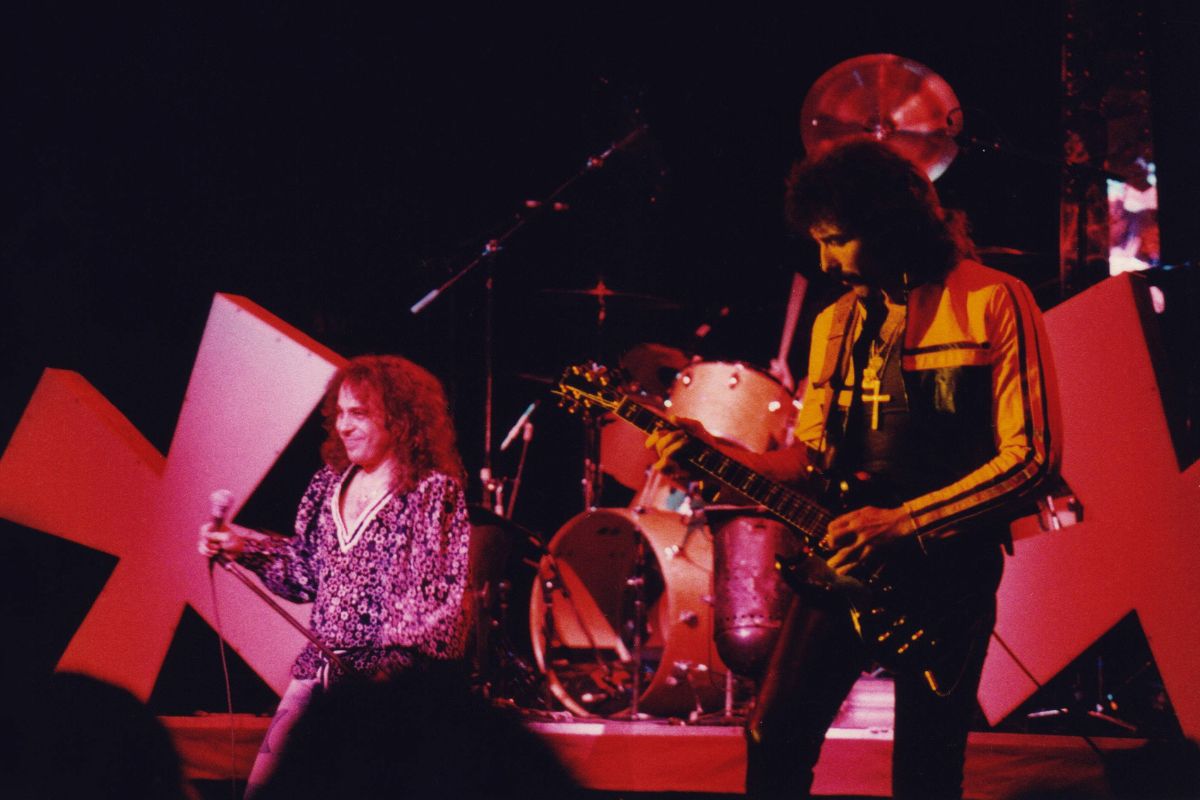
What changed: Heavy metal's greatest survivors became a completely different band overnight.
By 1979, Ozzy Osbourne's erratic behaviour had become impossible for Black Sabbath to manage. His replacement, Ronnie James Dio, couldn't have been more different. Where Ozzy relied on eerie vulnerability and instinctive charisma, Dio possessed astonishing vocal control, classical technique and a gift for fantasy-inspired lyrics.
The result was Heaven and Hell (1980), one of heavy metal's greatest comeback albums. Rather than trying to recreate the old Sabbath, Dio helped Tony Iommi reinvent the band around faster tempos, cleaner production and epic, almost mythical songwriting.
Many fans prefer the Ozzy years, others champion the Dio era, but almost everyone agrees they sound like two different bands sharing the same name. That's perhaps the clearest sign that the line-up change fundamentally reshaped Black Sabbath's identity.
Verdict: OK. While there's nothing quite like those first four or five Sabbath albums with their dark, maniacal energy, they had started to drift later in the 1970s and Heaven and Hell was a welcome shot in the arm.
6. David Lee Roth quits Van Halen, 1985
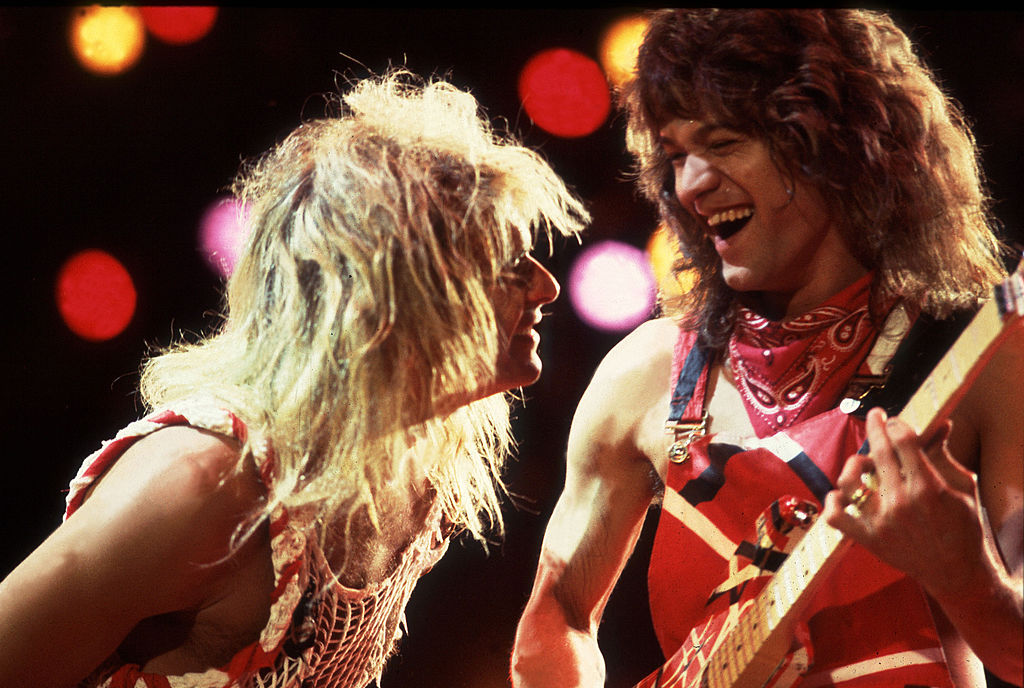
What changed: Swagger and spontaneity was traded for polished, arena-ready rock
When David Lee Roth departed in 1985, many assumed Van Halen's glory days were over. Instead, Sammy Hagar helped usher in one of the band's most commercially successful periods. Albums such as 5150 and OU812 topped the charts, and Hagar's bigger vocal range allowed Eddie Van Halen to write more expansive, melodic songs.
Yet something fundamental had changed. Roth's Van Halen was reckless, funny and unpredictable – a California house party with amplifiers. Hagar's version was more mature, polished and emotionally earnest, leaning into power ballads and arena-sized anthems.
The musicianship arguably improved, but the carefree swagger largely disappeared. Fans still divide themselves into 'Van Halen' and 'Van Hagar', proof that this wasn't merely a new singer but an entirely new identity.
Verdict: Mixed. The eternal rock argument: fun versus professionalism, party band versus arena band.
7. Mick Taylor replaces Brian Jones (The Rolling Stones, 1973)
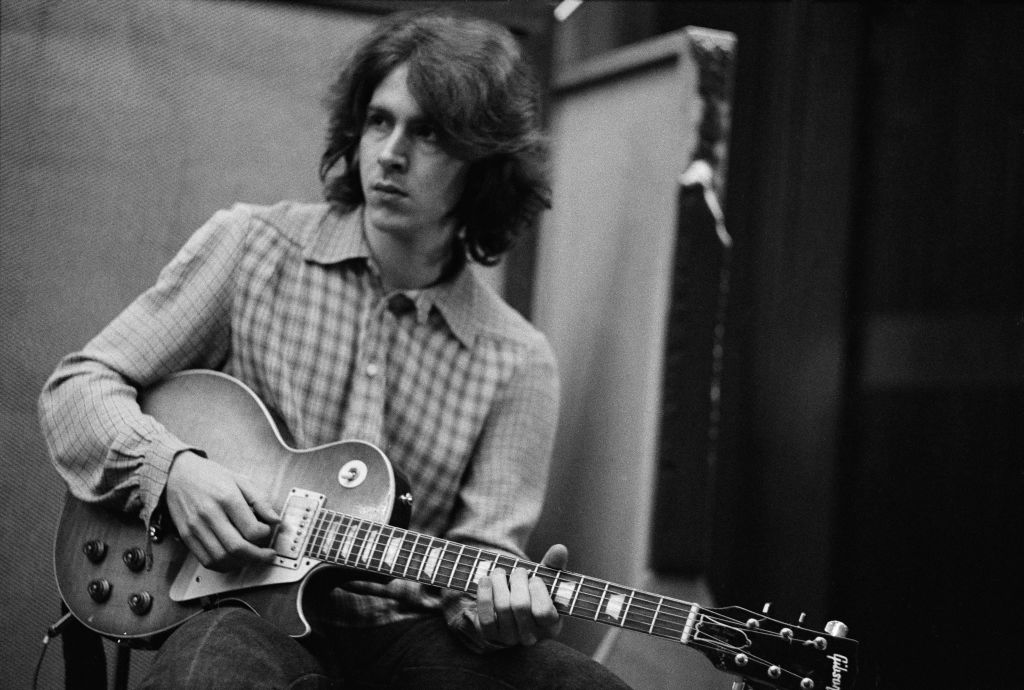
What changed: The Rolling Stones swapped their founder for a virtuoso – and became a different kind of band.
Brian Jones was the band's original visionary: the multi-instrumentalist whose love of blues, folk and world music gave the early Stones much of their colour. By 1969, however, drugs, legal troubles and growing estrangement from Mick Jagger and Keith Richards had left him unable to contribute consistently. Enter Mick Taylor.
Technically, Taylor was a revelation. His lyrical, fluid guitar playing transformed albums such as 1971's Sticky Fingers and Exile on Main St. (1972), helping power what many regard as the Stones' greatest creative run. Yet something disappeared too. Jones's restless eclecticism and unpredictable edge gave way to a more focused, blues-rock powerhouse. The band became better musicians – but arguably a little less eccentric.
Verdict: Good. On Taylor's watch, the Stones produced arguably their finest 3 LPS in Let It Bleed, Sticky Fingers and Exile on Main St. And his guitar work during the long fadeout of 'Can't You Hear Me Knocking' (listen from around 2:35, below) is one of 1970s rock's most brilliant moments.
8. David Coverdale joins Deep Purple, 1973
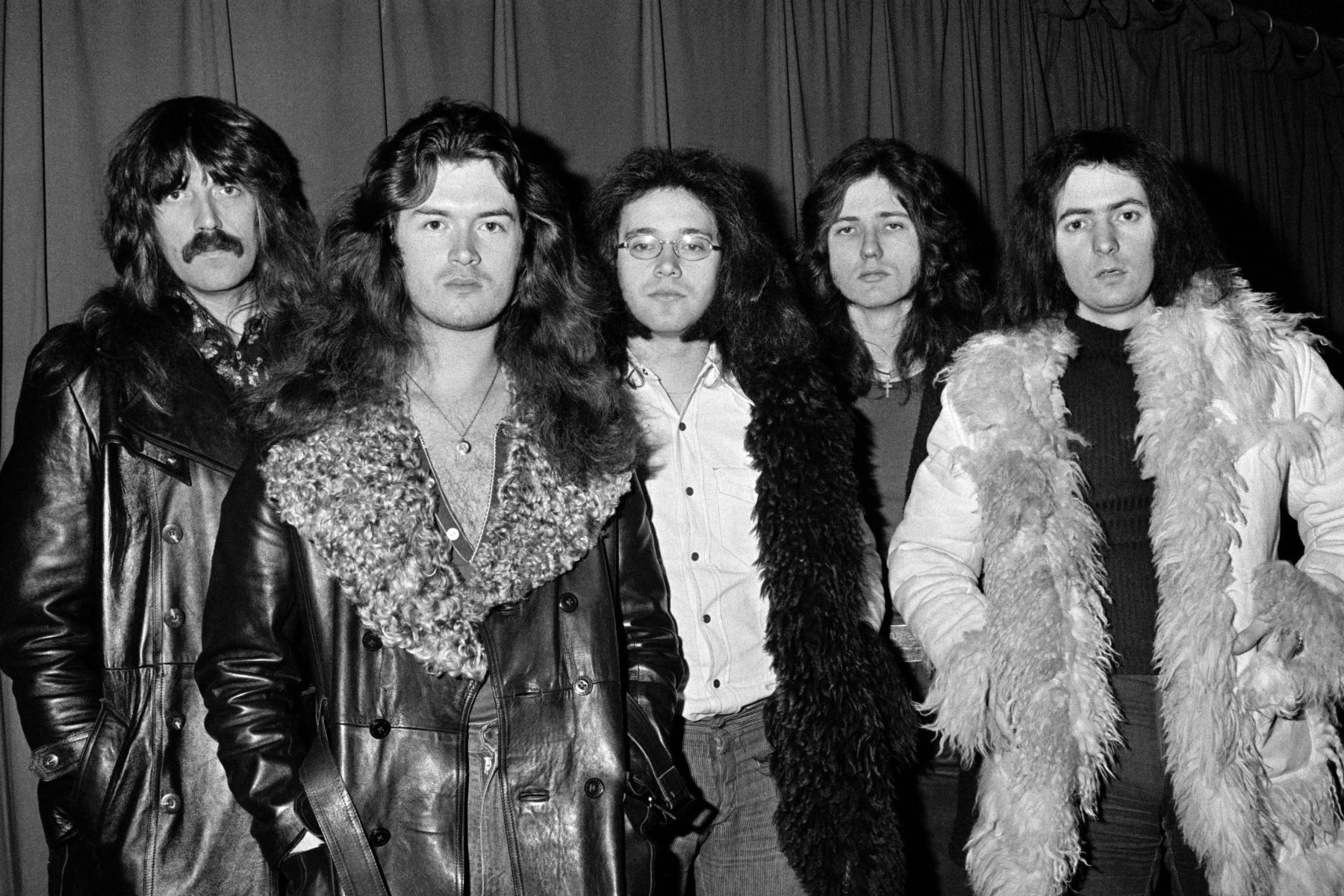
What changed: Deep Purple lost one of rock's great screamers and gained one of its great blues singers.
When Ian Gillan and bassist Roger Glover departed Deep Purple in 1973, many assumed the band's classic (Mark II) era had reached its natural conclusion. After all, Gillan's banshee wail had become one of hard rock's defining sounds on albums such as In Rock, Fireball and Machine Head.
Rather than finding a lookalike replacement, Ritchie Blackmore and Jon Lord opted for a wholesale reinvention. David Coverdale, then an almost unknown 22-year-old singer from Yorkshire, brought a warmer, bluesier and more soulful style.
Alongside bassist Glenn Hughes, he transformed Purple into a funkier, looser and more groove-driven outfit. Albums such as Burn and Stormbringer retained the band's heaviness but introduced influences that would have seemed unthinkable during the Gillan era. The change divided fans at the time, but it proved that Deep Purple could be more than a one-voice band.
Verdict: Good. Gillan remains the definitive Deep Purple frontman, but Coverdale helped the band avoid becoming a tribute to its own past and produced some outstanding albums in the process.
9. Steve Perry joins Journey, 1977
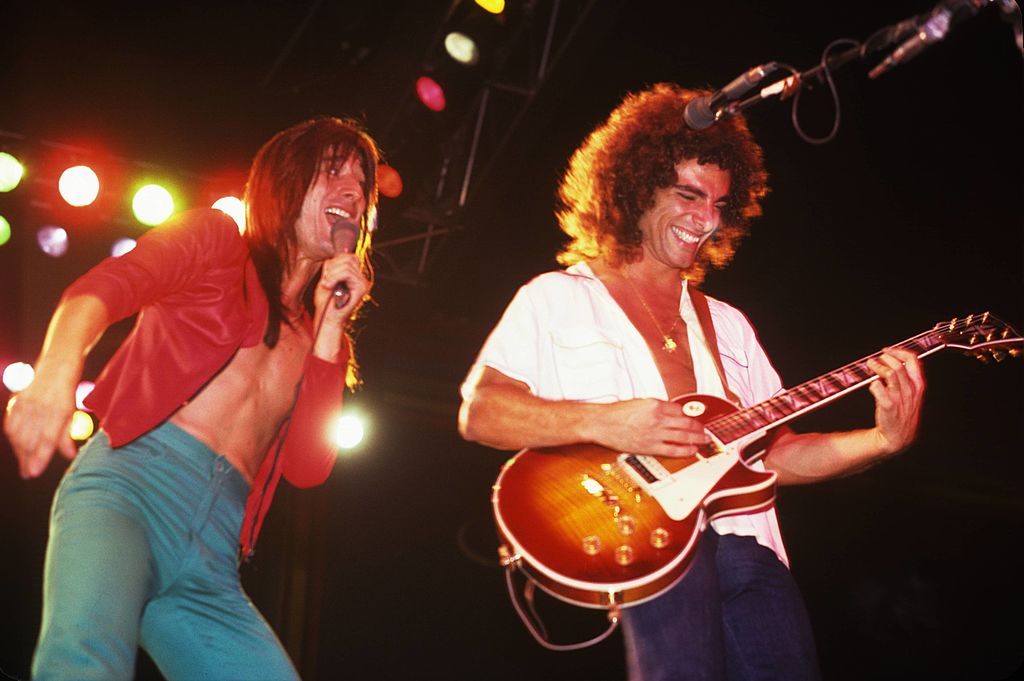
What changed: Journey stopped being a musicians' band and became an arena-rock phenomenon.
The early version of Journey was built around instrumental prowess. Formed by former members of Santana, the band prioritised lengthy arrangements and jazz-rock influences, earning respect from fellow musicians but struggling to reach a mass audience.
The arrival of Steve Perry in 1977 changed everything. Perry possessed one of rock's great voices: powerful, emotional and instantly recognisable. Just as importantly, he had an instinctive understanding of melody. Albums such as Infinity, Escape and Frontiers transformed Journey into hitmakers, producing timeless anthems including 'Don't Stop Believin'' and 'Open Arms'.
Some early fans missed the more adventurous side of the band, but Perry's arrival gave Journey a clear identity and a direct emotional appeal they had previously lacked.
Verdict: Excellent. Journey enjoyed modest success before Perry, but his arrival elevated them into the top tier of arena rock and gave them a catalogue that continues to resonate decades later.
10. Neil Peart replaces John Rutsey in Rush, 1974
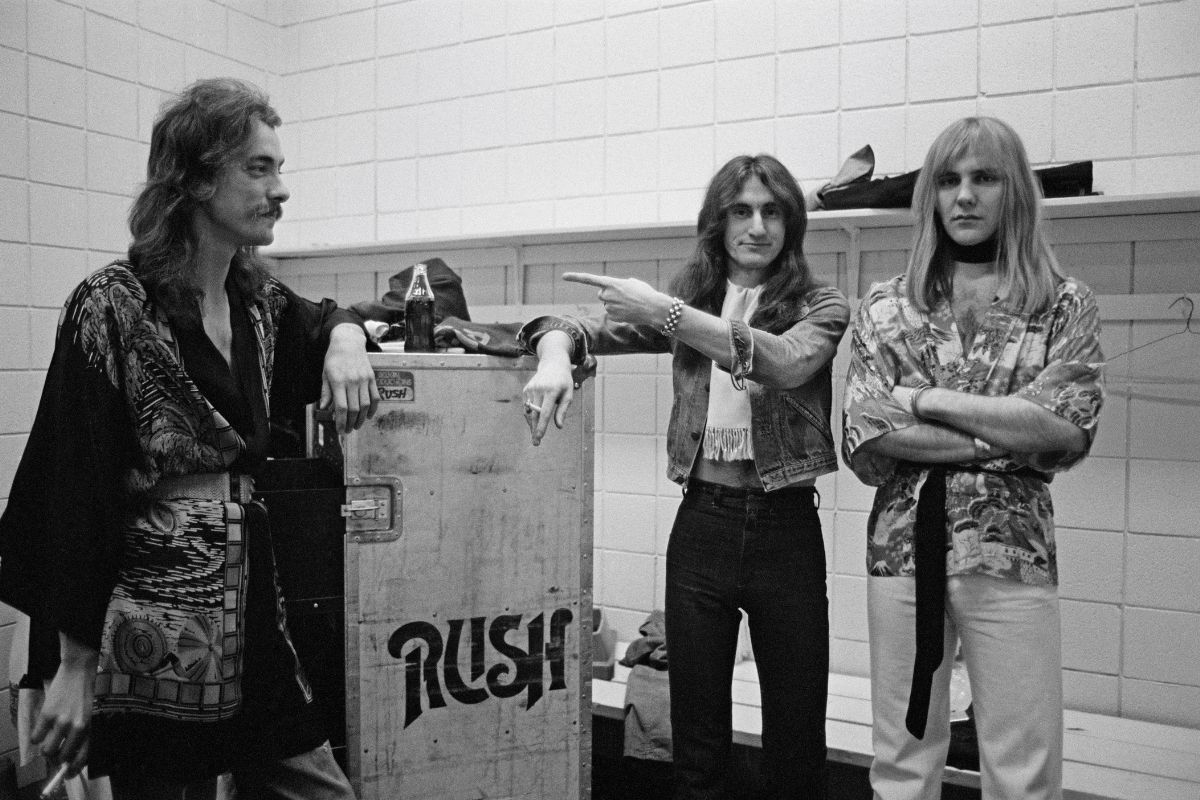
What changed: Rush gained not just a drummer, but its intellectual and creative centre.
John Rutsey played on Rush's 1974 debut album, but health issues and differing musical ambitions led to his departure almost immediately afterwards. His replacement, Neil Peart, was one of the most gifted drummers of his generation, but his impact went far beyond rhythm.
Peart quickly became the band's principal lyricist, introducing themes ranging from science fiction and philosophy to politics and individualism. Musically, his technical brilliance pushed guitarist Alex Lifeson and bassist Geddy Lee towards ever-greater complexity and ambition.
The power-trio hard rock of the debut evolved into the progressive masterpieces of 2112, A Farewell to Kings and Hemispheres. Few personnel changes have altered a band's direction so comprehensively. Without Peart, Rush would have been a very different proposition.
Verdict: Excellent. One of the most significant recruitment decisions in rock history. Peart transformed Rush from a promising hard-rock band into a unique and enduring institution. Here's some wonderful drumming on 1981's 'Tom Sawyer':
11. Bruce Dickinson replaces Paul Di'Anno in Iron Maiden, 1981
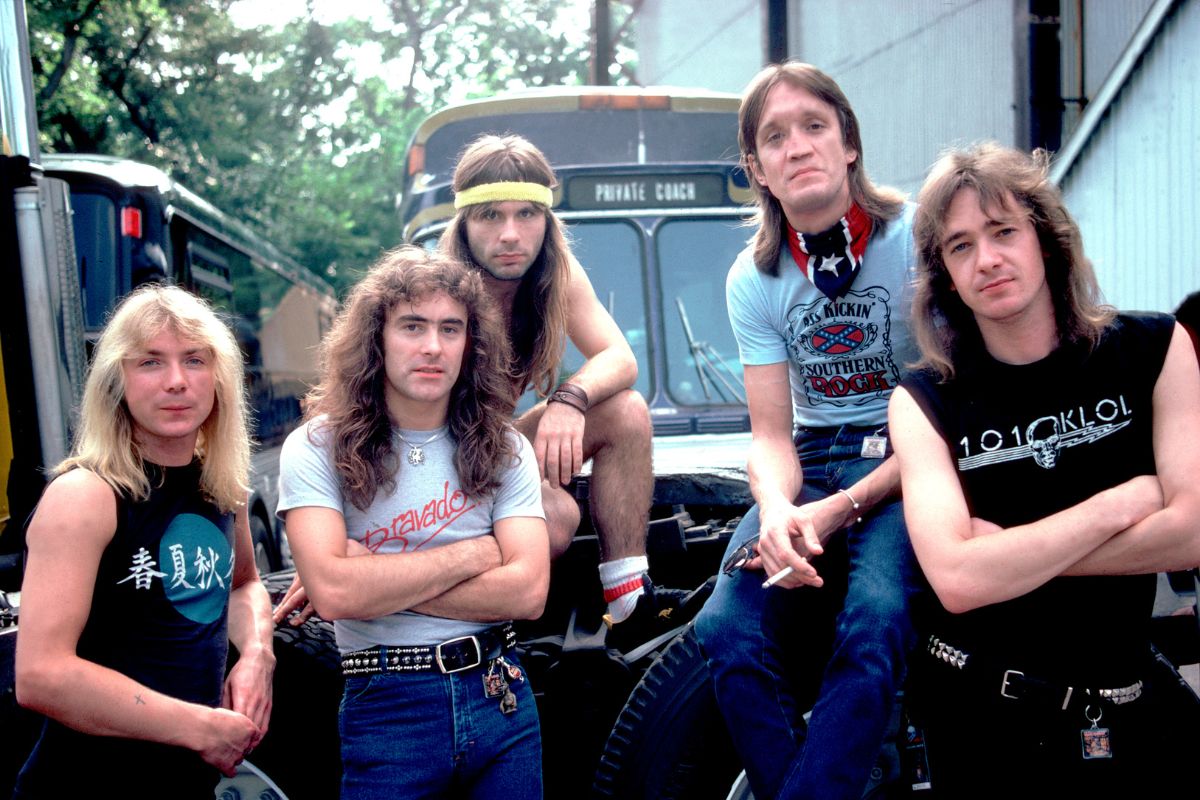
What changed: Iron Maiden traded grit and street toughness for epic heavy-metal grandeur.
Paul Di'Anno's rough-edged voice was perfectly suited to the punk-influenced energy of Iron Maiden's first two albums. By 1981, however, the band was becoming more ambitious, and Steve Harris wanted a singer capable of handling increasingly complex material.
Bruce Dickinson, recruited from fellow metallers Samson, provided exactly that. Possessing extraordinary range, power and theatrical presence, Dickinson immediately expanded what Iron Maiden could attempt. His debut with the band, The Number of the Beast, became a landmark metal album, and subsequent releases such as Piece of Mind and Powerslave established Maiden as one of the world's leading heavy-metal acts. Where Di'Anno sounded dangerous and unpredictable, Dickinson sounded heroic and larger than life. The change fundamentally reshaped the band's identity.
Verdict: Excellent. Di'Anno was crucial to Maiden's early success, but Dickinson's arrival unlocked a level of ambition and popularity the band might never otherwise have achieved.
12. Ringo Starr replaces Pete Best, 1962
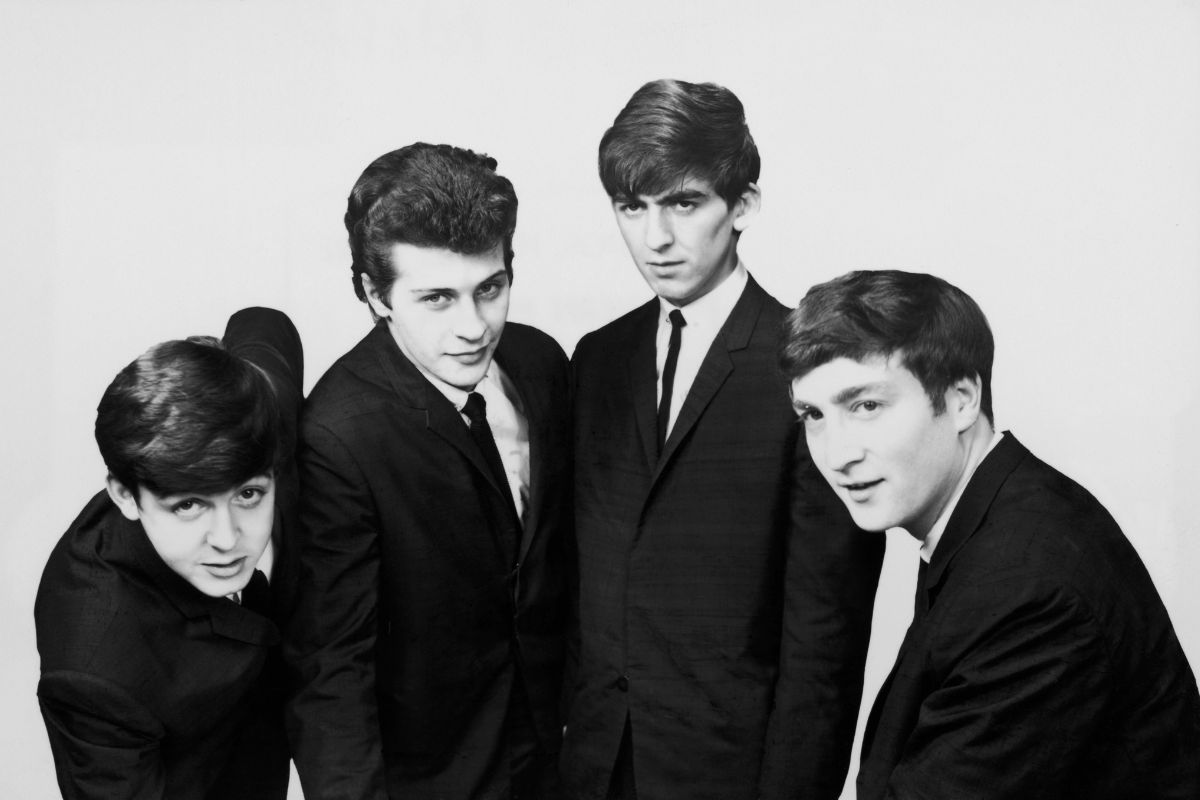
What changed: The world's biggest band finally found the missing piece of the puzzle.
By the summer of 1962, The Beatles had already built a formidable following in Liverpool and Hamburg, but manager Brian Epstein and producer George Martin remained unconvinced by drummer Pete Best.
Just weeks before the band's first single, Best was dismissed and replaced by Ringo Starr, who had already earned a strong reputation on the Liverpool scene through his work with Rory Storm and the Hurricanes. While Best's firing remains one of rock's most controversial personnel decisions, Starr brought more than simply technical competence. His distinctive feel, musical imagination and unflappable personality helped cement the chemistry that would define The Beatles for the next eight years.
As the group's songwriting evolved from straightforward beat music into increasingly adventurous territory, Ringo's inventive drumming became an essential part of their sound, whether on 'Tomorrow Never Knows', 'A Day in the Life' or 'Come Together'. Just as importantly, his humour and lack of ego helped balance the powerful personalities of John Lennon, Paul McCartney and George Harrison. Many bands have survived line-up changes; few have seen one unlock quite so much potential.
Verdict: Excellent. Harsh though it was on Pete Best, the arrival of Ringo Starr completed one of the most successful musical partnerships in history. It is difficult to imagine The Beatles becoming quite the same band without him.
- The song that convinced Paul McCartney that The Beatles were finished
- We ranked every Beatles single... and ‘Let It Be’ doesn’t even make the top 5
13. Joe Walsh joins the Eagles, 1975
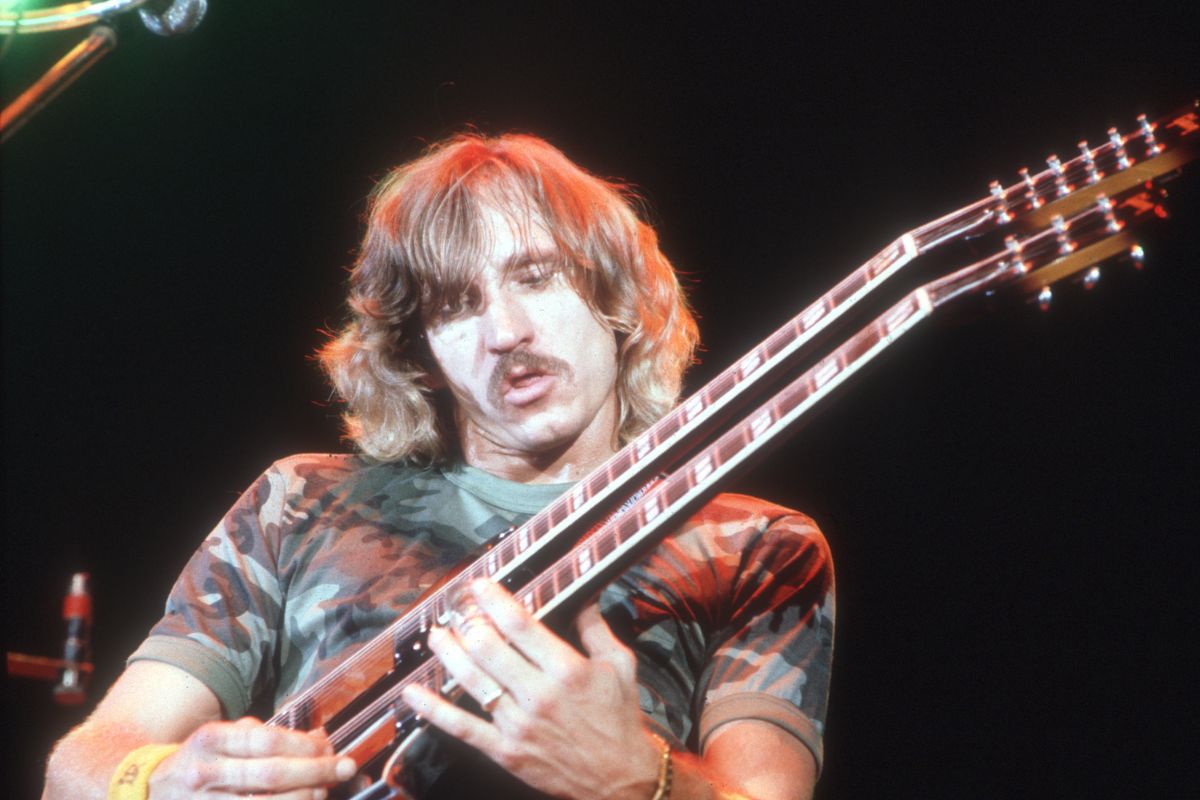
What changed: The Eagles acquired the rock star they didn't know they needed.
By 1975, the Eagles were already one of America's most successful bands. Albums such as Desperado, On the Border and One of These Nights had established them as masters of harmony-rich country-rock, while singles like 'Take It Easy' and 'Best of My Love' had made them radio staples.
Yet for all their success, they were still regarded by some critics as polished and slightly cautious. The arrival of Joe Walsh, replacing founding guitarist Bernie Leadon, changed that perception. A veteran of blues/psych/funk rockers James Gang and a successful solo artist, Walsh brought a harder-edged rock sensibility, a distinctive guitar style and a dose of unpredictability to an increasingly meticulous band.
His influence was immediately apparent on Hotel California, where the Eagles moved further away from their country roots towards a bigger, heavier and more ambitious sound. Walsh's guitar partnership with Don Felder produced some of the band's most memorable moments, not least the celebrated dual-guitar finale of the title track (listen from .
Just as importantly, his offbeat personality helped loosen a group that was becoming known for perfectionism and internal tension. The Eagles were already huge before Walsh arrived, but his presence helped elevate them from successful hitmakers to one of the defining rock bands of the 1970s.
Verdict: Good. Unlike some entries on this list, Joe Walsh didn't rescue a struggling band or completely reinvent its identity. The Eagles were already stars. What he did was add edge, guitar firepower and a greater rock-and-roll swagger at exactly the right moment, helping drive the band's most acclaimed and commercially successful period.
You can see Walsh and Felder in full flow from 4:25, below.
Pics Getty Images