Sometimes a band’s fate changes over years. Sometimes it changes in a single afternoon.
These are the days great artists would rather forget: the fatal accidents that ended classic line‑ups, the backstage rows that split partnerships wide open, the disastrous business decisions that sparked decades of lawsuits, and the gigs that descended into chaos for reasons no one could control. Some of these moments altered careers permanently; others were simply bruising, bewildering or deeply upsetting episodes that threw bands off balance without derailing them entirely.
What they all share is the same unnerving truth – that rock history is littered with flashpoints where everything suddenly tilted. A split‑second decision, an ill‑judged comment, a mismanaged crowd, a political misunderstanding, or a fire in the wrong building at the wrong time. These are the 11 dates great bands will never look back on fondly, even if some ultimately walked away unscathed.
1. Lynyrd Skynyrd: October 20, 1977
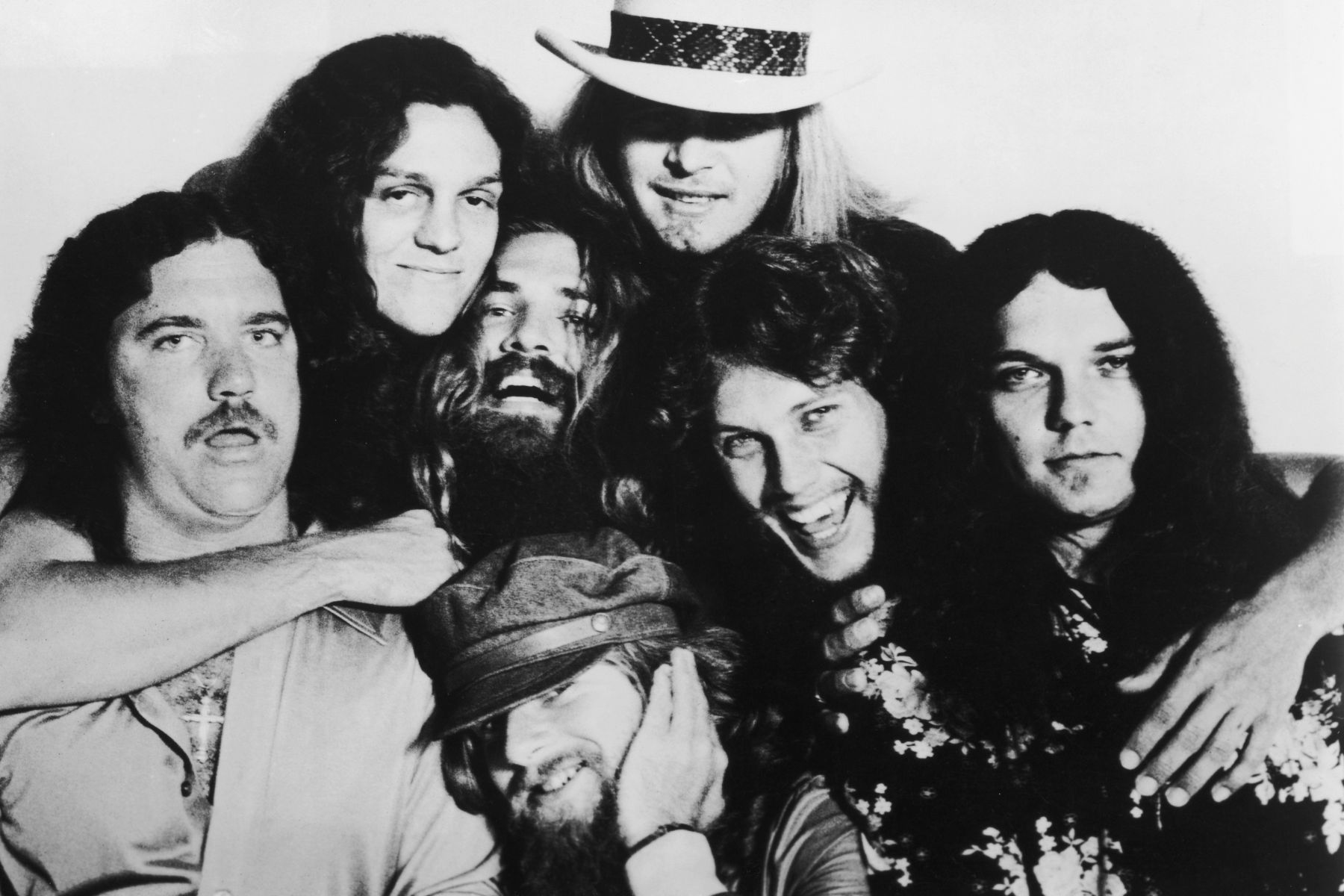
Lynyrd Skynyrd seemed unstoppable when disaster struck. While travelling between tour dates, their chartered Convair CV-240 ran out of fuel and crashed into woodland near Gillsburg, Mississippi.
Singer Ronnie Van Zant, guitarist Steve Gaines, backing singer Cassie Gaines and several others were killed instantly, while the surviving members suffered serious injuries. The crash abruptly ended the classic line-up at the peak of its powers, just days after releasing Street Survivors.
Although Lynyrd Skynyrd eventually reformed a decade later with Ronnie's younger brother Johnny on vocals, the swagger, chemistry and songwriting brilliance of the original band could never truly be recreated.
2. The Who: December 3, 1979
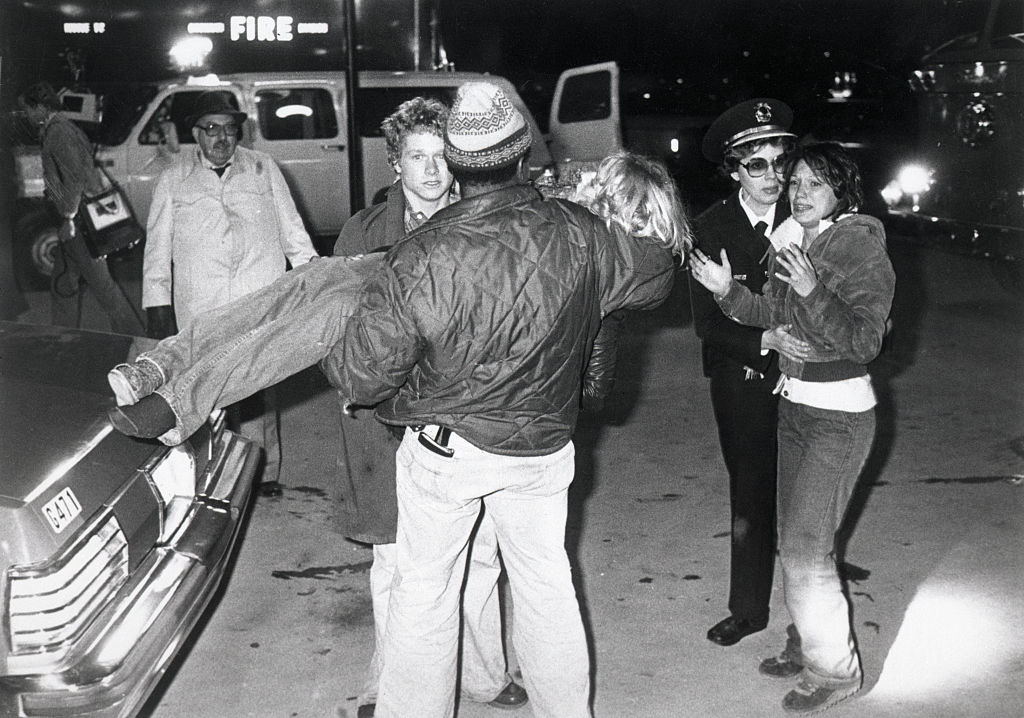
The Who’s Cincinnati show remains one of rock’s darkest nights. Confusion over festival‑style seating and limited entry points created a dangerous bottleneck outside Riverfront Coliseum.
When fans heard what they thought was the band starting, thousands surged forward, crushing those at the front against glass doors and metal barriers. Eleven people died before the gig even began.
The Who played the show, unaware of the tragedy until afterwards, when police and promoters broke the news backstage. The disaster reshaped US concert‑safety laws and left the band carrying a burden of grief they never fully shook. It’s a date etched into rock history for all the wrong reasons.
3. Deep Purple: December 4-5, 1975
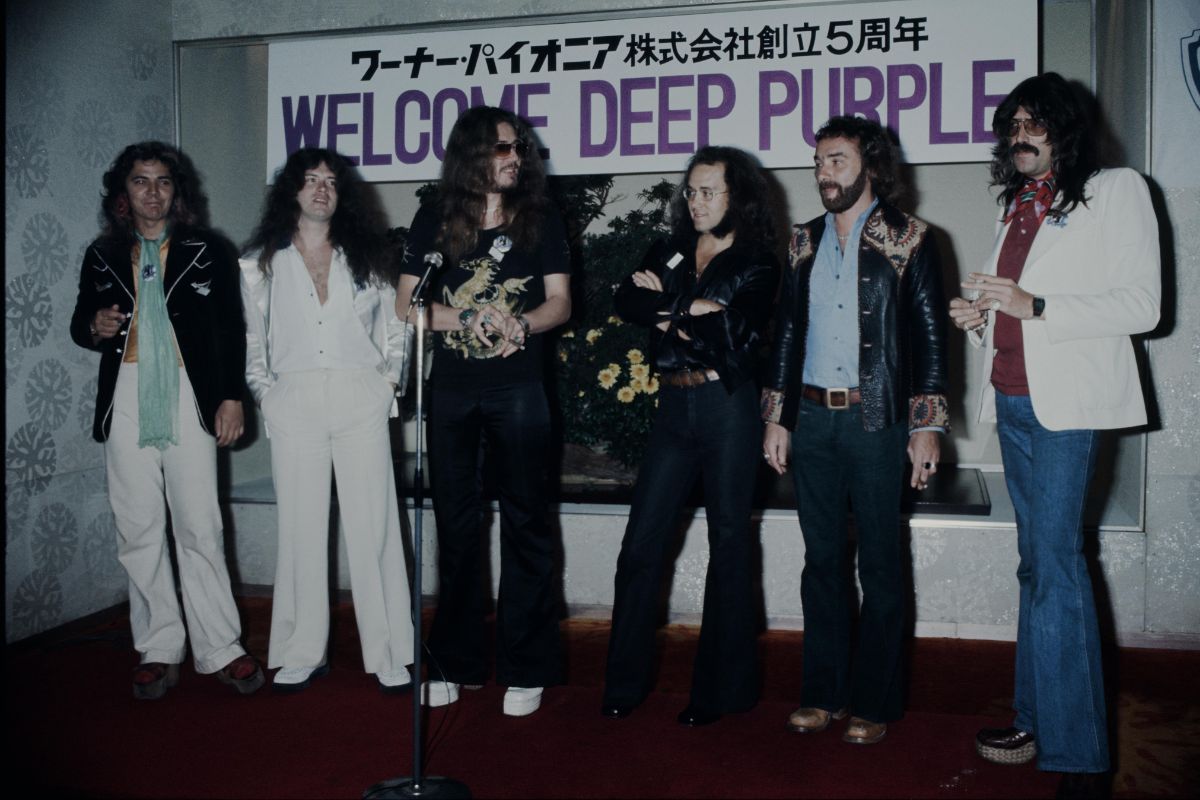
Deep Purple’s stopover in Jakarta turned into one of the most disturbing episodes in rock history. After the first of two concerts, bodyguard Patsy Collins died in a fall down a hotel lift shaft – a death keyboardist Jon Lord later said the band believed was murder. Tour manager Rob Cooksey, bassist Glenn Hughes and another member of the entourage were detained on suspicion of involvement.
Then, at the second concert, armed police and dogs attacked the audience, reportedly injuring more than 200 people. Deep Purple abandoned the show and fled Indonesia, having also apparently been swindled out of a huge sum of money. It was a terrifying ordeal that left the band with questions about Collins’s death that were never satisfactorily answered.
4. Eagles: July 31, 1980
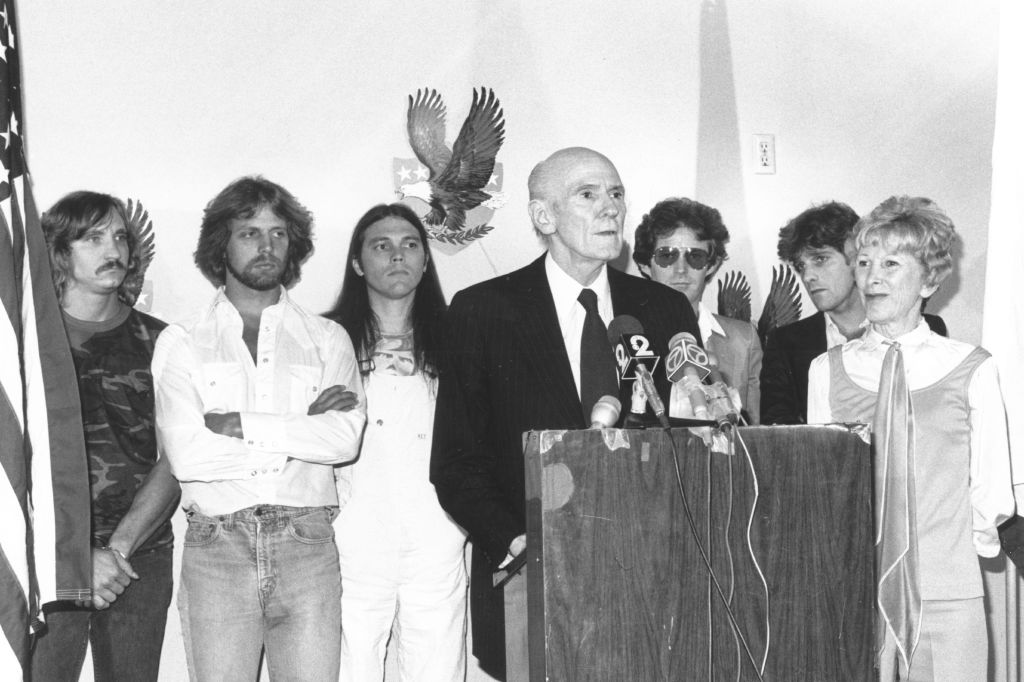
For 14 years, the Eagles barely existed as anything more than a collection of mutual grudges. The band that had dominated 1970s American rock imploded after one spectacular backstage row that became known as the 'Long Night at Wrong Beach'.
Tensions had simmered for months, but boiled over before a benefit concert in Long Beach, California, when guitarist Don Felder clashed with Glenn Frey over political guests and the band's increasingly poisonous internal relationships.
The show was a fundraiser for Senator Alan Cranston, and Felder bristled at what he saw as the Eagles being used as a political prop. When Cranston’s wife thanked him backstage, Felder reportedly replied with a curt ‘You’re welcome… I guess’, which enraged Frey and triggered a furious row that carried straight onto the stage.
The two men reportedly spent the concert threatening each other between songs while smiling for the audience. Afterwards, the Eagles split, with Frey later admitting, ‘Everybody left the room before somebody got killed.’ They wouldn’t reunite until 1994.
5. The Rolling Stones: December 6, 1969
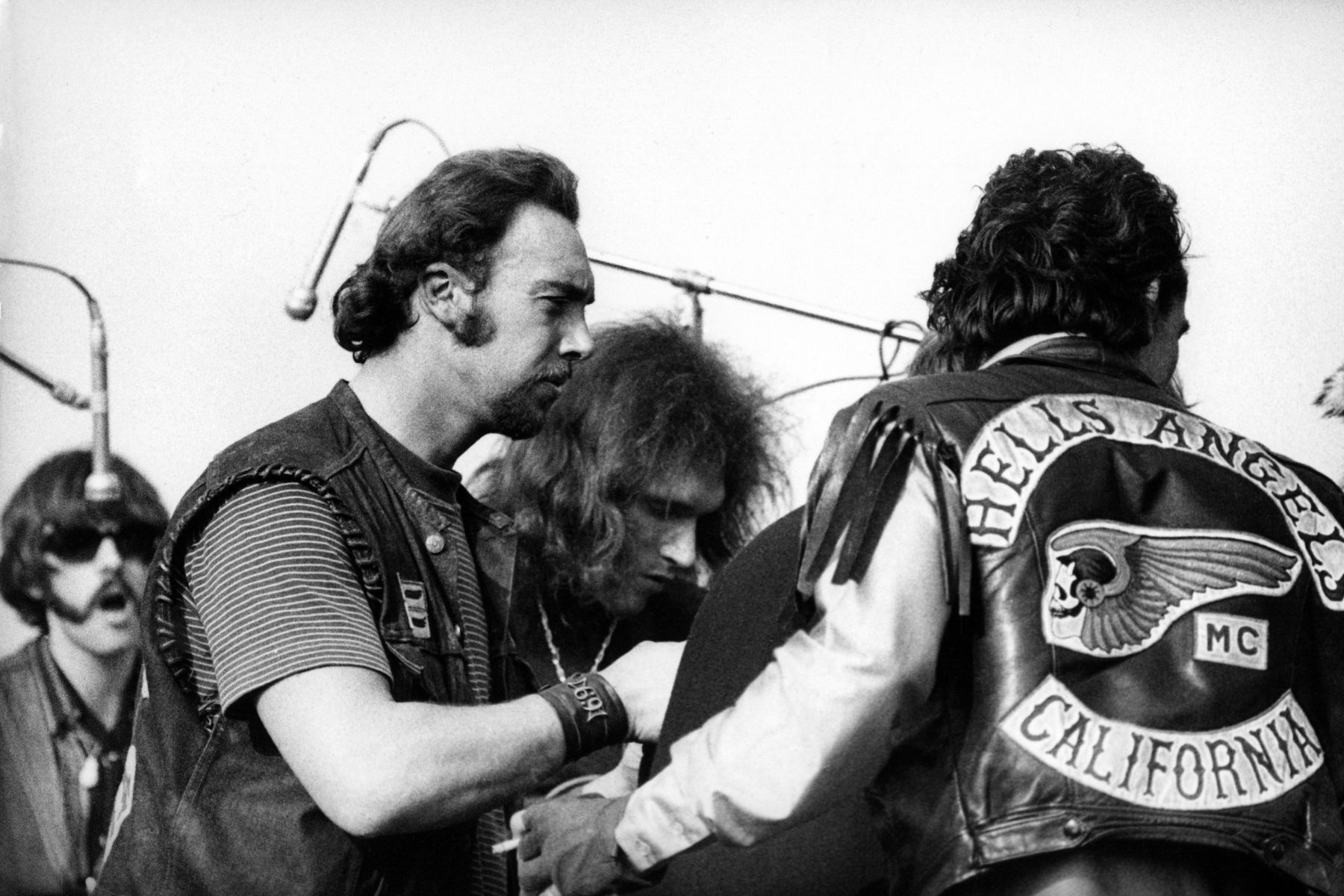
Altamont was meant to be the Stones’ triumphant West Coast answer to Woodstock – a free concert celebrating the counterculture’s last great gasp. Instead, it became a symbol of that dream collapsing.
The Hells Angels, hired as security for beer, quickly turned volatile, clashing with fans throughout the day. By the time the Stones took the stage, the atmosphere was already poisonous. During ‘Under My Thumb’, 18‑year‑old Meredith Hunter was stabbed and killed near the front of the stage.
The band finished the set unaware of the full horror unfolding around them. Altamont became the night the ’60s ideal died – a gig the Stones have never truly escaped.
6. The Dixie Chicks: March 10, 2003
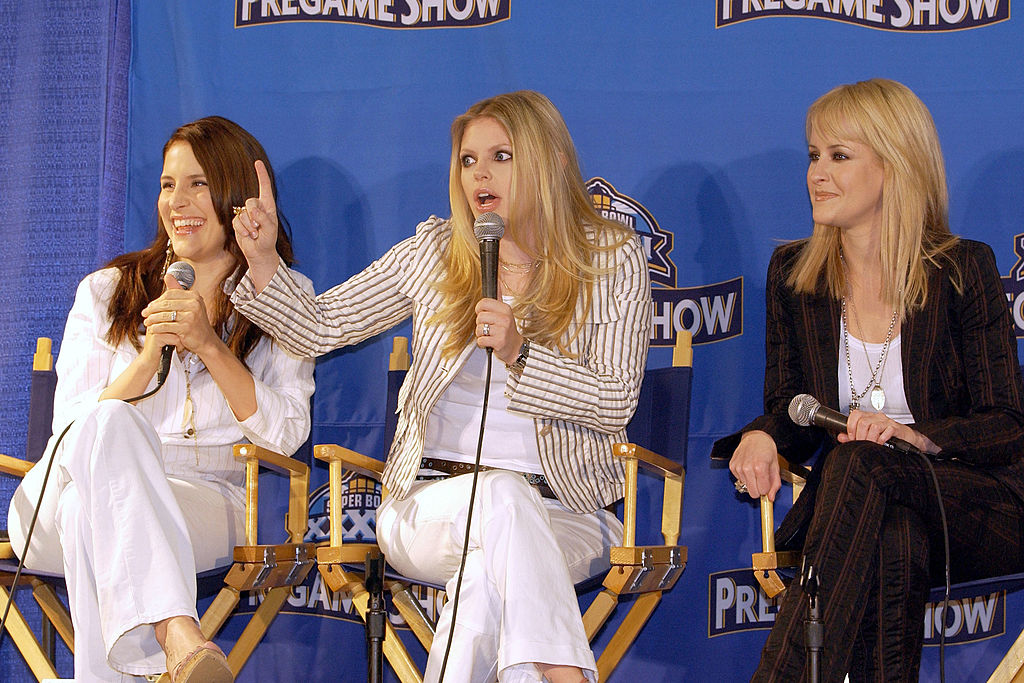
On stage at the Shepherd’s Bush Empire, just days before the Iraq War, Natalie Maines made an off‑the‑cuff remark that detonated the Dixie Chicks’ career: ‘We’re ashamed the President is from Texas.’
It was a throwaway line delivered to a friendly London crowd, but back home it sparked a firestorm. Country‑radio stations banned their music overnight, fans organised CD burnings, sponsors pulled support, and the band became a lightning rod for America’s culture wars.
The backlash was devastating to their country-radio profile, but they remained commercially and critically significant, winning five Grammys in 2007 for Taking the Long Way. Unlike some artists who weathered controversy, the Dixie Chicks paid a lasting price – and Maines later admitted she regretted the comment’s impact, even if not its sentiment.
7. Led Zeppelin: September 25, 1980
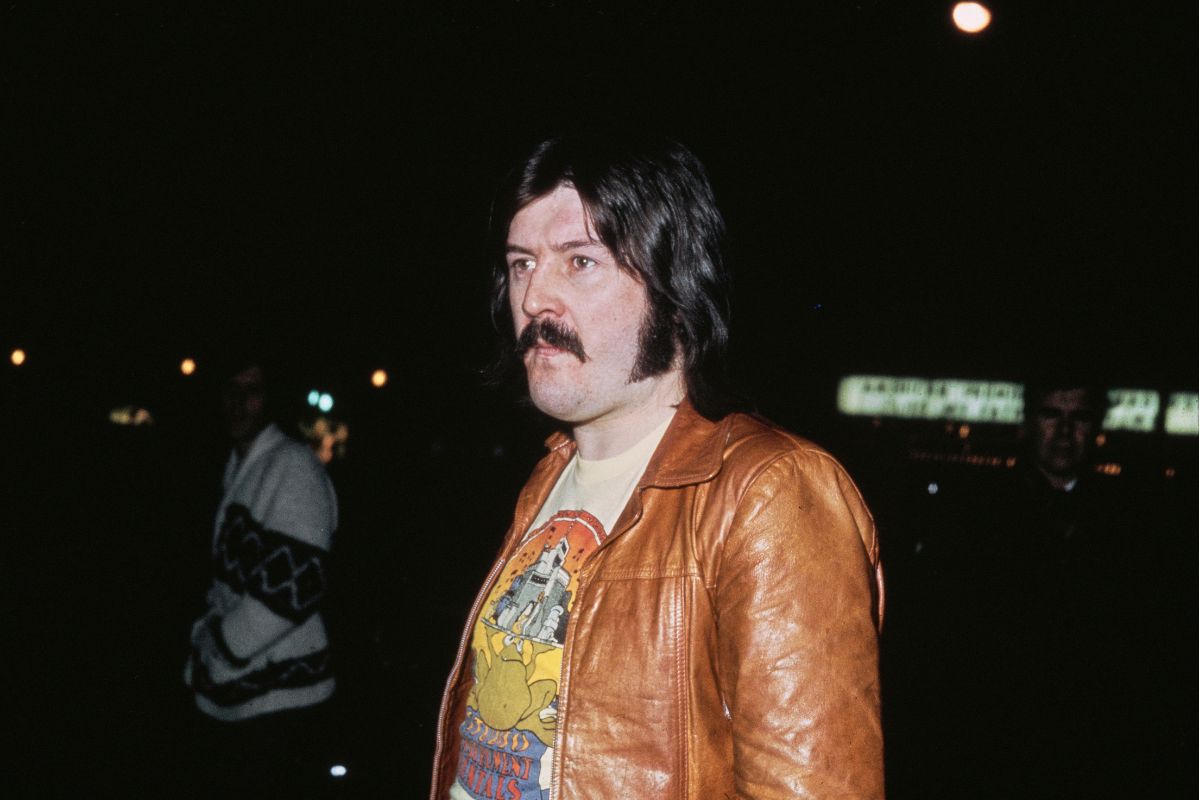
Led Zeppelin had already weathered personal tragedy, tax exile and relentless touring, but nothing prepared them for the death of John Bonham. After a day of heavy drinking during rehearsals for a planned North American tour, the drummer died in his sleep at bandmate Jimmy Page's house, after choking on his own vomit. He was just 32.
Rather than recruit a replacement, Page, Robert Plant and John Paul Jones concluded that Zeppelin simply couldn't exist without him. Bonham's explosive power and instinctive swing were so central to the band's chemistry that continuing felt impossible. Less than three months later, they issued a brief statement announcing the end of Led Zeppelin.
8. Aerosmith: July 28, 1979
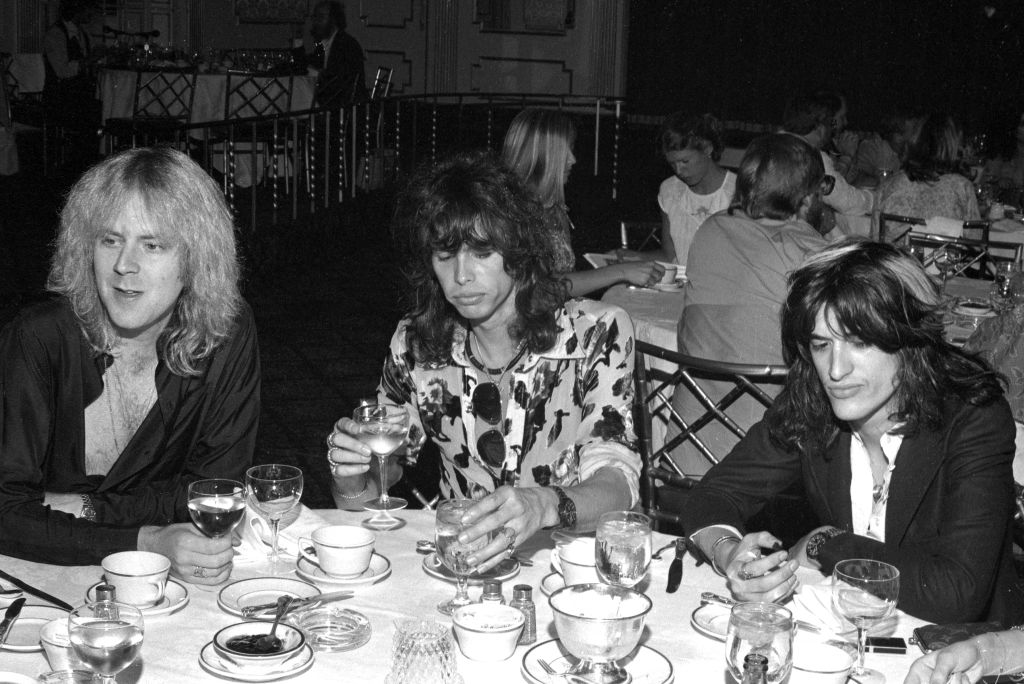
By 1979, Aerosmith were barely holding together, their drug‑fuelled chaos eroding every part of their working life. In Cleveland, tensions finally snapped.
A backstage argument involving Steven Tyler, Joe Perry and their wives escalated into a physical confrontation. Perry, already frustrated by the band’s dysfunction and Tyler’s increasingly erratic behaviour, walked out mid‑tour and quit soon after.
His departure sent Aerosmith into a tailspin, leaving Tyler to finish Night in the Ruts with stand‑ins and pushing the band towards commercial decline. It’s the date the original Toxic Twins partnership imploded – a moment they wouldn’t recover from until their sober ’80s comeback.
9. The Sex Pistols: January 14, 1978
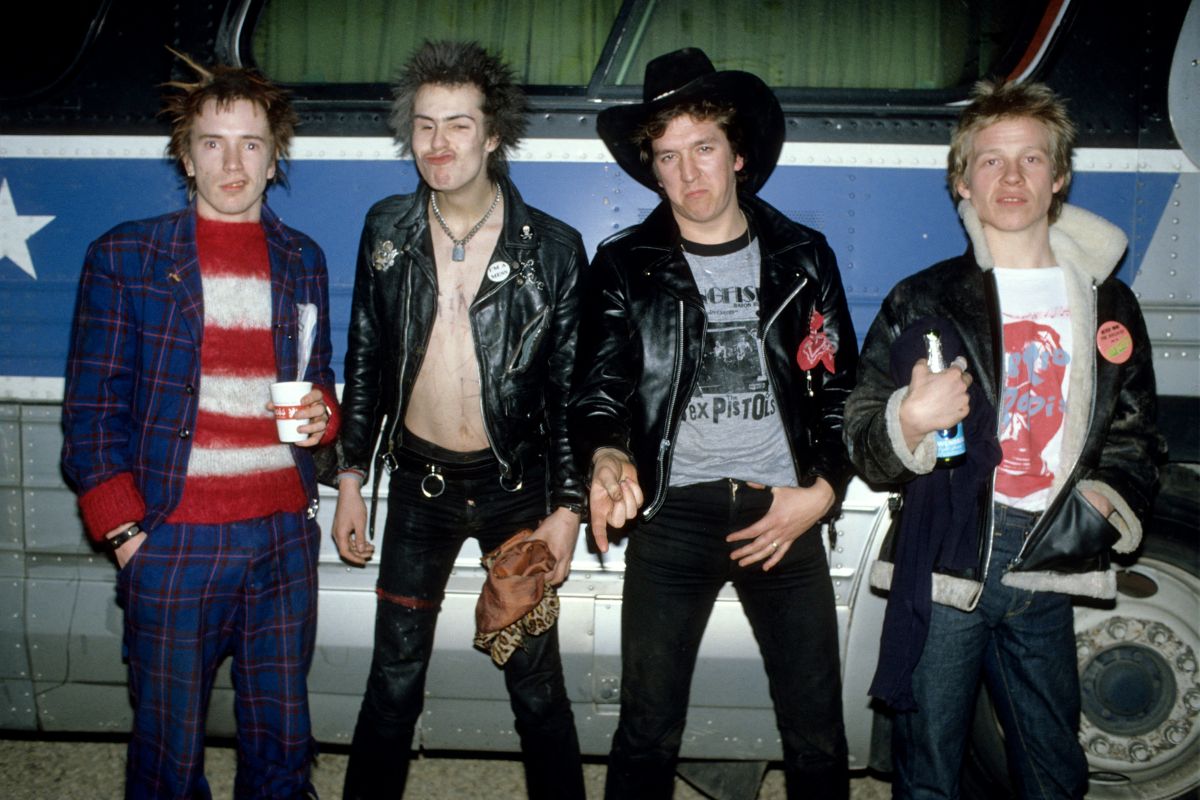
The Sex Pistols’ final gig was a shambolic, hostile collapse broadcast in real time. Sid Vicious was barely able to play, Johnny Rotten was openly contemptuous of the crowd, and the band lurched through their set with mounting antagonism. The tension peaked when Rotten closed with the immortal line: ‘Ever get the feeling you’ve been cheated?’
It was both a sneer and a resignation letter. The Pistols split immediately afterwards, leaving Winterland as the chaotic full stop on punk’s most incendiary band. It’s a date that captures everything brilliant and disastrous about them – a self‑destructing finale that became legend.
10. Guns N' Roses: July 2, 1991
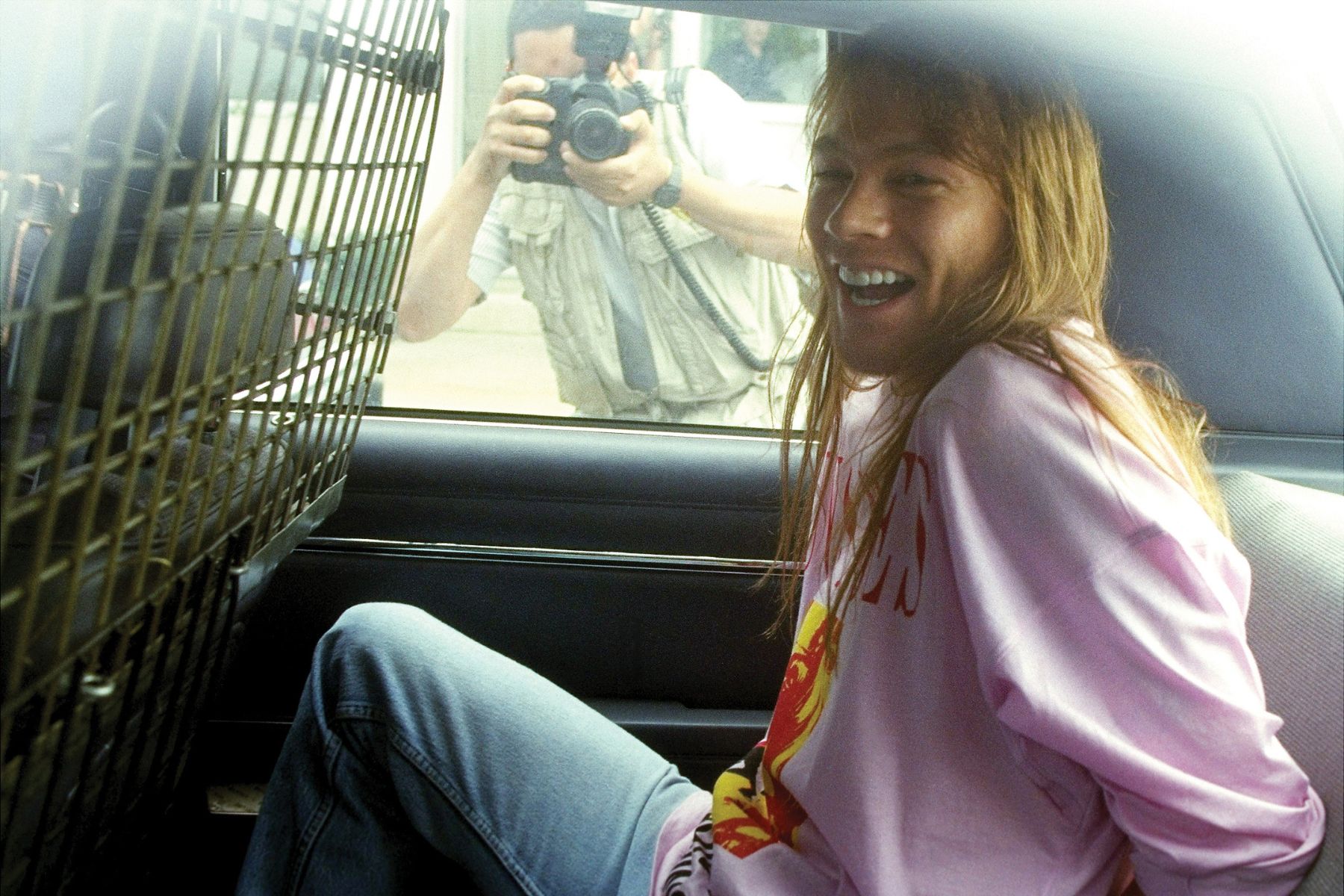
By the mid-1990s, Guns N' Roses had become synonymous with chaos as much as classic rock, and many point to one explosive night in Missouri as the moment everything began to unravel. The Riverport Riot damaged the band's reputation, deepened tensions within the group, and cemented Axl Rose's image as rock's most unpredictable frontman.
During a concert near St Louis on July 2, 1991, Rose spotted a fan allegedly filming the show, leapt into the crowd to confront him, then stormed off stage after complaining security had failed to act. The abandoned concert sparked a full-scale riot, with dozens injured and millions of dollars in damage.
The riot didn’t derail Guns N’ Roses’ career – their Use Your Illusion albums were still about to conquer the charts. But it became one of the most notorious episodes in the band’s history, cementing their reputation for chaos and leaving a bitter legacy in St. Louis.
11. The Beatles: September 20, 1969
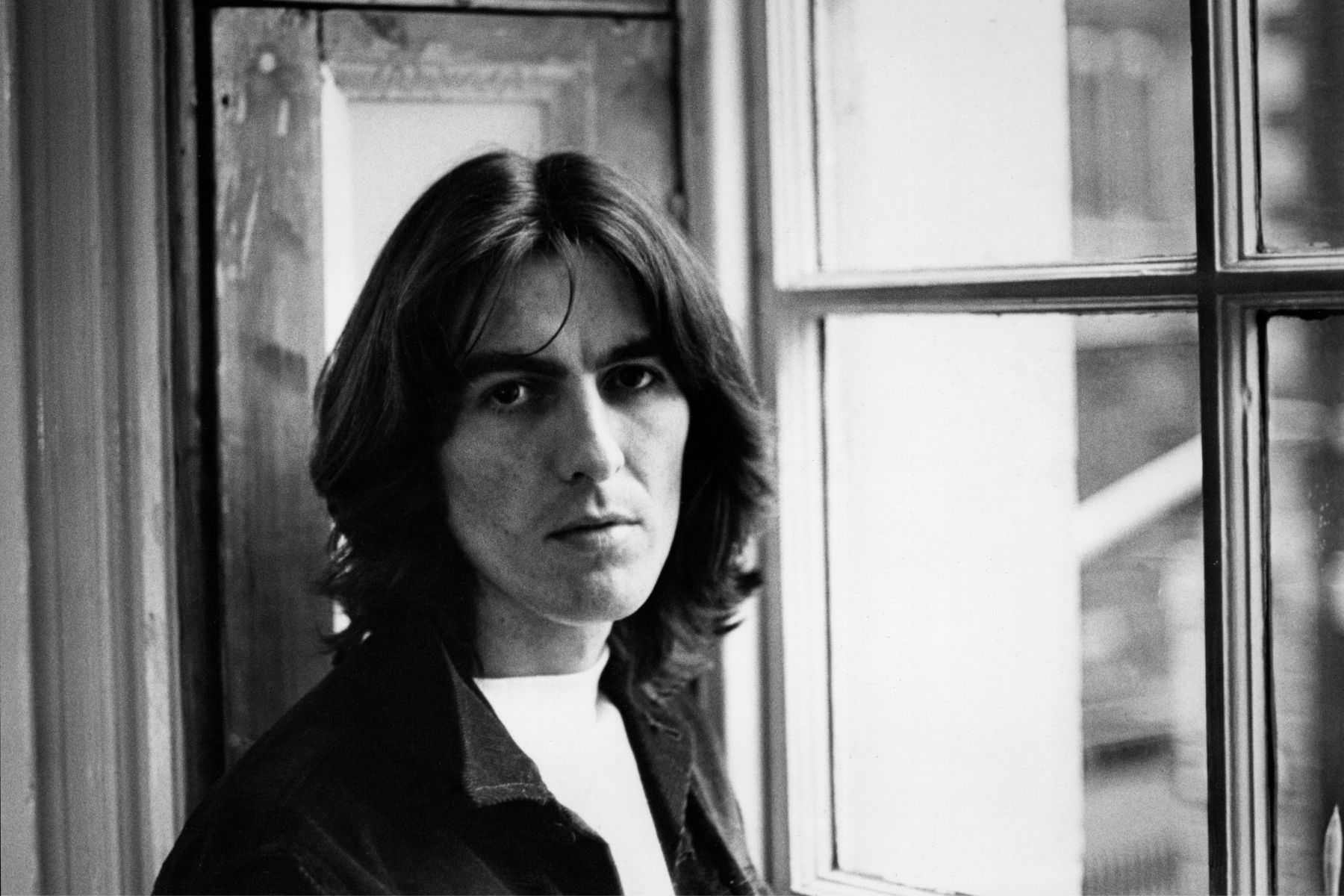
The Beatles had been drifting apart for months, but September 20, 1969, was the moment the end became inevitable. During a meeting at Apple's headquarters, John Lennon stunned Paul McCartney, George Harrison and Ringo Starr by declaring, "I want a divorce."
Manager Allen Klein persuaded the band to keep the news private while business negotiations continued, meaning the public wouldn't learn of the split until McCartney announced his departure the following April. Although Abbey Road had shown they could still produce masterpieces together, Lennon's decision effectively closed the book on the greatest songwriting partnership in rock history and ended the most influential band the genre has ever known.
Pics Getty Images
Top pic A subdued Roger Daltrey (left) and John Entwistle (right) prepare to leave the Stouffer's hotel, Cincinatti, for their next concert in Buffalo, 4 December 1979