
Rock concerts have never been known for restraint.
But sometimes a band decides that a few amplifiers, some lights and a smoke machine simply won't do.
At their most extravagant, rock tours became travelling spectacles of almost absurd ambition: orchestras and choirs, enormous stage sets, elaborate costumes, hydraulic machinery and enough equipment to fill several lorries. Some productions cost fortunes to stage, while others were so technically demanding that keeping everything running became an achievement in itself.
From Emerson, Lake & Palmer taking a full orchestra on the road to Black Sabbath's famously ludicrous Stonehenge stage set, these tours pushed the idea of a rock concert towards something closer to theatre, circus or heavy industry. They could be thrilling, spectacular and occasionally disastrous – but above all, they demonstrated the extraordinary lengths rock stars would go to put on a show.
Here are rock's most extravagant tours.
1. Emerson, Lake & Palmer – Works Tour, 1977
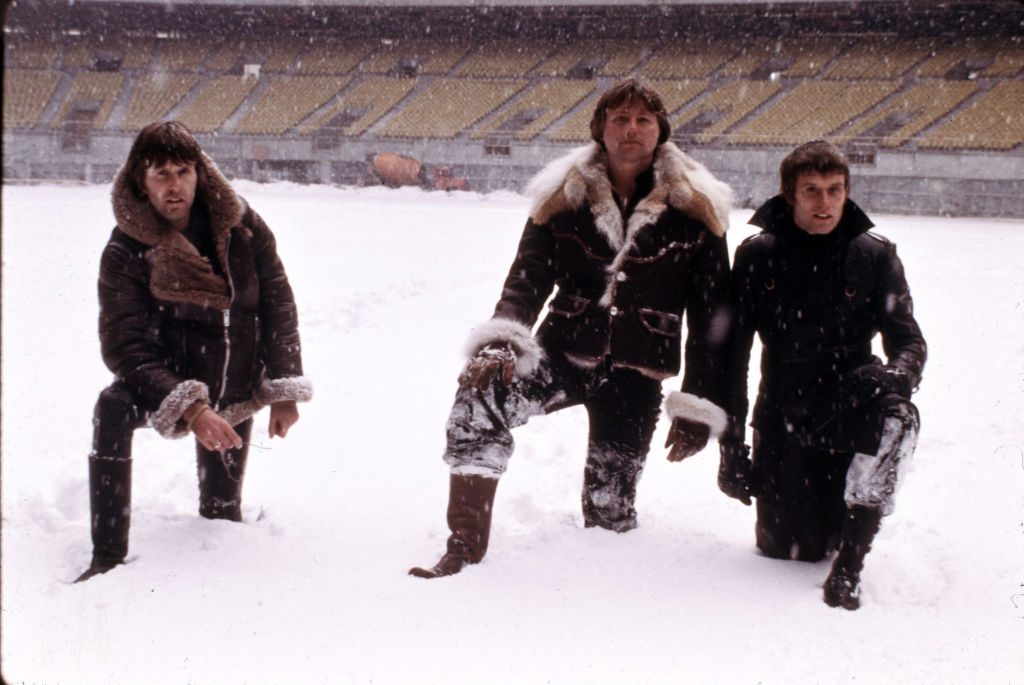
If rock excess could be measured in personnel, ELP's Works tour would be hard to beat. Keith Emerson insisted on taking a 64-piece orchestra and choir on the road, turning a three-man prog rock show into a logistical monster. The tour eventually ran for more than 120 dates, but the orchestra proved so expensive and difficult to transport that it was abandoned after the early shows. ELP even lost millions on the venture.
A documentary film crew famously captured aerial footage of articulated lorries traveling in convoy on a British motorway with the band members' names (Emerson, Lake, and Palmer) emblazoned across the truck roofs: the very picture of 1970s excess.
Snapshot moment: The orchestra's conductor rising 14 feet into the air on a hydraulic podium as thousands of rock fans waited for the music to begin.
2. Black Sabbath – Born Again Tour, 1983
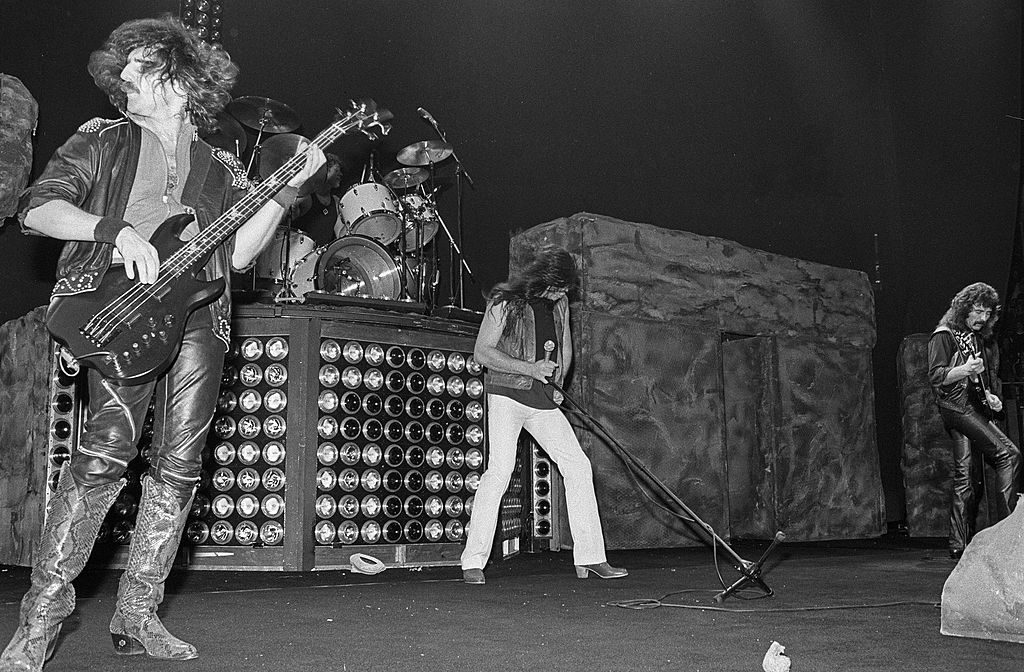
Black Sabbath's Born Again tour might be rock's greatest example of a stage production becoming too much even for the band that conceived it. The set featured a gigantic Stonehenge monument, inspired by the lyrics of ‘Stonehenge’ – but a spectacular measurement error made it three times bigger than intended.
The dimensions had been specified as 15 feet, but were apparently interpreted as 15 metres by the stage designers. The resulting Stonehenge was around 45 feet high and simply wouldn't fit into most venues, forcing Sabbath to leave much of the enormous set in storage.
Uncannily and hilariously, around the same time the brilliant rock mockumentary This is Spinal Tap featured its own mis-sized Stonehenge gag, when the band turn up to gigs with a Stonehenge set that's, similarly, been produced in the wrong unit (in this case, it's 18 inches rather than feet). The timing was so uncanny that Sabbath actually believed that director Rob Reiner might have drawn on their own Stonehenge misfortunes for the film. But no, pure coincidence.
Snapshot moment: Sabbath standing onstage beneath a Stonehenge set that was spectacularly, inconveniently, too big.
3. Led Zeppelin – North American Tour, 1977
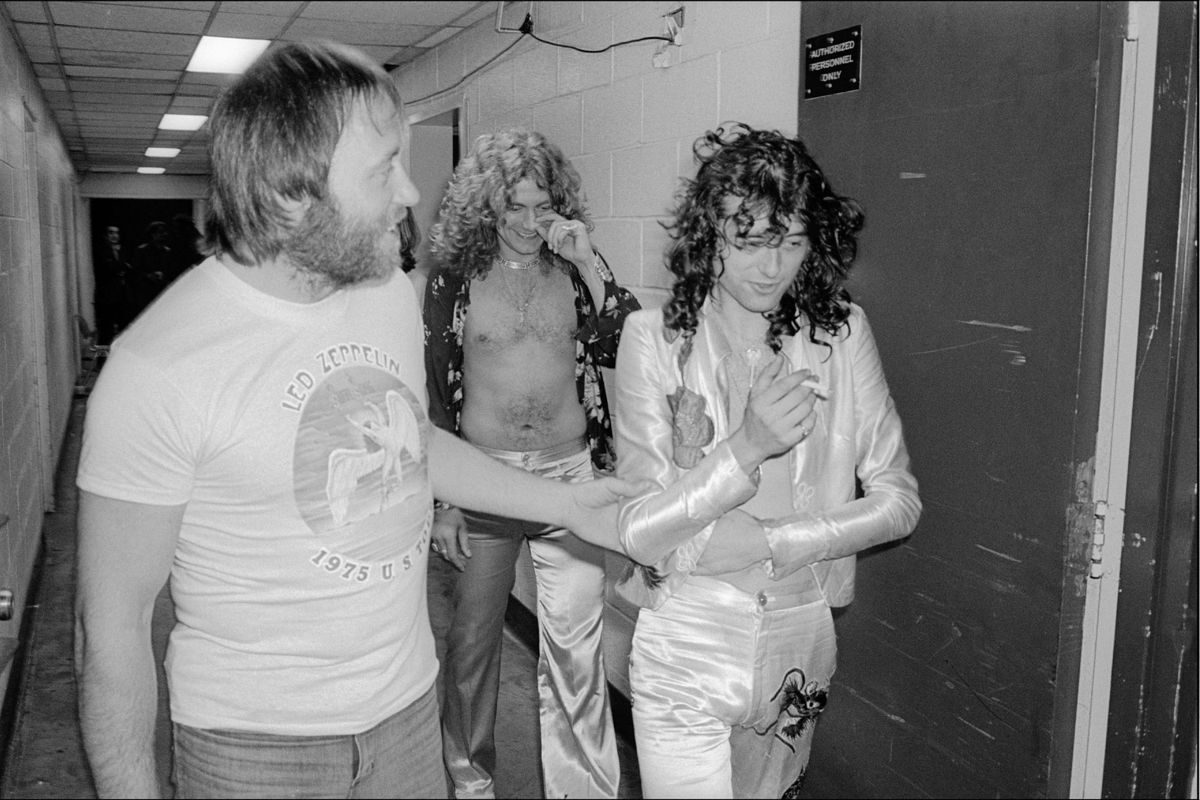
By 1977, Led Zeppelin had reached a scale few rock bands could contemplate. Their American tour was built around huge arenas and stadiums, elaborate lighting, giant screens and increasingly extravagant individual performances. But the sheer scale was accompanied by exhaustion, backstage chaos and the physical and emotional strain that would eventually cut the tour short after the death of Robert Plant's son, Karac. Forty-four shows were played; seven more had been scheduled.
Snapshot moment: John Bonham's drum solo, complete with electronically processed timpani and enormous flashpots, turning an already gigantic stadium show into something approaching sensory overload.
4. Pink Floyd – The Wall, 1980-81
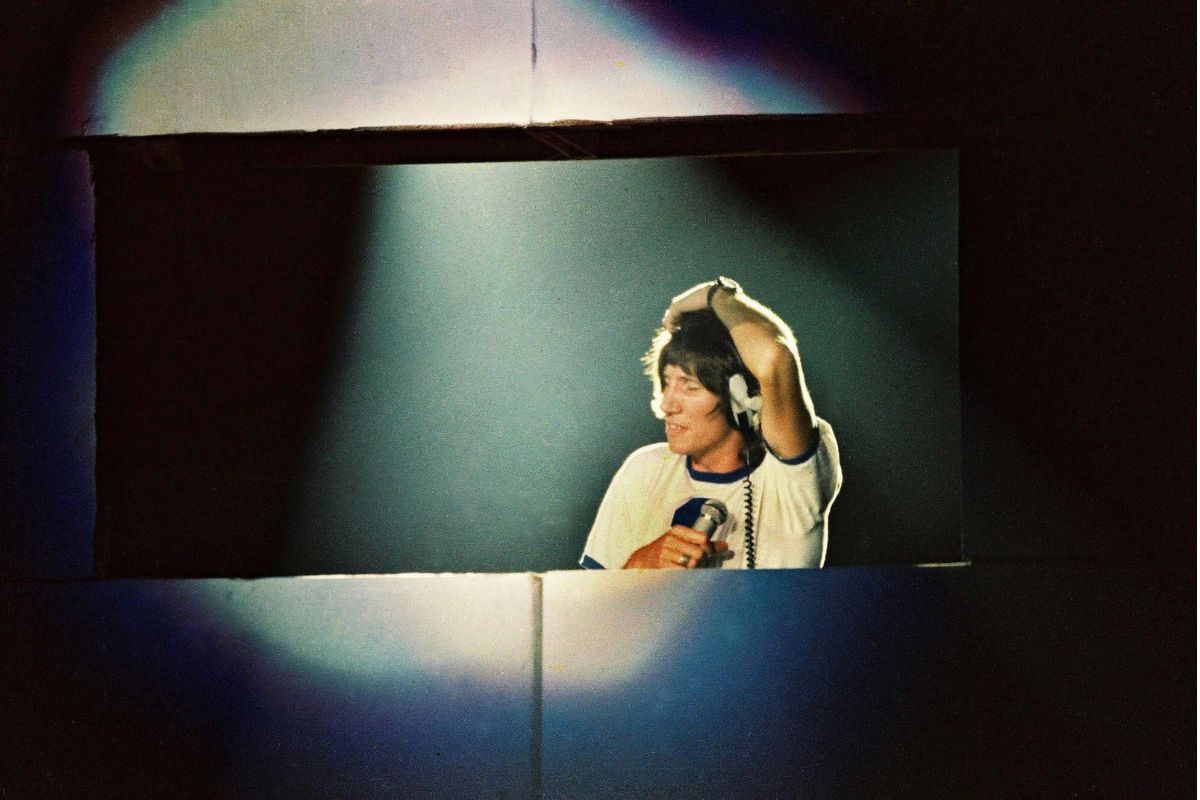
Pink Floyd didn't simply tour The Wall: they built it in front of the audience. Roger Waters' concept required a gigantic wall of blocks to be constructed across the stage during the performance, eventually obscuring the musicians completely. It was an extraordinarily ambitious production for a tour that played only a small number of carefully chosen dates, making the shows more like theatrical events than conventional rock concerts.
Snapshot moment: Waters disappearing behind the completed wall while the audience could barely see the band that had spent the evening building it.
5. Genesis – The Lamb Lies Down on Broadway, 1974-75
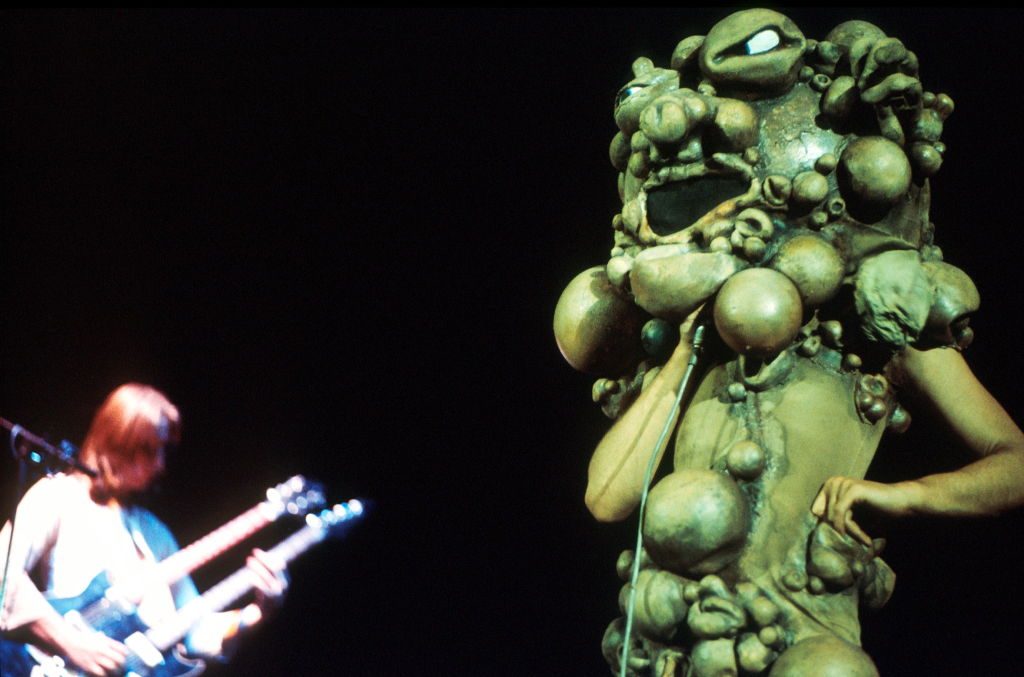
The Lamb Lies Down on Broadway tour was a spectacular headache even by prog-rock standards. Genesis were attempting to present Peter Gabriel's sprawling surrealist story not just through music but through hundreds of slides, elaborate lighting and projected imagery. Gabriel's increasingly theatrical costumes added another layer of complexity, while technical problems were common. The band were effectively trying to tour a rock album and a stage production simultaneously.
Snapshot moment: Gabriel appearing onstage in his grotesque Slipperman costume (pictured above) – an extraordinary visual that required a complicated change and perfectly captured Genesis' increasingly theatrical ambitions.
6. The Rolling Stones – Tour of the Americas, 1975
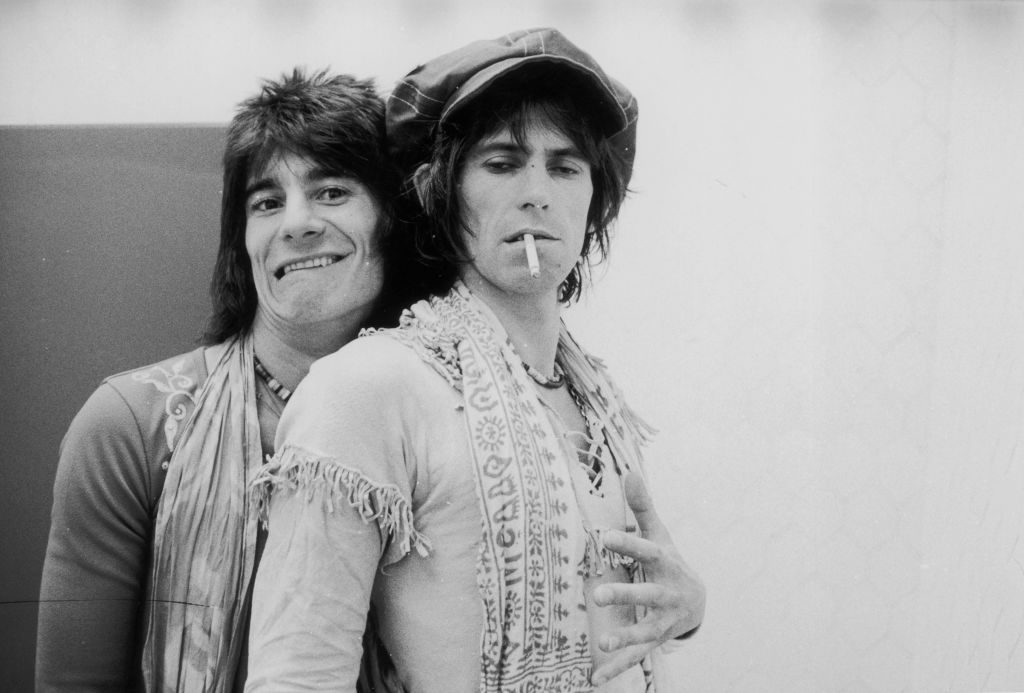
The Stones had already perfected the art of turning a concert into an event, but their 1975 American tour pushed the formula towards rock theatre. There were giant inflatable props, elaborate lighting and a stage designed to make the Stones look enormous in huge arenas. The excess occasionally became a little too provocative: at one San Antonio show, police threatened action over a 15-foot inflatable phallus (nicknamed 'Tired Grandfather') used during the performance.
Snapshot moment: Mick Jagger reluctantly agreeing to remove the enormous inflatable penis after local police threatened to shut the show down.
7. The Who – Quadrophenia, 1973
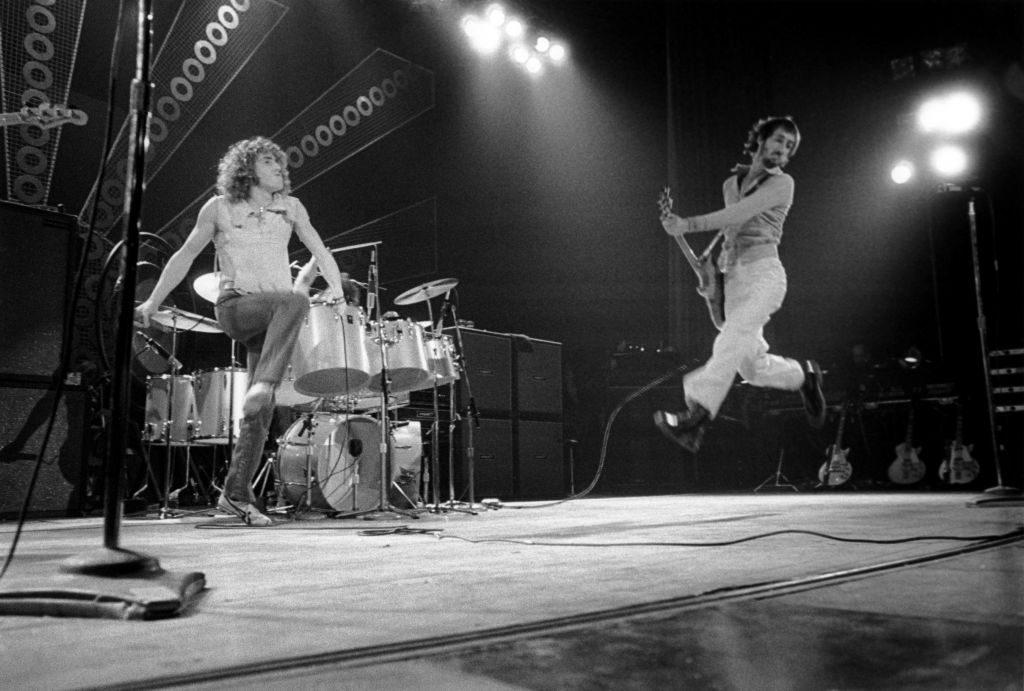
The Quadrophenia tour was The Who at their most ambitious – and most combustible. The band attempted to stage Pete Townshend’s dense, narrative double album using taped sequences, synth loops and sound effects that had to sync perfectly with live performance.
But the technology simply wasn’t ready. Backing tapes misfired, stopped, or played in the wrong order; Townshend frequently exploded with frustration; and the band sometimes had to abandon the concept mid‑show and revert to older material.
What should have been a grand theatrical statement became a nightly tightrope walk. The music was magnificent, but the production was too complex, too fragile and too far ahead of its time – a tour undone by its own ambition.
Snapshot moment: Mid‑show in Philadelphia, the backing tapes (essential to the album’s narrative and its synth‑driven architecture) failed yet again, dropping out completely. Townshend, already on edge, exploded, hurling his guitar across the stage and screaming at the sound crew while the rest of the band stood frozen.
With the audience watching in confusion, The Who abandoned the Quadrophenia material on the spot and switched to older songs they could play without tapes.
8. Guns N’ Roses – Use Your Illusion Tour (1991-93)
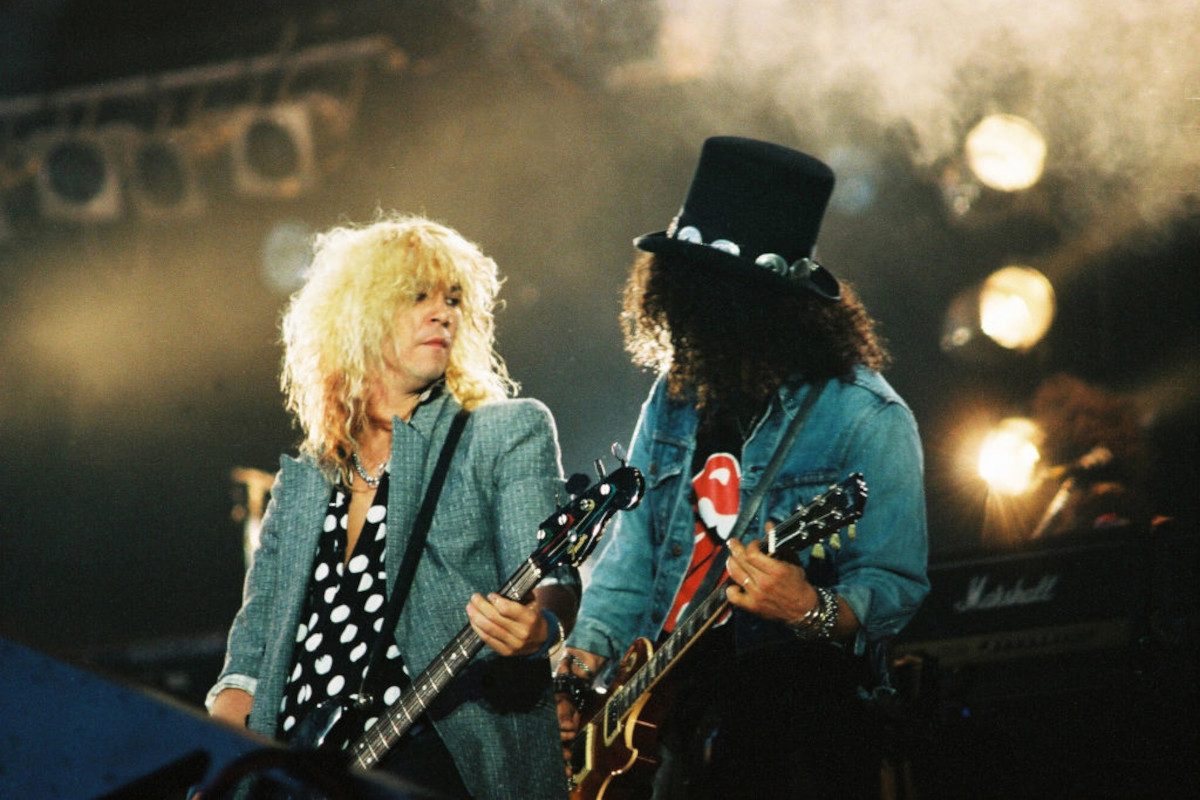
The Use Your Illusion tour was Guns N’ Roses at their most spectacular, most volatile... and most unsustainable. Stretching from 1991 to 1993, it became a travelling epic of excess: huge staging, marathon setlists, spiralling costs, and a band fraying under pressure. Axl Rose’s late arrivals became notorious – sometimes hours – triggering walk‑offs, crowd unrest and, in extreme cases, full‑scale riots.
In Montreal, after Metallica’s James Hetfield was injured by pyrotechnics, GN’R cut their own set short; the resulting riot tore through the Olympic Stadium and spilled into the streets. In South America, shows were delayed or abandoned amid fights, miscommunication and Axl’s refusal to perform until conditions met his standards.
Internal tensions were constant. Axl and Slash clashed over musical direction, professionalism and control; Izzy Stradlin quit early in the tour, exhausted by the chaos; Matt Sorum and Duff McKagan struggled with the unpredictability of Axl’s behaviour; and the band’s management were caught between artistic ambition and nightly crisis management.
Snapshot moment: In St Louis, after Axl leapt into the crowd to confront a fan with a camera, he stormed off‑stage, ending the show abruptly. The riot that followed caused dozens of injuries and huge damage to the venue.
9. David Bowie – Glass Spider Tour, 1987
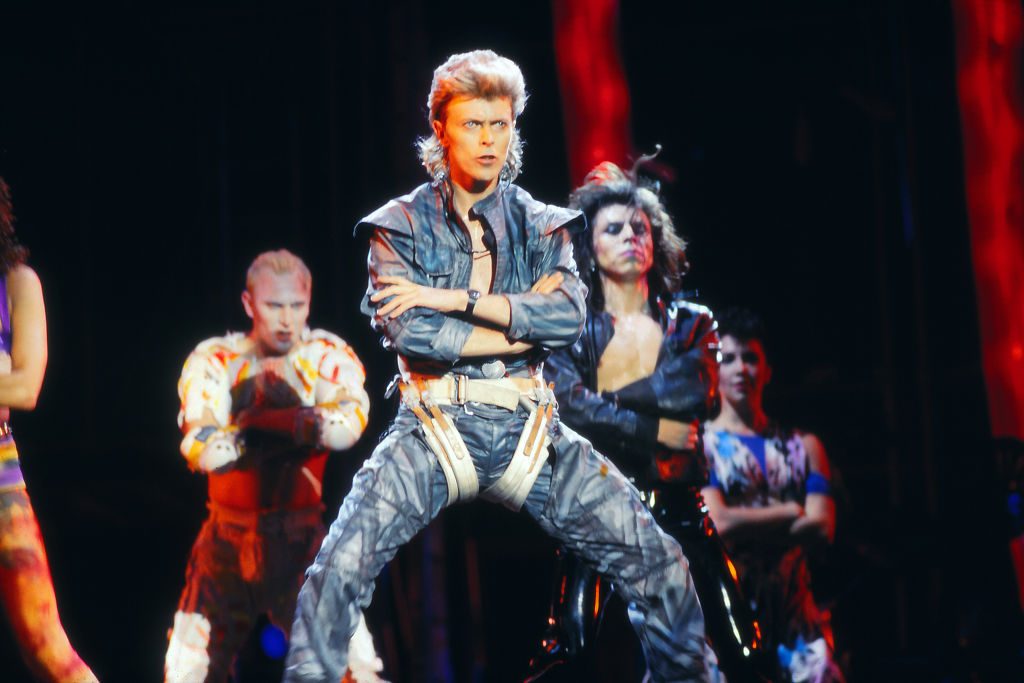
David Bowie’s Glass Spider tour pushed stadium theatrics to breaking point. Dominated by a 60‑foot steel‑and‑fibreglass spider, the stage sprawled across ladders, platforms, dancers, video screens and one of the decade’s largest lighting rigs. The production reportedly required more than 40 trucks and a crew of over 150, turning each show into a choreographed rock opera complete with spoken‑word passages and elaborate entrances from the spider’s abdomen.
- We ranked all 26 Bowie albums. And, um, 'Ziggy Stardust' doesn't make the top 3
- ROCK OPERA! Rock's 15 strangest storytelling epics
The vast arachnid at the centre of the Glass Spider tour wasn’t just decoration – it was the production’s governing metaphor. Bowie conceived the show as a kind of dystopian fairy tale, with the spider functioning as a looming, omniscient presence: part storyteller, part stage architecture, part visual anchor for the tour’s theatrical narrative.
Its legs framed the dancers’ choreography; its abdomen served as Bowie’s dramatic entrance point; its lighting rig acted as a pulsating, semi‑sentient backdrop. The spider was meant to evoke myth, menace and spectacle – a symbol of entrapment and control in a world saturated with artificial imagery.
In practice, it became both the show’s defining icon and its biggest burden: a colossal, unwieldy creature that embodied the tour’s ambition and its excess in equal measure.
Critics were sharply divided: some admired the ambition, others saw mid‑80s Bowie tipping into self‑parody. Today, the tour is remembered as Bowie’s most excessive, audacious and polarising live experiment.
Snapshot moment: In Anaheim, a key dance sequence slipped out of sync with the visuals, leaving Bowie stranded mid‑stage as lighting cues misfired around him – a brief collapse that exposed how fragile the spectacle really was.
10. U2 – PopMart Tour, 1997-98
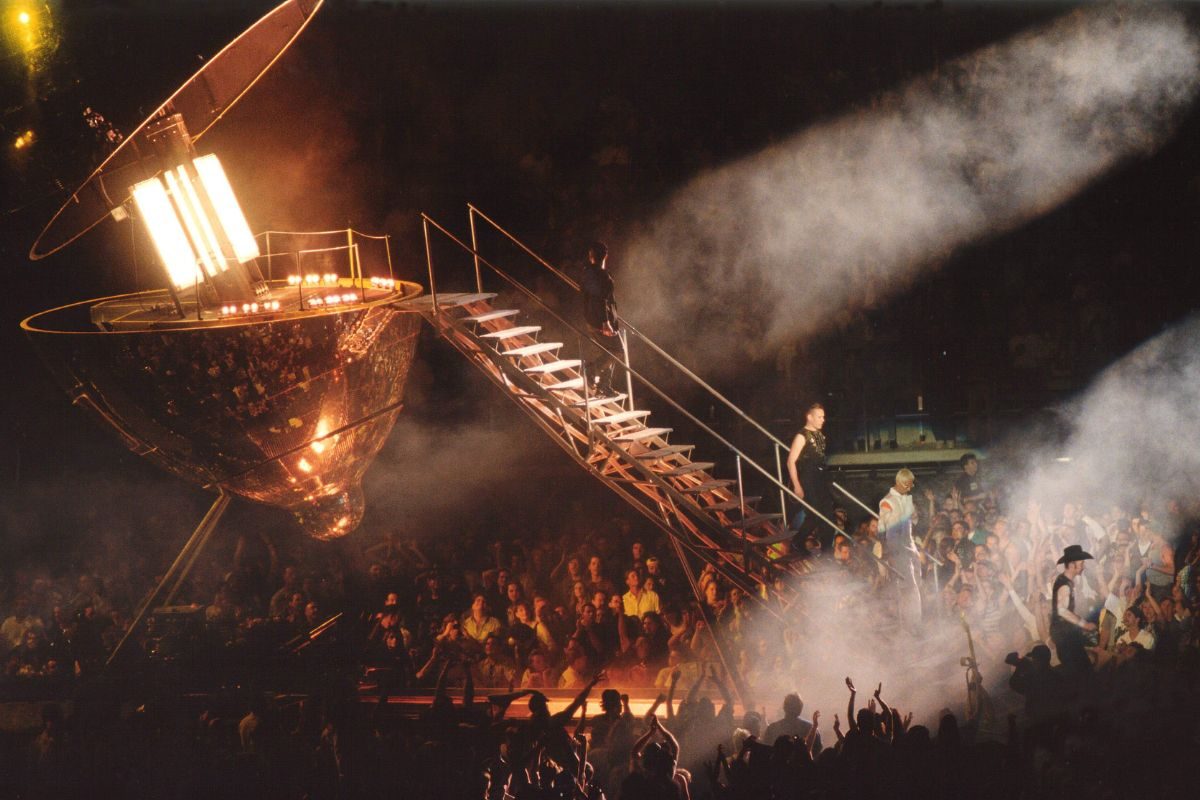
The PopMart tour was U2’s gaudiest, most over‑inflated gamble: a stadium‑sized parody of consumerism that became indistinguishable from the thing it mocked. The production was colossal: a 100‑foot LED screen, a giant golden arch, a massive mirrorball lemon, and a visual language pitched somewhere between Vegas, late‑night infomercials and corporate hallucination. The scale was breathtaking, but the logistics were punishing and the concept often swallowed the music.
Snapshot moment: In Oslo, the enormous lemon – designed to open and reveal the band – jammed shut, trapping U2 inside as the crowd watched in baffled silence.
11. KISS – Dynasty Tour (1979)
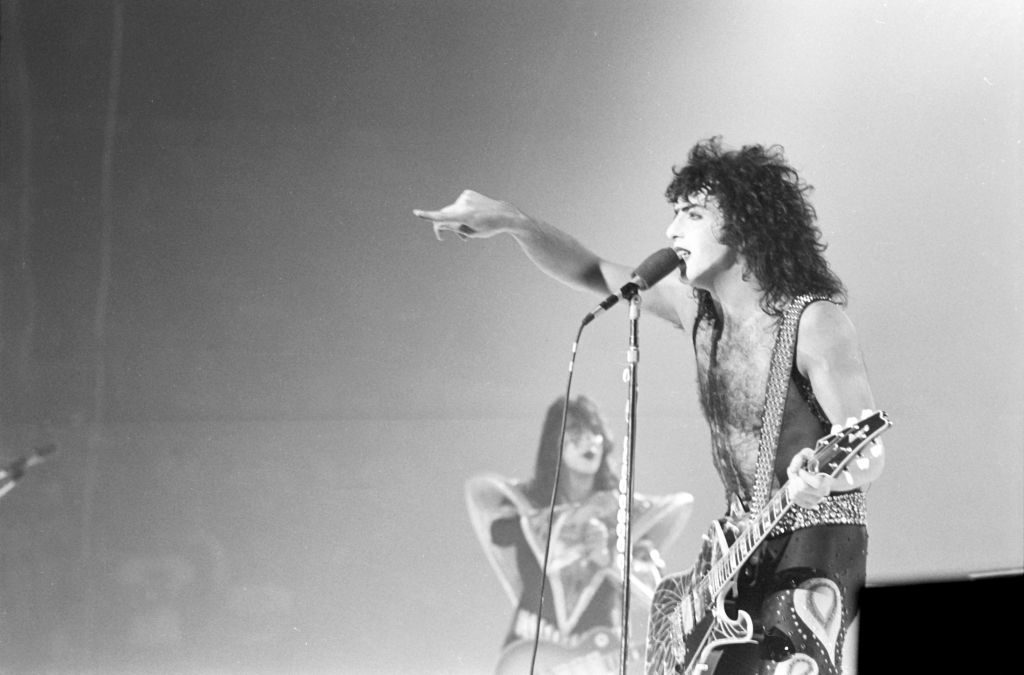
The Dynasty Tour (also known as 'The Return of KISS) was the band’s most extravagant gamble: a neon‑bright explosion of flying rigs, towering platforms, lavish costumes and nightly pyrotechnics designed to prove KISS were still the biggest spectacle in American rock.
But beneath the glitter, the machinery was creaking. Peter Criss was barely functioning, replaced on the album by a session drummer; Ace Frehley was increasingly isolated; and Paul Stanley and Gene Simmons were struggling to keep the band’s empire from collapsing under its own weight. The production was enormous, the costs punishing, and the internal chemistry volatile.
Snapshot moment: In Lakeland, Florida, a malfunction in the flying rig left Gene suspended awkwardly above the stage, unable to descend while the band vamped helplessly below. The crowd watched the Demon dangling in mid‑air as the illusion cracked.
Pics: Getty Images
Top pic: Emerson Lake and Palmer on their Works tour, 1977
