Some bands cast long shadows over music history, spawning entire schools of imitators.
Others were just as huge – selling millions of records, filling stadiums and defining their eras – yet somehow never inspired a convincing copy.
That doesn’t mean they were not influential. Far from it: their ideas, techniques and individual ingredients may have been absorbed into the wider language of rock. But nobody seems to have successfully recreated the complete package. Their sound was often too idiosyncratic, too closely tied to particular personalities, or simply too difficult to reproduce without sounding like a tribute act.
The result is a fascinating kind of musical isolation. These bands remain hugely admired, their songs still instantly recognisable, but their particular combination of ingredients remains stubbornly their own.
Here are nine once-unavoidable bands whose sound spawned surprisingly few imitators. For each, we’ve picked three artists where you can hear faint echoes – and one track that remains gloriously out on its own.
1. Kansas

Kansas occupied a very specific niche in 1970s rock: American prog with a distinctly heartland accent. They combined soaring violin melodies and complex time signatures with the muscular stomp of a hard-rock band, producing a sound that was both technically ambitious and unmistakably Midwestern. Leftoverture and Point of Know Return turned that unlikely formula into arena-sized success.
Kansas have certainly influenced progressive rock, but their influence has rarely produced obvious Kansas-style bands. Modern prog metal tends towards greater heaviness and technicality, while folk-rock has generally taken a more stripped-back route.
What remains difficult to reproduce is that particular combination of virtuosity, violin, hard-rock muscle and unabashed 1970s American earnestness. Kansas are therefore less a dead end than a remarkably isolated branch of the prog family tree: their ideas survived, but their exact sound never became a template.
Faint echoes: Dream Theater, Spock's Beard, Trans-Siberian Orchestra
Out on their own: 'Carry On Wayward Son': a perfect collision of prog ambition and arena-rock immediacy that few bands have managed to recreate.
2. Supertramp
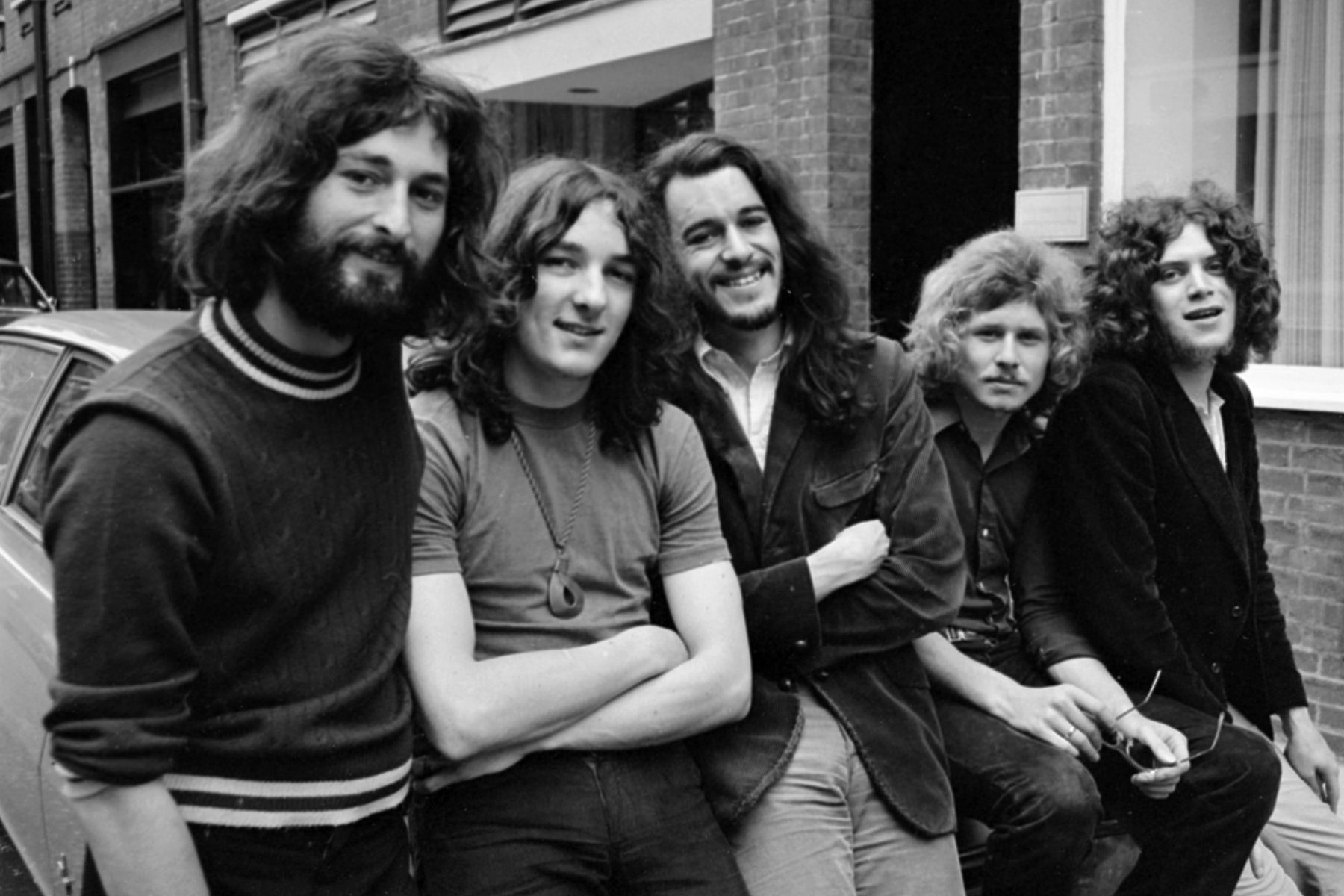
Supertramp were enormous in the late 1970s, but their particular combination of progressive ambition and immaculate pop craftsmanship remains oddly resistant to imitation. Crime of the Century and Breakfast in America paired Roger Hodgson's soaring melodies with Rick Davies' jazzier, more sardonic songwriting, while piano, Wurlitzer, saxophone and elaborate arrangements gave the band a sound that was both sophisticated and remarkably accessible.
Plenty of musicians have borrowed individual ingredients, from prog's structural ambition to yacht rock's polish, but few have attempted the complete Supertramp recipe. Even their biggest songs occupy a strange musical territory: too intricate for straightforward soft rock, too concise and melodic for prog.
Their influence is certainly detectable, but a convincing modern Supertramp simply doesn't exist. The band's sound remains instantly recognisable – and almost impossible to reproduce.
Faint echoes: Jellyfish, Ben Folds Five, The Feeling
Out on their own: 'The Logical Song' – immaculate pop, melancholy philosophy and prog sophistication somehow compressed into four minutes.
3. Steely Dan
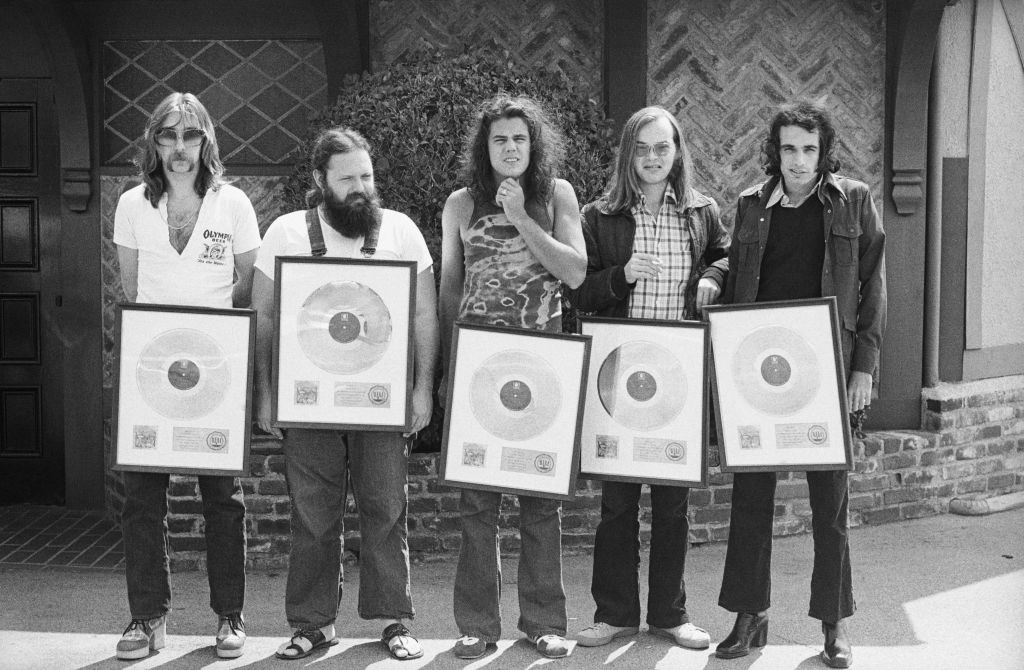
Steely Dan were hugely successful, but their music has proved almost impossible to recreate without sounding like an exercise in Steely Dan impersonation. Donald Fagen and Walter Becker combined jazz harmony, R&B grooves, immaculate studio production and densely literate lyrics, then surrounded themselves with some of the finest session musicians in America.
The result was sophisticated enough to reward repeated listening yet catchy enough to sell millions. Their influence is everywhere – in yacht rock, jazz-pop, hip-hop sampling and meticulous contemporary production – but that is precisely what makes their absence as a sound so striking.
Few artists have successfully reproduced the full Steely Dan equation: cerebral songwriting, funky rhythm sections, bizarre characters, immaculate musicianship and an almost obsessive attention to detail. They didn't leave a school of imitators so much as a collection of ingredients everyone else keeps borrowing.
Faint echoes: Prefab Sprout, Jellyfish
Out on their own: 'Peg' – immaculate, funky and effortlessly sophisticated, with a studio sheen that has never quite been duplicated.
4. Emerson, Lake & Palmer
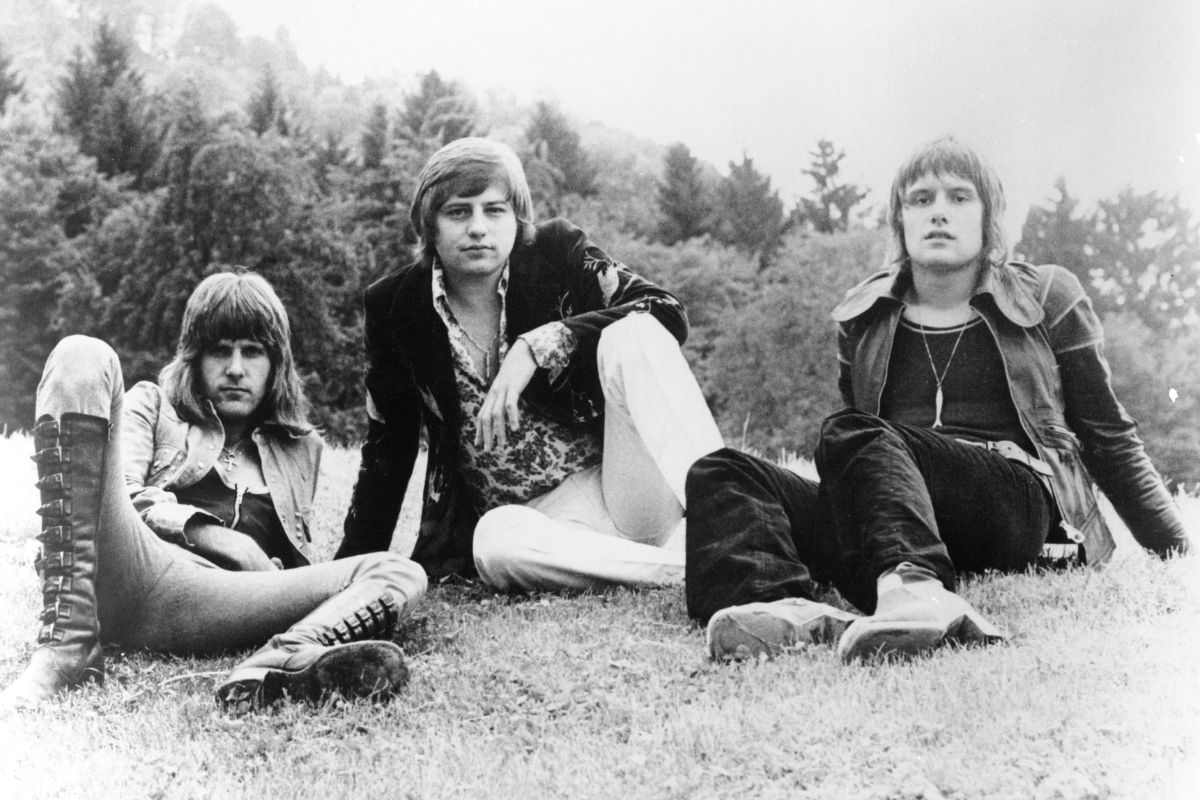
In the early 1970s, Emerson, Lake & Palmer were prog rock royalty. Their virtuosity, theatrical stage shows and audacious blending of classical motifs with rock power made them both adored and reviled. Albums like Brain Salad Surgery pushed rock towards the concert hall, with bombastic suites and extended solos that often felt closer to concertos than pop songs. They sold millions, filled stadiums and defined an era of musical excess.
Yet ELP's influence is an unusual one. They remain hugely important within progressive rock, particularly among keyboard-heavy and technically ambitious musicians, but few modern bands actually sound like ELP. Dream Theater, Spock's Beard and Porcupine Tree may carry elements of their virtuosity and ambition, but none has reproduced that extraordinary combination of Keith Emerson's classical fireworks, Greg Lake's voice and Carl Palmer's muscular drumming.
ELP's towering, keyboard-dominated sound was simply too bound to the personalities of its three members to become a widely reusable template. Their legacy is therefore less a musical blueprint than a monument: hugely influential, but remarkably difficult to imitate without sounding like a tribute act.
Faint echoes: Dream Theater, Spock's Beard, Porcupine Tree
Out on their own: 'Karn Evil 9': dazzling, overblown and unforgettable, but still almost impossible to imagine another band reproducing in quite the same way.
5. Chicago
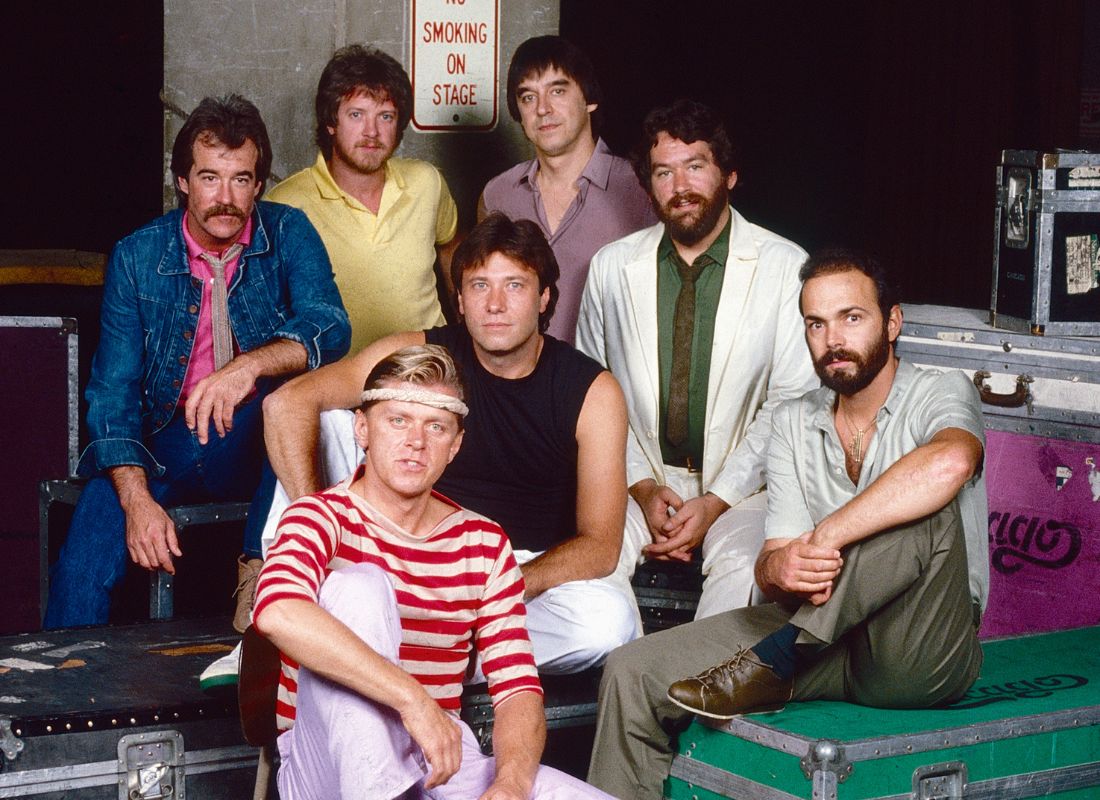
Chicago’s early output was a revolutionary fusion of rock, jazz, and classical structures, centred around a powerhouse brass section that functioned as a lead instrument. During the 1970s, they were a permanent fixture on the Billboard charts. However, their influence is rarely heard today because that integrated horn-rock model is incredibly difficult – and expensive – to maintain.
As the band transitioned into power ballads in the 80s, their pioneering jazz-rock edge was blunted. Today, horns in rock are usually used as background punctuation or texture rather than as the primary melodic engine. Chicago’s sophisticated, multi-layered approach remains a high-water mark that few modern bands have the ambition (or the sheet music) to replicate.
Faint echoes: Blood, Sweat & Tears, Tower of Power, The Ides of March
Out on their own: '25 or 6 to 4' – hard-rock riff, jazz-rock sophistication and a full brass section all fighting for the spotlight.
6. Grand Funk Railroad
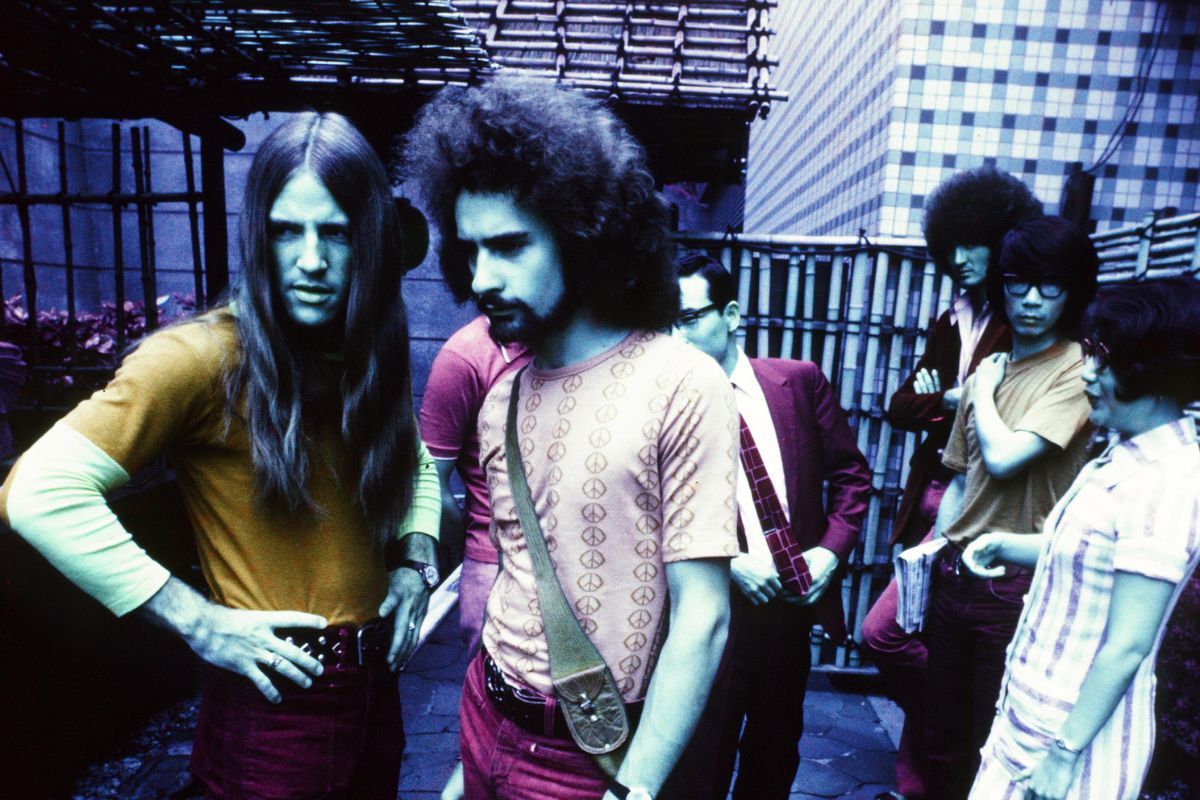
In the early 1970s, Grand Funk Railroad was the 'People’s Band', a power trio that embodied the loud, sweaty, blue-collar heart of American hard rock. They famously outsold the Beatles at Shea Stadium, driven by a raw, meat-and-potatoes sound that prioritized volume and groove over artistic pretension.
Despite their massive popularity, however, GFR's DNA is surprisingly absent from modern rock. While their contemporaries like Black Sabbath birthed doom metal and Led Zeppelin birthed everything else, Grand Funk’s specific blend of R&B-influenced garage rock felt tied to the specific 'boogie' energy of its time. Without a dark or mystical edge to keep them cult-relevant, they became a nostalgia act rather than a foundational influence.
Faint echoes: Foghat, Mountain, The Black Crowes
Out on their own: 'We're an American Band' – cowbell, chunky riff, road stories and Don Brewer's bark combine into a brand of blue-collar rock that somehow never became a genre of its own.
7. Creedence Clearwater Revival
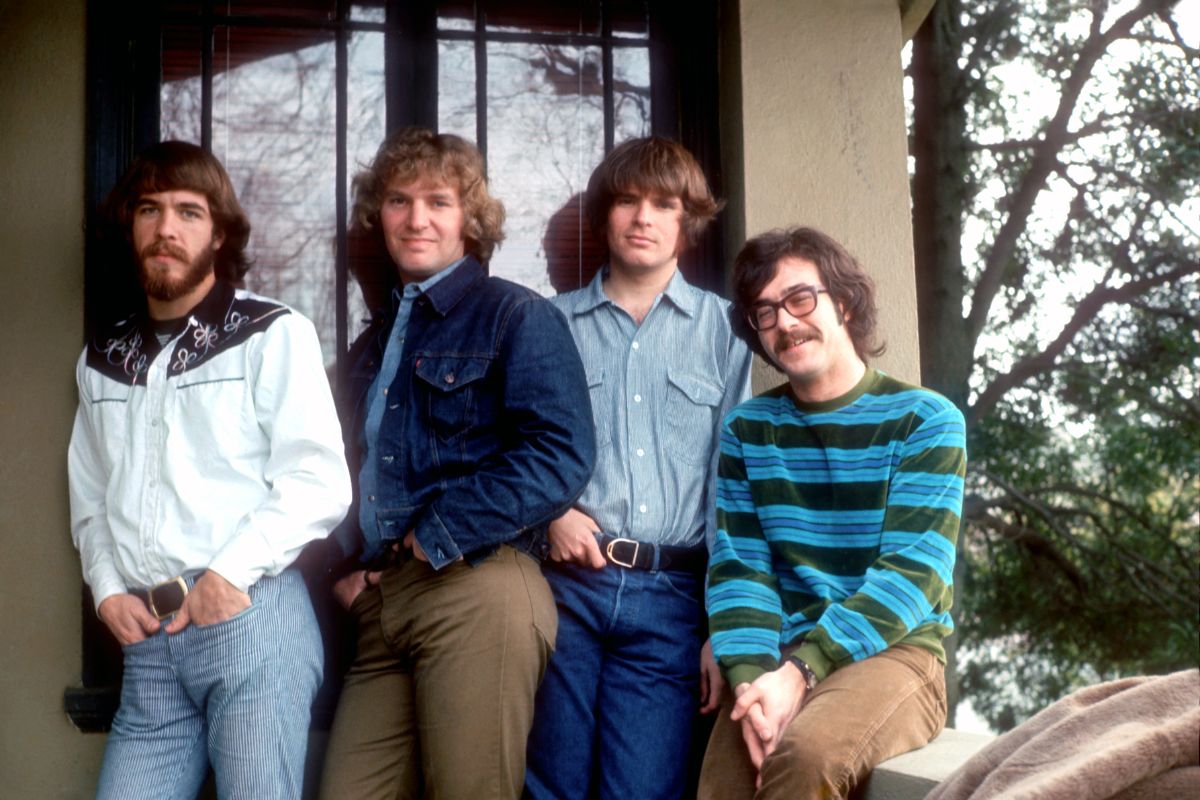
For a few years around the turn of the 1970s, Creedence Clearwater Revival were one of America's biggest bands. Their swampy riffs, bayou imagery and John Fogerty's rasping voice gave them a sound that seemed rooted in Southern blues and country, yet their concise, radio-friendly songs made them pop-chart giants. In an era of sprawling albums and psychedelic experimentation, CCR could make three minutes of roots rock feel enormous.
Their influence, though, is almost invisible precisely because it became so thoroughly absorbed. Modern roots-rock, Americana and Southern rock all carry traces of CCR's earthy directness, but relatively few bands reproduce the tightly wound, swamp-rock formula itself.
You hear the ingredients everywhere without necessarily hearing the recipe. CCR are therefore less a stylistic dead end than a band whose influence dissolved into the wider vocabulary of American roots music. Their sound remains instantly recognisable, but surprisingly few modern artists have chosen to make it their own.
Faint echoes: The Black Crowes, Wilco, Kings of Leon
Out on their own: 'Fortunate Son': ferocious, economical and instantly identifiable – yet not the starting point for a generation of musical imitators.
8. Foreigner
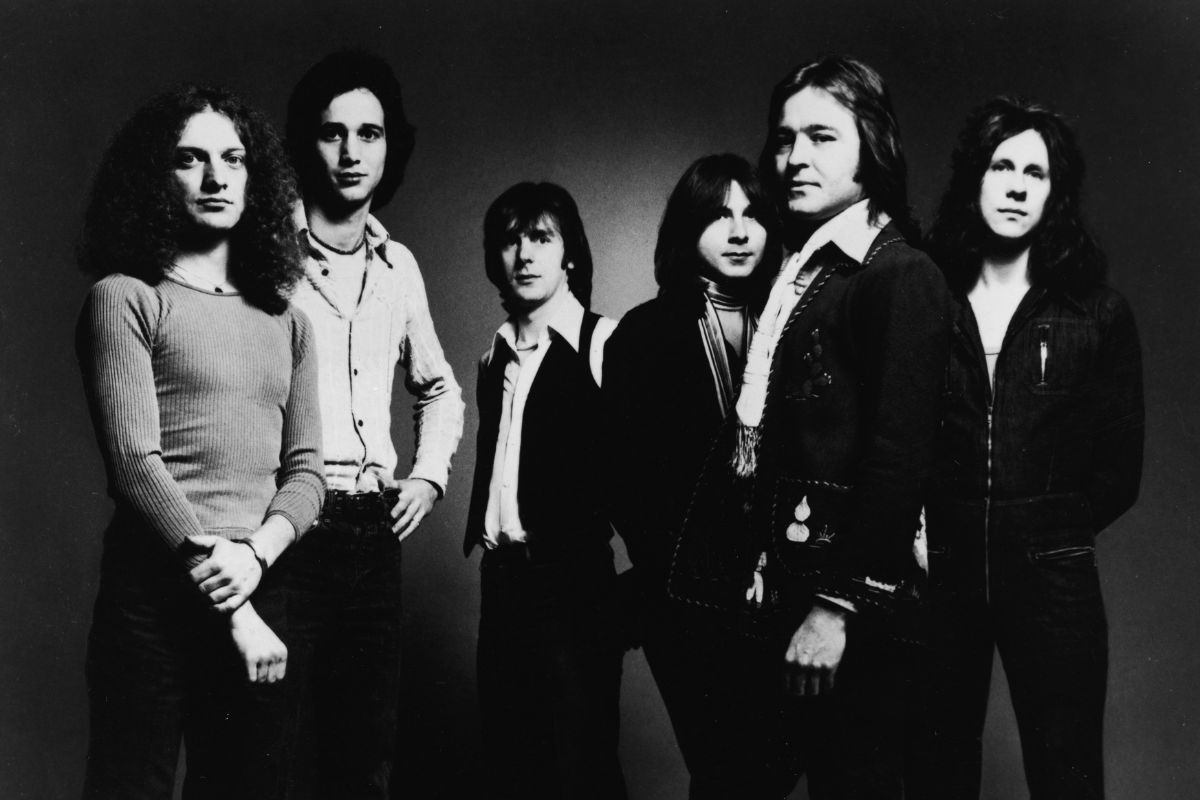
Foreigner were one of the great hit-making machines of late-1970s and 1980s rock. They combined Lou Gramm's soulful, high-register vocals with Mick Jones's crisp guitar riffs and an instinct for enormous choruses, helping define the polished AOR sound that dominated American FM radio. Between 1977 and 1988, they were almost impossibly successful, turning songs such as 'Cold as Ice' and 'Juke Box Hero' into arena-rock standards.
Their influence didn't really disappear; it dissolved into the mainstream rock vocabulary. Foreigner helped establish a template subsequently absorbed by everyone from Journey and Def Leppard to Bon Jovi, but few contemporary bands set out to sound specifically like Foreigner. Their music has become almost too familiar to register as a distinct influence: the big guitars, immaculate production and enormous chorus are now part of the furniture of rock. Foreigner's strange legacy is therefore one of invisible influence. They helped create a sound that became ubiquitous, without creating a recognisable school of Foreigner imitators.
Faint echoes: Def Leppard, Bon Jovi, The Darkness
Out on their own: 'Juke Box Hero': the ultimate blue-collar rock fantasy, distilled into a song whose formula has been borrowed countless times without producing another Foreigner.
9. Herman’s Hermits
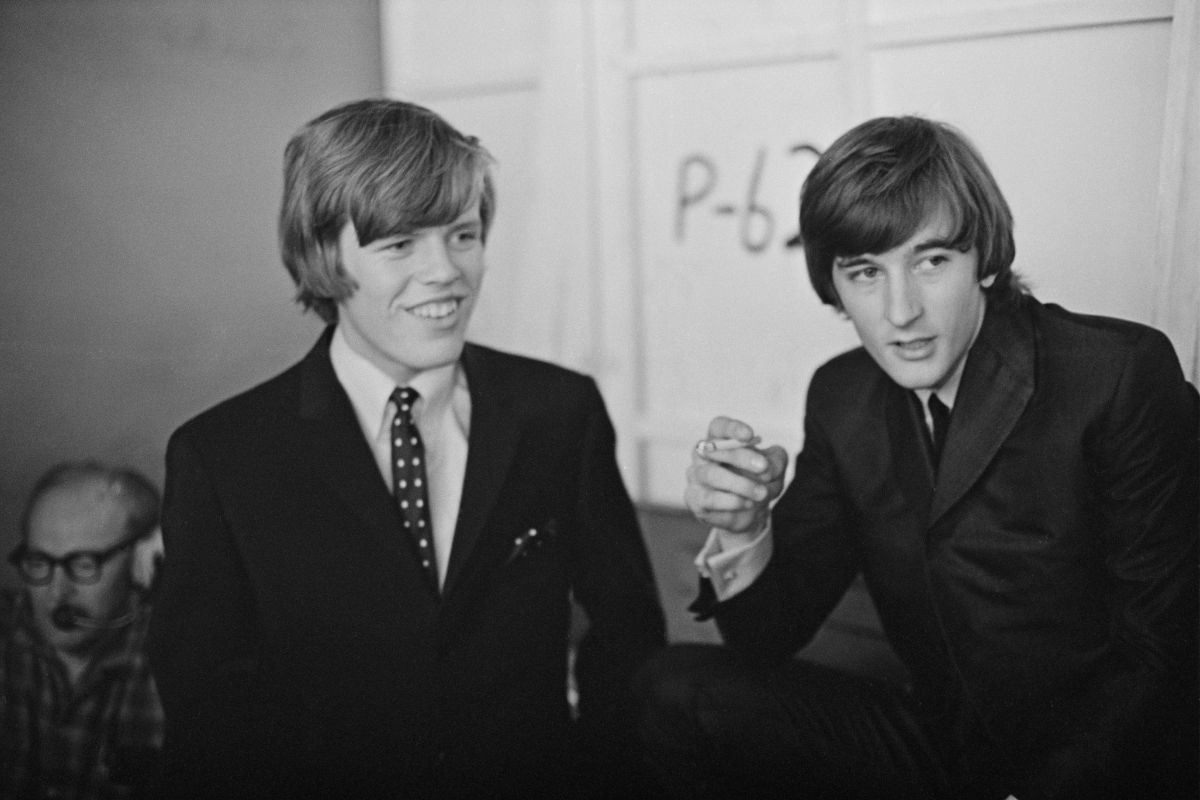
At the height of the British Invasion, Herman’s Hermits were the 'clean-cut' kings, briefly rivalling the Beatles in chart dominance. Led by the charismatic Peter Noone, they specialized in a brand of music-hall pop that was unashamedly wholesome and 'English-lite'. Hits like 'I'm Henry VIII, I Am' relied on a vaudevillian charm that was already a throwback in 1965.
As the 1960s progressed into psychedelic experimentation and political heavy-handedness, the Hermits' sunny, toothless aesthetic became a relic. Unlike the Beatles’ innovation or the Kinks' observational wit, the Hermits’ 'bowler hat' pop was a stylistic dead end; it was simply too quaint to survive the transition into the cynical, guitar-driven era of the 1970s.
Faint echoes: The Monkees, The Rutles, The Divine Comedy
Out on their own: 'Mrs. Brown, You've Got a Lovely Daughter' – part music hall, part British Invasion, with Peter Noone's exaggeratedly English delivery making it almost impossible to imagine anyone else singing it.
Looking back, it’s clear that influence and importance don’t always run on the same track. A band can be seismic in its own time filling stadiums, selling millions, changing fashion and attitudes – without leaving behind a sound that future generations pick up and carry forward. That doesn’t diminish their achievement. Quite the opposite: it highlights how singular they were.
For The Doors and ELP, imitation was almost impossible without drifting into parody. Others, like Creedence, carved out sounds so specific that they stand almost as closed chapters in rock history.
What they share is this: their best songs remain timeless, even if their styles didn’t spawn imitators. Influence may be one kind of legacy, but it’s not the only one. These bands prove that you can be iconic, beloved, and permanently etched into the canon without necessarily being a blueprint for the future. Sometimes, greatness is about being unrepeatable.
Pics Getty Images
Top pic Rick Davies and Dougie Thomson perform with Supertramp at the Oakland Coliseum on April 5, 1979 in Oakland, California