
We rock fans have always loved to map an artist’s career onto specific years – tidy, concentrated 'greatest years' where everything seems to align, even if the reality was messier behind the scenes.
These are the years when inspiration surged, ideas crystallised and the results reshaped rock history. Moments when masterpieces arrived in clusters, when tours became cultural events, when a band or artist seemed to operate on a different plane entirely. Bowie’s stark Berlin reinvention in 1977, the Beatles’ fearless sprawl in 1968, the Stones’ decadent swagger in 1972 – each represents a moment when creativity, circumstance and sheer nerve aligned.
Judged strictly by release dates, this feature captures the years the world actually witnessed: the albums, singles and seismic shifts that defined each artist’s summit. From career‑defining breakthroughs to astonishing bursts of reinvention, these are the 11 greatest single‑year peaks in rock.
So strap in as we reveal the single greatest years from some of rock’s most enduring icons.
1. David Bowie: 1977
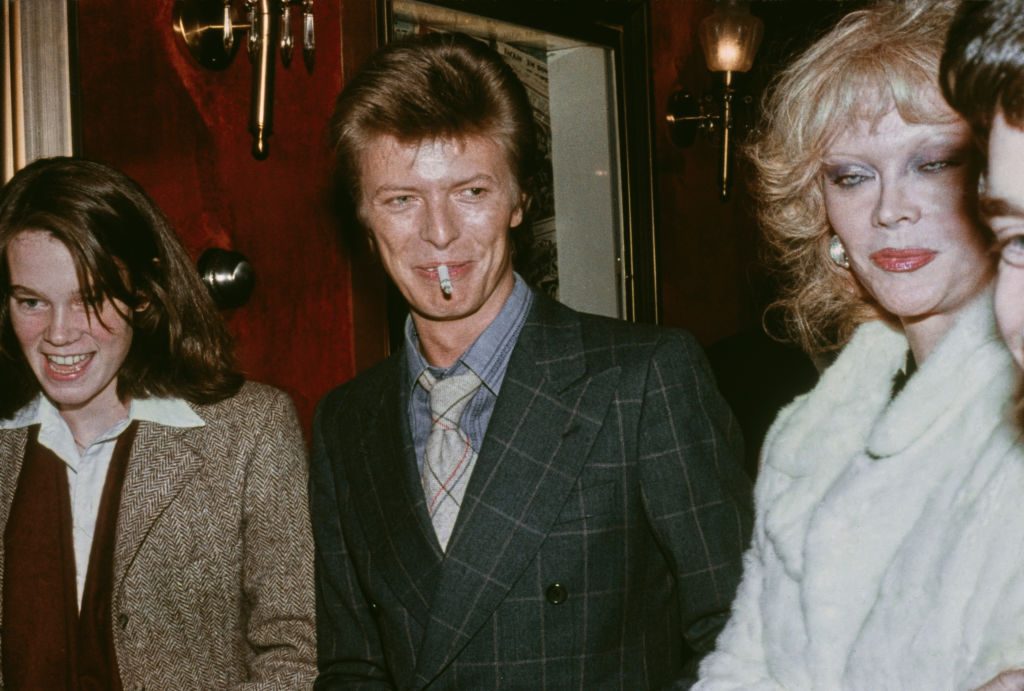
For David Bowie, 1977 was the year he reinvented the musical landscape. After fleeing the drug-fuelled paranoia of Los Angeles for West Berlin, he released two immortal masterpieces within ten months: Low in January and "Heroes" in October. These records shattered conventional rock structures, fusing avant-garde ambient electronics with visceral art-rock.
Furthermore, Bowie’s 1977 Midas touch extended beyond his own catalogue; he co-wrote, produced, and played keyboards on Iggy Pop’s two career-defining solo albums, The Idiot and Lust for Life, released that same year. It was a staggering period of relentless, unmatched reinvention.
2. The Beatles: 1968
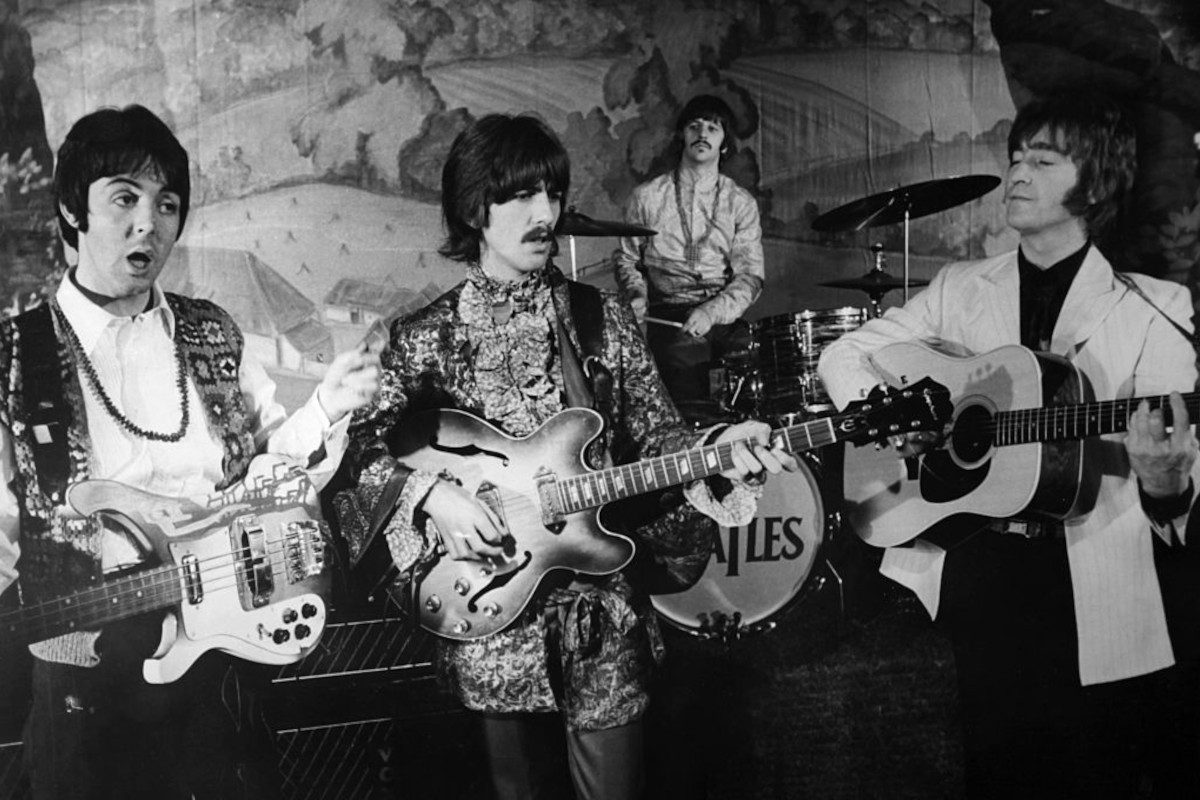
While 1967 brought Sgt. Pepper, 1968 was the year The Beatles truly stretched the boundaries of what a rock band could be. In November, they unleashed The Beatles (The White Album), a massive, sprawling double-record that leaped fearlessly from the avant-garde chaos of ‘Revolution 9’ to the proto-metal roar of ‘Helter Skelter’.
Earlier that summer, they dropped the transcendent ‘Hey Jude’, which spent nine weeks at Number 1 in the US. In 1968, despite growing internal fractures, their sheer stylistic diversity and cultural dominance reached an astonishing, unparalleled peak.
3. The Rolling Stones: 1972
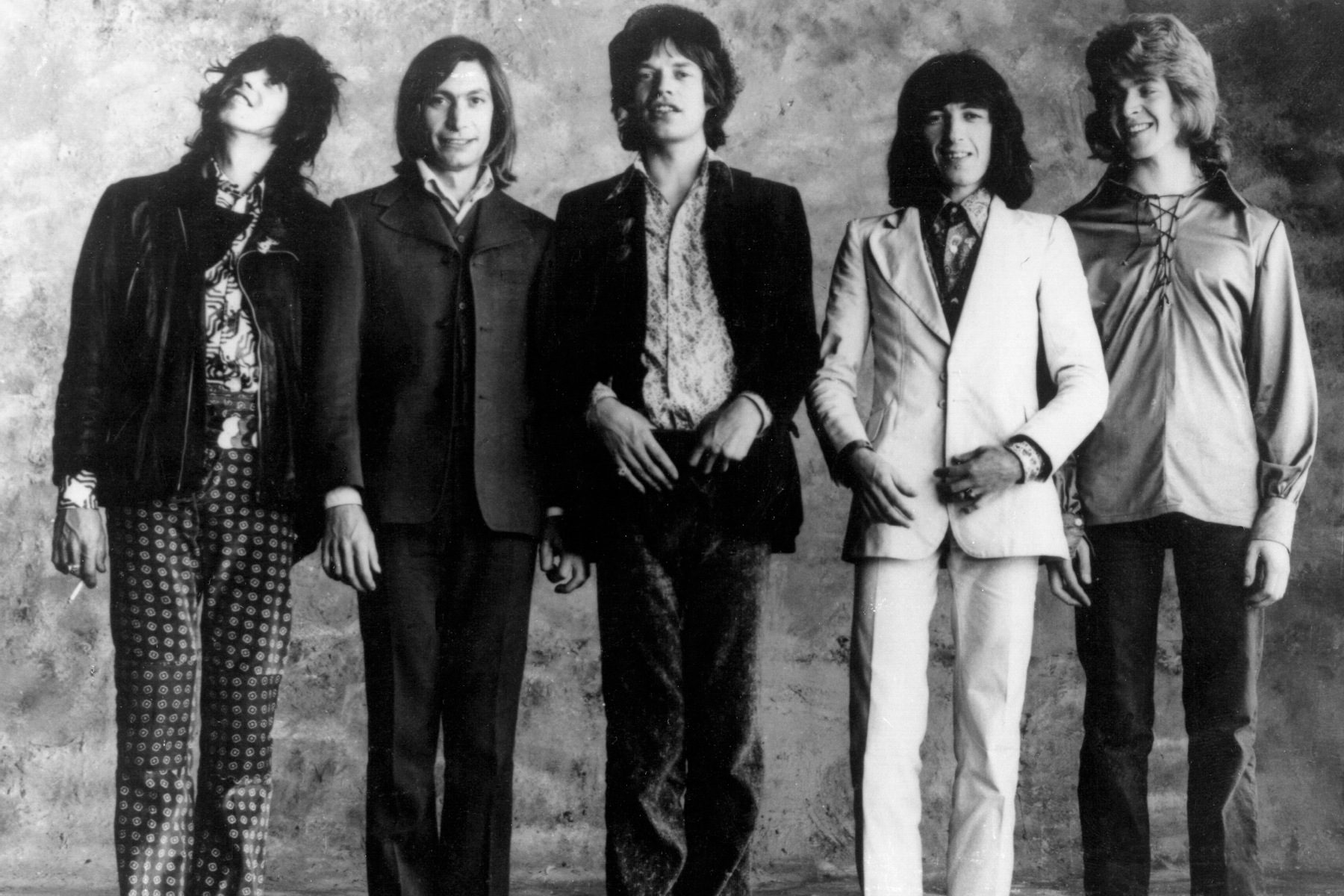
The Stones enjoyed an imperious four-year, four-album run from 1969 to 1972 – and they hit their absolute zenith as a gritty, decadent rock-and-roll machine in that final year. In May, they released Exile on Main St., a double-album masterpiece steeped in muddy blues, soul, and country that serves as the definitive statement of their raw aesthetic.
They followed the release with their infamous 1972 North American Tour, a chaotic, jet-setting cultural phenomenon defined by high-energy performances and backstage notoriety. It was the year they officially, indisputably solidified their title as the ‘Greatest Rock and Roll Band in the World’.
4. Led Zeppelin: 1975
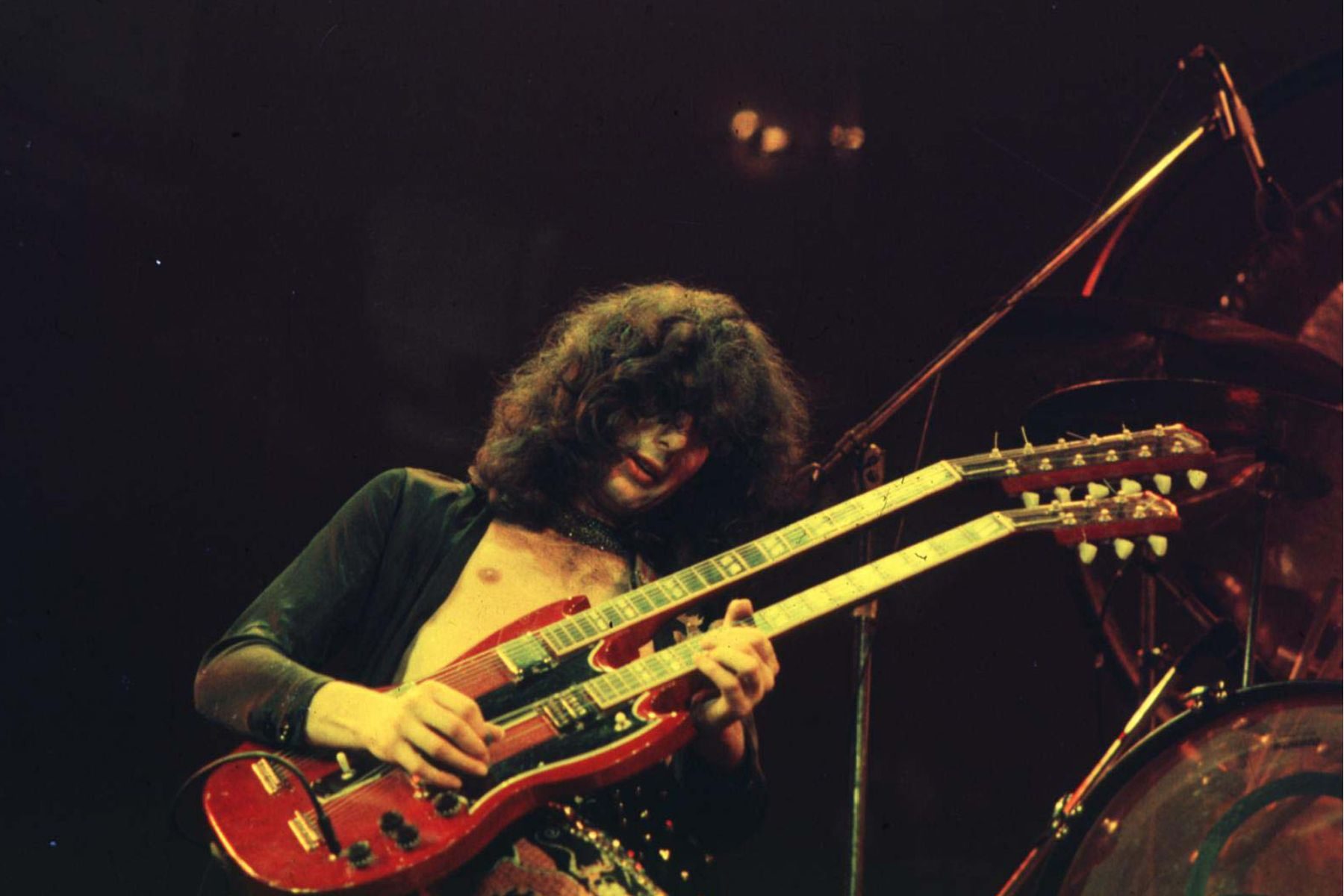
Led Zeppelin's ultimate triumph arrived in February 1975 with the release of Physical Graffiti. This massive, double-album tour de force captured every single facet of the band's identity, effortlessly blending heavy blues-rock (‘In My Time of Dying’), eastern folk epics like ‘Kashmir’, and the gentle acoustic beauty of ‘Bron-Y-Aur’.
To support it, they embarked on a record-breaking North American tour, flying on their private jet, The Starship, and playing transcendent, three-hour sets. In 1975, Zeppelin wasn't just a band; they were a monolithic, stadium-filling empire operating at the absolute height of their musical powers.
5. Elton John: 1973
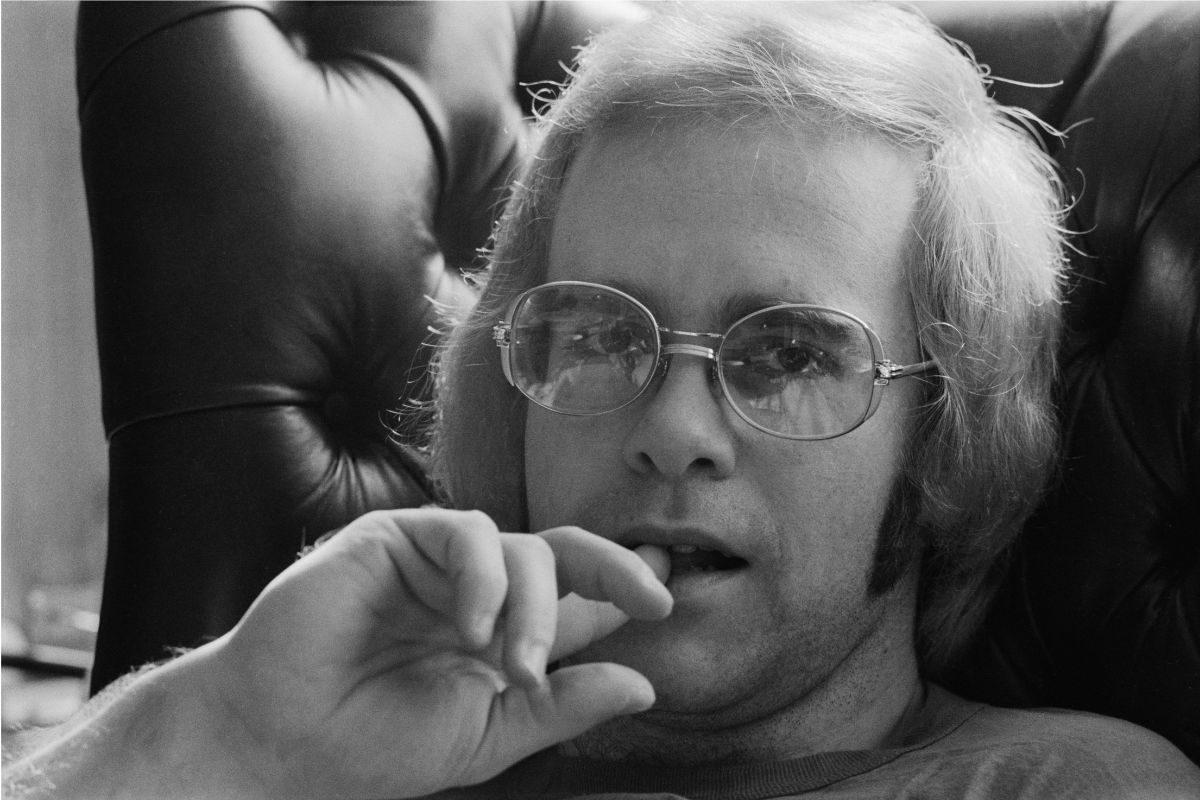
Elton John’s productivity in the early 70s was staggering, but 1973 stands as his ultimate creative and commercial crown. In January, he released the rootsy, chart-topping Don't Shoot Me I'm Only the Piano Player, featuring his first US Number 1 single, ‘Crocodile Rock’.
He then capped the year in October with his magnum opus, the double-album Goodbye Yellow Brick Road. Spanning glam rock, cinematic ballads, and pop perfection, this double-header established Elton as a global superstar, perfectly blending Bernie Taupin's cinematic lyrics with Elton's unrivalled melodic genius.
- The 23 greatest albums of 1973, rock's strangest year
- We ranked all Elton John's 1970s albums... and 'Goodbye Yellow Brick Road' ISN'T no. 1
6. Queen: 1975
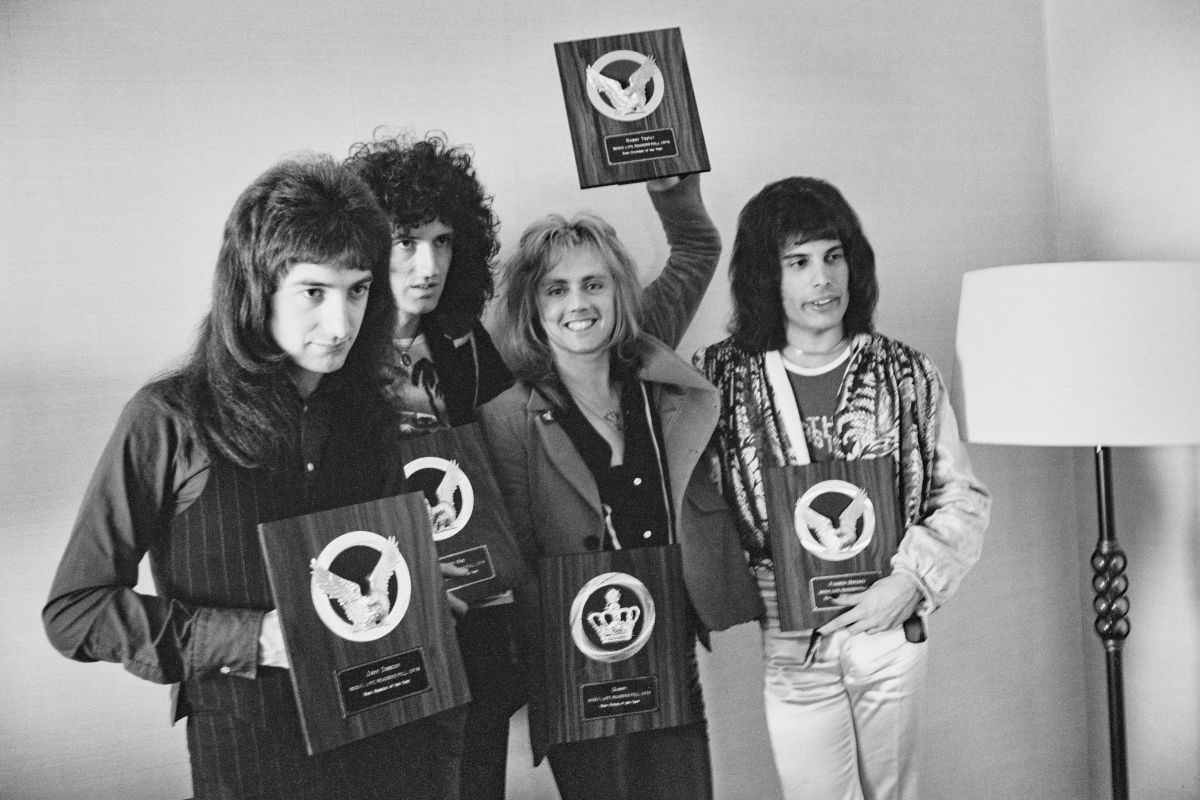
In 1975, Queen bet their entire career on a single, wildly ambitious gamble. Risking bankruptcy, they released A Night at the Opera in November. The album was a breathtaking, genre-defying mix of heavy metal, music hall, and operatic pop. Its centrepiece, ‘Bohemian Rhapsody’, defied radio conventions to become a global phenomenon.
The near-six-minute epic completely shattered the pop mould, seamlessly stitching together a melancholic piano ballad, a multi-layered operatic choir of overdriven vocals, and a blistering hard-rock guitar assault without a single traditional chorus in sight. Coupled with their theatrical, triumphant UK tours that winter, 1975 was the exact moment Freddie Mercury and company transformed from a rising rock act into stadium-filling royalty.
7. The Who: 1971
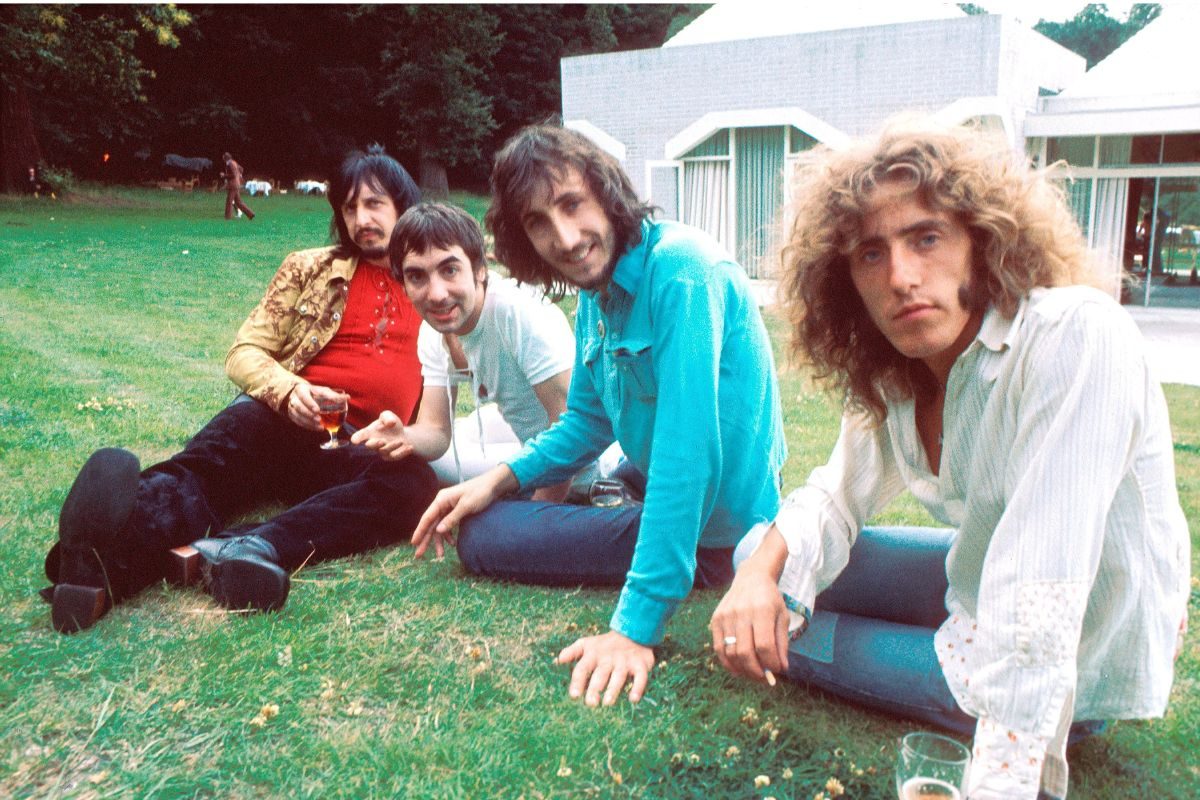
Following the sprawling success of the rock-opera Tommy, The Who’s creative mastermind Pete Townshend spent early 1971 enduring a nervous breakdown trying to mount an even bigger project called Lifehouse. When that collapsed, the band distilled the best salvaged tracks into Who's Next, released in August.
That album became the band’s definitive studio achievement, pioneering the use of synthesizers in rock on ‘Won't Get Fooled Again’ and ‘Baba O'Riley’. Combined with their blistering live shows that year, 1971 saw The Who at their most explosive.
8. Neil Young: 1975
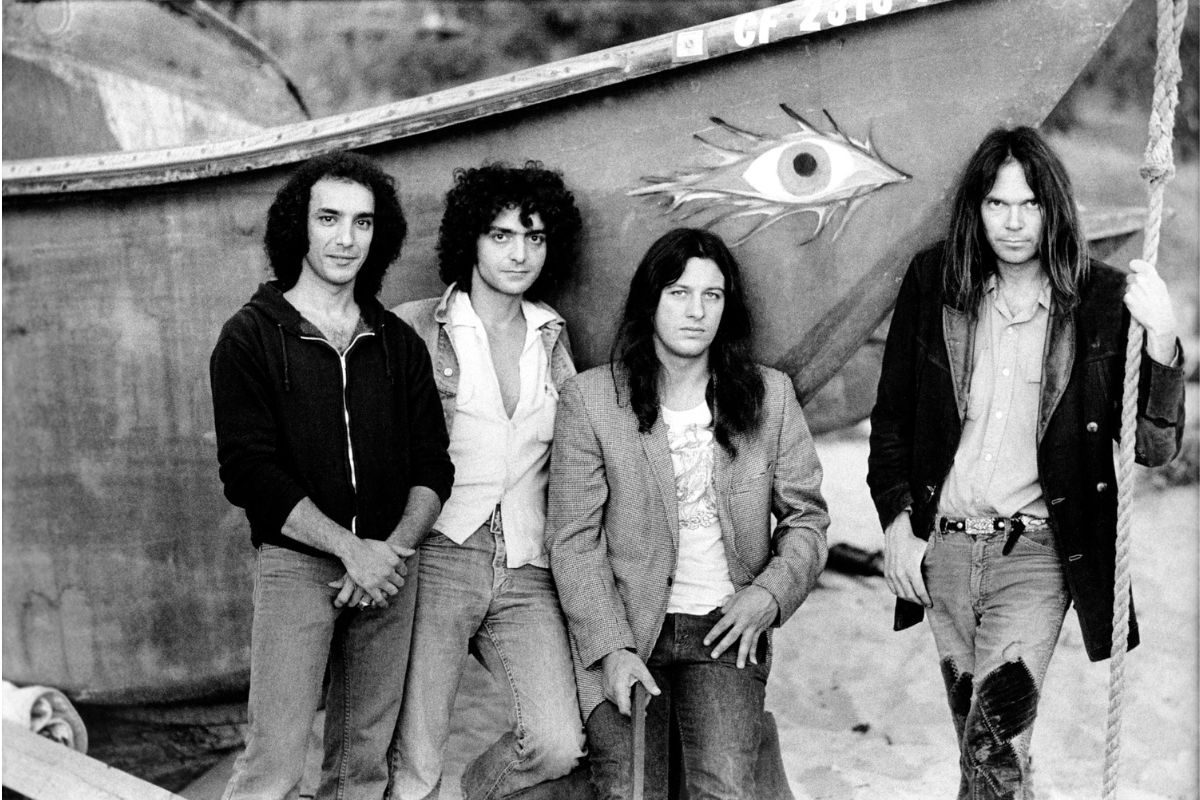
Following the commercial explosion of 1972’s Harvest, Neil Young spiralled into despair, haunted by the tragic drug overdoses of his road roadie Bruce Berry and Crazy Horse guitarist Danny Whitten. He spent the mid-70s purging these demons by intentionally destroying his clean-cut superstar image through a cathartic, alcohol-fuelled musical exorcism.
This emotional purge peaked in 1975 with two wildly contrasting masterpieces. June's Tonight’s the Night was a devastatingly raw, loose, and grief-stricken wake – a pitch-black journey into the heart of loss.
Conversely, November's Zuma traded that claustrophobic mourning for a roaring, stadium-sized resurrection. Backed by a rejuvenated Crazy Horse, Zuma delivered thunderous, guitar-heavy rock epics like ‘Cortez the Killer’, proving that Young could transmute agonizing sorrow into triumphant, fearless artistic liberation.
9. Jethro Tull: 1971
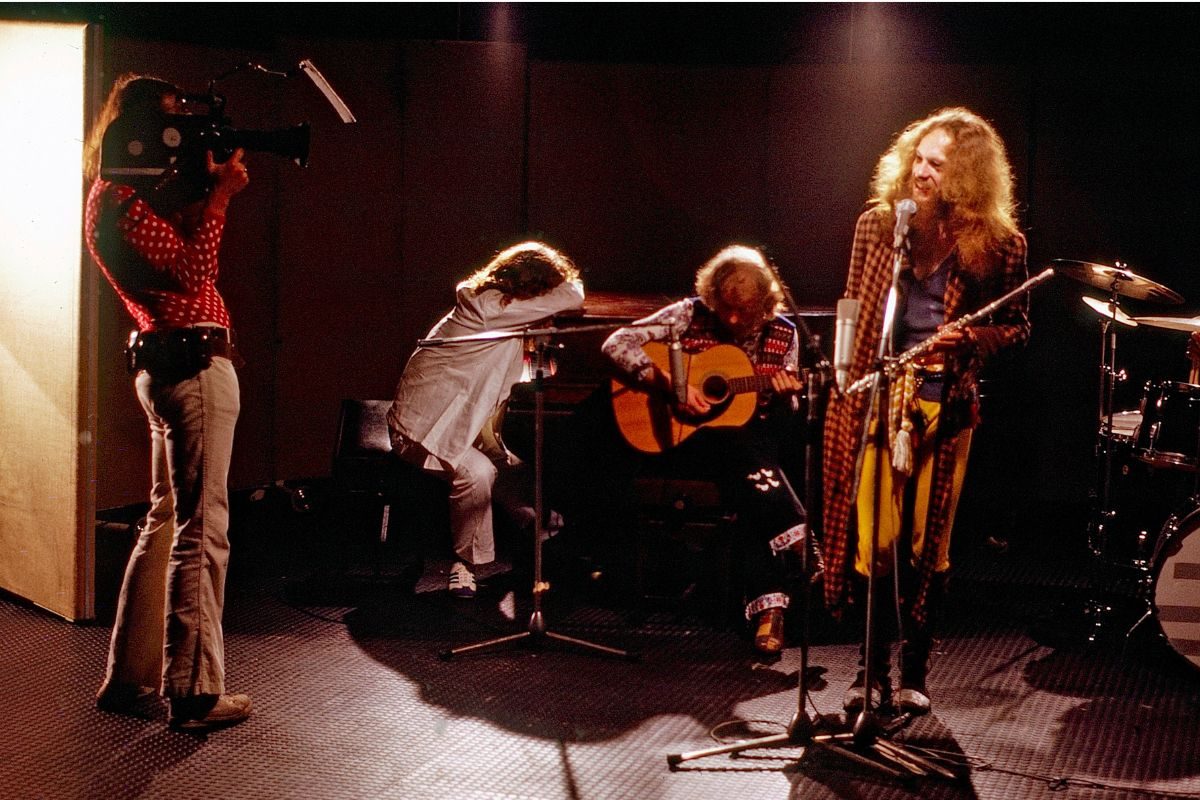
Ian Anderson’s blues-cum-prog rock outfit reached their ultimate cultural and musical apex in March 1971 with Aqualung. Moving away from the pure blues-rock of their previous releases, the album expertly juxtaposed heavy, hard-rocking riffs with delicate, acoustic folk, all held together by a scathing conceptual critique of organized religion and societal neglect.
The title track and ‘Locomotive Breath’ became permanent rock-radio staples, proving that a band led by a flute-playing frontman could conquer global arenas on their own terms.
10. Steely Dan: 1977
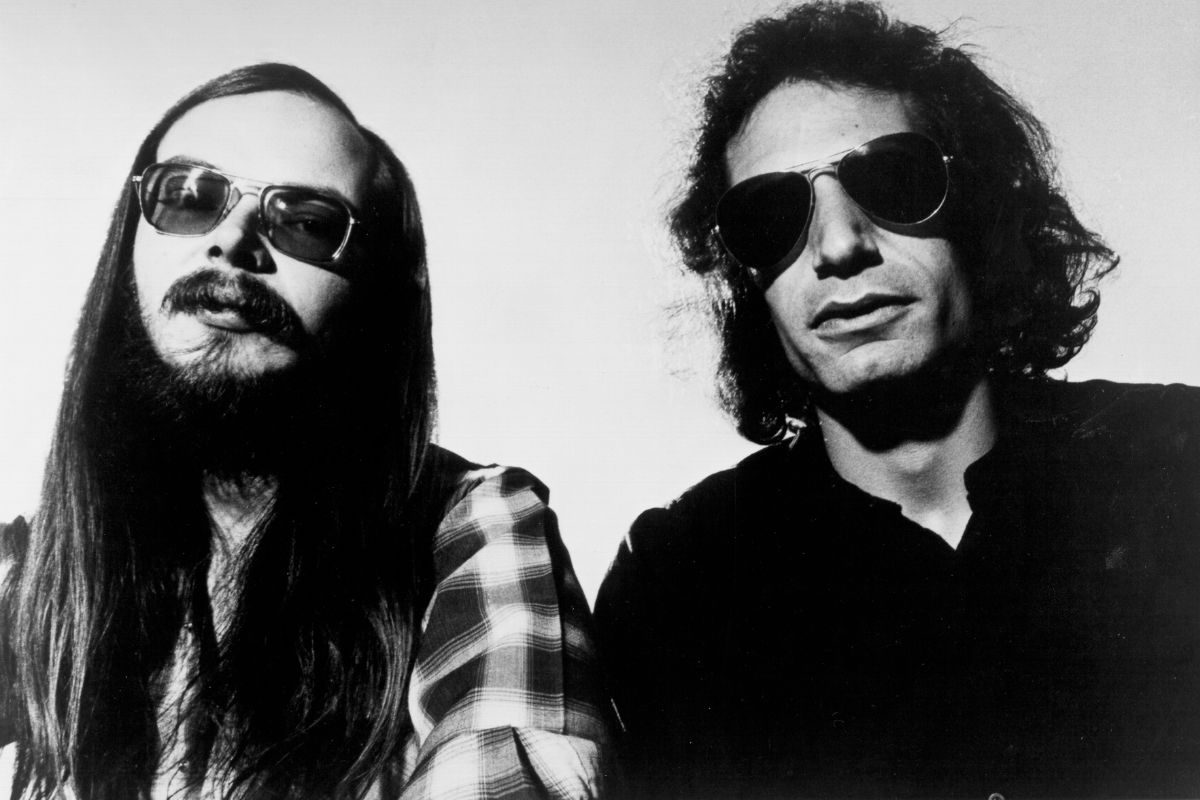
After years of shifting away from a traditional touring band into a meticulous studio project, Walter Becker and Donald Fagen finally achieved sonic perfection in September 1977 with their soft-rock classic Aja. Employing a revolving door of the world's finest session musicians, they blended rock, jazz, and sophisticated pop with clinical precision.
The title track's legendary drum solo by Steve Gadd and the smooth cynicism of ‘Peg’ created an audiophile masterpiece that elevated studio perfectionism to an absolute art form.
11. U2: 1987
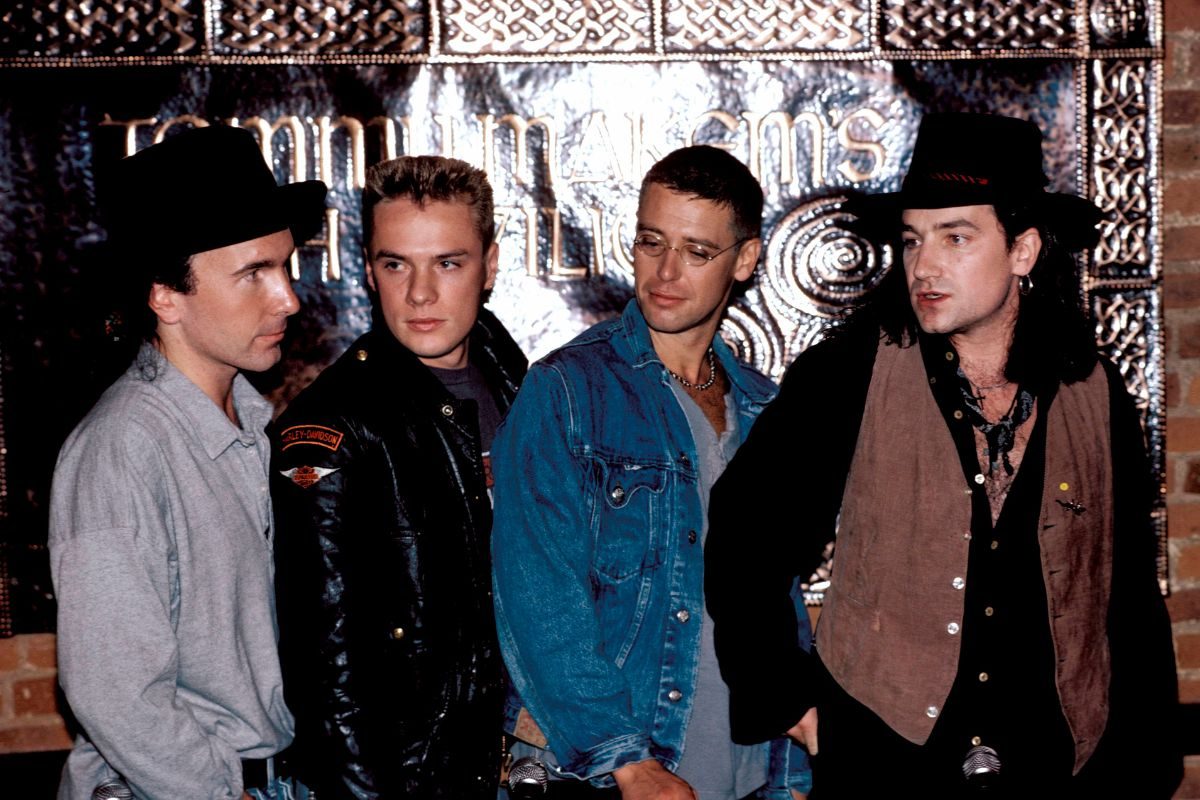
In 1987, U2 officially inherited the mantle of the world’s definitive arena-rock band. In March, they released The Joshua Tree, a cinematic masterpiece heavily inspired by the mythology, vast landscapes, and political contradictions of America.
Anchored by the atmospheric guitar textures of The Edge and the massive emotional sweep of ‘With or Without You’ and ‘Where the Streets Have No Name’, the album became a global juggernaut. It dominated the charts for months, won Album of the Year at the Grammys, and launched a legendary tour that solidified Bono as one of rock's most charismatic frontmen.
And… two we’re on the fence with
Pink Floyd: 1973 vs. 1975
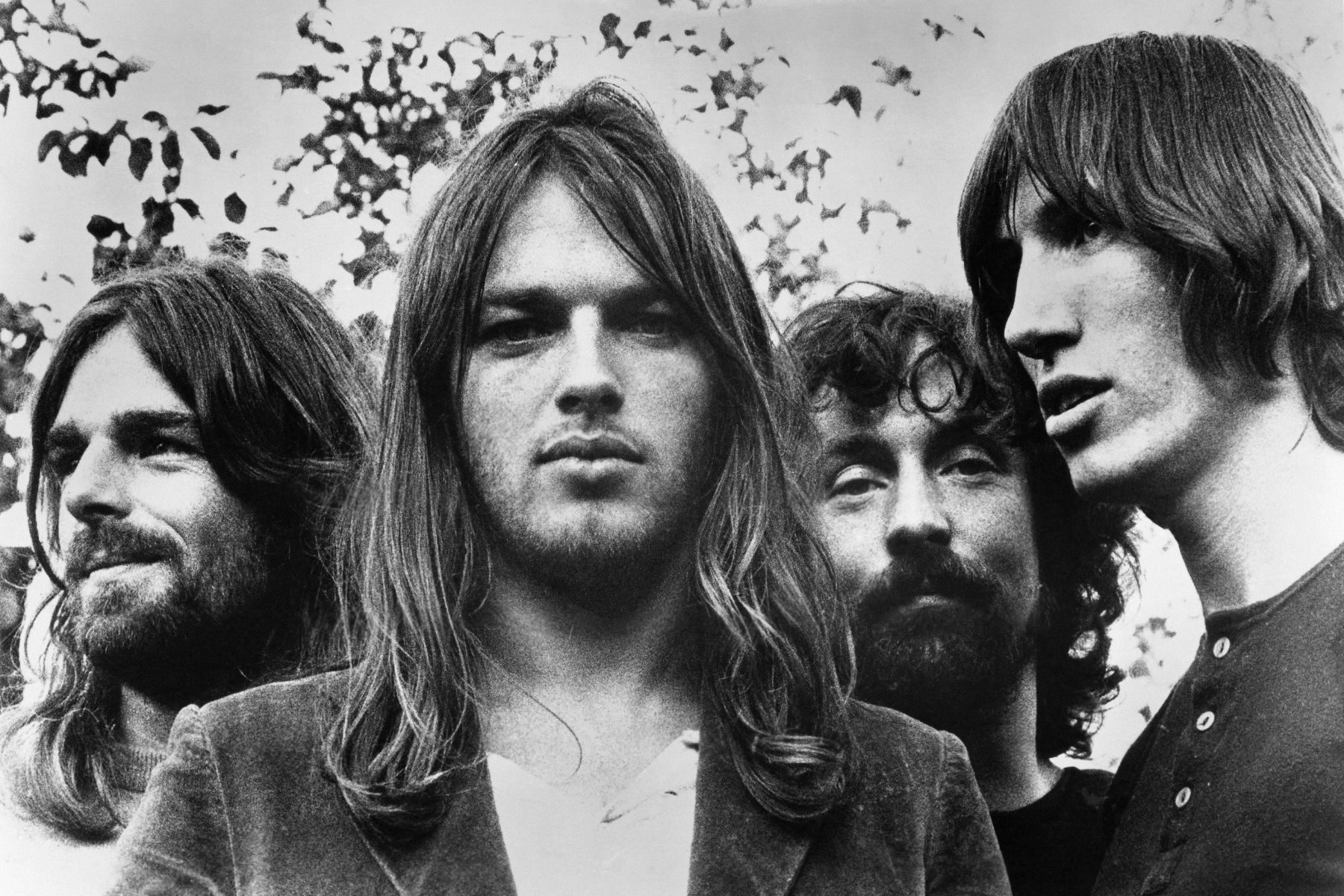
It is almost impossible to separate these two distinct, towering peaks in Pink Floyd’s history. In March 1973, the band achieved commercial immortality with The Dark Side of the Moon, a flawless sonic exploration of mental illness, greed, conflict and mortality that became one of the best-selling albums in history and redefined studio production forever.
Yet 1975 offers an equally definitive creative zenith; tasked with following up that global juggernaut while coping with the tragic psychological absence of founder Syd Barrett, they delivered Wish You Were Here in September. Anchored by the towering ‘Shine On You Crazy Diamond’, 1975 represents the absolute pinnacle of Floyd’s emotional depth and collaborative conceptual songwriting. Both years stand as undisputed, monumental peaks.
Bruce Springsteen: 1975 vs. 1984
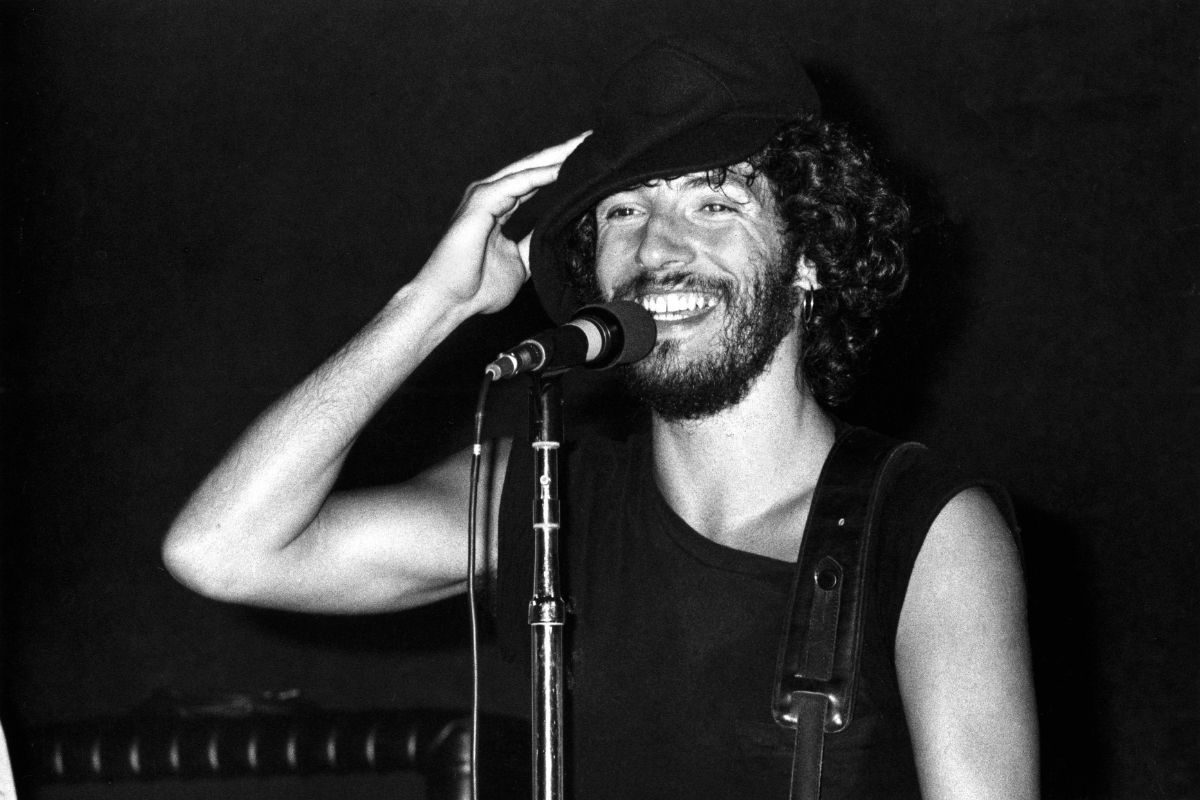
For Springsteen, the title of ‘greatest year’ is a fierce tug-of-war between his artistic breakthrough and his global coronation. In August 1975, a desperate Springsteen bet his entire career on Born to Run, a cinematic, operatic rock-and-roll masterpiece that landed him on the covers of Time and Newsweek in the exact same week.
Fast forward to June 1984, and he achieved a completely different kind of peak with Born in the U.S.A. Pairing gritty working-class tales with massive, synthesizer-driven production, the record spawned a staggering seven top-10 singles. Whether you prefer the hungry, romantic street poet of 1975 or the stadium-conquering global phenomenon of 1984, both represent Springsteen operating at the absolute height of his powers.
Pics Getty Images


