
Rock stars have never been especially good at doing things by halves.
So perhaps it’s no surprise that when some of them went looking for spiritual enlightenment, they did so with the same enthusiasm they brought to rock's more hedonistic life choices. The results were sometimes wholesome, sometimes bizarre and occasionally disastrous.
Bob Dylan discovered evangelical Christianity and promptly made some of his most unpopular albums. George Harrison followed a guru to India with the rest of The Beatles, with decidedly mixed results. Dave Mustaine found religion and started refusing to play some of his own songs.
And then there’s Behemoth’s Nergal, who survived leukaemia only to make an album called The Satanist. Here are 11 rock stars whose spiritual journeys took some unexpected turns.
1. Bob Dylan
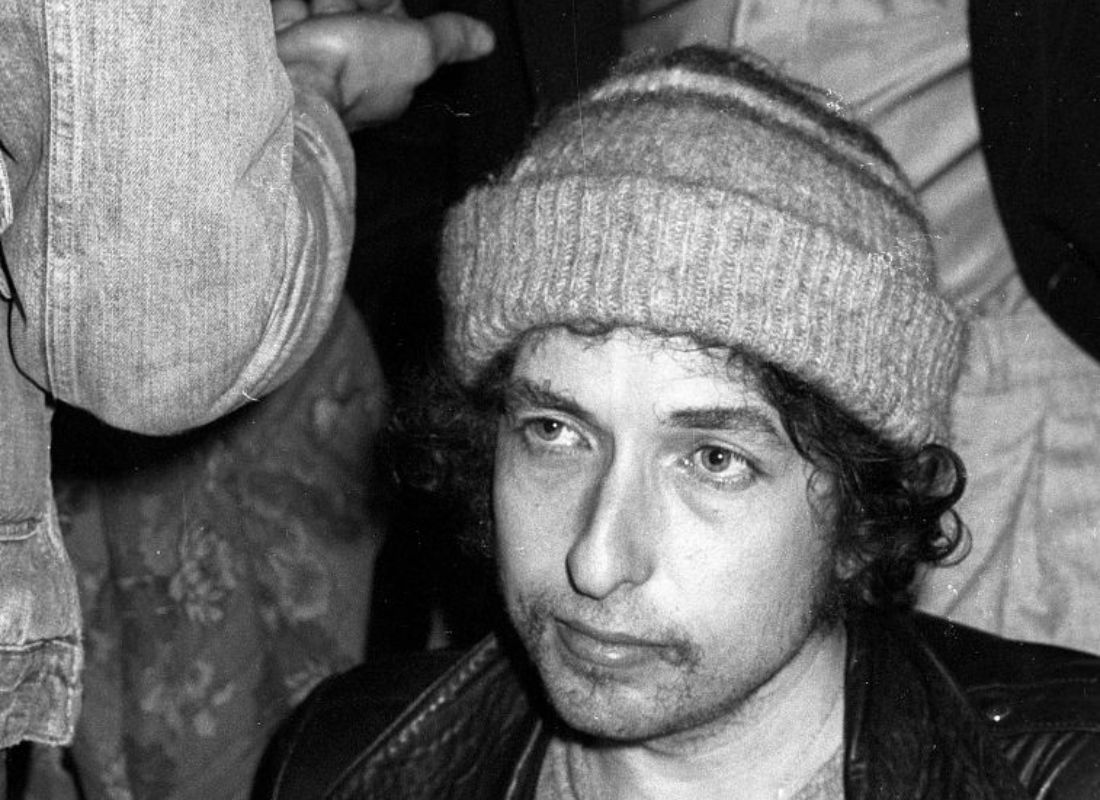
Ever-contrary Bob surprised everybody by embracing evangelical Christianity in the late 1970s after attending a discipleship course run by the Association of Vineyard Churches. Slow Train Coming, from 1979, was his first album of modern gospel music, the evangelical tone of songs like ‘Gotta Serve Somebody’ (to which John Lennon responded with ‘Serve Yourself’) being tempered by Mark Knopfler’s superb guitar work.
Alas, he followed this with 1980’s dreadful Saved (parodied by critics as I’m Saved. You’re Not), which doubled down on the Christianity from the cover design onwards. The third album in what’s been described as Dylan’s Christian Trilogy was 1981’s Shot of Love, which again received terrible reviews. He promptly returned to secular music with the Infidels album, produced by Knopfler. This proved to be a big commercial and critical success as the world breathed a sigh of relief.
2. Carlos Santana
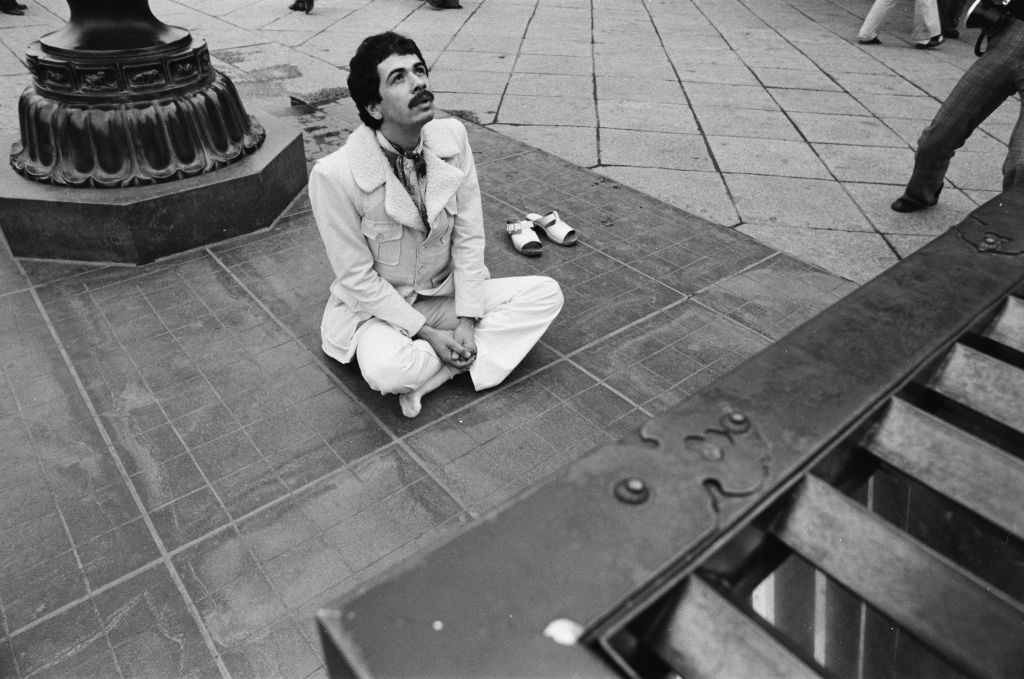
By 1972, the young guitar hotshot who’d so impressed everybody at Woodstock had been introduced by fellow guitarist John McLaughlin of the Mahavishnu Orchestra to his guru (everybody had a guru back then – it was the law), Sri Chinmoy. The guru gave him the name Devadip, which apparently means 'the lamp, light and eye of God'. Which was nice of him.
Somewhat less nice, and considerably less commercially successful, was the guitarist’s move into free jazz with the albums Love, Devotion, Surrender (1973) and Illuminations (1974). This particularly annoyed manger Bill Graham, who saw one of his most talented artists slowly sliding into commercial irrelevance.
Fortunately for everyone concerned, Santana and his wife fell out with Chinmoy, whom they felt was interfering too much in their private lives, and rock star and guru parted company in 1982. Santana went on to score huge commercial success in 1999, with his chart-topping Supernatural album.
3. Jeremy Spencer
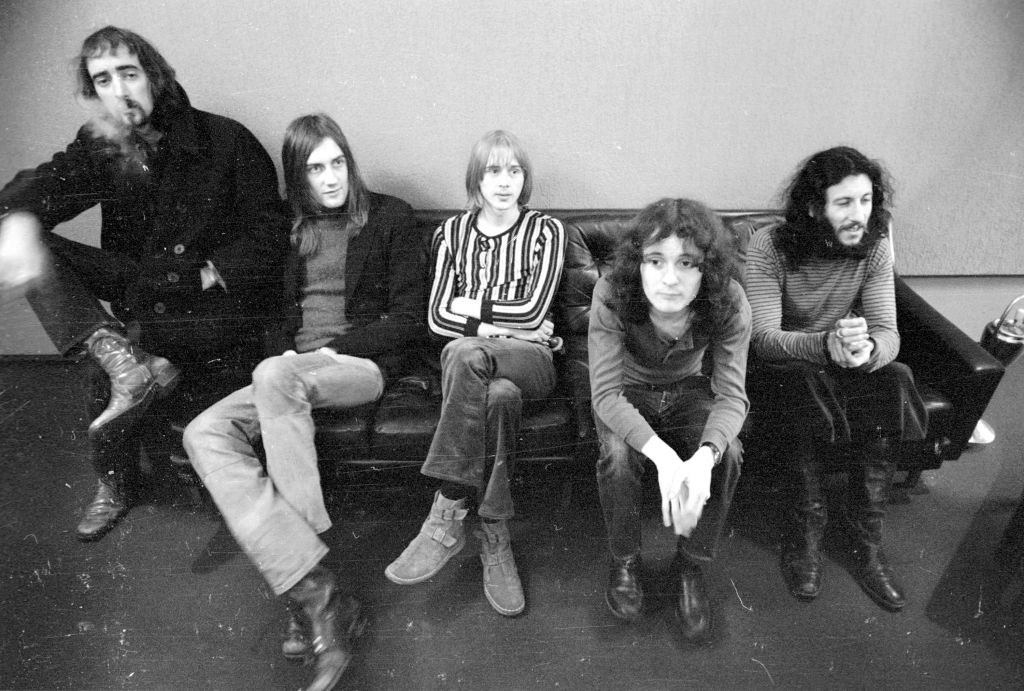
One of the oddest stories in rock history concerns one-time Fleetwood Mac guitarist Jeremy Spencer. When the band were on tour in America in 1971, Spencer disappeared while out looking for a bookshop on Hollywood Boulevard. It later transpired that he’d joined a cult/‘new religious movement’ called the Children of God (who later became notorious for their ‘flirty fishing’ method of recruitment), after meeting a devotee in the street.
Spencer refused to return to Fleetwood Mac, who eventually recruited Bob Welch as his replacement. Now in his late Seventies, he remains a member of the controversial Children of God, who subsequently rebranded as The Family International, and has reconciled with the surviving members of that incarnation of Fleetwood Mac.
4. George Harrison
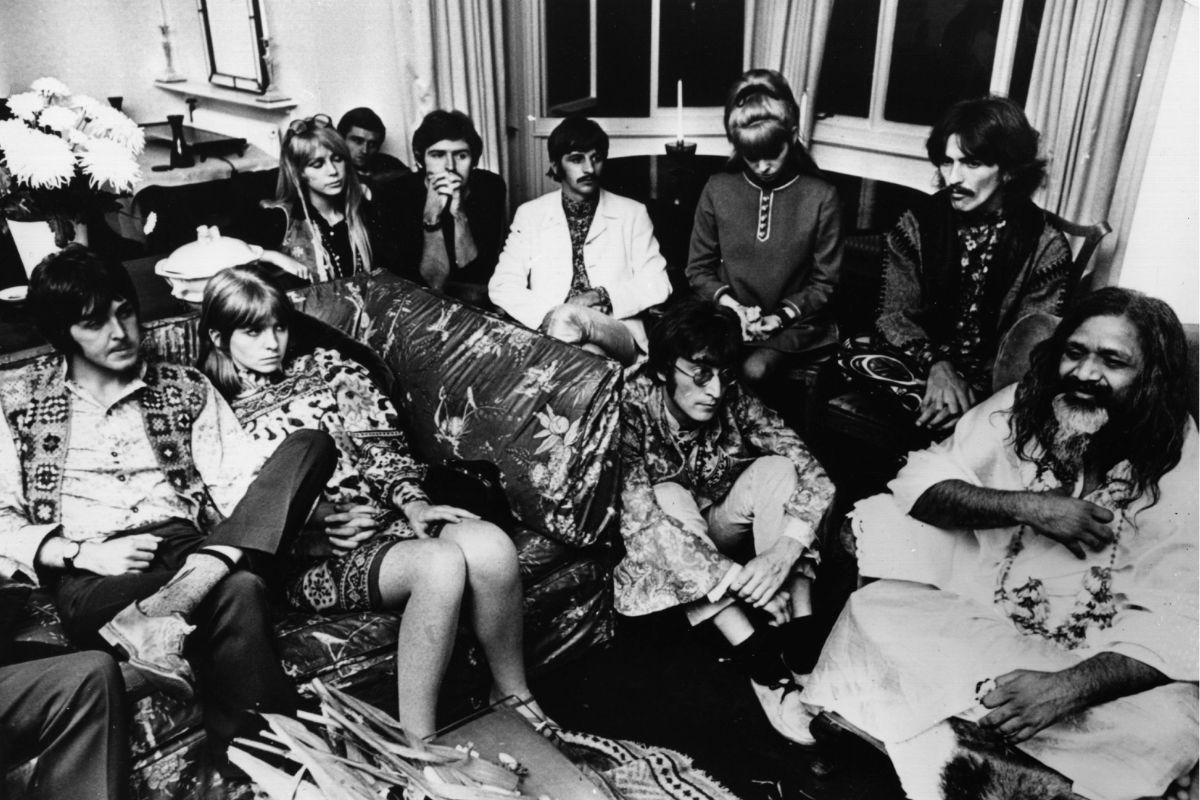
Beatle George was the prime mover behind the Fabs’ denunciation of drugs and embracing of Transcendental Meditation, as popularised by Maharishi Mahesh Yogi.
The Beatles met the Maharishi in the unlikely environs of Bangor, North Wales, where they attended one of his seminars in August 1967. Their plan was to join him in India shortly afterwards, but the death of manager Brian Epstein and filming commitments for Magical Mystery Tour delayed this by several months.
They eventually turned up the following February, with a bunch of wives, girlfriends and several hangers-on, including fellow musicians Donovan and Mike Love of the Beach Boys, plus actress Mia Farrow. Things soon began to go wrong as the guru allegedly made a pass at Farrow, despite claiming to be celibate.
Starr and McCartney were first to leave. Lennon and Harrison soon followed, with the former writing the song 'Sexy Sadie' ('Maharishi – what have you done?/You made a fool of everyone') while waiting for a cab. Harrison, however, remained loyal and convinced of the Maharishi’s innocence. Divisions over the Beatles’ experiences in India were later said to have contributed to their decision to split.
5. Doug Pinnick
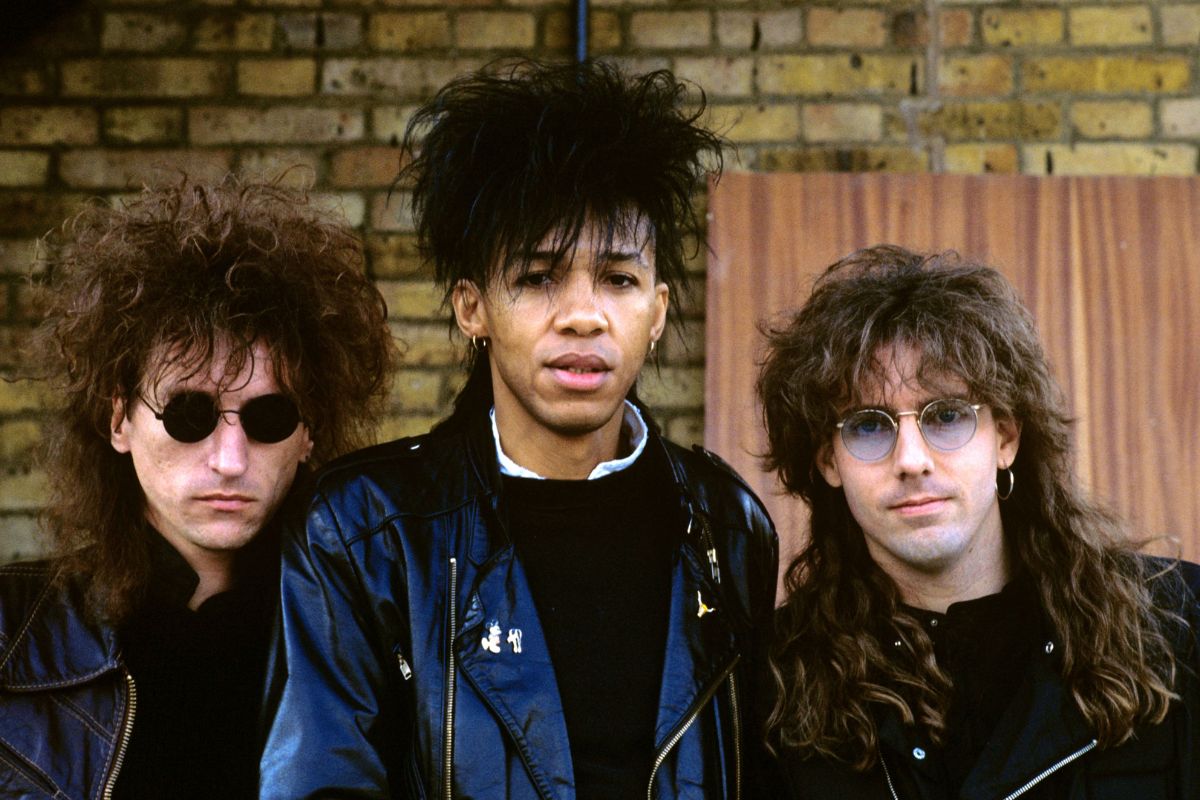
Back in the late 1980s and early 1990s, many of us thought the next big thing would be a band that combined heavy guitars and Beatlesy melodies. And we were right. Unfortunately, audiences chose Nirvana over the superior King’s X.
In retrospect, it’s easy to see why Kurt Cobain and co. spoke more clearly to sulky teenagers who didn’t want to tidy their rooms. King’s X were a trio led by a tall, skinny black man, after all. What’s more, they were Christians. Not that you’d know this from their lyrics, which tended to be more vaguely spiritual than those of the Galactic Cowboys, who came from the same management stable.
Debut album Out of the Silent Planet (most fans didn’t spot the C.S. Lewis reference) brilliantly showcased their novel blend of gospel, soul and progressive metal and was followed by the even better Gretchen Goes to Nebraska and Faith, Hope, Love. But frontman Doug Pinnick struggled to reconcile his Christianity with his homosexuality. After he came out in 1998, many Christian record stores in the US refused to stock King’s X’s music. He now describes himself as agnostic.
6. Nergal
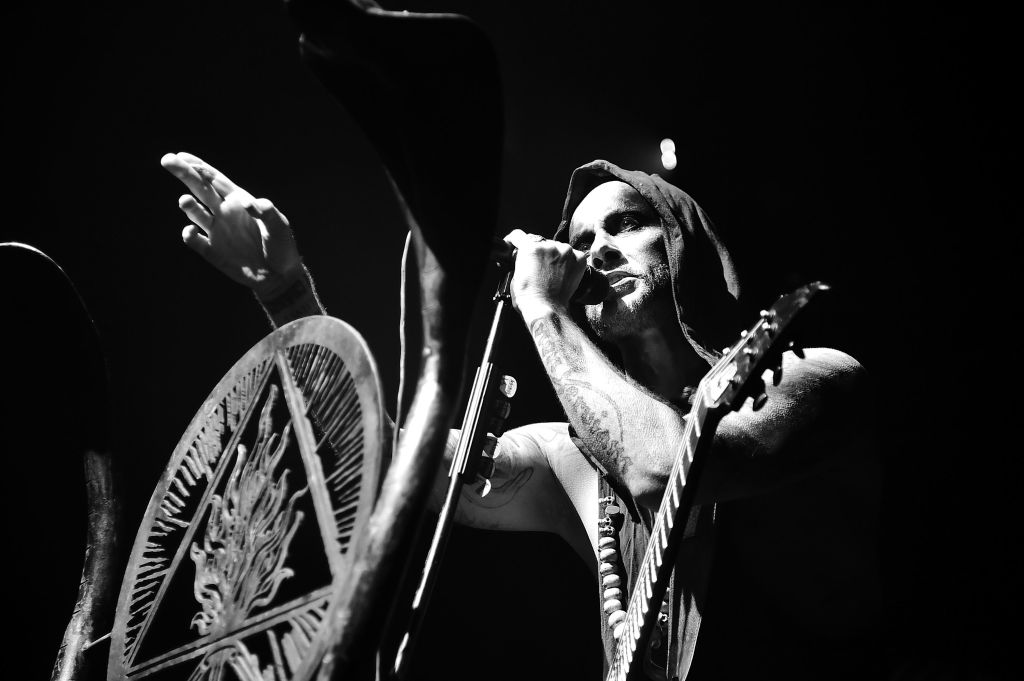
Heavy metal Satanism tends to be strictly of the Dennis Wheatley variety, with tolling bells, made-up rituals and abundant naked ladies. Not so Poland’s Behemoth, who take their extreme metal devil-worship very seriously indeed. Frontman Nergal (real name: Adam Darski) has often become a target in his deeply Catholic homeland, which has served to increase his media prominence.
His many enemies quietly rejoiced when he was diagnosed with aggressive leukaemia in 2010 and for a while it seemed as though he was a goner. His then-girlfriend, Polish pop star Doda, offered to donate bone marrow, but this was not a match. A huge public response to her appeal for donors eventually produced a suitable match and Nergal underwent a remarkable recovery.
The hopes of Christian commentators that he might renounce The Devil and all His works as a result of his experiences were dashed, however, when Behemoth released their next album, unequivocally named The Satanist.
7. Cat Stevens
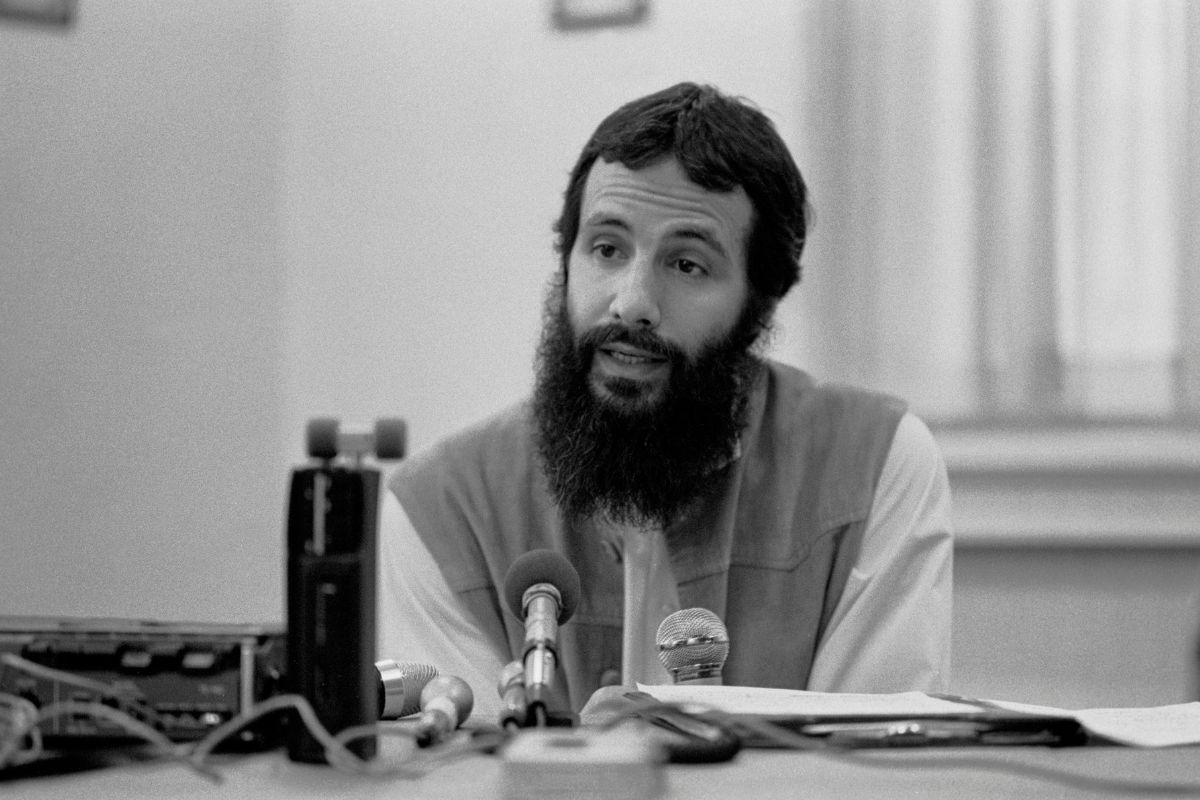
The man who was born Steven Georgiou enjoyed considerable commercial success as Cat Stevens in the early seventies with such albums as Teaser and the Firecat (1971) and 1972's Catch Bull at Four, whose spiritually questing lyrics chimed with the times. In 1977, he converted to Islam, adopted the name Yusuf Islam, and subsequently left his music career to concentrate on his faith.
Controversy followed when he made comments that apparently supported the fatwa against Salman Rushdie, though he claimed to have been framed. His gradual return to music came about after encouragement from fellow Muslims and in 2006 he released his first new album in nearly 30 years, An Other Cup.
Although this was warmly received by critics, as were his subsequent two studio albums and performance at the Glastonbury Festival in 2023, he has never regained the level of popularity he enjoyed in the early 1970s – though whether he wants that is another matter.
8. Lou Gramm
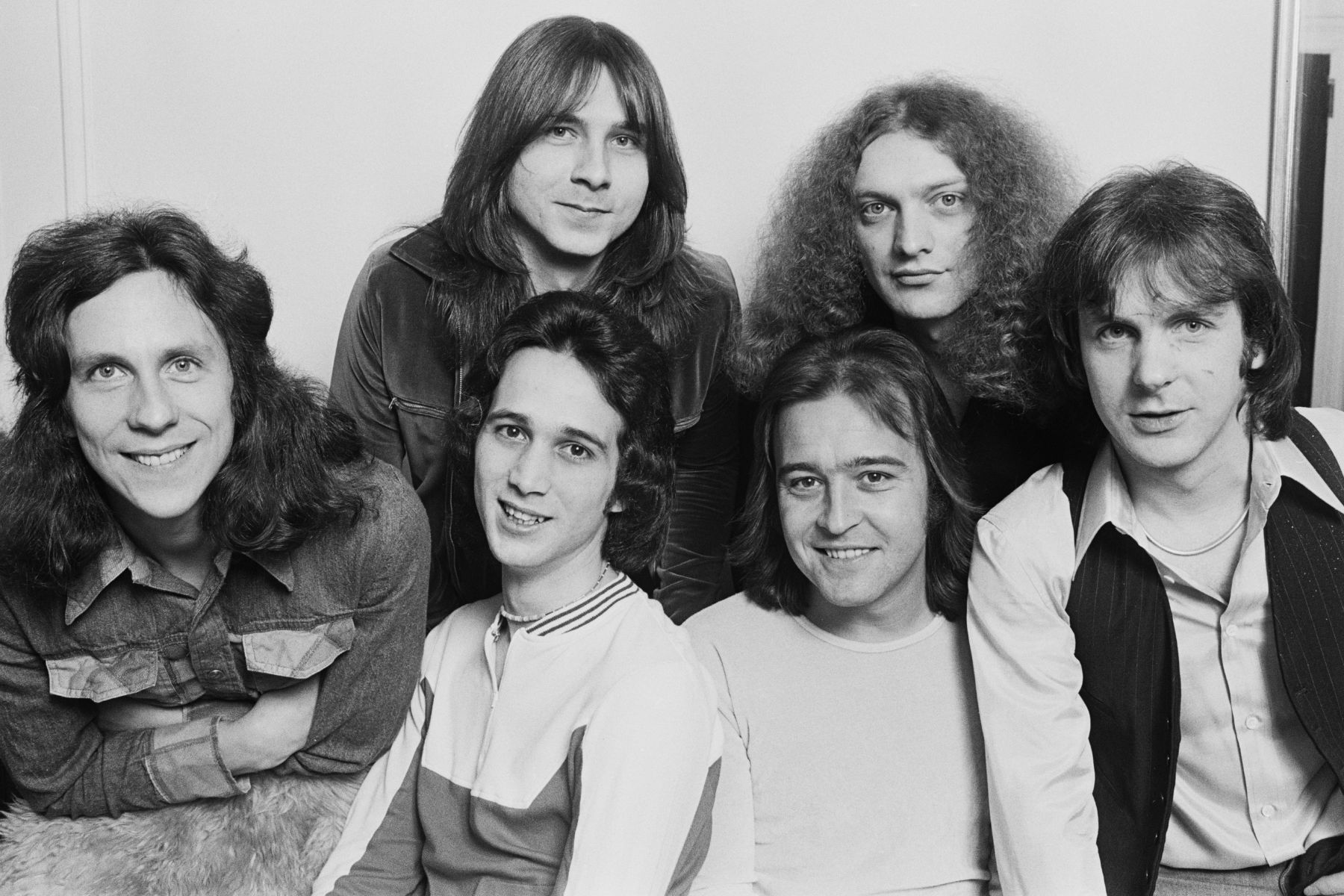
The singer with and co-founder of Foreigner, who wrote most of the band’s hits with guitarist Mick Jones, Lou Gramm was diagnosed with a brain tumour in 1997. After undergoing emergency surgery, he left the band and became a born-again Christian. Although he rejoined Foreigner on a couple of occasions, his solo career mixing Christian rock with Foreigner classics has not been a conspicuous success.
9. Dave Mustaine
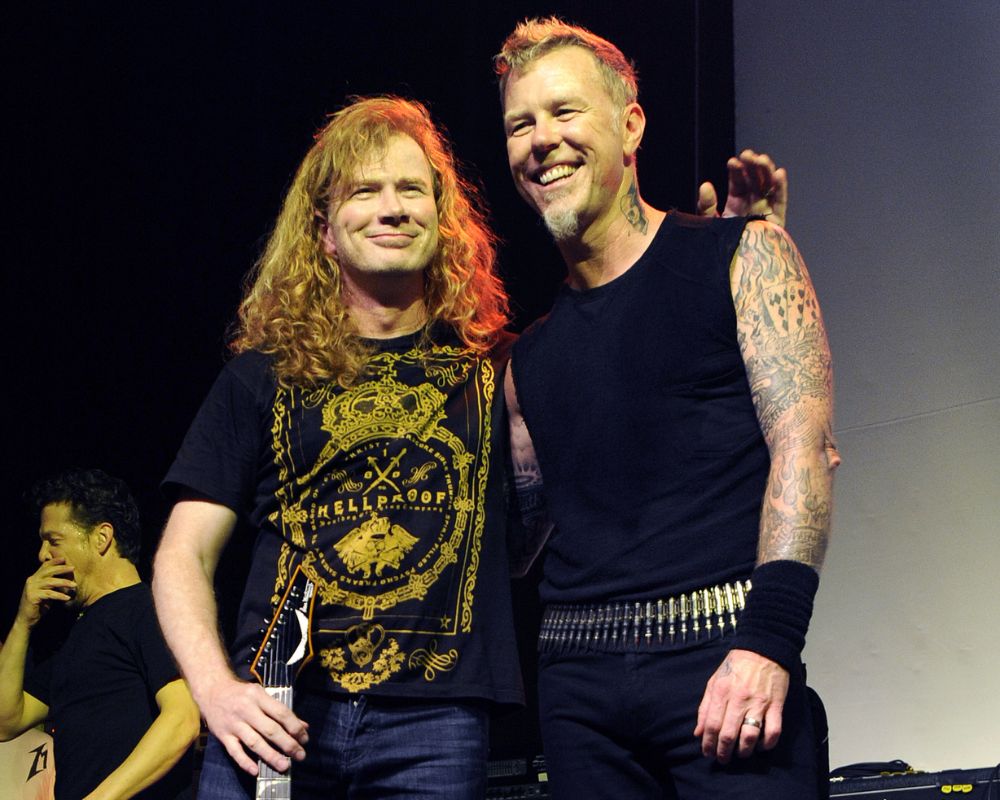
The heavy metal world was suitably astonished when Megadeth founder and former Metallica guitarist Dave Mustaine became a born-again Christian. But if they’d been paying attention, metalheads would have known that MegaDave was raised as a Jehovah’s Witness. His return to faith came about when he started attending Alcoholics Anonymous meetings.
He later said he will no longer play early Megadeth songs, such as 'The Conjuring' from 1986's Peace Sells... but Who's Buying? album, that he now deems to be in conflict with his Christianity. He has also refused to share festival bills with bands who adopt an overtly Satanic image, such as Greek outfit Rotting Christ.
This presents a certain difficulty as so many metal bands like to pledge allegiance to the Horned One. Megadeth have now released what’s billed as their final album and are embarking on their ‘farewell’ tour.
10. Robin Williamson
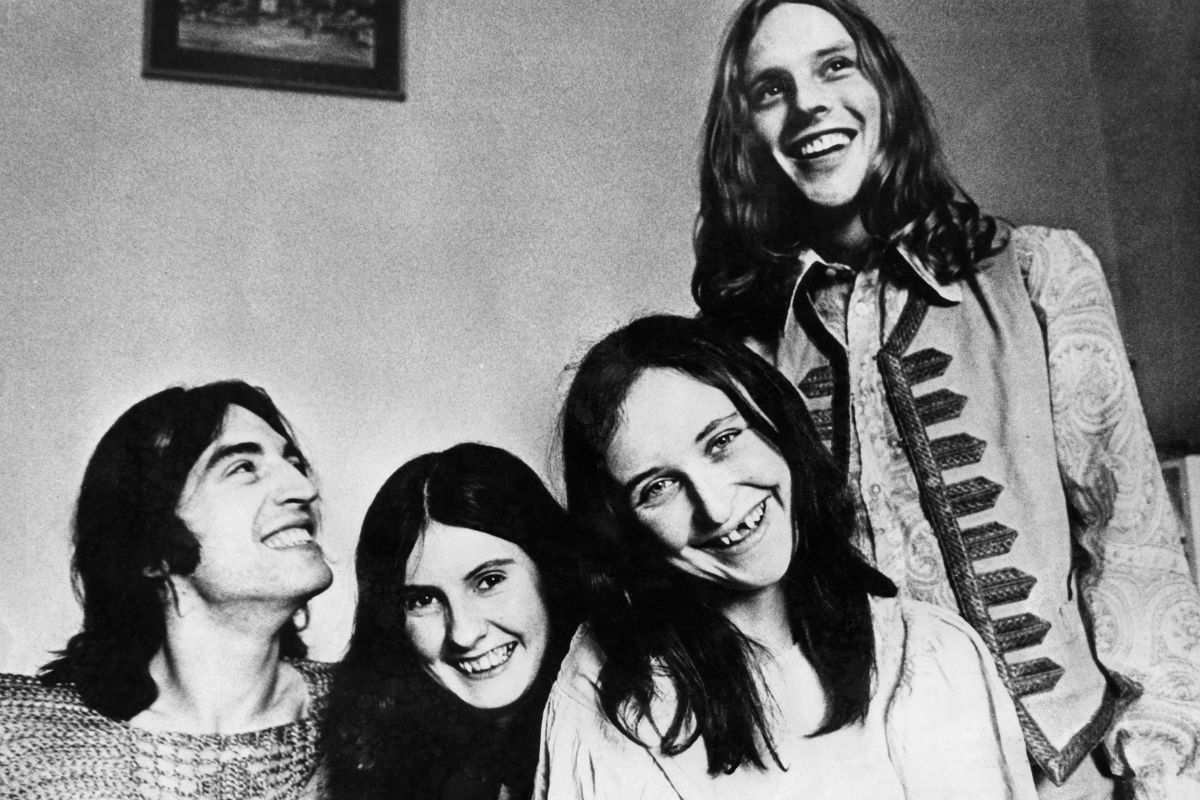
Scientology was dead hip in the hippy era, so it was inevitable that several musicians would get caught up in it. The most high-profile act to become involved was those great psychedelic folkies The Incredible String Band, who didn’t shift an awful lot of records but were highly influential (Led Zeppelin's Robert Plant, for example, was a huge fan).
By the late Sixties, founders Robin Williamson and Mike Heron had been joined by their girlfriends Christina ‘Licorice’ McKechnie and Rose Simpson, and the band peaked with 1968’s The Hangman’s Beautiful Daughter and Wee Tam and the Big Huge albums. They went on to play the Woodstock Festival the following year.
At around the same time, Williamson and Heron became involved in Scientology, which fed into the band’s music – much to the chagrin of Simpson and producer Joe Boyd. Declining fortunes led to the original band splitting in 1974. Williamson has subsequently spoken about finding Scientology 'helpful'.
11. Alice Cooper
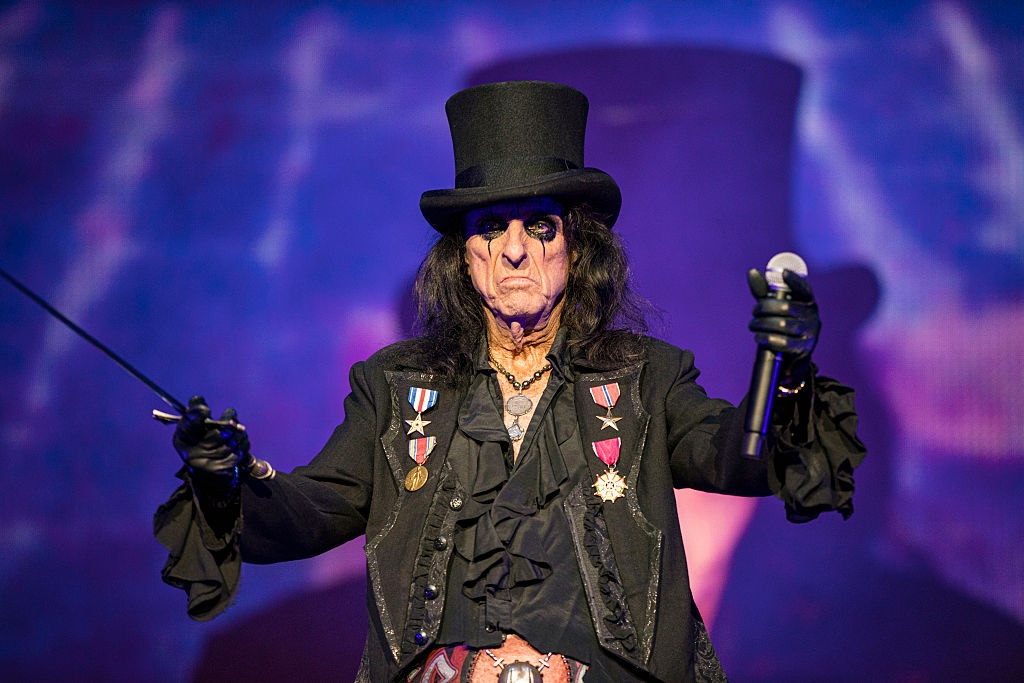
Despite his reputation as rock’s premier villain, Alice Cooper is in fact a devout born-again Christian. The son and grandson of evangelists, Cooper initially fled his religious upbringing, descending into a legendary period of alcoholism. His famous 1980s collapse (he barely remembers the making of three albums from that era) led him back to the church, viewing his sobriety as a literal divine intervention.
This transformation fundamentally reframed Cooper's performance. Rather than abandoning his macabre stage show, he reimagined it as a moral play where the 'Alice' character (a personification of arrogance and sin) is ritually punished in every finale. Offstage, the change is even more profound; he founded the Solid Rock Teen Centers, dedicated to providing troubled youth with instruments and a safe haven.
All pics Getty Images


