Some bands arrive fully formed, built for greatness. Others… don’t.
Some look like the wrong people in the wrong room with the wrong skills at the wrong time – misfits, oddballs and beautiful disasters who seem destined for obscurity. And yet, every so often, those misfits bend the world to their shape. The bands who couldn’t play properly, who didn’t fit the scene, who terrified record labels or baffled audiences, end up defining entire genres.
The Sex Pistols detonated culture despite barely knowing their instruments. The Velvet Underground sold nothing but influenced everything. Talking Heads turned awkwardness into art. Black Sabbath transformed 'wrong' into 'revolutionary'. These are rock’s great paradoxes – the six bands who shouldn’t have worked, but did, gloriously.
1. Creedence Clearwater Revival
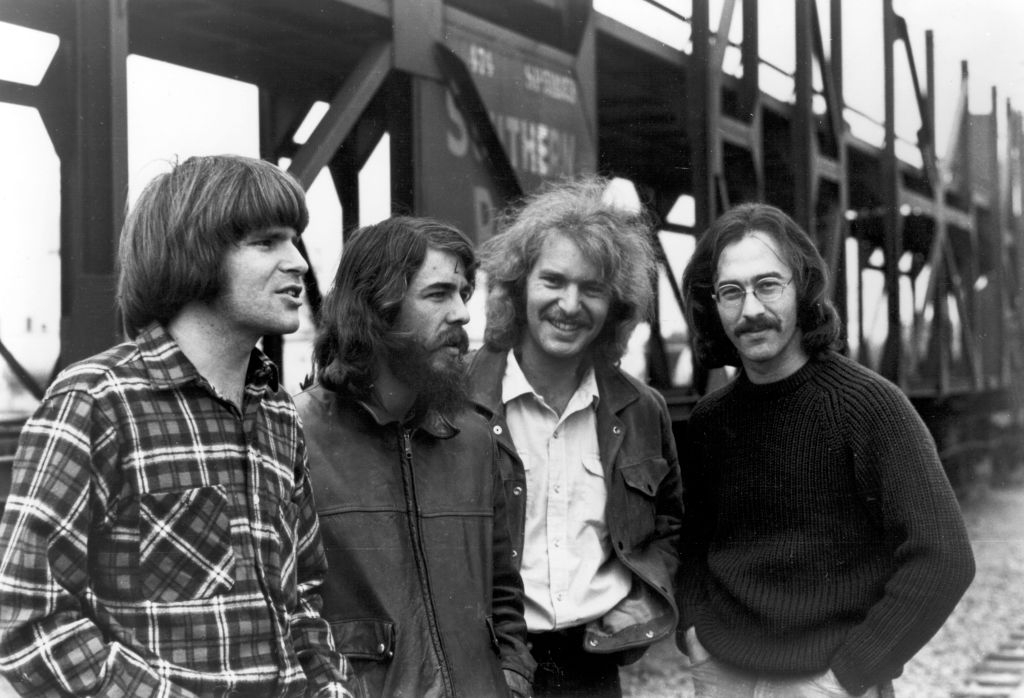
Improbable because: They convincingly embodied Southern swamp rock despite being four Californians who’d never set foot in the Deep South
How do four working-class Californians convincingly sound like they were raised in the deep Louisiana swamps? Creedence Clearwater Revival somehow pulled it off. John Fogerty’s snarling, gritty vocals channelled a Southern bluesman’s rasp, and his bandmates (rhythm guitarist Tom Fogerty, bassist Stu Cook, drummer Doug Clifford) created a tight, churning groove that made the Bayou feel just a few chords away.
Songs like 'Proud Mary', 'Bad Moon Rising', and 'Fortunate Son' became instant classics, merging rock, blues, and a swampy authenticity that audiences believed completely. It was audacious role-play (none of them had Southern roots), yet it sold millions. For a few short years, CCR dominated the American charts and became one of the era’s biggest singles bands.
Behind the hits, internal feuds simmered, and by 1972, the band had imploded. But in their brief, intense career, CCR demonstrated that raw conviction and strong songwriting could convince the world you were someone you weren’t.
Did you know? None of the band had ever set foot in the Deep South when they recorded 'Born on the Bayou'.
2. Talking Heads
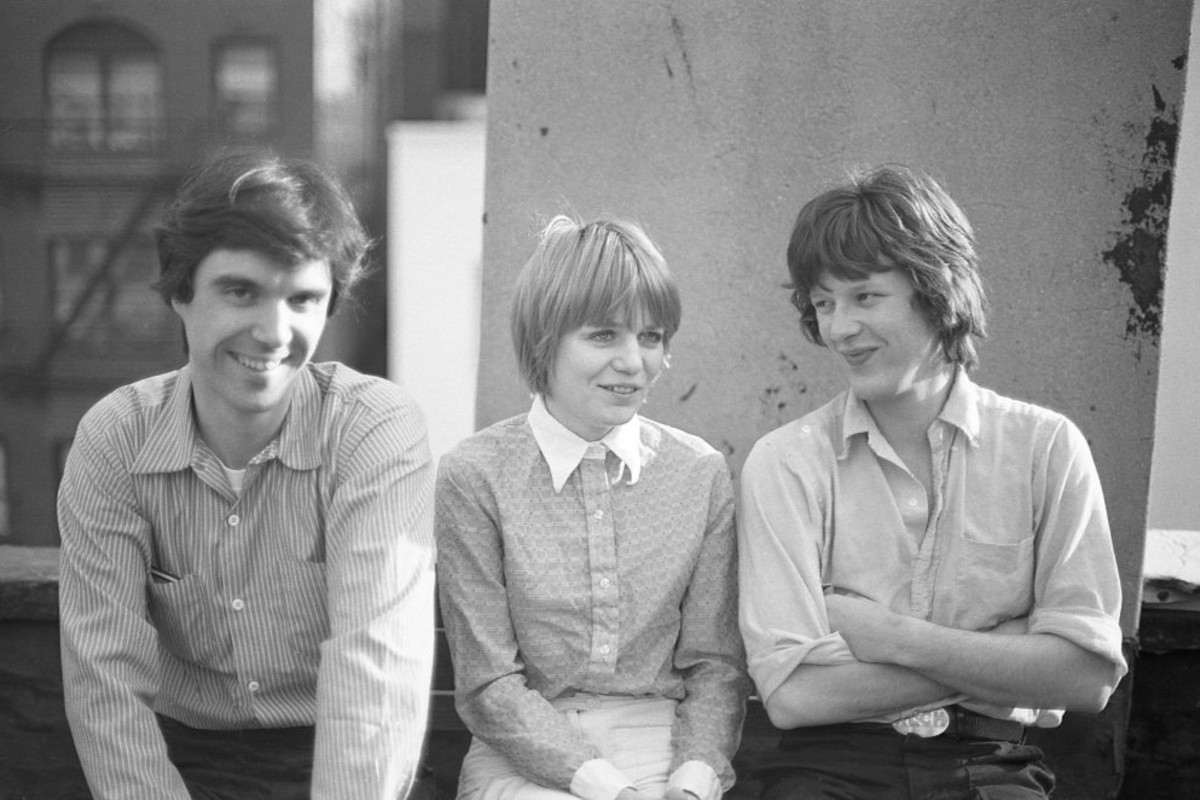
Improbable because: They were anxious art‑school outsiders who looked and sounded nothing like the punk scene they emerged from
In the mid-1970s, New York music venue CBGB was a parade of punk grit, leather jackets, and sneers. Into this unlikely environment walked Talking Heads: three art-school graduates and a frontman, David Byrne, so nervy and socially awkward he looked like he’d wandered onstage by mistake.
They were the opposite of swaggering rock clichés – all angular rhythms, stop-start grooves, and a sense of barely contained anxiety. Yet that strangeness became their strength.
Their early songs like Psycho Killer sounded taut and twitchy, almost skeletal, but undeniably compelling. As the band evolved, they began injecting punk with funk, layering in Afrobeat, electronics, and conceptual ideas that might have looked forbiddingly cerebral on paper.
Yet, by the time of Remain in Light (1980), Talking Heads had managed to turn high-minded experimentation into something you could dance to. Byrne’s awkwardness became a persona: part prophet, part alien.
Did you know? David Byrne was so nervous at early shows he often sang with his back to the audience.
3. Black Sabbath
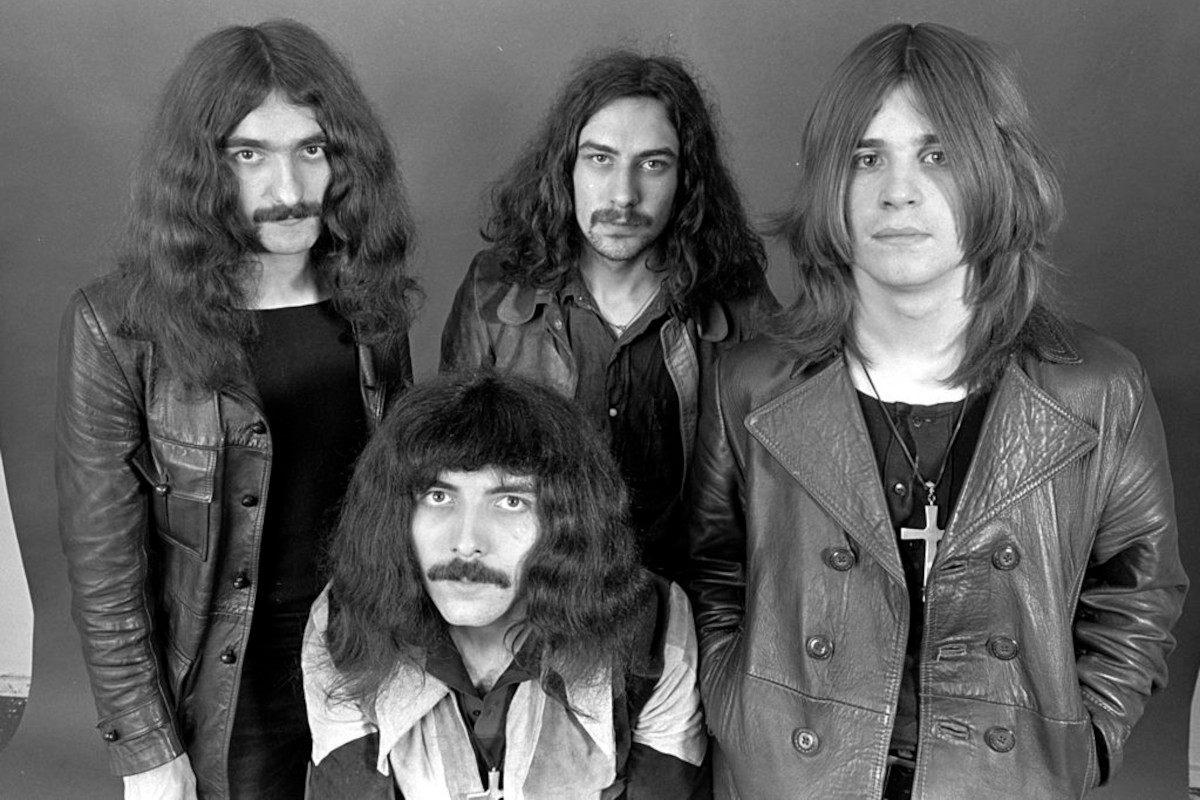
Critics sneered at Black Sabbath’s early shows. Too slow, too heavy, too crude: a band seemingly out of step with 1970 rock. What most didn’t realise was that Tony Iommi’s downtuned, razor-sharp riffs, born from an industrial accident, were forging something entirely new: the blueprint for heavy metal.
Ozzy Osbourne’s eerie, haunting vocals carried Geezer Butler’s apocalyptic, dystopian lyrics, while Bill Ward’s thunderous, jazz-inflected drumming added both groove and menace. Songs like 'Black Sabbath' and 'Iron Man' sounded ominous, almost otherworldly, yet irresistibly compelling. By sheer accident and stubborn persistence, the band invented a genre that would influence generations.
What critics saw as clumsy or crude became essential DNA. The very qualities that seemed inept in 1970 now define metal’s core, and Black Sabbath are rightly remembered as legends.
Did you know? Tony Iommi invented heavy metal’s downtuned sound after losing the tips of two fingers in a sheet-metal factory.
4. The Stooges
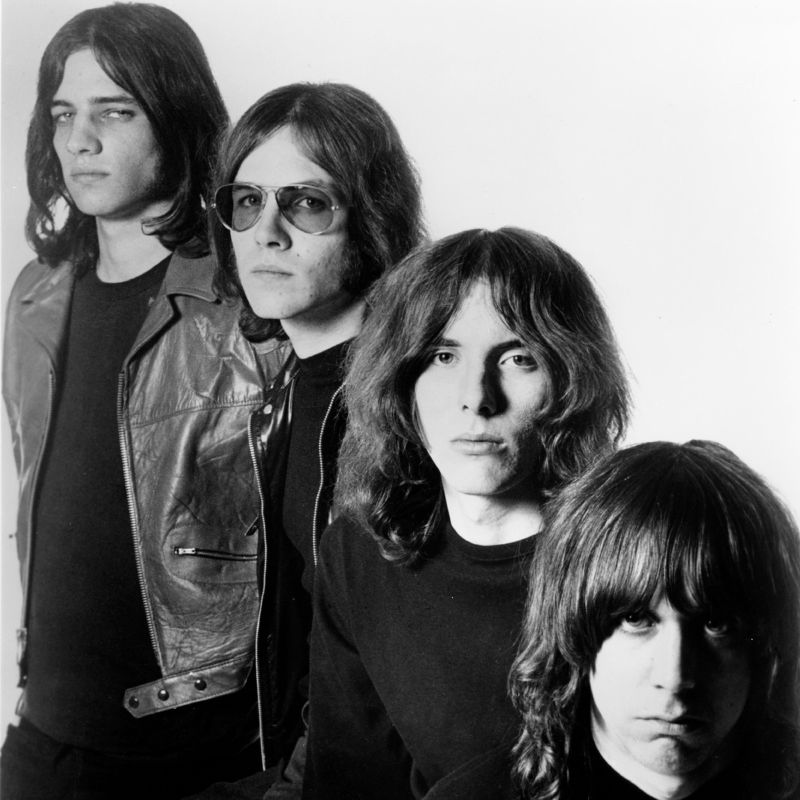
Improbable because: Their shows were chaotic, their records barely sold, and their frontman seemed hell‑bent on self‑destruction
The Stooges were chaotic nobodies when they formed in Detroit in 1967.
Their records barely sold, their live shows often descended into chaos, and frontman Iggy Pop seemed almost determined to self-destruct onstage – shirtless, spitting and writhing with abandon.
Yet within the raw minimalism of tracks like 'I Wanna Be Your Dog' and 'Search and Destroy' lay the blueprint for punk rock. Their aggression, stripped-down riffs, and nihilistic attitude were unprecedented, shocking audiences and critics alike. Iggy should have been a cautionary tale, a warning about excess and instability. Instead, he emerged as the godfather of punk, influencing countless musicians.
Against all odds, the Stooges survived long enough to cement their legacy, proving that chaos, when harnessed, can become cultural genius.
Did you know? During early shows, Iggy would sometimes stage dive into the audience covered in peanut butter. He claimed it was partly a 'protective coating' for his skin.
5. Nick Drake
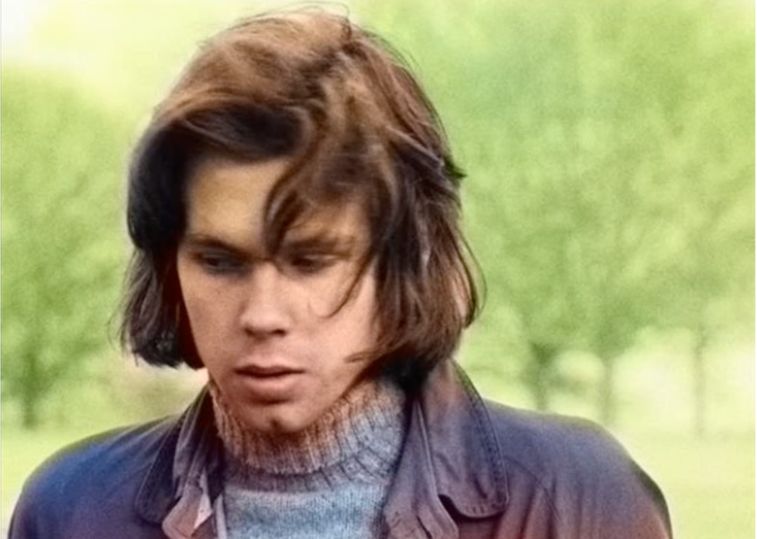
Improbable because: He avoided performing, hated promotion and made whisper‑quiet music... in an era obsessed with volume and swagger
Nick Drake was almost designed to fail. He hated performing live. He could barely talk in interviews. His music (hushed voice, intricate guitar) was too fragile for early ’70s rock radio. His three albums sold miserably, and he died in 1974, largely unknown, at just 26. And yet, slowly, almost imperceptibly, his reputation grew.
By the ’90s, when 'Pink Moon' was used in a Volkswagen ad, Drake was a cult icon, his songs worshipped by generations of songwriters. What made him commercially invisible in his lifetime – his fragility, his introversion – has become his timeless strength. Few careers illustrate the gap between success and significance better.
6. The Byrds
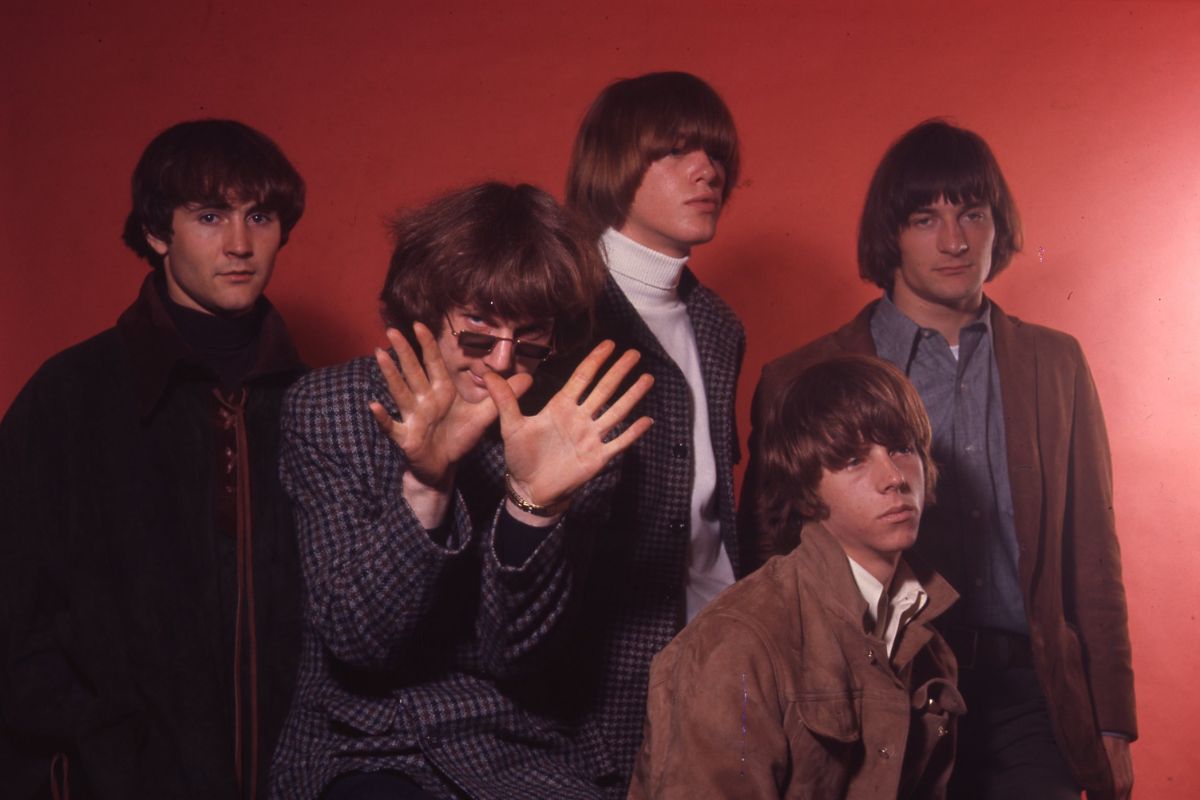
Improbable because: They were a shaky, semi‑electric folk group who could barely play rock music
When The Byrds stumbled together in Los Angeles in 1964, they weren’t exactly a powerhouse. Roger McGuinn had a 12-string Rickenbacker he could barely keep in tune; Gene Clark and David Crosby were earnest folkies with little rock pedigree. They tried Beatles covers, but the results sounded like a coffeehouse singalong with electric instruments.
And yet, with a little help from producer Terry Melcher, their version of Bob Dylan’s 'Mr Tambourine Man' crystallised something new: folk-rock. That single kickstarted a string of innovations – from psychedelia ('Fifth Dimension') to country rock ('Sweetheart of the Rodeo'). The line-up never stopped feuding, members came and went, but the unlikely truth is this ramshackle crew launched at least three genres.
Did you know? On their breakaway hit, 'Mr Tambourine Man', only McGuinn actually played. The rest of the performers were session pros.
7. The Police
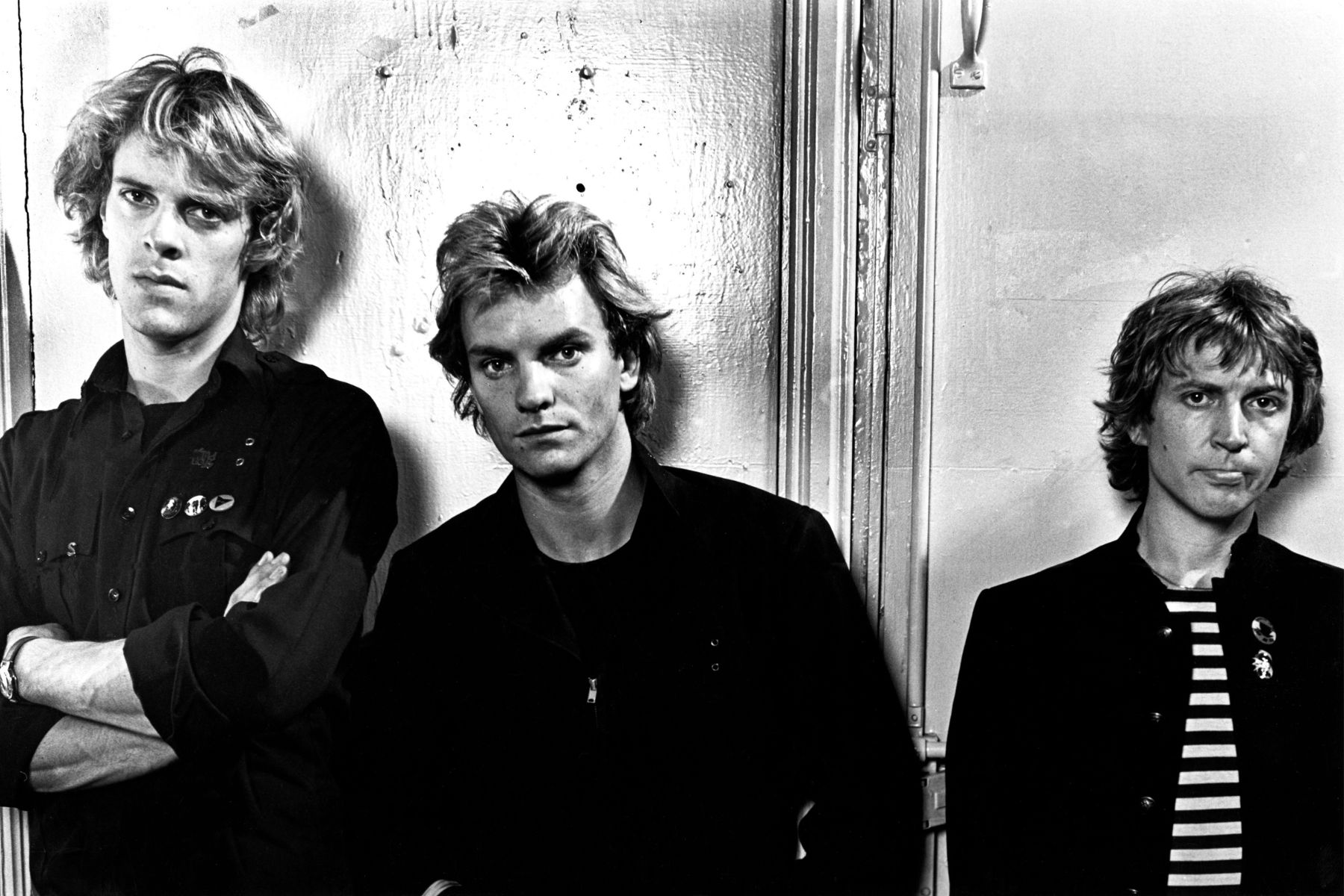
Improbable because: They posed as punks despite being jazz‑leaning musos with wildly mismatched backgrounds
At first glance, The Police looked like a Frankenstein creation. Sting was a former schoolteacher with a jazz fetish. Drummer Stewart Copeland had served in prog rock band Curved Air, while guitarist Andy Summers had played across a range of genres including rhythm and blues. To win over the punk crowd, they bleached their hair and pretended to be raw punks.
But beneath the disguise, The Police had real chops. By grafting reggae rhythms onto sharp, nervy rock songs, they stumbled onto a fresh formula. Hits like 'Roxanne' and 'Message in a Bottle' sounded both streetwise and sophisticated, and by 1983's Synchronicity they were one of the world’s biggest bands. By rights, The Police shouldn’t have fooled anyone – yet they conquered the ’80s.
- Synchronicity crops up in our list of the best 1980s albums
Pics Getty Images