For a brief moment, the mid-1960s glowed with utopian possibility.
In 1966, Swinging London made counterculture fashionable; in 1967, the Summer of Love promised sensitivity, psychedelia, and social transformation as the new coordinates for modern life. Rock music reflected that optimism – radiant harmonies, bright colours, and mind-expanding idealism that felt like the future arriving early.
But the dream curdled fast. The Vietnam War dragged on, student uprisings were met with violence, and the counterculture splintered under the weight of its own contradictions. The brutal chaos at Altamont in 1969 provided symbolic closure – the anti-Woodstock. By decade’s end, the smiley-faced psychedelia that once promised transcendence was mutating into paranoia, fatalism, and disillusionment.
Between roughly 1968 and 1970, a wave of dark, troubled, and deeply strange albums emerged – not rejecting the ’60s entirely, but interrogating its failures. Together, they felt like the sound of a door closing.
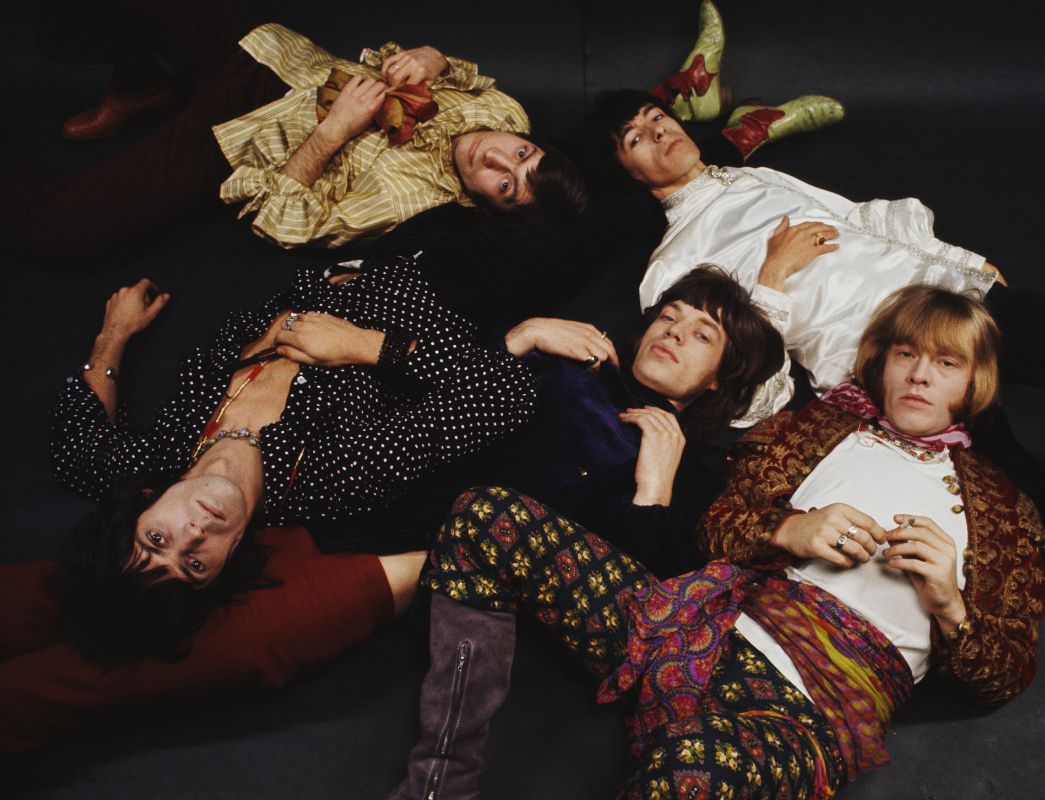
1. The Rolling Stones – Let It Bleed (1969)
No record captures the violent unravelling of the decade like Let It Bleed. Released as the Manson murders and the Vietnam draft dominated the headlines, the music is heavy with a sense of impending doom. 'Gimme Shelter' is the ultimate 1969 anthem, a storm-warning that crime and violence are 'just a shot away.' By the time the album reaches 'You Can't Always Get What You Want', the Stones have moved from being the leaders of the rebellion to the cynical reporters of its wreckage, offering a grim lesson in compromise and survival.
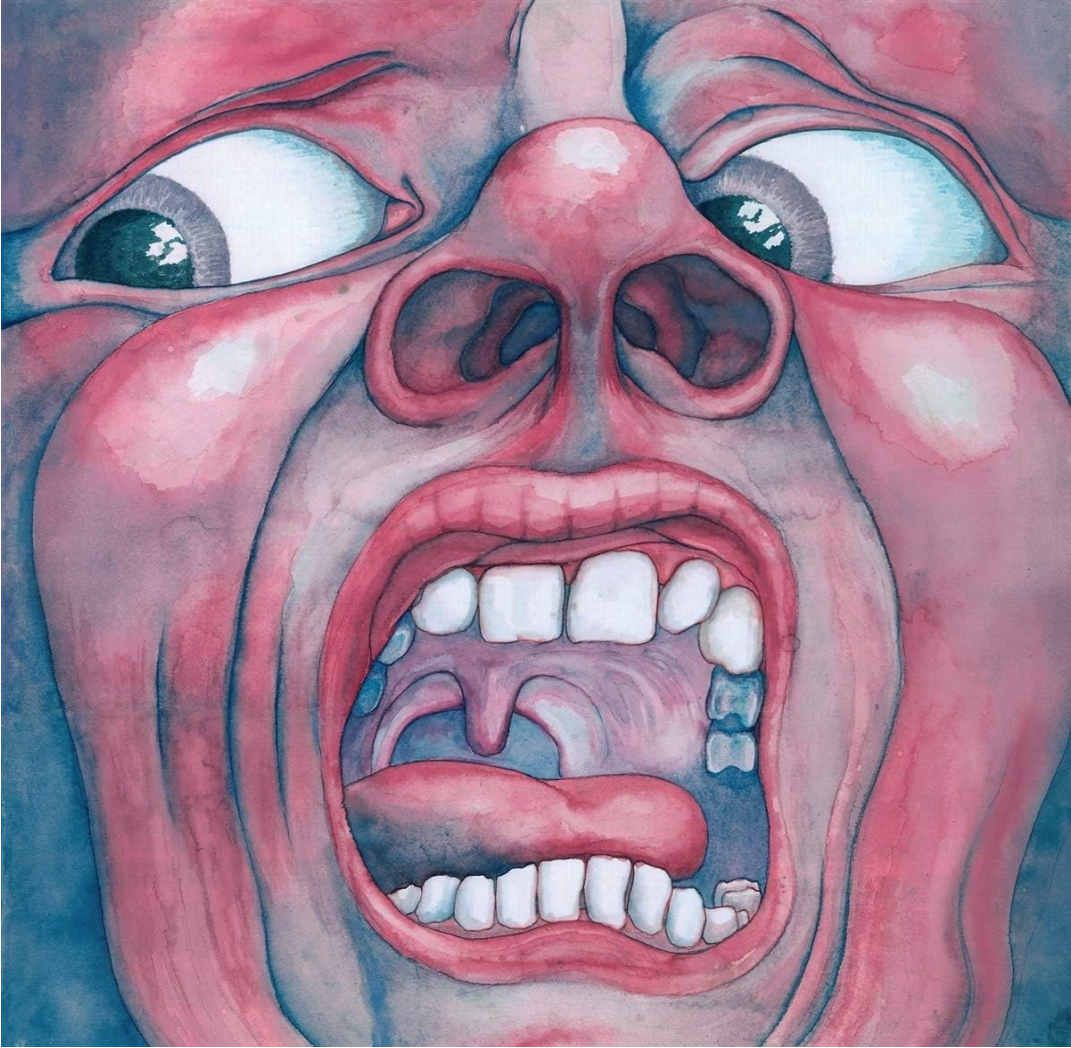
2. King Crimson – In the Court of the Crimson King (1969)
Released just weeks before the decade ended, King Crimson's debut effectively acted as an autopsy of the Sixties' dream. The opening shriek of '21st Century Schizoid Man' replaced the bluesy warmth of 60s rock with a jagged, mechanical terror. The lyrics explore war, societal collapse, and the futility of human effort against corrupt power. With its massive Mellotron washes and existential dread, the title track and 'Epitaph' provide a funeral march for the counterculture. It is the first 'true' prog rock album, but its heart is pure, unadulterated paranoia.
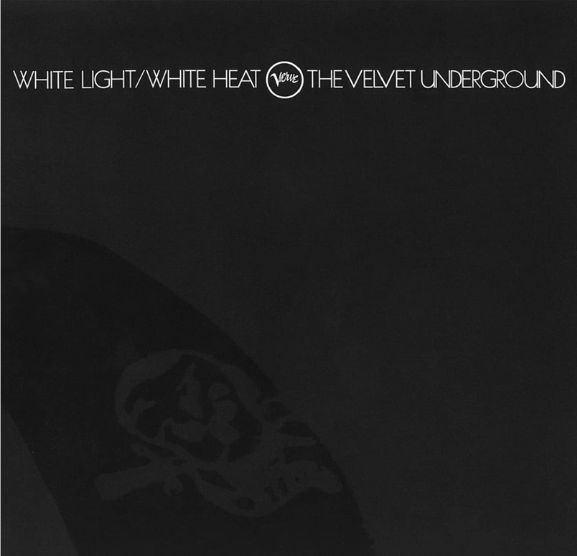
3. The Velvet Underground – White Light/White Heat (1968)
While the rest of the world was exploring transcendence, the Velvet Underground were exploring amphetamine-fuelled debauchery. This album is a jagged, distorted, and purposefully ugly record. The 17-minute 'Sister Ray' is an improvised wall of noise that details a failed orgy, anticipating the noise-rock and industrial genres. It is a menacing set of tunes that rejected the flower-power aesthetic in favour of a transgressive, urban reality, proving that the underground was always much darker than the mainstream realized.
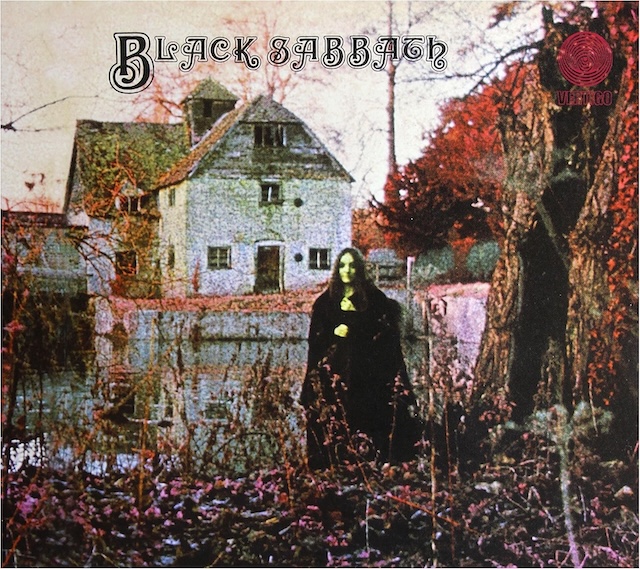
4. Black Sabbath – Black Sabbath (1970)
If any one album officially killed the flower-fuelled optimism of the 1960s, it was this one. Released on Friday the 13th, the debut from Birmingham’s Black Sabbath replaced the San Francisco sound with a bleak industrial nightmare. The opening track’s ominous tolling bells, use of the tritone (the unsettling musical device also known as the 'Devil's interval'), and lyrics about a 'figure in black' brought horror-movie dread to rock and roll. It wasn't about expanding your mind; it was about the terror of being hunted. It remains the definitive bridge from the psychedelic era to the dark, percussive weight of heavy metal.
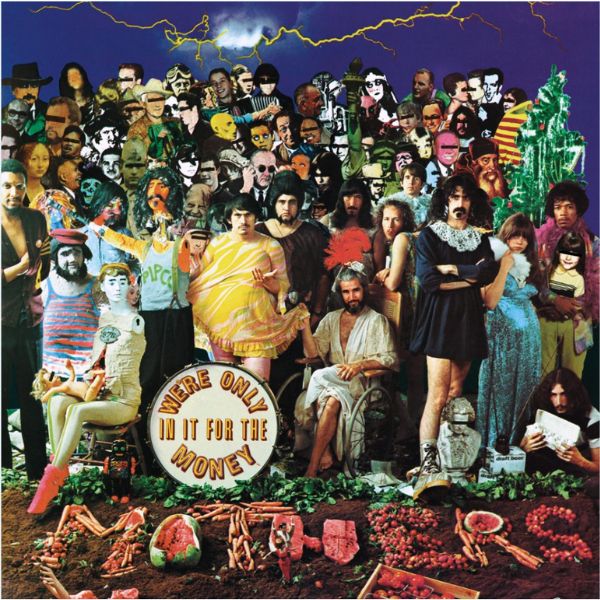
5. The Mothers of Invention – We're Only in It for the Money (1968)
Frank Zappa’s masterpiece is perhaps the most scathing critique of the 1960s ever recorded by someone inside the scene. By parodying the Sgt. Pepper cover, Zappa signalled his intent to dismantle the flower power industry. The music is a frantic, cut-and-paste collage of doo-wop, orchestral noise, and satirical lyrics that target both the 'plastic' establishment and the 'phony' hippies of Haight-Ashbury. Songs like 'Who Needs the Peace Corps?' expose the counterculture as a shallow, fashion-driven trend rather than a true revolution. It is an angry, cynical, and brilliant document of a man who saw the Sixties dream for the marketing gimmick it often was.
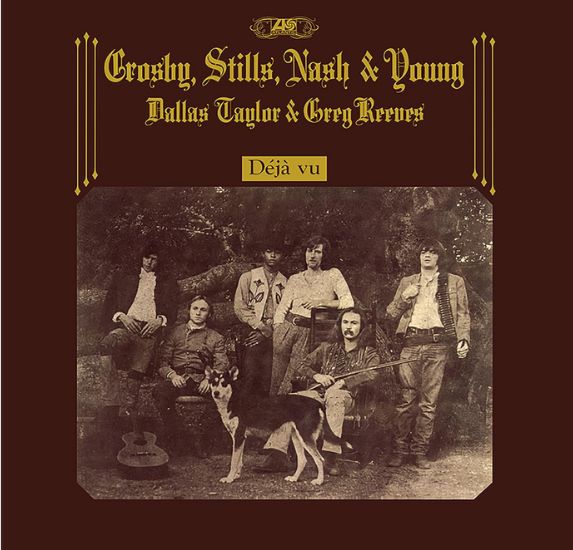
6. Crosby, Stills, Nash & Young – Déjà Vu (1970)
While their debut was the sound of three men in love, Déjà Vu is the sound of four men in the middle of a divorce. The harmonies are still there, but they are layered over a deep, emotional unease. Recorded in the wake of personal tragedies – including the death of David Crosby’s girlfriend – the album is haunted by themes of loss and the realization that 'we have all been here before'. Neil Young’s 'Helpless' and the title track evoke a sense of spiritual exhaustion, making it clear that even the counterculture’s supergroup couldn't escape the encroaching darkness.
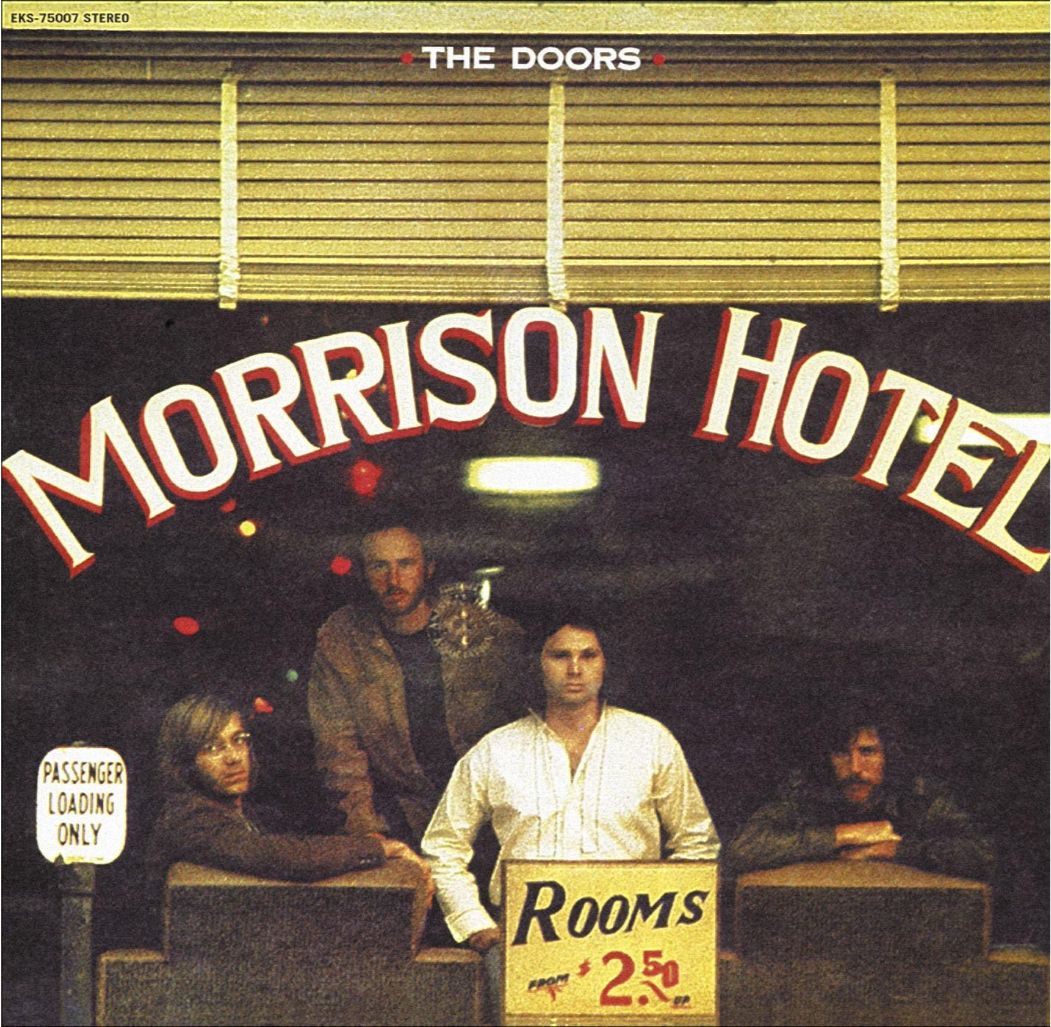
7. The Doors – Morrison Hotel (1970)
After the psychedelic excesses of The Soft Parade, The Doors returned to a gritty, blood-and-guts blues sound on Morrison Hotel. But the 'peace and love' of 1967's debut is nowhere to be found. Jim Morrison sounds like a man reaching the end of his rope, barking lyrics about 'the end of the night' and 'the blue bus'. Songs like 'Peace Frog' explicitly reference the blood in the streets of Chicago and the ghosts of the decade's victims. It is a hard-boiled, whiskey-soaked record that views Los Angeles not as a playground, but as a 'strange night of stone'.
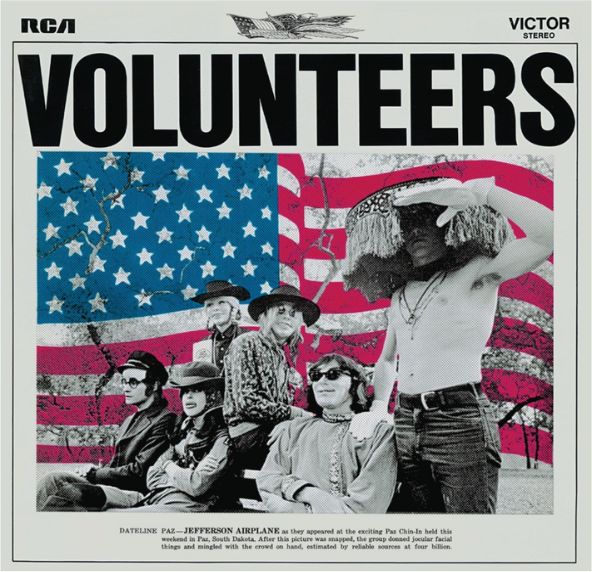
8. Jefferson Airplane – Volunteers (1969)
By 1969, Jefferson Airplane had traded the 'White Rabbit' whimsy for a militant, revolutionary stance. Volunteers is a call to arms that feels increasingly desperate. Songs like 'We Can Be Together' use profanity to shock the establishment, while 'Eskimo Blue Day' carries a mournful, elegiac tone about the destruction of the environment. The acid dream here is being weaponized and politicized, but there’s an underlying sense that the band is fighting a war they’ve already lost. It is a loud, angry, and defiant epitaph for the Haight-Ashbury era.
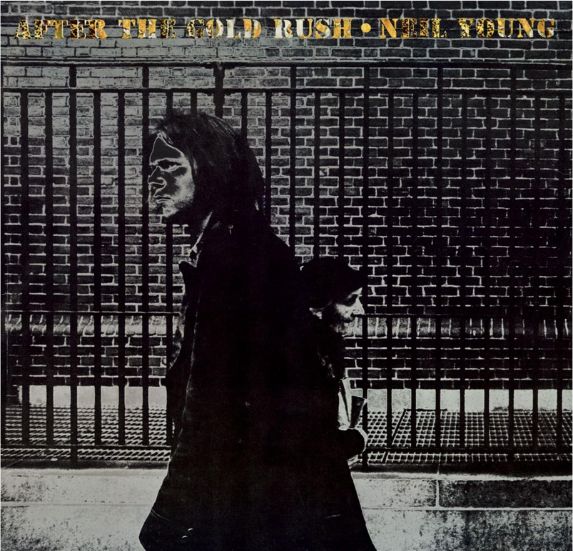
9. Neil Young – After the Gold Rush (1970)
Neil Young’s 1970 masterpiece is often described as the 'morning after' the 1960s. It is a fragile, heartbreaking record that deals with ecological collapse ('After the Gold Rush') and social unrest ('Southern Man'). Young’s high, cracked voice sounds like a man waking up from a dream he can't quite remember, surveying a landscape that has been irrevocably changed. Neither a protest nor a celebration, the album is the sound of disillusionment beautifully distilled, marking the point where the 60s golden promise melted into a cold, human reality.
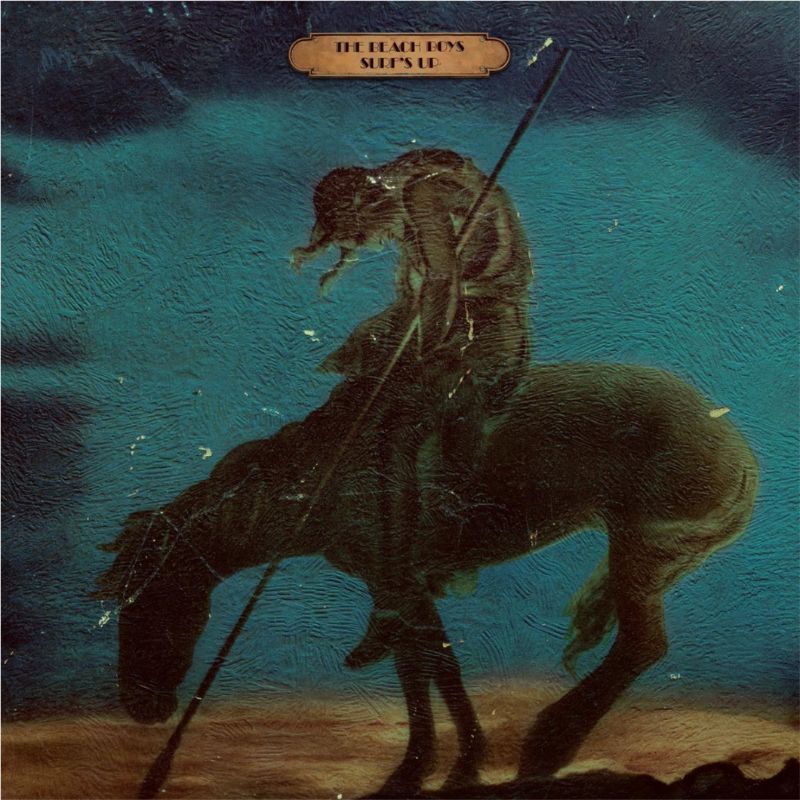
10. The Beach Boys – Surf's Up (1971)
The Beach Boys were the quintessential all-American band of the early 60s, which makes the darkness of Surf's Up even more jarring. The cover – a sculpture of a bowed, sombre horseman – signals a total shift in gear. The title track, a leftover from the legendary SMiLE sessions, is a masterpiece of baroque psychedelia that laments the ruin of the world. With Brian Wilson retreating into drug addiction and mental illness, the band’s 'California Girls' optimism had been replaced by a haunting, ecological and spiritual dread.
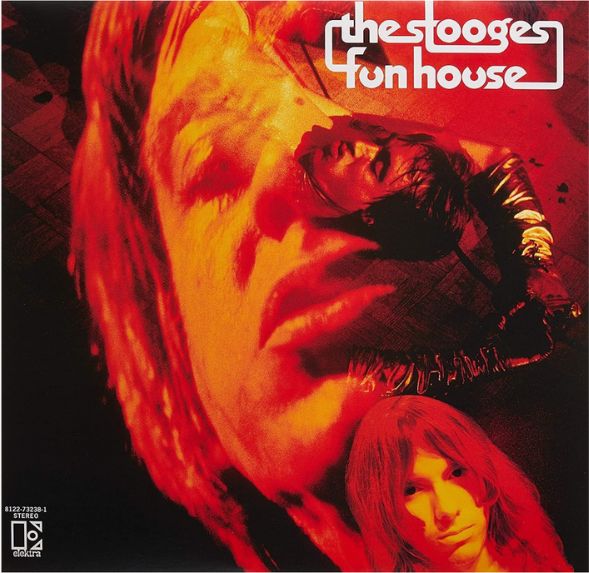
11. The Stooges – Fun House (1970)
While the 60s preached communal harmony, Fun House preached primal, solitary chaos. Recorded in a room at high volume to capture their live ferocity, the album is a violent, percussive assault. Iggy Pop’s vocals are less about singing... and more about an animalistic roar. The closing track, 'L.A. Blues', is a flurry of noise and disoriented drumming that perfectly encapsulates the feeling of being lost in the smoke and riots of Detroit at the dawn of the new, uncertain decade.
10 more albums that soundtrack the end of the Sixties dream
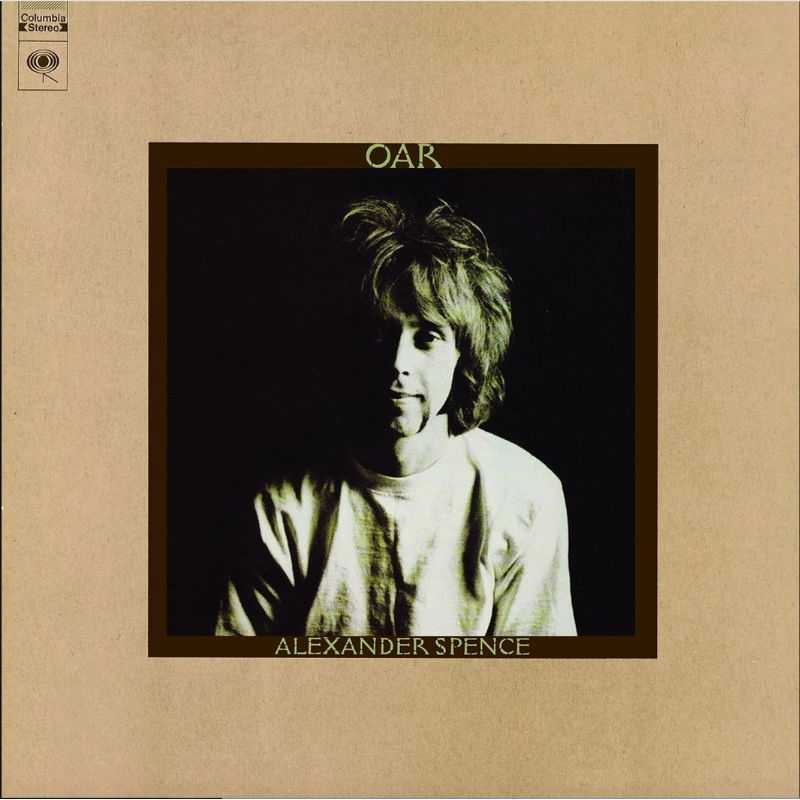
12. Skip Spence – Oar (1969)
Skip Spence’s Oar is the loneliest of the late-’60s psychedelic fallout records: a whispered, skeletal document recorded after psychiatric hospitalization and personal collapse. Where the decade’s dream promised collective enlightenment, Oar sounds like its solitary aftermath: fragile rhythms, ghostly country-folk, and lyrics that feel half-remembered from some private hallucination. There’s no protest, no utopia, no commune: just a damaged psyche tracing jagged outlines of feeling. It closes the ’60s curtain not with drama, but with numb, disquieting quiet.
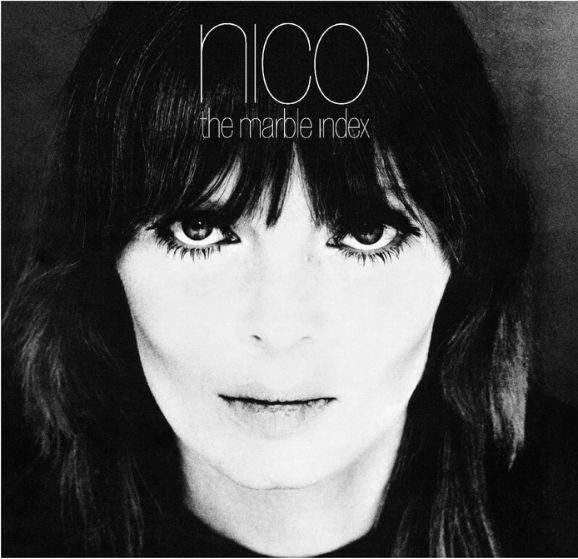
13. Nico – The Marble Index (1968)
If the 60s were a party, The Marble Index is the sound of the morgue the morning after. Produced by John Cale, the album is a stark departure from the folk-pop of Nico’s debut. Centred around her droning harmonium and deep, sepulchral vocals, it feels completely untethered from the rock tradition. A bad-trip masterpiece that sounds like a Medieval funeral rite transmitted through a broken radio, The Marble Index effectively killed Nico's mid-60s 'it-girl' persona, replacing it with a cold, gothic avant-garde that would eventually pave the way for industrial music.
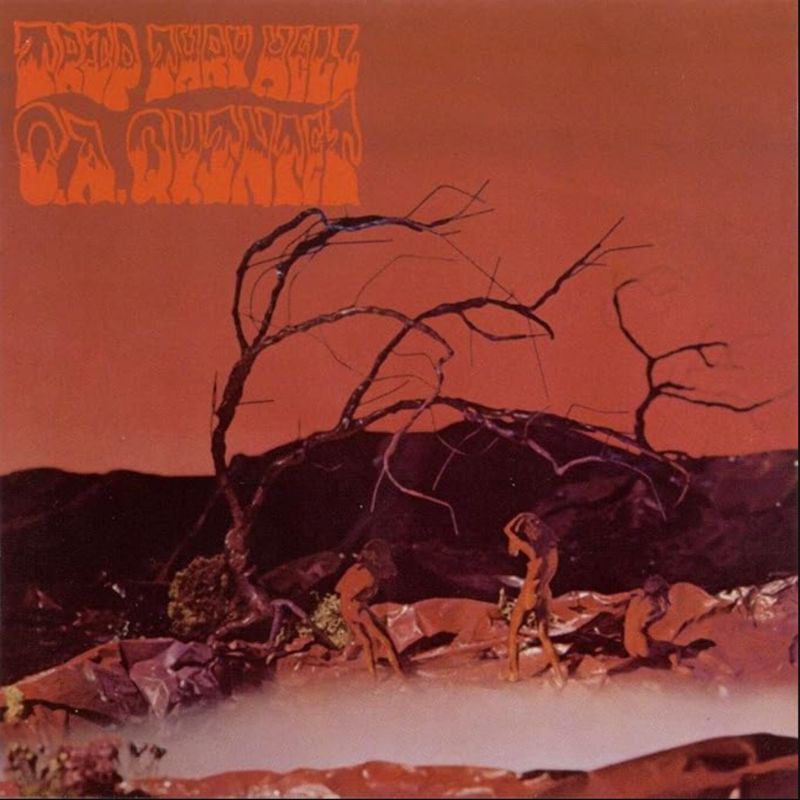
14. C.A. Quintet – Trip Thru Hell (1969)
A genuine holy grail of dark psychedelia, this Minneapolis band's only album is exactly as terrifying as its title suggests. While their peers were singing about sunshine, Ken Erwin was crafting a murky, macabre vision filled with spooky keyboards, screaming trumpets, and demented guitar distortions. The nine-minute title track is a descent into a lysergic underworld, using eerie background vocals and phasing drums to create a sense of claustrophobia. It is one of the few records that captures the scarier side of the drug experience – the moment the expansion of the mind leads to a confrontation with the devil.
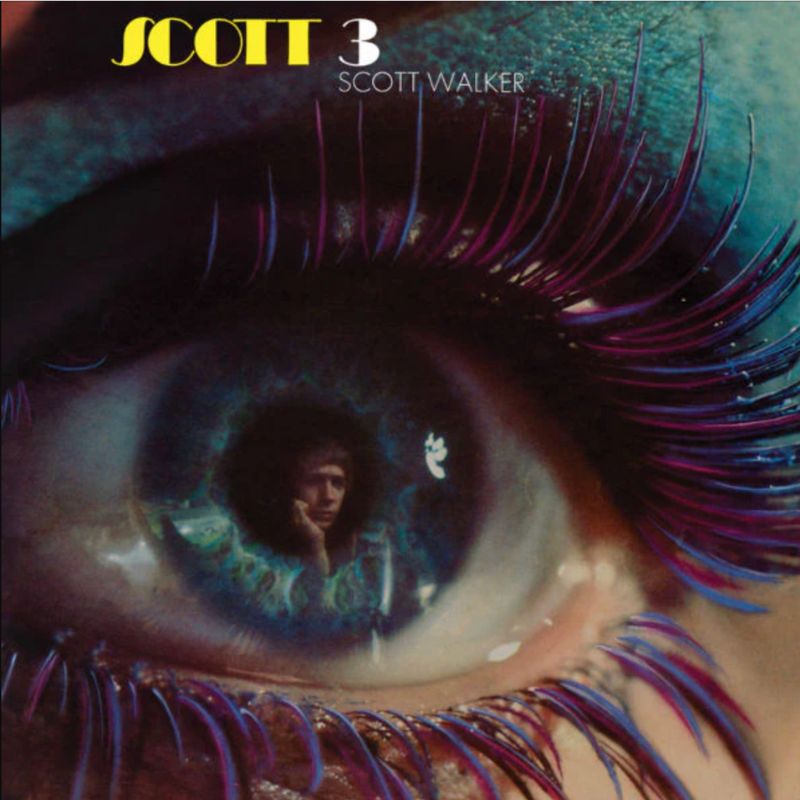
15. Scott Walker – Scott 3 (1969)
Scott Walker’s move from pop crooner to avant-garde recluse reached a chilling milestone with Scott 3. The record is a collection of contemplative, somber songs surrounded by a string section that feels thick with darkness. 'It's Raining Today' is grey and misty, while 'Big Louise' tells the story of an aging trans woman with a level of empathy and gloom that pop music simply didn't possess in the mid-60s. Walker’s voice remains beautiful, but he is using it to explore the 'strange seas of Thought, alone', far removed from the sunshine of his earlier hits.
16. The Moody Blues – Seventh Sojourn (1972)
Although released slightly later, Seventh Sojourn was the final document of the Moodies' classic' era, recorded during a period of immense internal pressure and unhappiness. The optimism of their early 'cosmic' records had vanished, replaced by songs like 'Isn't Life Strange' and 'I'm Just a Singer (In a Rock and Roll Band)', which expressed a weary scepticism about the band's role in the world. It is a lush, Mellotron-heavy record that feels less like an exploration of the universe and more like a retreat into a melancholy, introspective solitude.
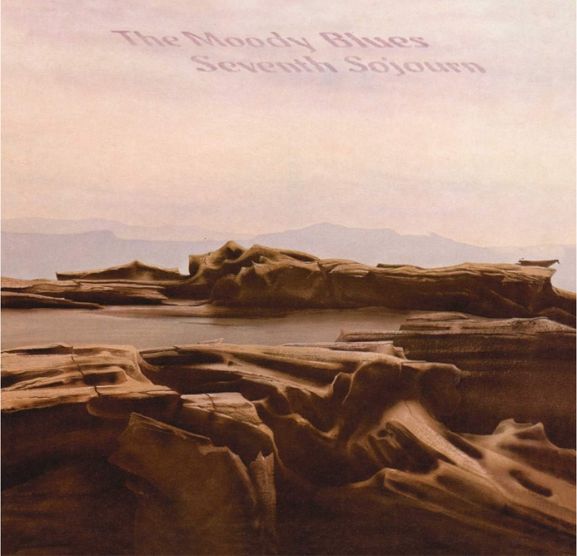
- We named this album as part of one of rock's most legendary album runs
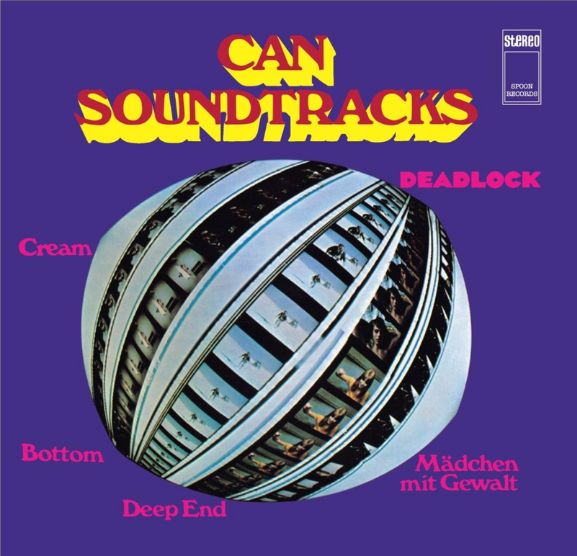
17. Can – Soundtracks 1970
Krautrock’s anti-flower-power manifesto. Can take the dissolving counterculture and run it through post-war European surrealism, musique concrète, and cosmic improv. The result is cold grooves, ritualistic repetition, and a motorik futurism utterly free of psychedelic whimsy. Where late-’60s Anglo-American rock still flirted with utopia, Soundtracks feels like a rehearsal for the 1970s – urban, anxious, and technologically altered. It’s a sonic world with zero nostalgia for the decade ending behind it, and even less patience for sentimentality.
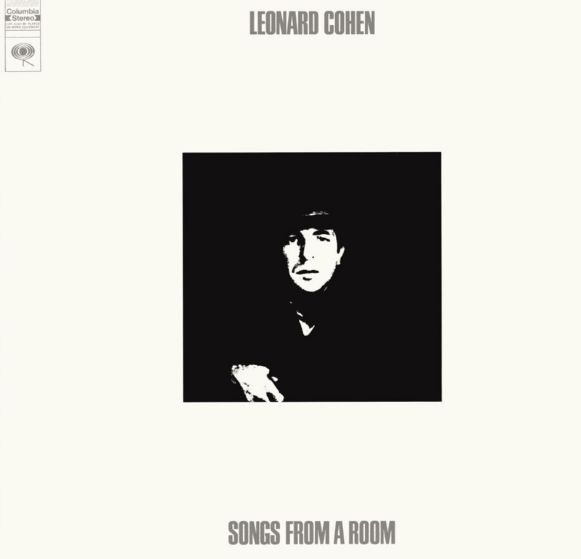
18. Leonard Cohen – Songs from a Room (1969)
While his peers were experimenting with studio wizardry and 'wall of sound' production, Leonard Cohen retreated into a stark, clinical minimalism. Recorded in Nashville but sounding like it was tracked in a cold prison cell, this album is the antithesis of the 1960s' communal warmth. From the opening 'Bird on the Wire', Cohen explores themes of entrapment, betrayal, and the failure of romantic and political ideals. It is a lonely, unadorned record that served as a sobering reality check for a generation that had grown drunk on its own myth-making.
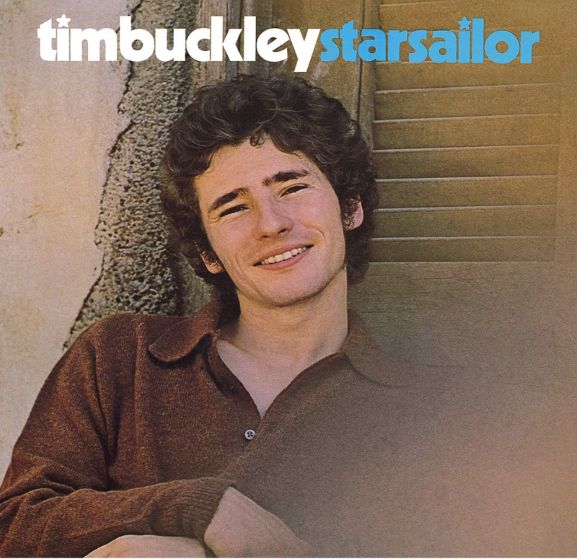
19. Tim Buckley – Starsailor (1970)
Jazz, folk, and avant-garde impulses collide into something deeply alien. On Starsailor, Buckley pushes the singer-songwriter concept far beyond confession or catharsis, toward outright psychic exposure. His voice becomes an instrument searching for shape rather than sentiment, darting between operatic wails and whispered tremors. Nothing about it feels communal or utopian: the classic ’60s dream is absent. Instead, the album occupies a solitary, uncomfortable interior space, where beauty and panic coexist without resolution.
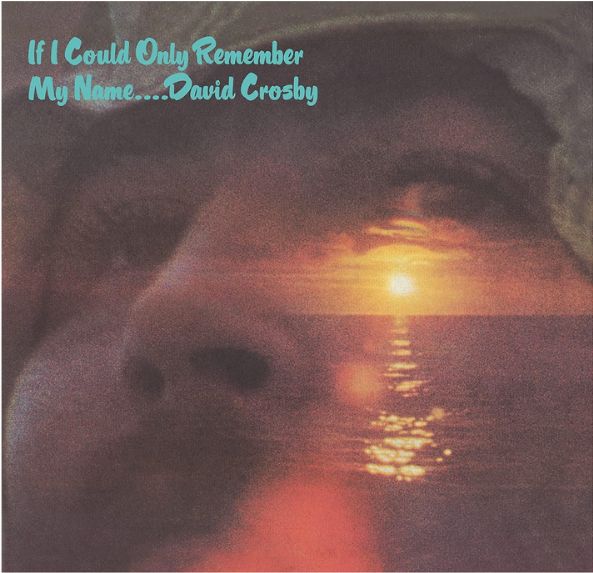
20. David Crosby – If I Could Only Remember My Name (1971)
Crosby’s solo debut is a haze of grief, dreamlike harmonies, and narcotic introspection. Instead of the political idealism associated with the Laurel Canyon scene, the album drifts through private mourning – especially in the wake of personal tragedy and the fracturing of the counterculture. Collaborators from the Dead, Airplane, and CSNY help shape an airy, weightless sound, but the emotional mood is heavy. The ’60s aren’t celebrated here; they’re processed like a memory already slipping away.
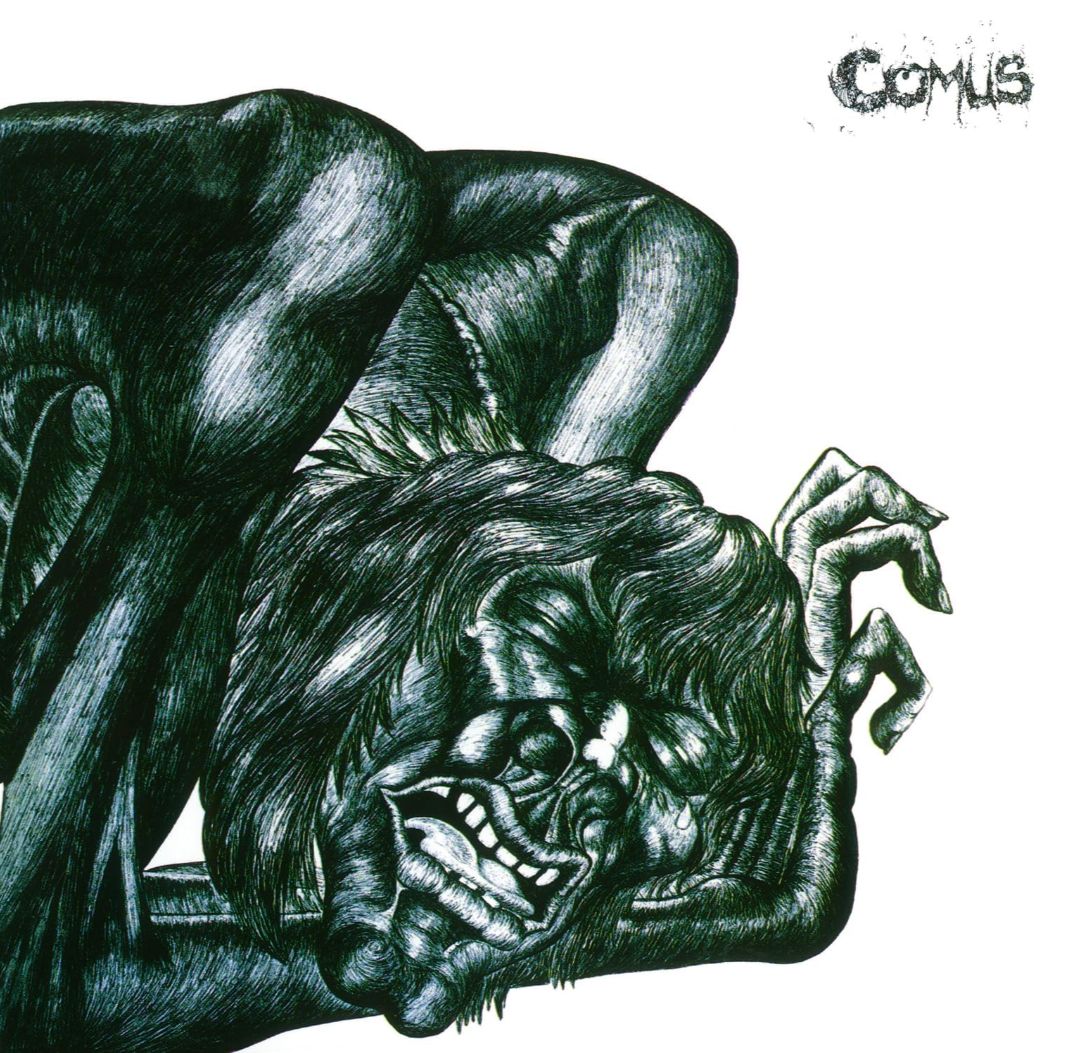
21. Comus – First Utterance (1971)
First Utterance takes the back-to-nature ideal of British folk and drags it into a pagan nightmare of possession, lust, and ritual violence. Instead of pastoral calm, Comus offers twitchy acoustic guitars, shrieks, and predatory melodies that feel half-medieval, half-psychotic. It’s the sound of the commune turning feral: the ’60s folk dream inverted into something ancient, bodily, and unsettlingly ecstatic. Few albums embody the moment when innocence curdled into paranoia with such unnerving precision.
Pics Getty Images