Rock fans love their sacred cows.
Every band seems to have the album: the universally acclaimed masterpiece, the record that appears on every greatest-of-all-time list. Yet lurking in the shadows are albums every bit as rewarding – records overshadowed by bigger-selling predecessors, misunderstood on release, or simply ignored because they didn't fit the prevailing narrative.
Some of these less-fanfared albums marked stylistic detours. Others arrived at awkward moments in a band's career. All deserve a second hearing. From psychedelic gems to hard-rock scorchers, these are 21 albums that may not always dominate the conversation, but absolutely belong in it.
Classic underrated albums
1. Wishbone Ash Argus (1972)
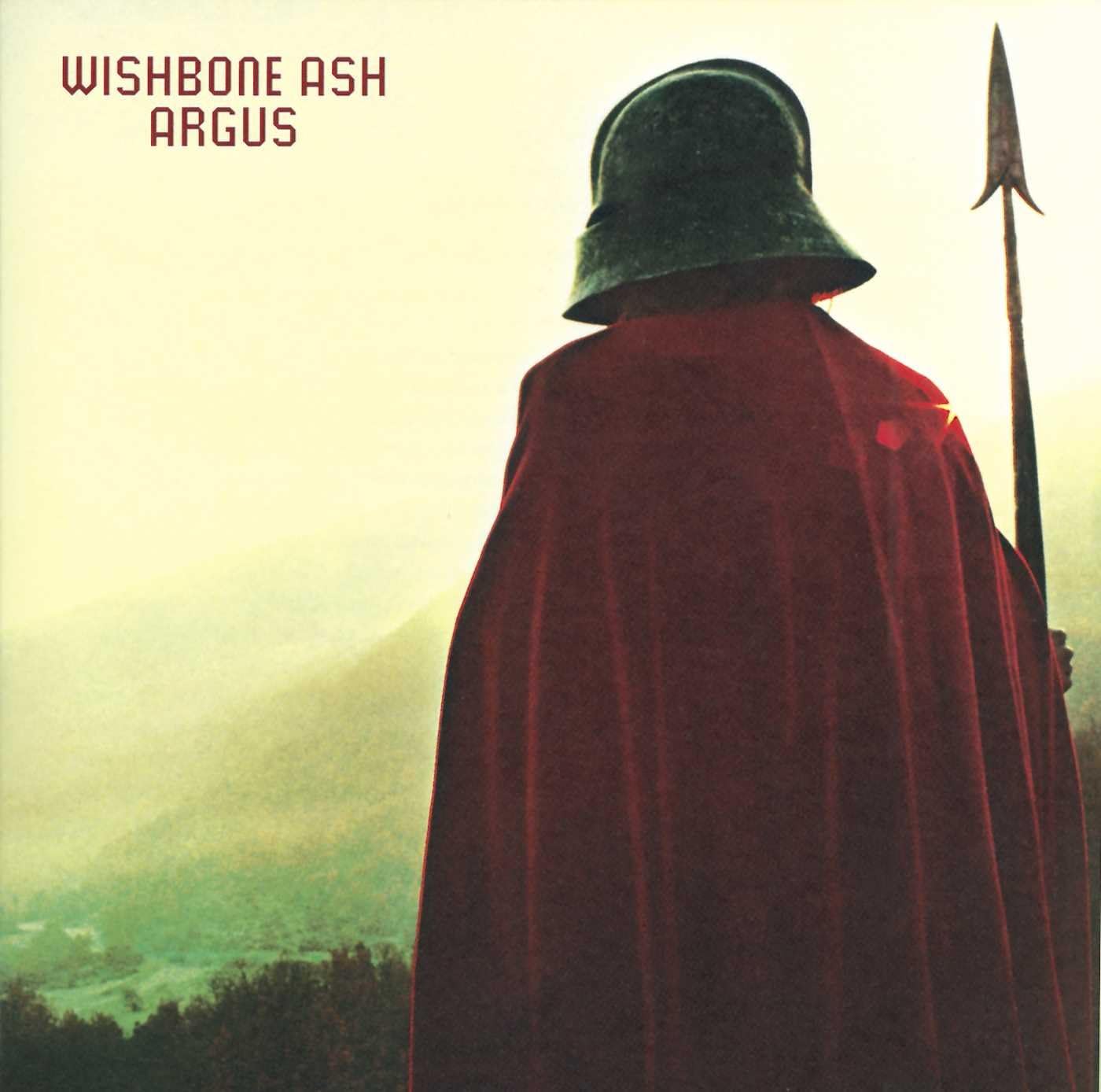
A masterpiece of twin-guitar harmony, Argus seamlessly blends folk melodies, progressive rock structures, and hard rock punch. Guitarists Andy Powell and Ted Turner created a soaring, fluid dual-lead style that heavily influenced the New Wave of British Heavy Metal a decade later. It is a transportive, medieval-tinged journey that remains an absolute high-water mark for seventies guitar playing. Key track: "The King Will Come"
2. Deep Purple Burn (1974)
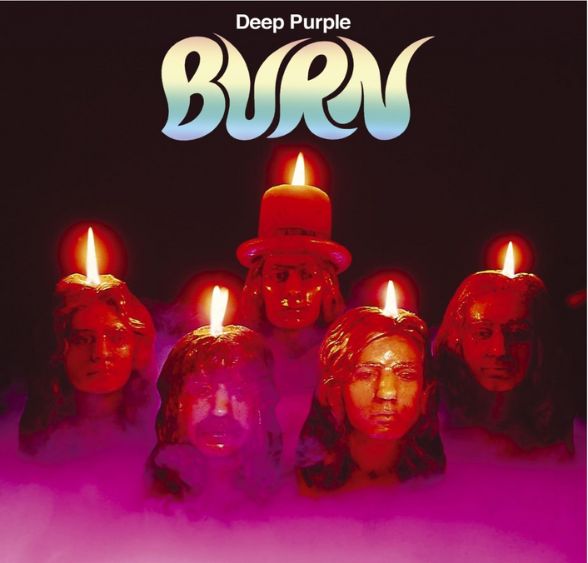
When Ian Gillan and Roger Glover departed, Deep Purple defied the odds by recruiting a completely unknown David Coverdale and bassist Glenn Hughes. The newly christened 'Mark III' lineup debuted with an absolute inferno of a record.
Ritchie Blackmore’s riffs are remarkably sharp, and the dual-vocal attack of Coverdale’s bluesy roar and Hughes’s high-register soul injects a fresh, funk-infused energy into the band’s heavy metal blueprint.
Key track: 'Burn'
3. Blue Öyster Cult Secret Treaties (1974)
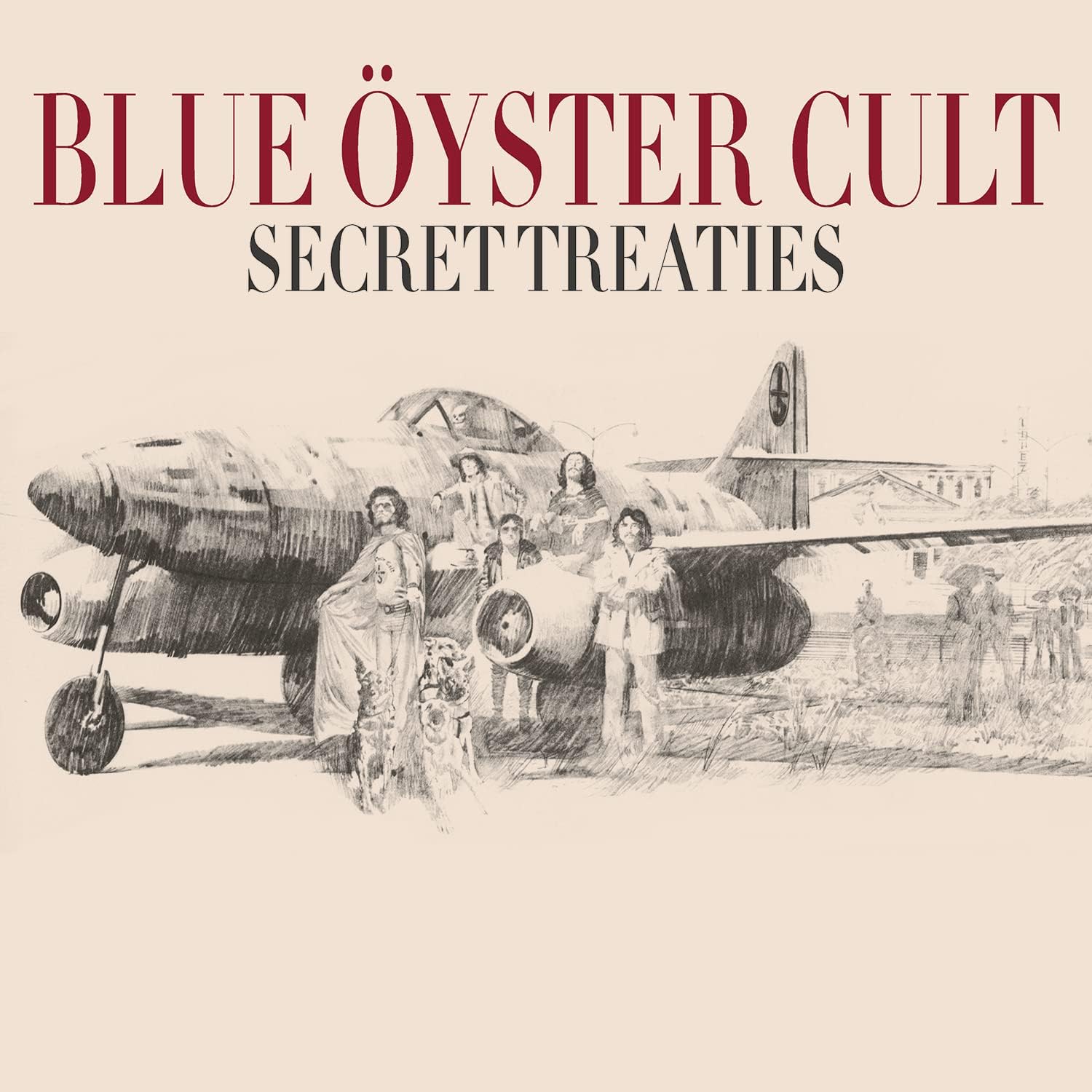
Often eclipsed by the breakthrough success of 1976's Agents of Fortune, Secret Treaties is arguably Blue Öyster Cult’s most fully realised statement. Darker, leaner and more intense than its predecessors, it fuses hard rock precision with lyrical themes of war, paranoia and occult mystery.
The playing is razor-sharp, with intricate guitar interplay and a tight, almost military discipline to the arrangements. While it never produced a massive hit single, its consistency and atmosphere make it a cult favourite – and arguably the band’s most complete album.
Key track: 'Astronomy'
4. R.E.M. New Adventures in Hi-Fi (1996)
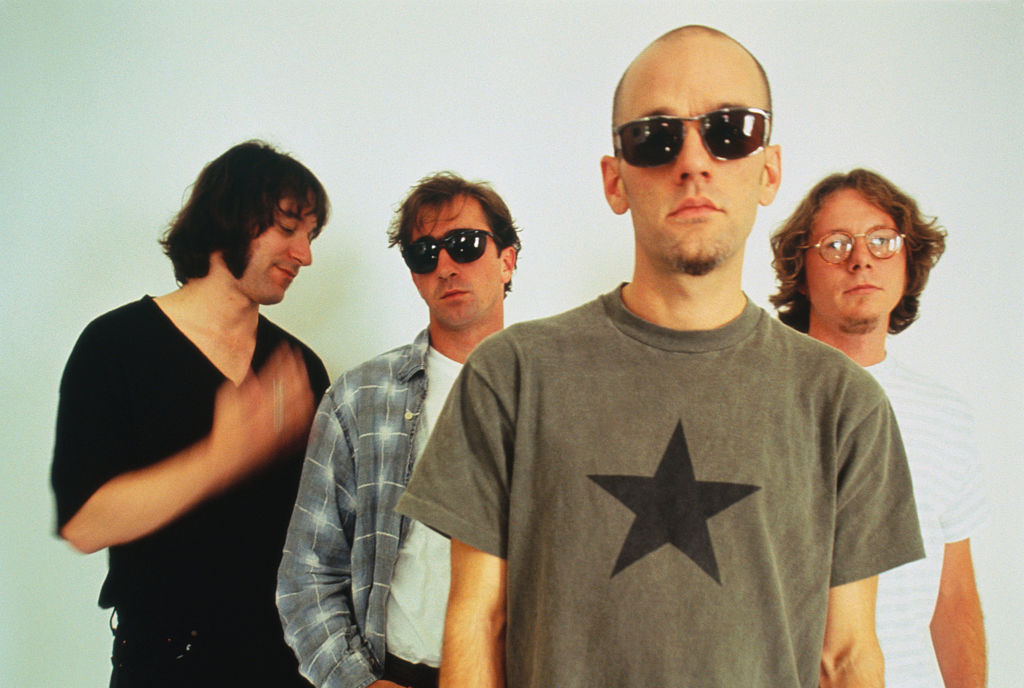
Arriving after the enormous success of Automatic for the People and Monster, New Adventures in Hi-Fi was initially regarded as sprawling and uneven, and it has often remained overshadowed within R.E.M.'s catalogue. That's a shame, because it may be the band's last undisputed masterpiece.
Recorded largely on the road, it captures a group at a creative crossroads, mixing folk, glam, garage rock and atmospheric balladry with effortless confidence. Melancholy, restless and richly textured, it's a sprawling American road album that rewards repeated listening more than almost any other R.E.M. release.
Key track: 'E-Bow the Letter'
5. Bob Dylan Street-Legal (1978)
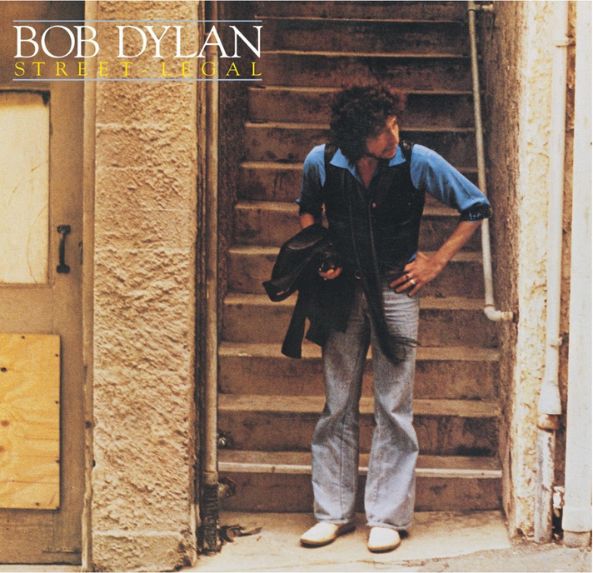
Overshadowed by Dylan's mid-1960s masterpieces and greeted rather coolly by many American critics on release, Street-Legal actually found a warmer reception in Britain, where listeners seemed more receptive to its sweeping arrangements and emotional candour.
Time, though, has been kind to Dylan's 18th studio album. Backed by a large ensemble complete with female vocalists and horns, Dylan sounds passionate, vulnerable and energised, delivering songs that wrestle with love, faith and personal confusion. It's messy in places, certainly, but gloriously alive – and far more substantial than its once-shaky reputation suggested.
Key track: 'Where Are You Tonight? (Journey Through Dark Heat)'
6. Rush Counterparts (1993)
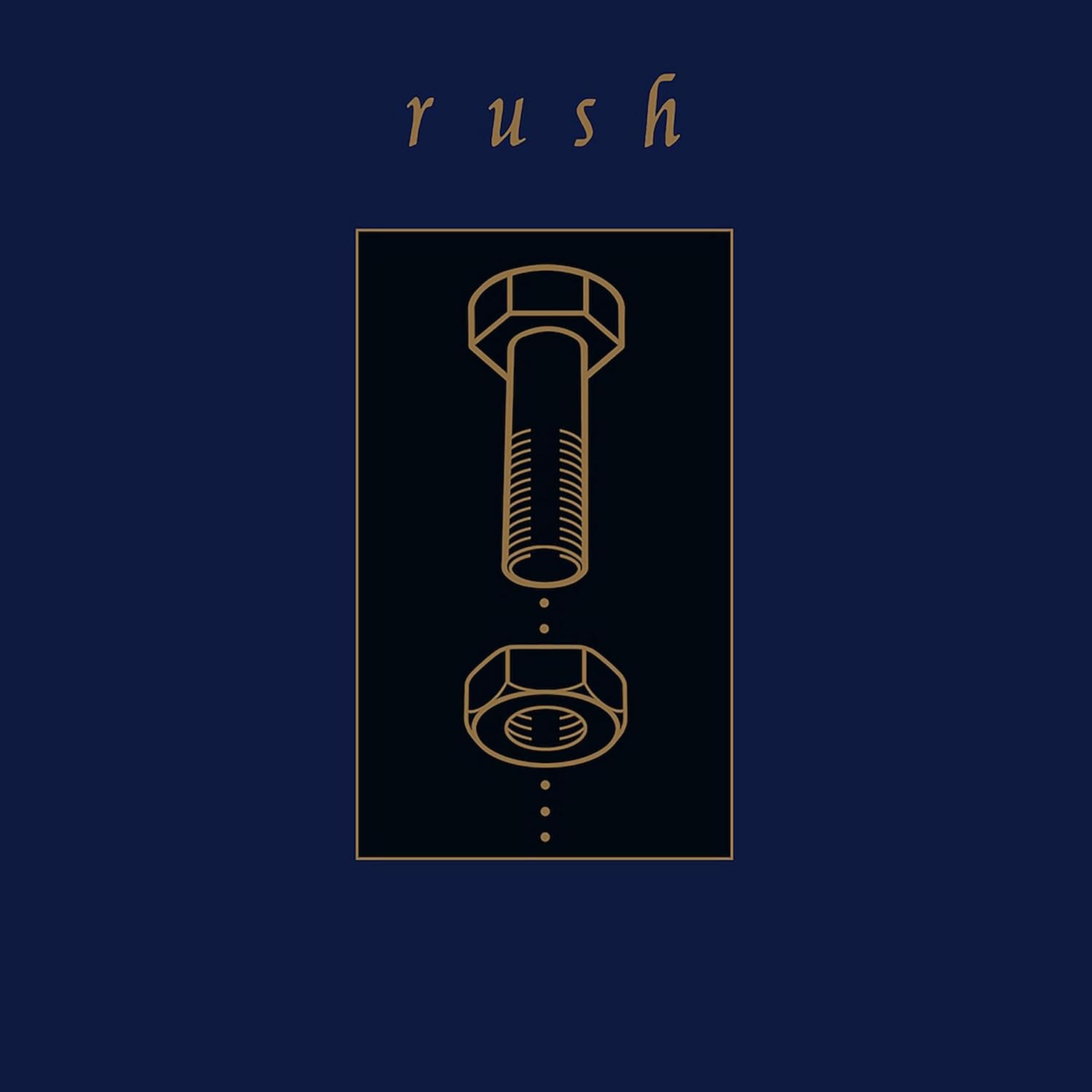
Often overshadowed by the grand concepts of 2112, Moving Pictures and Permanent Waves, Counterparts deserves recognition as one of Rush's strongest latter-day albums. After years of increasingly polished, keyboard-heavy productions, the trio rediscovered a harder-edged, guitar-driven sound without sacrificing their intelligence or melodic instincts.
The songs are leaner, more direct and surprisingly emotional, with themes of love, connection and vulnerability adding real depth. Three decades on, it stands as a powerful reminder that Rush's creative peak lasted far longer than many critics admit.
Key track: Animate
7. The Who Who Are You (1978)
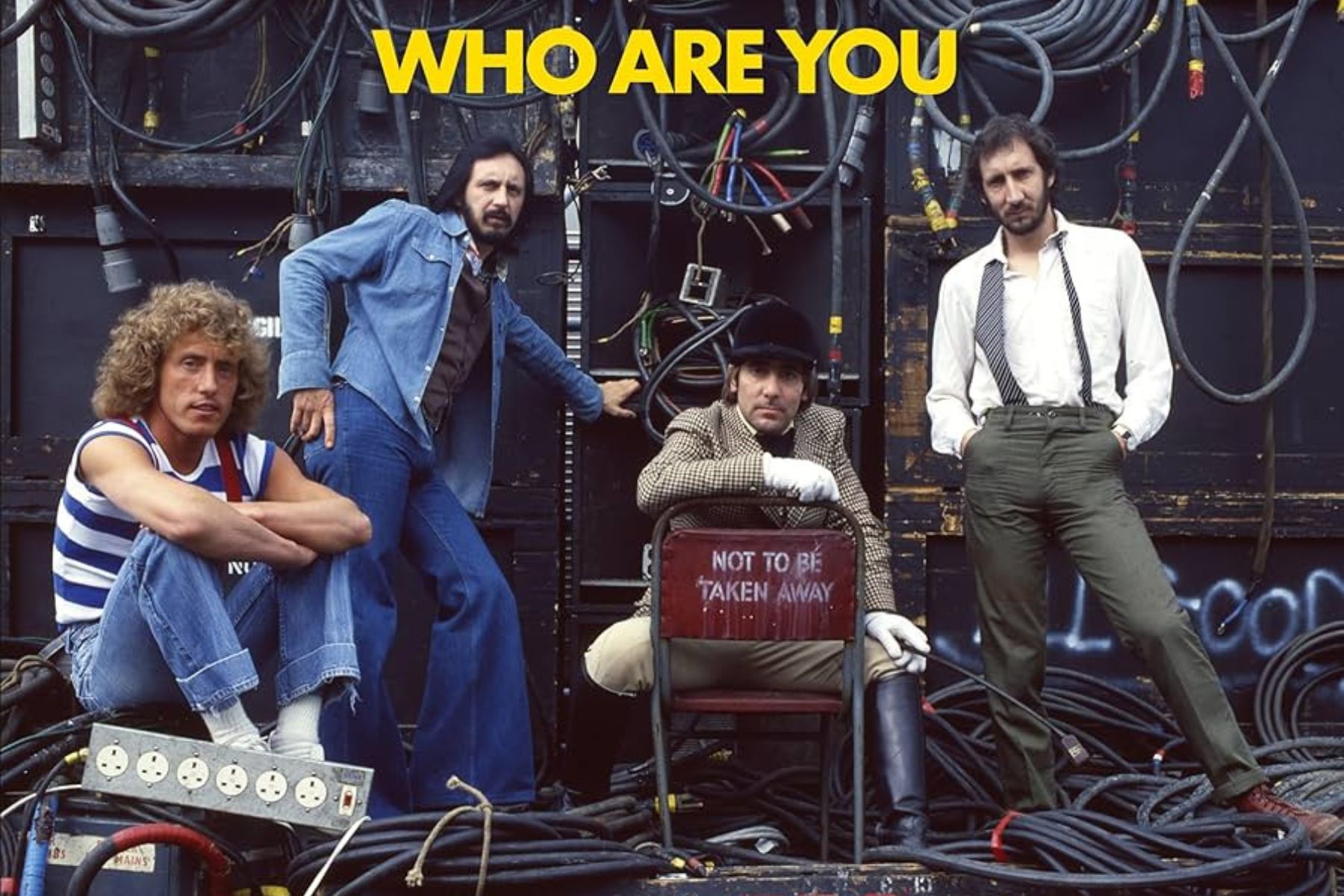
Released just weeks before the tragic passing of drummer Keith Moon, this album is frequently neglected in favour of The Who's 'peak era', early 1970s triumphs. That is a massive oversight. Pete Townshend was experimenting heavily with synthesizers, weaving intricate electronic textures into the band's aggressive rock foundation. The songwriting is mature, self-reflective, and occasionally cynical, capturing a legendary band staring down the arrival of punk rock.
Key track: 'Who Are You'
- The Who: all 12 studio albums, ranked (our No. 1 might surprise you)
- The 1970s were the Golden Age of the rock album. Here's the greatest LP from each '70s year
8. The Kinks Arthur (Or the Decline and Fall of the British Empire) (1969)
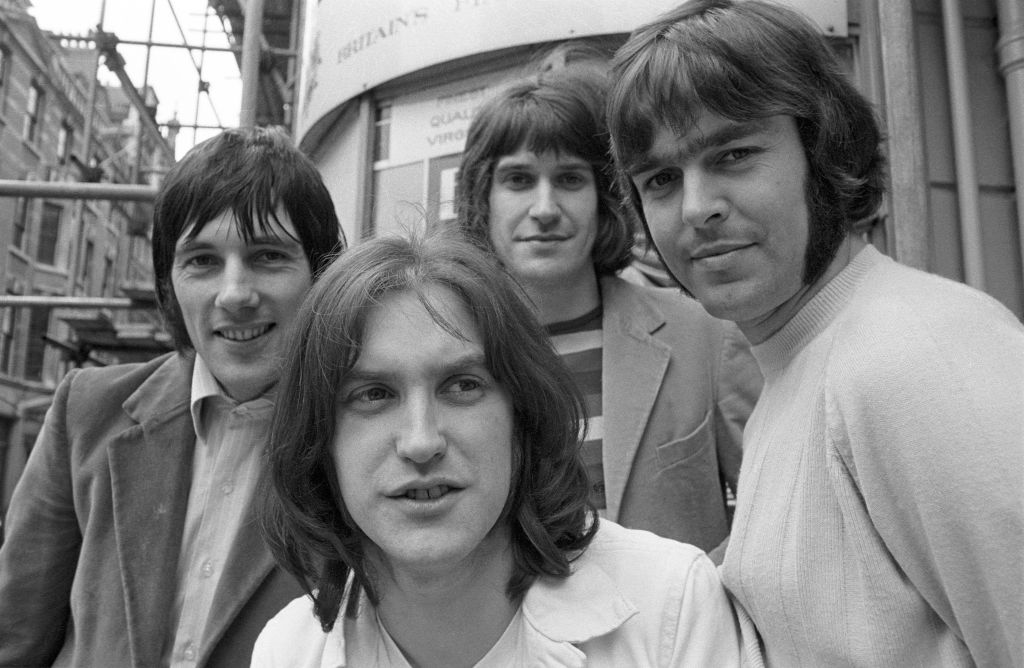
Released the same year as The Who's Tommy, Ray Davies’s brilliant rock opera was unfairly eclipsed by its American-facing competitor. Arthur is a moving, witty, and deeply empathetic concept album tracking a post-war English family's emigration. Musically, it is spectacular: stuffed with razor-sharp guitar hooks, brass arrangements, and some of the finest melodic songwriting of the late sixties.
Key track: 'Shangri-La'
9. Pretty Things Parachute (1970)
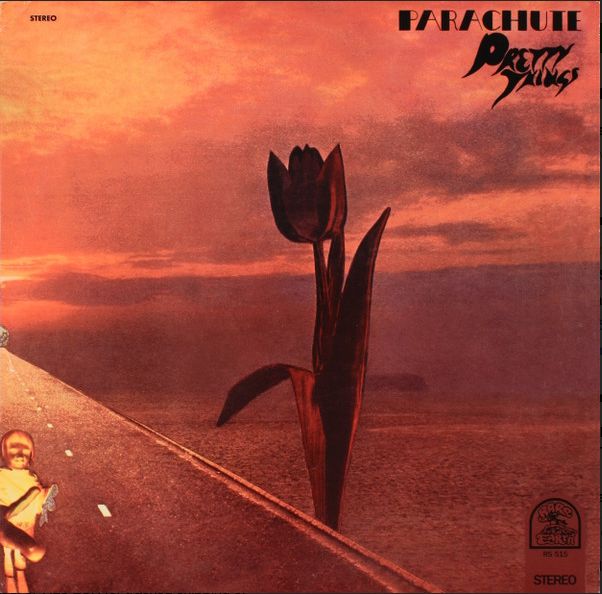
Named Rolling Stone’s album of the year in 1970 but completely ignored by record buyers, Parachute is a gorgeous, tragic web of psychedelic rock and early power pop. It captures the exact moment the utopian dreams of the sixties crashed into the harsh realities of the new decade. The vocal harmonies are stunning, and the intricate acoustic-to-electric transitions mirror the work of the Beatles or Pink Floyd.
Key track: 'Cries from the Midnight Circus'
10. Elvis Costello Imperial Bedroom (1982)
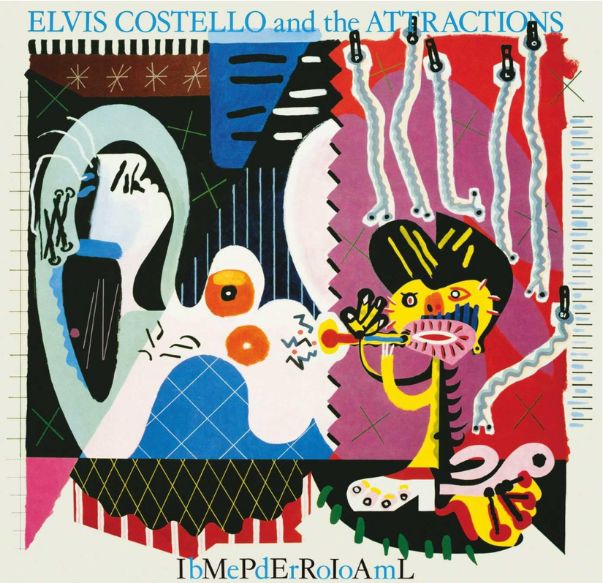
Imperial Bedroom is widely admired by critics, yet still feels underheard compared to Costello’s earlier punk-edged breakthrough or later iconic singles. Produced with baroque, almost orchestral ambition, it blends biting lyricism with intricate pop craftsmanship at its most sophisticated.
The Attractions sound both tight and adventurous, navigating sudden shifts in mood and style. It’s an album of psychological detail and musical invention, where cynicism and romanticism sit side by side, often within the same line.
Key track: 'Man Out of Time'
11. Grand Funk Railroad E Pluribus Funk (1971)
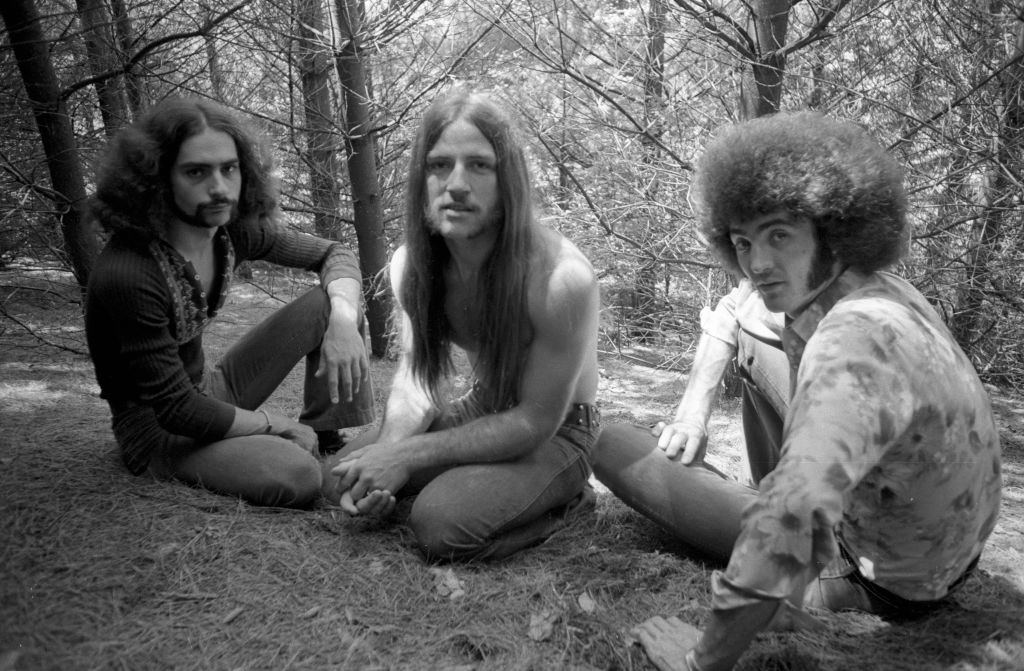
Housed in a round, silver coin-shaped sleeve, the fifth album from Flint, Michigan's Grand Funk Railroad captures the definitive power trio at the absolute peak of their hard-rock powers. Mel Schacher’s distorted, thunderous bass lines dominate the mix, driving Mark Farner’s primal guitar riffs forward. It is raw, sweat-soaked, and fiercely political American stadium rock that was loved by the fans and completely loathed by the highbrow music press.
Key track: 'Footstompin' Music'
12. Argent All Together Now (1972)
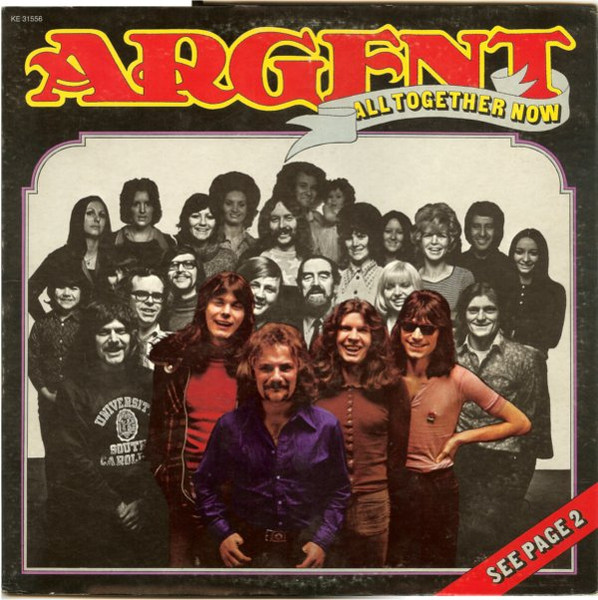
Formed by Rod Argent after the breakup of The Zombies, this outfit combined progressive rock ambition with irresistible pop sensibilities. While it spawned a massive hit single, the rest of the record is a treasure trove of sophisticated musicianship, soaring vocal harmonies, and jazz-inflected organ solos that deserve far more recognition than they receive.
Key track: 'Hold Your Head Up'
13. Billy Squier Don't Say No (1981)
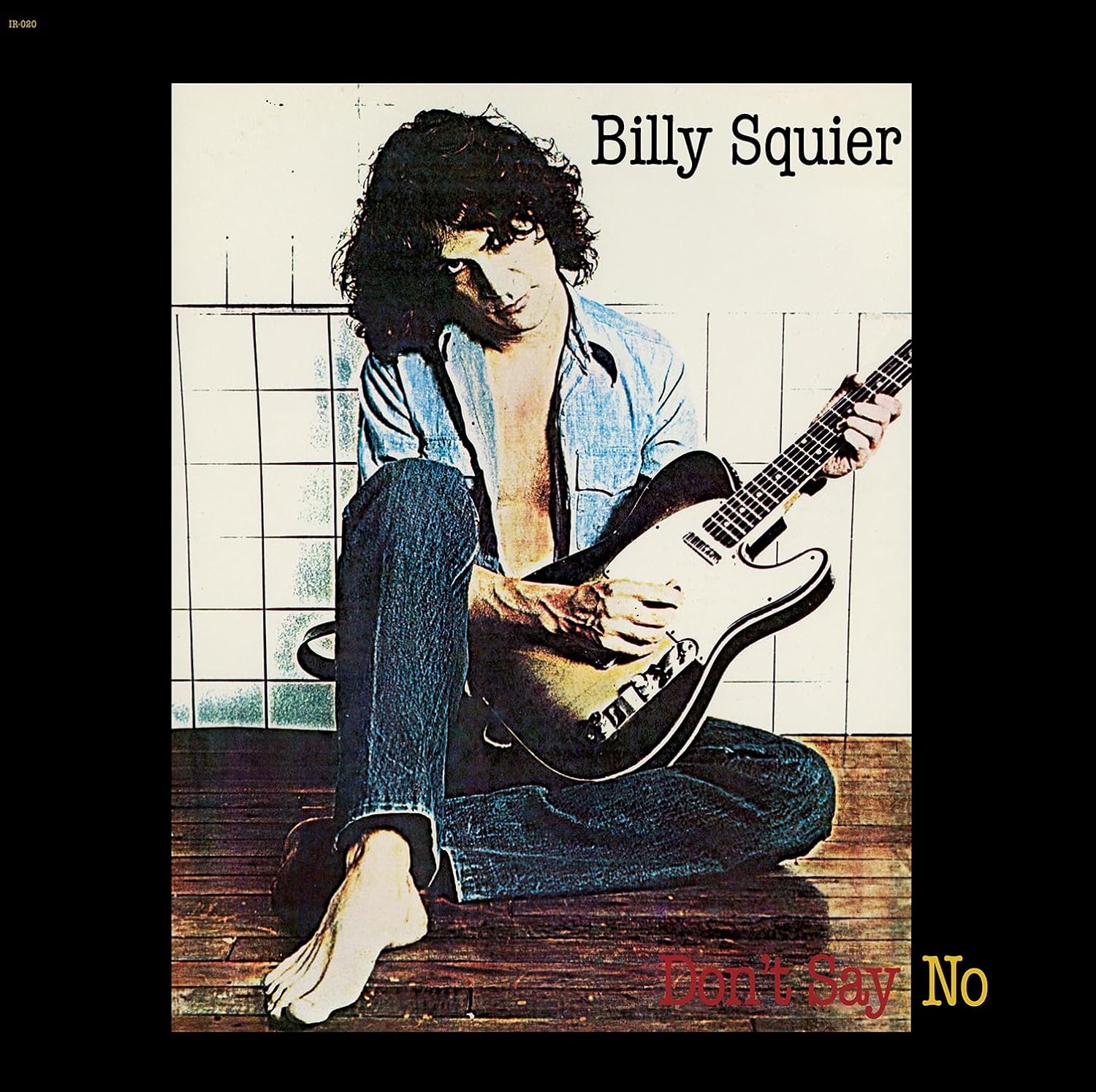
Though highly successful at the time, this record's legacy was unfairly tarnished by a infamous music video choices later in Squier's career. Strip away the visuals and you are left with one of the greatest hard-rock pop records ever pressed. The drums are massive, the riffs are minimalist and hooky, and the production is incredibly crisp, serving as a massive influence on modern rock and hip-hop sampling alike.
Key track: 'In the Dark'
14. The Moody Blues Seventh Sojourn (1972)
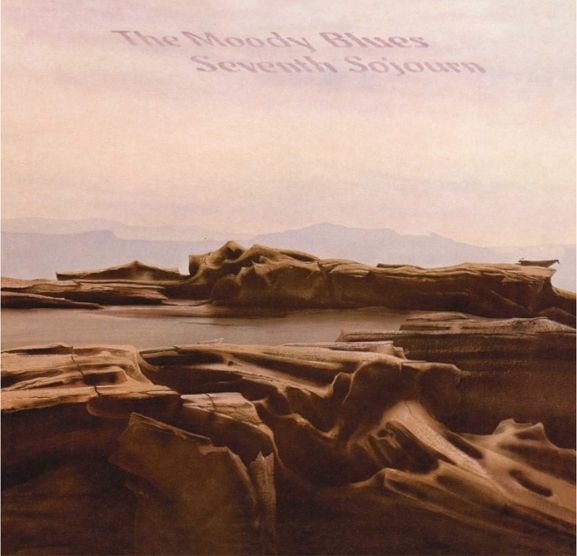
Before taking an extended hiatus, The Moody Blues peaked with this lush, politically charged masterpiece. While often overshadowed by Days of Future Passed, this record perfectly balances their signature symphonic grandeur with a biting, post-sixties disillusionment.
Mike Pinder’s pioneering use of the Chamberlin keyboard creates a rich, sweeping orchestral landscape without a single real string instrument in the studio. It is a dense, melancholic, and deeply beautiful farewell to the band's core era.
Key track: 'I'm Just a Singer (In a Rock and Roll Band)'
15. Todd Rundgren Something/Anything? (1972)
While highly regarded by audiophiles, this sprawling double album remains an underrated monument to pop-rock genius. Rundgren wrote, sang, played every instrument, and produced three sides of the record entirely by himself. It shifts effortlessly from tender, soulful piano ballads to scorching guitar rock and tongue-in-cheek pop pastiches, serving as a masterclass in solo studio wizardry.
Key track: 'I Saw the Light'
16. The Wallflowers Bringing Down the Horse (1996)
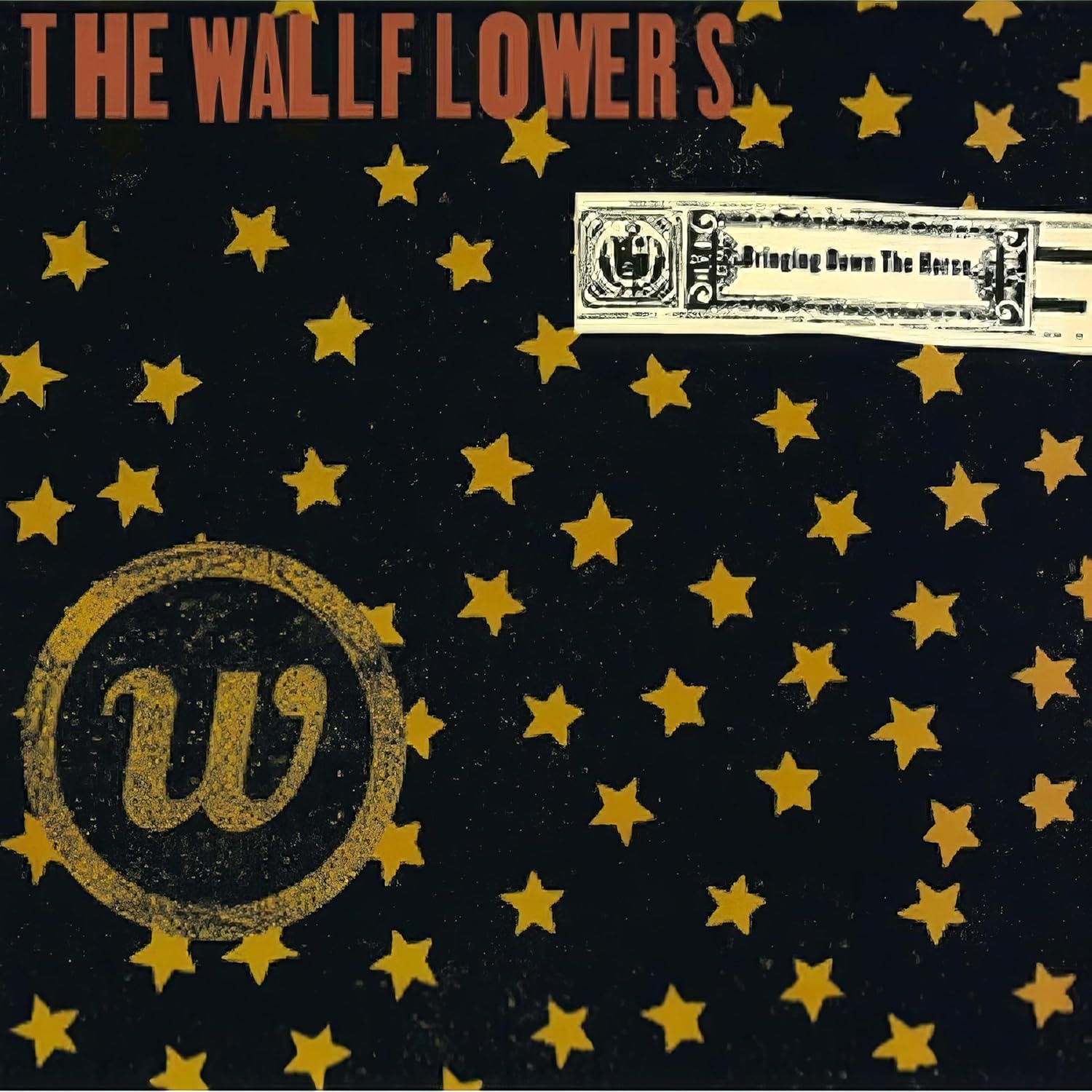
Bringing Down the Horse is often remembered for its ubiquitous hit single 'One Headlight', but the album as a whole is a far more assured and cohesive statement than its radio saturation suggests. The Wallflowers balance classic American heartland rock with a late-90s introspective edge, producing songs that feel both radio-ready and quietly melancholic.
Beneath the polished production, Jakob Dylan’s songwriting carries a weary emotional weight that rewards deeper listening, making it one of the era’s more unjustly under-credited mainstream rock records.
Key track: '6th Avenue Heartache'
17. Uriah Heep Salisbury (1971)
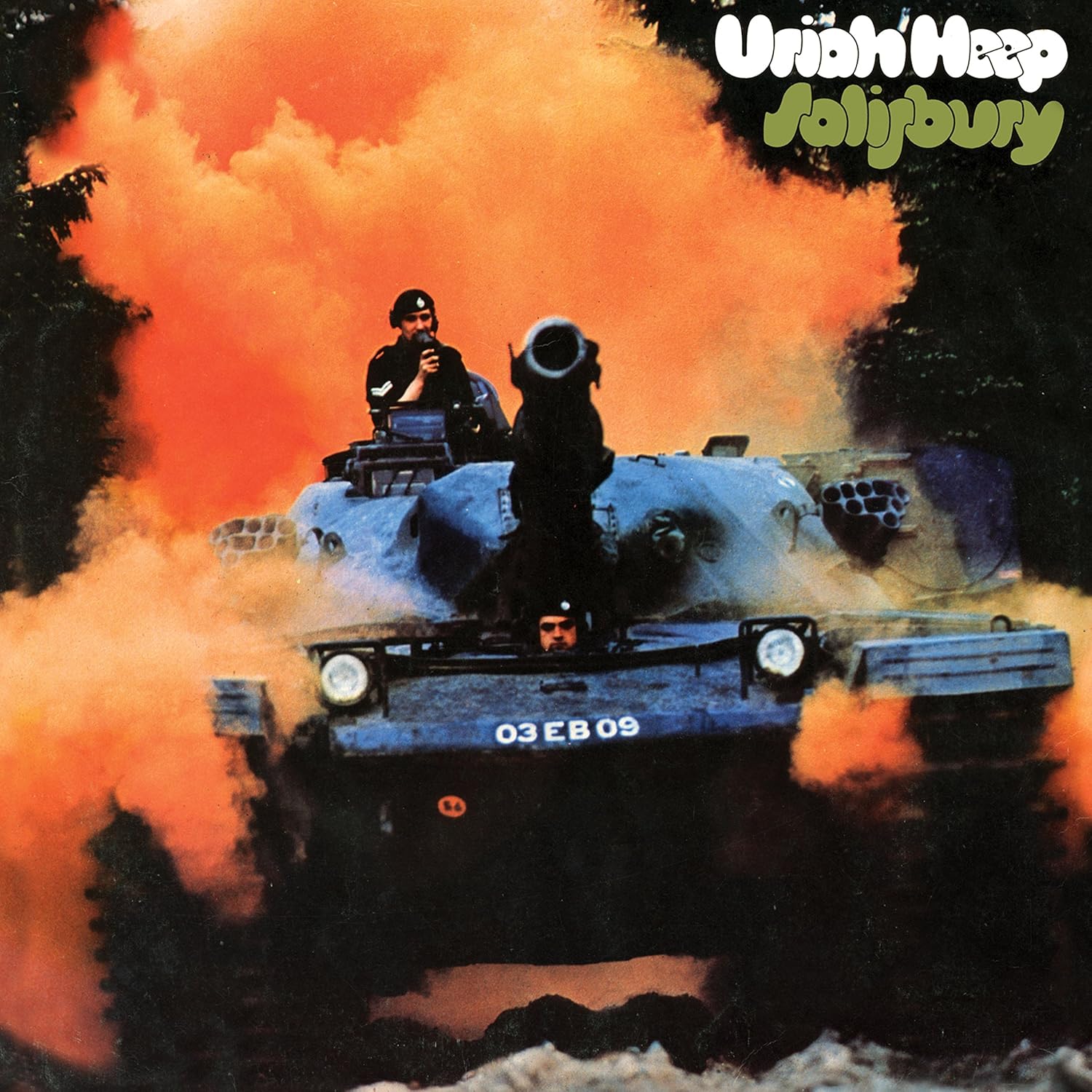
Uriah Heep were routinely bashed by critics of the era, but their 1971 sophomore album is a landmark of progressive heavy metal. The band seamlessly blended massive, distorted Hammond organ riffs with soaring operatic vocals. The centerpiece is a sprawling, 16-minute title track featuring a 26-piece brass and woodwind section. It is ambitious, theatrical, and heavy as lead.
Key track: 'Lady in Black'
18. Riot Fire Down Under (1981)
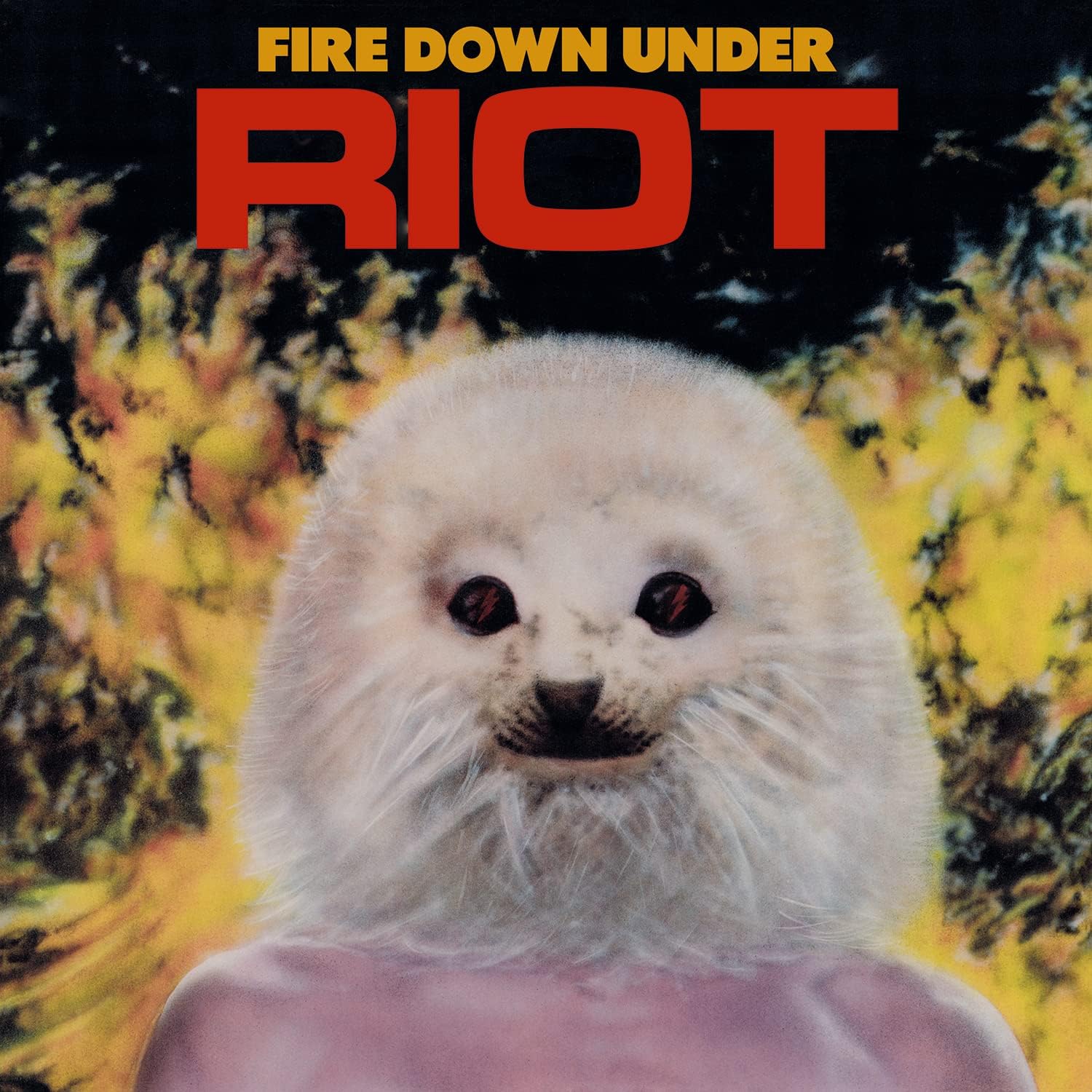
A criminally overlooked gem of American heavy metal. New York's Riot delivered a blazing, hyper-melodic guitar assault that matched the energy of the contemporaneous British metal wave note for note. Guy Speranza’s powerful vocals soar over lightning-fast rhythms, creating a vibrant, high-octane masterpiece that should have made them icons of the eighties metal explosion.
Key track: 'Swords and Tequila'
19. Thin Lizzy Fighting (1975)
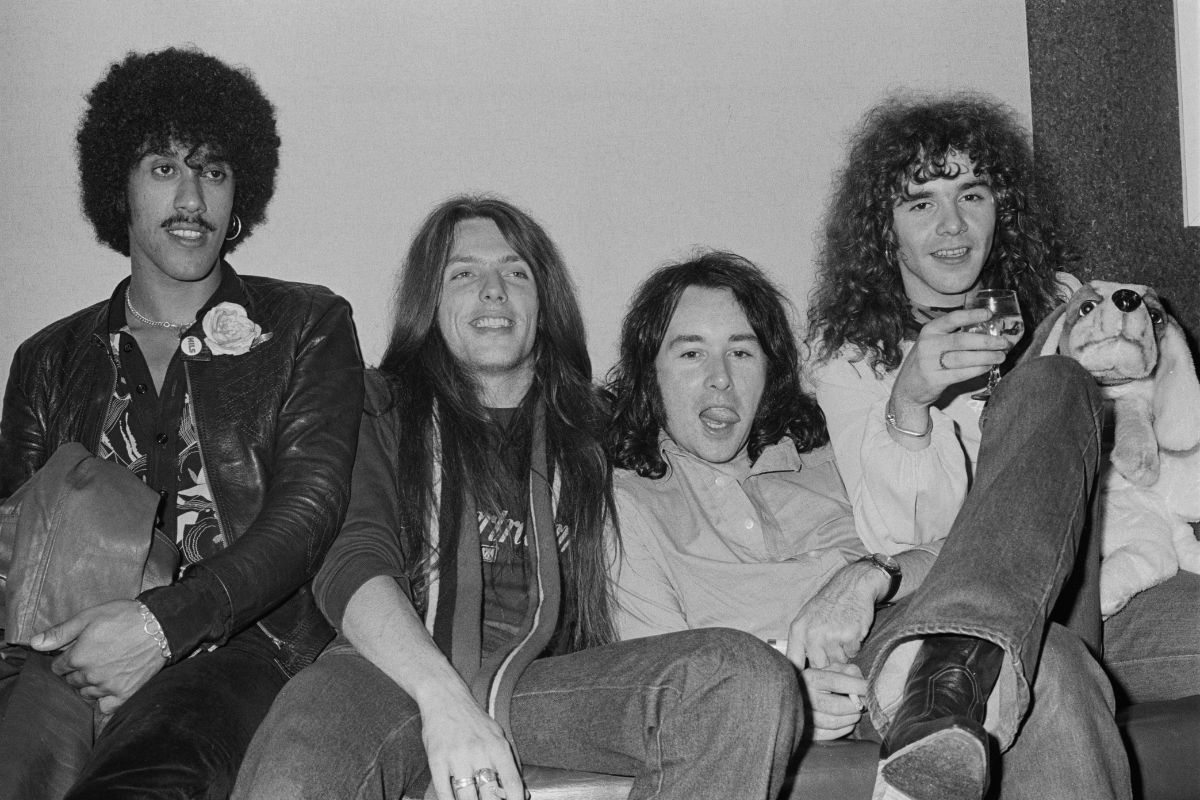
The album where Phil Lynott’s crew truly solidified their twin-guitar attack. Scott Gorham and Brian Robertson locked in, creating the melodic, harmonized guitar sound that became the band's calling card. Blending street-smart poetry, Irish folk melodicism, and heavy rock grooves, this record set the stage for Lizzy's commercial breakthrough the following year.
Key track: 'Wild One'
20. UFO Lights Out (1977)
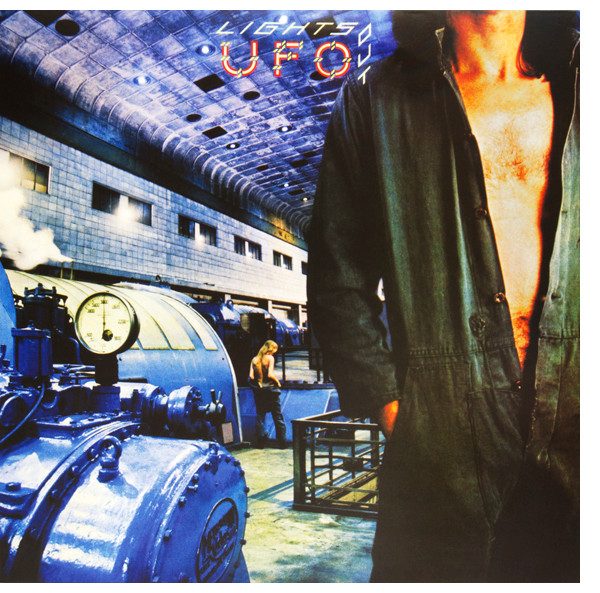
Produced by Ron Nevison, this album is a flawless bridge between heavy British rock and slick American radio accessibility. German guitar prodigy Michael Schenker delivers some of the most melodic, jaw-dropping solos of his career, while frontman Phil Mogg provides a grounded, gritty vocal presence. It is a textbook example of late-seventies arena rock done with absolute class.
Key track: 'Lights Out'
21. Aerosmith Get Your Wings (1974)
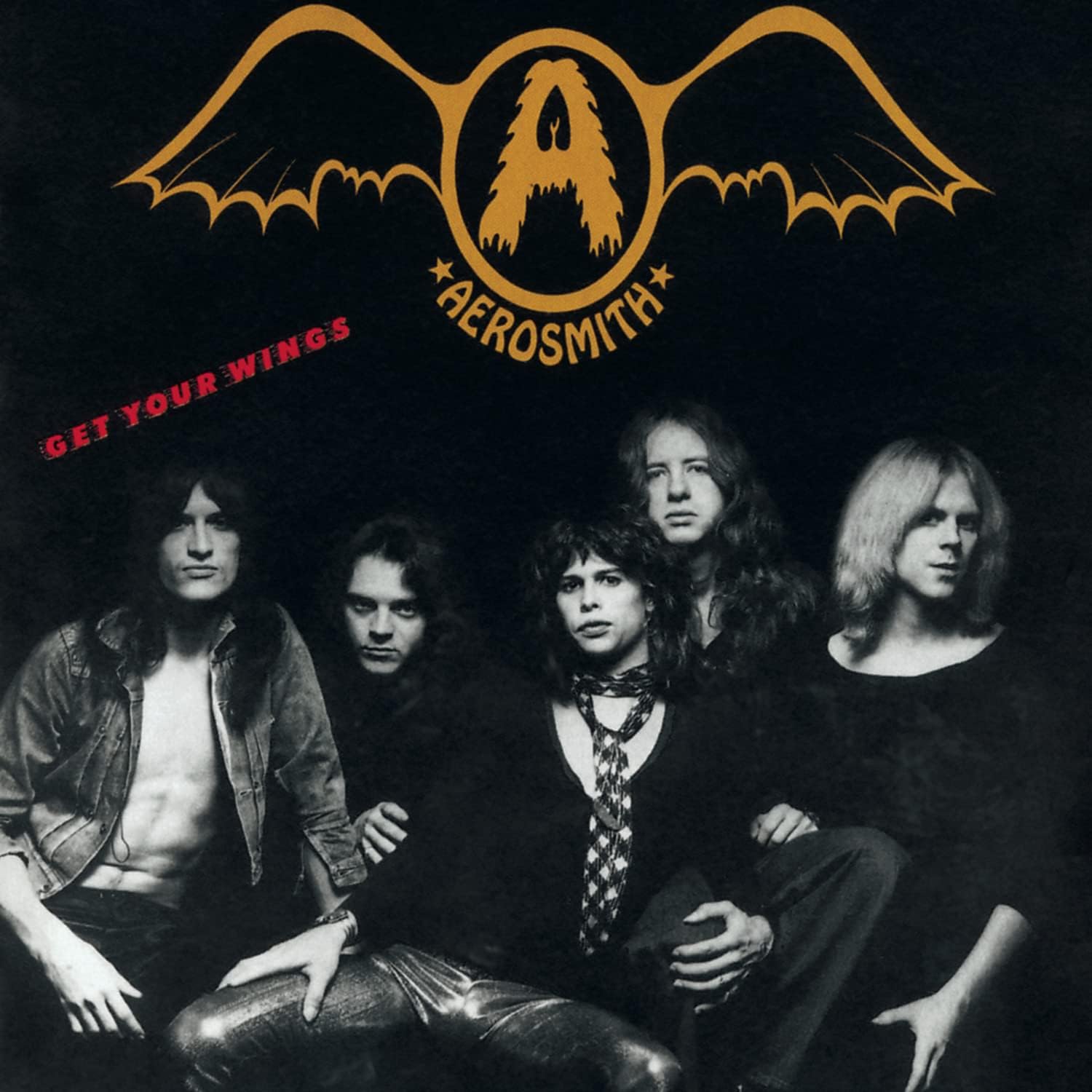
Sandwiched between their raw debut and the breakout success of Toys in the Attic, Aerosmith’s 1974 sophomore effort is where they truly found their sleazy, swaggering identity. Under the guidance of producer Jack Douglas, the band locked into a dirty, blues-rock groove.
Steven Tyler’s vocals are venomous and loose, while the guitar duo of Joe Perry and Brad Whitford lays down the gritty, heavy foundation that defined seventies American hard rock.
Key track: 'Same Old Song and Dance'