Every so often, a song arrives that doesn't just top the charts: it shatters the existing sonic blueprint.
These are the tracks that made listeners stop, blink, and wonder what on earth they were hearing. Sometimes the shock came from how they were made: bizarre production techniques, strange structures, or futuristic instruments no one had heard in pop before. Other times it was the attitude, a jolt of raw energy or emotional candour that cut straight through the musical norms of the moment.
What unites them is that sense of first contact – the feeling that a door to a new soundworld has swung open. From operatic rock epics to skeletal hip-hop realism, from avant-garde drones to electronic minimalism, these songs didn’t just break rules; they ignored the rulebook entirely. Here are 23 tracks that genuinely sounded like nothing else on earth when they first appeared.
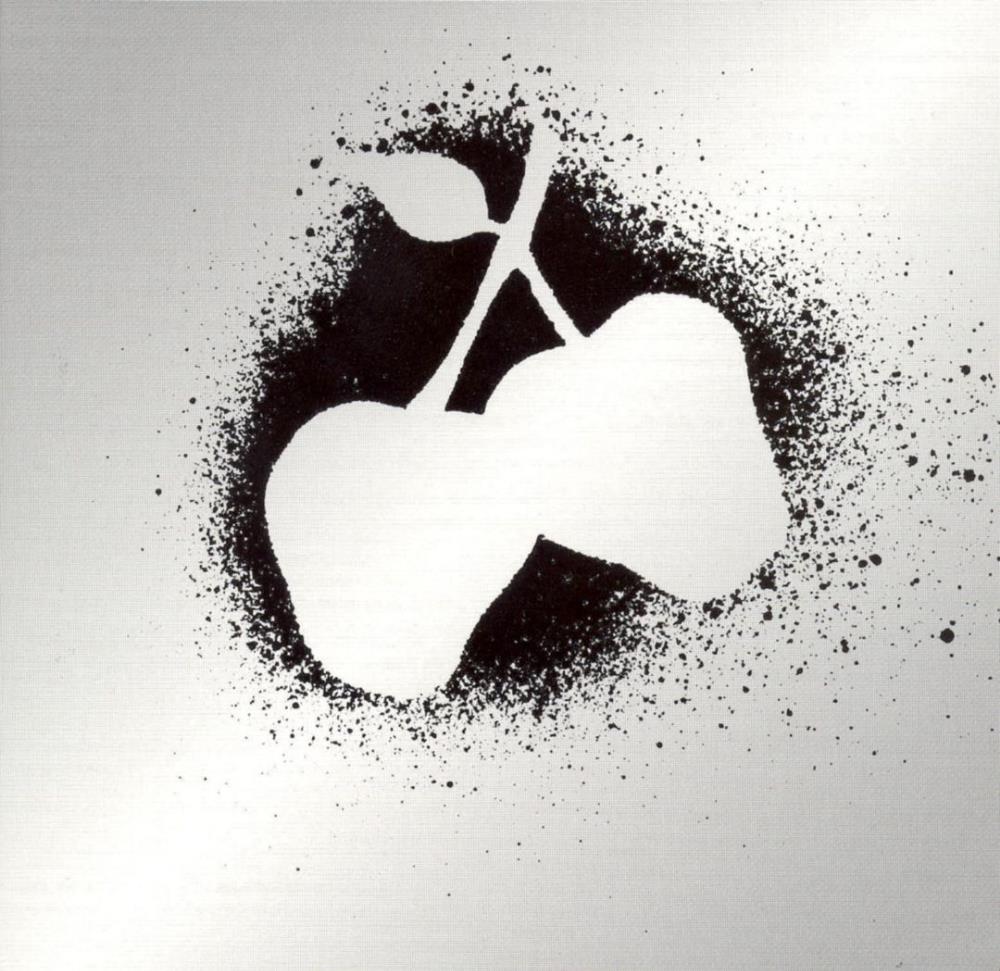
1. Silver Apples – 'Oscillations' (1968)
Long before the advent of the synthesizer as a standard rock tool, this New York duo was creating proto-electronic music. Using a homemade rig of nine audio oscillators played with telegraph keys and foot pedals, they created a pulsing, rhythmic throb that sounds more like 1990s techno than 1960s psych-rock. Combined with tribal drumming and studiedly abstract lyrics, 'Oscillations' feels like an artifact from a future that hadn't happened yet.
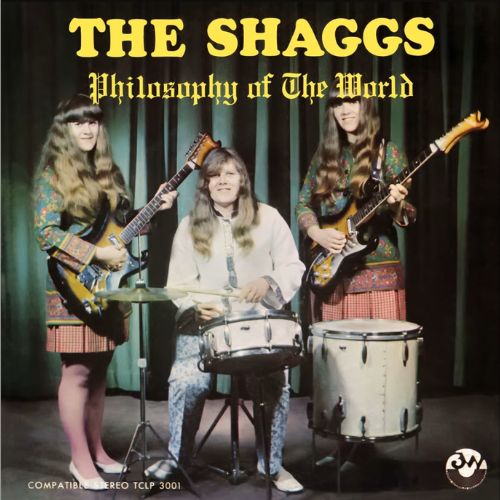
2. The Shaggs – 'Philosophy of the World' (1969)
This outsider classic operates entirely outside conventional musical logic. Jagged rhythms, unpredictable timing, and naïve, unpolished vocals create a raw, otherworldly charm. The song stumbles forward with an innocence that is both baffling and oddly hypnotic, as if the band existed in a parallel universe where musical rules didn’t apply. Its uniqueness isn’t just novelty – it’s an unfiltered glimpse of pure, untutored creativity.
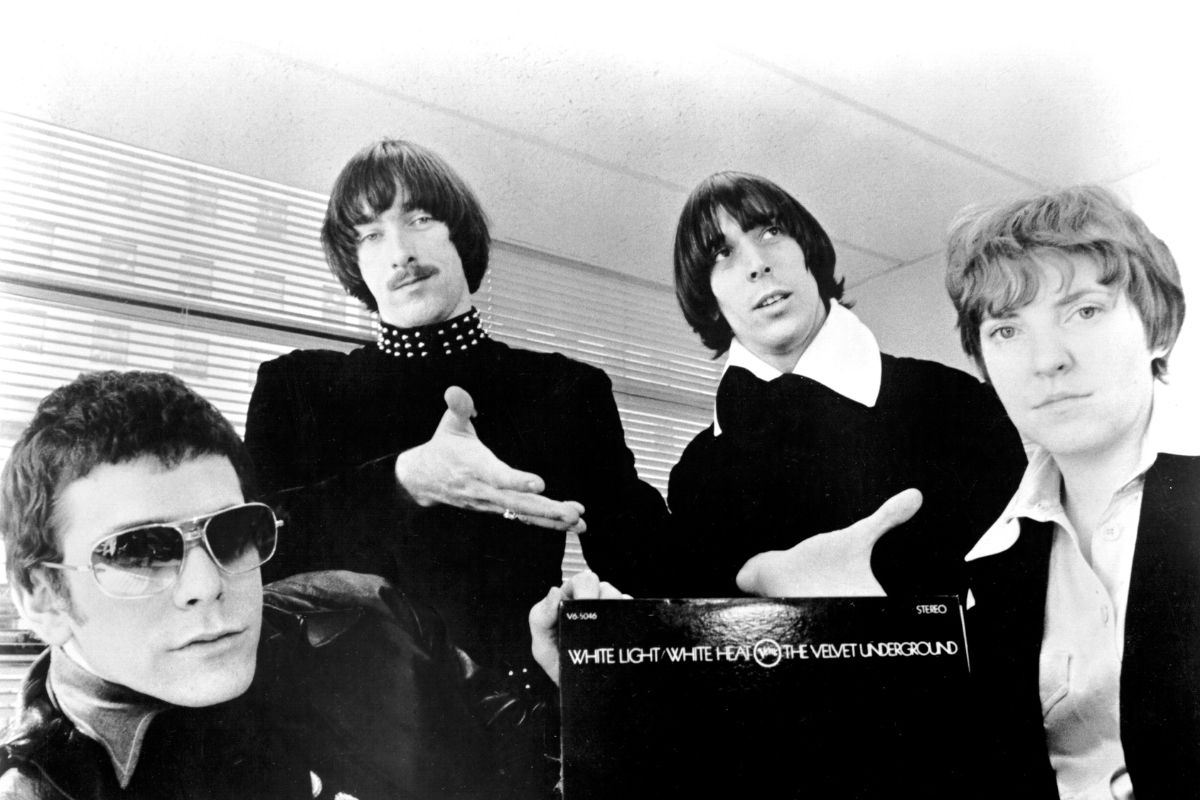
3. The Velvet Underground – 'Venus in Furs' (1967)
Droning viola, hypnotic rhythms, and lyrics exploring BDSM themes made 'Venus in Furs' sound wholly alien in 1967. Elsewhere among the late ’60s psychedelic landscape, nothing approached this song’s cold, artful darkness. Its fusion of European avant-garde sensibility with rock instrumentation produced a mood of eerie detachment. It felt less like pop music and more like a ritual.
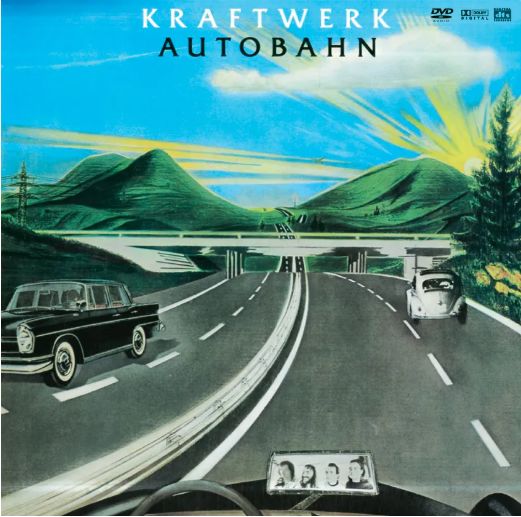
4. Kraftwerk – 'Autobahn' (1974)
Minimalist repetition, electronic textures, and motorik pulse combined into something entirely new. 'Autobahn' transformed synthetic sounds from novelty into pop art, creating a sense of motion and modernity rarely heard in music. Its serene, machine-like precision contrasted sharply with rock’s human grit. In 1974, this was the future arriving early – sleek, playful, and radically clean.
5. Laurie Anderson – 'O Superman' (1981)
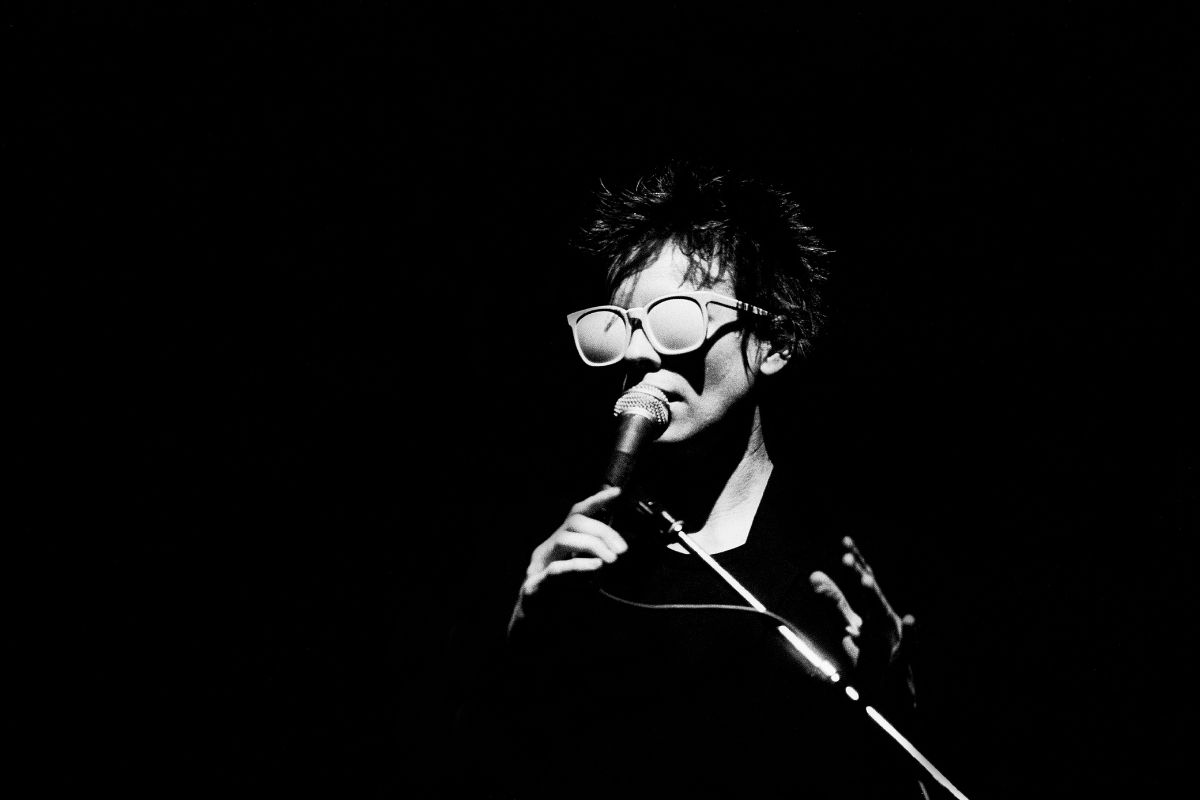
'O Superman' arrived like a transmission from a distant civilisation. Built almost entirely on looped '“'ha-ha-ha' vocal breaths, minimalist synth lines, and spoken-word intonation, it had no precedent in pop, rock, or electronic music. The track’s eerie calm and strange warmth created a hypnotic, dislocated atmosphere that felt both futuristic and deeply human.
Anderson blurred performance art, avant-garde composition, and emotional storytelling into a single piece that sounded more like conceptual theatre than a chart hit. Yet its unsettling beauty resonated with listeners, capturing anxieties about technology, communication, and vulnerability. Nothing else in the early ’80s sounded remotely like it – and nothing has truly matched its uncanny emotional charge since.
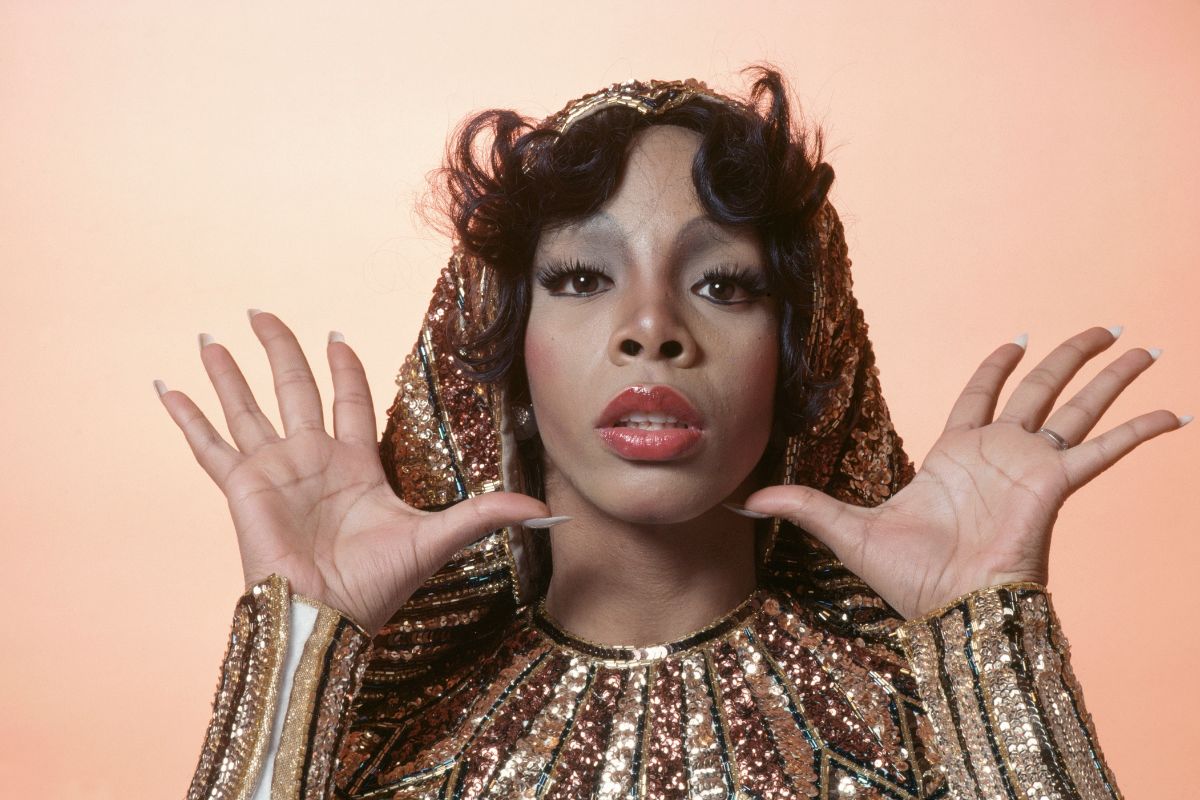
6. Donna Summer – 'Love to Love You Baby' (1975)
Recorded with breathy sensuality and constructed around an extended, hypnotic groove, 'Love to Love You Baby' scandalised and mesmerised in equal measure. Disco had never sounded so minimal, intimate, or erotically charged. Giorgio Moroder’s futuristic production –steady pulse, synthetic shimmer, endless repetition – felt radically modern for 1975. At once seductive and avant-garde, the track became a cultural shockwave that pushed dance music into new, boundary-crossing territory.
7. Aphrodite’s Child – 'The Four Horsemen' (1972)
Before Vangelis became the master of film scores (Blade Runner) and Demis Roussos became a velvet-clad crooner, they were in a Greek prog-rock band. This 1972 track from their concept album 666 is a haunting blend of apocalyptic biblical lyrics, shimmering psychedelic production, and a staggering, weeping guitar solo. It possesses a Mediterranean mystery and a 'heavy' biblical weight that makes standard English or American rock sound pedestrian by comparison.
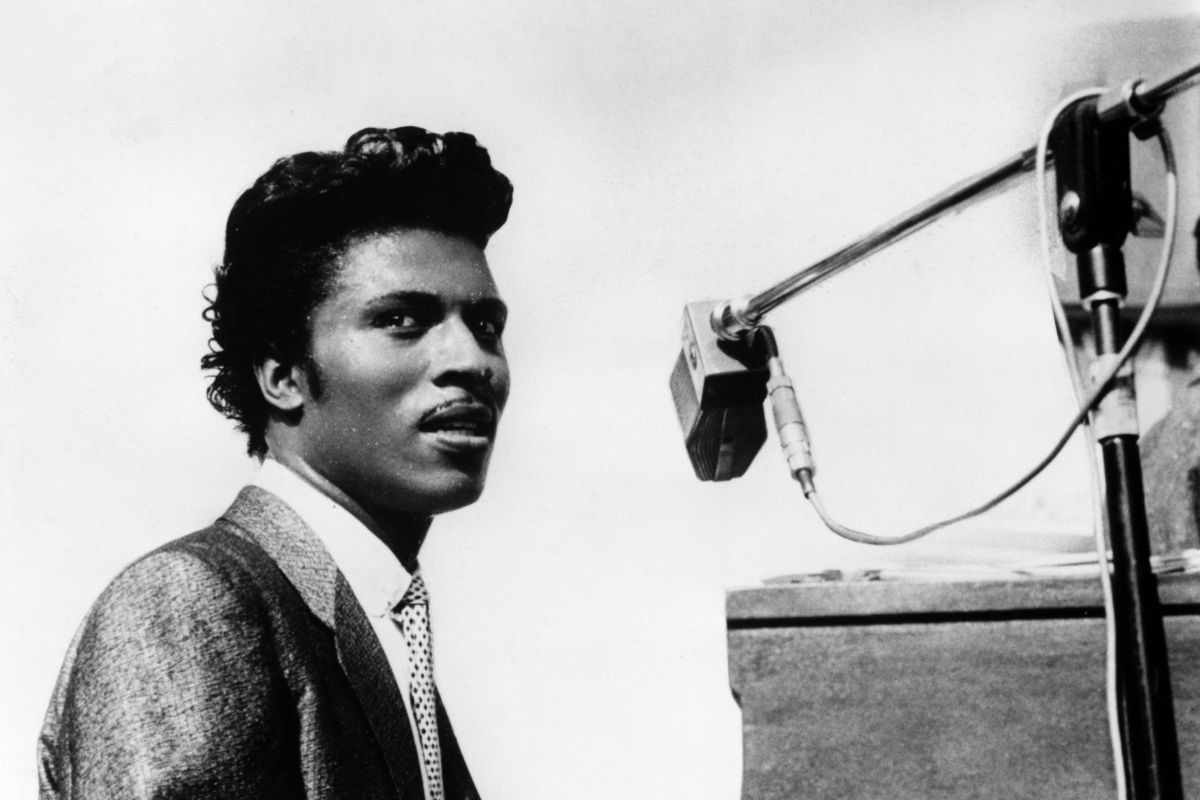
8. Little Richard – 'Tutti Frutti' (1955)
'Tutti Frutti' was a primal scream that immediately redefined rock and roll. Its shock came from Richard's furious, gospel-tinged, and completely unleashed vocal style combined with his relentless, pounding piano. It was sexual, raw, and explosive, injecting an unprecedented level of unbridled energy and chaos into the nascent genre, making earlier rock and roll sound polite by comparison.
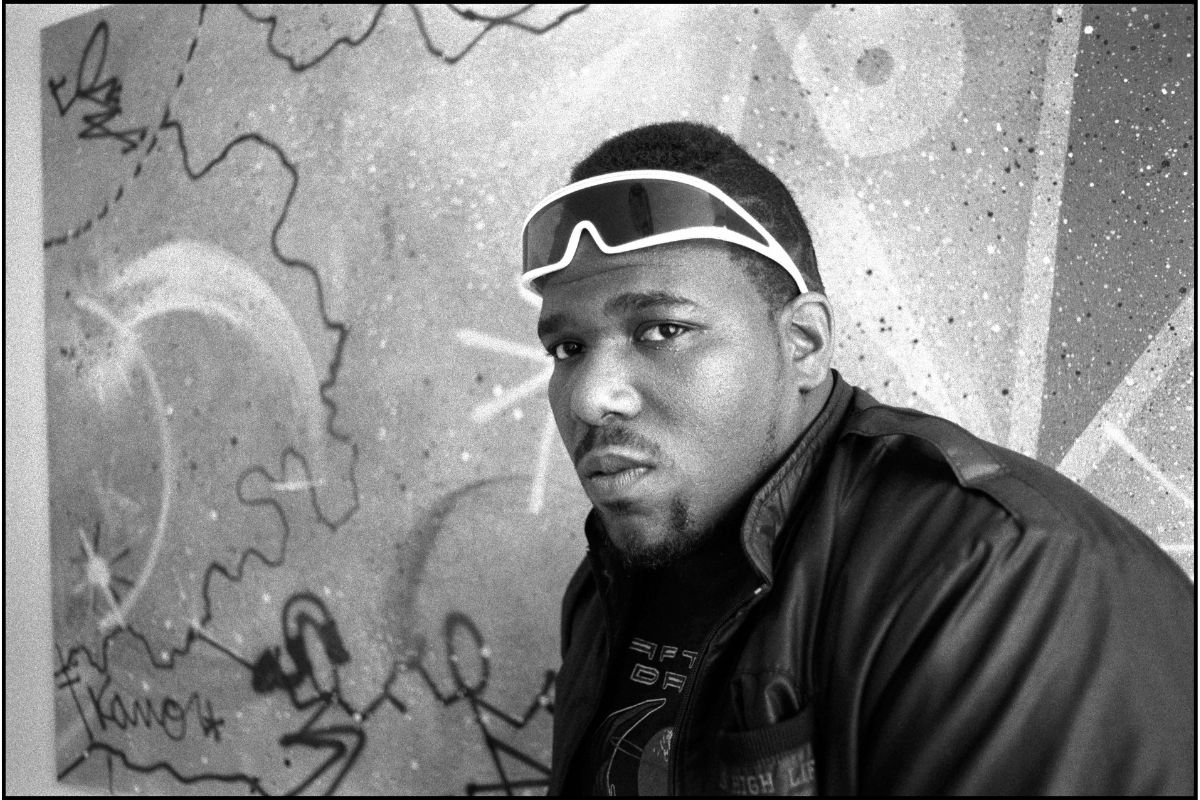
9. Afrika Bambaataa – 'Planet Rock' (1982)
The birth of electro-funk. 'Planet Rock' was revolutionary, fusing the synthetic, robotic sounds and futuristic melodies of Kraftwerk's 'Trans-Europe Express' with the heavy hip-hop breakbeats and scratching of the Bronx. This cold, synthetic, sci-fi dance track created a new electronic style foundational to modern hip-hop and electronic music.
10. Queen – 'Bohemian Rhapsody' (1975)
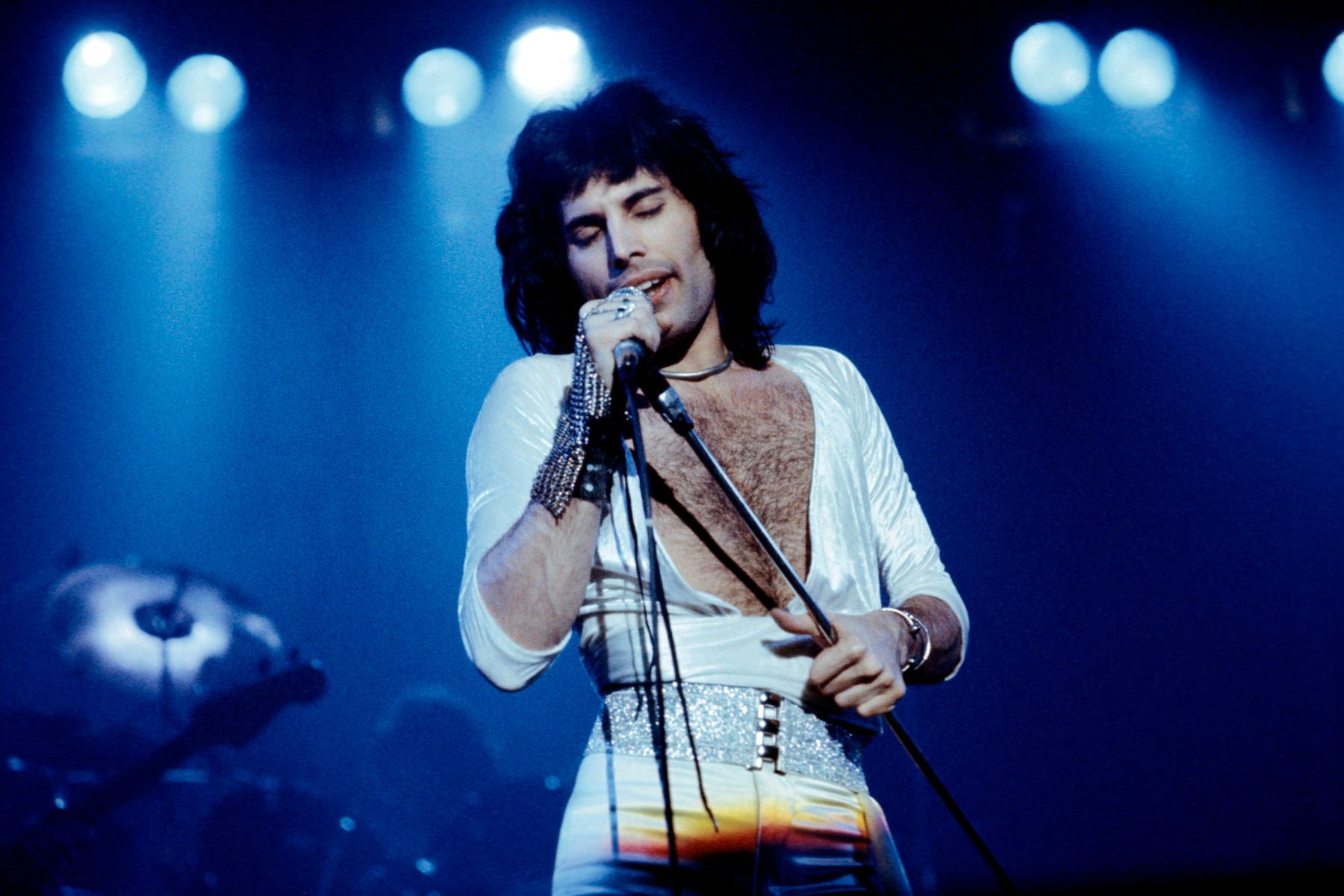
Nothing in mainstream rock prepared listeners for a six-minute suite that disregarded every structural rule. Queen's 1975 epic 'Bohemian Rhapsody' stitched together operatic melodrama, hard-rock thunder, choral excess, and melancholic balladry with dizzying confidence. It sounded less like a single than a miniature stage production beamed in from another planet.
Freddie Mercury’s multi-layered vocal harmonies formed a wall of sound unlike anything attempted in pop, while Brian May’s guitar solo added a heroic, cinematic arc. The song didn’t just defy radio logic – it obliterated it, proving that audiences would embrace the audacious if it was delivered with style, skill, and heart. Few tracks before or since have sounded so unashamedly, gloriously impossible.
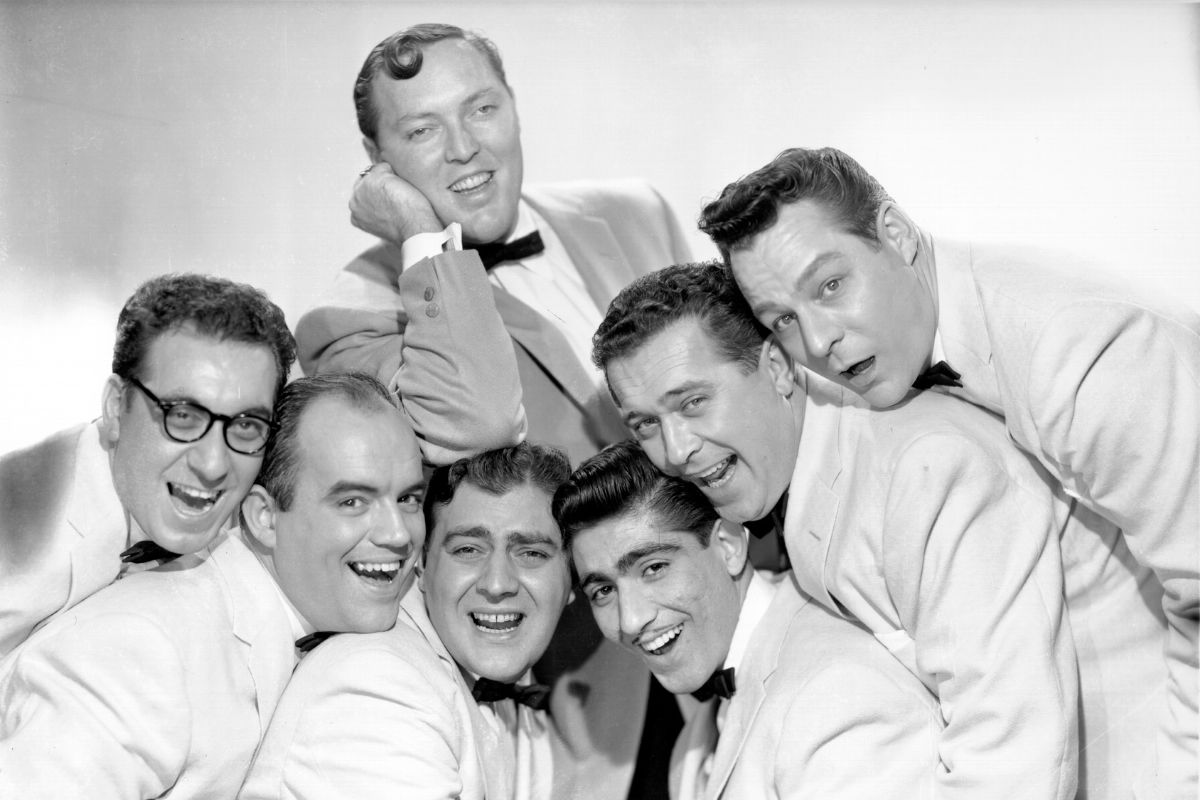
11. Bill Haley & His Comets – 'Rock Around the Clock' (1954)
Nothing this rhythmically propulsive had hit mainstream charts before. 'Rock Around the Clock' delivered a driving backbeat, rebellious swagger, and an electrifying sense of teenage release. While early rock ’n’ roll existed in fragments, this track consolidated its energy into something unmistakably new. It transformed pop music from polite entertainment into youth culture – brash, loud, and impossible to ignore.
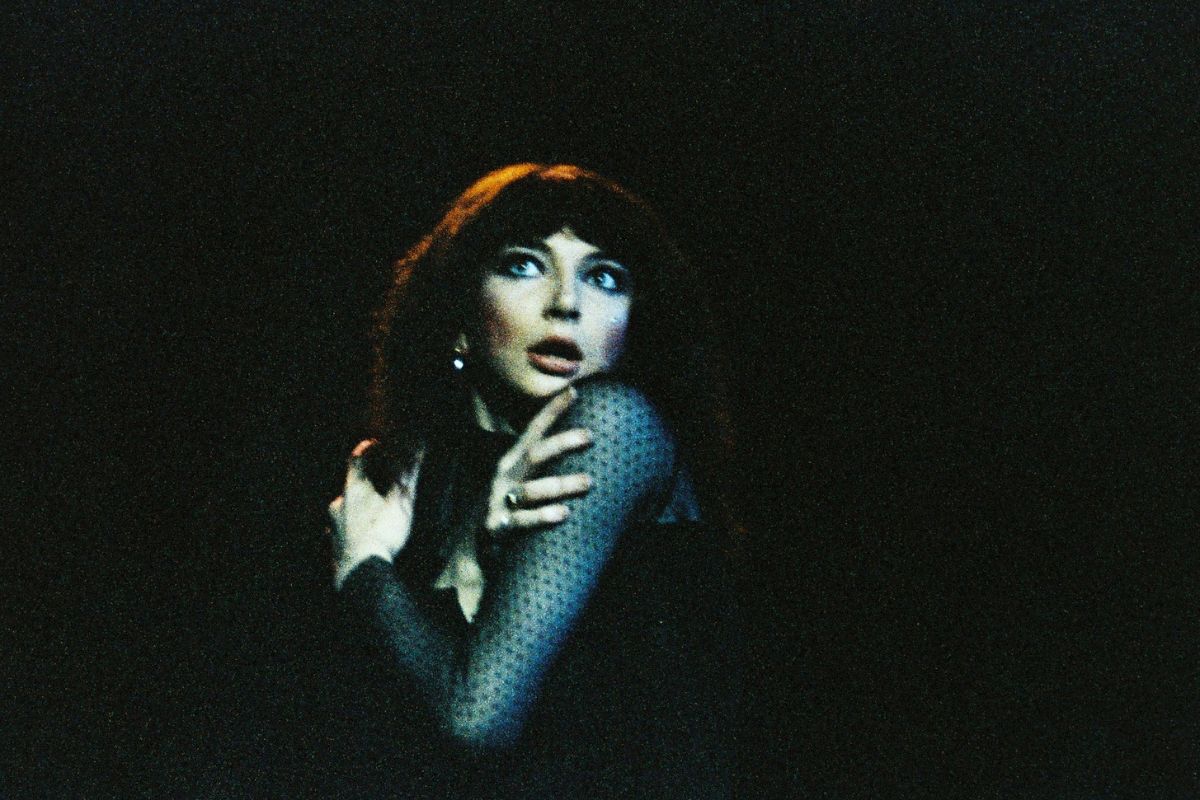
12. Kate Bush – 'Wuthering Heights' (1978)
Kate Bush’s debut single landed with a sense of pure otherness. Her soaring, unrestrained vocals, literary subject matter, and dramatic melodic leaps made the song sound like a haunting Victorian ghost story set to art-pop. No one else in 1978 was releasing singles this theatrical or this fearlessly eccentric. It felt less like mainstream pop and more like a burst of creative imagination allowed straight onto the radio.
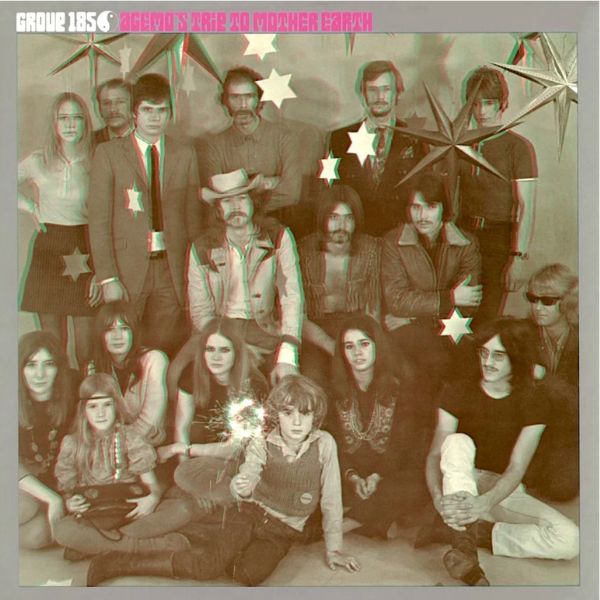
13. Group 1850 – 'A Point in this Life' (1968)
A masterpiece of Dutch psychedelia, Group 1850’s Agemo's Trip to Mother Earth (1968) features the standout track 'A Point in this Life': a haunting, transitional moment where acid-rock distortion meets eerie, proto-ambient soundscapes. Peter Sjardin’s ghostly vocals drift over swirling organ textures and dissonant flute trills, creating a disorienting sense of space. It remains a definitive example of European underground rock: dark, experimental, and genuinely lysergic.
14. Black Sabbath – 'Black Sabbath' (1970)
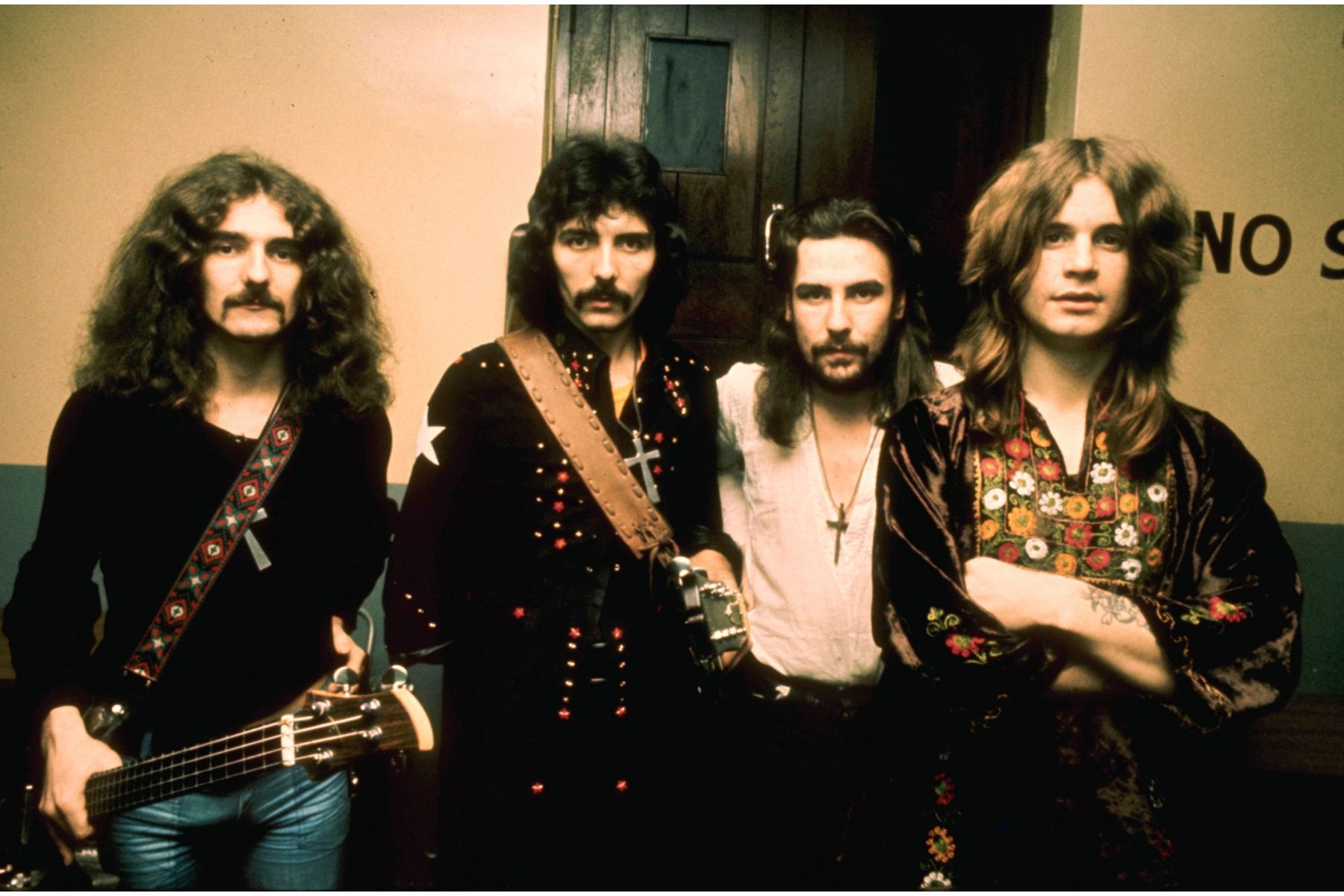
A thunderclap, tolling bells, and that ominous tritone riff – Black Sabbath's eponymous opening track sounded like doom manifesting in musical form when it rumbled in in 1970. Its slow, crushing heaviness had no precedent in rock, blues, or psychedelia. Ozzy Osbourne’s spectral voice only deepened the atmosphere of dread. The song essentially invented heavy metal’s dark aesthetic in one stroke, shocking listeners with its sheer weight and ritualistic intensity.
15. Nirvana – 'Smells Like Teen Spirit' (1991)
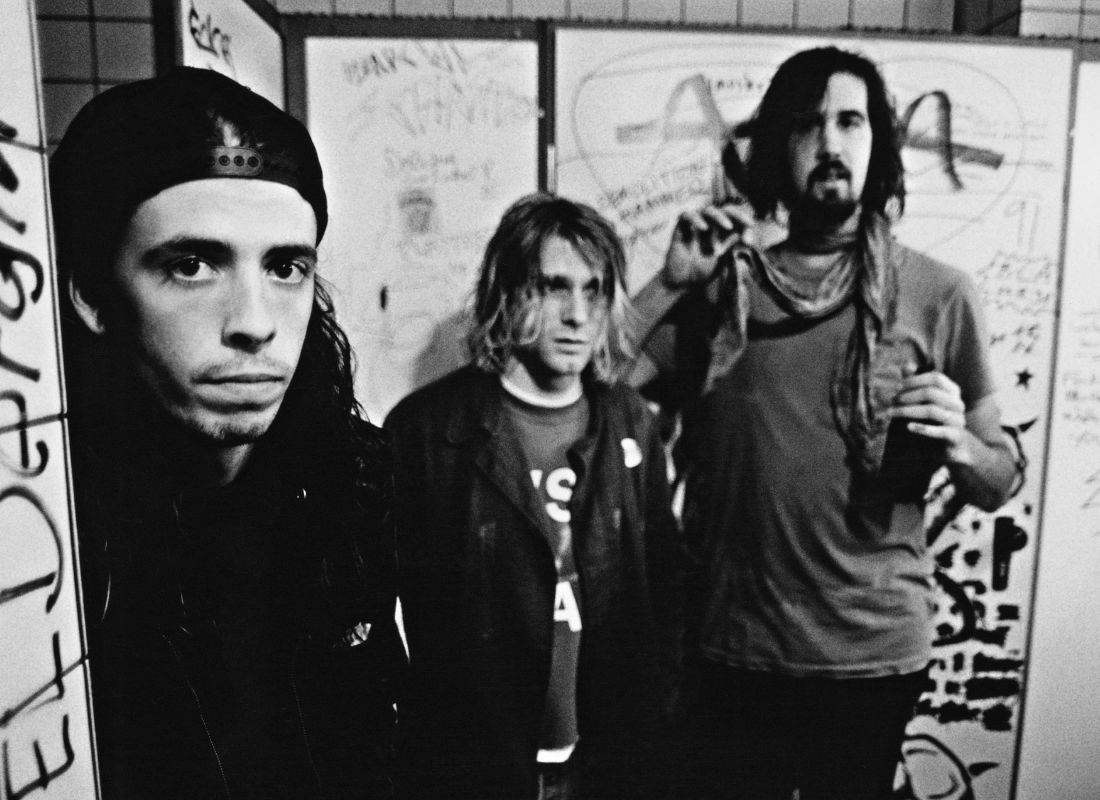
The shock of 'Smells Like Teen Spirit' wasn’t just its sound but its attitude.
The quiet-loud dynamics had roots in Pixies-style indie rock, but Nirvana pushed them into explosive catharsis. Kurt Cobain’s distorted, serrated guitar tone and hoarse vocals created a rawness that felt worlds removed from late-’80s polished rock. When the chorus hit, it sounded like a generation screaming through blown amps.
The song captured apathy, frustration, and youthful bewilderment in a way that felt startlingly authentic. Nothing on radio in 1991 – dominated by glam metal, soft pop, and safe rock – matched its volatility. This wasn’t just a hit; it was a cultural detonation that redrew the map of mainstream music.
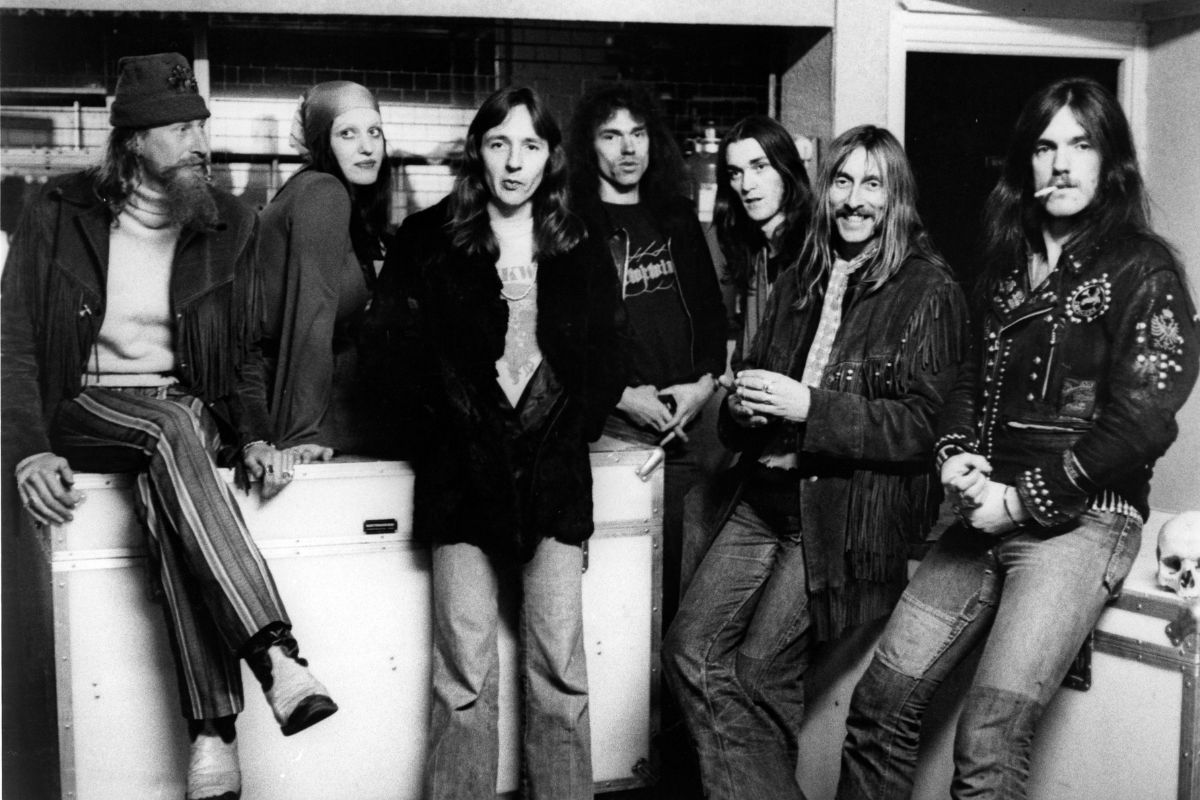
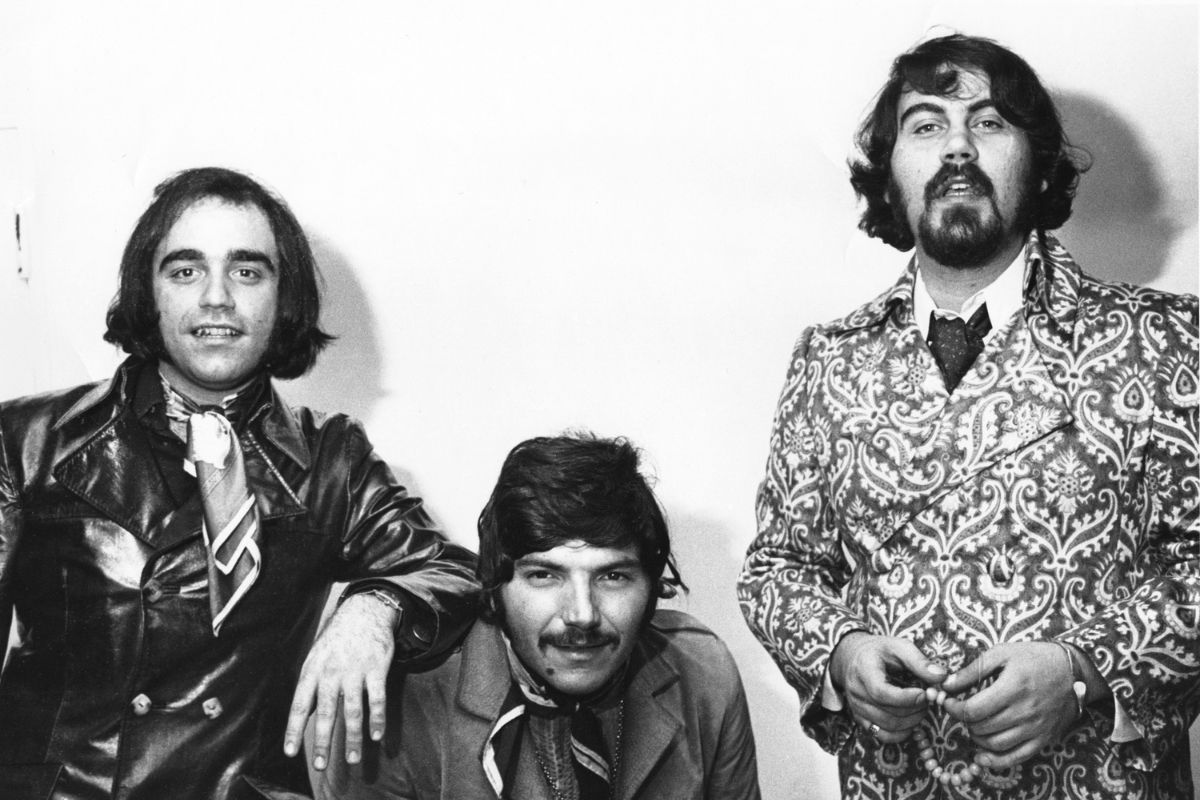
16. Hawkwind – 'Silver Machine' (1972)
While their contemporaries were playing space rock that sounded like blues in orbit, Londoners Hawkwind created a churning, mechanical vortex. Featuring a young Lemmy (far right in picture) on vocals and bass, the song is propelled by Dik Mik’s 'audio generator' – a device that produced swooping, Doppler-effect electronic screams rather than melodies. It sounds less like a band playing in a studio and more like a heavy-metal factory being sucked into a black hole.
17. Björk – 'Human Behaviour' (1993)
Tribal percussion, off-kilter orchestration, and Björk’s elastic, otherworldly voice combined to create a pop song that felt uncannily organic and alien. Its blend of art-pop, world-music influences, and surreal imagery marked a radical break from mainstream early ’90s production. The track announced Björk as a singular force – playful, avant-garde, and totally uninterested in fitting conventional pop boundaries.

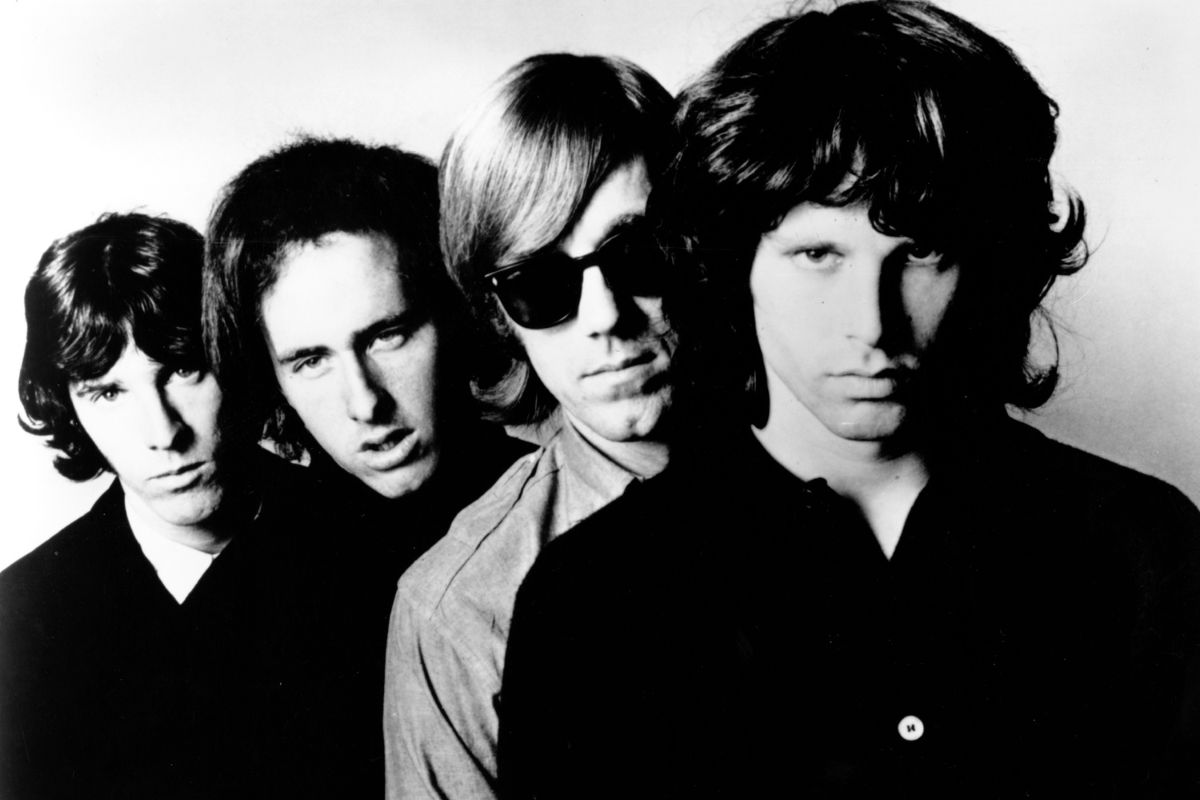
18. The Doors – 'The End' (1967)
The closing track to The Doors' debut LP was unlike anything else heard in 1967. Its sprawling, eleven-minute structure defied pop conventions, blending hypnotic organ drones, Jim Morrison’s spoken-word poetry, and explosive, improvised guitar passages. Dark, Oedipal imagery and hallucinatory narrative created an atmosphere both menacing and trance-like. No radio hit had been this long, this intense, or this psychologically daring. It wasn’t just a song – it was a cinematic descent into the mind, a proto-psychedelic epic that shattered expectations.
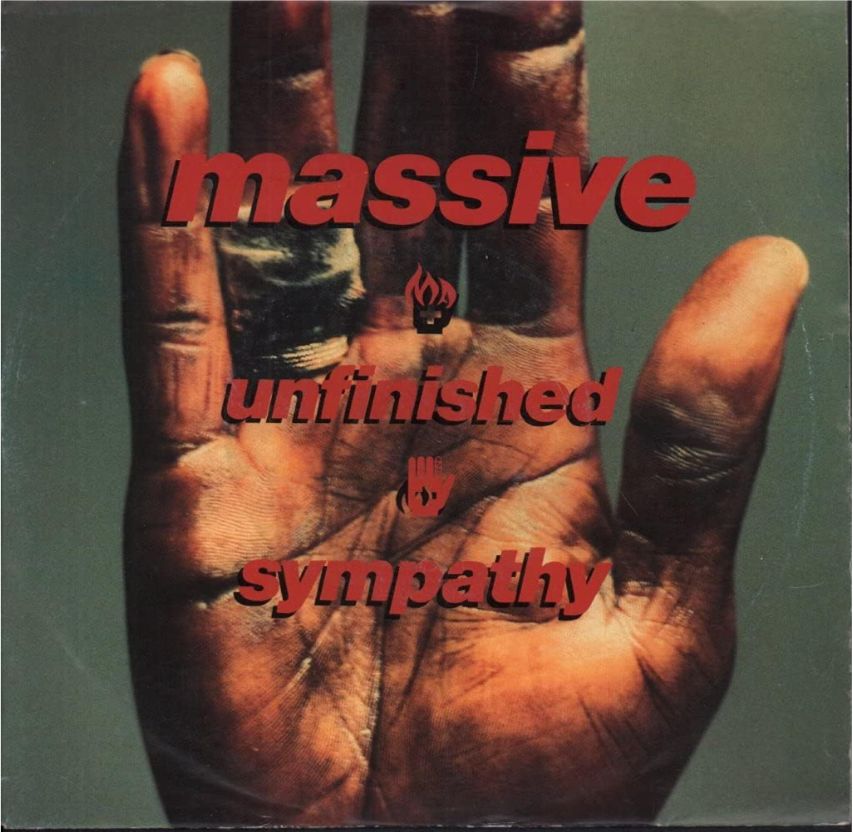
19. Massive Attack – 'Unfinished Sympathy' (1991)
The dawn of trip-hop, ‘Unfinished Sympathy achieved a never-before-heard synthesis: it merged the slow, deep, dark basslines and breakbeats of club/rave culture with the lush, soaring orchestral string arrangements of classical music. Unlike the aggressive rave and house music dominating the dance scene, this music was subtly hypnotic, paranoid, and cinematic. It was the sound of a post-club comedown – a gorgeous, melancholy, and cinematic ballad set to a hip-hop beat. ‘Unfinished Sympathy’ proved that electronic music could be complex, emotionally profound, and orchestral.
20. Gentle Giant – 'On Reflection' (1975)
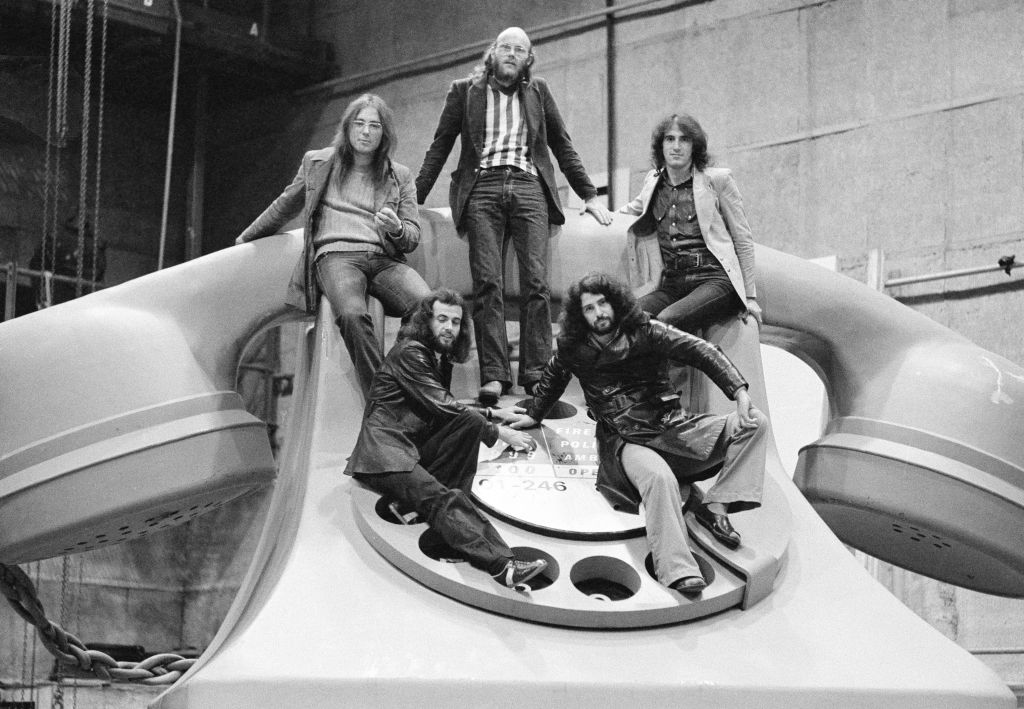
The sound of a Renaissance cathedral being beamed into the 20th century. 'On Reflection' opens with an unaccompanied four-part vocal fugue. One singer starts a melody, and the others join in one by one, overlapping and weaving around each other with mathematical precision. About halfway through, the band drops the 'monk-like' vocals and explodes into a high-energy rock arrangement of the exact same complex fugue.
At the very end of the track, the band famously used 'Vari-Speed' on the tape machine, causing the pitch to waver and rise as the song finishes – a glitch that was left in to add to the song's unsettling, magical atmosphere.

21. Scott Walker – 'Clara' (2006)
When it comes to songs that sound like nothing else in the rock pantheon, you're spoilt for choice in the Scott Walker discography. But 'Clara', from his 2006 album The Drift, is where Scott breaks definitively from traditional song form, using discordant sound collage – including percussion made from punching a side of pork – and unnerving vocalizations. The track is a horrifying meditation on the execution of Mussolini and his mistress, designed to evoke pure psychological terror and concrete sound sculpture rather than melody or rhythm.
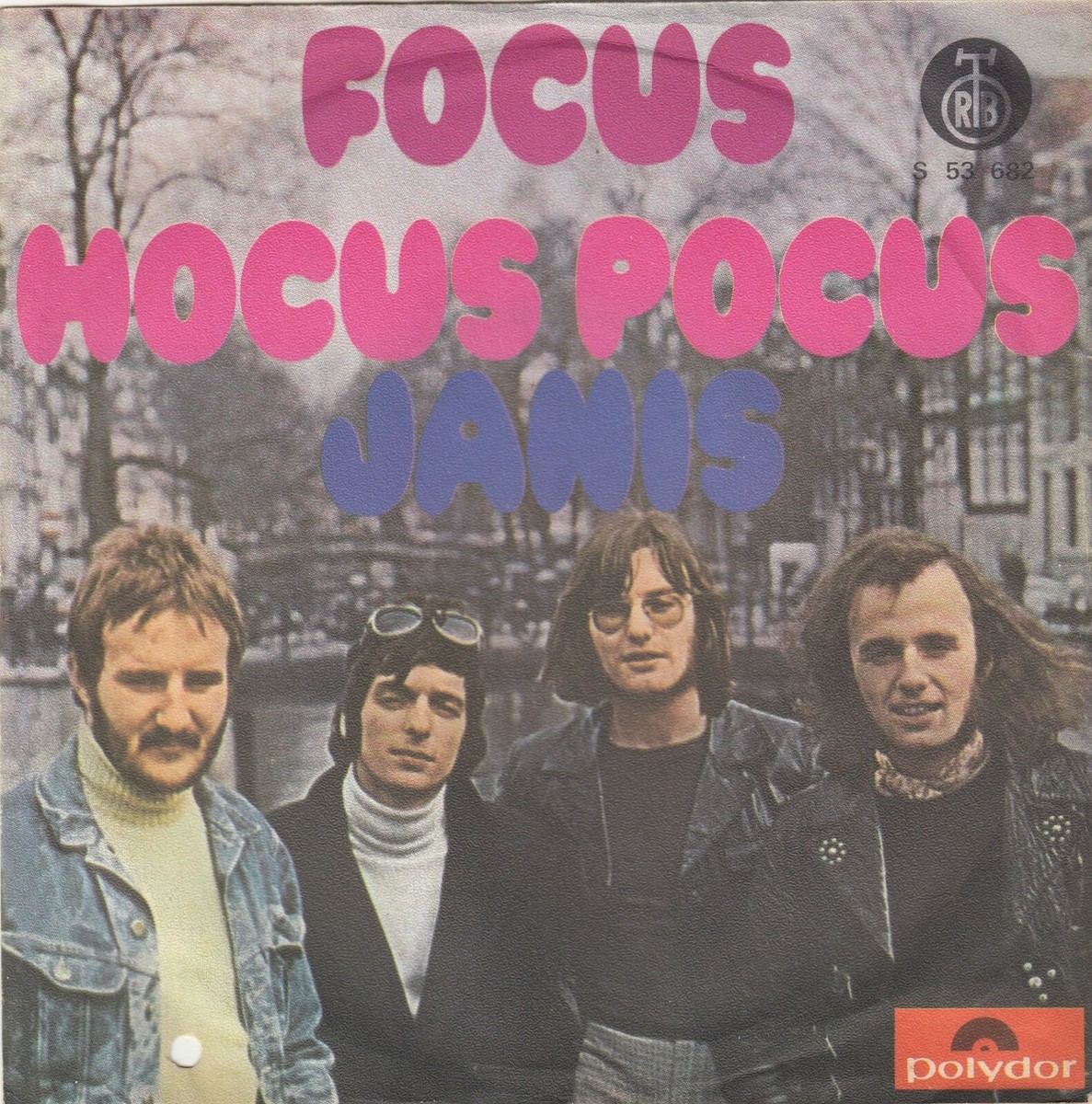
22. Focus – 'Hocus Pocus' (1971)
This Dutch masterpiece from 1971 is arguably the most bizarre song to ever become an international success. It is a relentless, high-octane hard rock track that replaces traditional verses with a dizzying rotation of yodeling, accordion solos, scat singing, flute trills, and operatic gibberish. It manages to be both a display of extreme technical virtuosity and a complete parody of rock machismo. Even within the eccentric world of progressive rock, 'Hocus Pocus' stands alone as a beautiful, frantic anomaly.

23. White Noise – 'Black Mass: An Electric Storm in Hell' (1969)
Released in 1969, this track is a terrifying collision of musique concrète and psychedelic rock. Created by the BBC Radiophonic Workshop’s David Vorhaus and Delia Derbyshire (pictured), it utilizes primitive oscillators and manipulated tape loops to simulate a literal descent into the abyss. With its distorted chanting, visceral electronic screams, and agonizingly slow tempo, it remains a disturbing, high-fidelity nightmare that predated industrial music and dark ambient by nearly a decade.
Artist pics Getty Images