
If you want an easy life, free of creative tension, neurosis and anxiety, don’t become a composer.
You spend half the time waiting for the phone to ring, then when a commission finally arrives, reality kicks in: ‘Will my inspiration dry up?’; ‘Will they like what I produce?’; ‘Will I like it?’. And that is the $64,000 question. Once a new piece is ‘out there’, anything can – and often does – have play a part in the curious love-hate relationship that exists between composers and their own work.
There are many reasons for a composer wishing he or she hadn’t written a piece. In some cases they decide they simply don’t like it (for example Tchaikovsky, as we will see), but there are also sad examples of over-popularity, political hi-jacking and even fatal performances. Read on as we uncover 11 great works that caused their composers no end of pain and grief.
1. Saint-Saëns: Carnival of the Animals
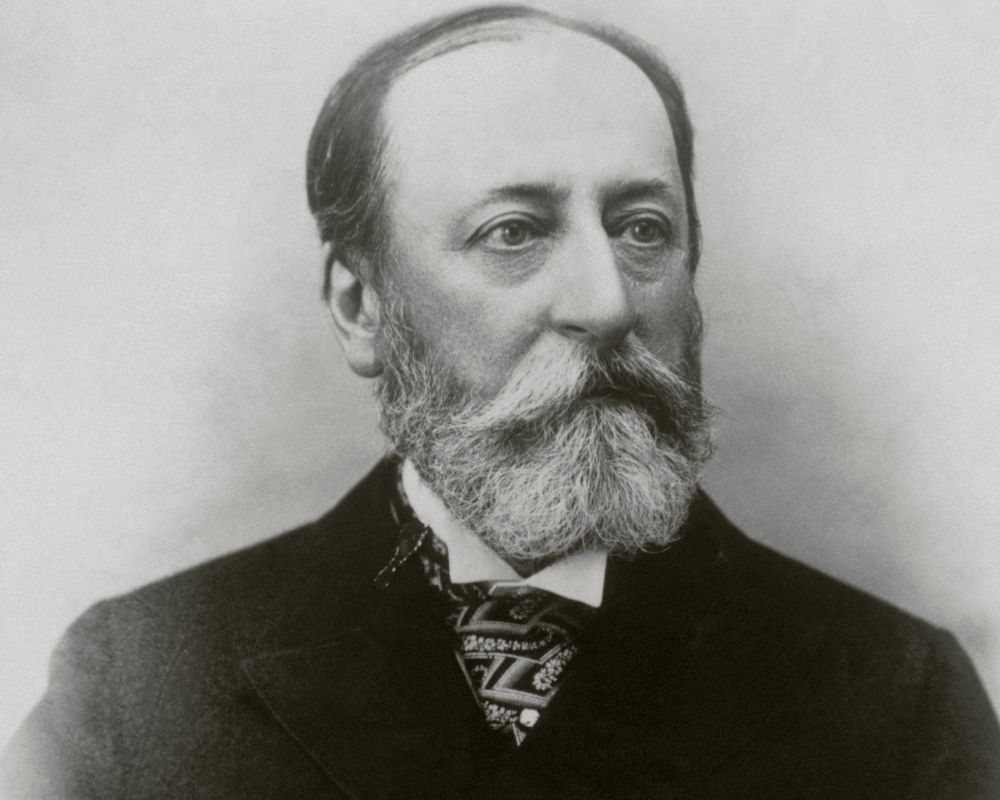
The problem: Saint-Saëns wanted to be remembered for something more serious than a musical menagerie
Most composers would give their eye-teeth to compose a work as strikingly memorable and deftly ingenious as Carnival of the Animals. Yet the great Frenchman Camille Saint-Saëns was so concerned it might deflect attention away from his more serious work that, with the sole exception of ‘The Swan’, he forbade its publication, keeping the score hidden away until after his death some 35 years later.
2. Sibelius: Symphony No. 8
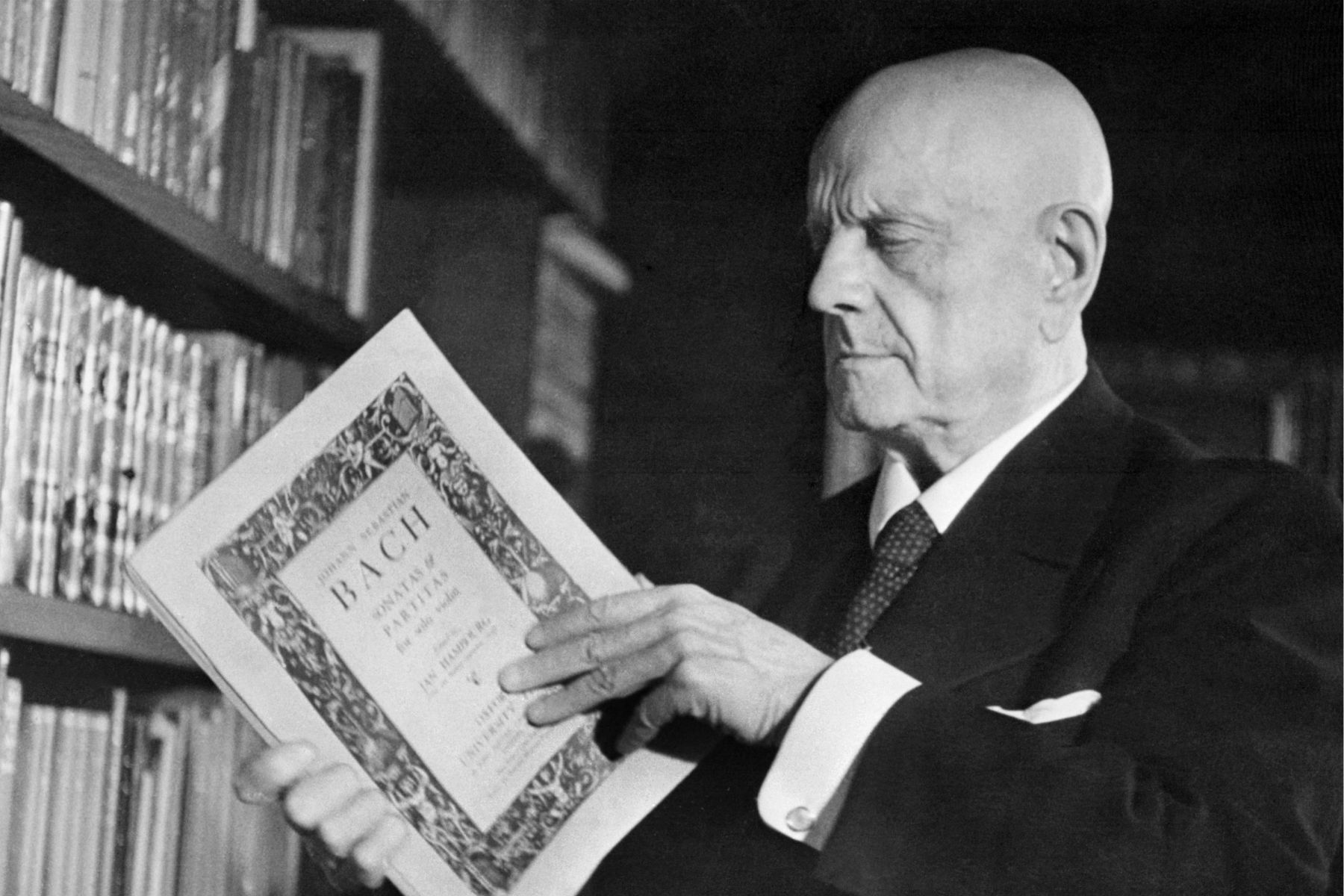
The problem: Sibelius was paralysed by expectation - his own, and that of others
The complex relationship between a composer and his music is demonstrated most poignantly in the case of Sibelius’s planned Eighth Symphony. Work began in 1926, yet over time his feelings of severe dislocation from post-war musical trends and an overwhelming sense of responsibility to satisfy expectations with a groundbreaking masterpiece combined to stifle progress. It seems at least the first movement was completed, but by 1945 he had lost all confidence in it and, in a fit of self-doubt, consigned the work to the fire.
Here are three fragments - tragically, all we have left of Sibelius's Eighth Symphony.
3. Tchaikovsky: 1812 Overture
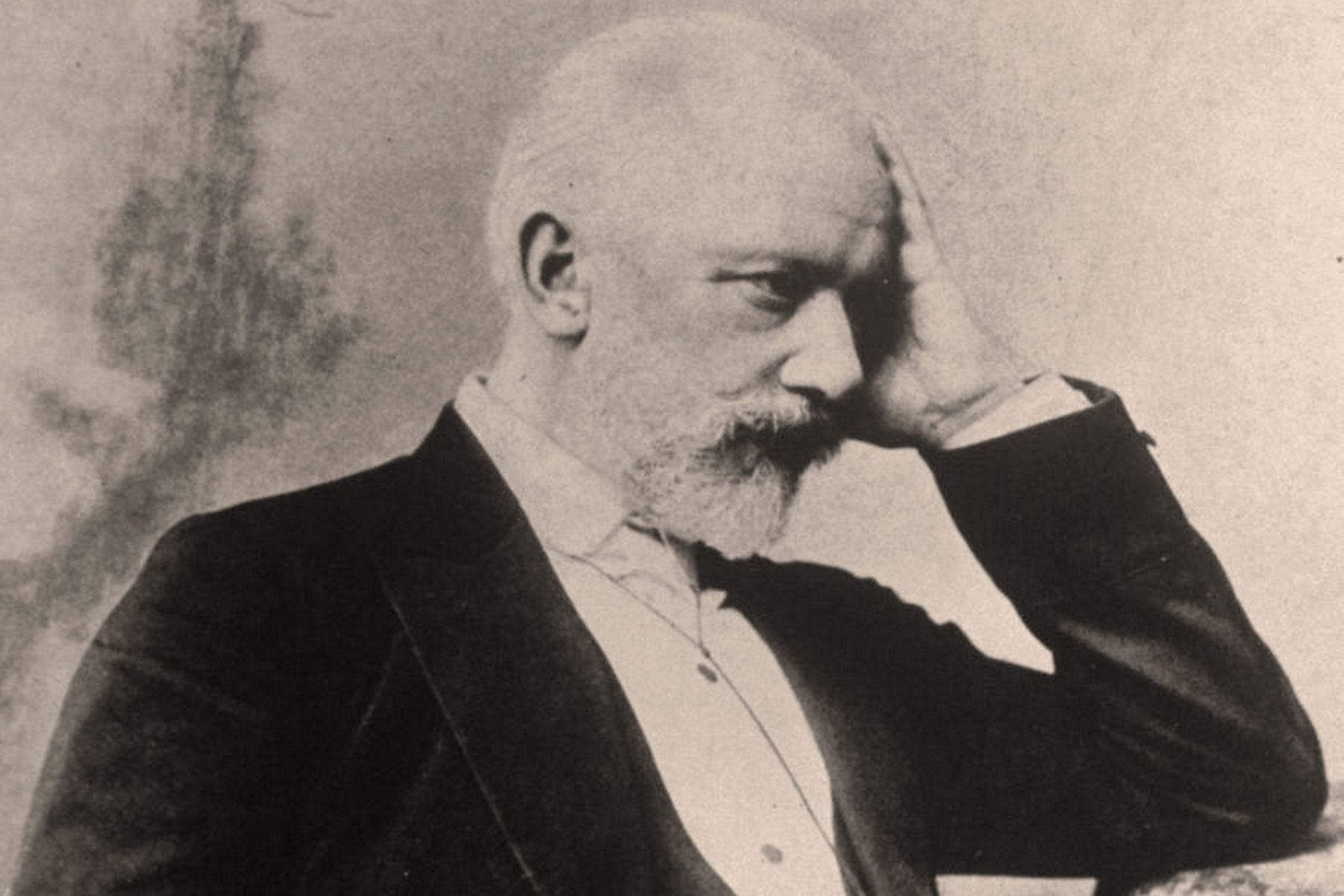
Tchaikovsky had remarkably little affection for the 1812 Overture, written for a Moscow exhibition commemorating Russia’s victory over Napoleon. He described it to his patron Nadezhda von Meck as 'very loud and noisy', adding that he had written it without 'any warm feelings of love' and that it would probably have 'no artistic merit'. The irony was considerable: the bombastic work became one of his most famous and enduring compositions.
4. Wagner: Rienzi
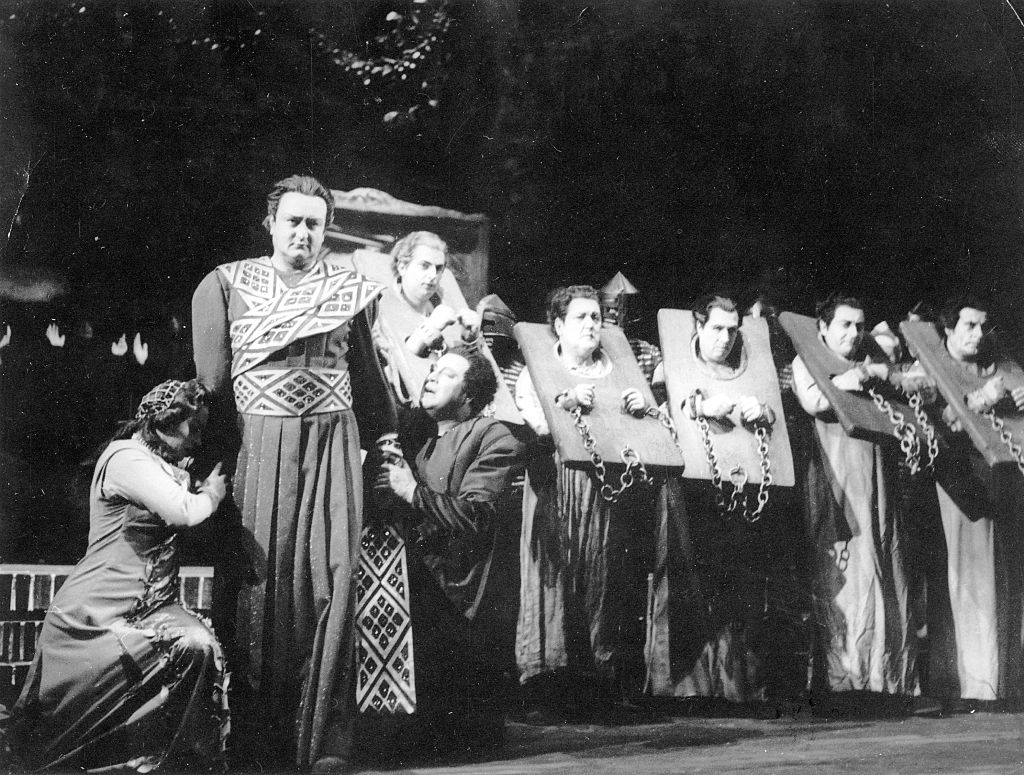
The problem: Very popular in its time, but its creator hated it
Wagner’s impregnable self-belief was such that he felt he could virtually do no wrong. Yet in the case of his early opera Rienzi, whose continued popularity during his lifetime was a constant thorn in his side, he made a notable exception. Little more than a decade after its premiere, he dismissed it as ‘repugnant’, seeing it as an uninspired procession of ‘hymns, processions and a musical clash of arms’. It gained notoriety in later years as the work that reportedly inspired Adolf Hitler’s rise to power.
5. Ravel: Boléro
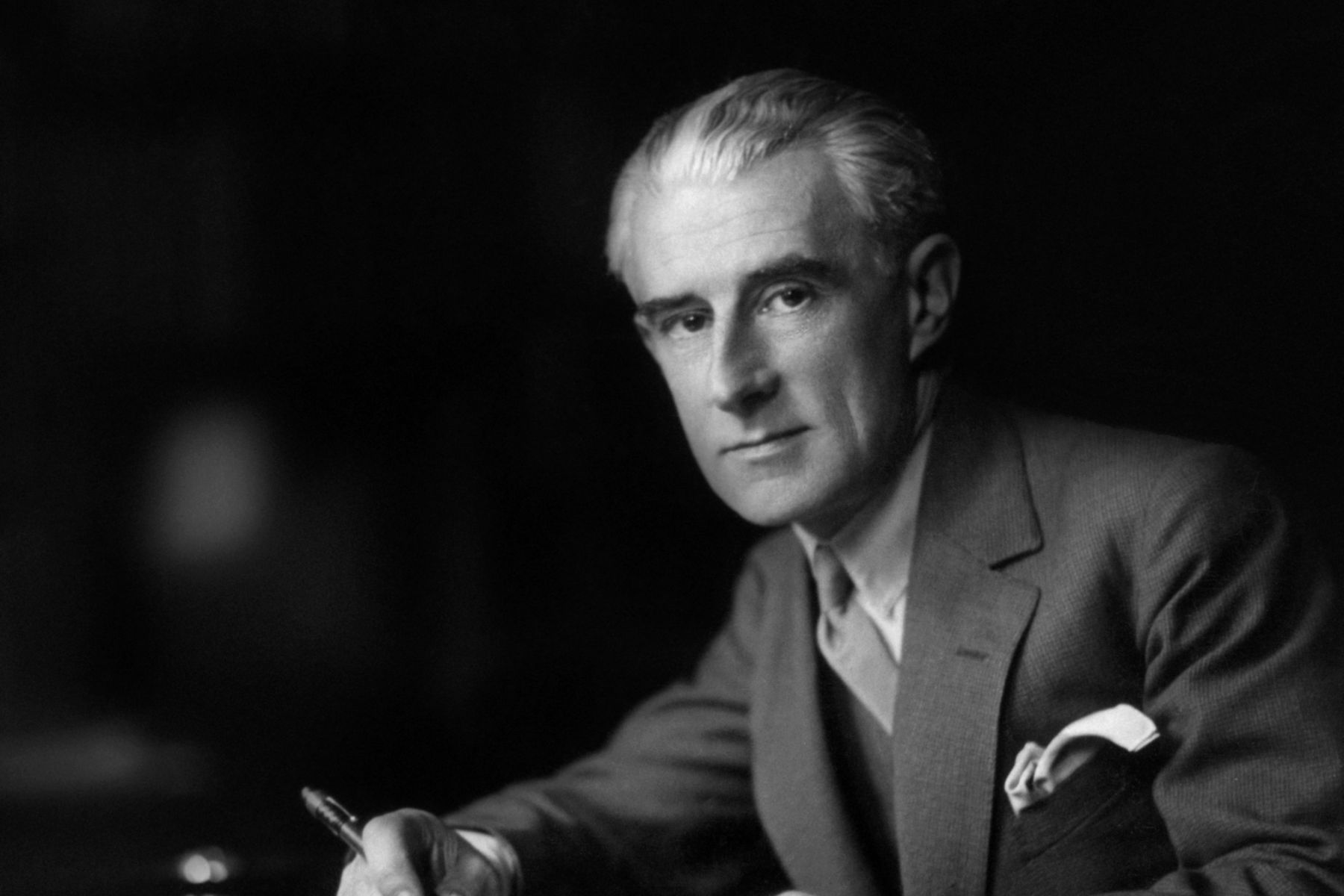
The problem: It was hugely successful, but Ravel felt no pride in it
Ravel was bemused by the enormous success of Boléro, which he regarded as a deliberately limited experiment rather than a profound musical statement. He famously told Arthur Honegger, 'I’ve written only one masterpiece – Boléro. Unfortunately, there’s no music in it.' Another oft-repeated story has Ravel responding to a hostile audience member, 'Then you have no understanding of music.' The exact anecdote is disputed, but his ambivalence is not.
6. Rachmaninov: Symphony No. 1
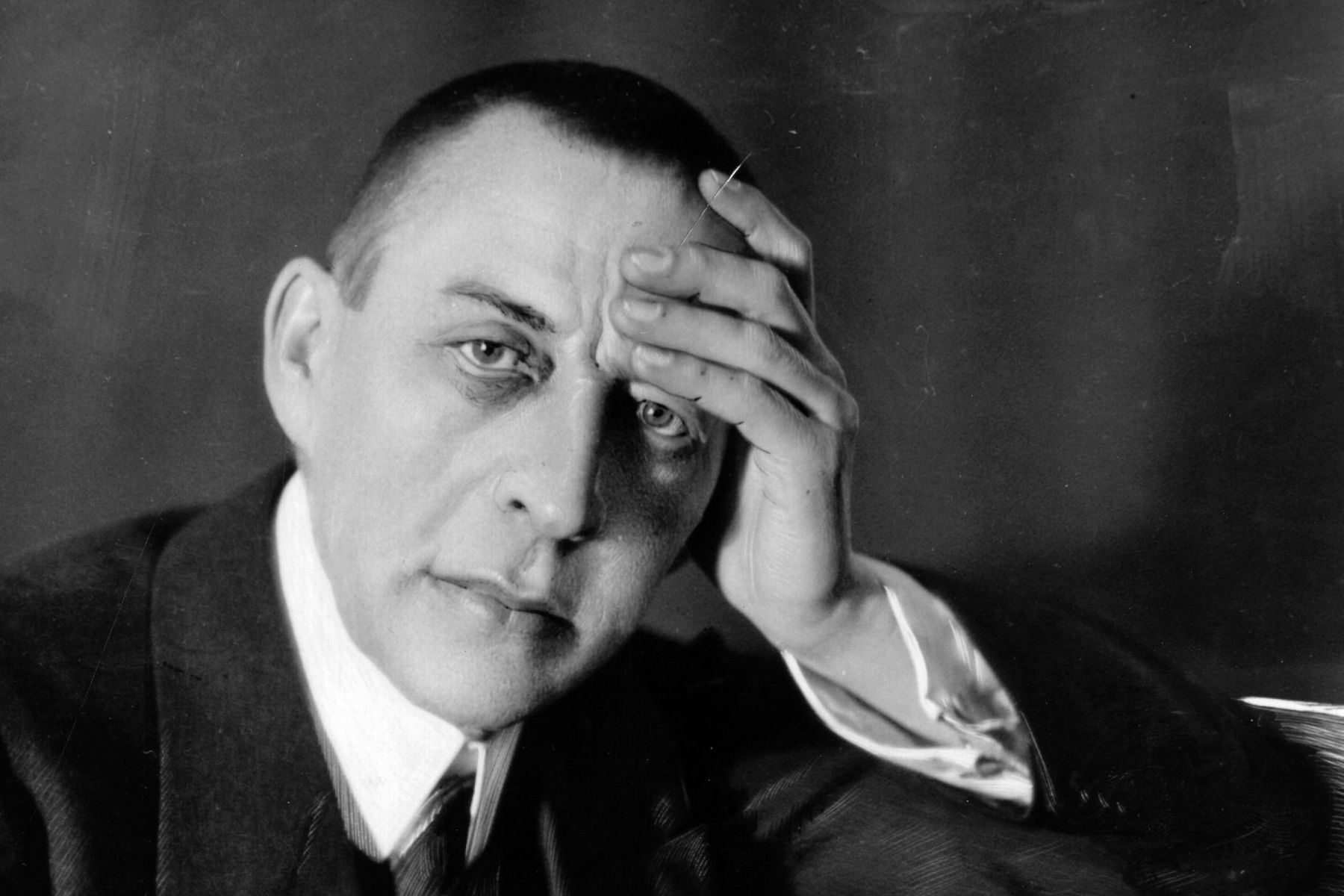
The problem: an awful premiere involving a drunk conductor and some acerbic reviews
Powered along by an ominous ‘fate’ motive and searing emotional thrust, Rachmaninov’s First Symphony seemed to have everything going for it. But there was a problem: the St Petersburg school of composers did not care for it. Worse, his fellow composer Alexander Glazunov turned up to conduct the 1897 premiere completely inebriated. Rimsky-Korsakov found the symphony ‘disagreeable’ and his fellow 'Mighty Handful' composer César Cui ranted in a review that it was fit only for ‘entertaining the creatures of Hell’.
His confidence shot to pieces, Rachmaninov’s creativity was completely stifled and the symphony was not performed again during his lifetime. Twenty years later, in a letter to fellow composer Boris Asafyev, he called the work 'weak, childish, strained and bombastic'. (It's none of these things).
What eventually helped Rachmaninov get his composing back on the rails was a course of therapy, including hypnosis, from the famous Russian physician Dr Nikolai Dahl. This intense period of recovery helped the composer to regain his confidence. He then produced his deeply emotional and virtuosic Piano Concerto No. 2. Would we ever have heard this absolute masterpiece without Glazunov's drunken behaviour that night? Who knows...
7. Tchaikovsky: Symphony No. 5
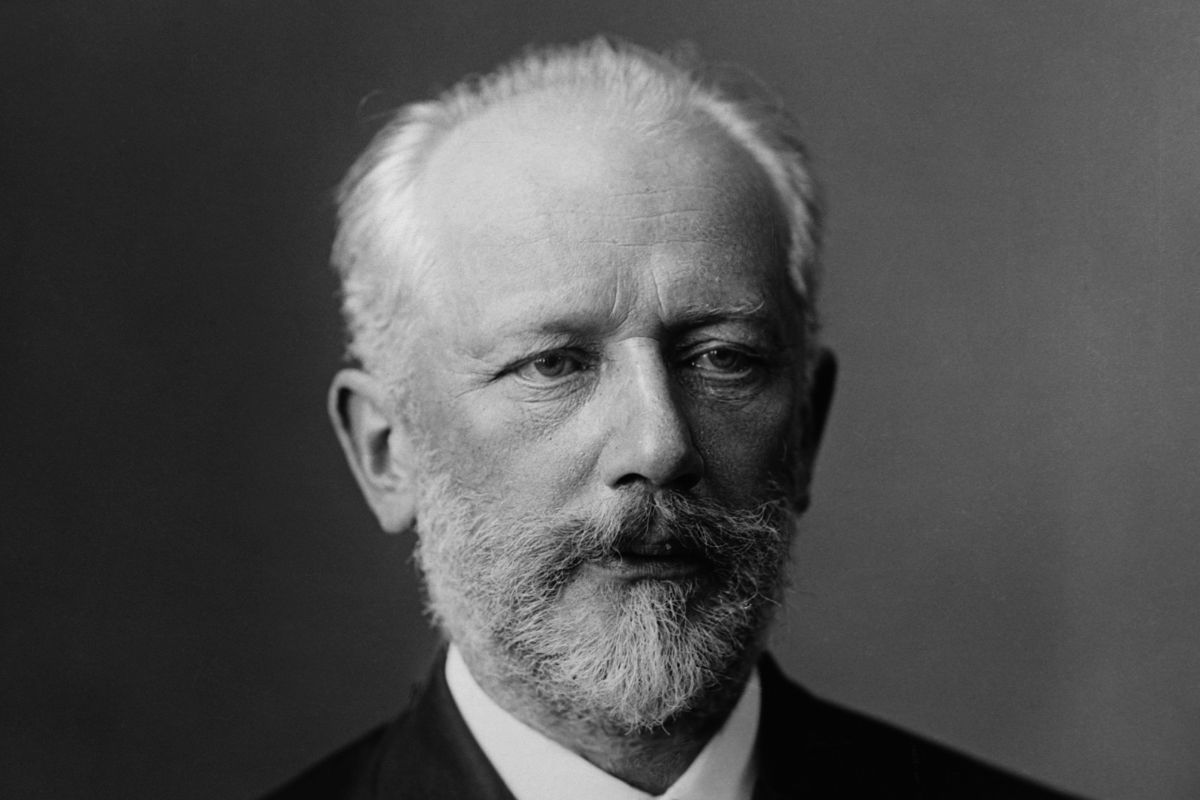
The problem: Pyotr simply didn't like it
Tchaikovsky expressed reservations about certain of his works anyway, but also tended to operate a strange form of reverse psychology whereby whatever piece he was working on felt at the time like his ‘worst’. This cycle of creative angst was at its most all-consuming with his ever-popular Fifth Symphony.
As he composed it, Tchaikovsky became convinced his creativity had dried up and he was simply rehashing old ideas. Incredibly, after the first two performances, he considered the symphony a complete ‘failure’ and interpreted the audiences’ enthusiastic applause as ‘charitable kindness’.
8. Elgar: Pomp and Circumstance March No. 1
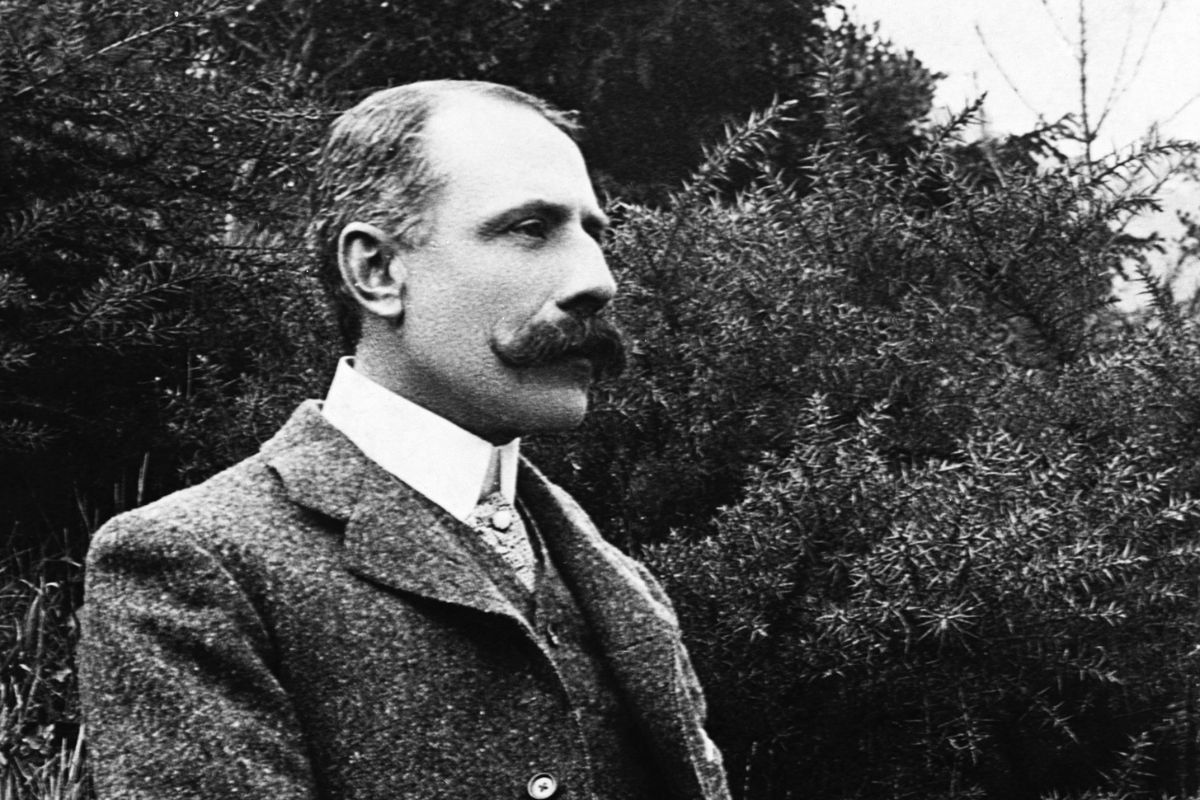
The problem: Though proud of it at the time, Elgar later found it something of a millstone around his neck
Of Elgar’s five Pomp and Circumstance Marches, the first has become the most popular, especially when sung to the words ‘Land and Hope of Glory’ at the Last Night of the Proms. He himself initially felt extremely positive about it – composing it in 1901 had helped him out of a low mood swing, and its subsequent popularity made it a ‘nice little earner’. Yet in later life he felt uncomfortable about both its imperial swagger and the way it had come virtually to define him as a composer.
9. Shostakovich: Song of the Forests
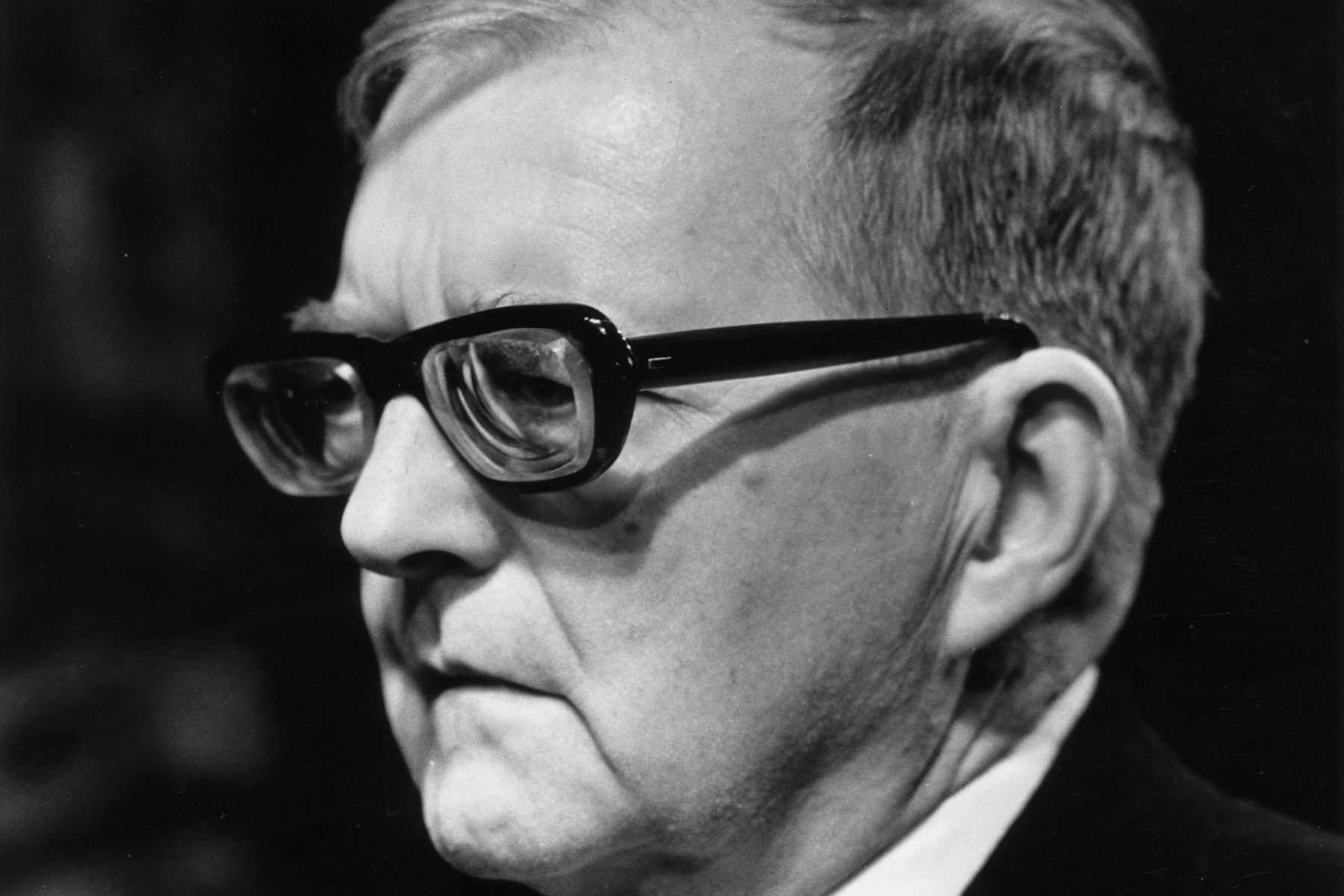
The problem: A work Shostakovich felt only shame for.. and would never have touched had he any choice in the matter
Shostakovich’s oratorio Song of the Forests is a different kind of regret: not a work he personally disliked, but one he had little choice about writing. Composed in 1949 under intense pressure from Soviet authorities, the work celebrated Stalin’s programme of reforestation while dutifully praising the dictator as a great gardener.
Shostakovich fulfilled the commission and received official approval, but the work became an uncomfortable reminder of the compromises demanded of him. There was little artistic pride in this particular success: indeed, accounts suggest that, after the work's successful premiere, the composer returned to his hotel room and wept.
10. Orff: Everything before Carmina Burana
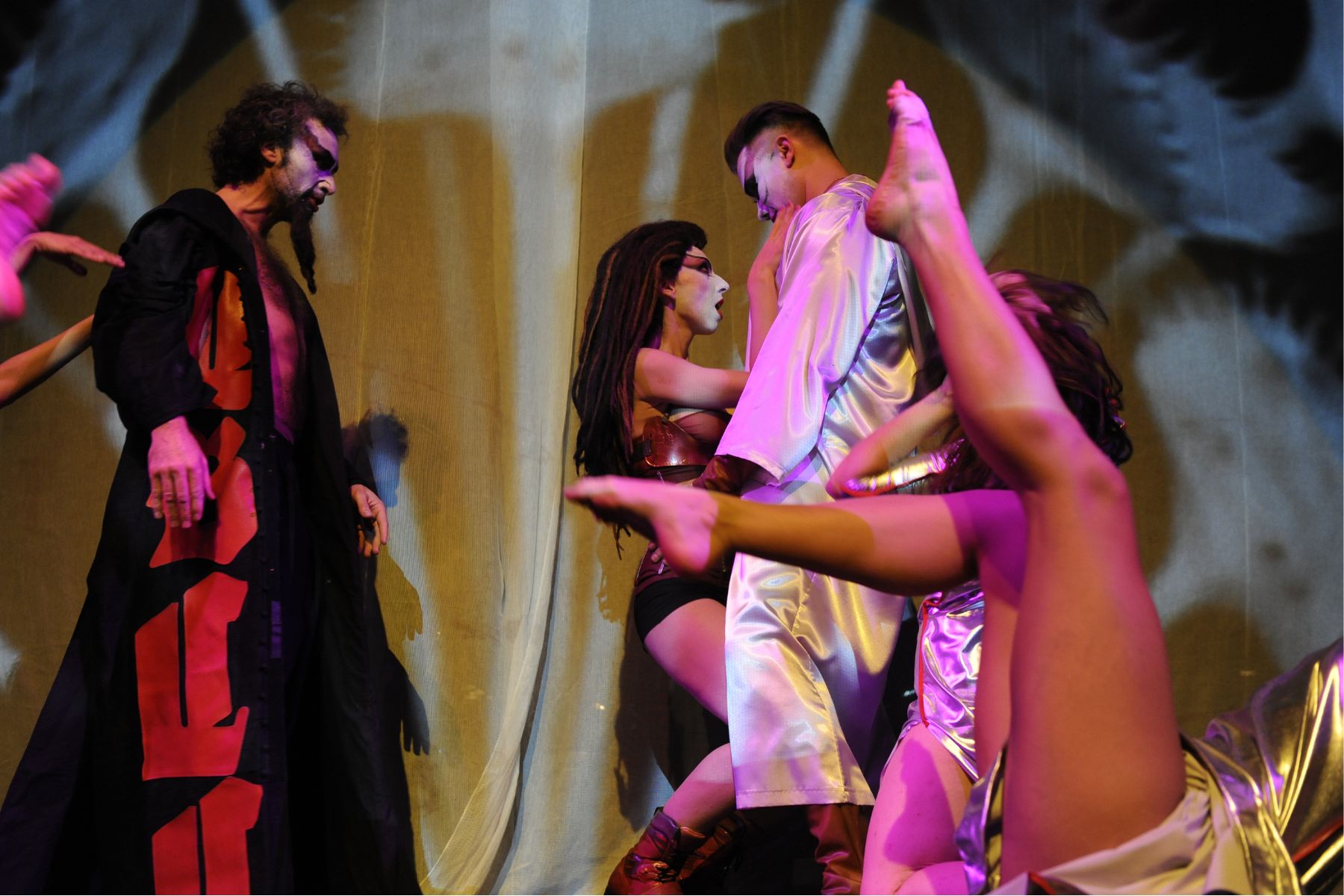
The problem: Orff found his musical voice with Carmina Burana. Everything he'd done previously seemed worthless in comparison
Until the mid-1930s, Carl Orff’s musical style was a vast melting pot of influences, ranging from Debussy to Schoenberg. And then came his musical epiphany – a collection of Medieval songs and poems that would gain immortality under the title Carmina Burana.
- Medieval instruments: 11 atmospheric musical instruments from the Middle Ages
- Twelve of the greatest poems of all time
Suddenly, everything else seemed worthless. Reinventing himself completely as a composer, Orff instructed his publisher to ‘destroy everything that I have written so far and which you’ve unfortunately published… My collected works now begin with Carmina Burana.’
11. Liszt: Hungarian Rhapsody No. 2
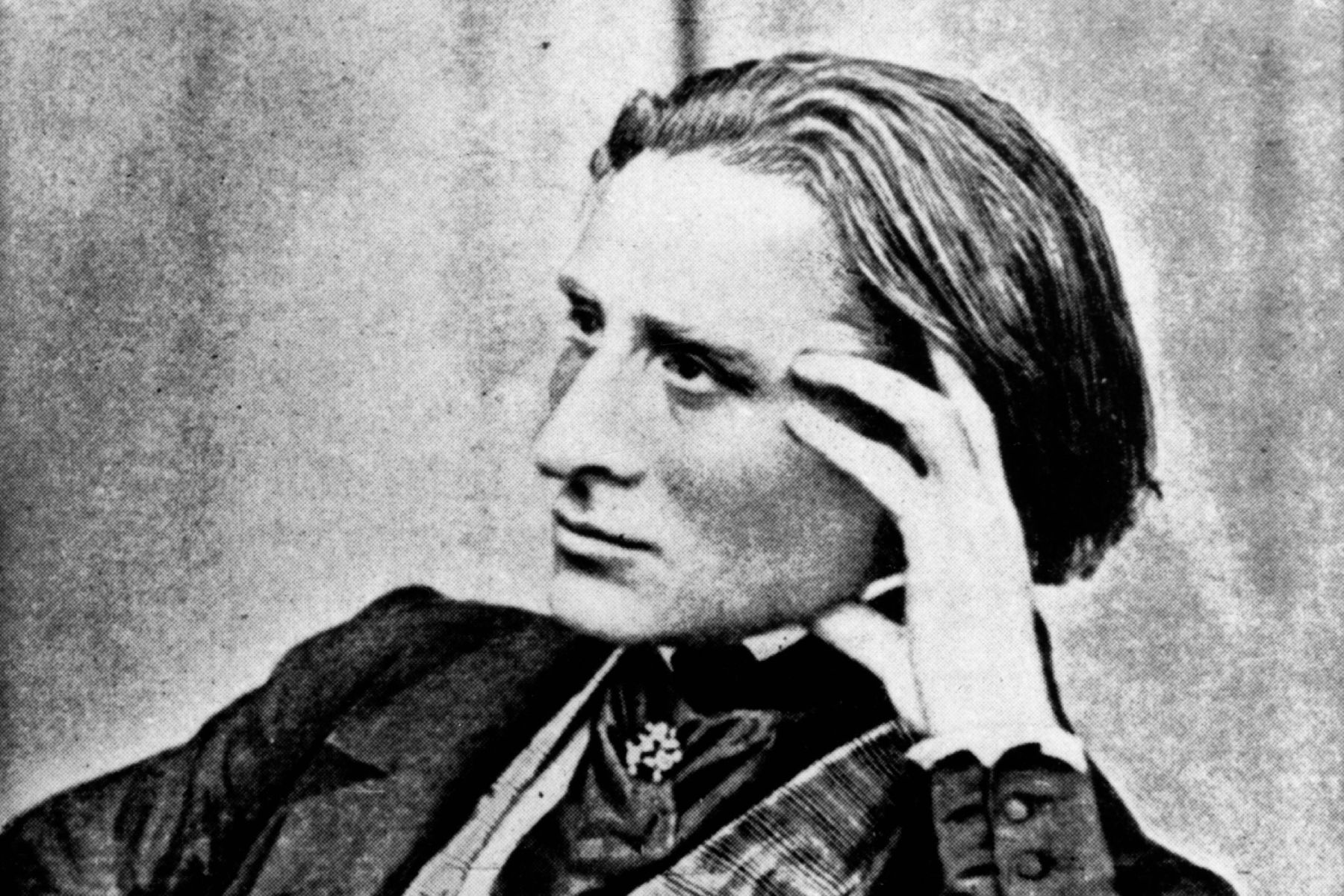
The problem: Liszt got sick of hearing it everywhere. And what about the other 18?
Nowhere is Liszt’s Hungarian heritage celebrated with such insatiable chutzpah as in his 19 solo piano rhapsodies. Yet it was the second of them, with its gypsy-band frolics and cimbalom-style pizzazz, that really took the world by storm. Liszt eventually had quite enough of it, and it became (along with Chopin’s B flat minor Scherzo) one of two pieces his pupils were forbidden to play him on pain of death.
Pics Getty Images


