
The ’90s was the decade when rock music did its best to pretend the bombastic naffness of the ’80s never happened.
Out went the spandex, big hair and power ballads and in came angst, irony, plaid shirts and an aversion to selling out. The foundations of alt-rock were laid in the ’80s by groups such as R.E.M., The Replacements, The Smiths, Pixies and Hüsker Dü, but the following decade saw it become part of the mainstream, not least thanks to the phenomenal success of Nirvana and the grunge bands that followed in their wake.
For the purposes of this feature, we’re defining ‘alt-rock’ as predominately US bands or – as in the case of My Bloody Valentine or Teenage Fanclub – acts strongly influenced by American music. So here are our top 15 alt-rock albums of the ’90s.
The 15 best alt-rock albums of the '90s
15. Pixies – Bossanova (1990)
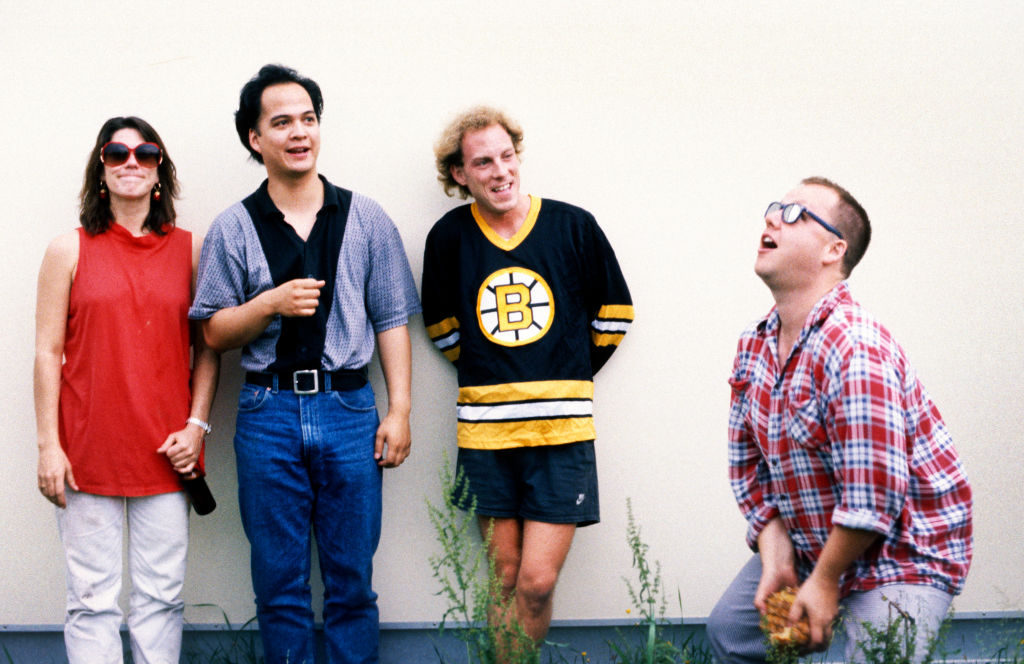
Boston four-piece Pixies laid the foundations of grunge with their peerless first three releases, Come On Pilgrim (1987), Surfer Rosa (1988) and Doolittle (1989). Their first album of the ’90s, Bossanova, saw them embrace a reverb-heavy, surf-rock influenced sound while toning down the raw, frenzied energy of their early albums (with the exception of the self-explanatory ‘Rock Music’).
The result was an album that lacked the consistency of their early landmarks but still featured some classics, such as the swooning ‘Velouria’, the surreal shenanigans of ‘Dig For Fire’ and the proto-‘Smells Like Teen Spirit’ thrills of ‘All Over The World’.
Key track: 'Velouria'
14. Fugazi – Repeater (1990)
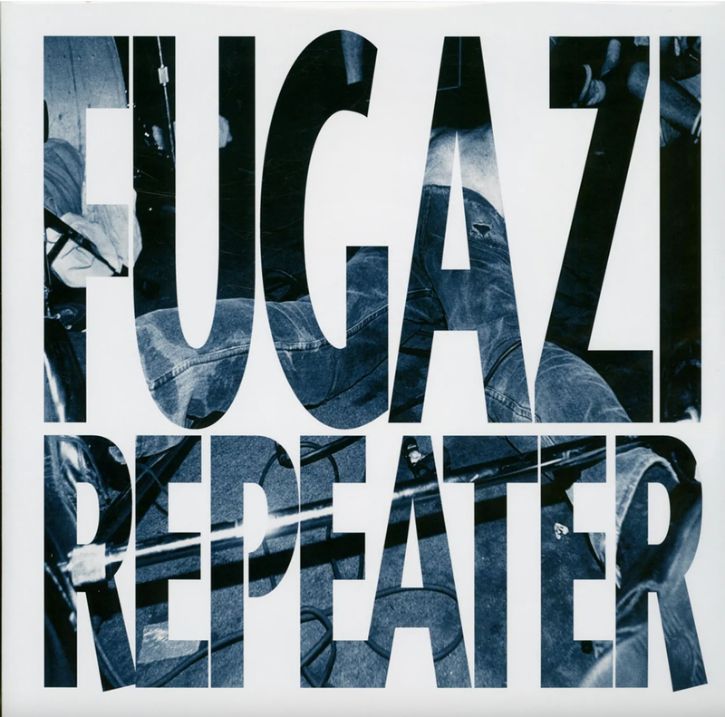
Anticipation was high for Fugazi’s debut album proper. As the ’80s drew to a close, the Washington DC post-hardcore heroes had released a series of uncompromising EPs and had earned a reputation as one of the most exciting live bands of their time. On its April 1990 release, Repeater lived up to that promise, exploring big issues head-on, from gun violence (‘Repeater’), drug abuse (‘Shut The Door’) and the ills of capitalism (‘Merchandise’), all set to exhilarating riffs.
Key track: 'Merchandise'
13. Teenage Fanclub – Bandwagonesque (1991)
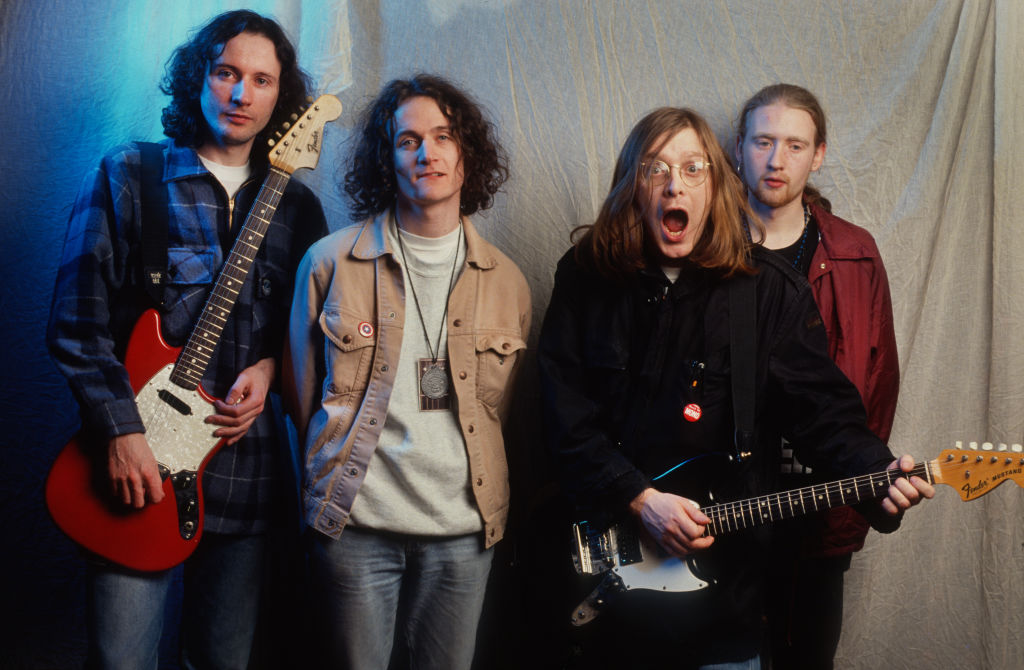
Glasgow indie heroes Teenage Fanclub’s third album saw them rein in the grungier elements of their early days and embrace the more melodic, power pop-influenced sound hinted at by early single ‘Everything Flows’. Bandwagonesque was packed with killer melodies, chunky ’70s rockers and sugar-sweet harmonies.
‘December’ was a lilting, bittersweet gem that could’ve been lifted straight off Big Star’s Radio City; ‘What You Do To Me’ and ‘Metal Baby’ were irresistible stompers; and the fuzzed-up-loved-up first track ‘The Concept’ set out its stall perfectly with one of the great opening couplets – "She wears denim wherever she goes/Says she’s gonna get some records by the Status Quo, oh yeah, oh yeah."
Key track: 'The Concept'
12. Guided By Voices – Alien Lanes (1995)
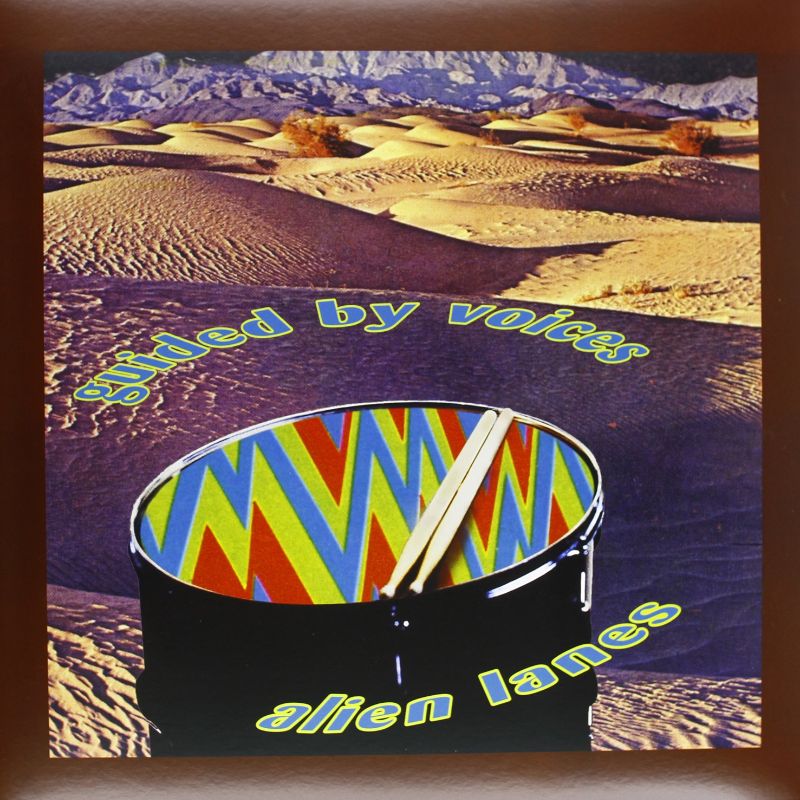
"The club is open," repeats Guided By Voices main man Robert Pollard on ‘A Salty Salute’, the first track on their eighth album, Alien Lanes. It’s an apt introduction to the band’s first album for legendary indie-rock label Matador. But just as the track is gathering momentum, it fades out abruptly, making way for the wayward guitars, drum machine and slurred vocals of ‘Evil Speakers’… which lasts about a minute before a left-turn into the gnarly ‘Watch Me Jumpstart’.
Such is the way with Alien Lanes – 28 songs are packed into its 41 minutes, creating a lo-fi indie tapestry. Pollard’s melodic gifts are evident on tracks such as ‘Game Of Pricks’, ‘Blimps Go 90’ and ‘Closer You Are’.
As is his instinct for self-sabotage, such as his decision to overdub an obnoxious snore over what might’ve been one of the album’s prettiest songs, ‘Ex-Supermodel’. At first, Alien Lanes sounds like a sprawling mess; given time it becomes something beguiling and unique.
Key track: 'Game Of Pricks'
11. Weezer – Pinkerton (1996)
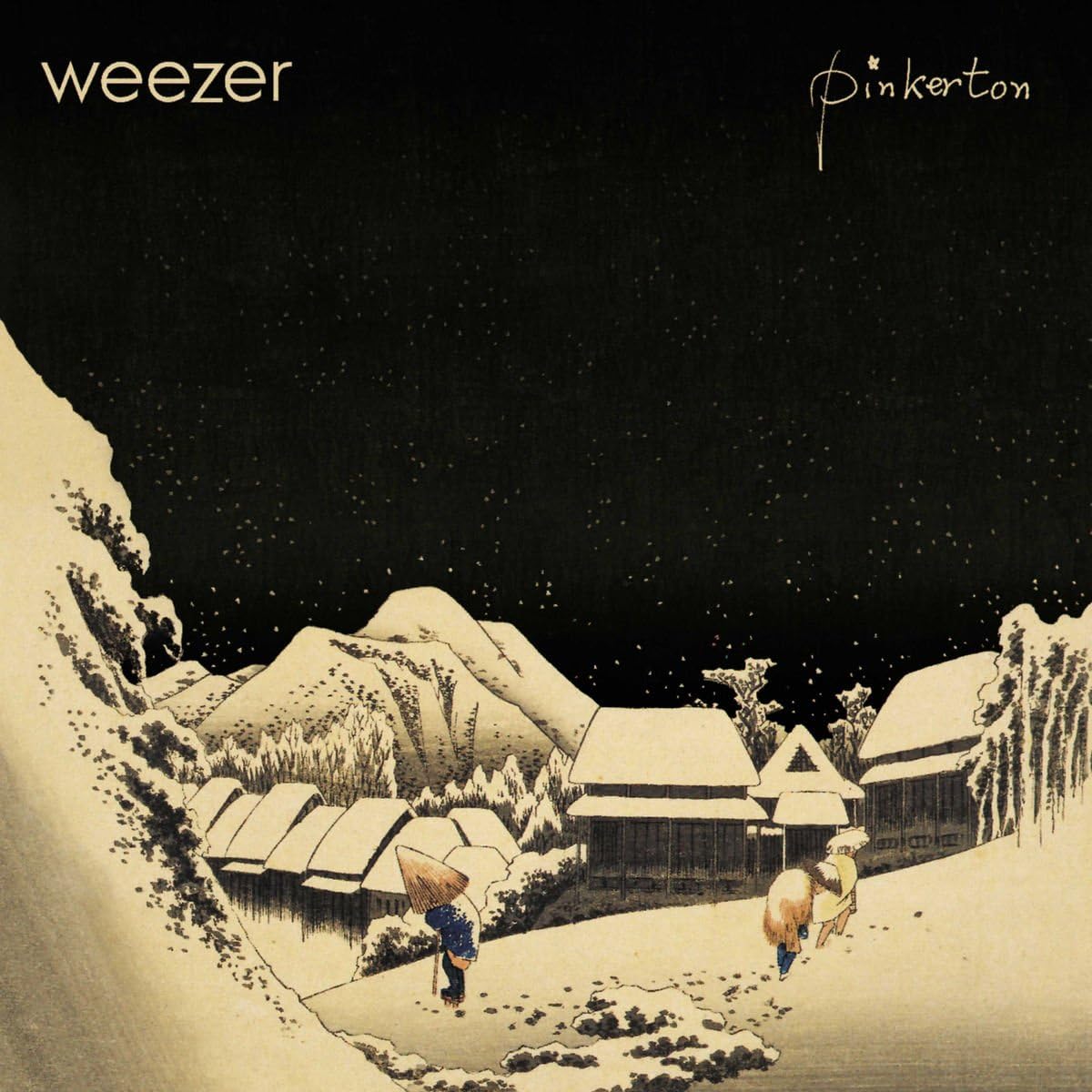
Weezer hit big at the first time of asking with their 1994 debut (also known as ‘The Blue Album’), a zesty power-pop behemoth which has sold over 15 million copies to date thanks to classic singles such as ‘Buddy Holly’, ‘Say It Ain’t So’ and ‘Undone – The Sweater Song’.
Frontman and songwriter Rivers Cuomo could easily have churned out more of the same. Instead – after taking a place at Harvard University and abandoning plans for a rock opera – he wrote Pinkerton, a cathartic, abrasive and ferocious-sounding second Weezer album that sold a fraction of the copies of their debut.
Pinkerton’s unflinchingly honest songs detailed Cuomo’s struggles with success, relationships and self-doubt – it was later seen as one of emo’s foundational texts. Cuomo was initially dismissive of the album, telling Entertainment Weekly, "It’s a hideous record ... It was such a hugely painful mistake that happened in front of hundreds of thousands of people." But despite Cuomo’s misgivings, Pinkerton became a cult favourite.
Key track: 'El Scorcho'
10. The Breeders – Last Splash (1993)
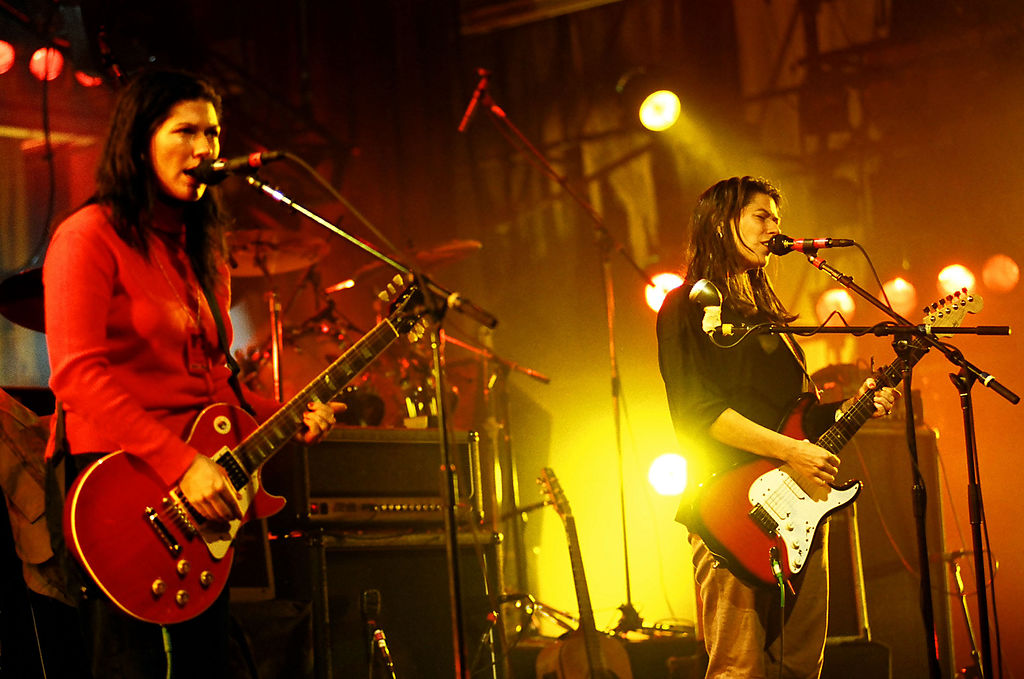
In 1990, Pixies bassist Kim Deal teamed up with Tanya Donelly of Throwing Muses to form The Breeders. Their debut album, Pod – featuring Britt Walford of Slint on drums and Steve Albini on production duties – won hearts everywhere, with fans including Kurt Cobain, who called it one of his favourite records ever and said, "I wish Kim was allowed to write more songs for the Pixies because ‘Gigantic’ is the best Pixies song, and Kim wrote it."
The Breeders continued as a sporadic side-project until Pixies disbanded in early 1993. At that point, Deal recruited her sister Kelley on guitar and The Breeders became her full-time gig. Last Splash followed the year after, its combination of Deal’s instinctive cool, great waves of noise and sugar-sweet melodies combining for one of the greatest rock albums of its time. Turns out Kurt Cobain was right.
Key track: 'Cannonball'
9. Sonic Youth – Washing Machine (1995)
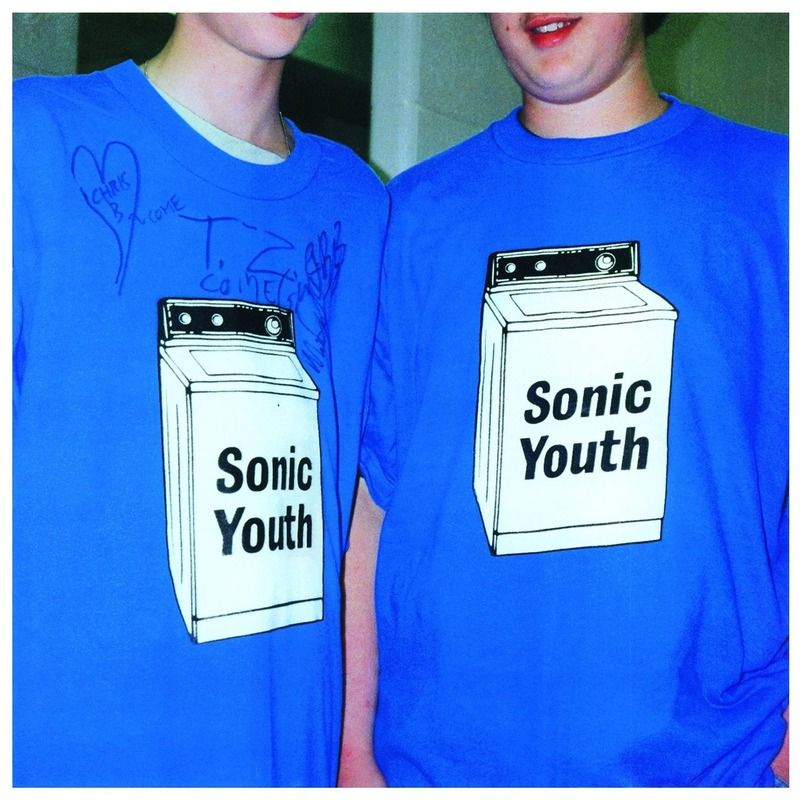
New York indie-rock royalty Sonic Youth went back to their experimental roots for ninth studio album Washing Machine. The band embarked on long, exploratory jam sessions in rehearsals, which they worked up into songs and took to the off-the-beaten-track Easley Studios, Memphis.
“This was the beginning of us finding a way to record our music more naturalistically,” bassist Kim Gordon said in David Browne’s Goodbye 20th Century. “That record is loose. It sounds like music, and more organic.” Washing Machine wasn’t the most accessible album that Sonic Youth would release in the ’90s – Goo (1990) and Dirty (1992) saw them walk the tightrope between mainstream-crashing melodies and noise-rock – but it might be the most enduring.
Gordon’s title track is an alt-rock odyssey, careening through guttural punk and gleaming krautrock; ‘Unwind’ begins all blissed-out guitar before building to a distortion-drenched frenzy; and closer ‘The Diamond Sea’ may be their greatest moment, flitting between balmy, bittersweet and beautiful waves of sound and crushing bursts of intense noise.
Key track: 'The Diamond Sea'
8. Smashing Pumpkins – Siamese Dream (1993)
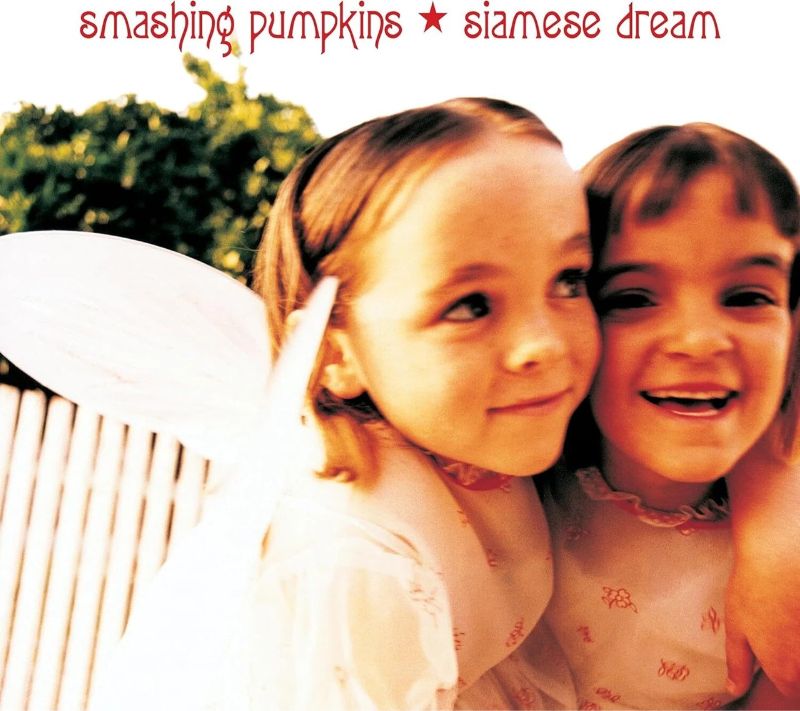
Smashing Pumpkins’ 1991 debut Gish marked them out as the alt-rockers most likely to follow in the footsteps of Nirvana, but by the time they came to record their second album, Siamese Dream, they were falling apart. Leader Billy Corgan was suffering from an almighty bout of writers’ block, bassist D’arcy Wretzky and guitarist James Iha’s romantic relationship had fallen apart, and drummer Jimmy Chamberlin was struggling with heroin addiction.
Against all odds, Siamese Dream was a classic and – despite the success of 1995’s sprawling and eclectic double-album Mellon Collie & The Infinite Sadness – remains the band’s defining statement. ‘Cherub Rock’ and ‘Hummer’ were among their greatest rock songs, all buzzsaw distortion and Corgan’s sinister coos. Meanwhile, the epic angst of ‘Disarm’ and bittersweet beauty of ‘Today’ showed how far Corgan’s songwriting had already come.
Key track: 'Today'
7. Hole – Live Through This (1994)
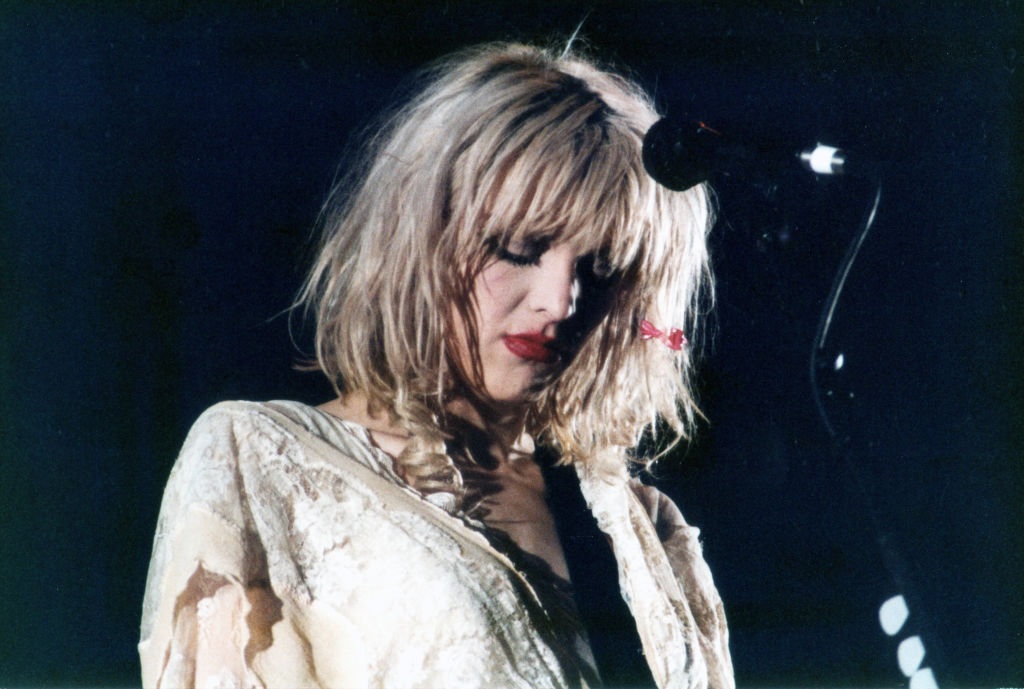
The second album by Courtney Love’s Hole was her finest moment, with classics such as ‘Doll Parts’, ‘Violet’ and ‘Miss World’ adding sugary hooks to the raucous punk of their early material while taking aim at misogyny, celebrity and the media. But despite its brilliance, it was immediately associated with the death of Love’s husband, Nirvana frontman Kurt Cobain, who committed suicide just days before the album was released.
Cobain sings backing vocals on two tracks – ‘Asking For It’ and ‘Softer, Softest’ – but Love was the star here, a raging, swaggering and wounded force of nature on an album that still sounds vital.
Key track: 'Doll Parts'
6. Manic Street Preachers – The Holy Bible (1994)
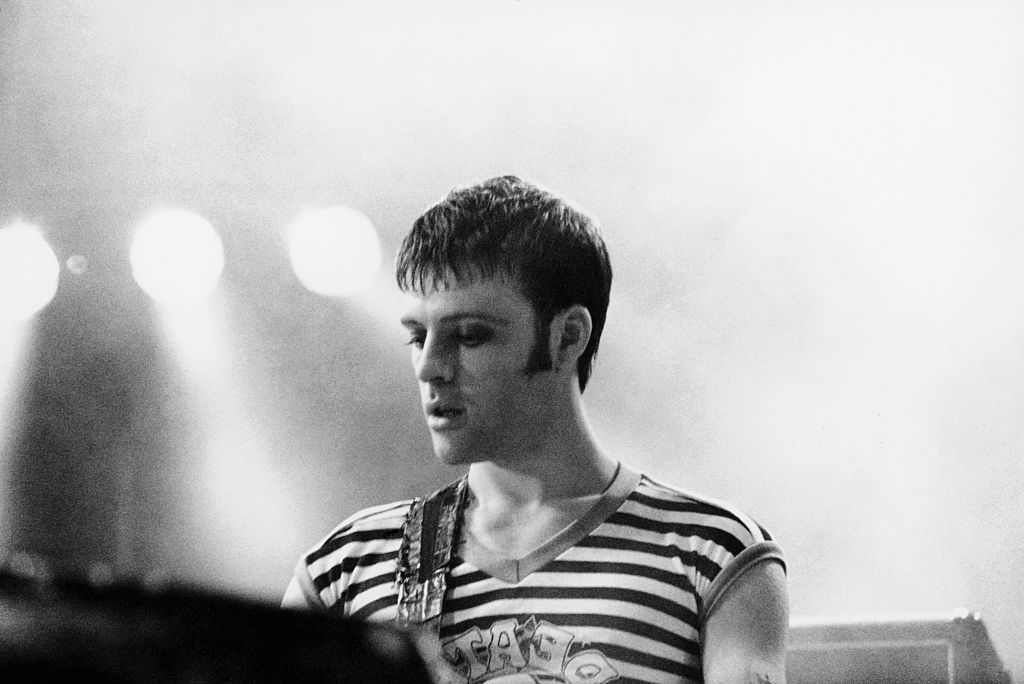
Welsh rockers Manic Street Preachers always stood apart from their British rock contemporaries. Never was this more apparent than with the release of their third album, The Holy Bible. At a time when the knees-ups and cheeky cockney stylings of Britpop were getting into full swing, the Manics created their dark masterpiece.
Richey Edwards and Nicky Wire’s bleak, raging and righteous lyrics explored subjects that other rock bands wouldn’t touch, from eating disorders to capital punishment to fascism. Meanwhile, the visceral lyrics were matched by the foreboding post-punk and near-industrial music by singer/guitarist James Dean Bradfield and drummer Sean Moore.
Edwards went missing on 1 February 1995, the day before a promo trip to the US, and though his car was found near the Severn Bridge, he was never found. The band continued as a trio, going on to become one of the biggest bands of their time, but they never quite hit these heights – or plunged these depths even – again.
Key track: 'Faster'
5. My Bloody Valentine – Loveless (1991)
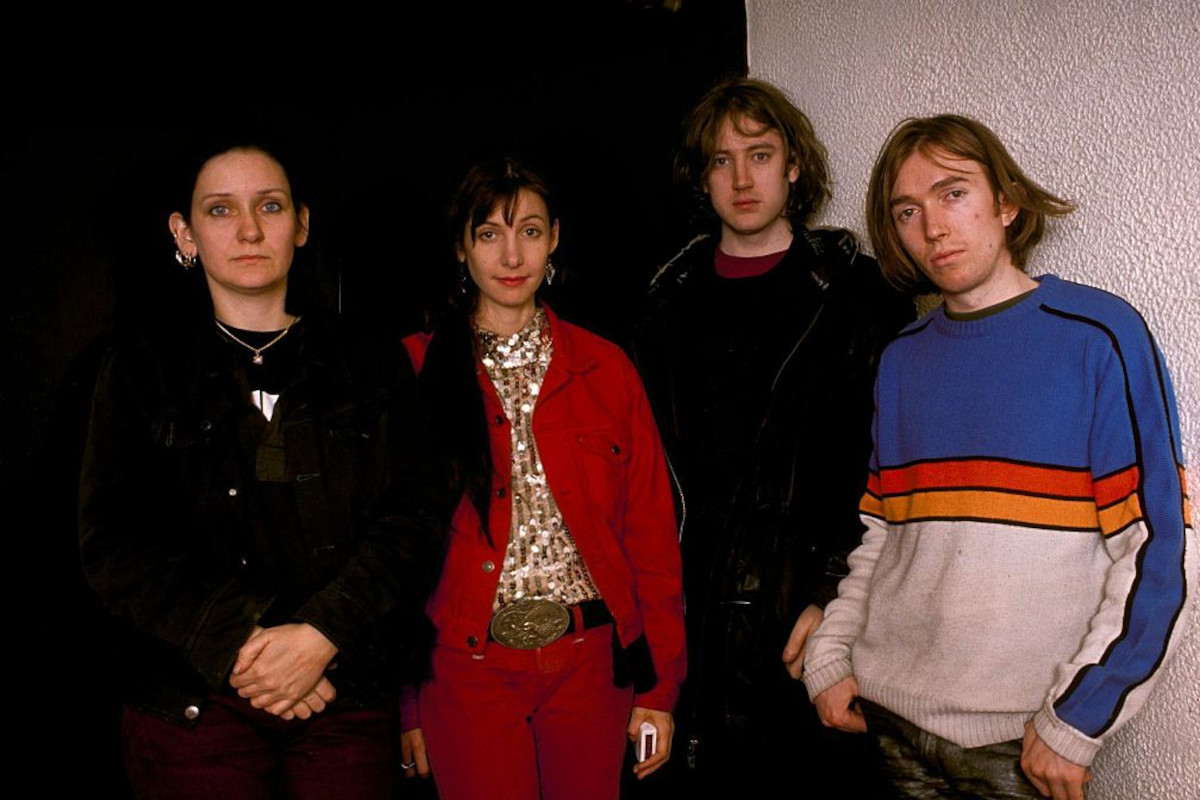
If My Bloody Valentine’s label, Creation Records, had their way, Loveless might be seen today as one of the great records of the 1980s. Sessions for MBV’s second studio album began in February 1989 and – according to guitarist and sonic mastermind Kevin Shields – Creation expected the album to be recorded in five days. Three years, 19 different studios, 18 engineers and an estimated £250,000 later – a huge amount for the struggling indie label – Loveless was finally completed.
Luckily for Shields, it was a landmark album, a collection of symphonic noise, trippy beats and ethereal melodies that sounded like nothing else. Shields was vindicated but Loveless’ brilliance was a tough act to follow. After years of abandoned sessions and rumoured writers’ block, the band didn’t return until 2013’s m b v – it was, naturally, another masterpiece.
Key track: 'When You Sleep'
4. Neutral Milk Hotel – In The Aeroplane Over The Sea (1998)
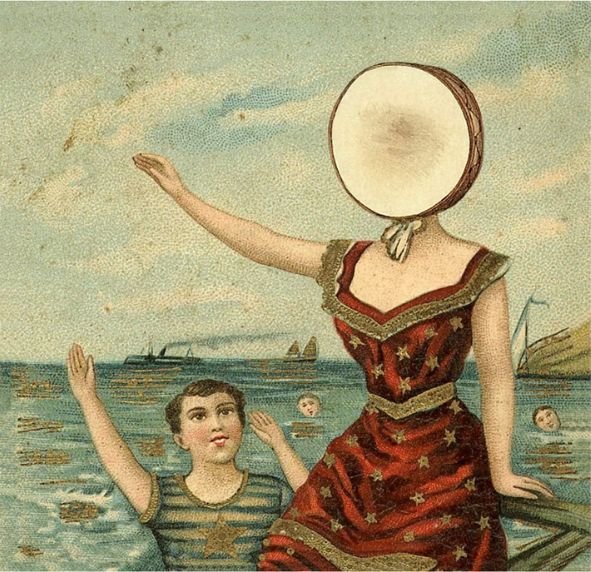
Formed by singer-songwriter Jeff Mangum in Rushton, Louisiana, in the late ’80s, Neutral Milk Hotel took a massive leap forward with their second album, In The Aeroplane Over The Sea. Debut album On Avery Island saw Mangum’s weird folk songs given discordant interludes, passages of motorik-like repetition and throbbing drones adding experimental intrigue.
By In The Aeroplane Over The Sea, the layers of distortion had been replaced by junk shop accordions, Salvation Army marching band horns, singing saws, banjos and feverishly strummed guitars. Meanwhile, Mangum’s surreal, earthy and romantic lyrics won the hearts of troubled teenagers everywhere.
Key track: 'In The Aeroplane Over The Sea'
3. Slint – Spiderland (1991)
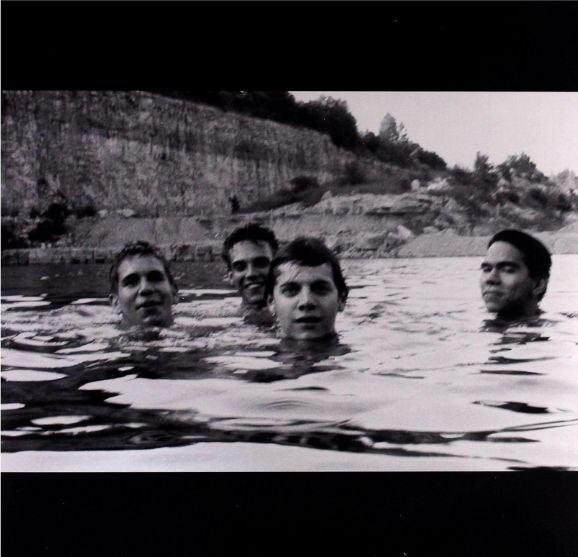
By March 1991, when Louisville post-rock pioneers Slint’s second album, Spiderland was released, the band had already split up. Though they have reunited on occasion for live shows, it remains their final release. And yet, Spiderland set a blueprint for post-rock and its influence still looms over pretty much every alternative rock band of note.
It’s essentially a suite of six mostly instrumental, intricate, creepy rock songs – think Television featuring Neil Young scoring The Blair Witch project and you’re some of the way there. Brian McMahan and David Pajo’s guitars play off one another, shifting from appropriately spidery, seemingly meandering lines to coruscatingly heavy riffs, all underpinned by Britt Walford’s sophisticated and dextrous drumming.
"It’s an amazing record," noise monger extraordinaire Steve Albini wrote in Melody Maker in 1991, "and no one still capable of being moved by rock music should miss it. In 10 years’ time, it will be a landmark and you’ll have to scramble to buy a copy then. Beat the rush." Not for the last time, Albini was on to something.
Key track: 'Good Morning, Captain'
2. Nirvana – In Utero (1993)
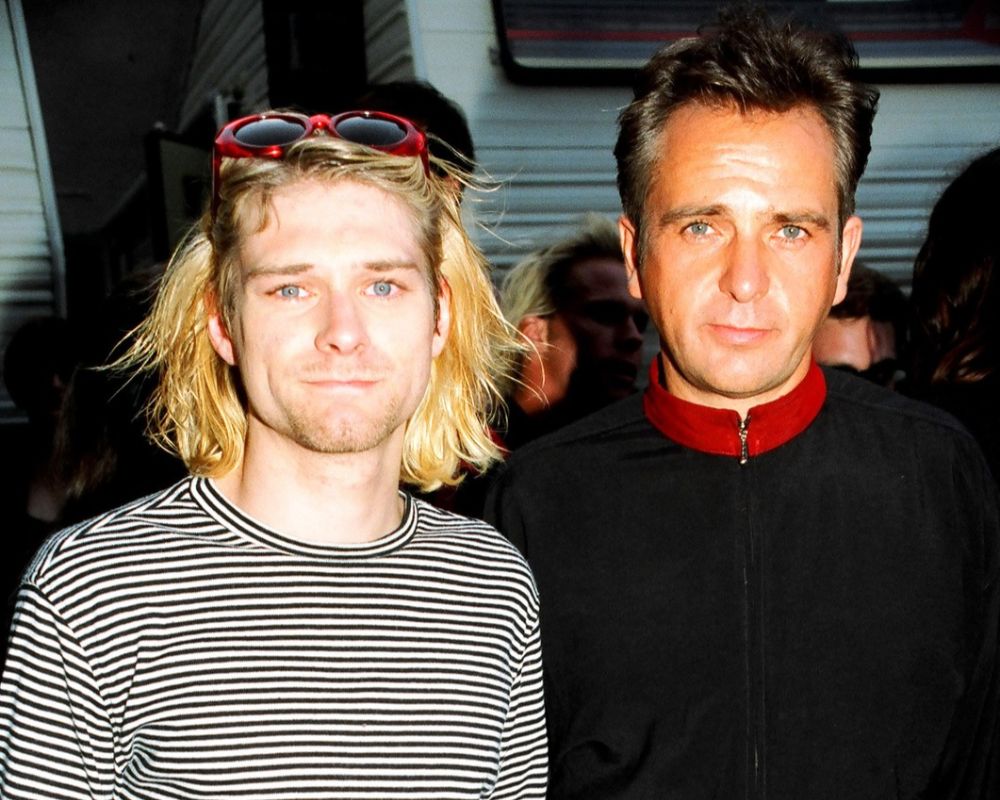
When he wasn’t writing adoring reviews of Slint for British music papers, Albini was keeping busy as one of the lynchpins of alt-rock (a term he would’ve no doubt hated). As well as playing in Big Black and Shellac, Albini had produced or engineered some of the defining rock bands of the time, including Pixies, The Breeders, PJ Harvey, The Wedding Present and The Jesus Lizard.
When Nirvana came to recording their follow-up to their gargantuan 1991 album Nevermind, they wanted a return to their raw, punk rock roots and Albini was the natural choice. Recorded in just six days, In Utero captured Nirvana at their wildest and most uncompromising from the crashing first note of the snarling ‘Serve The Servants’ to the bruised resignation of ‘All Apologies’.
Along the way, ‘Scentless Apprentice’ was all pulverising drums and anguished cries, ‘Heart-Shaped Box’ flipped between tender lament and raw power; ‘Dumb’ took the Nevermind template and twisted it into new and interesting shapes’ and ‘Radio Friendly Unit Shifter’ was a brutal comment on fame.
Key track: 'Heart-Shaped Box'
1. Pavement – Slanted and Enchanted (1992)
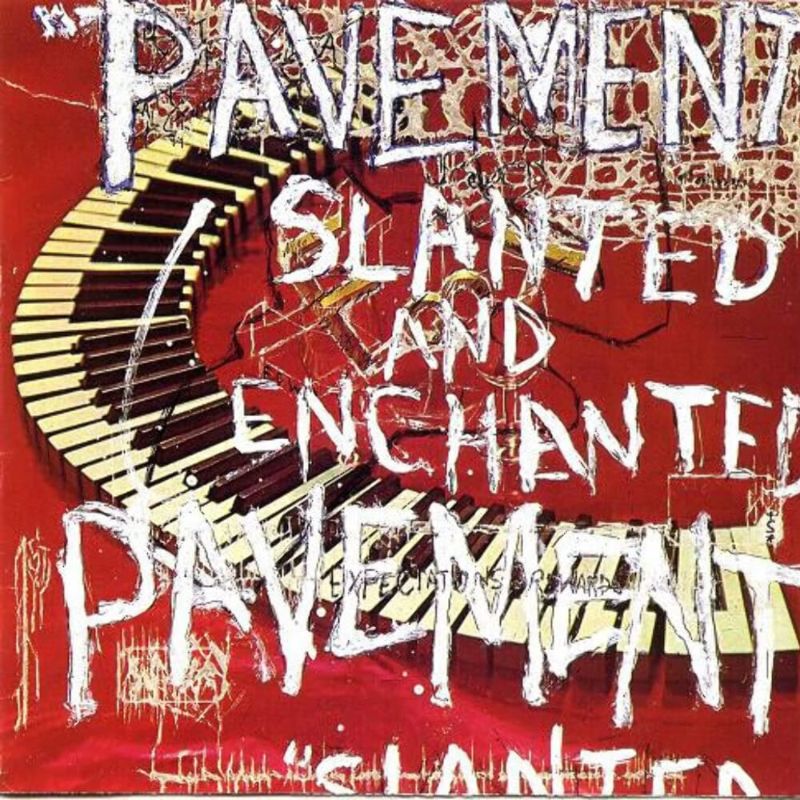
Stephen Malkmus and Scott Kannberg formed Pavement in Stockton, California, in 1989. At first, the two guitarists envisioned the band as a studio set-up, recording their first EP, Slay Tracks: 1933-1969, in one four-session with wildcard producer and drummer Gary Young at his own Louder Than You Think studio.
Despite Young’s lower-than-lo-fi production there were already hints at the band they’d become – a contrarian love of melody and discordant noise, lyrics that revel in arcane and irreverent language, a tendency to throw emotional sucker punches at the least expected moments and pop smarts to spare. All of that came to fruition on debut album proper, 1992’s Slanted and Enchanted, recorded with Young at Louder Than You Think in just 10 days.
Opening track ‘Summer Babe (Winter Version)’, was a giant leap forward and pulls off the unlikely feat of starting with a wry reference to Vanilla Ice before delivering a fuzzed-up, melancholic pay-off that felt nostalgic before its time. Meanwhile, ‘Trigger Cut’ begins like ABBA’s ‘Does Your Mother Know’ gone to seed before cramming more hooks into three minutes than a Peter Pan casting call. Elsewhere, ‘In The Mouth A Desert’ and ‘Here’ were slow-burning indie anthems that pointed to future triumphs.
Yes, ‘Zurich Is Stained’ and ‘Two States’ might sound like the spirited Fall knock-offs they were, but even then, the sardonic, surreal wit of Malkmus’ lyrics make it something of their very own. Pavement wrote a new rulebook for indie music in the ’90s and their influence is still being felt today, with many of today’s alt-rock heroes – Geese, Wednesday, MJ Lederman – owing them a huge debt.
"I think Slanted and Enchanted probably is the best record we made," Malkmus told GQ, "only because it's less self-conscious and has an unrepeatable energy about it." Who are we to argue?
Key track: 'In The Mouth A Desert'
All photos Getty Images/Album sleeves Amazon. Top image L to R: D'Arcy Wretzky, Jimmy Chamberlin, Billy Corgan and James Iha of Smashing Pumpkins, 1993


