
Rock history isn't just the story of great bands. It's the story of places.
Time and again, a handful of clubs, record shops, rehearsal rooms and cheap apartments have become unlikely incubators for entirely new sounds.
One neighbourhood discovers electric blues. Another strips rock back to three furious chords. Somewhere else, musicians decide guitars should shimmer, drone, groove or simply make the most glorious racket imaginable. Before long, the rest of the world is copying them.
Sometimes these scenes lasted barely a few years before success, drugs or commercial pressures tore them apart. Others evolved into full-blown genres that still shape music today. But all shared one thing: an extraordinary concentration of creativity that couldn't have happened anywhere else.
From Chicago's electrified blues clubs to Seattle's rain-soaked grunge explosion, these are the American music scenes that didn't just produce great records – they permanently changed the course of rock.
We also offer up a gateway album for each scene if you fancy dipping your toes in.
15 rock scenes that altered the musical landscape and US cities they came from
1. Chicago Blues, Chicago
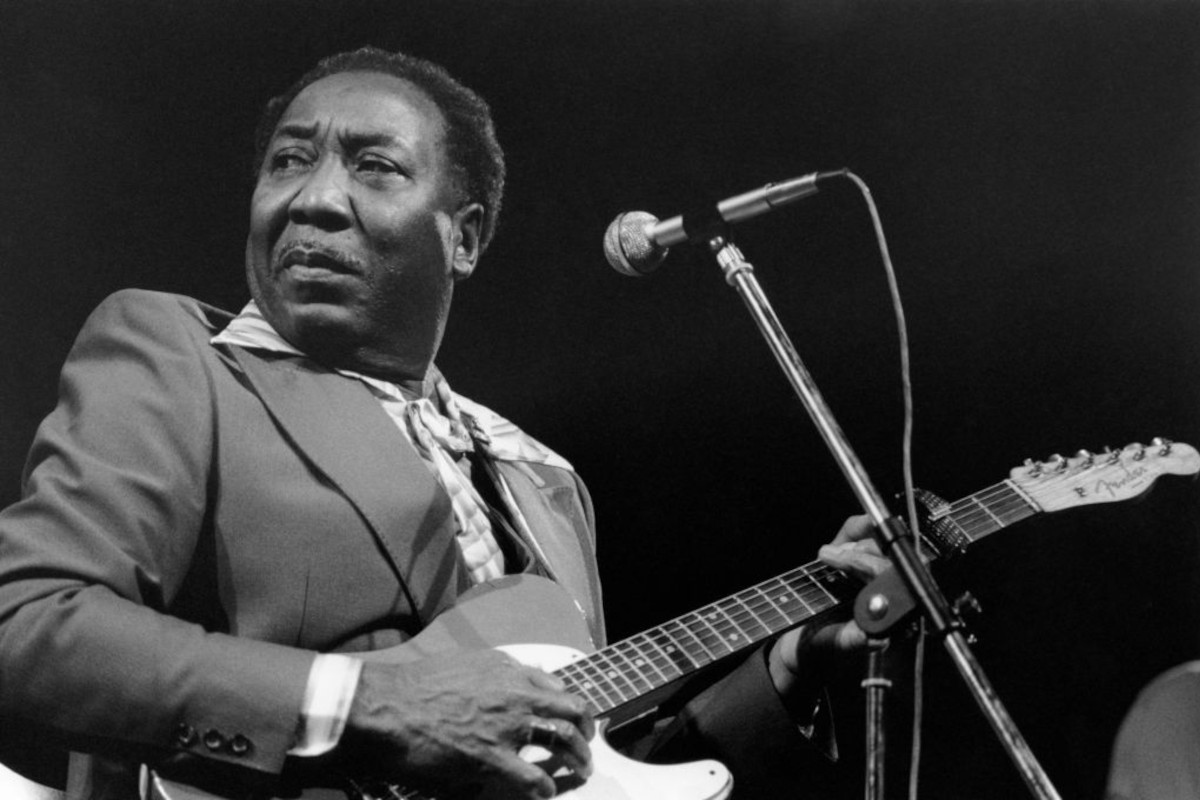
The Chicago Blues developed as a city scene in the late 1940s and by the sheer might of its influence became an important and enduring genre. It began to take shape when musicians, many who had moved to the city from the rural South as part of the Great Migration of American Africans, plugged in their electric guitars and amplified the Delta blues.
One of the earliest proponents of the Chicago Blues was Muddy Waters, who moved from Clarksdale, Mississippi to the Midwest to become a professional musician. He blazed a trail in Chicago’s bars and clubs alongside liked-minded powerhouses such as John Lee Hooker and Howlin’ Wolf.
Founded in 1950, Chicago’s Chess Records helped to spread the word. Musicians were listening on both sides of the Atlantic, including early rock’n’rollers such as Chuck Berry, and wannabe English bluesmen such as Eric Clapton, Jeff Beck and The Rolling Stones.
Gateway album: Muddy Waters – At Newport 1960 (1960)
2. Psychedelic rock, San Francisco
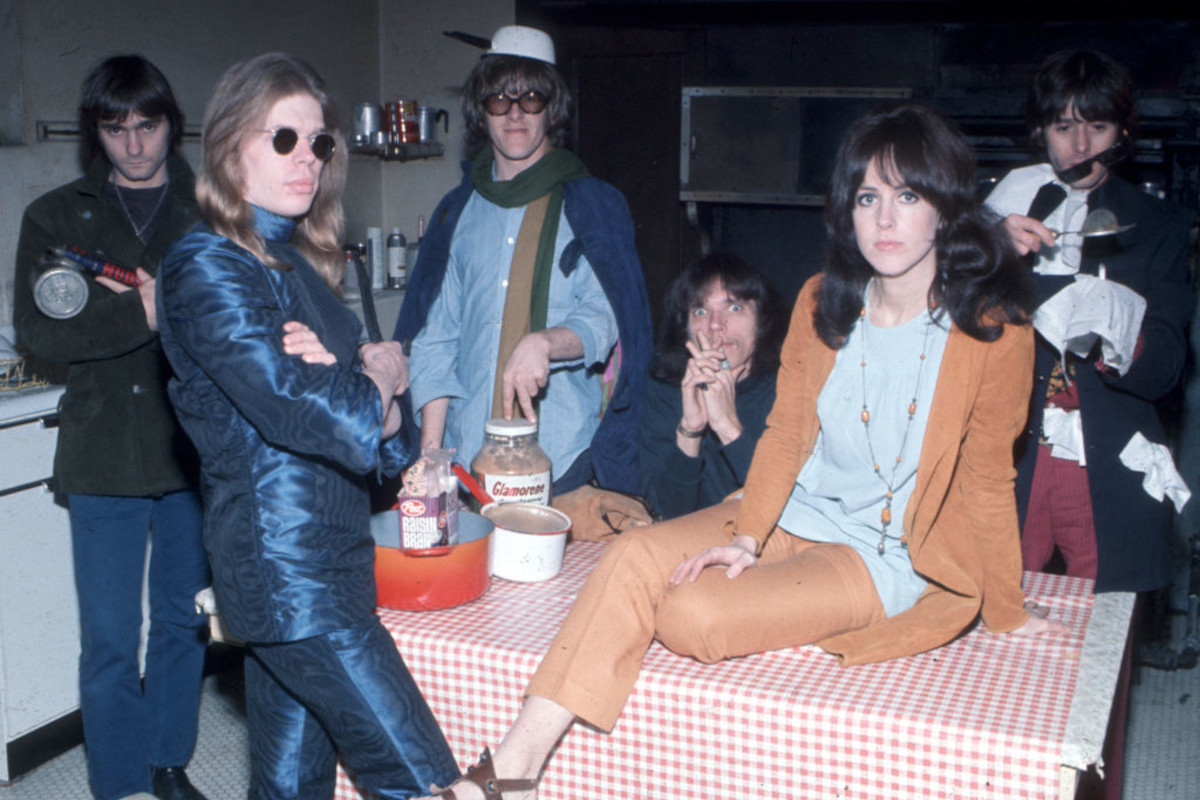
With cheap rent, a countercultural spirit, and LSD widely available, San Francisco was always destined to be the birthplace of psychedelic rock. The Grateful Dead were the omnipresent giants of the scene famous for their trippy, elongated jams. Jefferson Airplane were the hit-makers with 45s ‘White Rabbit’ and ‘Somebody To Love’ bringing the scene’s loved-up ethos to the masses.
The Fillmore on 1805 Geary Boulevard was central to the scene, as were its dazzling psychedelic concert posters. The venue hosted other prominent bands on the scene, such as Big Brother and the Holding Company, Quicksilver Messenger Service and Santana.
The scene imploded in the early 70s under the weight of commerciality and a different, darker drugs scene.
Gateway album: Jefferson Airplane – Surrealistic Pillow (1967)
3. Proto-punk, Detroit
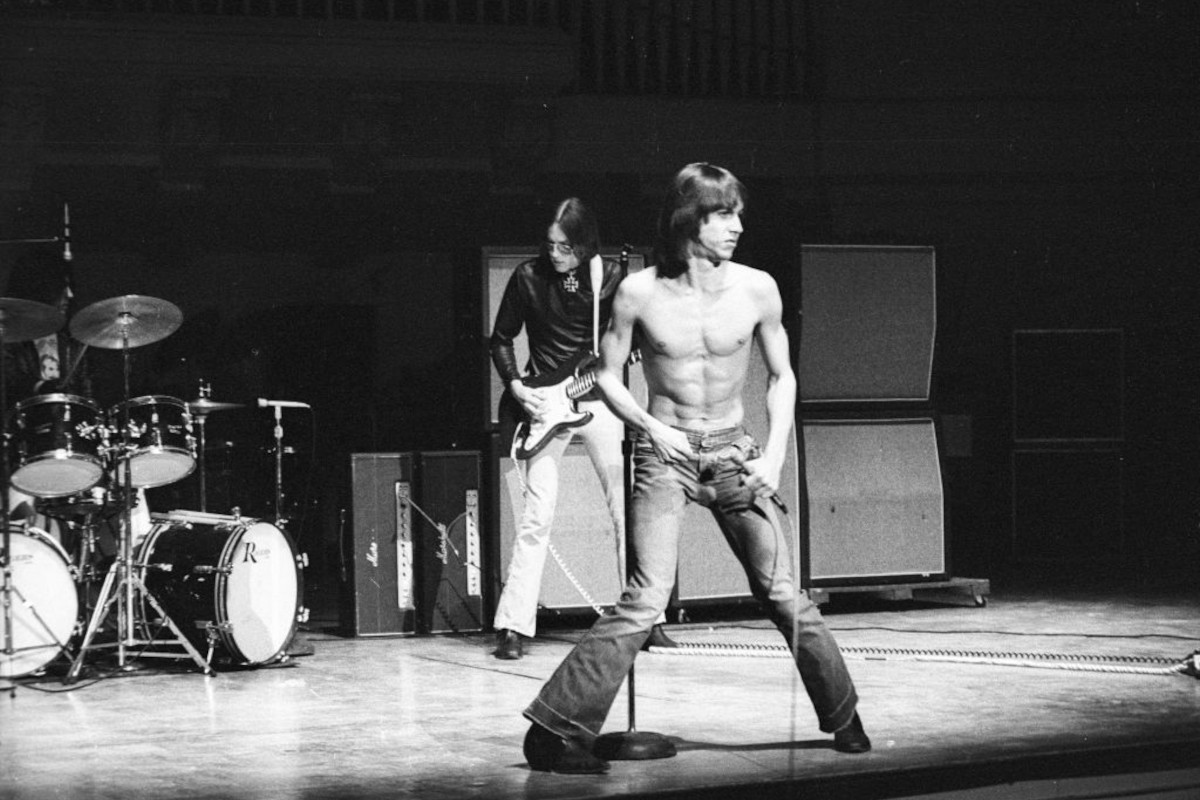
Obviously enough Detroit’s musical revolution in mid-60s wouldn’t have been labelled ‘proto-punk’ at the time, but there’s no getting away from the scene’s massive influence on future generations of snotty kids.
The scene was largely a two-pronged attack with MC5 and The Stooges at its aggressive forefront. The MC5 delivered their singular take on garage rock with no small amount aggression and a militantly political edge. The band’s iconic live album Kick Out The Jams was recorded at the scene’s most significant hangout, the Grande Ballroom.
The Stooges were no less explosive as a live act and often opened for the MC5 at the Grande. Regarded as MC5’s little brother band, both were signed to Elektra at the same by legendary PR man Danny Fields.
Gateway album: The Stooges – Fun House (1970)
4. Laurel Canyon, Los Angeles
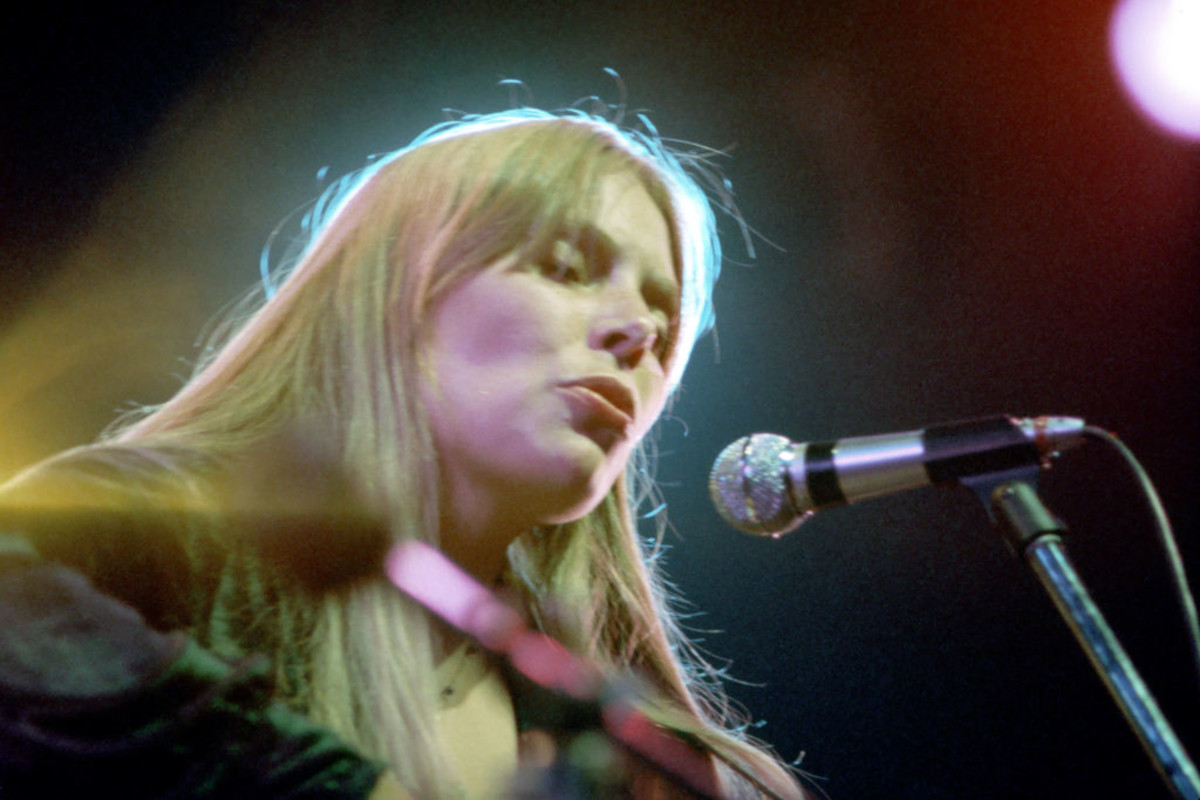
Laurel Canyon is a mountainous neighbourhood located in the Hollywood Hills district of LA. The former home of movie stars, including Tom Mix, Clara Bow and Bela Lugosi. By the late 60s, however, the rock stars had moved in.
This is where Crosby, Still, Nash and, eventually, Young got together to pool their talents, rubbing shoulders with songwriters such as Jackson Brown and James Taylor while they were at it.
Then there were the ladies of the Canyon with Joni Mitchell, Carole King and Carly Simon pouring their heart and soul into intensely personal songs.
The scene is associated primarily with its mellow, Californian sound and brooding singer-songwriters writing confessional albums about their relationships with other brooding singer-songwriters.
Gateway album: Joni Mitchell – Blue (1971)
5. Punk, New York
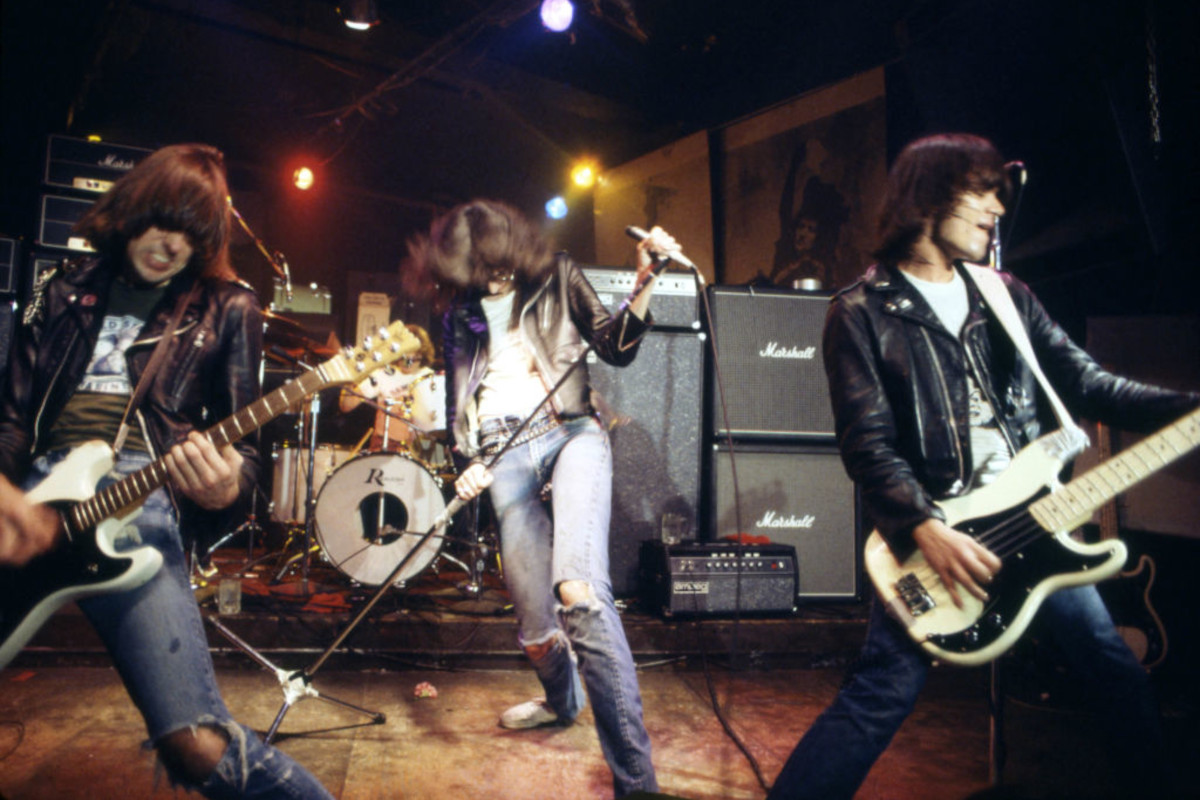
The New York City punk scene of the 1970s revolved around two iconic Manhattan venues, namely CBGB in the East Village and Max’s Kansas City in Gramercy. Unlike the UK punk scene, which was a working class revolt, the US punk movement was an art-powered cultural happening.
The seeds of the punk scene’s origins were sowed the New York Dolls, Suicide, Patti Smith, and Television. Most important of all were The Ramones, who best encapsulated punk’s up-in-your-grill spirit.
A slew of bands closely followed with Richard Hell & The Voidoids, The Dictators, The Heartbreakers and the relocated Dead Boys fuelling punk’s fire. Blondie and Talking Heads added the light relief.
Gateway album: The Ramones – Ramones (1976)
6. Cleveland punk, Cleveland
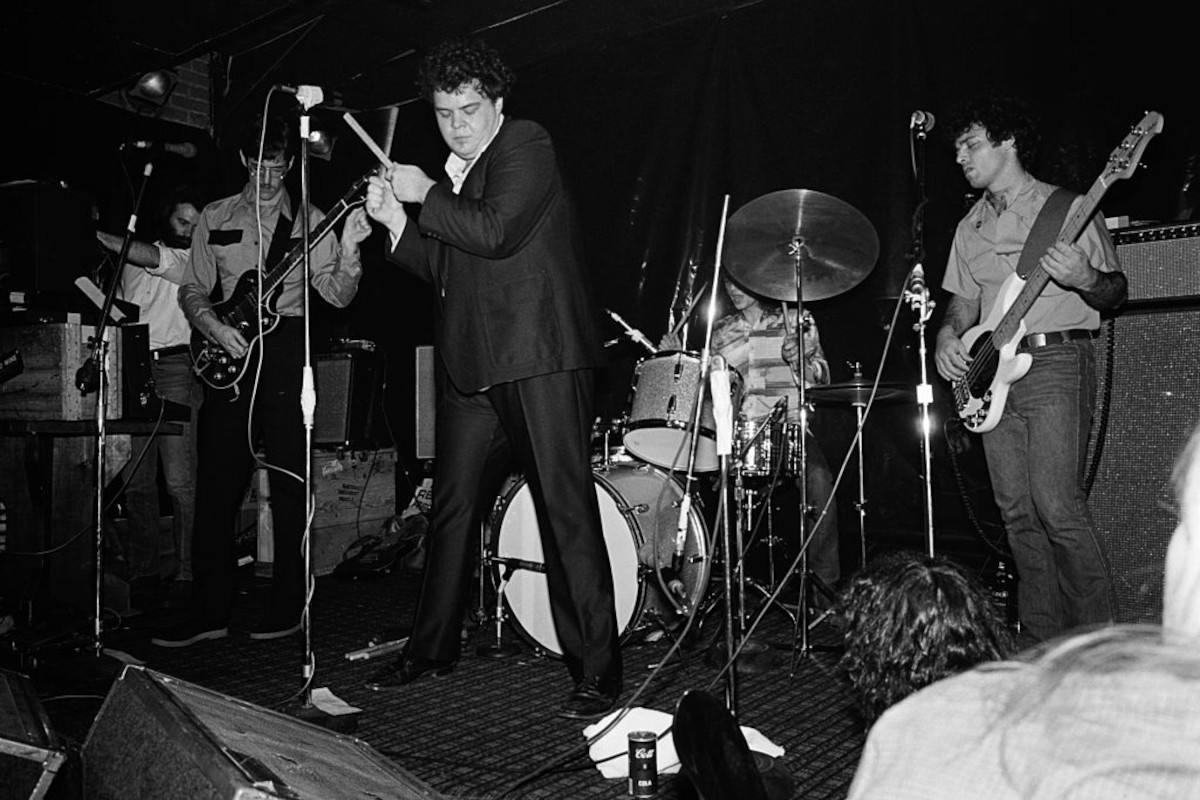
Great art is often born out of adversity, which was undoubtedly the case with the punk scene coming out of Cleveland in the early 70s. The city was suffering from the effects of deindustrialisation, and out of the urban decay crawled a number of proto-punk bands. The three main acts, Rocket From The Tombs, Mirrors and The Electric Eels were influential taking basic garage rock to wildly experimental places.
These acts all called it a day in 1975 but out of the wreckage came a number of scene-defining acts, in the formidable shape of Pere Ubu, Dead Boys and The Pagans. These bands were able to expand their horizons beyond Cleveland and bring its sound to a wider, unsuspecting world.
Gateway album: Pere Ubu – The Modern Dance (1978)
7. No Wave, New York
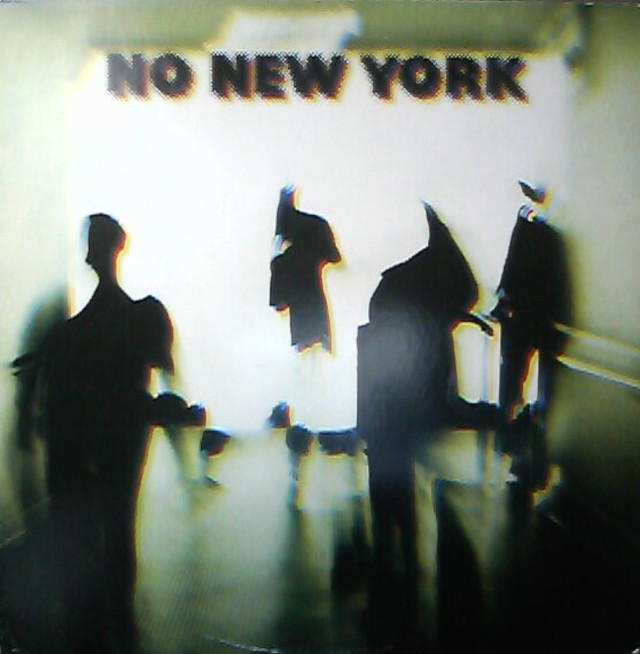
The nihilistic No Wave scene sprung up in New York’s downtown neighbourhood in the late 70s. It emerged as a reaction against punk’s mainstream sell-out and new wave’s predictable commerciality. While its sonic output was not easily definable, and certainly not chart friendly, no wave artists were united in the collective aim of rejecting rock’s existing aesthetics.
No wave bands experimented with non-rock genres such as funk, disco and free jazz and added an atonal layer of dissonance for good measure.
Suicide are regarded as the godfathers of the scene, and the baton was carried on by bands such as James Chance and the Contortions, Mars, DNA and Teenage Jesus and The Jerks. Our gateway album below is a compilation featuring the majority of the artists listed, and was compiled by sonic polymath Brian Eno.
Gateway album: Various Artists – No New York (1978)
8. Paisley Underground, Los Angeles
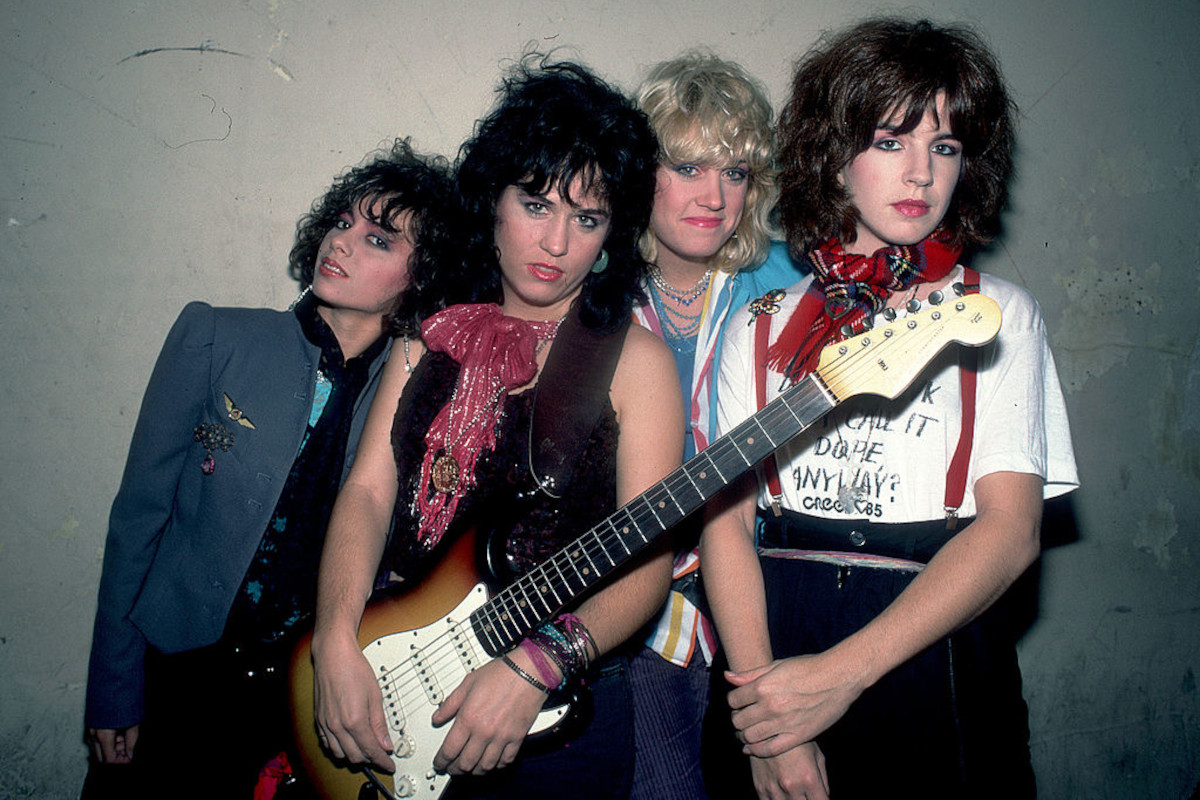
The Paisley Underground burned briefly and brightly in the mid-1980s. The scene revived the classic rock and pop of Californian bands such as The Byrds, Love, Buffalo Springfield and, even, The Monkees. To which a sprinkle of DIY punk ethic, a touch of psychedelia, close harmonies and a jangly guitar were added to the mix.
The Paisley Underground’s roster of bands included The Dream Syndicate, Rain Parade, Long Ryders, The Three O’Clock and The Bangles. Prince was a huge fan of the Paisley Underground, and it was his patronage that helped The Bangles breakthrough to the mainstream.
Gateway album The Dream Syndicate – The Days of Wine and Roses (1982)
9. Hardcore, Washington, D.C.
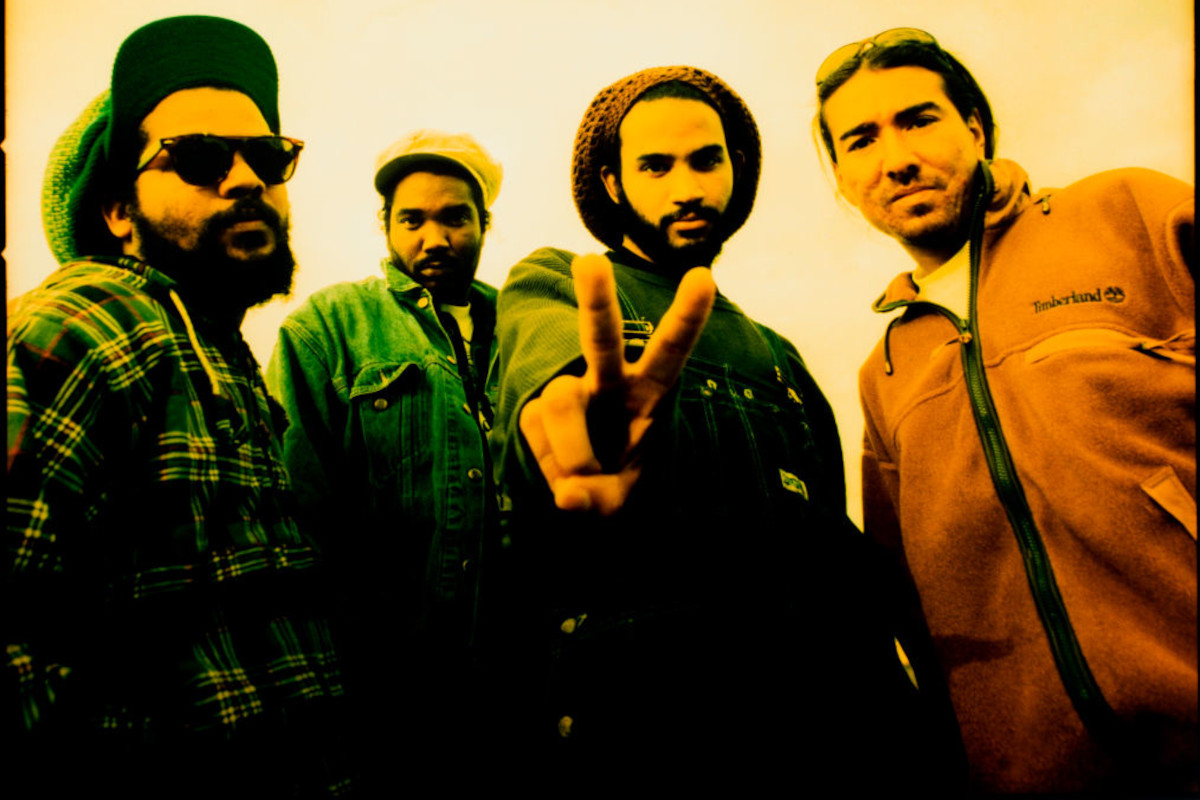
The hardcore movement stripped punk down to its bare basics and then ramped up the speed and aggression. Washington DC is credited as one of the movement’s earliest and most influential scenes. Washington HarDCore was incubated in the celebrated 9.30 club.
Bad Brain’s were formed in 1976 and lay fair claim to being the east coast’s first hardcore band. Henry Rollins was a fan and his band State Of Alert were at the scene’s vanguard alongside The Teen Idles, Youth Brigade, and Scream.
Minor Threat were also hugely influential. Band members Ian MacKaye and Jeff Nelson set up the scene’s label, Dischord Records, and inspired the no-booze, no-drugs ‘straight edge’ ethos. When Minor Threat dissolved MacKaye founded post-hardcore heroes Fugazi.
Gateway album: Bad Brains – Bad Brains (1982)
10. Glam metal, Los Angeles
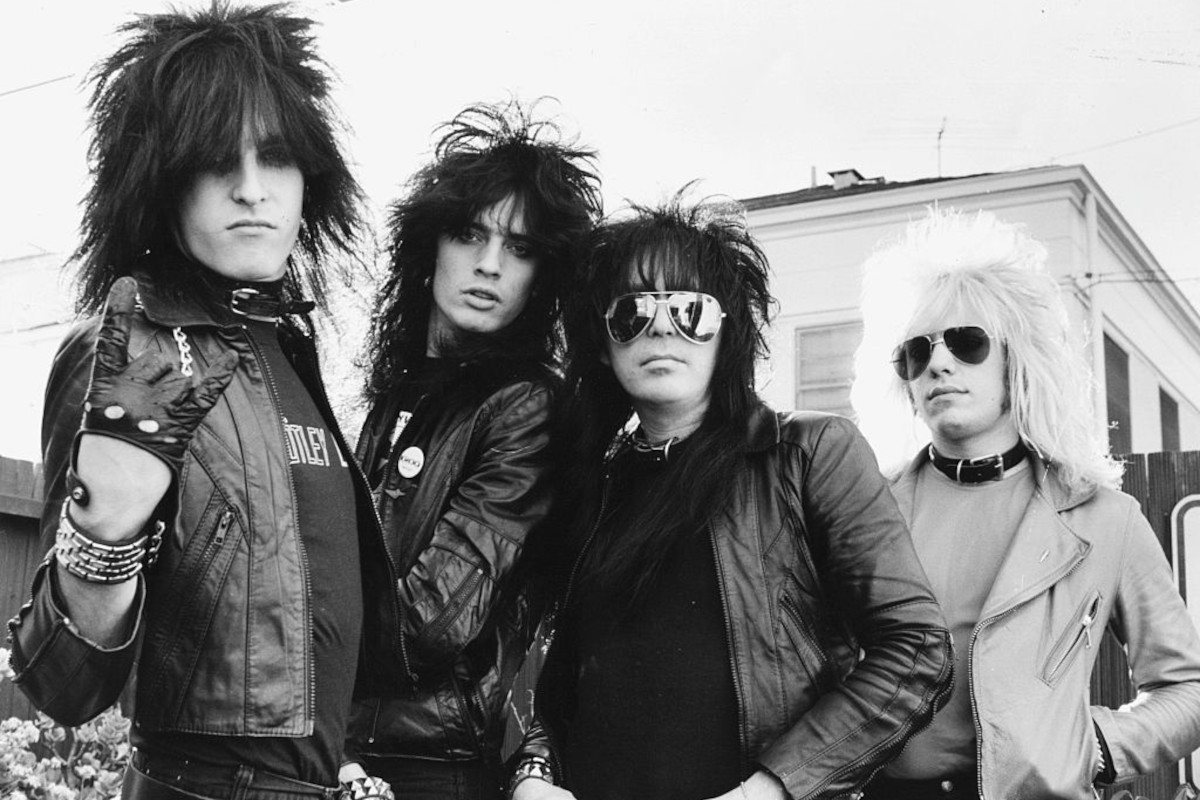
It’s an inevitability that all musical genres will inevitably attempt to ‘fuse’ with each other. So it came to pass in Los Angeles in the early 80s that heavy metal and glam rock got it together. Glam provided the pop-adjacent guitar hooks and theatricality, while metal provided the volume and power chord riffage.
Rather than founding fathers, the New York Dolls, Alice Cooper and Kiss could be regarded as the scene’s weird uncles. Also know as Hair Metal, hairspray also played a major role.
The scene was based around LA’s Sunset Strip music scene, and could be found in clubs such as the Starwood and the Whisky a Go Go. Mötley Crüe, Hanoi Rocks, Ratt and Twisted Sister were among he first wave of acts that rose to prominence, with Poison and Dokken waiting in the wings.
Grunge, hardcore punk and the harder-edged rock sound of Guns N’ Roses all played a part in glam metal’s eventual decline in popularity - as did the hard-living of most of its band’s who gleefully burnt themselves out.
Gateway album: Mötley Crüe – Shout At The Devil (1983)
11. Athens music scene, Athens, Georgia
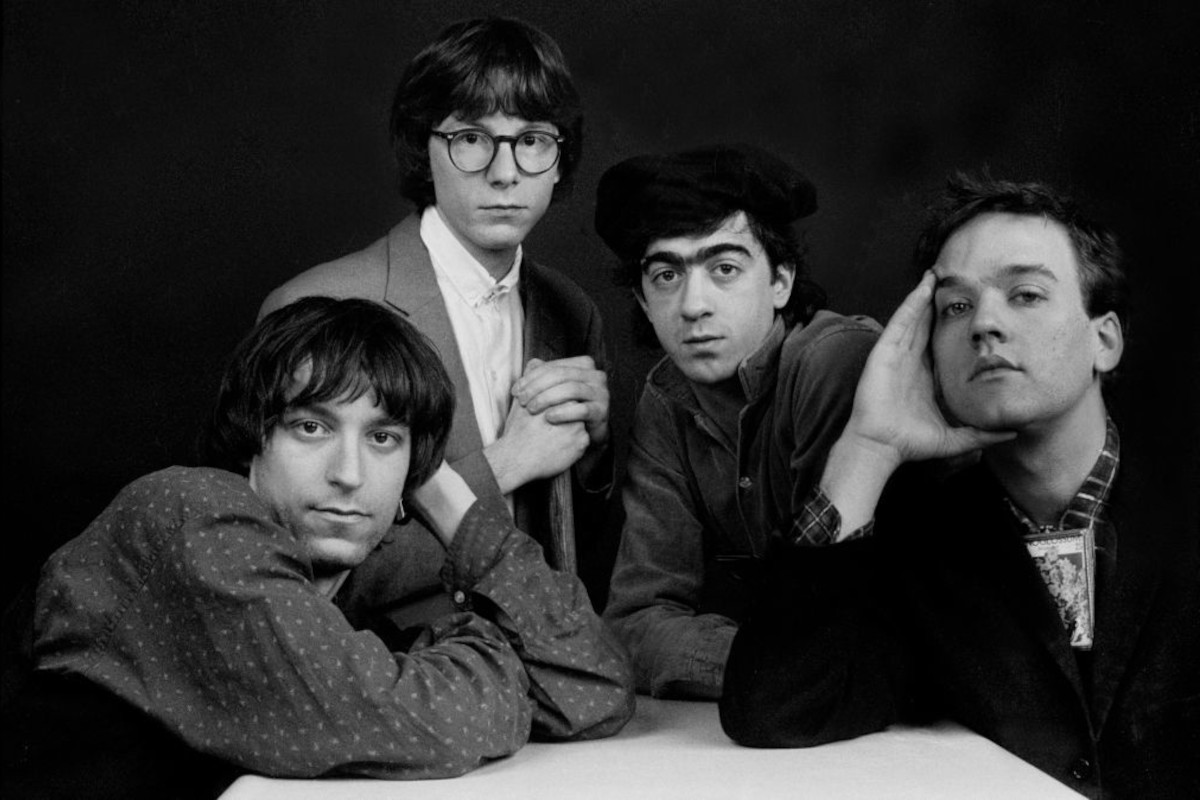
In terms of influence, the Athens’ music scene in the late 1970s and early 80s was punching hugely above its weight, and even earned itself the label of the ‘Liverpool of the South’. It helped, of course, that the sleepy Georgian college city was home to REM and The B-52s.
The pairing blazed a trail for alternative rock, while simultaneously inserting themselves onto every college rock playlist in the States. The role of early pioneers Pylon should also not be under-estimated, and the band’s debut Gyrate remains an infectious classic.
The gig wasn’t up for Athens with this monumental first wave. Bands from The Elephant 6 collective, including Neutral Milk Hotel and Olivia Tremor Control, were drawn to the city’s creativity and cheap rent. Jam band Widespread Panic and Southern rockers Drive-By Truckers extended Athens’ legacy.
Gateway album: R.E.M. – Murmur (1983)
12. Cowpunk, Los Angeles
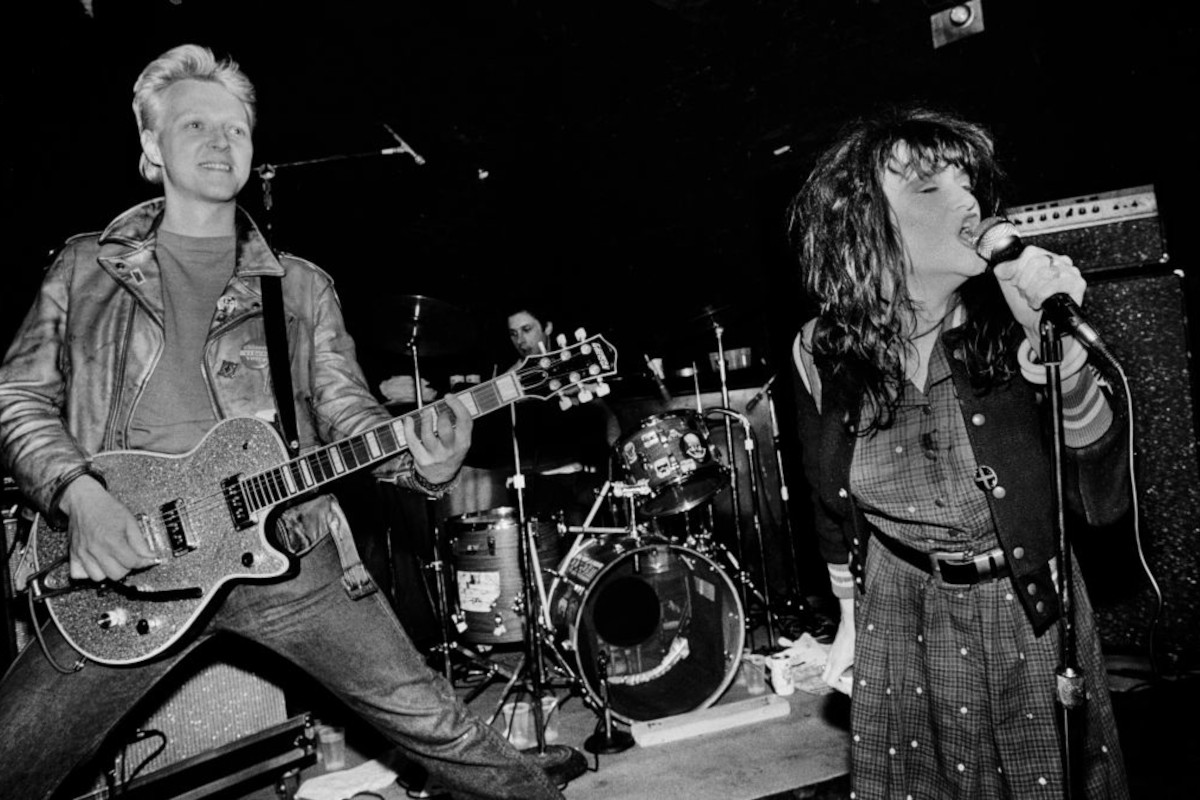
Both in terms of a cultural stance and a musical viewpoint, country music and punk are diametric opposites. But that didn’t stop the bands in the LA cowpunk scene of the early 80s of giving it a try. The “Y’alternative” scene was located within the sweat-drenched walls of venues such as The Palomino and the Whisky A Go Go.
Legendary LA band X were live favourites, and their enticing blend of punk energy and country made them influential cornerstones of the scene.
Led by the self-destructive Jeffrey Lee Pierce, The Gun Club were also on the scene adding a fierce rockabilly swagger and a back catalogue of great albums. Other cowpunk bands include Social Distortion, Jason & The Scorchers and The Beat Farmers.
Gateway album: X – Wild Gift (1981)
13. Grunge, Seattle
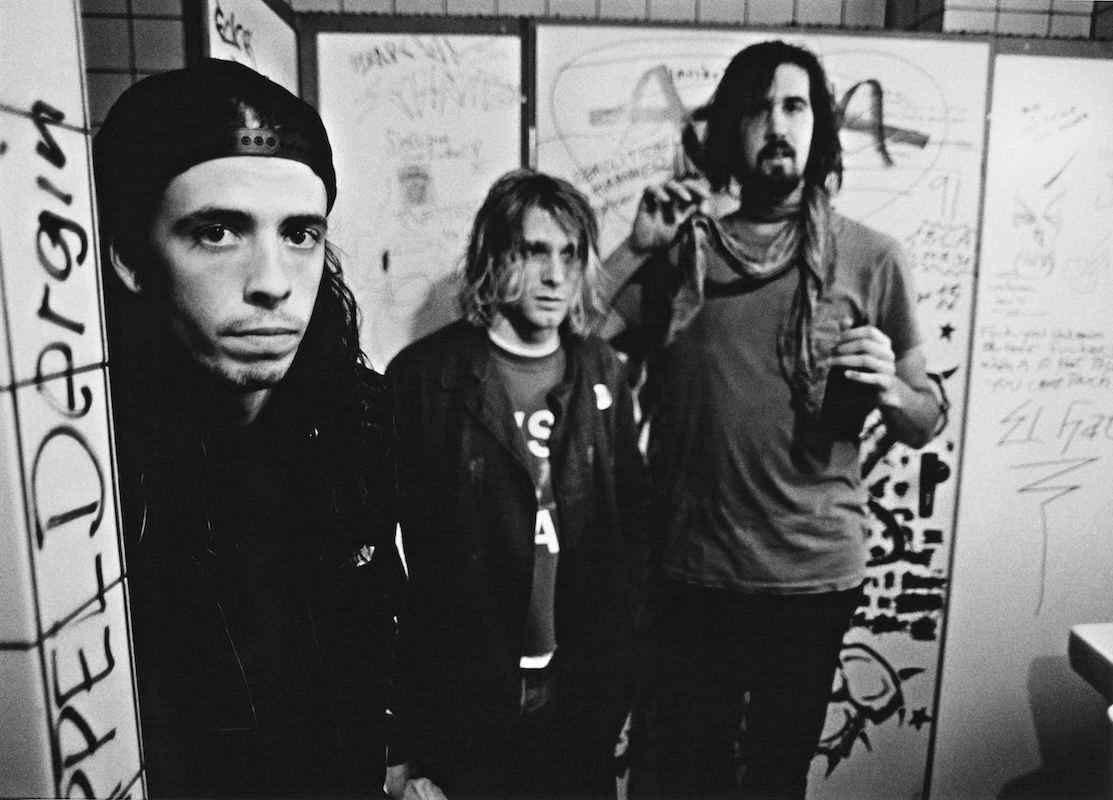
Another scene turned genre, Grunge first stirred in the mid-80s and was originally known as the Seattle Sound. The scene was incubated by the Rain City's underground music scene in venues such as the Crocodile Cafe and Rckcndy. Seattle’s primary independent record label, Sub Pop, was also vitally important in the scene’s development.
The music combined elements of punk and indie with heavy metal to create a global phenomenon, albeit a temporary one. For a while back there, plaid shirts were mandatory.
Nirvana are the band that are immediately associated with the scene and they certainly opened the doors to the mainstream, but local bands such as the Melvins, Mudhoney and Green River all played a part. Pearl Jam, Soundgarden and Alice In Chains, all formed in Seattle, followed in their wake.
Gateway album: Nirvana – Bleach (1989)
14. Louisville sound, Louisville, Kentucky
Louisville’s music scene experienced the transition from punk to hardcore like many major cities throughout the US. However, it was what came next that carved out a place for Kentucky’s largest city on the music map.
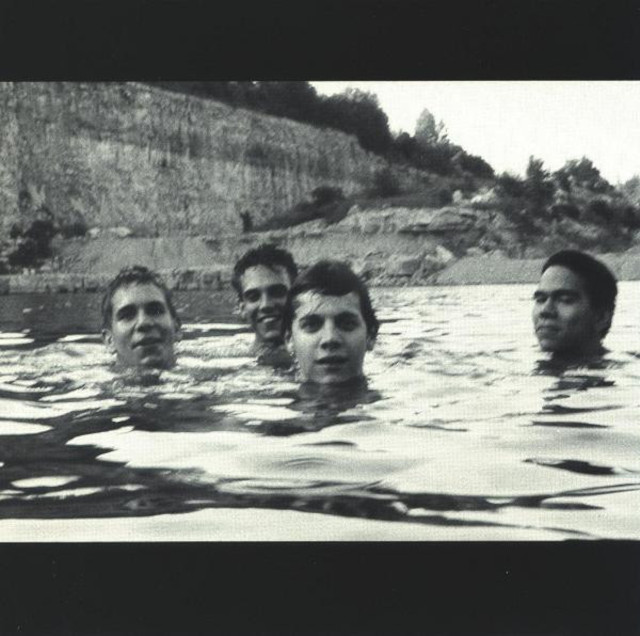
Formed out of the remnants of hardcore band Squirrel Bait, Louisville’s Slint were to have a crazily profound effect on the US indie rock scene. With its complex compositional structures and angular guitar work, Slint’s experimental Spiderland is a post-hardcore masterwork that provided the foundational blueprint for not only post-rock, but also math rock and slowcore. Will Oldham took the iconic shot of the band on the album cover.
Fellow members of the Louisville indie scene Rodan stepped tentatively in Slint’s footsteps and their only album, Rusty is considered an early post-rock classic.
Gateway album: Slint – Spiderland (1991)
15. Chicago School of post-rock, Chicago
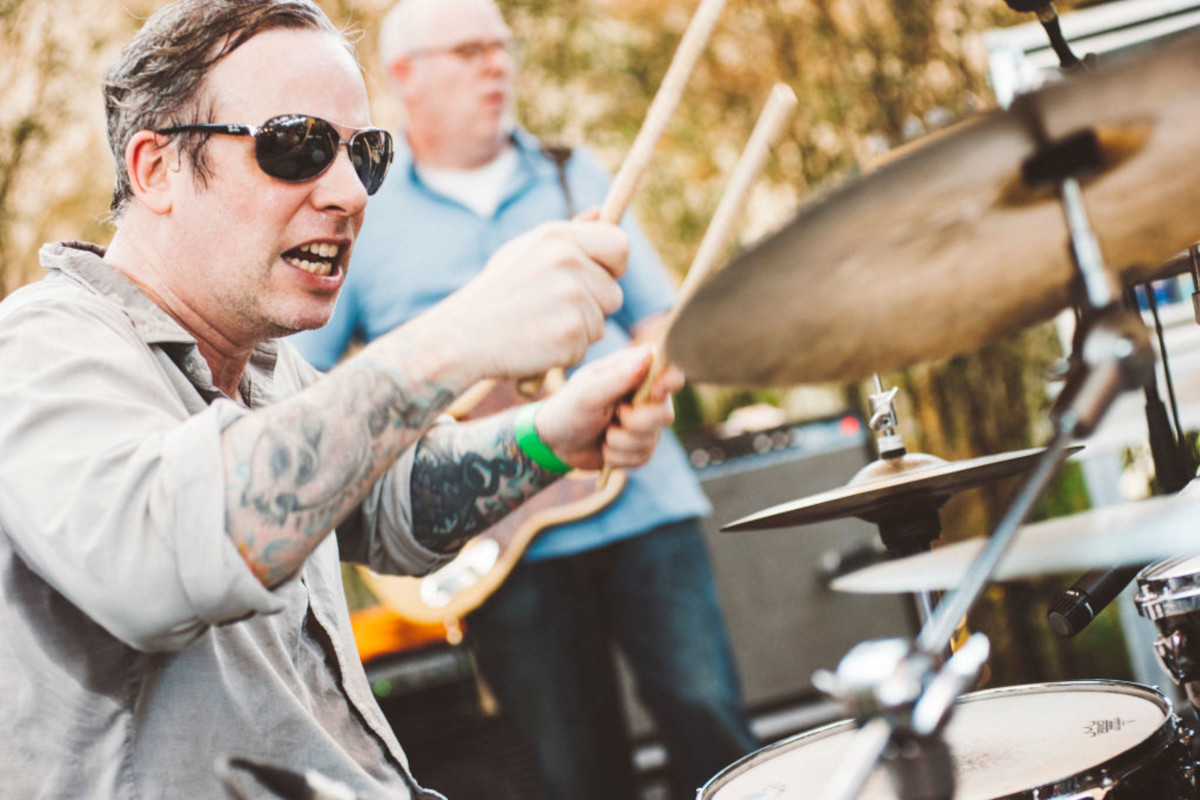
In the early 90s, the Windy City was home to the post rock movement known as the Chicago School. This group of artists and collaborators introduced elements of genres such as jazz, dub and krautrock to stretch rock beyond its usual limitations.
Hometown heroes Tortoise were at the vanguard of the scene, and their regular appearances at the Empty Bottle venue are the stuff of legend. The band’s 1996 Millions Now Living Will Never Die set a high benchmark. Other bands linked to the scene included Gastr Del Sol, Pelican and The Sea and Cake.
The scene was given added momentum by the support of progressive, Chicago-based record labels such as Thrill Jockey, Kranky and Drag City.
Gateway album: Tortoise – Millions Now Living Will Never Die (1996)
All photos Getty Images
Top image Kurt Cobain performing live onstage at Roseland Ballroom, New Music Seminar, US, 23rd July 1993


