
Before the phrase ‘alternative rock’ was coined in the early 90s, there was college rock. It was a scene that delivered radio airplay via any number of campus radio stations to upcoming bands from both sides of the Atlantic that couldn’t catch a break on US mainstream radio. The scene also provided a healthy live circuit and, most importantly, an immensely loyal fanbase.
The term was something of an umbrella phrase describing the method in the way the music was delivered, ie. college radio, rather than the bands themselves. That’s not to say the acts that fall into the category aren’t without a degree of sonic compatibility. Many of the bands grew out of earlier post-punk and hardcore scenes with a predilection for experimentation and a jangly guitar.
We’ve listed and ranked the 11 greatest college rock bands from the 80s, and there’s a key track from each one of them to give a flavour of the genre.
11 greatest college rock bands
11. U2
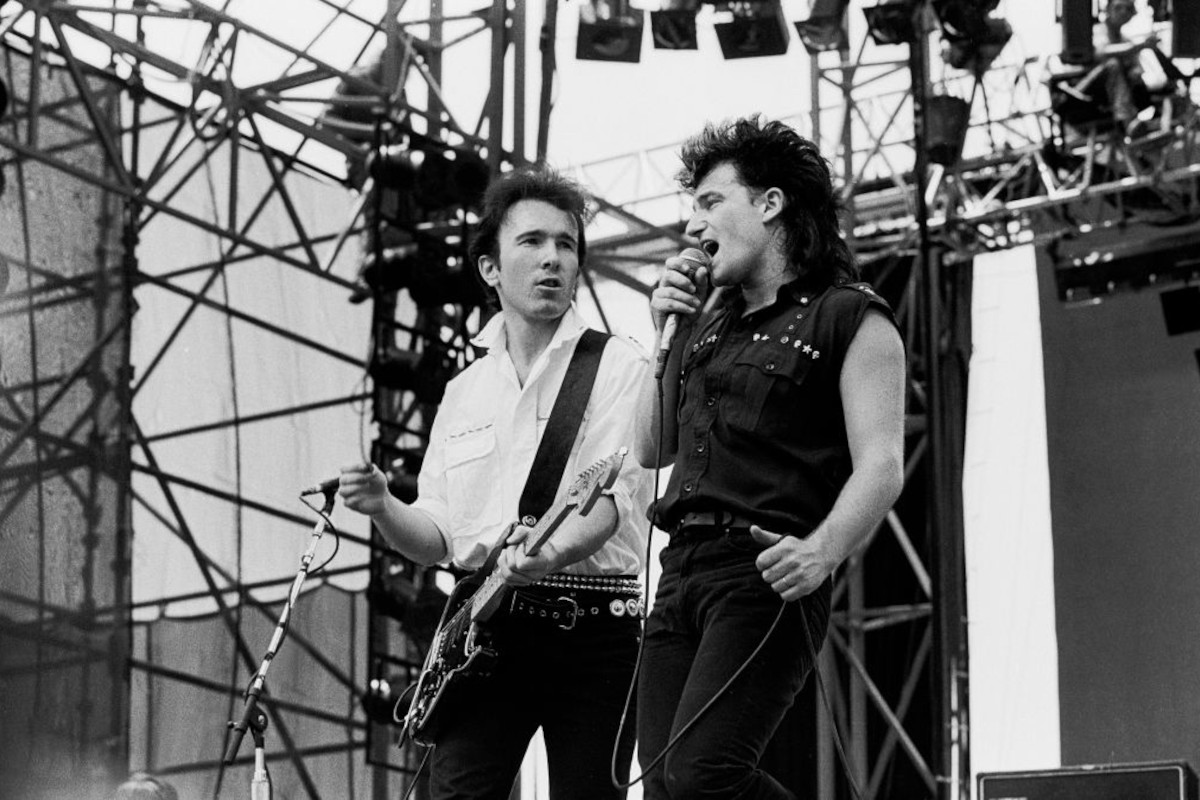
Before selling out stadiums on a metronomic basis, U2 worked hard for their success in the US. The Irish band’s foundations for global domination were laid on the college rock circuit. With commercial radio stations initially failing to fall for the band’s atmospheric charms, it was campus DJs that spread the word.
Always shrewd operators, U2 targeted university towns for their early US tours, building a loyal student fanbase as they were doing so.
Key track: 'I Will Follow'
10. The Minutemen
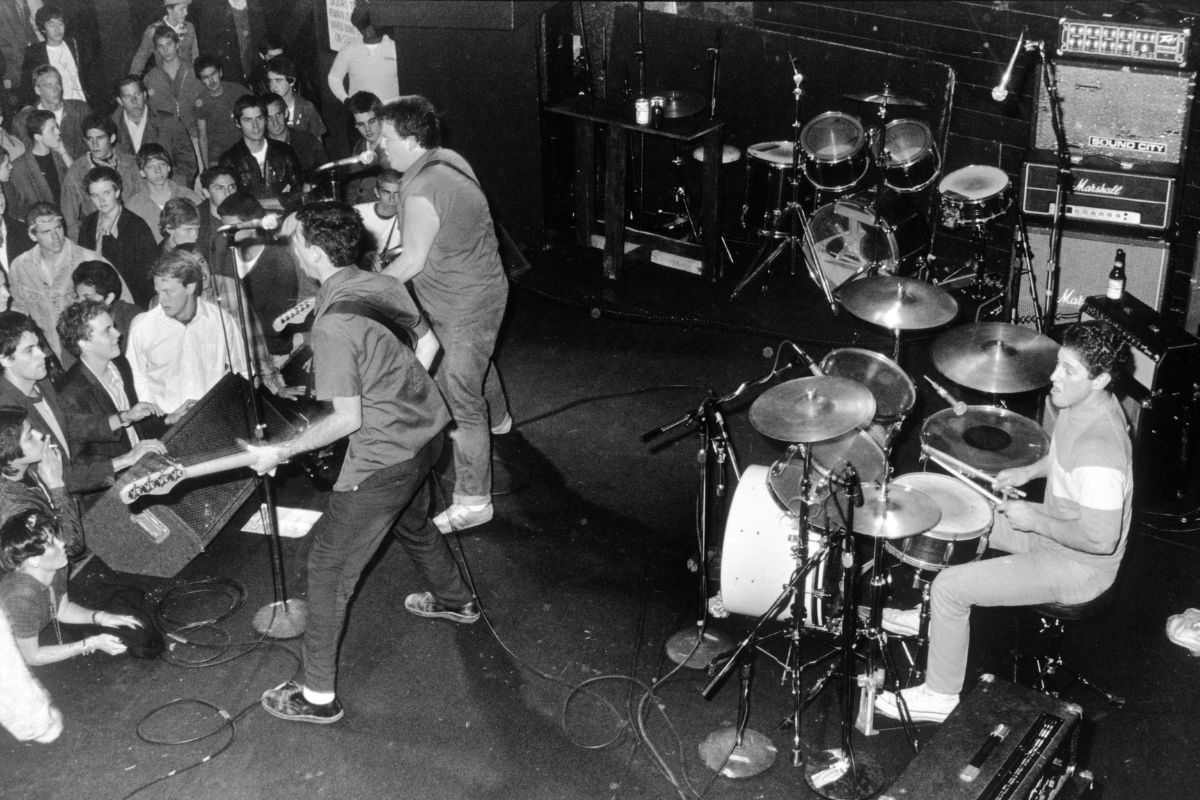
When a young D. Boon fell out of a tree and landed at the feet of Mike Watt, a friendship was immediately formed. Along with drummer George Hurley, the two friends formed the Minutemen in 1980. Initially a one-dimensional hardcore punk band, the band’s musical palette evolved rapidly, with elements of funk, jazz, country and spoken word entering into the sonic equation.
In July 1984 the band released their magnum opus, Double Nickels On The Dime, a sprawling double album containing 45 songs. The album became an enduring fixture on college rock stations across the US and established the band as underground favourites. The Minutemen toured with R.E.M before D. Boon’s tragic death in a motor accident.
Key track: 'History Lesson Part 2'
9. Echo and The Bunnymen
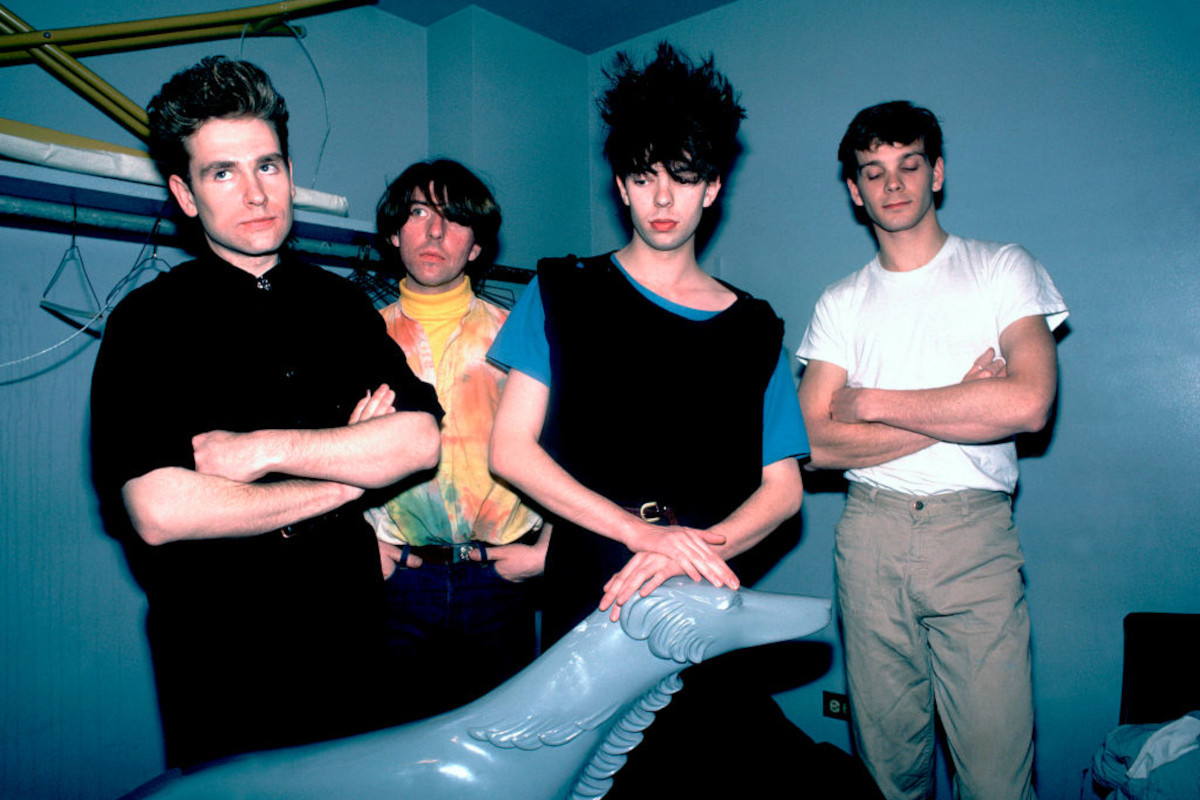
While many of the bands on this list were able to use the US college rock as a step on the ladder to crossover to mainstream success, there were others, such as Echo and The Bunnymen, who plateaued as campus favourites. The Bunnymen’s atmospheric ‘Big Music’ aesthetic was perfect for the college rock movement, and the band received heavy airplay on American university radio stations.
Widely regarded as their greatest song and a college rock standard, ‘The Killing Moon’ nailed down The Bunnymen’s cult status on campus by turning up on the Donnie Darko soundtrack.
Key track: 'The Killing Moon'
8. Red Hot Chili Peppers
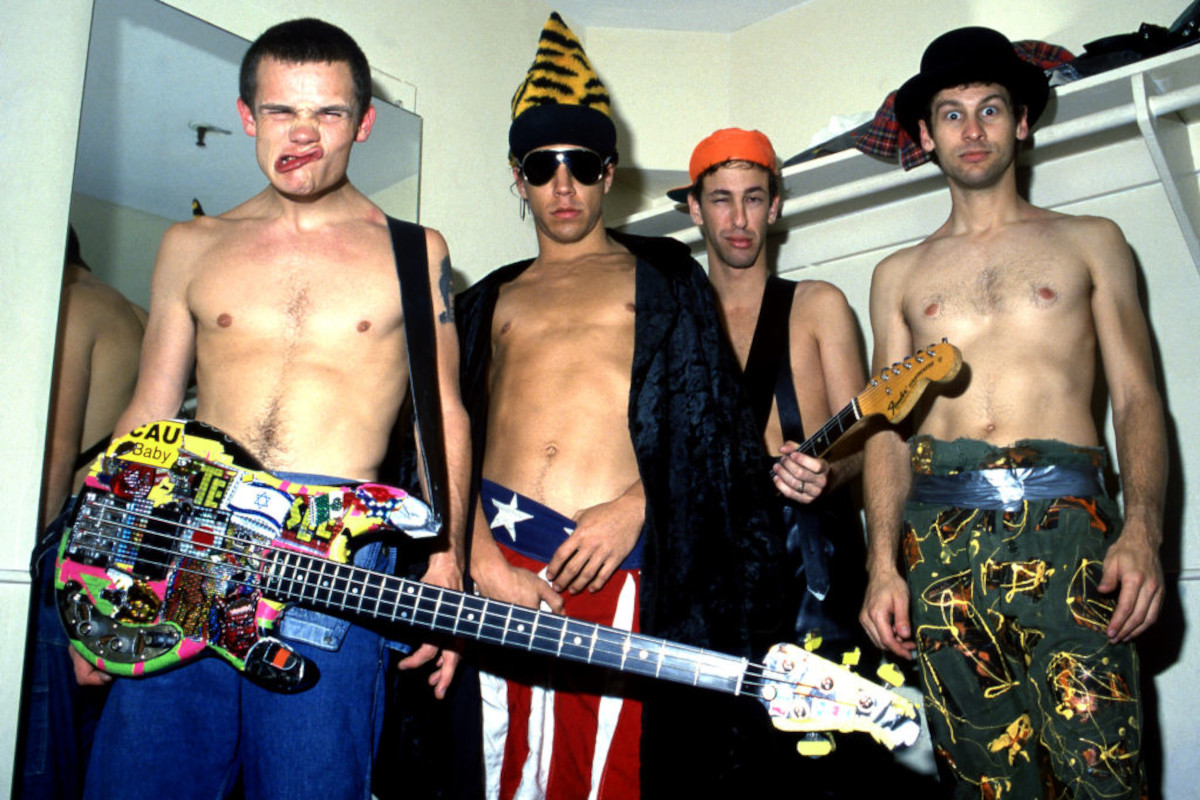
Before crashing into the commercial big time with 1991’s ubiquitous Blood Sugar Sex Magik, The Red Hot Chili Peppers spent the duration of the 1980s attempting to do so.
With mainstream radio wary of their early, unhinged punk-funk sound, the college rock circuit was the natural home for their chaotic approach, not only providing much-needed airplay but also the venues to play in. With most of the band’s rough edges smoothed out global superstardom beckoned.
Key track: 'Higher Ground'
7. Sonic Youth
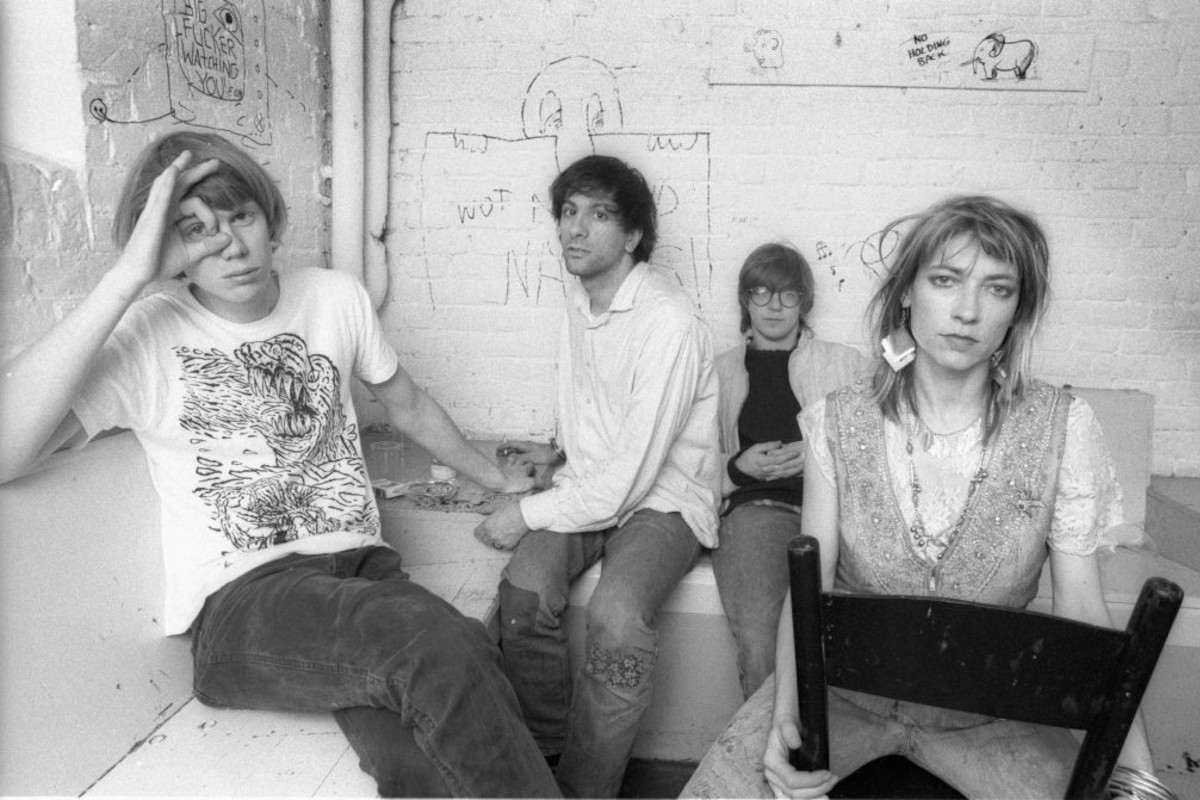
Early incarnations of Sonic Youth served up the type of ear-bleeding, experimental noise rock that even the most broad-minded of college radio stations would run a mile from. It wasn’t until the band’s ‘friendlier’ mid-80s albums (EVOL, Sister) that the New Yorker’s started to make waves on US college radio networks.
The deal was sealed by the release of ‘Daydream Nation’ in 1988, a landmark double album in the annals of college rock. With the intention of bringing underground rock to the mainstream masses Sonic Youth signed with a major label in 1990. Albums such as ‘Goo’ and ‘Dirty’ halfway achieved that aim.
Key track: 'Teen Age Riot'
6. Pixies
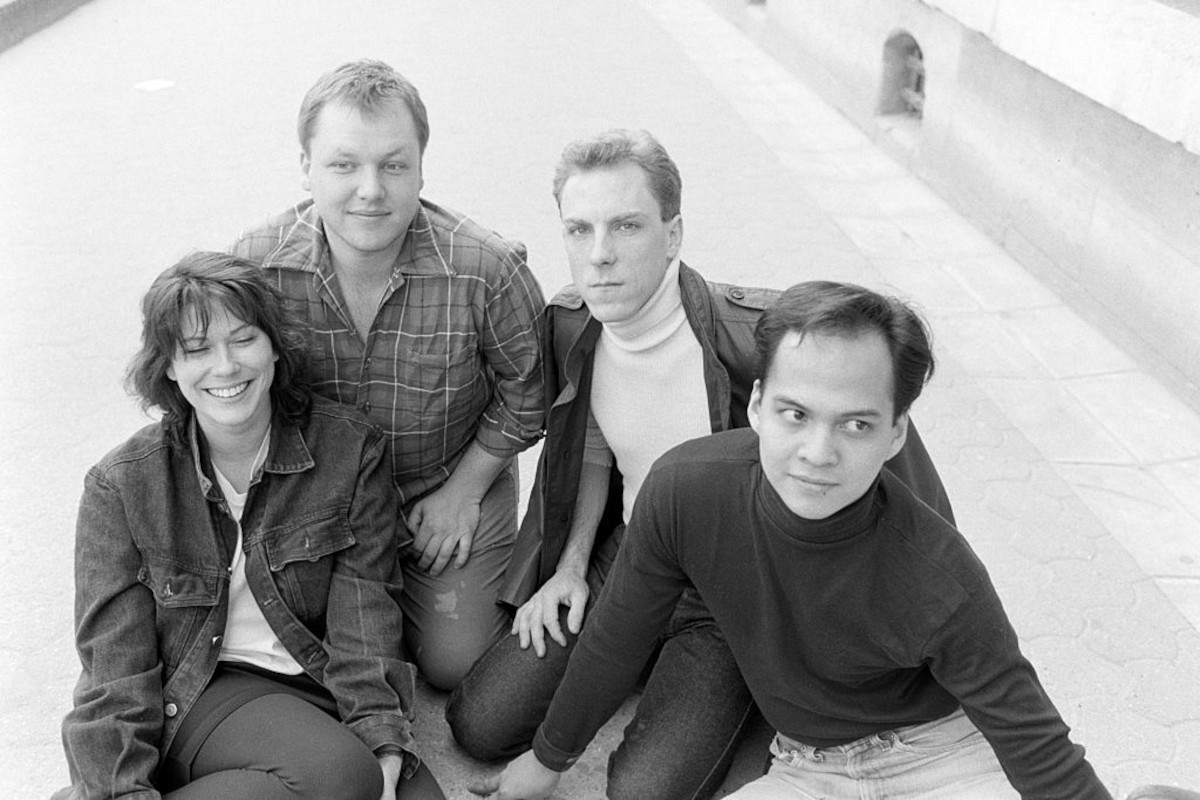
Black Francis and Joey Santiago met in 1984 when they lived next door to each other while attending the University of Massachusetts. According to Francis, his band, the Pixies, consciously targeted the college rock scene confident in the knowledge it would provide the gateway to bigger and better things.
To this end, his Boston-based band became darlings of the campus masses by skewing their songs with wilfully abrasive sounds. The Pixies’ trademark ‘loud-quiet-loud’ dynamic became a 90s staple adopted by alt-rock royalty, such as Radiohead and Nirvana.
Key track: 'Here Comes Your Man'
5. The Cure
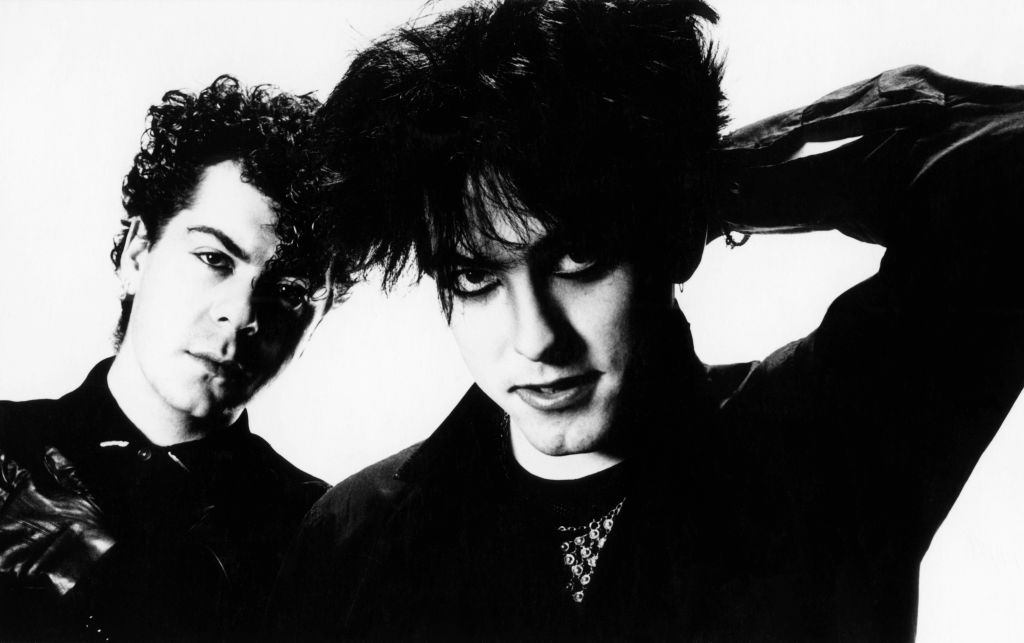
While Robert Smith’s gothic leanings were never going to immediately endear him to mainstream America, the bird’s nest-hair and smudged lipstick were always going to go down a storm in college rock circles. So it proved, with the band’s quirky, dreamlike pop gaining heavy rotation on college rock stations.
The Cure were both underground and subcultural, but Smith’s songwriting retained an accessible edge. The Cure remained college rock darlings for an extended period before eventually transforming into an arena act, and playing in front of adoring, grown-up audiences who made the journey from campus to stadium with them.
Key track: 'Just Like Heaven'
4. Hüsker Dü
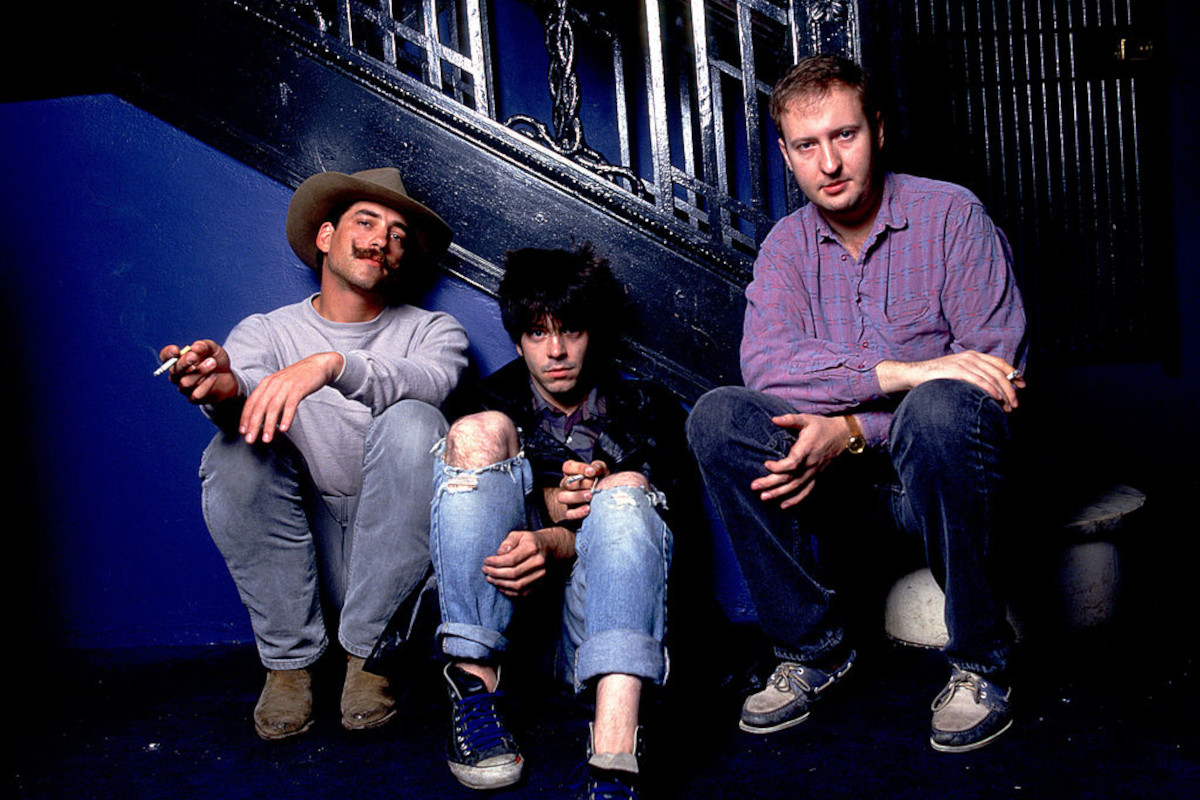
Formed in St Paul, Minnesota in 1979, Hüsker Dü are acknowledged as one of college rock’s founding fathers. The band’s mid-period albums on the iconic SST label – New Day Rising and Flip Your Wig – saw the band introduce melody and classic hooks to their existing hardcore tendencies.
This tweak to the sonic formula grabbed the attention of the college rock DJs and established a strong underground fan base. The band’s inevitable jump to a major label ushered in bigger venues, slightly strong sales and a much busier merch stall.
Key track: 'Makes No Sense At All'
3. The Replacements
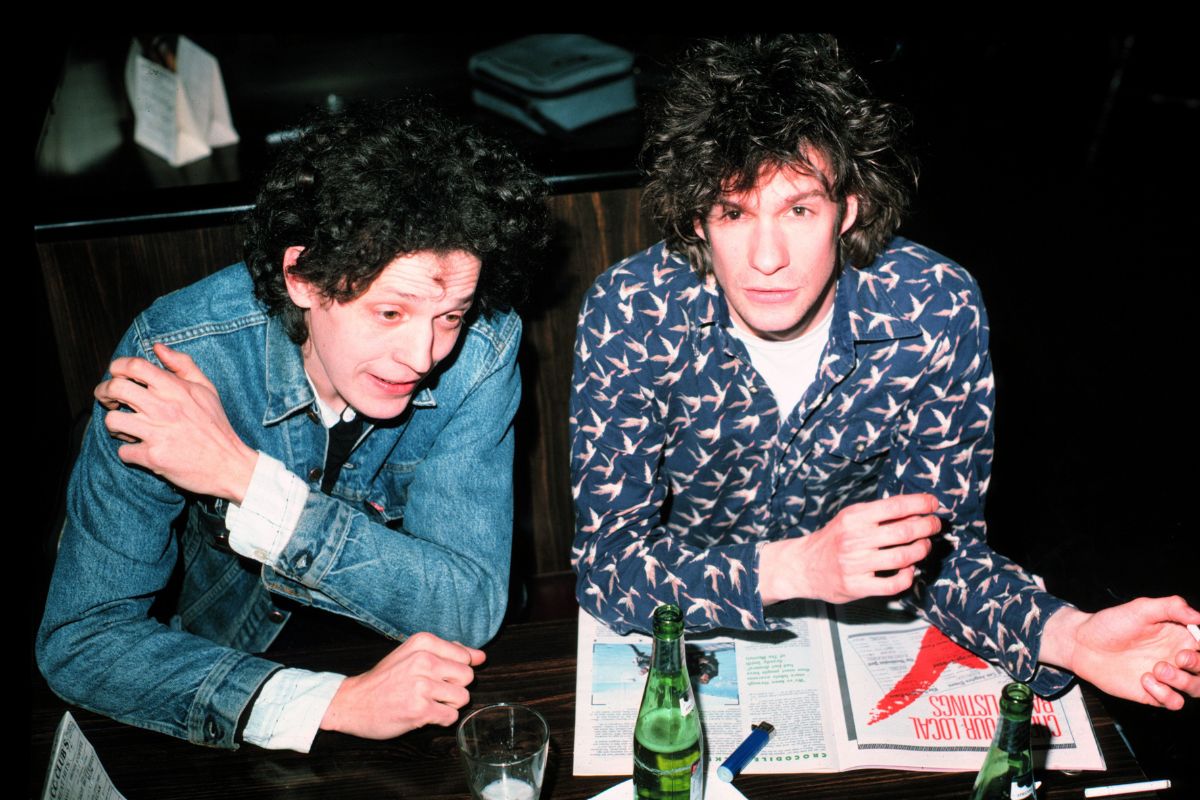
The Replacements were initially called Dogbreath, evolving from a straight-up punk band to established college rock favourites. Like many, The Replacements seemed destined to tread the path from the college rock scene to the mainstream but, despite signing for a major label, the band’s hapless, self-destructive nature prevented them from taking the next step up.
The band’s first album on a major label, Tim, contained a track called ‘Left Of The Dial’, a self-reflective reference to the location of the college rock stations on the radio. It was a fitting tribute from a unique band that paved the way for the fresh wave of alt. rockers that followed them.
Key track: 'Left Of The Dial'
2. The Smiths
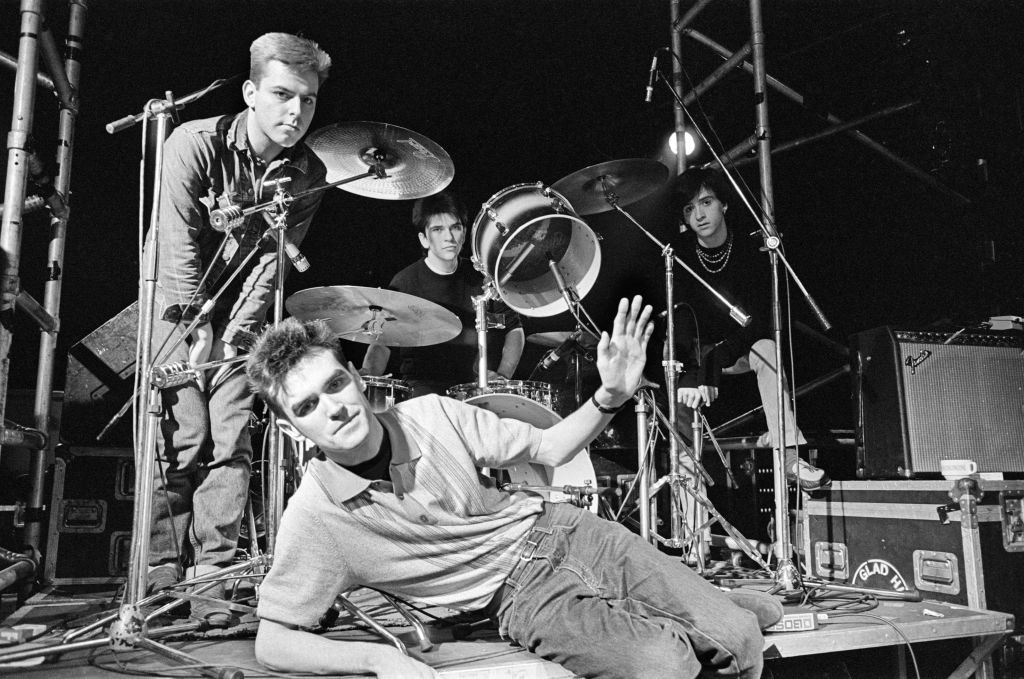
The Second British Invasion of the early 80s flooded the US charts with an endless slew of synth-pop hits. While the initial flurry of 45s was undeniably thrilling, the buzz was soon lost. The next wave of UK imports were once again guitar-based and took their cues from the classic British bands of the 60s.
Top of the pile were The Smiths, whose second album, Meat Is Murder, was fanatically played across the campus airwaves. An idiosyncratic band like The Smiths were never going to crossover to the mainstream in the US, but the open-minded college rock scene was there to provide an ideal home.
Key track: 'How Soon Is Now?'
1. R.E.M.
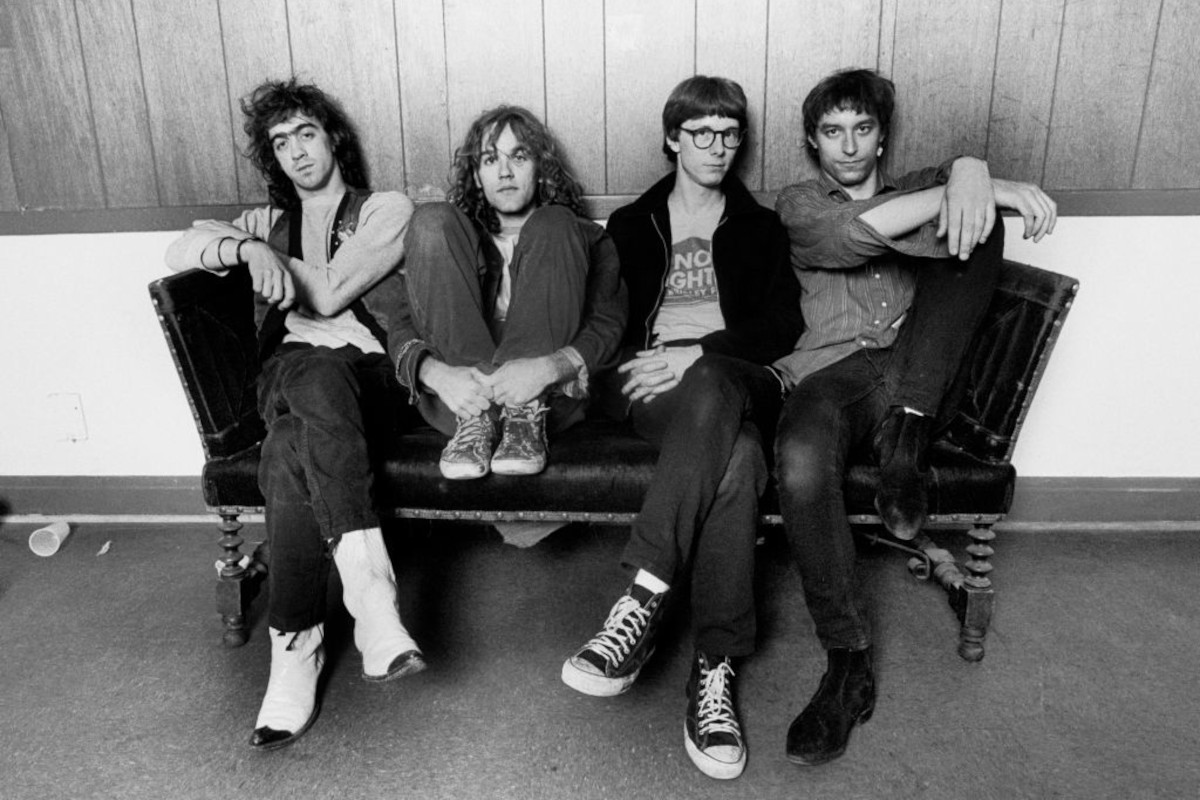
The overriding reason why R.E.M. are the quintessential college rock band is that they were there right at the beginning, and, as such, created many of archetypes linked to the genre. Based in Athens, Georgia, the college rock scene evolved and grew around them. And if you’re looking for any more college credentials, the band was even formed on campus at the University of Georgia.
Sonically, Peter Buck’s Rickenbacker nailed down college rock’s early jangle pop blueprint, and first single, ‘Radio Free Europe’ was released on a tiny indie label called Hib-Tone in 1981. By inclination, R.E.M. were an underground band and the inevitable migration to the global mainstream always seemed, in part, to be an unnatural one.
Key track: 'Radio Free Europe'
All photos Getty Images. Top image Morrissey and Johnny Marr of The Smiths, 1985


