It's a curious fact that some of the biggest American rock bands of all time... made barely a cultuiral dent across the pond.
The acts below sold millions of records Stateside, filled enormous American arenas and became part of the cultural fabric of their homeland. Yet British audiences often responded with a collective shrug.
It’s tempting to put this down to taste. British rock had its own traditions, its own heroes and, by the 1980s, a rapidly changing musical landscape. But that doesn't explain everything.
Some of these bands were playing precisely the kind of melodic, guitar-driven rock that should have appealed to British ears. Others simply seemed too specifically American to travel. And in a few cases, there's no obvious explanation at all.
Here are 15 American rock giants who were huge at home but never quite conquered Britain – a fascinating reminder that musical success doesn't always cross the Atlantic.
1. REO Speedwagon
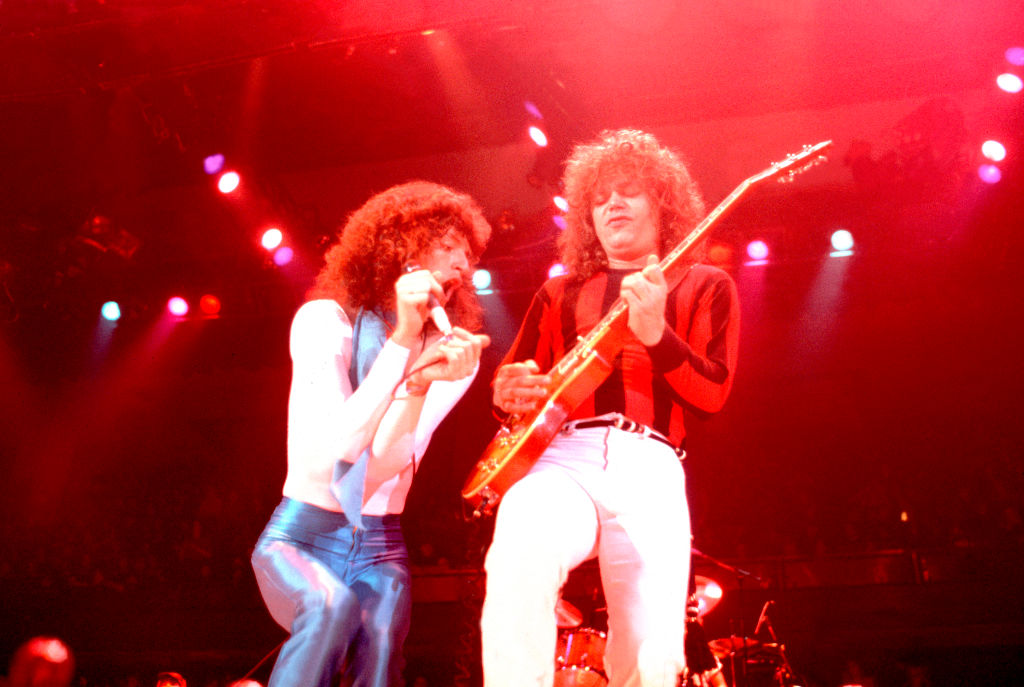
In America, REO Speedwagon were the very definition of dependable arena rock: big choruses, bigger guitars and songs designed to be sung by 20,000 people at once. Hi Infidelity (1980) was a colossal US No. 1, spending 15 weeks at the top and spawning hits including ‘Keep On Loving You’. Britain, though, barely noticed.
Perhaps their polished, emotionally direct brand of AOR arrived just as British rock listeners were turning towards punk, new wave and more angular sounds. Whatever the reason, REO remain one of the great American bands Britain somehow missed.
The album Britain should have liked: Hi Infidelity
2. Styx
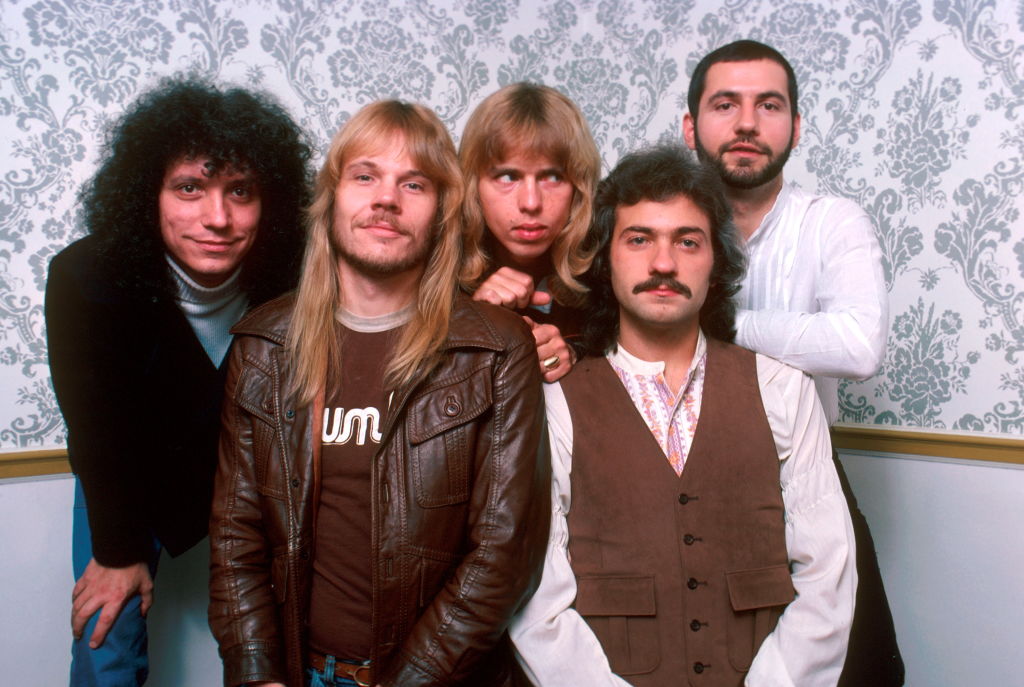
Styx's theatrical blend of prog, hard rock and pop produced a run of hugely successful albums, culminating in Paradise Theatre, which topped the US chart in 1981.
‘Babe’ was a massive American hit, yet the band never acquired anything approaching the cultural importance of their British prog contemporaries. Perhaps Styx simply sounded too American – too polished, too earnest, too committed to the arena. Or perhaps Britain had already decided it had enough prog bands of its own.
The song Britain should have liked: ‘Renegade’
3. Journey
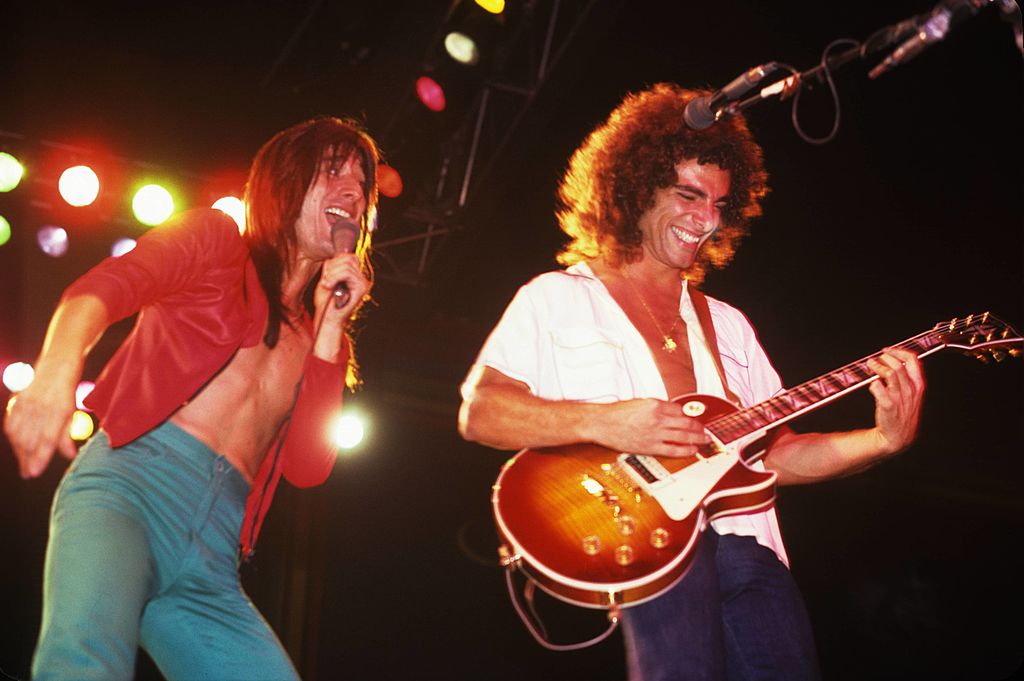
For a while back there in the early to mid '80s, Journey were simply enormous in the States. Their 1981 album Escape sold millions, topped the US chart and contained ‘Don't Stop Believin’’, now one of the most famous songs in the world. Yet Britain took little interest in Steve Perry and Neal Schon's polished, anthem-heavy stadium rock.
Part of the problem may have been timing: British rock culture was moving away from the grandiose arena-rock model Journey perfected, while new wave and post-punk dominated the conversation. It took decades – and, crucially, 'Don't Stop Believin'' appearing on The Sopranos, Glee, and endless sporting events – for Britain to catch up.
The song Britain should have liked: ‘Separate Ways (Worlds Apart)’
4. Boston
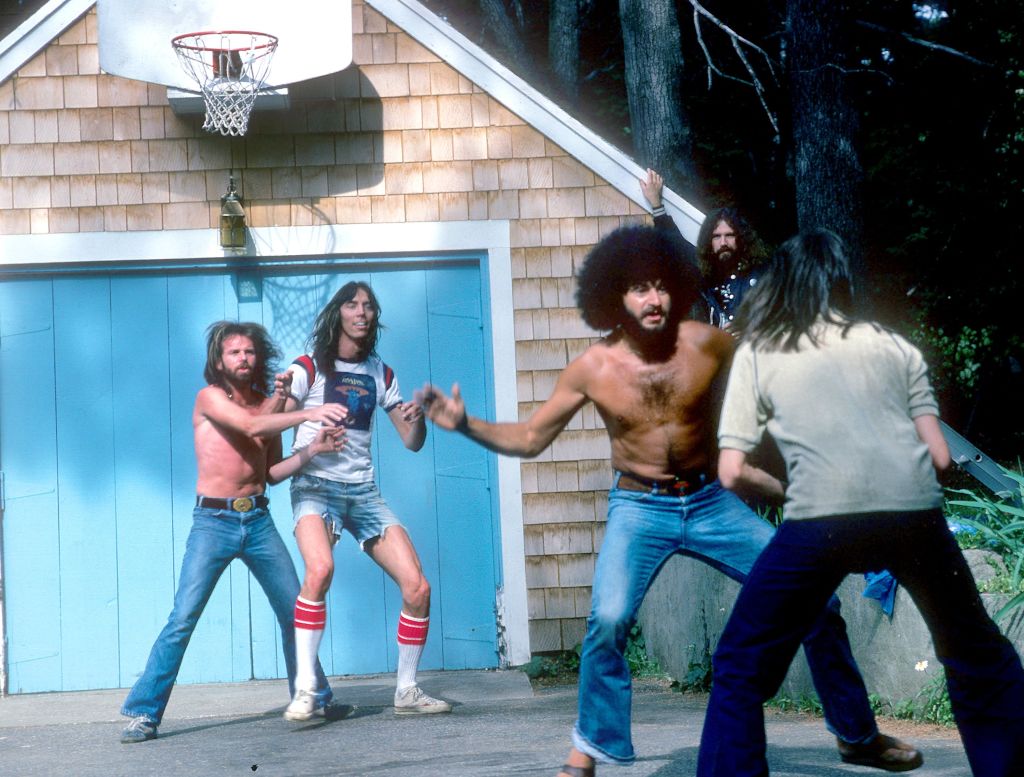
Boston's self-titled debut was not merely successful in America; it was a phenomenon. Released in 1976, it eventually became one of the best-selling debut albums ever, built around Tom Scholz's painstaking studio craft and songs such as ‘More Than a Feeling’. Britain certainly knew who Boston were, but the band never became the cultural force they were across the Atlantic.
It's tempting to blame their pristine production and unabashedly melodic arena rock, but that doesn't entirely explain it: Britain loved plenty of technically accomplished rock - hello Yes, Genesis, Queen, ELO, Floyd, Supertramp. Something else was going on.
The song Britain should have liked: ‘More Than a Feeling’
5. Kansas
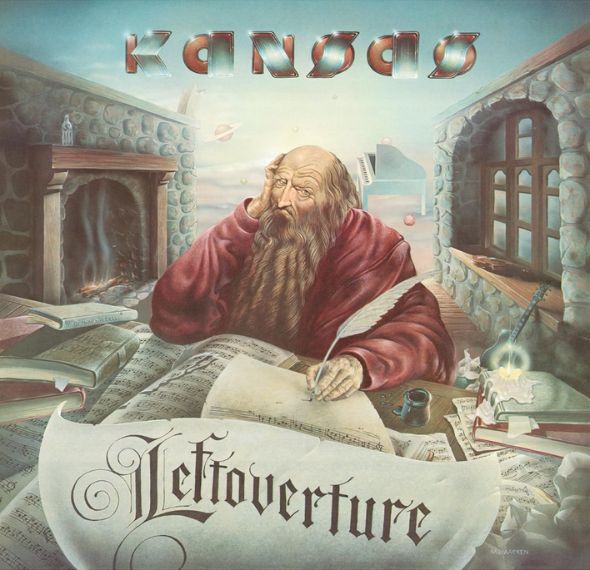
Kansas might be the ultimate example of America's very different idea of progressive rock. While British prog embraced pastoral whimsy, eccentricity and extended instrumental passages, Kansas fused prog's complexity with Midwestern hard rock and enormous choruses.
Leftoverture and Point of Know Return turned them into US arena giants, with ‘Carry On Wayward Son’ becoming a huge American favourite. Britain, meanwhile, had already produced Yes, Genesis, King Crimson and ELP. There simply wasn't much appetite for an American band offering a distinctly American version of prog. Their musicianship was never the problem; perhaps the accent was.
The song Britain should have liked: ‘Carry On Wayward Son’
6. Dave Matthews Band
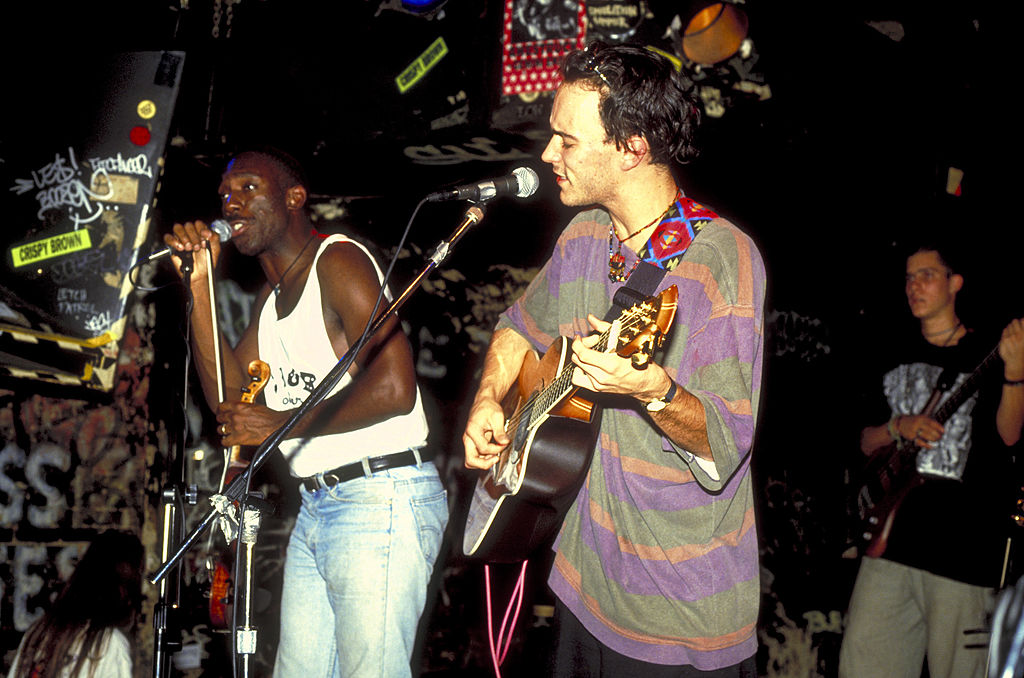
Few bands capture the transatlantic divide more spectacularly than Dave Matthews Band. In America they became one of the biggest live acts of the 1990s and 2000s, selling millions of albums and developing an enormous, intensely loyal following. In Britain, meanwhile, they remained almost entirely peripheral.
Their mixture of acoustic rock, jazz, funk and extended improvisation is difficult to categorise, which may partly explain it – there was no obvious British scene for them to slot into. But their absence from British culture seems almost total, despite their extraordinary American success.
The album Britain should have liked: Crash
7. 38 Special
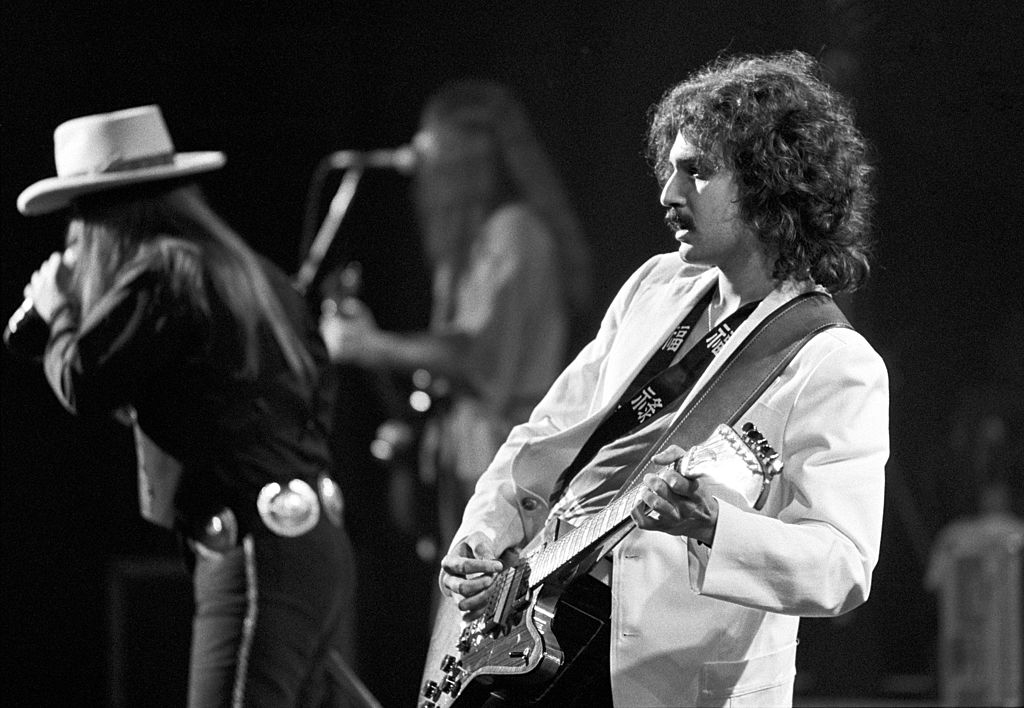
If you want to explain the difference between American and British rock culture, 38 Special are almost a laboratory experiment. Their muscular blend of Southern rock (frontman Donnie Van Zant was the younger brother of Lynyrd Skynyrd's Ronnie), AOR and radio-friendly melodies made them a major US act in the early 1980s, with albums such as Wild-Eyed Southern Boys and Special Forces producing a succession of hits.
There was nothing here to attract British ears, though. Van Zant and co. were neither authentically rootsy enough to be Southern rock purists, nor fashionable enough to appeal to British rock critics. They occupied that peculiarly American territory where radio rock and arena rock became the same thing.
The song Britain should have liked: ‘Hold On Loosely’
8. Grand Funk Railroad
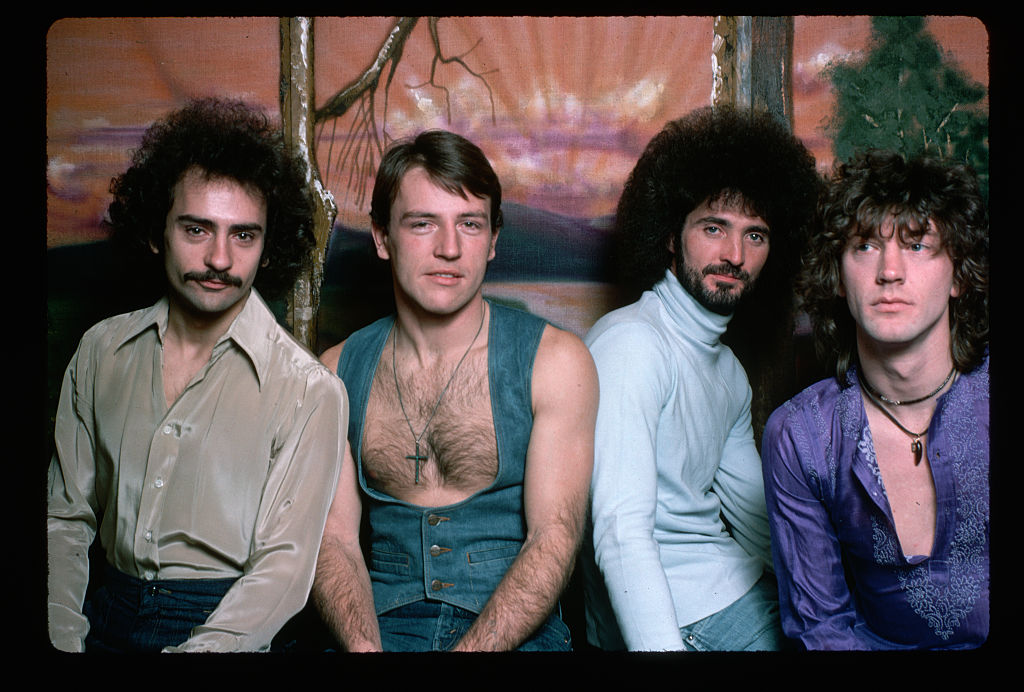
Grand Funk Railroad were massive in America and almost invisible in Britain – which makes their story particularly entertaining. In 1969 they were booed by critics but embraced by audiences, becoming a spectacular live draw. They even sold out Shea Stadium in New York faster than the Beatles had.
Their uncomplicated, pounding hard rock was tailor-made for American arenas, but British listeners already had Cream, Led Zeppelin, Deep Purple and Black Sabbath offering heavier music with considerably more mystique. Grand Funk simply lacked the exoticism. For America, this was working-class rock'n'roll at its loud, brash best; for Britain, perhaps, it was just a very loud bar band.
The album Britain should have liked: Closer to Home
9. Cheap Trick
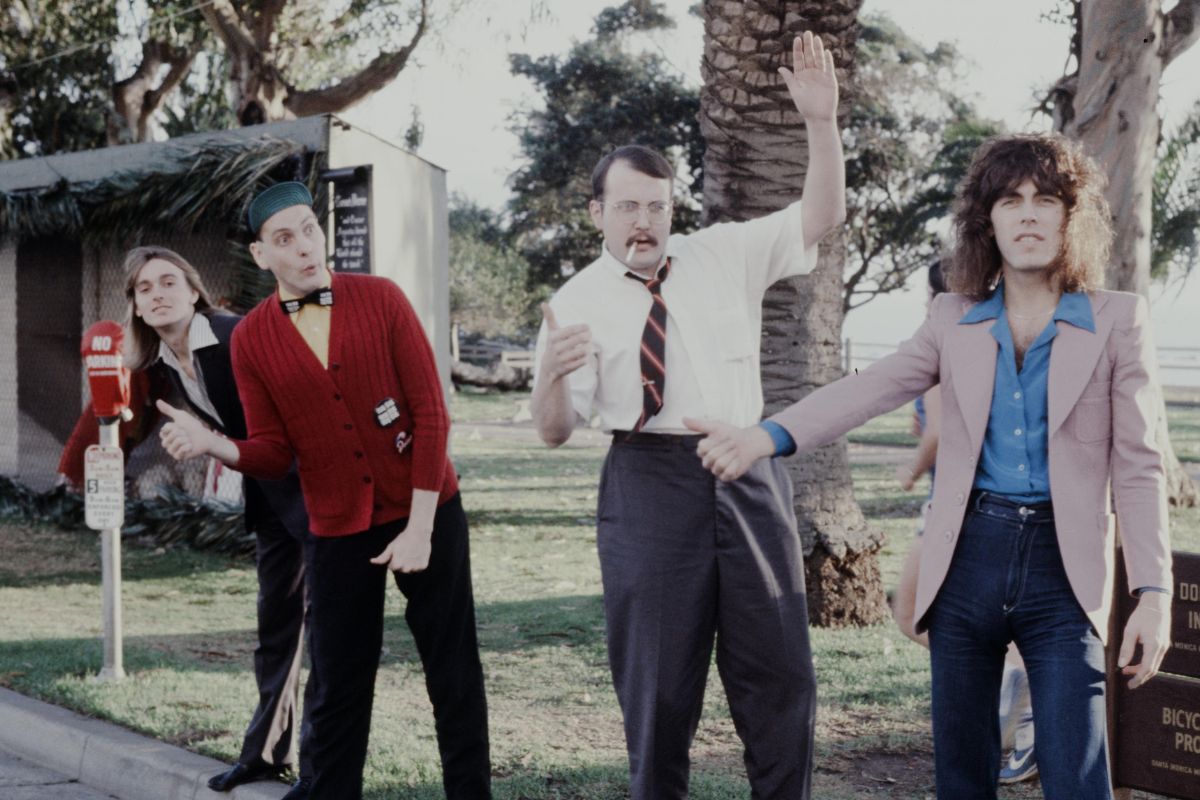
Cheap Trick actually came closer to cracking Britain than some names on this list. Still, the gap between their American stature and British impact remains extraordinary. Their power-pop songwriting, punk attitude and arena-rock bombast made them hugely successful at home, while At Budokan turned them into superstars. Yet Britain never quite embraced the combination.
Perhaps they fell between stools: too melodic for hard-rock purists, too loud for power-pop devotees, too American for the British new-wave crowd. Their subsequent influence on Nirvana, Smashing Pumpkins and countless alternative bands makes their relative British neglect seem increasingly strange.
The album Britain should have liked: At Budokan
10. Steve Miller Band
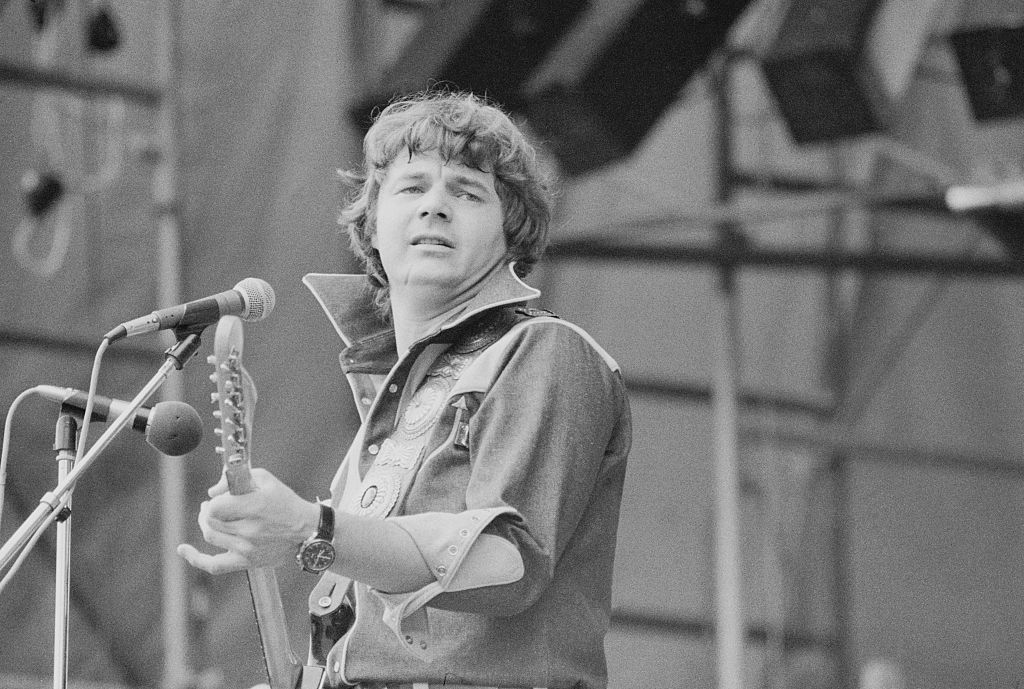
Albums The Joker, Fly Like an Eagle and Book of Dreams turned Steve Miller into one of America's biggest rock stars, while ‘The Joker’, ‘Take the Money and Run’ and ‘Jet Airliner’ became radio staples.
Britain knew some of the songs, but Miller never became a major figure here. His laid-back, bluesy, psychedelic-inflected rock was perhaps simply too rooted in American radio culture. There was no equivalent British identity for him to inhabit – and without one, he remained an Atlantic curiosity.
The song Britain should have liked: ‘Jet Airliner’
11. Bob Seger & the Silver Bullet Band
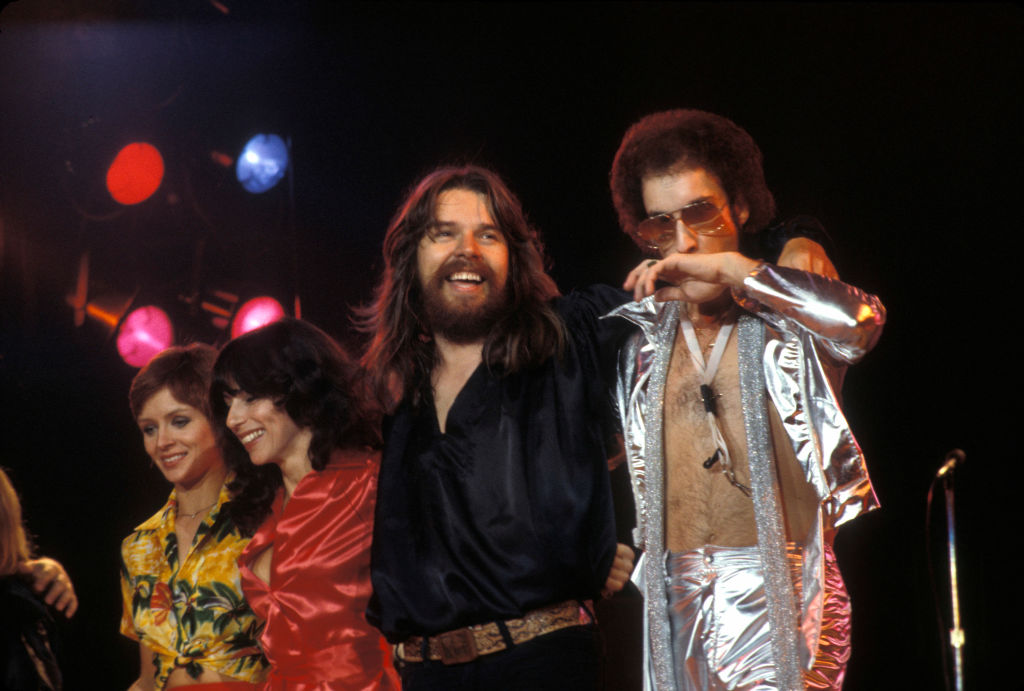
In late Seventies America Bob Seger was a colossal figure: Night Moves, Stranger in Town and Against the Wind all sold in huge numbers, while songs such as ‘Old Time Rock and Roll’ and ‘Turn the Page’ became part of the American cultural landscape. Yet Britain never really made room for him.
His music was rooted in the mythology of the American road, blue-collar life and the Midwest – subjects that, let's face it, didn't resonate in quite the same way across the Atlantic. American listeners call this 'heartland rock': the closest Britain gets is probably folk rock or blue-collar rock, but it's not quite the same thing - and definitely doesn't have the same reach.
The song Britain should have liked: ‘Hollywood Nights’
12. Heart
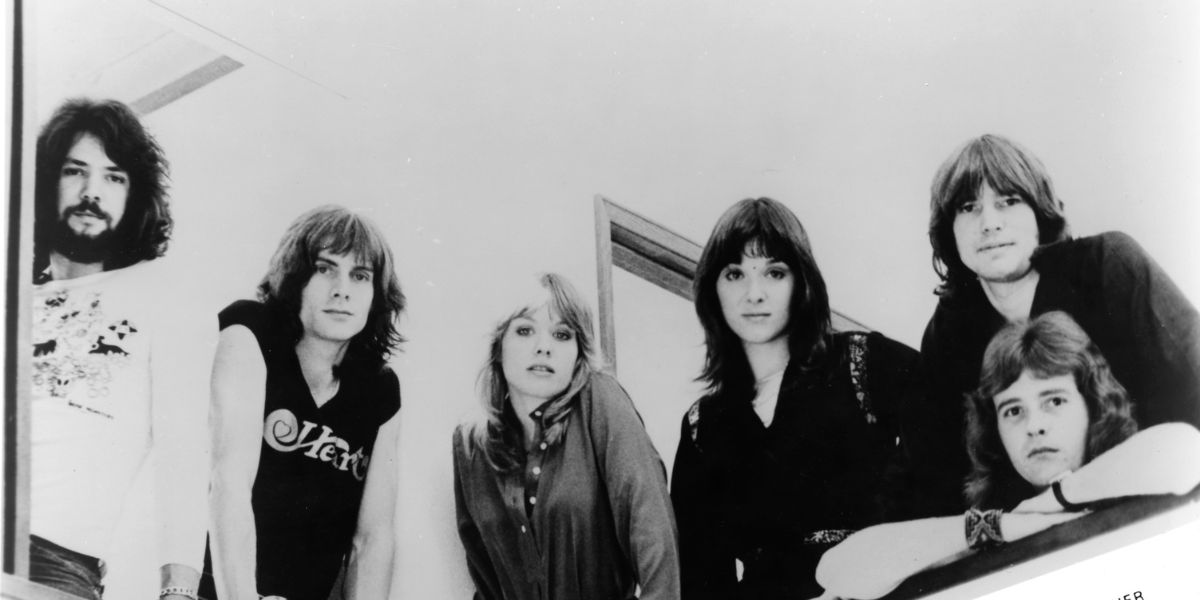
Heart's story is slightly different because they did have British recognition – but nothing like the level of their American success. Dreamboat Annie was a substantial success in both countries, yet subsequent albums made Heart into US arena royalty while Britain gradually lost interest.
Their mixture of hard rock, folk and power balladry should have been tailor-made for British audiences, particularly given Ann and Nancy Wilson's formidable musicianship. Instead, Heart became increasingly associated with the glossy American rock mainstream of the 1980s. Their biggest American hits arrived precisely when British rock culture was looking elsewhere.
The song Britain should have liked: ‘Barracuda’
13. Blue Öyster Cult
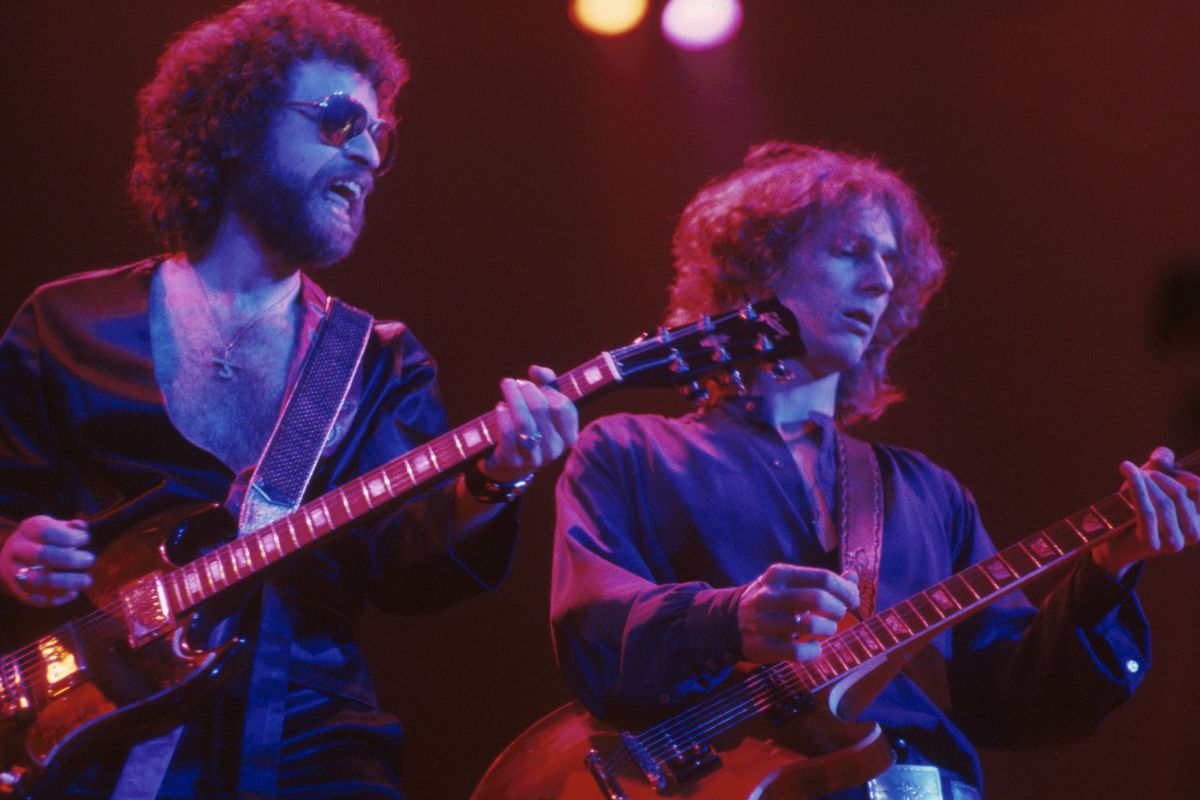
Blue Öyster Cult had one song that Britain couldn't entirely ignore – ‘(Don't Fear) The Reaper’ – but the band behind it remained something of an American secret. In the US, they built a substantial following around a dark, intelligent form of hard rock that mixed science fiction, occult imagery and unusually literate songwriting.
Britain already had plenty of eccentric heavy rock, though (we're thinking Uriah Heep, Sabbath and Hawkwind in particular), and BÖC never quite found their fanbase here.
The album Britain should have liked: Secret Treaties
14. The Doobie Brothers
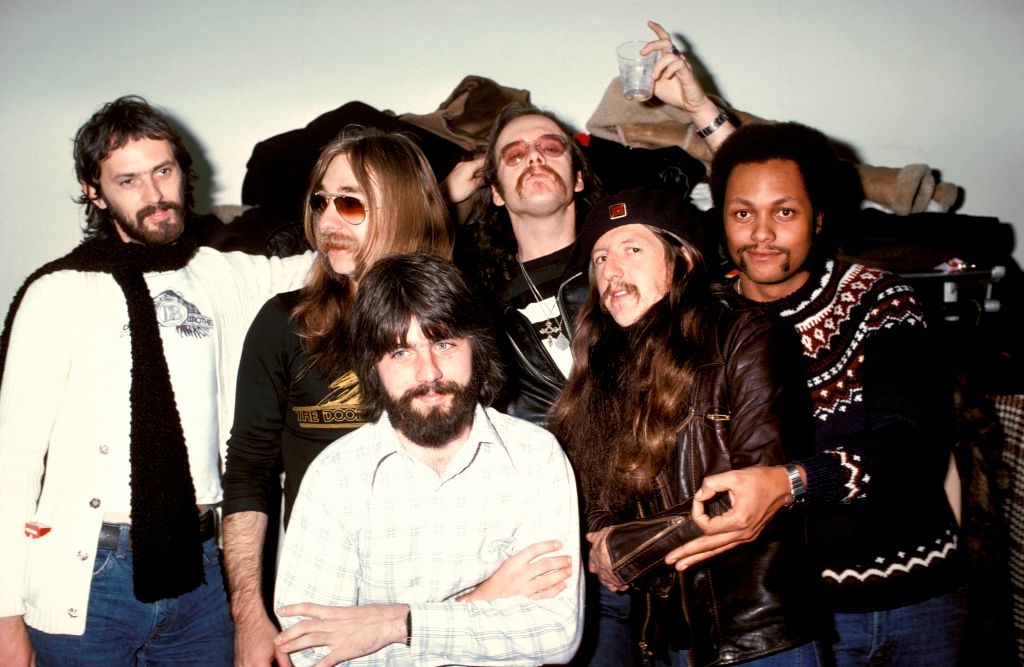
The Doobie Brothers had an almost perfect American career: bluesy beginnings, Southern-rock swagger, immaculate harmonies, then an extraordinarily successful transformation into sophisticated pop-rock after Michael McDonald joined. Albums such as The Captain and Me and Minute by Minute were major US successes. Britain knew ‘Listen to the Music’ and ‘What a Fool Believes’, but the band never became a major British institution.
Their problem may have been that they were too adaptable: just as British listeners might have placed them in one box, they moved somewhere else. Or perhaps, when they did settle on their sophisticated yacht-rock sound, it just wasn't something that appealed to British audiences. That slick, LA sound was always much bigger than Stateside than here, and we could run you through a list of US yacht-rock icons who didn't make it big in the UK - Seals & Crofts, Pablo Cruise, Ambrosia.
The song Britain should have liked: ‘Long Train Runnin’’
15. Chicago
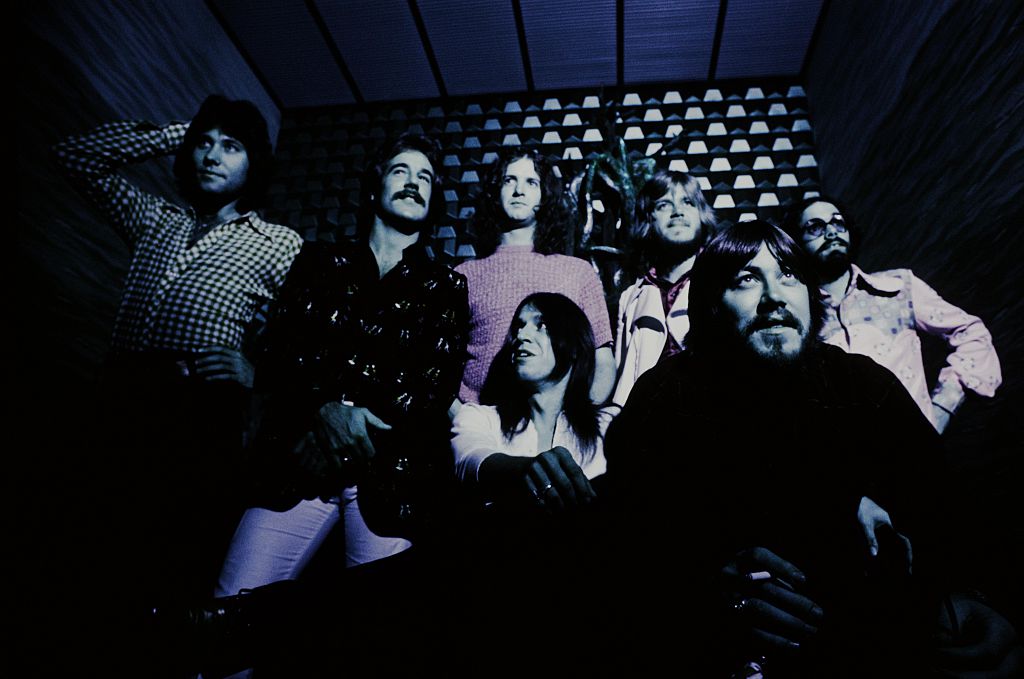
Chicago are an especially interesting case because they weren't unknown in Britain – they just never came close to matching their extraordinary American stature. In the US, they were a dominant album act throughout the 1970s, combining rock, jazz, brass and pop in a way that produced an astonishing succession of hits.
Their British problem may partly have been the word 'Chicago' itself: they belonged to the American tradition of big-band-inflected rock, while British rock culture tended to value the guitar band. By the time their sophisticated pop phase arrived, they could seem like precisely the sort of American soft-rock act British critics loved to dismiss.
The album Britain should have liked: Chicago II
All photos Getty Images / Album sleeves Discogs
Top image Grand Funk Railroad, 1972