
Technology has always been crucial to rock music.
The development of the electric guitar allowed musicians to play loud, while advancements in the capability of speakers enabled them to play even louder. In the early 1980s the sudden ready availability of affordable, portable synths meant that the traditional rock band set-up could be easily circumvented.
This led not only to an overnight surge in the number of synth-pop bands, but also an existential crisis for many rock bands who needed to adapt or die.
1981 sees the emergence of these synth bands with a number of debut albums appearing on the list. The rock order are beginning to take note, with established bands looking to tighten up their act, and offer up albums with more than half an eye on mainstream radio play.
Here are the 21 greatest albums of 1981, each one comes with a key track to give an added sonic flavour.
The best albums of 1981
21. AC/DC – For Those About To Rock (We Salute You)
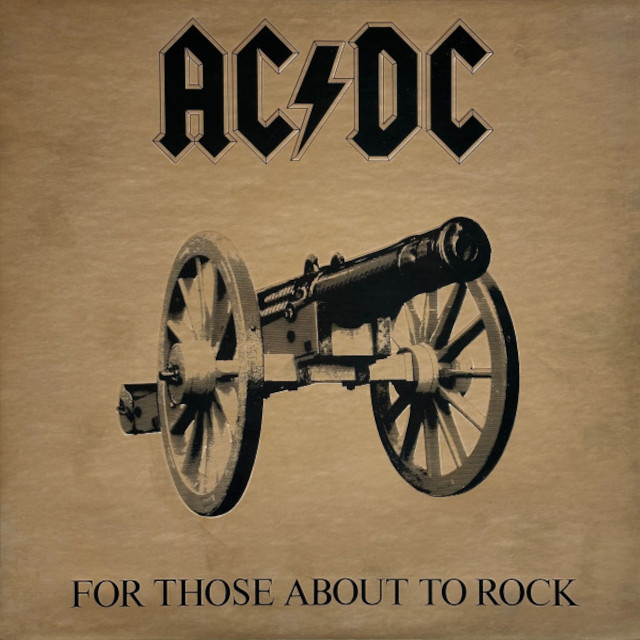
The Aussie rocker’s finally hit the top of the US album charts with their eighth studio album. Following up Back in Black would be no easy task for mere mortals, but AC/DC were able to deliver more of the same. 1981 was a busy year for producer ‘Mutt’ Lange as he completed his personal trilogy with the band.
Key track: ‘Let’s Get It Up’
20. The Beat – Wha'ppen?
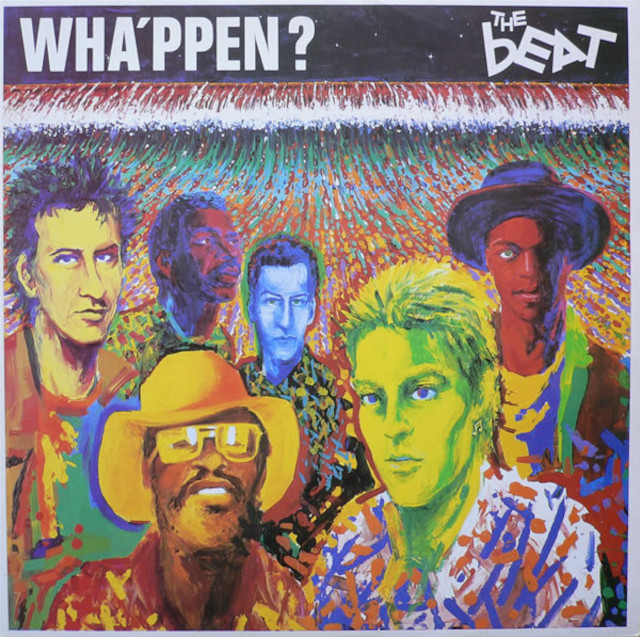
For their second album The Beat eased their foot off of the ska-punk accelerator. By slowing things down they were able to add an atmospheric, dub-like depth to their sound, together with elements of African music.
The band remained sharp social commentators. Highlights include ‘Doors Of Your Heart’ and ‘All Out To Get You.’
Key track: ‘Too Nice To Talk To’
19. Squeeze – East Side Story
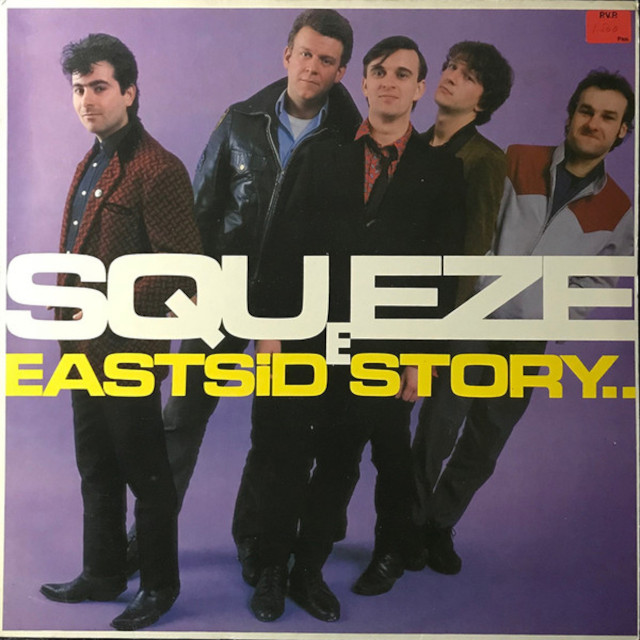
For their fourth studio album Squeeze broke further away from the new wave tag that had been applied to them. Blessed with a pair of talented songwriters in Glenn Tilbrook and Chris Difford, the band expanded their musical vocabulary dabbling with country, rockabilly and soul. Elvis Costello helped to co-produce the album with Nick Lowe and Dave Edmunds also in attendance.
Key track: ‘Labelled With Love’
18. Depeche Mode – Speak and Spell
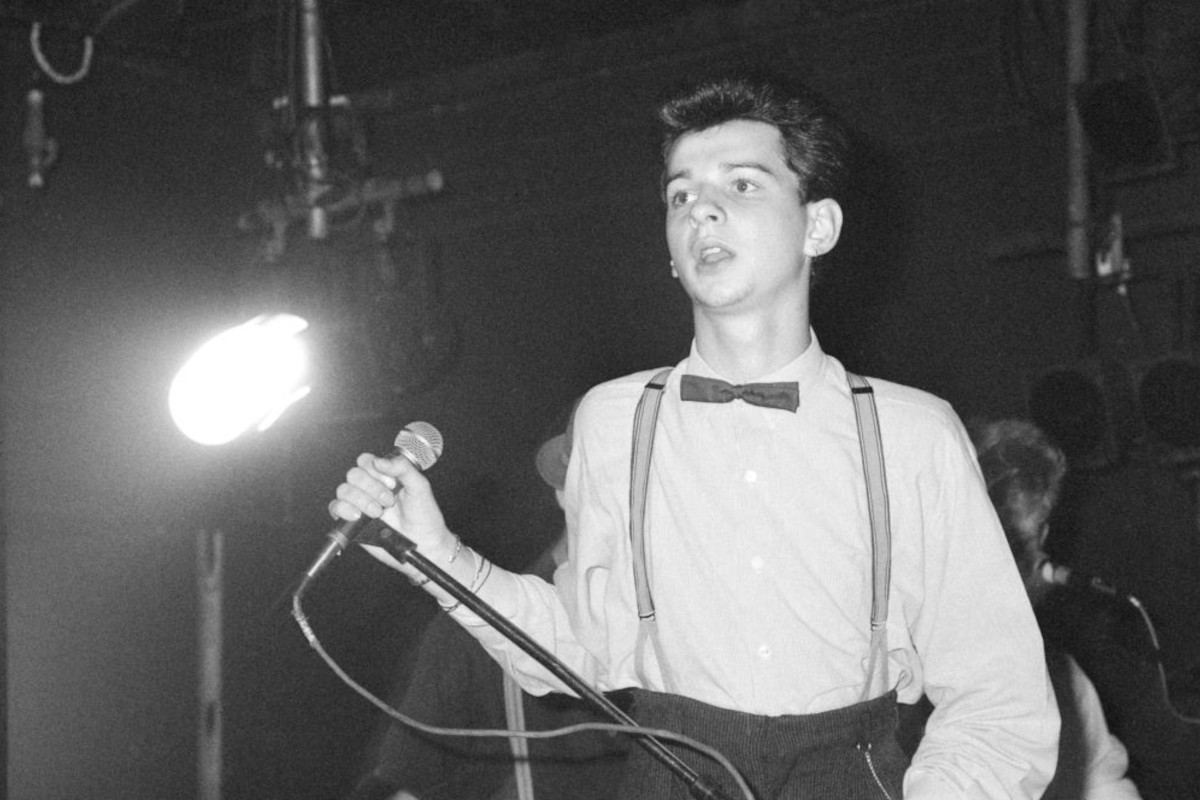
Depeche Mode joined a growing number of synth-pop bands to release a debut album in 1981. Speak and Spell is the only Depeche Mode album to feature Vince Clarke, the band’s founder and principal songwriter.
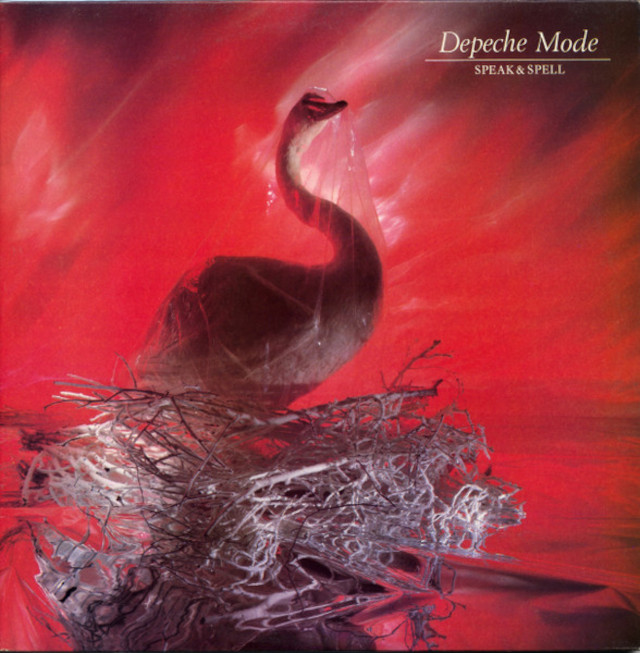
Clarke’s influence is undeniable and the album possesses a far lighter, more upbeat tone than the menacing broodiness of the discography to come. Early hit ‘Just Can’t Get Enough’ is a highlight.
Key track: ‘New Life’
17. Journey – Escape
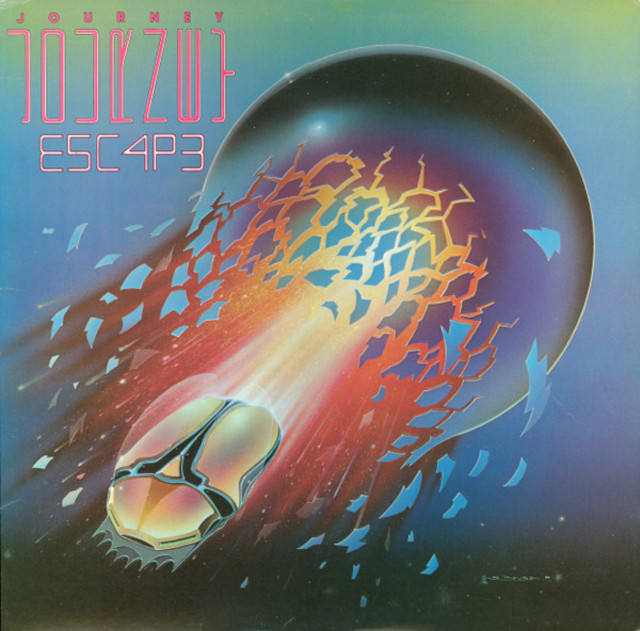
Adult-orientated rock (AOR) stripped away hard rock’s aggression to create a melodic radio-ready product. Escape is one of the genre’s landmark albums, and signifies Journey’s switch towards a synth-led sound. It also documents the band’s transition from previous blues rock also-rans to current arena-rock heroes.
Key track: ‘Don’t Stop Believin’’
16. Elvis Costello and The Attractions – Trust
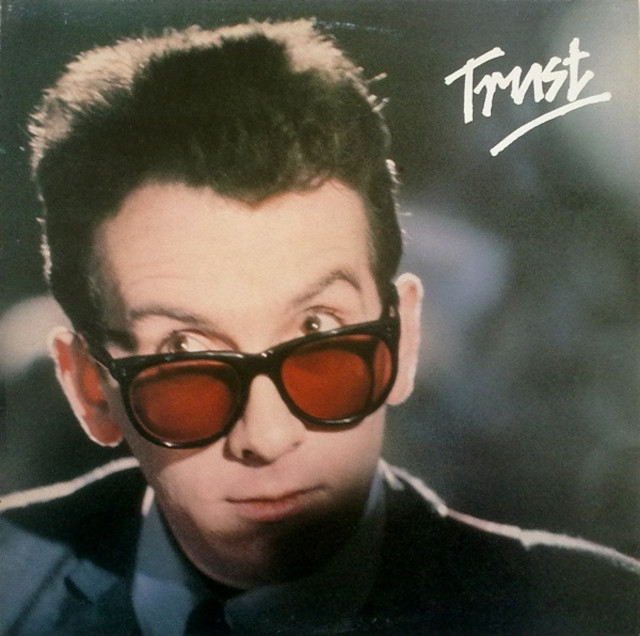
His fourth album saw Costello move away from the new wave stylings of his early offerings. It was replaced by a move towards a more mature and musically diverse approach to song composition. The Attractions were able to rise to this new challenge with ease.
Key track: ‘New Lace Sleeves’
15. Japan – Tin Drum
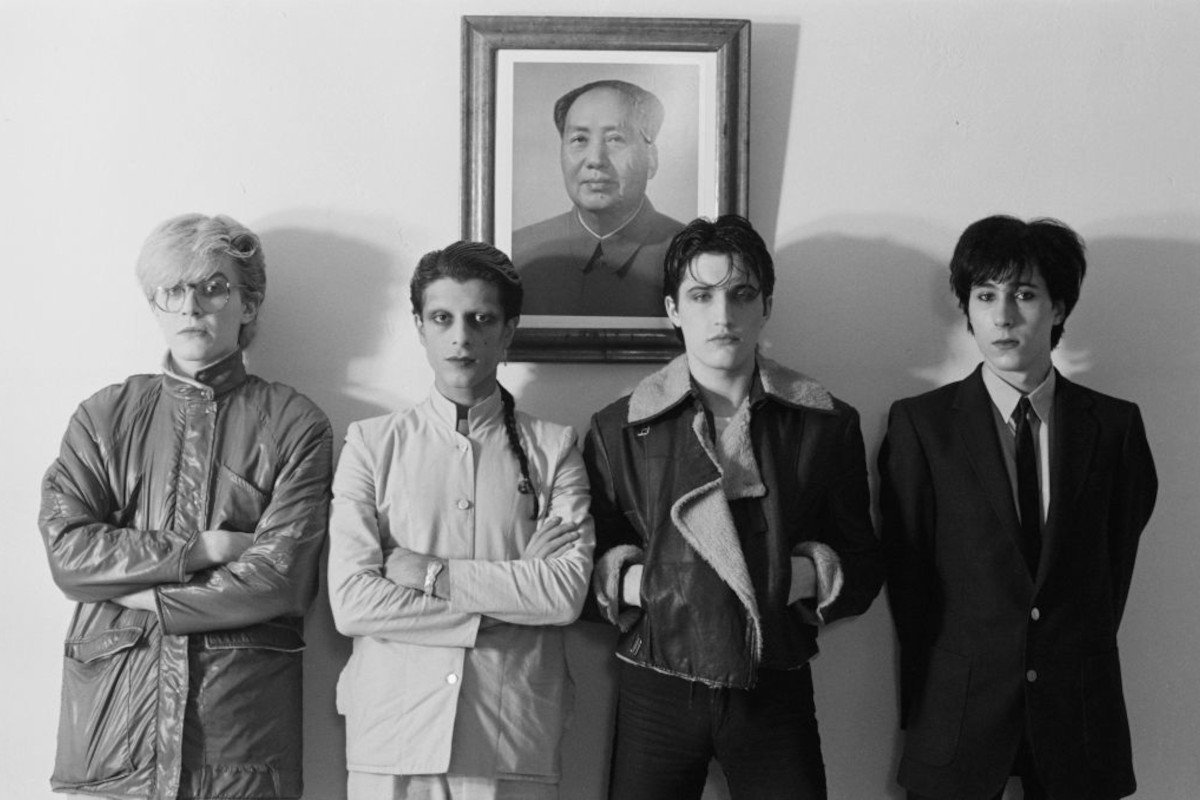
Japan started life as latter-day glam rockers with great hair. By 1981 the hair was still great, but the sonic direction had changed.
The south Londoners transitioned into electronic art rockers, with Tin Drum their masterpiece. It also turned out to be the band’s final outing.
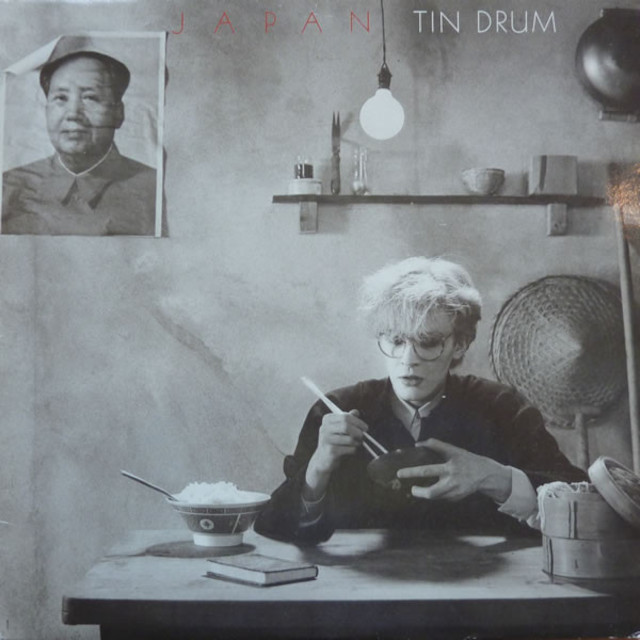
Japan were a huge influence on the UK’s New Romantic scene.
Key track: ‘Ghosts’
14. Gang of Four – Solid Gold
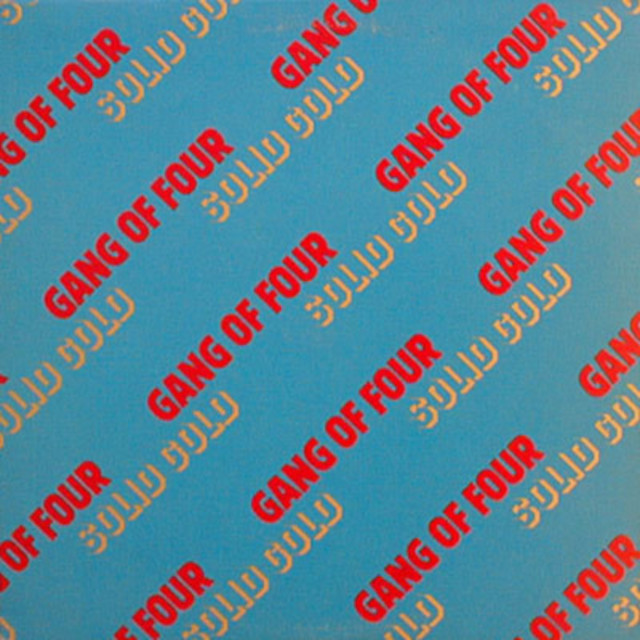
The Gang of Four’s second album paled slightly against their impeccable debut, 1979’s post-punk masterpiece Entertainment. Still full to the brim with invention, ideas and energy, the blunt political ideology remained, as did the abrasive angularity of Andy Gill’s guitars.
The rhythm section was positively supercharged, and the pulsating basslines and ‘funky’ drumming introduced a new danceable aspect.
Key track: ‘Paralysed’
13. The Gun Club – Fire Of Love
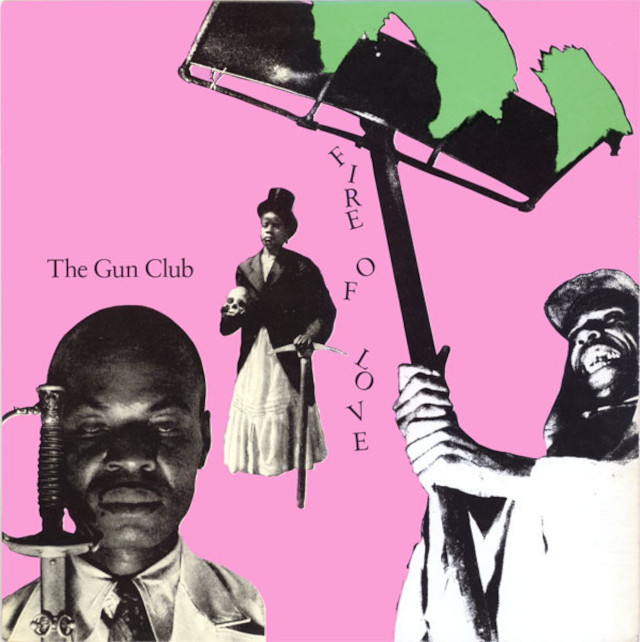
LA’s The Gun Club’s debut fused punk rock, blues and country music to blistering effect. Led by the maniacal presence of Jeffrey Lee Pierce, Fire Of Love captured the energy of the band’s live performance.
The band were regarded as the founding founders of the burgeoning cowpunk scene, a movement they were far too cool to ever be associated with.
Key track: ‘Ghost on the Highway’
12. The Rolling Stones – Tattoo You
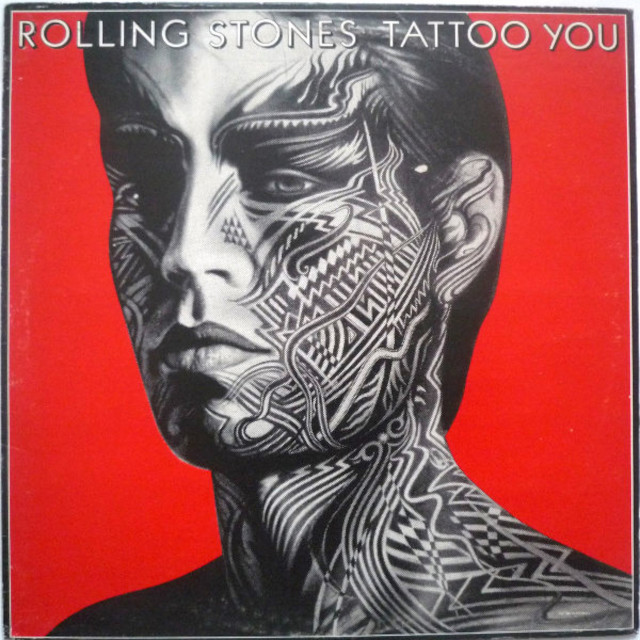
Following on from the disco-inflected Emotional Rescue, The Stones’ 16th studio album is a patchwork collection of used songs dating back from previous album sessions dating all the way back to 1971. It’s not necessarily a promising premise, but it works.
Side one is full of rockers, including the quintessential Stones-by-numbers ‘Start Me Up.’ Saxophone colossus Sonny Rollins appears on a couple of tracks.
Key track: ‘Start Me Up’
11. The Human League – Dare
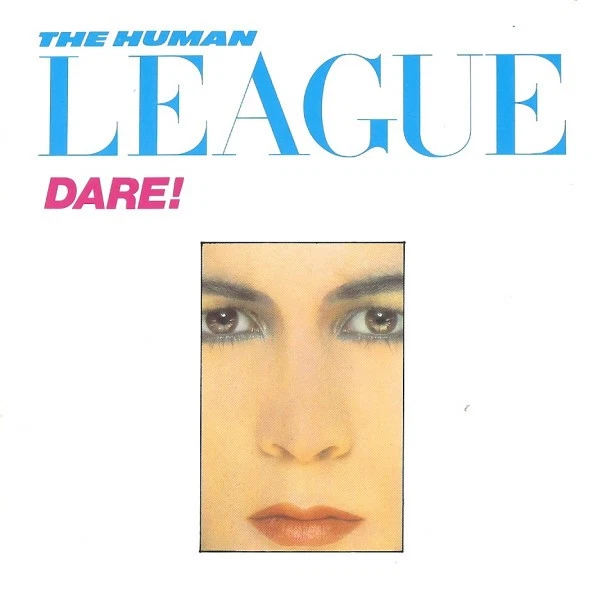
The release of Dare saw The Human League transition from underground art-synth pioneers to chart-toppers. It was the album that proved synths and drum machines could compete with guitars and drums.
Dare is loaded with hits (‘Don’t You Want Me’, ‘Love Action (I Believe In Love)’ and ‘The Sound Of The Crowd’) and paved the way for the ‘Second British Invasion’ of the US charts.
Key track: ‘Don’t You Want Me’
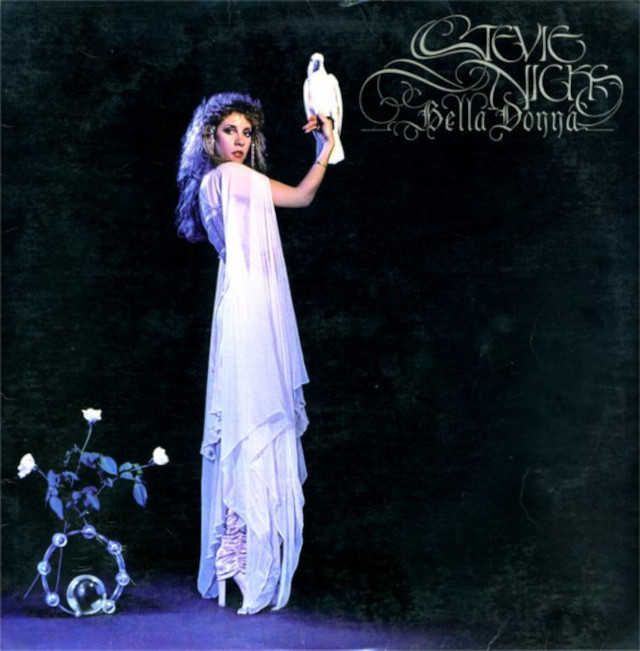
10. Stevie Nicks – Bella Donna
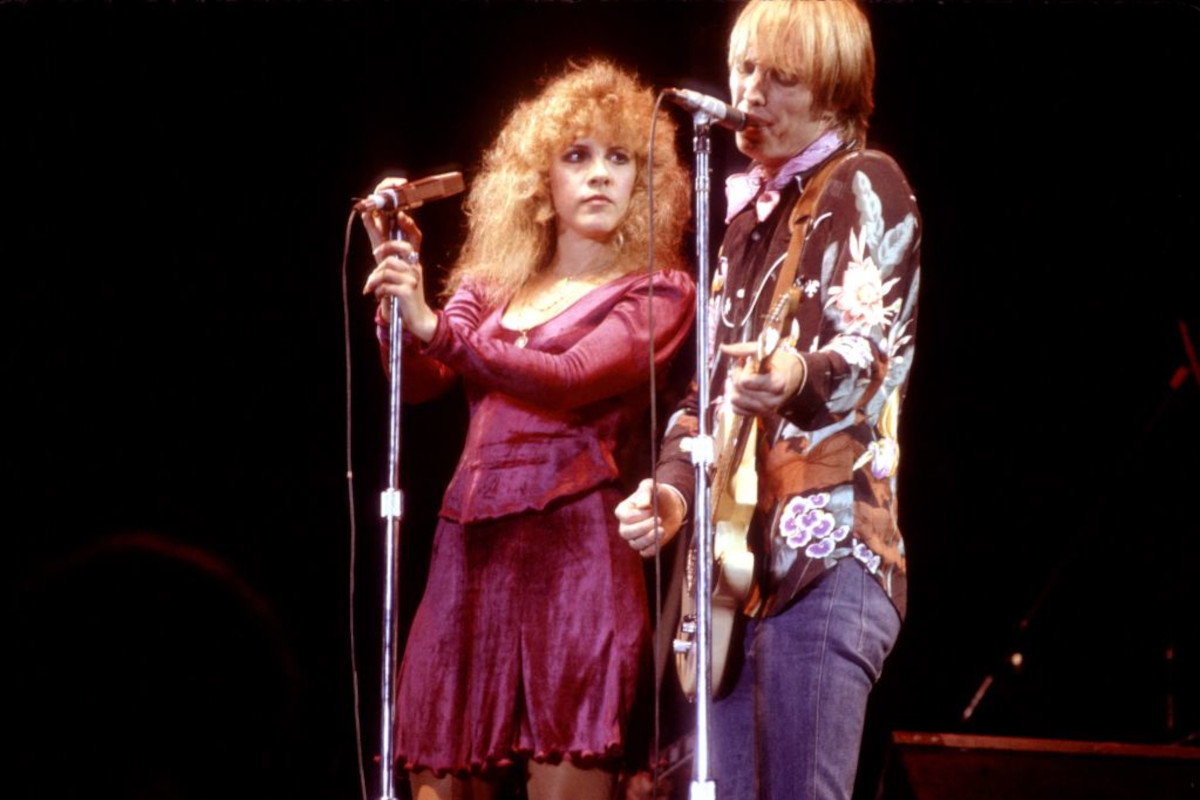
Stevie Nicks finally extracted herself from Fleetwood Mac’s shadow with a hugely successful solo album. A huge seller in the US, Bella Donna went platinum just three months after its release.
Nicks pulled in favours from her many friends in the biz, and guest stars include Tom Petty, Don Henley and Donald ‘Duck’ Dunn. Petty wrote and duetted with Nicks’ on the album’s lead single, ‘Stop Draggin’ My Heart Around.’
Key track: ‘Edge of Seventeen’
9. Echo and The Bunnymen – Heaven Up Here
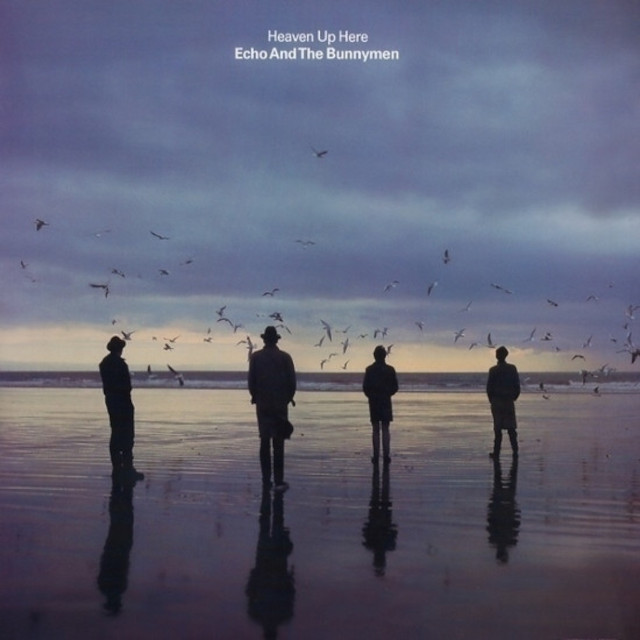
Liverpool’s greatest band since The Beatles followed up the previous year’s Crocodiles with another post-punk classic.
Heaven Up Here provided the dark, sonic template for the alternative rock scene prevalent in the early 80s, inspiring bands such as U2. Highlights include the brooding ‘Over The Wall, ‘All My Colours’ and the smash-hit-that-never-was, ‘A Promise.’
Key track: ‘A Promise’
8. Stray Cats – Stray Cats
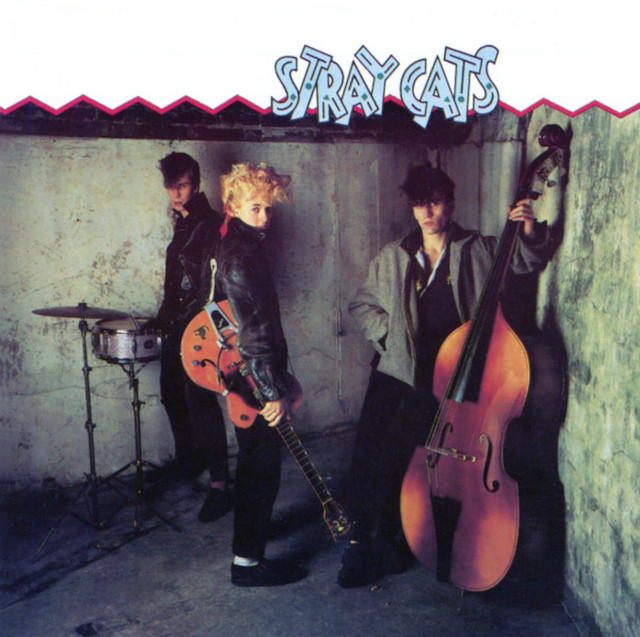
Ignoring the synth-rock/pop trends of the day, Stray Cats looked back to the 1950s to serve up a greasy dollop of whip-smart rockabilly. Big hits such as ‘Runaway Boys’, ‘Rock This Town’ and ‘Stray Cat Strut’ sounded fresh and, surprisingly, contemporary. The debut album was recorded in London and co-produced by Dave Edmunds.
Key track: ‘Runaway Boys’
7. The Cure – Faith
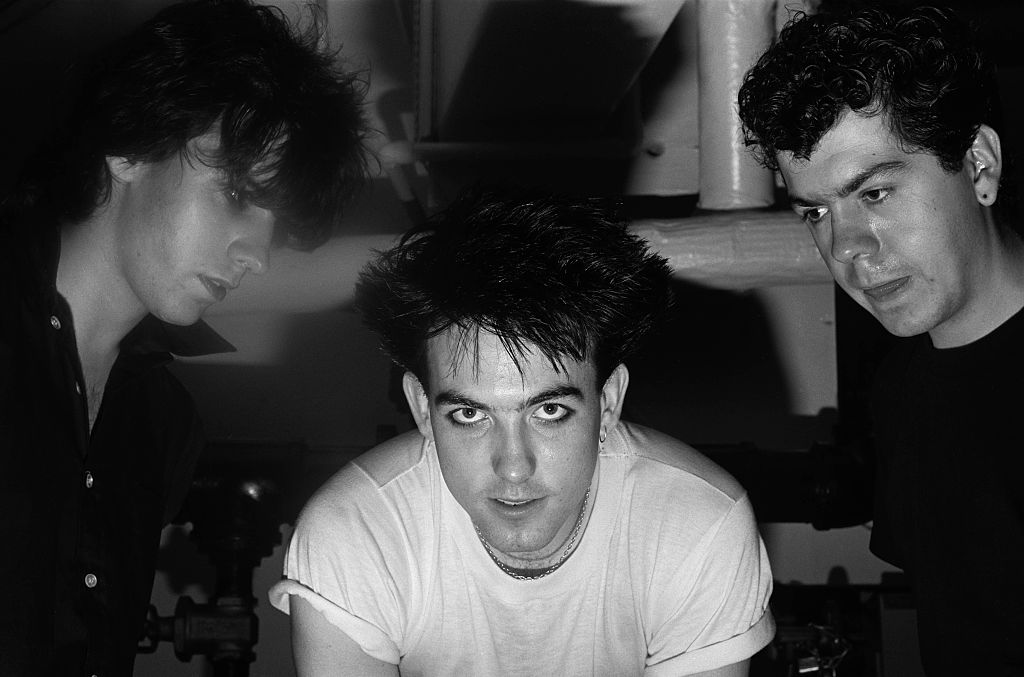
Robert Smith’s spell of playing guitar in Siouxsie and The Banshees was only brief, but ended up being hugely influential. As, if nothing else, it put him in touch with his dark side.
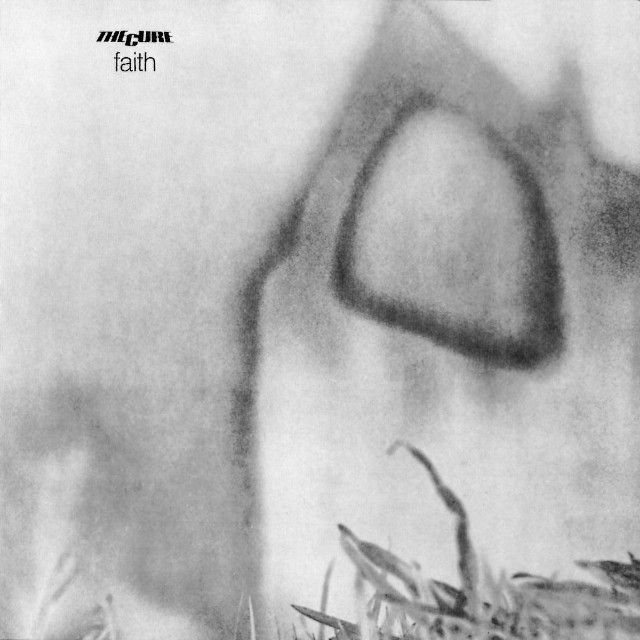
The Cure’s third album took the band further down the path of gloomy, atmospheric goth rock. Faith was to form the second part of the band’s bleak trilogy that started with Seventeen Seconds and culminated with 1982’s Pornography.
Key track: ‘All Cats Are Grey’
6. The Replacements – Sorry Ma, Forgot To Take Out The Trash
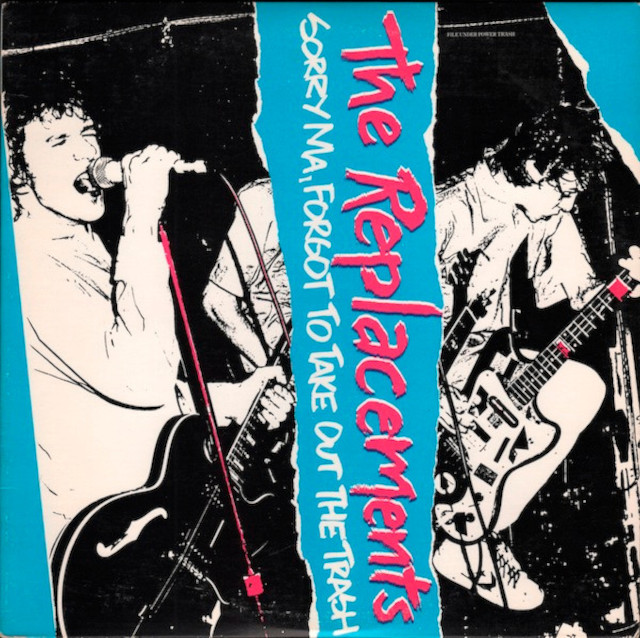
While many punks disaffected with the genre’s malaise ramped up the aggression and turned to hardcore, The Replacements resisted the temptation.
With bands such as The Rolling Stones, Big Star and The Faces as guiding lights, Sorry Ma… adheres loosely to classic song structures with a dose of ramshackle swagger and a pinch of power pop. Paul Westerberg’s songwriting talent shines through.
Key track: ‘Takin’ A Ride’
5. Rush – Moving Pictures
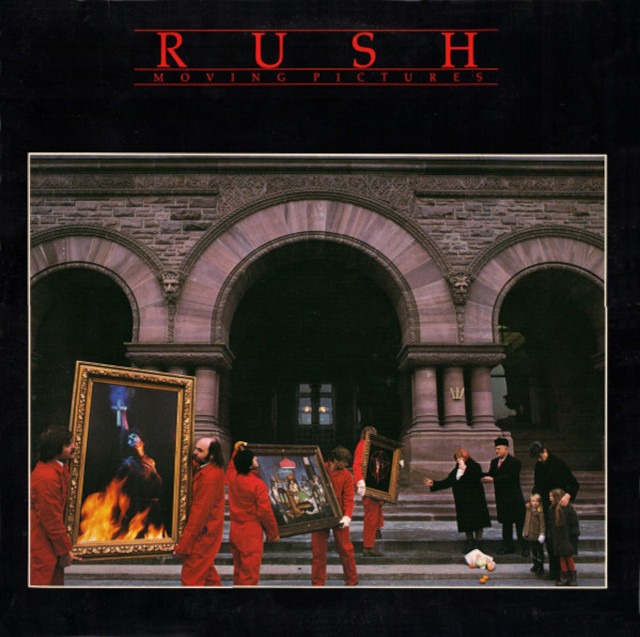
Rush didn’t only see the writing on the wall: they also took time out to read it. This meant adapting to the new musical landscape that punk and new wave had created. To this end, the Canadian trio curbed a previous enthusiasm for prog rock indulgence and tightened up their sound.
This sonic shift paid dividends and Moving Pictures saw the band reach a commercial peak. Rush regarded the switch as the key to discovering the best version of themselves.
Key track: 'Tom Sawyer'
4. Foreigner – 4
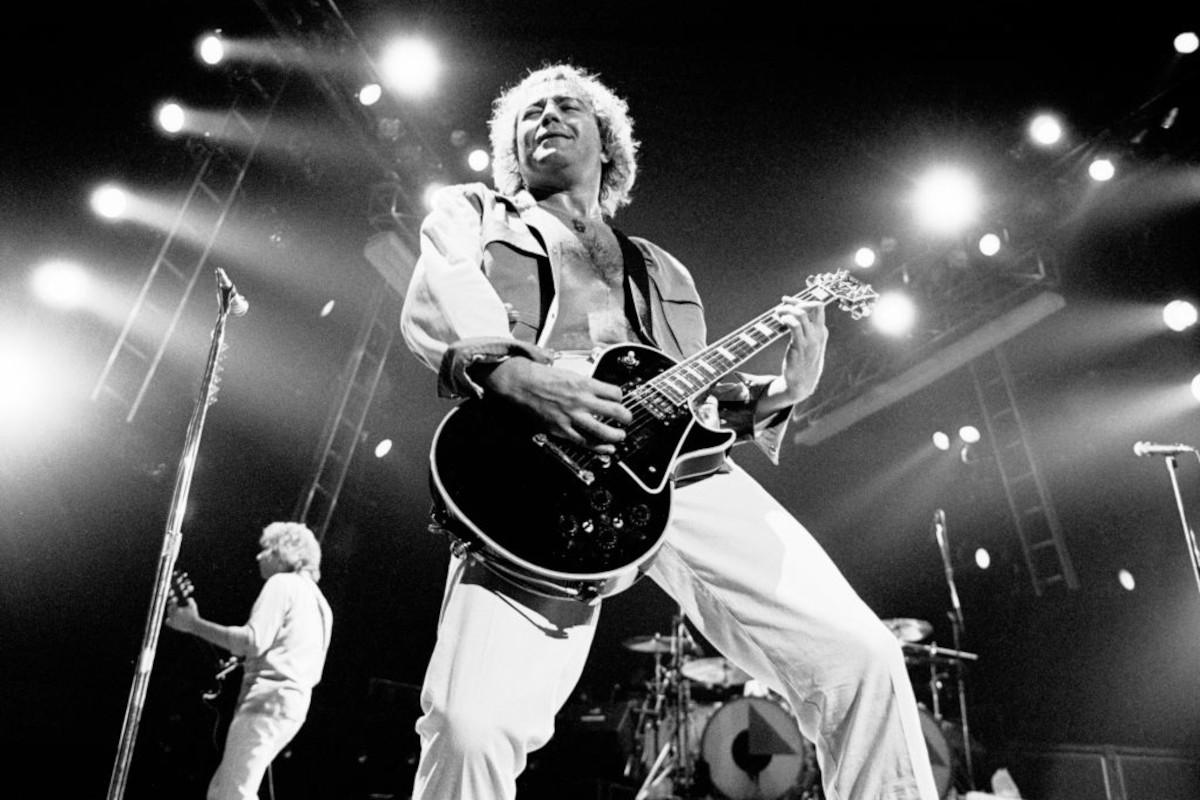
British-American rock band Foreigner are one of the best-selling artists of all time, and a large chunk of those sales are down to the enormous success of their fourth studio album. 4 saw the band swapping out their earlier hard rock elements for a softer, more accessible approach.
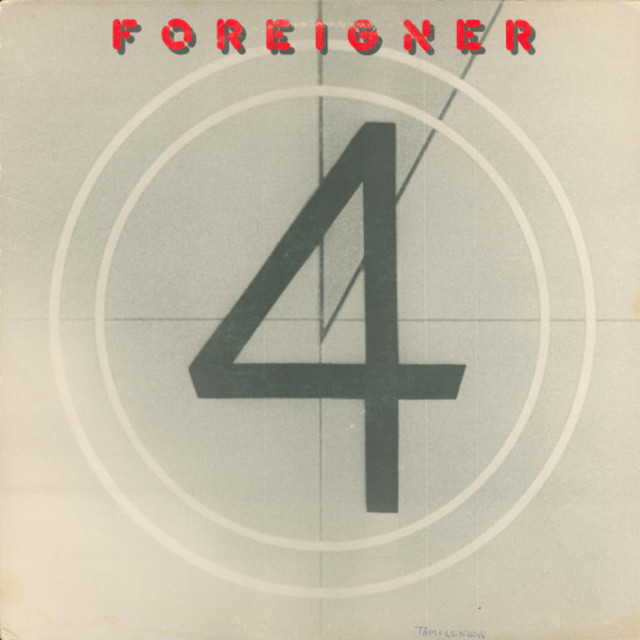
It was a winning formula, and the album sat at the top of the charts for a solid 10 weeks in the US. Perfectionist producer Mutt Lange subtly introduced synths to the band’s sound, helping to iron out any trace of rough edges.
Key track: ‘Waiting For A Girl Like You’
3. Brian Eno and David Byrne – My Life In The Bush Of Ghosts
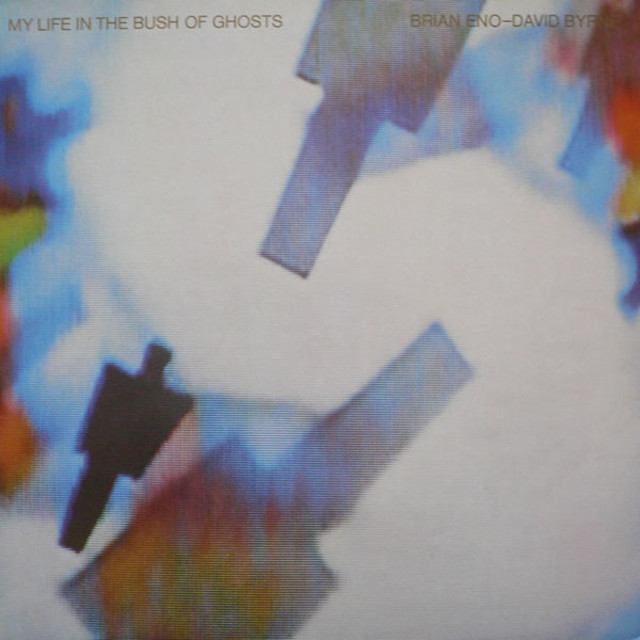
After working together on Talking Heads’ third album, Fear Of Music, rock’s two nutty brainboxes reconvened in the studio. The fruit of their labour was an avant-garde masterpiece that combined tape-loop sampling (including a chilling exorcism) with infectious world music grooves.
The album release was delayed by over a year due to the difficulty in clearing the samples.
Key track: ‘The Jezebel Spirit’
2. Black Flag – Damaged
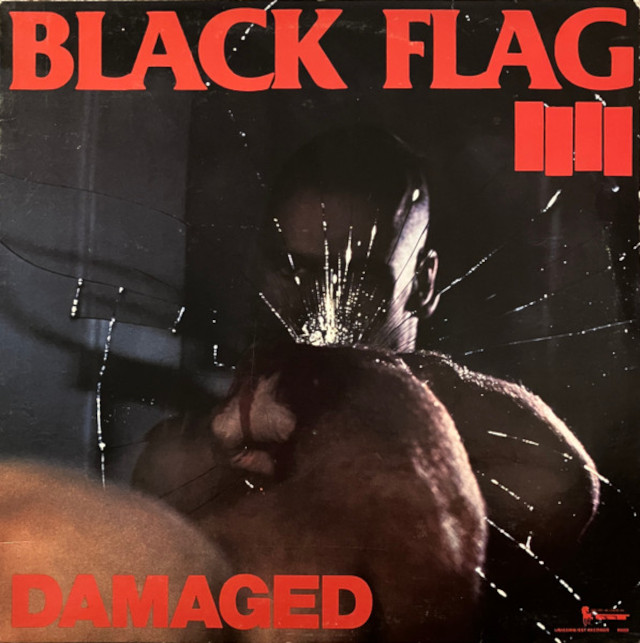
West Hollywood’s hardcore scene was as far removed from the synth-pop scene as you could ever imagine. Hardcore stripped punk to its barest bones and added a few extra levels of fury. Damaged was Black Flag’s combative debut and featured new recruit Henry Rollins on vocals.
They say lightning is tricky to capture in a bottle, but that’s what happened here. Kurt Cobain was a fan, rating Damaged highly in a list of his favourite albums.
Key track: ‘Rise Above’
1. Kraftwerk – Computer World
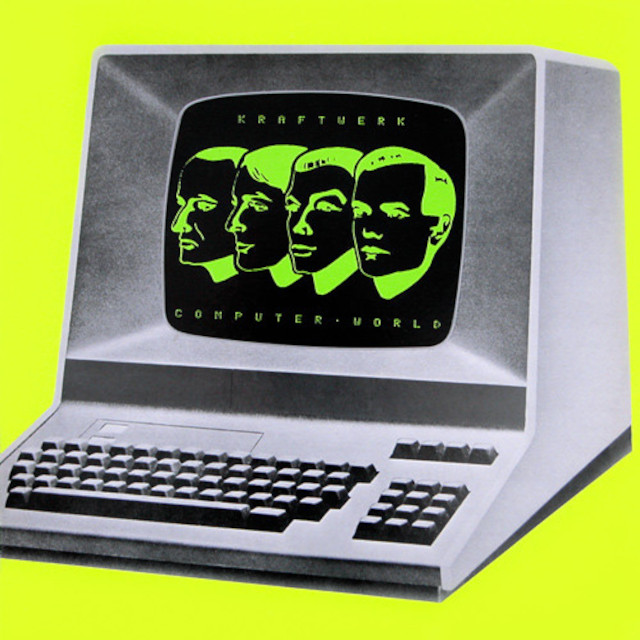
While many of the synth-pop bands were delivering their debut albums in 1981, the German synthesiser pioneers were releasing album number eight. Kraftwerk were the blueprint for many of these new bands, and the cool, understated perfection of Computer World arrived at exactly the right time for their validation.
The band’s man-made sounds were a real challenge to rock’s established order. The eminently sample-able album was to prove hugely influential in hip-hop circles.
Key track: ‘Pocket Calculator’
All photos Getty Images / Album sleeves Discogs
Top image Music Life Magazine photographed Kraftwerk visiting Japan, September 1981


