It's one of the great mysteries of creative genius: why do certain musicians become so much better when they're surrounded by the right people?
The members of these 17 bands were talented enough to make great music on their own. Some went on to have hugely successful solo careers; others found new collaborators or formed new groups. But none could quite recreate the particular magic of the original band.
Sometimes it was musical telepathy, as with The Police. Sometimes it was the collision of radically different personalities, as with Fleetwood Mac or Guns N' Roses. Sometimes it was simply the mysterious chemistry that turns four good musicians into something extraordinary.
These bands prove that creative genius isn't always an individual thing. Sometimes the friction, rivalry, friendship and counterpoint between specific people is the secret ingredient – and once you take one of those people away, the magic disappears.
1. The Beatles
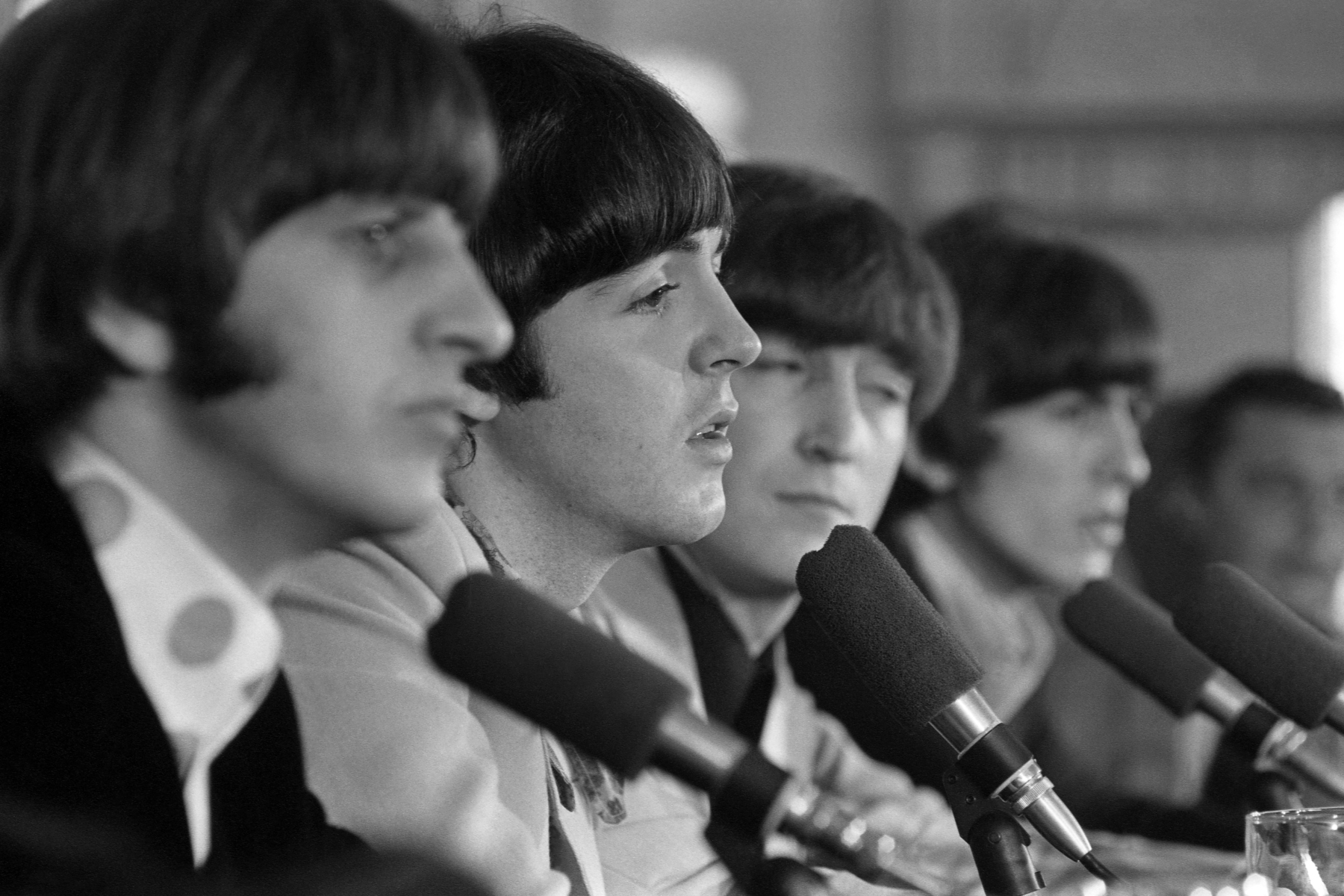
The ultimate 'greater than the sum of their parts' example. John, Paul, George and Ringo all went on to make worthwhile music after the band split, with Lennon and McCartney in particular enjoying major solo success. But none came remotely close to recreating the extraordinary cultural and musical force of the four together.
The Beatles weren't simply four talented musicians sharing a stage. Lennon and McCartney's songwriting rivalry pushed both to greater heights; Harrison's increasingly adventurous guitar playing and songwriting expanded the band's horizons, while Starr brought a deceptively sophisticated rhythmic foundation and a personality that balanced the others. Even their tensions became creatively productive.
2. The Smiths
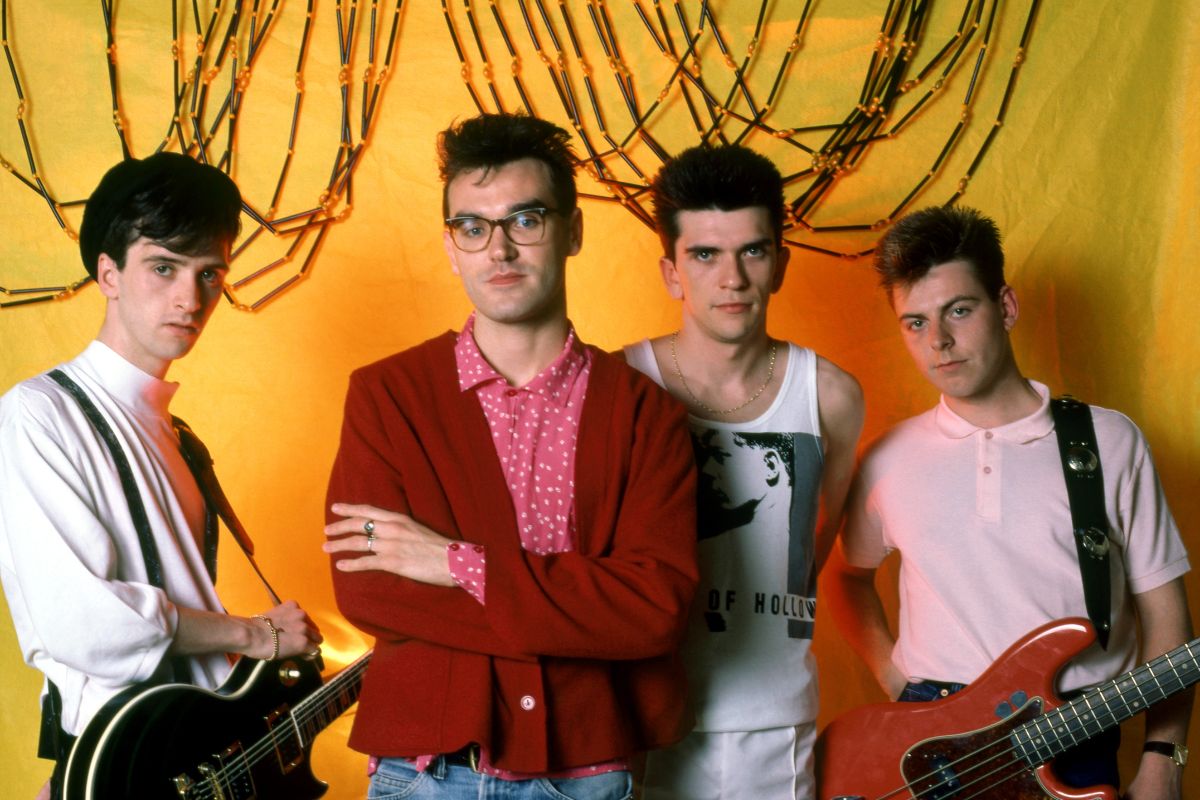
Manchester's finest were a classic case of a band whose members shone brightest together. Morrissey’s solo career had moments, and Johnny Marr became an admired collaborator, but neither matched the cultural voltage they generated side by side. Their chemistry – Morrissey’s melodramatic bite meeting Marr’s shimmering, melancholic brilliance – was singular. Without that tension and complement, each produced good work, but never anything as era-defining as The Smiths.
3. Cream
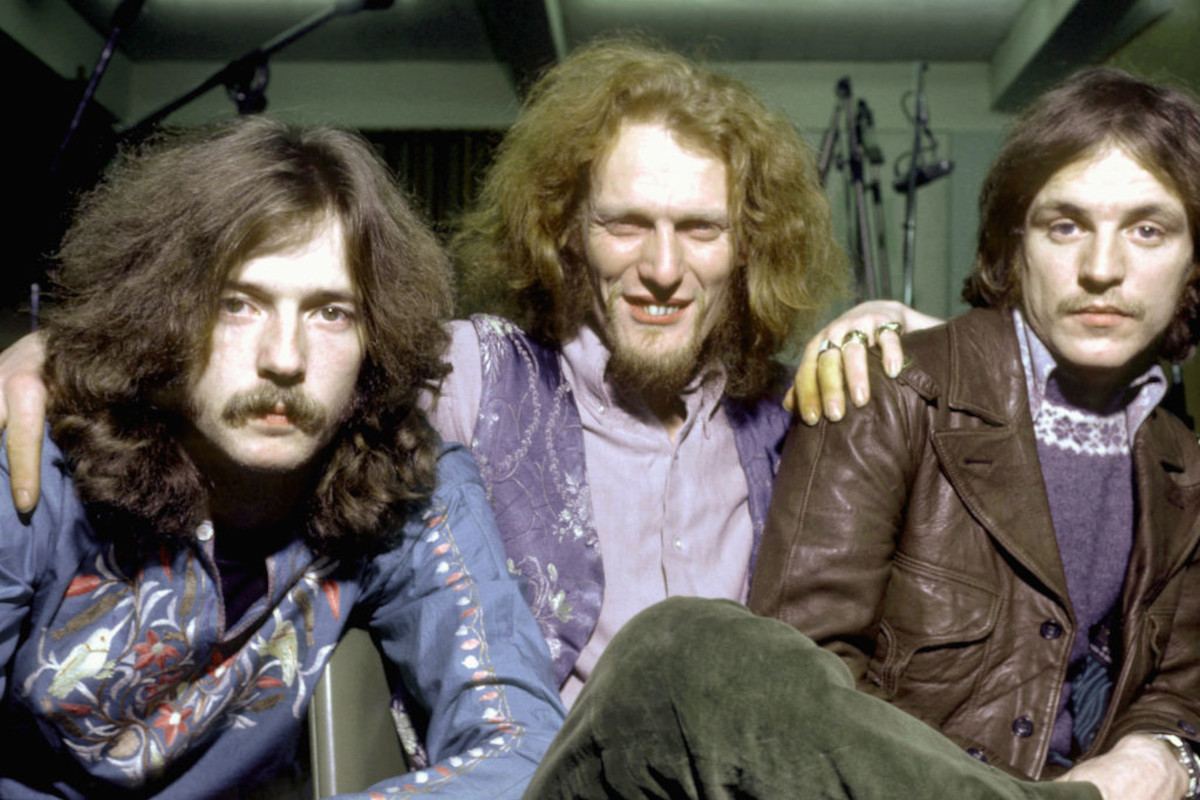
Cream were an extraordinary case of three musicians who were individually brilliant but somehow became even more formidable together. Eric Clapton was already a guitar hero, Jack Bruce a superb bassist and songwriter, and Ginger Baker one of rock's most technically accomplished drummers. Yet none could reproduce the sheer intensity of Cream on their own.
Their magic came from the collision of those three enormous musical personalities. Bruce's adventurous bass lines often behaved like a lead instrument, Baker's jazz-informed drumming could turn into controlled chaos, and Clapton supplied the blues-rock firepower. The result was a volatile mixture of blues, psychedelia and improvisation that sounded unlike anything else in late-1960s rock.
All three remained highly respected after Cream broke up, and Clapton became one of rock's biggest solo stars. But listen to Cream at their peak and the difference is obvious: this wasn't simply three virtuosos taking turns to show off. It was the friction between them that made the music catch fire. Just watch the incredible synergy on this live 'Crossroads' from 1968:
4. The Ramones
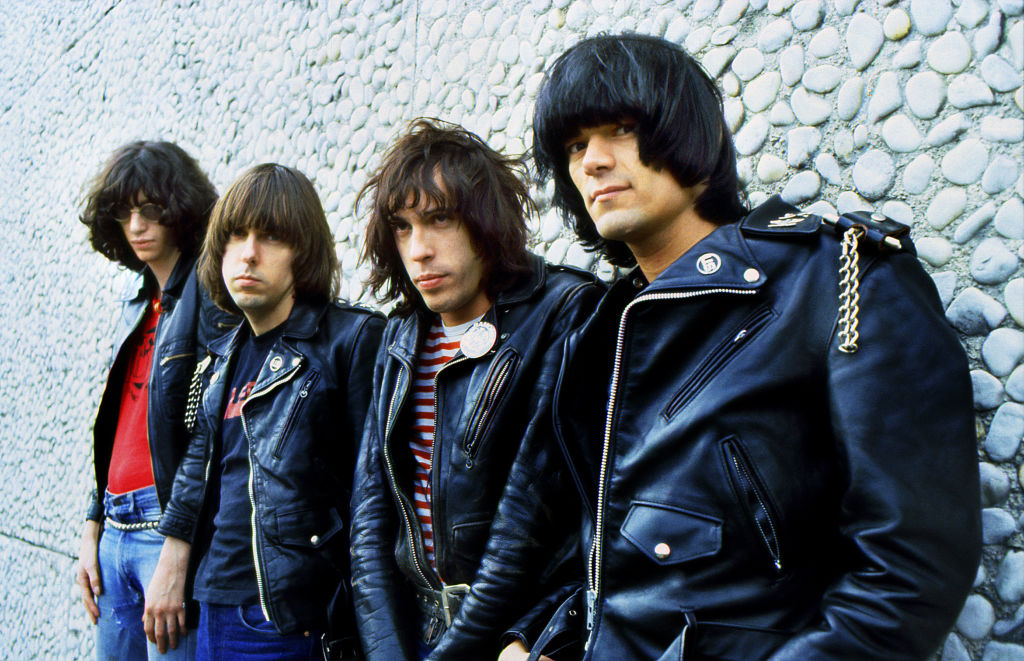
The Ramones’ success rested entirely on their unrepeatable, collective aesthetic and four-chord minimalism. The magic was in the unified attack, the short songs, and the communal identity of the 'Ramone' surname. No single member, including the iconic Joey Ramone or primary songwriter Dee Dee Ramone, ever came close to replicating the band's cultural relevance or commercial success in their solo careers, proving the unit was indispensable.
5. Aerosmith
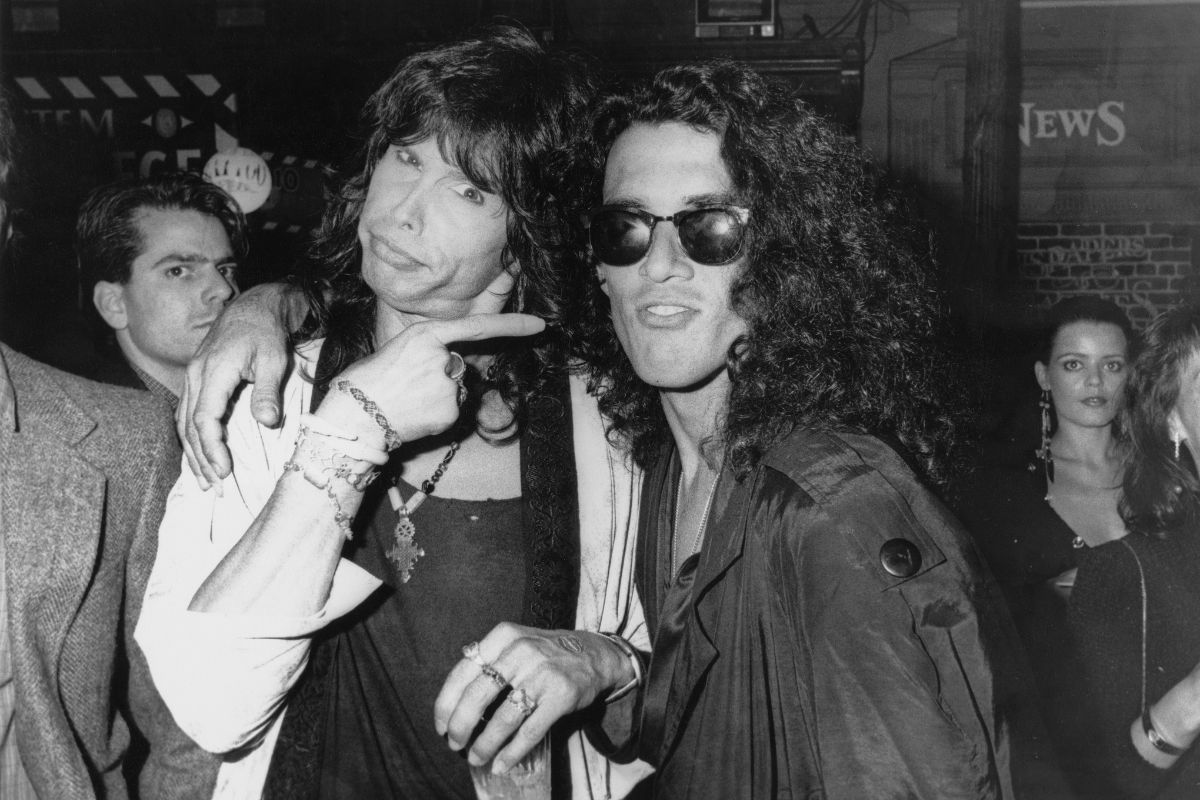
Sometimes the whole is louder, sleazier, and far more electrifying than the sum of its parts. Steven Tyler’s solo outings never caught fire, and Joe Perry’s side projects had swagger but not staying power. Apart, they sounded like fragments of a once-great machine; together, they clicked into a swaggering, blues-soaked juggernaut. Only in the volatile push-and-pull of the full band did Aerosmith summon the grit, hooks, and arena-level force that defined their peak.
6. Talking Heads
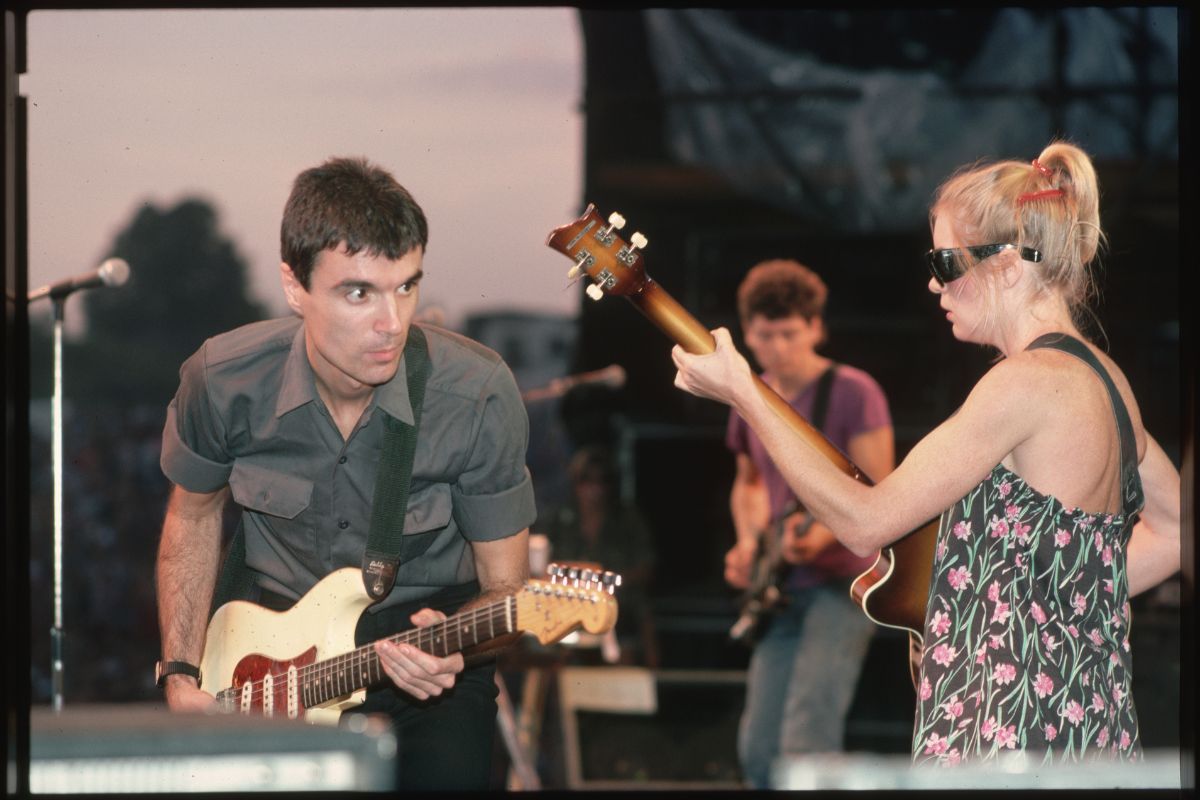
OK, let's be clear. David Byrne went on to enjoy a highly respected solo and collaborative career, but nothing he made alone quite replicated Talking Heads' nervy magic. The specific, brittle, intellectual funk they pioneered emerged from the creative friction between Byrne’s twitchy, anxious vision and the taut rhythmic engine of Chris Frantz and Tina Weymouth. That interplay – art-school abstraction meeting precision-groove discipline – produced a sound so distinct, inventive, and influential that it remains the group’s most significant and enduring contribution.
7. Creedence Clearwater Revival
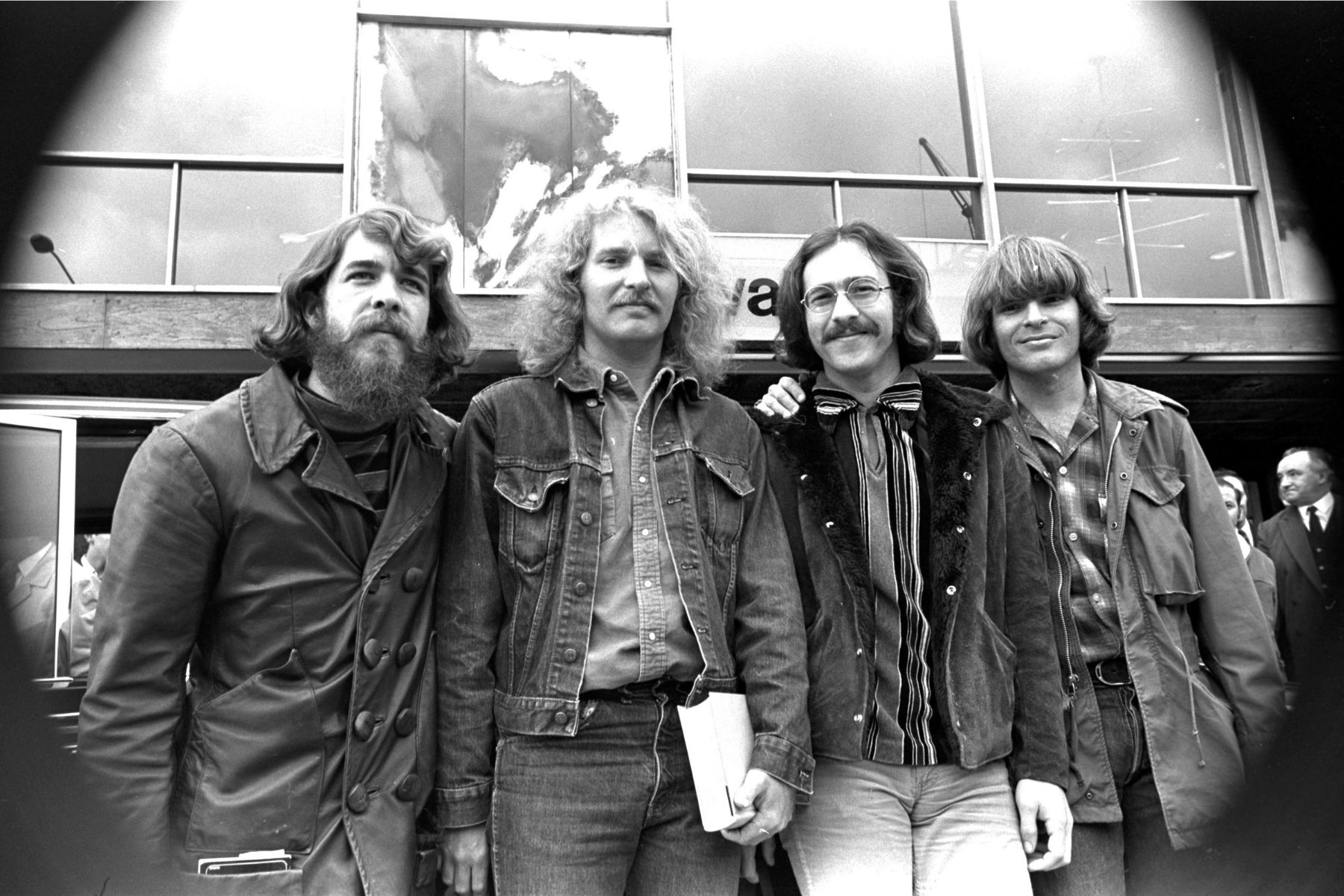
John Fogerty eventually enjoyed a remarkable career revival, but even at his best, he couldn’t fully recreate the elemental force that Creedence Clearwater Revival generated as a unit. The band’s swampy, driving sound – lean, concise, and deceptively simple – depended on a chemistry that went beyond Fogerty’s songwriting brilliance.
Stu Cook and Doug Clifford’s unshakeable rhythm section and Tom Fogerty’s steady rhythm guitar created a gritty, unpretentious foundation that let John’s voice and riffs burn with uncommon intensity. Apart, the members drifted into projects that lacked that spark: Fogerty’s solo work grew more polished, while Cook and Clifford’s post-CCR ventures never carried the same punch.
10 more bands who couldn't replicate the magic apart from each other
8. The Police
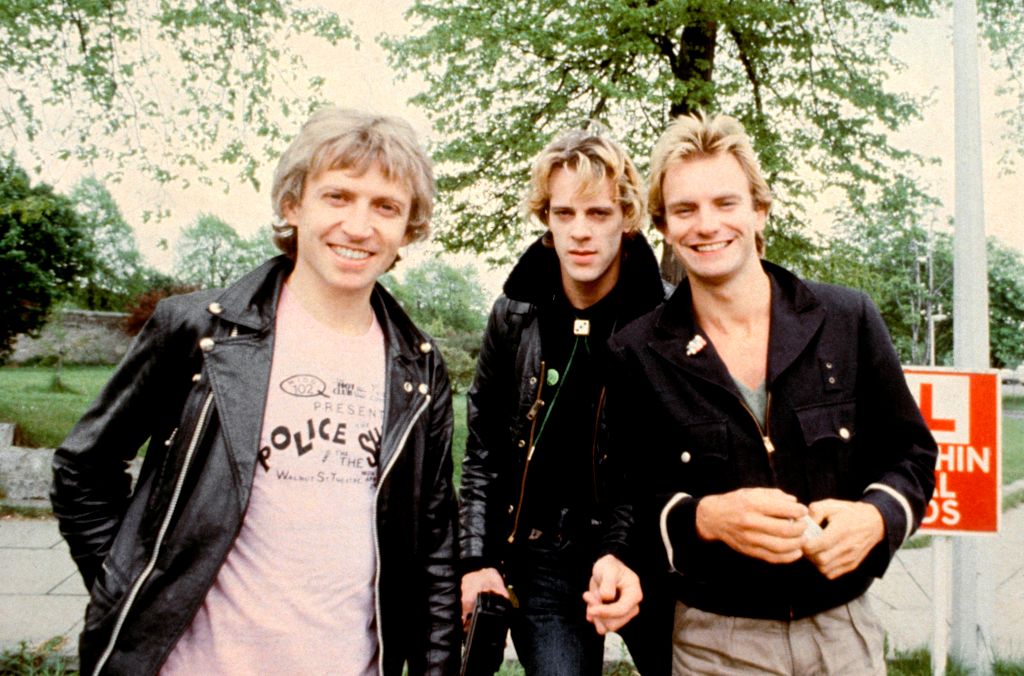
They famously didn't always get on (they famously recorded the parts for their final album in separate rooms). Beneath The Police’s fractious interpersonal dynamic, though, lay a taut, volatile musical chemistry that none of the members ever reproduced solo.
While Sting achieved massive international success, his polished pop-rock never captured the unique, syncopated tension defined by Andy Summers' echoing guitar and Stewart Copeland's restless, reggae-infused drumming. The specific, sparse brilliance of the band was a singular confluence of three distinct egos that proved greater than any one member's individual talent.
9. Rage Against The Machine
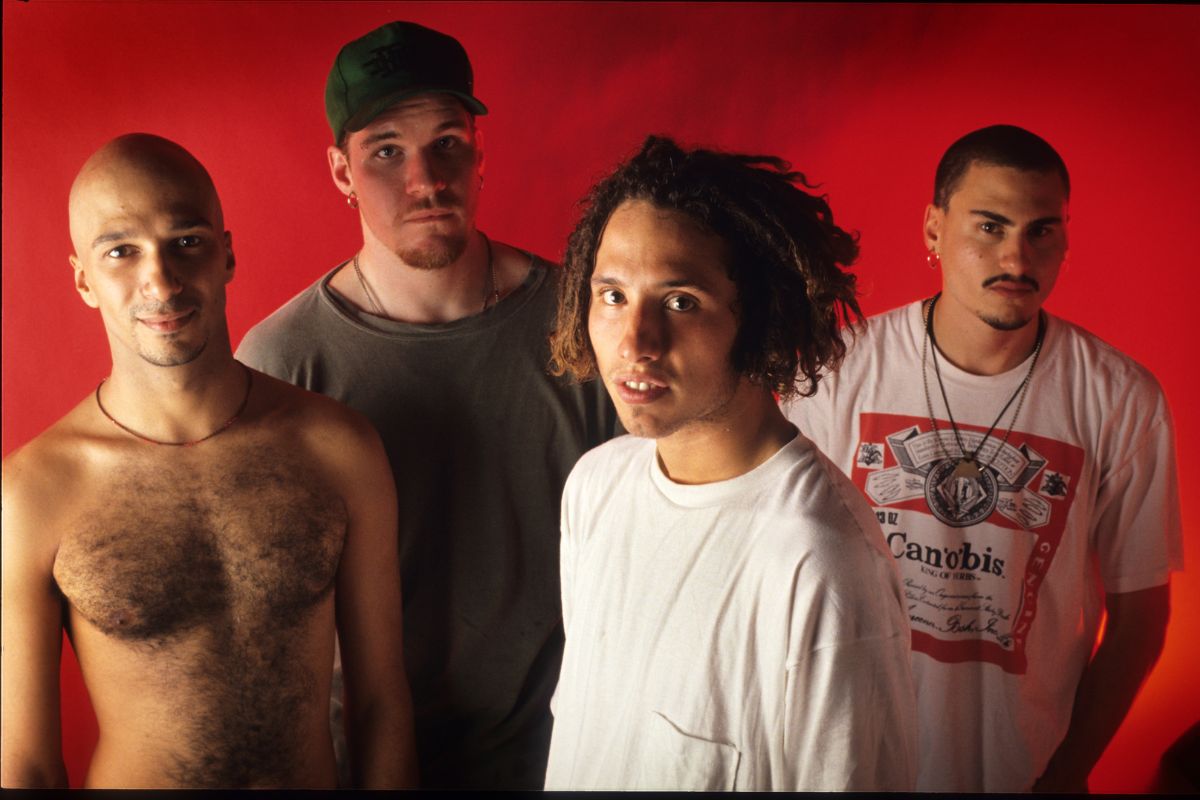
This L.A. rap metal outfit managed to bottle a particular kind of magic: the furious, focused chemistry of its four members. While Tom Morello (Audioslave) and Zack de la Rocha (solo work) have had notable projects, none have ever achieved the genre-defining intensity of RATM's blend of political rap, metal and funk. That unique synergy – where all components served a unified, explosive message – proved irreplaceable.
10. R.E.M.
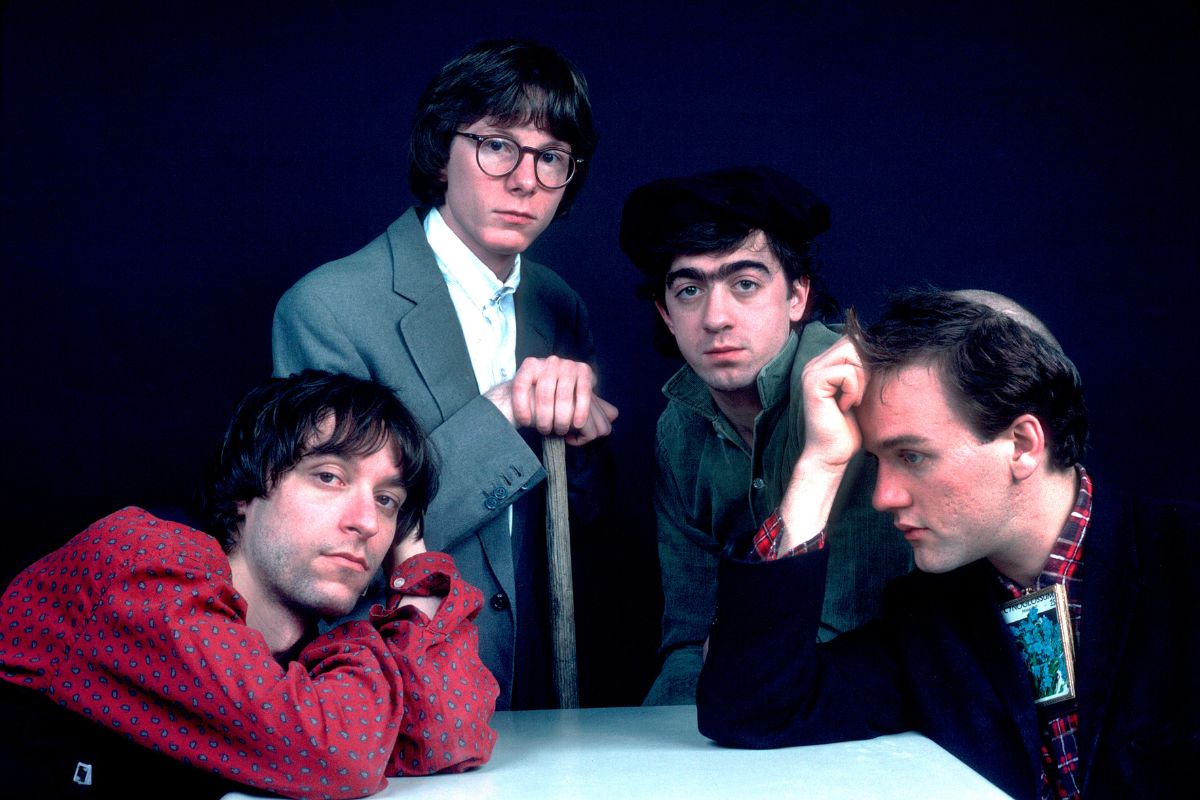
R.E.M.'s strength lay in their distributed creative process, not a single dominant figure, which is why solo endeavours never reached the same heights.
The sound that defined them – that combination of Peter Buck's signature arpeggiated guitar jangle and Mike Mills' soaring, melodic harmonies and basslines – was utterly unique. Neither Mills nor Buck, nor drummer Bill Berry, launched solo careers that achieved the band's critical or commercial stature. Even Michael Stipe, the magnetic frontman, found his most enduring and successful vehicle for his cryptic, poetic lyrics within the framework provided by his three bandmates.
The friction, counterpoint, and creative collaboration between these four distinct parts created a whole that was far more powerful than any individual member could sustain alone.
And what a captivating outfit they were at the start:
11. The Clash
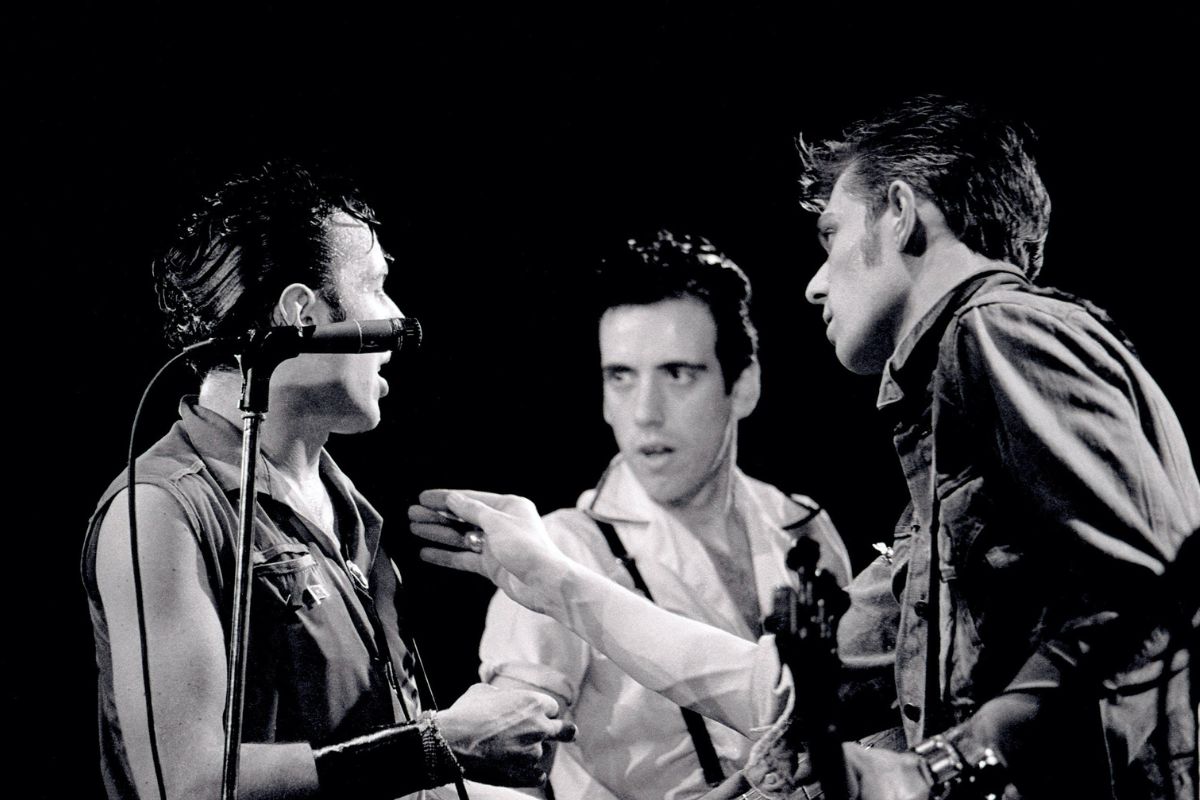
Like Rage Against The Machine above, The Clash's story is one of a volatile, collective fire and chemistry – here, between Joe Strummer and Mick Jones. Their dynamic – where Strummer's political fury clashed with Jones's melodic songwriting – was essential and unrepeatable. While Strummer’s solo efforts and Jones's later band, Big Audio Dynamite, were artistically respected, none commanded the same immediate, intense level of political urgency or critical clout as the unified voice of The Clash.
12. Led Zeppelin
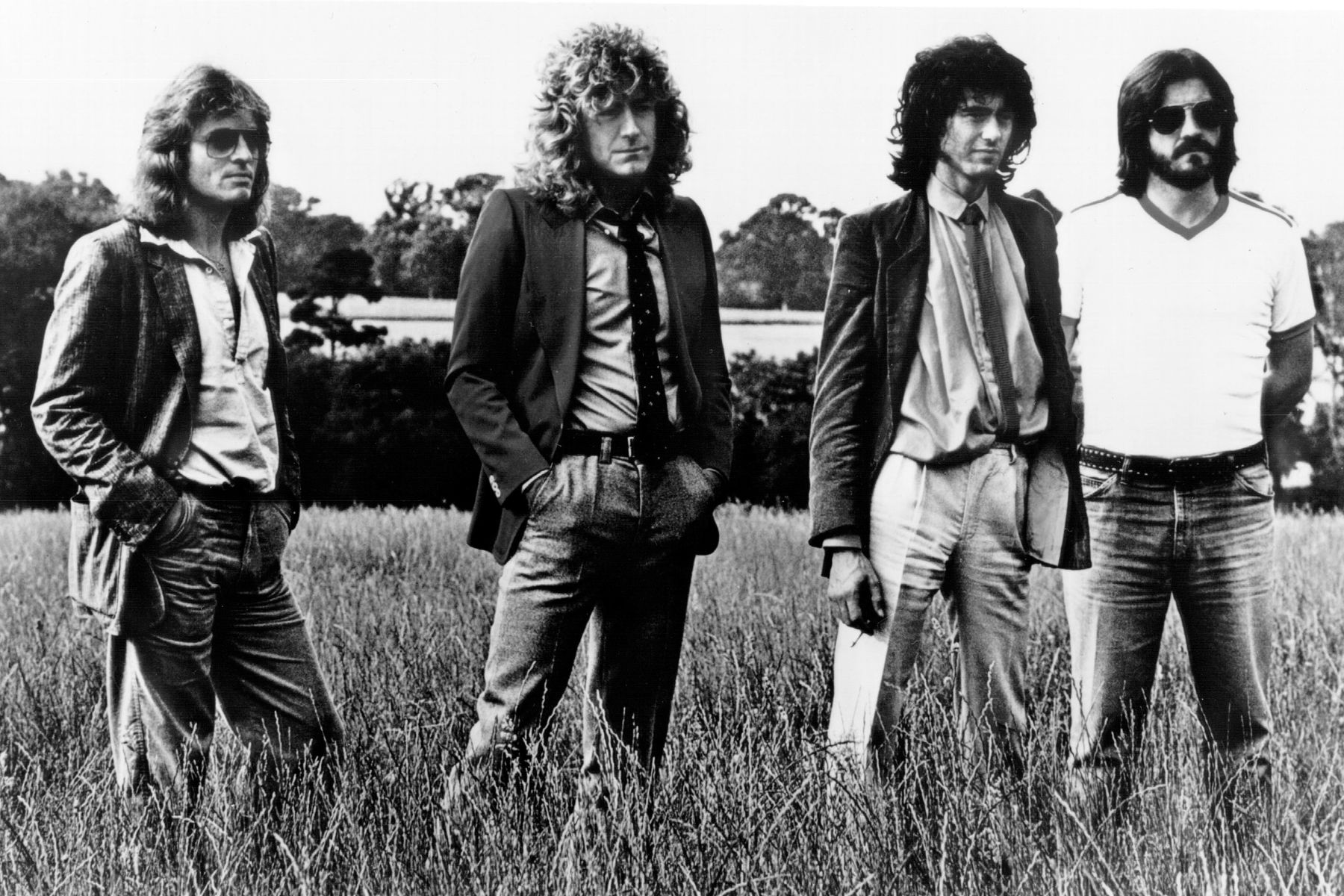
A case of four distinct personalities who together forged an irreplaceable chemistry. Led Zep's genius lay in that unique synergy: Jimmy Page’s visionary guitar work, John Paul Jones’s complex arrangements, Robert Plant’s mythic vocals and charisma, and John Bonham’s foundational, powerful drumming. No member achieved a sustained solo career that matched the band's massive cultural or commercial impact, proving the elemental magic of their collective musical force was impossible to replicate individually.
13. The Doors
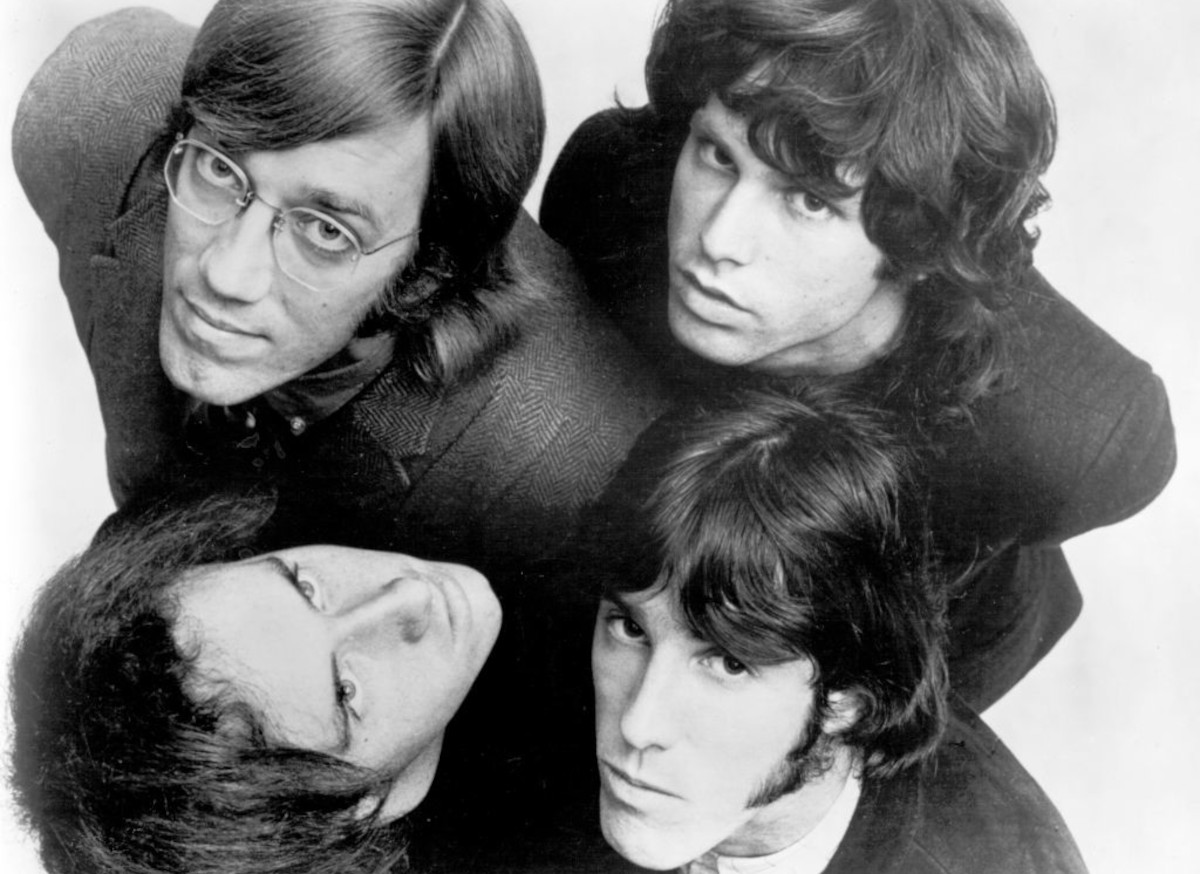
The Doors' profound impact relied entirely on the singular, volatile chemistry between Jim Morrison's shamanistic, poetic chaos and the three distinct, jazz-influenced instrumentalists. While Morrison’s lyrical depth was central, the sophisticated organ work (Ray Manzarek), jazz drumming (John Densmore), and blues guitar (Robby Krieger) provided the essential, dark, and sensual atmosphere. After Morrison's death, the remaining trio's attempts to continue failed to capture the public imagination, confirming the indispensable, symbiotic power of their original, fractured unity.
14. The Jam
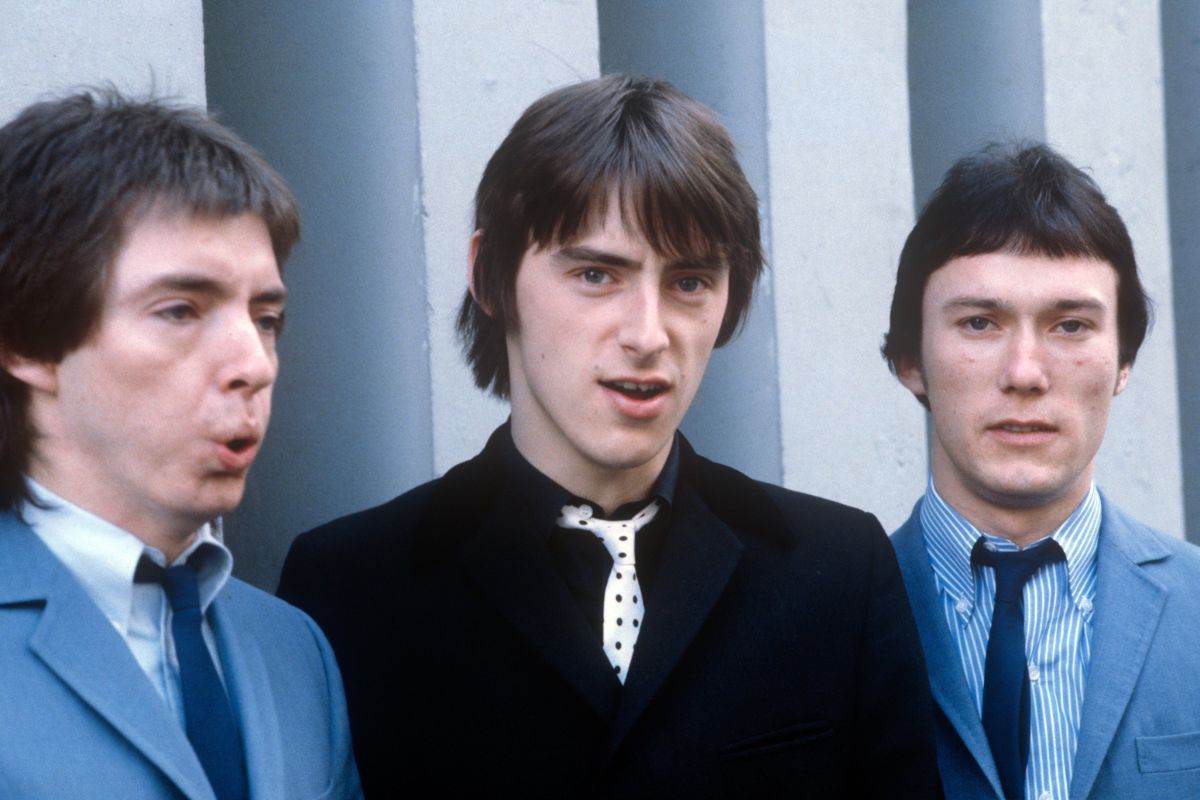
While Paul Weller achieved ongoing commercial success with both The Style Council and his later solo career, the immediate, sharp, politically charged intensity of The Jam's specific Mod Revival sound – created with Bruce Foxton and Rick Buckler – remains a higher creative peak. That early, focused fire and urgency were a singular confluence of talent Weller never quite replicated alone.
15. Guns N' Roses
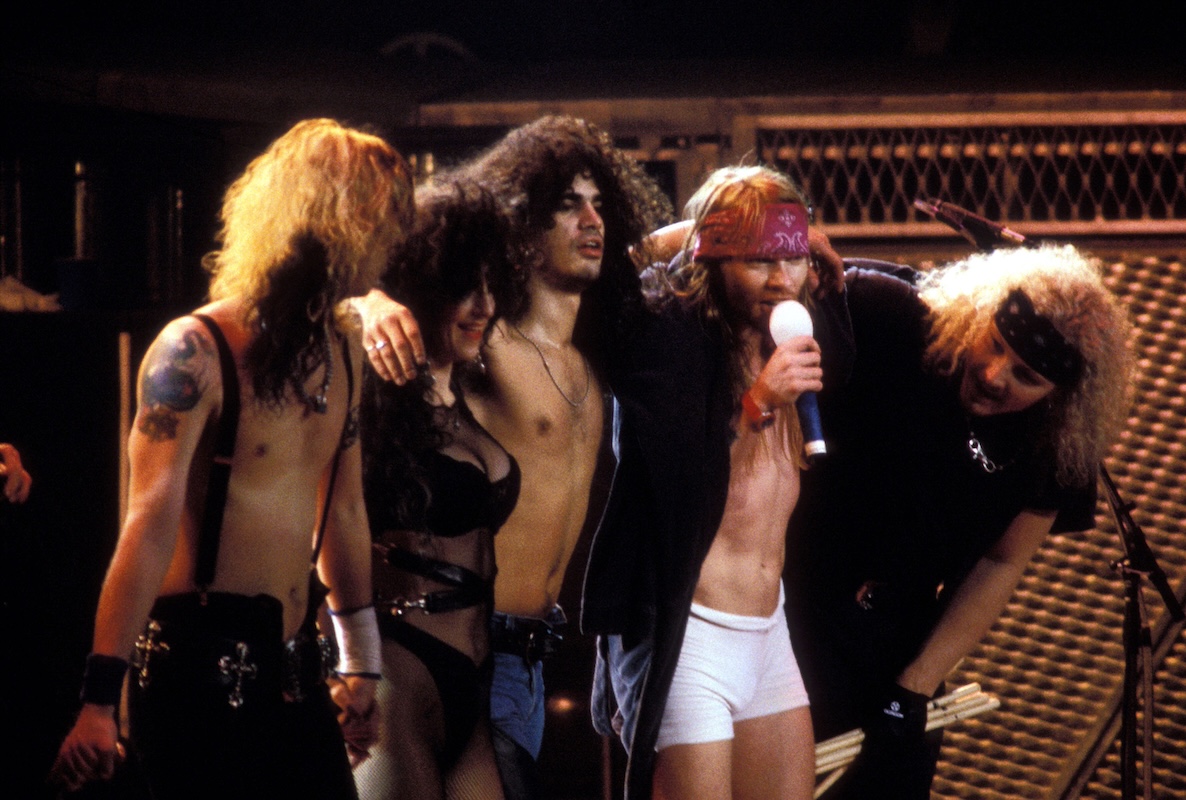
The ultimate case of 'chaos made brilliant'. A volatile, unpredictable mix of personalities, egos, and raw talent, G N'R only reached their full, irresistible potential together. Slash aside, no member has come close to matching the ferocious energy, swagger, and inventiveness of the band as a unit. The chemistry, tension, and audacity that defined their peak albums – Appetite for Destruction, Use Your Illusion I & II – simply cannot be replicated in solo efforts.
16. Fleetwood Mac
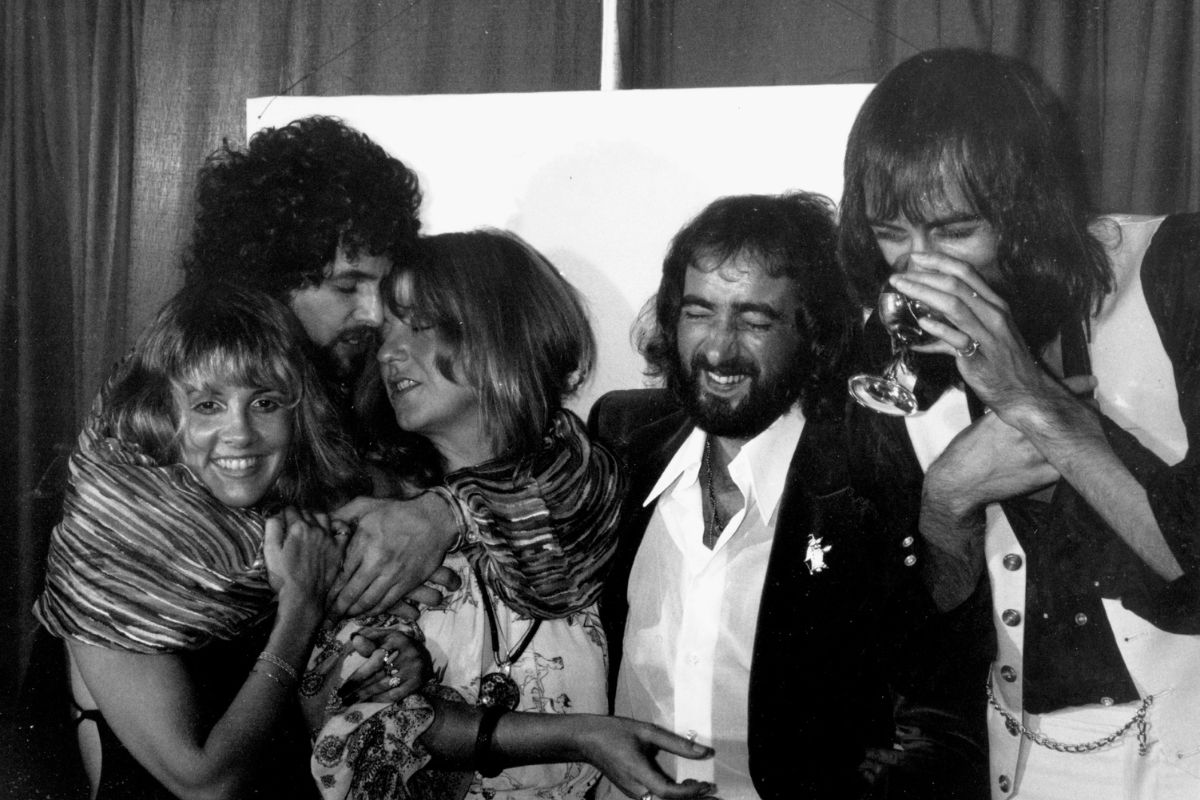
Fleetwood Mac’s story is inseparable from the personal and creative tensions that fuelled their music. While Stevie Nicks, Lindsey Buckingham, Christine McVie, and John McVie all had solo projects, the alchemy of Fleetwood Mac was unique: romantic entanglements, betrayals, and clashes produced a combustible environment that translated into deeply confessional, emotionally raw, and instantly relatable songs.
Albums like Rumours and Tusk capture heartbreak, jealousy, and longing, yet transform it into melodies and harmonies of timeless beauty. The band’s conflicts – both personal and professional – were the engine behind some of the most enduring rock of the past half-century, proving that creative friction, while painful, can yield music that resonates across generations, blending vulnerability, sophistication, and sheer pop-rock craftsmanship in a way no solo endeavour could replicate.
17. Steely Dan
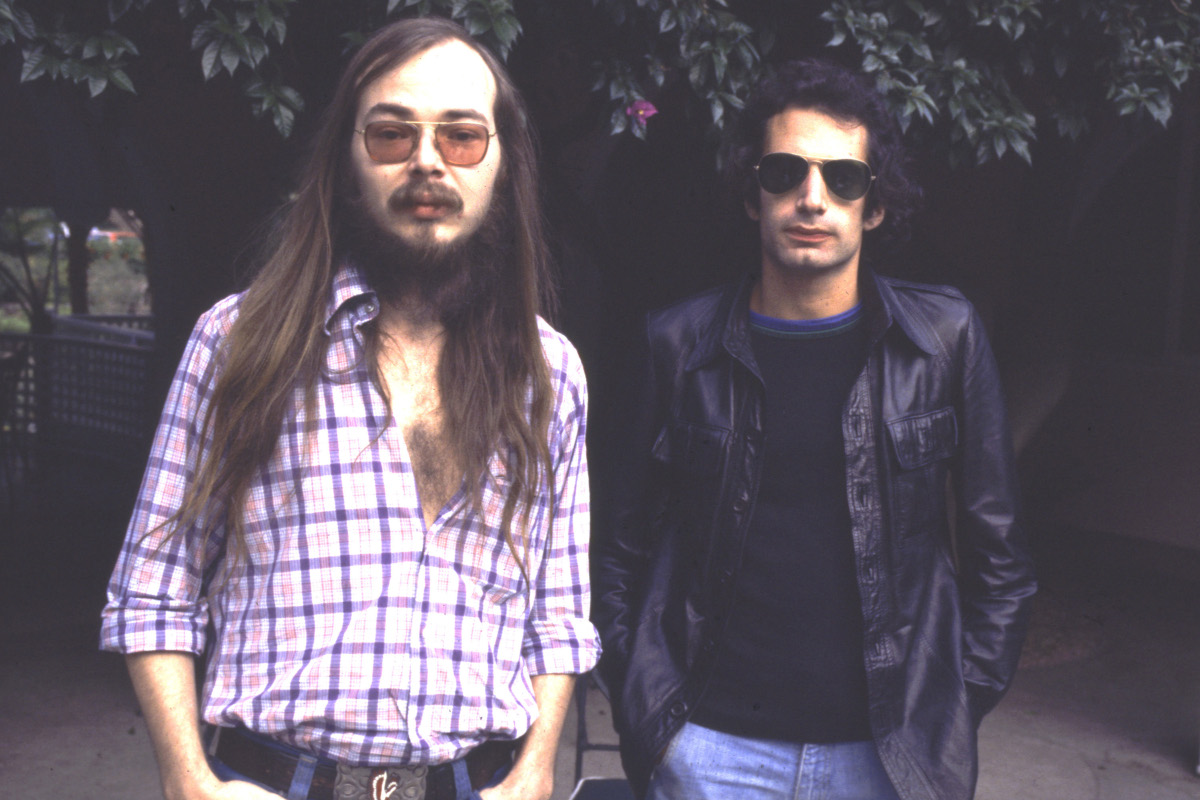
Steely Dan is an unusual example because the band's core was essentially two men: Walter Becker and Donald Fagen. Yet the obsessive perfectionism of that partnership, combined with a revolving cast of some of America's finest session musicians, produced a sound that neither man quite managed to replicate outside the group.
Fagen's solo albums are excellent, while Becker's work had its own dry wit and musicianship. But neither captured the strange, immaculate world they created together: jazz harmony, R&B grooves, rock, pop hooks and sardonic lyrics polished to an almost absurd degree. Albums such as Aja were less like conventional rock records than meticulously engineered musical ecosystems.
That was the secret. Steely Dan's perfectionism wasn't simply Becker and Fagen's; it depended on the extraordinary musicians they assembled and the relentless studio process through which the songs evolved. Remove the name Steely Dan and you lose more than a songwriting partnership. You lose the peculiar combination of sophistication, cynicism, groove and studio alchemy that made their music unmistakable.
Pics Getty Images