Making an album is usually supposed to be a labour of love. But what happens when the people in the studio would rather be anywhere else?
Sometimes a record label demands another album when a band is exhausted or falling apart. Sometimes an artist is contractually obliged to deliver a record they've no creative interest in making. Elsewhere, a stylistic change is forced upon a reluctant band, or one member's grand idea leaves everyone else cold. And then there are the truly bizarre cases, where legal disputes, divorce settlements or bitter label battles become the unlikely inspiration for an entire album.
The fascinating thing is that reluctance doesn't necessarily produce bad music. Quite the opposite: some of these records are among their creators' most intriguing, revealing or adventurous. Others capture a great band at breaking point, their tensions audible in every groove.
Here are 21 albums that were made because, for one reason or another, they had to be.
1. The Beatles – Let It Be (1970)
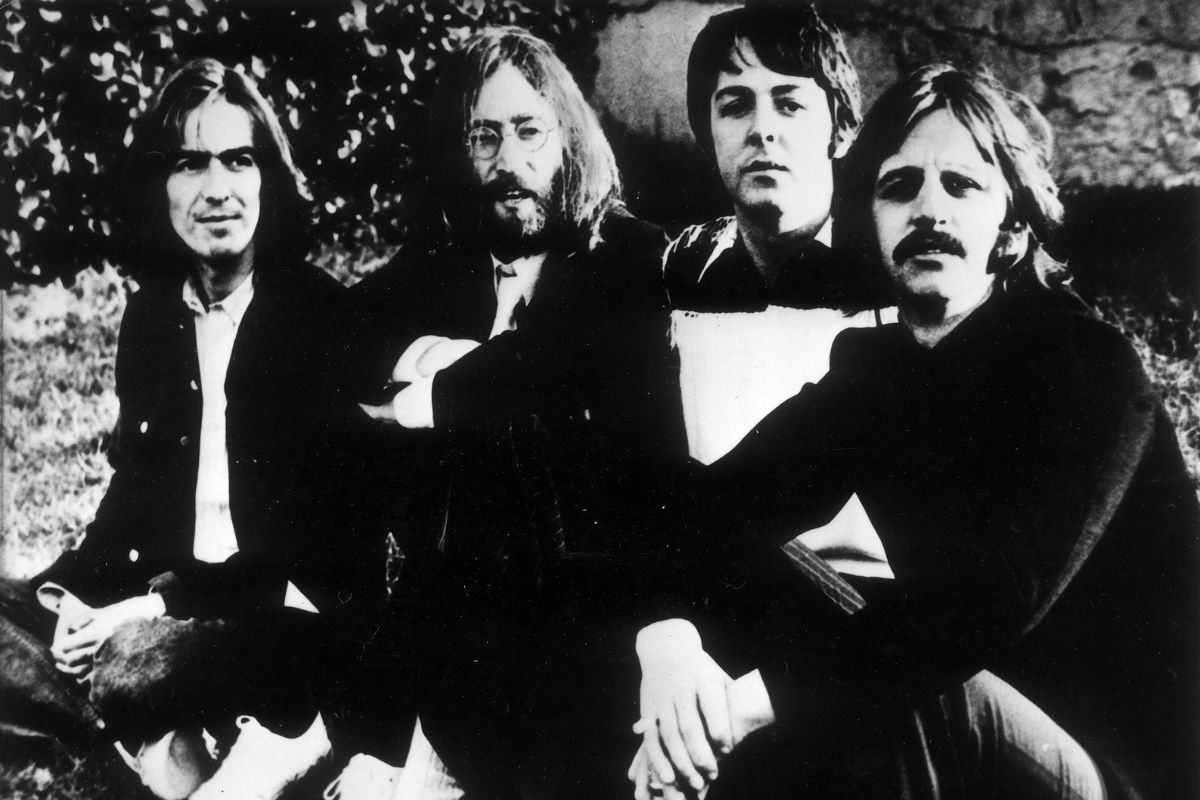
By the time The Beatles began work on Let It Be, the sense of adventure that had characterised their previous records had largely evaporated. They were exhausted, increasingly fractious and already struggling with the idea of carrying on.
George Harrison temporarily quit during the sessions, while arguments and disagreements became part of the daily routine. The album that emerged was effectively the soundtrack to a band breaking up. The remarkable thing is that, despite everything, songs such as ‘Across the Universe’, ‘Let It Be’ and ‘The Long and Winding Road’ survived the chaos.
2. Marvin Gaye – Here, My Dear (1978)
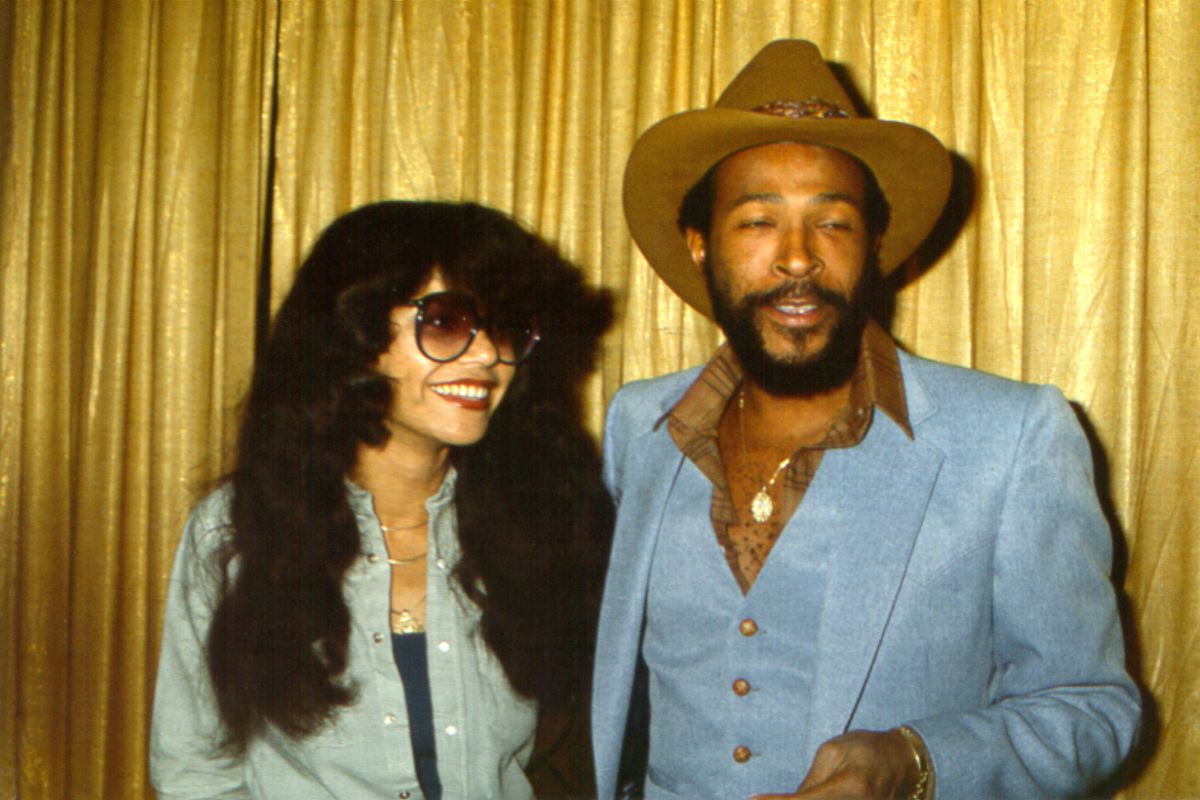
Marvin Gaye didn't set out to make a sprawling double album about the collapse of his marriage. He was effectively ordered to make one. As part of his divorce settlement with Anna Gordy, Gaye was required to give her the proceeds from an album.
Rather than simply going through the motions, Gaye turned the obligation into one of pop's strangest acts of artistic revenge: a brutally candid, often uncomfortable examination of their marriage. Here, My Dear became four sides of heartbreak, resentment, infidelity and self-examination – proving that even an unwanted assignment could become deeply personal.
3. Black Sabbath – Never Say Die! (1978)
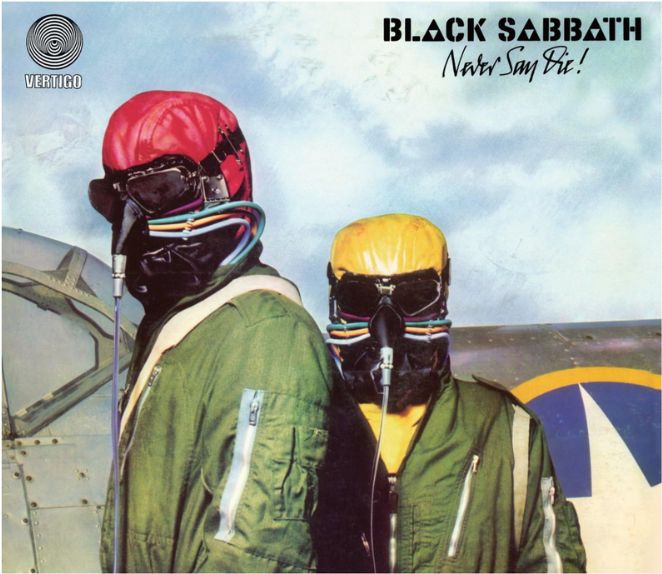
The title was optimistic. Black Sabbath were falling apart.
Ozzy Osbourne, increasingly unhappy with the band's direction and exhausted by their punishing lifestyle, quit during the sessions in late 1977. Sabbath carried on with former Savoy Brown singer Dave Walker, but Ozzy returned a few weeks later to finish the album.
The sessions were further complicated by heavy drug use, exhaustion and mounting internal tensions, while Ozzy's reluctance to sing some of the more experimental material led Geezer Butler to take the vocal on ‘Swinging the Chain’.
The resulting album is uneven but fascinating: Sabbath were trying to work out their place in a rock world being transformed by punk and New Wave, while simultaneously struggling to remain a functioning band. It's less the sound of a band confidently embracing change than one desperately trying to work out where it belonged.
4. Van Morrison – The Bang Contractual‑Obligation Sessions (1967-68)
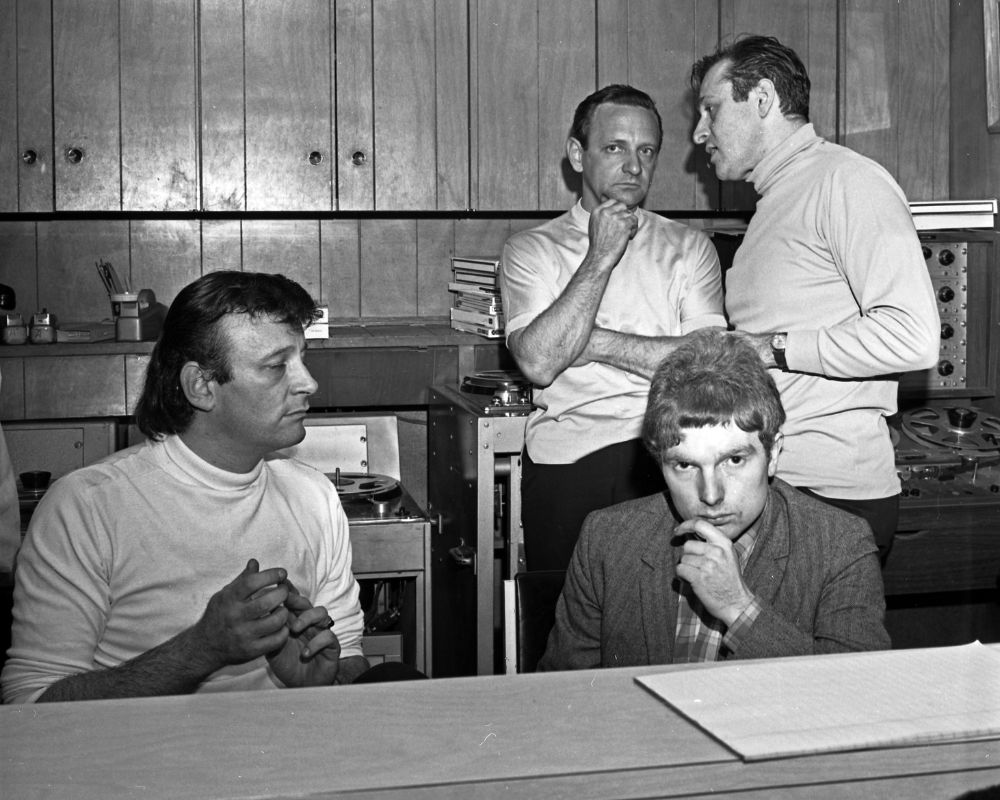
Few artists have ever expressed contractual resentment as creatively as Van Morrison. Trapped in a deeply unhappy deal with Bang Records, he owed the label a batch of songs – and responded by recording deliberately unusable nonsense. Titles like ‘Ring Worm’, ‘You Say France and I Whistle’ and ‘Want a Danish?’ were improvised on the spot, often consisting of Morrison muttering, laughing or repeating absurd phrases over simple guitar strums.
The sessions were designed to be unreleaseable, a kind of musical protest against a contract he despised. Bang eventually issued them anyway, but Morrison’s point was clear: these recordings existed solely because he was forced to make them. They remain the purest example of an album created out of obligation rather than inspiration.
5. The Clash – Cut the Crap (1985)

The Clash had already lost much of what made them 'The Clash' by the time they recorded their final album. Mick Jones had been fired, Joe Strummer was increasingly disillusioned, and Bernie Rhodes exerted enormous control over the sessions. Strummer subsequently distanced himself from the finished record, while the bizarre production and drum-machine-heavy sound bore little resemblance to the band's classic work.
It's difficult to imagine a more dispiriting way for one of rock's greatest bands to end. Cut the Crap wasn't so much the album The Clash wanted to make as the album that happened after the Clash had effectively ceased to exist.
6. Prince – Chaos and Disorder (1996)
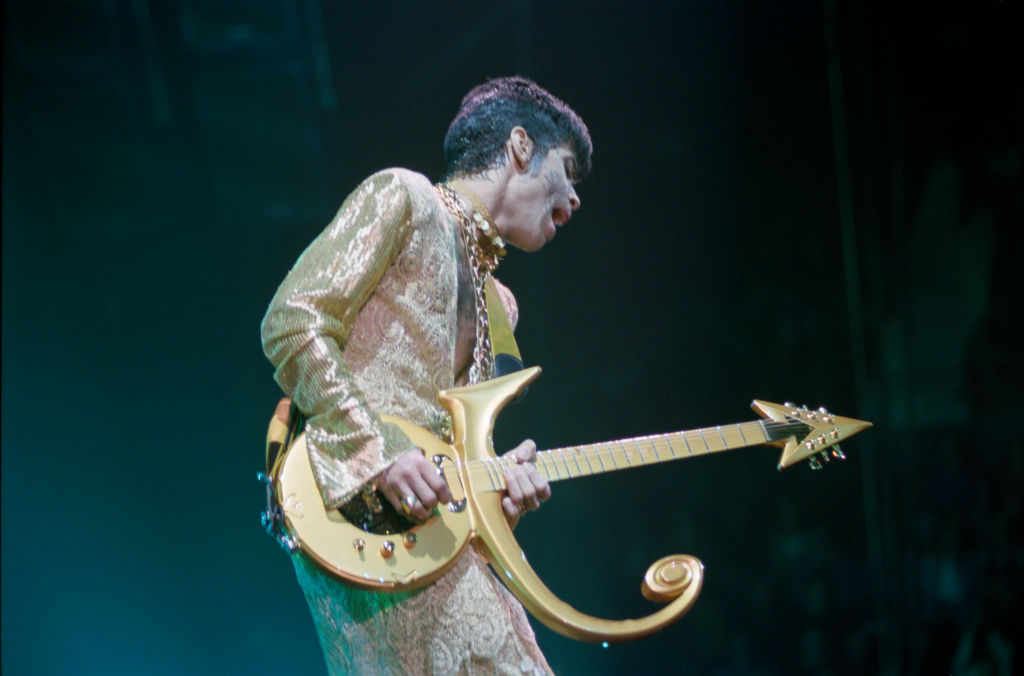
Prince's relationship with Warner Bros. had deteriorated into open warfare by the mid-1990s. Having spent years fighting the label over control of his music, he was desperate to escape his contract. Chaos and Disorder was consequently less a grand artistic statement than one last piece of business.
Prince recorded it quickly, largely with members of his touring band, and delivered it to Warner Bros. so he could move on. The title was remarkably appropriate: this was the sound of an artist deliberately bringing a deeply unhappy relationship to an end.
7. The Mamas & the Papas – People Like Us (1971)
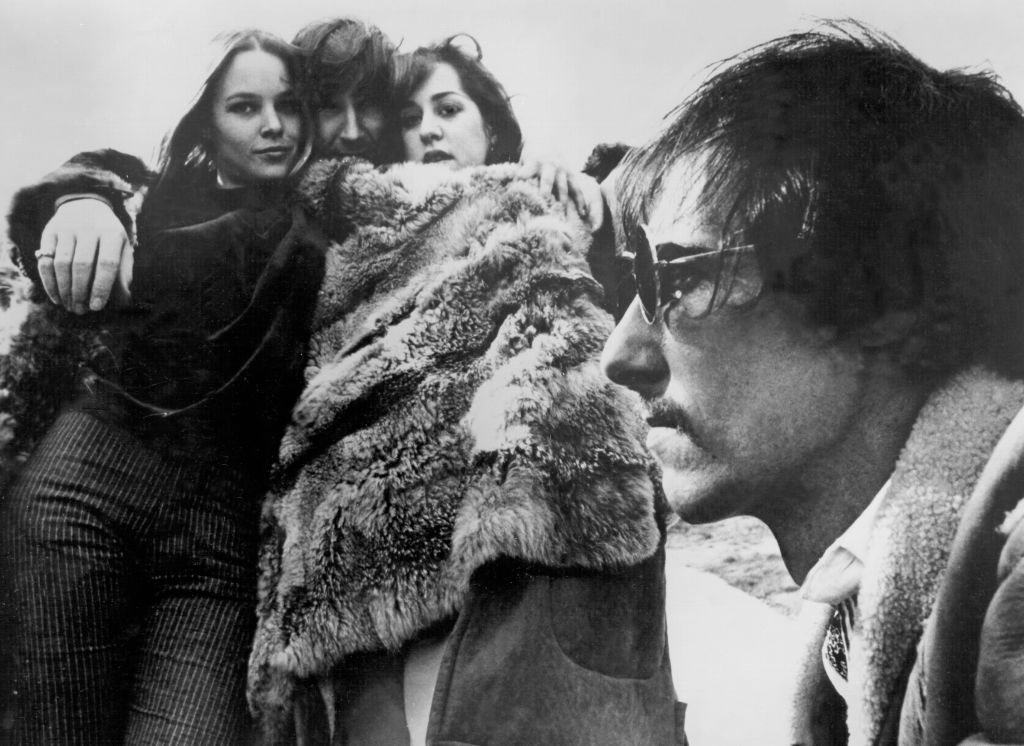
What do you do when your band has already broken up but you still owe the record company another album? If you're The Mamas & the Papas, you get back together, make the record and promptly disappear again. The group had split in 1968 amid personal tensions, infighting and the increasingly fraught relationship between Michelle Phillips and Denny Doherty.
People Like Us was recorded three years later, with the members reconvening primarily to fulfil their contractual obligations to Dunhill Records. Unsurprisingly, the effortless vocal harmonies, sparkling songwriting and exuberant chemistry that had defined their late-1960s heyday were largely gone. It remains one of the purest examples of an album that exists because the paperwork said it had to.
8. Yes – Union (1991)
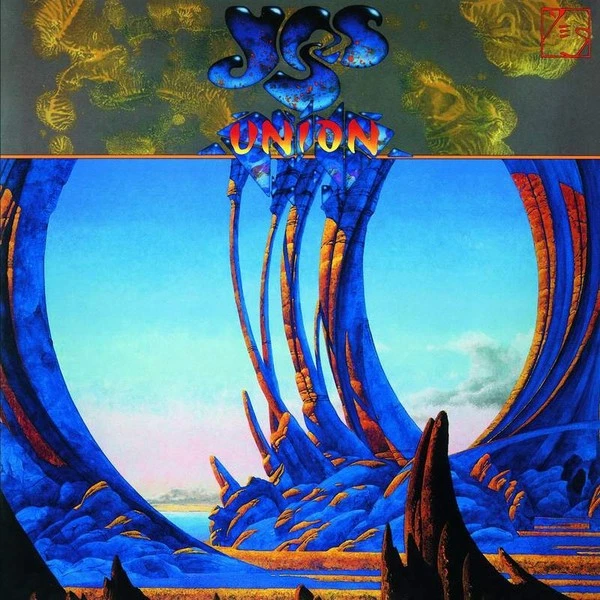
Few albums better demonstrate the dangers of a record company thinking it knows what fans want.
By 1990, there were effectively two versions of Yes: the band that had continued into the late 1980s with Trevor Rabin, Chris Squire, Alan White and Tony Kaye, and Anderson Bruford Wakeman Howe, formed by four former members of the classic lineup. When the two camps agreed to combine forces, the result was an unprecedented eight-man Yes – seemingly a dream reunion on paper.
In practice, the sessions became a logistical and creative nightmare, with the musicians often recording separately rather than working together as a band. Rick Wakeman was particularly scathing about the result, later nicknaming the album Onion because it made him cry. A reunion that looked irresistible to the record company turned into one of Yes's most notoriously unhappy albums.
Saying that, it's not all bad. There are several interesting tracks, not least 'I Would Have Waited Forever' – probably the most recognisably classic Yes-like track, with Jon Anderson's vocals and Steve Howe's guitar.
9. Lou Reed – Sally Can't Dance (1974)

Lou Reed's relationship with the record industry was never especially harmonious, but Sally Can't Dance pushed his contempt to another level. Following the commercial success of Transformer and Rock 'n' Roll Animal, Reed was under pressure to capitalise on his newfound visibility.
He later regarded the resulting album with extraordinary disdain, describing it as a piece of rubbish from beginning to end. The irony is that Sally Can't Dance became his highest-charting solo album in the US. Commercial success, in other words, did little to convince Reed that he'd made the right record.
10. John Lennon – Rock 'n' Roll (1975)
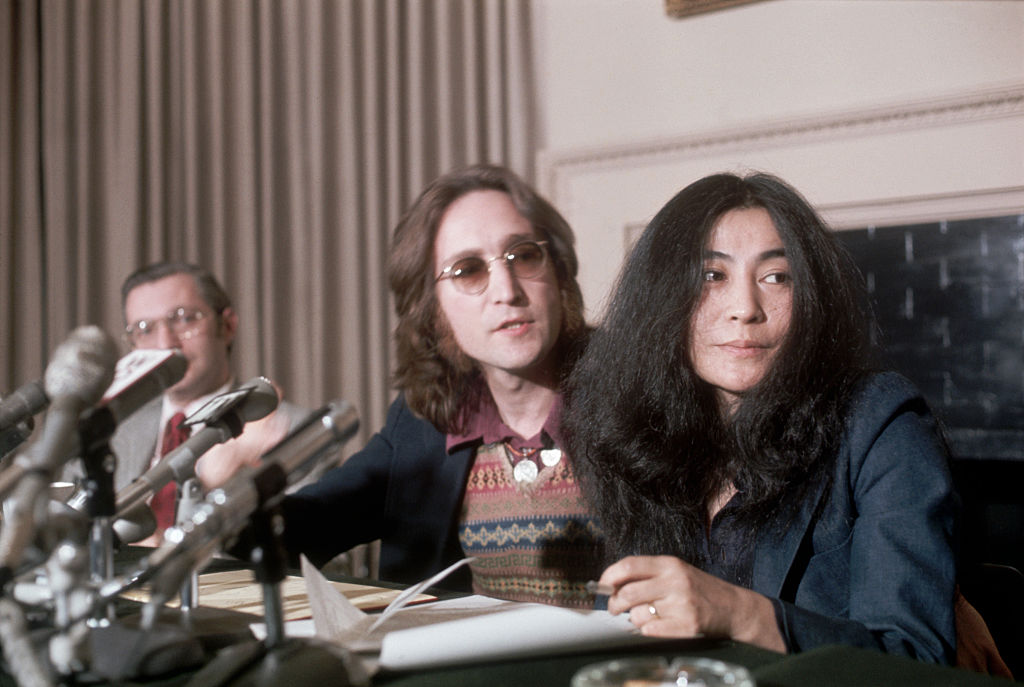
John Lennon's album of old rock'n'roll standards began as a contractual headache rather than a labour of love. A legal dispute over the similarities between ‘Come Together’ and Chuck Berry's ‘You Can't Catch Me’ had become entangled with a deal requiring Lennon to record songs from the publisher's catalogue.
What followed was a famously chaotic series of sessions, with Lennon struggling to maintain focus amid alcohol, drugs and legal wrangling (this was 1973-74, Lennon's infamous 'lost weekend' when he spent much of his time drinking in Hollywood nightclubs with Harry Nilsson and others). Yet once completed, Rock 'n' Roll became an affectionate salute to the music that had inspired him in the first place – perhaps the rare unwanted project that eventually won its maker back over.
11. Neil Young – Landing on Water (1986)
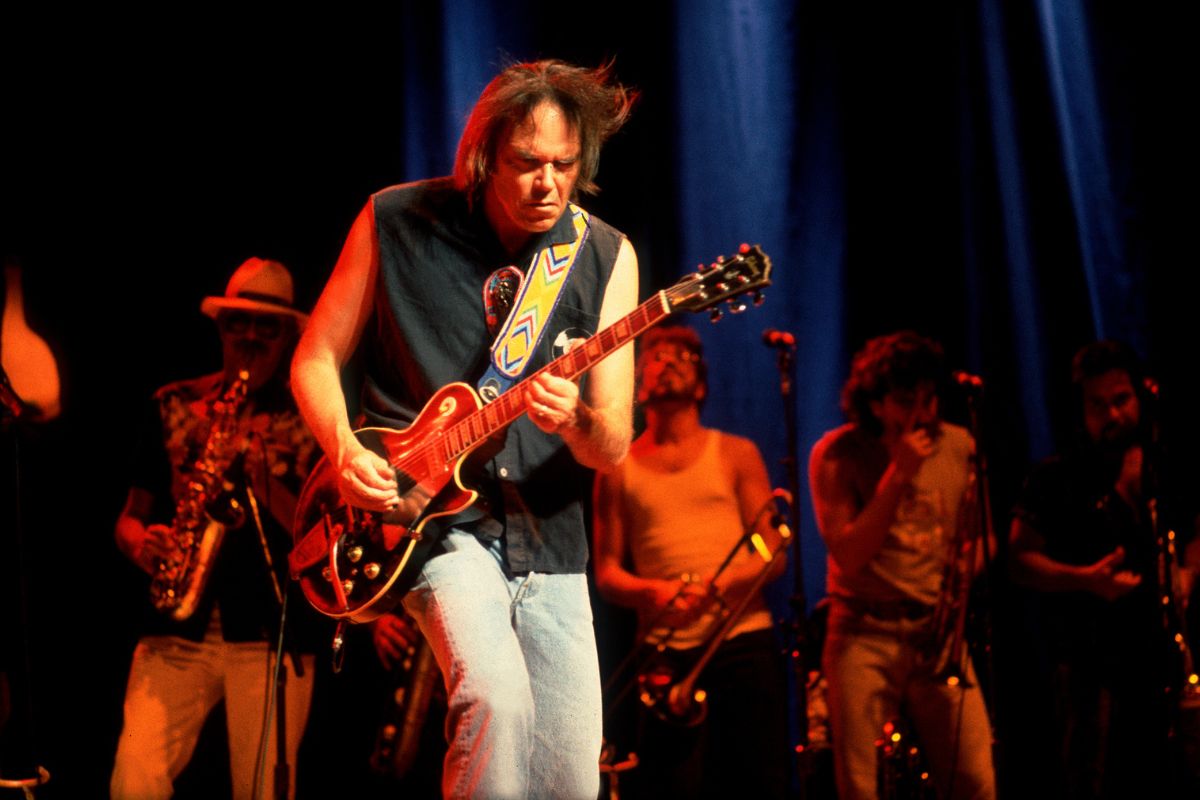
Neil Young and Geffen Records were engaged in one of the strangest artist-label wars of the 1980s. Young had signed with the label, only for Geffen to become unhappy when he kept making wildly unpredictable records instead of the commercially viable material they expected. The label eventually sued him for making 'uncharacteristic' albums.
Landing on Water emerged from this bizarre stand-off, with Young responding to commercial pressure by making a deliberately abrasive, synthesizer-heavy record. Driven by gated drums, electronic textures and clipped guitar riffs, it was a long way from the acoustic, rootsy Neil Young that Geffen had presumably been hoping to sell. It sounds less like an artist happily following his muse than a musician daring his record company to tell him what to do.
12. The Strokes – Comedown Machine (2013)
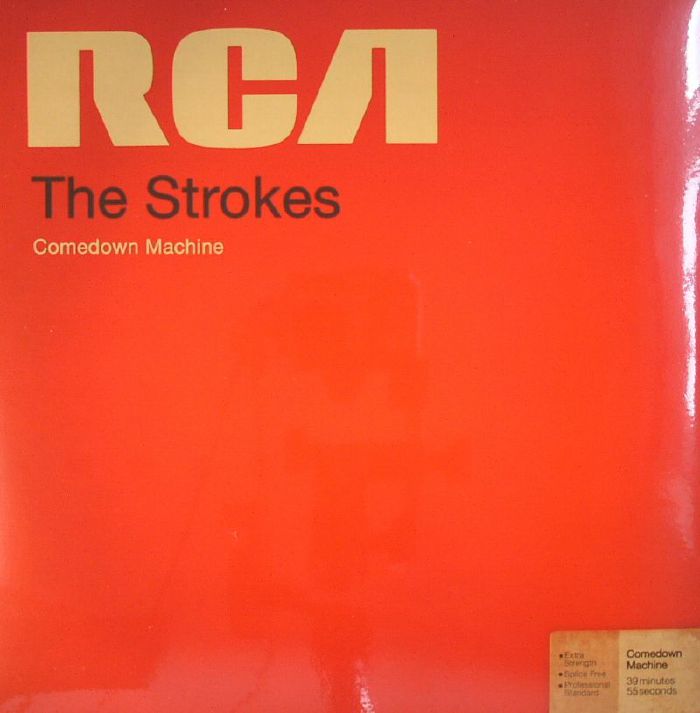
The Strokes had once looked like the saviours of guitar rock. By the time they recorded Comedown Machine, however, the relationship between band and record label had become increasingly strained. The album fulfilled their contractual obligations to RCA, and the group's attitude towards the machinery surrounding it was strikingly hands-off.
They refused to promote the record in the conventional way, announcing that they would give no interviews or tour behind it. Comedown Machine therefore has an odd status: not quite a breakup album, but unmistakably the work of a band checking out of the system.
13. Pink Floyd – The Final Cut (1983)
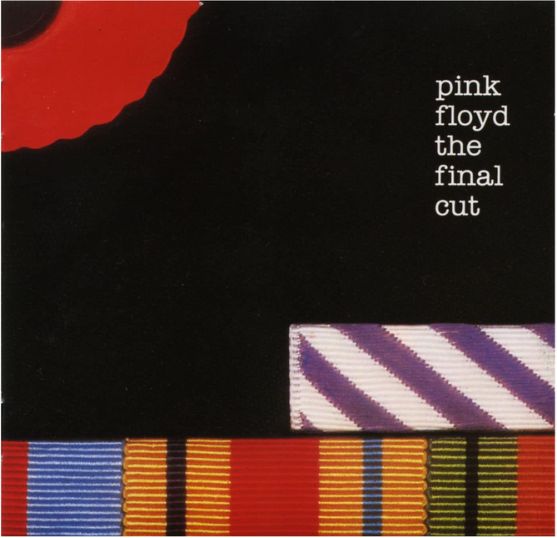
By 1983, Pink Floyd were barely a band. Roger Waters had taken near‑total creative control, the wounds from The Wall were still fresh, and David Gilmour openly questioned whether they even needed to make another album. Waters insisted, partly out of obligation and partly because he wanted to complete what he saw as a personal, political statement.
The sessions were fraught. Gilmour felt sidelined, Nick Mason struggled to find his place, and the atmosphere was tense enough to make collaboration almost impossible. The Final Cut emerged as a Roger Waters solo album in all but name, stitched together from leftover ideas and new material the rest of the band had little enthusiasm for. It’s a powerful, often devastating record (such as 'The Gunner's Dream, below) – but it was made reluctantly, resentfully, and at the cost of the classic Floyd lineup.
14. Fleetwood Mac – Mirage (1982)
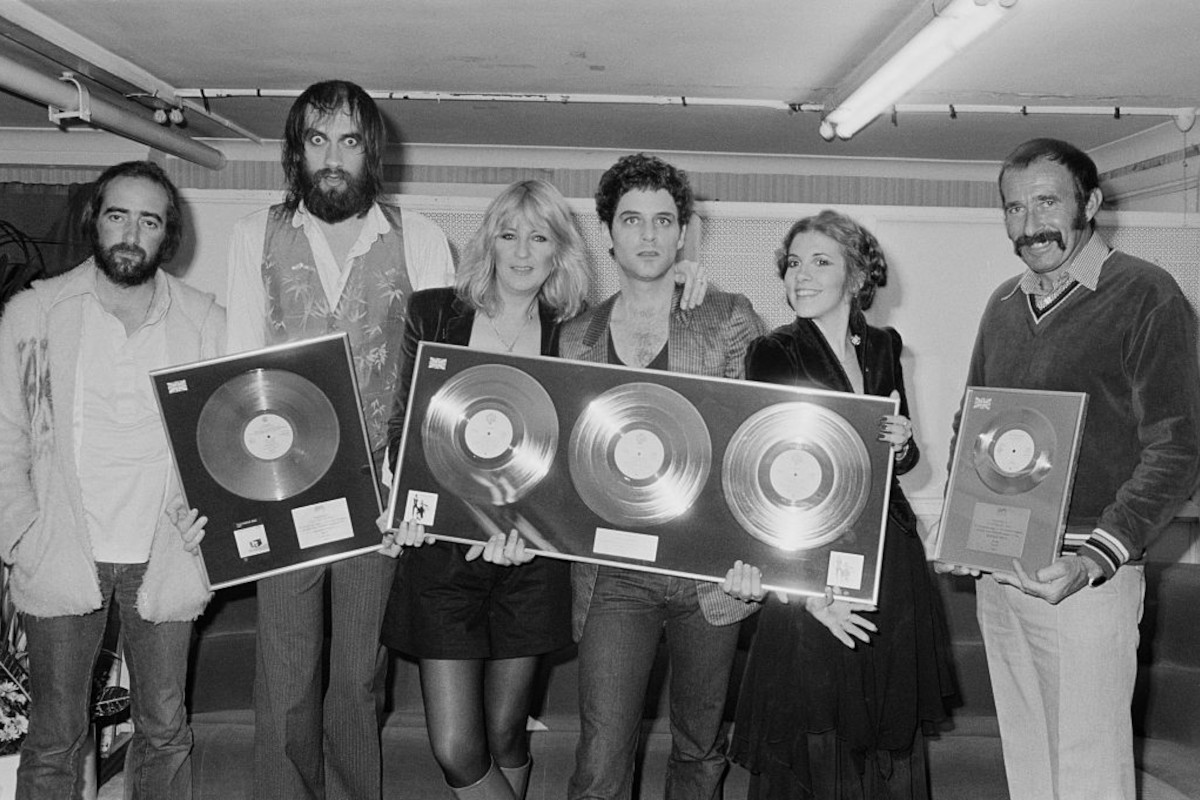
After the emotional wreckage of Rumours and the experimental sprawl of Tusk, Fleetwood Mac were exhausted. Lindsey Buckingham wanted to pursue more avant‑garde ideas, Stevie Nicks was deep into solo success, and the band as a whole had little appetite for another album. Warner Bros., however, wanted something more commercial – something that sounded like Fleetwood Mac.
The group reconvened reluctantly, dragging themselves through sessions marked by distraction, tension and competing priorities. Mirage became a consciously 'safe' record, a return to radio‑friendly gloss that satisfied the label more than the band. Buckingham later admitted he didn’t want to make it at all.
Yet despite the reluctance, Mirage contains moments of shimmering beauty – such as ‘Gypsy’, Stevie Nicks's wistful, atmospheric song, with that unmistakable Fleetwood Mac blend of melancholy vocals and glossy production. Proof that even a weary Fleetwood Mac could still conjure magic.
15. The Rolling Stones – Dirty Work (1986)
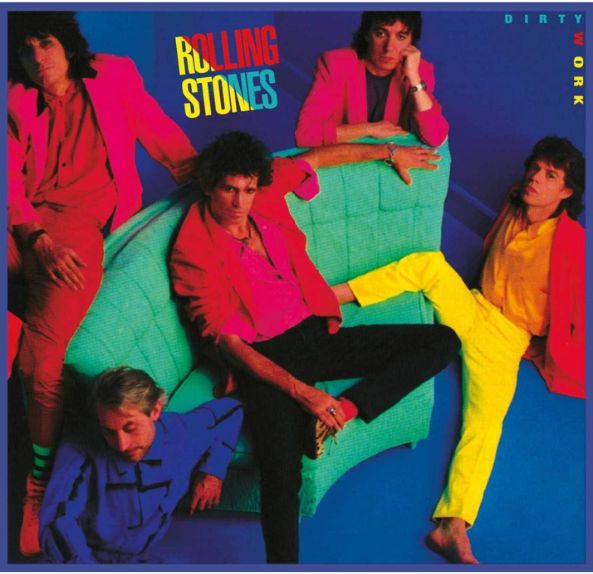
Dirty Work is the sound of a band barely holding together. Mick Jagger was focused on his solo career and had little interest in making another Stones album; Keith Richards, furious at Jagger’s priorities, pushed the sessions forward out of obligation. The two were barely speaking, and the rest of the band were caught in the crossfire.
The recording process was chaotic, with Jagger often absent and Richards effectively steering the ship. The resulting album is tense, abrasive and strangely compelling – a document of a legendary band forcing itself to function when the chemistry had evaporated. Dirty Work wasn’t made because the Stones wanted to; it was made because the machinery around them demanded it.
16. David Bowie – Never Let Me Down (1987)
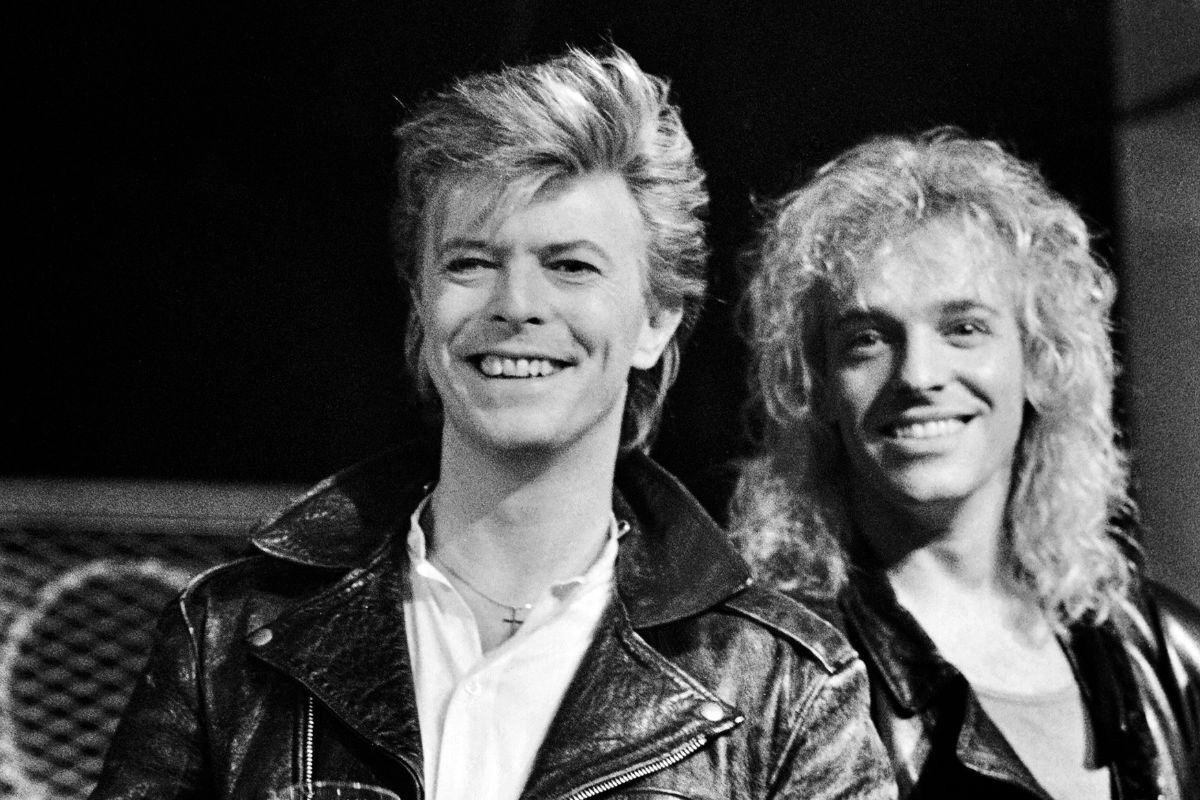
By the mid‑1980s, Bowie was trapped in a commercial cycle he no longer believed in. After the success of Let’s Dance, his label wanted more hits, more gloss, more radio‑friendly pop. Bowie, exhausted and creatively frustrated, delivered Never Let Me Down – an album he later admitted he made out of obligation rather than genuine artistic desire.
The sessions were rushed, the production heavy‑handed, and Bowie felt increasingly disconnected from the material. He disliked the finished record so much that, decades later, he effectively remade it, attempting to rescue the songs from the production he’d come to resent. Never Let Me Down stands as a rare example of Bowie creating not from inspiration, but from pressure – a reluctant chapter in an otherwise fearless career.
17. The Who – It's Hard (1982)
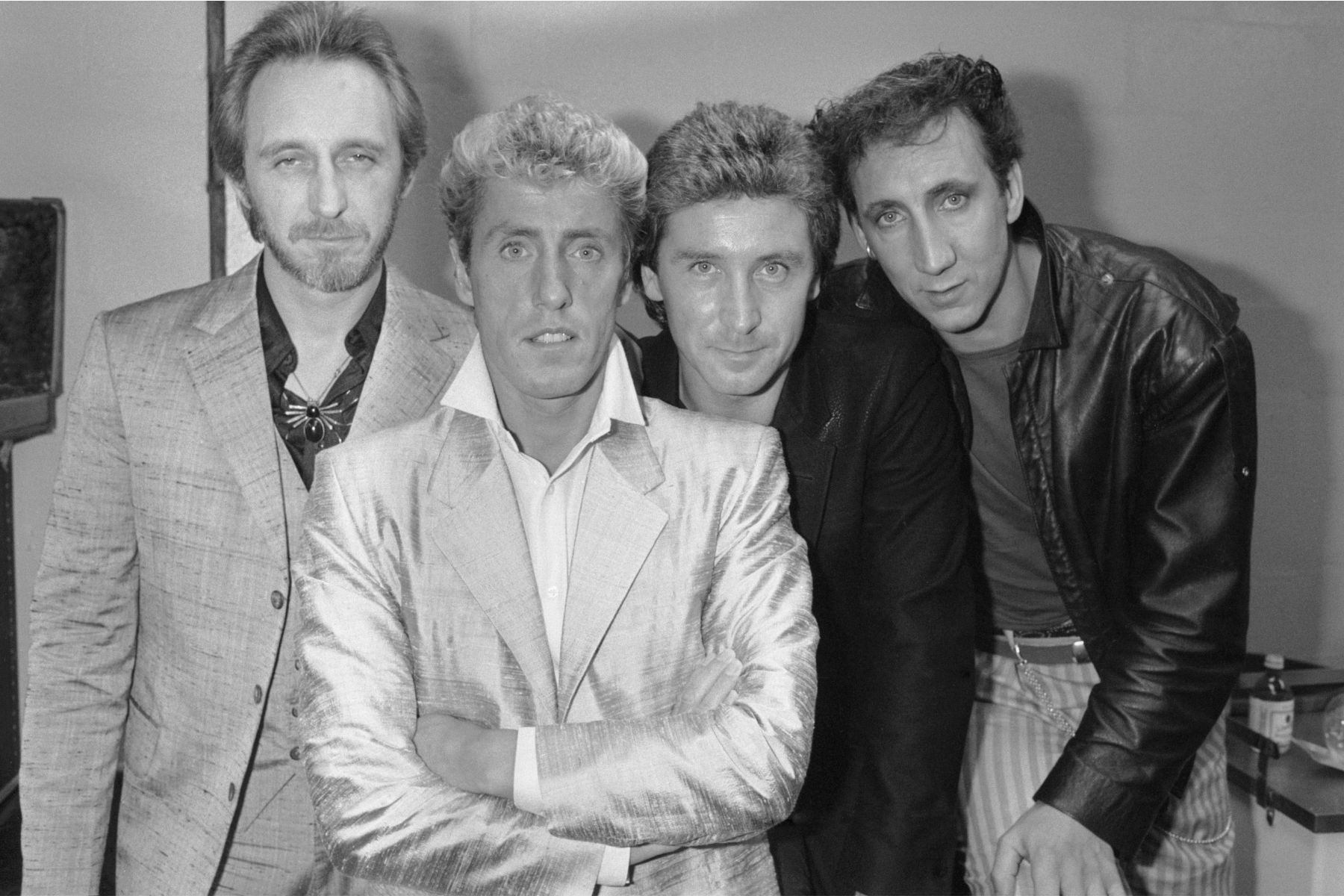
By the time The Who made It's Hard, the band were running on fumes. Keith Moon had been dead for four years, Pete Townshend was increasingly convinced that The Who had run their course, and bassist John Entwistle was pursuing his own interests. Townshend had actually announced the band's breakup after their 1982 tour, but the record company wanted one more album.
The resulting It's Hard feels like a band going through the motions rather than chasing another creative peak. There are strong moments – notably the hugely powerful ‘Eminence Front’ – but the album's title feels almost painfully appropriate. The Who would soon split, confirming that this really was the beginning of the end.