Rock history is littered with phantom albums: records that were announced, recorded, obsessively worked on – and then somehow disappeared.
Some were derailed by internal tensions or label interference; others fell victim to perfectionism, changing artistic ambitions or the fragile mental states of their creators. A few became legendary precisely because nobody ever got to hear the finished article.
What makes these lost records so fascinating is the tantalising possibility of what might have been. What if Prince had released Camille under that name? What if Green Day’s stolen Cigarettes and Valentines had reached the shops instead of giving way to American Idiot? These are the albums that exist as fragments, demos, bootlegs or tantalising stories – musical sliding-door moments that could have taken some of rock’s biggest names in very different directions.
Here are 11 lost rock albums that could have been classics.
1. Jimi Hendrix: First Rays of the New Rising Sun (1970)
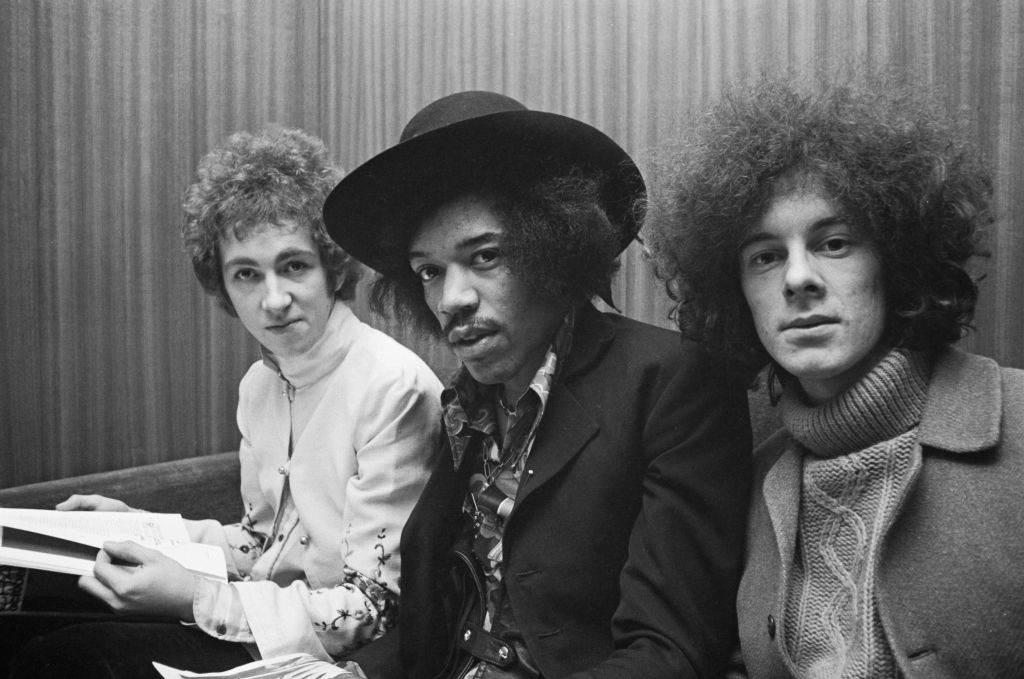
At the time of his death in 1970, Jimi Hendrix was meticulously crafting a sprawling double – or perhaps triple – LP titled First Rays of the New Rising Sun. Abandoning the radio-friendly structures of his earlier hits, Hendrix was pushing into a sophisticated fusion of soul, jazz, and funk. The sessions revealed a move toward a more expansive, spiritual sound.
While many tracks were later scavenged for posthumous releases like The Cry of Love, the definitive, authorized vision remained unfinished. It represents the tantalizing transition of a guitar hero evolving into a visionary composer before the studio lights dimmed forever.
2. The Who: Lifehouse (1971)
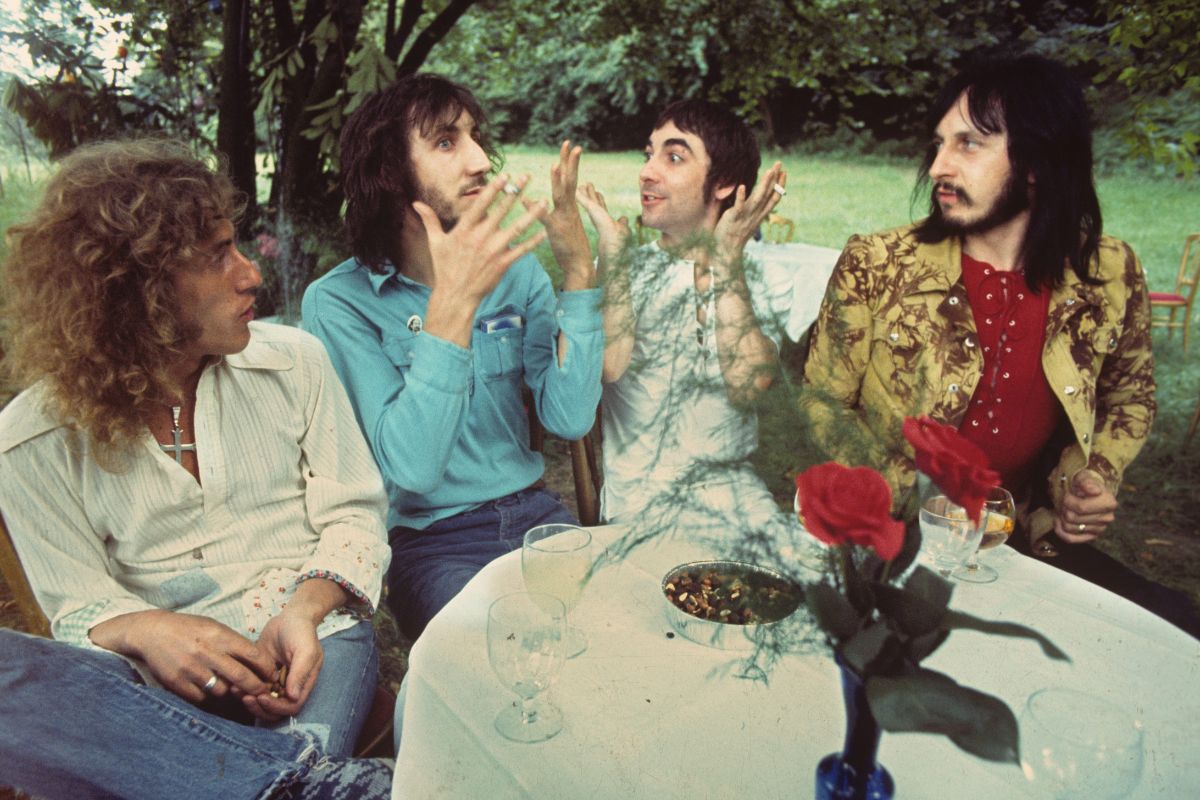
Pete Townshend’s follow-up to Tommy was an ambitious sci-fi rock opera involving a futuristic 'Grid' (essentially a predictive version of the internet) where people experienced music through personal suits. The concept was so dense that bandmates and managers simply couldn't follow the plot. The stress of the project led to Townshend having a nervous breakdown, and the idea was scrapped.
The leftover songs were salvaged to create 1971's Who’s Next, arguably their greatest record, but the grand, unified vision of Lifehouse remains one of rock's most brilliant, failed experiments.
3. Marvin Gaye: Love Man (1979)
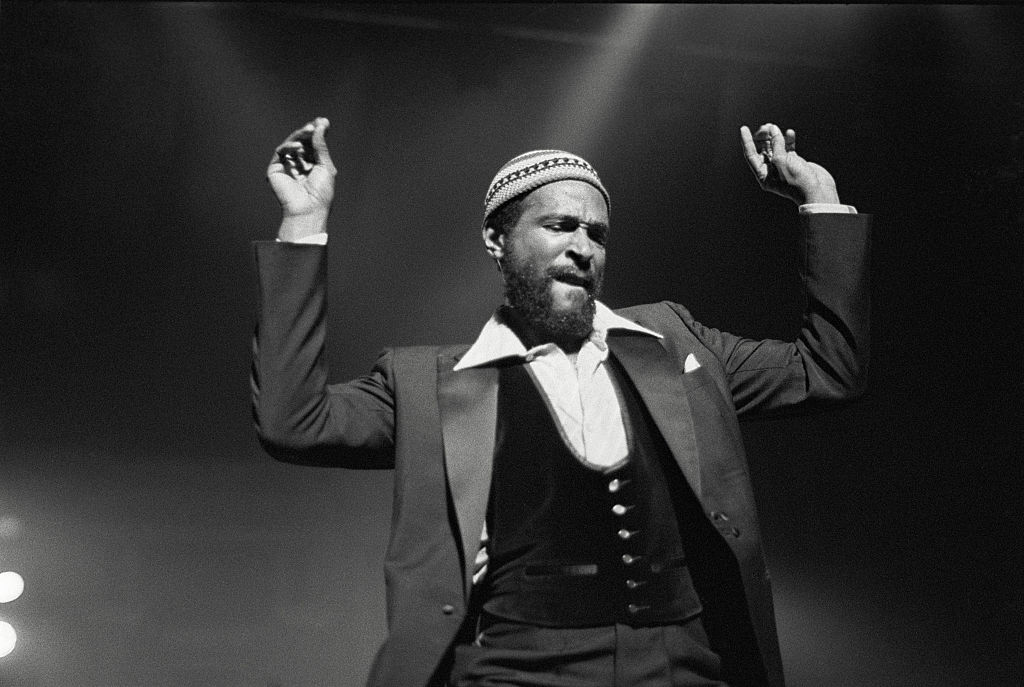
Following the heavy, bitter divorce document Here, My Dear, Gaye wanted to return to the dancefloor. 1979's Love Man was intended to be a celebratory, upbeat funk album that would re-establish him as a commercial force.
However, Gaye’s mounting tax problems and cocaine addiction derailed the sessions. He eventually reworked some of the material into the more spiritual In Our Lifetime, but the original Love Man sessions are said to contain some of the most infectious and straightforward grooves of his late career.
4. Prince: Camille (1986)
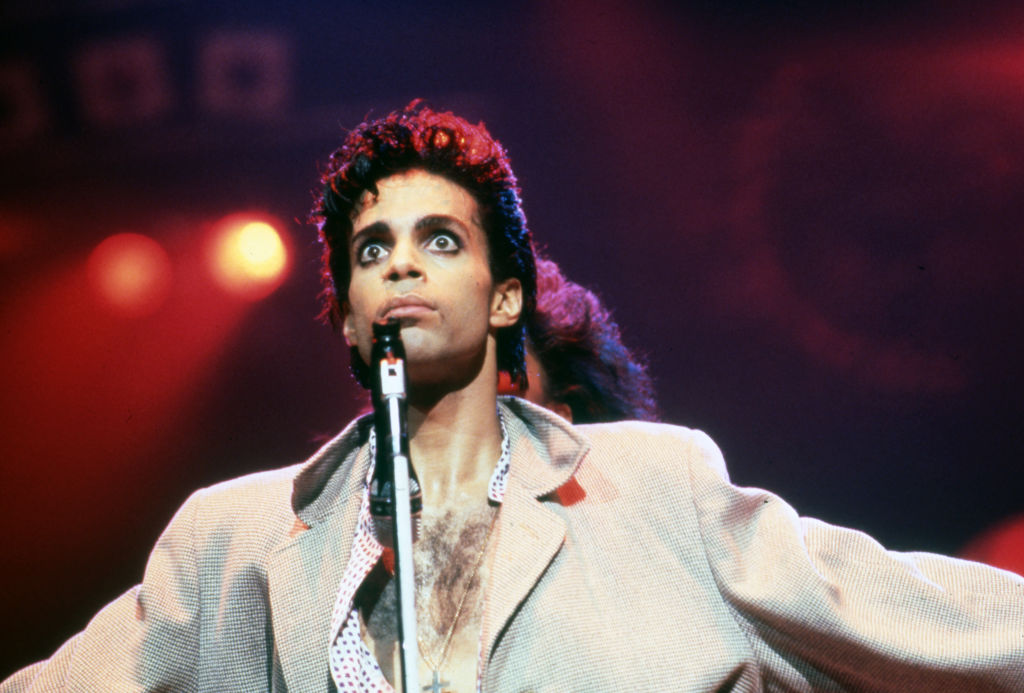
Prince was never more creatively fertile than in the mid-80s. Camille was a complete eight-track album recorded under a pitch-shifted, feminine persona. It was funkier, weirder, and more experimental than his previous work, featuring tracks like 'Housequake' and 'Shockadelica'.
Legend has it that the album was pressed and ready for release before Prince had a change of heart just weeks before the street date. Most of the songs eventually migrated to Sign o' the Times, but as a standalone concept, Camille remains a fascinating glimpse into the artist’s fluid identity.
5. The Beach Boys: Smile (1967)
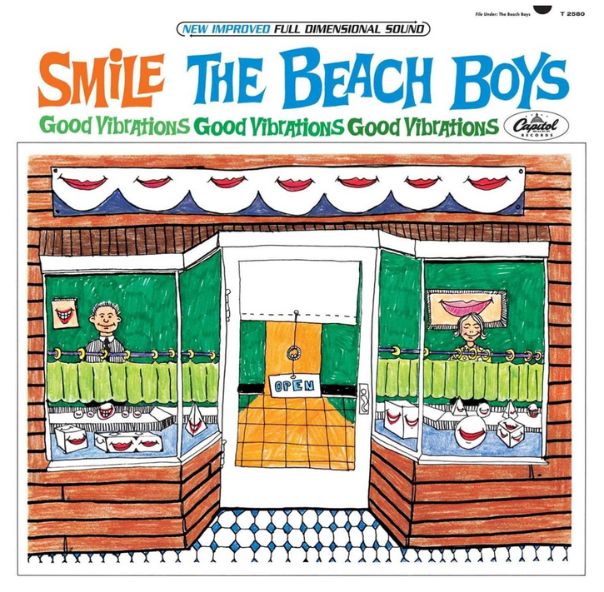
The gold standard of lost albums. Following the Beach Boys' magnum opus, 1966's Pet Sounds, Brian Wilson attempted to create a 'teenage symphony to God' using modular recording techniques and surrealist lyrics. The sessions were legendary for their eccentricity, involving a sandbox under Wilson’s piano (in an attempt to render a sense of childlike joy) and a fire-themed track that supposedly spooked him into burning the tapes.
Facing pressure from Mike Love and his own deteriorating mental health, Wilson shelved the project and the original SMiLE was never released. While a re-recorded version appeared in 2004, the original 1967 artifact remains a haunting ghost of what might have been the ultimate psychedelic statement.
6. Dr. Dre: Detox (2000s)
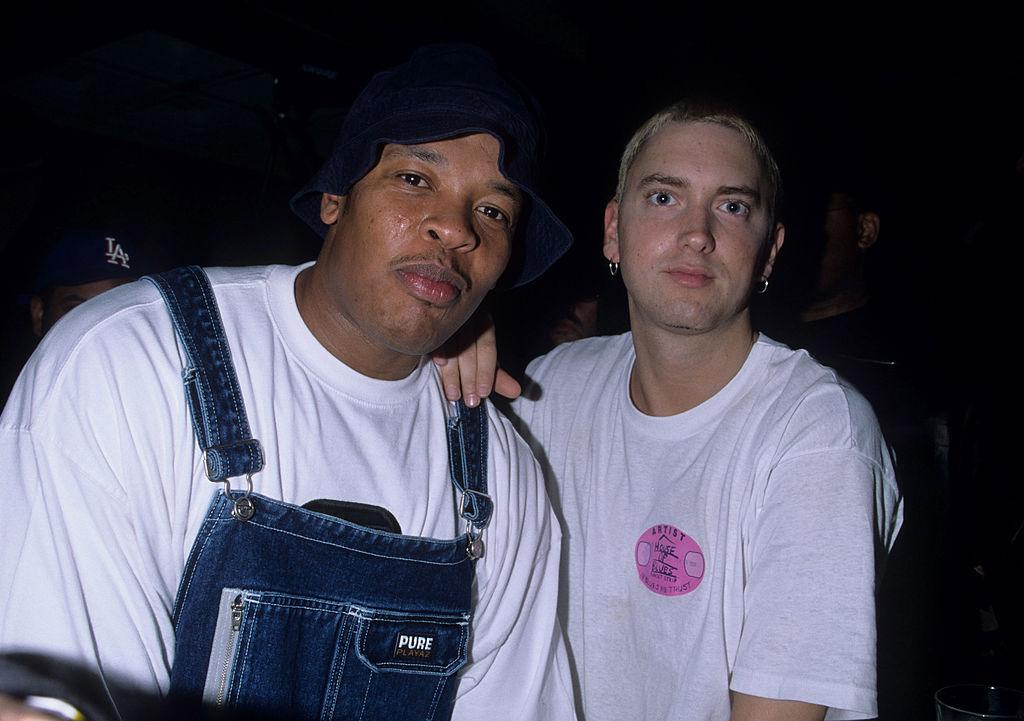
In the world of hip-hop, Detox is the ultimate urban legend. Intended to be Dre's final masterpiece and the successor to 2001, it was worked on for over a decade by an army of ghostwriters and producers. Thousands of verses were recorded, but Dre’s legendary perfectionism prevented the album from ever seeing a release.
Every few years, a single would leak, only for Dre to scrap the entire direction of the project again. It was eventually replaced by Compton in 2015, leaving Detox as a mythical lost bridge between generations of rap.
7. Genesis: The Lamb Lies Down on Broadway (visual version, 1975)
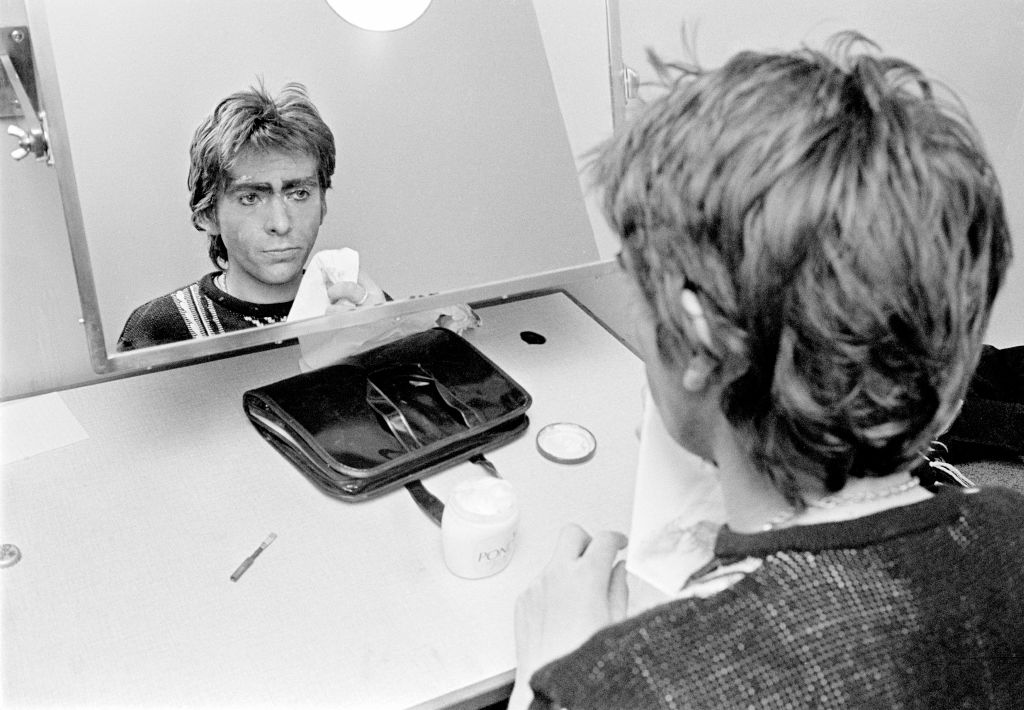
Genesis' sixth album, the surreal story of the adventures of a young New York Puerto Rican man embarks on a surreal voyage of self-discovery. As ever with early '70s Genesis, the 1975 live show for Lamb was a visual event in itself, with frontman Peter Gabriel portraying Rael in front of elaborate slide projections and costumes.
Gabriel intended to turn Rael's story into a major cinematic event. However, internal tension and the lack of a clear script meant the film never materialized. Because the tour was never professionally filmed in its entirety, the visual heart of Gabriel's final masterpiece with the band exists only in grainy fan footage and still photographs.
8. Green Day: Cigarettes and Valentines (2003)
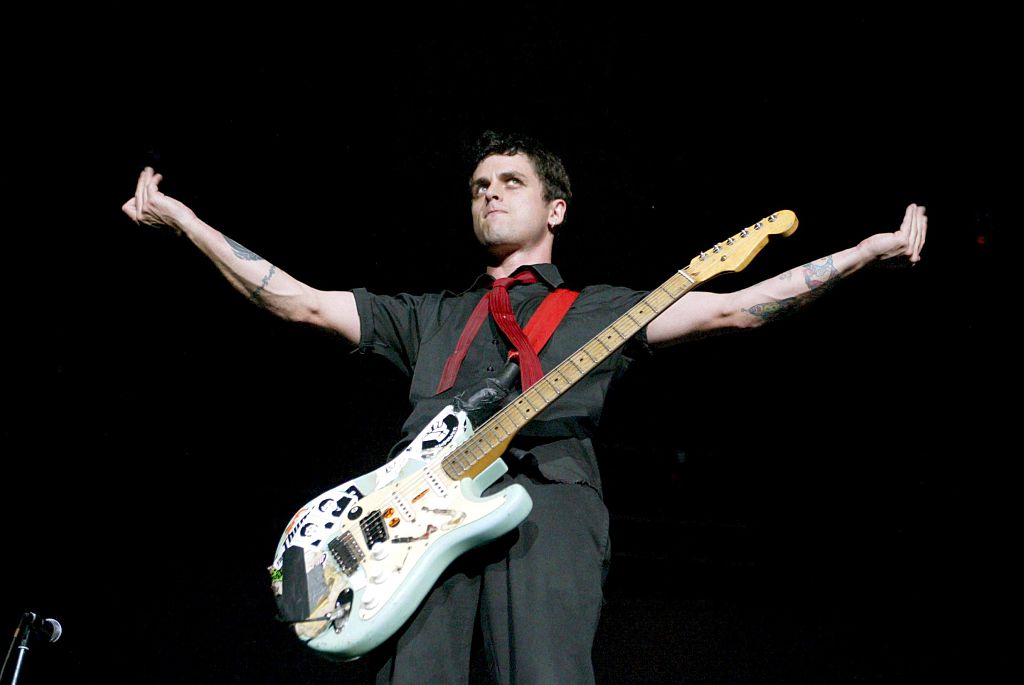
After 2000's folk-leaning Warning, Green Day recorded an entire album that was described as a return to their fast, bratty punk roots. Just as they were finishing, the master tapes were reportedly stolen from the studio. Rather than re-recording the songs, the band decided to start from scratch and try something entirely different.
That 'something different' turned out to be American Idiot, their career-defining concept album-cum-rock opera. While a few tracks eventually surfaced, the loss of Cigarettes and Valentines is widely seen as the catalyst that forced the band to evolve into a stadium-sized force.
9. The Beatles: Get Back (1969)
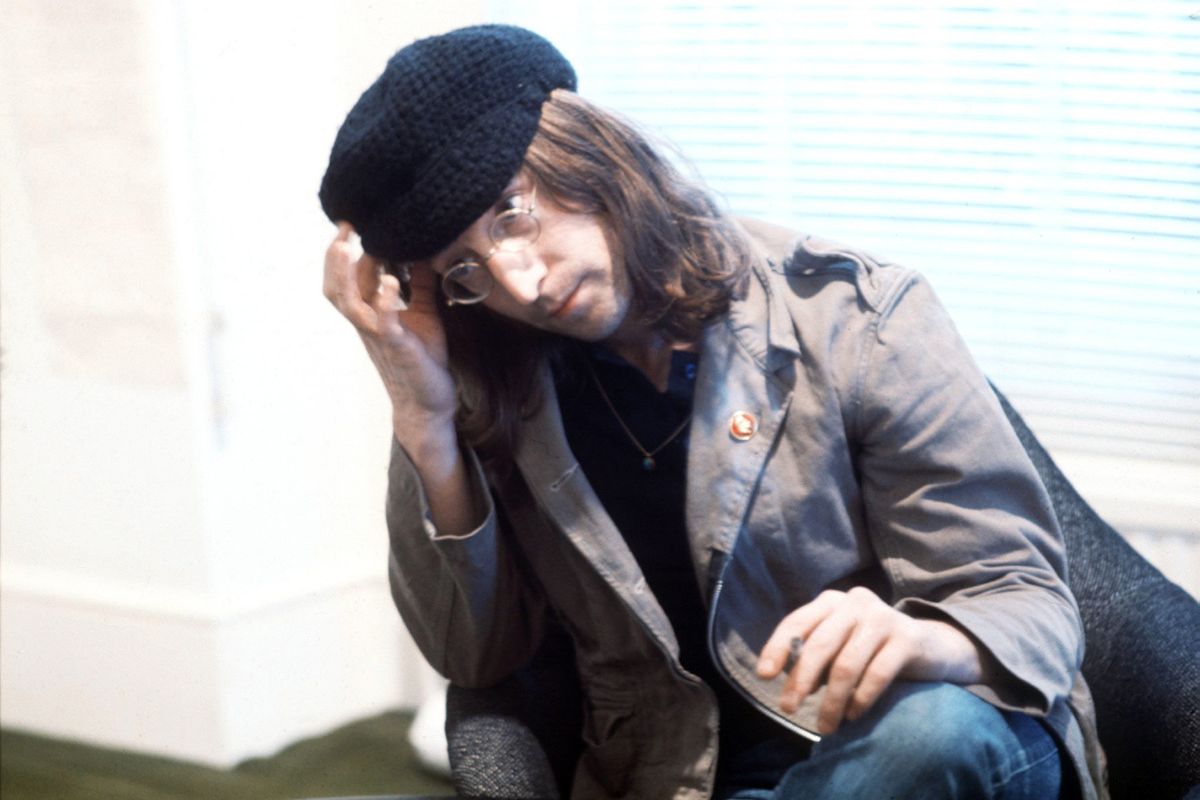
In 1969, The Beatles attempted to return to their roots by recording a raw, live-in-the-studio album stripped of overdubs. Engineer Glyn Johns compiled several versions of the Get Back LP, featuring studio chatter, false starts, and a ragged, honest energy that contrasted sharply with their usual polished perfection.
The band, however, was mired in internal friction and couldn't commit to the unvarnished results, eventually shelving the tapes. While the material was later salvaged by legendary producer Phil Spector for Let It Be, the original Johns mixes represent a fascinating, lost alternative: a legendary band ending their career with a defiant, human rehearsal rather than a cinematic swan song.
10. Duran Duran: Reportage (2006)
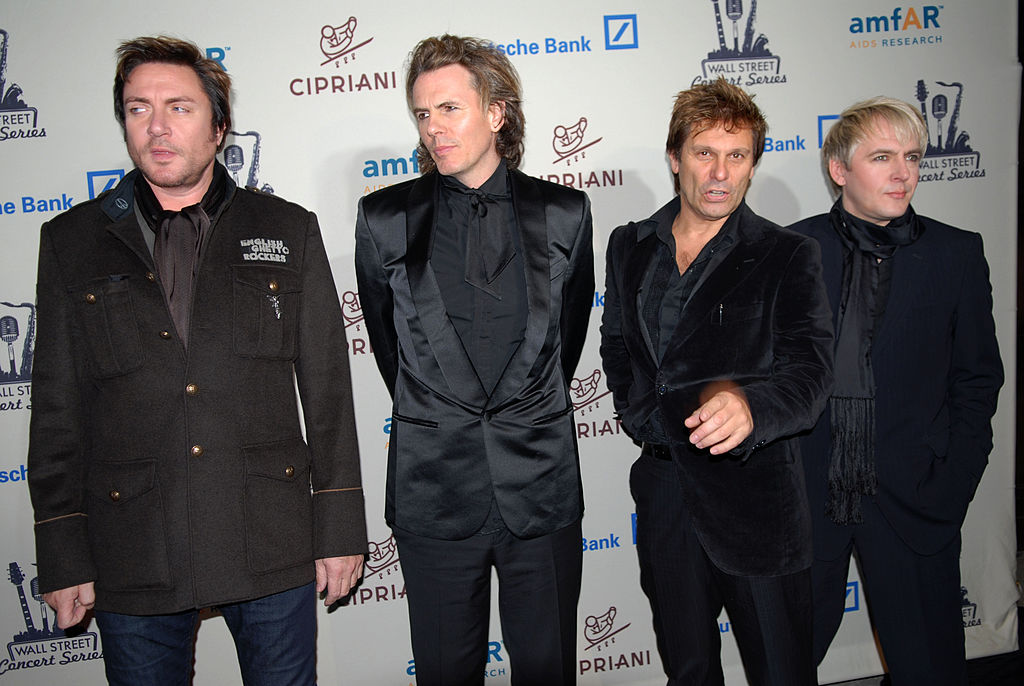
Following the reunion of the classic lineup, Duran Duran recorded an album that was reportedly much darker and more political than their usual synthpop. It was a guitar-heavy record influenced by the indie-rock of the time. However, their label felt it lacked a commercial hit.
The band eventually shelved it and recorded Red Carpet Massacre with Timbaland instead. For fans of the band’s edgier side, Reportage is the Great Lost Record, representing the moment the original five members tried to prove they were more than just 80s icons.
11. Pink Floyd: Household Objects (1974)
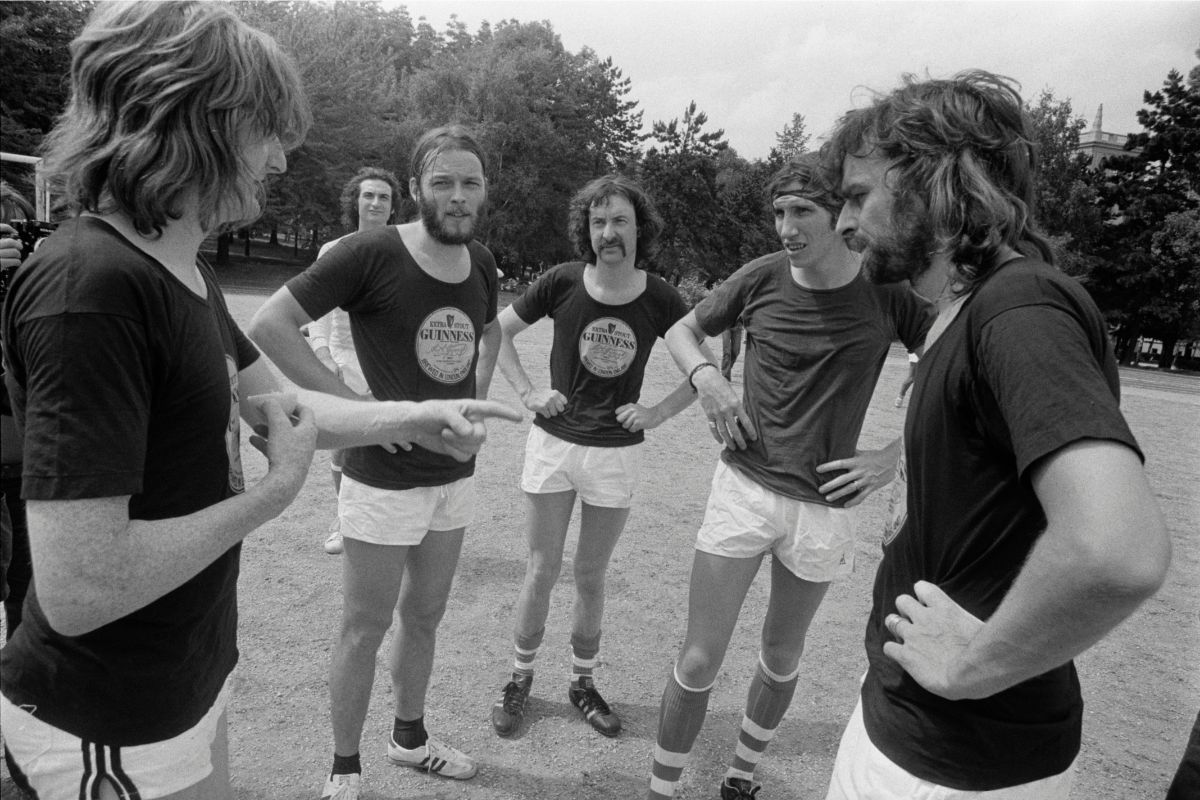
After the massive success of 1973's The Dark Side of the Moon, Pink Floyd felt paralysed by the pressure to innovate. Their solution was to record an album using no musical instruments at all. They spent weeks in Abbey Road meticulously recording the sounds of rubber bands, hand-beaten wood, and wine glasses tuned with water.
Eventually, Floyd realised that while the concept was intellectually stimulating, the actual process of playing a kitchen sink was agonisingly slow and yielded little emotional payoff. They abandoned the project, though the shimmering wine glasses survived to become the iconic intro to 'Shine On You Crazy Diamond'.
And one that did get a release... 45 years late
12. Neil Young: Homegrown (1975)
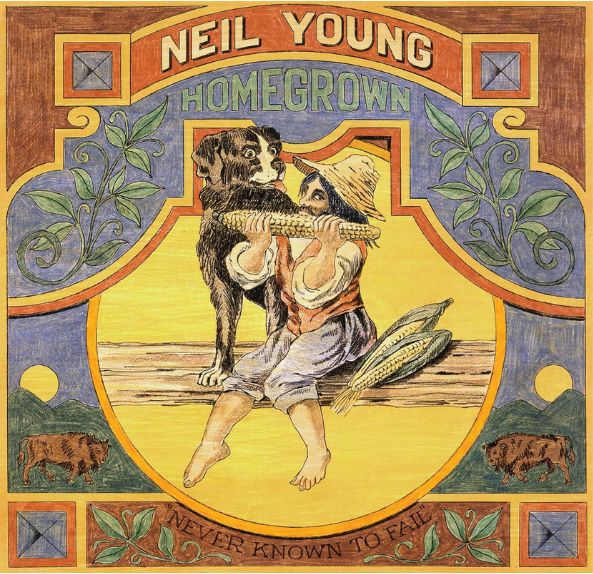
Recorded during the painful fallout of his relationship with Carrie Snodgress, Homegrown was a largely acoustic, deeply personal masterpiece. Neil Young famously played the album for friends alongside the louder, messier Tonight's the Night and decided Homegrown was 'too personal' and 'too real' to release. He shelved it for 45 years, finally putting it out in 2020. In the 1970s, its release would have likely cemented him as the undisputed king of the confessional singer-songwriter movement, but he chose to stay in the shadows instead.
Pics Getty Images