The Rolling Stones have survived enough musical revolutions to fill several lifetimes.
Since emerging from London's blues clubs in the early 1960s, Mick Jagger and Keith Richards have watched fashions come and go, from psychedelia and progressive rock to disco, punk, new wave and heavy metal. Some trends threatened to make them look like relics; others offered opportunities to reinvent themselves. The Stones, however, have always been remarkably good at absorbing new sounds without surrendering their identity.
Punk presented perhaps their most existential challenge. By the mid-1970s, rock's elder statesmen were increasingly associated with bloated stadium shows, expensive excess and a rock aristocracy that punk's young insurgents wanted to overthrow. The Stones were precisely the sort of establishment act that the Sex Pistols seemed determined to make obsolete.
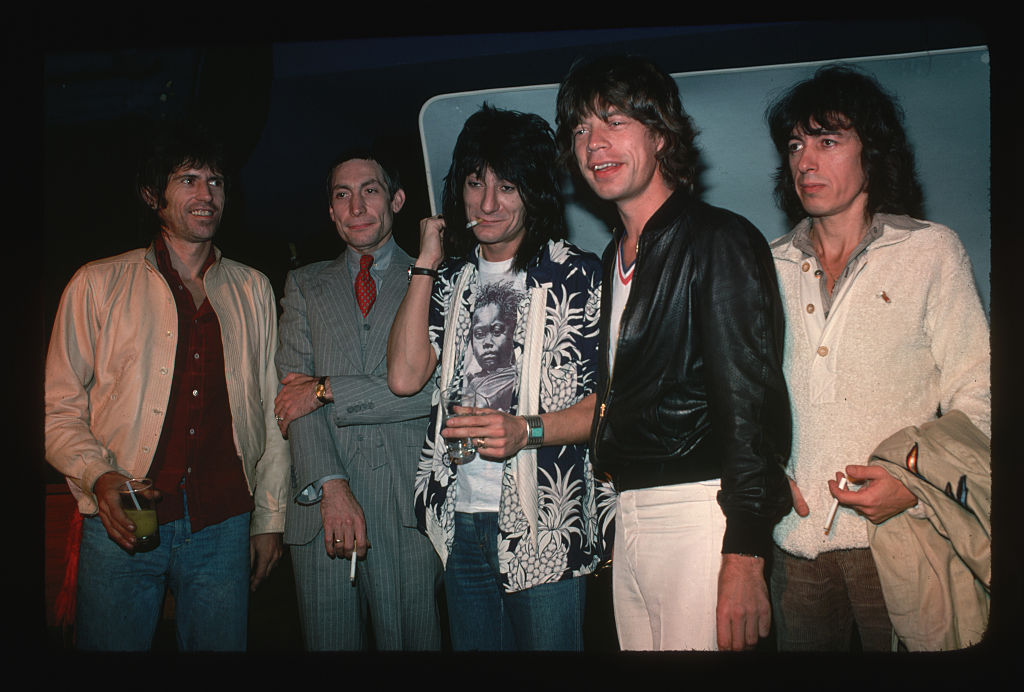
Yet Jagger and Richards didn't simply dig in their heels. Their 1978 album Some Girls responded to the changing climate with a harder, leaner sound, while embracing the disco rhythms of ‘Miss You’ and the punkish energy of ‘Respectable’.
'An interesting period'
Looking back in 1995, Jagger said the album had been inspired by New York and the city's distinctive atmosphere, which gave it an 'extra spur and hardness'. Punk and disco, he recalled, were happening simultaneously, making it 'quite an interesting period'. He was equally taken with the dance music circulating in New York and Paris, including Latin styles.
Rather than treating punk as an enemy and disco as a passing fad, Jagger saw a moment of musical upheaval that could sharpen the Stones' own instincts. Some Girls became one of their biggest commercial successes, showing how the band could absorb the energy around them without surrendering their identity.
By the early 1990s, another upheaval was under way. Grunge had pushed its way out of Seattle and into the mainstream, bringing a new generation of guitar bands whose sound and image seemed to reject the gloss and theatricality of much Eighties rock. Nirvana's success, in particular, helped make the old rock establishment look decidedly out of step.
'I'm not in love with things at the moment'
The Stones were hardly in danger of disappearing. Their 1994 album Voodoo Lounge and its accompanying tour demonstrated that they could still command enormous audiences. But the musical landscape had changed, and the question was whether Jagger found anything in the new generation that genuinely excited him.
In a 1995 interview with, er, Rolling Stone magazine, the singer was hardly overflowing with enthusiasm. 'I’m not in love with things at the moment. I was never crazy about Nirvana – too angst-ridden for me,' he admitted.
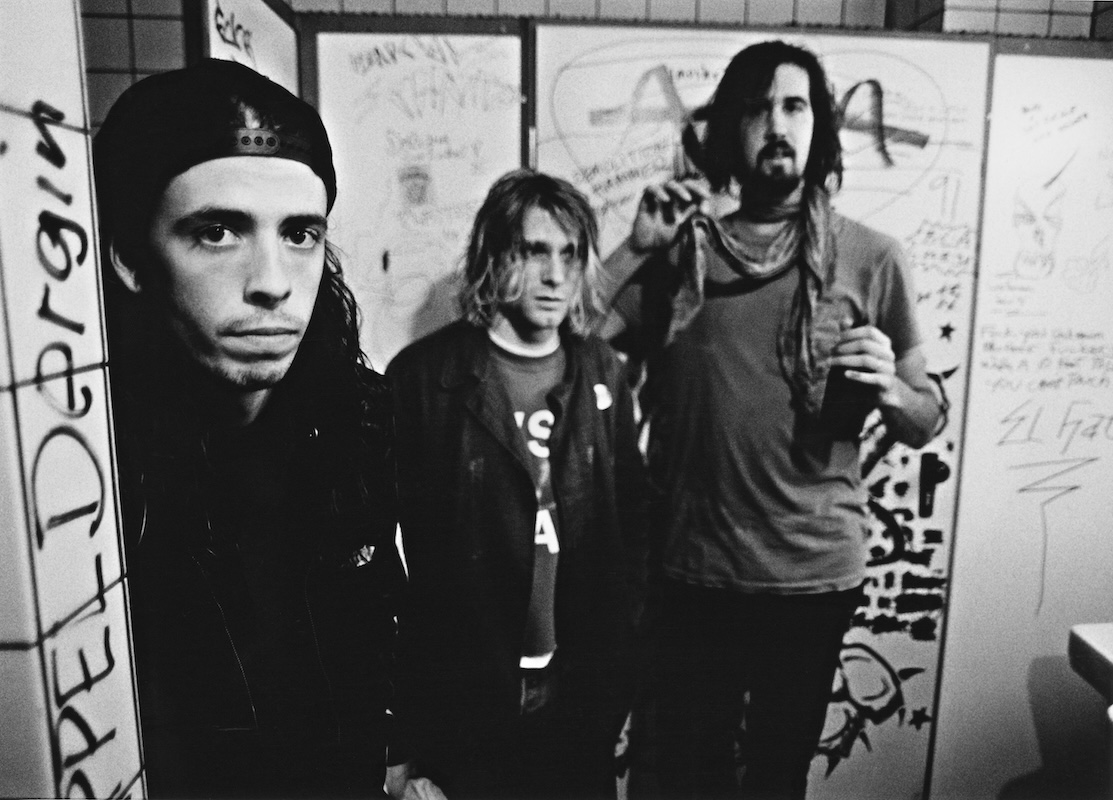
It was a revealing distinction. Jagger wasn't necessarily rejecting the intensity that made grunge so compelling; he seemed less convinced by the idea that anguish had to be the dominant mood. For a frontman whose public persona had long been built on swagger, provocation and restless physical energy, the prospect of rock turning inward and sombre may have held limited appeal.
'A lot of angst'
He was also alert to the musical continuity beneath grunge's supposedly revolutionary image. 'If there’s four people playing guitars and so on, there’s a lot of ’60s influence,' he observed. Some bands might appear to be doing something entirely new, he suggested, while their haircuts and line-ups recalled earlier generations – specifically, 'There’s certain haircuts you’ve seen on the Byrds.'
Yet he wasn't dismissing them as mere imitators. 'But the grooves are different,' he continued. 'It’s all influenced by dance music. In 30 years you don’t keep playing the same beat. Which is good.'
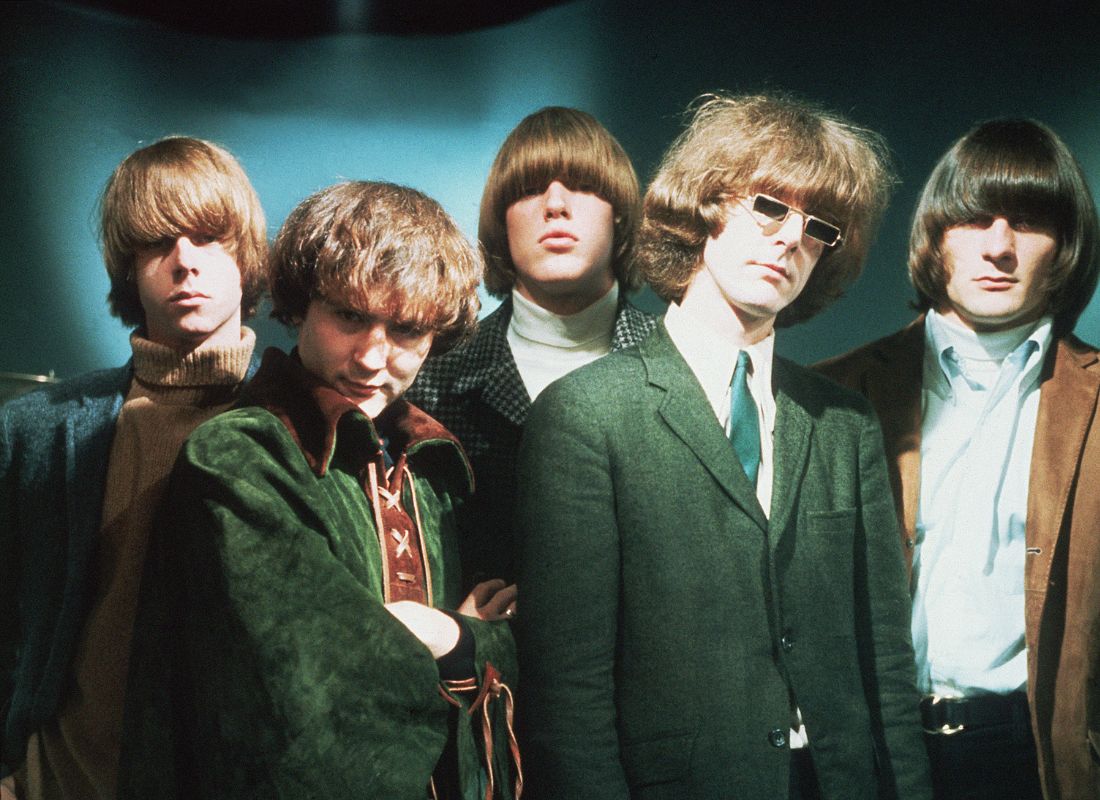
It was a typically Stones-like way of looking at musical change. A band could inherit the familiar guitar-group format and still find new rhythmic possibilities. Jagger understood that rock didn't stand still, even if he wasn't persuaded by every new direction it took.
Then came the qualification that made his assessment more interesting. 'But I like Pearl Jam. I prefer them to a lot of other bands,' he said. 'There’s a lot of angst in a lot of it. Which is one of the great things to tap into. But I’m not a fan of moroseness.'
Mutual respect
The distinction makes sense. Pearl Jam had plenty of emotional weight, but they also had a powerful classic-rock foundation: big riffs, expansive guitar work, bluesy inflections and a frontman whose performances could be physically explosive.
Mike McCready’s fluid, expressive lead guitar often drew on the vocabulary of blues-rock, with bent notes, extended solos and a looseness that connected Pearl Jam to artists such as Jimi Hendrix and Stevie Ray Vaughan.
Meanwhile, Eddie Vedder brought an almost combustible physicality to the stage, gripping the microphone, lunging across the platform and delivering his vocals with an intensity that could turn quiet introspection into full-throttle catharsis. For all their angst, Pearl Jam could still make rock feel visceral, muscular and gloriously alive.
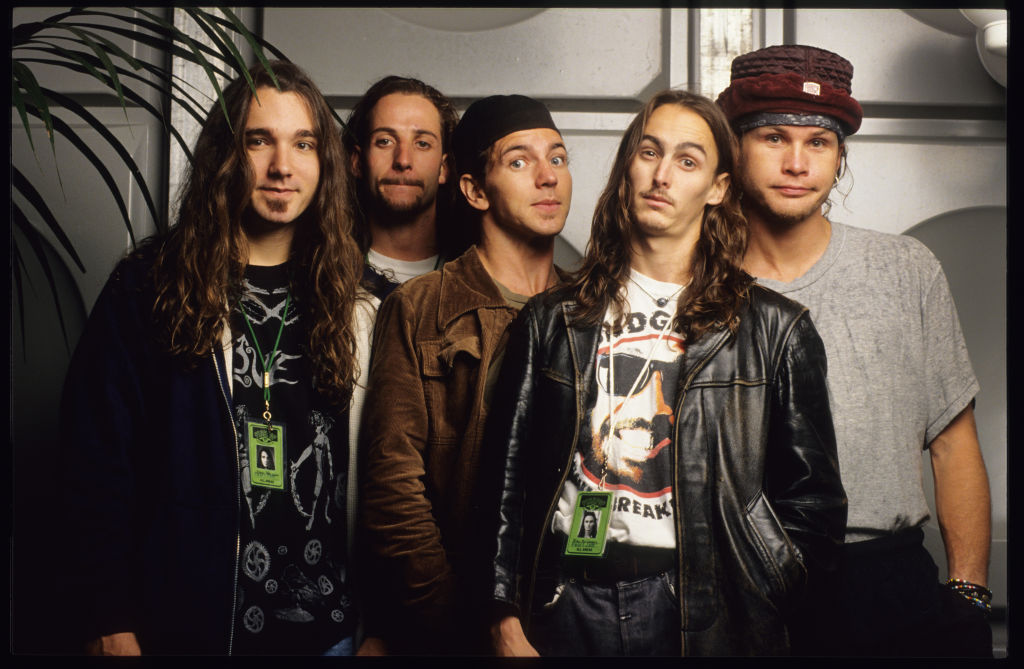
Their music could be troubled without becoming entirely defined by gloom. That combination may help explain why Jagger heard something more enduring in them than in grunge's more withdrawn or abrasive strains.
These are the 21 greatest grunge albums of the 1990s (we took some time over that top 5)
There was, in any case, mutual respect behind the compliment. Keith Richards had already invited Pearl Jam to open for his group the X-Pensive Winos at New York's Academy on New Year's Eve 1992, between the release of their debut Ten and its follow-up, Vs. Eddie Vedder later thanked Richards onstage, crediting him with helping Pearl Jam guitarist Mike McCready become part of the band.
The connection grew more visible in 1997, when Pearl Jam opened for the Stones at four Oakland shows on the Bridges to Babylon tour. Vedder joined Jagger and the band for ‘Waiting on a Friend’, a meeting of generations that felt less like a novelty than a natural musical fit.
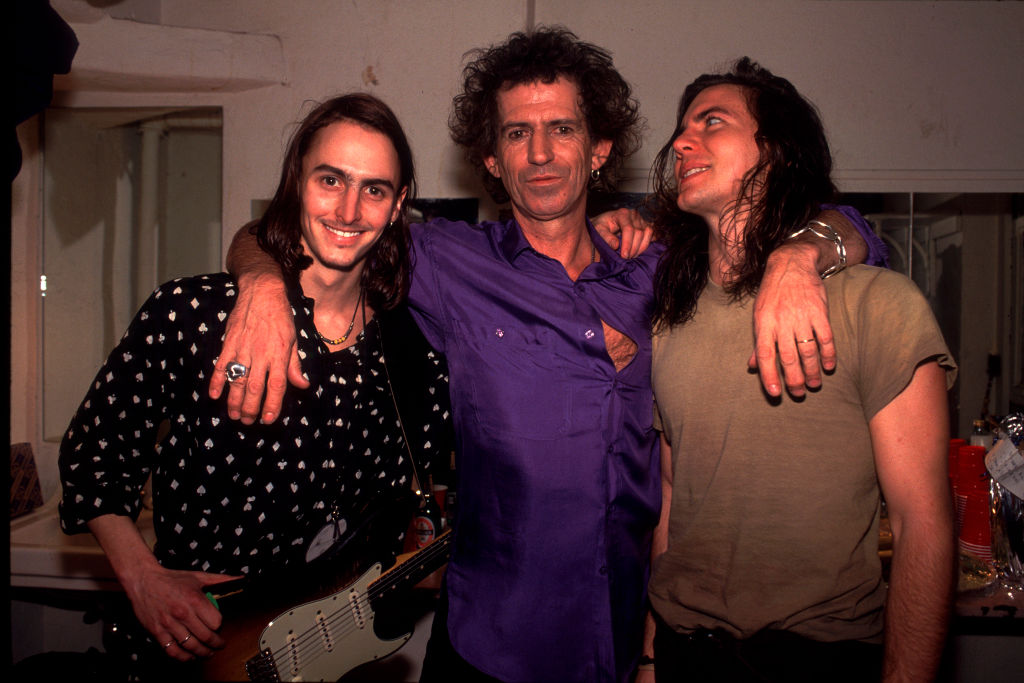
Eight years later, the relationship reached another memorable moment when Vedder joined the Stones for ‘Wild Horses’ in Pittsburgh. The performance was rough-edged rather than reverential, but that was part of its charm: two generations of rock frontmen sharing a song without either needing to diminish the other.
Jagger's 1995 verdict wasn't a blanket endorsement of grunge, then. It was something more revealing: an older rock star recognising that a new generation could bring fresh grooves and genuine feeling to a familiar musical language. The Stones had survived punk by adapting without losing themselves. Pearl Jam, it seems, had impressed Jagger by doing something similar.
Pics Getty Images