
Pop music has a unique ability to soundtrack the times, holding a mirror to society and sometimes inspiring people to change their attitudes.
Unsurprisingly, then, many pop songs over the years have stirred up controversy, often only making the artist more notorious.
Here are 15 songs that whipped up a moral panic.
1. Billie Holiday – 'Strange Fruit' (1939)
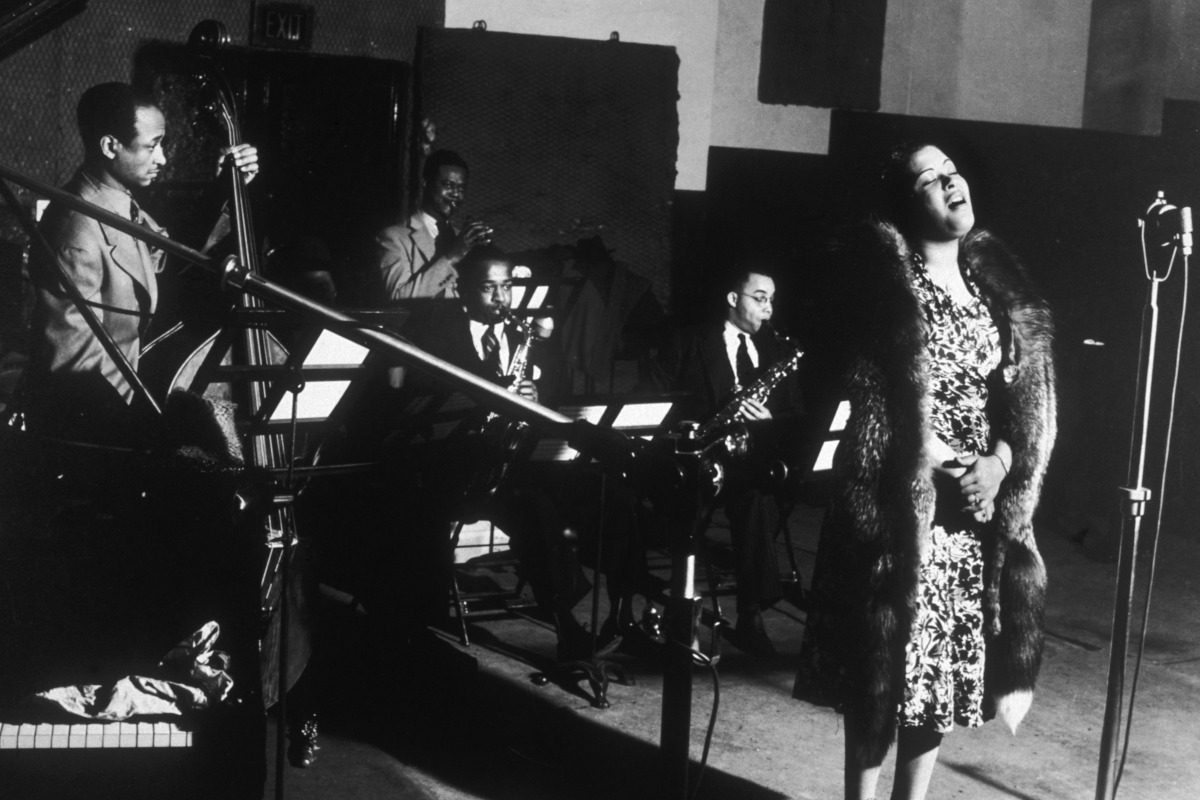
When Billie Holiday first sang ‘Strange Fruit’, the reaction was one of stunned silence. Then, as the impact of the song – written by Abel Meeropol about the lynchings of Black Americans in the South – dawned on the audience, a smattering of applause turned into an ovation.
The performance was at Café Society, a racially integrated New York club, but when Holiday sang it to less enlightened audiences, it was met with walkouts and racist heckles.
Holiday’s record label Columbia refused to record it, radio stations banned it and some concert promoters asked her not to perform it. When another label, Commodore, stepped in to release it, they sold a million copies.
Holiday’s haunting delivery of Meeropol’s visceral lyrics confronted audiences with the shameful reality of racism in America. It still feels vital today.
2. Link Wray – 'Rumble' (1958)
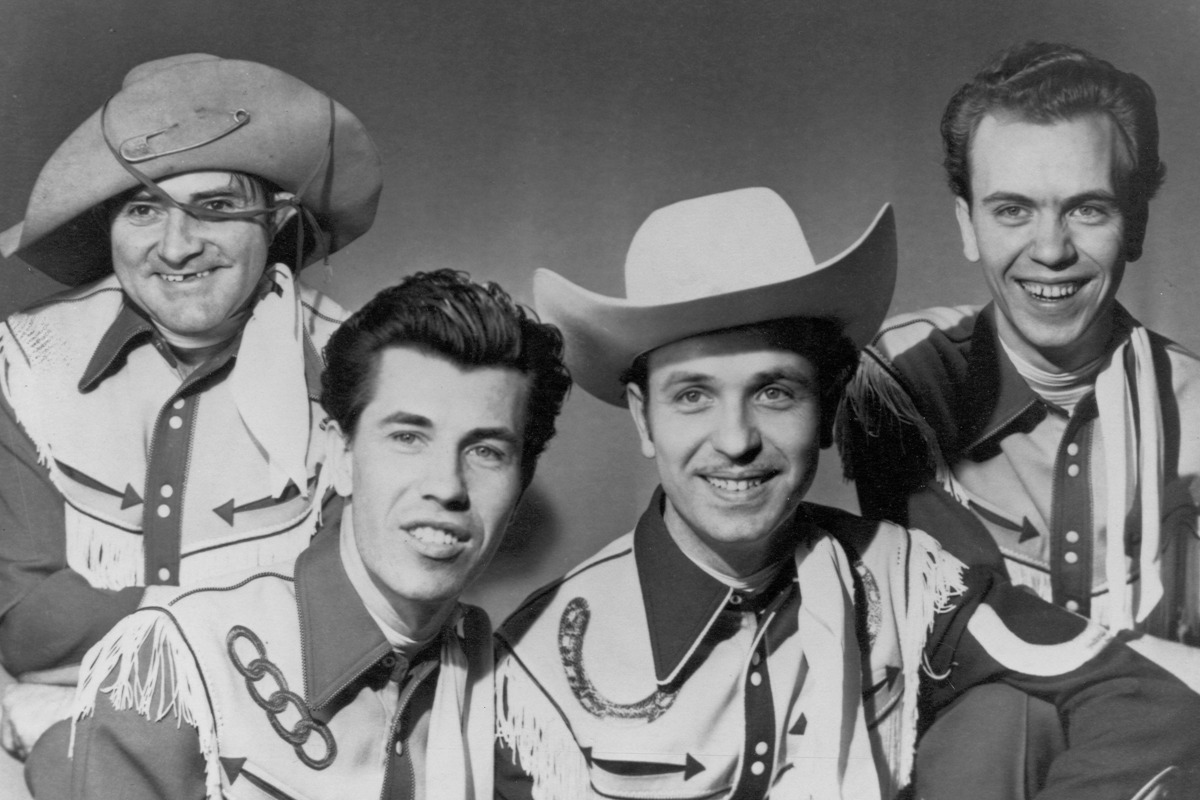
The only instrumental on this list, which emphasises just how dangerous it sounded on its release, Link Wray & His Wray Men’s ‘Rumble’ was banned by radio stations across the United States thanks to fears it might incite gang violence.
Part of the problem was that provocative title – suggested by Phil Everly of The Everly Brothers after he heard it and though that its original name, ‘Oddball’, didn’t do it justice.
Despite the ban, it became a massive hit and went on to become an instantly recognisable classic, thanks to its use in The Sopranos, Pulp Fiction and more. Even today, it still feels like it’s looking for a scrap.
3. The Kingsmen – 'Louie Louie' (1963)
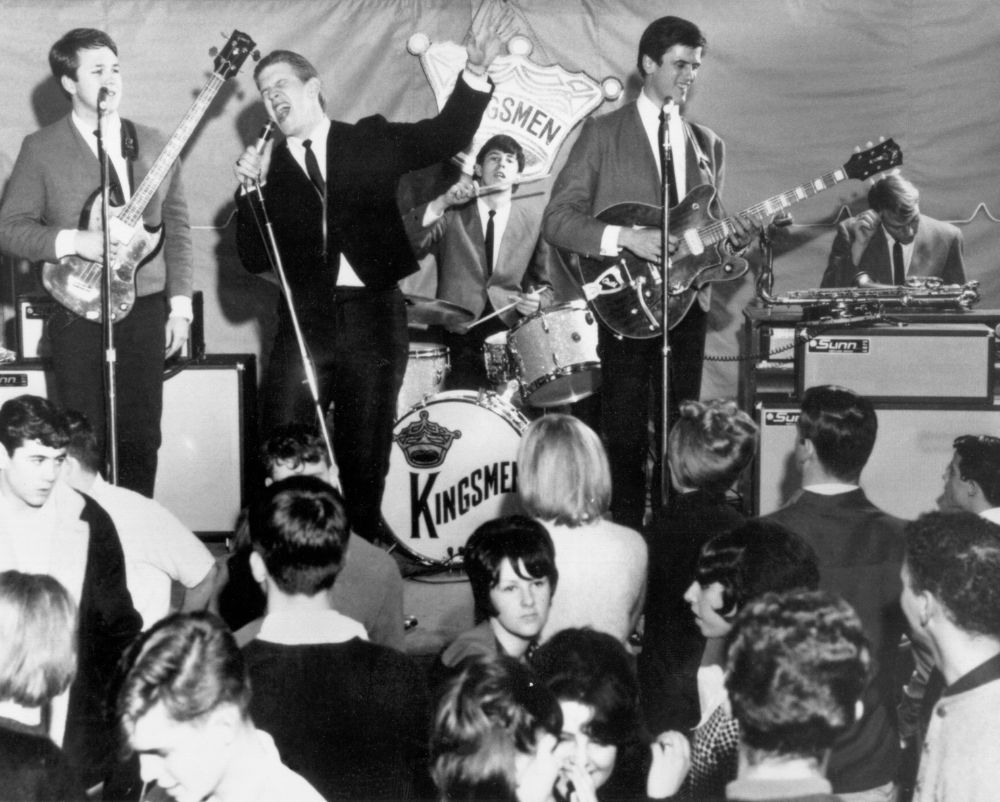
‘Louie Louie’, written by Richard Berry in 1956, is one of the most covered songs in history. But the most notorious version was recorded just seven years later by Portland, Oregon garage rockers The Kingsmen.
In the intervening years, the supremely catchy song had become a staple for teenage dance bands and The Kingsmen were no exception. But when they came to record their version at a studio usually used for advertising jingles, the engineers had no idea how to mic up a rock band.
This meant that singer Jack Ely had to shout loudly to be heard, straining till the lyrics were almost indecipherable. The song quickly became a sensation, as teenagers struggling to make out Ely was singing simply made up their own – usually X-rated – lyrics.
Word spread – newspapers blamed the band for corrupting the youth of America and, incredibly, the FBI launched a two-year obscenity investigation which was eventually dropped when then were unable to decipher the lyrics.
The controversy ensured the song became one of the most notorious rock songs of all time.
4. The Beatles – 'A Day In The Life' (1967)
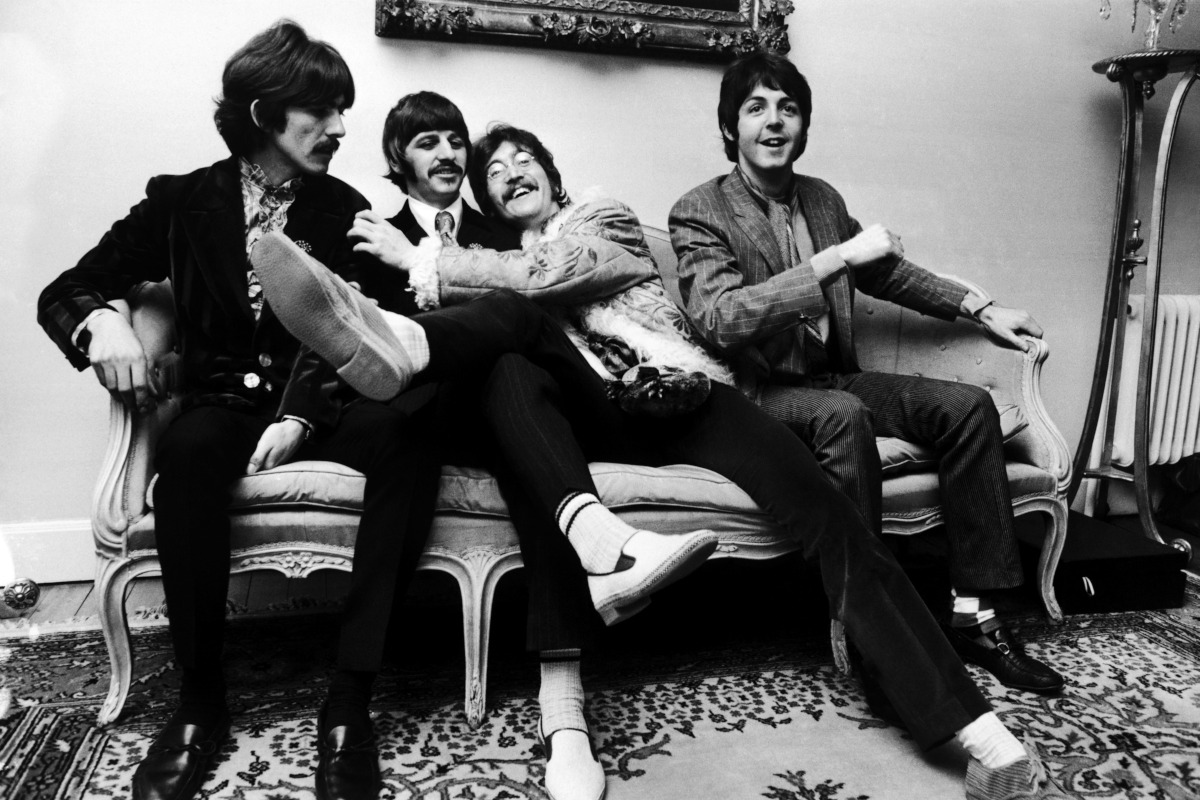
By 1967, The Beatles were no strangers to controversy.
The previous year, John Lennon had angered religious fanatics in the US by claiming that The Beatles were ‘more popular than Jesus now’ in an interview, meanwhile, the cover of the US album Yesterday And Today sparked a furore as the band were pictured grinning in butchers’ coats, surrounded by cuts of meat and doll parts.
But it was only with the release of Sgt Pepper’s Lonely Hearts Club Band that they had songs banned by the BBC.
The institution believed that ‘Lucy In The Sky With Diamonds’ and ‘A Day In The Life’ glorified drug use (not least thanks to the latter’s cooed refrain of ‘I’d love to turn you on…’), In 2006, a BBC Radio 2 poll named Sgt Pepper’s as the nation’s favourite album, so clearly the Beeb has got over it.
5. The Rolling Stones – 'Let's Spend The Night Together' (1967)
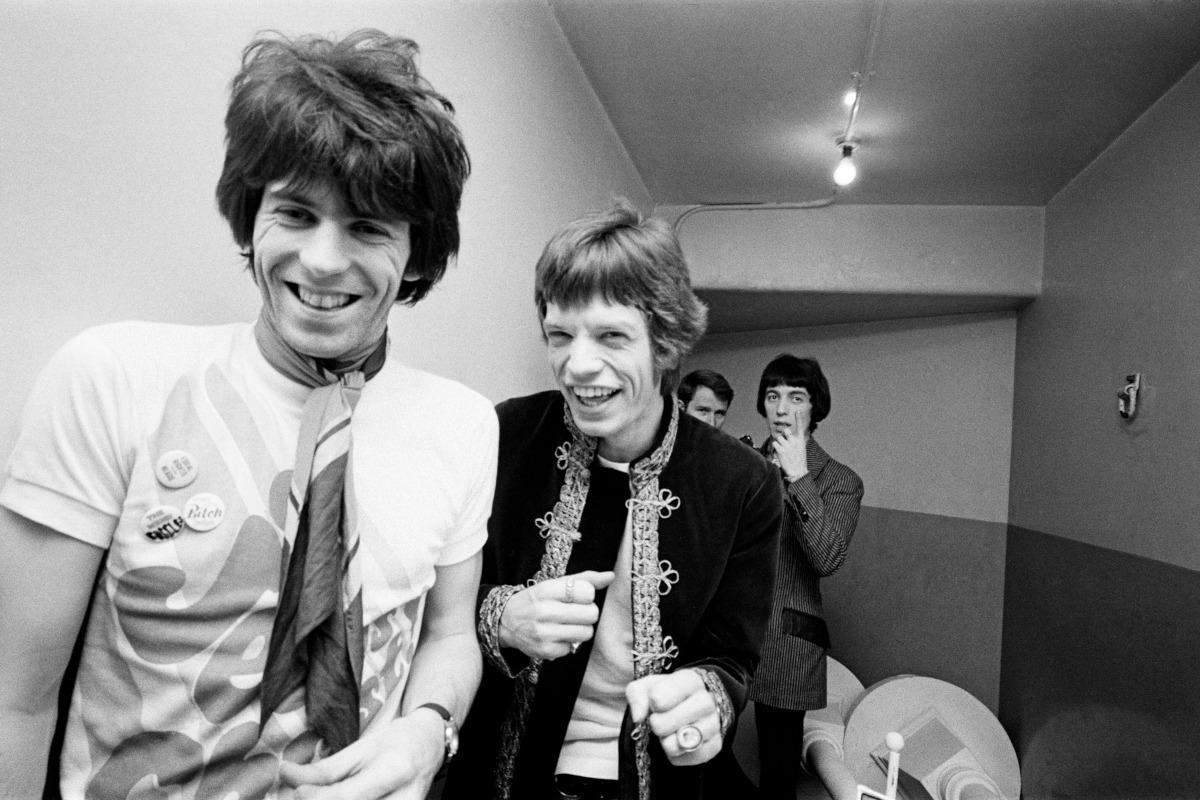
The long-haired, scruffy and anti-establishment Rolling Stones could barely move in the ’60s without causing moral panic in the media. Much of this was stoked by their manager, Andrew Loog Oldham, who was only too aware of the value of the band’s bad boy reputation.
But while sex and drugs had informed much of their repertoire, their first single to cause enough outrage to be banned was the strutting ode to promiscuity ‘Let’s Spend The Night Together’. The song’s blatant sexual overtones were seen as evidence of a decline in standards by the establishment.
When they performed it on The Ed Sullivan Show, they were asked to change the lyrics to ‘let’s spend some time together’. The Stones agreed, but Mick Jagger made his displeasure known by rolling his eyes as he sang the new lyrics.
6. The Doors – 'The End' (1967)
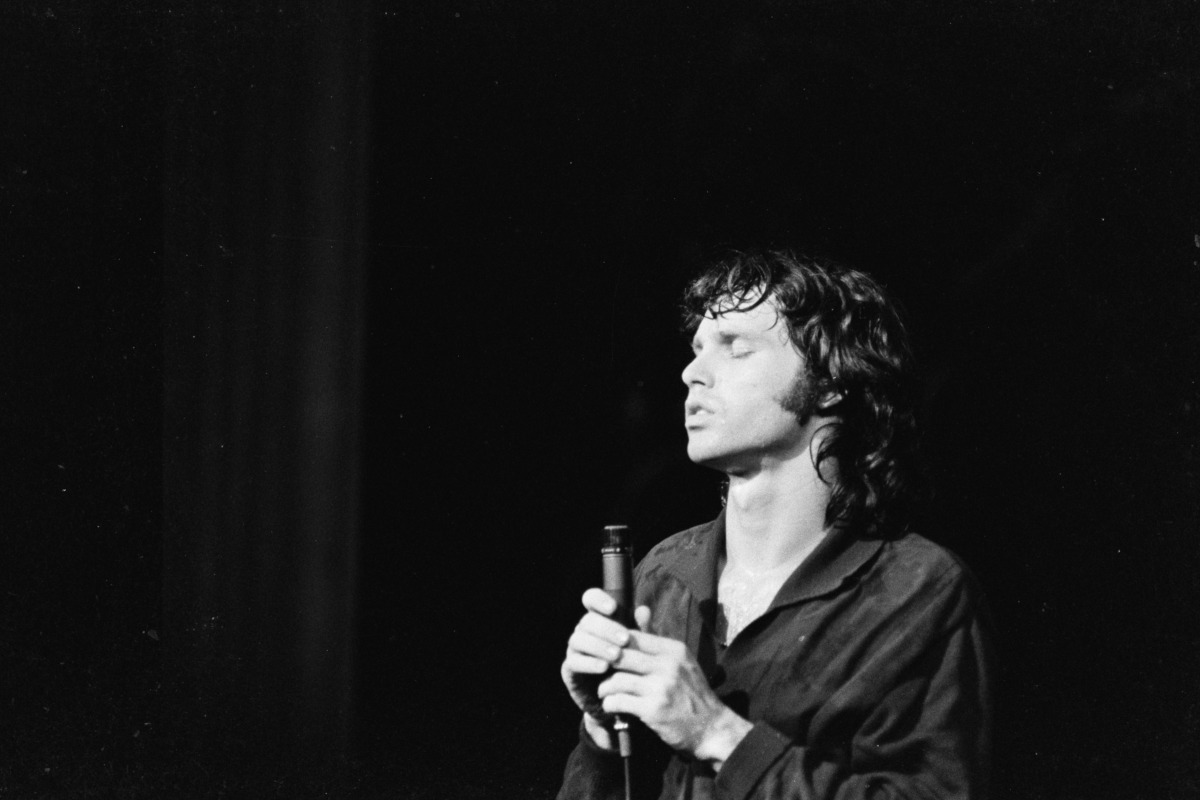
When The Doors emerged in the mid-’60s, the exploits of singer Jim Morrison caused a moral panic in the United States. Morrison’s unhinged performances, predilection for mind-altering substances and dark, dangerous lyrics marked them out to concerned parents.
But one song of theirs became especially notorious. ‘The End’ began as a break-up song, but as the song evolved over their residency at the LA club Whisky A Go Go, the band began to jam an extended outro as Morrison improvised, singing stream of consciousness poetry.
One night, he entered into a monologue, retelling the story of Oedipus Rex – saying he wanted to kill his father and do unspeakable things to his mother. Legend has it that the band were sacked from the Whisky straight after, but in fact they played a couple more shows.
Still, the song became infamous and when it was released on The Doors’ debut album in 1967, it became one of the most controversial songs of all time.
7. Jane Birkin and Serge Gainsbourg – 'Je T'aime... Moi Non Plus' (1969)
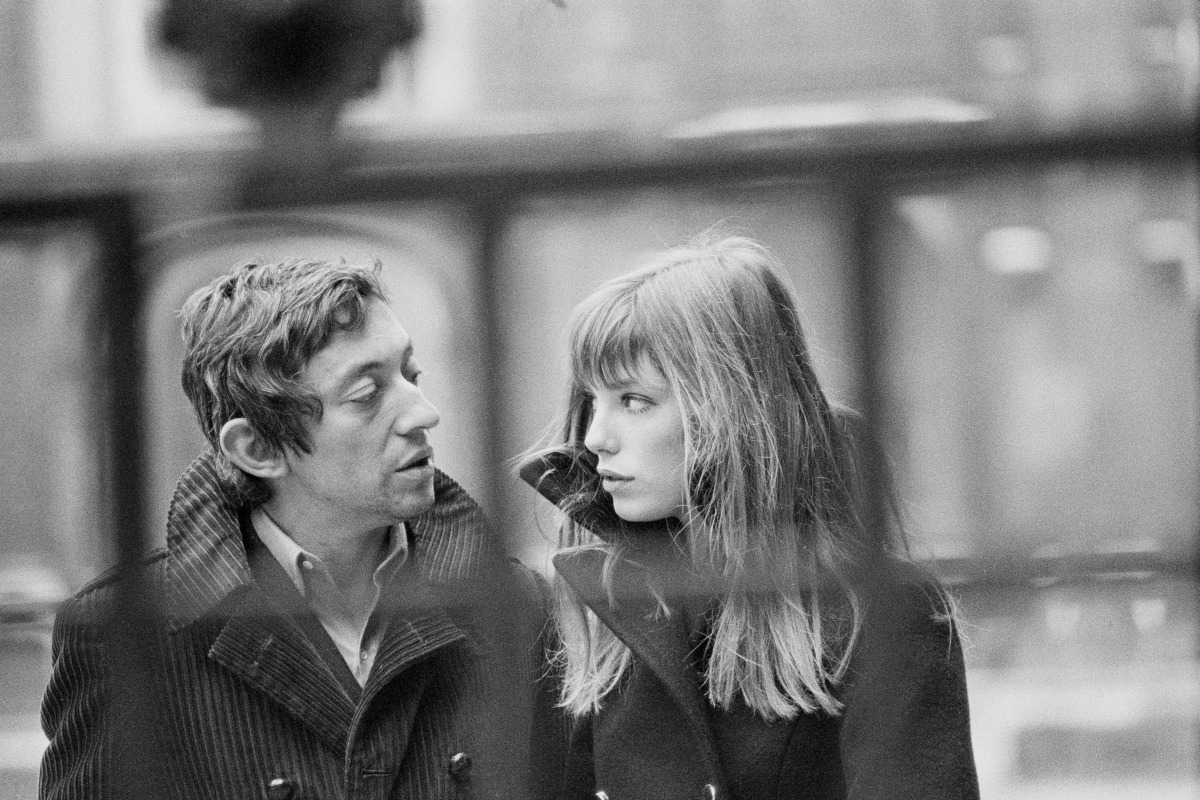
When The Vatican are moved to denounce a song, you know that things are getting serious. Serge Gainsbourg’s steamy ‘Je T’aime… Moi Non Plus’ caused a sensation on its release, thanks to the lusty moans and gasps liberally peppered throughout.
Gainsbourg originally recorded the song in 1967 with his lover, actress Bridgette Bardot. When she heard the results and realised her husband might put two and two together, Bardot persuaded Gainsbourg to shelve it.
Two years later, Gainsbourg re-recorded it with his new lover, Jane Birkin.
The single was banned everywhere, including the UK, where it still reached No 1, becoming the first foreign language song to top the charts. According to legend, Gainsbourg called the Pope ‘our greatest PR man’.
8. The Kinks – 'Lola' (1970)
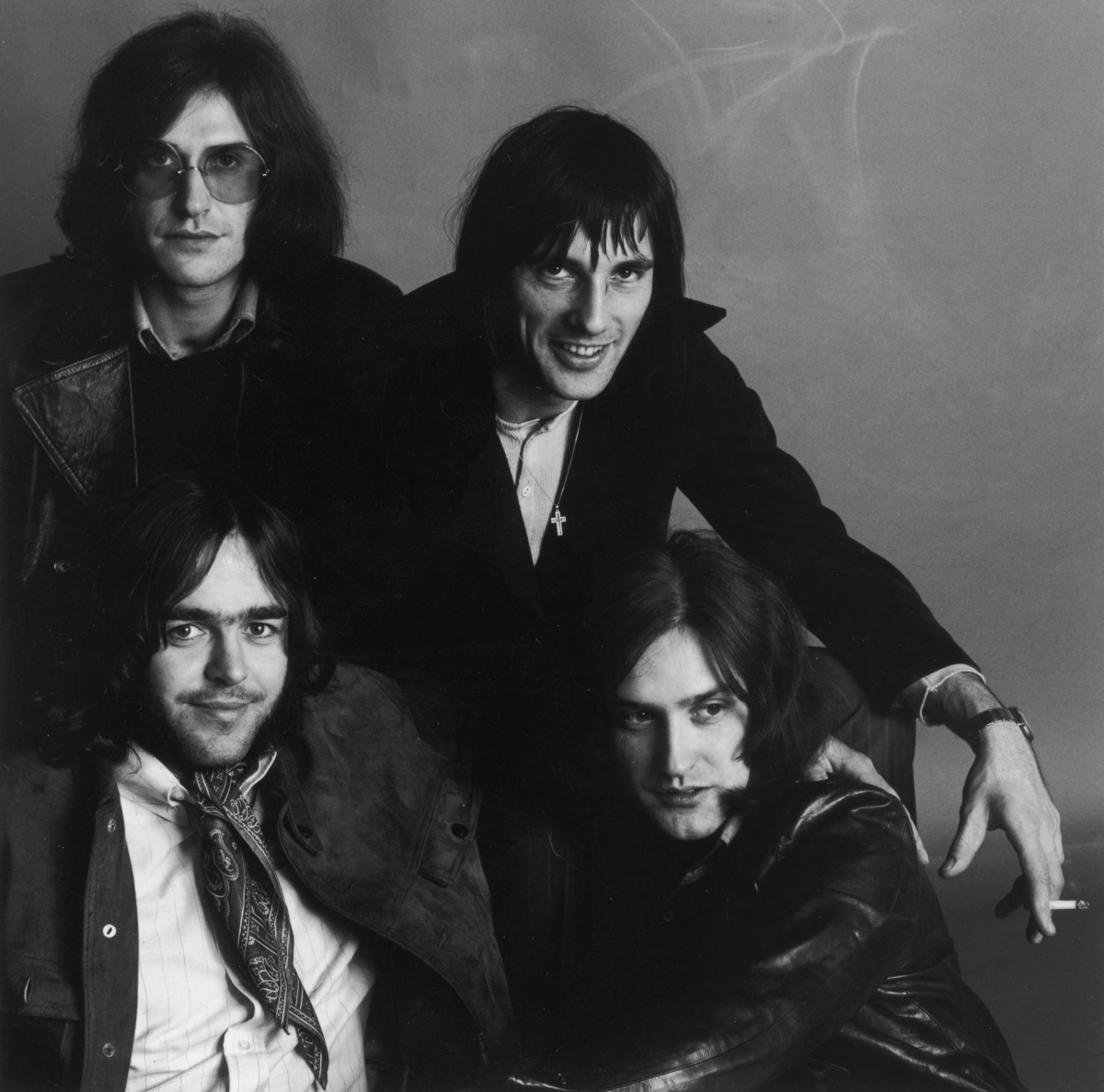
Decades ahead of its time, The Kinks’ 1970 single ‘Lola’ told the story of a man accidentally having a romantic encounter with a trans woman or cross dresser.
Rather than being appalled at his mistake, the narrator is compassionate and full of admiration for Lola’s self-assuredness, singing ‘Girls will be boys and boys will be girls/It's a mixed up, muddled up, shook up world, except for Lola.’
The lyrics caused uproar, with Ray Davies being called upon to explain them to Record Mirror, saying, ‘It really doesn't matter what sex Lola is, I think she's all right.’ Still, that didn’t stop backwards-thinking radio stations banning the song.
9. Sex Pistols – 'God Save The Queen' (1977)
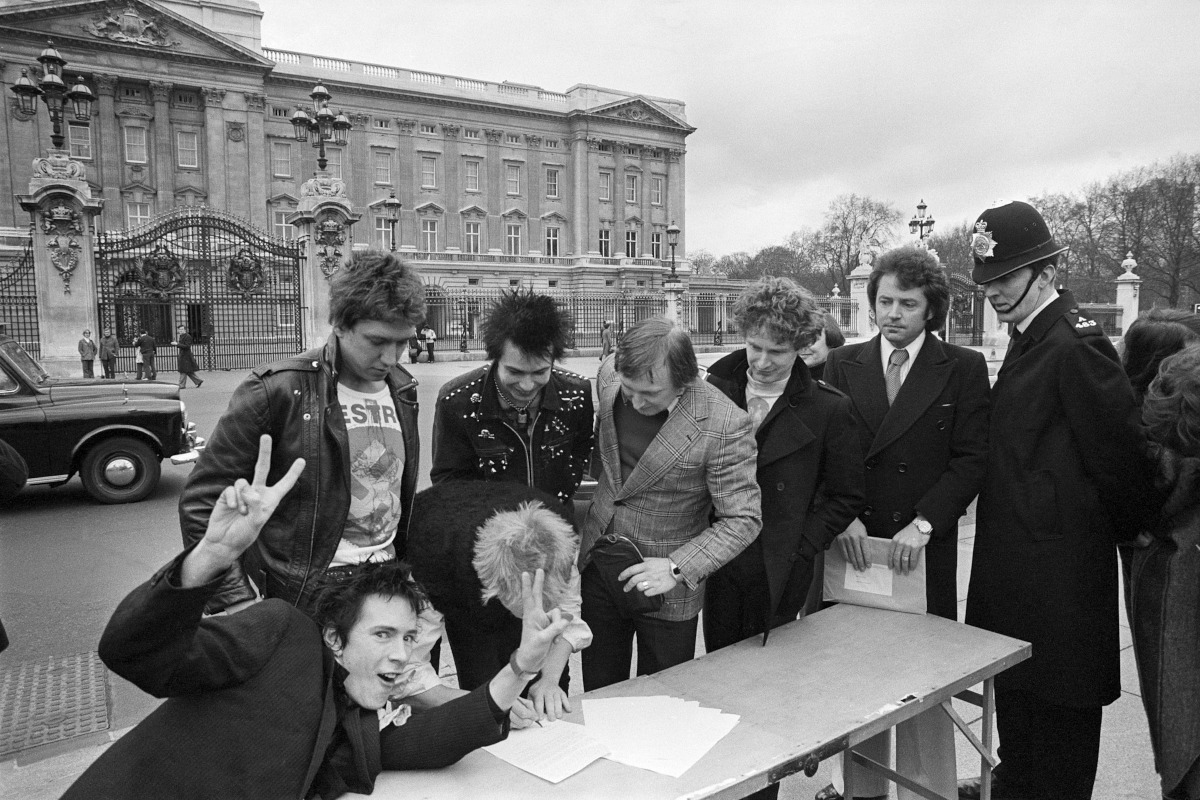
In March 1977, the Sex Pistols were already the enfants terribles of the UK music scene. The previous November, the exhilarating nihilism of debut single ‘Anarchy In The UK’ made them notorious; weeks later their drunk and potty-mouthed appearance on ITV’s Today show made them household names.
With the Queen’s silver jubilee looming, they upped the ante by recording the anti-monarchist howl of ‘God Save The Queen’, singer John Lydon’s vocals dripping with sarcasm as he claimed, ‘We mean it maaaan.’
On 10 March, the group signed a new contract with A&M Records, who pressed 25,000 copies of the single. A&M dropped the band just four days later after the Pistols indulged in a spree of vandalism at the label’s offices. Virgin signed them just over a week later and released ‘God Save The Queen’.
Fearful that the song might lead a generation astray, the BBC banned it – despite this, it sold huge amounts in the week of the Queen’s big bash, though mysteriously only made No 2 in the chart, leading to allegations of foul play.
10. Randy Newman – 'Short People' (1977)
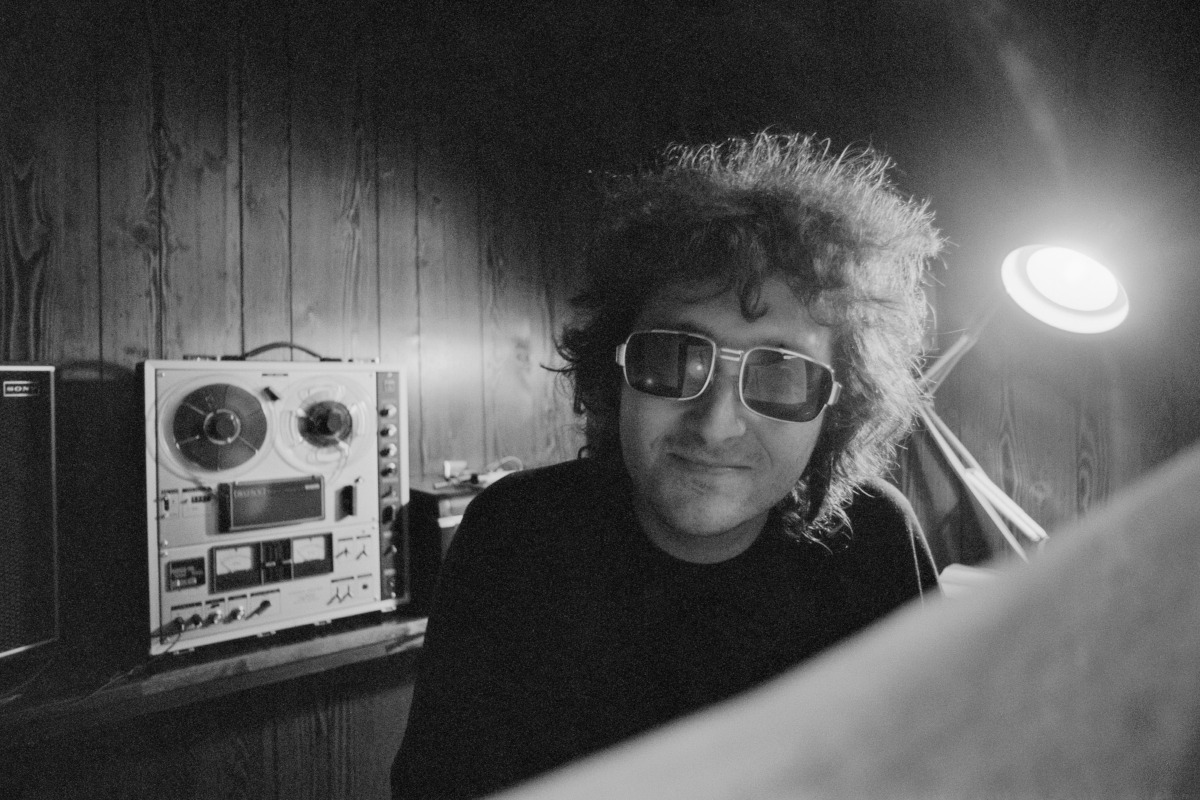
Newman’s biggest chart hit was also his most controversial. Sung from the perspective of a person with such disdain towards the diminutive that he thinks they are grotesque (“Short people got no reason to live”), ‘Short People’ was clearly a satire of prejudice.
Newman explained the song to the Chicago Tribune: “I would never write a song just to make fun of someone or something… What I’m making fun of is people’s callousness and insensitivity, and often that callousness is exaggerated to the point where it’s funny.”
Newman’s fans understood his intentions, but when ‘Short People’ became a massive hit – the single hit No 2 on the Billboard Hot 100 and sold 1.5 million copies in the US alone – the underlying meaning was lost and Newman was heavily criticised, even receiving death threats.
He still performs the song live to this day.
11. Frankie Goes To Hollywood – 'Relax' (1983)
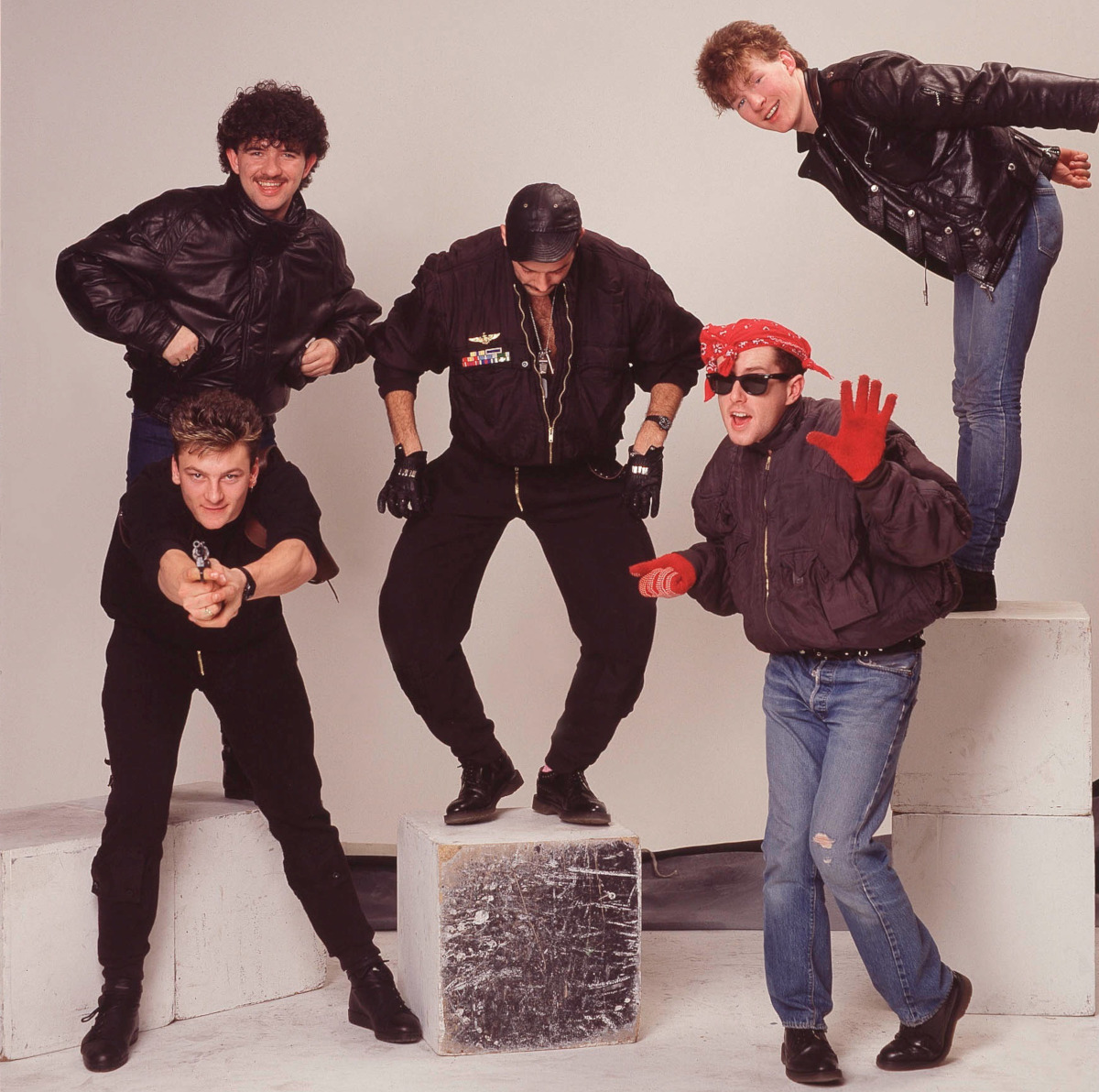
The debut single by Liverpudlian synth-pop titans Frankie Goes To Hollywood became notorious overnight when BBC Radio 1 DJ Mike Read cut the song short during the weekly Top 40 rundown.
Till this point, the single had been climbing the charts lowly and steadily, but Frankie’s hype man, journalist Paul Morley, spread the rumour that Read had banned the song from the BBC when he realised the rampant innuendo in the song’s lyrics.
Read later insisted he curtailed the track due to time constraints and didn’t have the power to ban a song, but the moral outrage caused by the song had already catapulted it up the charts.
‘Relax’ went on to become one of the biggest singles of the 1980s, reportedly selling over two million copies in the UK alone.
12. Queen – 'I Want To Break Free' (1984)
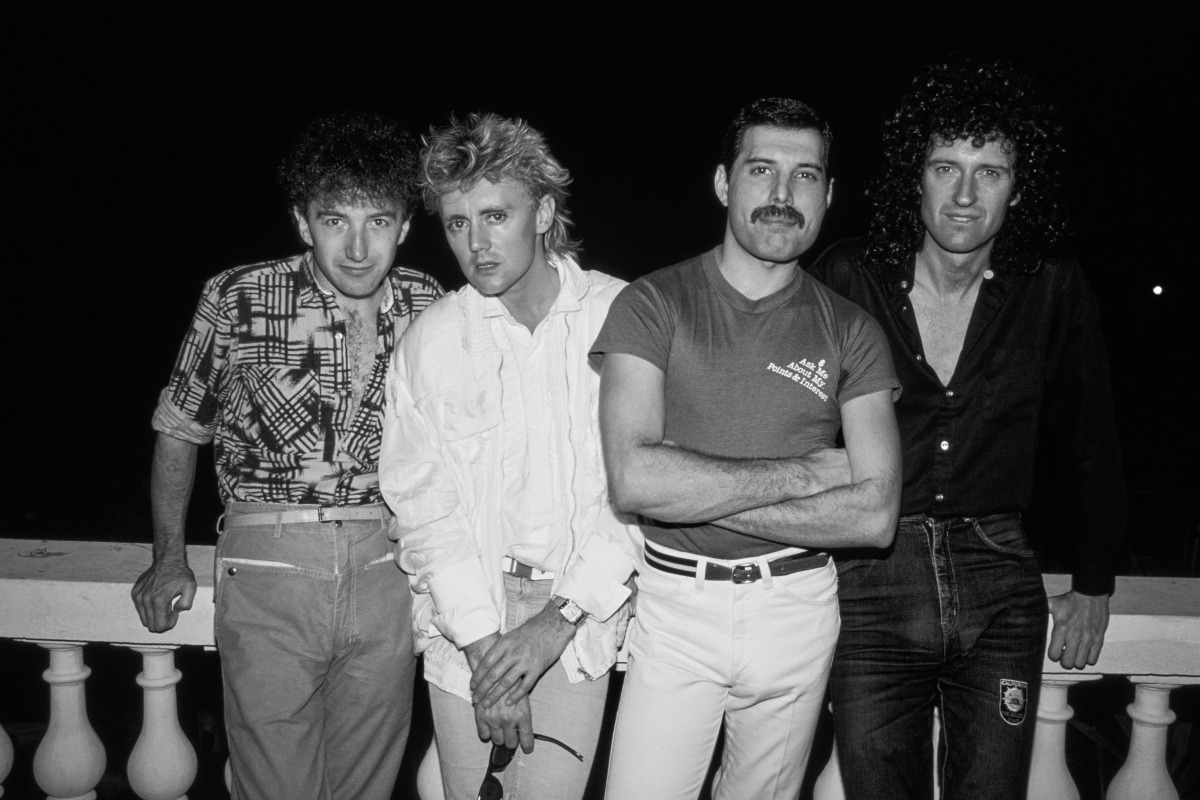
The moral panic stirred up by the video for Queen’s 1984 hit ‘I Want To Break Free’ shows how times have changed.
Back then, the sight of the four members of one of the world’s biggest rock bands dressed as glammed-up housewives was enough to tank the band’s prospects in the United States.
‘All around the world people laughed and they got the joke and they sort of understood it,’ guitarist Brian May told NPR Radio in 2010.
‘I remember being on the promo tour in the Midwest of America and peoples’ faces turning ashen and they would say, “No, we can’t play this. We can't possibly play this. You know, it looks homosexual.”’
Rightfully, it’s now seen as one of the band’s most brilliant videos.
13. Prince – 'Darling Nikki' (1984)
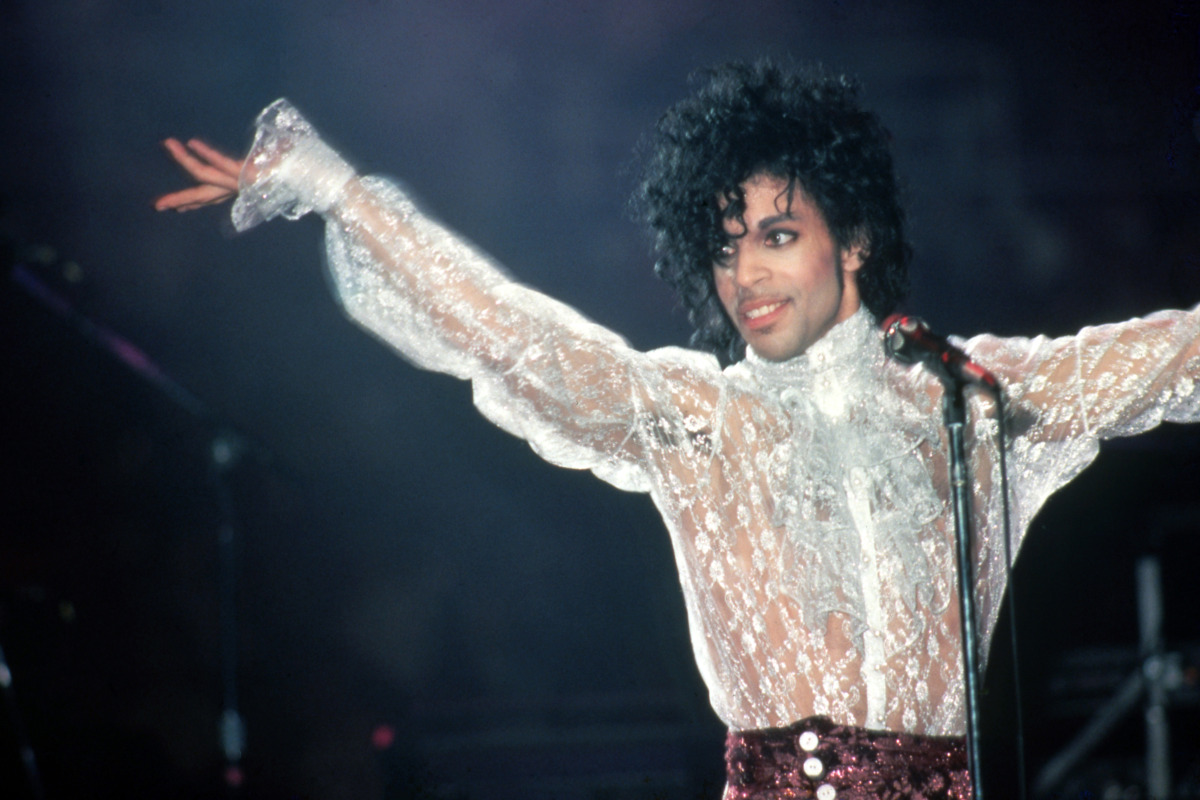
While Prince was hardly a stranger to raunchy subject matter (see pretty much all of 1980’s Dirty Mind), ‘Darling Nikki’, from his 1984 triumph Purple Rain caused the most controversy thanks to it being singled out by US social rights activist Tipper Gore.
When Gore heard her 11-year-old daughter listening to the song, which recounts a – possibly fictitious, but this is Prince, so who knows – dalliance with an incredibly forward young lady, she was appalled and began campaigning for parental control over songs with violent, drug-related or sexual themes.
Gore co-founded the Parents Music Resource Centre (PMRC), who successfully lobbied for albums with adult themes to feature a ‘Parental Advisory’ sticker on the front. Whether this reduced the sales of the offending albums or increased them is up for debate.
14. Madonna – 'Justify My Love' (1990)
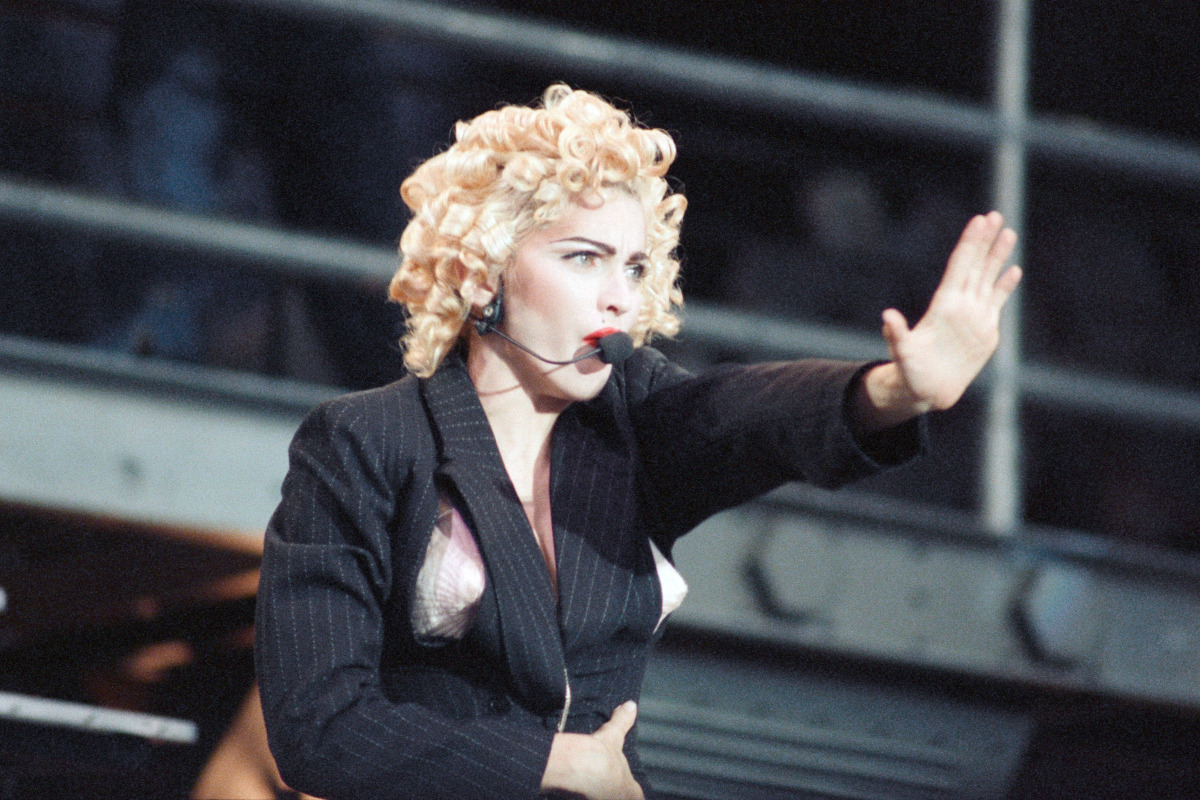
In 1990, Madonna was the biggest female pop star on the planet, but that didn’t stop MTV from banning her video for the sultry, trip-hop-inspired ‘Justify My Love’.
The song was one of the pop icon’s most experimental to date, with breathy, spoken word vocals focusing on sexual fantasies and female empowerment.
The song’s black-and-white video was just as racy and the day after it was premiered on MTV, the network announced they were banning it, leading to a media storm.
The controversy helped the single to No 1 in the US chart and when the video was released as a VHS, over a quarter of a million copies were sold.
15. Robin Thicke – 'Blurred Lines' (2013)
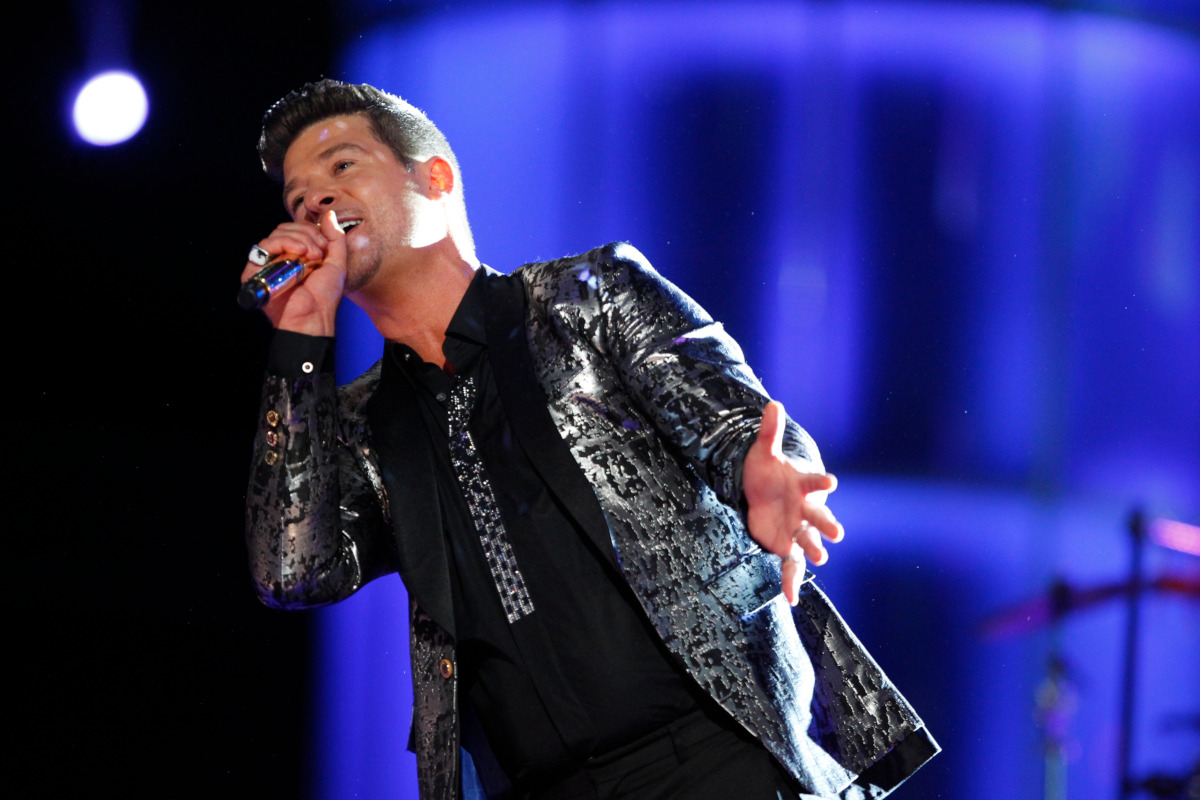
Robin Thicke’s international hit ‘Blurred Lines’ became a lightning rod for controversy back in 2013, after the song’s lyrics and risqué video were criticised for their attitude towards sex and consent.
The furore caused by the song led to demonstrations and student unions across the UK taking the unusual step of banning the song.
The fall-out from the episode meant that, despite the huge success of ‘Blurred Lines’, Thicke’s career has never recovered, with only one of his songs since troubling the US Top 100.
All pics Getty Images
Top image Serge Gainsbourg with Jane Birkin in their Paris home in 1969


