
Some bands thrive on harmony. Others thrive on the exact opposite.
The history of rock is littered with groups who created extraordinary music while living through extraordinary dysfunction — bands fuelled by ego, addiction, rivalry and sheer bloody‑mindedness. They fought, they split, they sued each other, they refused to record in the same room, yet somehow the albums kept coming, and many became classics.
This feature explores the fifteen most volatile bands ever to grace a studio. These are the groups whose internal battles shaped their sound as much as any producer or songwriter. The Eagles threatening violence backstage, Aerosmith imploding mid‑session, Metallica screaming through therapy, Fleetwood Mac turning heartbreak into art — each story is a reminder that sometimes the greatest records are forged in fire. They couldn’t stand each other, but they made history anyway.
1. Eagles
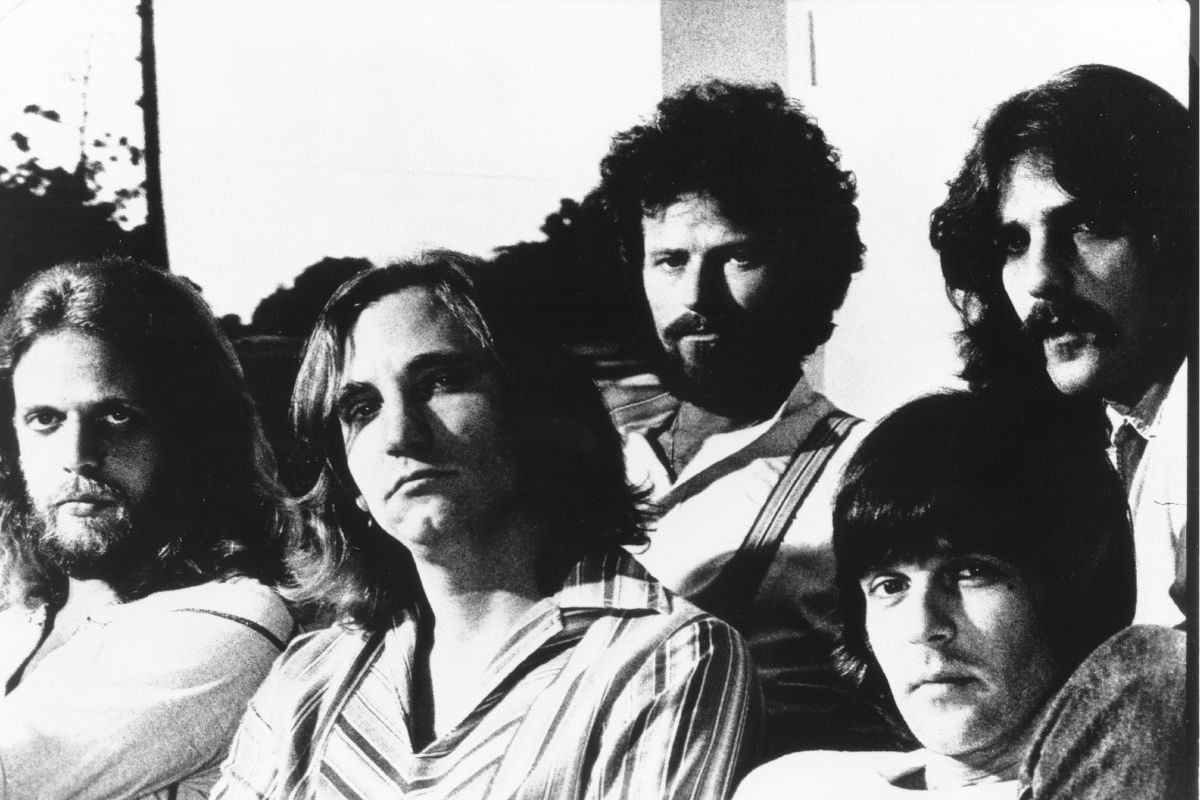
The Classic Album: Hotel California (1976)
The Volatile Dynamic: Glenn Frey and Don Henley vs. Don Felder.
The Tension: Underneath the breezy, laid-back California harmonies lay an incredibly cold, corporate hierarchy. Frey and Henley ruled the band with an iron fist, while guitarist Don Felder grew increasingly resentful of his creative and financial sidelining.
The Killer Anecdote: The tension exploded on stage in 1980 at a political benefit show (famously dubbed "The Long Night at Wrong Beach"). Angered by a perceived snub backstage, Frey and Felder spent the entire concert muttering threats to each other between songs, with Frey telling the crowd, "Only three more songs till I kick your ass, pal."
2. Metallica
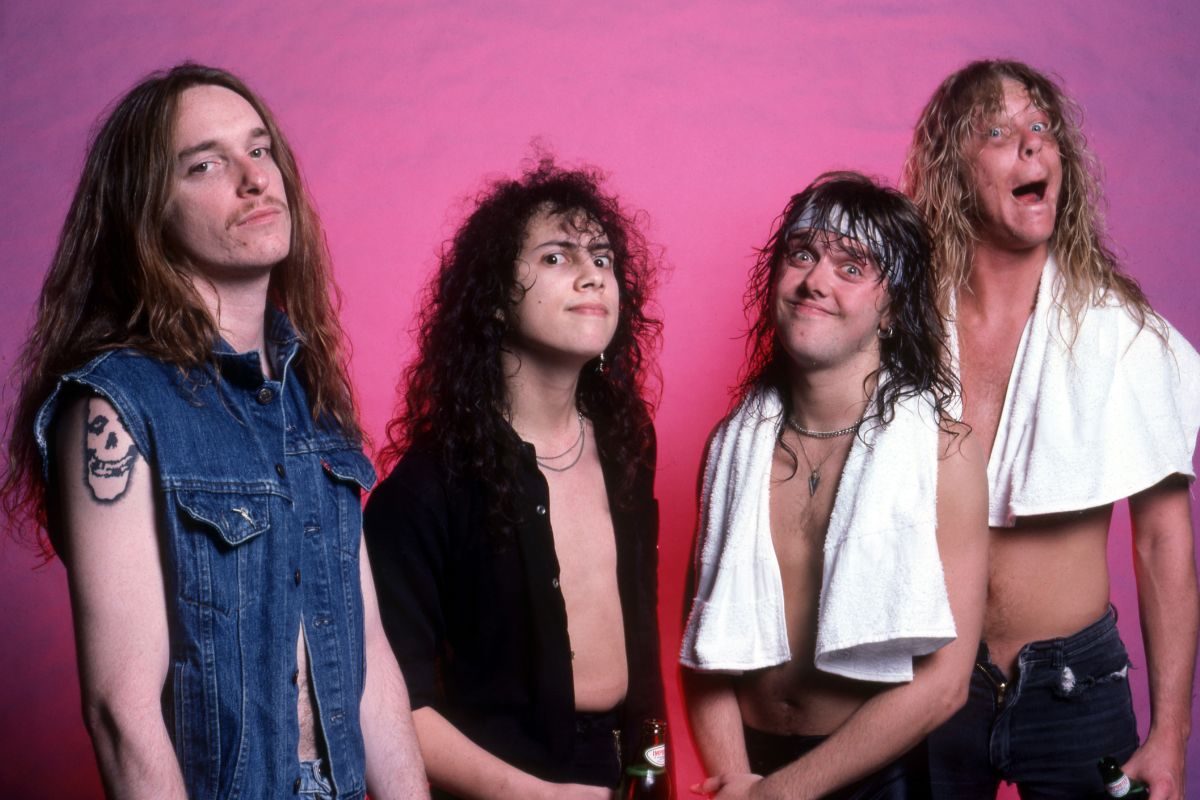
The Classic Album: Master of Puppets (1986)
The Volatile Dynamic: James Hetfield vs. Lars Ulrich.
The Tension: Metallica’s creative engine has always been a collision: Hetfield, the stoic riff machine obsessed with precision and discipline, vs. Ulrich, the hyper‑verbal conceptualist who pushes the band into new territory – sometimes against everyone’s will. Their differing visions fuel the band’s greatness, but also its most explosive arguments.
The Killer Anecdote: During the sessions for Metallica's somewhat polarizing 2003 album St. Anger, the two clashed so intensely that they needed on‑camera therapy just to stay in the same room. In Some Kind of Monster, Hetfield storms out for months, Ulrich screams in his face, and the band nearly collapses – yet somehow emerges with a completed album and a renewed, if fragile, partnership.
3. Guns N' Roses
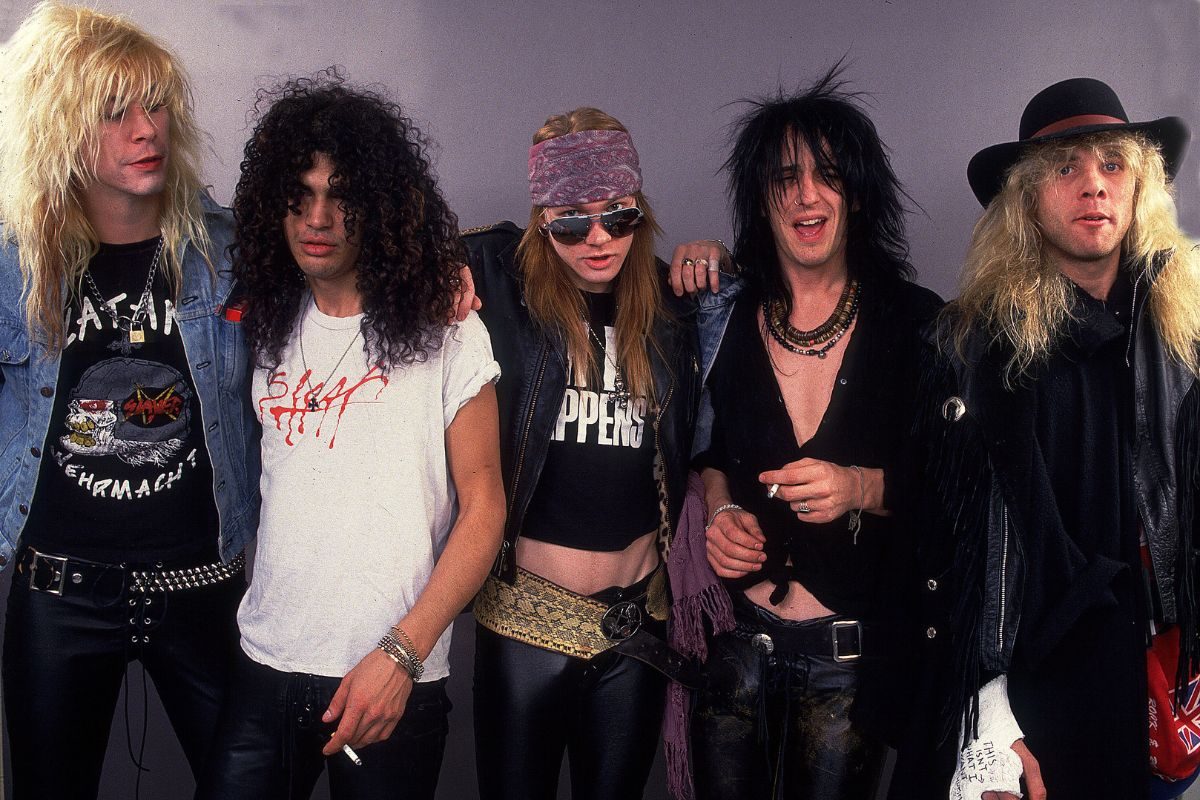
The Classic Album: Appetite for Destruction (1987)
The Volatile Dynamic: Axl Rose vs. Slash and Izzy Stradlin.
The Tension: Five street-level junkies and outcasts captured lightning in a bottle, but they could never survive the massive gravity of Axl Rose’s perfectionism, erratic behaviour, and desire for absolute control.
The Killer Anecdote: During their massive 90s stadium tours, Axl would routinely refuse to go on stage for hours, holding tens of thousands of fans hostage while the band sat in silent, raging agony backstage. By the time Axl legally seized the rights to the band name in the mid-90s, the original lineup was utterly decimated.
This behaviour caused massive riots – most notably the Riverport Riot in St. Louis (1991) and the Montreal Riot the following year – and cost the band millions in curfew violation fines. Backstage, bandmates Slash, Duff McKagan, and Matt Sorum have all written extensively in their autobiographies about the agonizing, helpless, and raging waits they endured night after night.
4. Crosby, Stills, Nash & Young
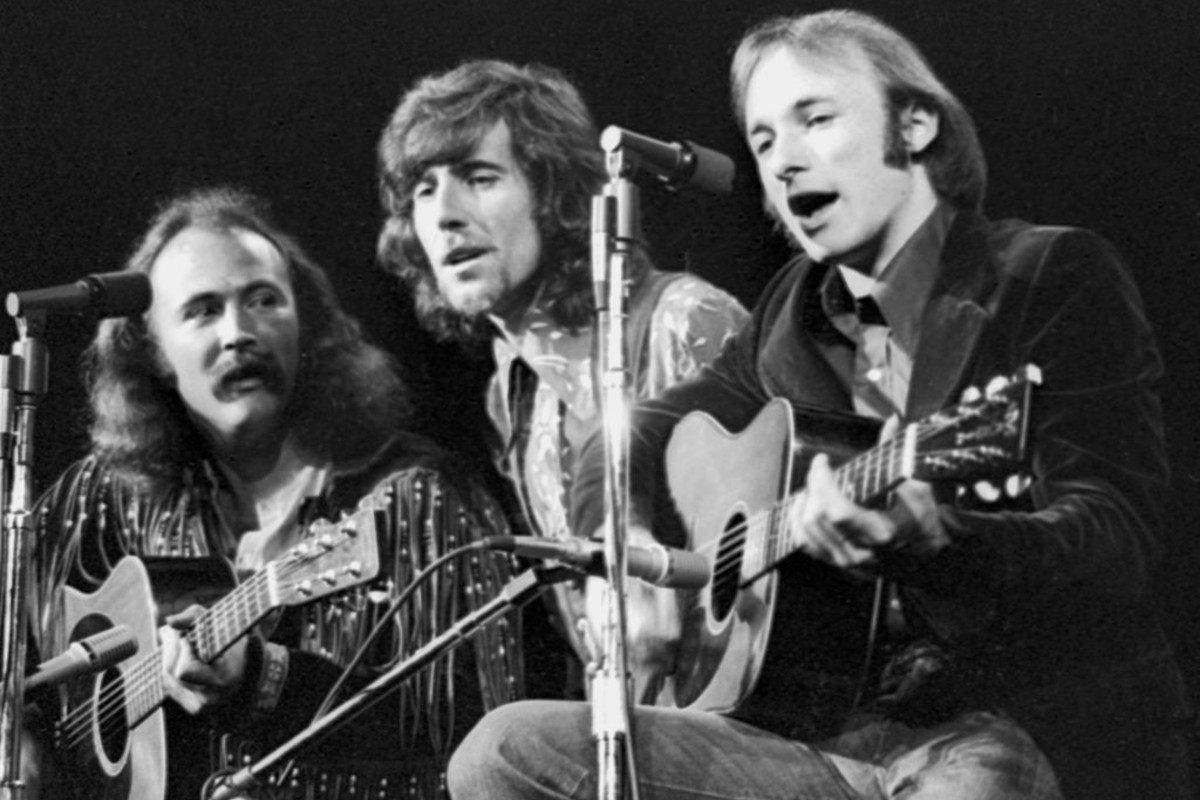
The Classic Album: Déjà Vu (1970)
The Volatile Dynamic: David Crosby, Stephen Stills, Graham Nash, and Neil Young (everyone vs. everyone).
The Tension: A collision of four fiercely brilliant, intensely competitive, and deeply self-absorbed solo artists. CSNY was less a band and more a shifting, fragile alliance of massive egos.
The Killer Anecdotes: On stage, Stills and Young behaved like two longhorn stags locked in combat. They routinely turned their amplifiers up to deafening volumes, physically leaning into each other's spaces to aggressively drown each other out in screaming, feedback-laden electric guitar duels.
In 1974, at the height of their success, CSNY embarked on a legendary, stadium-filling reunion tour that David Crosby famously dubbed the 'Doom Tour'. Driven by colossal egos and staggering amounts of cocaine, the band members traveled in three separate private Learjets, flew in separate helicopters, rented out entire hotel floors to avoid one another, and famously demanded that all hotel pillowcases across the continent be custom-embroidered with the CSNY logo prior to their arrival.
Neil Young's exits from the group were notoriously abrupt and icy. In 1976, midway through a tour promoting a joint album with Stills, Young simply vanished without warning. Stills discovered he was alone when he received a famously brief, cold telegram from Neil that read: "Dear Stephen, funny how some things that start spontaneously end that way. Eat a peach. Neil."
5. Van Halen
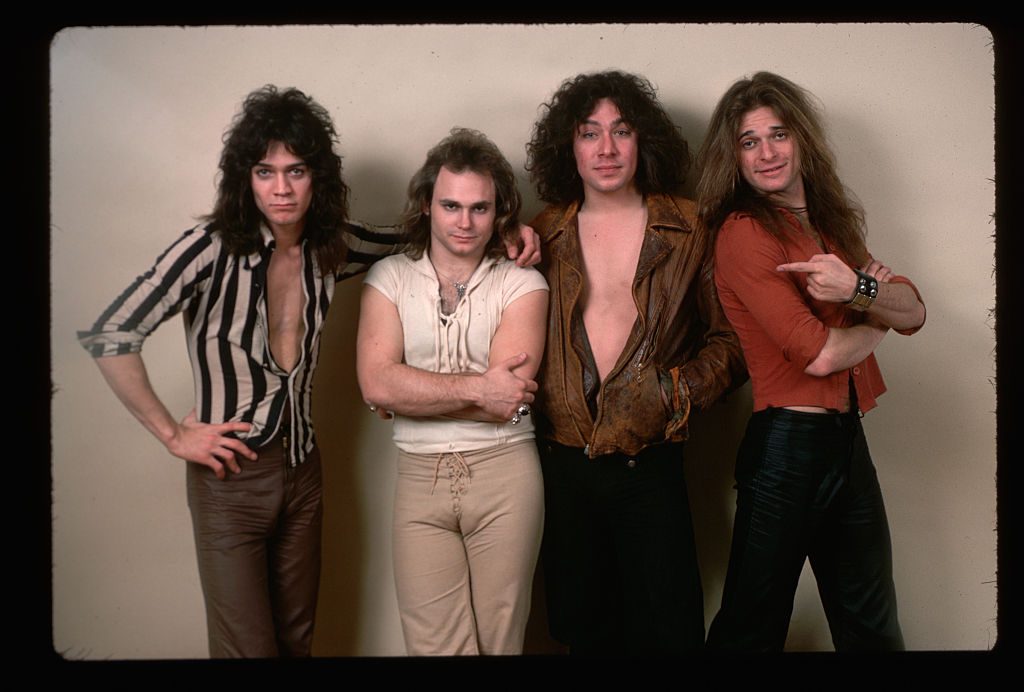
The Classic Album: 1984 (1984)
The Volatile Dynamic: Eddie Van Halen vs. David Lee Roth.
The Tension: A classic clash of artistic archetypes: Eddie, the quiet, obsessive guitar virtuoso who wanted to make serious, complex music, vs. Diamond Dave, the charismatic, vaudevillian showman who viewed rock-and-roll as a non-stop, neon-colored party.
The Killer Anecdote: Despite conquering the world with 1984, the two could barely occupy the same room. Roth’s relentless mugging and media-hogging during their peak tour pushed the famously insular Van Halen brothers to a breaking point, leading to Dave’s sudden exit at the absolute height of their commercial powers.
6. The Everly Brothers
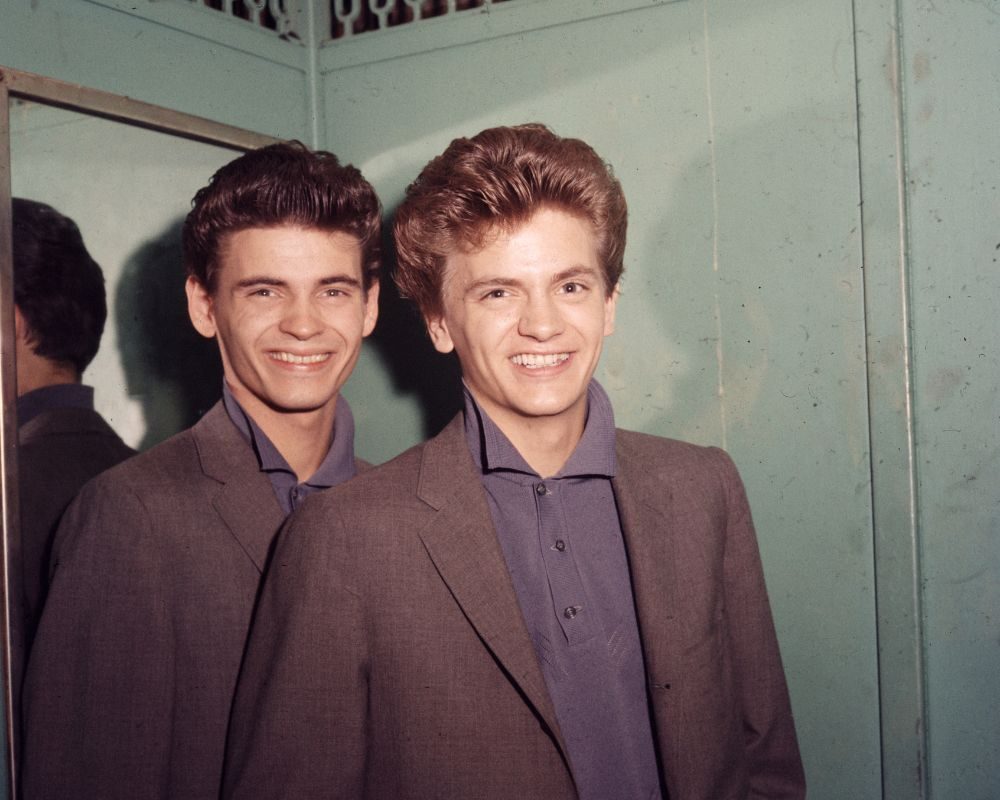
The Classic Album: Songs Our Daddy Taught Us (1958)
The Volatile Dynamic: Brothers Don Everly vs. Phil Everly.
The Tension: Sibling rivalry taken to its absolute, destructive extreme. They possessed some of the most beautiful, telepathic vocal harmonies in music history, but offstage, they lived in a state of absolute, icy silence.
The Killer Anecdote: At a show in California in 1973, a heavily intoxicated Don forgot the lyrics to their hits. Fed up after years of tension, Phil stood up, smashed his acoustic guitar over Don's head and walked off the stage, ending the band for a decade. They reportedly didn't speak a single word to each other for the next ten years.
7. Aerosmith
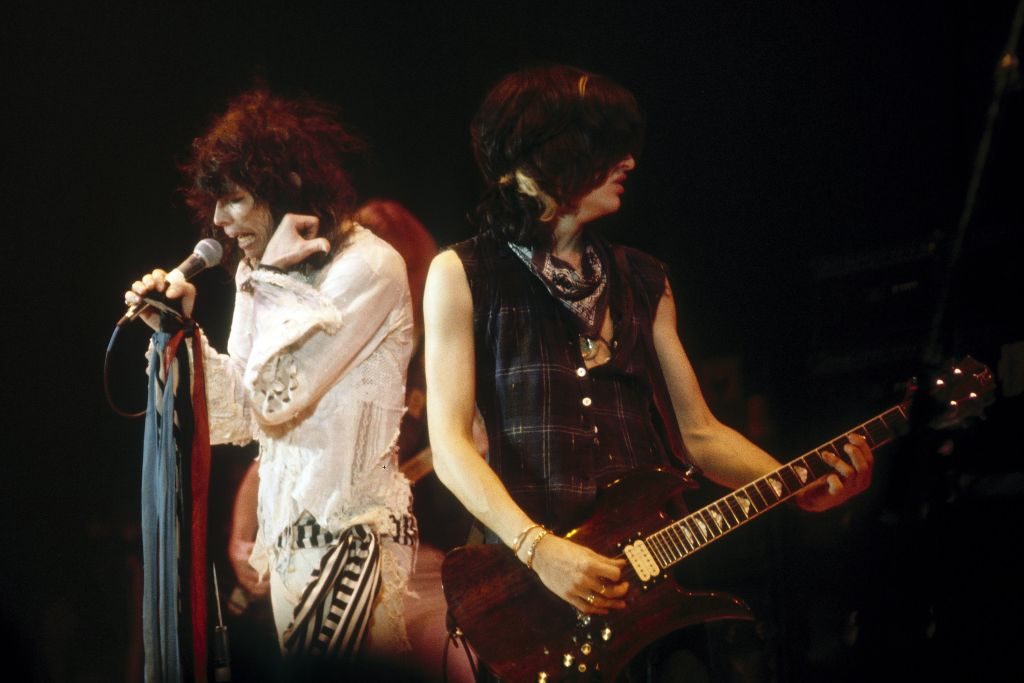
The Classic Album: Toys in the Attic (1975)
The Volatile Dynamic: Steven Tyler vs. Joe Perry.
The Tension: The Toxic Twins nickname wasn’t just about drugs – it was about two alpha personalities locked in a constant tug‑of‑war. Tyler, the flamboyant perfectionist frontman, wanted control over arrangements, image, and direction. Perry, the cooler, harder‑edged guitarist, bristled at Tyler’s dominance and pushed for a rawer, less polished sound.
The Killer Anecdote: By the late ’70s, the pair were barely functioning together. During the recording of 1979's Night in the Ruts, tensions boiled over when a backstage argument between Steven Tyler and Joe Perry — sparked by a scuffle involving their wives — erupted into a full‑blown row.
Perry, already frustrated by the band’s drug‑fuelled drift and Tyler’s increasingly controlling studio presence, stormed out mid‑session and quit soon after. His departure left Tyler scrambling to finish the album with stand‑ins, giving Night in the Ruts its disjointed feel and pushing Aerosmith into a commercial and creative tailspin they wouldn’t escape until their sober, improbable ’80s comeback.
8. Creedence Clearwater Revival
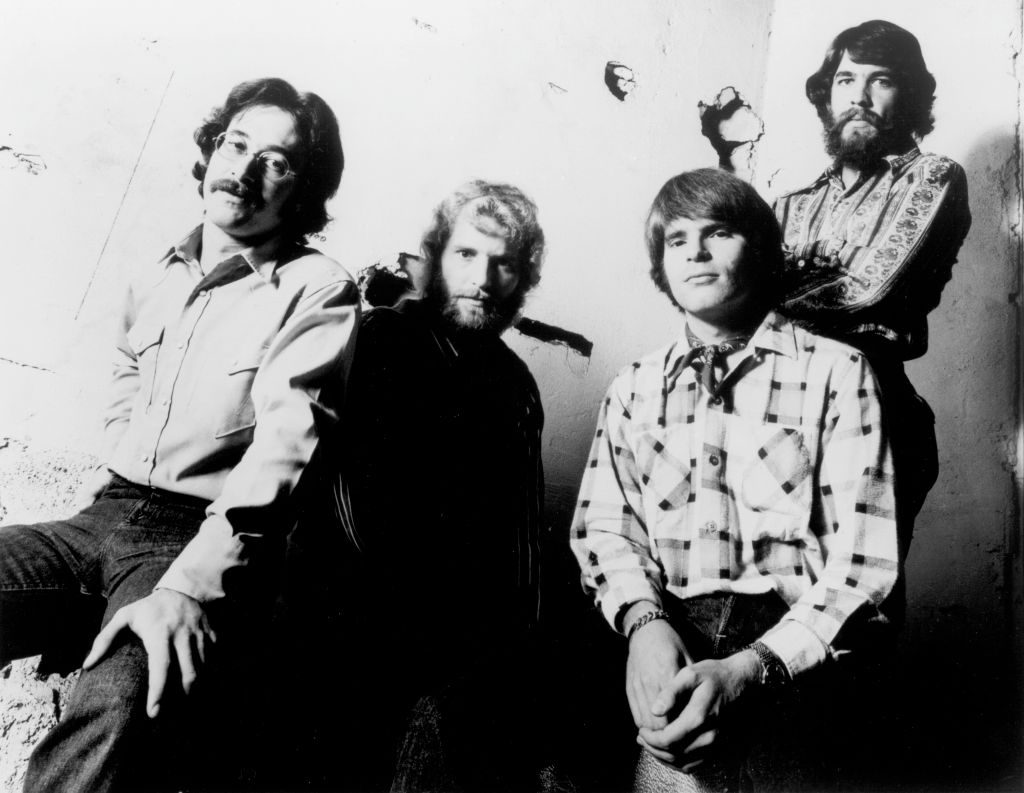
The Classic Album: Cosmo's Factory (1970)
The Volatile Dynamic: John Fogerty vs. Tom Fogerty, Doug Clifford, and Stu Cook.
The Tension: John Fogerty was the undisputed creative engine of Creedence – writing, singing, and producing every single one of their massive hits. However, his autocratic leadership style left the rest of the band (including his older brother, Tom) feeling like underpaid backing musicians.
The Killer Anecdote: The bitterness was so deep-seated that John Fogerty refused to speak to his brother Tom for years. At CCR's Rock and Roll Hall of Fame induction in 1993, meanwhile, their erstwhile frontman refused to play alongside his estranged bandmates, opting instead to share a stage with an all-star band that included Bruce Springsteen and Robbie Robertson.
9. Fleetwood Mac
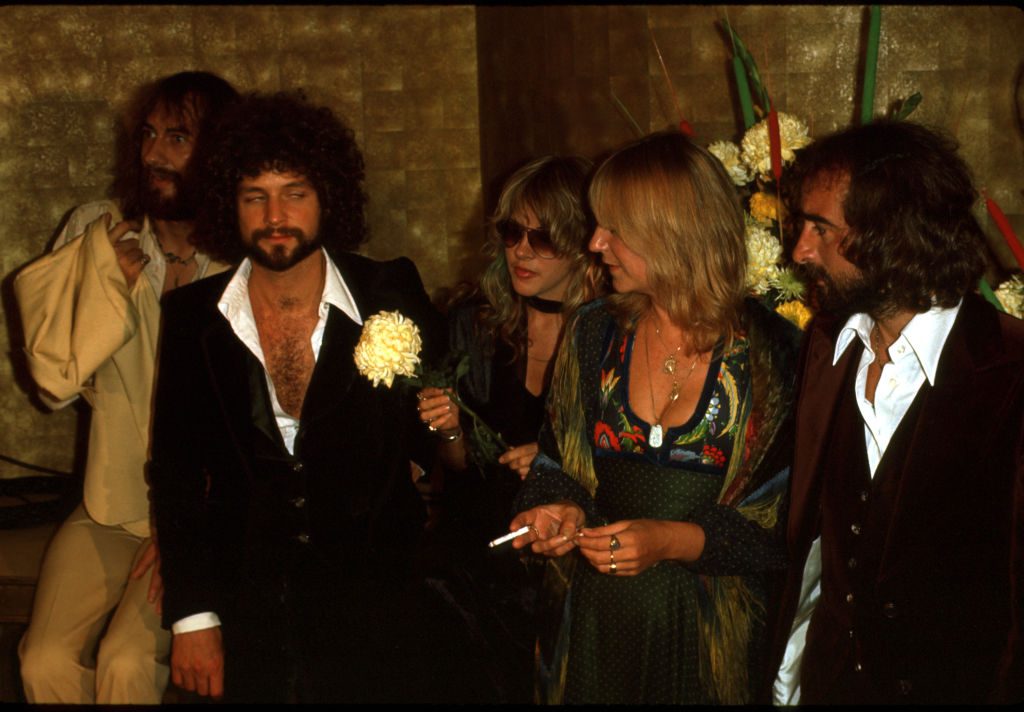
The Classic Album: Rumours (1977)
The Volatile Dynamic: John vs. Christine McVie; Lindsey Buckingham vs. Stevie Nicks.
The Tension: The ultimate soap opera set to a three-part harmony. During the recording of Rumours, both of the band's central couples were actively, bitterly divorcing or breaking up, while drummer Mick Fleetwood was dealing with his own marriage collapsing.
The Killer Anecdote: Unable to speak to each other without screaming, Fleetwood Mac only communicated through the lyrics they were writing — resulting in them standing in the studio singing brutal, acoustic insults directly into each other’s microphones (like Nicks singing ‘Pack up, shacking up is all you wanna do’ right at Buckingham).
That febrile atmosphere didn’t just colour Rumours; it is the album. The bitterness sharpened the songwriting, the heartbreak intensified the performances, and the emotional crossfire created a strange, combustible clarity. Rumours works because every line is loaded, every harmony is a negotiation, and every hook carries the sting of people tearing each other apart while trying to make something perfect.
10. KISS
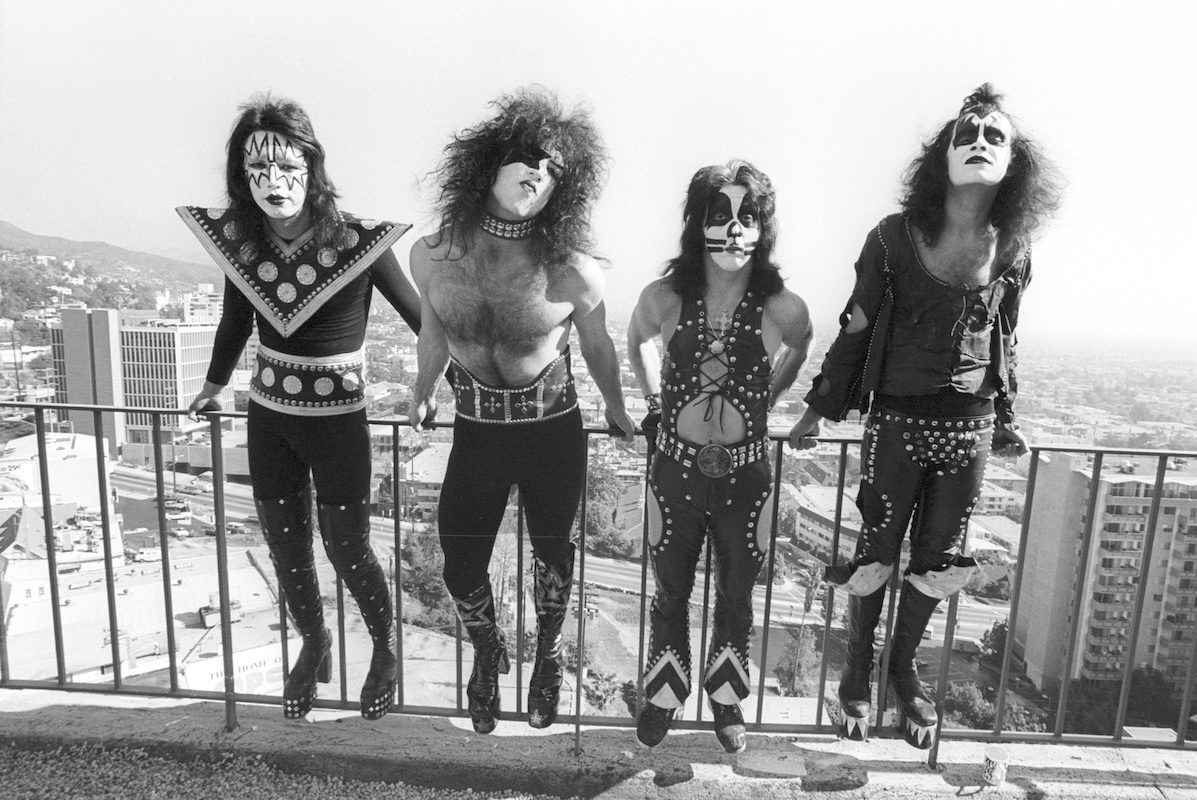
The Classic Album: Destroyer (1976)
The Volatile Dynamic: Gene Simmons & Paul Stanley vs. Ace Frehley & Peter Criss.
The Tension: KISS’s internal split was almost architectural: Gene and Paul, the disciplined strategists who treated the band like a business empire, vs. Ace and Peter, the volatile, hard‑living musicians who prized feel, spontaneity and chaos. Creative disagreements, drug issues and resentment over control turned the band into two warring factions.
The Killer Anecdote: During the making of Destroyer, producer Bob Ezrin repeatedly clashed with Criss and Frehley – to the point where session players quietly replaced them on key tracks. Ace once refused to show up for a major recording day because he was out joyriding and crashed his car. The album became a classic anyway, but the fractures never healed.
11. The Police
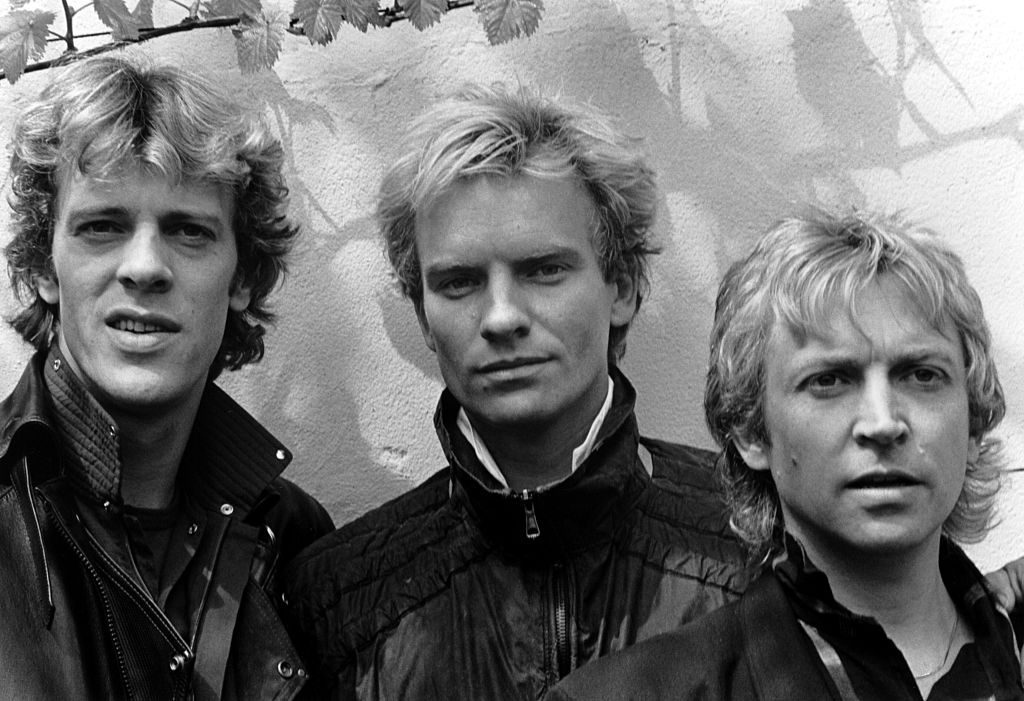
The Classic Album: Synchronicity (1983)
The Volatile Dynamic: Sting vs. Stewart Copeland and Andy Summers.
The Tension: A hyper-competitive, incredibly tense three-way power struggle. Sting was an elite pop songwriter who viewed the band as his personal vehicle, while Copeland was a wildly inventive, aggressive drummer who refused to be treated as a side-man.
The Killer Anecdote: Fistfights in the studio were a regular occurrence. While recording Synchronicity in Montserrat, the physical violence between Sting and Copeland grew so severe that producer Hugh Padgham had to separate them into different rooms just to get through the drum and bass tracks.
Six more great bands riven by internal warfare
The Beach Boys
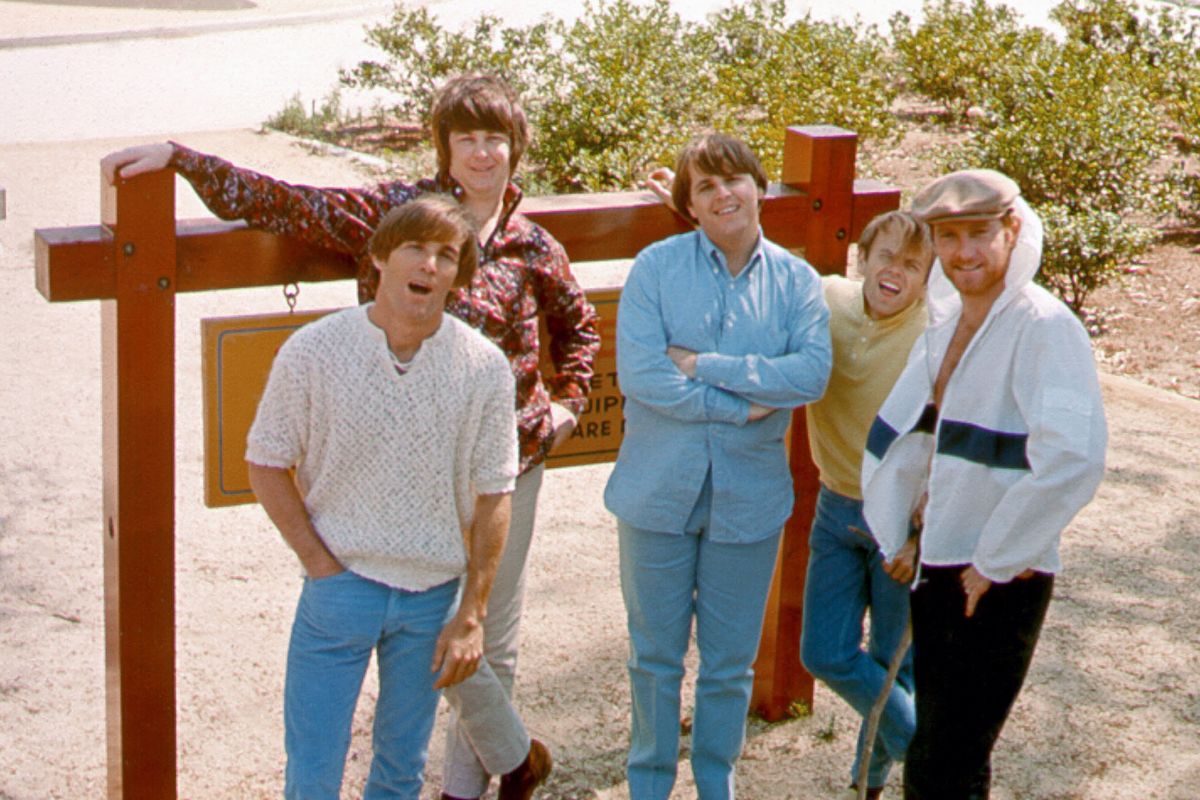
The Classic Album: Pet Sounds (1966)
The Volatile Dynamic: Brian Wilson vs. Mike Love.
The Tension: Brian Wilson was a fragile, progressive visionary trying to drag pop music into the avant-garde. Mike Love was a conservative pragmatist who wanted to keep singing lucrative, simple songs about surfing, girls, and hot rods.
The Killer Anecdote: Love famously fought Brian on the complex, introspective direction of Pet Sounds, reportedly sneering, "Who's gonna hear this? the ears of a dog?" The resulting decades-long feud devolved into endless lawsuits over songwriting credits, royalties, and the rights to the Beach Boys name.
Simon & Garfunkel
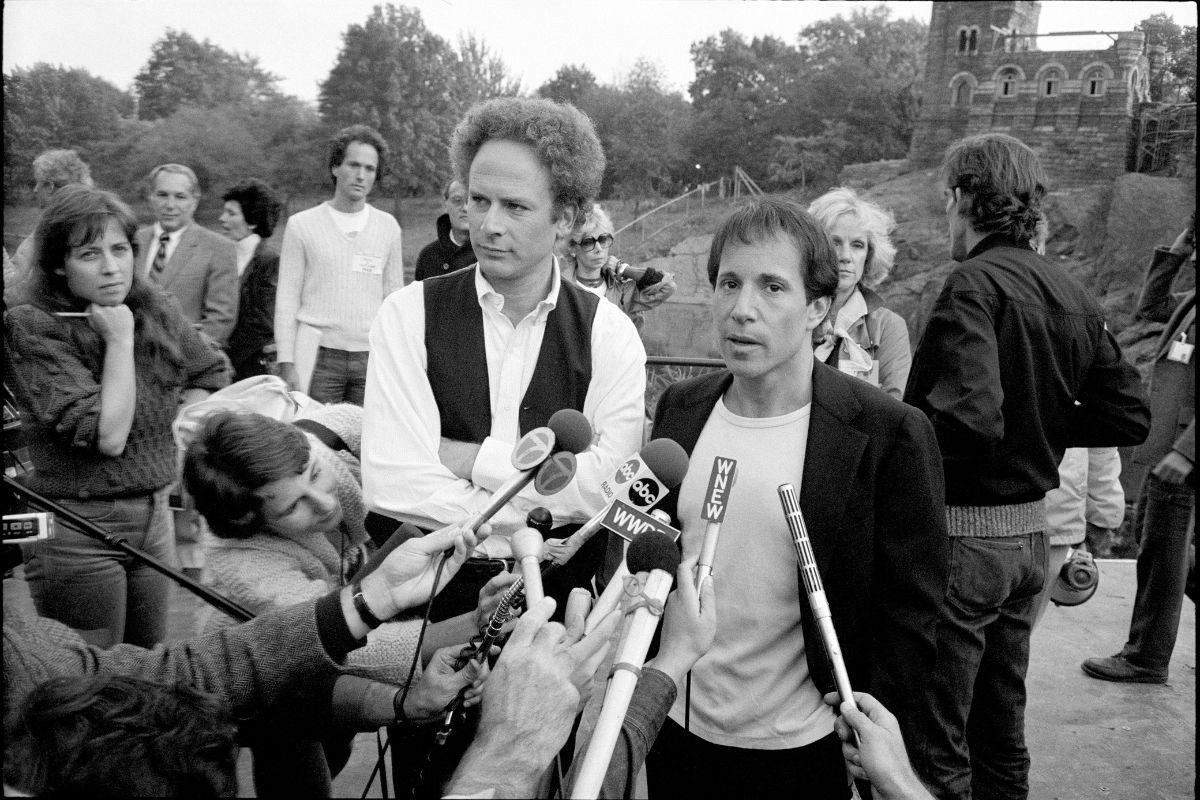
The Classic Album: Bridge Over Troubled Water (1970)
The Volatile Dynamic: Paul Simon vs. Art Garfunkel.
The Tension: A lifetime of passive-aggressive resentment. Simon wrote 100% of the brilliant songs, but Garfunkel possessed the angelic, soaring voice that brought them to life, creating a toxic imbalance of envy and insecurity.
The Killer Anecdote: While recording their masterpiece in 1969, Simon grew so frustrated with Garfunkel leaving the studio to act in the film Catch-22 that he wrote "The Only Living Boy in New York" as a direct, lonely swipe at his absent partner. They split immediately after the album's release and have spent the subsequent decades exchanging icy, public barbs.
Pink Floyd
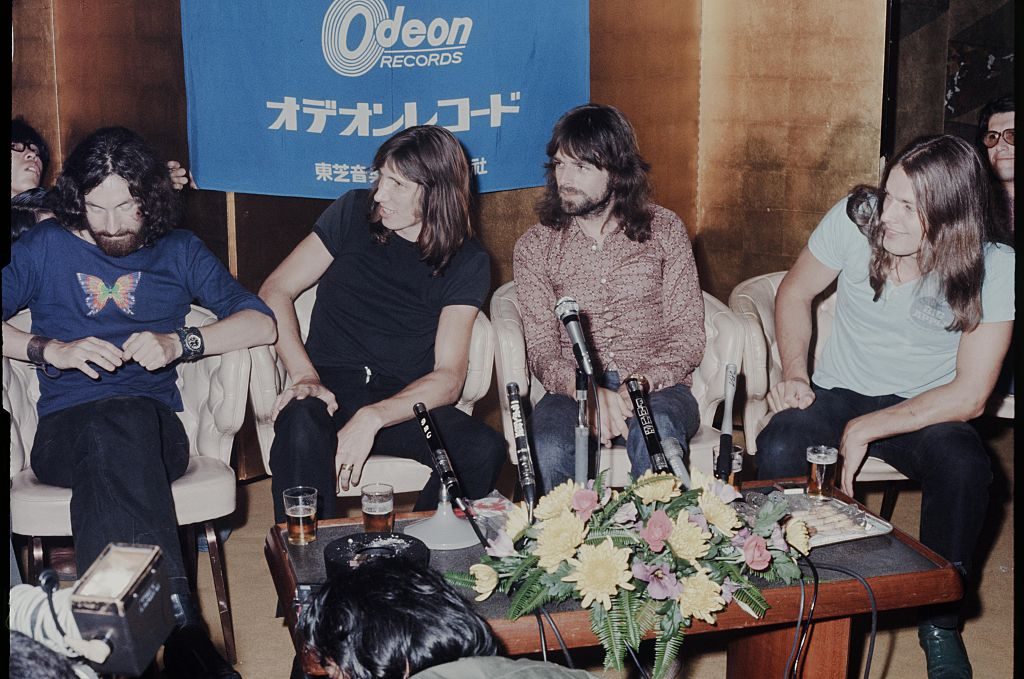
The Classic Album: The Wall (1979)
The Volatile Dynamic: Roger Waters vs. David Gilmour (and Richard Wright).
The Tension: An intellectual Cold War. Waters’ conceptual tyranny clashed violently with Gilmour’s desire for musical democracy, culminating in Waters systematically taking over the band and forcing out keyboardist Rick Wright during the sessions for The Wall.
The Killer Anecdote: By the time they toured The Wall, the animosity among Pink Floyd was so toxic that Waters stayed in a completely separate trailer and refused to look at or speak to the other members of the band, treating them merely as hired hands to bring his personal epic to life.
The Kinks
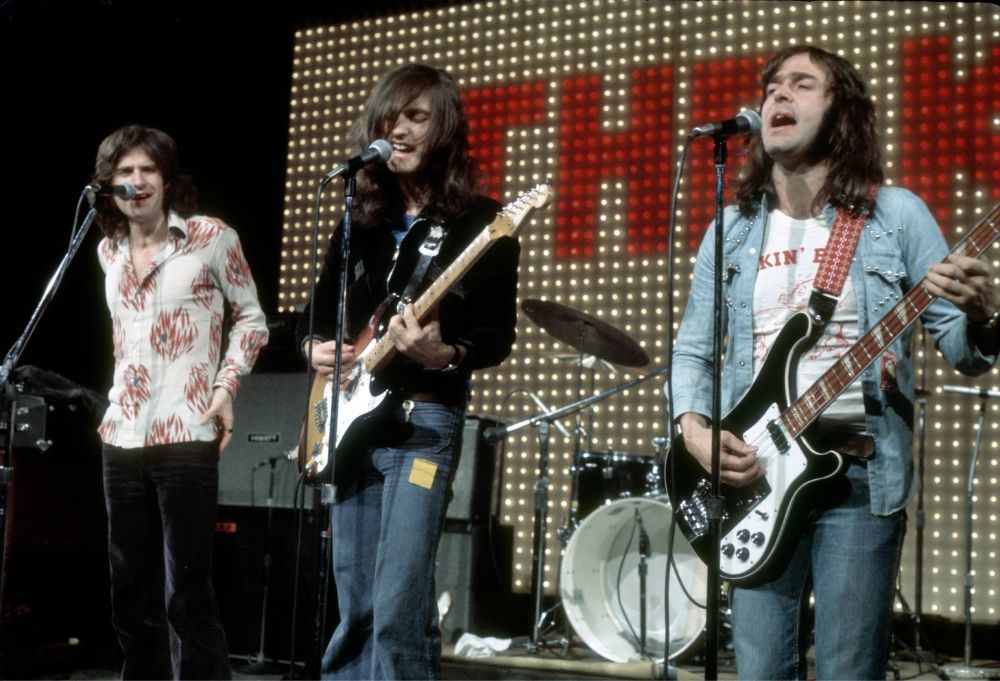
The Classic Album: The Kinks Are the Village Green Preservation Society (1968)
The Volatile Dynamic: Ray Davies vs. Dave Davies.
The Tension: The original, chaotic prototype of British brotherly hatred. While Dave was a wild, hard-living guitar slinger, Ray was a quiet, controlling, and deeply eccentric songwriter.
The Killer Anecdote: Their fights are legendary, featuring Ray destroying Dave's 50th birthday cake with his shoe, Dave throwing teacups at Ray in the studio, and Dave famously summarizing their relationship: "Ray is a genius, but he’s also an asshole."
Oasis
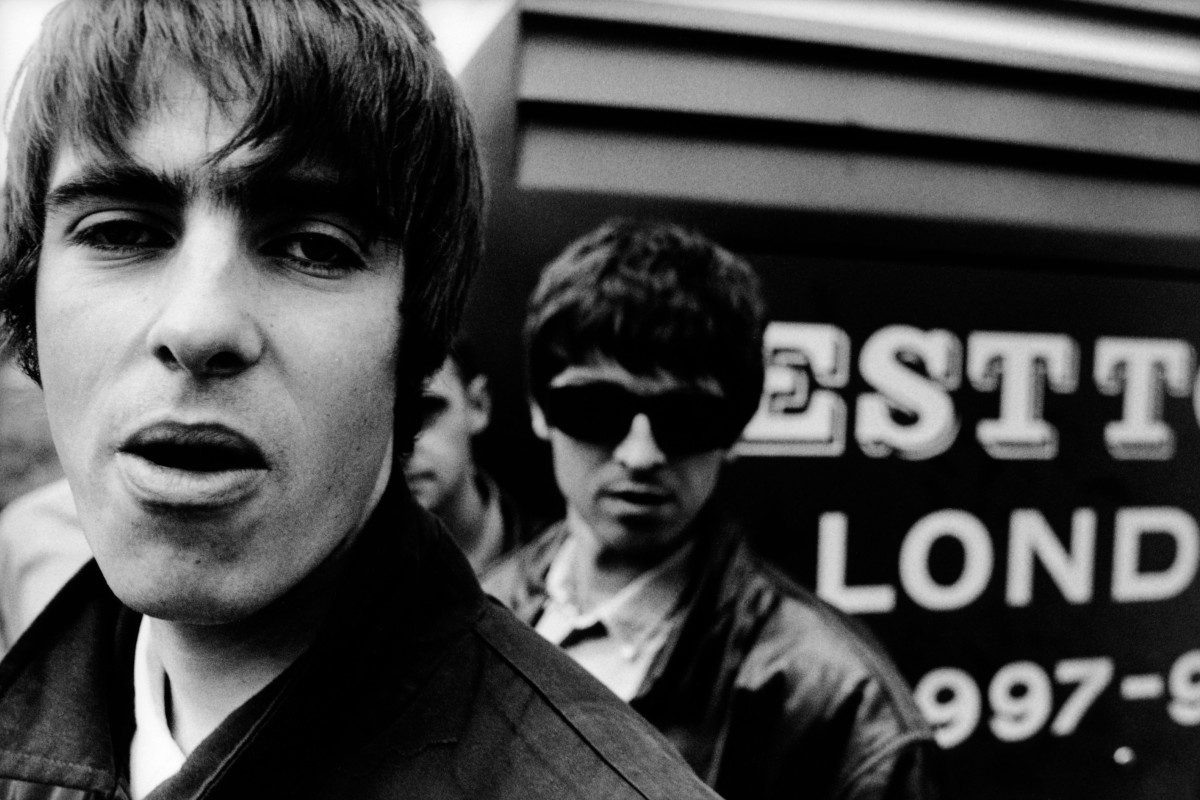
The Classic Album: (What's the Story) Morning Glory? (1995)
The Volatile Dynamic: Noel Gallagher vs. Liam Gallagher.
The Tension: A loud, beer-fueled, sibling street fight played out on the front pages of the British and American music press. Noel wrote the anthems; Liam sang them with unmatched swagger, and neither could stand the other getting the credit.
The Killer Anecdote: While recording Morning Glory, Liam brought a group of drunk pub patrons back to the studio while Noel was trying to work. Noel reacted by hitting Liam over the head with a cricket bat. The band finally imploded for good in 2009 in a dressing room in Paris after Liam swung Noel's guitar like an axe.
The Clash
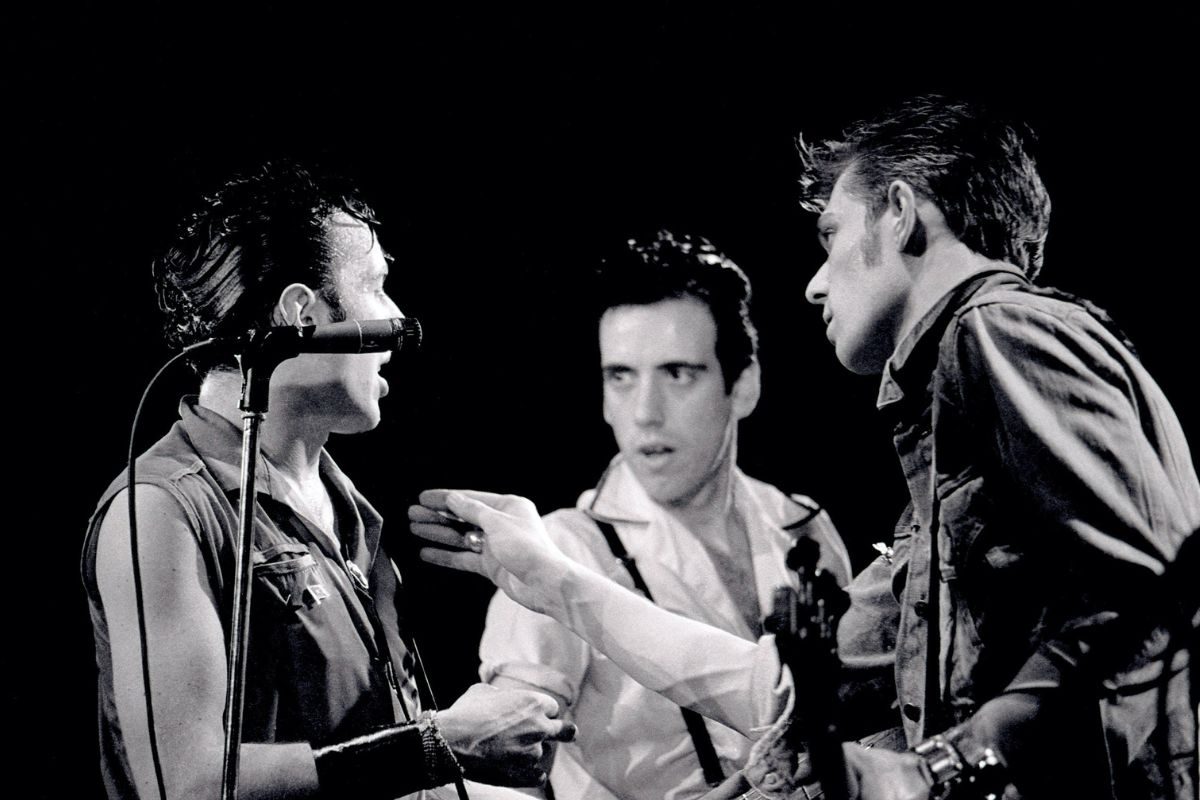
The Classic Album: London Calling (1979)
The Volatile Dynamic: Joe Strummer vs. Mick Jones.
The Tension: The classic "art school vs. street" clash. Joe Strummer was the politically pure, uncompromising punk idealist; Mick Jones was the musically ambitious, pop-minded genius who wanted to incorporate hip-hop, disco, and stadium hooks.
The Killer Anecdote: Strummer grew so frustrated with Jones’ increasingly rock-star behavior (such as showing up late to rehearsals and demanding expensive studio gear) that he colluded with manager Bernie Rhodes to sack Jones from the band in 1983, effectively killing the group in the process.


