
'A working class hero is something to be,' sang John Lennon.
The truth, though, is that it’s incredibly difficult to make it in show-business unless you have the security, connections and confidence that comes with wealth. Unsurprisingly then, over the years pop music has become the playground of the moneyed, with stars increasingly coming from backgrounds that offer a safety net should the second album flop.
Of course, this is a universal concept – just look at the moneyed backgrounds of US pop stars such as Taylor Swift and Billie Eilish – but there is something uniquely British about the concept of poshness.
Here then, is our pick of the 11 poshest acts in music. Spiffing.
The 11 poshest acts in rock
11. Pink Floyd
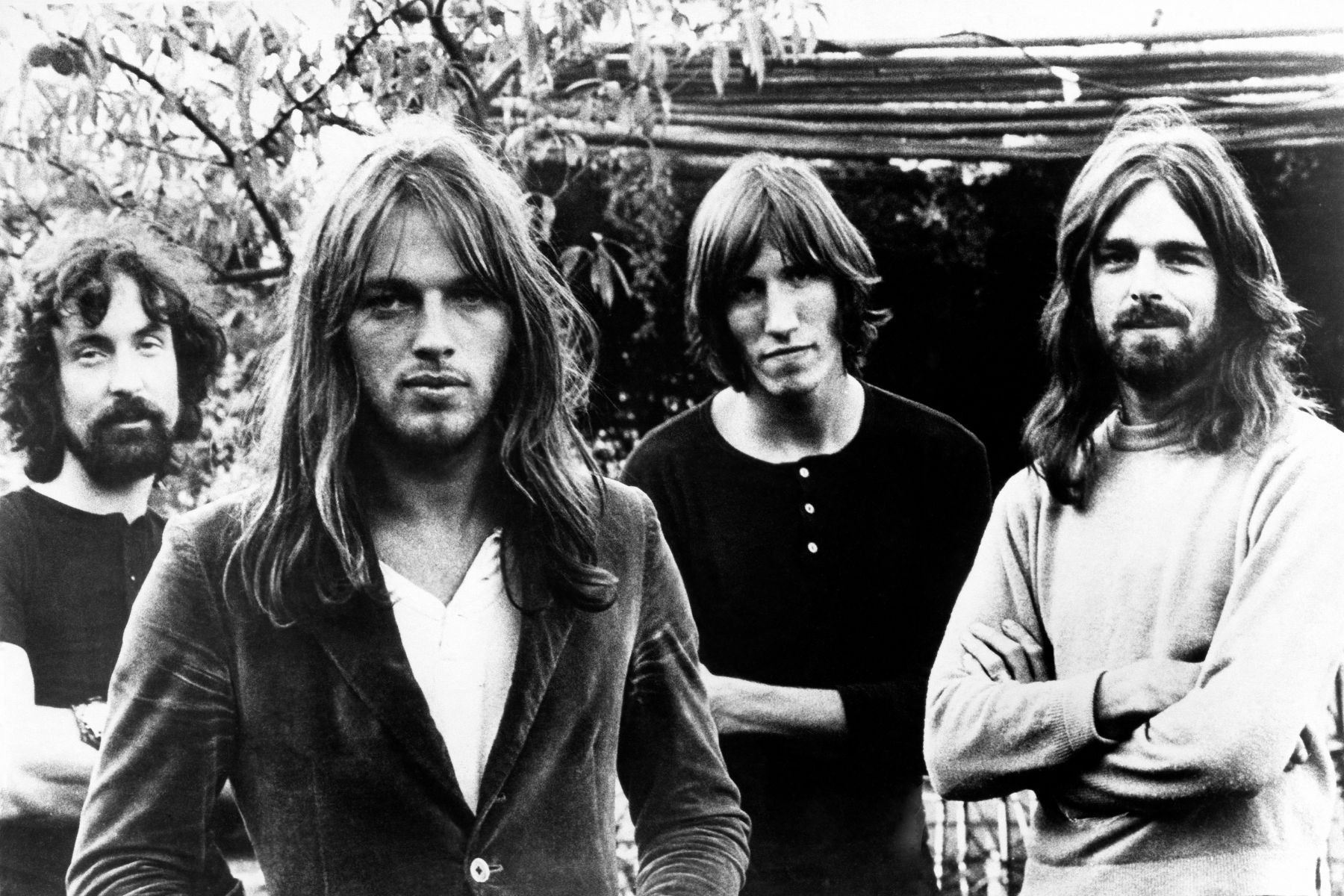
To many, Pink Floyd are seen as the ultimate in posh rockers, with their clipped accents and aloof attitudes. Indeed, guitarist David Gilmour’s father was Douglas Gilmour, a senior lecturer in zoology at Cambridge. Meanwhile, founder member Syd Barrett’s father was a prominent pathologist at Cambridge University and keyboardist Richard Wright attended Haberdashers’ Aske’s School, a private school in Surrey.
But not all of Floyd were to the manor born. Bassist Roger Waters was more aspirational middle class – his father was a schoolteacher and communist party member, while Waters met future Floyd drummer Nick Mason while studying architecture.
10. Supertramp
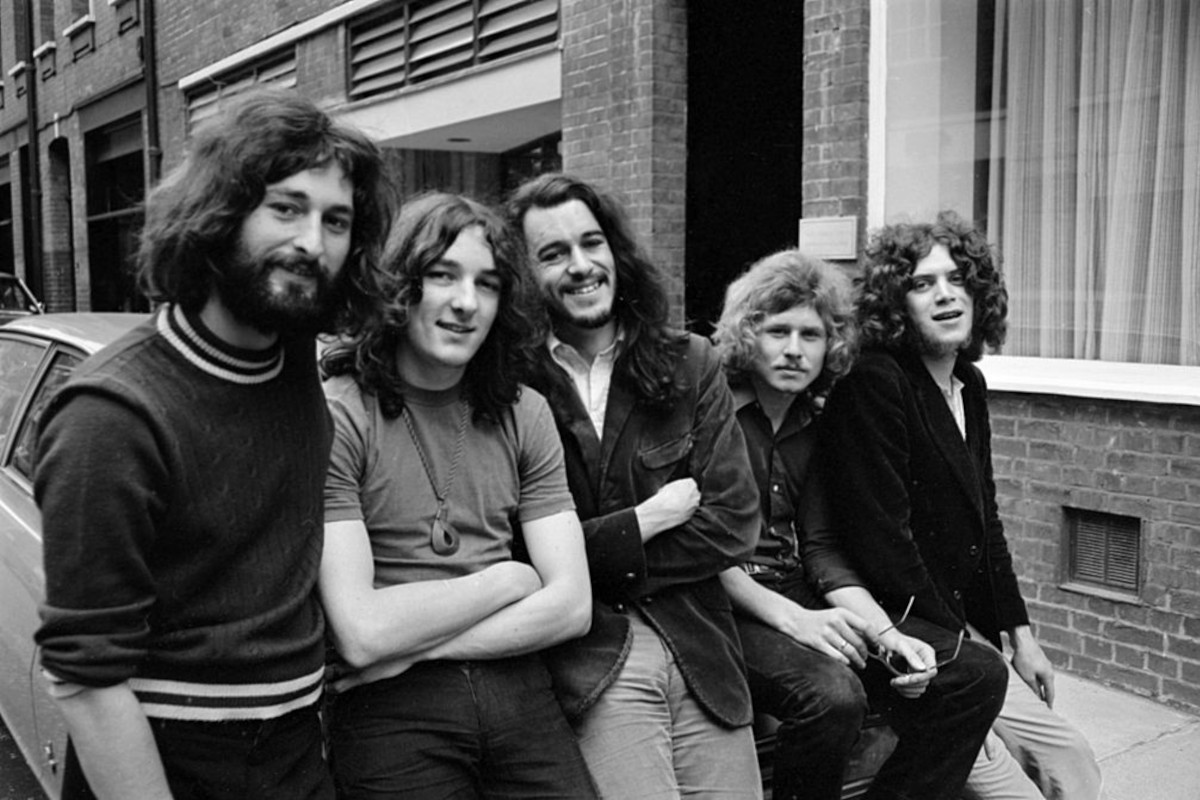
One of the most successful rock groups of the ’70s, Supertramp’s two frontmen showed both sides of the class divide – while Rick Davies was from a working-class background, Roger Hodgson attended the exclusive Stowe School in Buckingham.
But the biggest factor in their early success was also privilege – in the late ’60s Davies met Stanley ‘Sam’ August Miesegaes, a Dutch millionaire who was keen to get involved in the rock’n’roll business and essentially bankrolled the group’s early days, paying for rehearsal space, equipment and living expenses.
Miesegaes withdrew his support after the band’s second album, 1971’s Indelibly Stamped, was a flop but his backing had already got them underway – their next LP, 1974’s Crime Of The Century was their commercial breakthrough and featured the credit, ‘To Sam’, showing the band hadn’t forgotten the man who’d help them get there.
Here's 'School', in which Hodgson looks back on his schooldays with mixed emotions:
9. The Rolling Stones
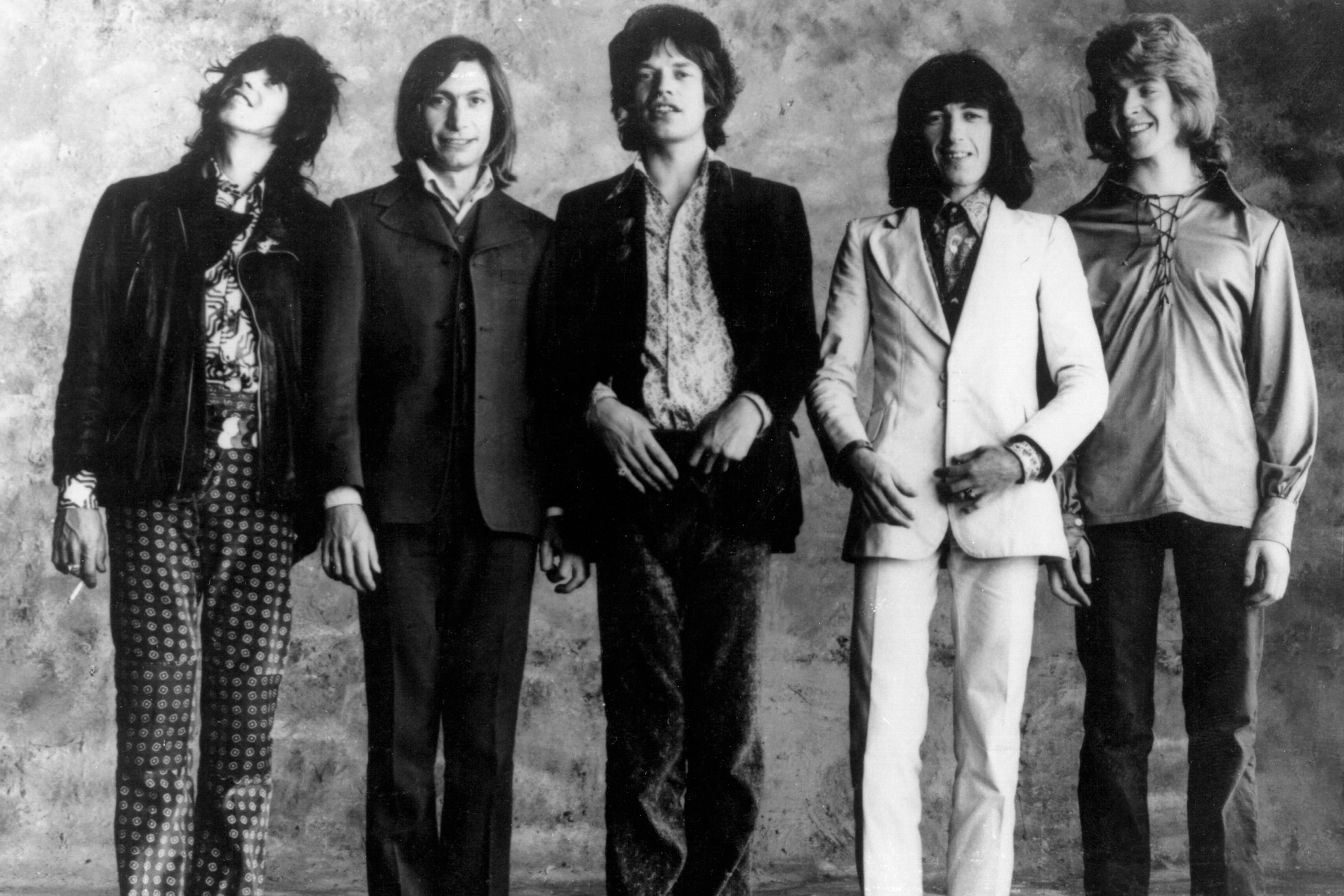
Andrew Loog Oldham had a knack for publicity – good and bad. When the then-19-year-old took over as the manager of blues upstarts The Rolling Stones in April 1963, he set about shaping the group’s image, making them the bad-boy antithesis of the besuited Beatles (Loog Oldham had previously worked for Beatles manager Brian Epstein).
"Every parent hated The Stones, which meant that just about every teenager loved them," said Loog Oldham. At least two of the Stones – Mick Jagger and Brian Jones – were far more well-to-do than their Liverpudlian counterparts.
Jagger studied at the London School of Economics and Jones’ father was an aeronautical engineer. Despite this, they became the ultimate rock’n’roll outlaws – amazing what marketing can do.
8. Tim Booth (James)
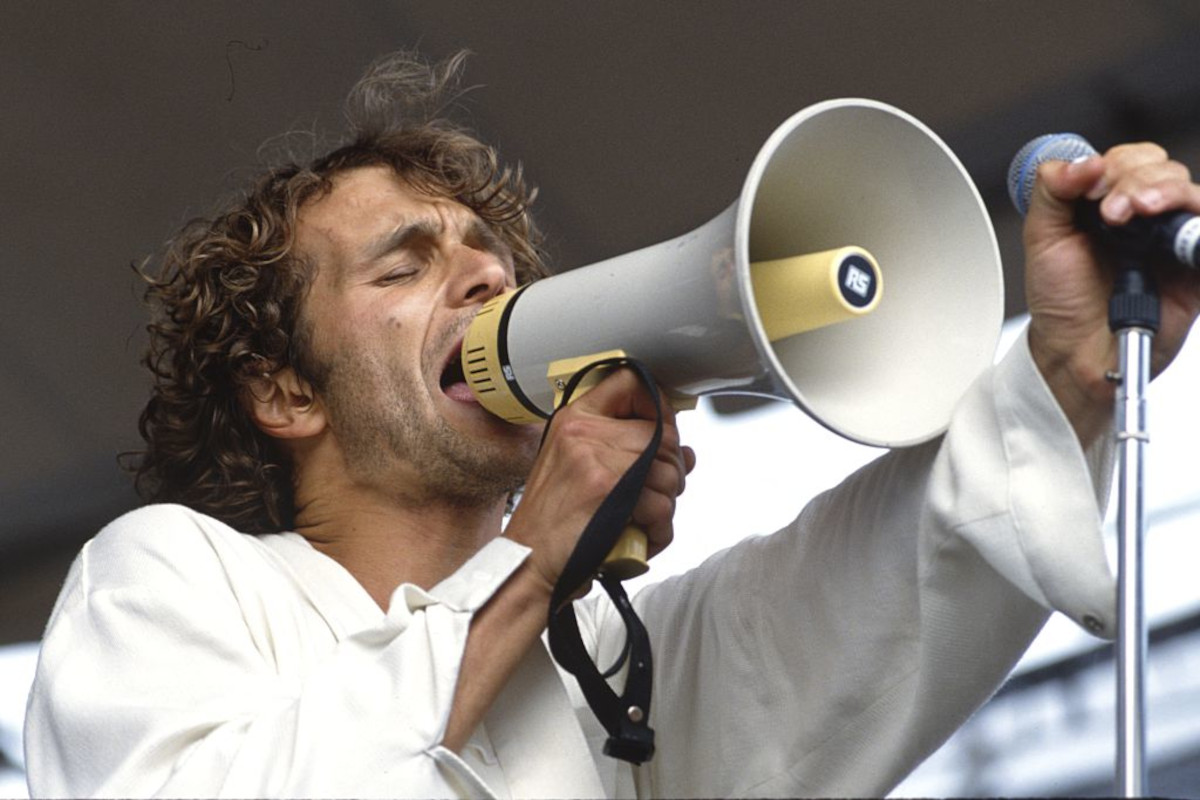
Formed in 1982, Manchester punks Model Team International were finding their feet on the local scene when bassist Jim Glennie encountered drama student Tim Booth dancing wildly at a student club night. Booth’s moves impressed Glennie enough for him to be asked to join the band, initially on backing vocals before taking the mic as lead singer.
In August that year, they changed their name to James and would go on to become one of the most successful UK indie bands of their time with hits such as ‘Sit Down’ and ‘Laid’. But few knew at the time that there was such as class disparity within the band.
Booth was educated privately, boarding at Shrewsbury School, and in a 2004 interview with The Independent, revealed that his nickname was ‘Monty Moneybags’. Booth credits his upbringing with his flamboyant, flailing stage manner, suggesting it’s a way of compensating for his strict upbringing.
7. Lily Allen

Singer-songwriter Lily Allen became a star overnight with her debut album Alright, Still back in 2006. Anybody unaware of her background might’ve heard her estuary inflections and dropped ‘t’s and assumed that Allen was a working-class Londoner. But Allen’s parents are actor Keith Allen (himself a public schoolboy prone to working-class cosplay) and film producer Alison Owen and she attended schools including Hill House (alma mater of our current king) and the super-swanky Bedales.
Allen got into the music biz in the early 2000s, singing with her dad’s comedy band Fat Les (for whom she sings on the memorable 'Who Needs Fish & Chips?', below) and was signed to Regal Recordings in 2005, aged 20. Allen went on to become one of the most notorious pop stars of the 2000s. Who says connections don’t help?
6. Florence and The Machine
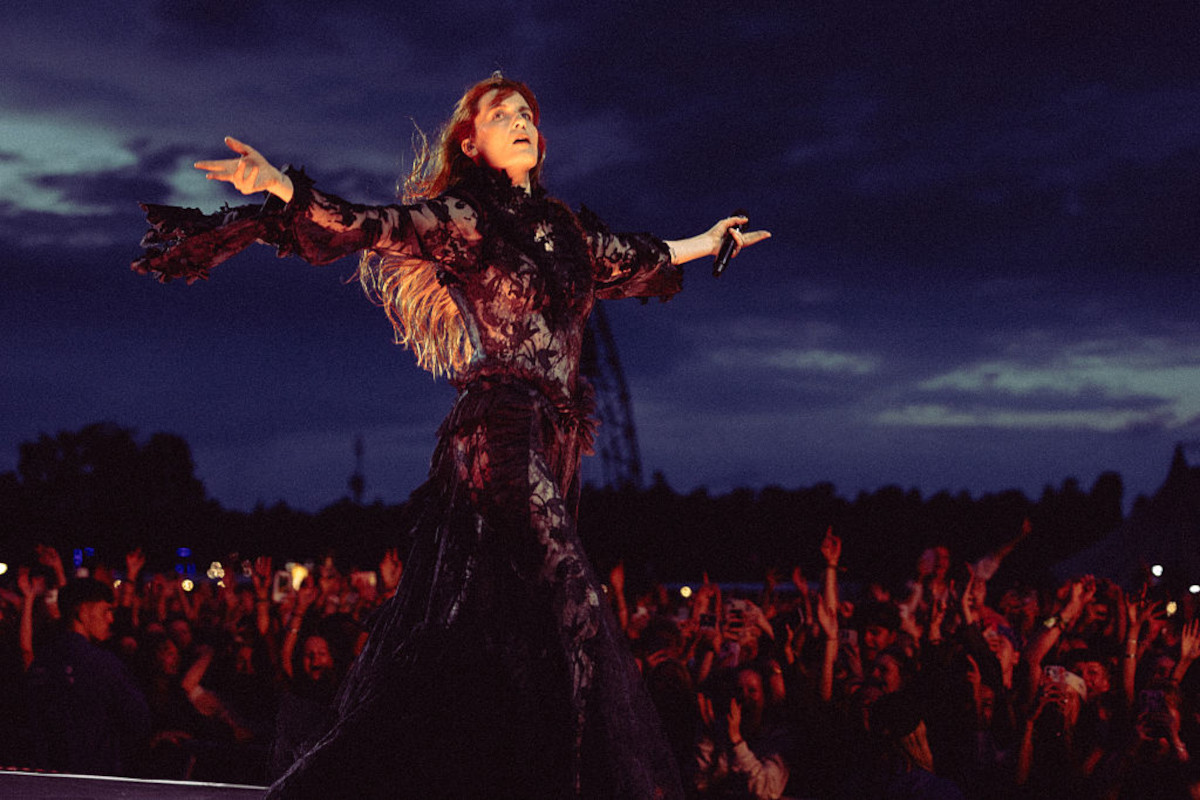
"It’s not like I have tea with the queen," protested Florence Welch in Interview magazine in 2009 when asked about her background, but the Florence and The Machine star had an undeniable head start in life. Her mother, Evelyn, is currently the vice chancellor of the University of Bristol and was previously a professor at King’s College London, specialising in renaissance art, while her father Nick is an advertising executive.
Florence attended the fee-paying independent Alleyn’s School in leafy Dulwich, London. The school’s rarified air played a huge part in cultivating Florence’s bohemian style, as she told NME in 2011, "My fashion icon is my old English teacher. She used to come to school in crushed-velvet gowns like a medieval maiden."
You don’t get that at the local comprehensive.
5. Chris Martin (Coldplay)
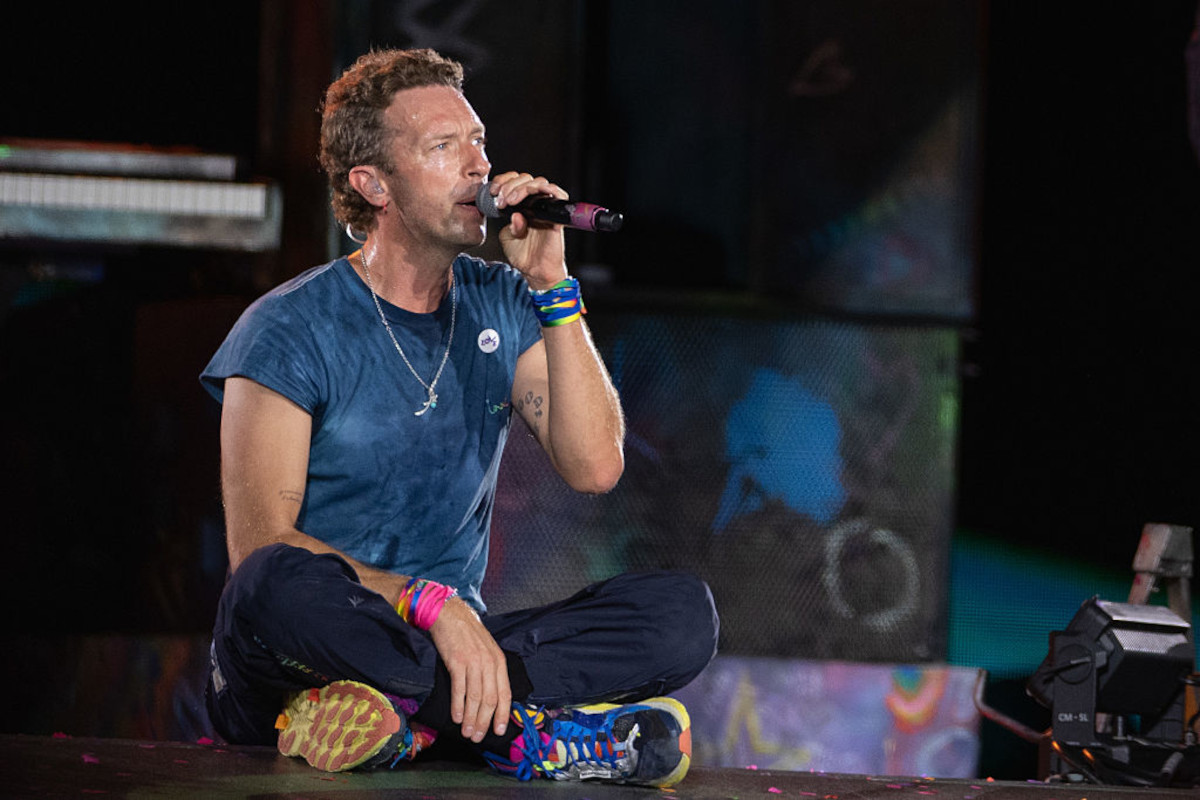
While Chris Martin might seem like an easy target, it’s hard not to single out a man who formed a blues rock band called The Rockin’ Honkies while attending the exclusive Sherborne School in Dorset. Martin went on to study Greek and Latin and University College London, where he met his Coldplay bandmates, putting him on the road to stadium-filling success.
But despite the massive-selling albums and sold out shows, Martin has never seemed like a natural pop star – perhaps it’s his wide-eyed, goofy earnestness, maybe it’s the toothless, derivative music or could it be his deep-rooted poshness. Who can say?
4. Genesis
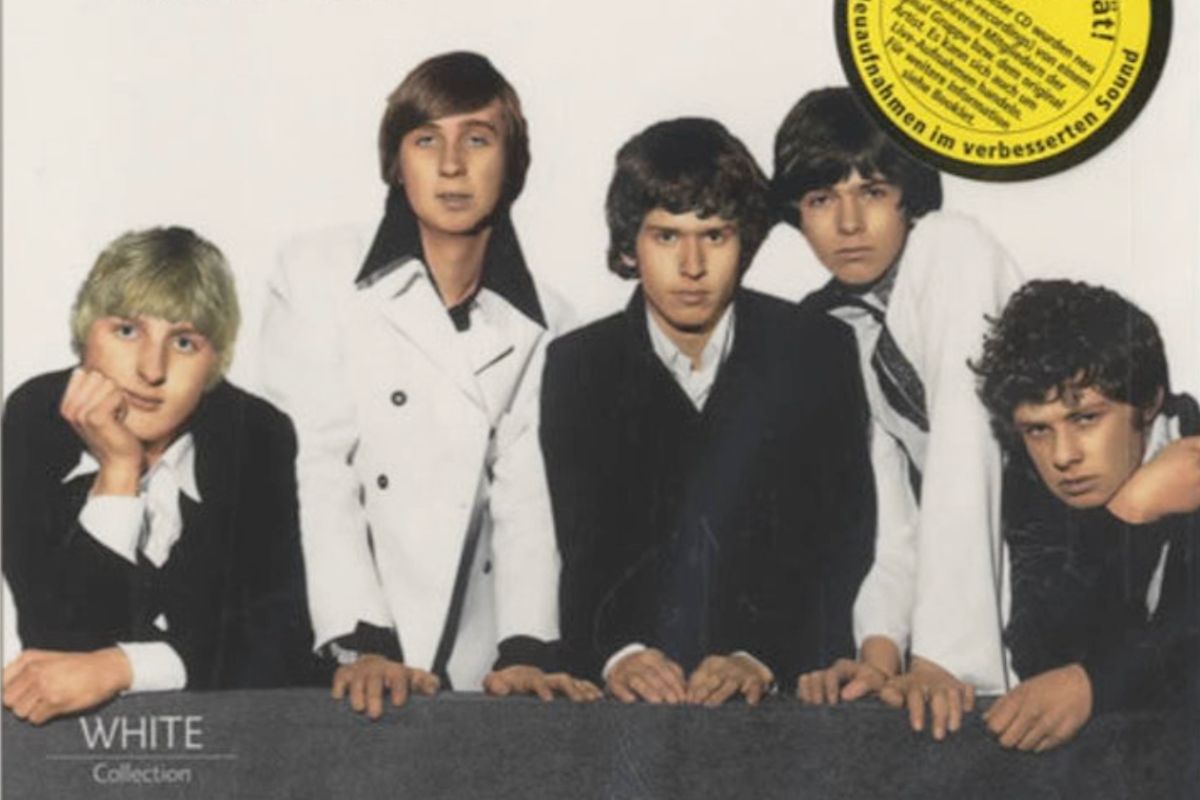
The original line-up of prog pioneers Genesis – Tony Banks, Peter Gabriel, Anthony Phillips, Mike Rutherford and Chris Stewart – met in 1967, when all five members were attending Charterhouse School in Godalming, Surrey.
Charterhouse is a prestigious, not to mention hugely expensive (full boarders are currently charged almost £50,000 per annum) public school that counts British prime minister Lord Liverpool, former chancellor Jeremy Hunt and the Dimbleby brothers among its notable alumni.
All of Genesis were from well-heeled backgrounds: Rutherford’s father was a Royal Navy captain and CBE; Gabriel’s grandfather was a colonel. Banks and Rutherford met on the first day of classes and bonded over their mutual love of music, in particular the piano – Banks had been studying classical piano since he was eight.
The band’s elite schooling informed the complexity of their music and themes (early songs such as 'The Fountain of Salmacis', below, are heavy on the classical mythology), their literary influences and even their more theatrical side. When grammar school boy Phil Collins joined as drummer in 1970, their overall poshness took a slight knock, but it didn’t seem to do their career much harm.
3. Mumford and Sons
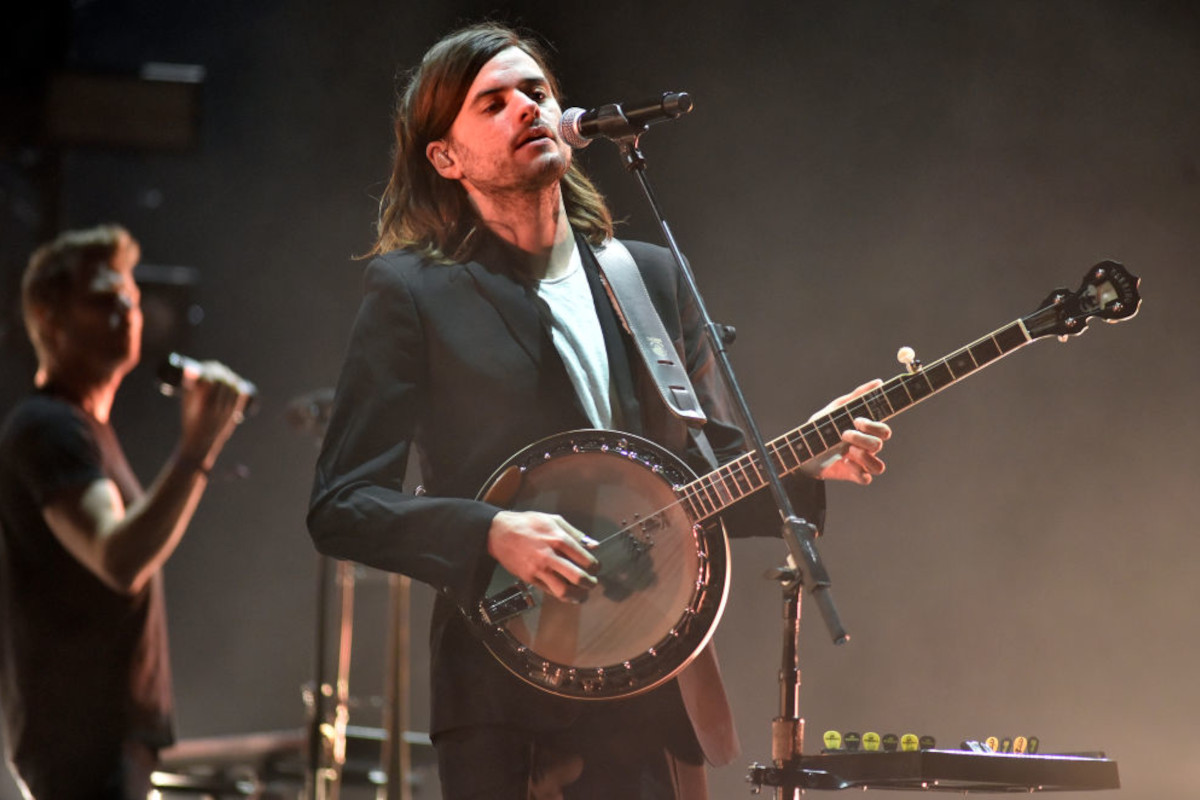
"Class is a big issue here [in England]," Mumford and Sons banjo player Winston Marshall told Q magazine in 2013. "And some people get picked on more than others… I mean, it doesn't help that we wear waistcoats and tweed the whole time."
Since then, Marshall – son of Sir Paul Marshall, hedge fund manager, co-owner of GB News and Brexit campaigner – has left the band to become a right-wing political agitator and wannabe media figure.
But Marshall wasn’t the only band member to come from privilege – Marcus Mumford and Ben Lovett were both educated at King's College School, Wimbledon, and after forming, they cut their teeth on the rather lah-di-dah West London folk scene of the mid-2000s which also featured the well-to-do likes of Laura Marling and Noah & The Whale.
All of which made their appropriation of a dustbowl aesthetic a little hard to swallow for many, even if their plummy anthems sold by the barnload.
2. James Blunt
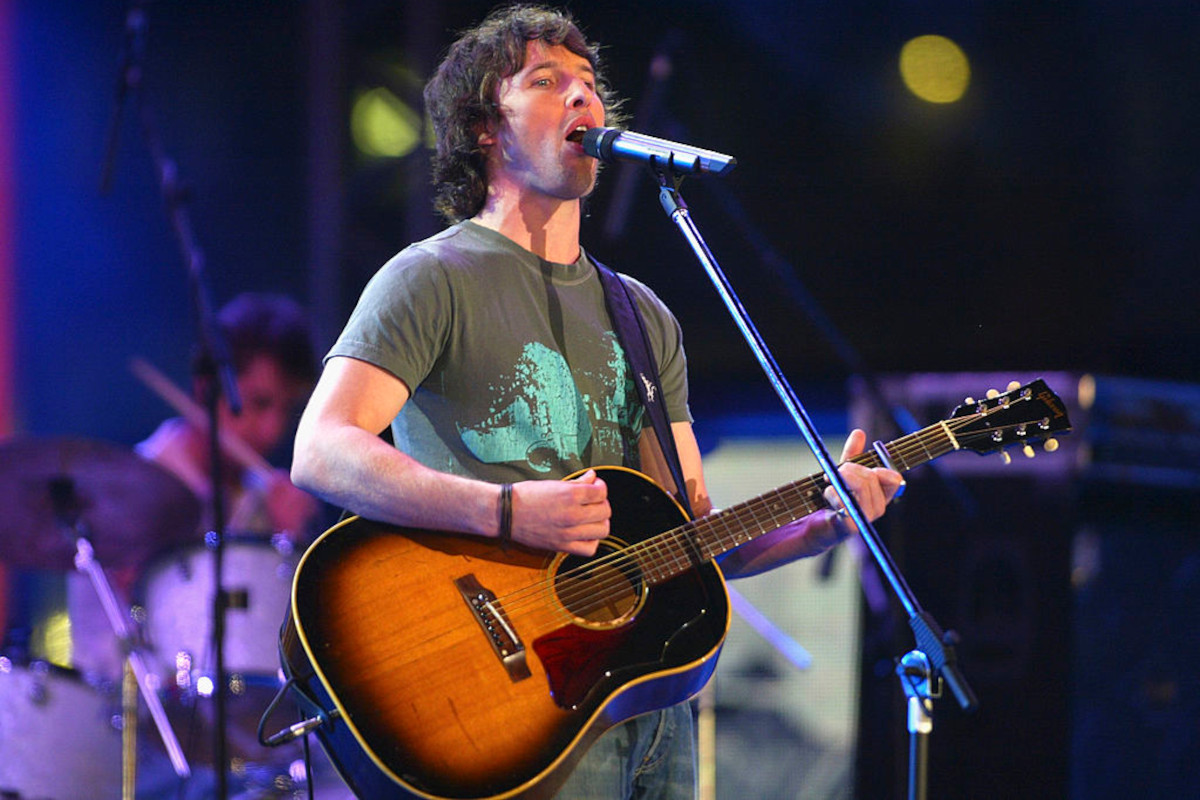
Chiefly known these days for being self-effacing on social media, singer-songwriter James Blunt attended the elite Harrow School (currently just over £65,000 a year) and comes from a long line of military men – his father, Charles Blount (his son dropped the ‘o’) was a cavalry colonel – and served as an officer in British Army, rising to the rank of captain.
In 2020, Blunt addressed the flak he’s received for his background, saying on the In The Pink podcast, "Any grief I’ve had for being a posh t*** is entirely justified. I speak with an incredibly stupid accent.
"But whether or not I deserve being in the music business, it should just be about the music. And music that is emotionally charged then anybody can feel it. You know what, posh people have feelings too."
If it’s any consolation for Blunt, were it only about the music, we’d still be justified in giving him grief.
1. Christopher Guest (Spinal Tap)
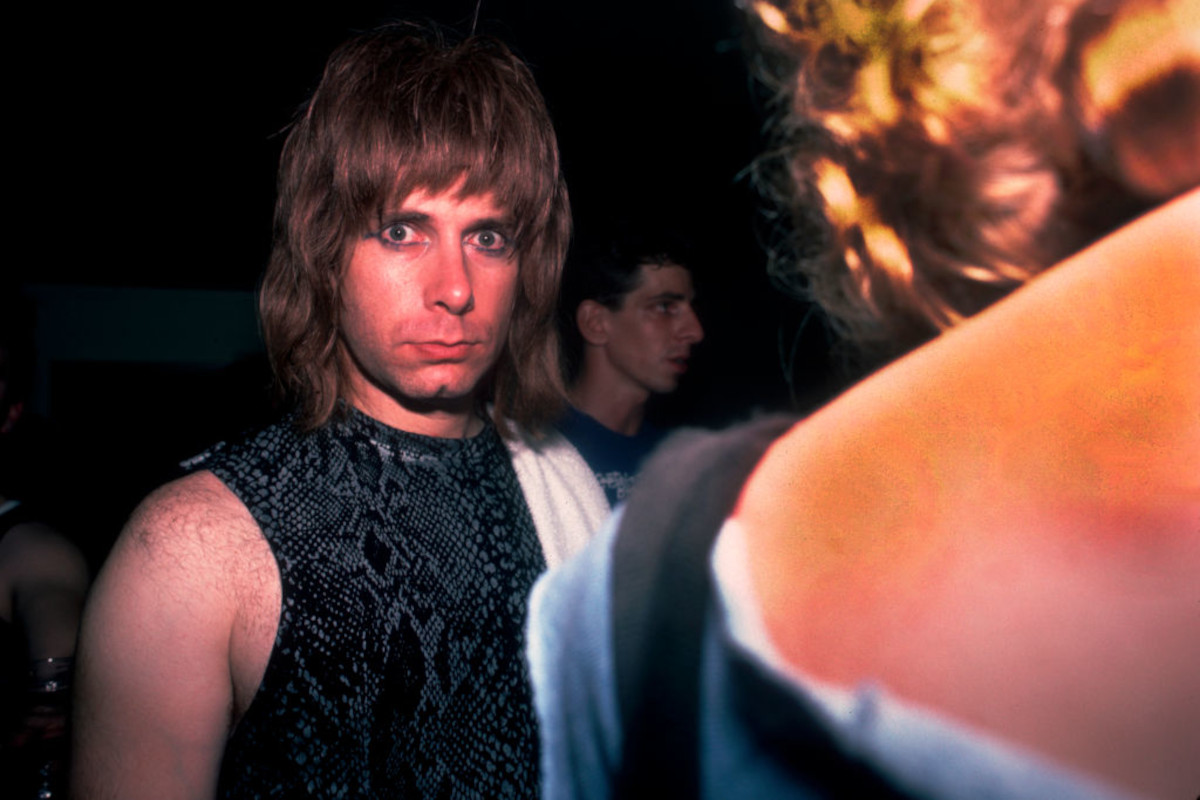
The 1984 mockumentary This Is Spinal Tap captures the ‘sights, the sounds, the smells of a hard-working rock band on the road’, with bust-ups, the failing stage sets, album cover controversy and colossal riffs.
But though the band’s working-class roots are explored during the film, actor Christopher Guest, who plays lead guitarist Nigel Tufnel, is actually a legitimate member of the British aristocracy, holding the title of 5th Baron Haden-Guest, passed down through his family, and was even an active member of the House of Lords until 1999.
Though the Tap started out as (sorry to break this to you) a fictional group, they’ve since played dates at Glastonbury Festival and Wembley Arena, making Guest a legitimate addition to our list of rarified rockers.
All pics Getty Images. Top image Genesis, 1972. L-R Mike Rutherford, Phil Collins (not so posh), Tony Banks, Peter Gabriel


