Fame is often blamed for destroying musicians – but the truth is usually more complicated.
Looking across these stories, clear patterns emerge – different ways success can destabilise a life rather than secure it. Some artists were undone by fame itself, overwhelmed by pressure, visibility and expectation. Others carried deep vulnerabilities long before success arrived, only for fame to magnify those struggles until they became unmanageable. And a final group were consumed by the excesses that success enabled: the drugs, the chaos, the myth‑making that spiralled beyond control.
These 13 musicians – from Peter Green and Syd Barrett to Phil Lynott and Sly Stone – didn’t simply fall into the same narrative. Their lives fractured in distinct ways, shaped by different pressures. Together, they reveal that fame isn’t one story, but several – and none of them guarantee survival.
1. Kurt Cobain
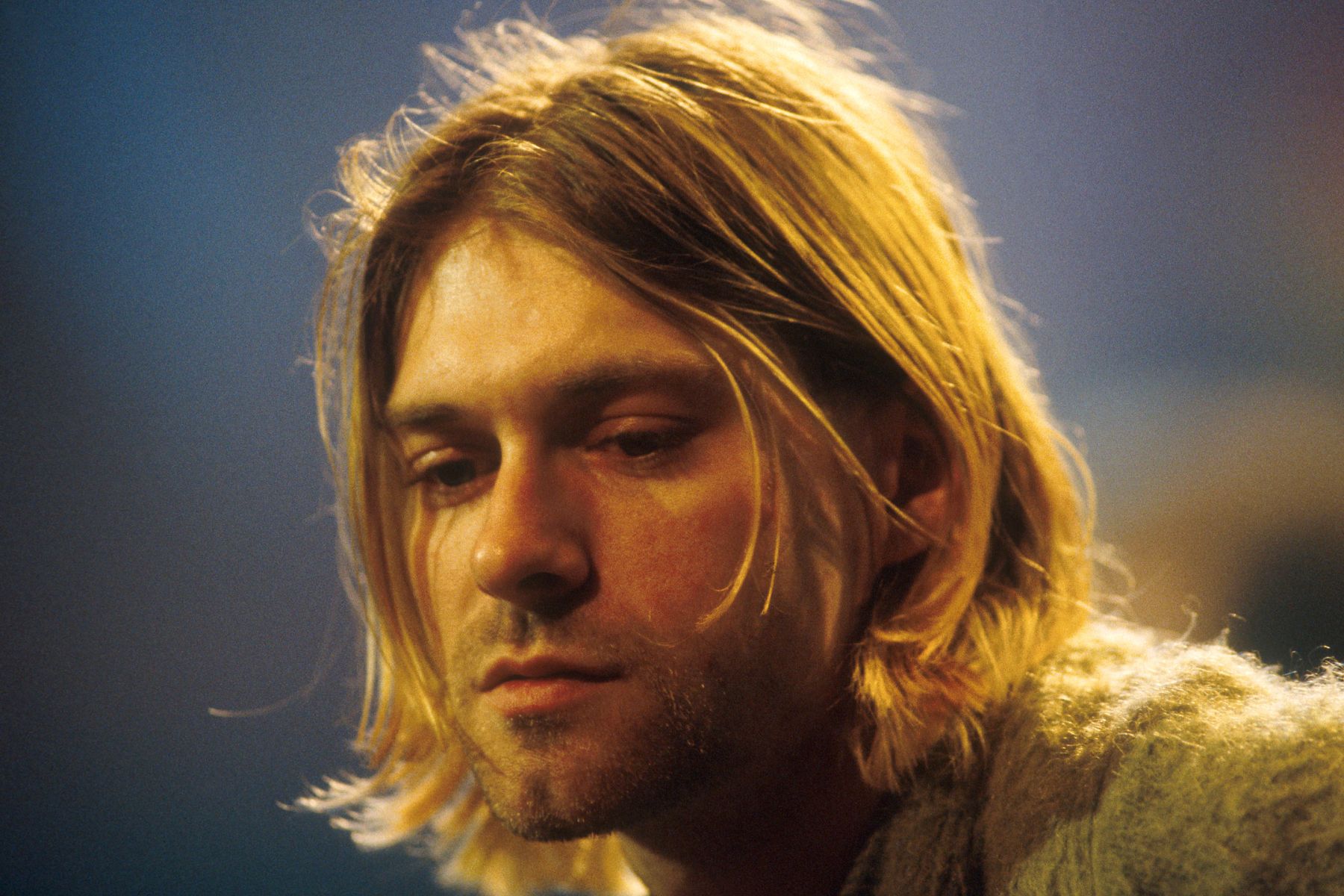
Kurt Cobain never wanted to become the reluctant spokesman for a generation, yet Nirvana's breakthrough made him exactly that. Uncomfortable with celebrity, fiercely protective of his artistic integrity, and already struggling with chronic pain, addiction and mental health problems, he found the pressures of worldwide fame increasingly intolerable.
His lyrics often explored alienation long before superstardom arrived, but success magnified every conflict. Cobain's death in 1994, aged just 27, transformed him into rock's defining symbol of fame's destructive side.
2. Brian Wilson
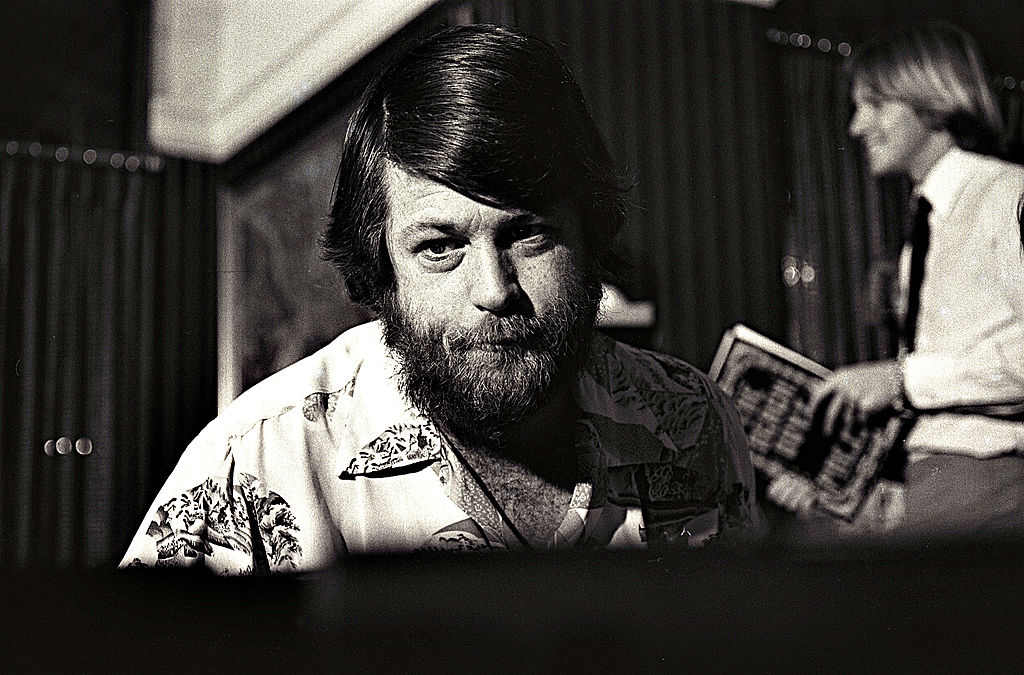
Brian Wilson helped create the soundtrack to the California dream, but success came at an enormous personal cost. The creative force behind the Beach Boys' greatest records, he struggled under relentless pressure to surpass himself, while battling mental illness and substance abuse.
Following the collapse of the ambitious Smile project, Wilson retreated from public life for years, becoming an almost mythical figure. His later recovery and return to the stage was remarkable, but much of his adult life was spent wrestling with burdens that fame only intensified.
3. Peter Green
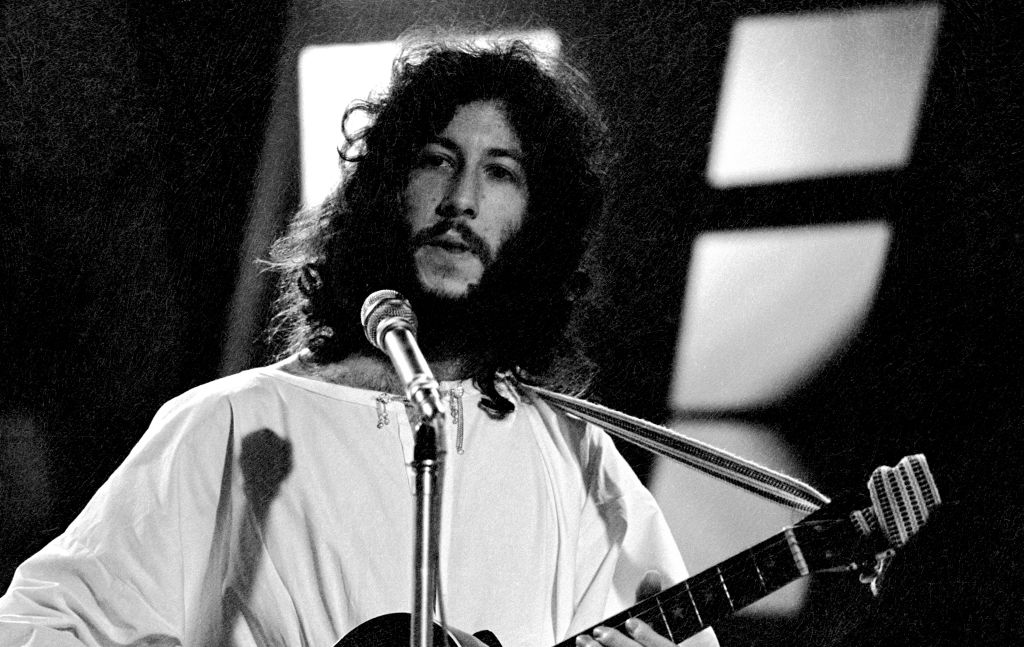
Peter Green seemed to have the world at his feet. As the founder of Fleetwood Mac, he wrote classics such as Albatross, Black Magic Woman and Oh Well, and was widely regarded by peers as one of Britain's finest blues guitarists.
Yet fame coincided with a severe deterioration in his mental health, compounded by heavy LSD use. He walked away from Fleetwood Mac in 1970, spent years in and out of psychiatric care, and largely disappeared from public life. Though he eventually returned to performing, his extraordinary promise had been tragically interrupted.
4. Janis Joplin
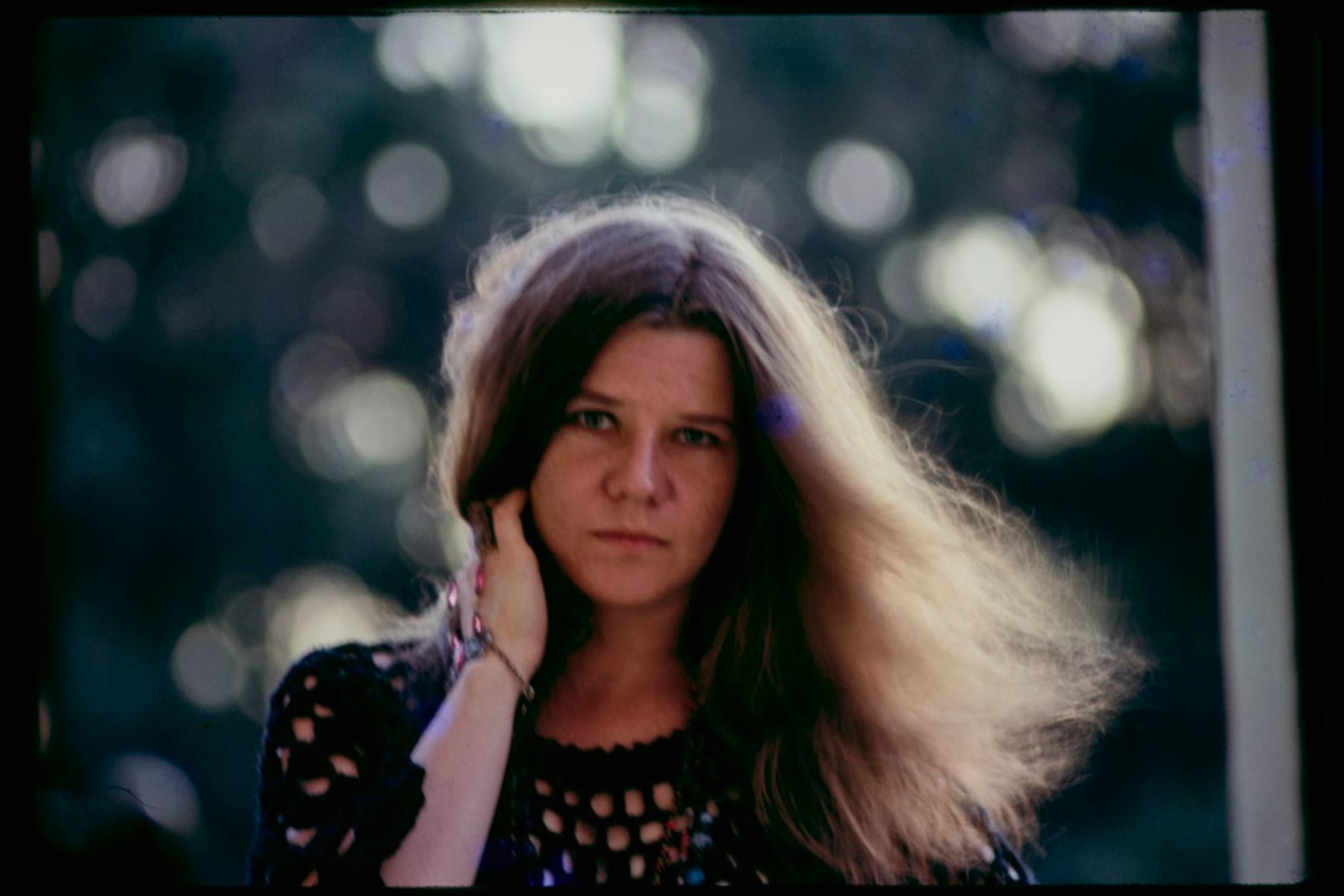
Janis Joplin's rise was breathtakingly fast. Within just a few years she had become one of rock's most electrifying performers, her raw, emotionally exposed voice making her a counterculture icon.
Yet she never seemed comfortable with celebrity, speaking candidly about loneliness, insecurity and the pressure of life on the road. Alcohol and heroin increasingly filled the gaps that success couldn't. She died in 1970 at just 27, leaving behind only a handful of albums but an enduring image of fame as both liberation and burden.
5. Sly Stone
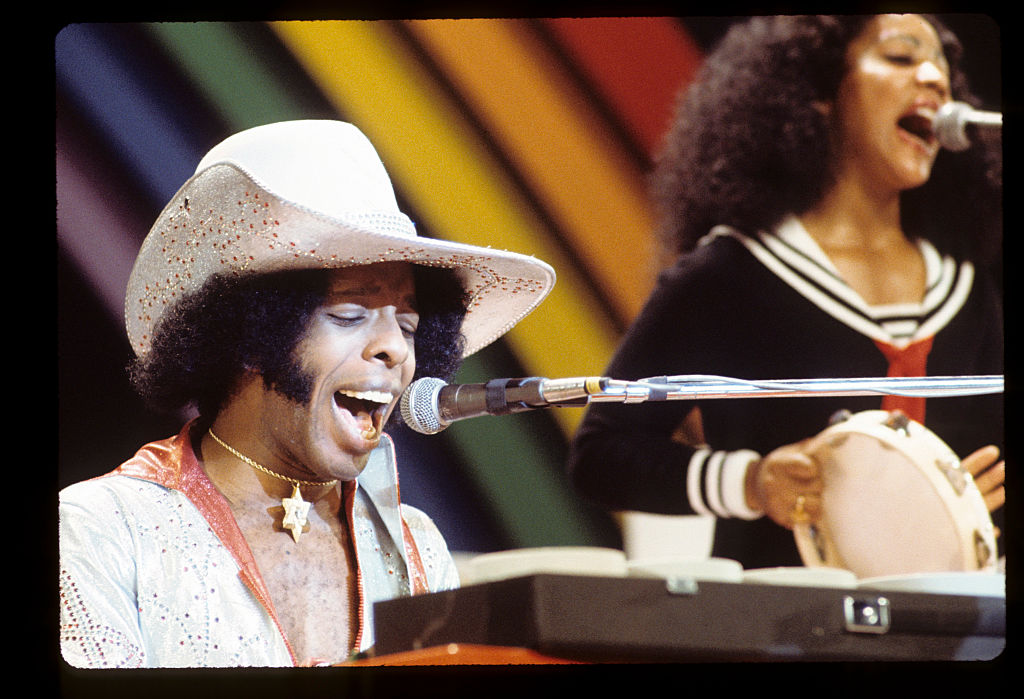
Few artists embodied the optimism of late-1960s America like Sly Stone. With Sly and the Family Stone he fused funk, soul and rock into joyful, groundbreaking music that changed popular culture.
But the pressure of fame, relentless touring and escalating drug addiction gradually consumed him. Recording sessions became chaotic, concerts were frequently missed, and the band eventually imploded. For years Stone lived largely out of the spotlight, his remarkable influence undiminished even as his own life became increasingly unstable.
6. Keith Moon
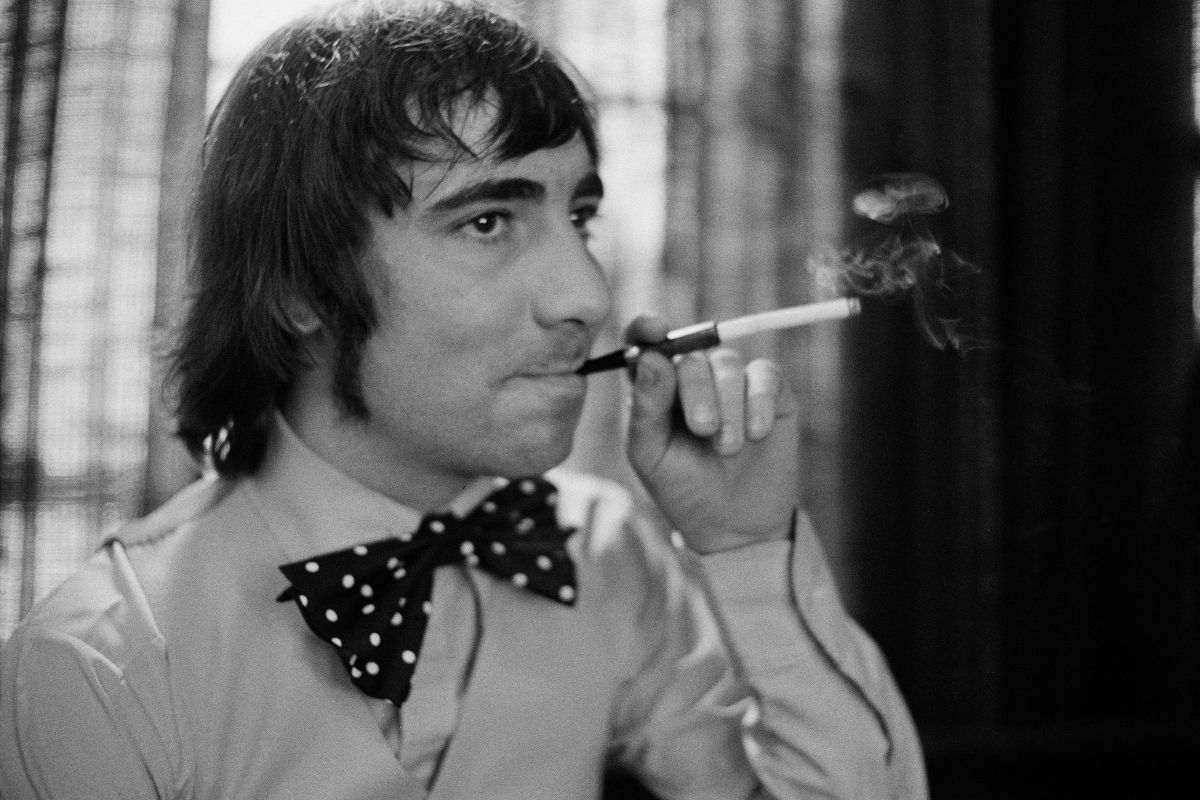
Keith Moon turned The Who into one of rock's most electrifying live bands, but he also became the embodiment of its most destructive excesses. As the group grew into an international sensation, his reputation as rock's wildest clown grew alongside his drinking, drug use and increasingly chaotic behaviour.
The parties and outrageous stunts became part of his legend, but the consequences were devastating: his health deteriorated, his alcoholism worsened, and he died in 1978, aged 32, from an accidental overdose of medication prescribed to help him stop drinking. The rock'n'roll jester had become a tragic casualty of the lifestyle he helped turn into a spectacle.
7. Chris Cornell
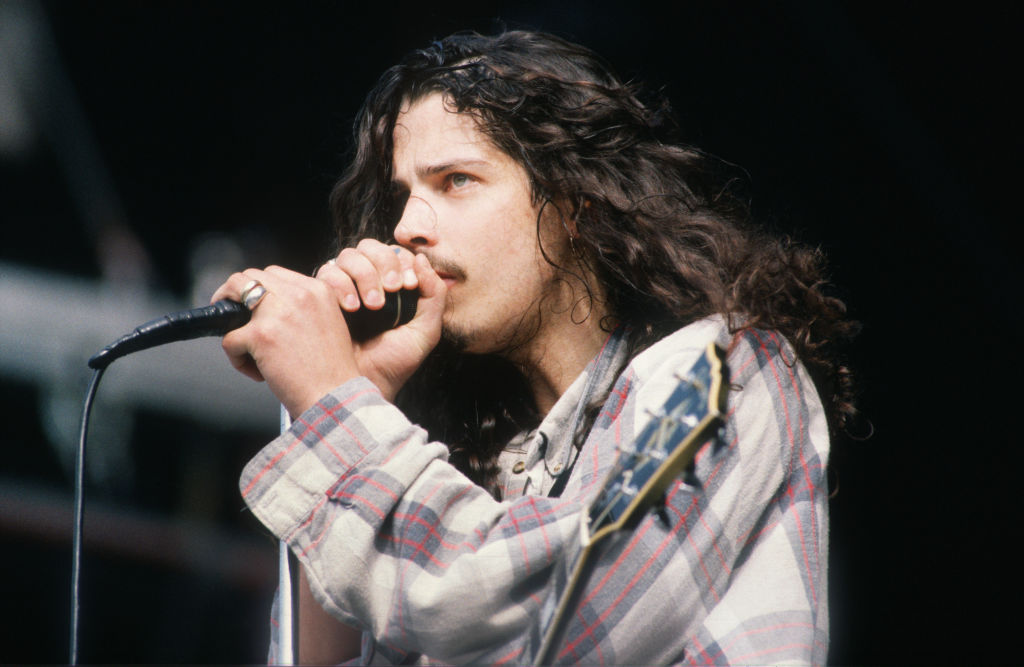
Chris Cornell possessed one of rock's most extraordinary voices, leading both Soundgarden and later Audioslave to international success. Yet behind the towering stage presence was a lifelong struggle with depression, anxiety and addiction.
Although he achieved sobriety for many years and enjoyed a successful career revival, those inner battles never entirely disappeared. His death in 2017, at the age of 52, shocked the music world and served as a painful reminder that outward success offers no immunity from profound personal suffering.
8. Jim Morrison
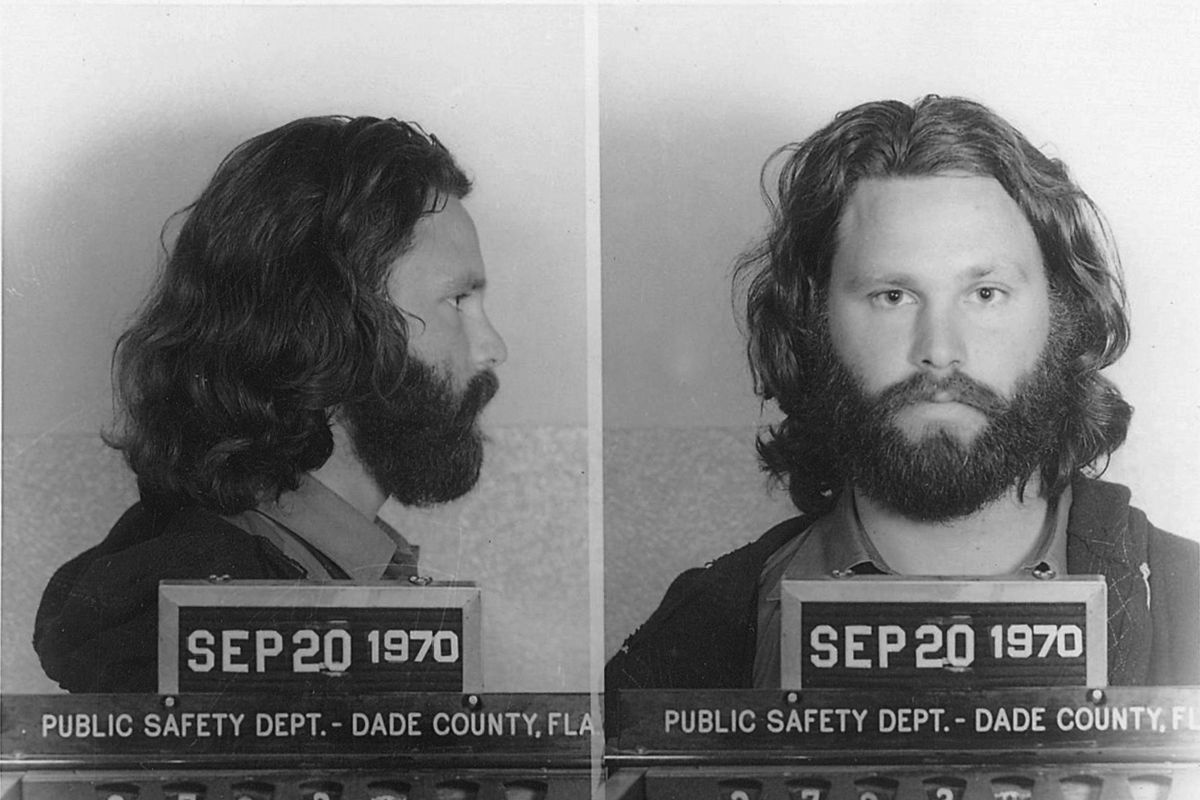
Jim Morrison transformed The Doors into one of rock's most compelling bands, but his onstage charisma was inseparable from a growing appetite for self-destruction. As fame intensified, so did the drinking, the confrontations with authority and the cultivation of his own myth as the 'Lizard King'.
Arrests, cancelled concerts and increasingly erratic performances began to overshadow his remarkable songwriting. Seeking refuge from the spotlight, Morrison moved to Paris in 1971, hoping to reinvent himself as a poet. Instead, he died there just months later, aged 27, becoming one of rock's defining cautionary tales.
9. Brian Jones
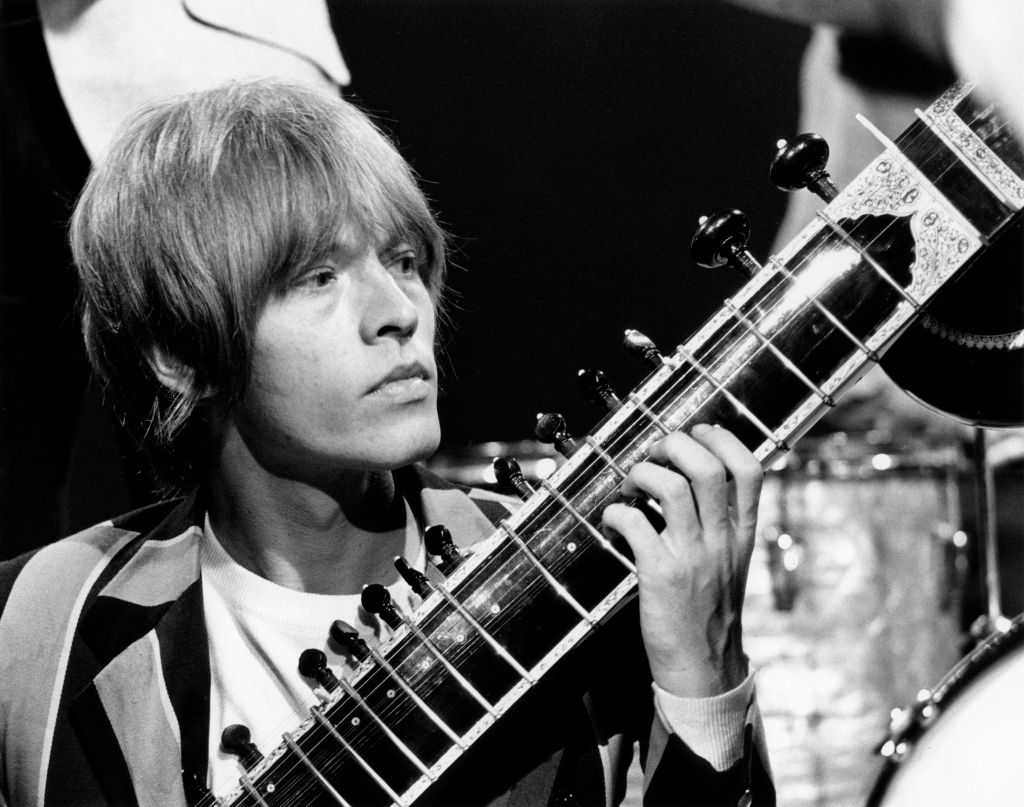
Brian Jones founded the Rolling Stones, named the band, booked the early gigs and shaped its original blues-driven identity. But as Mick Jagger and Keith Richards emerged as the group's creative force, Jones became increasingly isolated.
Struggling with drug and alcohol abuse, legal troubles and deteriorating mental health, he found himself pushed to the margins of the very band he had created. Dismissed from the Stones in 1969, he died less than a month later, aged just 27. Few stories illustrate fame's ability to magnify personal fragility more tragically.
10. Syd Barrett
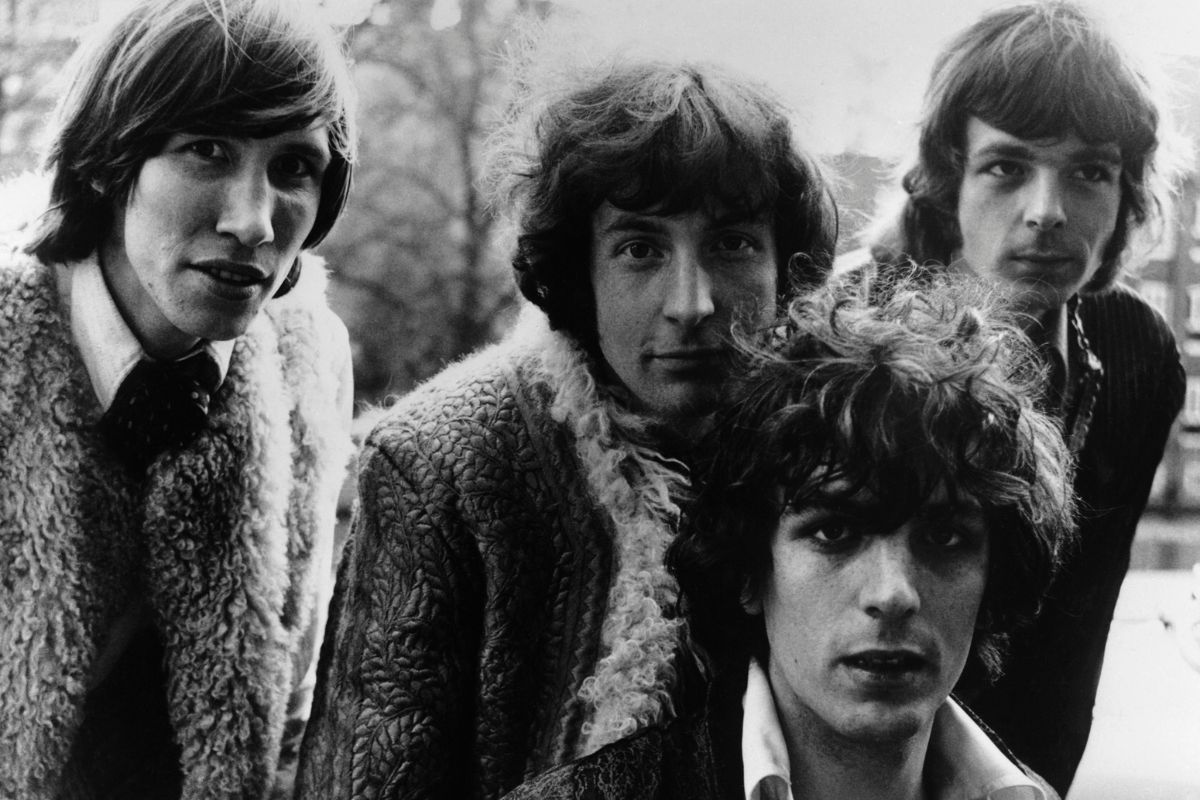
Few musicians have burned so brightly, then vanished so completely. Syd Barrett was the visionary founder of Pink Floyd, but his remarkable imagination became increasingly overshadowed by serious mental health difficulties, with heavy psychedelic drug use widely believed to have exacerbated his decline.
By 1968, barely a year after the band's debut album, he was gone. After two haunting solo albums, Barrett withdrew almost entirely from music, spending the rest of his life in quiet obscurity. His legend only grew, but the fame that should have launched a lifetime career instead marked its premature end.
- So, we ranked all 15 Pink Floyd albums. And there's definitely a 'magic run' in there
- ‘Miserable’: the album that tore Pink Floyd apart
11. Michael Hutchence
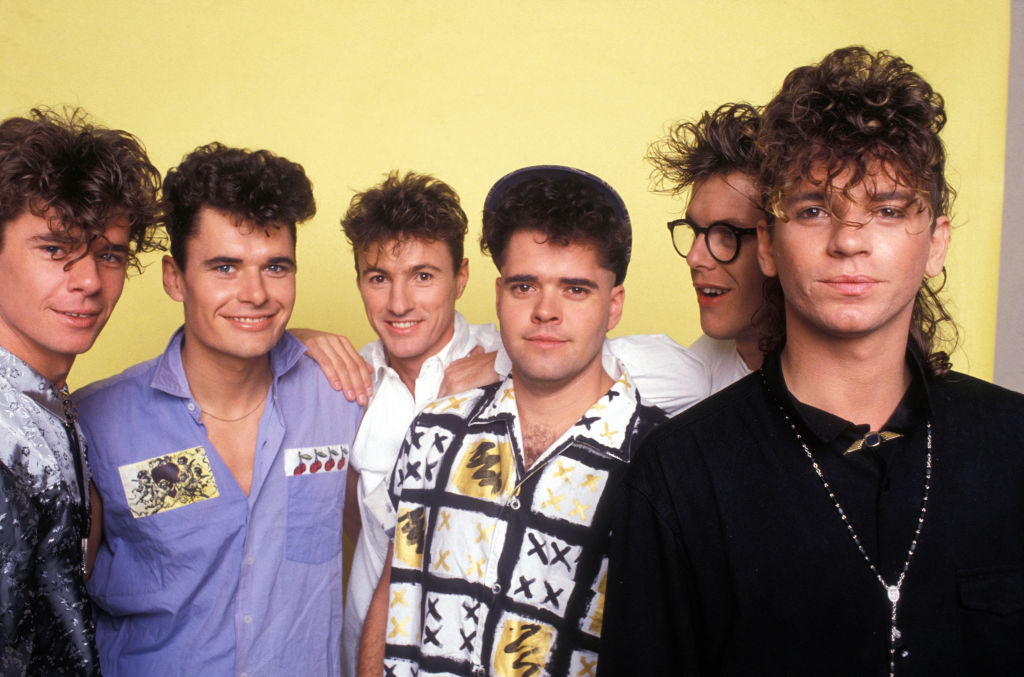
INXS went from Australian hopefuls to international superstars, with Michael Hutchence emerging as one of rock's most magnetic frontmen. But success brought relentless touring, intense public scrutiny and a tabloid fascination with his relationships, particularly after he became involved with Paula Yates.
A serious head injury following an assault in Copenhagen in 1992 was also later cited by people close to him as a turning point in his behaviour and emotional wellbeing. By the late 1990s, Hutchence was struggling with several pressures at once. He died in a Sydney hotel room in 1997, aged 37, leaving behind a remarkable musical legacy and a life that became all too public in its final years.
12. Phil Lynott
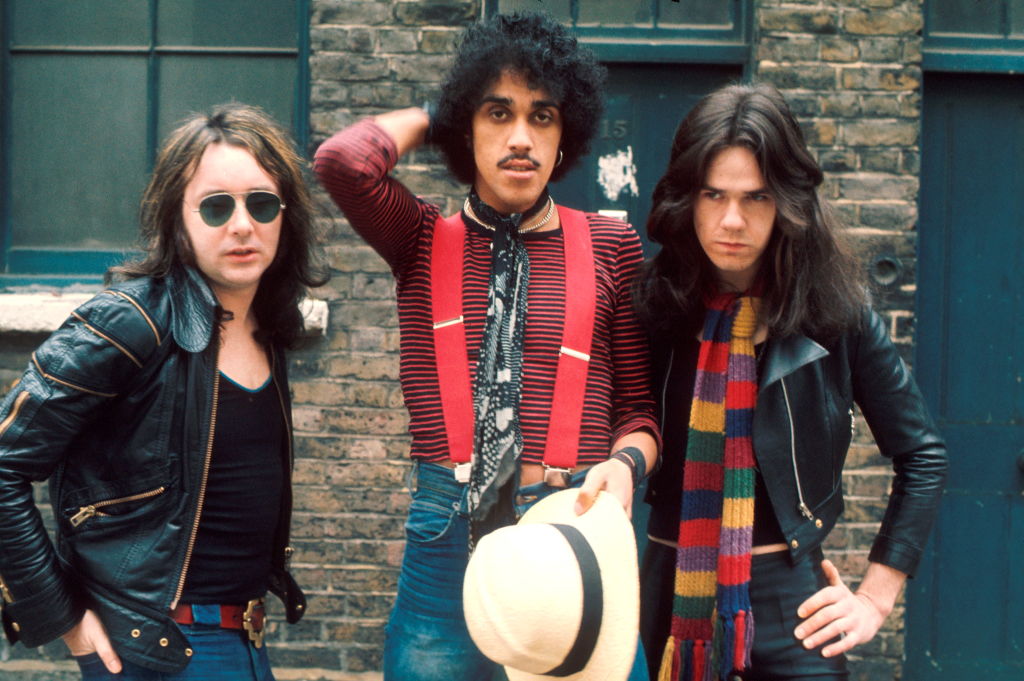
Phil Lynott embodied rock-star charisma. The Thin Lizzy frontman was witty, stylish and magnetic, writing classics including 'Jailbreak' and 'The Boys Are Back in Town' while becoming one of Ireland's greatest musical icons.
Yet as the band's success grew, so too did Lynott's dependence on drugs and alcohol. Thin Lizzy eventually splintered, his solo career faltered, and mounting health problems followed. Lynott died in 1986 aged just 36, a reminder of how quickly the glamour of rock stardom can give way to devastating personal decline.
13. Layne Staley
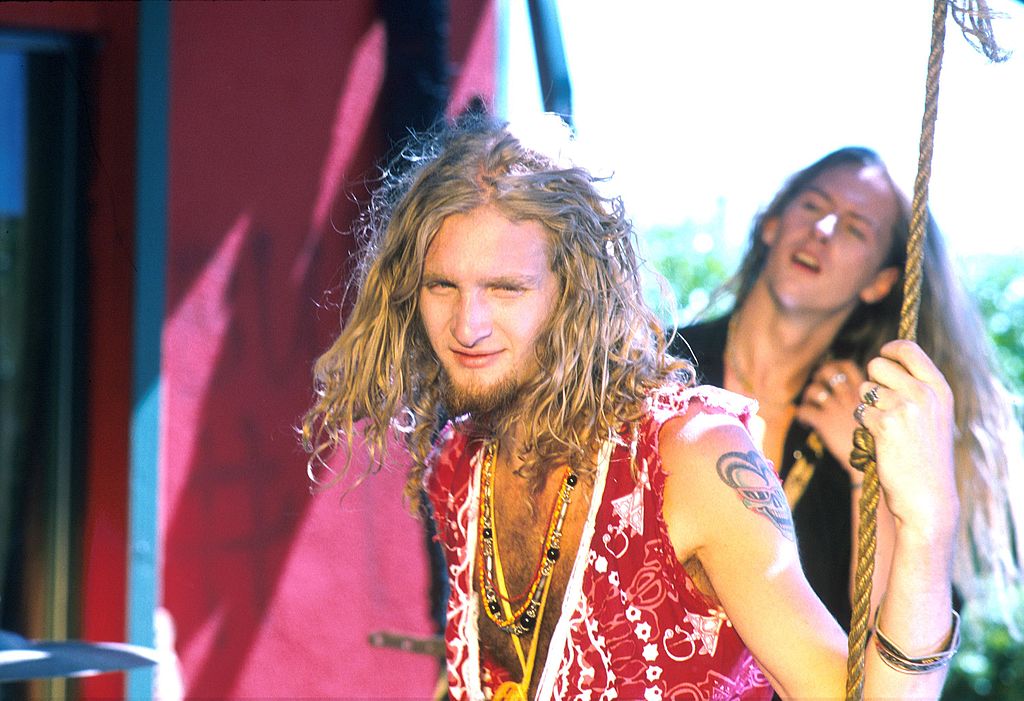
Alice In Chains became one of grunge's defining bands, but Layne Staley's haunting voice increasingly mirrored his private struggles. As heroin addiction tightened its grip, public appearances became rarer and recording sessions increasingly difficult.
Friends watched him withdraw almost completely from the outside world during the late 1990s. He died alone in Seattle in 2002, aged 34, his body undiscovered for nearly two weeks. His extraordinary talent ensured his legacy; fame itself ultimately offered him little protection.
Pics: Getty Images
Top pic: Keith Moon in reflective mood, 1975