
It’s not uncommon for a rock musician to feel creatively stifled by the day-job, call upon a few pals and embark upon a side project. But sometimes, the sheer weirdness of musicians’ passion projects can catch fans off guard.
Here are 11 of the strangest:
11 weirdest side projects in rock music
11. Brian Jones Presents the Pipes of Pan at Joujouka (The Rolling Stones)
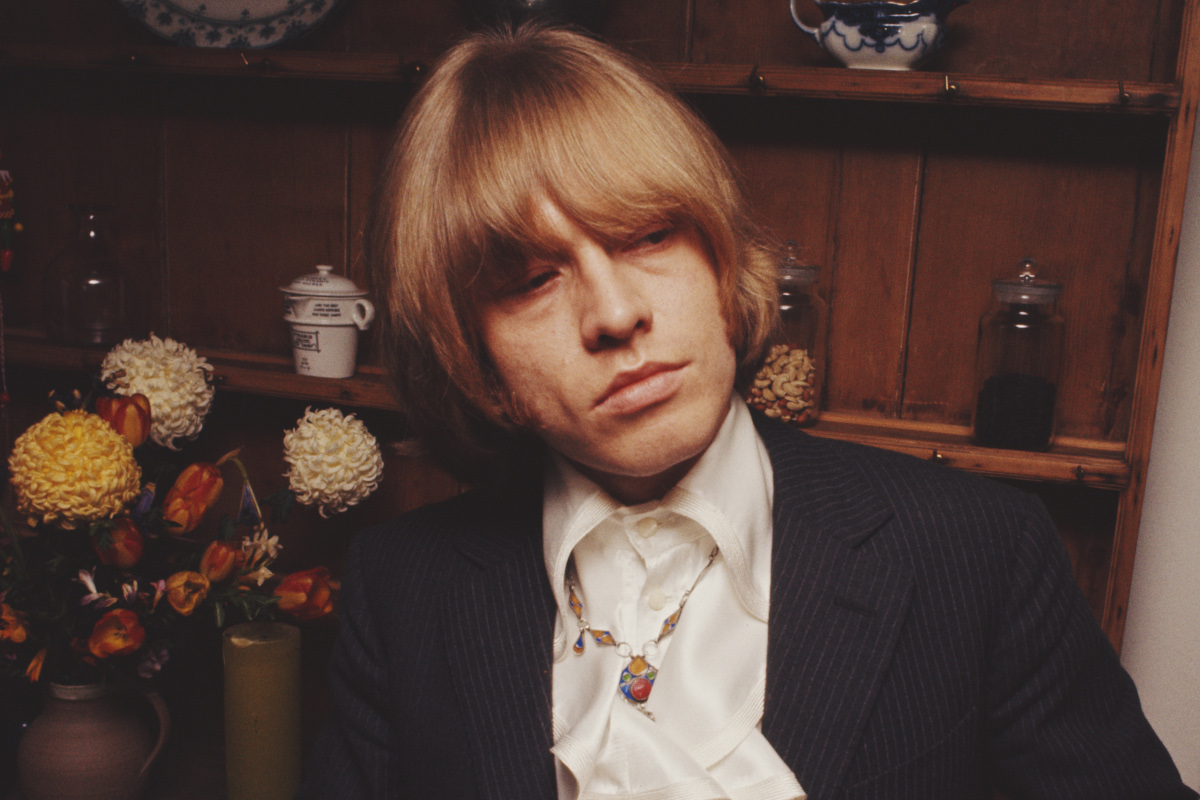
Some side projects might’ve seemed pretty out there at the time, but have since come to be regarded as ahead of their time. A prime example of this would be Brian Jones Presents the Pipes of Pan at Joujouka, a recording made by the impish Stones guitarist and engineer George Chkiantz in July 1968.
The pair travelled to Morocco to record the hypnotic and ecstatic traditional master musicians of Jajourka at the Rites of Pan Festival. Tragically, Jones died in 1969, but the album was released in 1971 and has since come to be regarded as a tribute to the Stones guitarist’s musical curiosity and pivotal recording of the ancient Moroccan musical tradition.
The Moroccan musicians would later work with artists such as Ornette Coleman, Talvin Singh and – on 1989’s Steel Wheels – even the Stones themselves.
10. Oysterhead
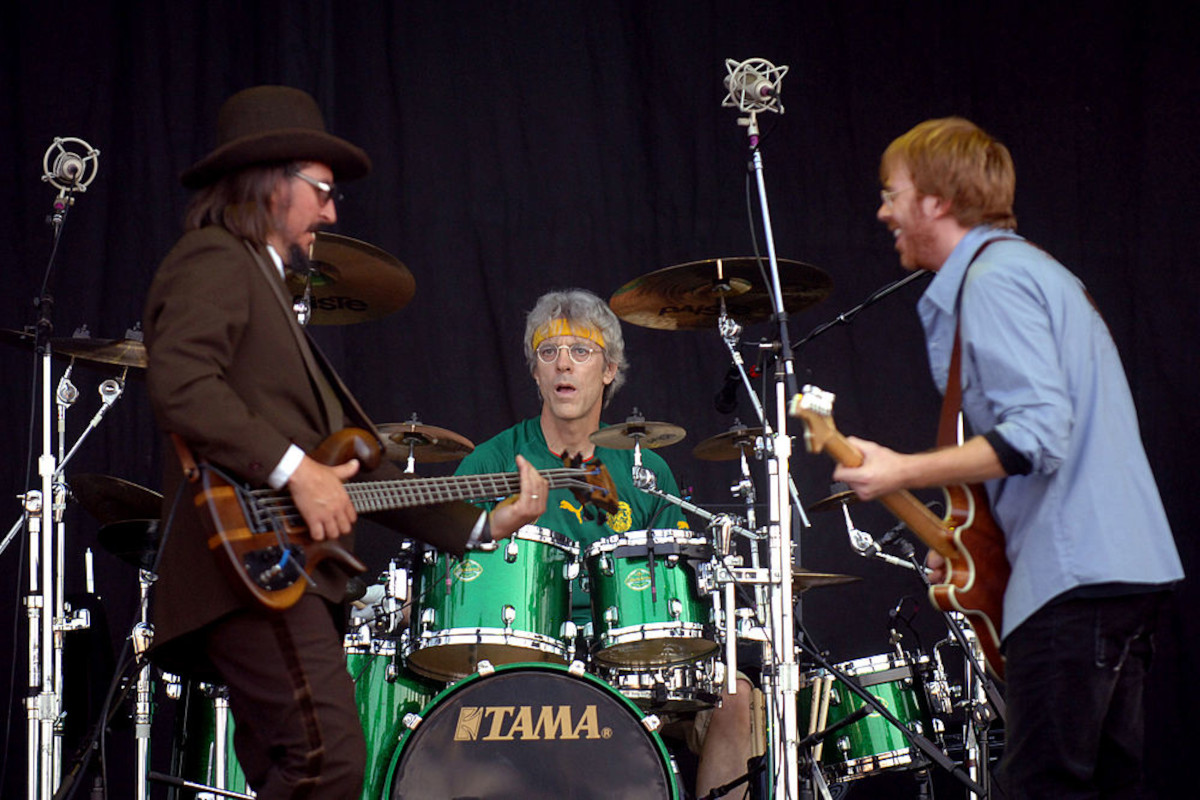
Sometimes the weirdest thing about a side project is the seeming incongruity of the line-up. Such is the case with Oysterhead, a supergroup composed of members of funk-jazz-metal pranksters Primus (Les Claypool, bass), prog jammers Phish (Trey Anastasio, guitar) and new wave royalty The Police (Stewart Copeland, drums).
The odd trio came together when Claypool was asked to put together a band to play at the 2000 New Orleans Jazz Fest. "So I called Trey and he said, 'I’ve always wanted to play with Stewart Copeland,'" Claypool told Rolling Stone in 2000, "I said, 'I know Stewart.' And we kinda threw this thing together. And it turned out to be this monster thing."
Going beyond the call of duty, the trio composed a set of almost entirely original material for the set – their experimental funk-prog-psych fusion went down so well that it led to a full tour and album, The Grand Pecking Order, though fans waiting for a follow-up have been disappointed so far.
9. Fantômas (Faith No More)
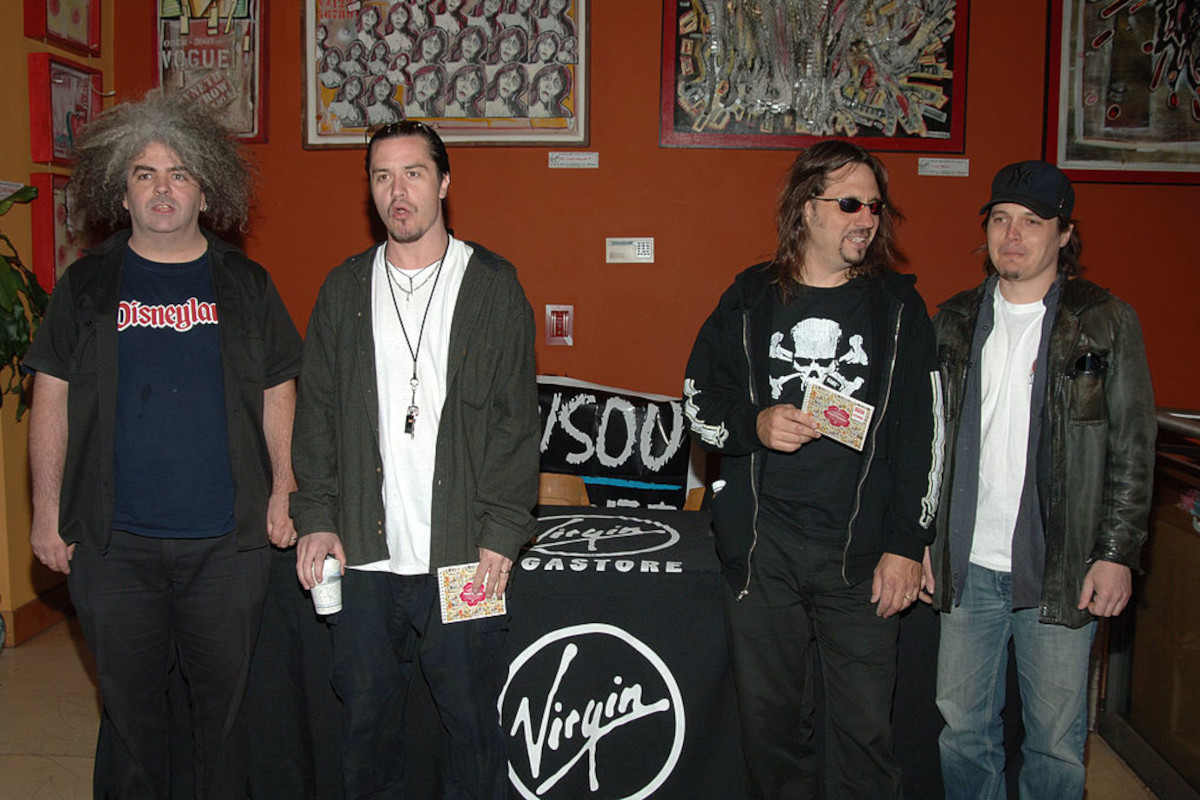
Faith No More singer Mike Patton loves a side-project, from the avant garde weirdness of Mr Bungle to the alternative hard rock of Tomahawk to the electronic hip-hop of Peeping Tom. But the weirdest of Patton’s side hustles has to be Fantômas, a cartoonish, prog metal project that has featured Dave Lombardo (Slayer, drums) and Buzz Osborne (Melvins, guitar) among others.
Their albums have included songs inspired by sci-fi comic books (Fantômas, 1999); bizarre takes on film themes (The Director’s Cut, 2001); and a set comprising one-extended song about surgery without anaesthesia (Delìrium Còrdia, 2004).
8. The Network (Green Day)
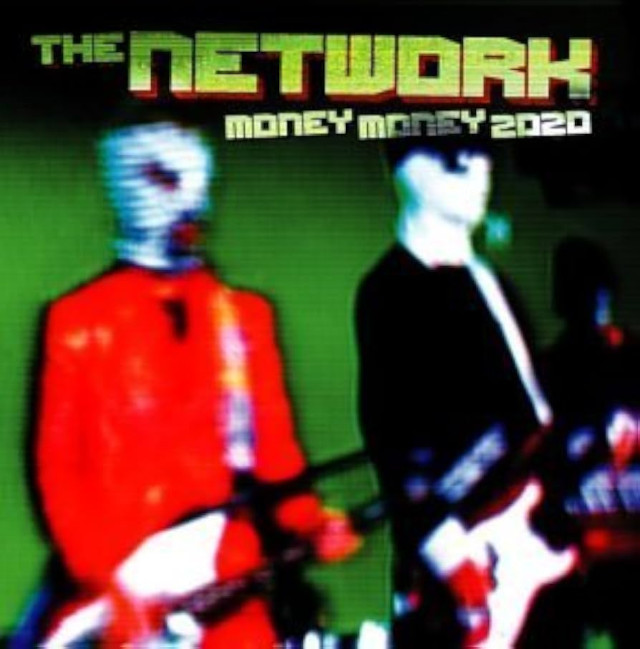
In September 2003, a masked, six-piece new wave group called The Network released their debut album, Money Money 2020, on Green Day singer Billie Joe Armstrong’s record label, Adeline Records. Unusually, the band then started a feud with their boss, causing Armstrong to hit back.
“I try to do those guys a favour by bringing them to this country and putting out their record and this is how I get repaid, by talking s*** about my band,” said Armstrong. “Unfortunately, there is a contract and I have to put out their record. The only thing I can say is, ‘F*** you, Network.’ Bring it on.”
The plot thickened when fans realised that The Network – who claimed they were brought together by an ancient prophecy – was actually Green Day themselves, plus guitarist Jason White, keyboardist Chris Dugan and the mysterious ‘Captain Underpants’ (on keyboards, naturally). Still, The Network have refused to confirm their identity and as late as 2020 were still trash talking Green Day in interviews.
7. The Dukes Of Stratosphear (XTC)
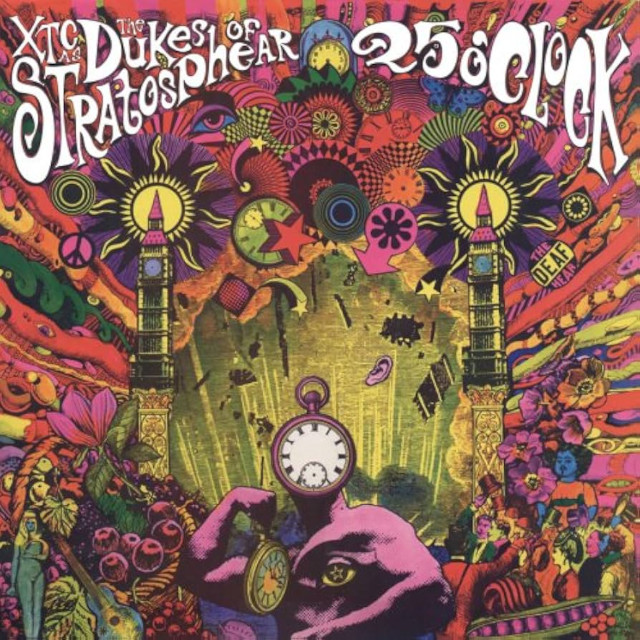
Presented with a gap in his schedule in late 1984, XTC frontman Andy Partridge could’ve taken a well-earned break. Instead, he indulged a long-held fantasy of recording an album of songs that harked back to the British psychedelia of the late 60s that he’d loved as a youth.
Patridge enlisted his XTC bandmates Colin Moulding (bass) and Dave Gregory (keyboards, guitars), and called upon Gregory’s brother, Ian, to fill the vacant drum stool. The band chose suitably far-out names – Sir John Johns (Partridge), The Red Curtain (Moulding), Lord Cornelius Plum (Dave Gregory) and E.I.E.I. Owen (Ian Gregory) – and persuaded their record label, Virgin, to fund two weeks of recording and mixing.
They named themselves The Dukes Of Stratosphear and recorded the six songs that made up their debut mini-album 25 O’Clock (1985). Though the band’s identity wasn’t made public till later, the record was an unexpected success, apparently selling twice as much as the previous XTC album, The Big Express.
A delighted Virgin asked the Dukes to record a follow-up, Psonic Psunspot, which was another big hit. Partridge later said it was, "a bit upsetting to think that people preferred these pretend personalities to our own personalities… they’re trying to tell us something. But I don’t mind because we have turned into the Dukes slowly over the years."
6. SuperHeavy (The Rolling Stones)
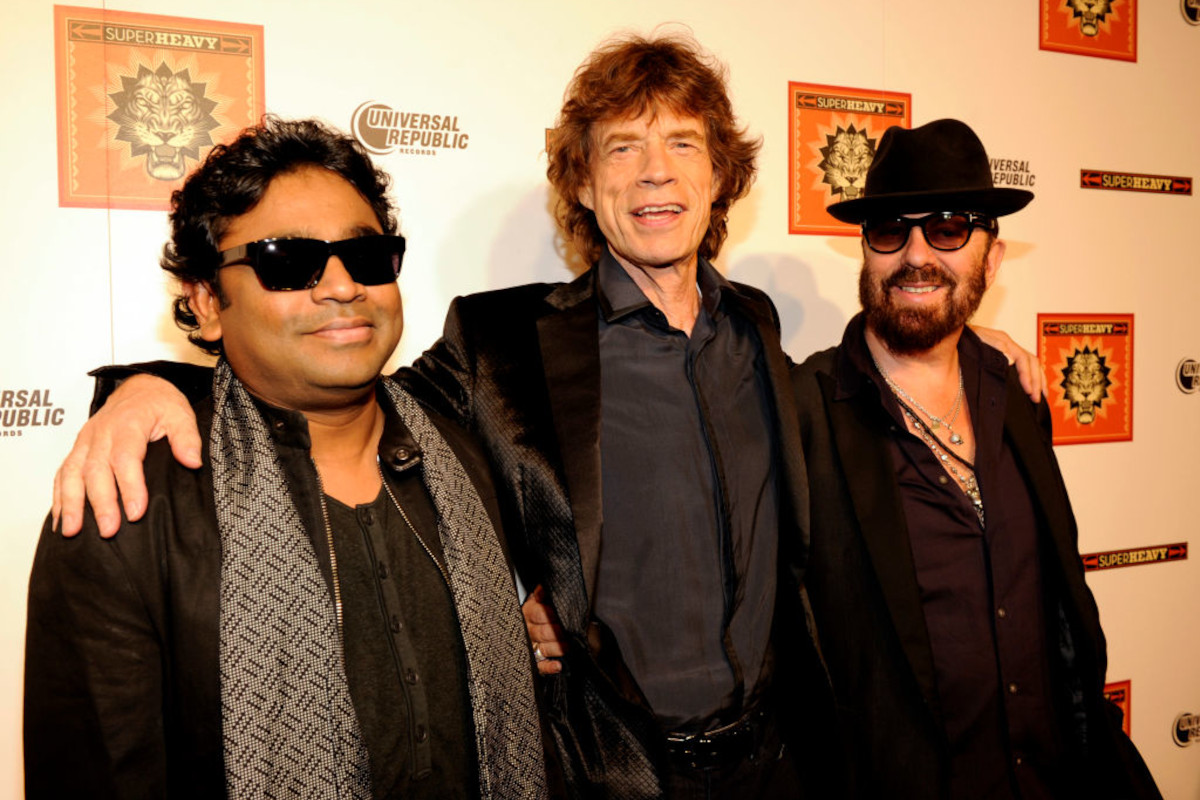
SuperHeavy’s members sounded as if they’d been picked out of a hat. How else to describe a band featuring the disparate talents of Mick Jagger, Joss Stone, former Eurythmic Dave Stewart, Bollywood producer AR Rahman and reggae star Damian Marley?
The odd bunch’s debut album – and only full-length to date – was all over the place, with pop-reggae, dub-Bollywood fusion, dancehall and rock rubbing up against one another. It doesn’t really work (especially on the turgid ballads) but at least it’s more entertaining than Jagger’s late ’80s solo work.
5. The Duckworth Lewis Method (The Divine Comedy)
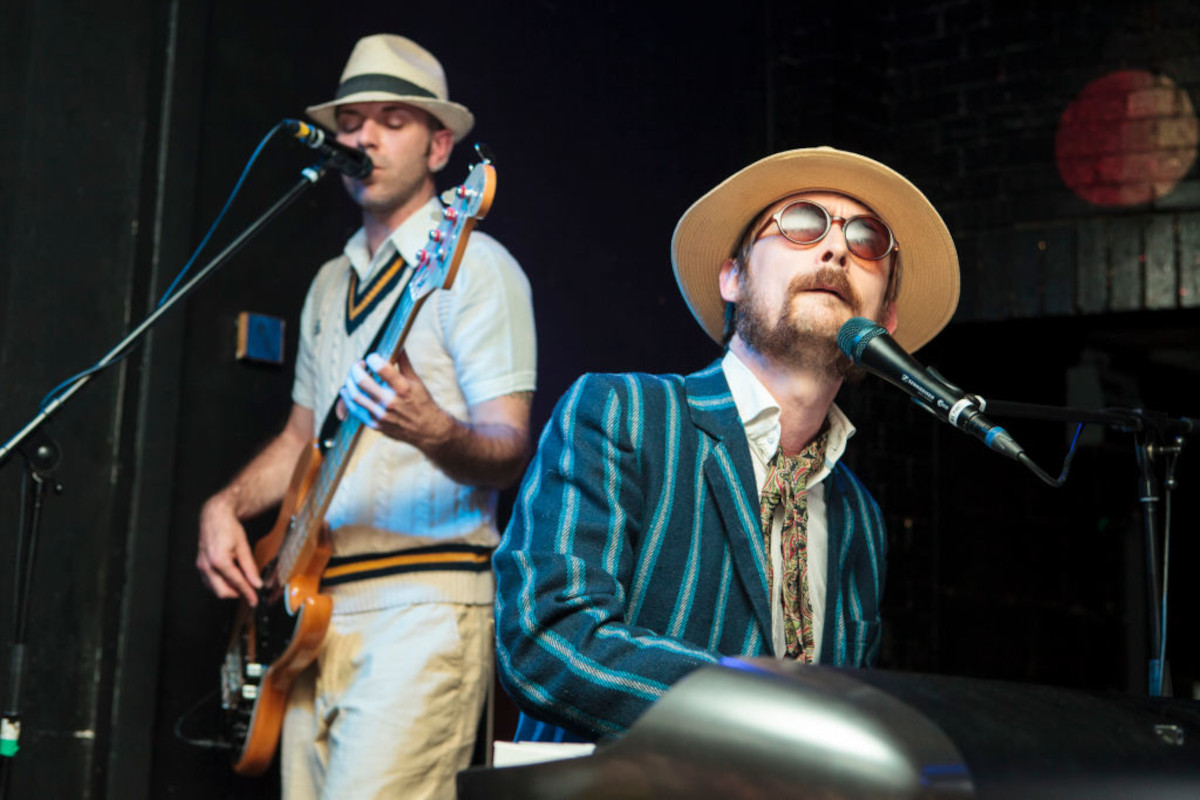
With The Divine Comedy, Irish songwriter Neil Hannon’s witty, literate indie won him a devoted fanbase and a string of hits including ‘National Express’ and ‘Something For The Weekend’ – not to mention ‘My Lovely Horse’, performed by Father Ted Crilly and Father Dougal Maguire as Ireland’s entry into the 1996 Eurosong competition.
In 2009, Hannon teamed up with Thomas Walsh of indie-poppers Pugwash to form The Duckworth Lewis method – named after the mathematical formula designed to calculate the target score for a cricket team batting second in a limited-overs match that has been interrupted.
Their debut, self-titled album – a concept record about cricket, obviously – was released days before the start of the 2009 Ashes series and featured guest appearances from comedians Phill Jupitus and Matt Berry. A second album, Sticky Wickets, came in 2013 and featured guests including Stephen Fry and Daniel Radcliffe.
4. Fat Les (Blur)
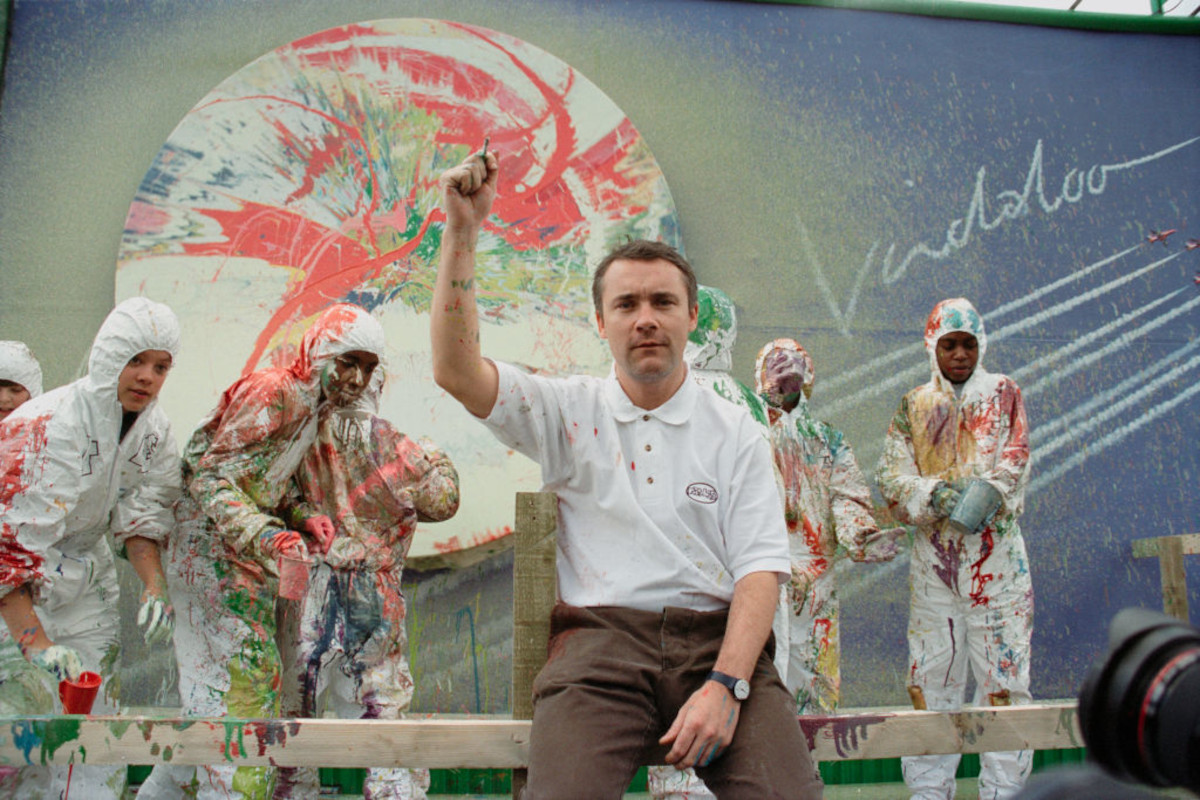
In 2002, Blur bassist Alex James wrote in The Guardian that he spent a million pounds on champagne in three years during the band’s late ’90s heyday ("Drank two bottles every day except Wednesday and gave a couple away"). Such largesse goes some way towards explaining Fat Les – a band formed by James, actor Keith Allen and artist Damien Hirst in 1998.
James later told Louder that the inspiration for the band’s first single, the rabble-rousing Euro 96 anthem ‘Vindaloo’ came about during a particularly inebriated visit to the home of Fulham FC to celebrate Allen’s birthday. "[We] dressed up in some nice lingerie and piled down to Craven Cottage," said James.
"We’re all absolutely bladdered wearing women’s underwear, freezing in the cold and there was a drummer just doing that beat that really invites chanting over it. The verse stuff that was the sort of thing you might start singing along to if you’re on the terrace, 'Where on earth are you from?!', a question and answer thing. Keith was like, let’s do a football record!."
‘Vindaloo’ reached No 2 in the UK singles chart, selling over half a million singles. Follow-ups such as ‘Naughty Christmas (Goblin In The Office)’ and ‘Jerusalem’ didn’t quite match the success of ‘Vindaloo’, but we can be pretty certain that a lot of champers was quaffed in their making.
3. Freebass (Peter Hook of New Order)
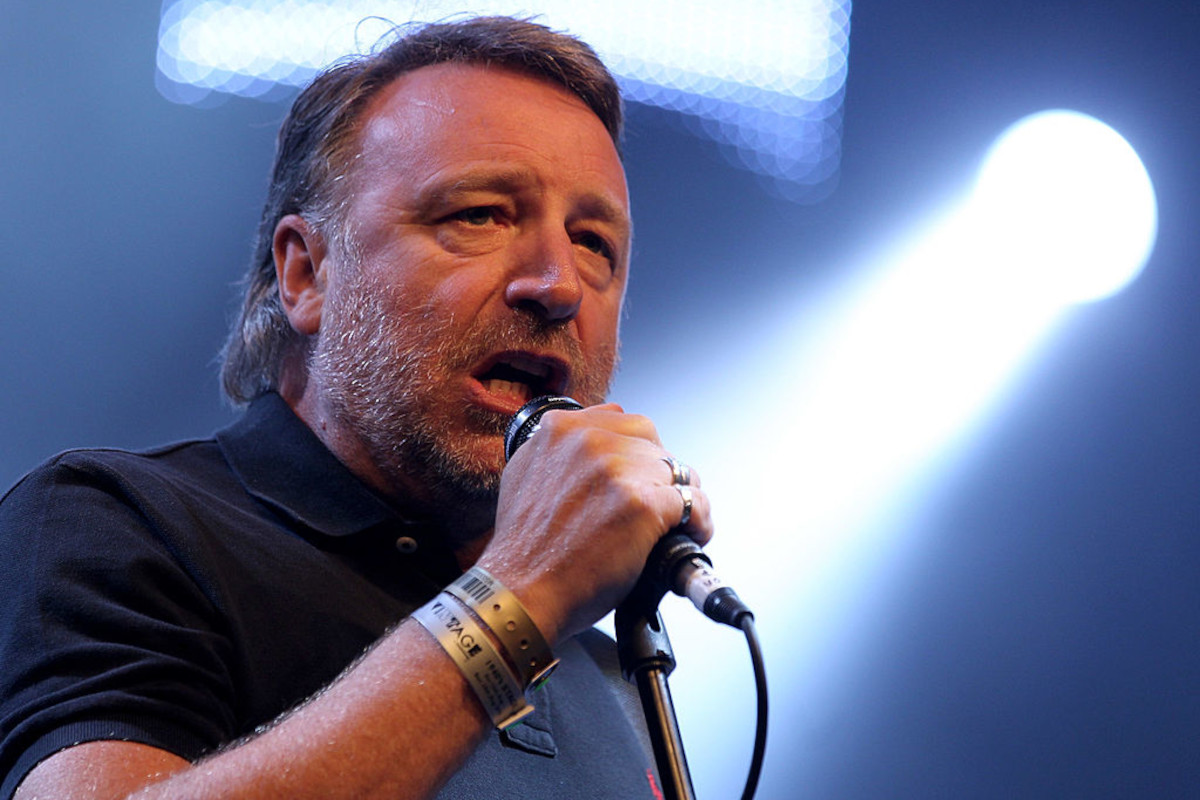
Alex James’ drunken antics also had a hand in the formation of Freebass, a pun-tastic indie supergroup featuring three bassists. "Me and Alex came up with the idea of doing Freebass at the Q Awards, shortly before he set his hair on fire," Peter Hook told The Quietus in 2009. "But because he lived in the South and I lived up here it never happened."
Instead, Hook looked to Mani (The Stone Roses, Primal Scream) and Andy Rourke (The Smiths) to bolster the low-end band, adding Gary Briggs of Haven on vocals. The album, It's a Beautiful Life, took about five years to finish and was released in 2010, by which point Hook and Mani had fallen out.
2. Dee Dee King (Ramones)
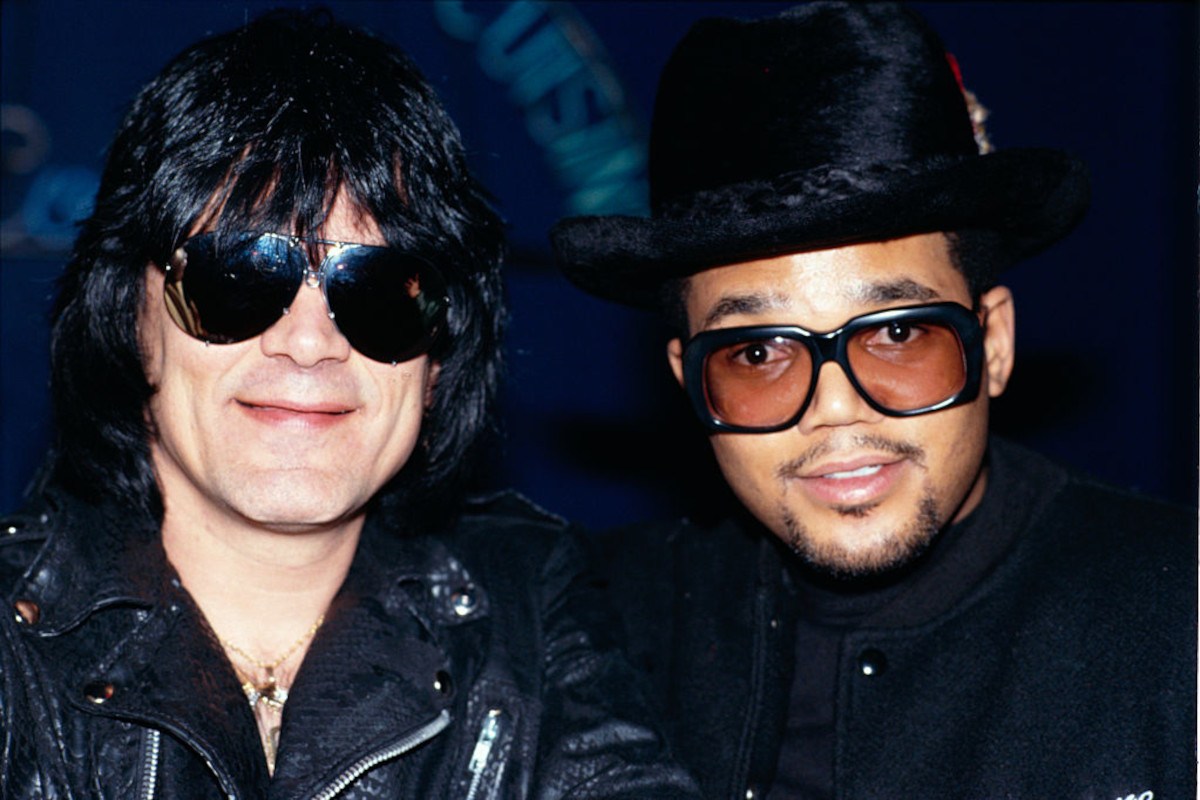
Once Ramones found their irresistible formula – three-chord, hook-filled punk rock, played fast – they stuck to it stubbornly. Which makes the solo project of bassist Dee Dee Ramone that bit more improbable.
Under the name Dee Dee King, the rocker turned rapper, dressing like a denim-clad member of Run DMC and spitting clunky rhymes on single ‘Funky Man’ and 1989 album Standing In The Spotlight. Despite calling in spots from Debbie Harry and Chris Stein of Blondie, the album was a flop.
Shortly after its release, Dee Dee quit the Ramones and formed the altogether more straightforward punk act Spikey Tops.
1. Paul McCartney, 'We All Stand Together'
Paul McCartney and weirdness go hand-in-hand. This is the man who wrote ‘Maxwell’s Silver Hammer’, who released ‘Mary Had A Little Lamb’ as a single, and who decided that the best way of presenting concert footage from Wings’ 1972 European tour was as part of The Bruce McMouse Show – a mix of live action and animations of the antics of a family of cartoon mice.
- Paul McCartney's new album is a trip down memory lane – our track-by-track guide unlocks the secrets
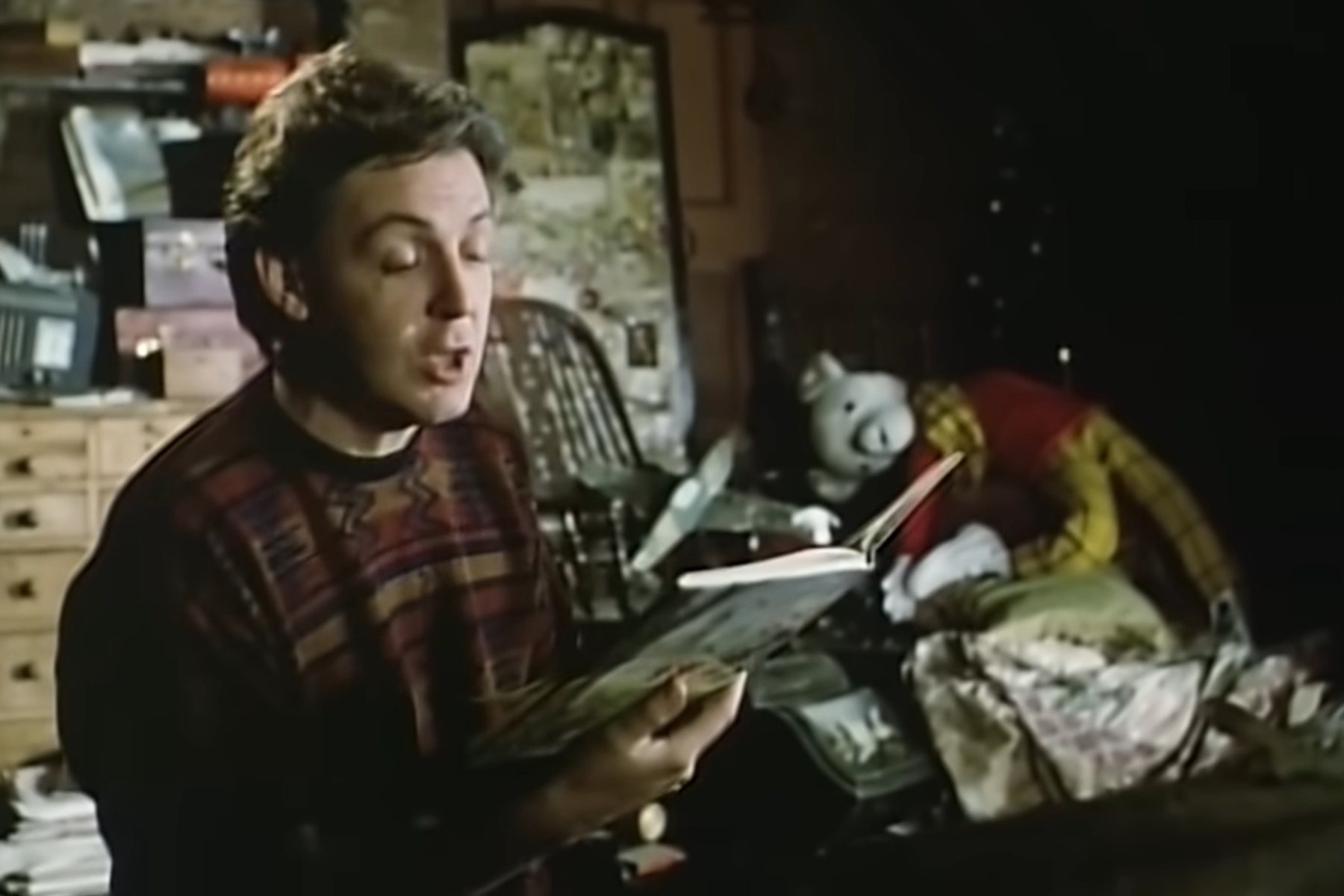
Then there’s the electronic wizardry of McCartney II and his releases with Youth as The Fireman. But the McCartney side-project that baffled most people was ‘We All Stand Together’, taken from the soundtrack to the animated film Rupert And The Frog Song.
As with so many of McCartney’s flights of fancy, ‘We All Stand Together’ is hugely whimsical, but once you’re over the fact that he’s backed by a choir imitating frogs, there’s no denying the song’s melody. Still, a decidedly odd diversion for one of the planet’s biggest stars.
All photos Getty Images / Album sleeves Amazon
