
As with most things in pop music, The Beatles got there first. Ever since the Fab Four won hearts across the Atlantic – succeeding where acts such as Cliff Richard, The Shadows and Billy Fury had failed – American success has been seen as a glittering prize for UK acts, offering adoration and riches beyond their wildest dreams.
All too often, acts that were massive at home from T.Rex to Slade, The Kinks to The Jam – failed to make an impact in America. But where some have failed, others have thrived – here are seven British bands who have caused a sensation in America.
7 British bands that broke America
1. The Beatles (1964)
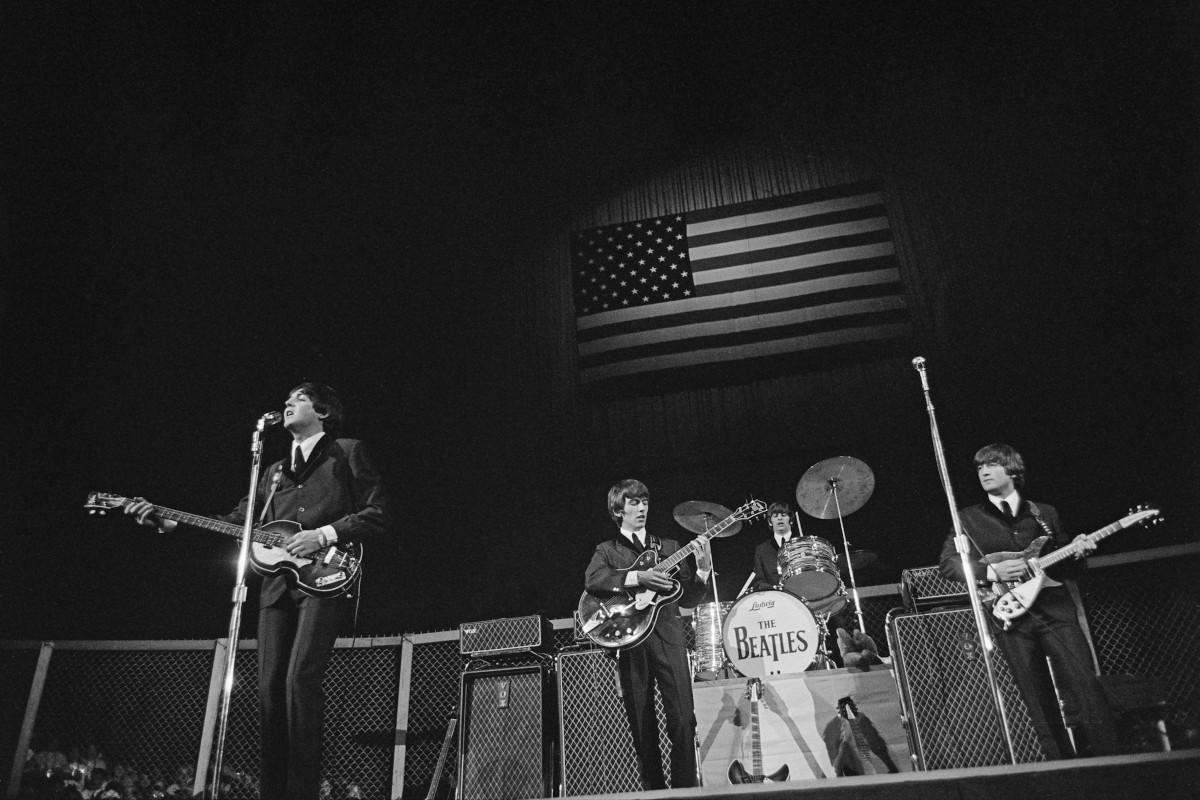
On 7 February 1964, The Beatles arrived at John F Kennedy Airport, New York, for their first US visit to scenes of unprecedented pandemonium. "I mean, we’d pulled big crowds and we’d had big airport receptions, but of course America is bigger than anywhere else in Europe, so therefore the crowds are bigger," recalled Ringo Starr.
"So we got off the plane, and we were used to 10, 12,000 people, you know. It must have been four billion people out there, I mean, it was just crazy… I’ll speak for everybody – we couldn’t believe it! I mean, I’m looking out the car saying, ‘What’s going on? Look at this! Can you believe this?’ It was amazing."
But only a couple of months previously, The Beatles couldn’t catch a break in the US. While Beatlemania was in full swing in the UK – in 1963 alone they released the UK’s biggest-selling single of the ’60s (‘She Loves You’), played over 200 gigs, and hosted their own BBC radio show – only one of their US singles charted, with ‘From Me You’ reaching No 113 during a mere three-week stint on the Billboard chart.
Prior to the UK release of ‘I Want To Hold Your Hand', the band’s manager Brian Epstein visited the US with an early copy of the single. The song’s obvious hit potential persuaded Capitol Records to schedule a mid-January 1964 US release for 'I Want To Hold Your Hand', along with an advertising budget of $40,000 (eight times the amount previously spent on a Beatles campaign in the States).
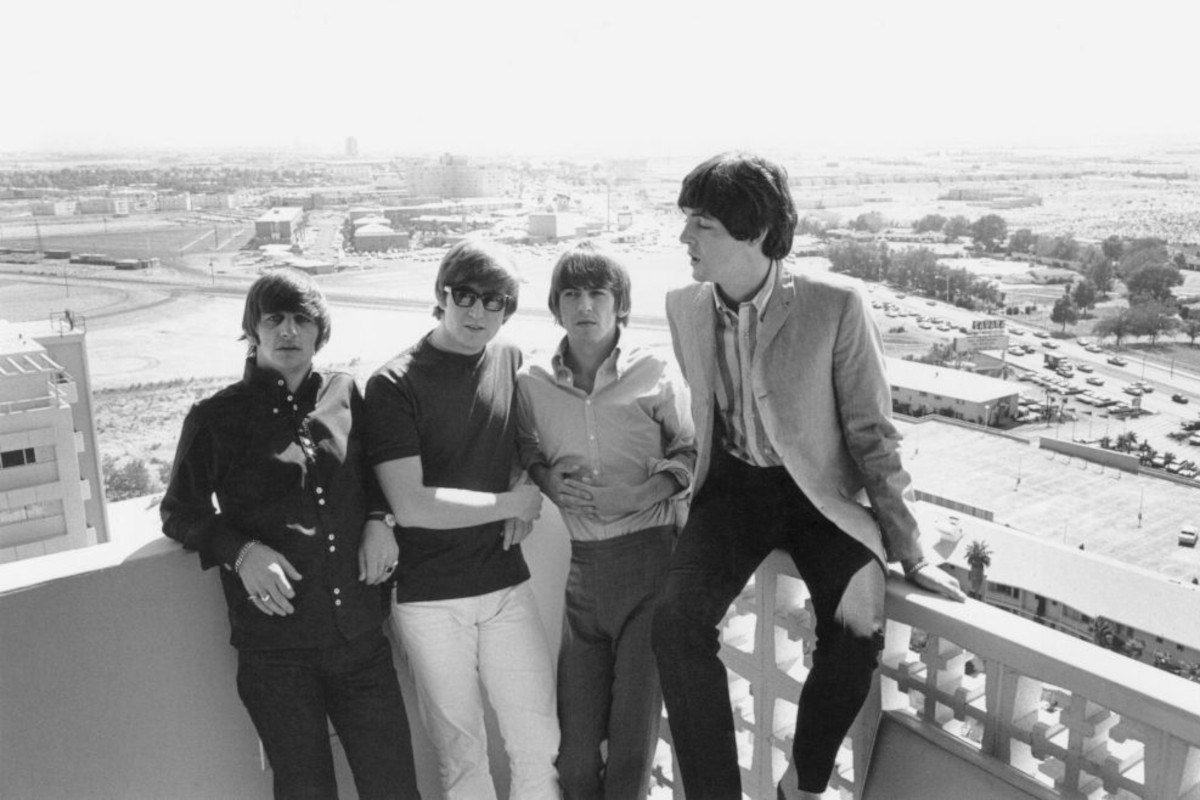
Meanwhile, US and TV radio started to cover the Beatlemania gripping the UK, adding to the anticipation for their trip across the Atlantic – Epstein had also struck a deal for his charges to appear on The Ed Sullivan Show on 9 and 16 February 1964.
Carrol James, a DJ on Washington radio station WWDC-AM, began to play an imported copy of ‘I Want To Hold Your Hand’ and demand went through the roof, resulting in Capitol bringing forward the release of the single by a few weeks to 26 December 1963. ‘I Want To Hold Your Hand’ sold 250,000 copies in the US in its first three days and reached the top of the US Billboard chart on 1 February 1964.
Within weeks The Beatles made chart history by occupying the top five positions in the US singles chart, as well as the top two in the album chart. An estimated 70 million people watched the band on their second Ed Sullivan Show appearance – things would never be the same again for them and their success paved the way for ‘The British Invasion’, with The Rolling Stones, The Who, The Kinks, The Hollies, The Zombies all hitting it big in the States.
Breakthrough track: 'I Want To Hold Your Hand'
2. Led Zeppelin (1969)
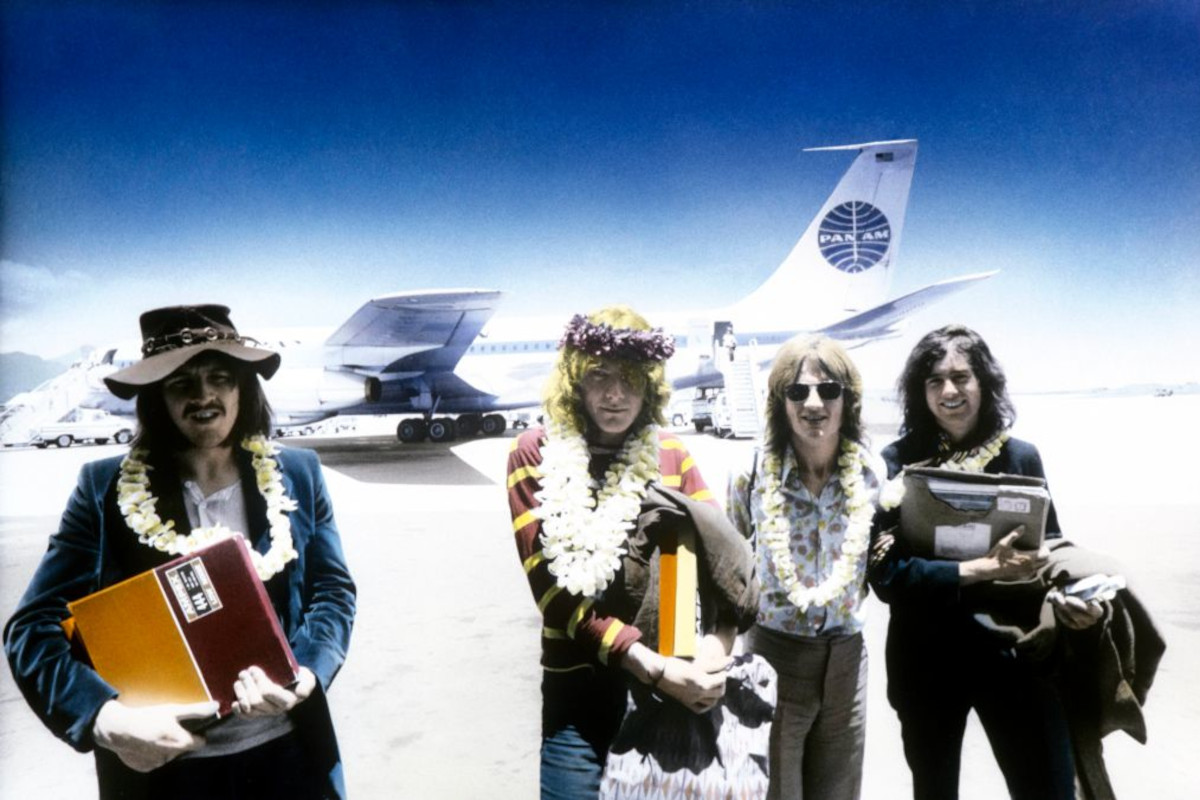
As the 1960s drew to a close, British blues-rock behemoths Led Zeppelin seized their moment, treating audiences with an ever-growing appetite for heavy thrills to blistering shows and spellbinding musicianship. From the very start, the United States loved them, but were it not for a stroke of luck, it might’ve taken a little longer for the band to find their feet across the Atlantic.
When the Jeff Beck Group cancelled their winter 1968/1969 US tour, Led Zeppelin manager Peter Green stepped in and convinced promoters to book his band in Beck’s place. Grant also understood how influential FM radio was in the US and sent out white label copies of Led Zep’s upcoming debut album to key DJs. The tour saw the band support US acts such as Vanilla Fudge, Iron Butterfly and Country Joe and The Fish – the consensus is that the Brit upstarts blew them all off the stage.
A key moment came during four nights at the Fillmore West, San Francisco. "We just went in and just destroyed San Francisco, and that was it," guitarist Jimmy Page later recalled, "The first album wasn’t even out. And it just spreads like wildfire that this band was just incredible, and then they hear the album."
Over the following years, Led Zeppelin toured hard in the US while releasing a string of massive-selling albums, with their 1973 tour in particular breaking box office records and reaching new heights of on-the-road debauchery, but it was that first tour which won the hearts of US hard rock lovers.
Breakthrough track: 'Whole Lotta Love'
3. Elton John (1970)
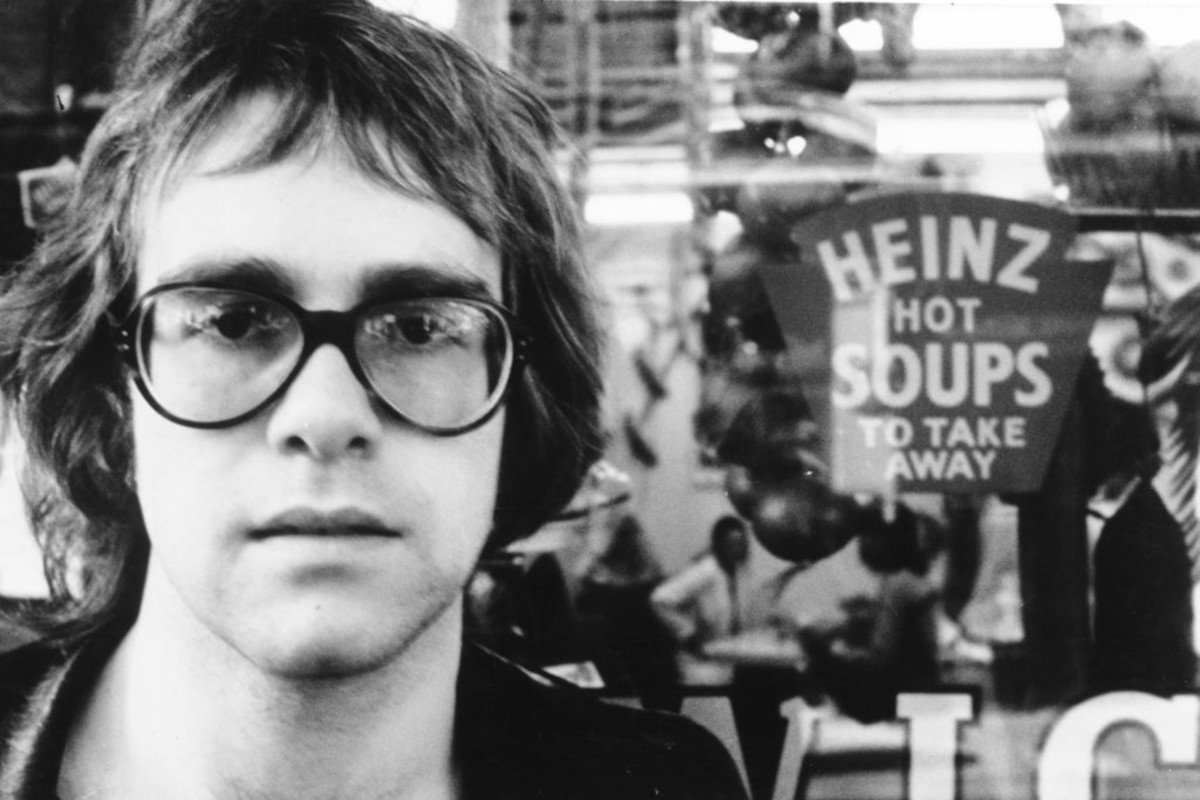
Elton John couldn’t quite believe what he was seeing. He stepped off the plane at Los Angeles’ LAX airport and was greeted by the sight of a red double-decker bus with a banner on its side reading 'Elton John has arrived.'
It was mid-August 1970 and his first US trip; four months previously, his second solo album had been released to lukewarm sales both sides of the Atlantic. Either he was more jet-lagged than he initially realised, or something strange was going on.
It turned out that, apparently unbeknown to John, the previous few months had seen his US record label, Uni Records, ramping up the publicity before his six-night residency the 300-capacity Troubadour. As a result, the first show, on 25 August, was packed with the great and good of the US music scene, including Quincy Jones, Neil Diamond, Odetta, Gordon Lightfoot and Mike Love of The Beach Boys.
Following an introduction from Diamond, John took to the stage and launched into a solo version of one of his soon-to-be signature tunes ‘Your Song’. So far, so singer-songwriter. But as John’s band joined in, and the songs began to increase in rock’n’roll intensity, the moment overtook him.
By the set closer, the then-unreleased ‘Burn Down The Mission’, he was pounding the piano like Jerry Lee Lewis, throwing in parts of Beatles and Elvis Presley tunes and performing headstands. Those expecting a sensitive and retiring songwriter were floored; a rock’n’roll star was born. "I was leaping on the piano," John later recalled. "People were going, ‘Oh my God.’ Right place, right time, and you seize those opportunities."
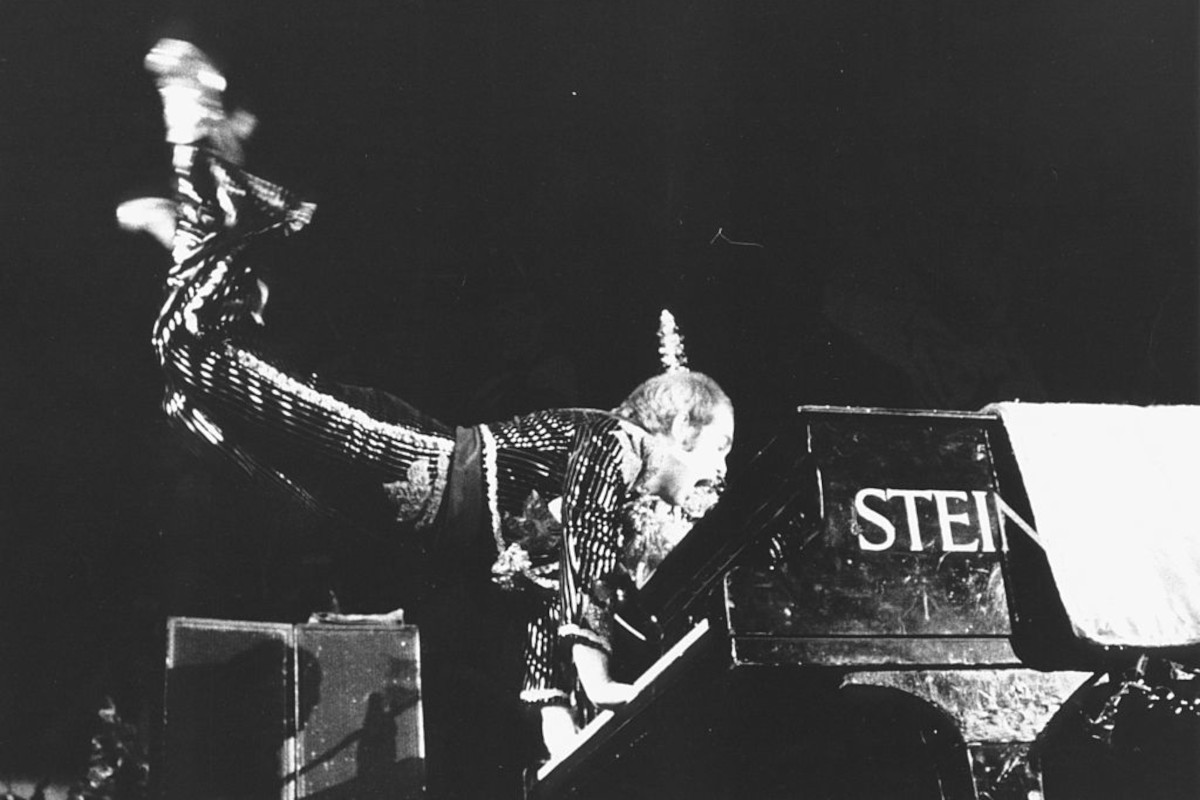
Word spread and John’s stint became the hottest ticket in town, with more star guests and rave reviews helping fuel the fire. The man who boarded the plane back to the UK two weeks later was suddenly a star. He’d go on to become one of the biggest solo stars of all time, selling approximately 80 million albums in the US alone.
And to think that when he touched down on that day in August 1970, he was in danger of slipping into anonymity.
Breakthrough track: 'Your Song'
4. Duran Duran (1983)
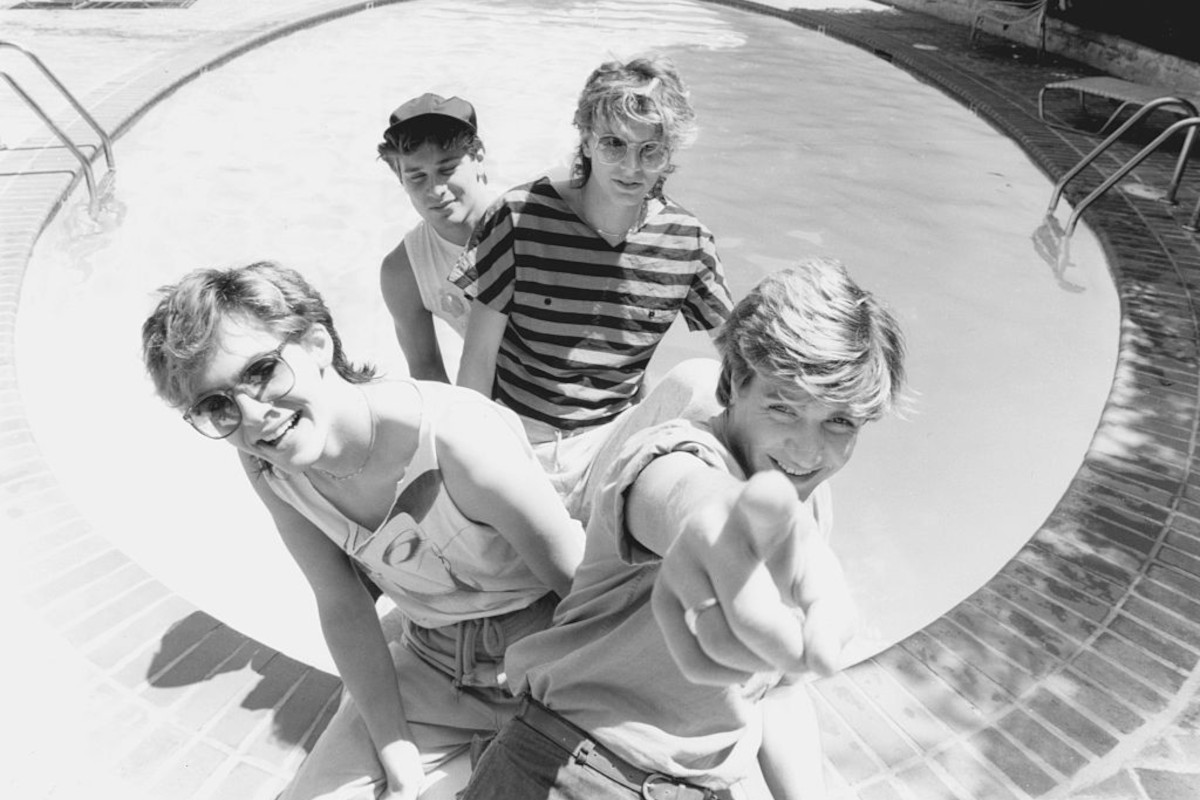
"When we formed," Duran Duran keyboardist Nick Rhodes told The Guardian in 2003, "We decided we’d be playing Madison Square Garden within two years." Back in 1978, that might’ve seemed like a pipe dream for Birmingham schoolboys Rhodes, guitarist John Taylor and singer/bassist Stephen Duffy, but amazingly, they nearly pulled it off – it just took them a couple more years than planned to get to the prestigious US venue.
Where previous UK bands had to follow a tried-and-tested route to US success – slogging it around on endless tours, meet and greets and local radio interviews – Duran Duran were of the first generation with a new weapon at their disposal, the music video. MTV launched on 1 August 1981 in the United States and Duran Duran were on board from the start with the video for their third single, ‘Girls On Film’.
The band were a perfect fit for the new station – glamorous, provocative and willing to act up on camera. With MTV’s help, ‘Girls On Film’ became a minor hit, but it was really laying the groundwork for their next single, 1983’s ‘Hungry Like The Wolf’.
"I remember our director of talent and artist relations came running in and said, 'You have got to see this video that's come in,'" MTV executive Les Garland told The Guardian. “Duran Duran were getting zero radio airplay at the time, and MTV wanted to break new music. ‘Hungry Like The Wolf’ was the greatest video I'd ever seen."
The station put the cinematic clip on heavy rotation, sparking a wave of ‘Duranmania’ as the single climbed the US chart, peaking at No 3. "When we came back after 'Hungry' was a hit, it was mayhem," recalled Rhodes. "It was Beatlemania. We were doing a signing at a store in Times Square. We couldn't get out of the store, the cops sealed off the streets. It was scary."
From that point, the hits – and blockbuster videos – kept coming, with ‘Rio’, ‘The Reflex’ and ‘Wild Boys’ all reaching the upper echelons of the US chart. And in March 1984, the group played two shows at Madison Square Garden, making good on their original ambition – sure, it took them a couple more years than planned, but we’ll forgive them.
Breakthrough track: 'Hungry Like The Wolf'
5. George Michael (1987)
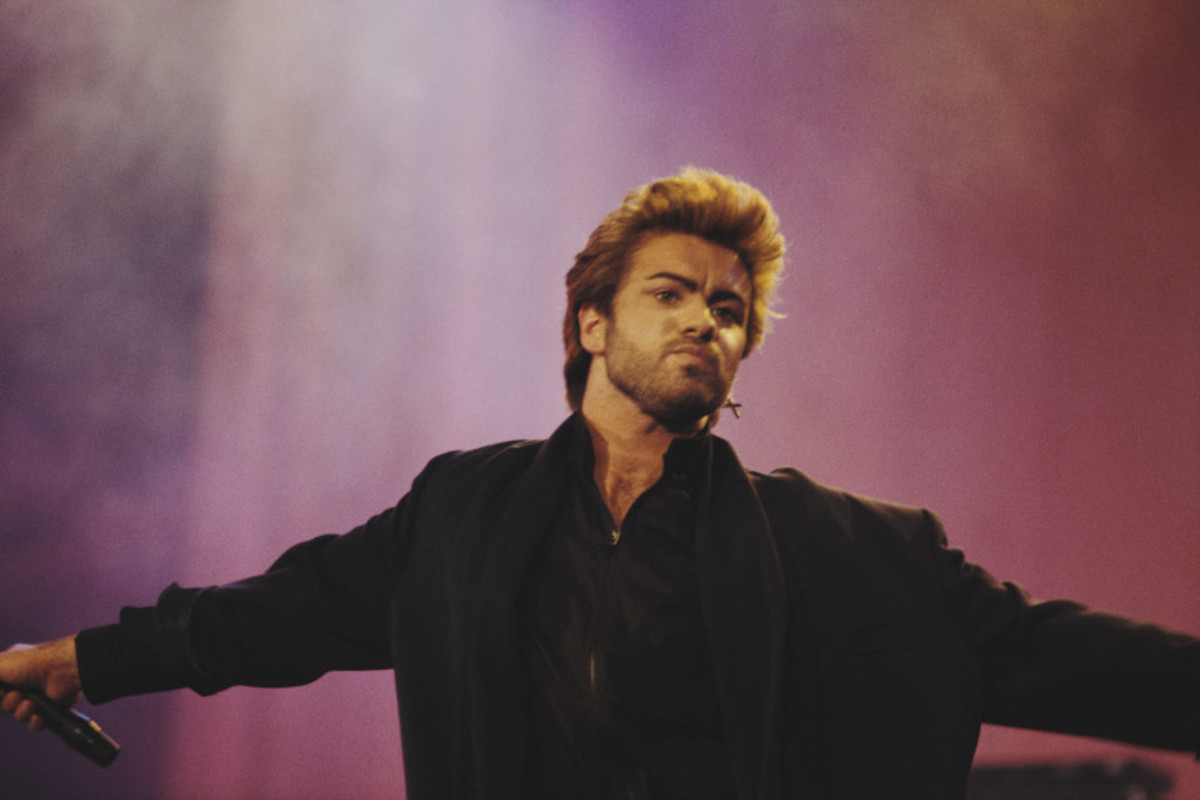
Another Brit who enjoyed phenomenal US success in the ’80s was George Michael. With Wham! bandmate Andrew Ridgeley, Michael had a run of US No 1 singles, including the impossibly bouncy ‘Wake Me Up Before You Go-Go’, the smouldering ballad ‘Careless Whisper’ and the synth-funk-pop of ‘Everything She Wants’. But it wasn’t until Michael reinvented himself as a designer-stubble-sporting, hip-shaking, leather-jacket-wearing solo star that he truly became a phenomenon in the States.
Michael’s first solo singles proper, 1987’s ‘I Want Your Sex’ and ‘Faith’ made him one of the biggest stars on the planet, thanks to truly iconic videos. What’s more, his next three US singles – ‘Father Figure’, ‘One More Try’ and ‘Monkey’ – all followed ‘Faith’ to the top of the Billboard Hot 100, helping his debut solo album to 10 million sales in the US alone.
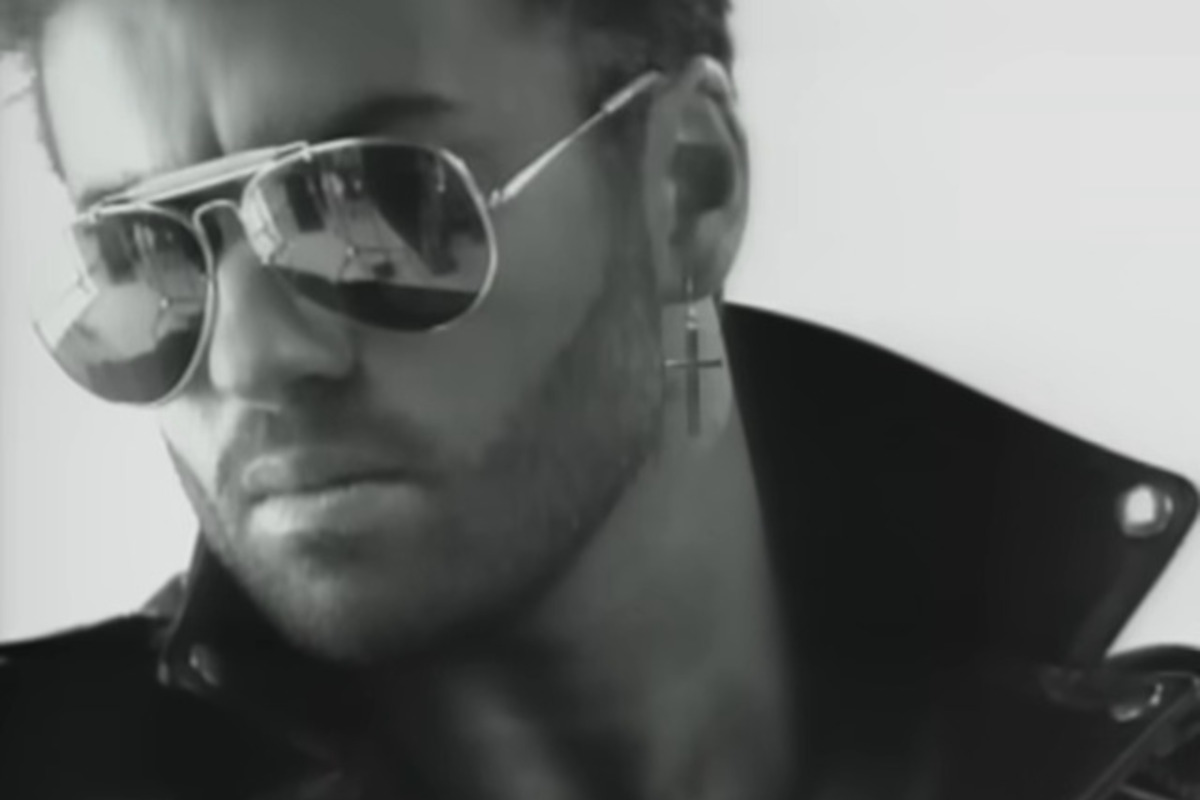
Michael’s follow-up, 1990’s self-produced Listen Without Prejudice Vol 1, reached No 2 in the US. Not bad considering it was a more sombre and sophisticated affair and that Michael refused to do interviews or to feature in any of the videos for singles taken from the album.
It sold millions, but didn’t match its predecessor – Michael blamed his record label, Sony, for not promoting it properly and in 1992, went to court in an attempt to break free of his recording contract. This meant he couldn’t release any music for the next two years.
When he finally returned, with 1996’s Older, it only reached No 6 in the US and his arrest in 1998 for engaging in a lewd act in a public restroom in Beverly Hills effectively put an end to his mainstream pop career in the United States. Michael would later reference the arrest with the glorious disco-fuelled ‘Outside’ but by then, America was no longer listening.
Breakthrough track: 'Faith'
6. Spice Girls (1997)
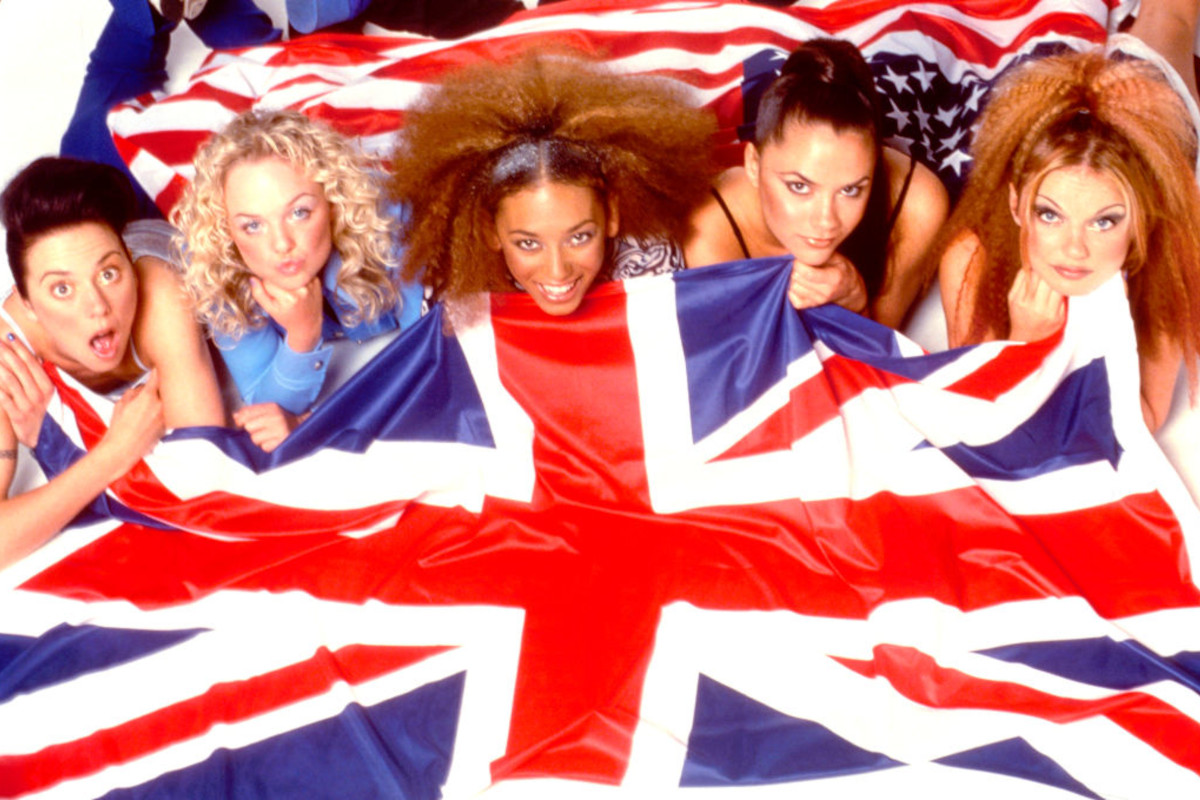
British bands struggled to break into the American market in the ’90s. Oasis nearly managed it but refused to play the game; Take That were a one-hit wonder with ‘Back For Good’; and anybody who’s seen Radiohead’s 1998 documentary Meeting People Is Easy knows how frontman Thom Yorke reacted to the pressure cooker of life on the road. Perhaps what they were all lacking was a hefty dose of Girl Power.
In July 1996, the Spice Girls became stars overnight when their debut single, the brilliantly bolshie ode to friendship ‘Wannabe’ went straight to No 1 in the UK singles chart. Their debut album, Spice, was released in November and by Christmas had sold nearly two million copies in Britain alone, making them the fastest selling British act since The Beatles. But however impressive those numbers are, they don’t explain the impact that the group had on British culture.
They were fiercely opinionated, articulate, witty and relatable role models for a generation of young women and, unsurprisingly, were unbelievably famous overnight. ‘Wannabe’ was inescapable, but so were ‘Say You’ll Be There’, ‘2 Become 1’ and ‘Who Do You Think You Are’. They made no attempts to tone down their Britishness, and yet became a worldwide phenomenon – and the US wasn’t immune to their charms.
‘Wannabe’ was released in the US in January 1997 and entered the Billboard Hot 100 at No 11, the highest-ever new entry for a UK act at the time; four weeks later, it reached No 1, where it remained for a further four weeks. Spice went on to sell over seven million copies in the US alone and young fans couldn’t move for merchandise, from dolls to cameras to lunchboxes, and endorsements, including a tie-in with Pepsi.
They were around for a good time, not a long time – second album Spiceworld was released in November 1997 along a cameo-studded movie Spice World – but the cracks were beginning to show and before long, they went their separate ways. Still, in their pomp, they taught America how to ‘zig-a-zig-ah’.
Breakthrough track: 'Wannabe'
7. Amy Winehouse (2007)
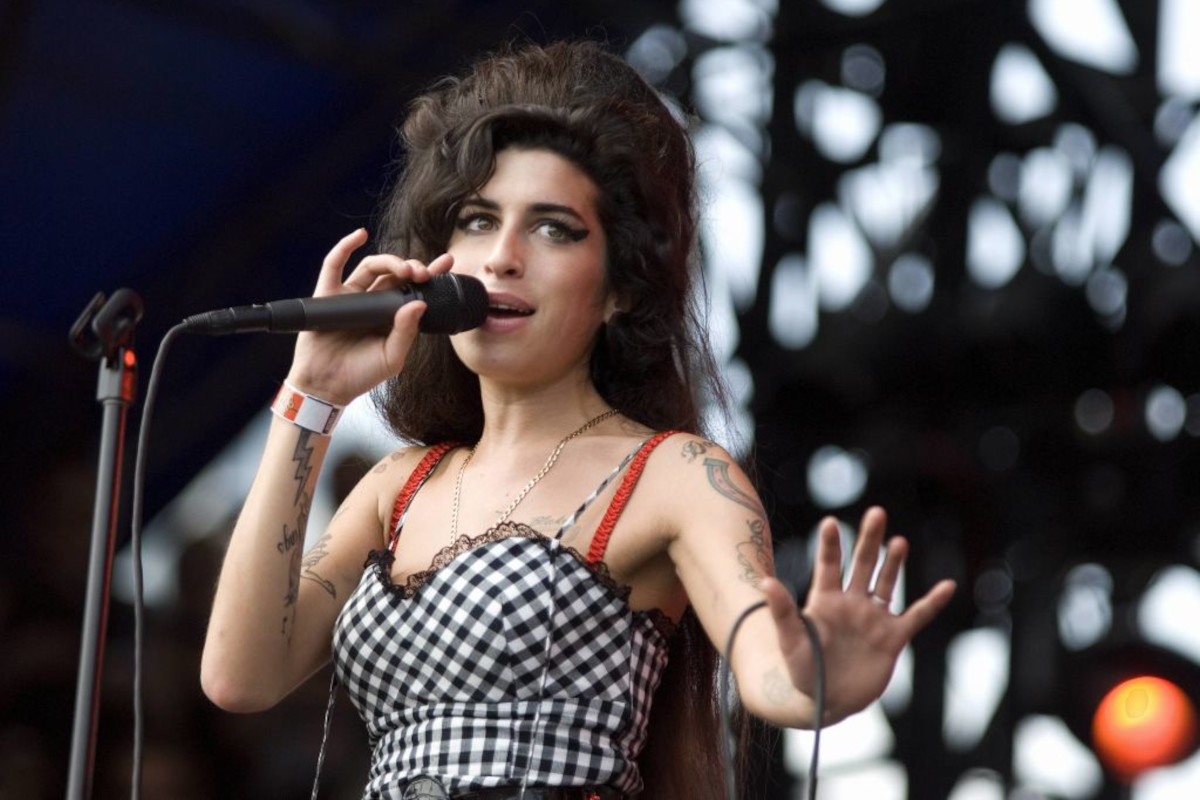
Like The Beatles before her, Amy Winehouse’s American breakthrough was helped along by a TV appearance that has since gone down in history. In March 2007, Winehouse made her US TV debut with a performance of her UK hit single ‘Rehab’ on The David Letterman Show.
Teetering on the spot in a polka dot dress, the weight of her beehive hairdo threatening to topple her over, Winehouse gave a mesmerising performance that showcased her vocal range and effortless charisma. And where TV performances of the past were you-had-see-it moments, this was in the age of viral video clips, helping Winehouse become a word-of-mouth sensation. ‘Rehab’ stormed up the US charts, eventually reaching No 9 and catapulting her second album, the stone classic Back To Black to No 2 in the US.
By the time of the following year’s Grammy Awards, concerns over Winehouse’s drug use had led to US authorities rejecting her visa application, which meant that she performed at the ceremony via a satellite link-up. Winehouse’s performances of ‘You Know I’m No Good’ and ‘Rehab’ were captivating and unpredictable but were also heartbreaking evidence of her physical decline, despite hints of her vocal brilliance shining through.
She won five of the six awards she was nominated for that evening, including the prestigious Record Of The Year and Song Of The Year (both for ‘Rehab’). Having broken through in America, there was no telling what she might’ve done next had she stayed healthy, but tragically, that wasn’t to be.
Breakthrough track: 'Rehab'
All pics Getty Images.
Top image Duran Duran, 1981. L-R Nick Rhodes, Andy Taylor, John Taylor, Roger Taylor, Simon Le Bon


