In the democratic mythos of rock and roll, we imagine bands as brothers-in-arms.
In reality, many of the greatest albums were born from a total monarchy. From the early 1960s onwards, the transition from 'beat groups' to bands with their own distinct artistic visions saw the rise of the singular leader: the individual who treated their bandmates as session musicians or, in some cases, obstacles to be managed.
While singers dominate this list because they hold the literal voice of the band, you'll also find guitarists and keyboardists who used their technical mastery to command every note played in the studio. From fining members for 'wrong notes' to secretly re-recording entire instrumental sections, these 15 leaders proved that sometimes, rock and roll is a one-man show.
1. James Brown
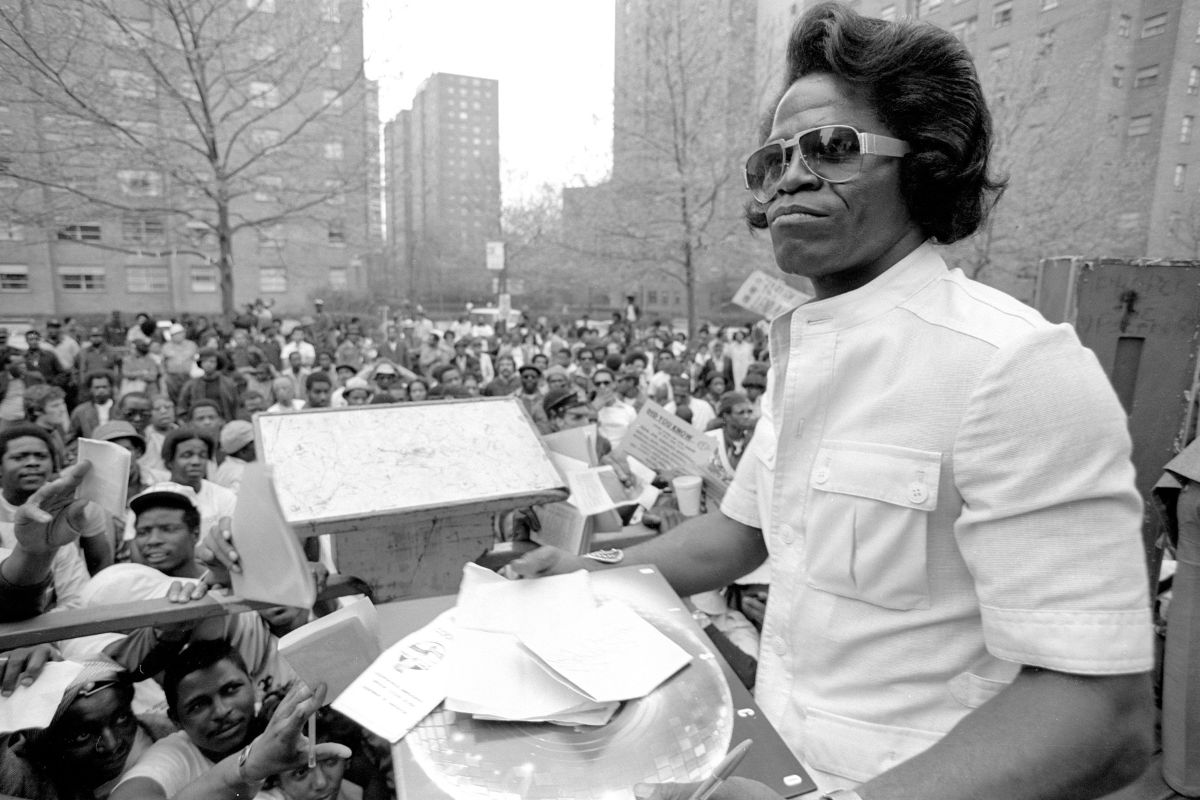
Brown was famously the 'Hardest Working Man in Show Business', and he expected his band to follow suit. He ran rehearsals like a drill sergeant, famously using hand signals during live performances to indicate fines for musicians who missed a cue, played a wrong note, danced out of sync, or simply weren't wearing the correct properly shined, patent leather shoes.
This wasn't just ego; it was about creating the tightest funk unit on the planet. By the time his rock-adjacent J.B.'s era arrived, Brown's word was law, and his ability to dock pay on the spot ensured that his rhythm section functioned with the precision of a Swiss watch.
2. Robert Fripp (King Crimson)
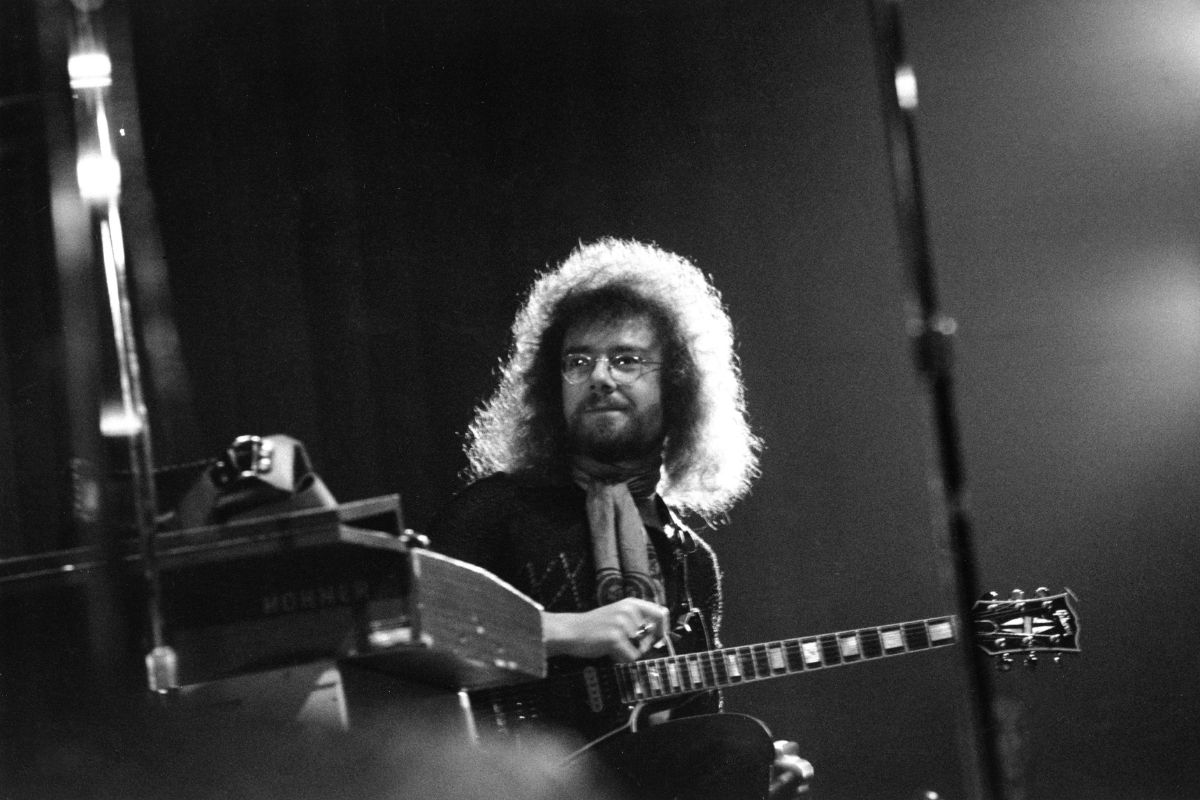
Fripp famously views King Crimson as a 'way of doing things' rather than a set of people. He is the intellectual architect who dictates the band’s complex, mathematical approach to rock. If a musician's ego or style drifted away from Fripp’s current philosophical 'cycle', they were replaced.
Fripp once famously disbanded the group at their height (after 1974's coruscating Red album) because it was no longer 'serving the music', only to reform it years later with an entirely new, hand-picked crew. In Fripp’s world, the guitarist isn't just a player; he is the system administrator.
3. Frank Zappa
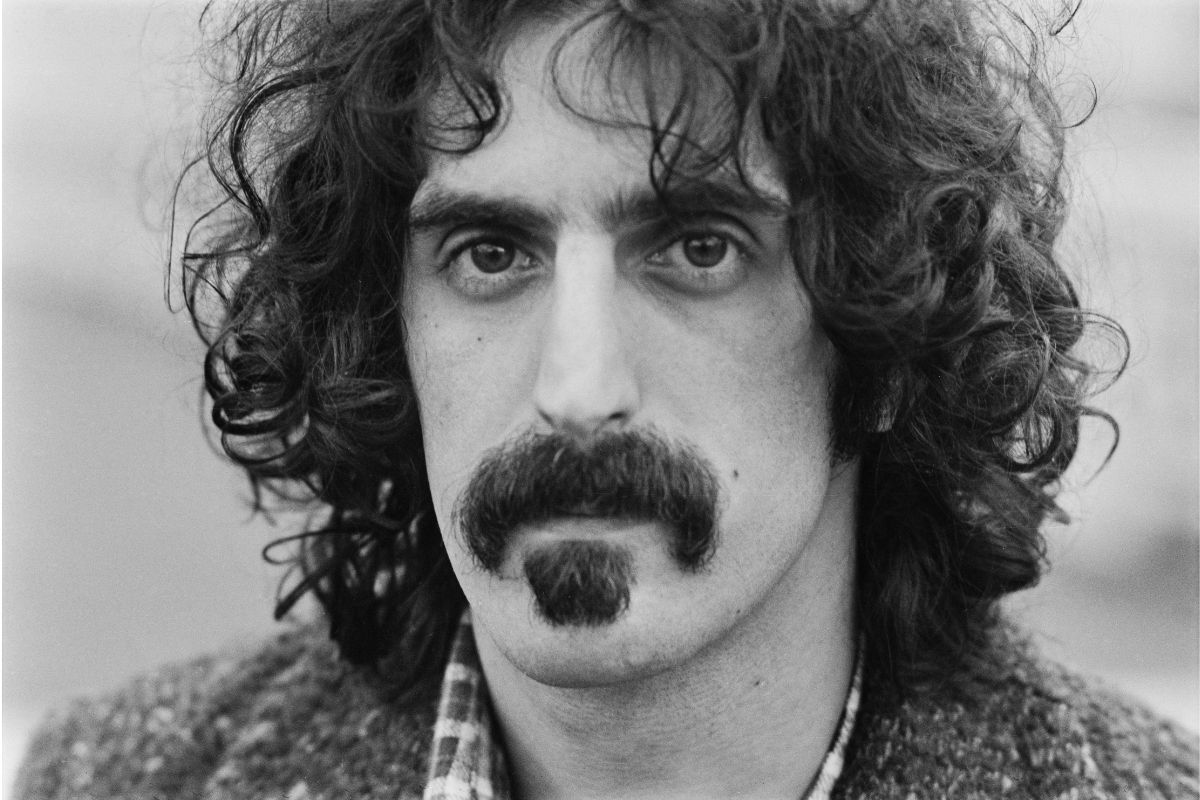
Frank Zappa was a composer who happened to lead a rock band. He demanded total technical mastery and absolute sobriety from his 'Mothers' (the Mothers of Invention, his backing band), often presenting them with scores that were virtually unplayable. He viewed his musicians as human synthesizers designed to execute his 'Conceptual Continuity'.
Those who couldn't keep up with his 10-hour rehearsals or his rapid-fire stylistic shifts were discarded. Zappa’s control extended to every facet of the business, from the recording engineering to the distribution, leaving zero room for the typical collaborative jamming found in 70s rock.
- We named Frank Zappa among music's greatest mavericks
4. Roger Waters (Pink Floyd)
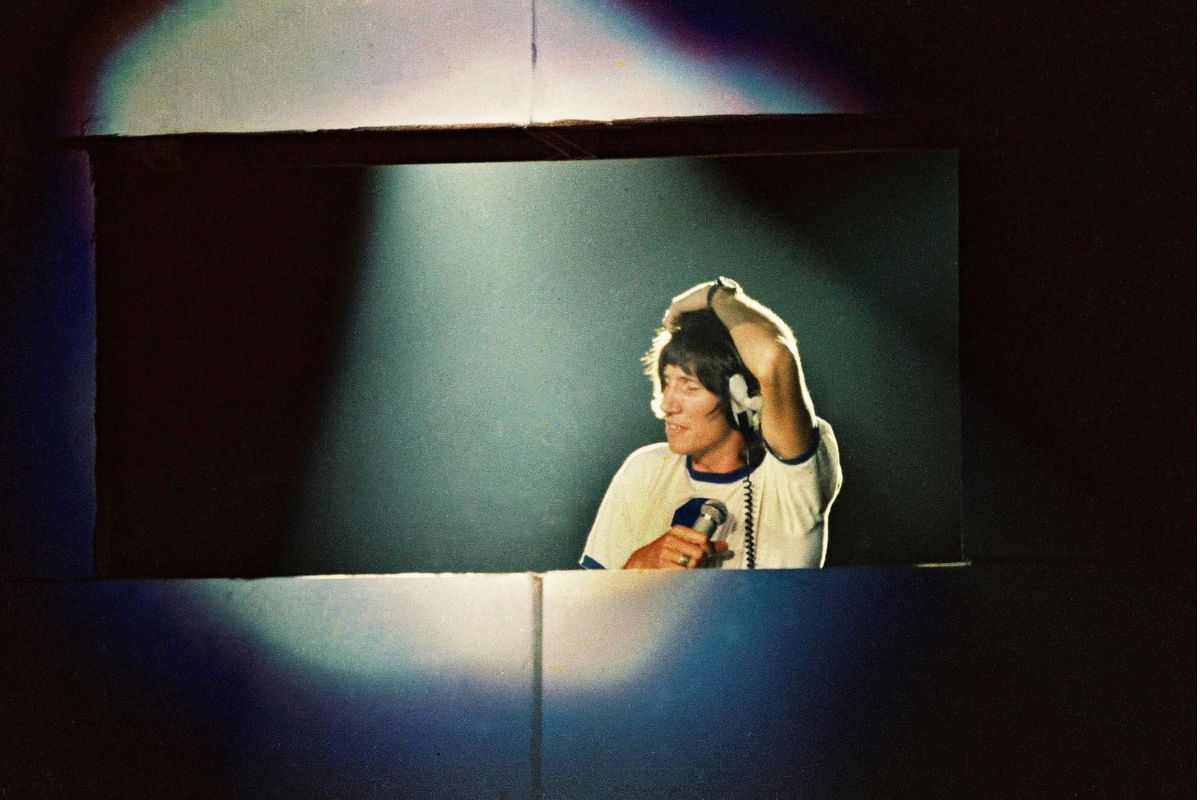
By the time The Wall, Pink Floyd's massive 1979 double concept album, was being built, Roger Waters had transitioned from a band member to a director-general. He reduced his bandmates to session players, dictated the specific emotional beats of David Gilmour's solos, and famously forced out keyboardist Richard Wright (one of rock's most underrated musicians) during the sessions.
Waters saw the band’s music as a vessel for his personal, autobiographical narratives, and he became increasingly intolerant of any input that diluted his message. For Waters, Pink Floyd was no longer a four-way street; it was a one-way bridge where he owned the toll.
5. John Fogerty (Creedence Clearwater Revival)
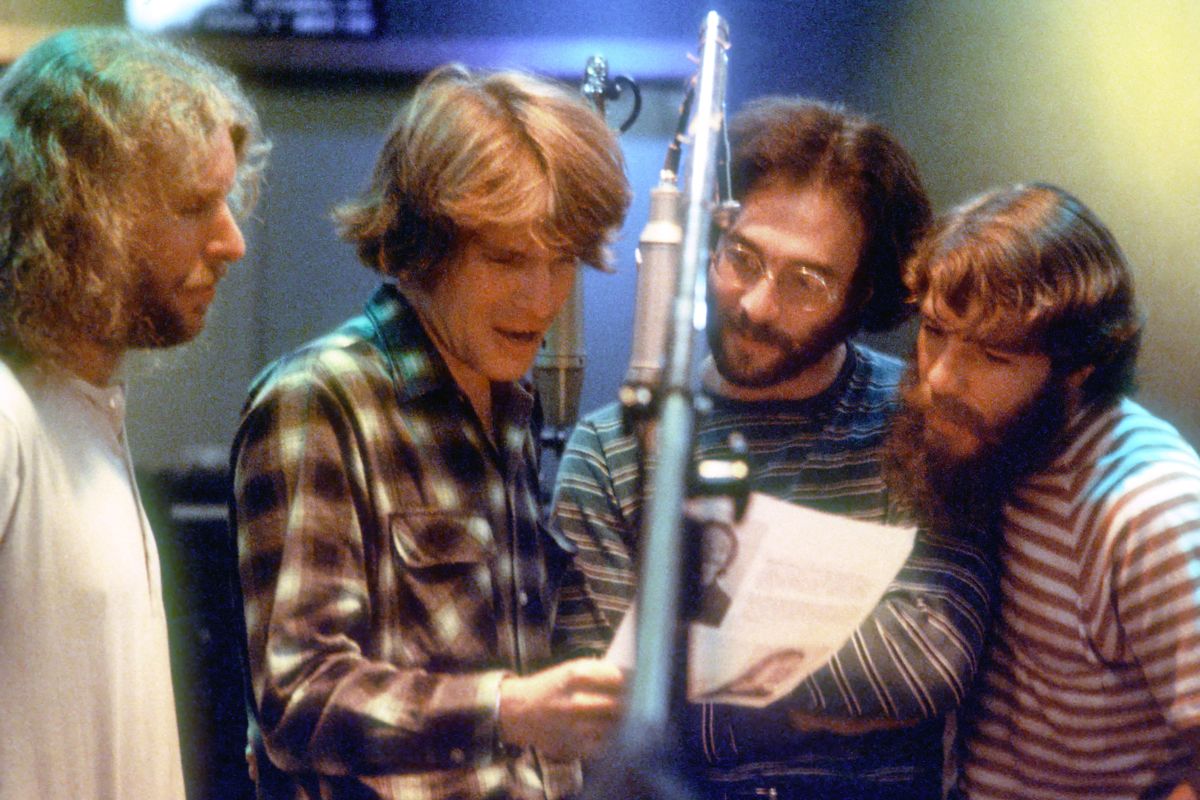
John Fogerty wasn't just the leader of Creedence; he was Creedence. He wrote, arranged, sang, and produced every hit, treating his bandmates – including his own brother Tom – as a backing unit rather than a democracy. The tension peaked with the making of 1972’s Mardi Gras album. Exhausted by his control, the other members demanded equal songwriting input.
- You can find a wealth of rock articles like this one on our Rock page
In a move of 'malicious compliance', Fogerty agreed but refused to help them or play lead guitar on their tracks, essentially leaving them to fail. He later called it 'the worst album I ever heard', but to Fogerty, it was proof that his dictatorship was a necessity for their success. The experiment backfired; the album was panned, the band disintegrated, and the resulting legal battles with his label saw Fogerty sued for sounding too much like himself – a bitter irony for a man who controlled every note.
6. Lou Reed (The Velvet Underground)
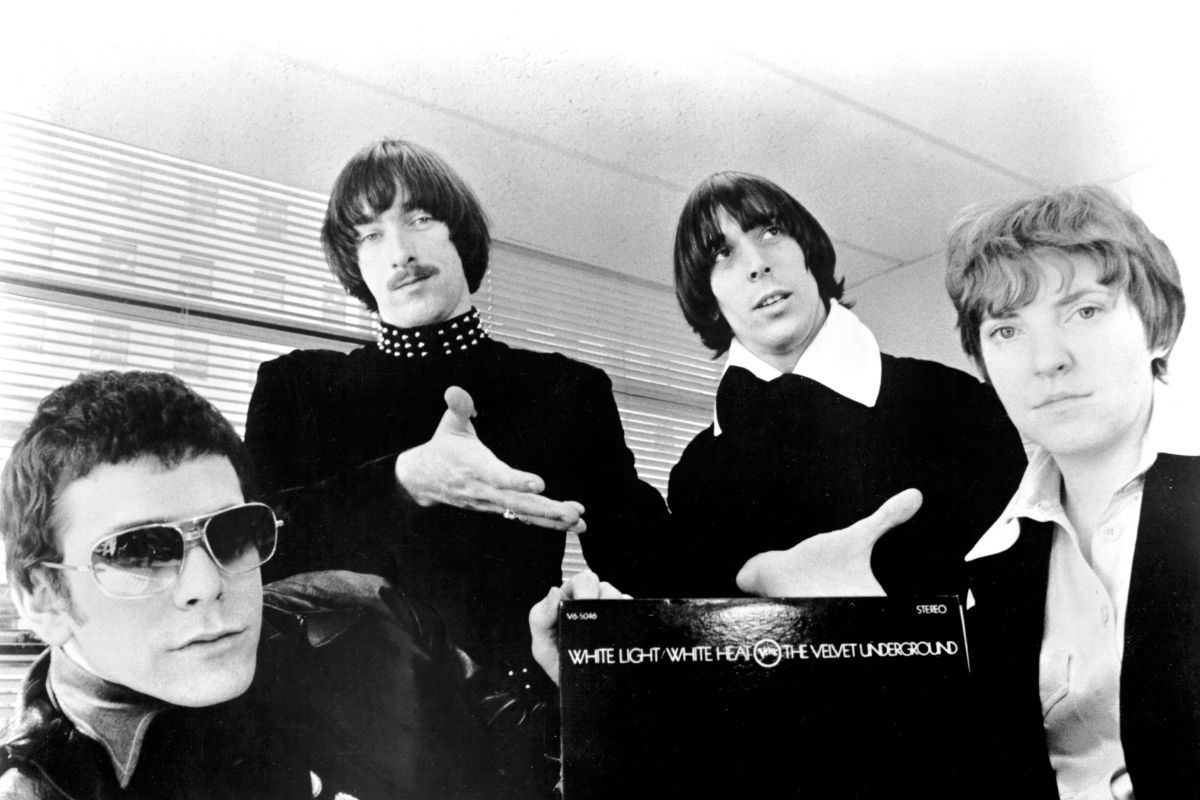
Lou Reed's control of the legendary Velvet Underground was a masterclass in psychological manoeuvring. He famously pushed out the avant-garde genius John Cale to ensure the band remained focused on his own street-wise, narrative songwriting. Reed held the intellectual property of the 'cool' factor, dictating the band’s cold, detached image and their abrasive sonic palette.
- We listed the Velvet Underground as one of those bands who truly sounded like no one else. And we discuss why their debut might be the most influential album of all time
Later, during his solo career, Reed was known for being notoriously difficult with collaborators, treating everyone from producers to backing vocalists as transient figures in his latest experimental phase. Apart from Cale, David Bowie, Doug Yule and guitarist Robert Quine were among the figures who bore the brunt of Reed's brittle working methods.
7. Axl Rose (Guns N’ Roses)
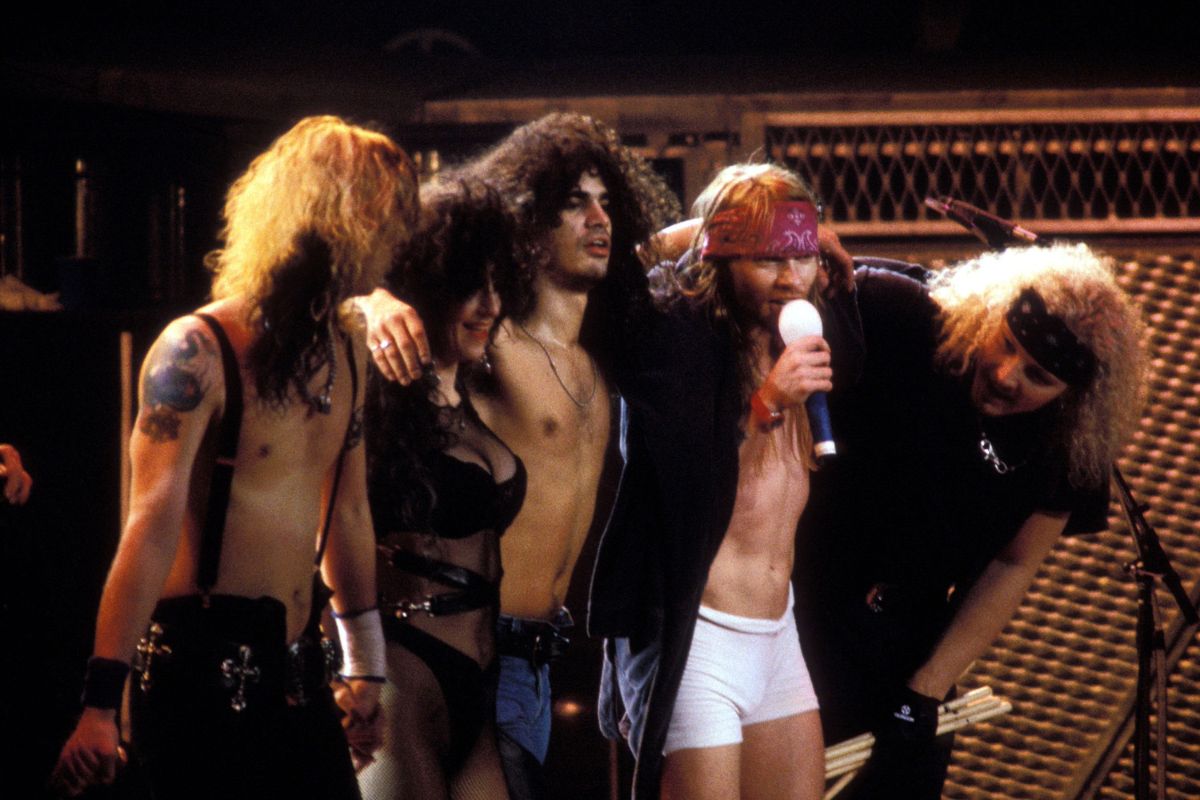
Perfectionism and legal savvy were the defining traits of Axl Rose's tight grip on the Guns N' Roses brand. As the 80s turned into the 90s, he systematically gained legal control over the Guns N' Roses band name, essentially turning his bandmates into employees.
Rose's obsession with his 'magnum opus', Chinese Democracy (one of rock's nightmare albums, by the way) saw him cycle through dozens of world-class guitarists, forcing them to record and re-record parts for over a decade. He would often refuse to take the stage until the 'vibe' was right, holding both his band and tens of thousands of fans hostage to his mercurial, uncompromising creative vision.
8. Prince
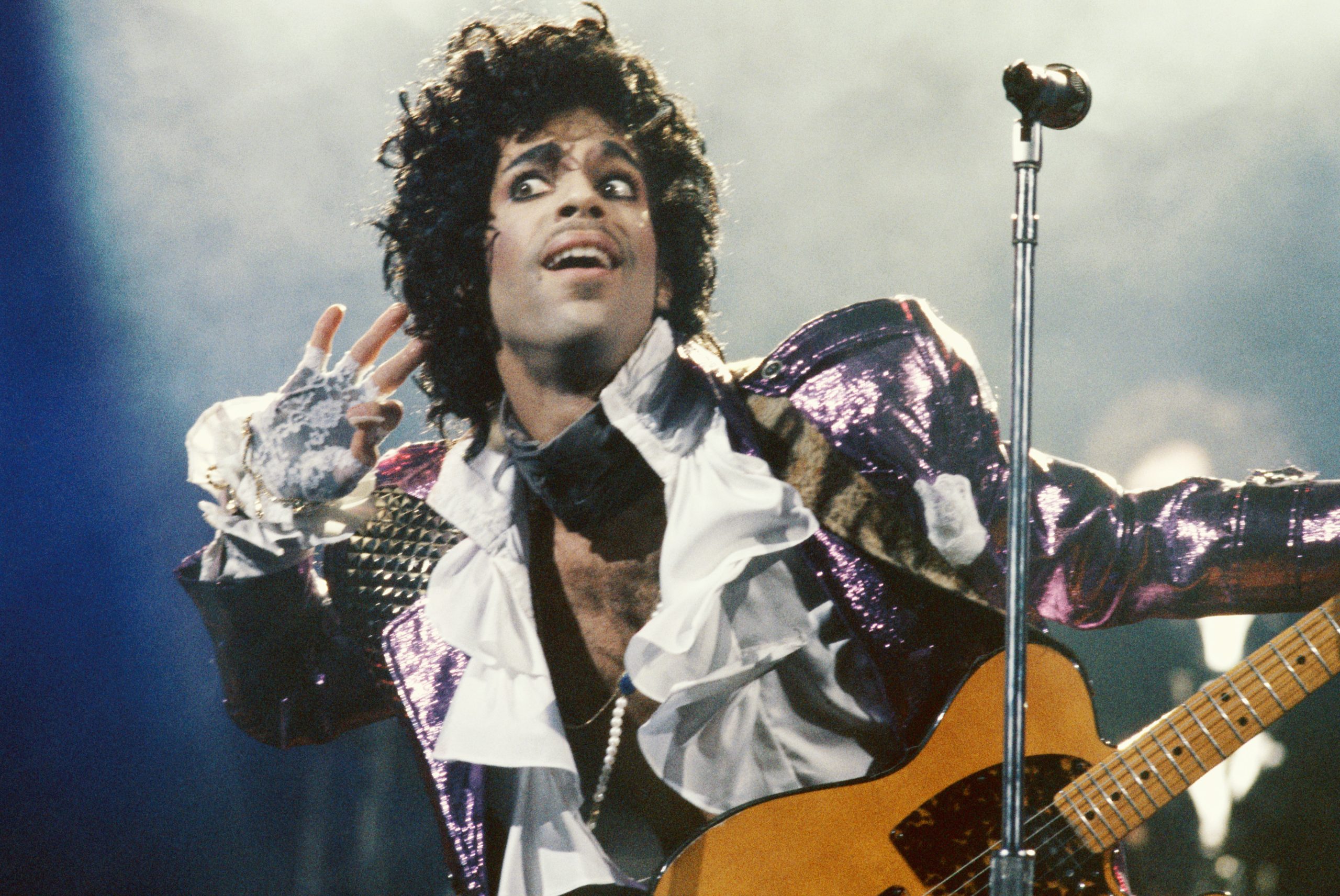
Prince was the ultimate control freak because he was the rare artist who actually could do it all. He famously played every instrument on his early albums and, when he did use a band like The Revolution, he demanded a 24/7 commitment to his work ethic. He enforced strict dress codes, gruelling rehearsal schedules, and a 'purple' lifestyle – a total immersion into his idiosyncratic, high-concept reality.
- Prince's album Purple Rain features on our list of the greatest 1980s albums
Prince also famously ignored the traditional 9-to-5. He was a nocturnal workaholic who might call a full-band rehearsal at 3am because he had a sudden moment of inspiration. Living 'purple' meant being on-call at all hours. There was also a firm ban on profane language and a strict 'no drugs or alcohol' policy. He wanted a clean, focused environment where the only high came from the music.
Prince also kept hundreds of unreleased tracks in a vault, refusing to let anyone hear them until they met his exacting standards.
9. Mike Love (The Beach Boys)
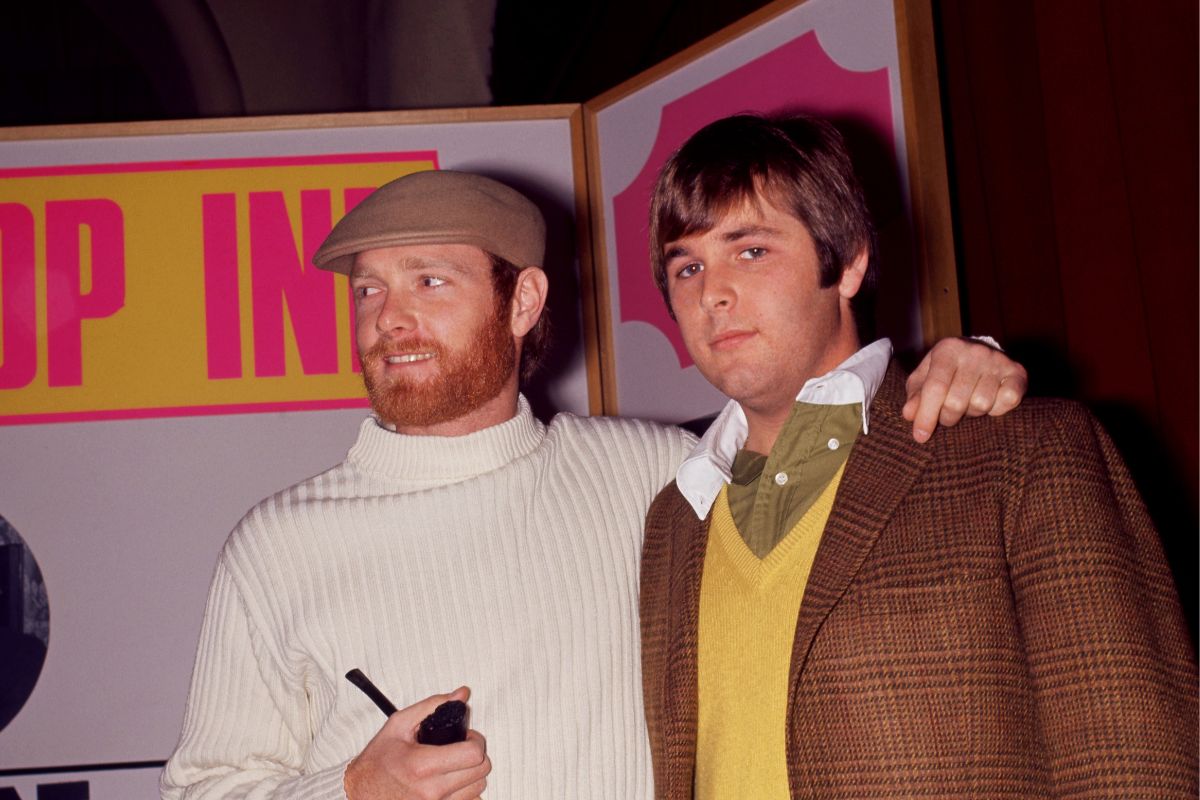
While Brian Wilson was the Beach Boys' harmonic engine, Mike Love was the corporate enforcer. He controlled the Beach Boys brand with an iron fist, famously attacking Brian’s artistic growth during the 1967 sessions for the abandoned album Smile, because it didn't fit the profitable 'cars and girls' formula.
For decades, Love used his position as the band’s frontman and legal steward to prioritize nostalgia and commercial safety over innovation, effectively trapping the band in a permanent 1964 loop and ensuring that his conservative vision of the group remained the dominant one.
10. Ritchie Blackmore (Deep Purple / Rainbow)
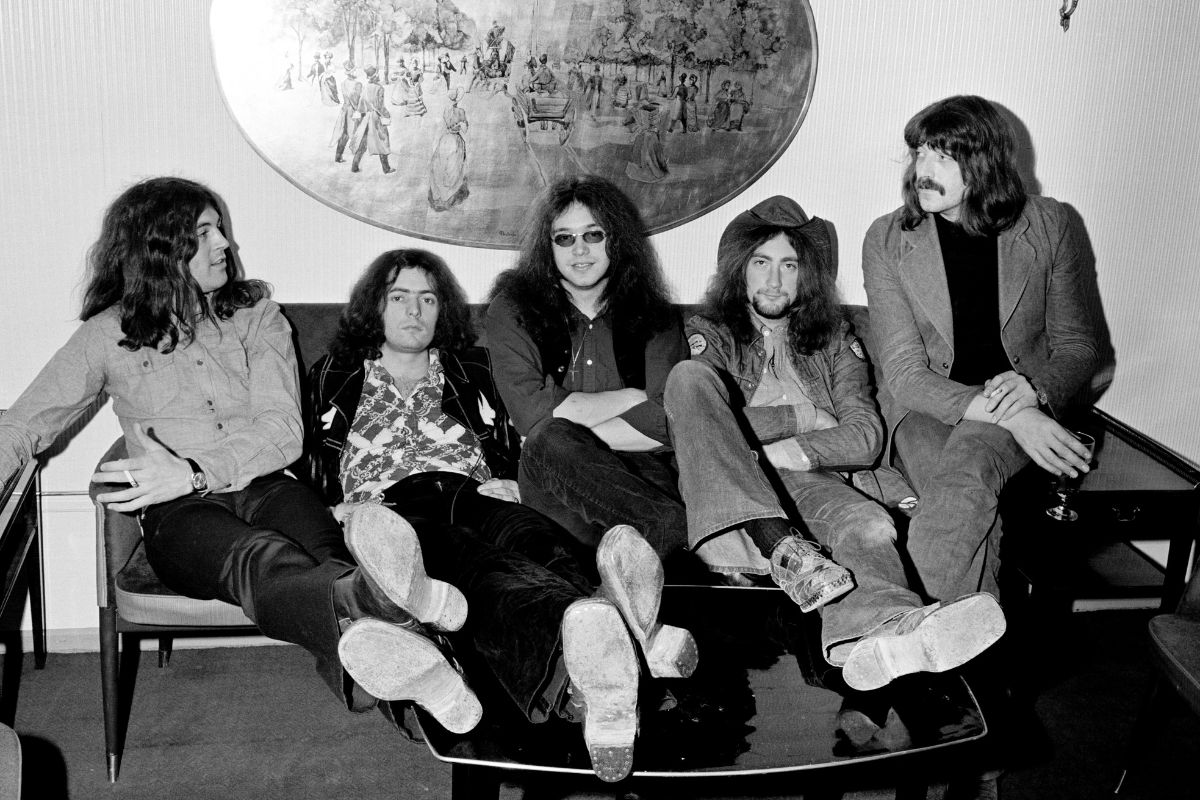
Ritchie Blackmore treated band lineups like disposable engine parts. Deep Purple's 'Mark II' lineup (pictured above) being their most commercially and creatively successful, Blackmore dismantled it due to a fundamental clash of egos and musical direction with singer Ian Gillan. Blackmore couldn't abide a collaborator who challenged his authority, and his desire to move toward a more 'medieval' or structured hard-rock sound led to Gillan’s departure and the eventual dissolution of Purple's greatest era.
When he formed Rainbow, the pattern intensified; he famously fired bassists and drummers on a whim, often for something as trivial as their choice of shoes or a single missed cue. To Blackmore, the music was a cold, exacting science that required total subservience to his guitar, and anyone who exhibited a hint of 'rock star' independence was swiftly shown the door.
11. Paul McCartney (The Beatles)
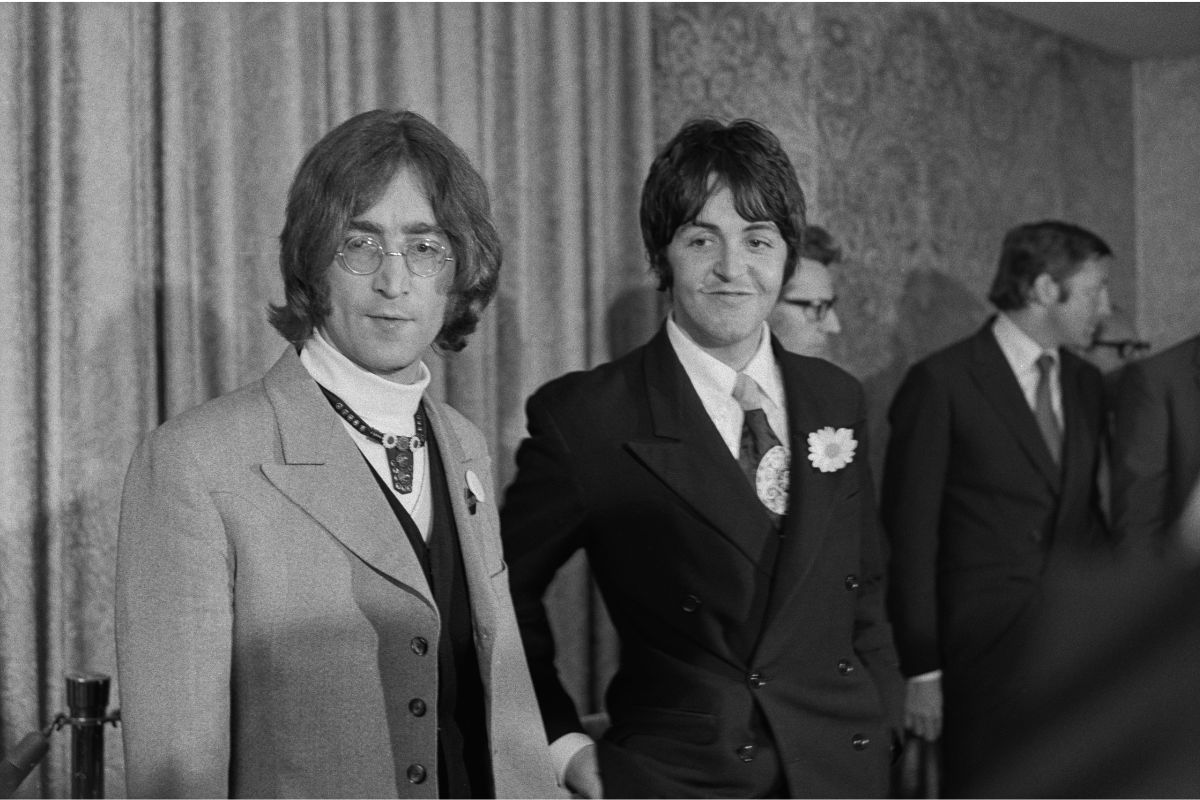
In the post-touring era of The Beatles, Paul became the band’s de facto director. His perfectionism often manifested as bossiness; he would frequently tell George Harrison exactly what to play (as seen in the Get Back footage) and famously re-recorded Ringo’s drum parts on several tracks when he wasn't satisfied.
While Macca's drive kept the band productive during their final years, his 'hands-on' approach to every instrument and arrangement created the resentment that ultimately led to the group’s fractured end, as the others tired of being 'Paul's band'.
12. Sting (The Police)
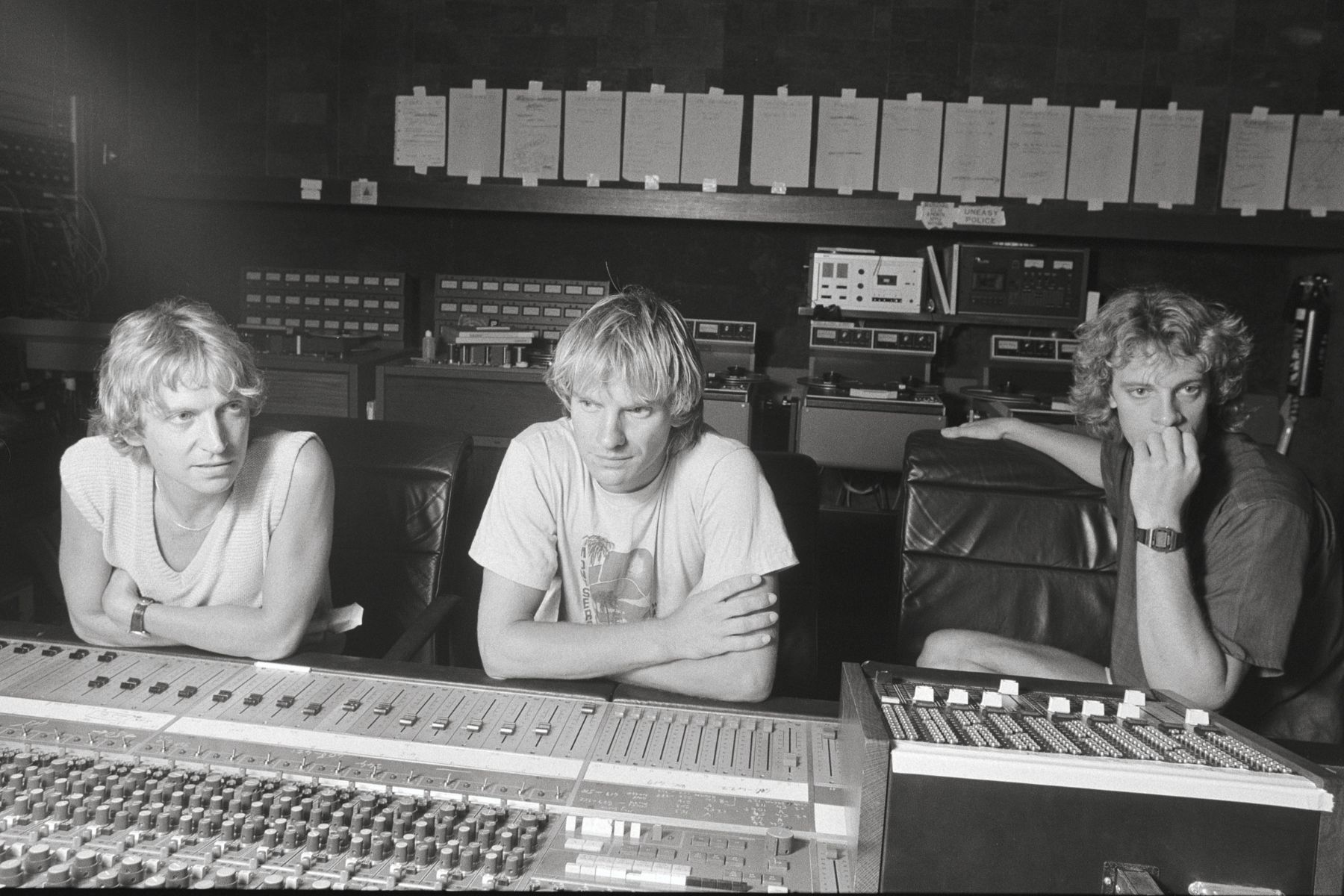
Despite The Police being a trio of world-class virtuosos, Sting made it clear that he was the primary songwriter and the face of the group. He moved the band implacably away from their collaborative punk-reggae roots toward his own sophisticated, jazz-inflected pop vision.
This led to legendary physical brawls in the studio, particularly with drummer Stewart Copeland. Recording sessions for the band's final album, 1983's Synchronicity, were a battlefield. Tensions between Sting and Copeland peaked in Montserrat, with the trio recording in separate rooms to avoid physical brawls.
Ironically, this toxic, isolated atmosphere birthed their most successful work, fuelled by cold, virtuosic resentment. Elsewhere, Sting’s refusal to allow 'lesser' songs from his bandmates onto the albums ensured that while the music was world-beating, the band’s lifespan was short, as no democracy could survive his singular ambition.
13. Mark E. Smith (The Fall)
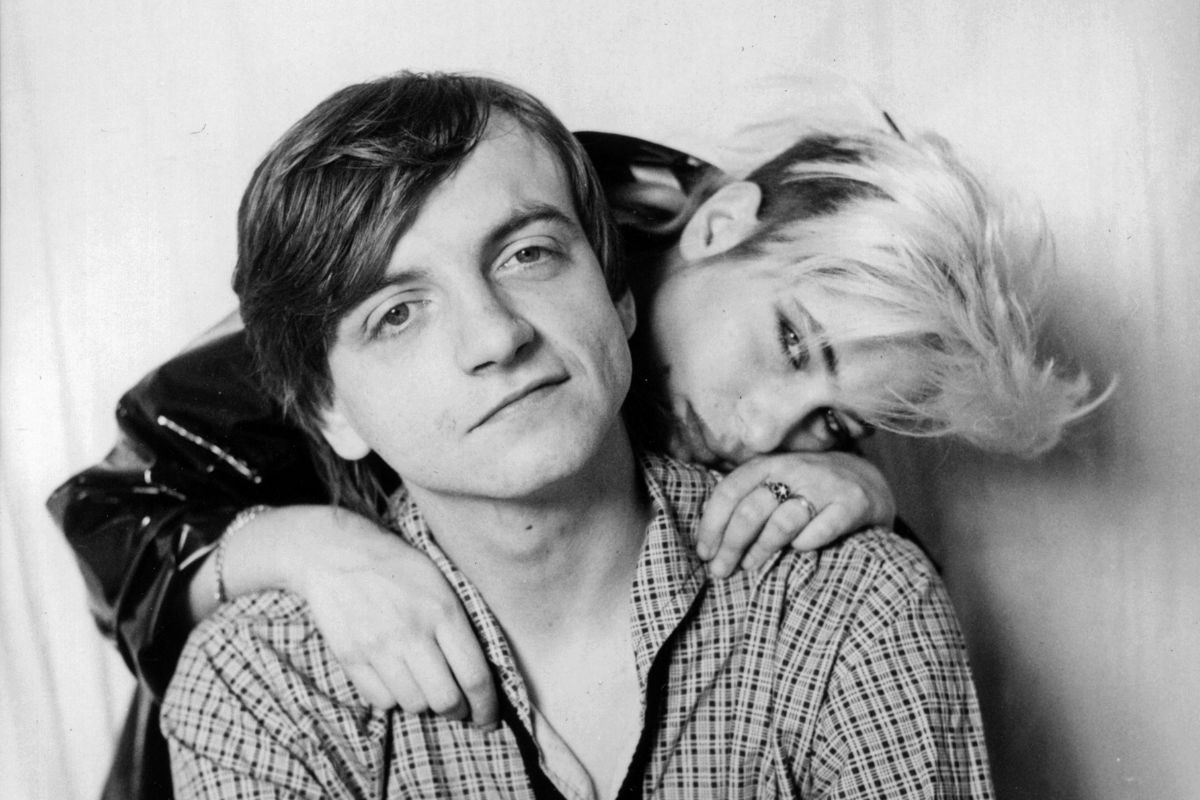
Mark E. Smith was the antithesis of the 'collaborative' rock leader. He treated The Fall as a revolving door, firing over 60 members across four decades (Smith famously justified the high turnover by saying, 'If it's me and yer granny on bongos, it's The Fall'. His reasons for these dismissals were typically whimsical: one musician was fired for eating a salad, another for 'looking like a social worker'.
Smith used his lyrics to berate his own musicians and deliberately sabotaged their equipment during live shows to keep them 'on their toes'. To The Fall's enigmatic frontman, the band was a malleable tool for his (ironically) anti-authoritarian rants, and no one was ever indispensable except the man at the mic.
14. Chuck Berry
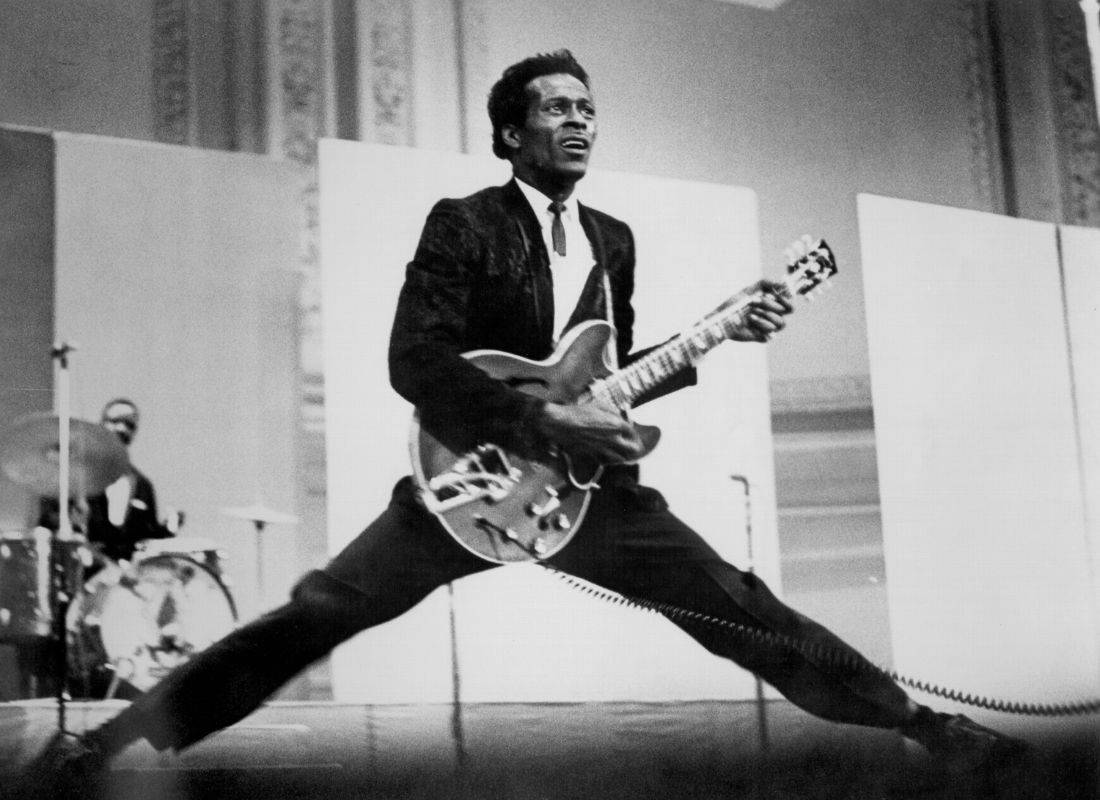
Chuck Berry’s control was rooted in a deep distrust of the industry. He famously travelled with only his guitar, hiring local pick-up bands in every city to save on travel costs.
He provided zero rehearsal, expected the musicians to intuitively know his idiosyncratic keys, and would often start songs without telling the band what they were playing. Most infamously, he refused to step onto a stage until he was handed a paper bag containing his full fee in cash, treating his legendary status as a transactional, non-negotiable power play.
15. Don Henley (Eagles)
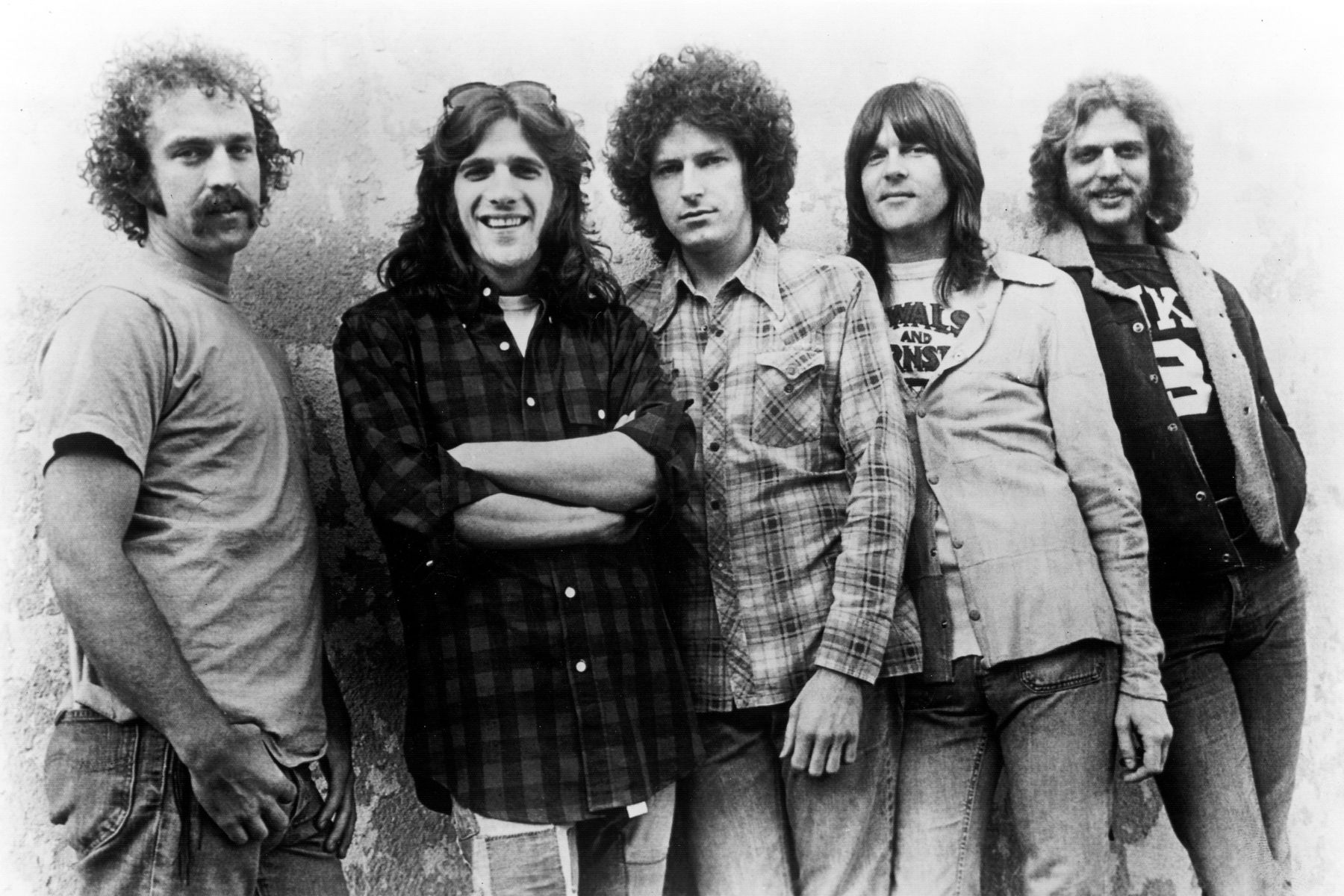
Don Henley, alongside Glenn Frey, established a corporate-style hierarchy within the Eagles that left no doubt about who owned the firm. As guitarist Don Felder noted wryly in his autobiography Heaven and Hell: My Life in The Eagles, Henley and Frey were 'The Gods' and everyone else was, effectively, staff. While early members like Bernie Leadon and Randy Meisner contributed significantly to the Eagles' 'California Sound', Henley and Frey controlled the publishing, the setlists, and the business decisions.
- The Eagles feature in our rundown of rock's most polarizing bands. And which Eagles album made our ranking of the best country rock albums of all time?
This rigid structure dictated that the 'backup' members were to execute perfection without complaint. The tension reached a breaking point during the infamous 'Long Night at Long Beach' in 1980, where Felder and Frey traded threats of physical violence between songs.
Henley’s obsession with a 'no-note-out-of-place' live show and his grip on the band’s finances created a environment of immense wealth but profound resentment, proving that in Henley’s world, harmony was strictly for the vocals, not the locker room.
Pics Getty Images