
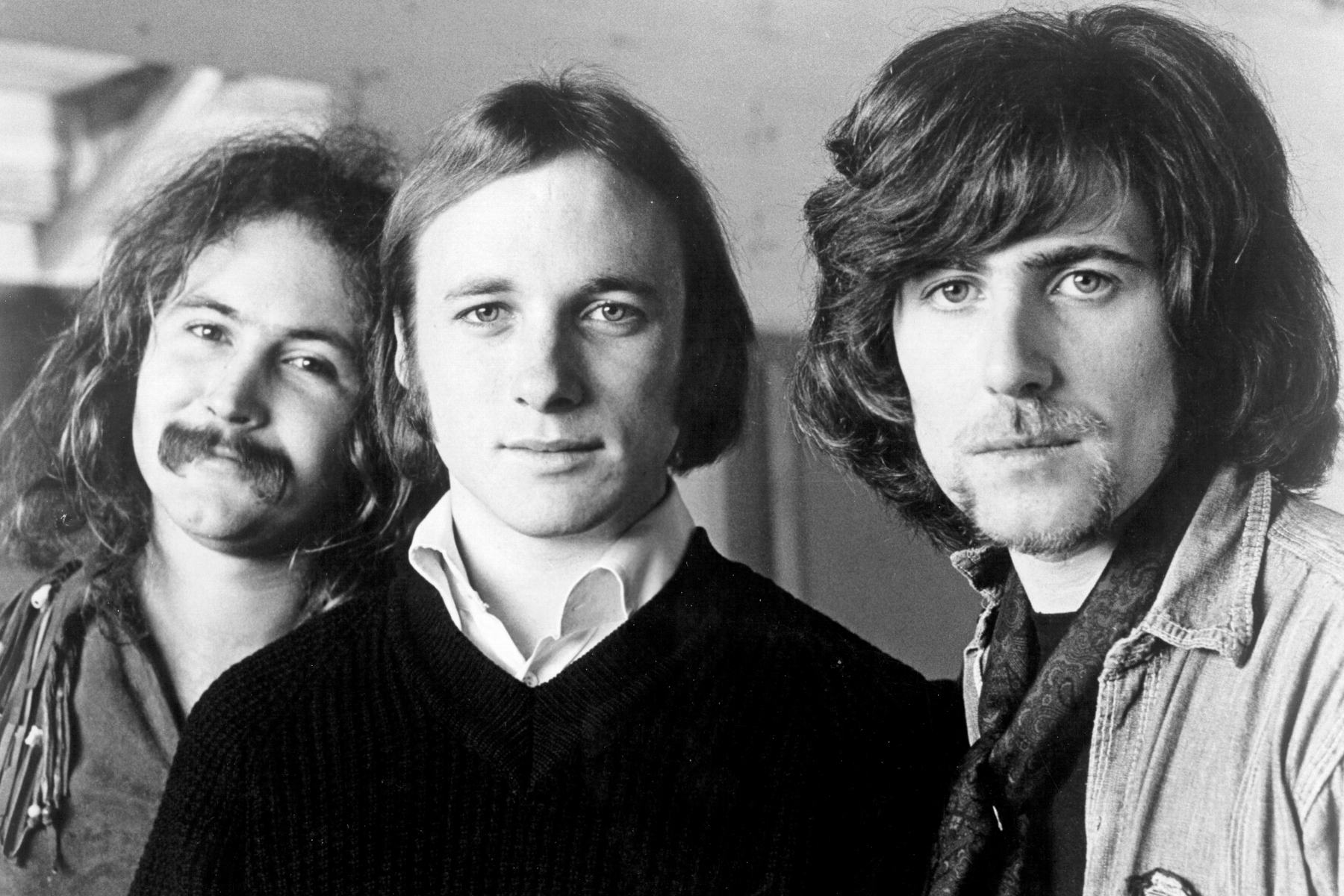
As 1970 drew to a close Crosby, Stills, Nash & Young were one of the biggest acts on the planet. Their album of that year, Déjà Vu, was a phenomenon, and remains the biggest-selling record that any of the four band members were been involved in.
They followed it up with a 23-date US tour, documented by the hugely successful live double album, 4 Way Street. But despite the critical and commercial adoration, relations were increasingly strained in the CSNY camp and, come 1971, the four members were ready to go their separate ways.
Former Byrds guitarist David Crosby was a colourful character with a divine tenor voice who brought the sense of anti-establishment mischief to the group.
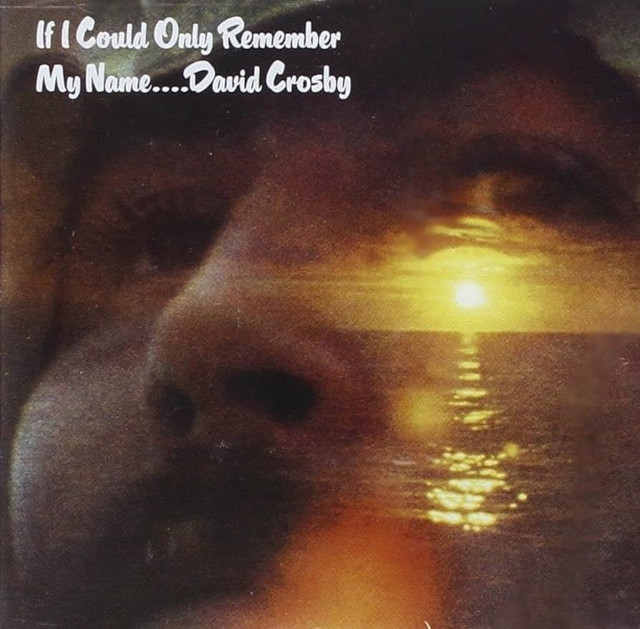
Released on 22 February 1971, his debut solo album If I Could Only Remember My Name was a free-flowing and experimental collection of unhurried jams from an all-star cast, with Crosby’s glorious vocals taking centre stage.
A mood piece that veers between rapture and deep melancholy in an evocative exploration of the possibilities of music, the album was misunderstood at the time, but it is regarded today as Crosby’s masterpiece, and it has been an influence on successive generations of musicians including indie and alt.rockers such as Wilco, Fleet Foxes, Jason Isbell and Grizzly Bear.
Yet it was also a record that came from a period of personal tragedy for its creator.
"I just wasn't equipped. I didn't have anything"
On 30 September 1969, Crosby’s then girlfriend, Christine Hinton, and her close friend Barbara Langer were driving Hinton’s cats to the vet when one of the cats escaped Langer’s grasp and jumped onto Hinton. Distracted, Hinton crashed her car directly into an oncoming school bus.
On hearing the news, Crosby rushed to the hospital, but Hinton had died upon arrival.
Crosby was devastated, as he told Steve Silberman in the sleevenotes for the 2019 reissue of the album: ‘You think you’re starting to fall in love with somebody, and it’s a brand-new experience, and it’s getting kind of magical. Then she takes the cat to the vet and never comes home. I just wasn’t equipped. I didn’t have anything – like being a little swimmer, big wave.”
Bandmate Graham Nash would later tell biographer David Browne, in his 2019 book Crosby, Stills, Nash & Young: The Wild, Definitive Saga Of Rock’s Greatest Supergroup, that Crosby’s "whole world had been yanked from under him."
His friends attempted to fill the void but there was no time for Crosby to mourn – CSNY had booked final recording sessions for Déjà Vu, and tour dates were imminent. Crosby made it through, but the traumatic events would have a huge impact on the recording of If I Could Only Remember My Name, which began in August 1970.
"It was no rules, no holds-barred. I did whatever made me happy"
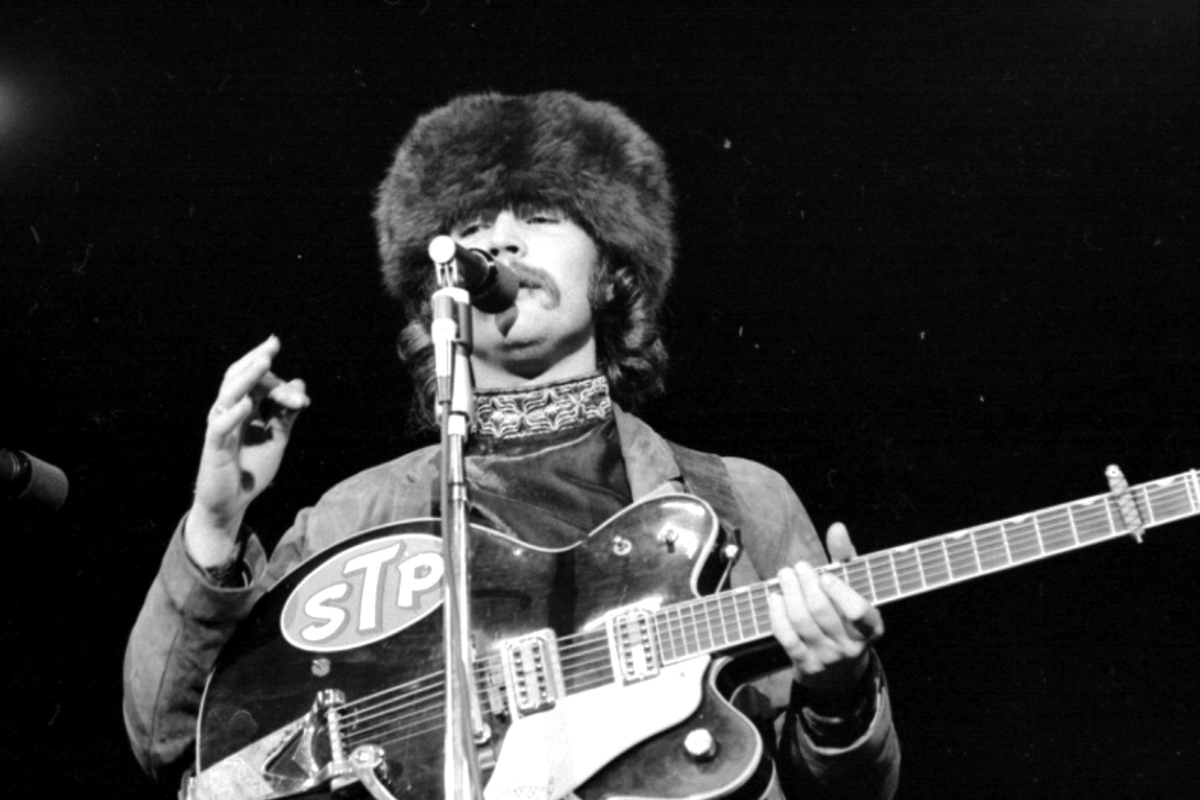
Though Crosby’s loss can be heard in every note of the album, its roots went further back. Following his dismissal from The Byrds in September 1967, Crosby weighed up his options. One evening he stopped by the Gaslight Café in Coconut Grove, Florida, where he’d intended to catch a performance by folk singer Estrella Berosini.
When another act on the bill, Joni Mitchell, began her set, Crosby was hooked, as he told Browne: “I instantly fell in love with her… I thought it was the best thing I’d heard.” Crosby became a champion for Mitchell’s work and helped to arrange her first record deal. He would also produce her first album, Songs For A Seagull.
The experience of working with Mitchell – and, in particular, her predilection for unusual open tunings and jazz-inspired chord progressions – inspired Crosby and, by March 1968, he had enough material to record a set of solo demos.
Five recordings from the session – ‘Riff 1’, ‘Kids And Dogs’, ‘Games’, ‘Tamalpais High (At About 3)’ and ‘Laughing’ – would later appear on the 2019 expanded reissue of If I Could Only Remember My Name, while polished versions of the latter two would make it on to the album proper.
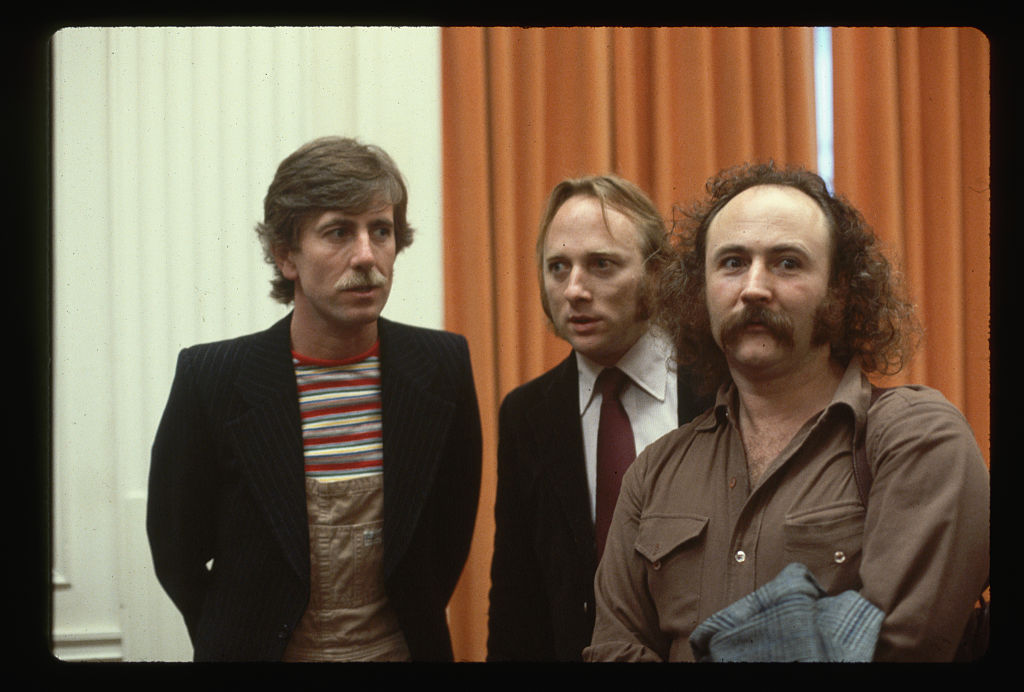
Over the summer of 1968, Crosby and former Buffalo Springfield guitarist Stephen Stills struck up a friendship and began collaborating on material. Once ex-Hollie Graham Nash was added to the equation, that material felt complete; a heady few years ensued, first as a trio billed as Crosby, Stills & Nash, and then as a four-piece with Neil Young added to the mix.
The group’s success was such that, when it came to recording If I Could Only Remember My Name, money was no object to Crosby, and he was able to rent Wally Heider Studios in San Francisco for as long as he wanted.
Reluctant to be alone following Hinton’s death, Crosby initiated an open door policy at the studio, as he’d tell Browne: “Whoever showed up every night was on the record. It was the only place I could safely be. Every night I’d go in there and do whatever came. It was no rules, no-holds-barred. I did whatever made me happy.”
"This music has such a huge place in my heart"
There were plenty of friends around to lend a hand. Grateful Dead were in the adjoining Studio C, where they were recording American Beauty, and would sit in with Crosby during down time from their own sessions.
Members of Jefferson Airplane and Santana also dropped by, along with Joni Mitchell, Graham Nash and Neil Young. Crosby gave his ad-hoc, all-star band a name – The Planet Earth Rock & Roll Orchestra.
The spirit of friendly collaboration was infectious, as Grateful Dead bassist Phil Lesh later remembered: “Five years before that, back in the jazz era, the bands would have been competing with one another. It wasn’t like that with these guys. It was total collaboration: ‘Let’s make some music together.’ Nobody cared whose name was on it. That’s why this music has such a huge place in my heart.”
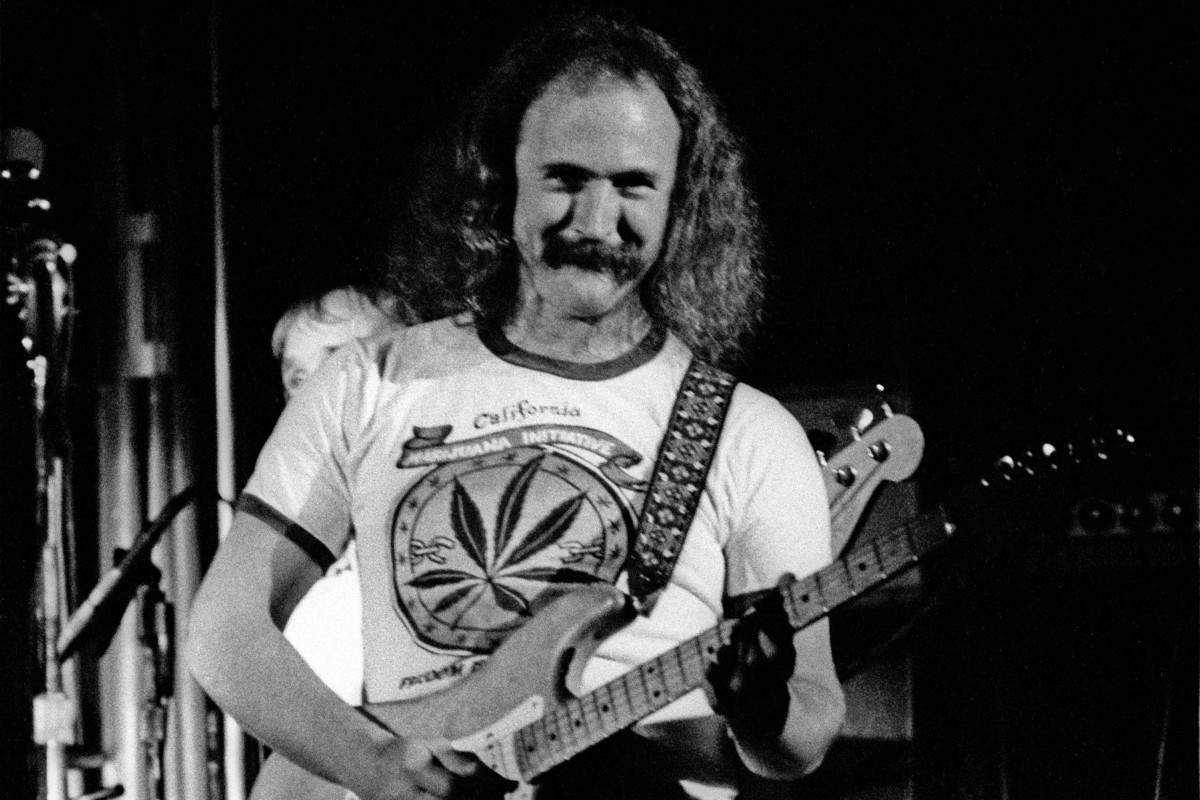
The results were stunning, from the mantra-like opener, ‘Music Is Love’, to the wordless elegy for Christine, ‘I’d Swear There Was Somebody Here’, on which Crosby overdubbed layers of anguished-sounding vocals.
Elsewhere, the brooding rocker ‘Cowboy Movie’ depicted CSNY as a band of outlaws who fall out over a woman (a thinly-veiled Rita Coolidge, Nash’s partner at the time). ‘Tamalpais High (At About 3)’ and ‘Song With No Words (Tree With No Leaves)’ are of a kind – hazy stoner shuffles festooned with blissed-out harmonies.
Meanwhile, ‘Laughing' had been attempted by CSNY for Déjà Vu, but was finally perfected here, its poignant beauty enhanced by Joni Mitchell’s backing vocals and gorgeous pedal steel from Grateful Dead frontman Jerry Garcia. And ‘Traction In The Rain’ was another near-horizontal gem, Crosby’s tender and intimate vocals offset by delicate autoharp from guesting singer-songwriter Laura Allan.
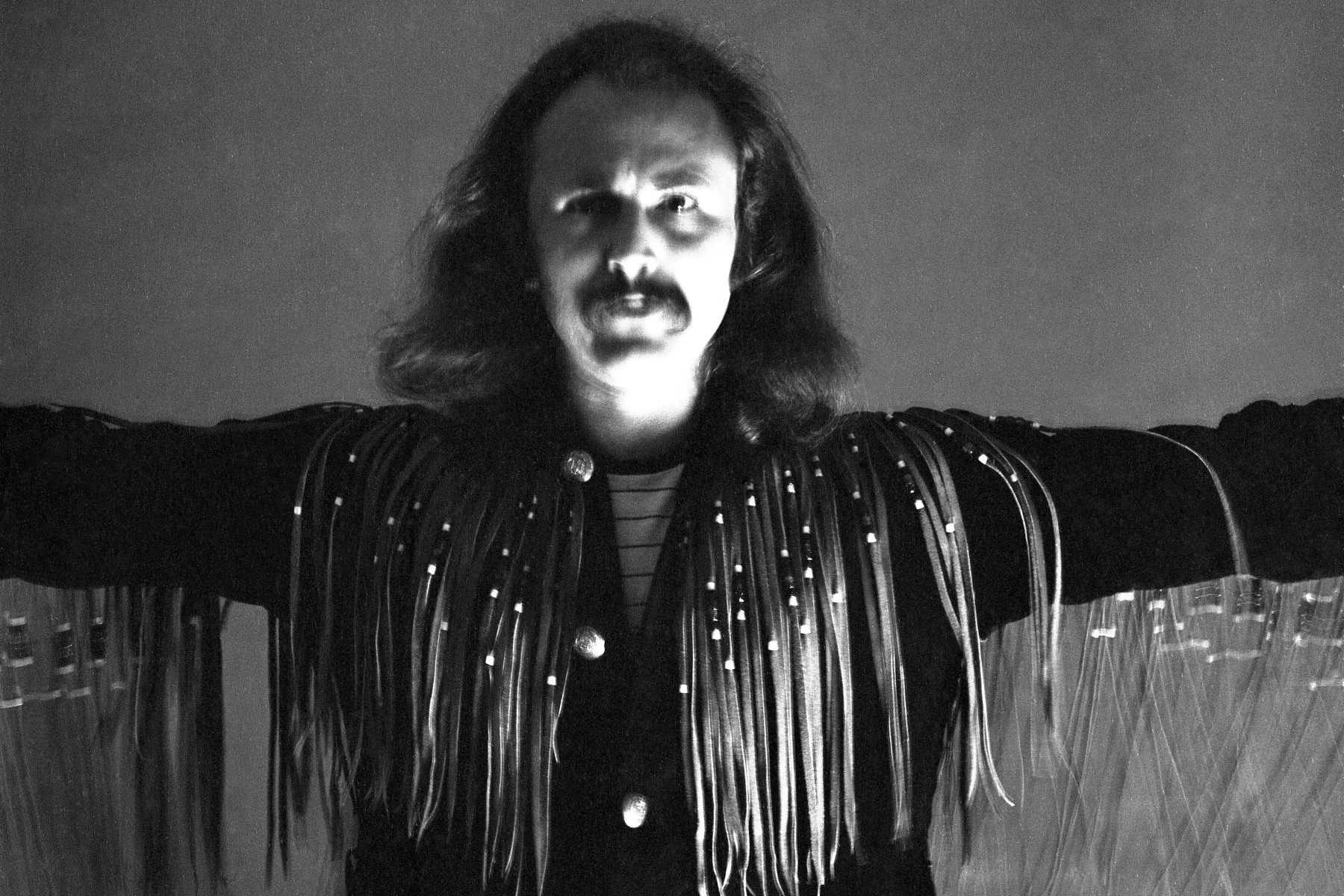
Amazingly for such a daring album, If I Could Only Remember My Name reached No 12 on the Billboard 200, eventually selling over half a million copies in the US alone. But its success goes way beyond sales.
If I Could Only Remember My Name is an album that soothes souls and continues to inspire musicians the world over. It has even been approved by the Vatican’s official newspaper, L’Osservatore Romano, which, in 2010, named it one of the Top 10 pop and rock albums of all time. Such holy validation is the least it deserves.
All photos Getty Images / Album sleeve Amazon
Top image Portrait of David Crosby, as he poses in a studio, September 18, 1969


