The 1970s produced a seemingly endless supply of great rock music: thunderous hard rock, bluesy riffs, psychedelic explorations, Southern-rock grooves, prog epics and gloriously over-the-top glam.
And while plenty of those bands are now firmly enshrined in rock history, the musical ideas they pioneered haven’t disappeared.
Far from it. Some of today’s most interesting rock bands are rediscovering the freedom, muscle and sheer adventurousness of 1970s rock – sometimes openly embracing its influences, sometimes taking those ideas somewhere entirely new.
So if you still reach for Led Zeppelin, Black Sabbath, Pink Floyd, Rush, the Allman Brothers or Queen, where do you go next? We’ve picked 11 contemporary bands that capture different sides of the 1970s rock experience. Some will sound immediately familiar; others may take you somewhere you didn’t expect.
Either way, consider this your guide to what happens when the spirit of 1970s rock meets the 21st century.
1. For Led Zeppelin fans: Greta Van Fleet
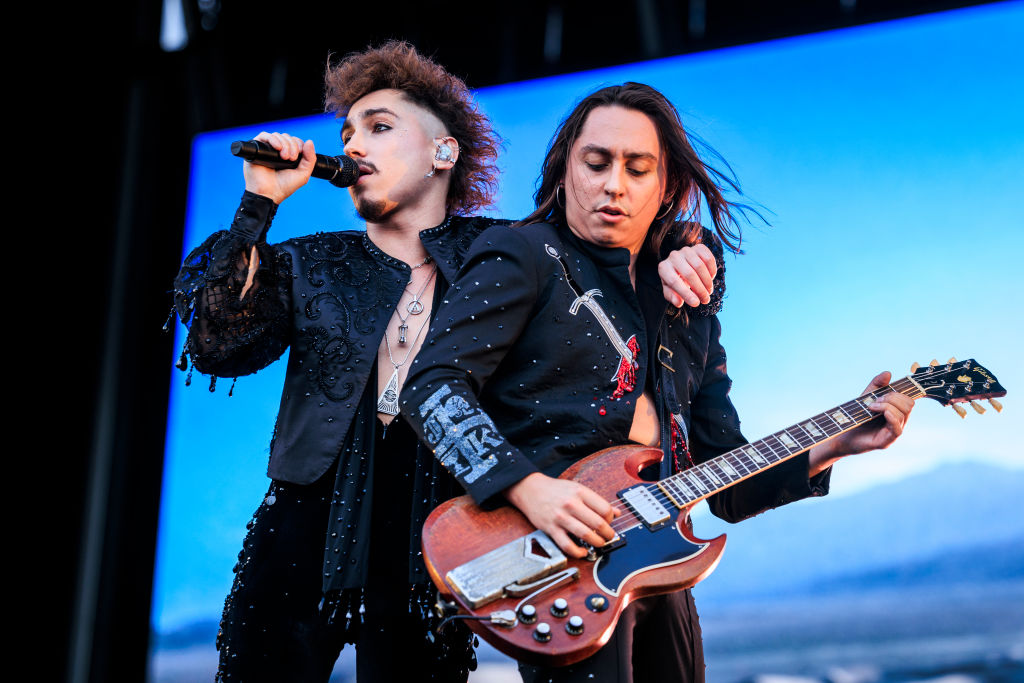
If what you miss most about 1970s rock is the sheer physical thrill of a huge guitar riff, soaring vocals and a rhythm section that sounds like it might burst through the speakers, start here.
Greta Van Fleet have spent much of their career being compared with Led Zeppelin – not least because Josh Kiszka’s voice has an uncanny resemblance to Robert Plant’s, while guitarist Jake Kiszka has openly acknowledged Jimmy Page as an influence.
But there’s more going on than simple Zeppelin worship: blues, folk and the wider British and American rock tradition all feed into their sound. Try the albums Anthem of the Peaceful Army or The Battle at Garden’s Gate and you’ll hear why they became one of the most prominent bands in the modern classic-rock revival.
2. For Queen and glam-rock fans: The Struts
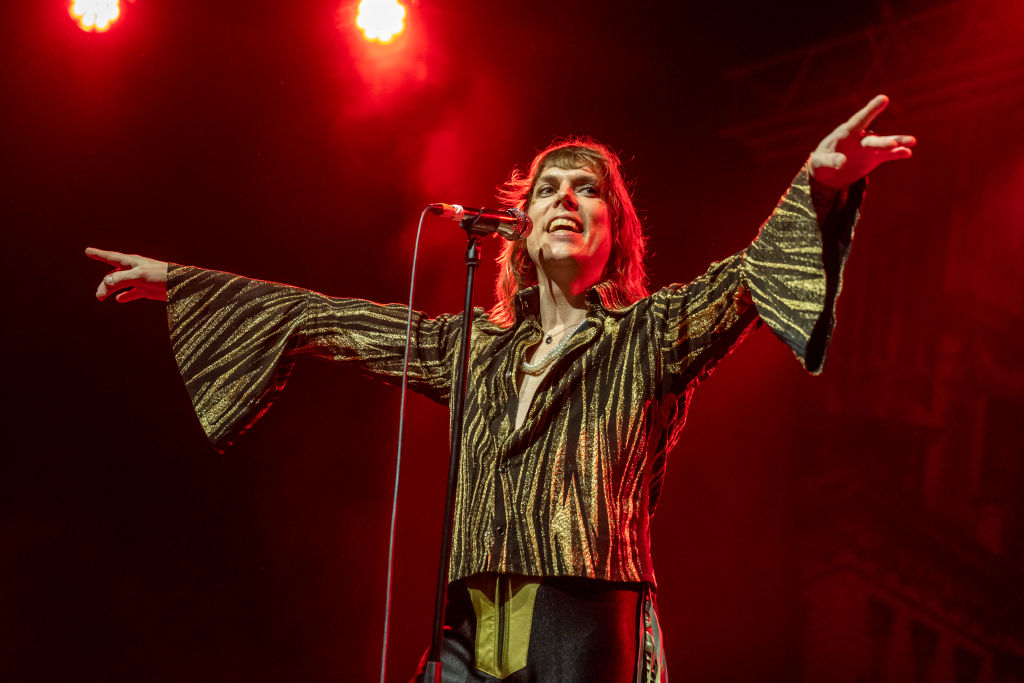
1970s rock wasn’t all muddy blues riffs and denim. There was also glitter, theatricality, outrageous clothes and the glorious conviction that a rock band should be larger than life.
That’s where The Struts come in. Luke Spiller’s flamboyant vocals and the band’s taste for huge choruses and stage-ready rock put them firmly in the tradition of Queen and the great glam bands, while their live shows embrace the kind of unabashed showmanship that became increasingly rare in rock. They’re a particularly good recommendation if your favourite side of the decade runs from The Rise and Fall of Ziggy Stardust through Sheer Heart Attack and All the Young Dudes.
Try ‘Could Have Been Me’ for the immediate rush, then dig deeper into their 2018 album Young & Dangerous. The point isn’t imitation: it’s that same wonderfully excessive belief that rock should be an event.
3. For blues-rock fans: Rival Sons
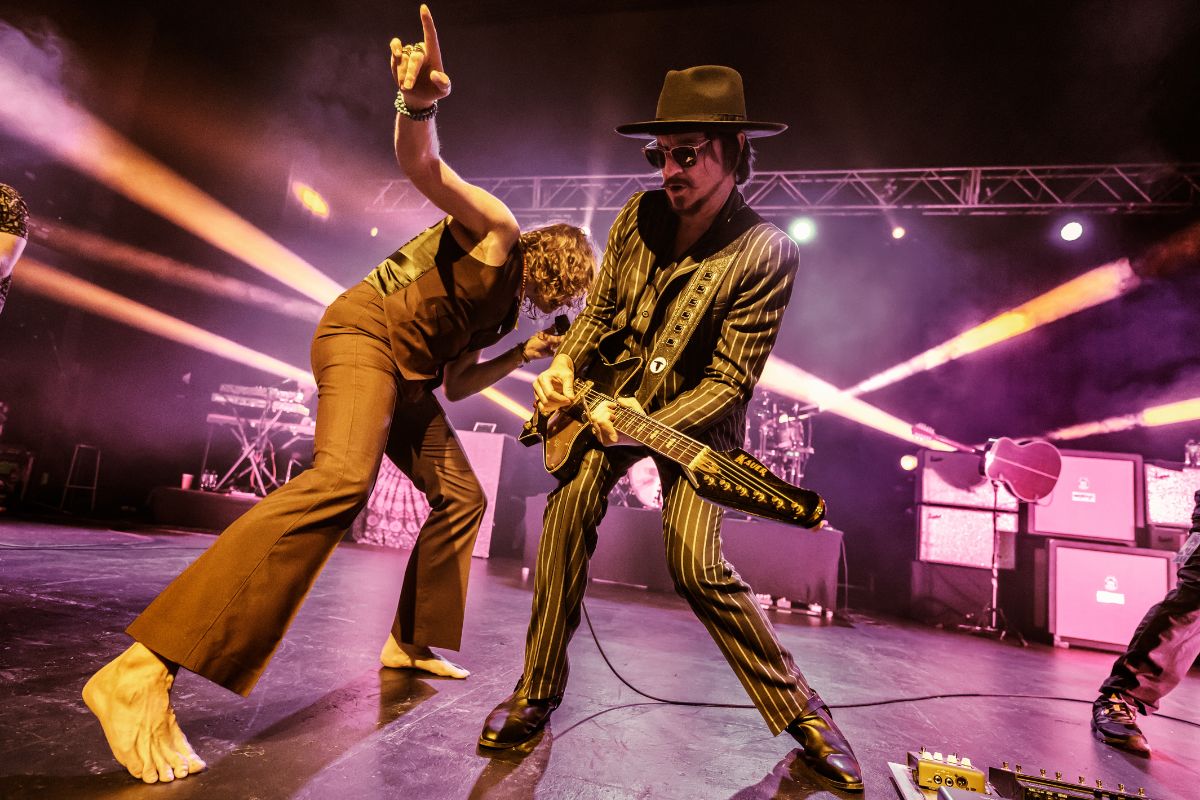
Rival Sons are what you might get if you took the blues-rock DNA of the early 1970s, turned the amps up and sent it through a modern recording studio.
Their music has the riff-heavy weight associated with Led Zeppelin and Deep Purple, but also the earthy groove, soul and swagger of bands such as Free and Humble Pie. Singer Jay Buchanan has the kind of powerful, weather-beaten voice that makes even a straightforward blues-rock number feel enormous, while guitarist Scott Holiday knows exactly when to let a riff breathe.
They’re also a proper touring rock band rather than a studio construction, which helps explain why their music feels so physical. If you like your 1970s rock sweaty, bluesy and played with conviction, start with their 2011 album Pressure & Time or Feral Roots from 2019.
4. For Black Sabbath and Deep Purple fans: Green Lung
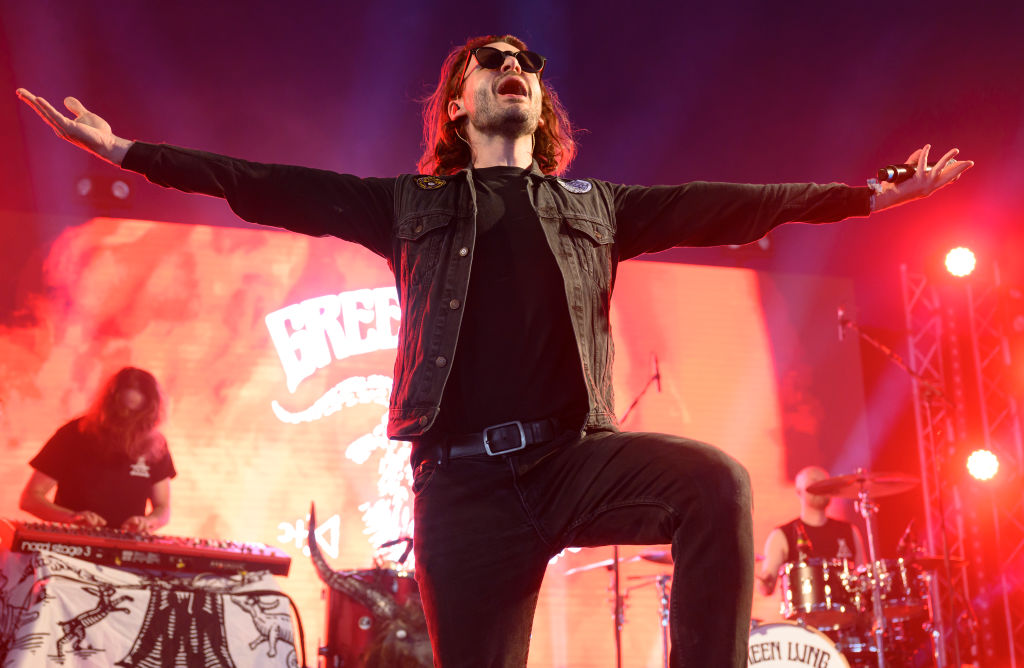
For a darker version of 1970s rock, try Green Lung.
The London band combine the heavy riffs and occult atmosphere of Black Sabbath and Deep Purple with British folk-horror imagery, creating something that feels both deliberately retro and surprisingly distinctive. Their music is packed with the ingredients that made early heavy rock so intoxicating: enormous guitar riffs, organ-like textures, dramatic vocals and the sense that something vaguely supernatural is happening just beyond the edge of the song.
Their recent album Necropolitan digs even further into British history and folklore, while their broader sound draws explicitly on 1970s hard rock. If Sabbath’s Master of Reality is your idea of a perfect Sunday afternoon, but you’ve already heard it approximately 400 times, Green Lung could be your next stop.
5. For Southern-rock fans: The Sheepdogs
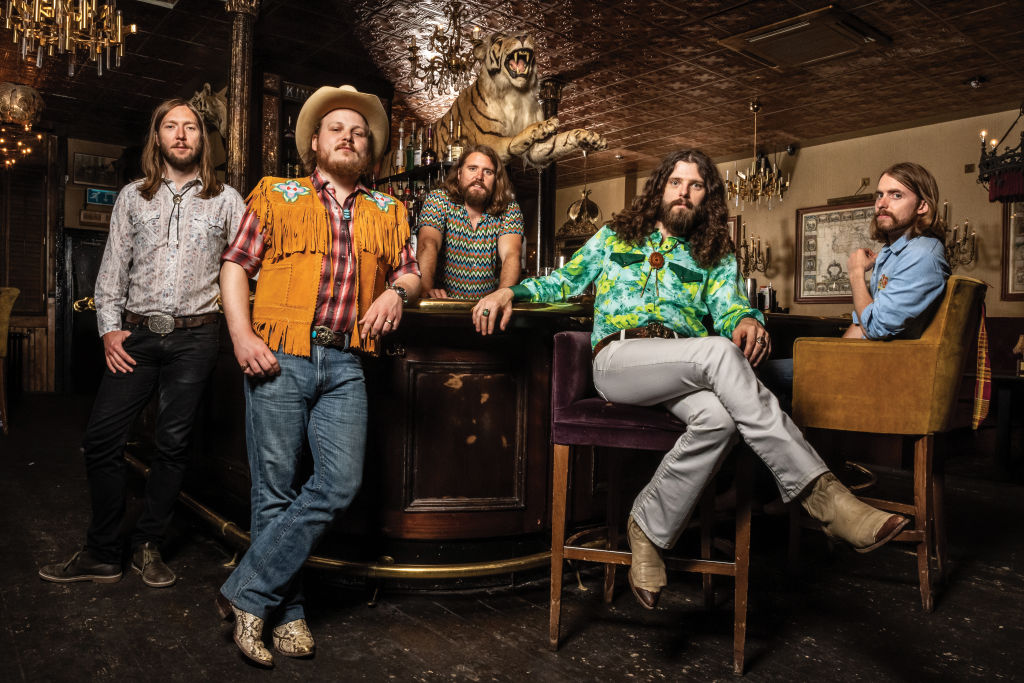
The 1970s classic-rock experience wasn’t confined to Britain.
Across America, Southern rock was developing its own mixture of blues, country, boogie, harmony singing and open-road swagger – and The Sheepdogs are among the modern bands keeping that spirit alive. The Canadian group sound as though they might have wandered out of a dusty rehearsal room somewhere between the Allman Brothers' Eat a Peach and Lynyrd Skynyrd's Second Helping, with twin-guitar textures, warm harmonies and an unhurried groove.
But there’s enough modern songwriting craft in their records to stop the whole thing becoming a nostalgia exercise. Try ‘I Don’t Know’ or The Sheepdogs (2012), then explore further. They’re particularly good for anyone whose favourite 1970s records sound like they were made for driving with the windows down.
6. For Rush and prog fans: Crown Lands
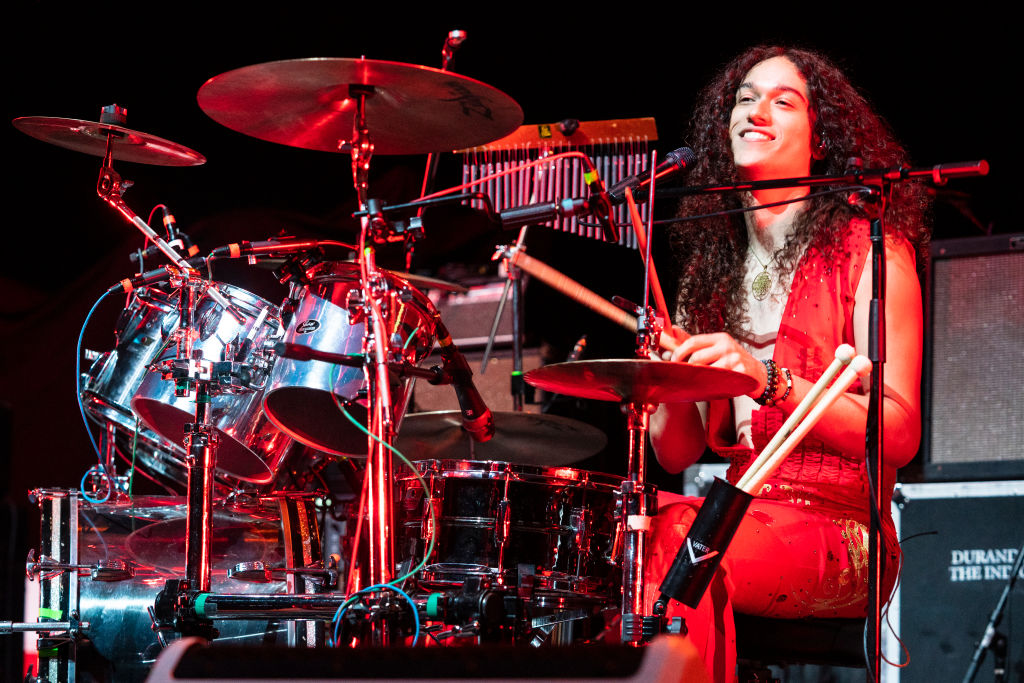
If the words 'classic rock; make you think less of three-minute singles and more of elaborate arrangements, instrumental virtuosity and songs that occasionally seem to require their own map, Crown Lands are worth investigating.
The Canadian duo specialise in expansive progressive rock built around drums, guitar, bass and keyboards, with Rush an obvious reference point – particularly in their ability to make two musicians sound considerably larger than two musicians have any right to sound. But there are also echoes of Pink Floyd and other progressive and psychedelic acts in their more atmospheric material.
Their albums reward a little patience, making them a particularly good modern gateway for anyone who loves 2112, Hemispheres or Wish You Were Here. Start with their 2023 album Fearless, then allow yourself to get lost.
7. For Aerosmith and AC/DC fans: Dirty Honey
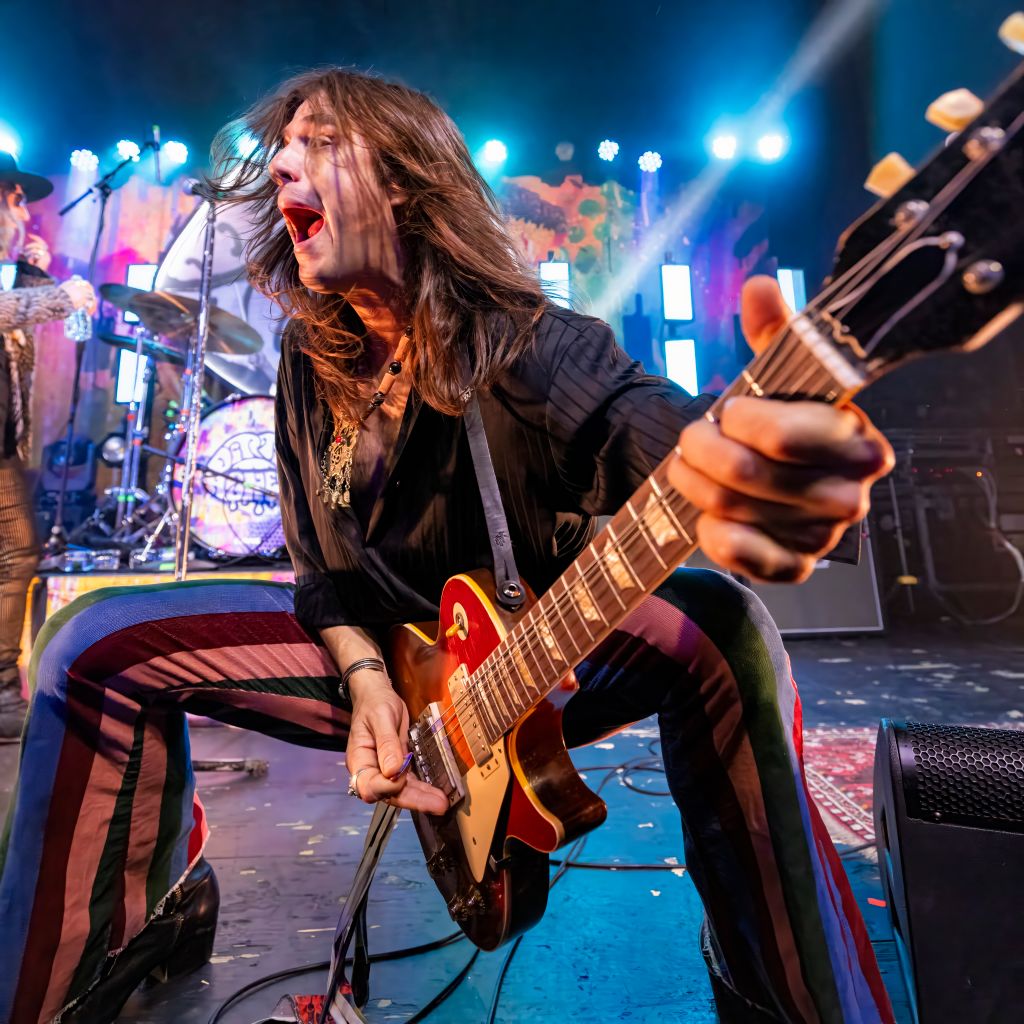
Dirty Honey specialise in something that can sound deceptively simple: four people plugging in, turning up and playing rock songs with swagger.
Their influences are wonderfully transparent – Aerosmith, Led Zeppelin, AC/DC, the Rolling Stones and the Allman Brothers all feature prominently in their musical DNA. The result is blues-based hard rock with big riffs, a gritty vocal and the loose, slightly dangerous feel of a band that would rather capture a great take than polish it into oblivion.
Guitarist John Notto has even described AC/DC and the Stones as examples of the rock tradition he most values. Start with their self-titled debut, particularly ‘When I’m Gone’. If you miss the days when rock music sounded like it was made by people having an extremely good time in a room together, Dirty Honey make a persuasive case for the form still being alive.
8. For blues and Southern-rock fans: Larkin Poe
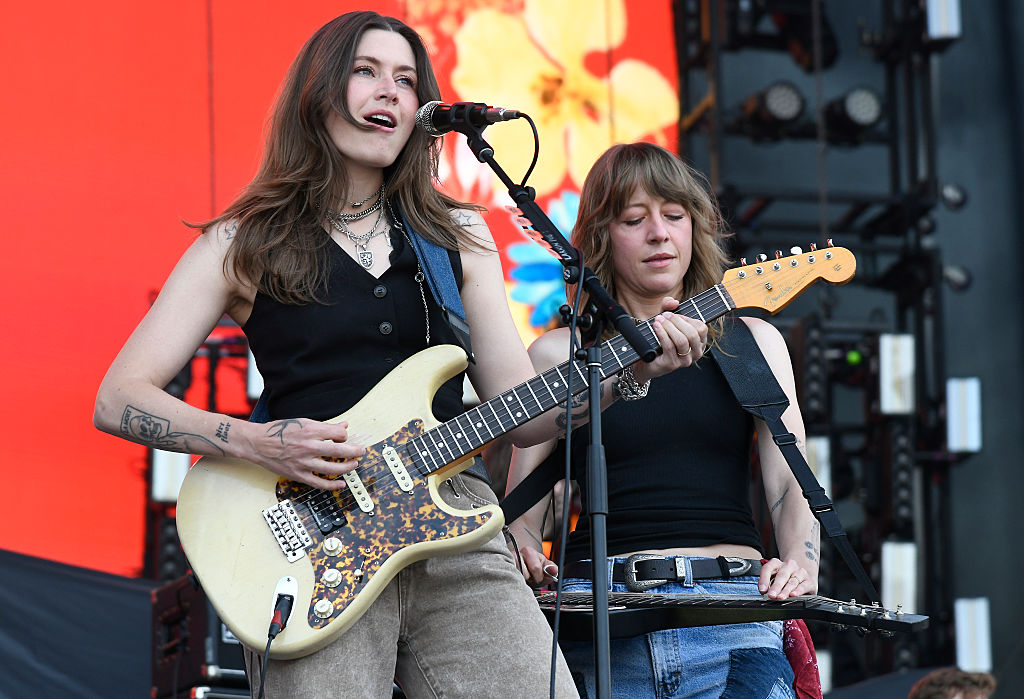
Larkin Poe offer another route back into the bluesier side of the 1970s, but with a distinctly modern identity.
Sisters Rebecca and Megan Lovell mix blues-rock, roots music, Southern rock and slide guitar, with Rebecca’s vocals and Megan’s lap-steel playing giving the music a muscular sound that owes something to the great American blues-rock tradition. There’s a connection here with the Allman Brothers and other 1970s Southern-rock acts, but also with the more stripped-back, rootsy side of the decade.
They’re a particularly good choice for listeners who love guitar music but don’t necessarily need everything turned up to 11. Try ‘Bleach Blonde Bottle Blues’ or Venom & Faith and you’ll hear how effectively they can combine old-school blues vocabulary with a much more contemporary production and attitude.
9. For psychedelic-blues fans: All Them Witches

For the listener who loved the stranger, more exploratory end of 1970s rock, All Them Witches are a particularly rewarding discovery.
The Nashville group move between blues, psychedelia, heavy rock, folk and long-form improvisatory passages, creating music that can feel as though it’s drifting through a late-night desert landscape. There are echoes of Black Sabbath and Led Zeppelin, but also of the more open-ended psychedelic and experimental traditions that ran through the decade.
Their records don’t always announce where they’re going next, which is part of the appeal. Try Dying Surfer Meets His Maker or Sleeping Through the War when you have time to let an album unfold.
10. For heavy-prog fans: Elder
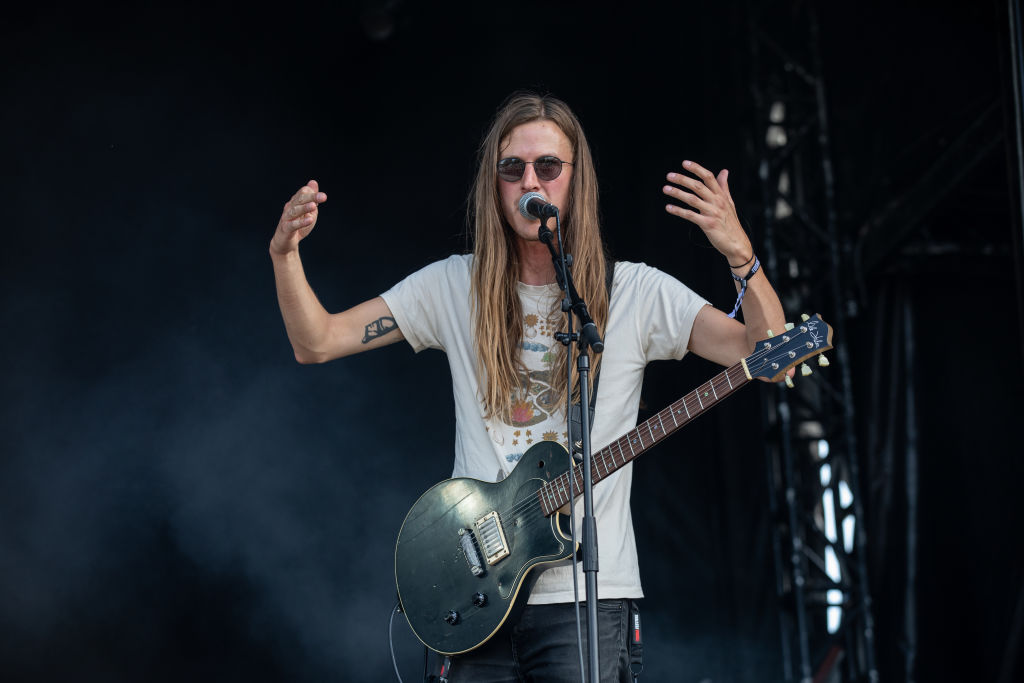
Elder occupy the point where 1970s heavy rock starts dissolving into progressive rock and psychedelia.
Their songs can stretch well beyond conventional rock-song lengths, with riffs evolving gradually, guitar lines multiplying and arrangements expanding into genuinely immersive instrumental passages. Black Sabbath is part of the foundation, but so are King Crimson, Hawkwind and the heavier psychedelic / progressive end of the 1970s.
The important thing is that Elder don’t simply sound like a retro band: their music has the scale and density of modern metal while retaining the adventurous spirit of classic progressive rock. Lore is an obvious place to start, while Reflections of a Floating World takes the expansive approach even further. If you enjoy the moment when a rock song stops behaving like a song and starts becoming a landscape, Elder are worth exploring.
11. For Pink Floyd and Hawkwind fans: King Buffalo
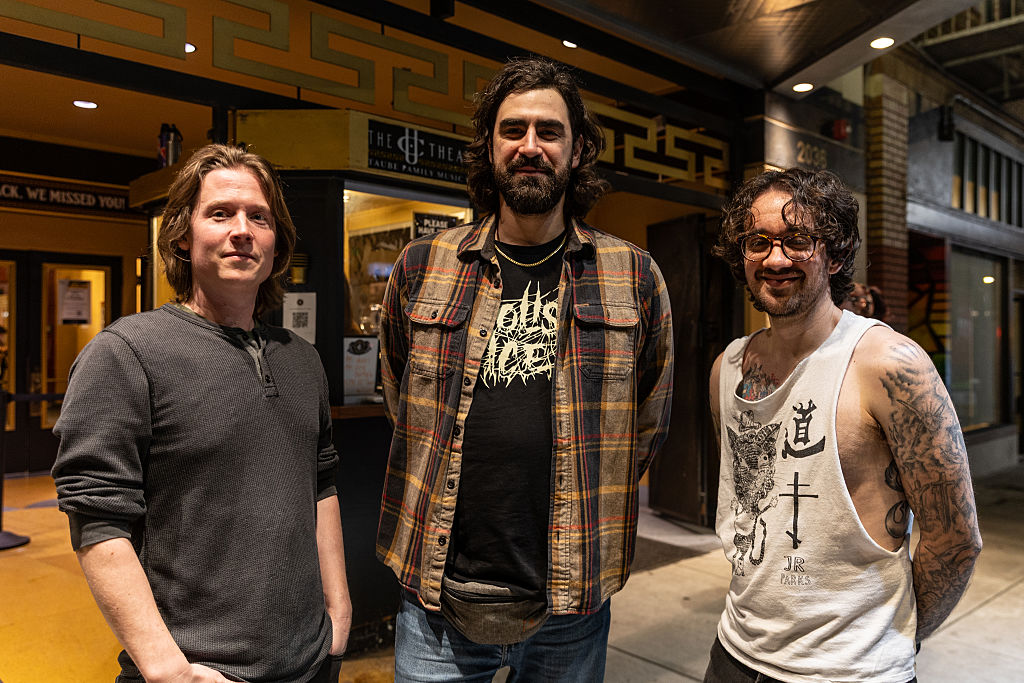
And finally, for those who love the hazier, more hypnotic side of the 1970s...
Rochester, New York trio King Buffalo combine psychedelic rock, progressive tendencies and heavy, repetitive grooves into music that can feel wonderfully suspended in time. Their influences point towards the atmospheric end of the classic-rock spectrum rather than the stadium-riff variety: think Pink Floyd, Hawkwind and psychedelic space-rock rather than AC/DC.
The songs often develop slowly, allowing guitar textures and repeating patterns to build an almost trance-like momentum. The Burden of Restlessness is a good starting point, while Regenerator pushes further into their expansive psychedelic side. They’re perhaps the furthest thing on this list from a straightforward 1970s revival – which is exactly why they make such a good final stop.
Pics Getty Images