In the sacred halls of rock history, certain artists have been elevated to a status that borders on the untouchable.
Bolstered by decades of myth-making, ‘best-of’ lists, and the nostalgic fervour of a dedicated fanbase, these ‘sacred cows’ are often treated as the definitive benchmarks of musical greatness.
However, for many listeners, the distance between historical influence and actual sonic enjoyment is vast. Whether it is due to Jim Morrison’s polarizing poetry, the perceived self-indulgence of a twenty-minute synth solo, or the calculated polish of corporate-backed stadium anthems, these bands frequently face the accusation that their reputations have far outpaced their actual musical output.
This listicle dares to peer behind the curtain of industry hype and cultural momentum to examine 15 legendary acts whose ‘greatness’ might be more a product of perfect timing and masterful branding than a reflection of their true musical substance.
1. The Doors
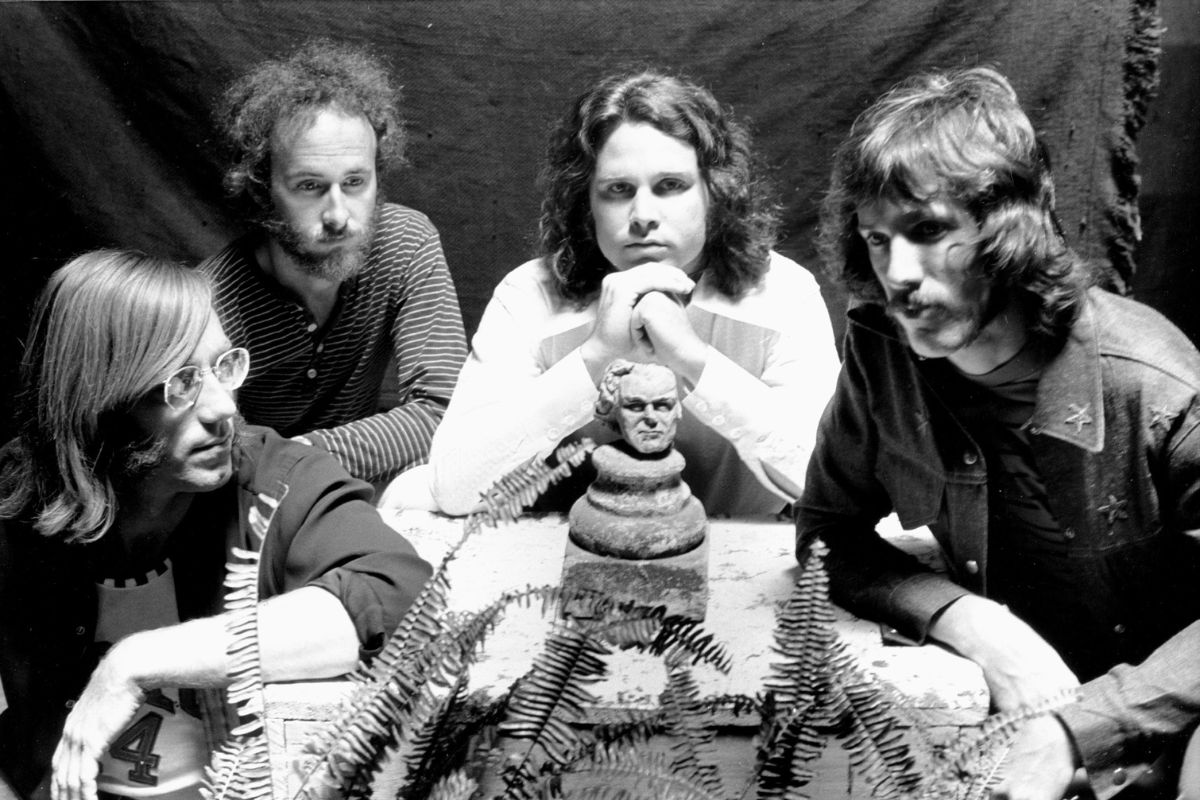
While Jim Morrison is the ultimate poster child for the ‘tortured poet’, many find his lyrics to be pretentious, drug- and alcohol-fuelled ‘shaman’ roleplay rather than profound literature. Musically, The Doors lacked a bassist, leading to a thin, organ-heavy sound that can feel more like a haunted carnival than a revolutionary rock band. To their detractors, they are the ‘starter’ band for teenagers that one is supposed to outgrow.
Honourable exception
L.A. Woman (1971) By stripping away the circus organ and the high-art pretension, the band finally became a formidable blues-rock outfit. Morrison’s voice, ravaged by whiskey, sounds authentically gritty rather than theatrical.
2. The Sex Pistols
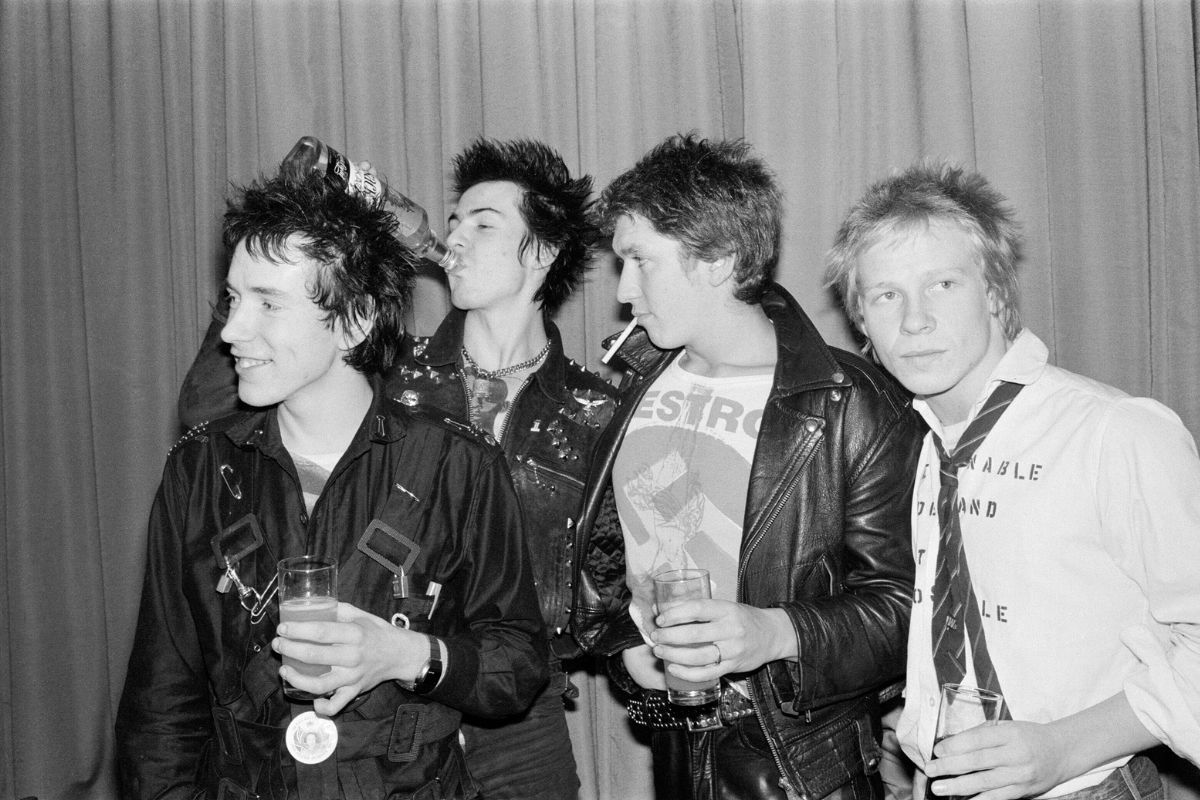
They were a brilliant marketing campaign orchestrated by Malcolm McLaren, but as a musical unit, the Pistols were largely a derivative cover band of New York's punk scene. Steve Jones’s guitar work was essentially sped-up Chuck Berry, and Johnny Rotten’s snarl was more theatre than threat. With only one studio album to their name, critics often argue their ‘legend’ is 90% fashion and 10% actual songwriting.
Honourable exception
‘Anarchy in the UK’ (1976) Forget the safety pins; this track is a production marvel. Chris Spedding’s multi-tracked guitars create a ‘wall of sound’ that is as thick and professional as anything by Queen, proving they actually had the musical muscle to back up the noise.
3. Red Hot Chili Peppers
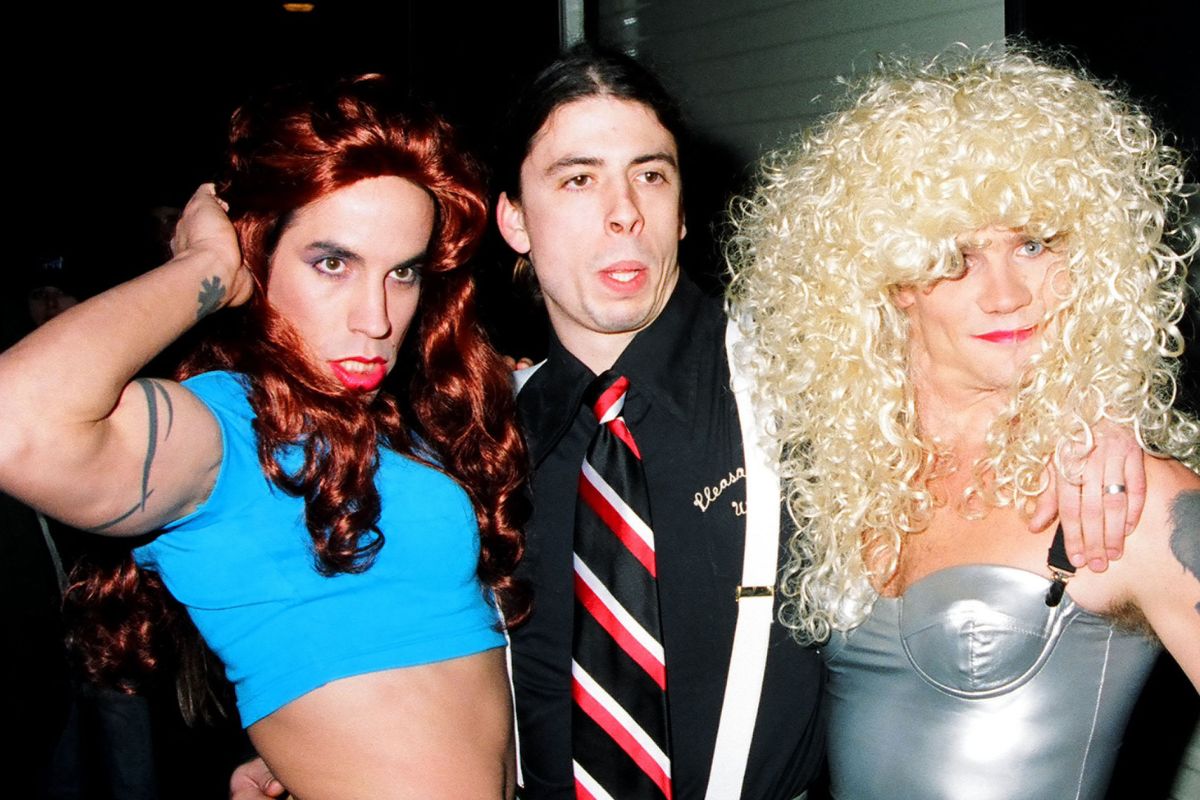
Often criticized for making the same album for three decades, the Peppers are frequently accused of prioritizing frat-boy energy and slap-bass clichés over melodic substance. Anthony Kiedis’s penchant for nonsensical, ‘scat-style’ lyrics about California and various body parts has become a parody of itself. For many, the virtuosity of Flea and John Frusciante is wasted on songs that feel structurally juvenile and emotionally shallow.
Honourable exception
Blood Sugar Sex Magik (1991) Produced by Rick Rubin, this is the moment their ‘funk-punk’ became lean and menacing. Still a tight, dangerous unit of world-class musicians.
4. KISS
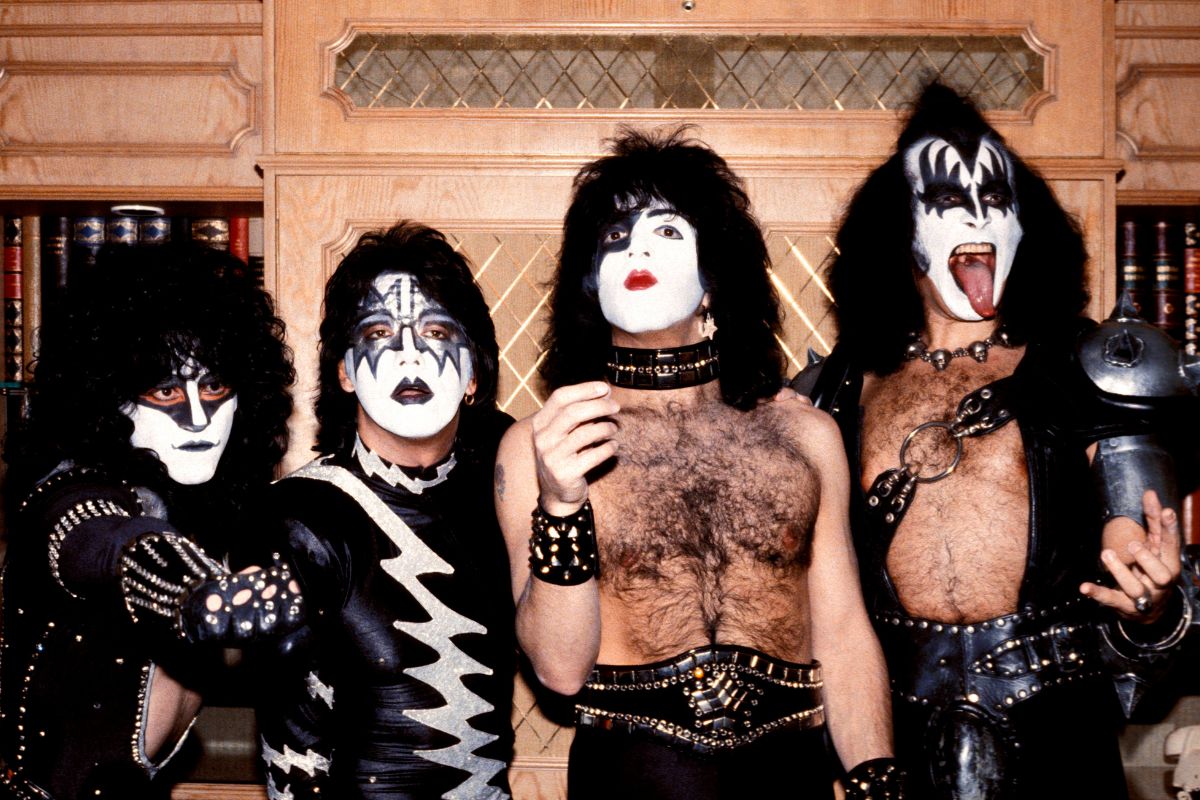
KISS are less a band, more a highly successful toy company. Behind the pyrotechnics, face paint, and Gene Simmons’s tongue lies a catalogue of remarkably basic, four-chord hard rock that rarely ventures beyond the ‘Rock and Roll All Nite’ formula. Their detractors argue that without the costumes, they would have been a forgotten opening act, proving that branding can often trump musical innovation.
Honourable exception
Alive! (1975) This is the record that saved them. It captured the energy that the studio albums missed, proving that KISS wasn't just about the makeup –they were about the sheer, visceral power of the live event.
5. Oasis
While they briefly saved British rock in the ‘90s, Oasis built their empire on a foundation of blatant Beatles plagiarism. Liam Gallagher’s ‘John Lennon-lite’ sneer and Noel’s recycled riffs created an anthemic sound that worked in stadiums, but lacked the experimental bravery of their contemporaries like Blur or Radiohead. For many, they represent the moment Britpop stopped looking forward and started living in a nostalgic past.
Honourable exception
Definitely Maybe (1994). Before the bloat of their sophomore album Be Here Now, Oasis’s debut was fuelled by a hungry, working-class desperation. Tracks like ‘Rock 'n' Roll Star’ aren't just Beatles pastiche; they are genuine anthems of escape.
6. Aerosmith
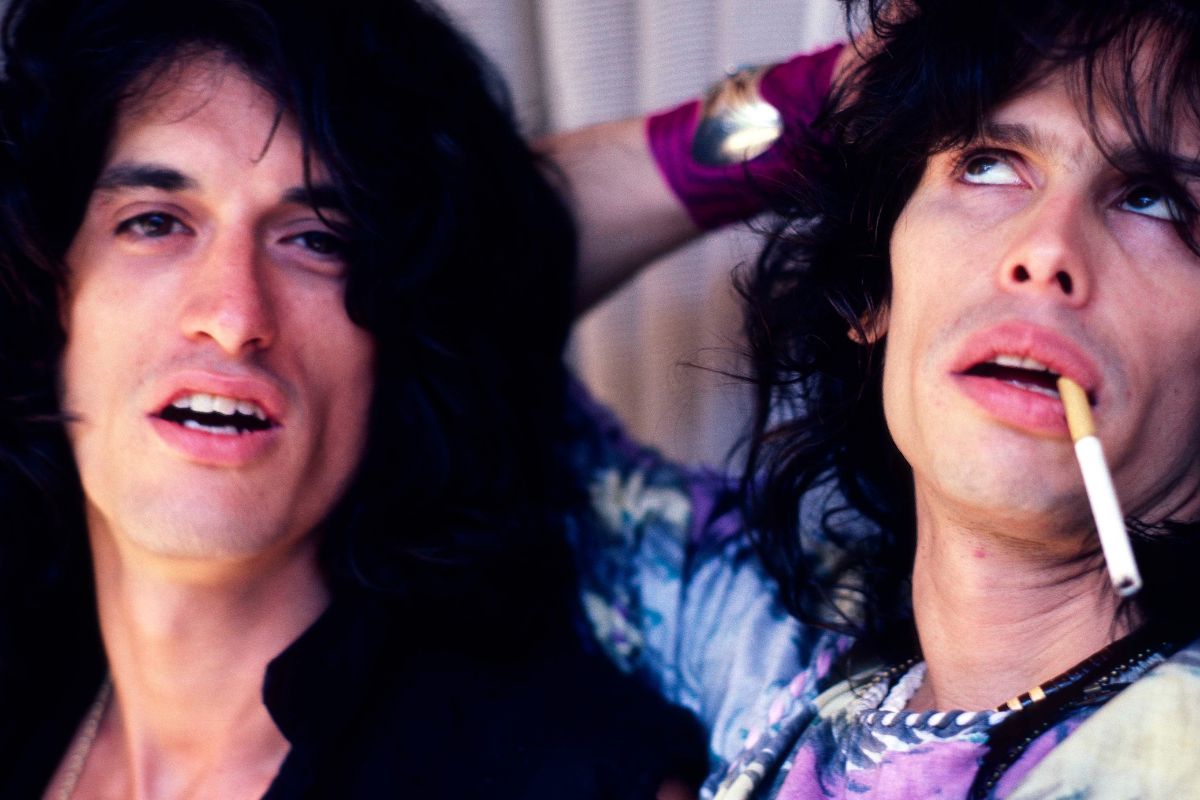
Often dismissed as ‘the American Rolling Stones’, Aerosmith’s mid-to-late career shift into power ballads and outside-songwriters alienated those who loved their gritty 70s roots. Steven Tyler’s vocal gymnastics and the band’s reliance on slick, corporate production in the 90s made them feel like a legacy act chasing MTV trends. Critics often find their ‘bad boys’ image to be a carefully managed corporate veneer.
Honourable exception
Rocks (1976) Ugly, heavy, and dangerous, Aerosmith’s fourth LP is essentially the blueprint for Guns N' Roses a decade later. Before the 90s ballads, Aerosmith was the sleaziest, hardest-rocking band in America, and this album is the proof.
7. Queen
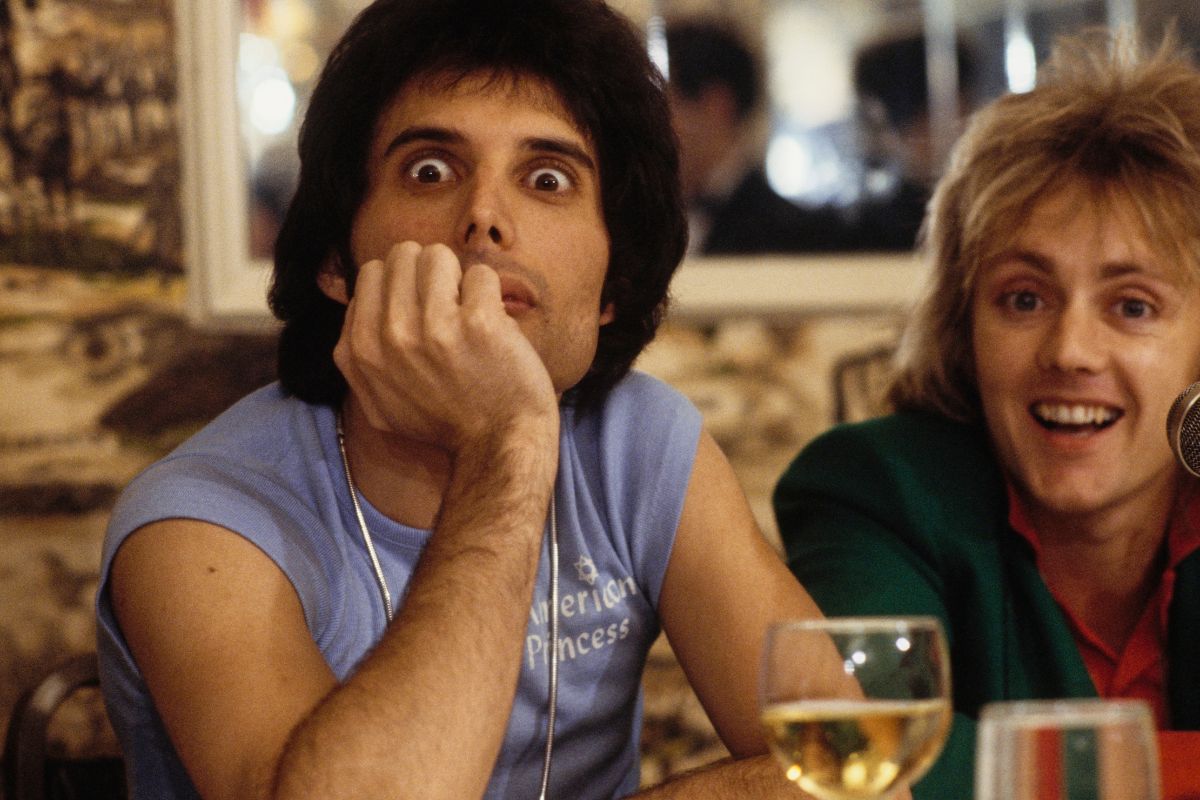
This is a controversial take, but many rock purists find Queen’s campy, operatic bombast to be more theatre than rock. The meticulous layering of Brian May’s guitars and Freddie Mercury’s harmonies can feel cold and over-engineered, lacking the raw, visceral grit found in Led Zeppelin or The Who. Their music is often accused of being ‘stadium-kitsch’ – designed for mass singalongs rather than deep emotional resonance.
Honourable exception
A Night at the Opera (1975) The sheer audacity of ‘Bohemian Rhapsody’ aside, the album’s deep cuts showcase Brian May’s incredible ability to orchestrate guitars to sound like a brass band or a choir. It is a technical marvel of the analogue era.
8. Joy Division
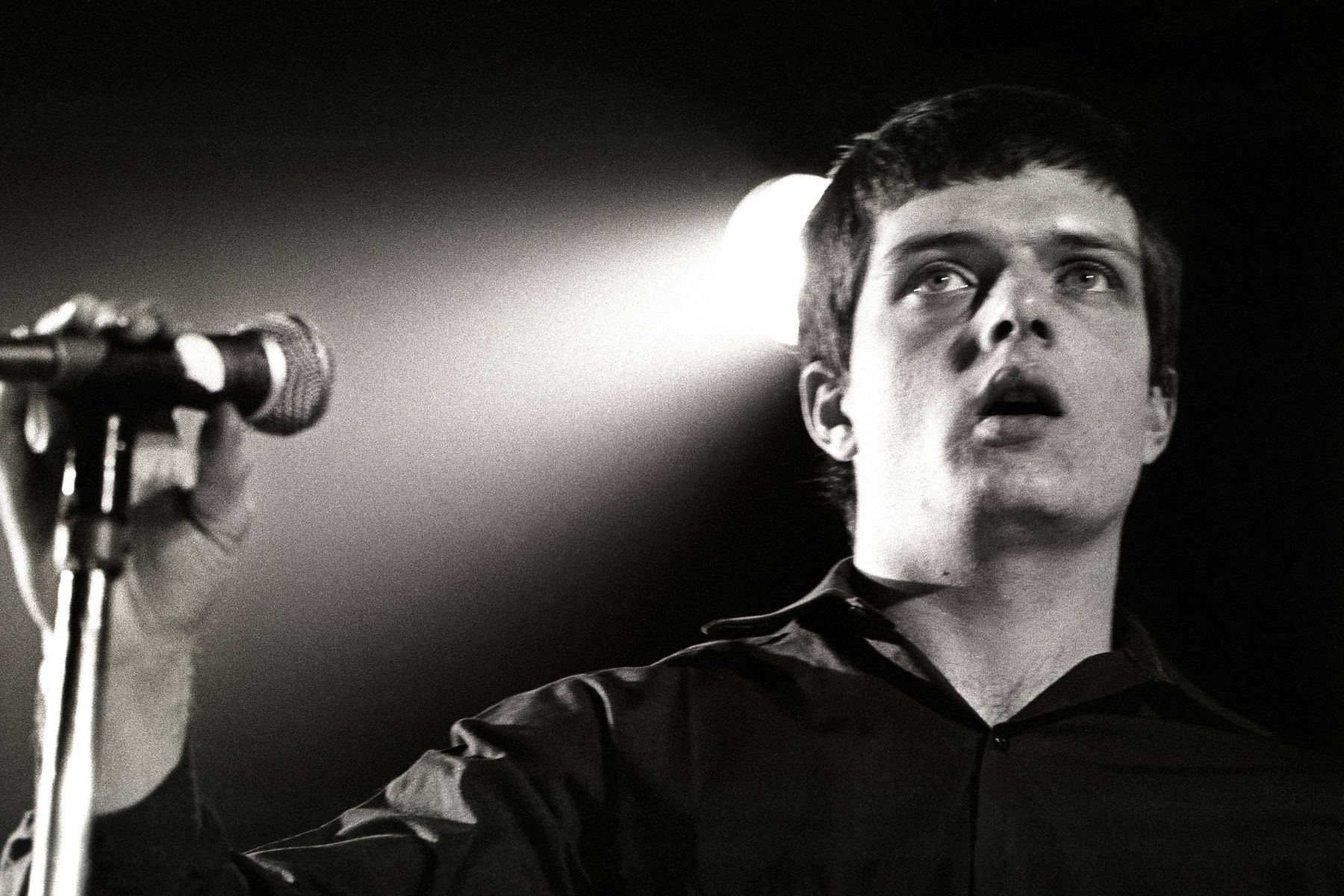
While they pioneered the gloomier side of post-punk, Ian Curtis’s baritone and the band’s minimalist structures are often seen as depressing for the sake of being depressing. The production by Martin Hannett arguably did more work than the band themselves, creating an ‘icy’ atmosphere that masked relatively simple basslines and rhythms. For some, Joy Division are more of a T-shirt brand, or a tribal insignia for sensitive youth, than a transformative musical experience.
Honourable exception
Unknown Pleasures (1979) The interplay between Peter Hook’s high-register bass and Stephen Morris’s ‘mechanical’ drumming created a brand new architectural language for rock. This is not just dark music: it’s structurally revolutionary.
9. The Police
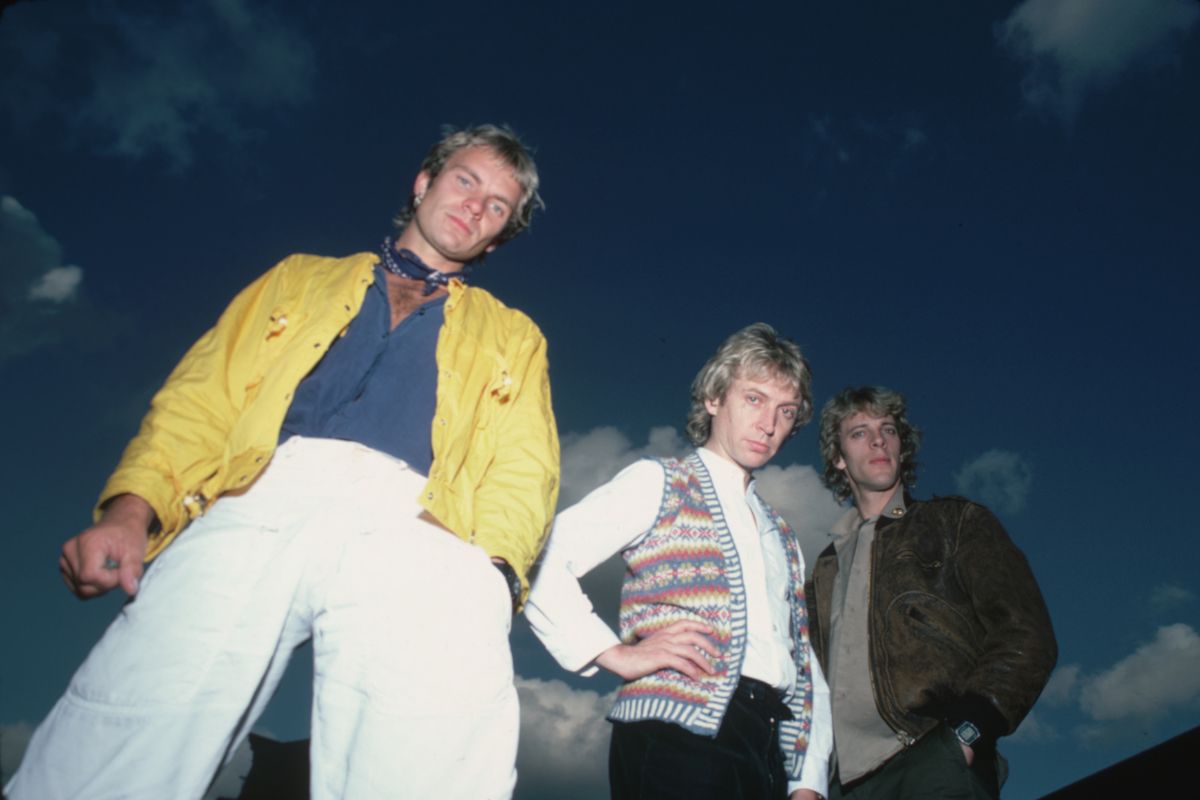
Sting, Stewart Copeland, and Andy Summers were all virtuosos, but they were often accused of ‘tourist’ musicianship – of dipping into reggae, punk, and jazz without fully committing to the spirit of any of them. Critics frequently find Sting’s lyrics to be overly academic and self-serious, while the band's ‘spiky’ sound can feel clinical and cold compared to the raw energy of the punk bands they were often grouped with.
Honourable exception
Reggatta de Blanc (1979) The interplay between Copeland’s hi-hat work and Summers’s atmospheric ‘chorus’ guitar on tracks like ‘Walking on the Moon’ created a genuinely new, spacey sonic language.
Six other bands we might throw into the mix...
10. The Velvet Underground
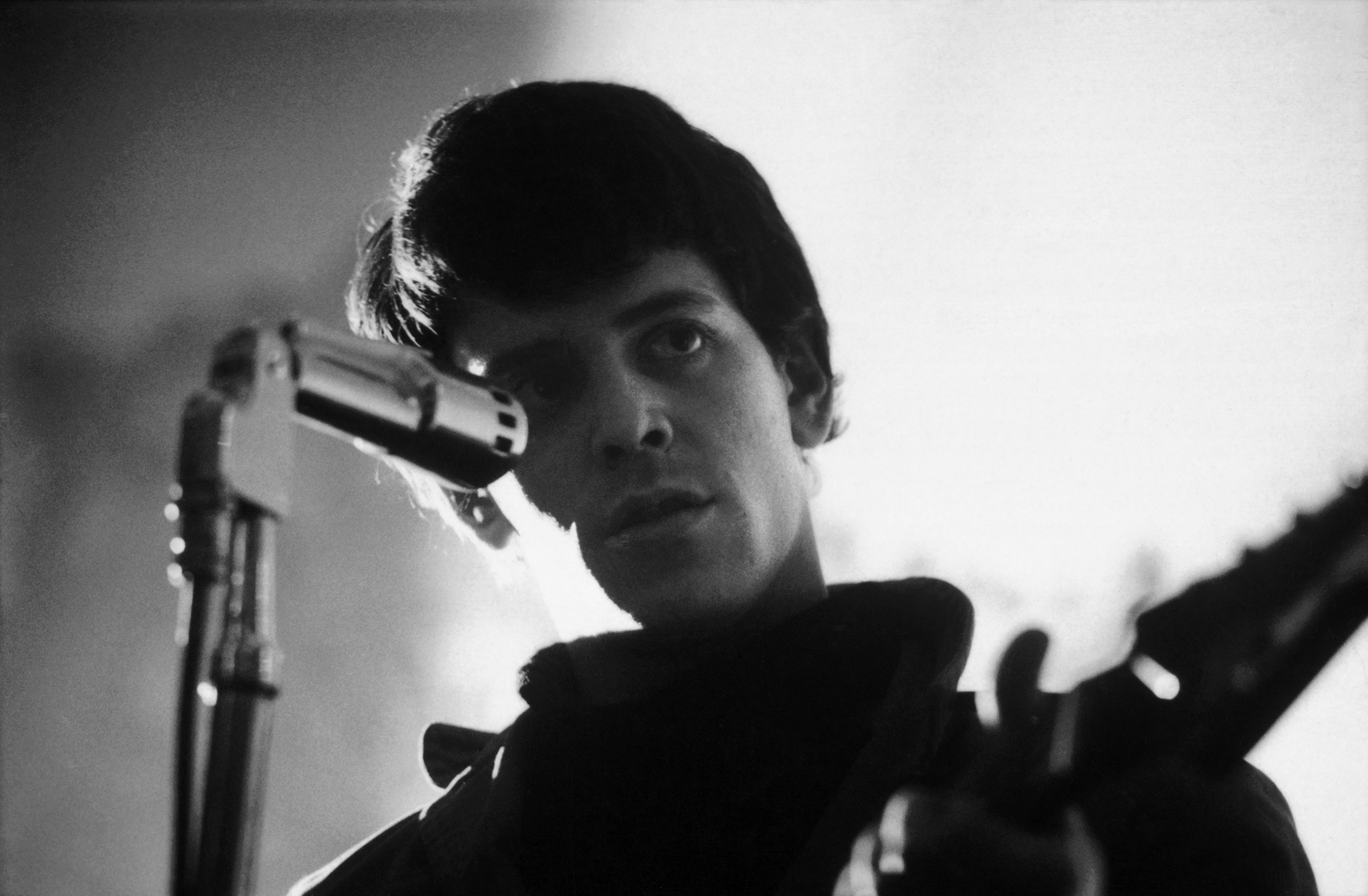
The old joke is that only 30,000 people bought their legendary first album, but everyone who did started a band. However, for the average listener, their records can be an abrasive slog of dissonant viola, monotonous drumming, and Lou Reed’s ‘talk-singing’. Detractors argue that the Velvets are the ultimate ‘critic’s band’ – one of the bands that you say you revere, but that you never actually go so far as listening to.
Honourable exception
The Velvet Underground (1969) Their third album is the 'quiet' one. By ditching the noise and the feedback, Lou Reed proved he could write some of the most tender, devastatingly beautiful songs in the English language.
11. U2
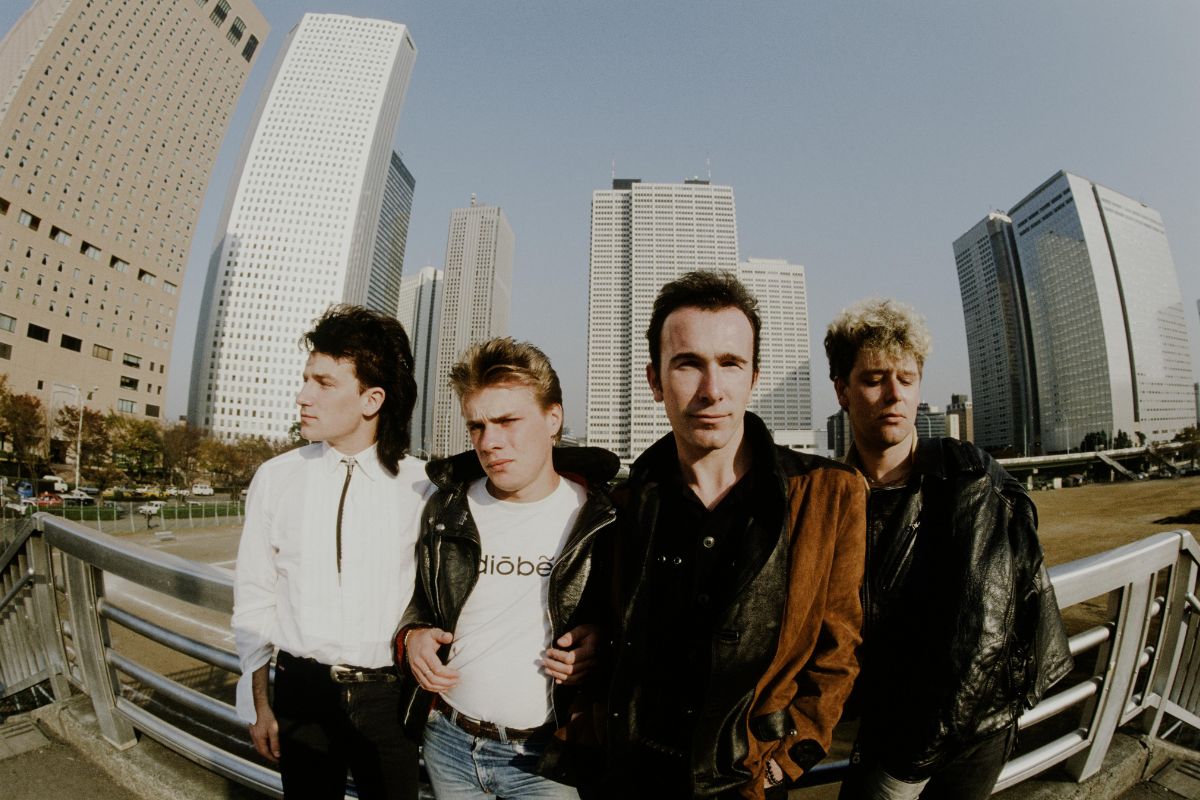
Perhaps the most ‘over-appreciated’ band in history, U2 is often panned for Bono’s perceived messiah complex and The Edge’s reliance on delay pedals to hide a lack of traditional guitar chops. Their transition from earnest post-punk to ‘biggest band in the world’ felt like a calculated move toward corporate ubiquity, making their anthems feel more like advertisements than art.
Honourable exception
The Joshua Tree (1987) Working with Brian Eno and Daniel Lanois, the band traded their post-punk edge for a cinematic, wide-screen sound that perfectly captured the ‘mythic’ America.
12. Eagles
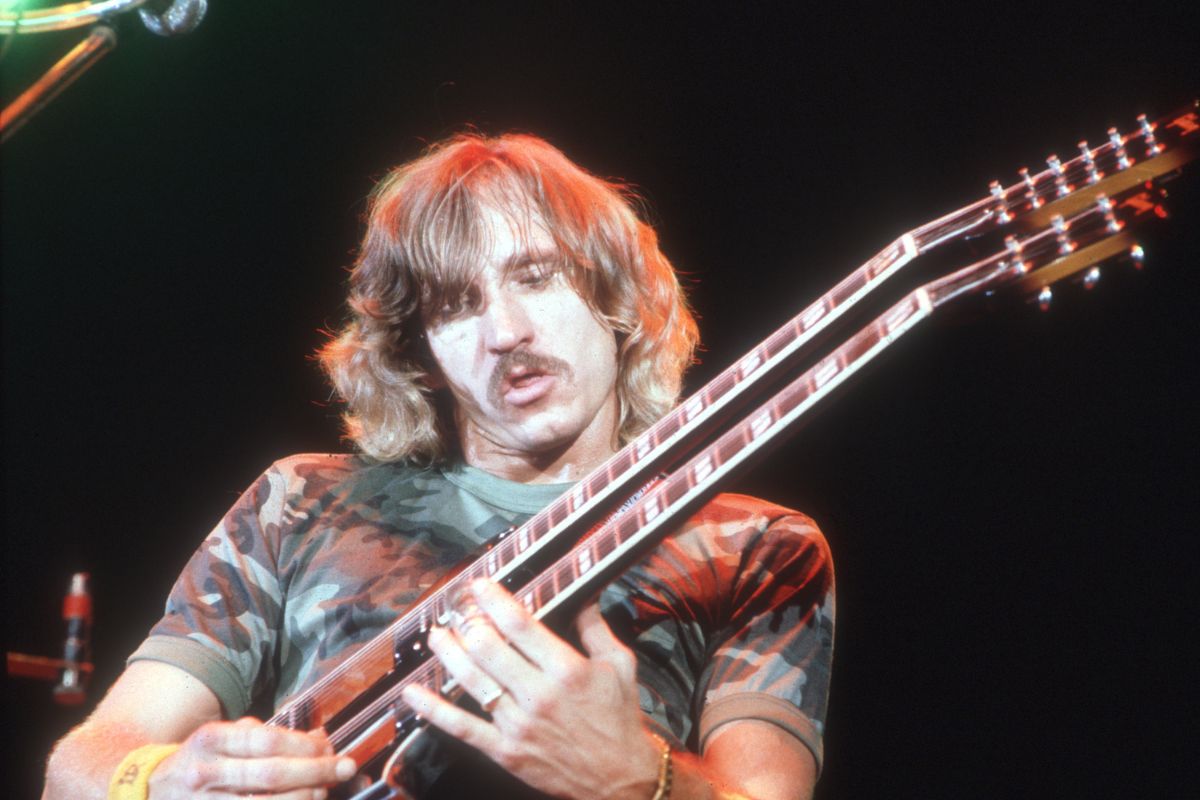
The Eagles are often cited as the band that ‘killed’ the 1960s. They took the raw, hippie-folk of Laurel Canyon and turned it into a billion-dollar, air-conditioned corporate empire. While Hotel California is undoubtedly a production masterpiece, many find their music to be smug, cynical, and devoid of the ‘dangerous’ spirit of rock and roll. To their critics, the Eagles represent the mellowing of the counter-culture into a high-end country club.
Honourable exception
Desperado (1973) Before the mega-fame, they were a gritty outlaw-country band. This concept album about the Dalton Gang has a dusty, authentic ‘Frontier’ feel that their later work lacked.
13. The Grateful Dead
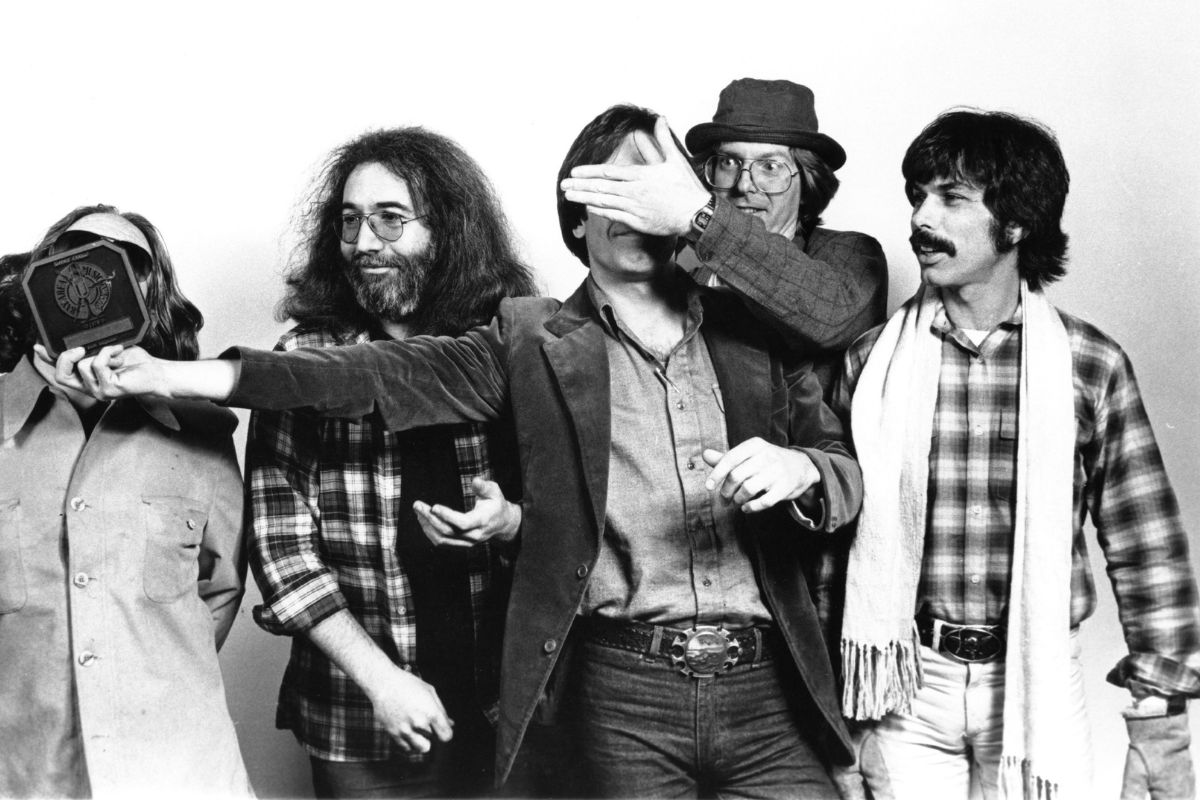
To the uninitiated, ‘The Dead’ represent the ultimate ‘you had to be there’ band. Their studio albums are famously lacklustre, and their legendary live jams are often viewed by sceptics as aimless, self-indulgent noodling that lacks a sense of economy or urgency. Unless you are immersed in the ‘Deadhead’ subculture (this was, after all, one of rock's great cults), the band’s meandering folk-rock can feel like a sonic endurance test rather than a spiritual journey.
Honourable exception
American Beauty (1970) For those who can’t stand the 30-minute jams, this album is a masterclass in tight, Crosby, Stills & Nash-style vocal harmonies and folk-rock songwriting. It is a beautiful, concise piece of Americana.
14. Genesis (1980s era)
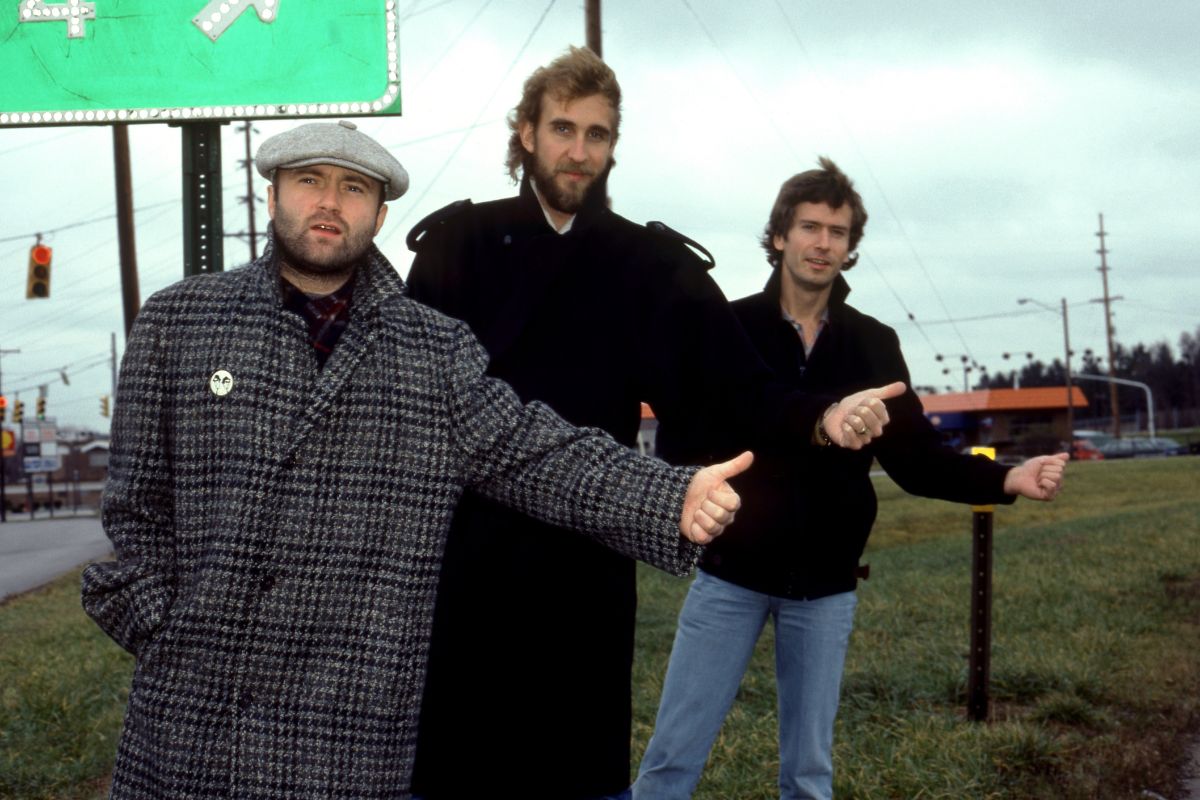
While their early 70s prog rock era (spearheaded by the mercurial Peter Gabriel) is revered, their 1978-1984 transition turned Genesis from literate, atmospheric prog rockers into a slick, chart-topping pop machine. To purists, this was a ‘betrayal’ of their complex roots. The band became ubiquitous on MTV, but many find the songwriting from this period – the likes of ‘Illegal Alien’ or ‘Invisible Touch’ – to be lightweight and overly reliant on the gated-reverb drum sound that eventually dated the entire decade.
Honourable exception
Duke (1980) The perfect middle ground. It retained the long-form storytelling of their prog years but infused it with a new, punchy emotional clarity that felt modern and vital.
15. Emerson, Lake & Palmer
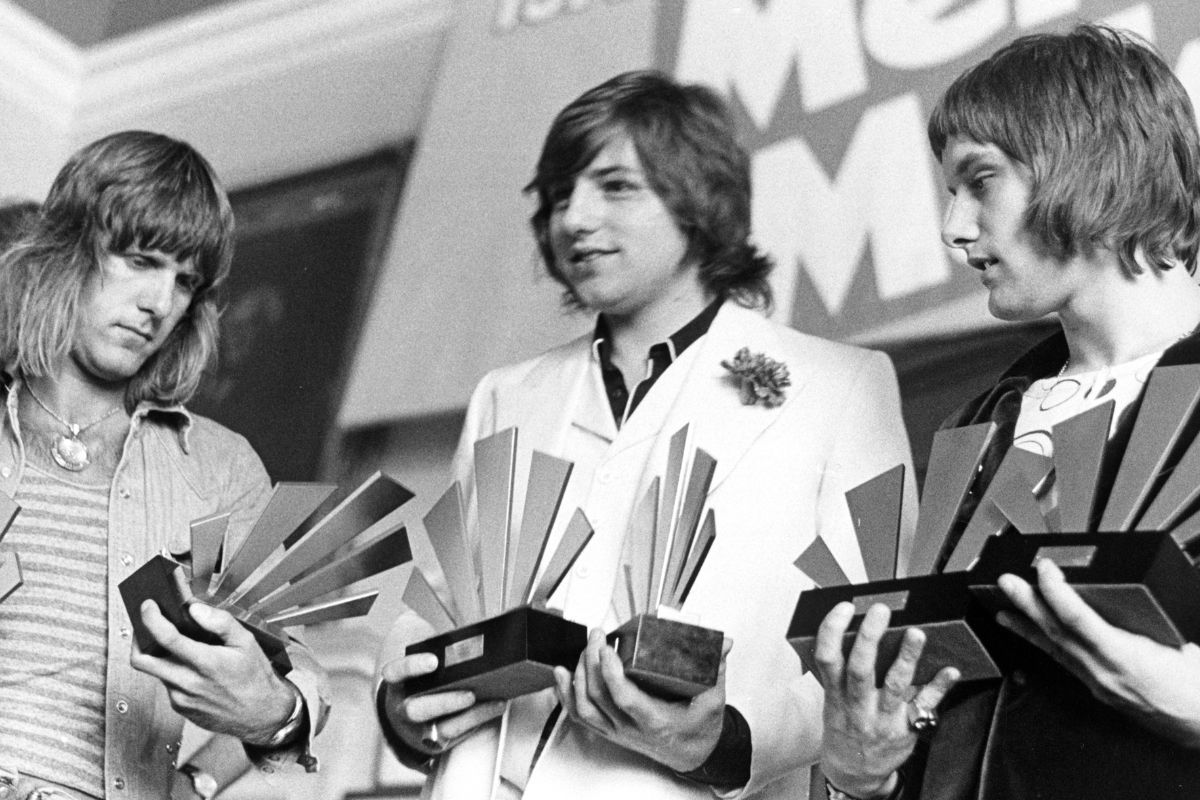
If you want to know why punk had to happen, many will point to ELP. They were the poster boys for 1970s prog rock excess, featuring revolving drum risers, Persian rugs on stage, and 20-minute keyboard solos inspired by Russian classical masterpieces. While their technical skill was immense, critics (and even some prog fans) found their music to be a soulless display of virtuosity that prioritized ‘how many notes can I play?’ over ‘how does this song feel?’
Honourable exception:
‘Lucky Man’ (1970) A simple, beautiful folk song that features one of the most famous early uses of a Moog synthesizer solo. It proved that, beneath all the multi-keyboard fireworks, ELP could still write a haunting melody.
All pics: Getty Images