
Prog is where rock dreams big.
Putting aside the straggly hair, scruffy beards and general nerdiness, progressive rock is known not only for the complexity of its compositions and the virtuosity of its musicians, but also the fantastical nature of its narratives. Science fiction is a huge influence, as is fantasy, mythology and a gentle dash of surrealism.
Prog’s commitment to storytelling instantly permeated into the artwork used on the sleeves of its albums. Gatefolds full of goblins and dystopian landscapes hit the record racks at a rapid pace during prog’s early 70s peak.
It’s a testament to the popularity of the sleeve art that the scene developed a roster of respected cover artists, such as Roger Dean, Storm Thorgerson, Paul Whitehead and the heavyweight HR Giger. The sleeve artist's zoomed in on the prog’s narrative themes and by adding key motifs and design elements created a visual language all of its own.
With examples lifted from the genre’s greatest bands, this article explores the scene’s recurring themes and motifs to piece together what it takes to create a great prog rock album sleeve.
Prog rock album covers
1. Glorious gatefolds
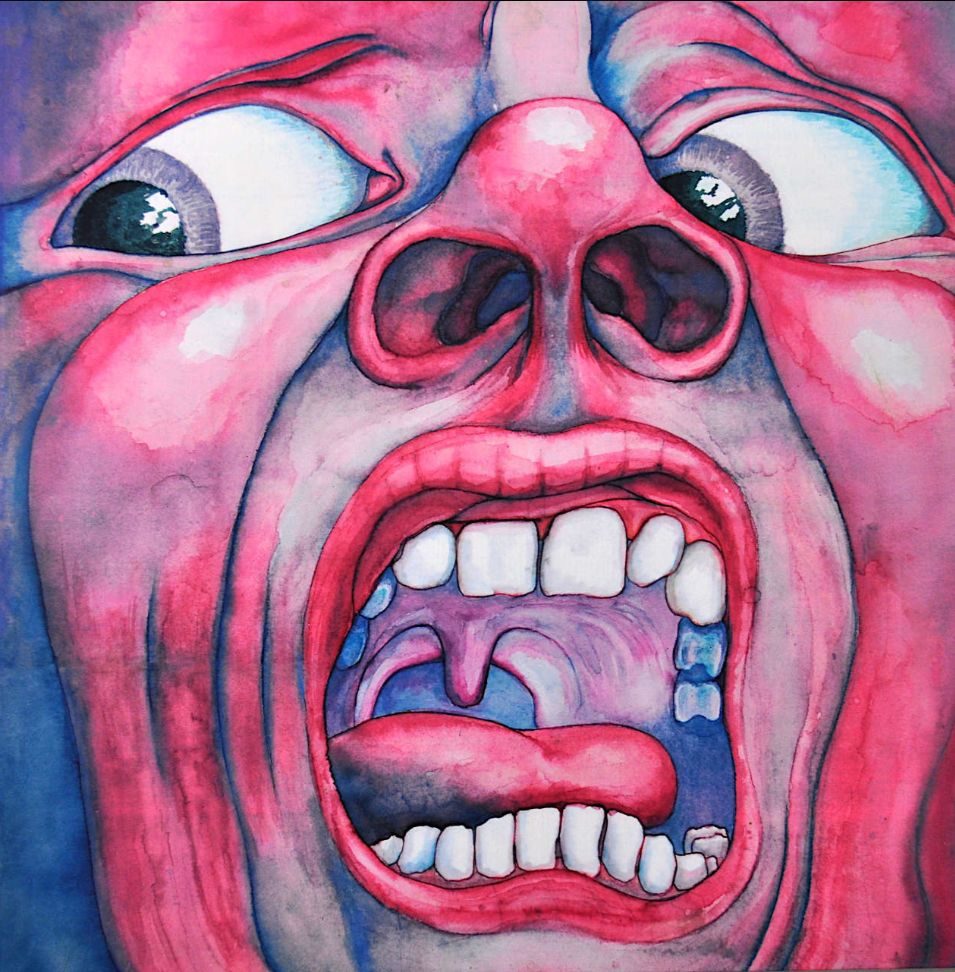
The gatefold sleeve doubles the real estate available to sleeve designers, which means they’re able to step beyond the traditional 12-inch square and into full, landscape territory. The gatefold format plays an important role in adding to the immersive experience of a prog rock album.
King Crimson’s debut, In The Court Of The Crimson King is a strikingly unforgettable gatefold. The distinctive and frightening artwork was adapted from a self-portrait by a friend of the band Barry Godber, who used his own image to portray the Schizoid Man from the album’s electrifying opening track. Tragically, Godber died only month’s after its release, with the sleeve art his enduring legacy.
Prog’s greatest: King Crimson – In The Court Of The Crimson King (1969)
2. Science Fiction
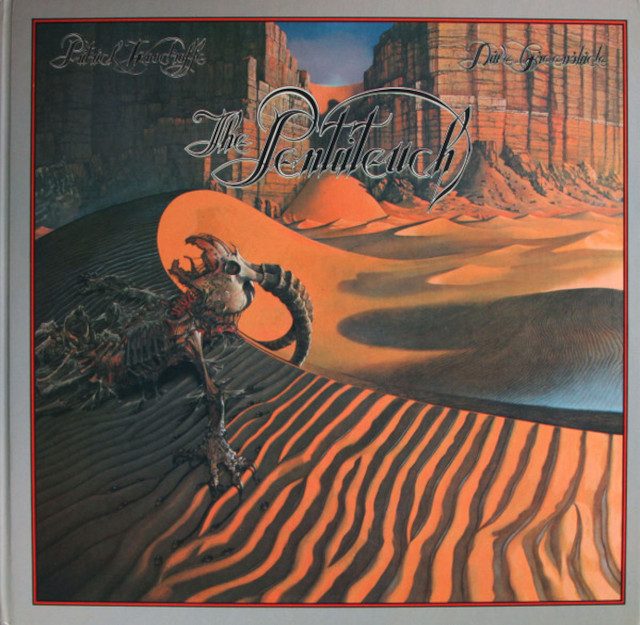
With both genres invested in the serious business of building other worlds, progressive rock and science fiction are comfortable bedfellows. Sci-fi themes are to be found lurking under the laminate of many classic prog rock albums.
Respected English artist Patrick Woodroffe was a sci-fi specialist. Woodroffe created album sleeves for hard rock bands such as Iron Maiden and Budgie (1975’s Bandolier a standout). He also shared a fruitful partnership with keyboard-heavy prog rockers Greenslade.
In 1979 he got together with Dave Greenslade to collaborate the artwork for the concept album The Pentateuch Of The Cosmogony. The album’s title deserves an award of its own, let alone when combined with the sleeve’s none-more-proggy artwork.
Prog’s greatest: Patrick Woodroffe and Dave Greenslade – The Pentateuch Of The Cosmogony (1979)
3. Floating objects
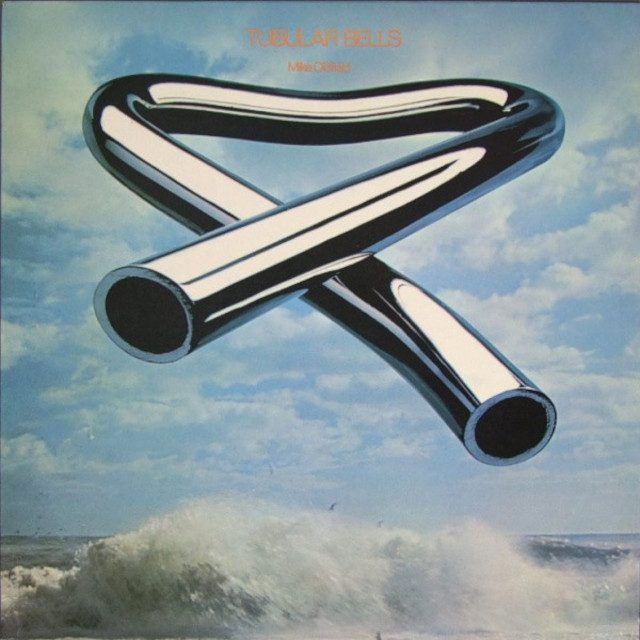
A peculiar motif that regularly appears on prog rock album sleeves is that of gravity-defying objections found floating in the sky. Whether it’s a giant castle (Starcastle – Starcastle), enormous brains (Hemispheres – Rush) or a large pig (Animals – Pink Floyd), the floating object is a recurring theme.
Prog rock’s greatest example is Mike Oldfield’s multi-million selling album Tubular Bells, which logically enough features a massive bent tubular bell hovering over a seascape of breaking waves.
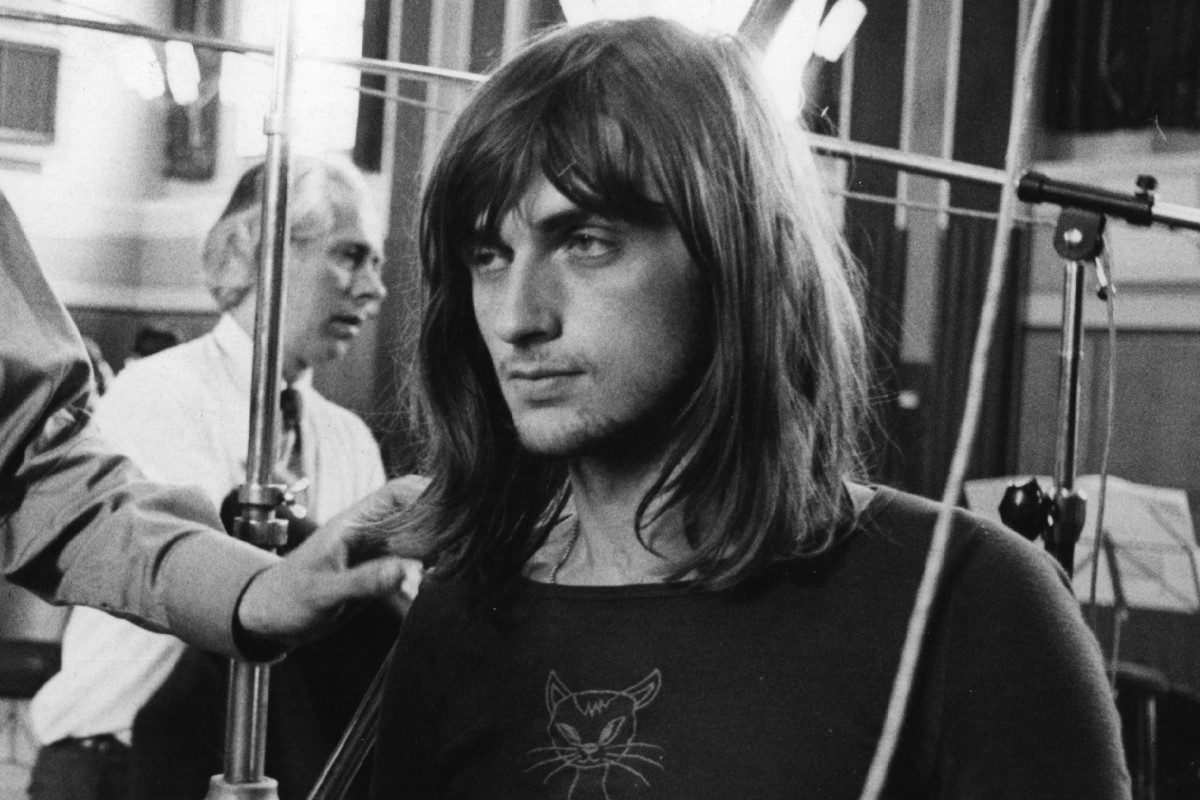
The striking cover was designed by Trevor Key, for who it was second time lucky. He had originally submitted an image of a boiled egg with blood dripping from it. Legend has it that Key was paid the sum of £100 for the final cover.
Prog’s greatest: Mike Oldfield – Tubular Bells (1973)
4. Cosmic landscapes
With sci-fi themes and the gatefold working nicely in tandem the cosmic landscape is a prog rock staple. The sleeve to The Nice’s final album Elegy (1973) is a strong example with a dramatic Sahara desert scene lined in regular intervals by 50 red balls.
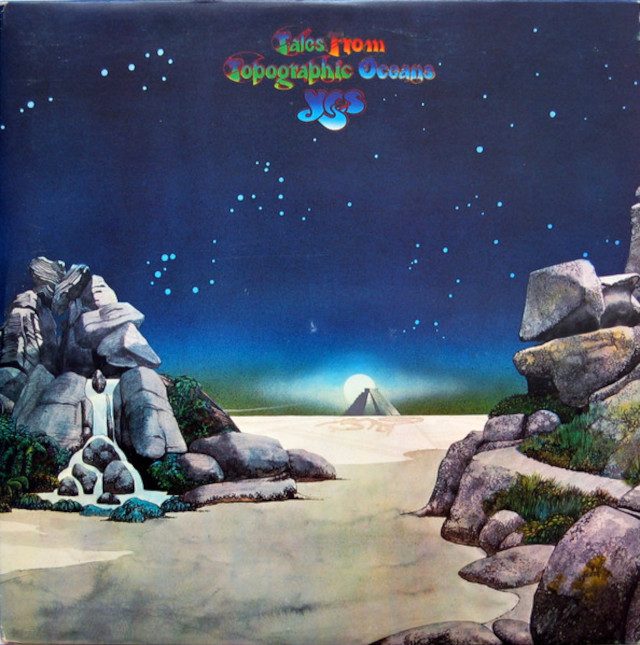
One of the very best landscape covers is Yes’ iconic Tales From Topographic Oceans. The double album’s grandiose and perfectly pretentious concept is an exploration of Eastern spirituality, with each one of its four sides dedicated to different aspect.
Illustrator Roger Dean, one of prog’s very best sleeve art practitioners, depicted a wondrous landscape with fish circling an otherworldly waterfall under a constellation of stars. A Mayan temple in the background only adds to the indecipherable mystery of the piece.
Prog’s greatest: Yes – Tales From Topographic Oceans (1973)
5. Mythology
If mythology can be loosely defined as a collection of other-worldly origin stories then it’s easy to spot the connection with the culture’s created within the imaginative sphere of a prog rock album.
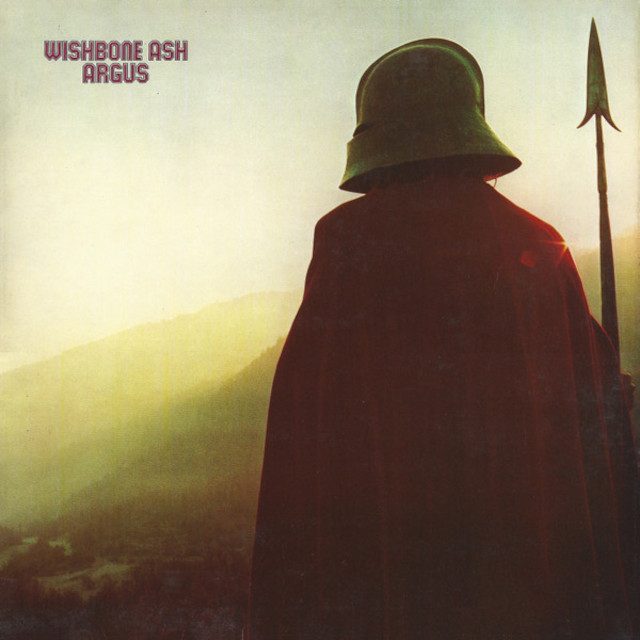
Wishbone Ash’s third album Argus is not strictly a concept album but Greek Mythology and the Middle Ages are persistent themes on both sides of the vinyl.
The album cover features a warrior with a spear and a helmet overlooking ancient landscape as a spaceship emerges. It was created by acclaimed design agency Hipgnosis. Rumour has it that the image was the inspiration behind the Darth Vader character in Star Wars.
Honourable mentions must also go out to Uriah Heep’s The Magician’s Birthday and Hawkwind’s Warrior On The Edge Of Time.
Prog’s greatest: Wishbone Ash – Argus (1972)
6. Fantasy
Fantasy is a subgenre of science fiction dealing with supernatural beings living in magical, imaginary worlds: JRR Tolkien’s Lord Of The Rings being the prime archetype. Prog rockers often found themselves treading in similar direction with their songwriting, or in the case of Swedish musician Bo Hansson’s Music Inspired By Lord Of The Rings (1970) exactly the same path.
As a band Uriah Heep were able to fuse a hard rock sound with prog rock elements. Released in 1972, fourth studio album Demons and Wizards boasts a fine Roger Dean-illustrated fantasy gatefold.
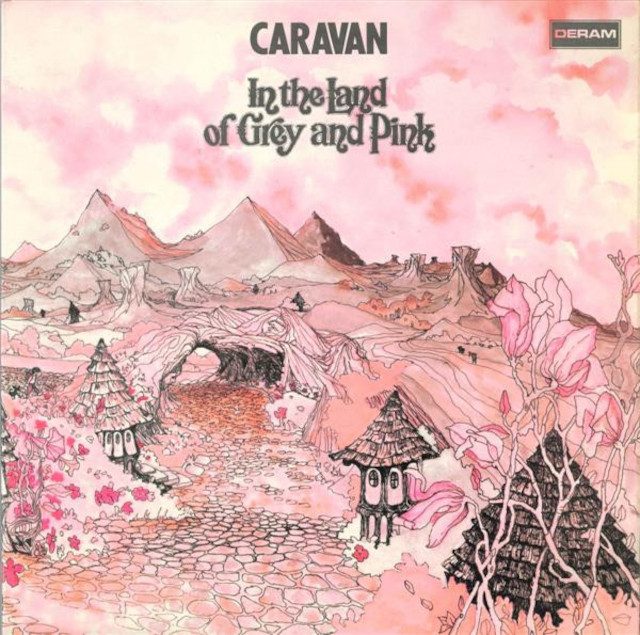
Caravan were part of the UK’s Canterbury scene alongside bands such as Soft Machine, Gong and Egg. The band’s third album In The Land Of Grey And Pink boasts a glorious Tolkien-inspired landscape illustrated with Hobbit-sized houses, pink skies and a fantastical castle.
Prog’s greatest: Caravan – In The Land Of Grey And Pink (1971)
7. Cybernetics
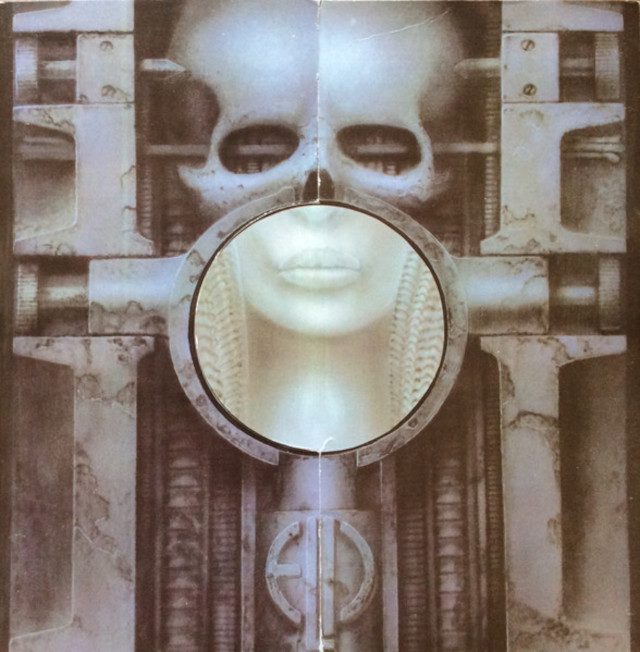
The flip side to fantasy’s wistful pastoral optimism, cybernetics paints a bleak vision of a dystopian future with men and machines merging into one. Prog rock bands were all over it.
Nektar were an English-based prog rockers based in Germany. The band’s second album A Tab In The Ocean (1972) houses a classic cybernetics-themed sleeve illustrated by German surrealist Helmut Wenske. Despite its many merits, it’s beaten into second place by one of the most instantly recognisable prog rock sleeves of all time.
Emerson, Lake & Palmer’s Brain Salad Surgery was created by the influential Swiss surrealist Hans Ruedi Giger, who famously worked on the Alien series of movies. The outer sleeve depicts a female face encased within a mechanical skull. The die cut sleeve was cut down the middle and opened out to dramatic effect.
Prog’s greatest: Emerson, Lake & Palmer – Brain Salad Surgery (1973)
8. Photo surrealism
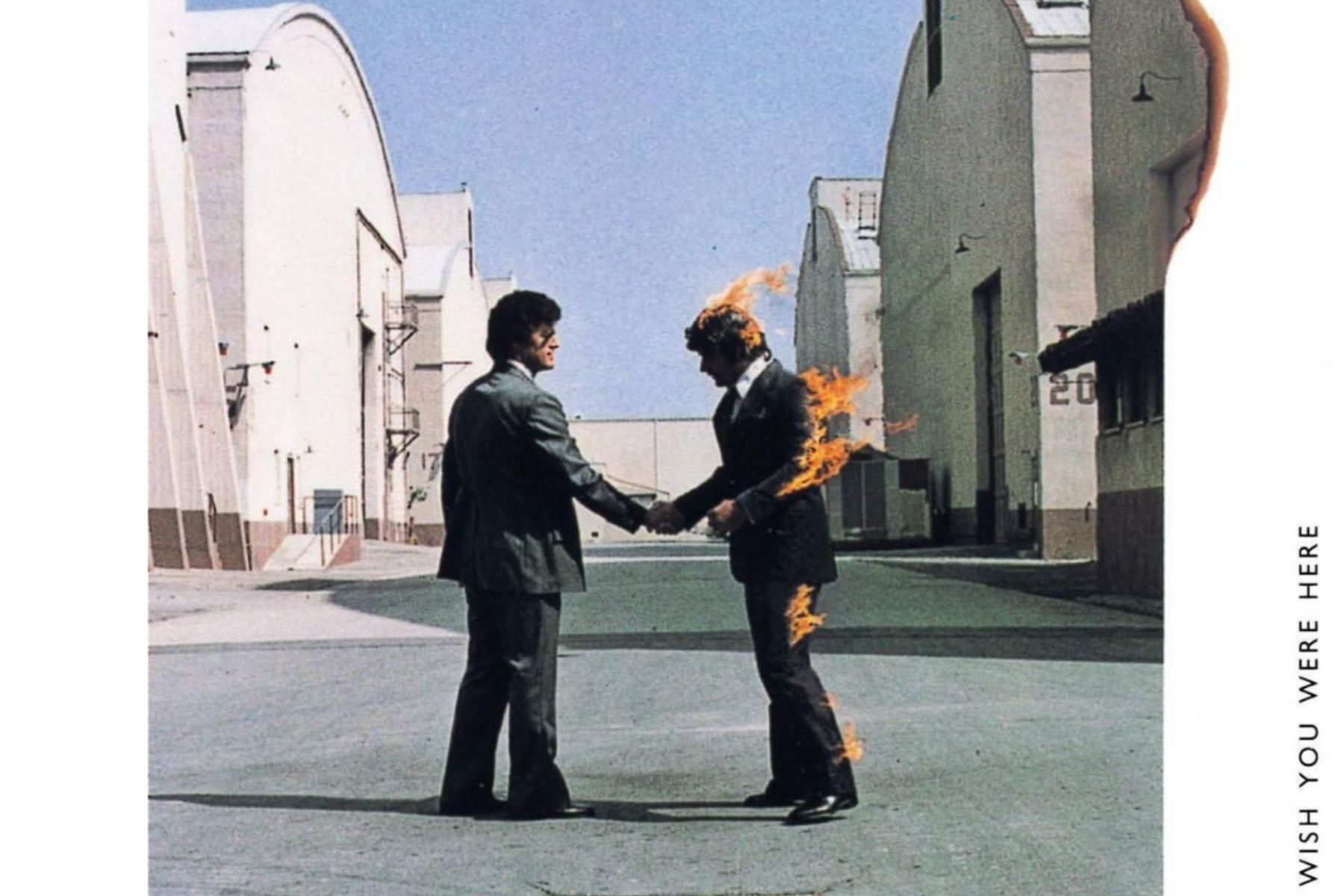
Many prog rock band’s looked to artists or illustrators to provide the conceptual artwork for their album covers, but there were alternatives. Hipgnosis, a cool design agency run by Storm Thorgerson and Aubrey Powell, pioneered the use of real-life photography to capture surreal concepts.
Hipgnosis had a long-running association with Pink Floyd dating back to A Saucerful Of Secrets in 1968. The concept for the photographic image on the cover of 1975’s Wish You Were Here was of two businessmen shaking hands to seal a transaction.
‘Getting burned’ was in common use in music industry circles for being on the wrong end of a bad deal, and the intention was to illustrate the phrase literally. These were the days before Photoshop could manipulate photographs, and to capture the shot a stuntman’s suit was set on fire.
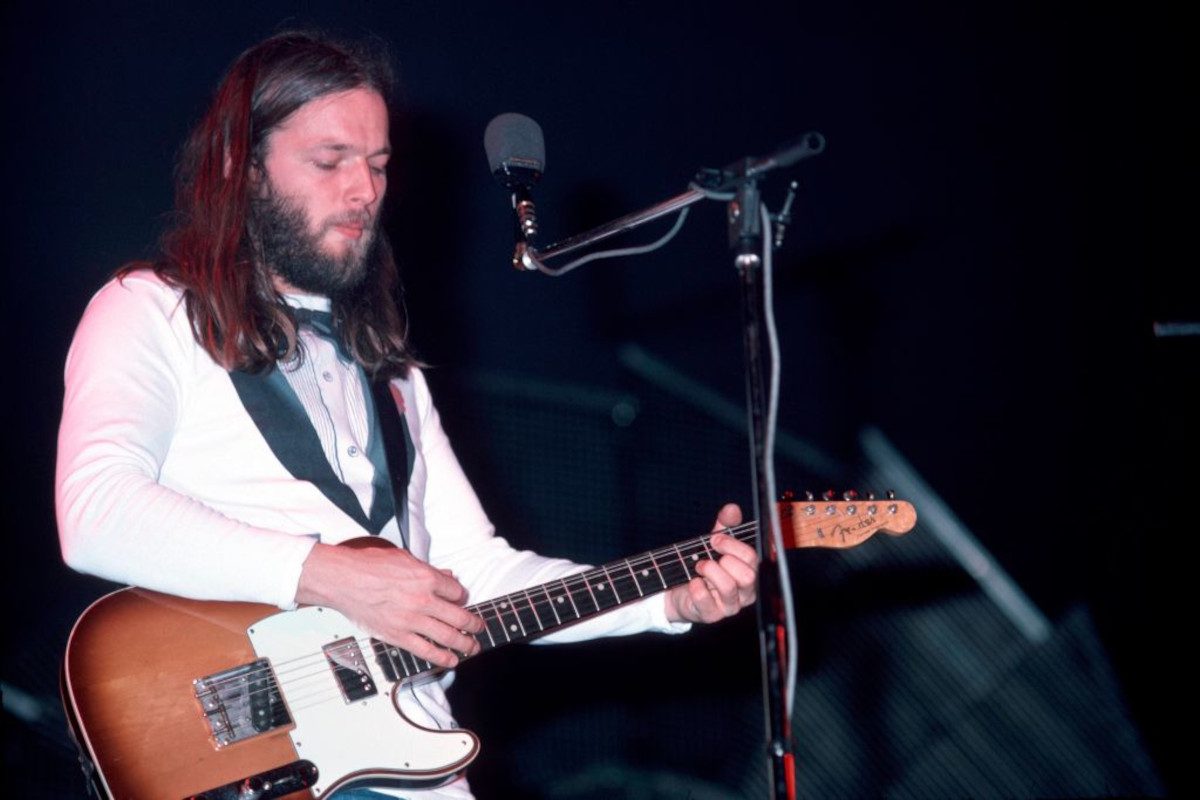
Canadian graphic artist Hugh Syme has been responsible for the band’s visual identity throughout the band’s career and can credit himself with being one of the great photo surrealists.
Prog’s greatest: Pink Floyd – Wish You Were Here (1975)
9. Whimsy
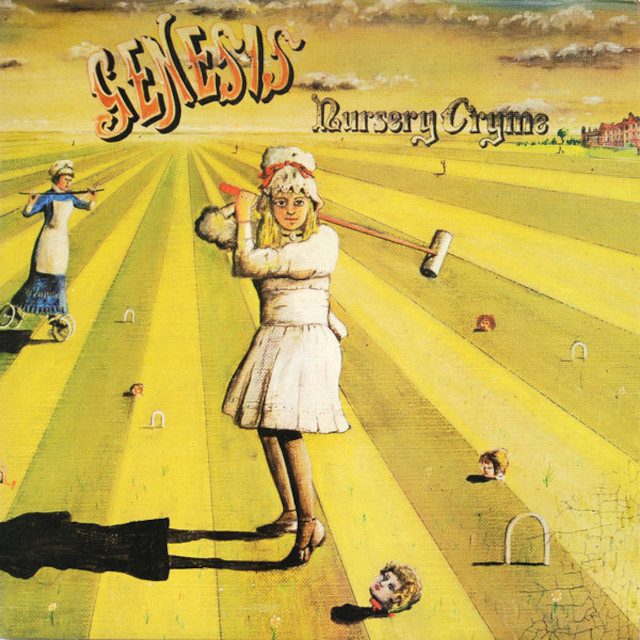
A peculiarly English construct, whimsy describes a playful, imaginative and humorous approach, where creativity is allowed to spread as much as a source of fun rather than anything more serious. It is the polar opposite of hard rock’s tendency towards bombast. Think Syd Barrett, not Sammy Hagar.
Inspired by the tradition of British literary nonsense and authors such as Lewis Carroll and Edward Lear, early Genesis, with Peter Gabriel still in tow, were a whimsical band. Illustrated by artist Paul Whitehead, the gatefold sleeves to both Nursery Cryme (1971) and Foxtrot (1972) perfectly capture the band’s playful yet often macabre absurdism.
Prog’s greatest: Genesis – Nursery Cryme (1971)
Some other prog album covers we love
1. Van der Graaf Generator - Pawn Hearts (1972)
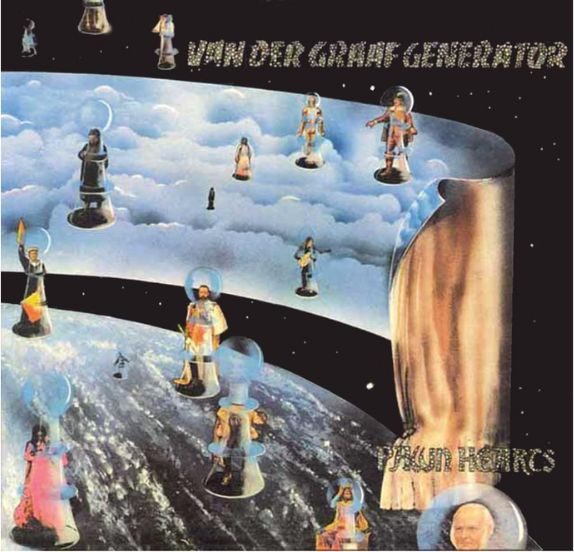
A spectral figure looms over a fractured landscape, looking as though it has wandered out of an apocalyptic dream – mysterious, unsettling and perfectly matched to Van der Graaf Generator's gloriously intense music.
2. Genesis Foxtrot (1972)
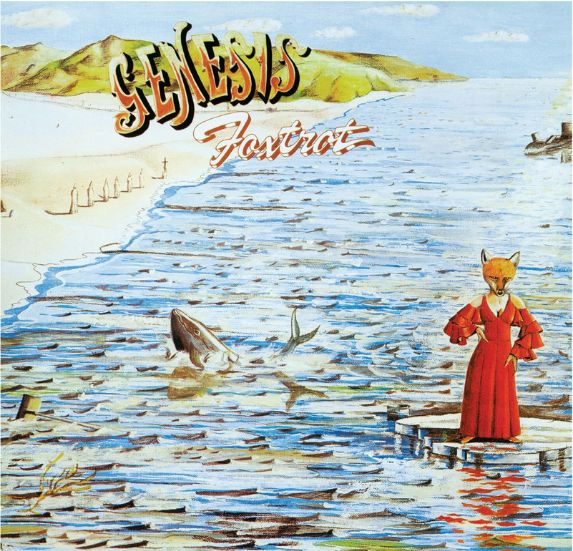
Paul Whitehead's fox in a red dress is equal parts whimsical and unsettling, capturing early Genesis's peculiar ability to make the absurd seem profound and the profound seem faintly ridiculous.
3. The Moody Blues In Search of the Lost Chord (1968)
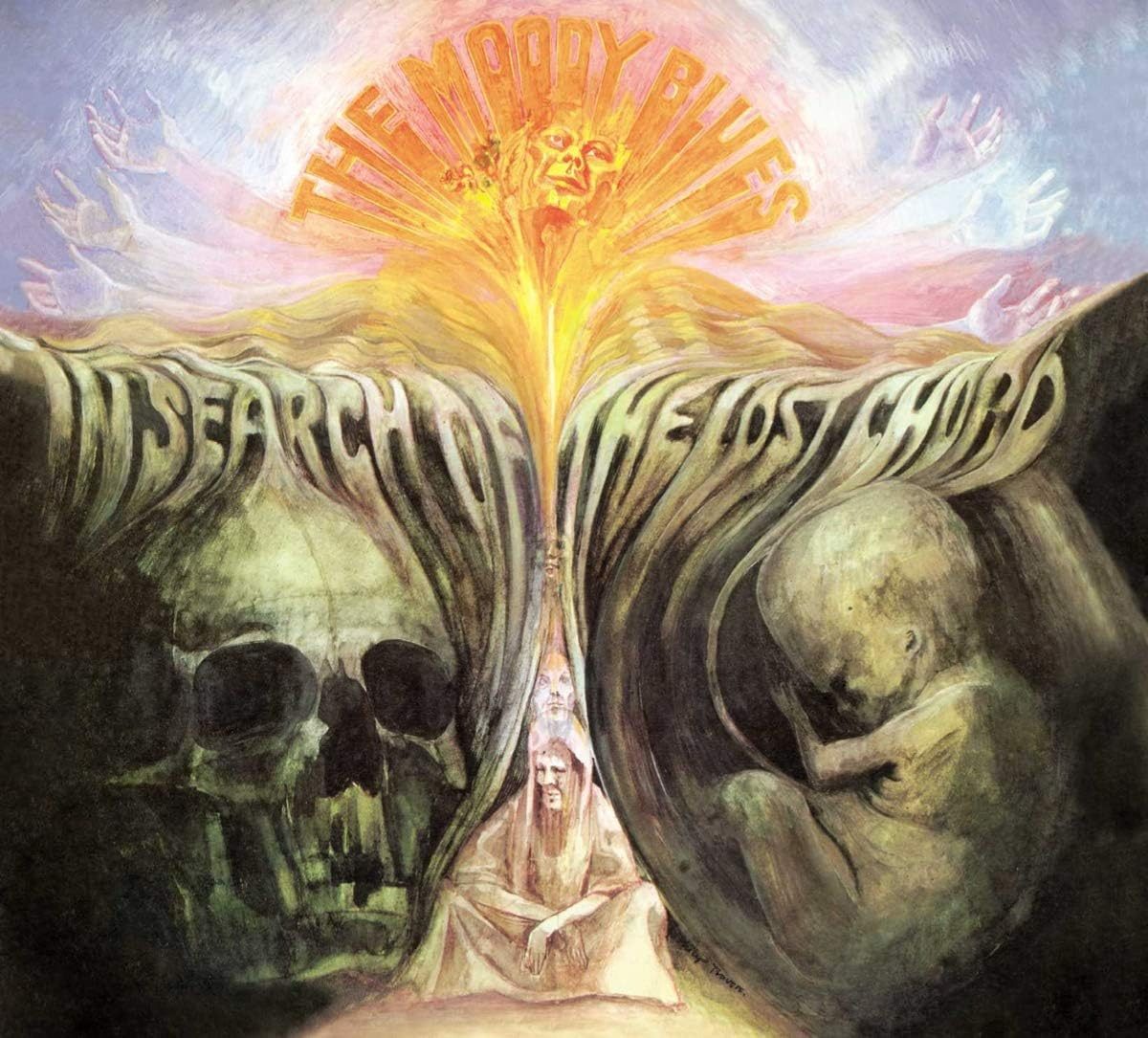
A kaleidoscope of faces, stars and cosmic symbols, it's less an album cover than an invitation to expand your consciousness – preferably while lying on the carpet staring at the ceiling.
4. Gentle Giant Octopus (1972)
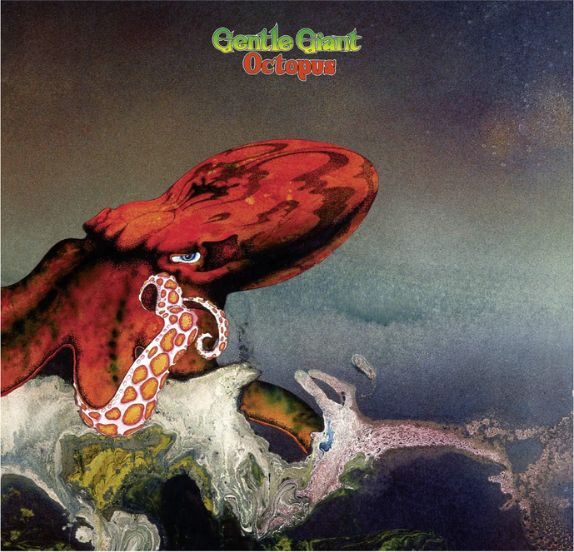
Roger Dean's beautifully strange octopus, floating through an impossible fantasy world, perfectly embodies prog's love of virtuosity, imagination and creatures you definitely wouldn't want to meet while scuba diving.
5. Nektar Remember the Future (1973)
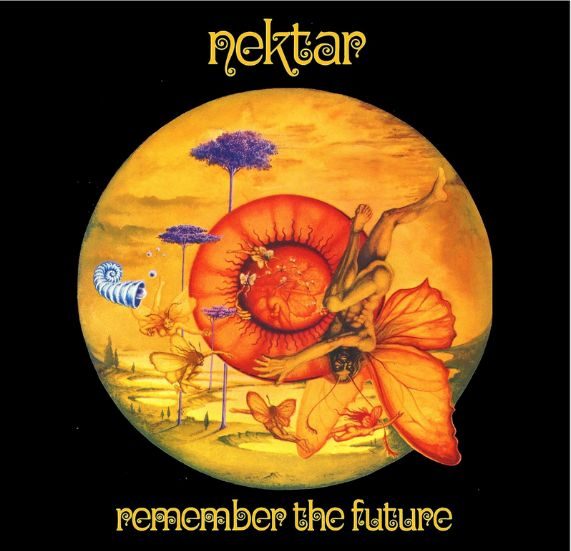
With its glowing cosmic vistas and enigmatic figures suspended somewhere between dream and reality, the sleeve promises a mind-expanding voyage long before the needle touches the vinyl.
6. Rush Hemispheres (1978)
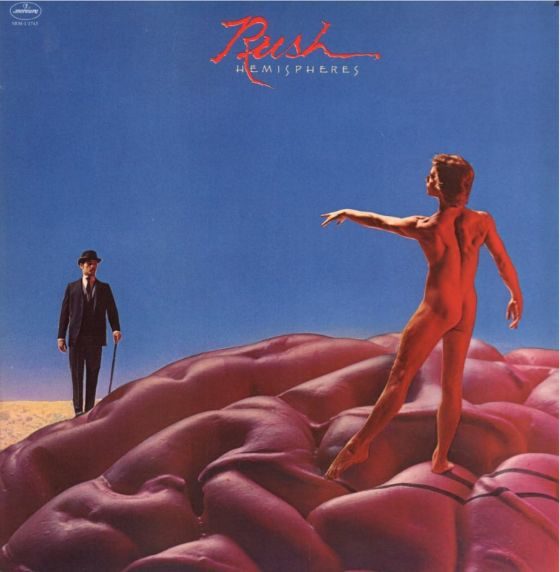
A naked man balancing precariously between reason and emotion on an enormous red brain? It's gloriously overblown, faintly bonkers and absolutely quintessential prog.
7. Le Orme Felona e Sorona (1973)
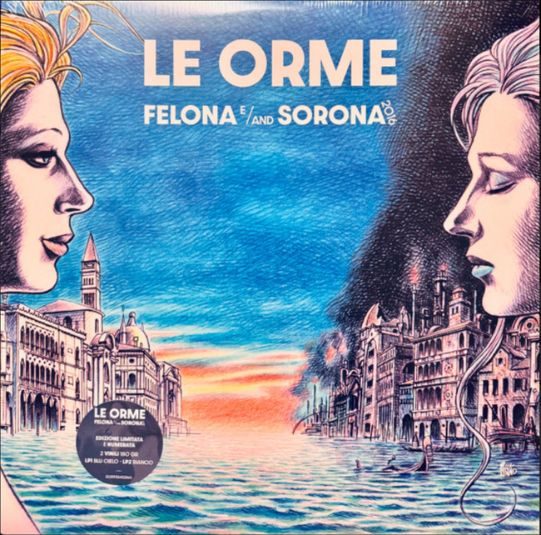
The twin planets of Felona and Sorona, one bathed in light and the other shrouded in darkness, create a haunting image of cosmic duality that lingers in the imagination long after you've closed the gatefold.
8. Banco del Mutuo Soccorso Io Sono Nato Libero (1973)
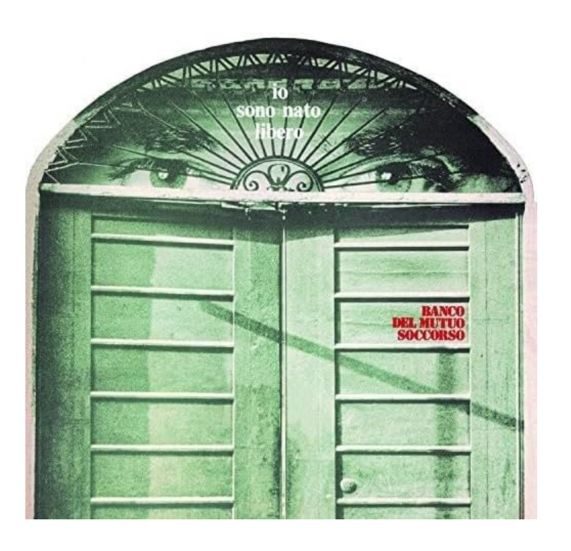
Surreal, symbolic and gloriously enigmatic, the cover feels less like artwork and more like a riddle – which, in the world of Italian prog, is very much the point.
9. Gnidrolog Lady Lake (1972)
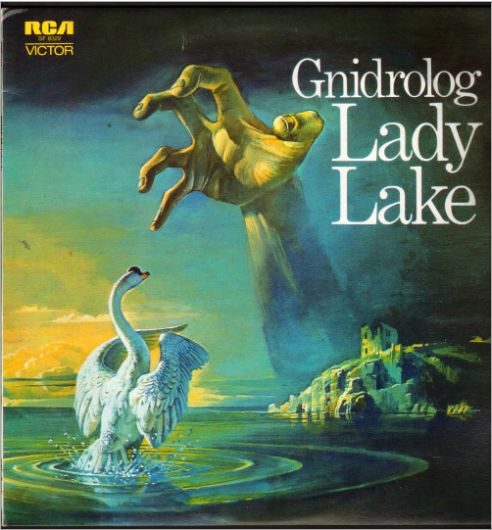
Part pastoral dream, part pagan vision, Lady Lake has the uncanny quality of an old folk tale you can't quite remember – mysterious, beautiful and just a little unsettling, as if something is stirring beneath the water's surface.
10. Carpe Diem En Regardant Passer Le Temps (1975)
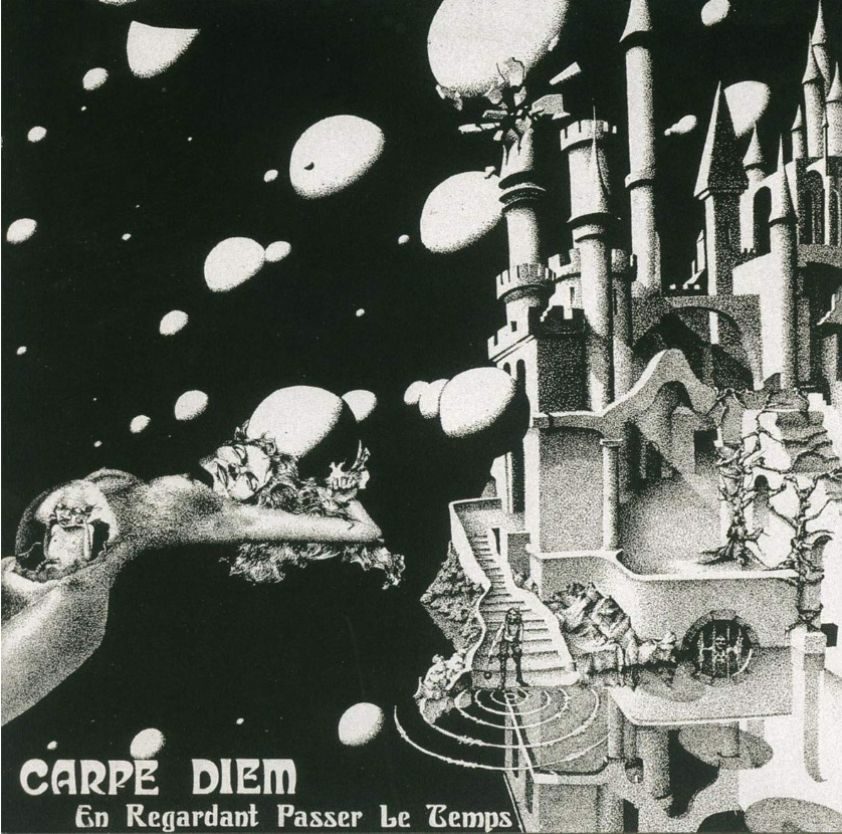
With its ethereal imagery and air of quiet mystery, this French prog gem looks exactly how it sounds: poetic, slightly melancholy and utterly unconcerned with explaining itself to anyone.
11. Renaissance: Scheherazade and Other Stories (1975)
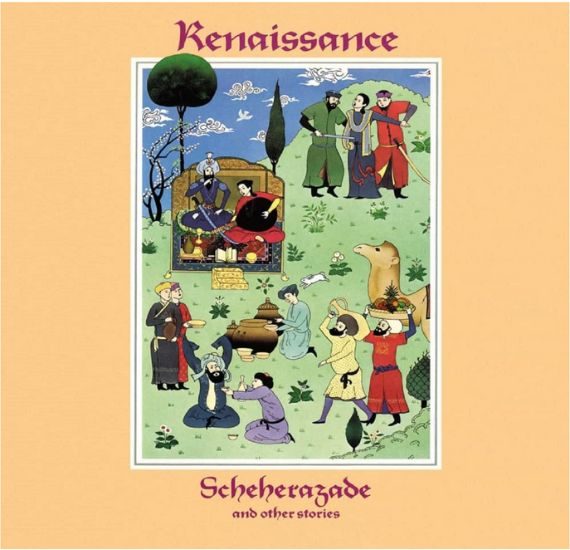
Inspired by One Thousand and One Nights, the sleeve is drenched in romance, mystery and exotic splendour – exactly the sort of artwork that makes prog fans want to disappear into another century for forty minutes.
12. Kansas – Leftoverture (1976)
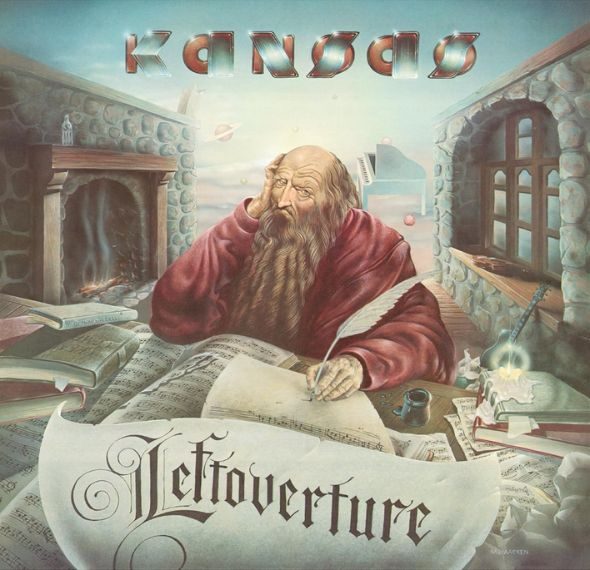
The image of an old man alone in a grand, crumbling study, surrounded by books and memories, perfectly captures one of prog's favourite themes: the noble, slightly melancholic pursuit of wisdom in a world that's moving on without you.
13. Marillion – Script for a Jester's Tear (1983)
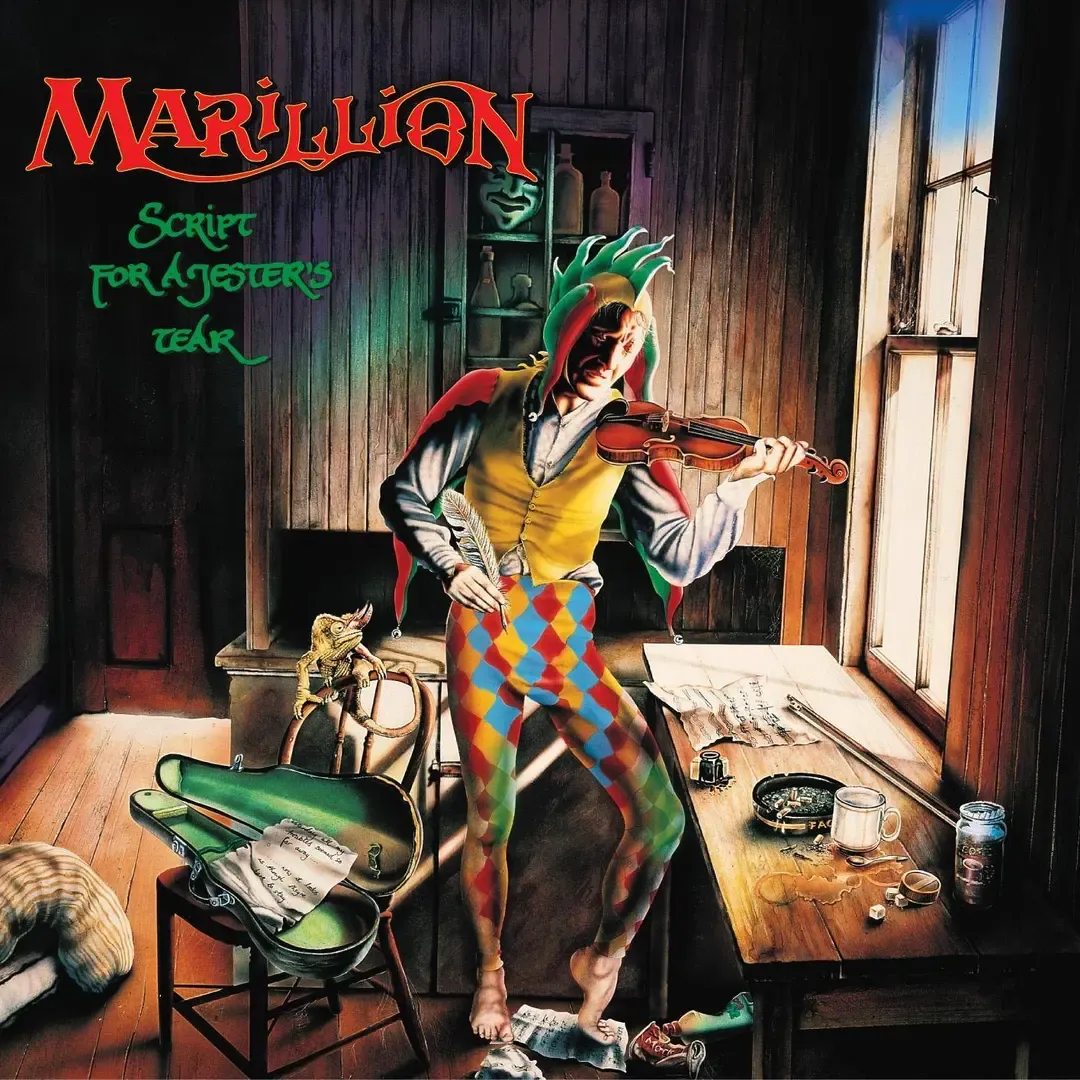
Mark Wilkinson's tragic jester, collapsed in grief amid a tangle of symbolic clues, is pure neo-prog: emotional, theatrical and just mysterious enough to make you spend ages staring at it while the record spins.
14. Eloy – Ocean (1977)
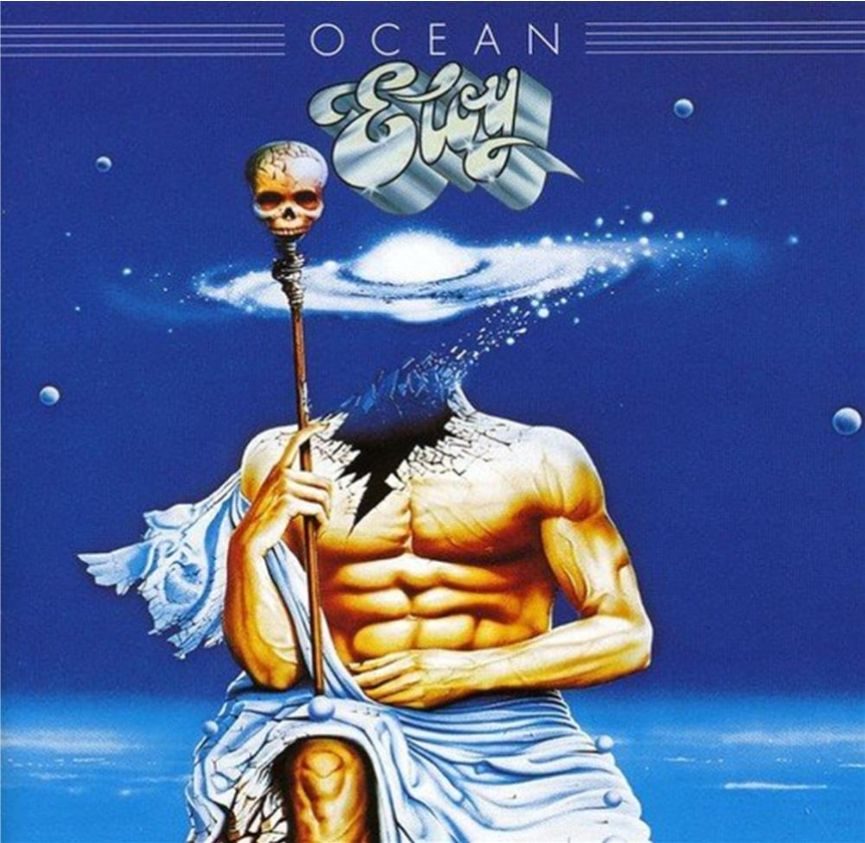
Bathed in eerie blues and vast cosmic emptiness, Ocean looks like the cover of a long-lost science fiction classic – the kind of place where ancient secrets lie buried and absolutely nothing good comes from poking around too closely.
15. Emerson, Lake & Palmer Tarkus (1972)
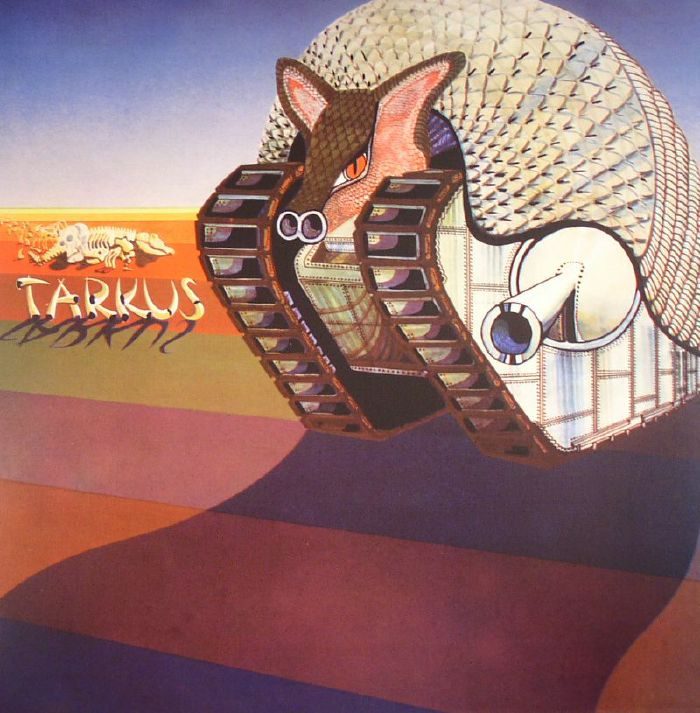
An armadillo crossed with a tank that battles giant manticores and mechanical beasts sounds like a fever dream, yet William Neal's wonderfully absurd creation somehow became one of prog's greatest icons – gloriously ridiculous and utterly magnificent.
All photos Getty Images / All album covers Discogs


