
Many of rock’s greatest keyboard players began life learning music the old-fashioned way, sitting at a piano and wrestling with Bach, Beethoven and scales.
Then they discovered rock – and promptly decided to make the keyboard do things their teachers probably never imagined. The Hammond organ became a snarling wall of sound; the piano became a percussive weapon; and, with the arrival of synthesisers, keyboards could suddenly sound like almost anything.
These musicians also helped bring classical composition, jazz improvisation and electronic experimentation into the heart of rock, from the psychedelic 1960s through prog’s golden age and beyond. Some became stars in their own right, while others remained the secret weapons behind more famous frontmen. Here are 11 of the greatest – keyboard players who proved the keys could be every bit as exciting as the guitar.
Rock's 11 best keyboard players
11. Dave Greenfield

Other than their confrontational name, The Stranglers really didn’t fit in with the other bands associated with the UK punk scene. For starters, they could actually play their instruments, and then there were Dave Greenfield’s keyboards, which among the glut of guitar-dominated bands stood out like a sore thumb.
Heavily influenced by Ray Manzarek of The Doors, Greenfield’s Hammond organ provided The Stranglers with their signature sound.
Key track: 'No More Heroes'
10. Steve Nieve
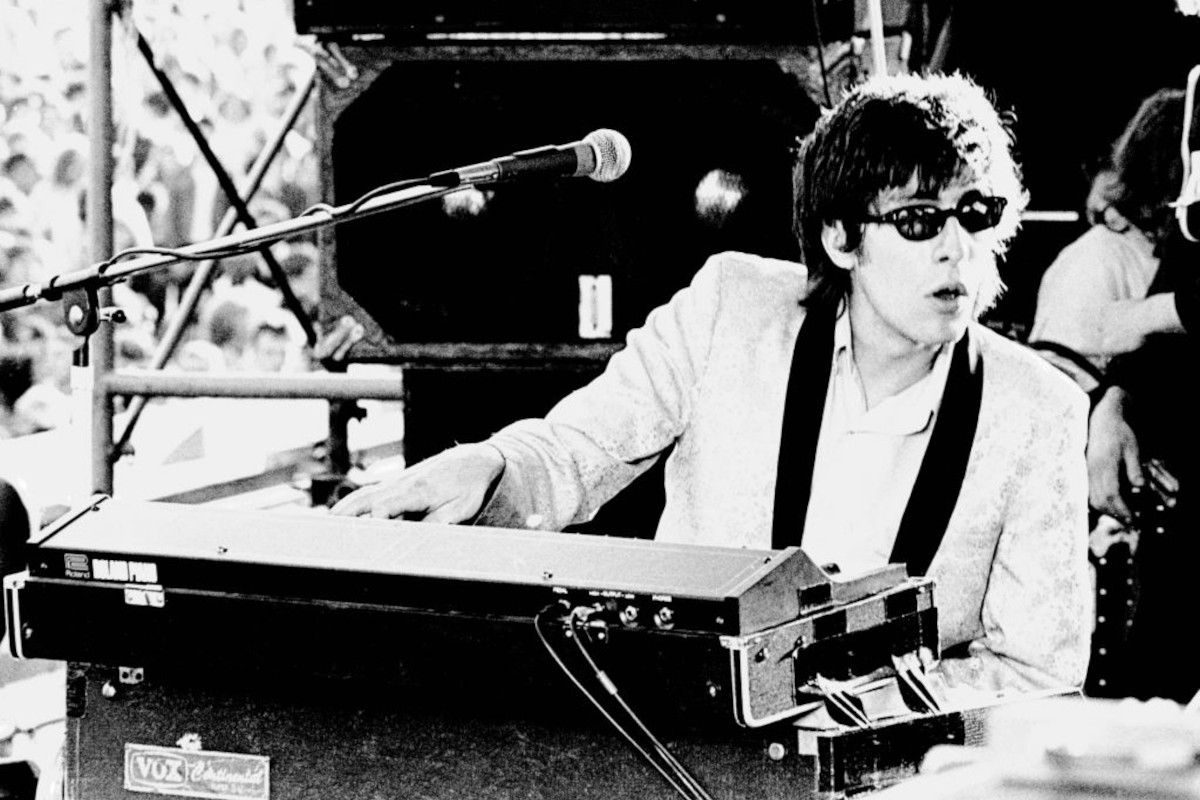
The punning ‘Nieve’ surname was dished out by fellow tour mate Ian Dury after the keyboard player’s innocent enquiry, "What’s a groupie?” Born Stephen Nason, the newly christened Nieve was attending the prestigious Royal College of Music when the opportunity to become one of Elvis Costello’s Attractions was too strong to resist.
His keyboard sound was fundamental to Costello’s early success, with This Year’s Model a highlight. Nieve’s ABBA-style keyboards on ‘Oliver’s Army’ remain a prime example of his worth.
Key track: 'Oliver's Army'
9. Mike Garson
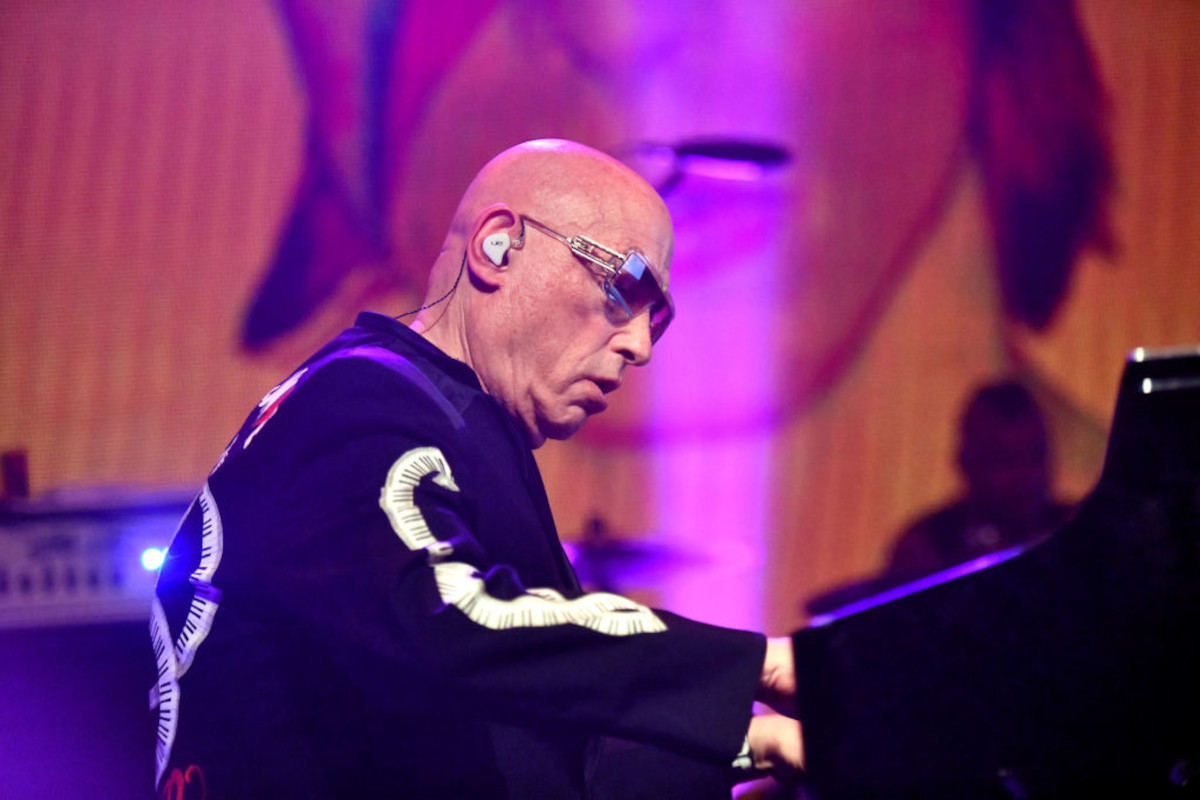
Before being brought into David Bowie’s Ziggy-era band, Mike Garson’s piano playing was far removed from the world of rock. In fact, when he first turned up to his audition he had no idea who Bowie was. A strict disciple of Thelonious Monk, the New Yorker was heavily embroiled in the avant-garde jazz scene, revered for his uncanny ability to improvise in real time.
Garson made his studio debut with Bowie on 1973’s Aladdin Sane and his radical approach provided the album with a thrilling experimental edge. His later career saw him play with The Smashing Pumpkins and Nine Inch Nails.
Key track: 'Lady Grinning Soul'
8. Billy Preston

A self-taught child prodigy, at the age of 10 Billy Preston was playing alongside the legendary Mahalia Jackson. His ebullient style of play was much indebted to his deep gospel roots. By the 1960s Preston developed into a highly regarded session man backing artists such as Sam Cooke and Little Richard.
He is most well-known for his association with The Beatles and played electric piano with them during the famous Savile Row rooftop concert. Preston also toured with The Rolling Stones between 1973 and 1977.
Key track: 'Get Back'
7. Manfred Mann
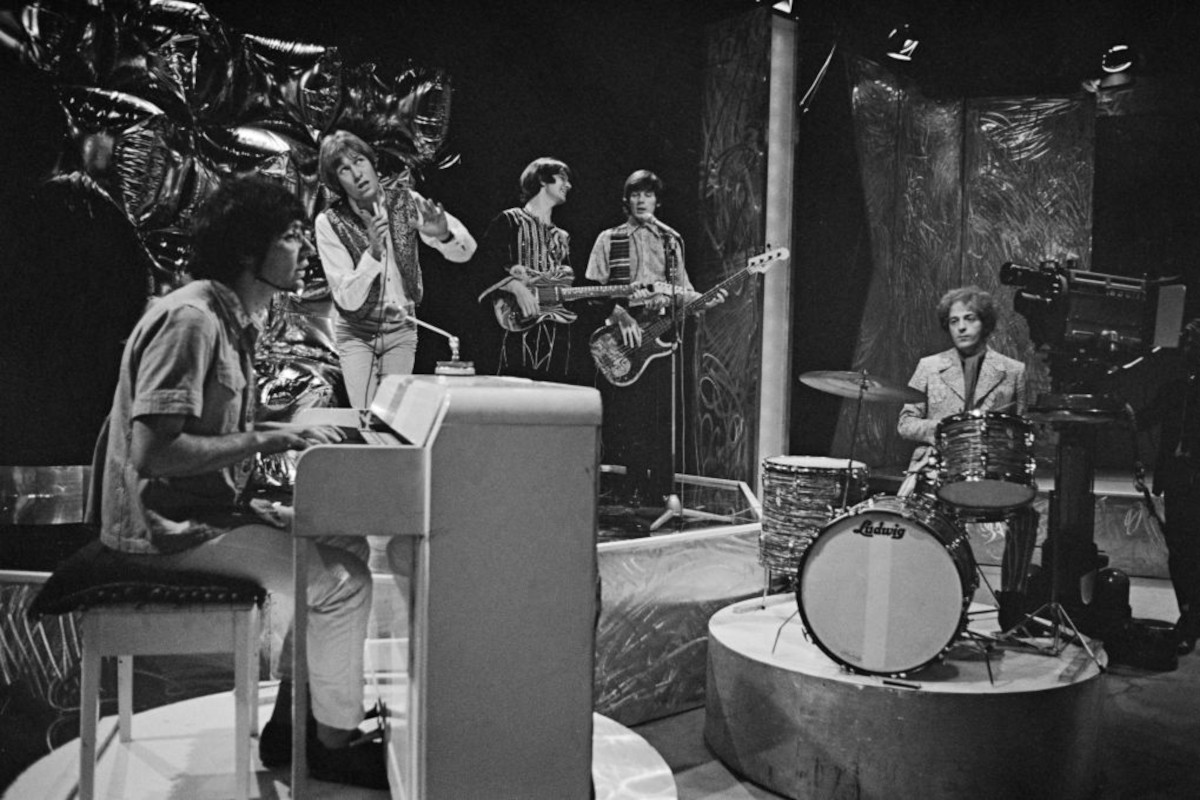
After working in bars as a jazz pianist in his native Johannesburg, Manfred Mann moved to the swingin’ London in 1961. His punchy keyboard playing drove the early pop hits of the band that first carried his name.
A later incarnation, now called Manfred Mann’s Earth Band, dropped the pop for rock. Mann’s total mastery of the Mini-moog deftly dominated his band’s sound with their synth-heavy cover of Springsteen’s ‘Blinded By The Light’ a perfect example of his craft.
Key track: 'Blinded By The Light'
6. Rick Wright
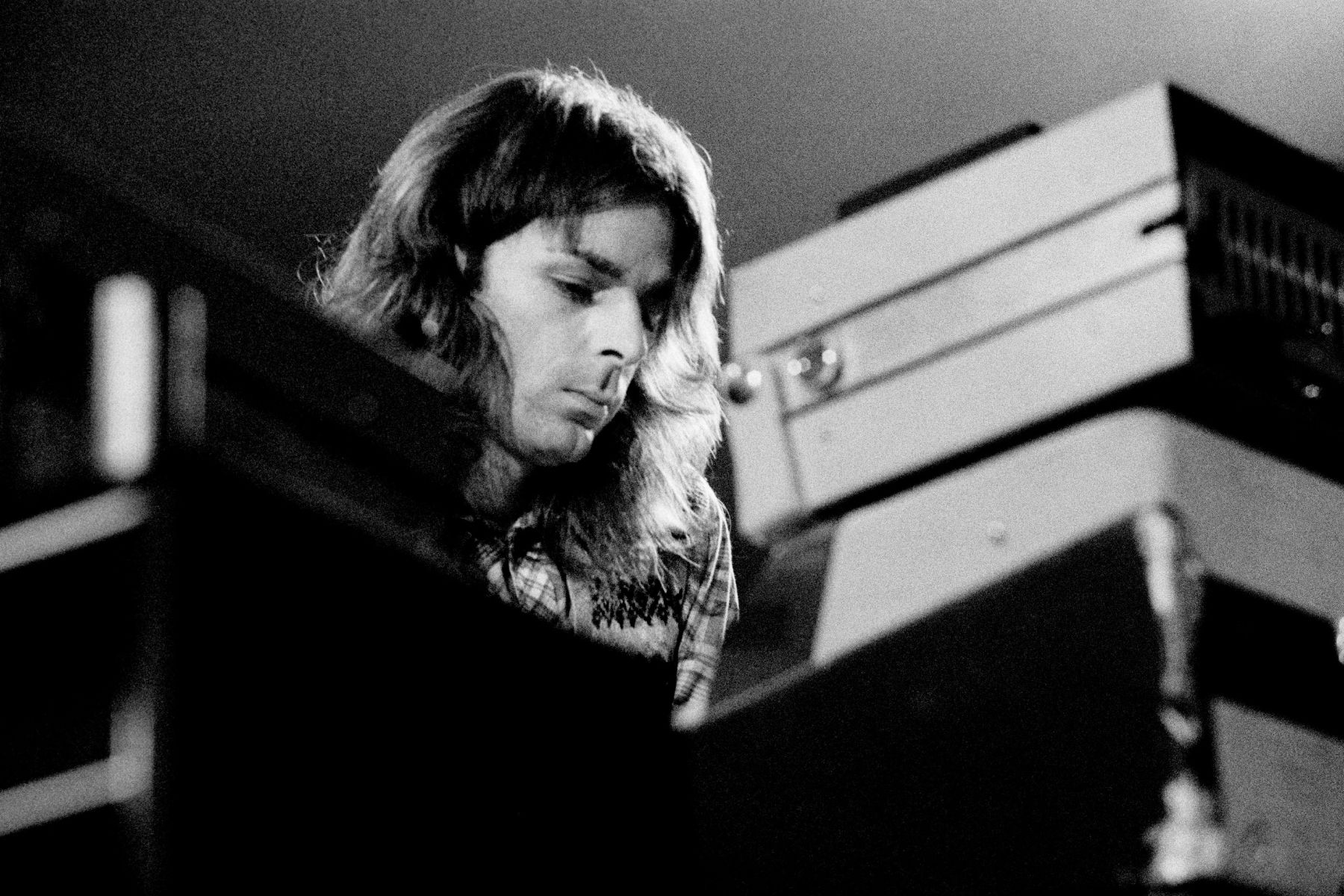
Rick Wright met Pink Floyd co-founders Roger Waters and Nick Mason while studying architecture at university. From the band’s early psychedelic jamming to the chart-dominating prog rock of later years, Wright’s distinctive keyboards were always an essential component of the band’s sound.
After Syd Barrett’s departure, Wright stepped up to compose and arrange many of the band’s most famous songs. Clashes with Roger Waters lead to him leaving Pink Floyd as an official member, but staying on as a session musician.
Key track: 'The Great Gig In The Sky'
5. Jon Lord
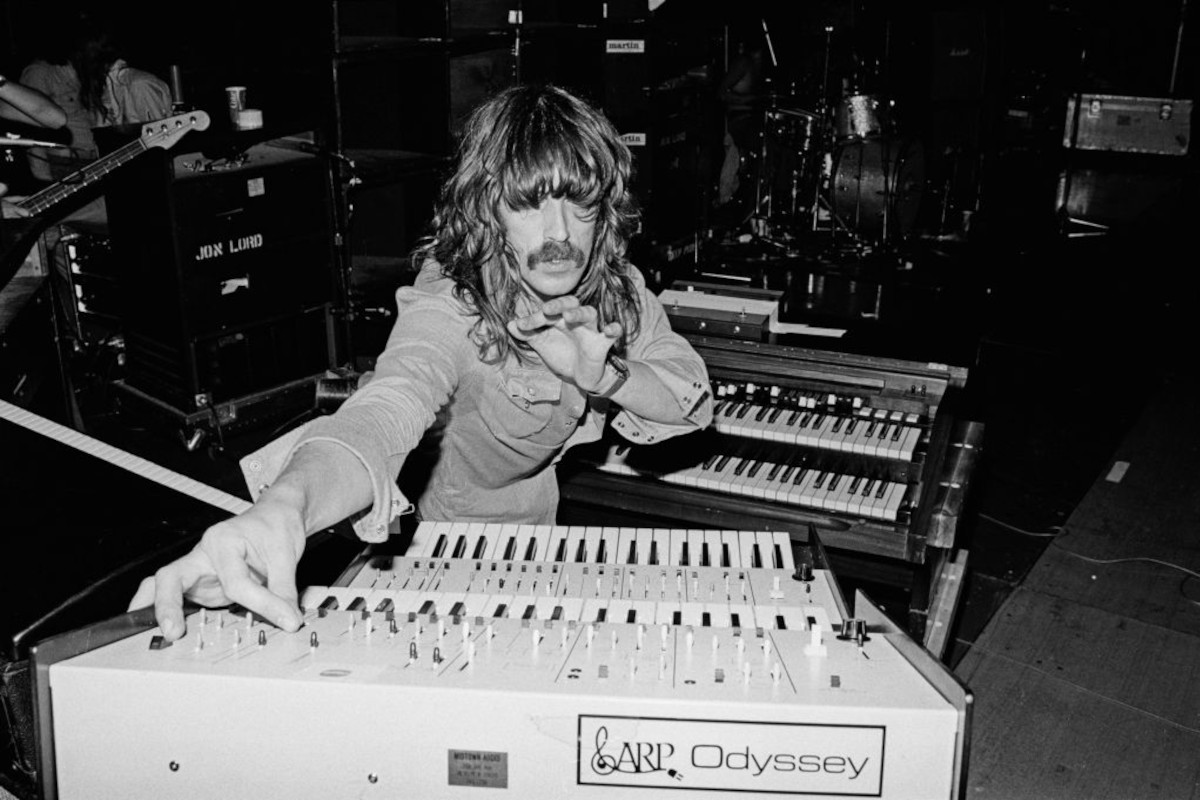
In order to stand on equal footing with Richie Blackmore’s lead guitar, Deep Purple’s Jon Lord ran his Hammond through a Marshall amp. This feat of sonic ingenuity paid dividends, leading to his trademark heavily distorted, growling organ sound.
Lord was formally trained on the piano as a child, and was always looking to fuse strands of classical music with Deep Purple’s heavy rock sound. In 1973 he confidently stated, “We’re as valid as anything by Beethoven.” After leaving Deep Purple, he spent six years bashing the keys in David Coverdale’s Whitesnake.
Key Track: 'Hush'
4. Rick Wakeman
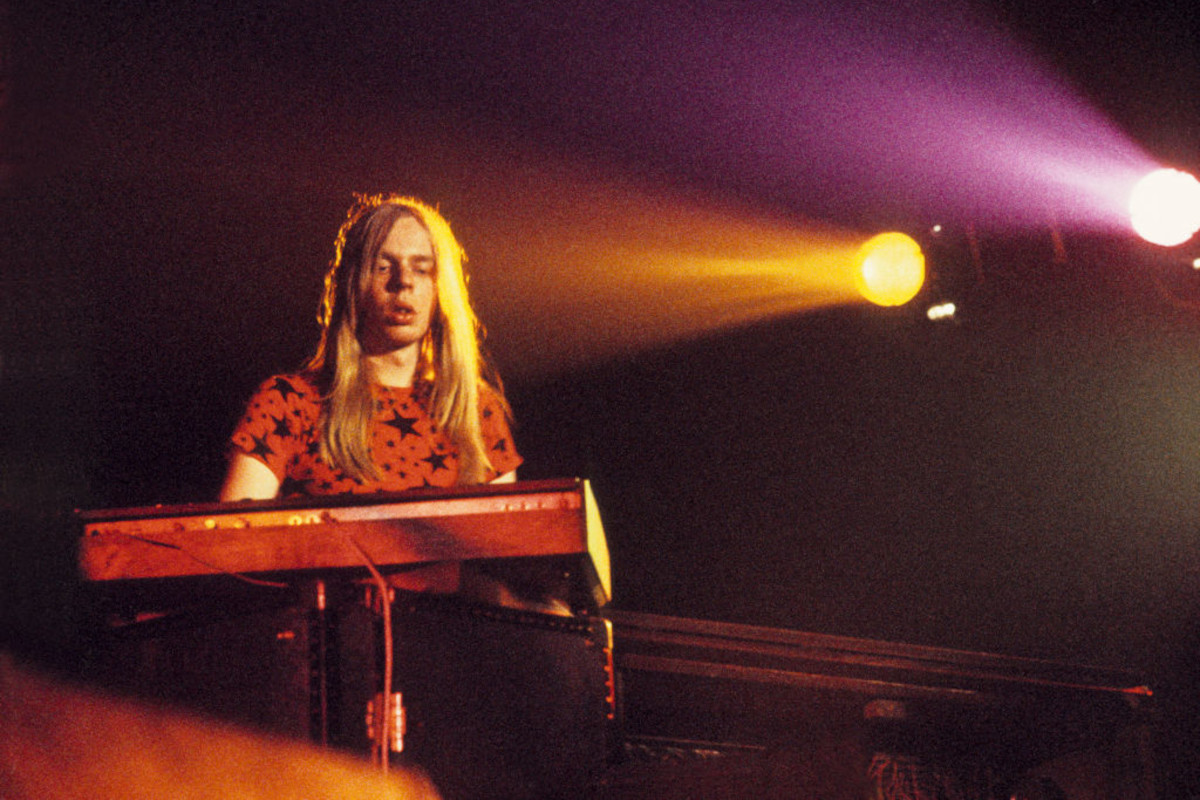
Before becoming a fully paid up, cape-wearing prog rock legend, Rick Wakeman was a prolific session musician, providing the keyboards on David Bowie’s 'Life On Mars?', as well as ‘Get It On’ for Marc Bolan. When playing for Strawbs, his first band, Wakeman pushed Salvador Dali off stage in a case of mistaken identity.
It was in his next band that his talents were fully realised. His complex arrangements on Yes albums such as Fragile and Close To The Edge caught him at the peak of his considerable powers. During a Yes concert in 1973 Wakeman ate a chicken vindaloo during a live gig at the Manchester Free Trade Hall.
Key track: 'Roundabout'
3. Nicky Hopkins
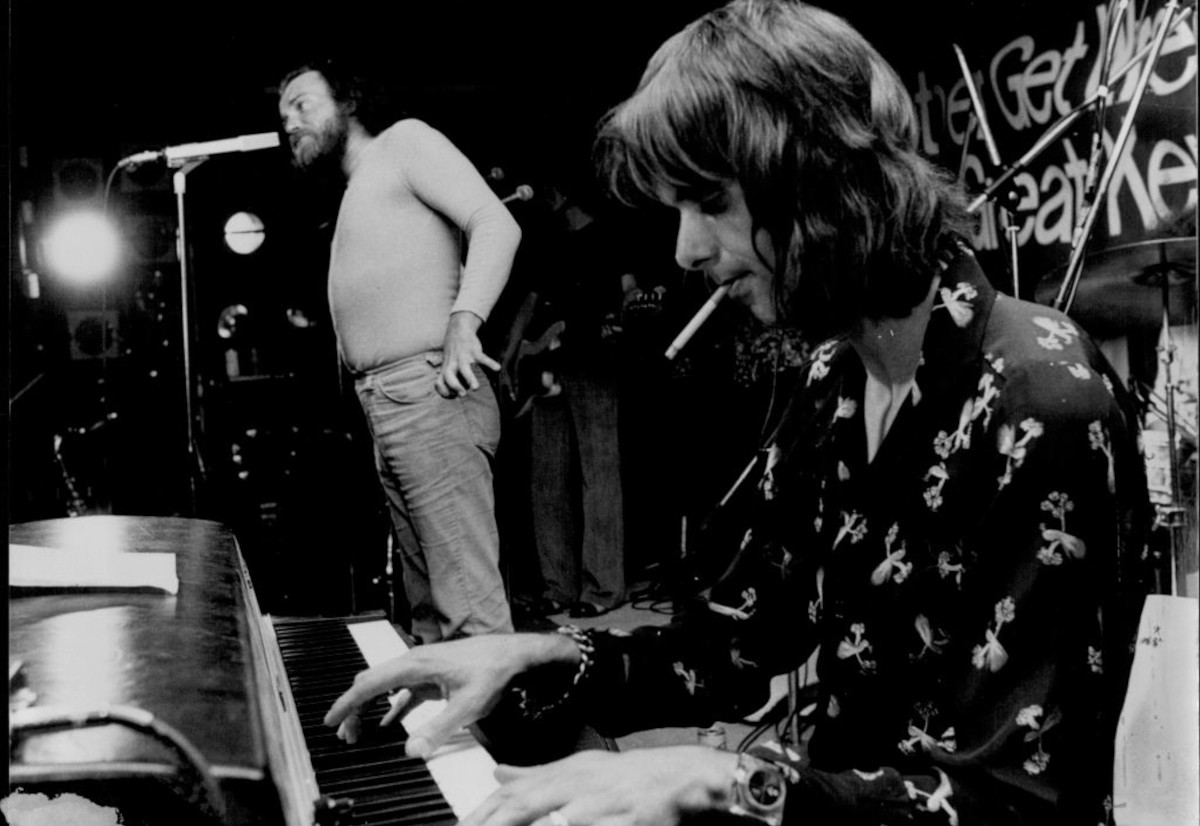
Health issues meant that Nicky Hopkins wasn’t able to commit to touring, and so the former Royal Academy of Music scholar adapted to the life of a session musician. He quickly became London’s most respected pianist-for-hire in the 1960s.
His list of credits is mind-blowing. Hopkins was a regular in the studio with The Rolling Stones, The Who and The Kinks (until a disagreement with Ray Davies over credits). He also appears on a number of Beatles’ solo albums, including Lennon’s Imagine.
Hopkins’ flawless technique and genius for melody means his rich legacy is spread over more than 250 albums, many of them essential.
Key track: 'She's A Rainbow'
2. Ray Manzarek
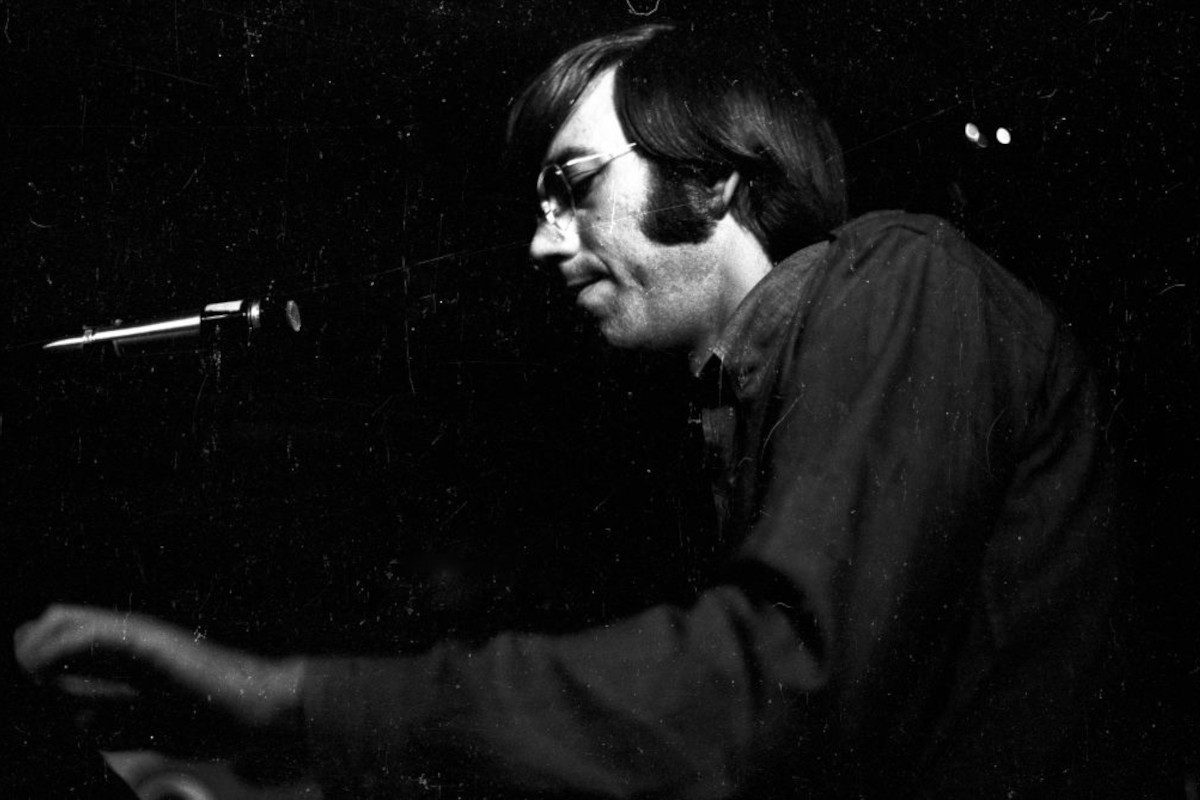
The Doors’ keyboardist met Jim Morrison at film school in LA in 1965, opting for vinyl over celluloid, the two of them co-founded The Doors. Manzarek was a classically trained piano player with a fondness for boogie-woogie, jazz and Chicago blues.
His keyboards were essential to The Doors’ unique sound, providing the ideal backdrop for Morrison’s atmospheric vocals. Manzarek’s Bach-adjacent intro to ‘Light My Fire’ perfectly encapsulates his classical-meets-blues style. Curiously, The Doors were a band without a bass player with the talented Manzarek filling in with a Fender Rhodes Piano Bass.
Key track: 'Light My Fire'
1. Keith Emerson
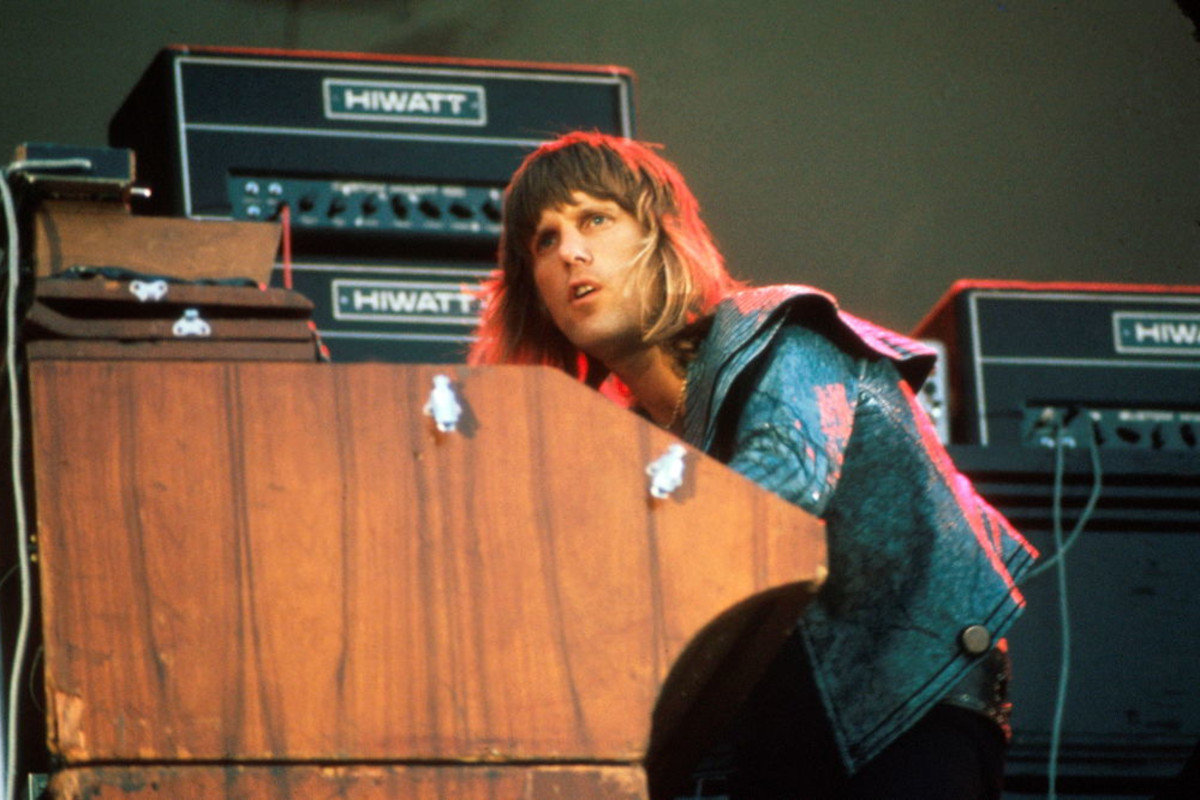
Keith Emerson did more than any other rock musician to bring keyboards front of stage. Emerson’s dad was an amateur player and taught his young son how to play by ear. His prodigious talent led to a formal classical education, though he was far more interested in jazz.
His exploits in The Nice and Emerson, Lake and Palmer redefined the role of keyboards in rock, and his ability to merge classical arrangements with aggressive guitar music shaped the early days of prog.
Emerson was also a great showman, regularly stabbing his Hammond organ with knives to create distorted sonic effects. In a previous life, Motörhead’s Lemmy was a roadie for The Nice and gifted Emerson two genuine WW2 daggers to perform the trick.
Key track: 'Tarkus'
All photos Getty Images
Top image Keith Emerson of Emerson, Lake and Palmer performs at Pirates World in Ft. Lauderdale, Fl. circa 1971


