
Due to the band’s ground-zero presence at the birth of rock music it’s inevitable that The Rolling Stones’ are going to be an all-pervading influence on any number of guitar bands.
But that’s only half the story. And in this article we attempt to identify not only the bands The Rolling Stones were an influence on, but also the artists that they were influenced by…
The Rolling Stones influences and influencers
Influenced by... the Chicago blues
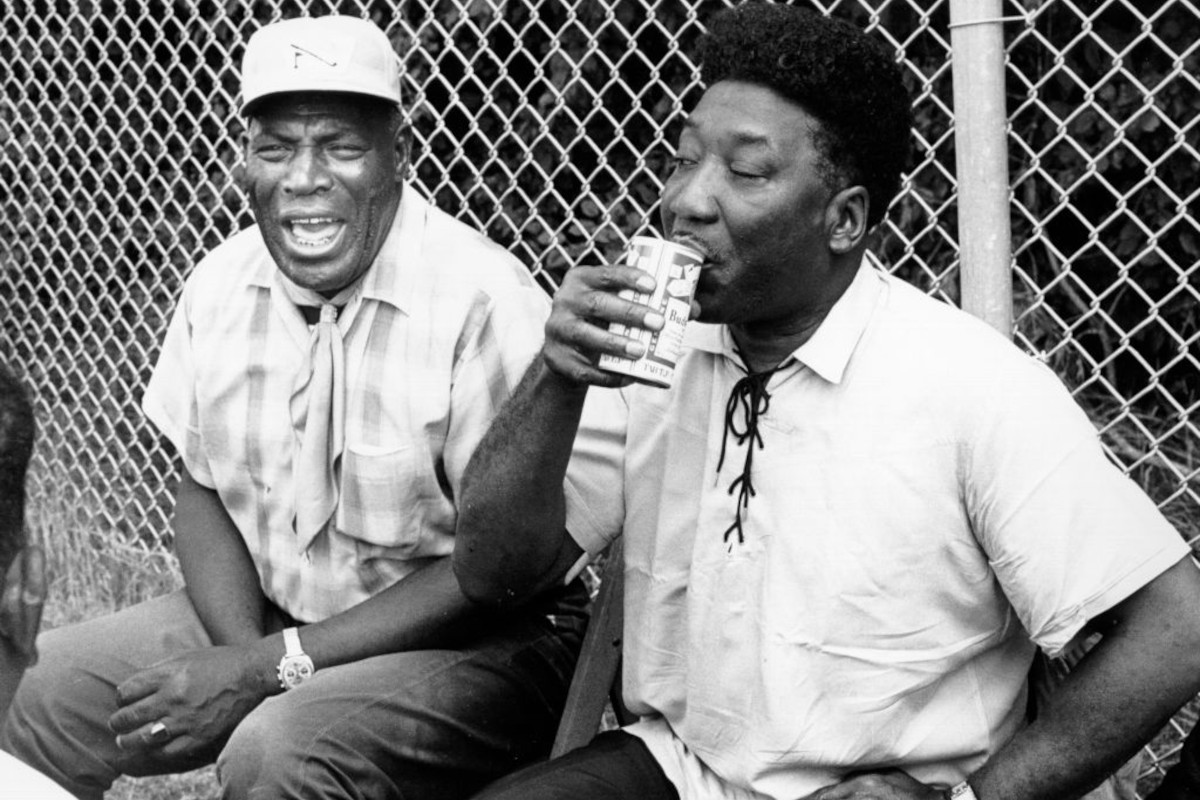
In 2016 The Rolling Stones released their 23rd studio album, Blue & Lonesome. It was a covers album with all the tracks lifted from the band’s primary source of inspiration, the Chicago blues. It was a full circle moment with the band paying tribute to long-term heroes, such as Howlin’ Wolf, Willie Dixon and Little Walter.
Just as it did more than half a century earlier, The Stones were still held in the sway of the Chicago blues.
The Chicago blues was an electrified version of the Delta blues. It developed alongside the Great Migration, the movement of more than six million African Americans from the rural Southern states to the industrial cities on the North.
Muddy Waters is recognised as the Godfather of Chicago blues, and his influence on The Rolling Stones is irrefutable, as they named themselves after one of his songs. Not only that, but his Best Of was one of the two records Mick Jagger was carrying when he and Keith’s paths crossed at Dartford train station in 1961.
Howlin’ Wolf is another Chicago blues legend and an elementary influence on Mick, Keith and Brian. The band’s cover of his treatment of Willie Dixon’s ‘Little Red Rooster’ gave The Stones their second UK number one.
Key tracks: Muddy Waters – ‘Rollin’ Stone’ (1950) and The Rolling Stones – ‘Little Red Rooster’ (1964)
Influence on... Aerosmith
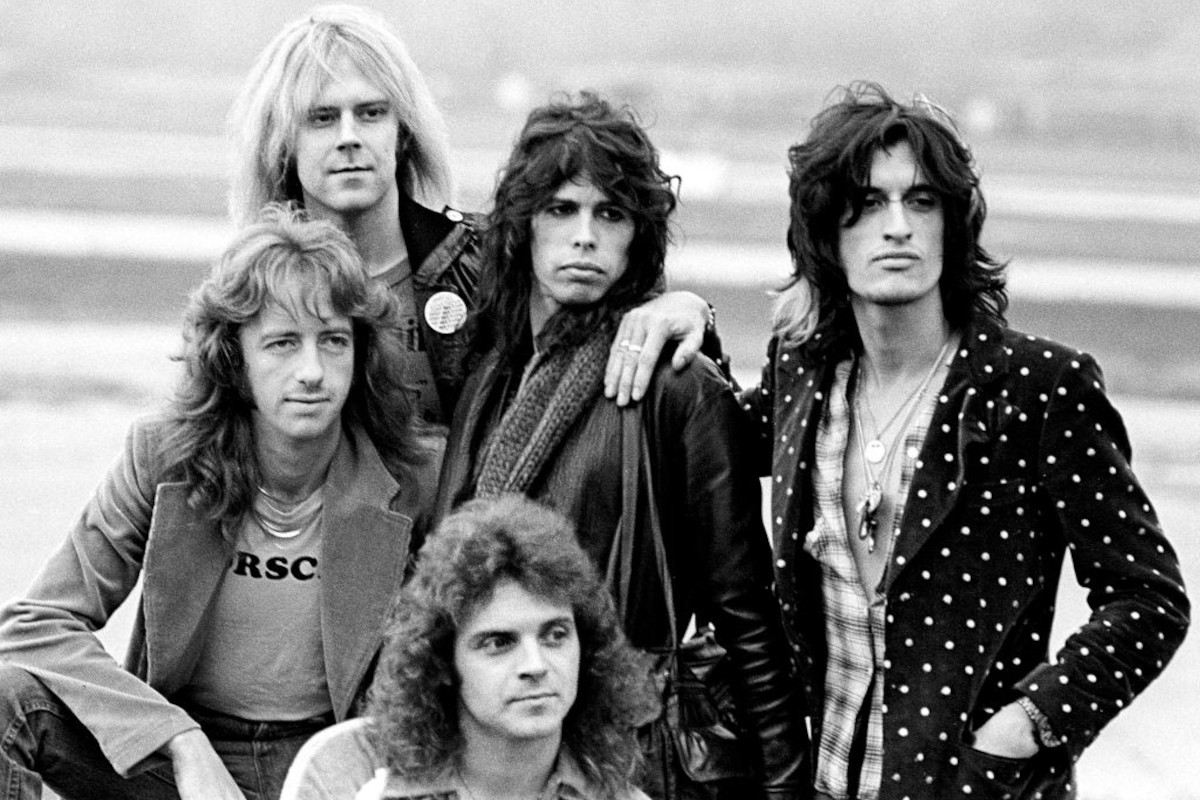
It’s an accepted irony that The Stones adopted a true American art form, repackaged it and then sold it back to where it first came. It’s also safe to say The Rolling Stones have been a major influence on any number of American hard rock bands, particularly those with bluesy leanings.
Aerosmith are one of those bands and the copycat accusations were never far away at the outset of their career. A lot of these comparisons sprung from the visual similarities between the two front men.
The other heavy-hitting US band with no small amount of Rolling Stones’ in their DNA are The Black Crowes. Again the not dissimilar stage presence of the two singers is an unmistakeable link, as is the interplay of the band’s two guitarists, which echoes the onstage dynamics of Keith Richards and Mick Taylor. Here’s guessing The Stones’ Exile On Main Street was on repeat in the Black Crowes’ tour bus.
Key tracks: Aerosmith – ’Chip Away The Stone’ (1978) and The Black Crowes – ‘Remedy’ (1992)
Influenced by... Chuck Berry
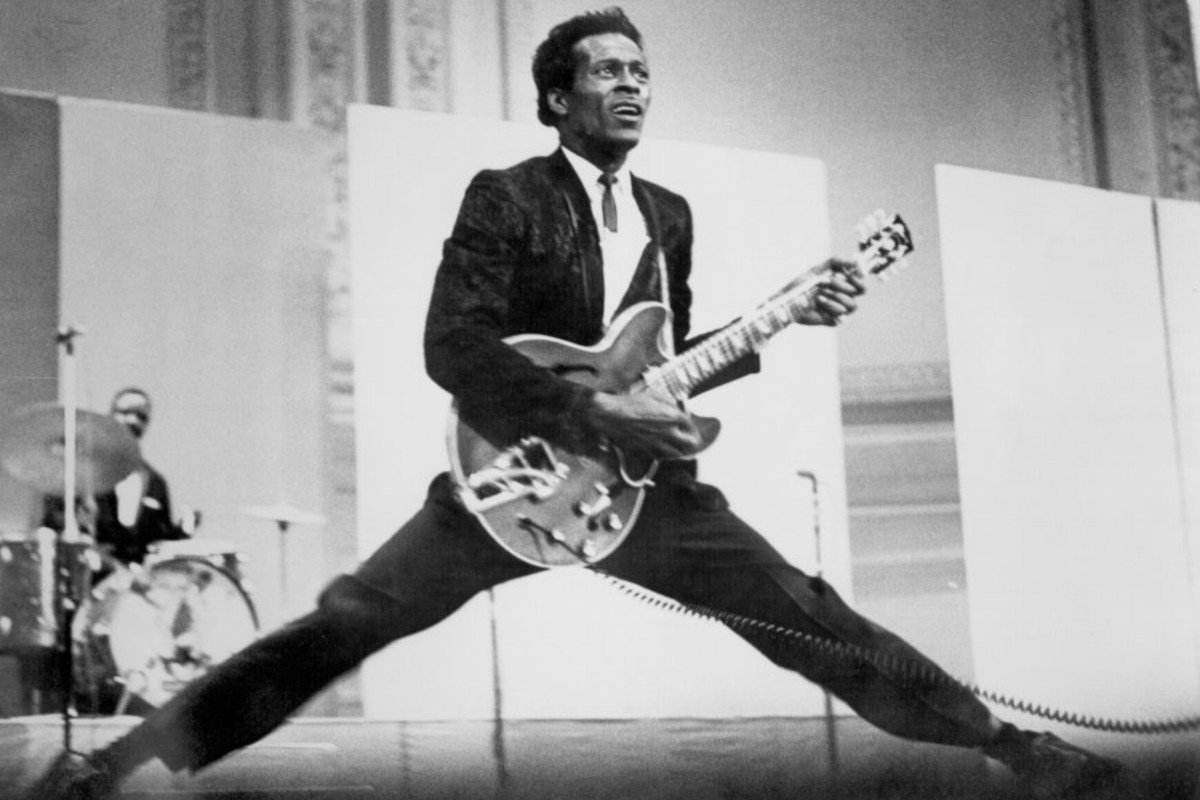
The other album under Mick’s arm at his train station reunion with Keith was Chuck Berry’s Rockin’ At The Hops. It was a telling selection as Berry was the reason that a young Richards’ picked up and plugged in a guitar in the first place.
Berry wasn’t a pure blues player but more of a rhythm and blues man. His riff-heavy guitar playing coupled with his sharp songwriting skills made him the perfect role model for The Stones. The group covered many of his songs in their early live sets (‘Carol’, Little Queenie’, ‘Memphis, Tennessee’) and even selected Berry’s ‘Come On’ as their debut single.
As The Stones began to write hits of their own, Berry remained a guiding light. Richards’ wrote classic ‘I Can’t Get No Satisfaction’ in his sleep, committing the famous Berry-adjacent riff to a tape player followed by forty minutes of snoring.
The song’s title also leans on Berry’s song ‘Thirty Days’, with its lyric "If I don’t get no satisfaction from the judge / I’m gonna take it to the FBI."
Key tracks: Chuck Berry – '30 Days' (1955) and The Rolling Stones – 'Come On' (1964)
Influence on... New York Dolls
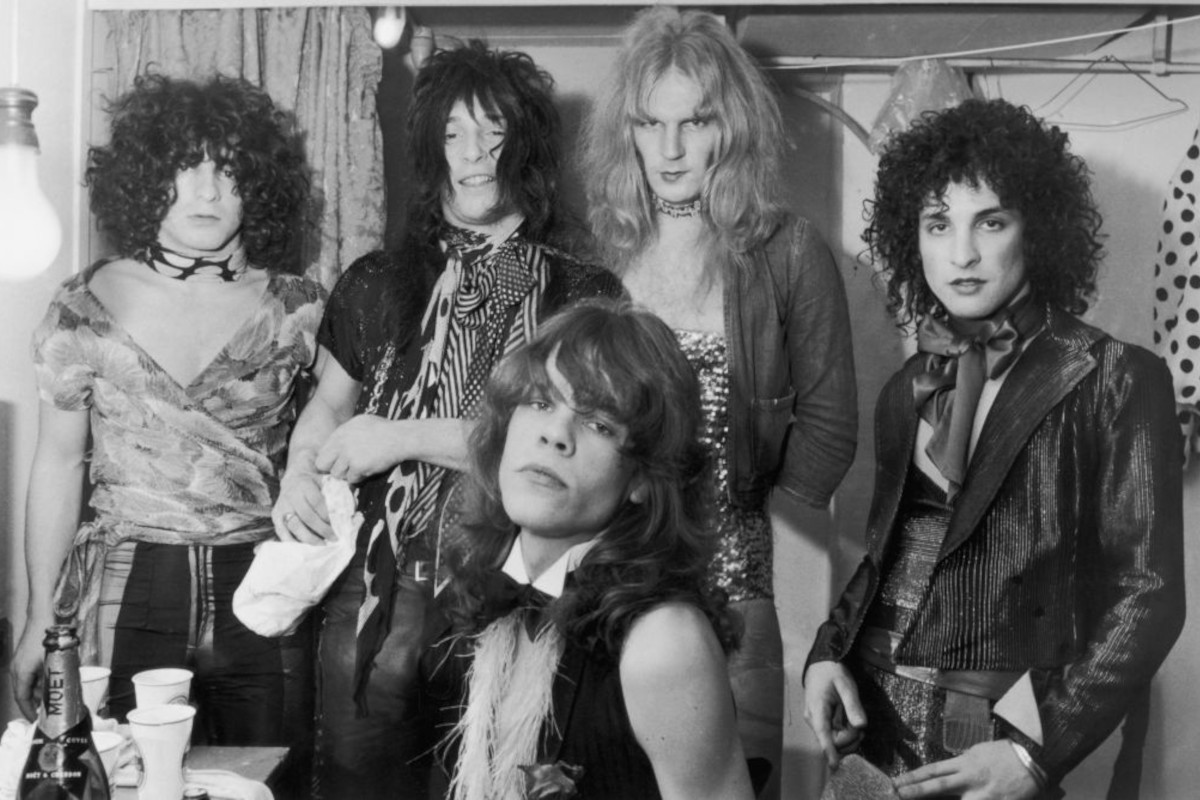
The New York Dolls tapped into the dirty rock’n’roll side of The Rolling Stones with lead singer David Johansson a dime store Jagger and guitarist Johnny Thunders a wannabe Keith in a beaten-up leather jacket. The Dolls’ street-wise attitude was straight from The Stones’ early playbook, while their band’s blues-based sound was indebted to their heroes Sticky Fingers era.
The comparisons were not lost on music fans and critics, when asked about the similarities Keith Richards acerbically mumbled that he only knew the Dolls “sounded like the Stones cos people tell me that they do.”
The first incarnation of the New York Dolls crashed and burned after a couple of semi-seminal albums, but their legacy as punk’s glamorous godfather’s remains. During his solo career Johnny Thunders regularly included Stones’ covers ‘As Tears Go By’ and ‘Play With Fire’.
Key tracks: New York Dolls – 'Personality Crisis' (1973) and The Rolling Stones – 'Star Star' (1973)
Influenced by... Robert Johnson
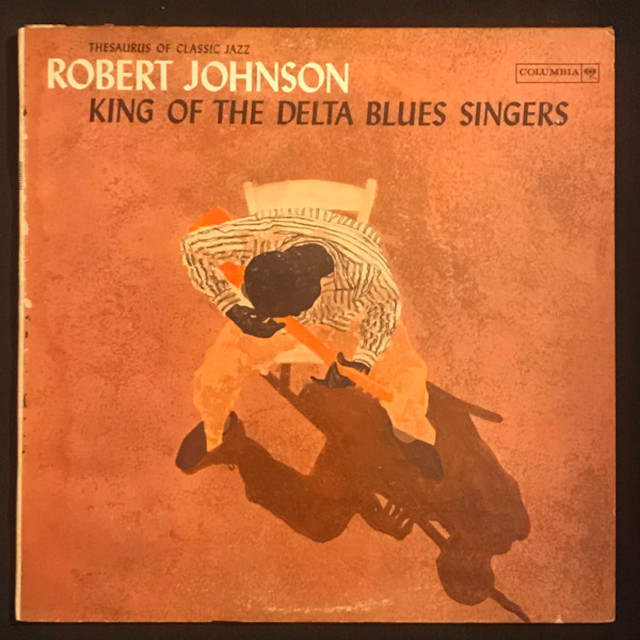
Robert Johnson only attended two recording sessions over a short career, but that doesn’t prevent him from being regarded as one of the most influential musicians ever to sling a guitar. The Delta bluesman lays a convincing claim to being the Godfather of Rock with his revolutionary fingerpicking guitar technique earning him legendary status.
The Stones’ were impressed and their cover of his track ‘Love In Vain Blues’, retitled ‘Love In Vain’, appeared on Let It Bleed in 1969. A long-lasting favourite of the live set, a killer version also appears on 1970’s Get Yer Ya-Ya’s Out.
Key tracks: Robert Johnson – ‘Stop Breaking Down' (1937) and The Rolling Stones – ‘Love In Vain’ (1969)
Influence on... Primal Scream
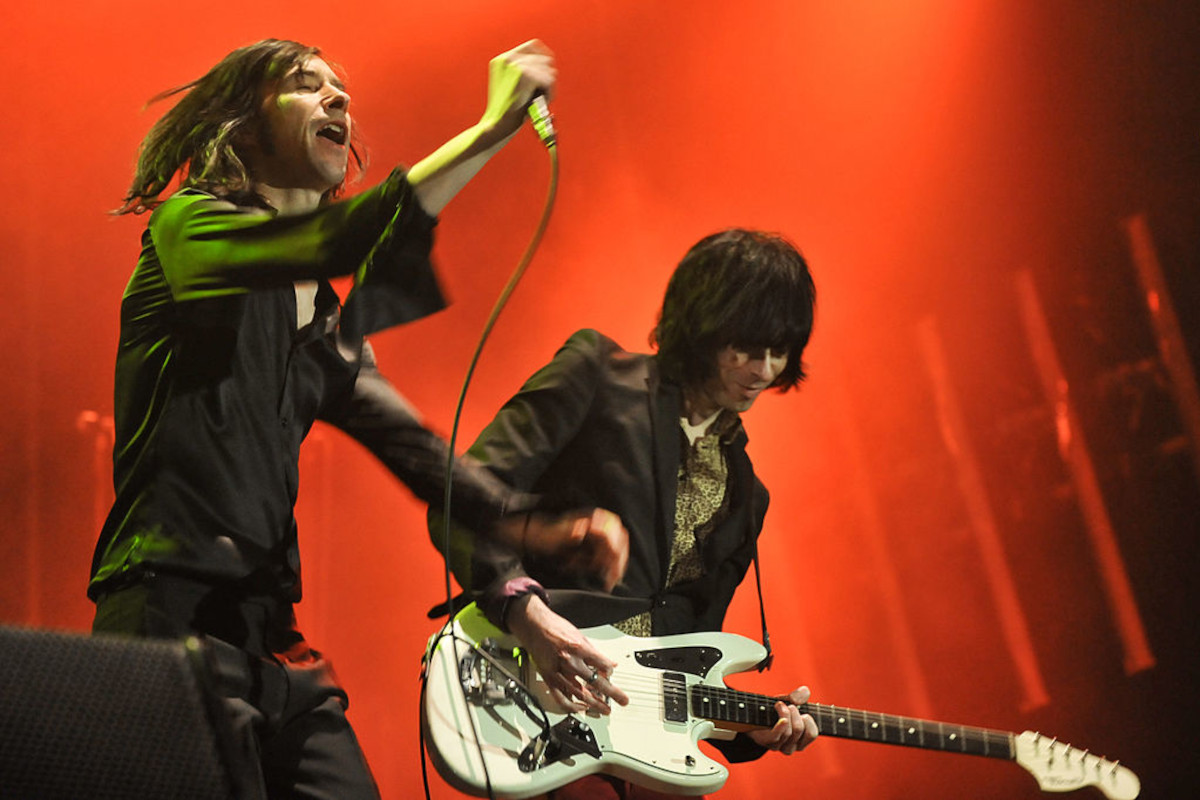
After the success of dance-rock classic Screamadelica (1991) Scottish indie rockers Primal Scream pivoted backwards in search of a more retro sound. The ambition of Bobby Gillespie’s men was to recycle The Stones’ 1970 aesthetic.
The drive for authenticity was so keen that the band hired Jimmy Miller, the legendary producer of Beggars Banquet and Exile On Main Street, to perform his magic in the studio for 1994’s Give Out But Don’t Give Up.
The trick worked and nowhere was it more obvious on the hit single ‘Rocks,’ which trod that ultra-fine line between homage and complete rip off. Primal Scream revisited the Stones’ back catalogue once again in 2006 with their eighth studio album Riot City Blues.
Key tracks: Primal Scream – 'Rocks' (1994) and The Rolling Stones – 'Rocks Off' (1972)
Influenced by... Bob Dylan
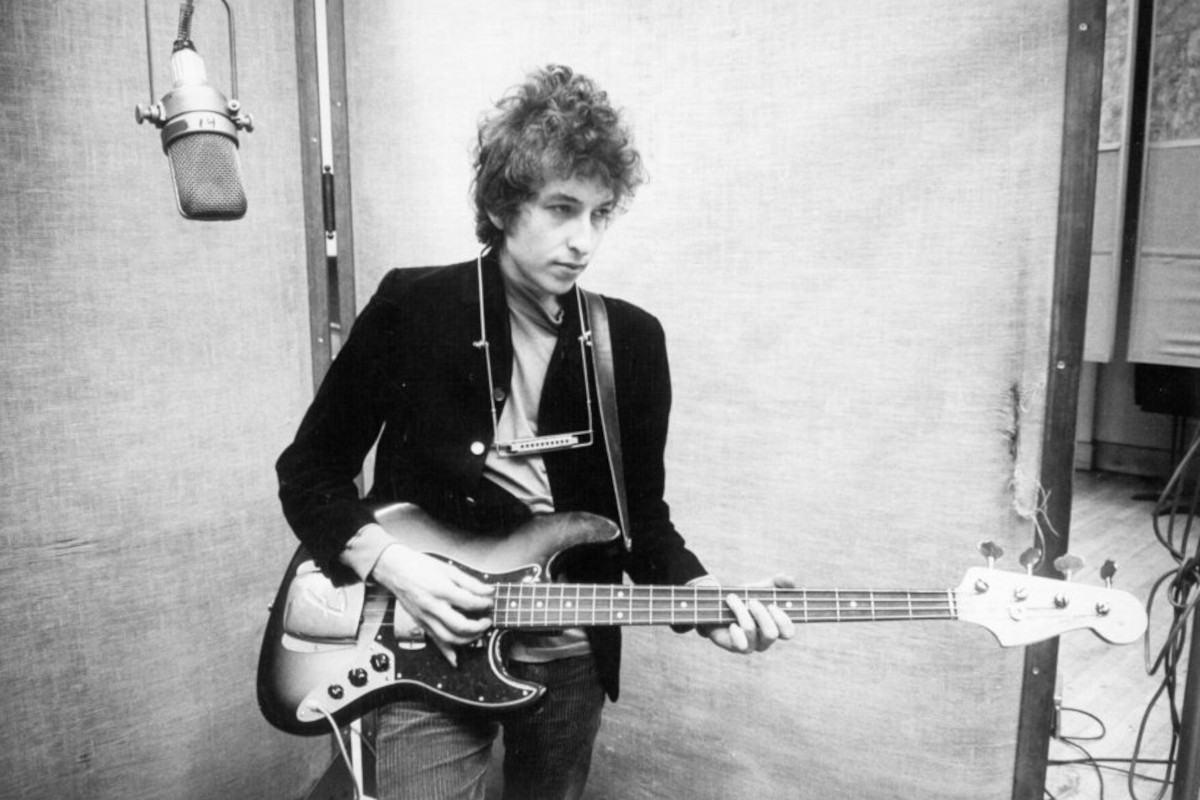
Bob Dylan has always been a big fan of The Rolling Stones, regularly acknowledging them as the greatest rock and roll band in the world. He was also a good friend of Brian Jones and, rumour has it, Dylan paid for the former Stones’ coffin following his death in 1969.
Dylan’s influence over The Rolling Stones is similar to his relationship with The Beatles. He inspired both bands to add a previously absent intellectual depth to their approach as artists. He encouraged the jettisoning of the boy-meets-girl lyrics in exchange for more sophisticated themes and wordplay.
Bob was also an advocate of experimenting beyond the rules of traditional three-minute pop song structure.
Both ‘Jigsaw Puzzle’ and ‘Sympathy For The Devil’ from 1968’s Beggars Banquet reveal the increasing influence of Dylan on Jagger’s songwriting.
Key tracks: Bob Dylan – 'Like A Rolling Stone' (1965) and The Rolling Stones – 'Jigsaw Puzzle' (1968)
Influence on... AC/DC
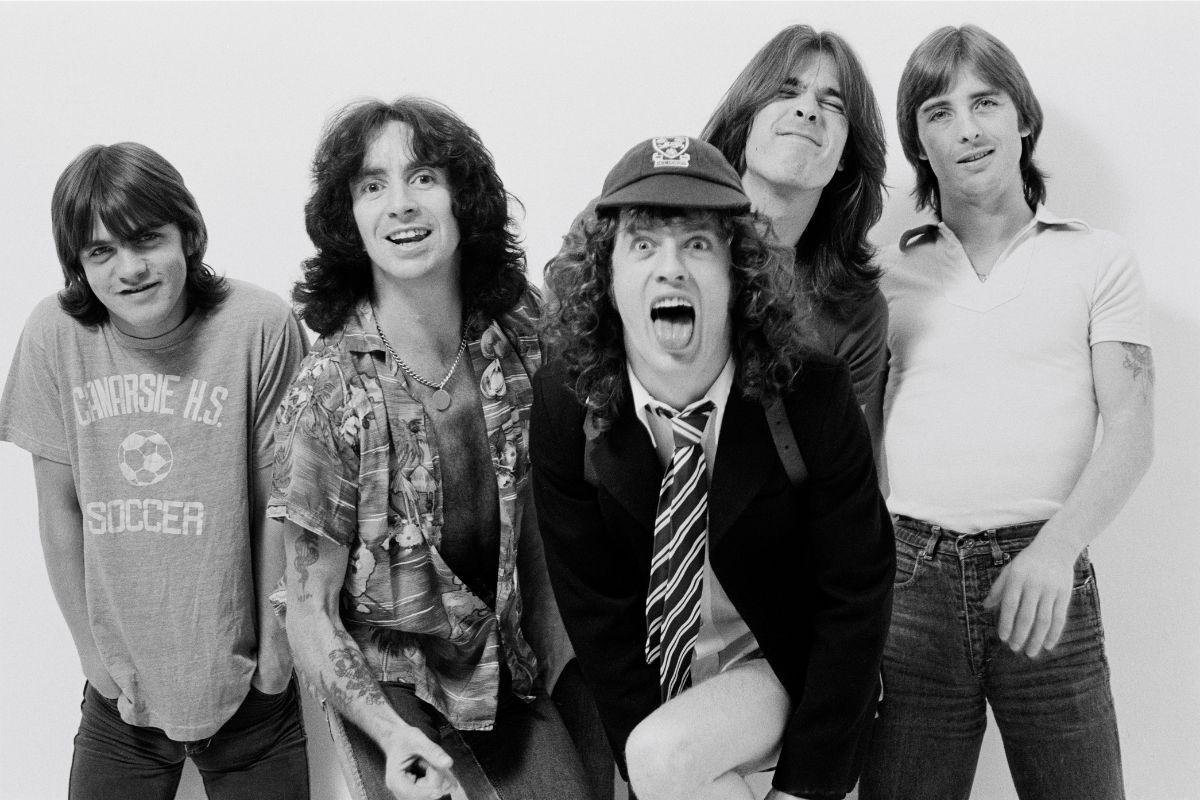
AC/DC cut their teeth playing Chuck Berry and Rolling Stones covers on the Australian pub rock circuit. Their sound was based on high-energy, blues rock with the traditional three-chord formula leant upon as a virtue. The locked-in interplay between lead and rhythm guitar is also common ground.
Similarly, both bands possess a trademark swing to their music, something that is absent from the sonic vocabulary of most hard rock bands.
When asked what bands he listened to when he was growing up Malcolm Young revealed, “The Rolling Stones and The Who.” When pressed about any new music he might be enjoying he responded: “The Stones and The Who.” Enough said.
Key tracks: AC/DC – 'You Shook Me All Night Long' (1980) and The Rolling Stones – 'Start Me Up' (1981)
Influenced by... Gram Parsons
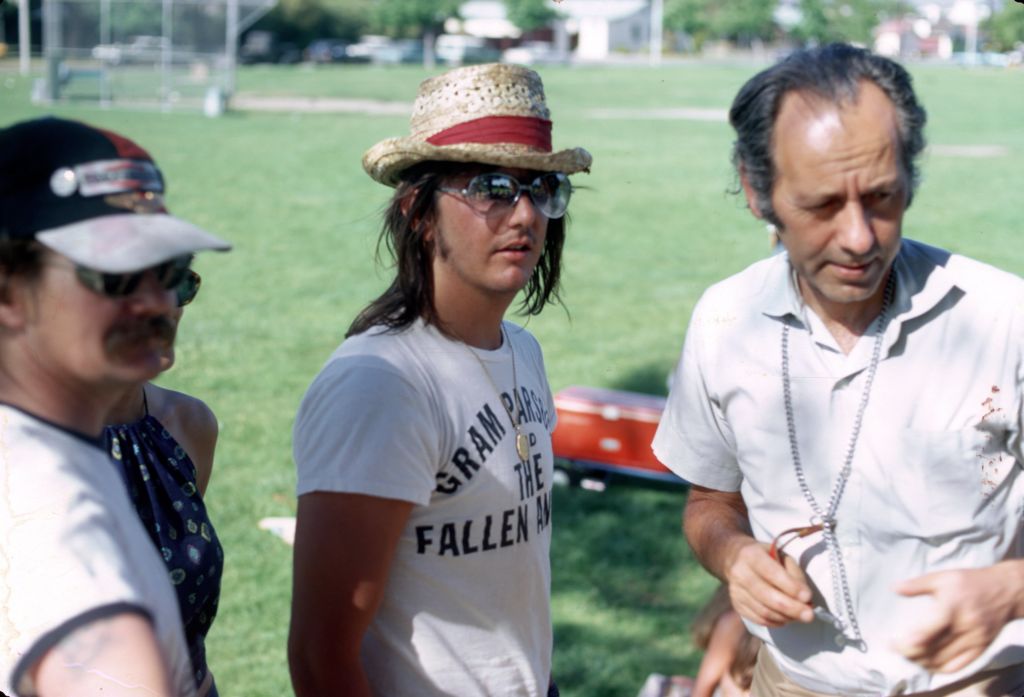
The intensity of The Rolling Stones’ love affair with American music knew no bounds in the 1960s. Along with the blues, soul and R&B, the band also possessed an affection for country music.
The association was forged by Keith Richards’ friendship with country rock founding father, Gram Parsons. The two of them met when Parsons was a member of The Byrds and on the eve of playing some dates in South Africa. Richards persuaded his buddy not to go because of the political situation. Parsons agreed and pulled out of the tour at the last minute.
Fellow Byrd Roger McGuinn was convinced that Parsons only stayed so he could keep partying with The Stones.
Keith and Gram bonded over a love of Hank Williams, Buck Owens and George Jones. This resulted in The Stones introducing a number of country-tinged songs into their repertoire, with songs such as ‘Dear Doctor’, ‘Dead Flowers’, ‘Sweet Virginia’ and ‘Country Honk’ adding a twangy string to their sonic bow.
Parsons also introduced Richards’ to country guitar techniques and open G tuning, which significantly altered the Stones’ sound.
Key tracks: Flying Burrito Brothers – 'Wild Horses' (1970) and The Rolling Stones – 'Country Honk' (1969)
Influence on... Waylon Jennings
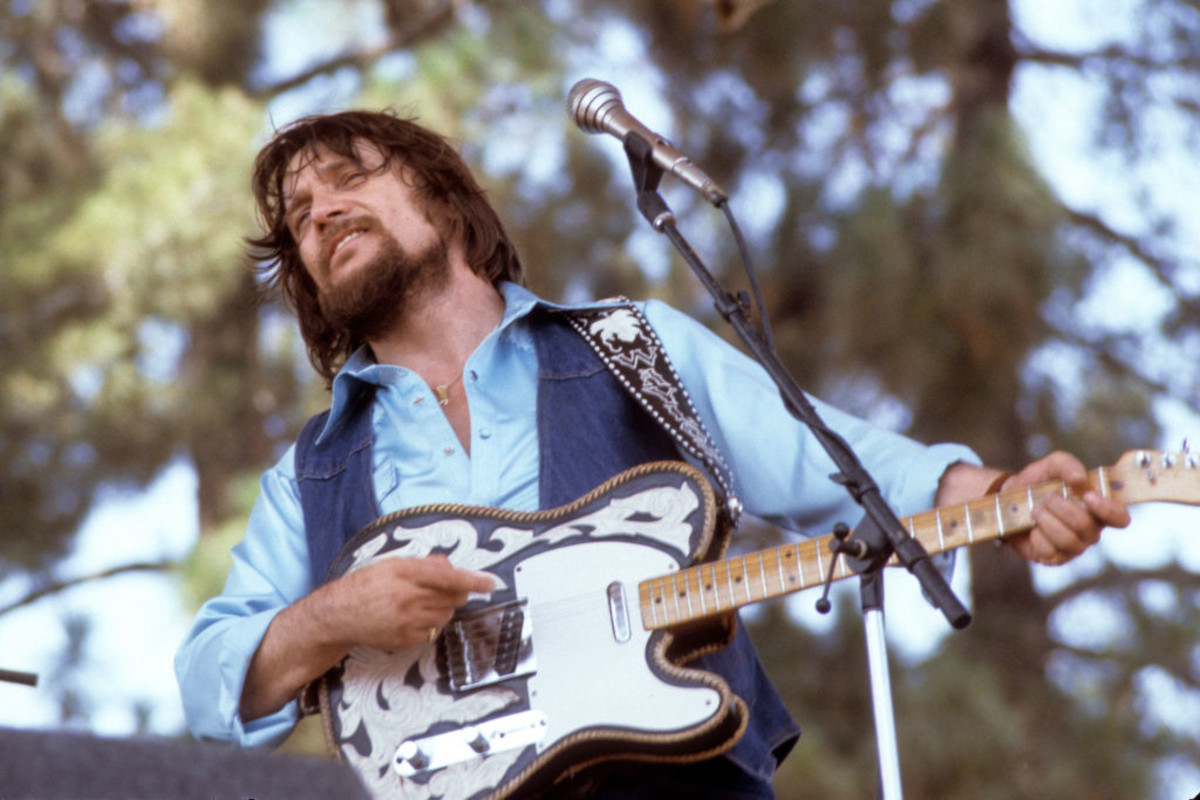
The Rolling Stones’ regular forays into country music brought the sounds of Nashville and Bakersfield to a rock audience. Conversely, a number of country’s bad boys took tentative steps towards a more rock-inflected, Stonesy sound. Top of the list was Waylon Jennings, the wayward pioneer of country’s outlaw movement.
The Stones and Waylon shared a number of connections. Alongside Kris Kristofferson, Waylon appears on the soundtrack album of the critically panned Ned Kelly movie starring Mick Jagger. Waylon also covered a number of Stones’ songs including ‘No Expectations’ and ‘Honky Tonk Woman’ (Waylon tweaked the title).
The favour was returned in 2006 when the Stones headlined a show in Austin and included a cover of Waylon Jennings’ ‘Bob Wills Is Still The King.’
Key tracks: Waylon Jennings – 'Honky Tonk Woman' (1970) and The Rolling Stones – 'Bob Wills Is Still The King' (2006)
All photos Getty Images / Album sleeve Discogs
Top image The Rolling Stones posed for a portrait, circa 1972


