
Even the greatest artists can lose their way. Perhaps it’s down to a line-up change, maybe it’s record label pressure to have a hit single, it could even be simply losing touch with the thing that made them great in the first place.
Once that indefinable magic leaves them, many never find it again – they can still play the hits to giant crowds but as soon as they say the dreaded words ‘Here’s one from the new album’, the mood shifts, audiences fidget and queues for the bar lengthen.
Here are 12 artists who lost their mojo, and the moment where it all went wrong.
12 great bands that went bad
12. U2
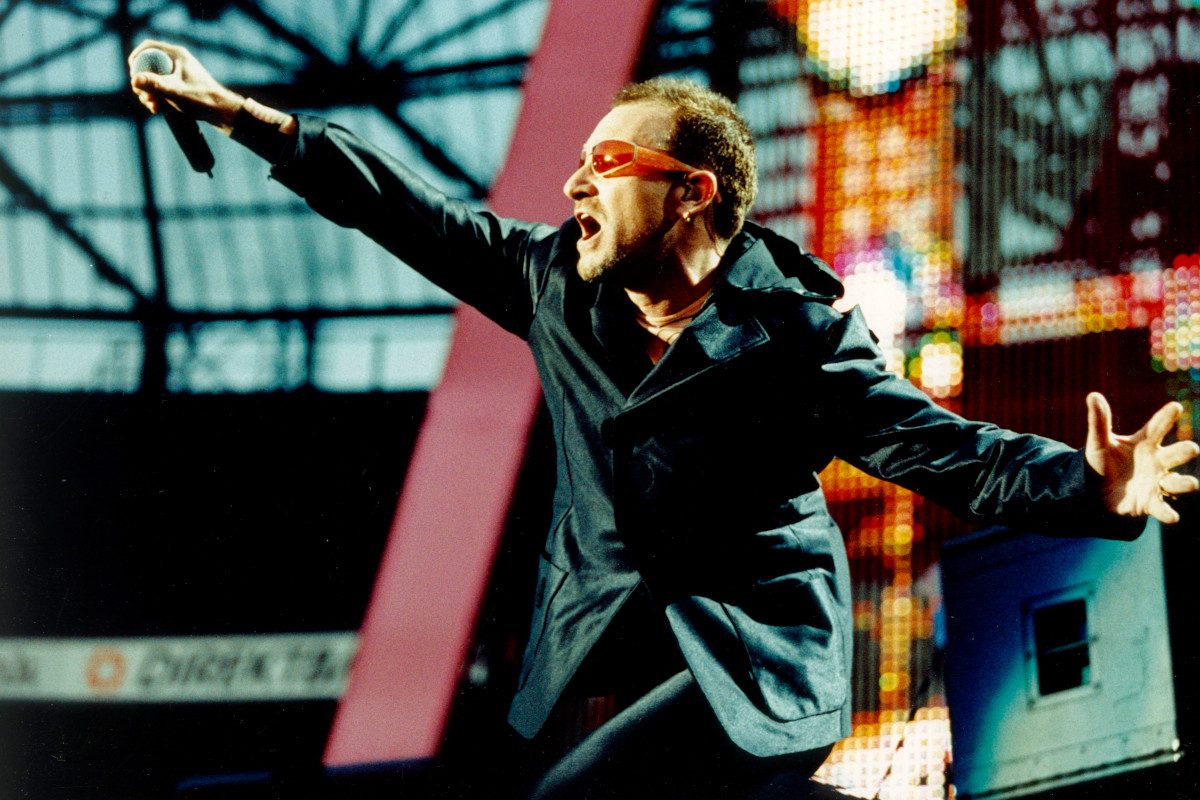
Let’s get this straight: when disco is done correctly, it’s a blissful, euphoric rush. Unfortunately for all concerned, when U2 did it, with their 1997 album Pop and its lead single ‘Discotheque’, they felt the need to dress up in cowboy hats, smirk ironically and give the impression that it was all rather beneath them.
Worst of all, their take on disco was stodgy and lifeless, with none of the bittersweet rush or weightless beauty of the music that packed dancefloors in the late 70s. The following tour only compounded things.
When they realised they needed to sell truckloads of records again, they returned to stadium rock with albums such as 2000’s All That You Can’t Leave Behind and songs like ‘Beautiful Day’ and ‘Vertigo’, the sort of vapid, bland rock music that only really exists to soundtrack sports coverage. And take those shades off; you’re old enough for your bus pass.
It all went wrong at: 'Discotheque' (1997)
11. The Beach Boys
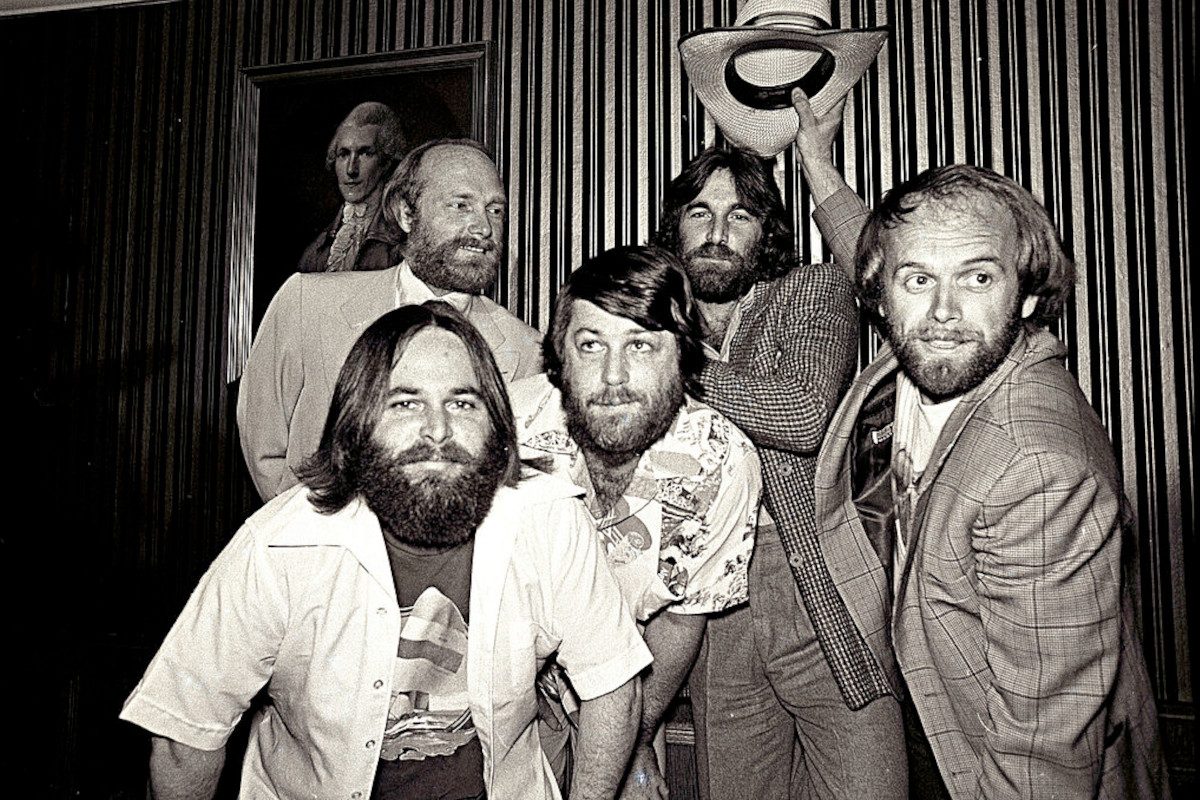
More than any other band of their standing, The Beach Boys’ catalogue is full of odd whimsy and clanging missteps. So even on albums as great as 1971’s Surf’s Up, there’s ‘Student Demonstration Time’, frontman Mike Love’s woefully misjudged take on the activism gripping the US in the turbulent end of the '60s.
On their patchy late ’70s albums, such as 1978’s MIU or 1979’s LA (Light Album), the questionable tracks – ‘Lady Lynda’, a chintzy appropriation of Bach, or the near-11-minute disco misstep ‘Here Comes The Night’ – were balanced by highlights such as Dennis Wilson’s morose yacht rock gem ‘Love Surrounds Me’.
But, as with so many groups of their age, the ’80s saw them plunge headfirst into irredeemable naffness, from 1980’s lifeless and schmaltzy Keepin’ The Summer Alive onwards. Their 2012 swansong, That’s Why God Made The Radio, was their first album of original material in 20 years and a huge improvement – especially the closing four-track suite – but those who bought 1996’s abysmal country covers set Stars And Stripes Vol 1 remember how bad things were.
It all went wrong at: 'Hey Little Tomboy' (1978)
10. Simple Minds

Simple Minds didn’t want to record ‘(Don’t You) Forget About Me’, the song that broke them in the US when it soundtracked a pivotal scene in John Hughes’ 1985 comedy The Breakfast Club. Not only were the band reluctant to record covers – it was written specifically for the film by Steve Schiff and Ken Forsey – but, after seeing a rough cut of the film, they were unimpressed.
"We couldn’t give a toss about teenage American schoolkids," singer Jim Kerr told The Guardian in 2015. After spending a few days with Forsey, the band agreed to record the song and spent an afternoon bashing it out in a studio in Wembley. It was an enormous hit, reaching No 1 in the US, Canada and the Netherlands and hitting the Top 10 pretty much everywhere else.
It’s a huge-sounding, infectious stadium pop track but so far removed from the band’s first four albums of arty, spiky post-punk and pulsing rhythms that it may as well have been a totally different band. The stadiums beckoned, but they were never the same.
It all went wrong at: '(Don't You) Forget About Me' (1985)
9. Kings Of Leon
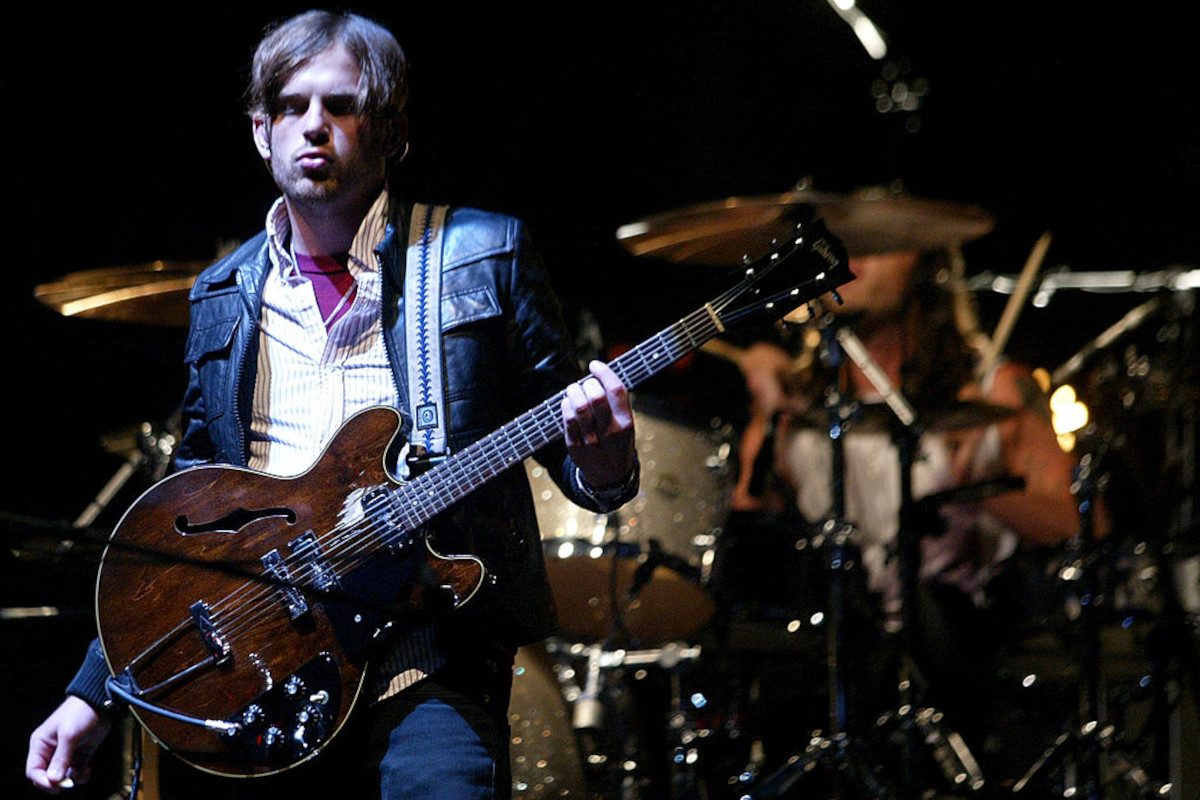
For the hype-hungry music press of the late ’90s, Tennessee’s Kings Of Leon were manna from heaven. The band consisted of three brothers – Caleb, Jared and Nathan Followill – and their cousin, Matthew Followill. They were rake-thin, seemingly made entirely of denim and shaggy hair, and soon became notorious for their enthusiastic embrace of the rock’n’roll lifestyle.
What’s more, the Followill brothers were actually sons of a preacher man. To begin with, they walked it like they talked it, coming on like a Southern rock take on the garage revival coming out of New York at the time, all lusty yelps, twitchy guitars and hollered choruses.
But with their fourth album, 2008’s Only The Night – particularly the inescapable singles ‘Sex on Fire’ and ‘Use Somebody’ – they embraced a smouldering stadium rock sound that pushed them to new heights of success but at the expense of the edge and excitement of their earlier releases. And honestly, if your sex is on fire, it sounds like you should go to a pharmacist pronto, not write a cheesy rock anthem about it.
It all went wrong at: 'Sex On Fire' (2008)
8. R.E.M.
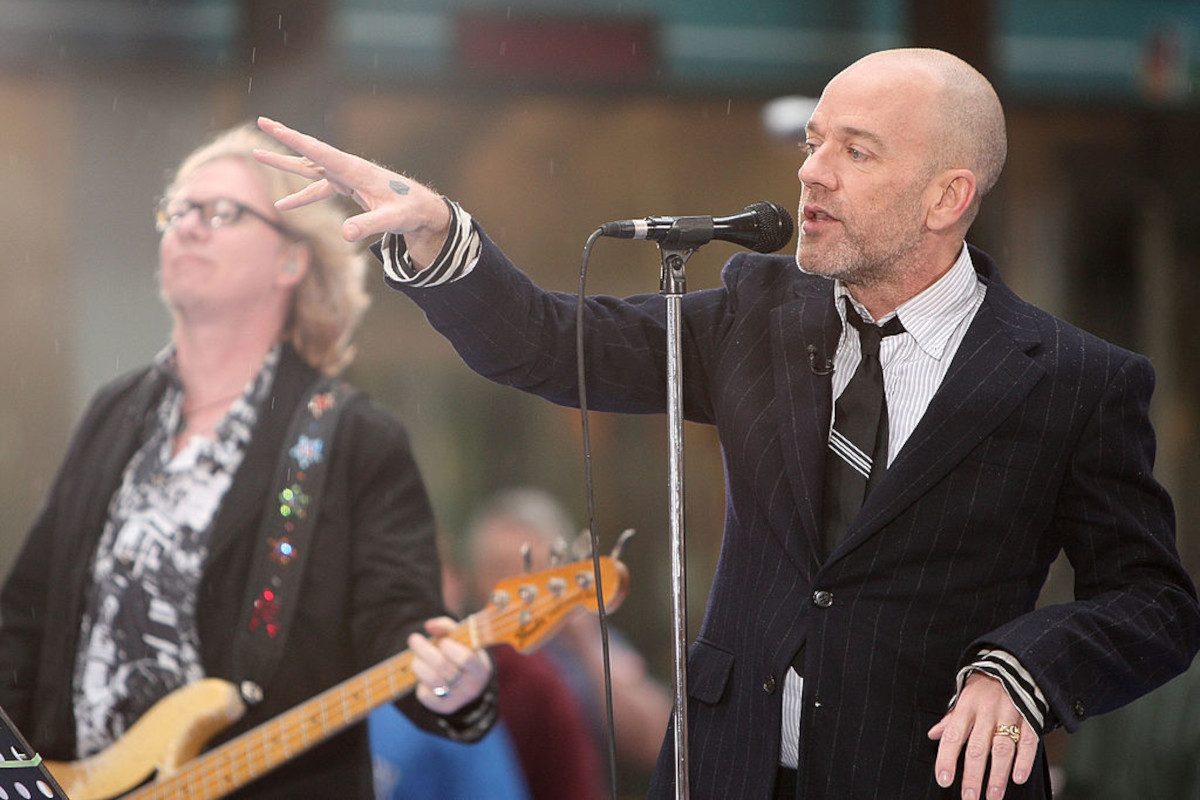
R.E.M. emerged in the early ’80s from Athens, Georgia, with a jangly, murky take on post-punk and Michael Stipe’s mysterious lyrics and captivating vocals. Their early run of albums, from Murmur (1983) to Life’s Rich Pageant (1986), established them as one of the great American bands.
Then they pulled off a feat that few manage – remaining interesting while becoming the biggest band in the world. Drummer and occasional songwriter Bill Berry suffered a brain aneurysm onstage in 1995 and quit two years later, leaving the band to continue as a three-piece.
Their next release, 1998’s Up, was a radical reinvention, placing drum machines and synths to the fore for a sporadically brilliant album that suffered from a jarring running order. Reveal (2001) and Around The Sun (2004) had some strong tracks, but they were weighed down by overlong songs and listless production.
Their penultimate album, Accelerate, didn’t improve matters, particularly on the cringeworthy ‘I’m Gonna DJ’, in which Michael Stipe – once a lyricist to whom poetry came as easy as turning on a tap – enthusiastically wondered “if Heaven does exist with a kickin’ playlist.”
It all went wrong at: 'I'm Gonna DJ' (2008)
7. The Strokes
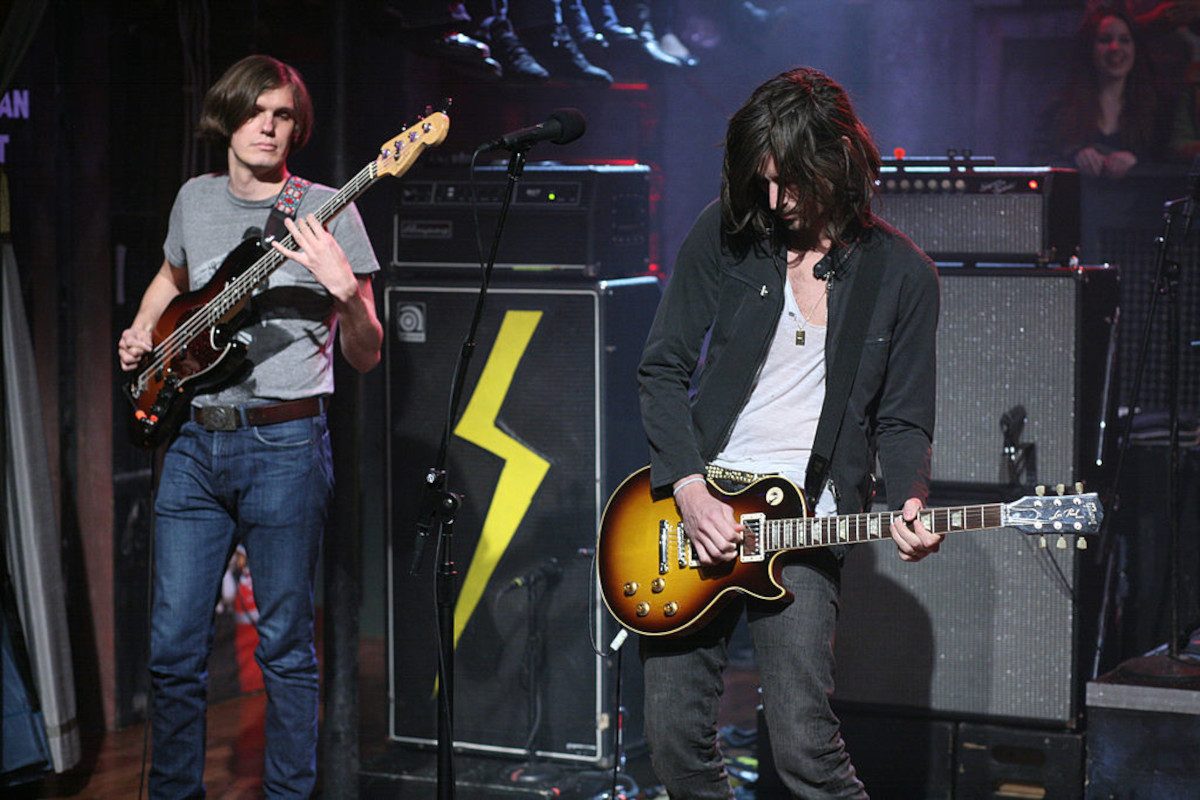
In January 2001, The Strokes released The Modern Age EP, a thrilling and raw three-track EP that harked back to the mid-70s New York punk scene. It remains their best record. But still, that year’s debut album proper This Is It was a classic, blending raw garage rock, pop suss and louche detachment.
Follow-up Room On Fire was nearly as good, but a feeling of jadedness was creeping in, with the effortless charm of that debut fading. Third album First Impressions Of Earth beefed up the sound, adding bombast and a predilection for proggy wig-outs, but the run of albums from 2011’s Angles onwards is half-baked and forgettable compared to their early work.
It all went wrong at: 'You're So Right' (2011)
6. Rod Stewart
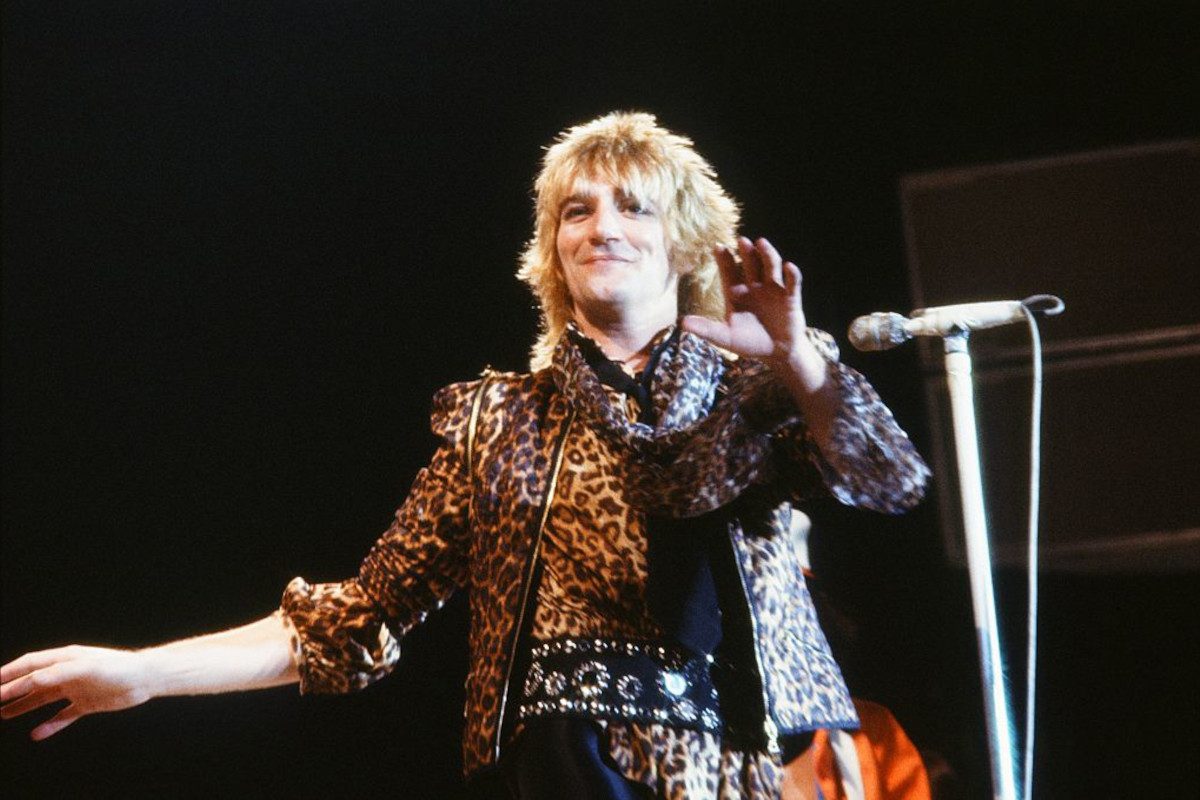
To Rod Stewart's credit, he pinpointed the moment when things went south. “If I ever wrote a song which put a fly in the ointment or a spanner in the works – it’s this one,” he wrote in his 1989 Storyteller collection, referring to his huge 1978 disco crossover track ‘Do Ya Think I’m Sexy’.
“It was frightening, stirring up so much love and hate at the same time: most of the public loved it; all of the critics hated it. I can understand both positions.”
Over the previous decade, Stewart’s soulful rasp and joie de vivre had seen him become a star, both as the frontman of rascal rockers The Faces and as a rootsy solo star with hits such as ‘Maggie May’ and ‘You Wear It Well’. But ‘Do Ya Think I’m Sexy’ was the point where we waved goodbye to the lovable rogue we knew as Rod The Mod.
It all went wrong at: 'Do Ya Think I'm Sexy?' (1978)
5. Metallica
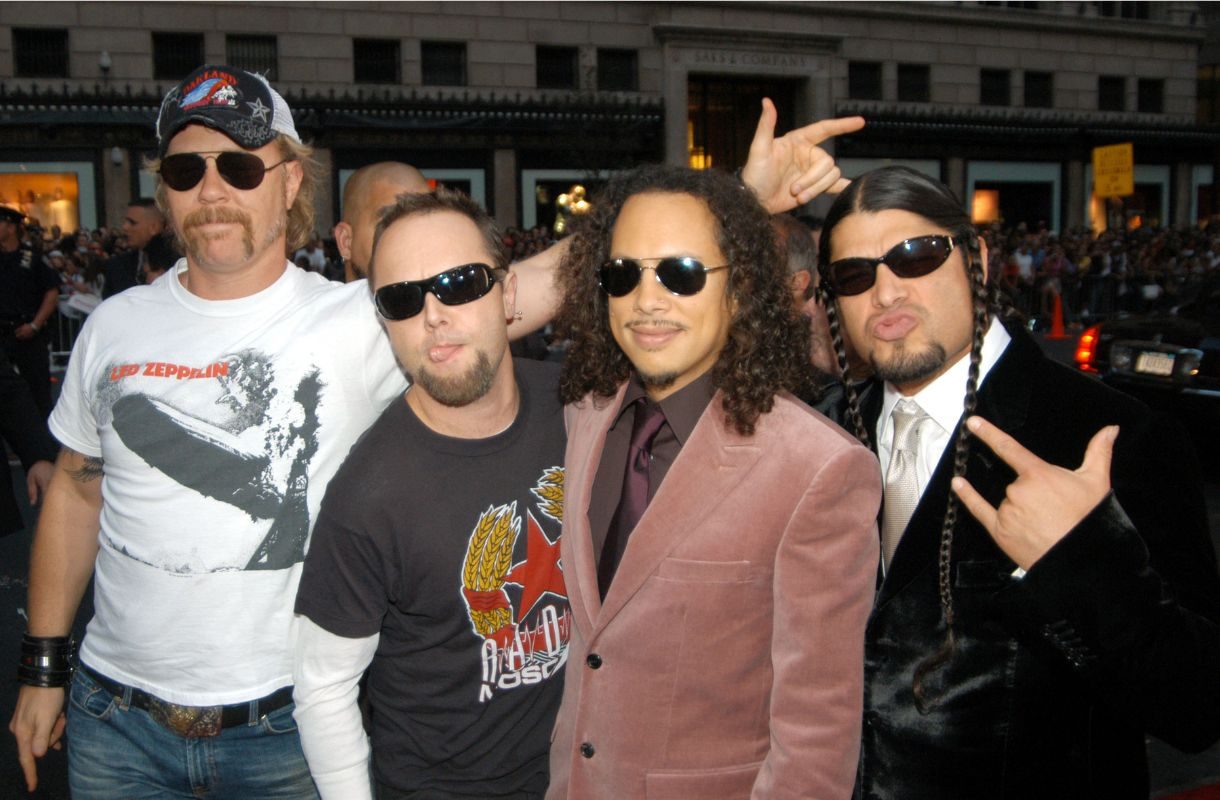
With their 1983 debut, Kill ’Em All, Metallica changed heavy rock by laying down the blueprint for thrash metal. Throughout the 80s they evolved, with their music taking on influences from blues, punk and hard rock while they became one of the biggest bands on the planet.
The 90s found them stagnating slightly with 1996’s Load and 1997’s Reload dabbling with grunge and folk, alienating them from their metalhead fanbase.
St Anger (2003) was intended to be a back-to-basics rediscovery of their garage band roots, but over the course of recording (captured in the brilliant 2004 documentary Some Kind Of Monster) the increasingly fragmented band struggled to connect, resulting in a confused collection of nu-metal leaning tracks with turgid riffs and introspective lyrics.
They still pack stadiums, but St Anger was the point of no return.
It all went wrong at: 'Purify' (2003)
4. The Stone Roses
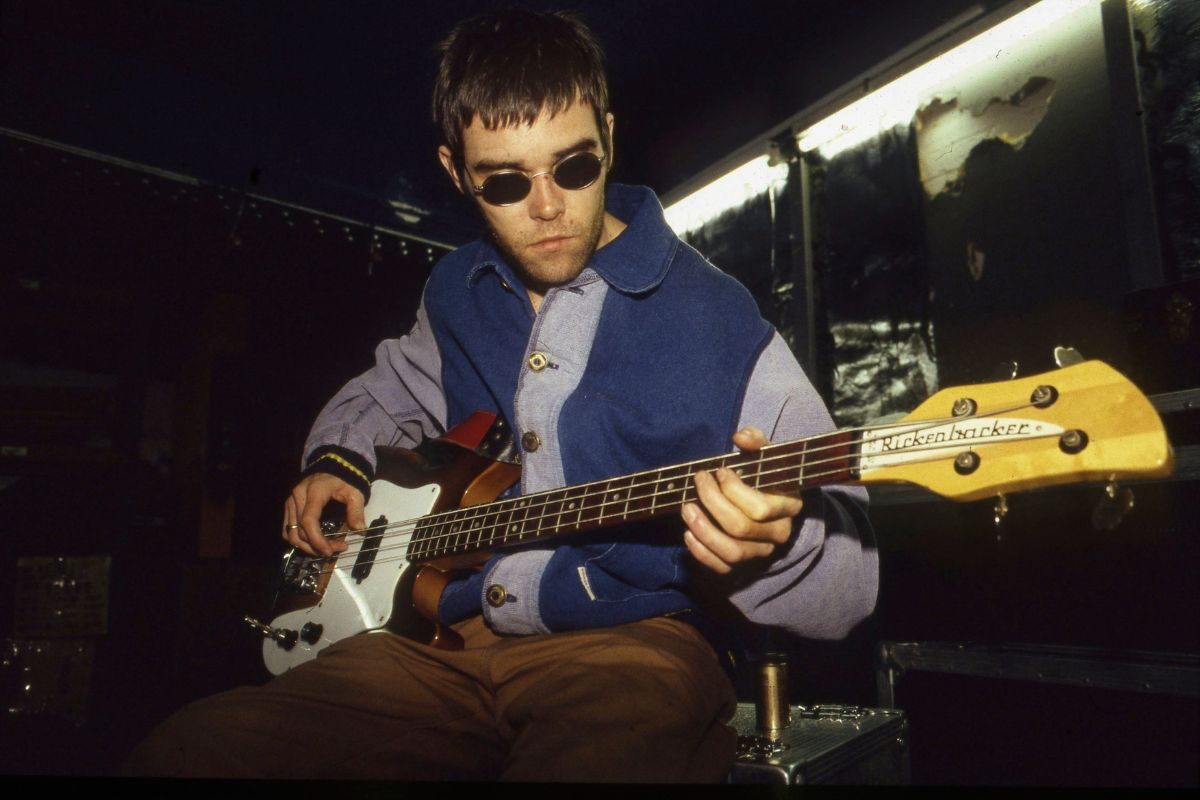
The Stone Roses (1989) remains one of the landmark British debut albums, an era-defining coming together of 60s jangle-pop, acid house, anti-authoritarianism and cocksure Manc attitude. In John Squire, they had not only a virtuosic guitarist but a junior Jackson Pollock – handy for those unforgettable record sleeves.
Bassist Mani and drummer Reni (mononyms only here) were an unbeatable rhythm section, their mastery of funk grooves and motorik precision giving them the edge over their indie-schmindie peers. And Ian Brown was the perfect singer, flitting between breathless, butter-wouldn’t-melt declarations of love (‘She Bangs The Drums’, ‘Waterfall’) and rabble-rousing confidence (‘I Am The Resurrection’, ‘I Wanna Be Adored’) – imagine them with a proper singer; it’d be awful.
They laboured over the follow-up, The Second Coming, which was eventually released in 1994. It had to be great with a title like that; it wasn’t. The songs were forgettable in comparison to what came before; the sense of groove and daring was replaced by plodding, interminable guitar solos that sounded like an audition for a Led Zep tribute band; and Brown’s vocals had lost their charm.
The album bombed, and the band went their separate ways; they reunited for triumphant shows in 2012 and 2015, but in 2016 released a couple of singles that were even worse. Still, for that debut album, they were as good as they claimed they were.
It all went wrong at: 'Tightrope' (1994)
3. Jefferson Airplane
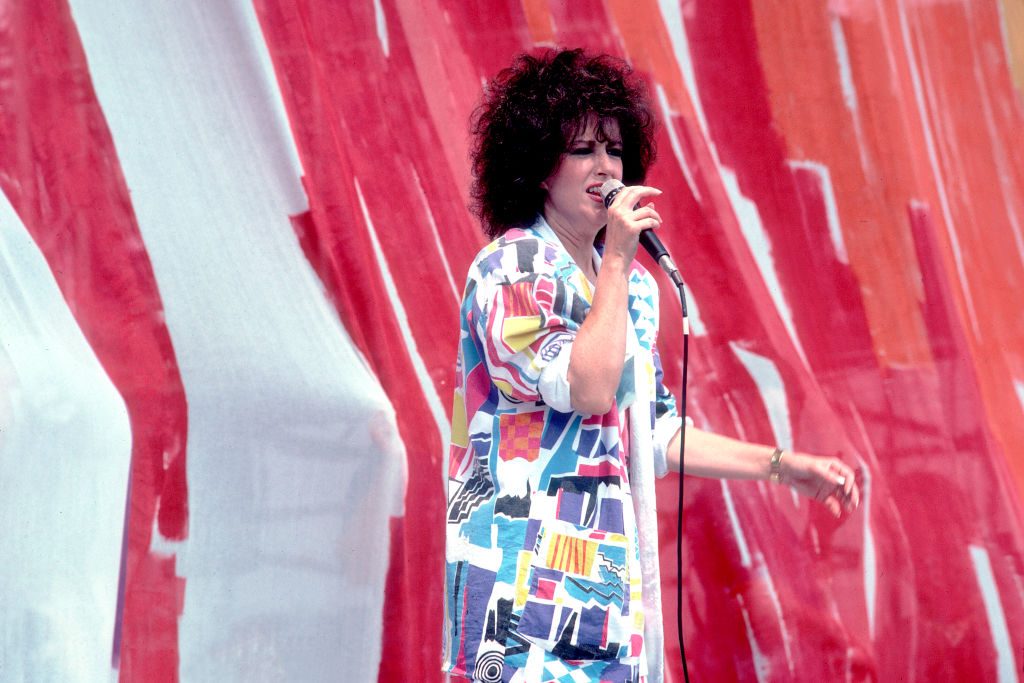
In the ’60s, San Francisco’s Jefferson Airplane were at the vanguard of the psychedelic movement, releasing classic albums such as After Bathing At Baxters (1967), Surrealistic Pillow (1967) and Crown Of Creation (1968), along with all-timer singles ‘White Rabbit’ and ‘Someone To Love’.
The band splintered in the early 70s, and in 1974, singer Grace Slick and guitarist Paul Kantner regrouped as Jefferson Starship. The following decade saw a bewildering number of line-up changes, including a three-year period from 1978-81 where Slick left the group. In 1984, tensions over the band’s direction led to Kanter quitting and suing the remaining line-up over the rights to the band’s name.
The newly named Starship released Knee Deep In The Hoopla in 1985, a synth-pop change of direction that included the bombastic nonsense of ‘We Built This City’ – one of Homer Simpson’s favourite tunes, which says it all.
It all went wrong at: 'We Built This City' (1985)
2. The Rolling Stones
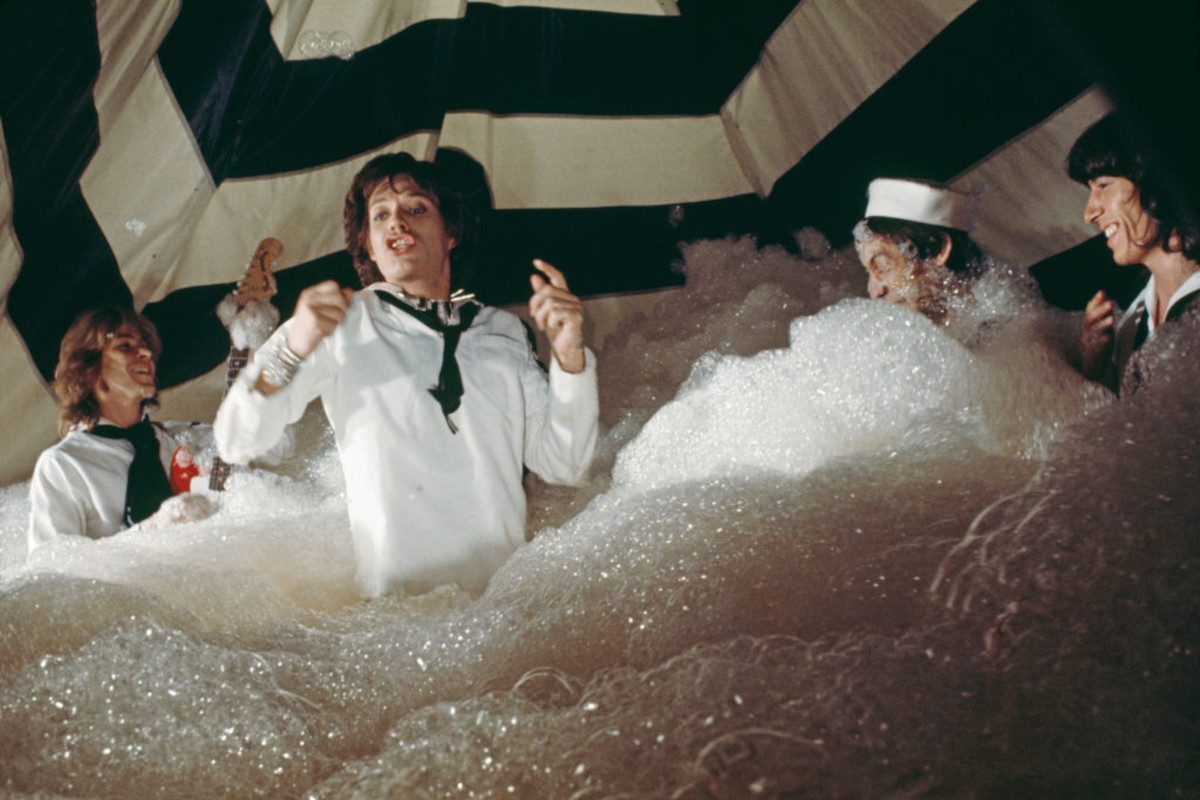
There’s no denying the brilliant, nervy Carnaby Street R&B of the Stones’ ’60s singles, the wonky psychedelia of Their Satanic Majesties Request (1967) and the torn’n’frayed, blues-country-voodoo of their glorious run of albums from Beggars Banquet (1968) to Goats Head Soup (1973). But somewhere around 1974’s It’s Only Rock And Roll, things suddenly went awry.
This was the point where they became a caricature, the living embodiment of their lurid, lascivious logo – Jagger’s swagger tipped over into preening bustle, Keef put more energy into scoring drugs than playing guitar, and new material was undercooked, pedestrian and steeped in cliché.
They struck gold occasionally – 1978’s ‘Miss You’ and ‘Beast Of Burden’; 1981’s ‘Waiting On A Friend’ – but in the ’80s, the unthinkable happened – the Stones became deeply uncool. Recent albums have seen them attempt to redress the balance by returning to their roots, but had the Stones split in 1974, their back catalogue would be impeccable.
It all went wrong at: 'It's Only Rock'n'Roll (But I Like It)' (1974)
1. Oasis
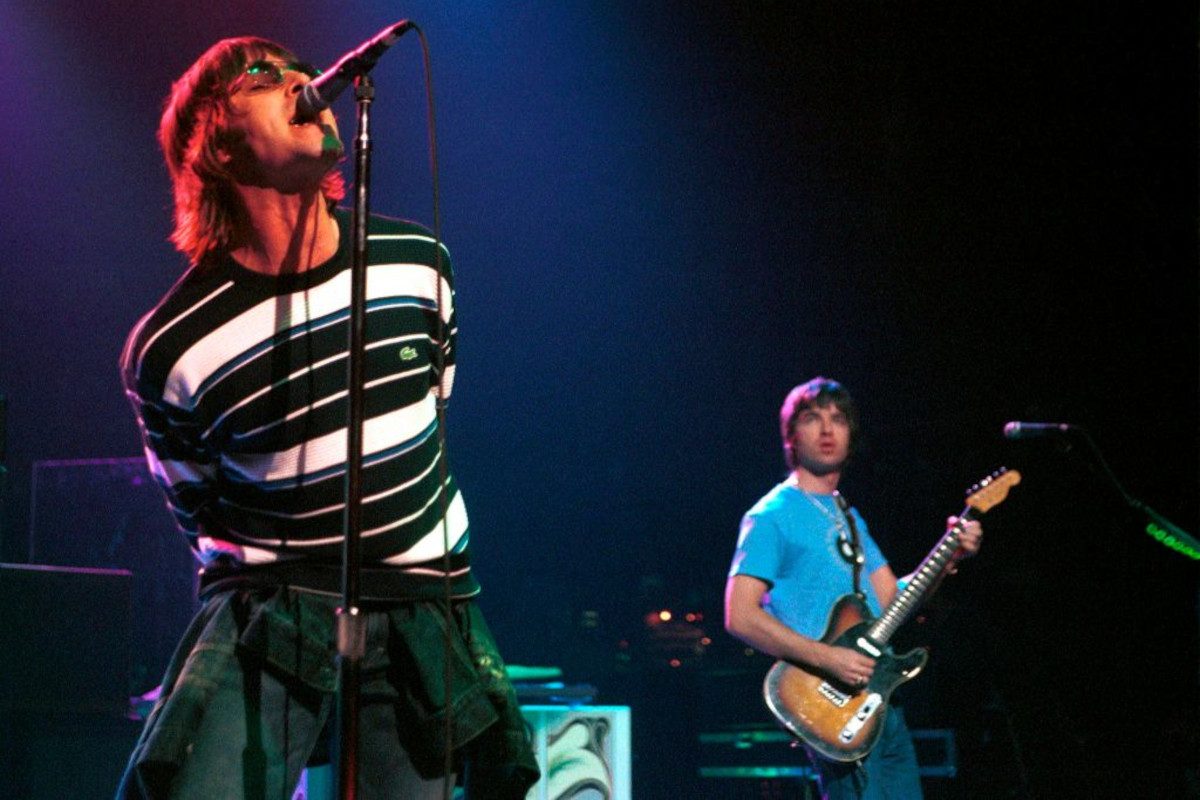
Anybody clinging to the tabloid cliché of Oasis as unthinking thugs should check out Noel Gallagher’s audio commentary on the 2006 best-of DVD Stop The Clocks. The band’s principal songwriter rips into each of their music videos with unfiltered, self-deprecating and often surreal wit; it’s an absolute joy.
Unsurprisingly then, for a writer so sharp and self-aware, Gallagher wrote a song that captures the exact moment things stopped working for Oasis. ‘Where Did It All Go Wrong’, from 2000’s Standing On The Shoulder Of Giants, is an apparently biographical account of the bleak reality of fame (“Do you keep the receipts, for the friends that you buy,” croons Noel).
What’s more, the song even sounds like the antithesis of their early work; it’s jaded and world-weary where once their every move was charged by aspiration and a sense of grabbing life by the horns. The rest of the album wasn’t much better – ‘Who Feels Love?’ was stodgy Beatles-in-Rishikesh cosplay, ‘Sunday Morning Call’ was more mournful dark-side-of-fame drudgery and the less said about Liam’s nursery-rhyme-Lennon songwriting debut ‘Little James’, the better.
Elsewhere, ‘Gas Panic’ might’ve whipped up an impressive, proggy storm that mirrored Noel’s lyrics about panic attacks and paranoia, but that’s not what anyone signed up for with Oasis.
They didn’t really recover, with following albums sounding more like opportunities to show off their record collections – this one sounds a bit like the Velvets, this one Black Rebel Motorcycle Club, now we’re The Kinks – where once their glorious noise was so life-affirming it didn’t matter how derivative the songs were.
It all went wrong at: 'Where Did It All Go Wrong?' (2000)
All photos Getty Images
Top image The Rolling Stones pose during the production of their music video for 'It's Only Rock 'n Roll (But I Like It)', June 1974
