From Beatles classics to some of the Nineties' greatest musical moments, here we celebrate history’s greatest non-album tracks, fan favourites and lost gems.
Discover the debauched, sometimes sweet and, with hindsight, misguided reasons why these now classic releases never made it onto 33rpm.
(Many of these songs have since made it onto extended editions as bonus tracks, greatest hits packages and/or B-side compilations, but all were missing from the subsequent studio album.)
For some bands – Creedence and Led Zeppelin spring to mind – the non-album pickings feel comparatively slim, but other acts have an embarrassment of riches. Starting with arguably the greatest of them all, that mop-topped beat combo from Liverpool.
Greatest non-album songs
1. The Beatles, 'Hey Jude' (1968)
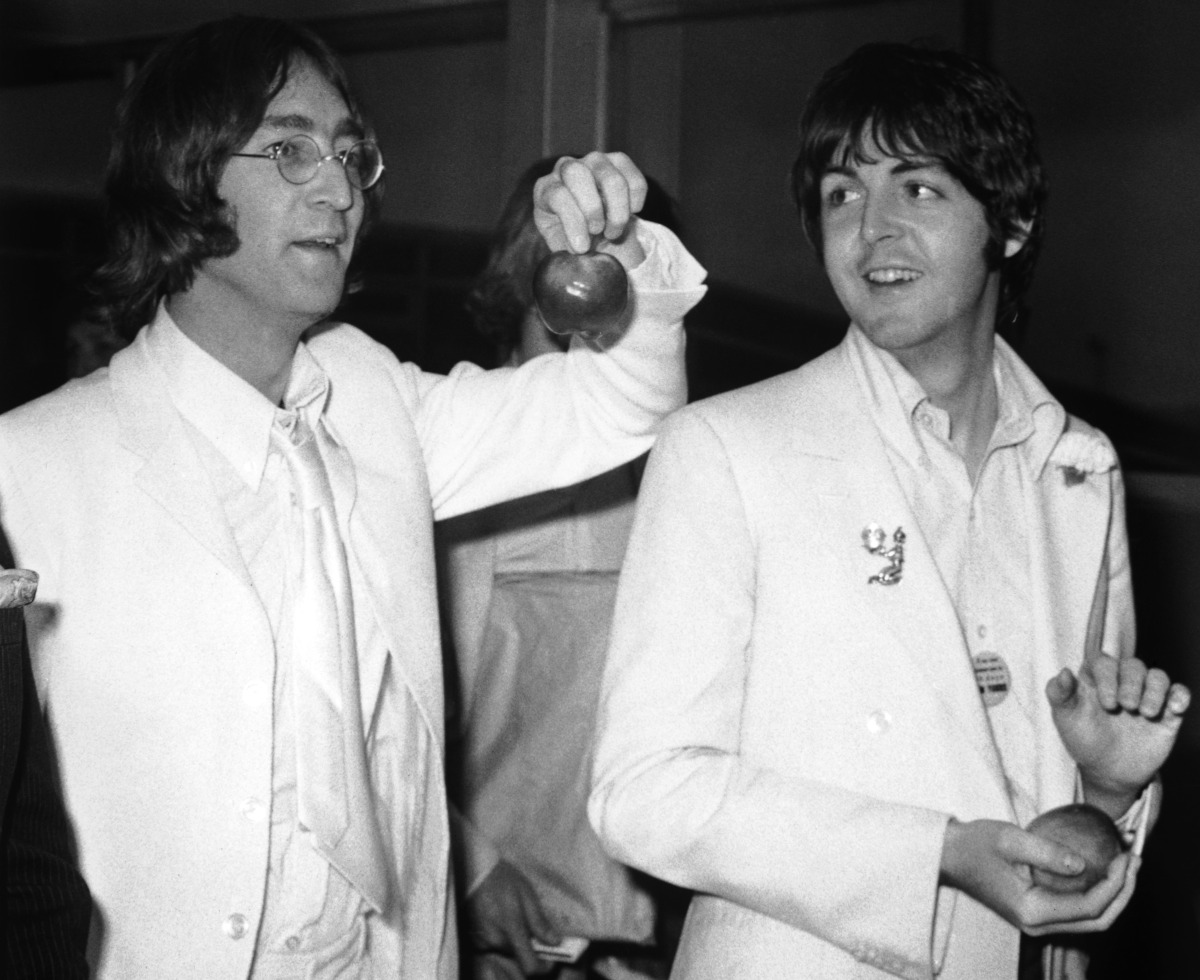
Admittedly, the Fab Four could fill every spot on this list. You can practically chart their evolution of songwriters and musicians via their non-album singles, starting with 'She Loves You' through to 'We Can Work It Out', 'Paperback Writer', 'Strawberry Fields Forever' and 'Get Back'.
That’s just four stone-cold Beatles classics to be deprived of album status, but let’s go for 'Hey Jude' as their ultimate non-album song. It’s a single that reached the top of the charts around the world (including a then-record nine-week run at number one on the Billboard Hot 100), sold eight million copies, and is still a radio fixture today. And yet, it somehow failed to make it onto a studio album (at least until the Hey Jude North American compilation album in 1970).
The song’s familiarity – it’s still a radio and football terrace regular in 2026 – hasn’t softened its impact nearly 60 years on, with the Paul McCartney-penned ode to the Lennons and the following 'Na, na, na, na…' coda proving at once heartrending and joyously uplifting over its seven-minute running time.
And why wasn’t it included on 1968’s White Album? The Beatles followed a music industry policy of the time, which kept previously released singles separate from their main studio albums, with the group, rather sweetly, believing it was unfair to make fans buy a song as a single and then pay for it again on a new LP.
2. The Rolling Stones, 'Honky Tonk Women' (1969)
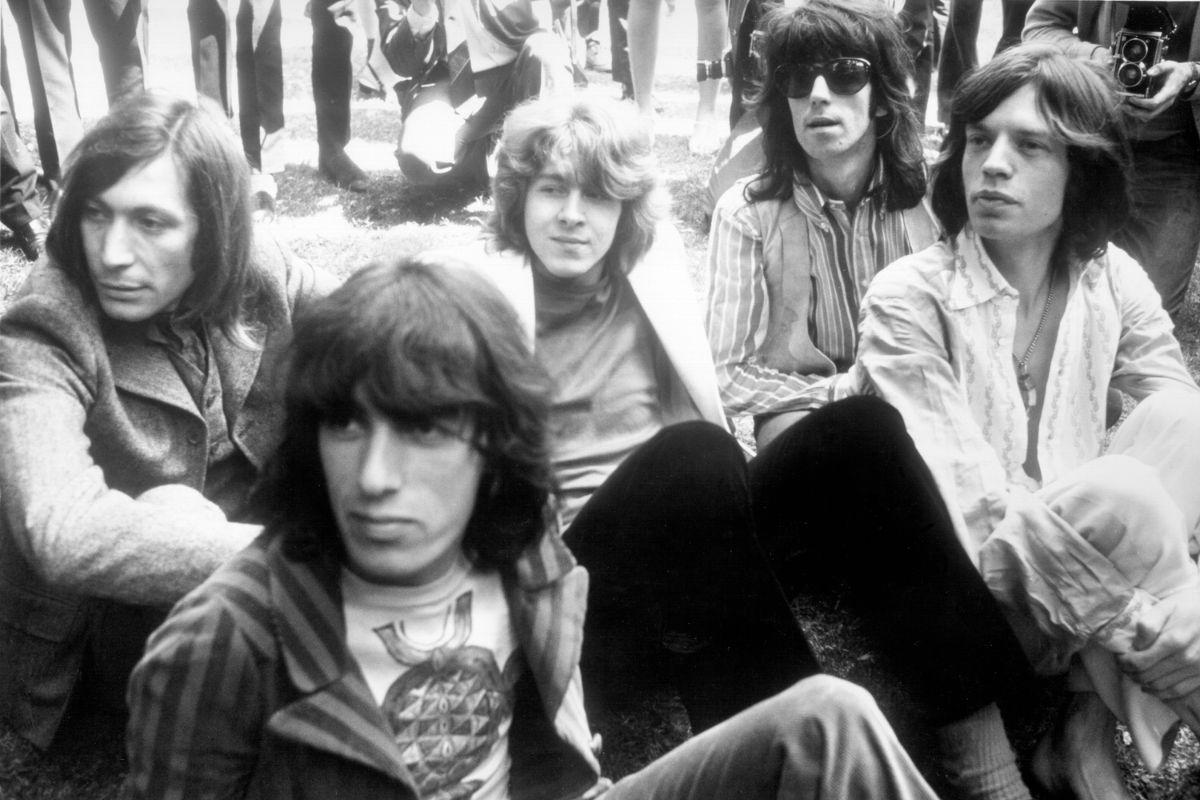
This sleazy, swaggering, cowbell-adorned Deep South-influenced rocker was released in the UK the day after the death of founding member Brian Jones, with 'You Can’t Always Get What You Want' as the B-side.
It boasts some of the Glimmer Twins’ most memorable lines, from ‘She blew my nose and then she blew my mind’ to that chorus payoff of ‘Gimme, gimme, gimme the honky tonk blues’. It also marked Mick Taylor's first appearance on a Rolling Stones single.
A country-blues rewrite of the track, 'Country Honk', was included on the Stones’ eighth studio album, the country-rock masterpiece Let It Bleed, in December 1969.
3. Crosby, Stills, Nash & Young, 'Ohio' (1970)
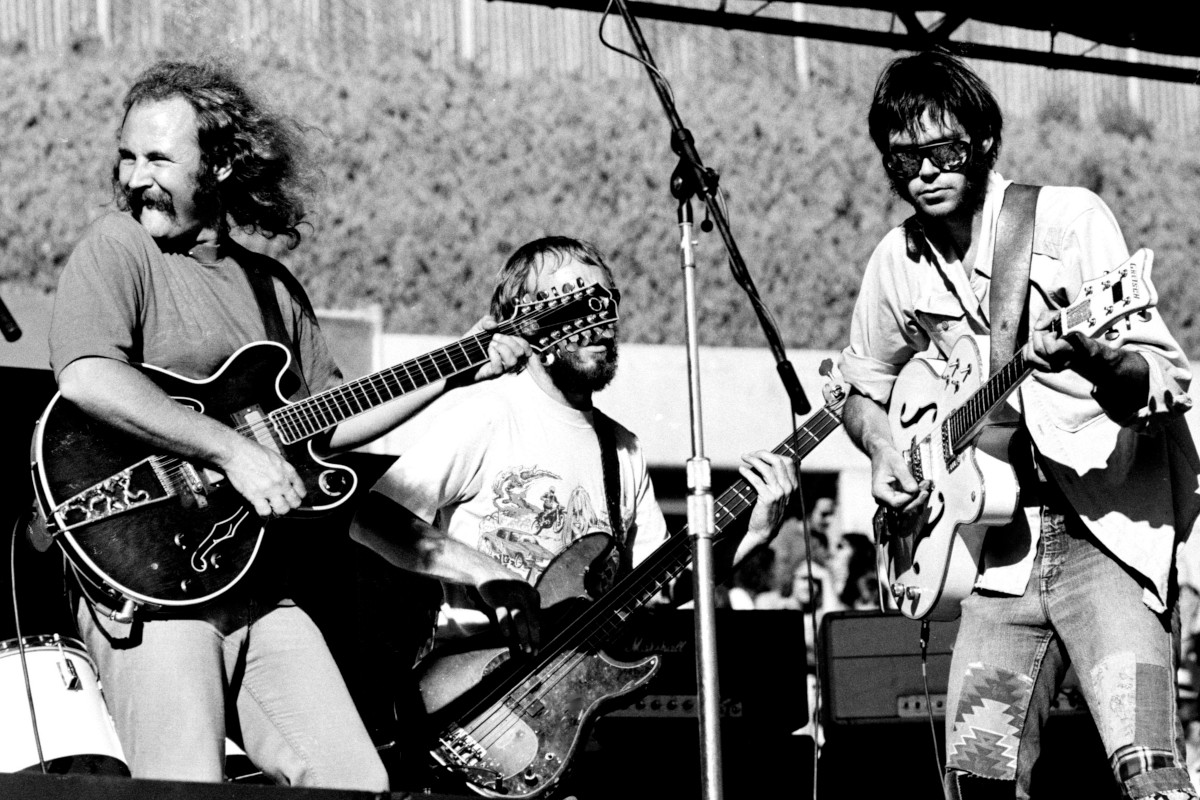
Again, the lost tracks (and indeed whole albums) of Neil Young are worthy of their own list. There’s early classic 'Sugar Mountain', 1990’s 'Don't Spook the Horse' with Crazy Horse or the likes of 'Casting Me Away From You' and 'I'll Love You Forever', which are belatedly making their way onto Shakey’s prolific if uneven output this decade. His ongoing Archives project is also collating many lost gems.
But let’s go for Young’s seminal anti-war protest of Ohio with Crosby, Stills and Nash, which was recorded in response to the Kent State shootings where four anti-Vietnam war protestors were killed by the Ohio National Guard.
Openly criticising president Richard Nixon in the lyrics, the brave, harrowing and probing track was banned by some radio stations upon release and didn’t appear on an LP until the 1974 compilation So Far (although a live version did grace the supergroup’s 4 Way Street double album in 1971).
- 4 Way Street is one of the best double live albums of the 1970s
- The 21 greatest albums of 1974, the year the dream turned decadent
4. The Cure, 'Boys Don’t Cry' (1979)
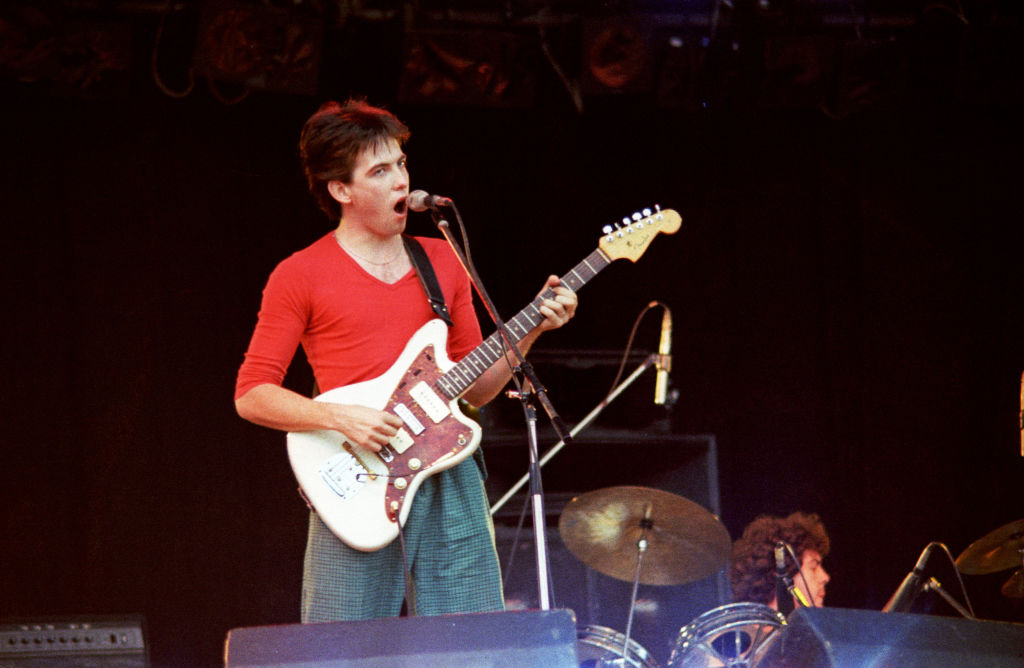
It has inspired the titles of films, been played over a thousand times live and is still the Cure’s most-streamed track on Spotify. And yet the instantly loveable 'Boys Don’t Cry' was released only as a standalone single in the UK and was absent from their debut album, Three Imaginary Boys. (Record buyers in the United States saw this included on the Boys Don’t Cry compilation album).
Being nearly 50 years old hasn’t lessened its freshness – and the joy of hearing that intro – with its short 2:35-minute running time showcasing Robert Smith’s uncanny ability to create bittersweet post-punk pop perfection. Here we see Smith penning a rallying cry against the British stiff-upper-lip mentality, with the lyrical content focussing on a lovelorn man unable to show his emotions due to pride and peer pressure.
5. New Order, 'Blue Monday' (1983)
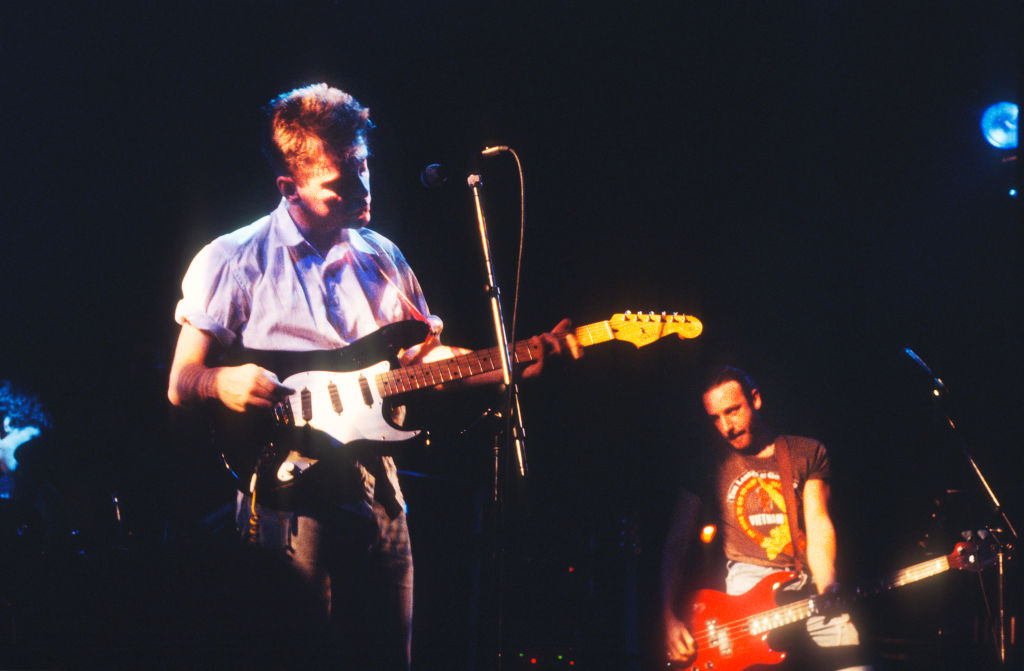
Following in the largely British tradition of classic singles never to make it onto albums, this club classic from the electro-pop greats is the biggest selling 12” of all time. Yet the synth-pop masterpiece wasn’t even included on their subsequent Power, Corruption & Lies long player because the band believed that singles and albums should remain separate entities.
Famously, the single’s original sleeve was die-cut with a silver inner sleeve – it cost so much to produce that record label Factory actually lost money on each copy sold.
'Blue Monday’s legacy was immediate, its sparse bass-driven motorik helping to shape Detroit techno and the synthpop landscape, as well as future releases by Pet Shop Boys, Kylie, Rhiannon and many more. It’s also the name given to the year’s most depressing day, which feels unfair given the number of dancefloors it’s filled since its inception.
6. The Smiths, 'How Soon is Now?' (1984)
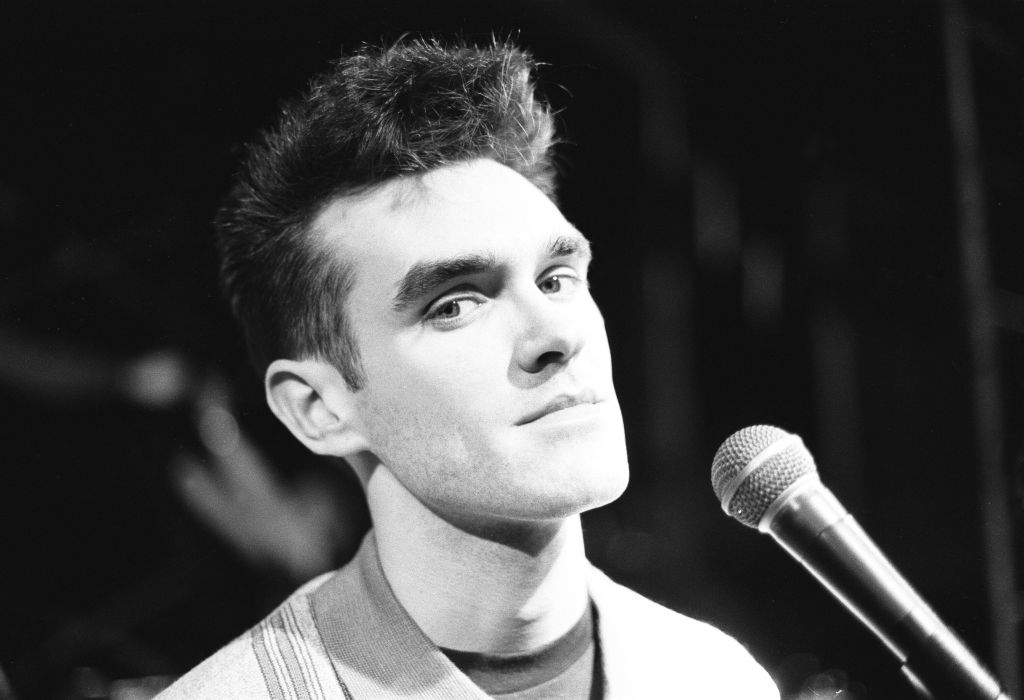
Regularly voted The Smiths’ greatest song, 'How Soon is Now?' was originally released as the B-side to the 1984 single 'William, It Was Really Nothing'. It was latterly released as a single in both the US and UK, making this a contender for both the greatest non-album track and the most magical B-side of all time.
Its music was written by guitarist Johnny Marr alongside another non-album classic 'Please, Please, Please, Let Me Get What I Want' (and 'William, It Was Really Nothing') in 1984, with Marr adding the tremolo effect in the studio with Mike Joyce and Andy Rourke. Morrissey would soon add his lyrics concerning an individual dealing with crippling shyness, with the chorus’ ‘I am human and I need to be loved’ one of the Smiths’ most enduring lines.
- 1984 was the Eighties' greatest year for music. And here are the 15 albums that prove it
- The Smiths were one of the greatest British bands never to break America
'How Soon is Now?' was later added to the compilation album Hatful of Hollow and several international editions of their second LP, 1985's Meat Is Murder.
Further Smiths classics to be exempt from album status include 'Heaven Knows I'm Miserable Now' and even the defining 'This Charming Man', both of which would also grace the Hatful of Hollow compilation.
7. Stone Roses, 'Fools Gold' (1989)
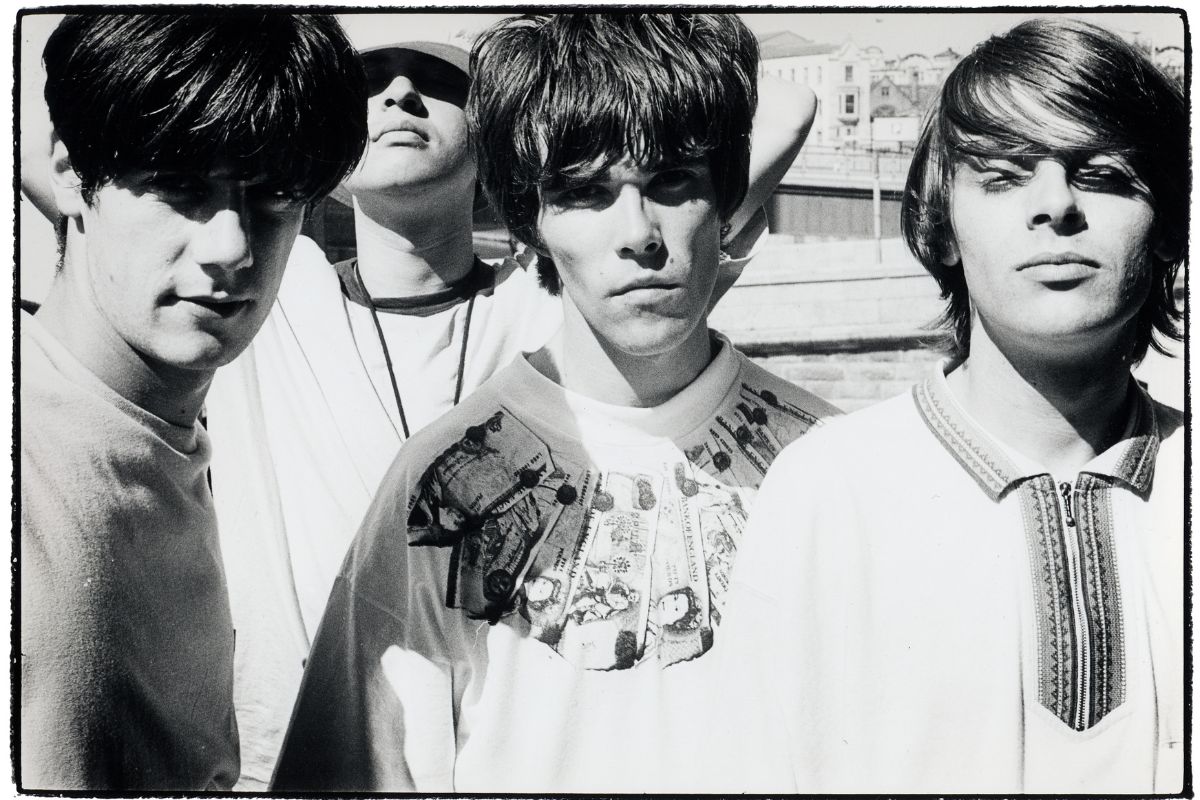
Long before indie-dance became a dirty word, this Mancunian masterpiece from November 1989 was arguably the last seminal track released in the 1980s… and still has the power to fill dancefloors today.
Whether in its 4:15-minute 7-inch version or the extended 9:53-minute guise, Fools Gold straddled the rock, house music and rave/ecstasy cultures flourishing in late ‘80s Britain courtesy of an electronic drum loop layered with Reni’s live drumming and a killer bassline adapted from Young MC’s 'Know How' by the late, great Mani. Ian Brown’s hushed vocals have rarely sounded better, while John Squire’s hypnotic guitar kicks into overdrive on the extended version. Even the wah-wah pedal works.
Released as a double A-side with 'What the World Is Waiting For', 'Fools Gold' was performed live on a landmark episode of British music show Top of the Pops alongside fellow ‘Madchester’ band The Happy Mondays. It became the Roses’ first single to reach the top 10 of the UK Singles Chart and stayed in the top 75 for 14 weeks, peaking at number eight.
Coming hot on the heels of their seminal self-titled debut album, 'Fools Gold' marked both the Roses’ creative zenith... and a taster of what their sophomore effort could have sounded like. Sadly, it also marked the start of the Roses’ journey into the musical wilderness.
Legal battles with their label Silvertone, inter-band tensions and copious drug use would clip the Roses’ wings, and it would be six long years before the foursome would release another classic single, 1995’s 'Ten Storey Love Song', from 1994’s patchy Second Coming album. By then, a bunch of fellow Mancunians had stolen their thunder (see number 10...).
8. Pearl Jam, 'Yellow Ledbetter' (1992)
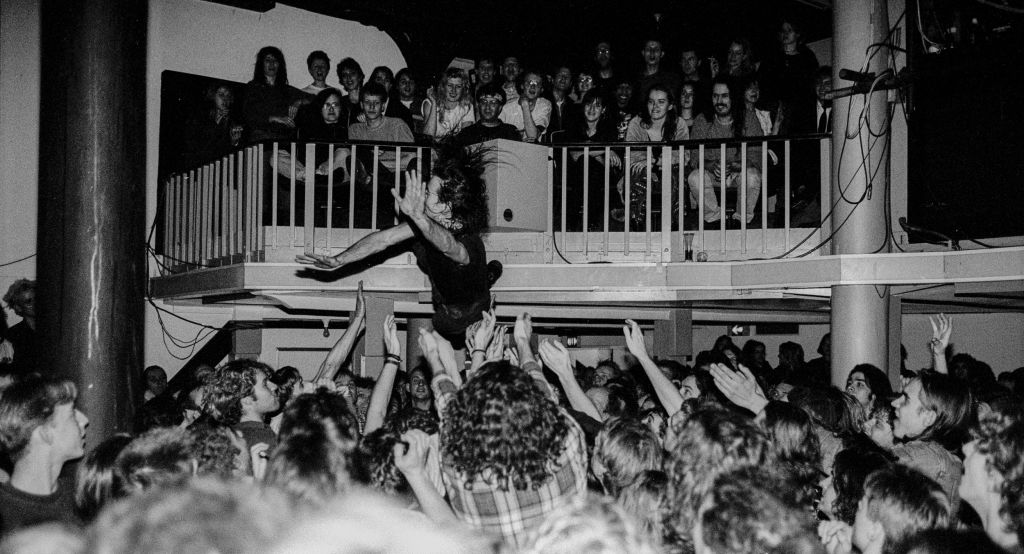
Go to any Pearl Jam gig – and it’s hard to overstate just how thrilling they are live – and the biggest singalong might come not from 'Alive', 'Even Flow' or even 'Black', but this slow-paced B-side to their 1992 single 'Jeremy'.
One of the first songs the band wrote together, singer Eddie Vedder later explained the song as being about a young man receiving a yellow letter informing him that his brother had died in war. The title itself was inspired by a Chicago friend of Vedder’s named Tim Ledbetter.
State of Love and Trust, which opened the band’s legendary MTV Unplugged performance, is another album-less gem from the period that was deemed unsuited to Ten. Both tracks have aged far better than Once and Why Go from Pearl Jam’s debut, but there’s something special about these Lost Dogs (the name of Pearl Jam’s rarities album on which both would appear) remaining beloved 35 years after failing to find a long-player home.
9. Suede, 'Stay Together' (1994)
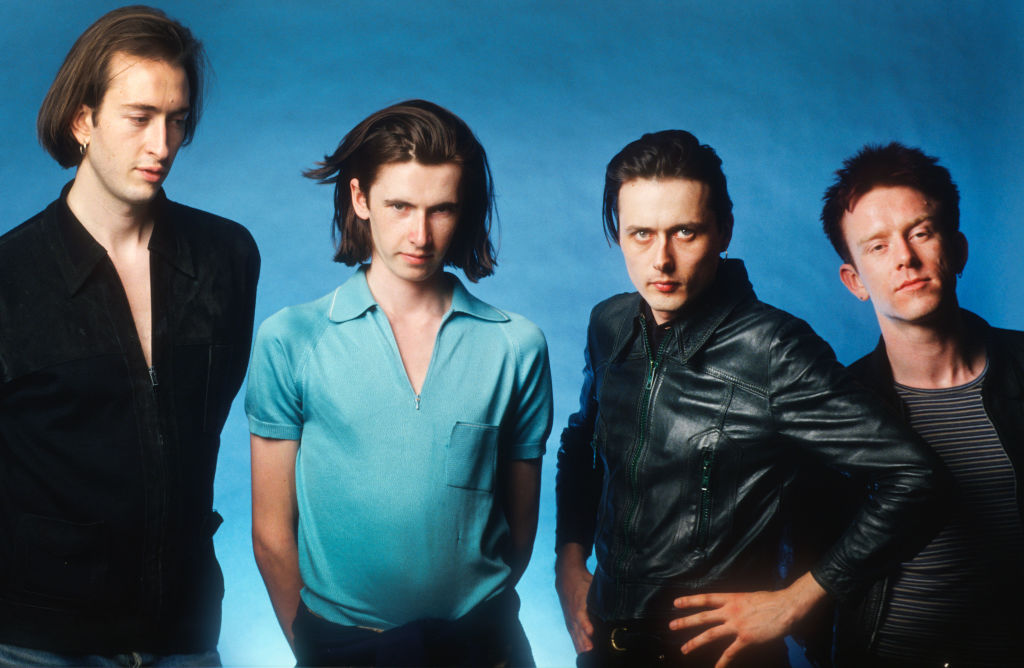
With the Stone Roses on hiatus, grunge emerging from across the Atlantic and dance music ruling the airwaves, homegrown British guitar music was at a low ebb in 1992. And then came a four piece from Haywards Heath who made guitar music sexy again, revitalising a whole scene with Brett Anderson’s quivering tales of hedonism, desire and suburban squalor. All backed by Bernard Butler’s distorted guitars that fused glam and post-punk to towering effect.
Suede’s self-titled debut in 1993 boasted three of the Nineties’ great singles – 'The Drowners', 'Metal Mickey' and 'Animal Nitrate' – and catapulted the group into the mainstream. For better or worse, they paved the way for Britpop. (They were known as London Suede in America and made little impact).
'Stay Together' arrived at a time when the band seemed unstoppable and peaked at number three in the British singles chart. Internally, however, they were falling apart due to tensions between guitar Butler and the rest of the group and excess drug use, which is perhaps why it’s rarely played live today.
Which is a shame as it’s a lavish, ambitious precursor to Suede’s high watermark Dog Man Star LP of late 1994, with Anderson at his most vampish and Butler crafting an epic rock ballad over its extended eight-minute run time (a four-minute version is also available).
A hearty shoutout to its B-side 'My Dark Star' as another non-album classic from Suede. Both would be included on their rarities compilation, the magnificent Sci-fi Lullabies, alongside fellow fan favourite 'Killing of a Flashboy'.
10. Oasis, 'Whatever' (1994)
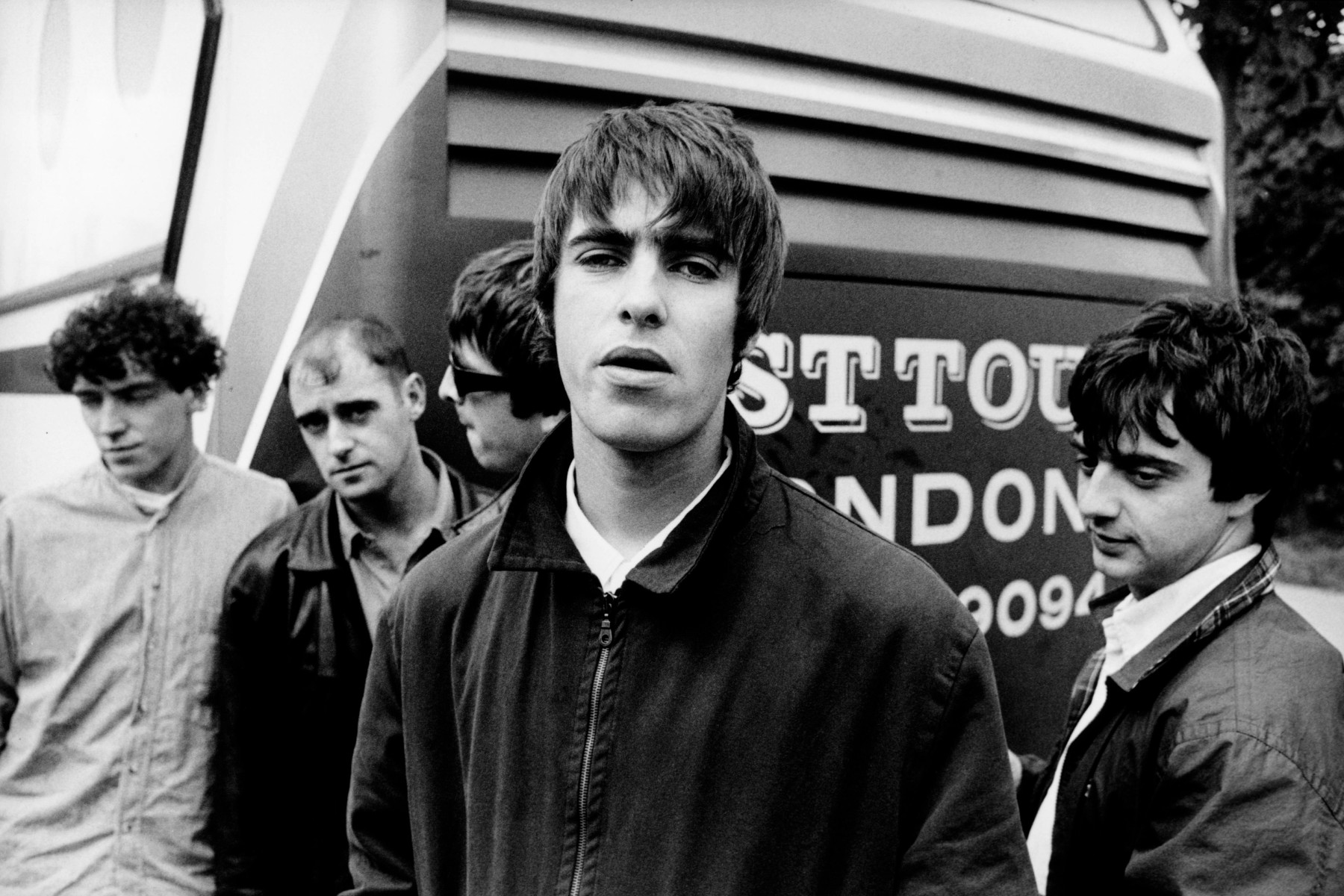
Acting as the bridge between the raw Definitely Maybe and 1995’s sonically more ambitious (What’s the Story) Morning Glory, the stirring 'Whatever' was released as a Christmas single in December 1994 and became Oasis’ first top five hit in Britain.
It was the first Oasis track to use an orchestra, and signalled a shift away from the balls-out rock of 'Supersonic' to the lush string-backed arrangements of 'Don’t Look Back in Anger' and 'Champagne Supernova' from their multi-million selling sophomore effort. It was the last single to be played on by original drummer Tony McCarroll.
Whether the similarity to Neil Innes’ 'How Sweet to Be an Idiot' kept it off any album releases has long been mooted. Oasis settled out of court with EMI and Innes was awarded a co-writing credit and a share of the songwriting royalties.
Noel Gallagher’s prolific mid-Nineties purple patch would also see B-side gems 'The Masterplan', 'Fade Away', 'Acquiesce', 'Stay Young' and 'Talk Tonight' all fail to make it onto album format. All would’ve improved any of Oasis’ subsequent albums, especially Be Here Now, but at least we were rewarded with the often-brilliant B-sides album, The Masterplan, in 1998.
11. Radiohead, 'Lift' (1997)
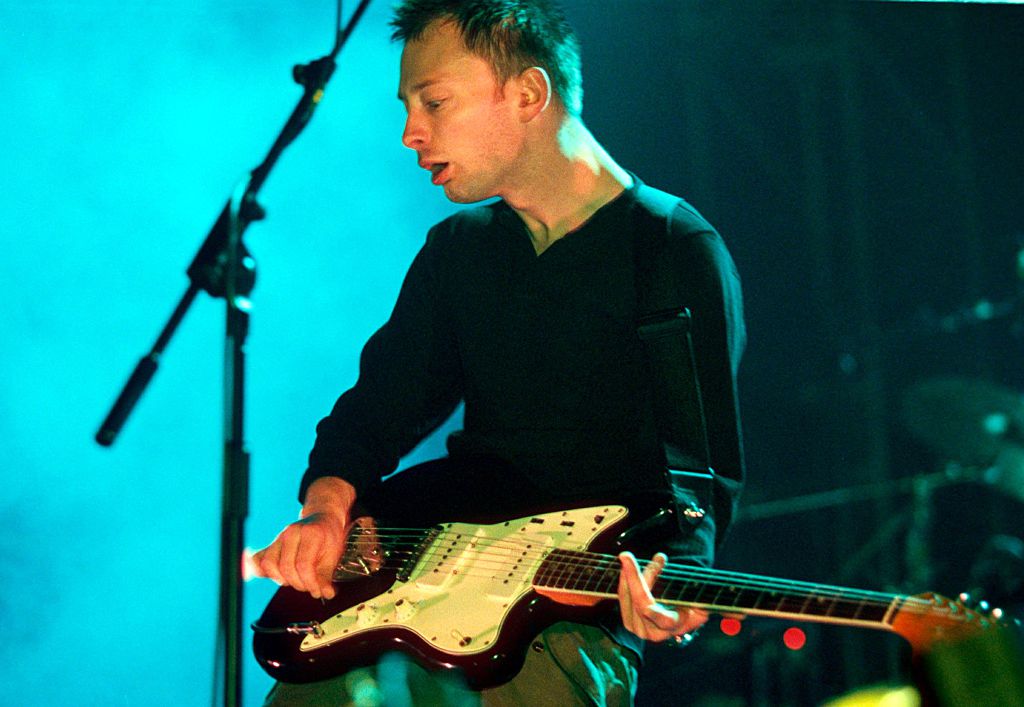
For years, this was one of Radiohead’s great lost tracks and only available on bootlegs, but it finally saw an official release on the OK Computer reissue of OKNOTOK 1997 2017 over 20 years after its conception.
It was initially planned to be the first single from OK Computer but, in 2017, guitarist Ed O'Brien said that Radiohead had felt pressured by Lift’s evident commercial potential.
Today it feels like a bridge between the more anthemic The Bends and the darker direction of OK Computer, building to a grandstanding chorus that showcases Radiohead’s knack of mixing the downbeat with the life-affirming.
Various versions of Lift are available, with the pick being arguably 1996’s live version from the Pinkpop festival.
Pics Getty Images