
Before the 1970s, live albums often felt like stop-gap releases or contractual fillers. With portable recording technology still in its infancy, they struggled to capture the power of live performance and the sound quality was shaky at best. But come the ’70s, that all changed.
As equipment improved, so did the sound and in an age when authenticity was everything, the live album became proof that a band was able to perform where it really counted – on stage. Before long, a single album didn’t cut it – a 2LP set was the only way to emulate the concert experience at home.
Dozens of incredible double live albums were released over the decade, here’s out pick of the best.
The 15 best double live albums of the 1970s
15. The Beach Boys, In Concert (1973)
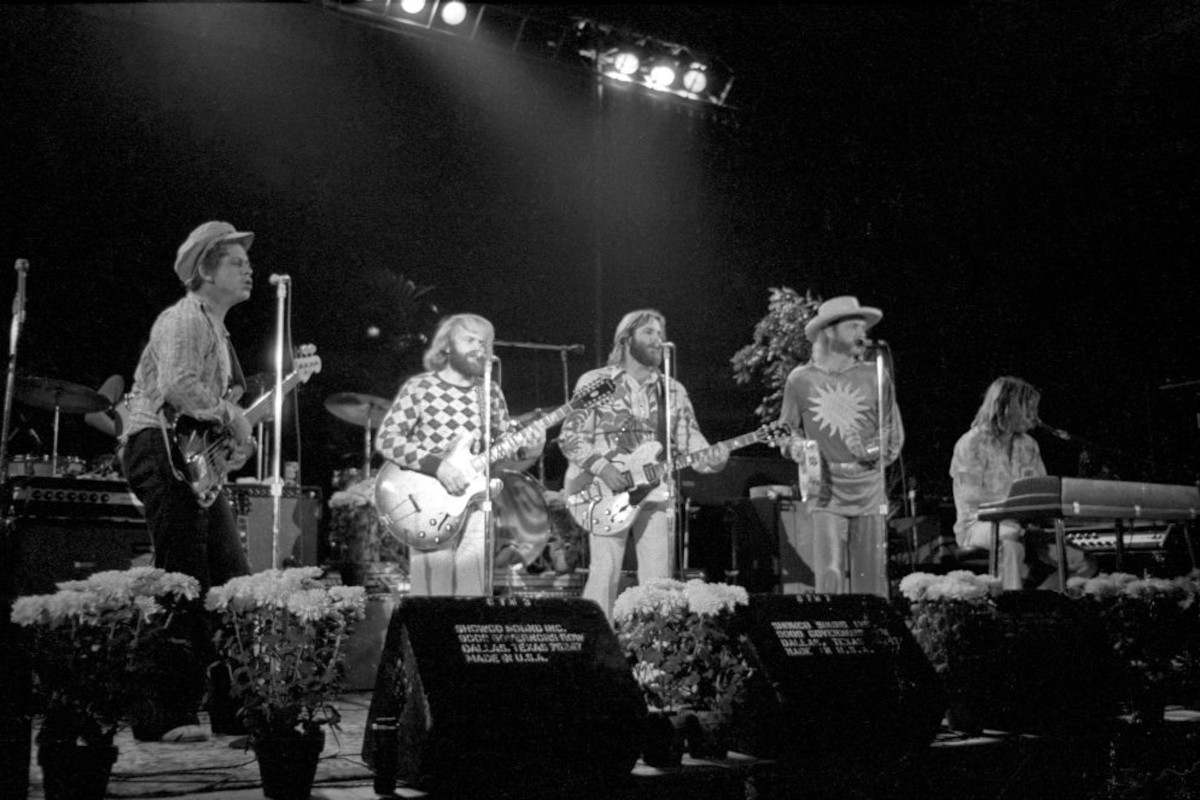
In Concert represents a sliding doors moment for The Beach Boys. The tracks were taken from a selection of US shows from August to November 1973 and provide tantalising glimpses of the band they could’ve been had Wilson brothers Carl and Dennis wrestled control from the hit-focused Mike Love.
They sound most convincing on the more mature, soulful rock tracks taken from their then-recent albums, such as ‘Sail On, Sailor’, ‘The Trader’ and ‘Funky Pretty’, but also tackle relative obscurities such as ‘Let The Wind Blow’ (from 1967’s Wild Honey).
The following year, their ’60s focused greatest hits album Endless Summer was a massive success – from that point on, they became an oldies act, bearded and balding middle-aged men in garish shirts singing about the surfing and hot rods of their fast-fading youth. In Concert points to the path they could’ve taken.
Key track: 'Sail On, Sailor'
14. The Rolling Stones, Love You Live (1977)
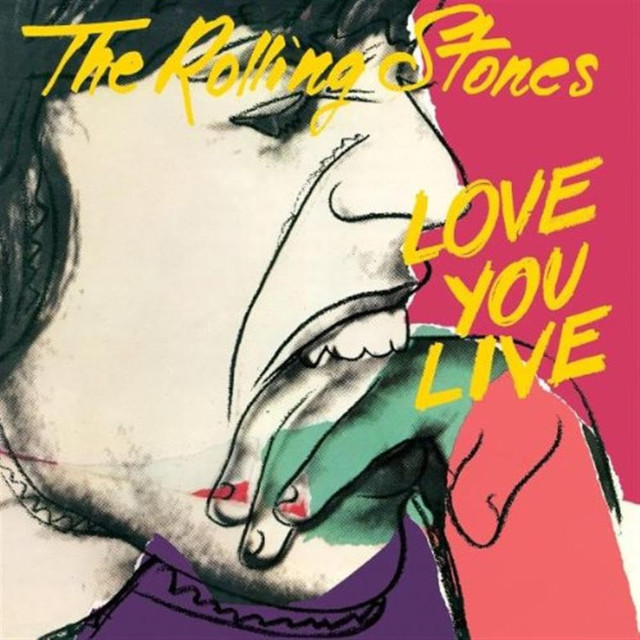
Recorded at several shows between June 1975 and March 1977, Love You Live might not be the sound of the greatest rock’n’roll band on the planet firing on all cylinders, but it still has its moments.
The early tracks capture a band in transition, with new guitarist Ronnie Wood learning the ropes, Keith Richards increasingly unpredictable thanks to his enthusiasm for narcotics and Mick Jagger on the way to becoming a caricature of himself.
But the set really comes alive with four blues covers recorded in March 1977 at the 300-capacity El Mocambo club, Toronto – the entire set was released in 2022 as El Mocambo 1977.
Key track: 'Crackin' Up'
13. David Bowie, Stage (1978)
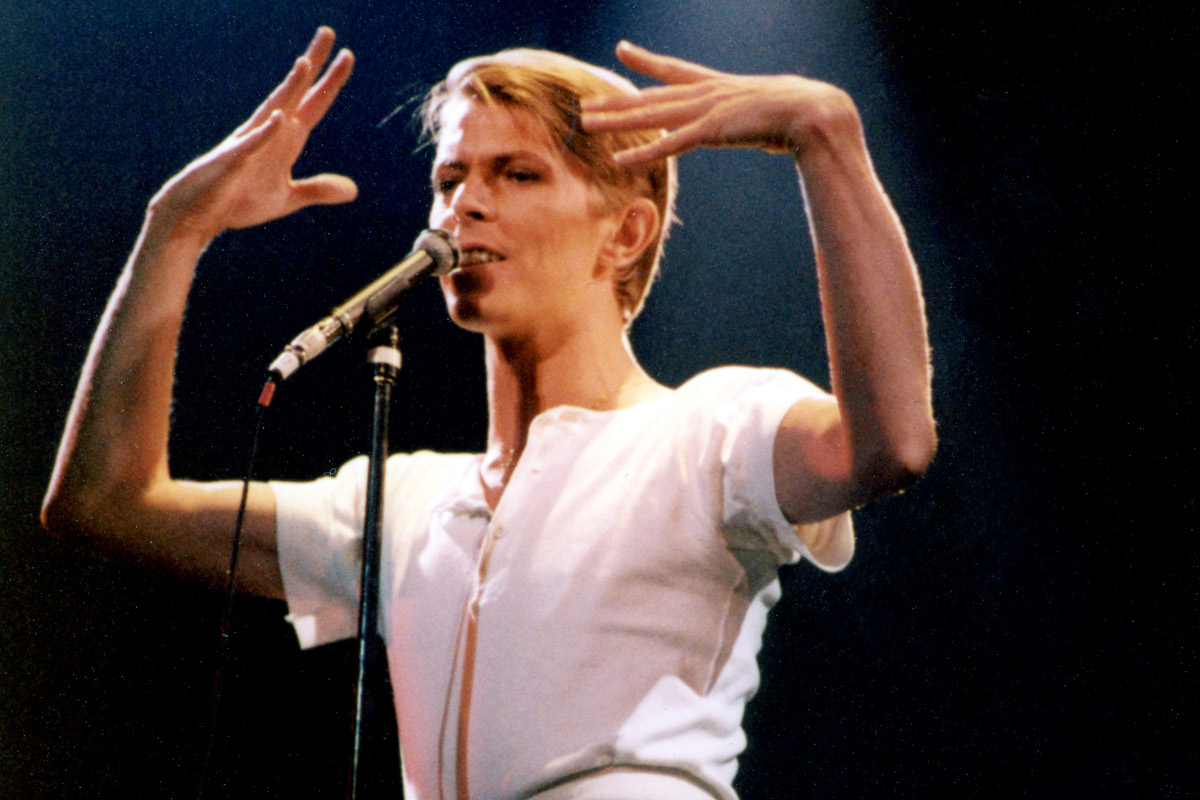
Fans of David Bowie were spoilt in the ’70s, with two live double-albums, 1974’s David Live and, four years later, Stage. While both are thoroughly recommended, we’ve gone for the proto-new wave brilliance of Stage over David Live’s soul boy swagger.
Stage was recorded over four shows during the Spring 1978 US leg of Bowie’s Isolar II tour, which featured guitarists Adrian Belew and Carlos Alomar among the band. The sets were divided up, with the first section comprising material from the previous year’s Low and “Heroes”, the second heavy on songs from 1972’s The Rise And Fall Of Ziggy Stardust And The Spiders From Mars, and the closing song and encore taken from 1976’s Station To Station.
The original 2LP Stage toyed with the order, placing the songs in roughly chronological release order, giving a sense of Bowie’s evolution from glam god to art rock pioneer. While there are thrills galore among the earlier material – a dramatic ‘Five Years’, a jaw-dropping ‘Station To Station’, Stage is at its best when Bowie and his band are fleshing out his studio-centric late ’70s material.
Key track: 'Breaking Glass'
12. Joni Mitchell and The LA Express, Miles Of Aisles (1974)
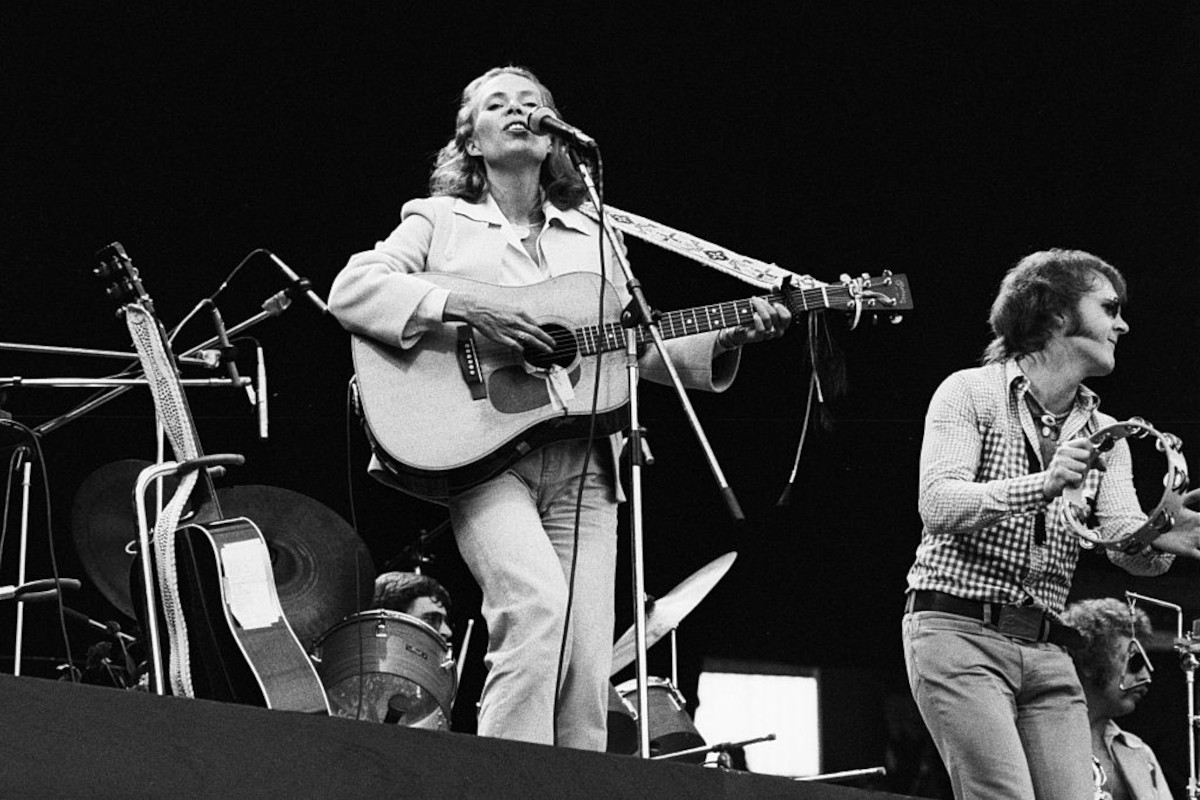
In January 1974, Joni Mitchell embarked upon her first tour backed by a band – jazz-fusion four-piece the LA Express – in support of her sixth studio album, Court And Spark. In November that year, Mitchell delivered her first live album, Miles Of Aisles, a career-spanning 2LP set featuring tracks taken from two shows on that initial tour and an August ’74 residency in Universal City, California.
The album works as an alternate greatest hits, with tracks taken from Mitchell’s folkie days given new full band arrangements (‘Both Sides Now’, ‘Carey’), as well as spine-tingling solo performances of tracks such as ‘A Case Of You’ and ‘Woman Of Heart And Mind’.
Mitchell also included two new songs – ‘Jericho’ was later released on Don Juan’s Reckless Daughter (1977) while the funky ‘Love Or Money’ was never released on a studio album.
Key track: 'Both Sides Now'
11. Crosby, Stills, Nash and Young, 4 Way Street (1971)
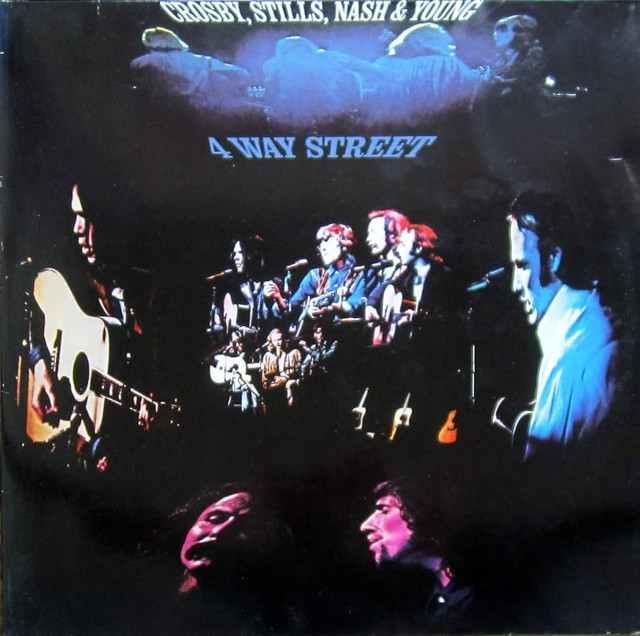
Following the release of 1970’s Déjà Vu, Crosby, Stills Nash and Young were the hottest group on the planet. But they were already starting to self-combust – shortly before a North American tour to promote the album, Stephen Stills fired bassist Greg Reeves, and after the first show, in Denver on 12 May, Neil Young fired drummer Dallas Taylor.
Fuelled by alcohol and cocaine, Stills’ behaviour became so problematic that the other three decided to fire him during their two-night run at the Auditorium Theatre, Chicago, on 5-6 July 1970. Stills was reinstated, but they only played two more shows before splitting – for the first of many times, as it turned out.
But against all odds, 4 Way Street – the double live album taken from tour shows in New York City, Los Angles and Chicago – was a triumph. Unsurprisingly, given the egos involved, it’s a sprawling, often indulgent set, but for that reason it’s a perfect encapsulation of the talent and mayhem of the group.
The first album is all acoustic and includes relative rarities such as David Crosby’s cosmically horny ‘Triad’ and a preview of Young’s upcoming classic After The Goldrush with ‘Don’t Let It Bring You Down’. The second disc is all electric and dominated by furious jams on another two new Young songs, ‘Southern Man’ and their then-current single ‘Ohio’.
Key track: 'Ohio'
10. Frank Zappa and The Mothers, Roxy and Elsewhere (1974)
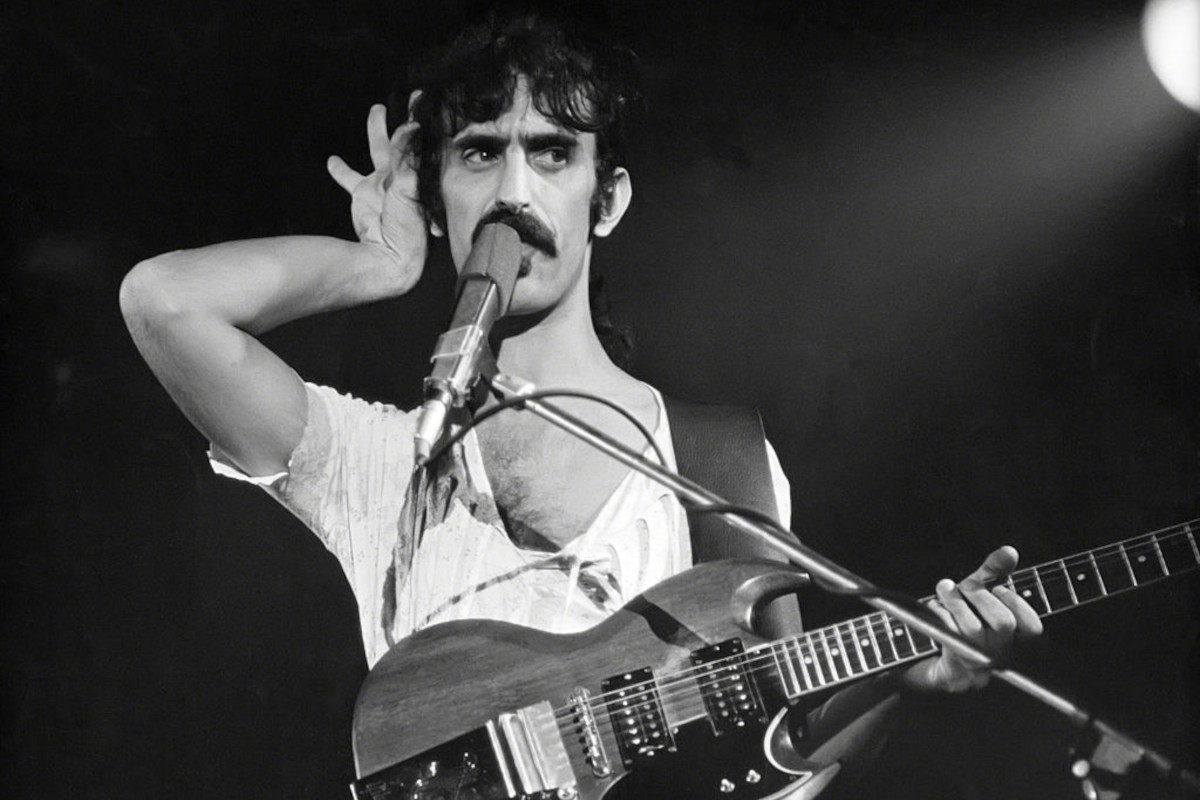
While scores of virtuoso musicians passed through Frank Zappa’s bands over the years, the line-up captured on Roxy and Elsewhere could be his greatest. The band was led by Zappa on guitar and vocals and featured the obscenely talented likes of George Duke on keys and vocals, Ruth Underwood on vibraphone and percussion, Napoleon Murphy Brock on sax, flute and vocals, and drummers Ralph Humphreys and Chester Thompson.
Zappa was a hard taskmaster and the band were rehearsed to within an inch of their lives – it shows on this collection of intricate, musically demanding and energetic set of jazz-rock-fusion. The shows were also filmed and finally released as the must-see Roxy: The Movie in 2015.
Key track: 'Echidna's Arf (Of You)'
9. Deep Purple, Made In Japan (1972)
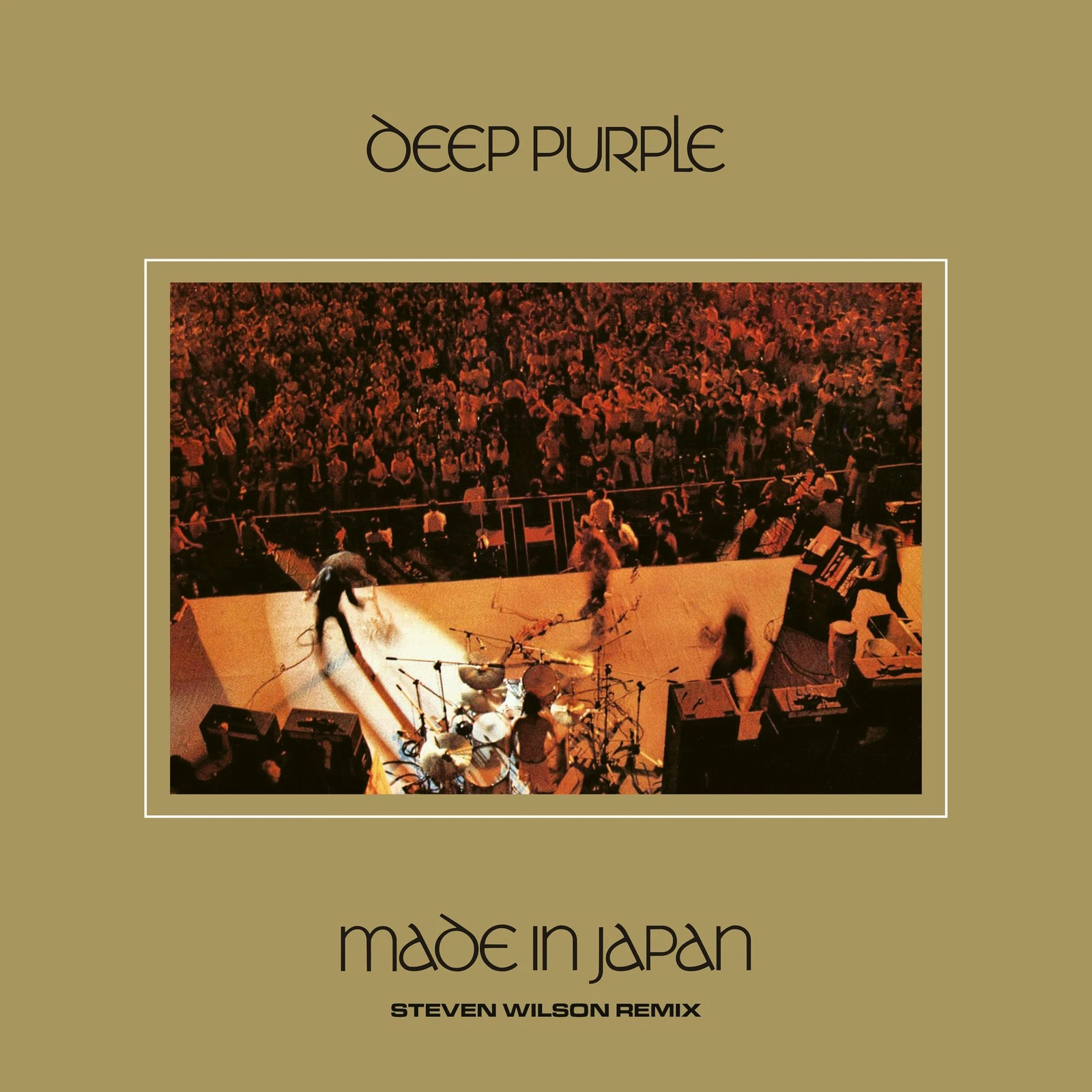
When Deep Purple’s record label wanted a live album commemorating their three August 1972 shows in Japan, the rock heroes were initially reluctant. After some arm-twisting, the band agreed, with the proviso that the shows were recorded by their producer Martin Birch.
When Birch and the band saw the equipment sourced by the Japanese arm of Warner Bros, they were dismayed and effectively wrote off the chance of the recordings being up to scratch. The shows were recorded anyway and – with the pressures of making a live album put to one side – the band put in a series of superb performances.
A Japan-only live album (the originally named Live In Japan) was released and soon became so popular as an import into the UK that it was released worldwide as Made In Japan. Despite the archaic recording equipment, it was an explosive and visceral document of a band at their peak, was their biggest hit to date and was a pivotal influence on heavy rock.
Metallica’s Lars Ulrich later said that it was, "in my humble opinion, hands down the best hard rock live album ever."
Key track: 'Smoke On The Water'
8. Led Zeppelin, The Song Remains The Same (1976)
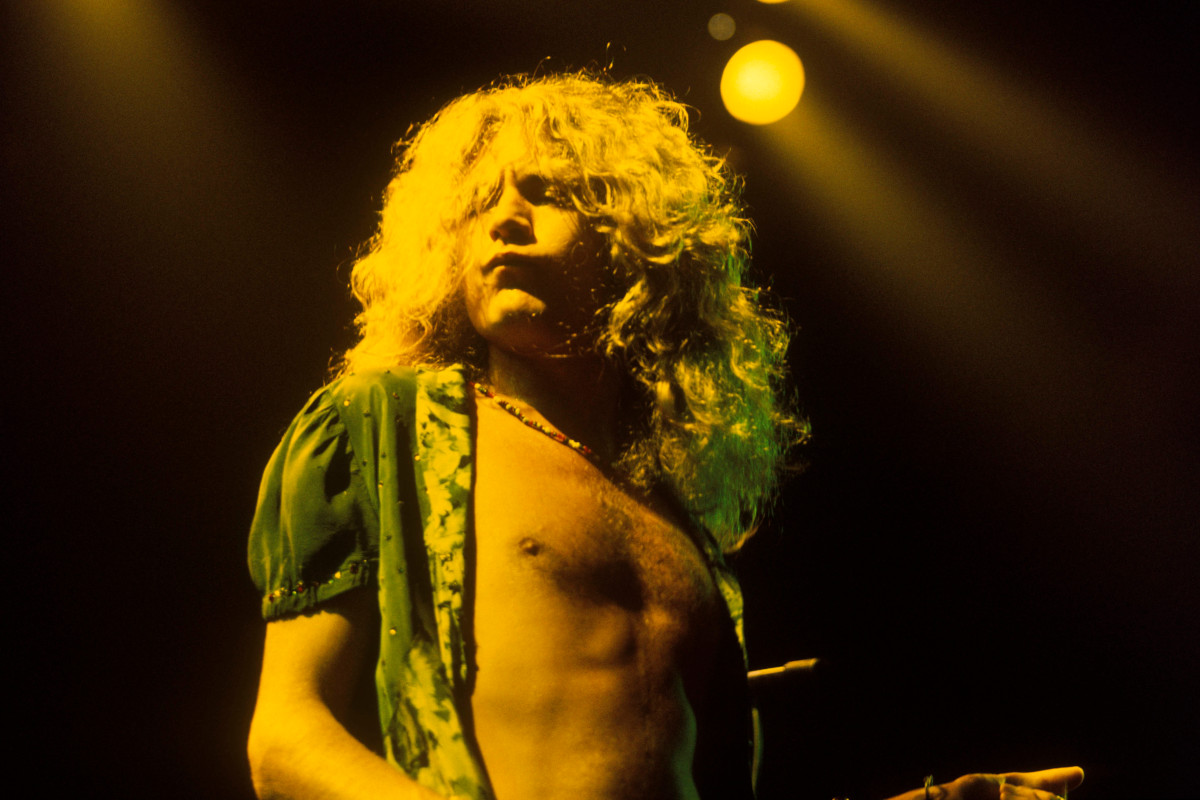
Recorded over three nights at Madison Square Garden in July 1973, the soundtrack to Led Zeppelin’s concert film of the same name was a must-have for ’70s rock fans. To start with, even the packaging felt luxurious, with its embossed gatefold sleeve and booklet (including myth-making sleevenotes from Rolling Stone’s Cameron Crowe).
Then there’s the music, including a version of ‘Dazed And Confused’ so epic that it took up the entire second side and a swashbuckling ‘Stairway To Heaven’. But our pick is a moody and magnificent take on Houses Of The Holy’s ‘No Quarter’.
The band later criticised the concerts, with Robert Plant in particular claiming his voice wasn’t up to scratch, and in 2003, guitarist Jimmy Page put together the triple-LP How The West Was Won, which is considered a better representation of Led Zep at the peak of their live powers.
Even so, The Song Remains The Same knocks most other rock groups out of the water.
Key track: 'No Quarter'
7. Neil Young, Live Rust (1979)
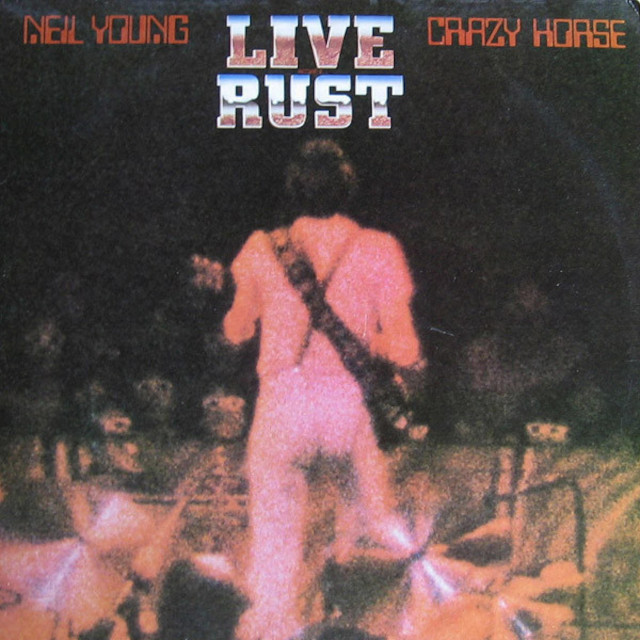
Fans of Neil Young were well served as the ’70s drew to a close. In June 1979, Young released Rust Never Sleeps, an album of new material recorded during his 1978 tour of the same name with Crazy Horse, along with two out-takes from 1978’s Comes A Time.
Months later, Young followed it up with Live Rust, a 16-track double-album of material from throughout his career recorded on the same tour – in typically contrary style, he wanted to also call it Rust Never Sleeps, but his record label had other ideas.
Though Live Rust has been overshadowed over the years by years by Rust Never Sleeps, it’s a fantastic career overview, from the tender, acoustic likes of ‘Sugar Mountain’ and ‘I Am A Child’ to full-throttle Crazy Horse blasts through tracks such as ‘The Loner’, ‘Powderfinger’ and ‘Cortez The Killer’.
Key track: 'Cortez The Killer'
6. Ramones, It's Alive (1979)
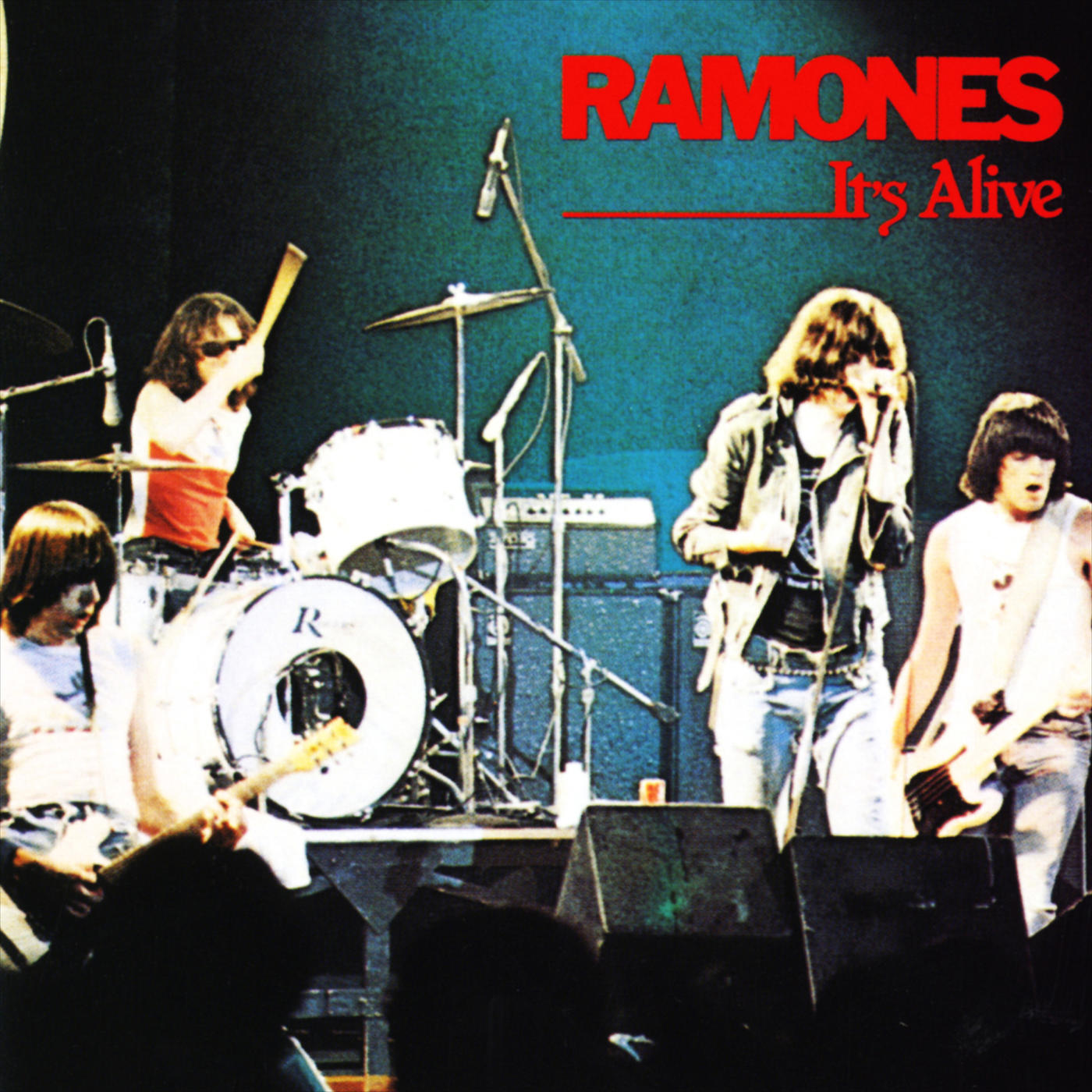
If any Ramones fans were worried when their drainpipe-jeaned heroes announced they were releasing a double live album, a quick glance at the tracklisting of It’s Alive, released in April 1979, would have quickly calmed them. No, the brudders hadn’t embraced proggy suites or started to embark upon Grateful Dead-style jams – It’s Alive featured 28 tracks across its four sides.
If anything, these songs were played louder and faster than they were on the band’s studio albums. Phew! The album was recorded at the band’s 31 December 1977 show at The Rainbow Theatre, London, and is about as perfect an encapsulation of the thrills, energy and excitement of the early days of punk as is imaginable. All together now, ‘Gabba gabba hey!’
Key track: 'Pinhead'
5. Van Morrison, It's Too Late To Stop Now (1974)
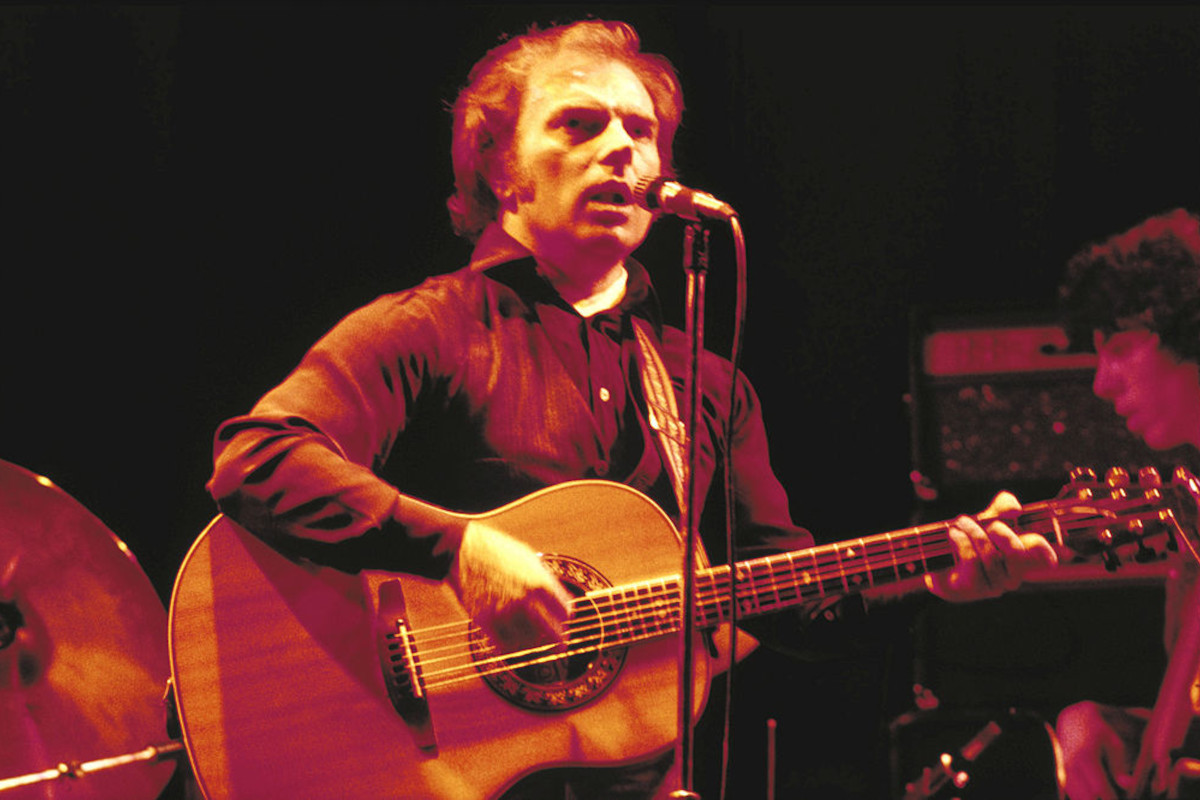
While on tour in 1972, Van Morrison had a revelation. "The last gig on the East Coast was Carnegie in New York, and something just happened," Morrison said. "All of a sudden, I felt like, 'You’re back into performing' and it just happened like that. Click."
His mojo recovered, Morrison assembled an 11-piece band, called them The Caledonia Soul Orchestra and took them on the road the following year. The results are captured on It’s Too Late To Stop Now, a double album taken from three shows between May and July ’73 that finds Morrison at his transcendent, exuberant best.
Morrison steers his crackerjack band through blues, R&B, Celtic mysticism, folk, soul and jazz – sometimes all at once – as he reinvents his back catalogue. Top billing goes to the magical and spontaneous take on Astral Weeks’ ‘Cyprus Avenue’.
Key Track: 'Cyprus Avenue'
4. The Band, Rock Of Ages (1972)
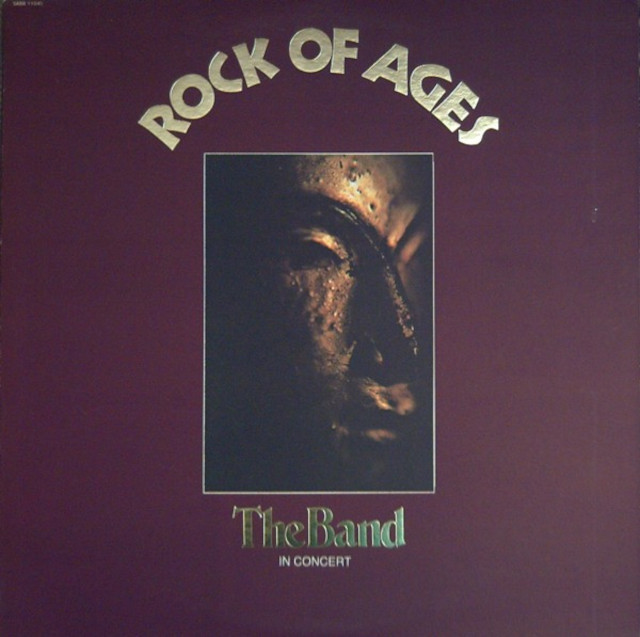
Another act who gave their followers plenty of live material throughout the ’70s, The Band released Before The Flood, a double-album of their 1974 tour with Bob Dylan, and, in 1978, the star-studded triple-album The Last Waltz. But our pick of the bunch is Rock Of Ages, recorded during a December run at the Academy Of Music, New York.
The Band were augmented for the shows by a five-piece horn section, playing charts written specially by New Orleans songwriter and arranger Allen Toussaint on 11 songs.
Rock Of Ages kicks off with a supremely funky take on Marvin Gaye’s ‘Don’t Do It’ and storms through material from The Band’s four studio albums released at that point, along with two further covers – The Four Tops’ ‘Loving You Is Sweeter Than Ever’ and Chuck Willis’ ‘(I Don’t Want To) Hang Up My Rock And Roll Shoes’.
Key track: 'Don't Do It'
3. Little Feat, Waiting For Columbus (1978)
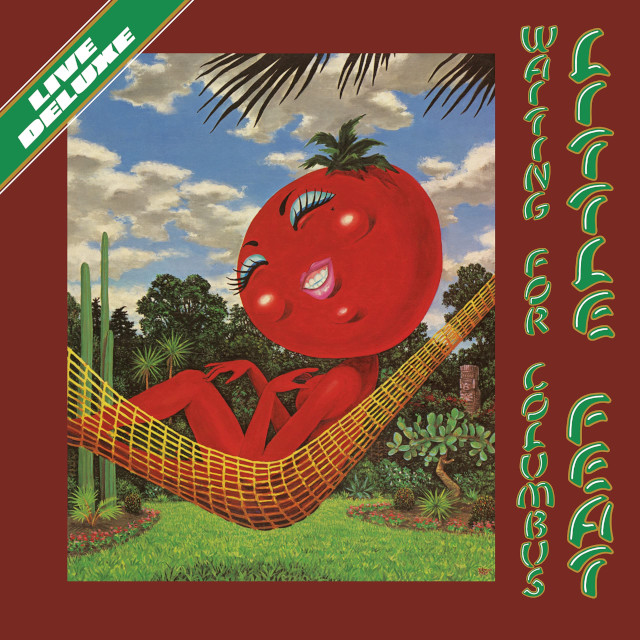
California rockers Little Feat were another band who truly came alive onstage, with their live reputation bolstered by rave reviews and enterprising bootleggers. It’s a wonder then, that it took them so long to release a live album.
Still, when they did – with 1978’s Waiting For Columbus – it was worth the wait, a double-album backed by the Tower Of Power horn section which moved between deep grooves, loose New Orleans funk, blistering boogie and blissed-out country rock. It made for a fitting farewell to band leader Lowell George, who died in June 1979.
Key track: 'Feats Don't Fail Me Now'
2. Thin Lizzy, Live And Dangerous (1978)
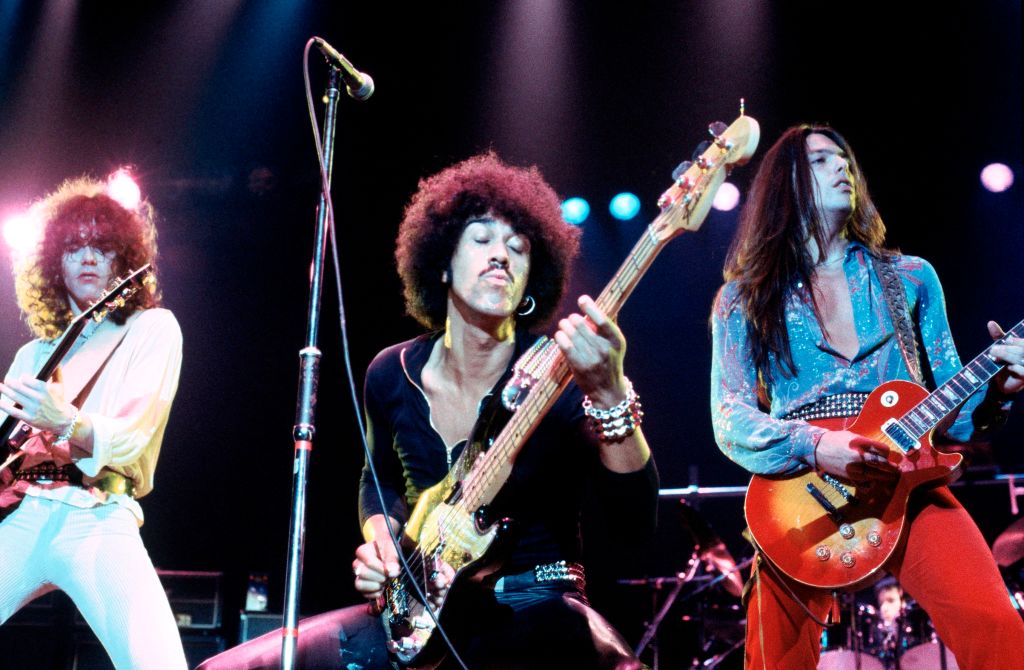
Has an album ever been so accurately named? Live And Dangerous is the definitive Thin Lizzy album, 17 tracks of thrilling, high octane rock fronted by the impossibly charismatic Phil Lynott. But we have producer Tony Visconti’s busy schedule to thank for it existing at all.
The band had planned to begin 1978 by recording a new album, but when Visconti – who’d produced the previous year's hit Bad Reputation – was only available for a couple of weeks, they had the idea of spending that time compiling a live album. Band members and Visconti went through over 30 hours of archive recordings and selected the best, though the majority of the tracks were taken from at Hammersmith Odeon, London, on 14 November 1976.
Lizzy peacock through the likes of ‘Jailbreak’, ‘Rosalie (Cowgirl’s Song)’, ‘The Boys Are Back In Town’ and ‘The Rocker’ with real ferocity and a joyful sense of abandon – if you only hear one Thin Lizzy album, make it this one.
Key track: 'The Rocker'
1. The Allman Brothers Band, At Fillmore East (1971)
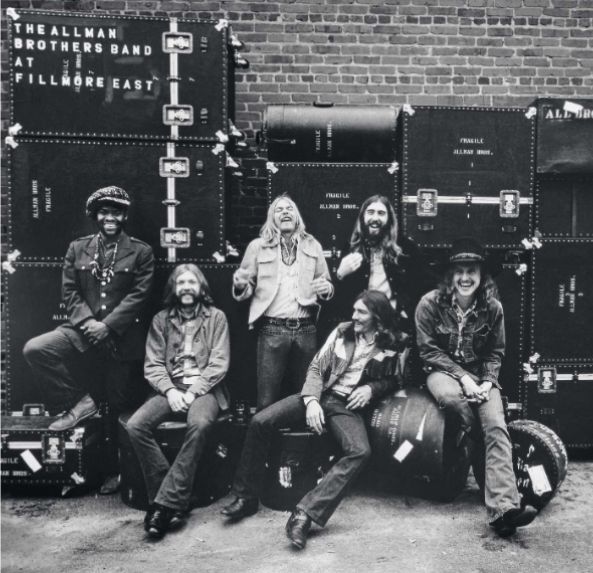
At the beginning of 1971, US blues-rockers The Allman Brothers Band were planning their third album. The previous year, they’d played over 300 shows, developing a reputation as one of the hottest acts in the country. Only thing was, they’d struggled so far to translate their live prowess onto vinyl.
"We get kind of frustrated doing the records," lead guitarist Duane Allman said in 1970, adding that the stage was where they found their "natural fire." The band decided that their next album would be a double and it would be recorded live – and they knew the perfect venue.
The Allmans had already enjoyed some great shows at the Fillmore East, New York, so booked a four-show run for March 1971 at the venue and tasked producer Tom Dowd with recording them. The result was one of the great rock live albums, At Fillmore East.
Dowd and the band culled seven tracks for the album that proved what an exhilarating live act the Allmans were, capable of handing blues, rock, jazz and funk that reaches its apogee on a wild 23-minute ‘Whipping Post’. They’d truly found their fire.
Key track: 'Whipping Post'
All photos Getty Images / Album sleeves Amazon or Discogs. Top image Jimmy Page, playing a Gibson EDS-1275 twin-neck/double-neck guitar, performing live for Led Zeppelin on the third of three nights at Madison Square Garden, 29th July 1973
