If you were putting together a checklist for a successful rock band, some of the outfits below would have failed almost every test.
These bands had musicians who hadn't mastered their instruments, or singers who could barely get up and perform in public. Maybe they had awkward personalities who threatened to tear the whole operation apart. Or they had a sound that just seemed out of kilter with the era they'd been born into. Some were just too plain weird and unclassifiable – you'd think – to ever trouble the charts.
But the story of rock is, splendidly, full of happy accidents and unlikely triumphs. What looked like a weakness often became a defining strength; what seemed like commercial disaster turned out to be exactly what audiences wanted. These are 13 bands that conquered, even thrived on, the very flaws that should have stopped them getting off the ground.
13. The Byrds
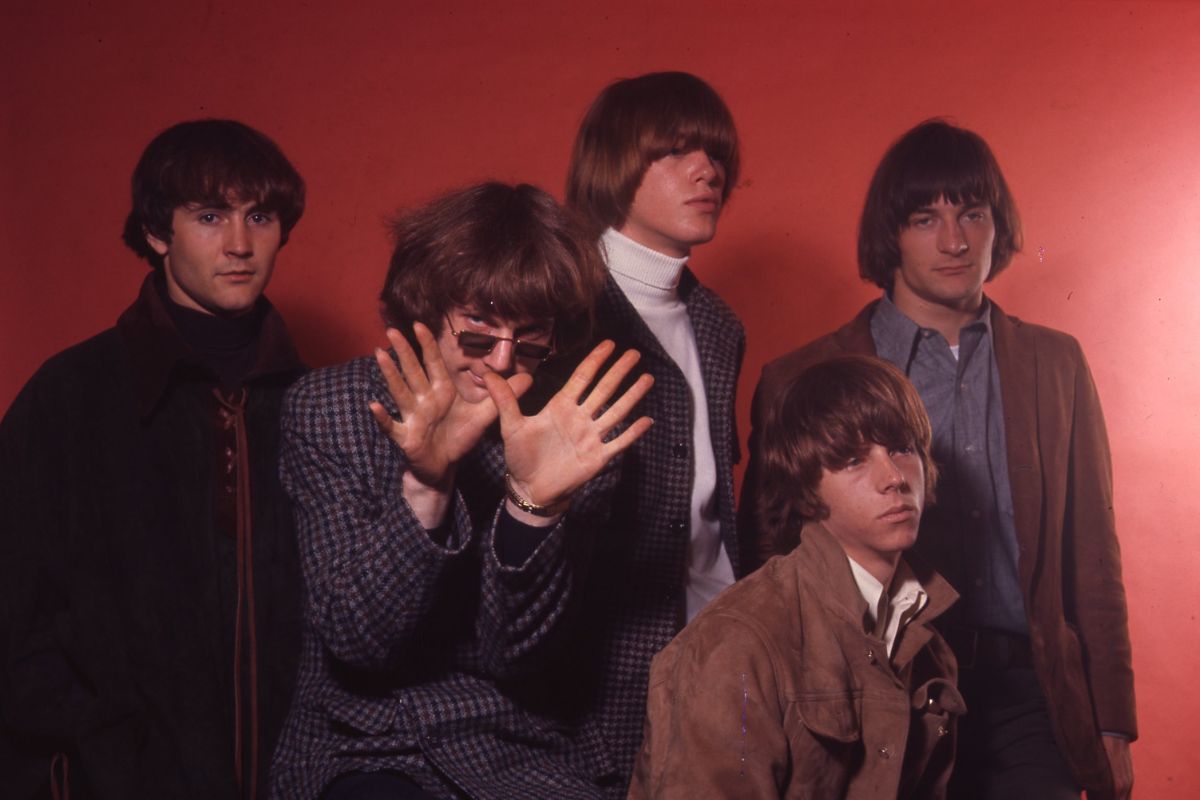
Improbable because: They were a shaky, semi‑electric folk group who could barely play rock music
When The Byrds stumbled together in Los Angeles in 1964, they weren’t exactly a powerhouse. Roger McGuinn had a 12-string Rickenbacker he could barely keep in tune; Gene Clark and David Crosby were earnest folk musicians with little rock pedigree. They tried some Beatles covers, but the results sounded like a coffeehouse singalong with electric instruments.
And yet, with a little help from producer Terry Melcher, their version of Bob Dylan’s 'Mr Tambourine Man' gave birth to a whole new genre: folk-rock. That single set something off ion the youthful Byrds, who then went off in a string of new directions – from psychedelia (1966's Fifth Dimension LP) to country rock (Sweetheart of the Rodeo, 1968). The line-up never stopped feuding, members came and went, but the unlikely truth is this ramshackle crew launched at least three genres.
Did you know? On their breakaway hit, 'Mr Tambourine Man', of the band members only McGuinn actually played instruments (though Clark and Crosby joined him for harmony vocals). The rest of the performers were session pros.
12. Fleetwood Mac
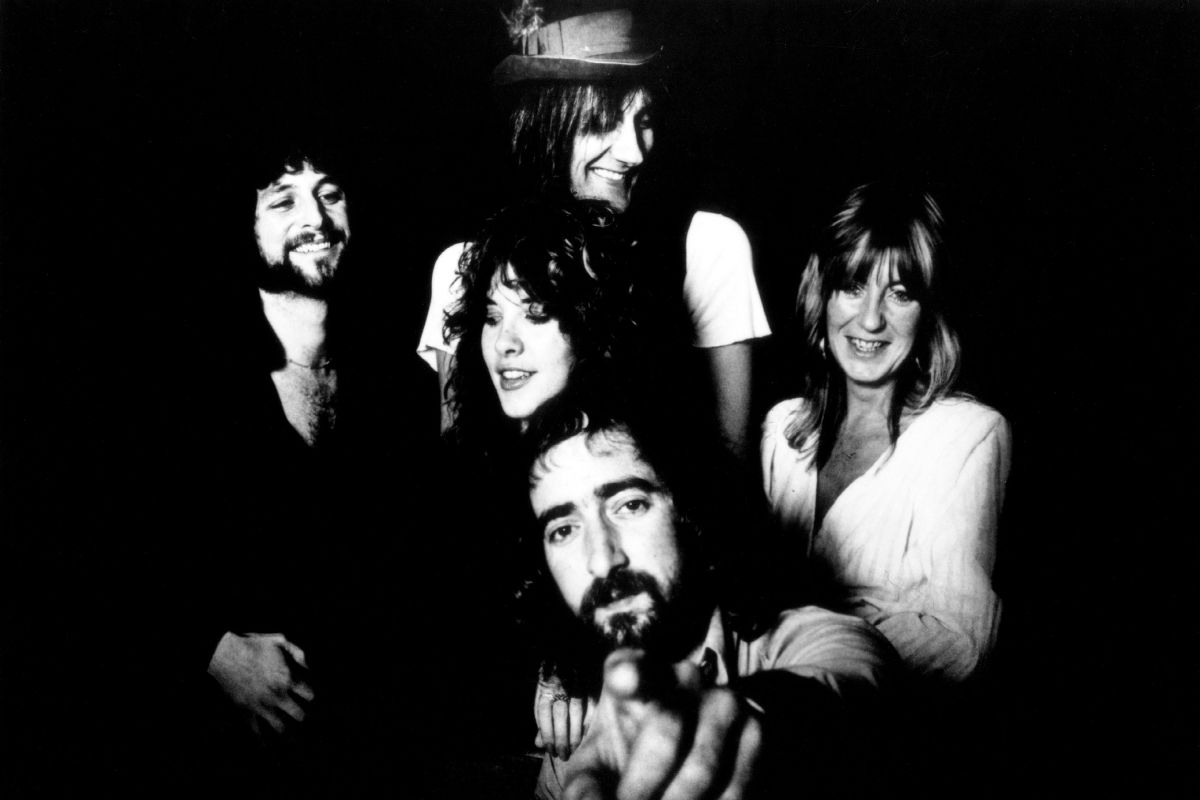
Improbable because: They were a band in emotional freefall whose personal chaos should have destroyed them long before they made a masterpiece
By 1976, Fleetwood Mac were a soap opera with instruments. John and Christine McVie's marriage was collapsing. Lindsey Buckingham and Stevie Nicks were also breaking up in an atmosphere of intense animosity. And, just to complete the picture, drummer Mick Fleetwood was divorcing his wife after discovering she'd been having an affair with his best friend.
Somehow, among all this emotional turmoil, they were supposed to make a record together. All logic suggested that any album to come out of such a toxic environment should have been (if it ever even got to the production phase) a disaster. Instead, Rumours turned all that chaos into diamond-sharp songs. Buckingham and Nicks turned their pain into, respectively, 'Go Your Own Way' and 'Dreams', and Christine McVie turned her own heartbreak into some of the era's sweetest melodies.
Behind them, Mick Fleetwood and John McVie kept the groove going even as everything else fell apart. And it's the contradictions – a mix of venom and sweetness, raw wounds wrapped in the most beautiful music – that make Rumours such a brilliant, captivating listen.
No wonder it became one of the best-selling albums ever: it's proof that sometimes, dysfunction doesn't need to be a destructive force. Instead, it can bring a dark magic all of its own.
Did you know? The Rumours sessions reportedly burned through nearly a million dollars, much of it on studio time and cocaine.
11. The Police
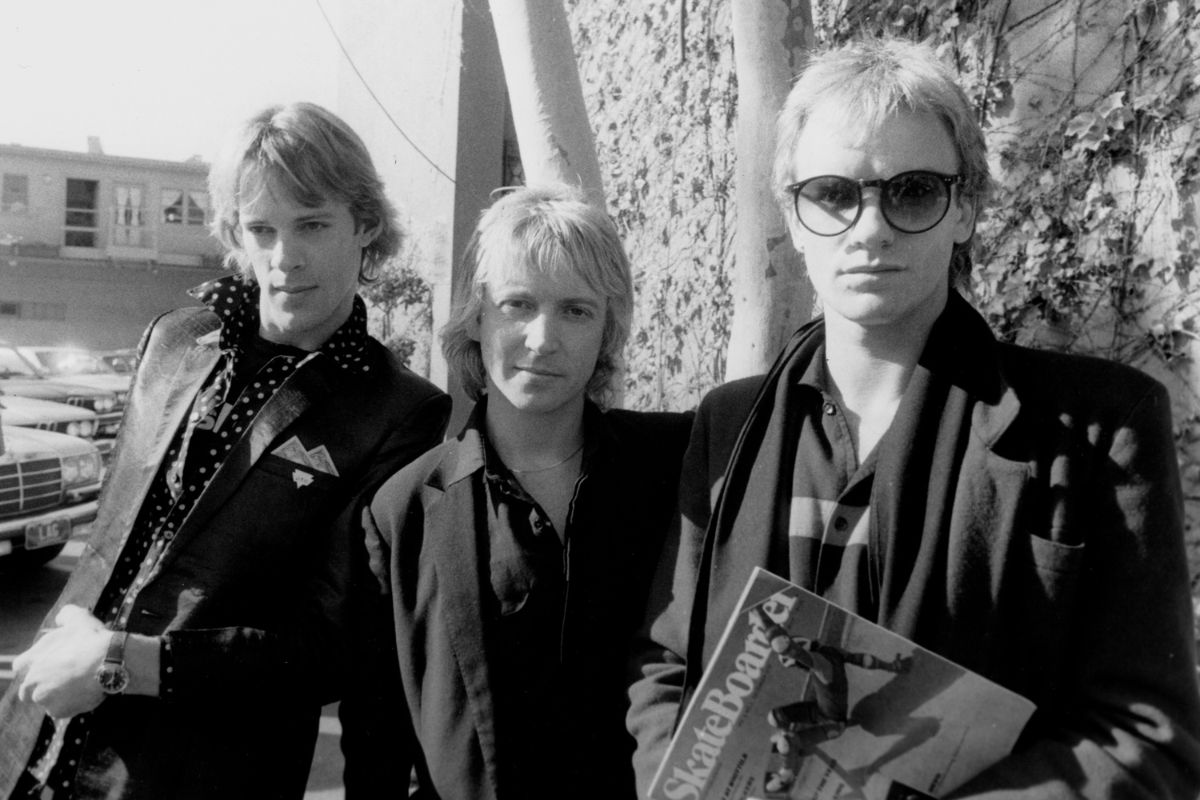
Improbable because: They posed as punks despite being jazz‑leaning musos with wildly mismatched backgrounds
At first glance, The Police looked like a Frankenstein creation. Sting was a former schoolteacher with a jazz fetish. Drummer Stewart Copeland had served in prog rock band Curved Air, while guitarist Andy Summers had played across a range of genres including rhythm and blues. To win over the punk crowd, they bleached their hair and pretended to be raw punks.
But beneath the disguise, The Police had real chops. Their innovation - nervy, post-punk songs underpinned with reggae rhythms - was genuinely fresh. Hits like 'Roxanne' and 'Message in a Bottle' sounded both streetwise and sophisticated, and by 1983's Synchronicity they were one of the world’s biggest bands. By rights, The Police shouldn’t have fooled anyone – yet they conquered the ’80s.
- Synchronicity crops up in our list of the best 1980s albums
10. Pink Floyd
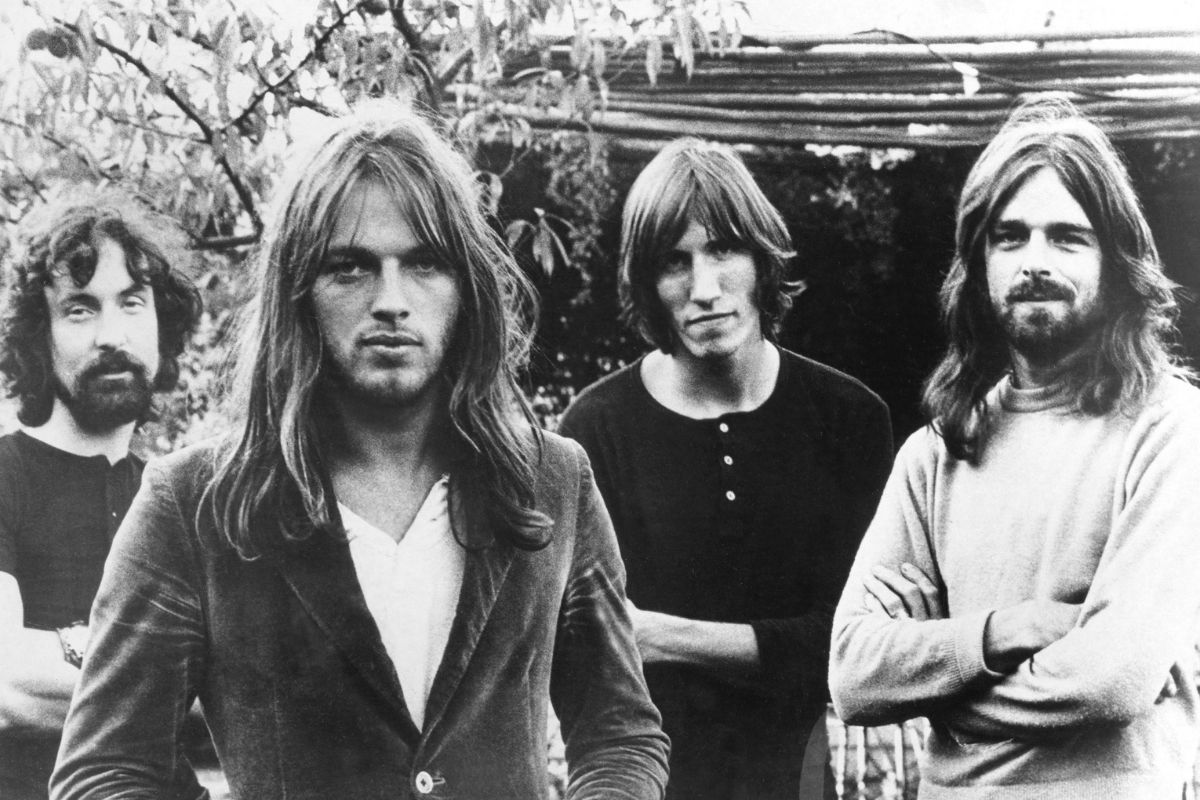
Improbable because: They lost their creative genius at the exact moment they were supposed to break through
Pink Floyd in 1967 looked like Syd Barrett’s band. He was their singer, guitarist, songwriter, and madcap genius. Then he burned out, collapsing under the combined weight of mental illness and substance abuse.
Most bands would have folded. Instead, Roger Waters, Rick Wright, Nick Mason and the newly arrived David Gilmour took stock and headed off in a subtly new direction: the patient, slow-burning, gently cosmic sounds of space rock and progressive rock.
At first, they flailed: 1968's A Saucerful of Secrets and Ummagumma (1969) are both somewhat patchy. But by the early ’70s they had discovered a collective voice: widescreen soundscapes, existential lyrics, and concept-album grandeur. The Dark Side of the Moon became a juggernaut, staying in the Billboard charts for 741 weeks. That album and its successor, Wish You Were Here, were arguably the greatest albums of 1973 and 1975 respectively.
Pink Floyd should have died with Syd. Instead, they became prog rock’s biggest survivors.
9. Talking Heads
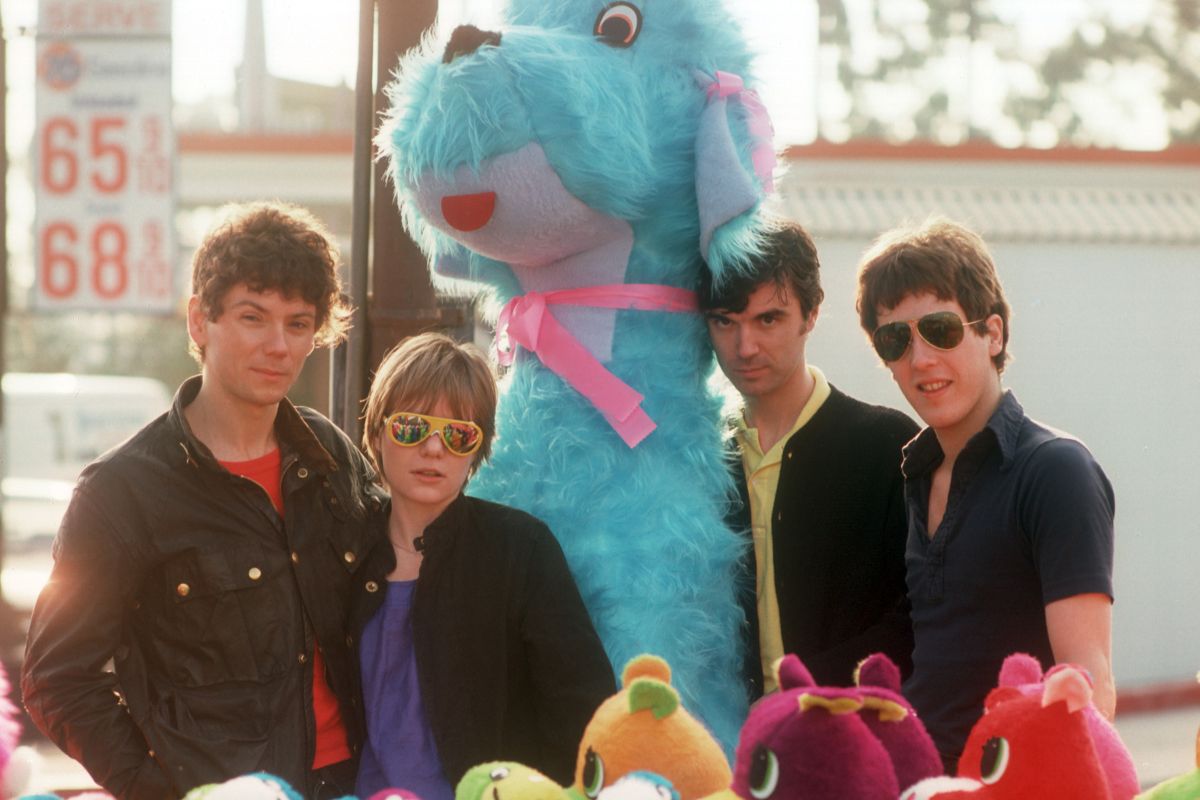
Improbable because: They were anxious art‑school outsiders who looked and sounded nothing like the punk scene they emerged from
In the mid-1970s, New York music venue CBGB was a parade of punk grit, leather jackets, and sneers. Into this unlikely environment walked Talking Heads: three art-school graduates and a frontman, David Byrne, so nervy and socially awkward he looked like he’d wandered onstage by mistake.
They were the opposite of swaggering rock clichés – all angular rhythms, stop-start grooves, and a sense of barely contained anxiety. But it was that very oddness that became their defining factor. Early songs like 'Psycho Killer' sounded taut and twitchy, almost skeletal - and fascinating with it. As the band evolved, they began injecting punk with funk, layering in Afrobeat, electronics, and conceptual ideas that might have looked forbiddingly cerebral on paper.
Yet, by the time of Remain in Light (1980), Talking Heads had managed to turn high-minded experimentation into something you could dance to. Byrne’s gauche awkwardness became a riveting persona. A band that shouldn't really have fitted the loud, confident rock narrative became one of the most important and distinctive sounds of the post-punk era.
Did you know? David Byrne was so nervous at early shows he often sang with his back to the audience.
8. Dire Straits
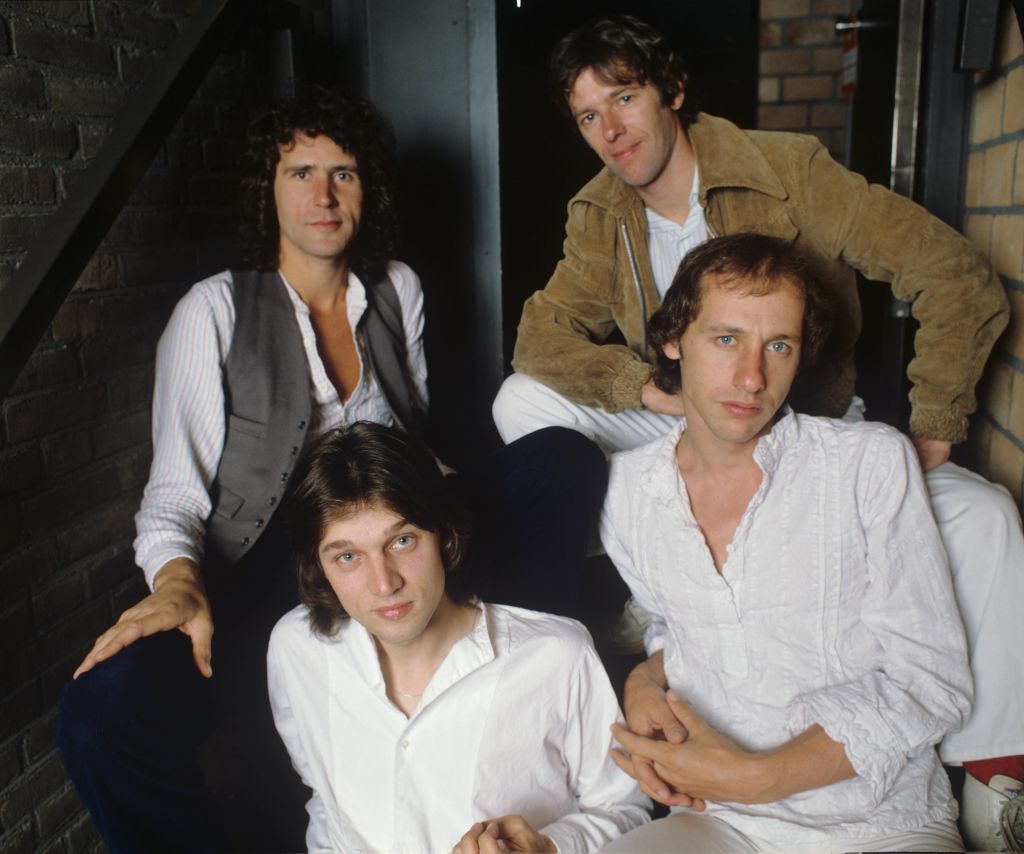
Improbable because: They became stadium superstars despite looking more like a bunch of dads playing a pub night
You wouldn't have thought there was room for a band like Dire Straits in 1977. After all, this was peak punk: spiky hair, simple, aggressive three-chord songs, and a general contempt for early '70s rock 'dinosaurs'. A sneering London accent also seemed part of the entry fee for success.
And then along come this band from the provincial north-east, sensibly dressed, not a spiky hairdo in sight (indeed, frontman Knopfler's hair was already thinning), playing long, understated songs built around intricate guitar work and carefully observed lyrics. So very much *not* the spirit of the times - or so you'd think.
Their self-titled debut initially made little impression in Britain, but 'Sultans of Swing' gradually caught fire, helped by radio play in the US. Knopfler's fluid, finger-picked guitar style and dry, conversational storytelling offered something quite different from the prevailing rock sound. By 1979, the single had become an international hit.
Dire Straits went on to become one of the biggest bands of the 1980s, with Brothers in Arms selling tens of millions of copies and helping establish the CD as a major format. Their success was particularly unlikely because they never really chased fashion. At a time when rock was getting louder, flashier and increasingly theatrical, Knopfler made understatement a commercial virtue.
Did you know? Knopfler originally wrote 'Sultans of Swing' after seeing a jazz band playing to a virtually empty pub in Deptford, south London.
7. Captain Beefheart
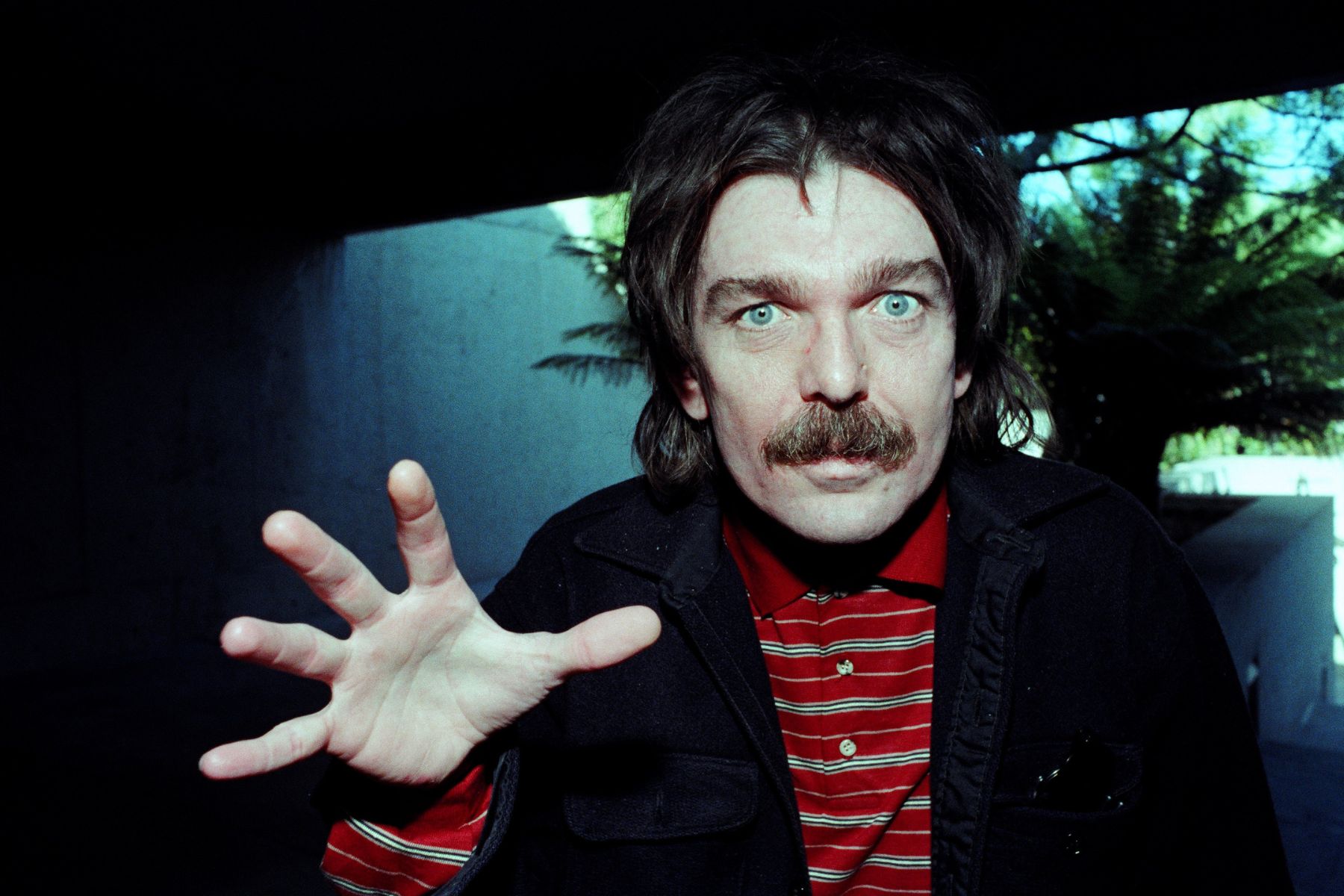
Improbable because: Their leader is one of the strangest and most difficult characters in rock history
Don Van Vliet couldn’t read music, often communicated his ideas in surreal imagery (“play it like a bat being dragged out of oil”), and treated his band like hostages in rehearsals. It should have been a recipe for chaos. And, in fact, it was. But good chaos. Somehow, from this madness came 1969's extraordinary Trout Mask Replica album, one of the most infamously 'difficult', 'inaccessible' or 'visionary' albums (take your pick) in all of rock.
- We included Trout Mask Replica in our list of 14 gloriously weird concept albums
Produced by Frank Zappa, TMR blended Delta blues, free jazz, and dadaist poetry into a record that critics called unlistenable – until decades later, when it was hailed as genius. Beefheart’s career never quite escaped his reputation for the bizarre, but his influence is everywhere: punk, new wave, experimental rock. Being in Beefheart's band must have been a surreal and at times frankly alarming experience: but you now have the comfort of looking back and knowing you created something truly unique.
6. The Grateful Dead
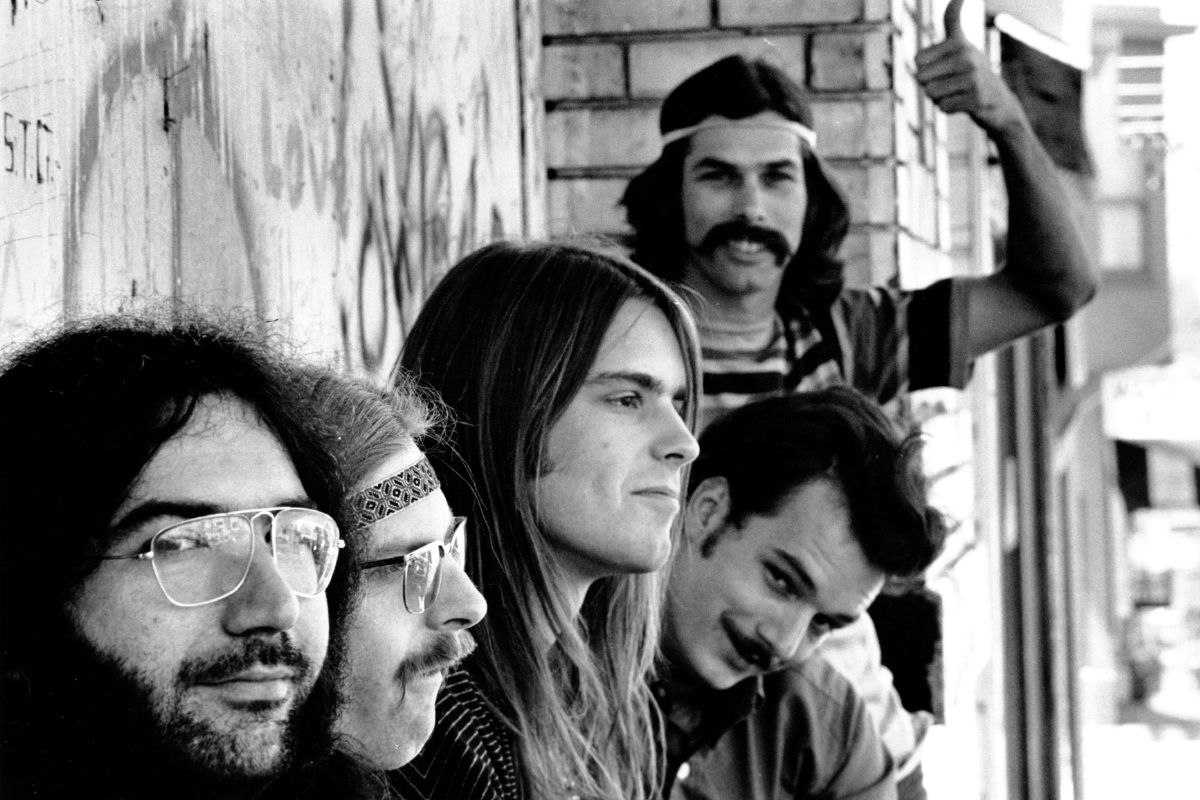
Improbable because: They were messy, inconsistent and defiantly uncommercial
The Grateful Dead were never a slick operation. Their shows could be ragged, their singing ropey, their albums patchy. Drugs were omnipresent. Yet out of this mess came a culture unlike any other: the Deadhead community. Where other bands played songs, the Dead took off on long, meandering sonic journeys, stretching out improvisations for hours. Their 1970 albums Workingman’s Dead and American Beauty proved they could also write exquisite folk-rock tunes.
Commercial stardom largely eluded them – except for the late hit 'Touch of Grey', their only Billboard Top 10 single – but they became America’s great cult band, surviving for thirty years on sheer communal energy. According to most commercial formulas, they shouldn't have succeeded. But in their own very unique way, they definitely did.
Did you know: The Grateful Dead are believed to have the most live concerts recorded and traded of any band in history – over 2,300 documented.
5. Creedence Clearwater Revival
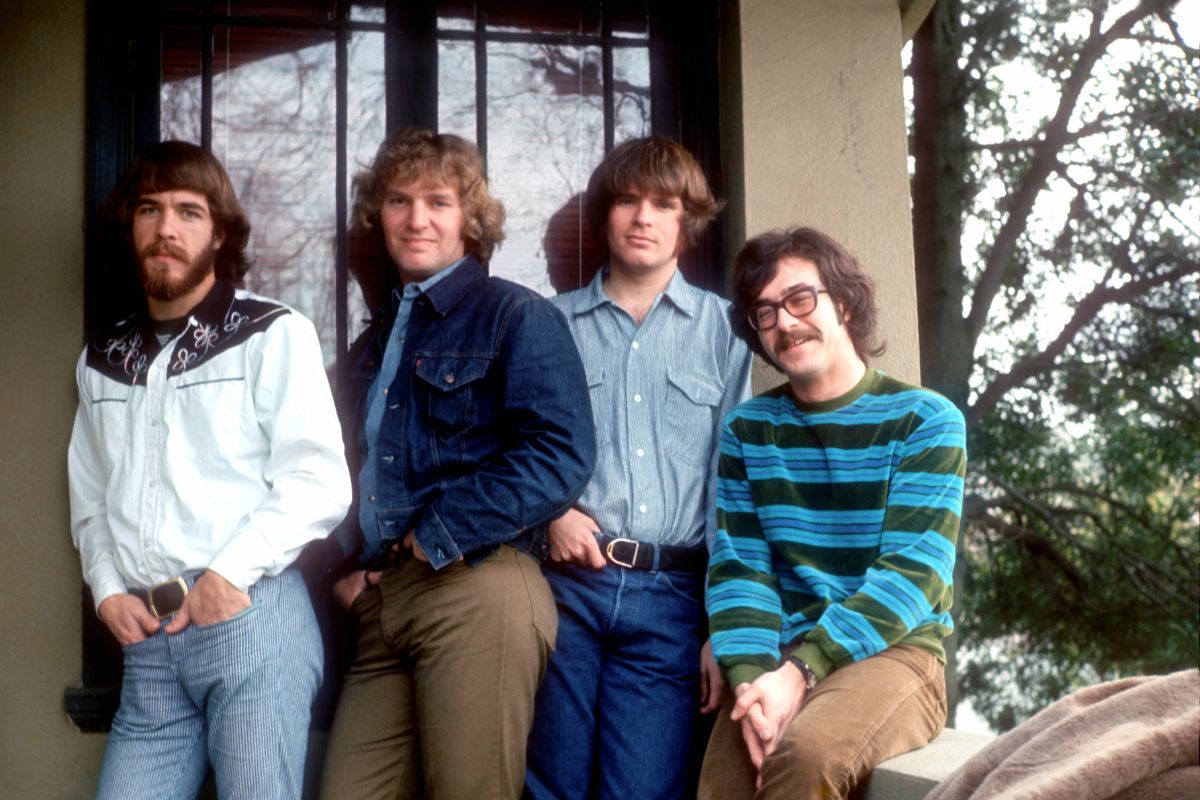
Improbable because: They convincingly embodied Southern swamp rock despite being four Californians who’d never set foot in the Deep South
How do four working-class Californians convincingly sound like they were raised in the deep Louisiana swamps? Creedence Clearwater Revival somehow pulled it off. John Fogerty’s snarling, gritty vocals channelled a Southern bluesman’s rasp, and his bandmates (rhythm guitarist Tom Fogerty, bassist Stu Cook, drummer Doug Clifford) created a tight, churning groove that made the Bayou feel just a few chords away.
Songs like 'Proud Mary', 'Bad Moon Rising', and 'Fortunate Son' became instant classics, mixing together rock, blues, and a swampy Southern sound that came across as completely authentic. It was audacious role-play (none of them had Southern roots), yet it sold millions. For a few short years, CCR dominated the American charts and became one of the era’s biggest singles bands.
Behind the hits, internal feuds simmered, and by 1972, the band had imploded. But in their brief, intense career, CCR demonstrated that raw conviction and strong songwriting could convince the world you were someone you weren’t.
Did you know? None of the band had ever set foot in the Deep South when they recorded 'Born on the Bayou'.
4. Roxy Music
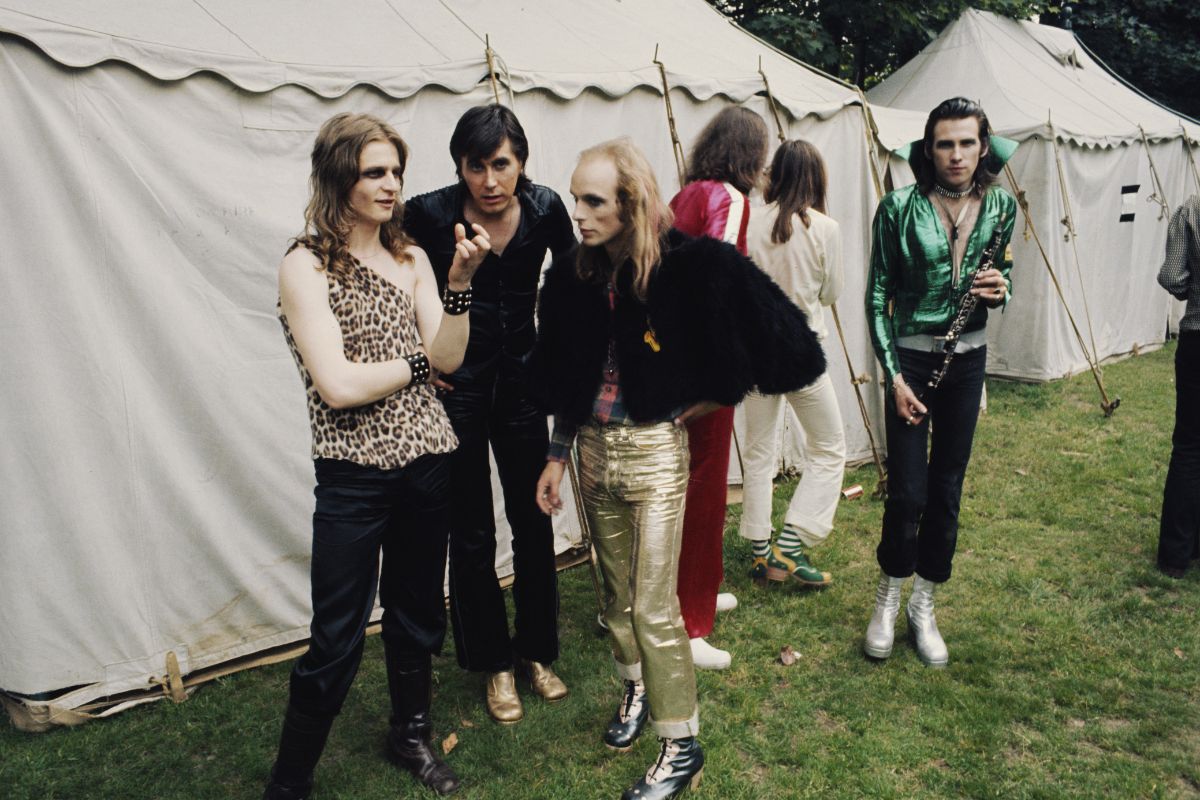
Improbable because: They fused glam, avant‑garde electronics and art‑school theatrics into a style that should have been far too weird to sell
When Bryan Ferry, the suave ex-art teacher with a love of crooning and irony, teamed up with sonic trickster Brian Eno, a master of electronic experimentation, plus Andy Mackay, a saxophonist who looked like a glam spaceman, Roxy Music seemed almost designed to fail. They were too theatrical, too arty, too stylish: practically a parody of sophistication.
Yet fail they did not. Roxy's self-titled 1972 debut was a kaleidoscopic mix of art rock, glam rock and avant-pop. Camp, glamorous and adventurous, it sent out the message that rock could be both stylish and challenging. For Your Pleasure (1973) took the weirdness further, layering eerie textures and experimental techniques over Ferry’s smooth vocals.
By the time Avalon arrived in 1982, Roxy Music had perfected a sophisticated, romantic sheen that felt timeless. Their particular niche might have stood in the way of massive success: after all, they were both too avant-garde for mainstream pop, yet too melodic for the art crowd. But they had proved that strangeness and beauty, high fashion and high art, could sit comfortably alongside each other.
3. Black Sabbath
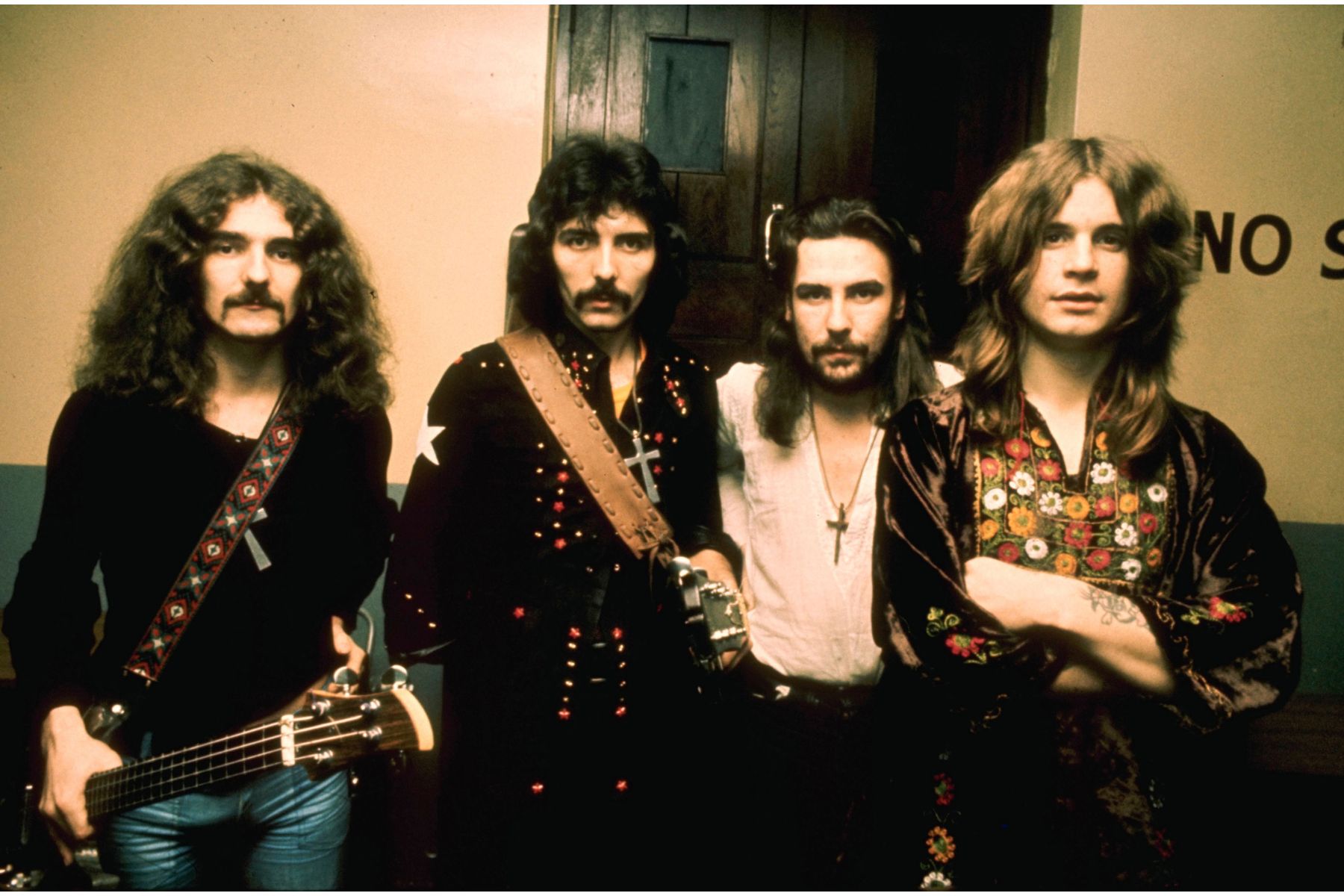
Improbable because: Critics dismissed them as crude and incompetent
Critics sneered at Black Sabbath’s early shows. Too slow, too heavy, too crude: a band seemingly out of step with 1970 rock. What those early critics couldn't have foreseen was that Tony Iommi’s sludgy, downtuned riffs, born from an industrial accident, were creating something brand new: the blueprint for heavy metal.
Iommi wasn't the only part of the strange-but-irresistible Sabbath jigsaw. You also had Geezer Butler’s apocalyptic, dystopian lyrics, given life by Ozzy Osbourne’s eerie, haunted vocals. And Bill Ward’s thunderous, jazz-inflected drumming added both groove and menace. Songs like 'Black Sabbath' and 'Iron Man' sounded ominous, almost otherworldly. By sheer accident and stubborn persistence, the band invented a genre that would influence generations.
Did you know? Tony Iommi invented heavy metal’s downtuned sound after losing the tips of two fingers in a sheet-metal factory.
2. Sex Pistols
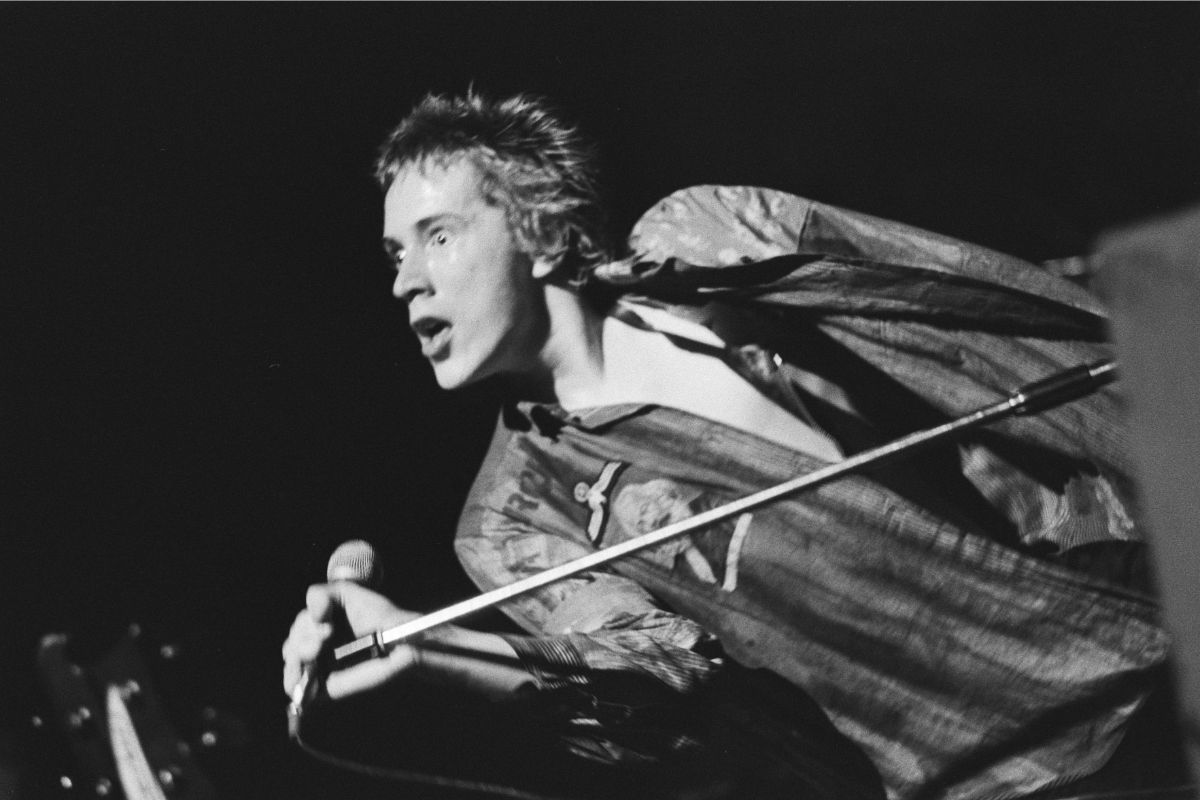
Improbable because: They could barely play, couldn’t stay out of trouble, and were designed to implode
The Sex Pistols weren’t musicians so much as a grenade lobbed at polite society.
Formed in London in 1975, they lasted barely two years, released a single studio album, and imploded in spectacular fashion. On paper, they should never have worked. Sid Vicious could barely play bass. Johnny Rotten (John Lydon) had a sneer instead of a voice, and Steve Jones and Paul Cook were scrappy, self-taught instrumentalists. Their gigs were chaos incarnate: riots, overturned equipment, and crowds spitting and screaming.
Yet Never Mind the Bollocks, Here’s the Sex Pistols (1977) distilled the rage, wit and nihilism of punk into a single, terrifyingly effective blast. The power of the Pistols lay in what they rejected: prog-rock pretension, hippie optimism, and conventional professionalism. Their flaws were their strengths.
They weren’t supposed to succeed. That was the point. And in failing so spectacularly, they succeeded beyond measure, leaving a cultural imprint that still reverberates through punk, post-punk, and alternative music today.
1. The Beach Boys (post-Smile)
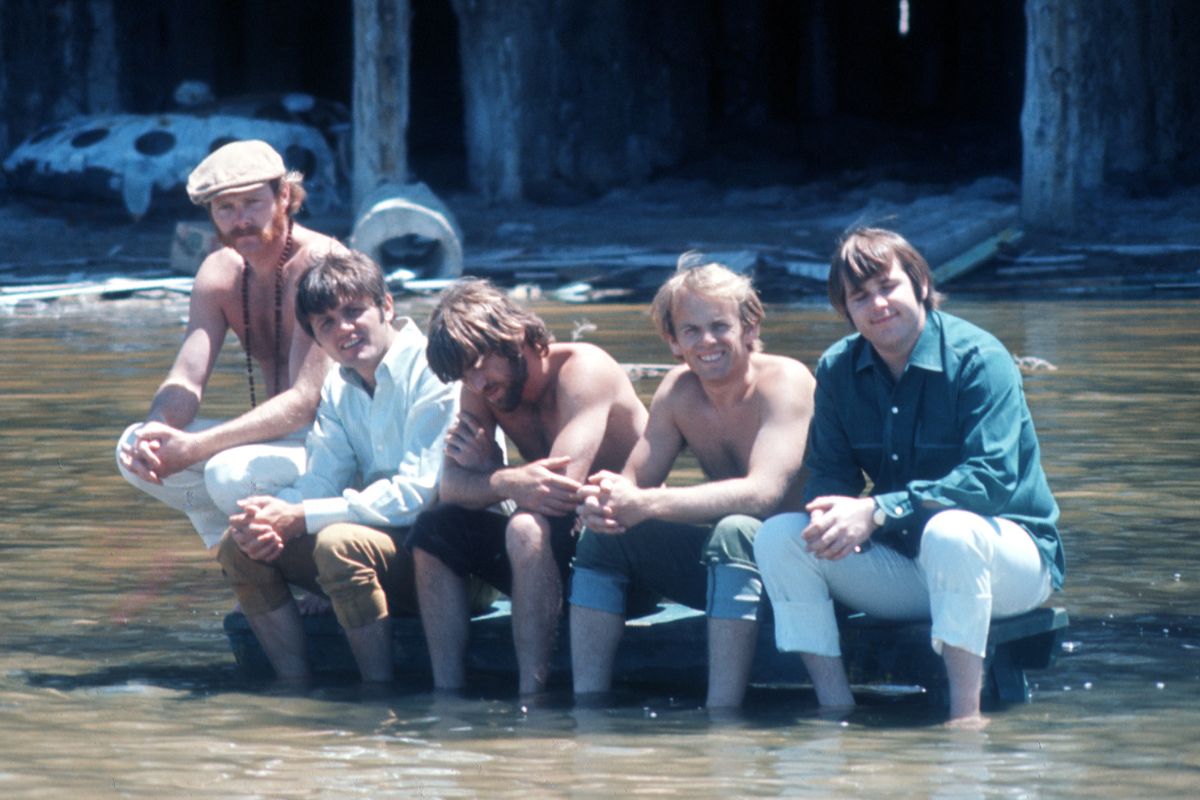
Improbable because: They lost their genius, their sound went out of fashion, and their internal turmoil should have sunk them completely
By 1967, The Beach Boys looked finished.
Brian Wilson, their creative powerhouse, had suffered a nervous breakdown that derailed Smile, the ambitious follow-up to Pet Sounds that was intended to outdo The Beatles in musical daring and studio wizardry. Worse, the band's baked-in surf-pop sound suddenly sounded dated amid all the psychedelia sweeping the charts.
On paper, it looked as though The Beach Boys were ready to implode under the weight of disappointment, mental health struggles, and shifting musical trends.
Yet they carried on. Albums like Smiley Smile and Friends were more modest in scope than Pet Sounds, but they demonstrated a kind of resilience. The quirky arrangements and those unmistakable harmonies had made it intact through the turmoil. The group toured relentlessly, keeping their name alive while Brian retreated from the public eye. Against all logic, they endured.
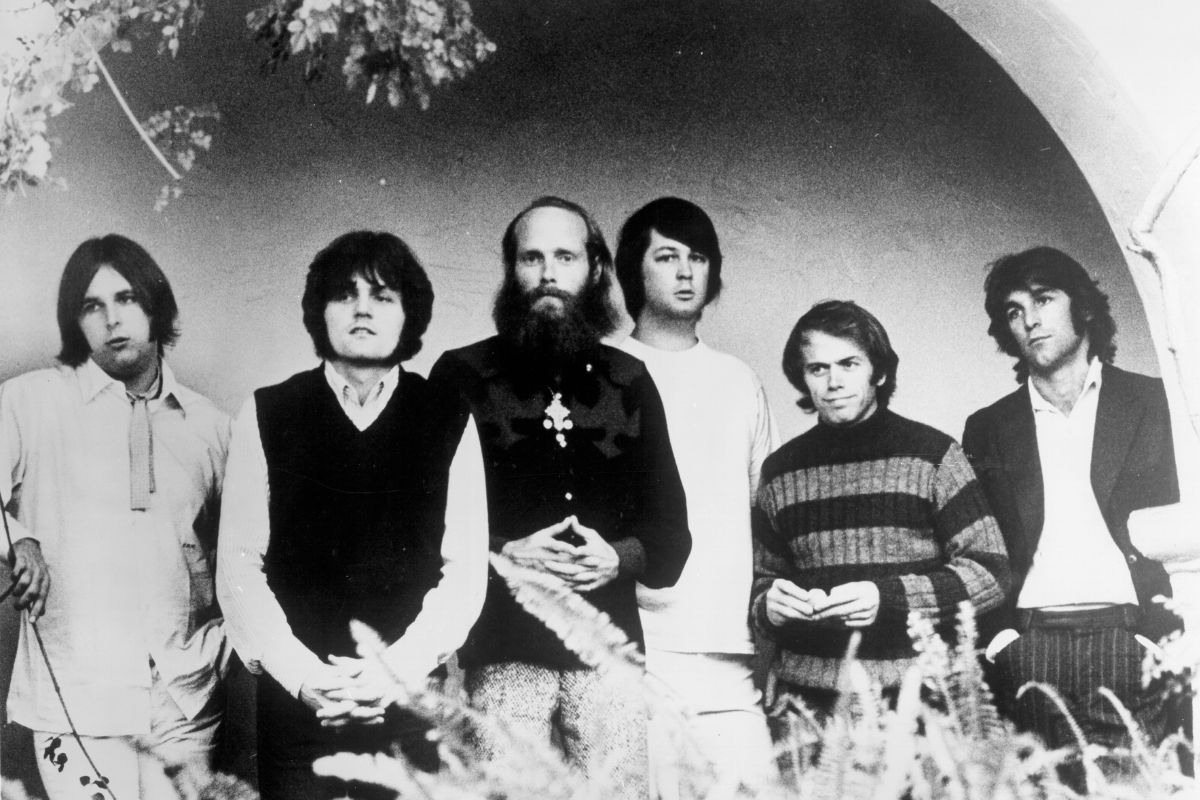
By the early 1970s, Wilson returned with flashes of brilliance on Surf’s Up, proving that the creative spark had not entirely extinguished. Over the decades, The Beach Boys adapted, survived personnel changes, and continued performing, becoming living icons of American pop. Their story is one of perseverance and miracle: a band that, despite breakdowns, unfinished masterpieces, and a shifting musical landscape, refused to sink – and somehow kept swimming, surfboards, harmonies, and all.
Pics Getty Images. Top pic Talking Heads, 1977