What does a genre actually sound like?
It's an oddly difficult question. Genres are messy things, with artists constantly borrowing from one another and refusing to stay inside neat musical boundaries. Yet every so often, an album comes along that seems to crystallise a particular sound: the record that gathers its defining ingredients and turns them into something unmistakable.
Think of psychedelic rock and it's difficult not to hear the kaleidoscopic world of The Piper at the Gates of Dawn. For prog, Close to the Edge captures the ambition, complexity and virtuosity that made the genre so distinctive. Nevermind transformed grunge from a regional underground phenomenon into a global force.
These aren't necessarily the first albums of their kind, nor are they always the greatest. They're something slightly different: defining statements. Records that tell us, perhaps better than any others, what a particular strain of rock was trying to achieve.
1. Folk rock
The Byrds, Mr. Tambourine Man (1965)
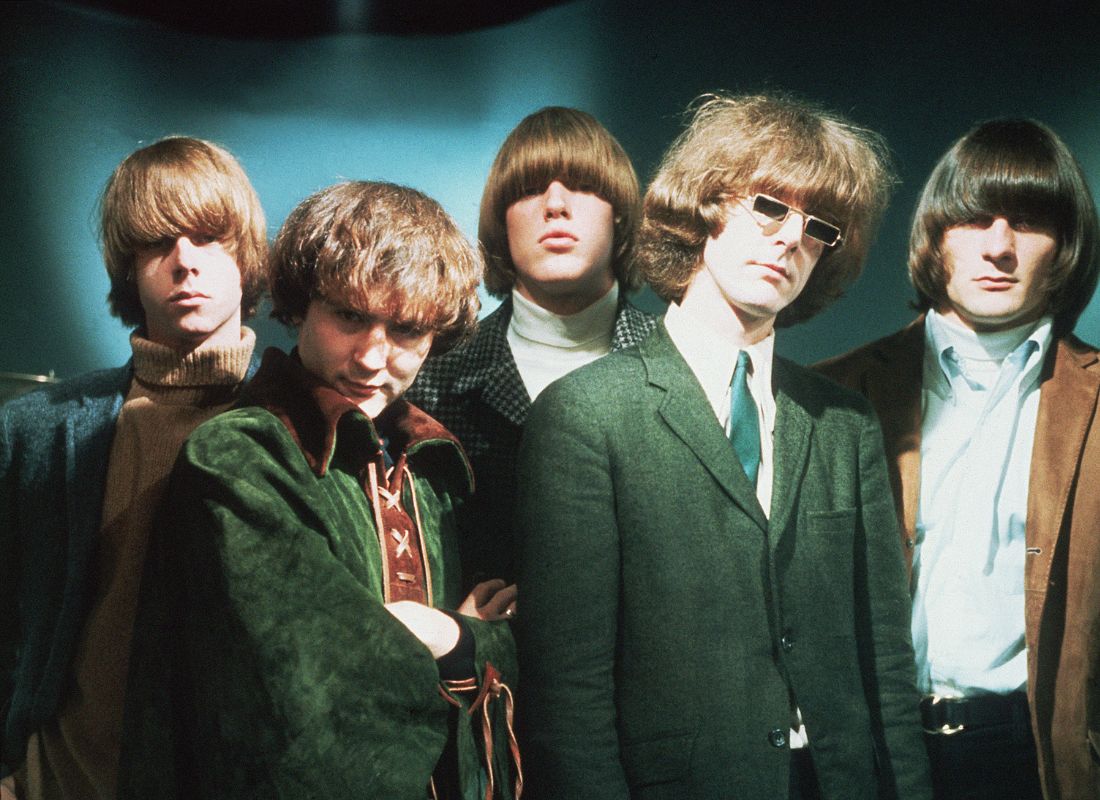
Folk rock effectively exploded into existence when The Byrds electrified Bob Dylan's Mr. Tambourine Man. The resulting album brought acoustic folk's storytelling and songwriting together with ringing electric guitars, vocal harmonies and a driving rock rhythm.
It sounds remarkably elegant rather than revolutionary today, which perhaps obscures how radical the combination seemed in 1965. The album helped create a template that would influence everyone from Simon & Garfunkel to Fairport Convention.
Runner-up: Fairport Convention, Liege & Lief (1969)
2. Psychedelic rock
Pink Floyd, The Piper at the Gates of Dawn (1967)
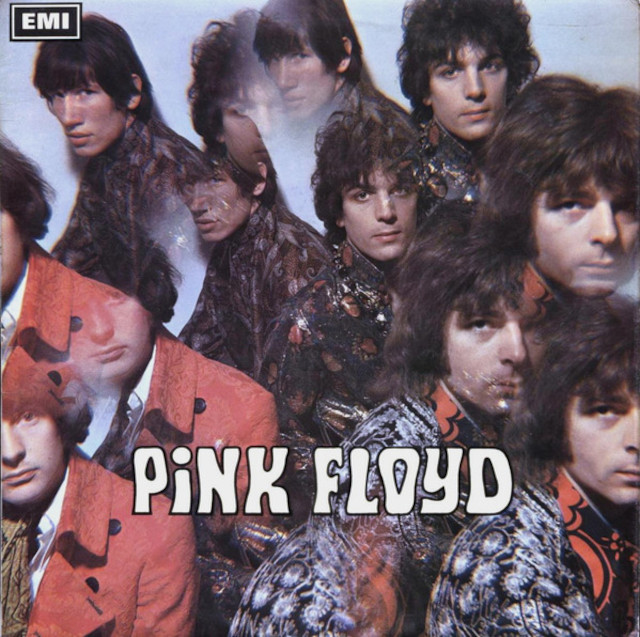
Recorded while Syd Barrett was still Pink Floyd’s creative centre, The Piper at the Gates of Dawn captures psychedelia at its most whimsical, surreal and gloriously unhinged. Barrett’s childlike imagery, warped guitars, experimental studio effects and sudden shifts in mood make it feel less like conventional rock than a journey into an altered state. Few albums better capture the anything-goes spirit of 1967, when rock was discovering that the studio could become an instrument in itself.
Runner-up: The Beatles, Sgt. Pepper’s Lonely Hearts Club Band (1967)
3. Proto-punk
The Velvet Underground & Nico (1967)
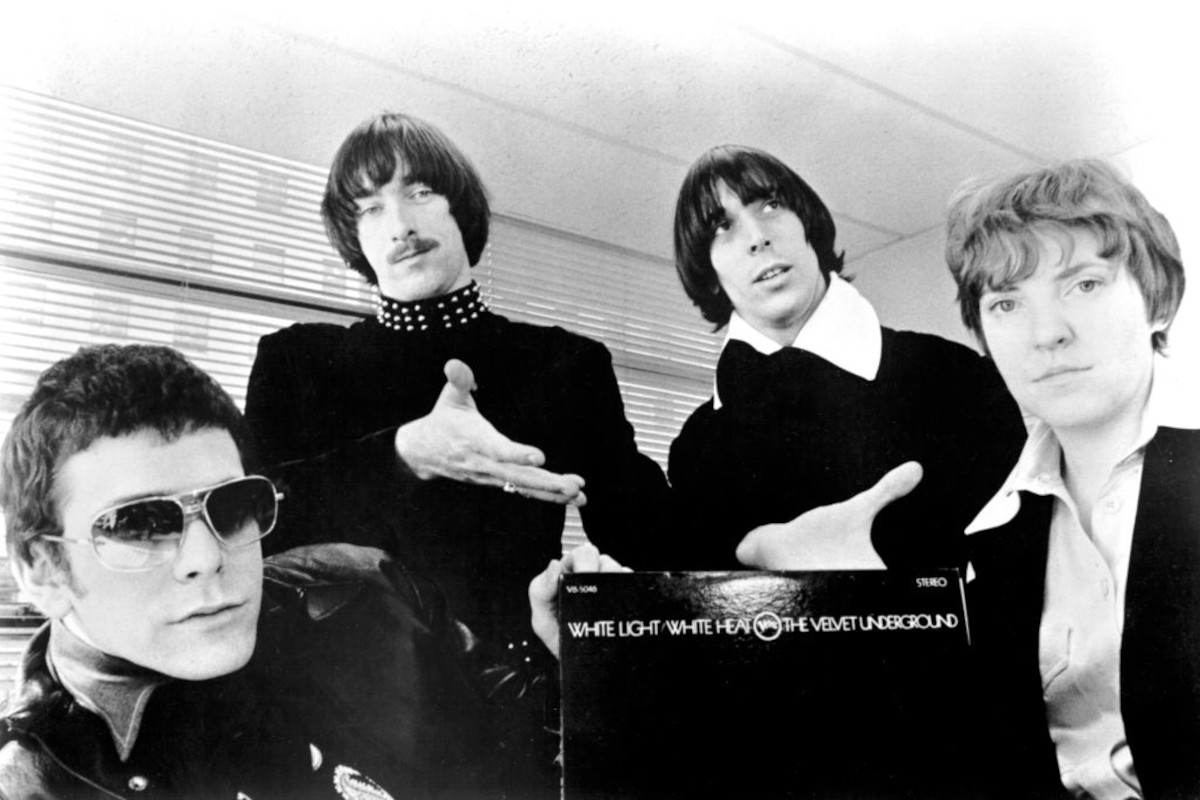
Released in 1967, The Velvet Underground & Nico sounded almost deliberately out of step with the psychedelic optimism of its era. The Velvet Underground replaced flower power with distortion, feedback, urban alienation and a thrilling disregard for conventional rock manners.
‘I’m Waiting for the Man’ and ‘Venus in Furs’ were stark, confrontational and often unsettling – qualities that would become central to punk almost a decade later. The album wasn't punk in the strict sense, but its stripped-down aggression, experimental noise and anything-goes attitude made it one of the essential blueprints for the genre. Few albums have been more influential on music that came afterwards.
Runner-up: Iggy and the Stooges, Raw Power (1973)
4. Country rock
The Byrds, Sweetheart of the Rodeo (1968)
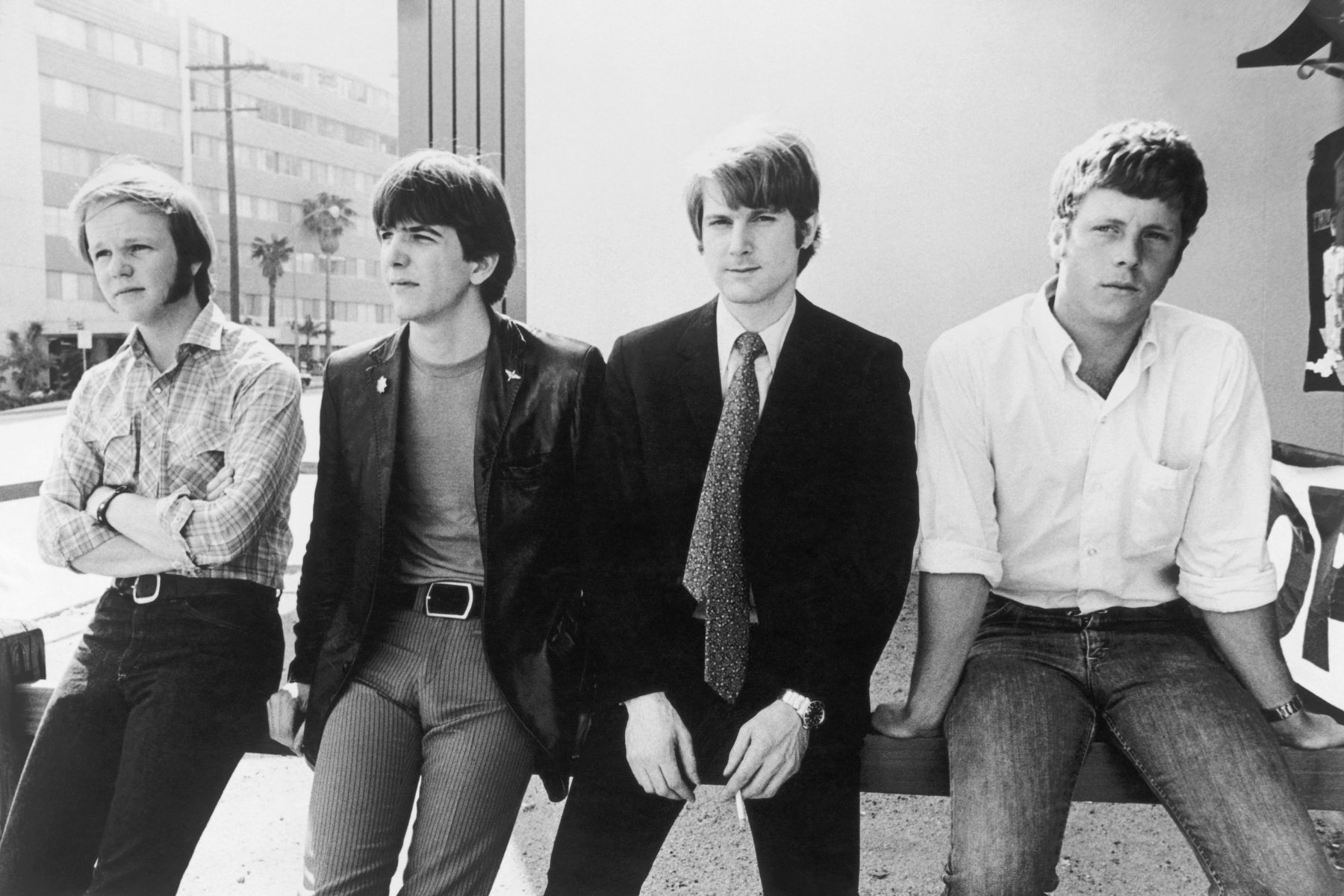
When The Byrds travelled to Nashville, they helped establish one of rock's most enduring hybrids. Sweetheart of the Rodeo combines country instrumentation, pedal steel, fiddle and traditional songwriting with the jangling guitars and studio sensibility of a rock band. Its importance goes beyond the record itself: it helped introduce rock audiences to country music while pointing towards the California country-rock movement that would soon produce the Eagles and countless imitators.
Runner-up: The Flying Burrito Brothers, The Gilded Palace of Sin (1969)
5. Blues rock
Led Zeppelin, Led Zeppelin II (1969)
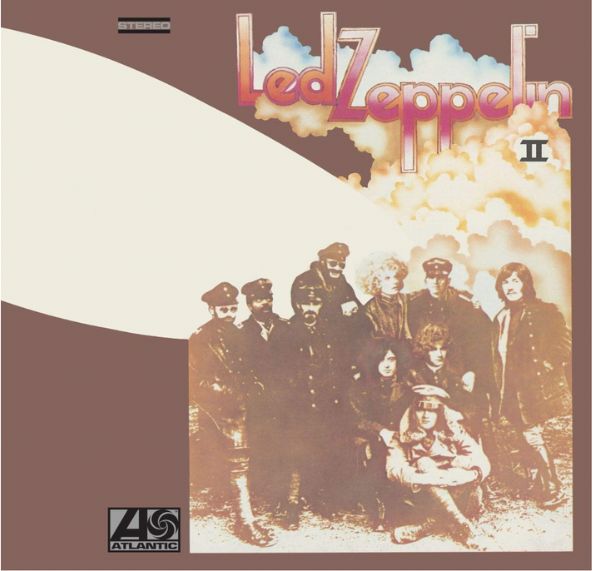
If blues rock is about taking the raw vocabulary of the blues and turning up the volume, Led Zeppelin II is its definitive statement. Jimmy Page's riffs are enormous, but the album retains the swagger, improvisatory feel and rhythmic looseness of the blues. Whole Lotta Love, Heartbreaker and Ramble On show a band simultaneously respecting the tradition and dragging it somewhere much heavier. Hard rock and heavy metal would spend years following its trail.
Runner-up: The Allman Brothers Band, At Fillmore East (1971)
6. Garage rock
The Stooges, Fun House (1970)
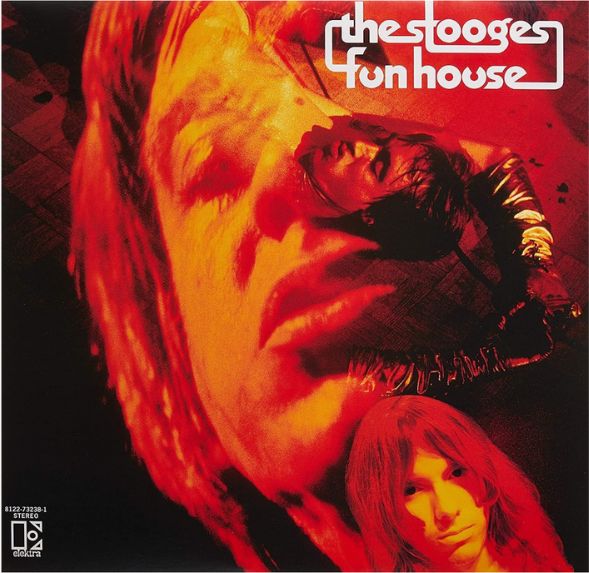
Garage rock is supposed to sound like it might fall apart at any moment, and Fun House captures that danger beautifully. The Stooges recorded it with an almost physical sense of momentum: primitive riffs, pounding drums, saxophone squalls and Iggy Pop's increasingly unhinged vocals. There is barely any polish between the listener and the band. Its influence on punk, proto-metal and alternative rock is enormous, but Fun House still sounds thrillingly immediate in its own right.
Runner-up: The Sonics, Here Are the Sonics (1965)
7. Metal
Black Sabbath, Paranoid (1970)
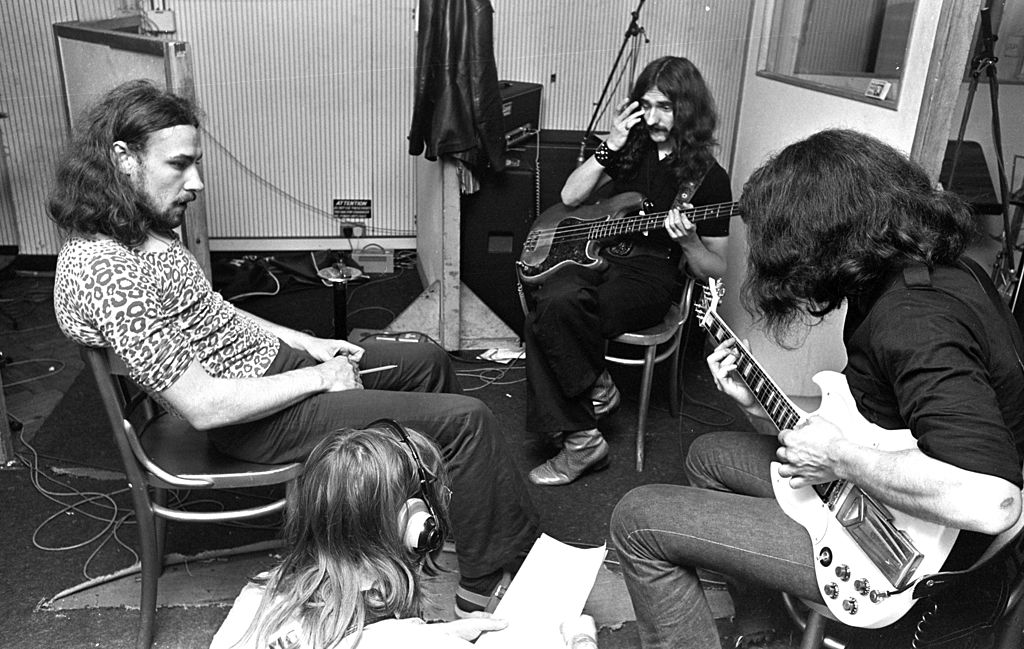
The blueprint for heavy metal is remarkably concentrated on Paranoid. Tony Iommi's massive riffs, Geezer Butler's pounding bass, Bill Ward's muscular drumming and Ozzy Osbourne's unmistakable vocals created a sound darker and heavier than almost anything that had preceded it. Yet the songs were also remarkably direct: 'War Pigs', 'Iron Man' and 'Paranoid' are essentially riff-driven anthems. Metal would become vastly more elaborate, but this is the raw foundation.
Runner-up: Judas Priest, British Steel (1980)
8. Singer-songwriter
Joni Mitchell, Blue (1971)
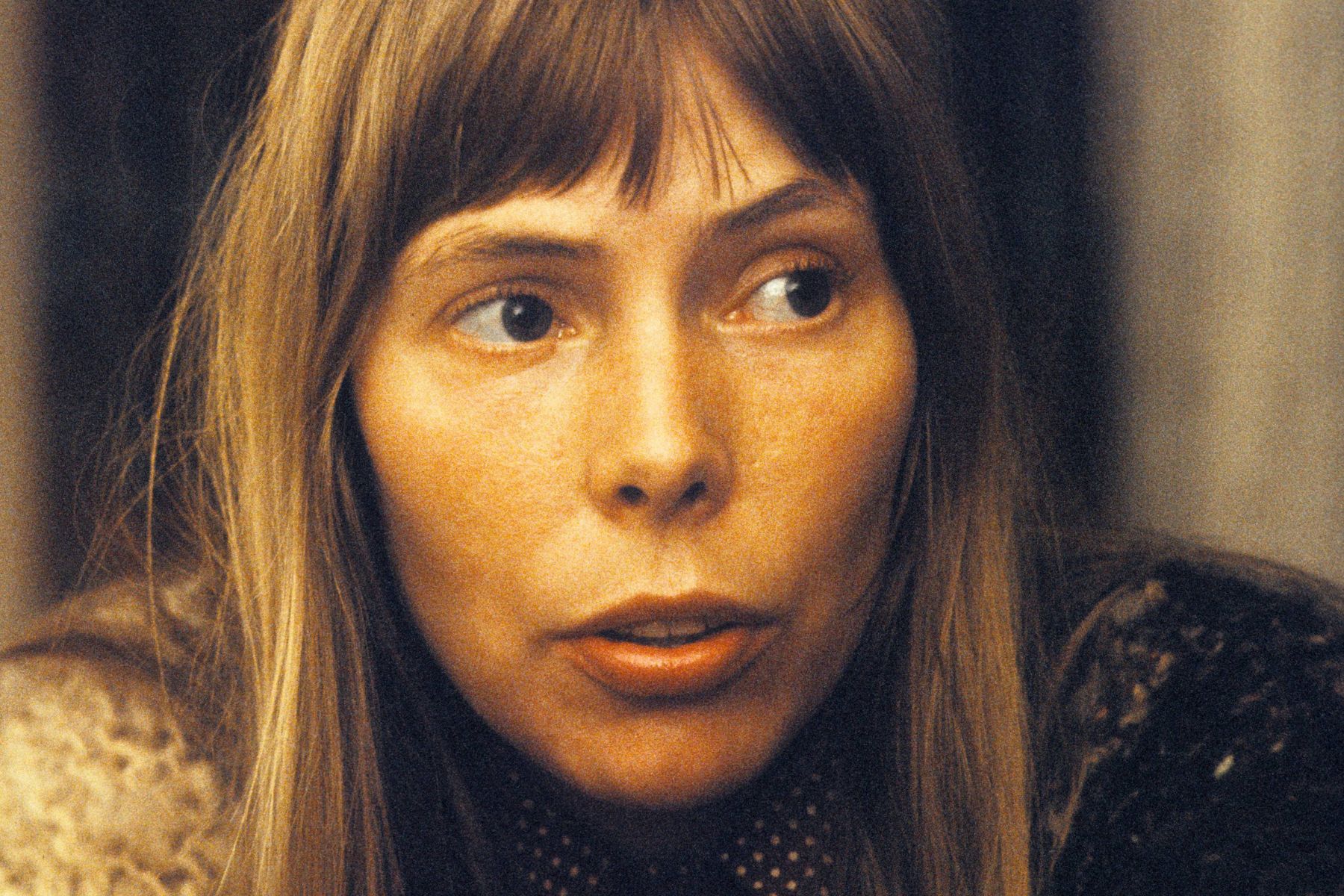
Few albums have made the singer-songwriter tradition feel quite so intimate. On Blue, Joni Mitchell turns heartbreak, loneliness, desire and uncertainty into remarkably detailed songs, often accompanied by little more than her own voice and guitar or piano. The music is understated, but the emotional candour is extraordinary. Its influence can be heard across generations of confessional songwriting: the idea that an album can feel like reading somebody's private diary begins here, or very nearly does.
Runner-up: Carole King, Tapestry (1971)
9. Krautrock
Can, Tago Mago (1971)
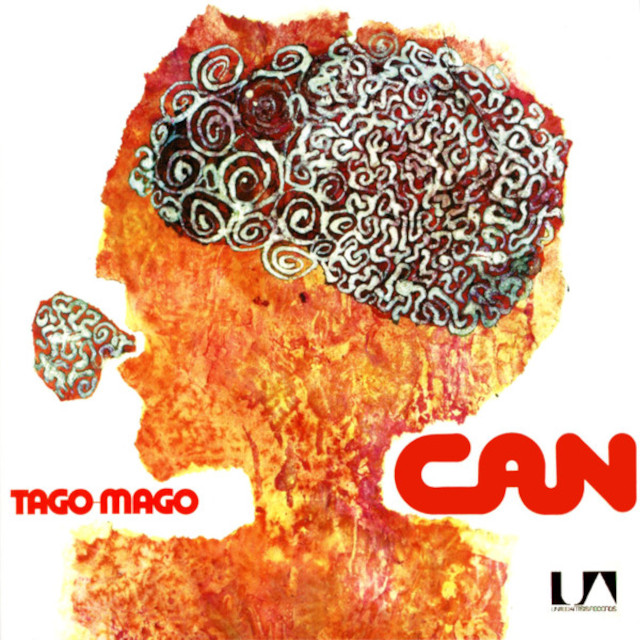
Krautrock was never one sound, but Tago Mago captures its most radical instincts: repetition, improvisation, electronics, tape manipulation and a fascination with rhythm rather than conventional song structure. Can could lock into a groove for minutes at a time, then suddenly pull it apart and rebuild it.
Recorded in a converted castle, the double album feels simultaneously primitive and futuristic – rock music stripped down, rewired and sent somewhere completely unfamiliar.
Runner-up: Neu!, Neu! (1972)
10. Progressive rock
Yes, Close to the Edge (1972)
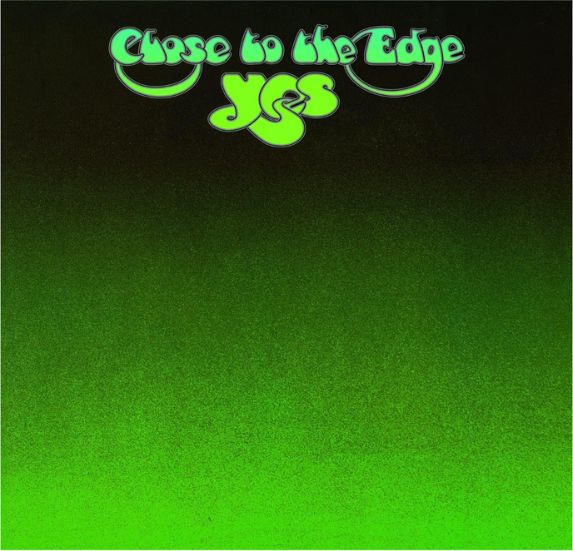
If one album distils prog rock's grand ambitions, it is Close to the Edge. Yes took the basic ingredients of rock – guitar, bass, drums, keyboards and vocals – and stretched them into elaborate, multi-part compositions filled with shifting time signatures, instrumental interplay and symphonic grandeur. The 18-minute title track is practically a manifesto: ambitious, technically dazzling and completely uninterested in the limitations of the three-minute single. It is prog rock turning complexity into spectacle.
Runner-up: King Crimson, In the Court of the Crimson King (1969)
11. Art rock
Roxy Music, Roxy Music (1972)
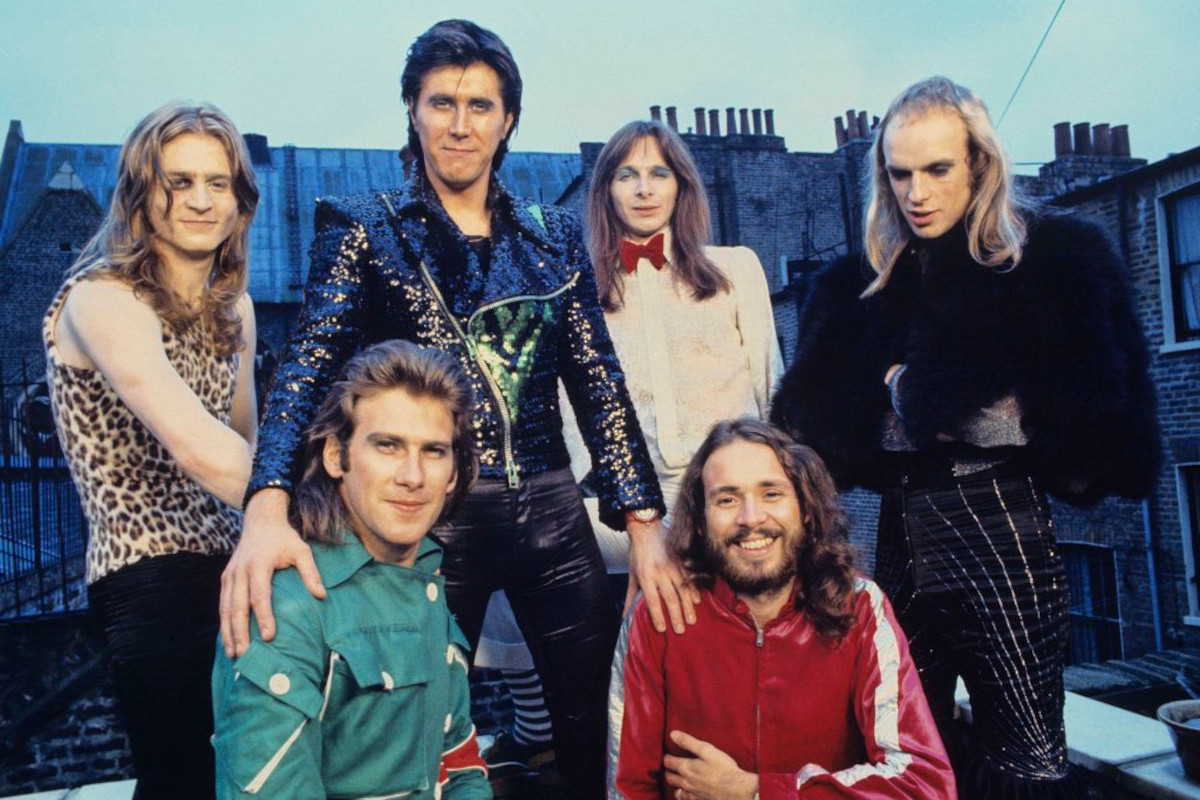
Art rock was less a specific sound than an attitude: the idea that rock could absorb influences from avant-garde art, classical music, electronic experimentation and high fashion without losing its visceral appeal. Few albums embody that idea more completely than Roxy Music's 1972 debut.
Bryan Ferry's sophisticated songwriting collided with Brian Eno's electronic textures, glam-rock swagger and deliberately eccentric arrangements, producing music that sounded both futuristic and strangely decadent. From the seductive ‘If There Is Something’ to the wonderfully bizarre ‘2 H.B.’, Roxy Music treated the rock album as a work of art rather than simply a collection of songs. It established a template for generations of adventurous, aesthetically minded rock bands.
Runner-up: David Bowie, Low (1977)
12. Glam rock
David Bowie, The Rise and Fall of Ziggy Stardust and the Spiders from Mars (1972)
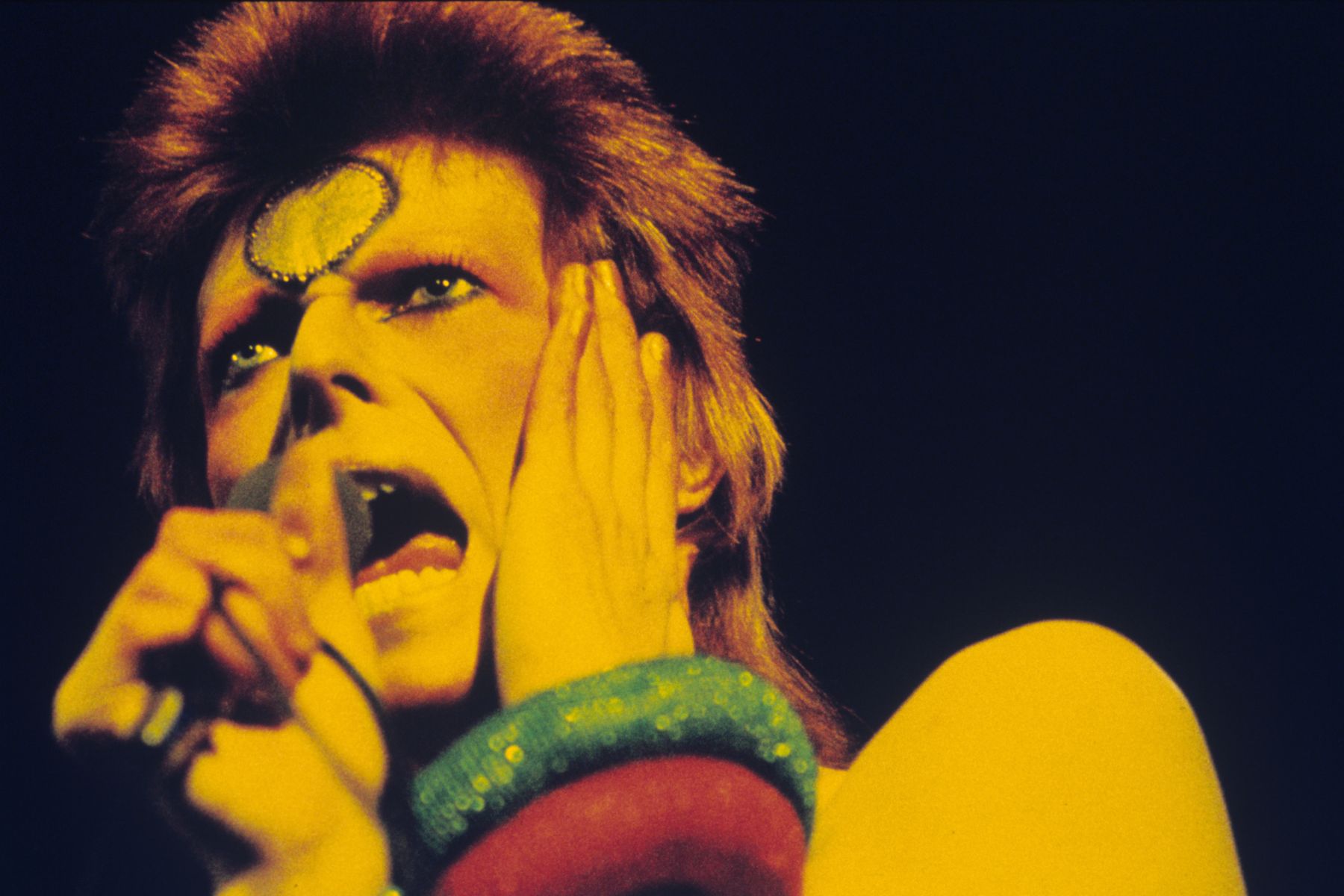
Glam rock wasn't just a sound: it was theatre, image and attitude wrapped around a guitar record. Bowie understood that better than almost anyone. Ziggy Stardust combines crunching riffs, huge choruses and Mick Ronson's theatrical guitar with a fully realised alien-rock-star mythology.
It turned the rock musician into a character and the concert into a piece of theatre. Glam would soon become more decadent and commercial, but Bowie established its essential vocabulary.
Runner-up: T. Rex, Electric Warrior (1971)
13. Power pop
Big Star, #1 Record (1972)
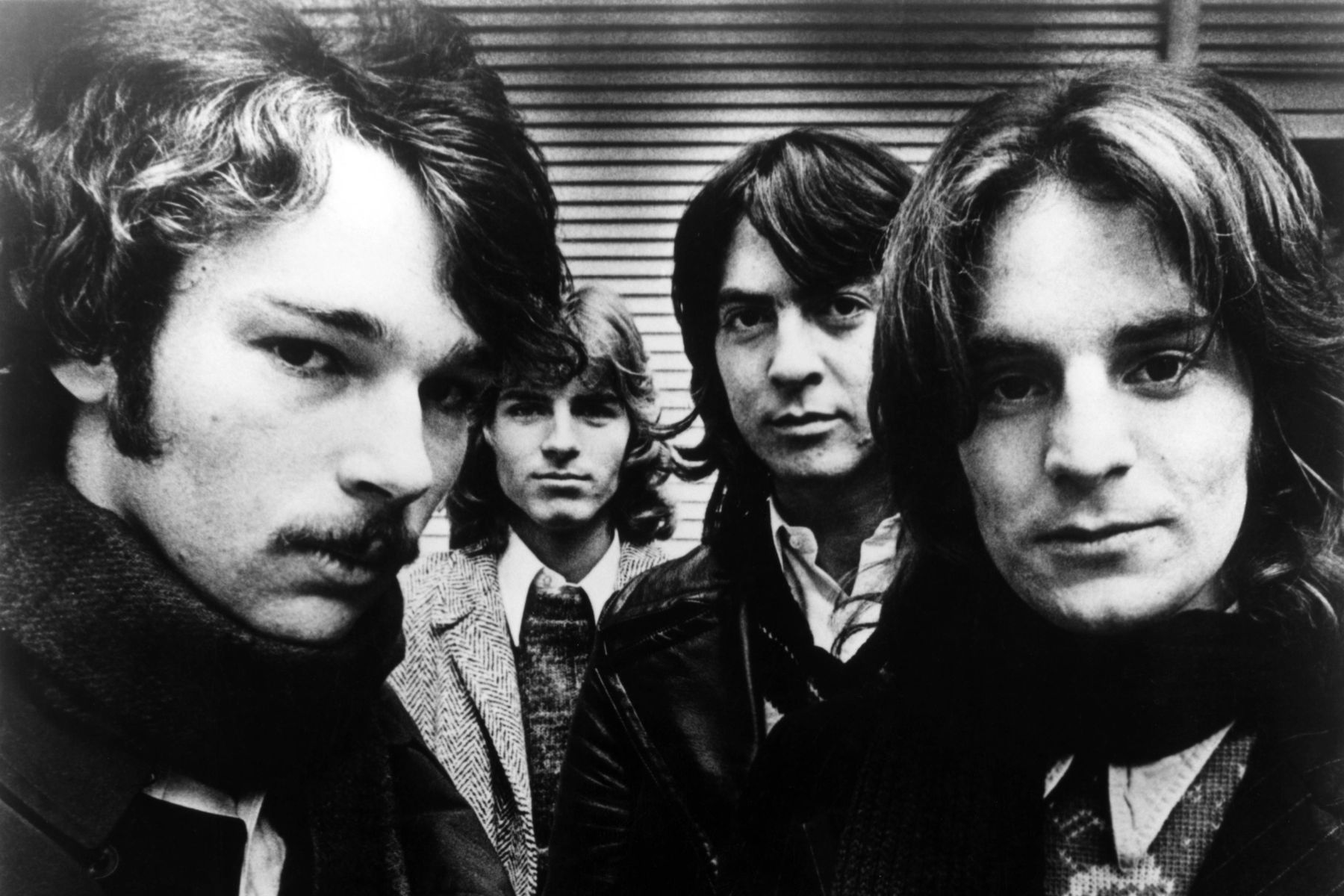
Power pop is essentially the art of making brilliantly crafted pop songs sound like they were played by a rock band. The debut album from Memphis's mercurial Big Star is its near-perfect embodiment: chiming guitars, gorgeous harmonies, muscular rhythms and melodies that seem instantly familiar even when you've never heard them before. The album failed commercially, but its influence grew enormously. From punk to indie rock, countless guitar bands subsequently borrowed its combination of sweetness and crunch.
Runner-up: Cheap Trick, In Color (1977)
14. Southern rock
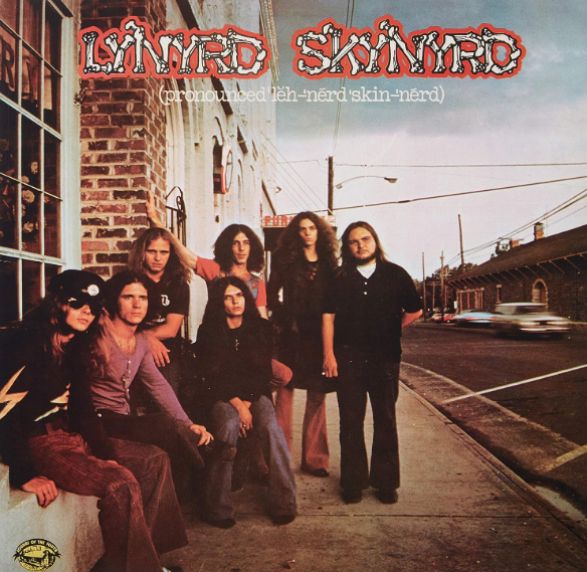
Lynyrd Skynyrd, (Pronounced 'Lĕh-'nérd 'Skin-'nérd) (1973)
Southern rock had many ingredients – blues, country, hard rock and a distinctly Southern sense of place – but Lynyrd Skynyrd's debut brought them together with extraordinary confidence. 'Free Bird' stretches from mournful ballad to twin-guitar spectacular, while 'Gimme Three Steps' and 'Tuesday's Gone' demonstrate the band's knack for combining swagger with melody. The album established the sound that would define Southern rock: gritty but tuneful, proudly regional yet built for huge stages.
Runner-up: The Allman Brothers Band, At Fillmore East (1971)
15. Soft rock
Fleetwood Mac, Rumours (1977)
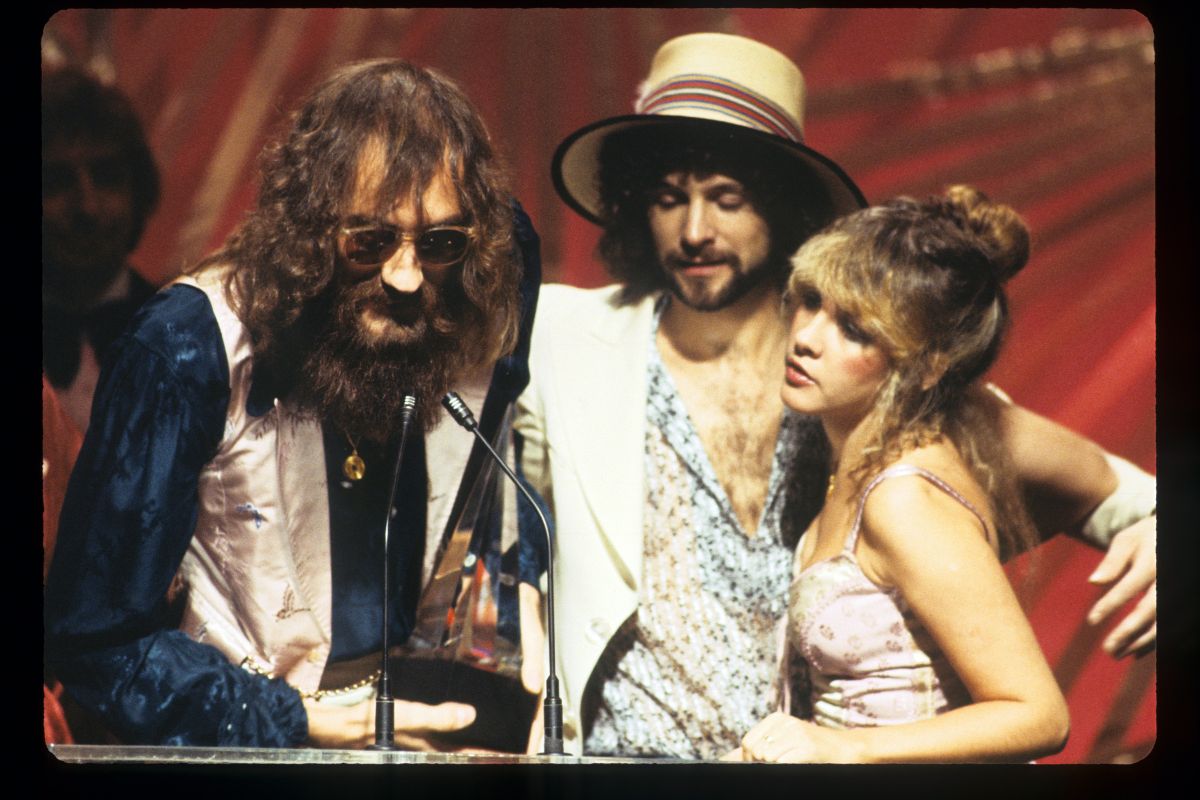
Soft rock is sometimes dismissed as rock music with the rough edges removed, but Rumours demonstrates just how sophisticated the form could be. Fleetwood Mac combined immaculate production and gentle textures with exceptionally strong songwriting and the emotional drama of a band falling apart in real time.
The result is warm, polished and radio-friendly without ever becoming bland. Its extraordinary commercial success helped make carefully produced, adult-oriented rock one of the defining sounds of the late 1970s.
Runner-up: Eagles, Hotel California (1976)
16. Punk
The Sex Pistols, Never Mind the Bollocks (1977)
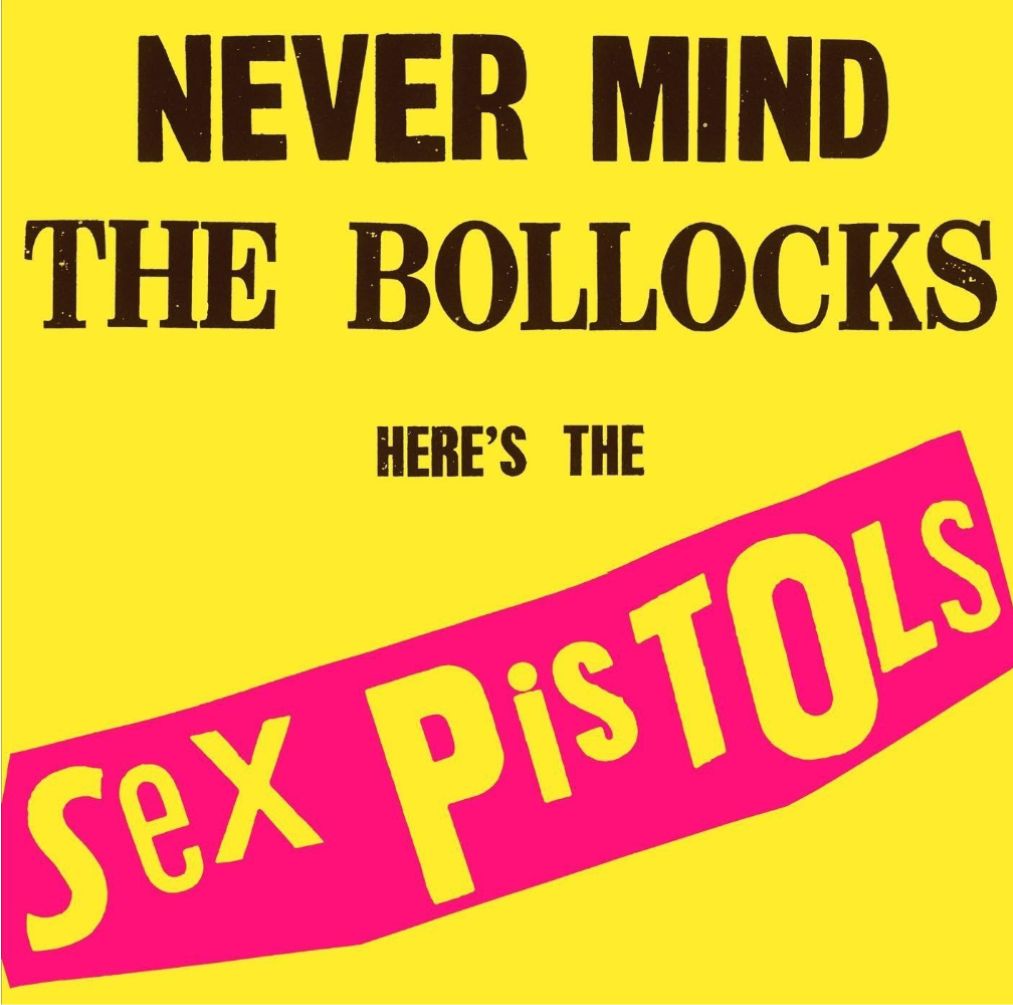
Punk had existed before the Sex Pistols, but Never Mind the Bollocks crystallised its most confrontational qualities into a single, explosive statement. The songs are short, loud and deliberately abrasive, while Johnny Rotten's sneering vocals and the band's contempt for authority turned attitude into a musical weapon. It wasn't subtle, and it wasn't supposed to be. More than almost any other album, it captures punk's sense that rock music had become bloated and needed to be kicked back into life.
Runner-up: The Clash, London Calling (1979)
17. Post-punk
Joy Division, Unknown Pleasures (1979)
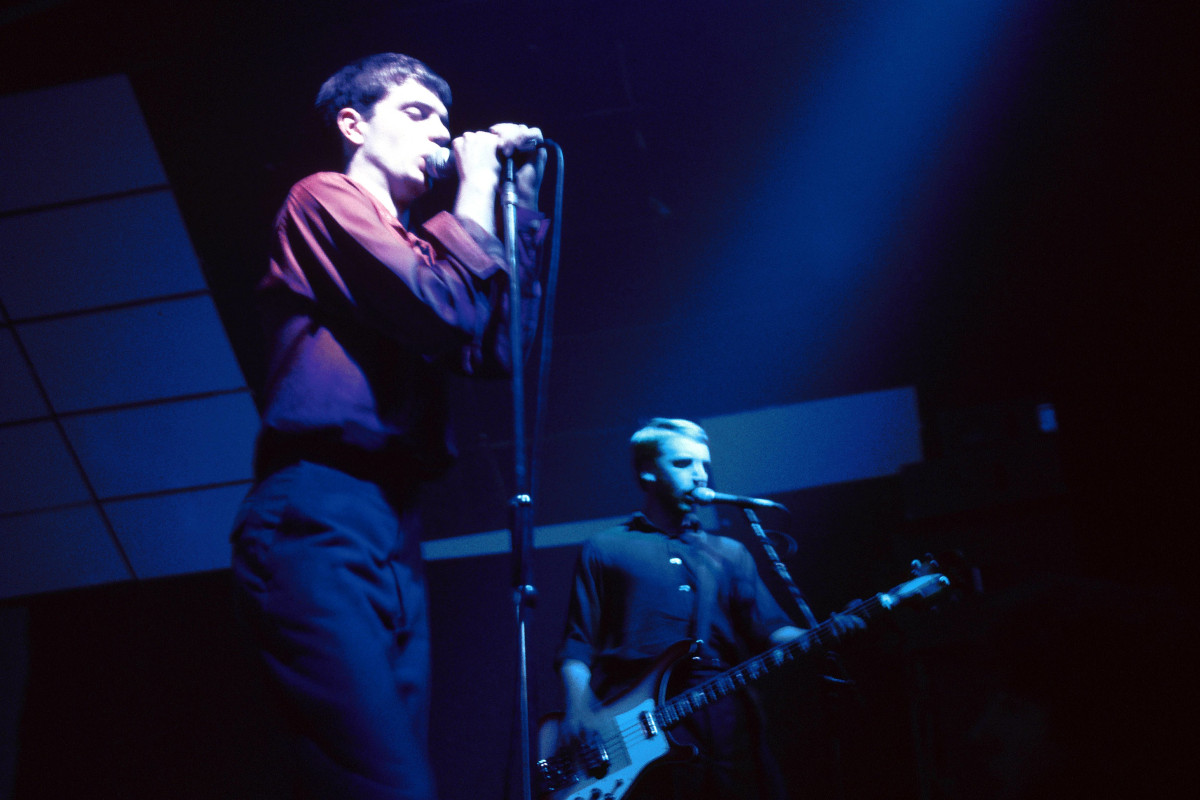
Post-punk began with the question: what happens after punk? Unknown Pleasures provides one of the most compelling answers. Joy Division retained punk's austerity and intensity but replaced its blunt aggression with space, repetition, atmosphere and unsettling electronic textures.
Martin Hannett's production is crucial, turning drums into cavernous echoes and guitars into strange, fractured sounds. The result is bleak, hypnotic and unmistakably modern – a record that pointed towards goth, alternative rock and electronic music simultaneously.
Runner-up: Gang of Four, Entertainment! (1979)
18. New wave
Talking Heads, Remain in Light (1980)
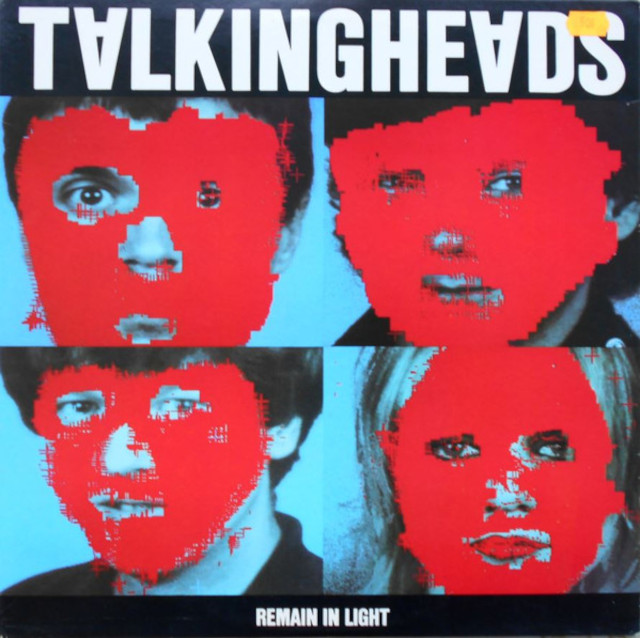
What exactly was new wave? Talking Heads' Remain in Light offers one compelling answer. David Byrne and Brian Eno took the nervy minimalism of punk and fused it with funk, African polyrhythms, electronics and studio experimentation. The result was danceable, cerebral and radically modern without abandoning the basic excitement of a rock band. 'Once in a Lifetime' remains its defining moment: an utterly strange song that somehow became a pop classic.
Runner-up: Blondie, Parallel Lines
19. Synthpop
The Human League, Dare (1981)
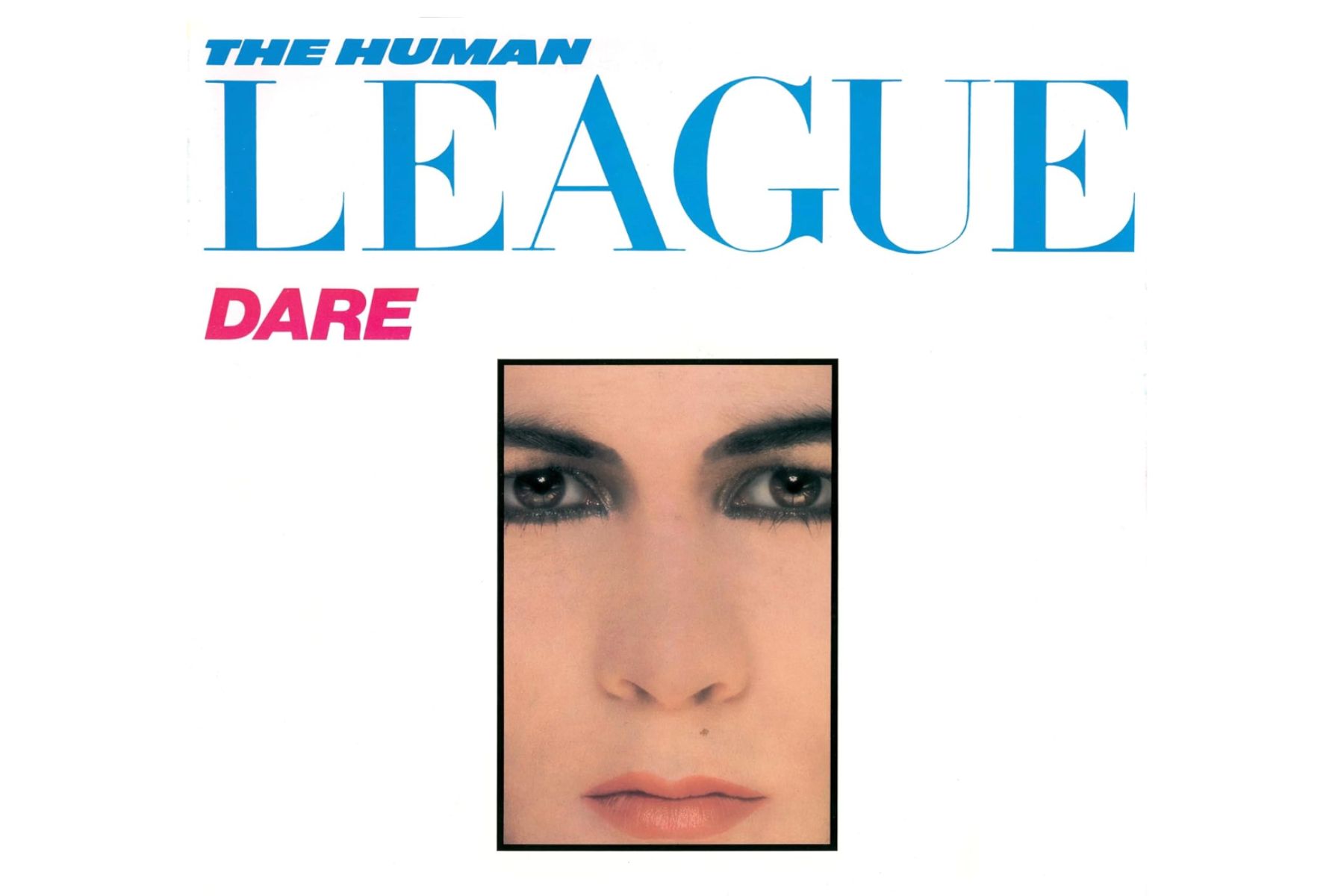
With Dare, synthesizers stopped sounding like futuristic novelties and became the foundation of irresistibly catchy pop. The Human League combined electronic rhythms, programmed sounds and Philip Oakey's cool baritone with the deliberately accessible vocals of Susan Ann Sulley and Joanne Catherall. Don't You Want Me became a global hit, proving that machines could make music that was not merely experimental but emotional, melodic and enormously commercial. Synthpop had arrived in the mainstream.
Runner-up: Depeche Mode, Speak & Spell (1981)
20. Alternative rock
Pixies, Doolittle (1989)
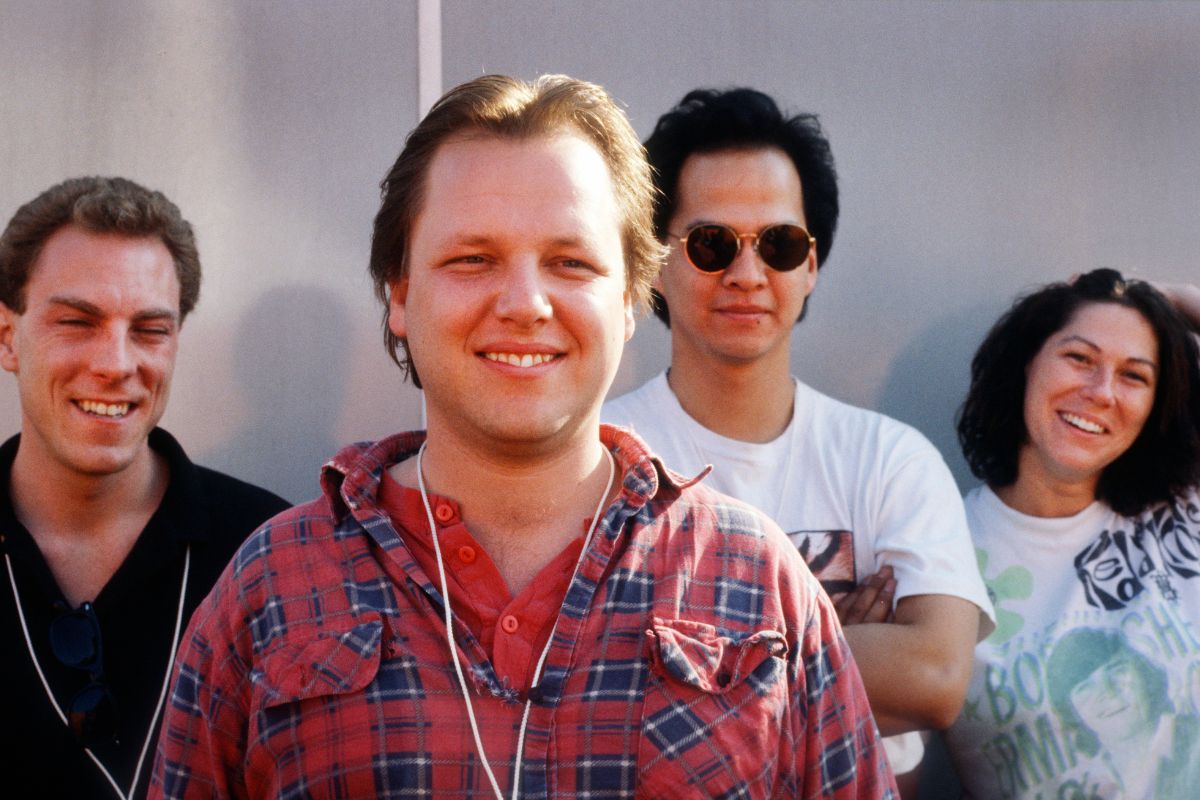
Doolittle is a perfect demonstration of what made alternative rock so exciting: it could be melodic and abrasive, beautiful and grotesque, accessible and completely weird. The Pixies could switch from delicate pop melodies to explosive guitar noise within seconds, while Black Francis filled the songs with surreal imagery and dark humour. Doolittle helped establish the loud-quiet dynamics that would become central to 1990s alternative rock – most famously in the music of Nirvana.
Runner-up: R.E.M., Murmur (1983)
21. Grunge
Nirvana, Nevermind (1991)
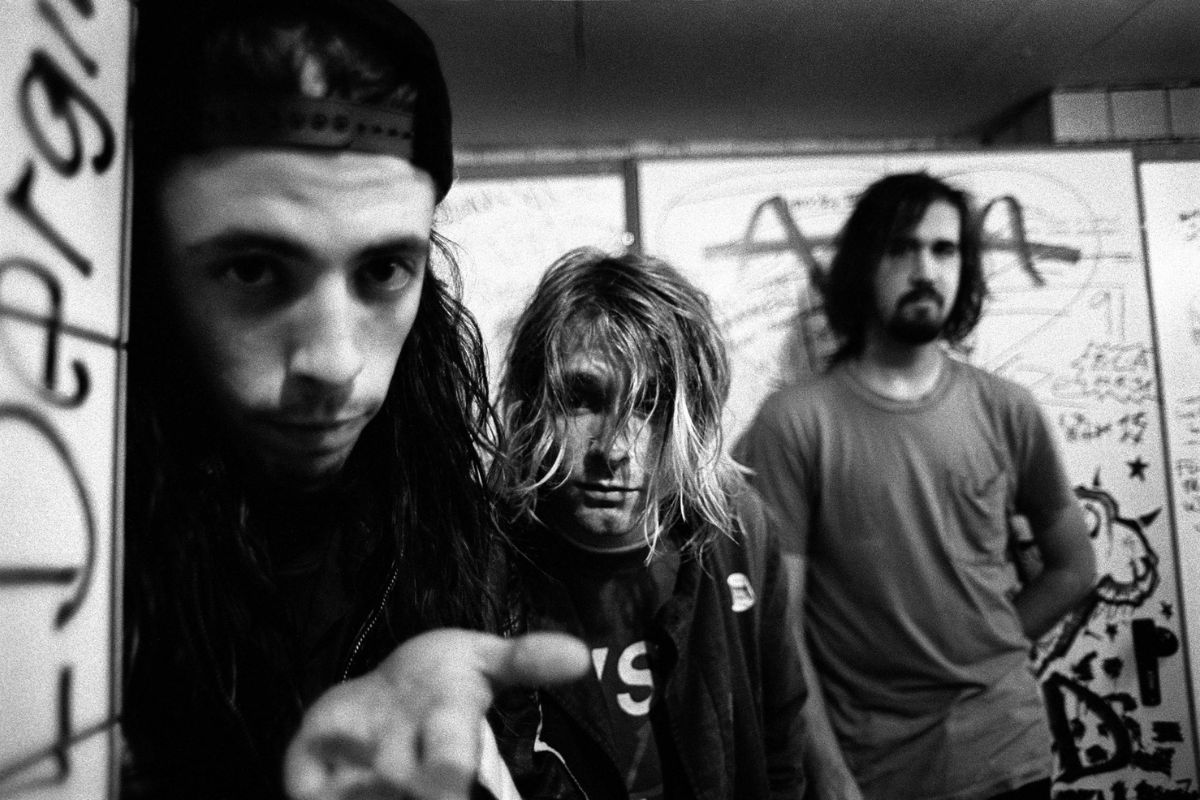
Nevermind didn't invent grunge, but it transformed a regional underground sound into a worldwide phenomenon. Nirvana's genius was in the collision of opposites: distorted guitars and enormous riffs alongside vulnerable melodies; punk aggression alongside Beatlesque songwriting.
Produced with an unusually polished sound, the album could cross from underground clubs to mainstream radio without losing its sense of danger. Smells Like Teen Spirit became the unlikely anthem of a generation that supposedly hated anthems.
Runner-up: Soundgarden, Superunknown (1994)