What do Ozzy Osbourne, Patti Smith and Mick Jagger all have in common?
Answer: before they became famous, they had to pay the bills. And their pre-fame careers were about as varied as rock music itself. Some of them got stuck into perfectly ordinary jobs – teacher, factory worker – while others found themselves doing jobs that, looking back now from the vantage point of fame, seem hilariously improbable.
These are the stories of what some of our most iconic rock stars did... before they became rock stars.
1. Ozzy Osbourne: slaughterhouse worker
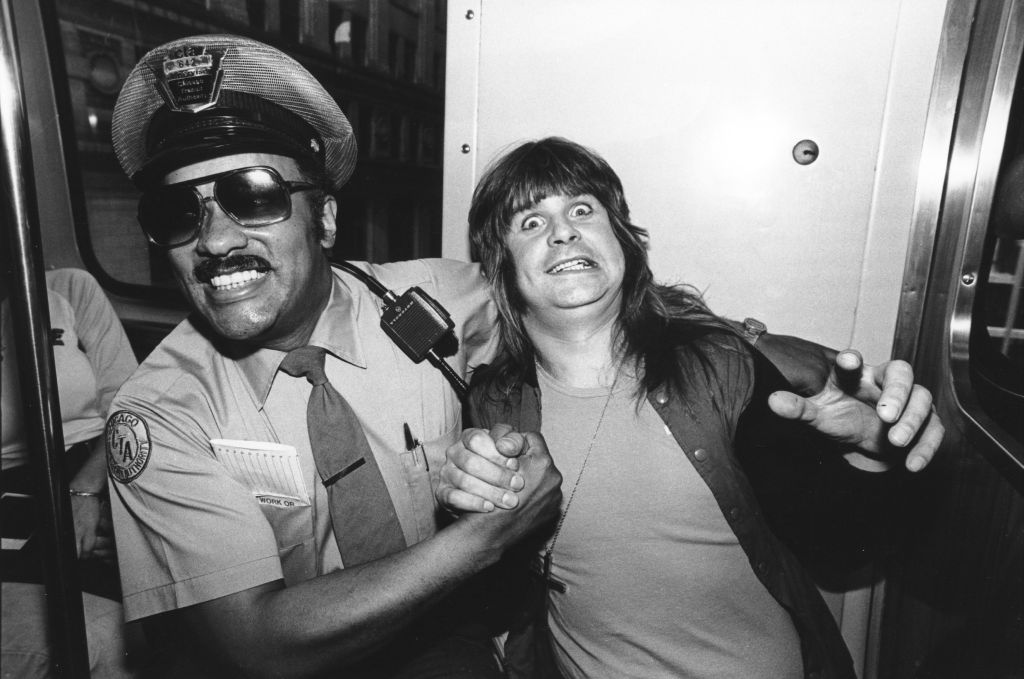
Before he became the Prince of Darkness, Ozzy Osbourne spent time working in a slaughterhouse in Birmingham, where his job involved killing and processing animals. It was grim, bloody work, and Ozzy later recalled that he hated it and would regularly be sick.
He also worked in a car factory, tuning car horns, and as a plumber's apprentice before music offered an escape. Given the monstrous imagery he would later embrace with Black Sabbath, there's an almost perfect irony to his first serious taste of working life being quite so gruesome.
2. Debbie Harry: Playboy Bunny
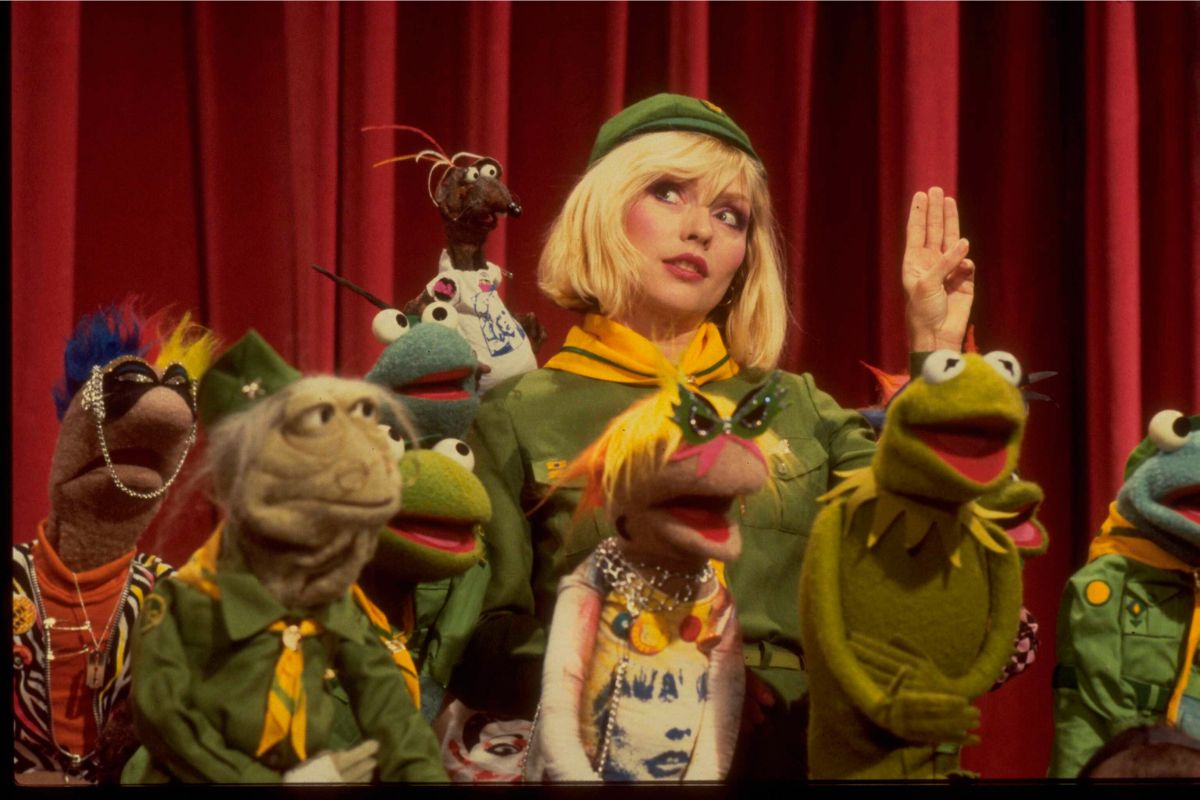
In the years before Blondie made her a New York icon, Debbie Harry worked a remarkable succession of jobs, including secretary, waitress, dancer and Playboy Bunny. She spent around a year, around the turn of the 1970s, working at the Playboy Club in Manhattan, wearing the famous Bunny costume, before eventually moving deeper into New York's downtown music scene.
Her time at Max's Kansas City was arguably more important: she became part of the bohemian world that surrounded the city's emerging punk and art-rock scenes. The future Queen of CBGBs had already learned how to command a room.
3. Rod Stewart: gravedigger
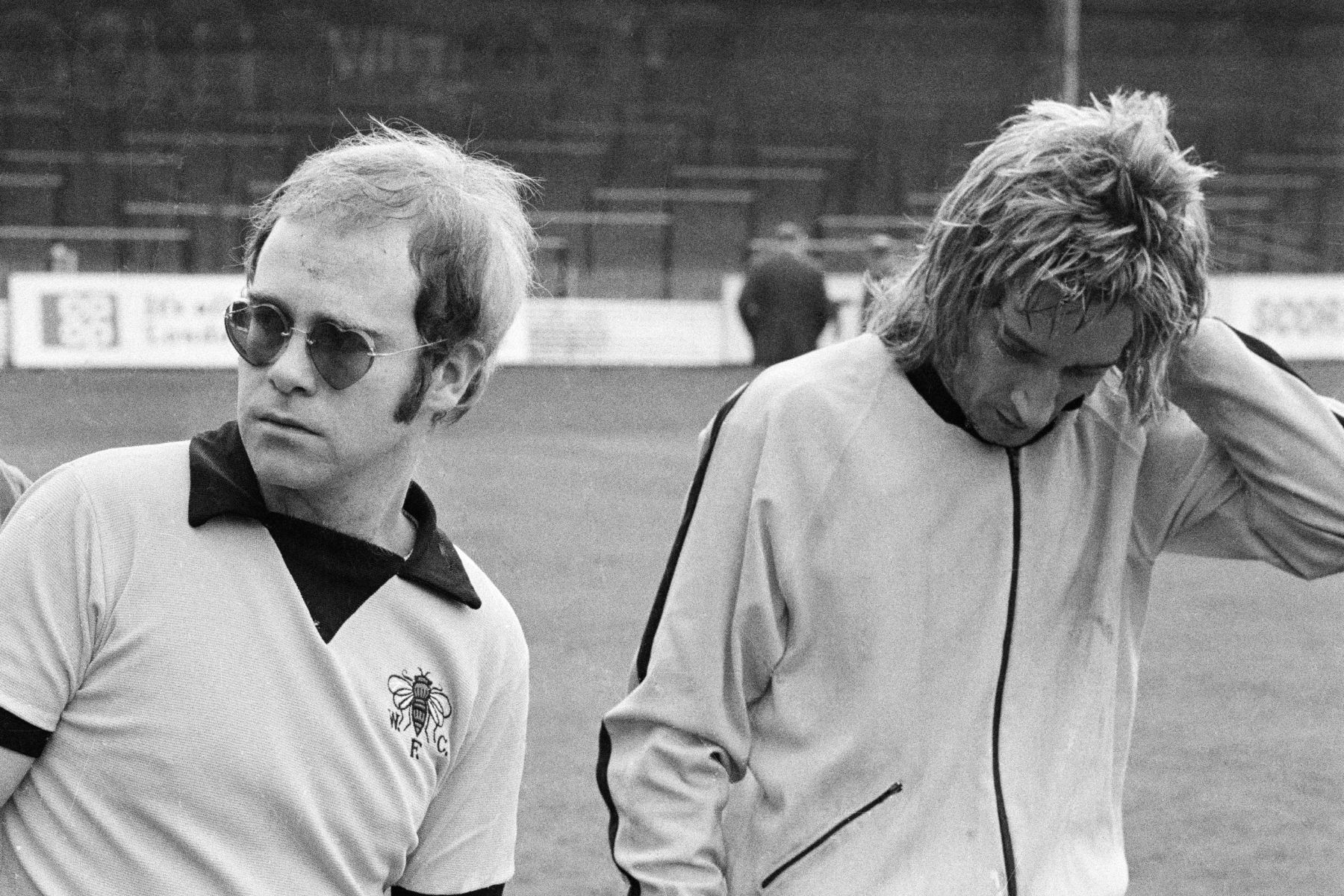
Rod Stewart was filling stadiums by the 1970s. Long before that, though, he spent several weeks working as a gravedigger at Highgate Cemetery in north London. He later described the job as a way of earning money while pursuing his real ambition: becoming a footballer. In fact, Stewart was serious about football and even had a trial with Brentford FC, in London, before music won out.
4. Mick Jagger: psychiatric-hospital porter
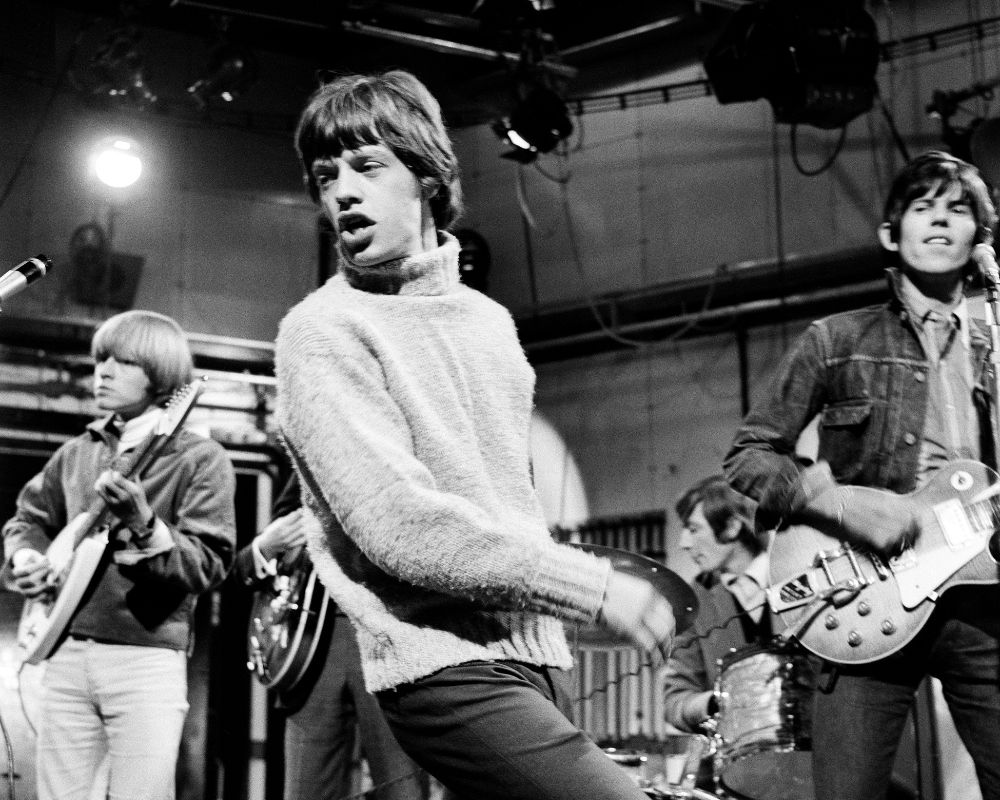
Mick Jagger worked part-time as a porter at Bexley Mental Hospital while studying at the London School of Economics. His duties were decidedly un-rock'n'roll: running errands, moving equipment and helping around the hospital.
Jagger's father was keen for him to pursue a conventional career, and for a while the future Rolling Stones frontman appeared to be heading in that direction. He studied finance and accounting at the super-prestigious London School of Economics, and harboured serious plans of becoming either a journalist or politician.
Instead, his encounters with Keith Richards and the burgeoning British R&B scene led Mick towards a rather different kind of public life.
5. Elvis Presley: truck driver
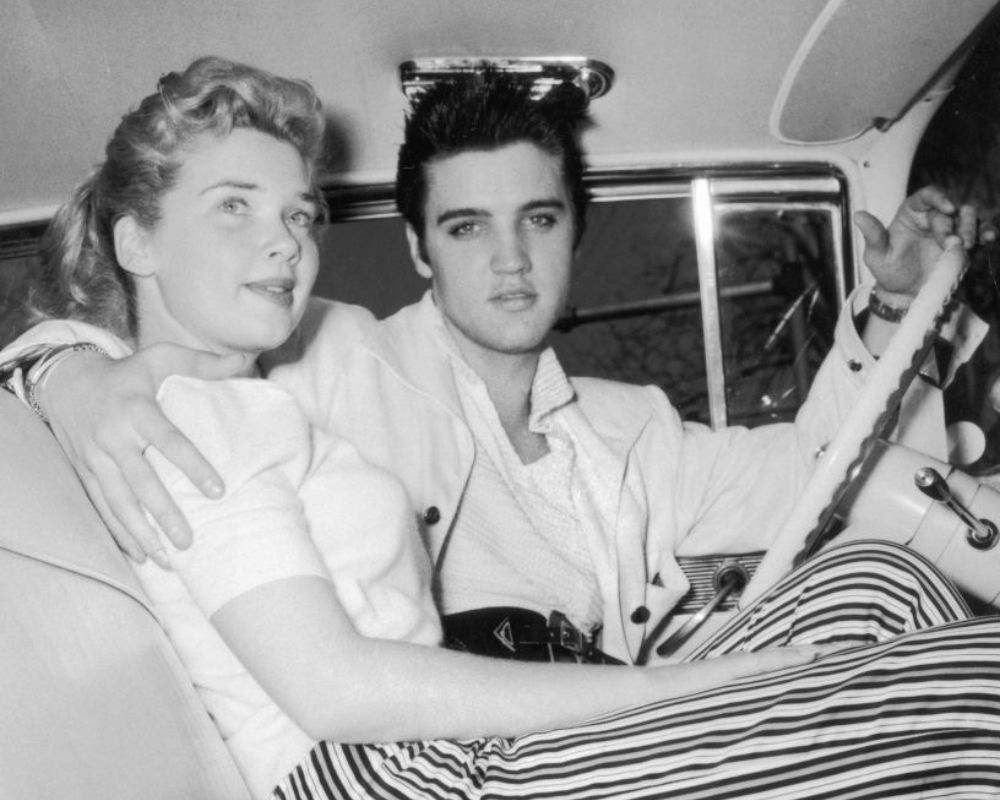
Elvis Presley was working as a truck driver for Crown Electric in Memphis when he made his first professional recordings at Sun Records in 1954. He was earning a modest living delivering electrical supplies and apparently hoped to become a professional singer, but there was no guarantee that it would happen.
The image of the future King of Rock'n'Roll behind the wheel of a delivery truck is irresistible – particularly because he was already cultivating the hairstyle and sideburns that would soon make him unmistakable. His first taste of celebrity came remarkably soon afterwards.
6. Sting: schoolteacher
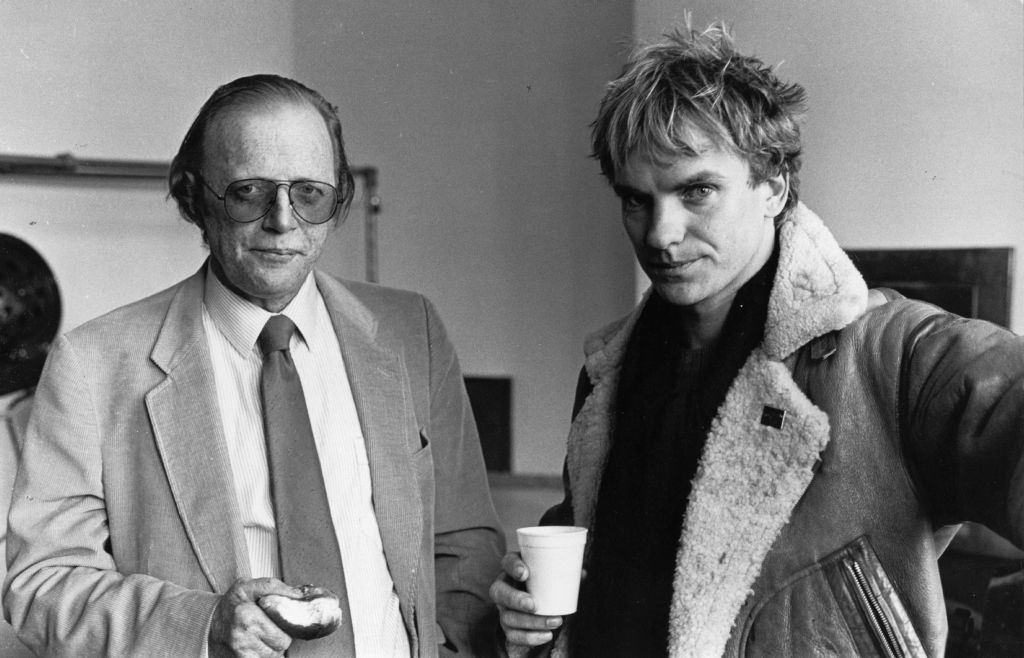
Sting was a qualified teacher working at St Paul's First School in Cramlington, Northumberland when his musical interests started to take over. He taught English and music while playing in local jazz groups in his spare time, and continued teaching until The Police began to take off.
Unlike many future rock stars who abandoned ordinary employment almost immediately, Sting was already in his late twenties when he finally committed himself to music. His teaching background also seems to have stayed with him: he has repeatedly spoken about education, literacy and the importance of teachers.
7. Gene Simmons: assistant at Vogue
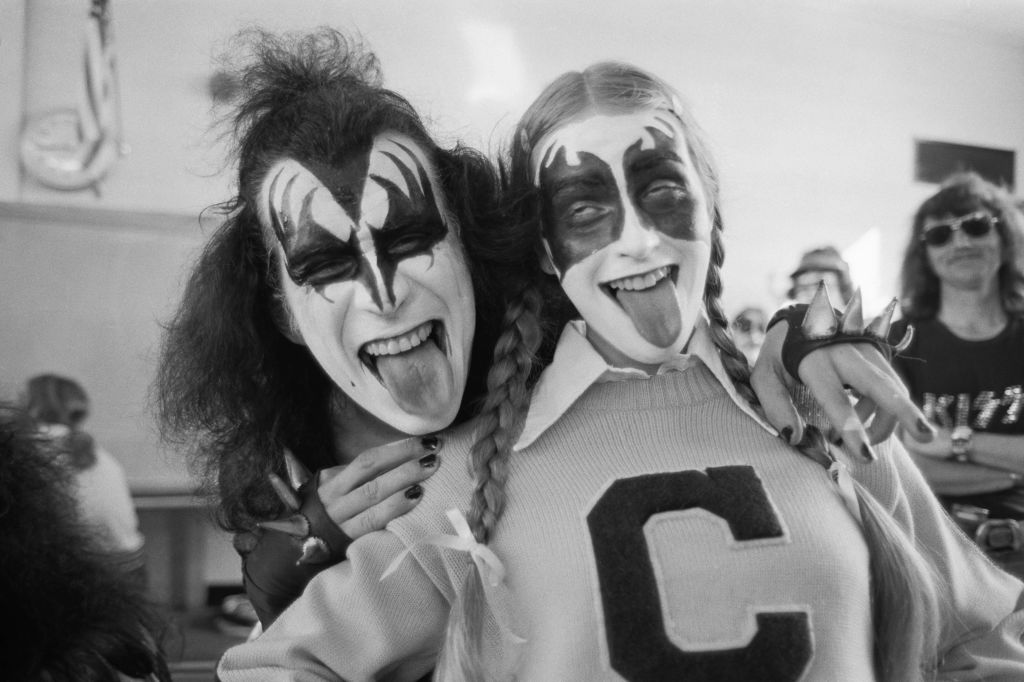
Pre-KISS, Gene Simmons worked in publishing, including a job as personal assistant to Kate Lloyd, an editor at Vogue. It sounds worlds away from heavy rock, but Simmons was already developing the qualities that would later make KISS a phenomenon: an interest in image, presentation and the power of a strong visual identity.
He also worked as a teacher and had studied education. The future rock impresario was therefore, rather unexpectedly, both a schoolteacher and a fashion-magazine employee before he discovered that face paint paid rather better.
8. Chris Cornell: fish handler
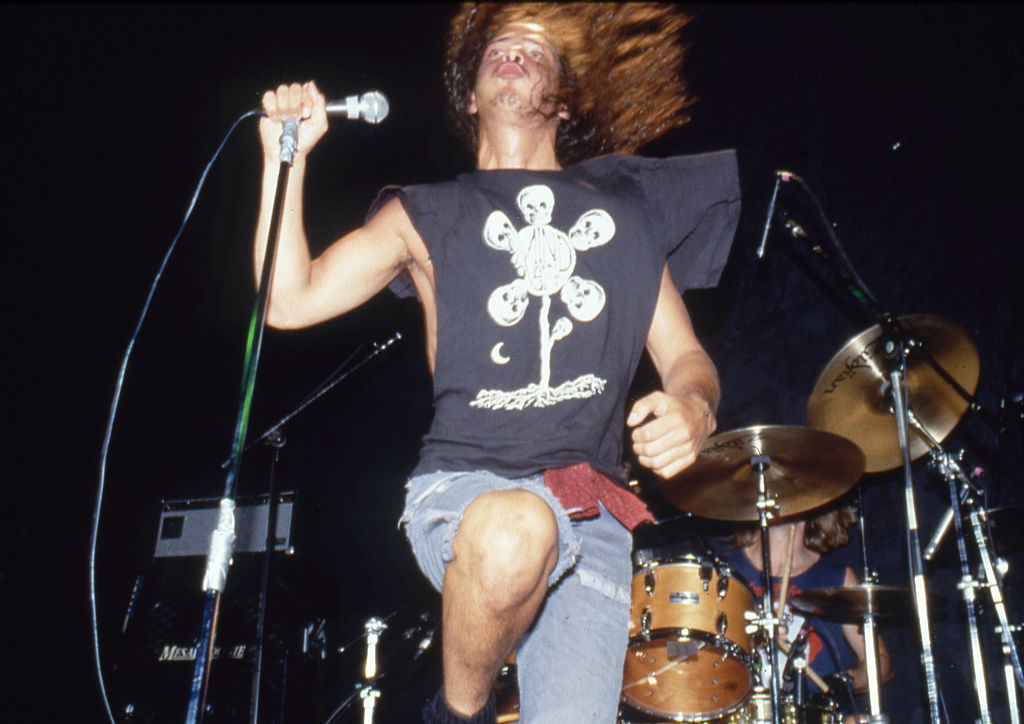
He would later become one of the defining voices of the 1990s grunge movement. Prior to all that, though, Soundgarden frontman Chris Cornell worked at a seafood wholesaler in Ballard, Washington, handling fish and cleaning up the inevitable mess. Nice.
'I did it for years, from my early teens on,' Cornell told the Seattle Post-Intelligencer in 2006. 'My job was to wipe up the slime and throw away the fish guts. I met pretty much every sous-chef in town because they would come in and look around at what we had.
'I think we had the best wholesale seafood in town. The owner was impeccable about it.'
9. Patti Smith: toy factory worker
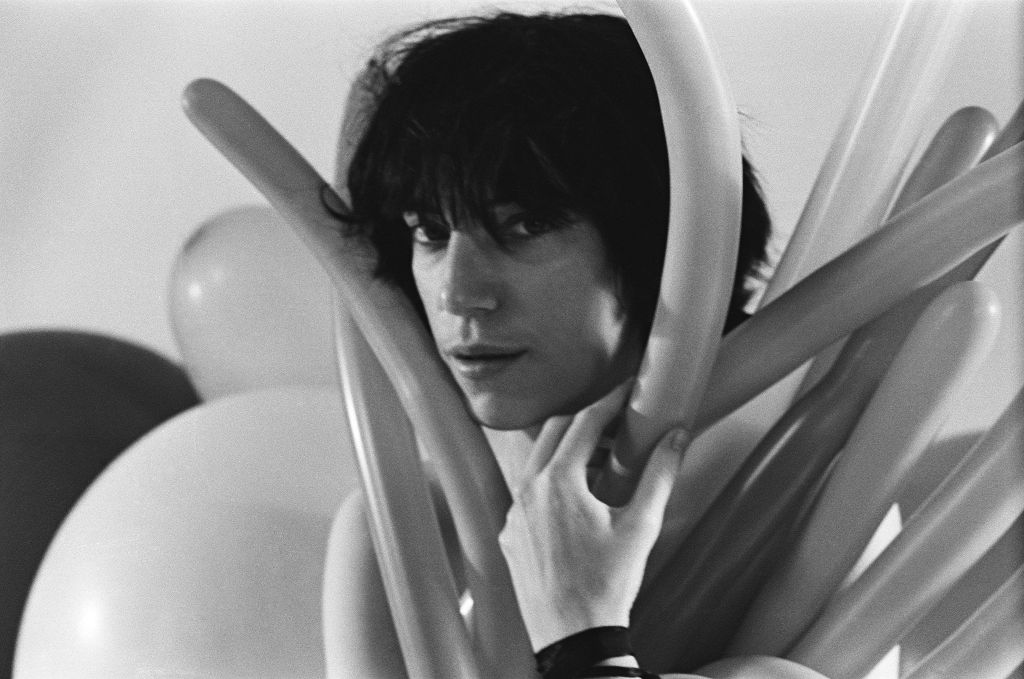
Before she became the godmother of punk, Patti Smith spent time working in a New Jersey baby buggy factory, an experience that seems almost absurdly at odds with the poet and artist she would become. By the time she made Horses in 1975, she had turned poetry, rock and performance into a vocation of her own invention. Her factory years make a particularly vivid backdrop to the story of an artist determined to escape the ordinary working life.
10. Lemmy: roadie for Jimi Hendrix
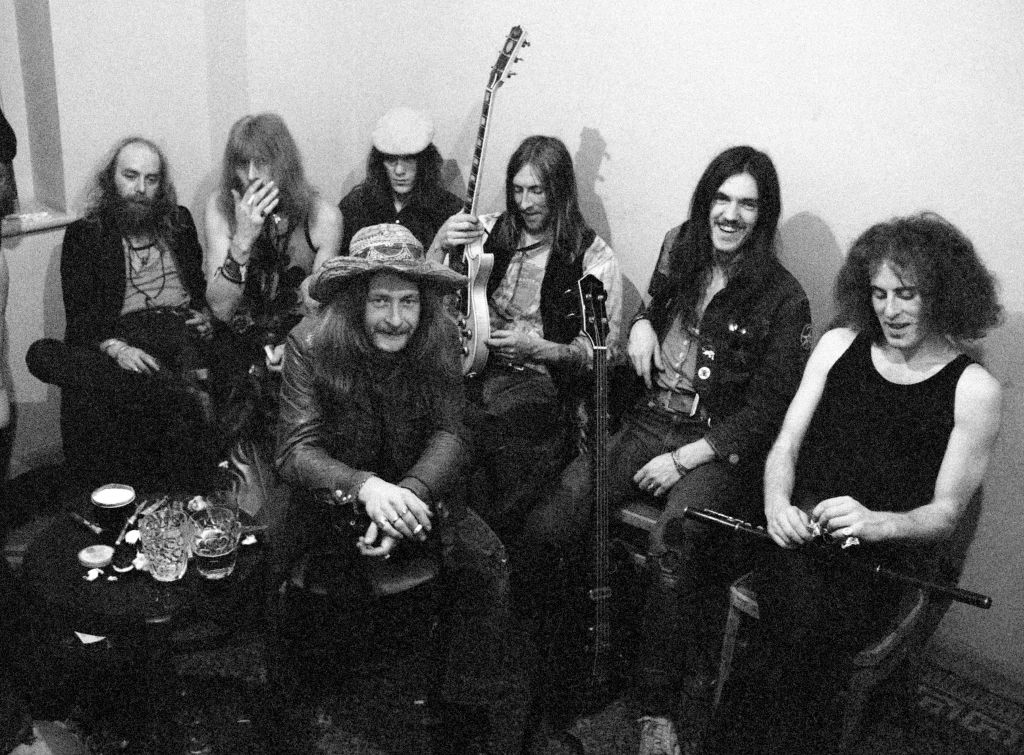
Lemmy's pre-fame career is almost too good for this list. Before becoming Hawkwind's bassist/vocalist and later Motörhead's gravel-voiced frontman, he worked as a roadie for Jimi Hendrix Experience manager Chas Chandler – meaning that one of rock's future great hellraisers was literally helping one of its existing legends get on and off stage.
Lemmy was paid a modest weekly wage and soaked up everything he could from the experience. It's hard to imagine a better apprenticeship for the man who would eventually make his own version of rock'n'roll history.
11. Kurt Cobain: janitor
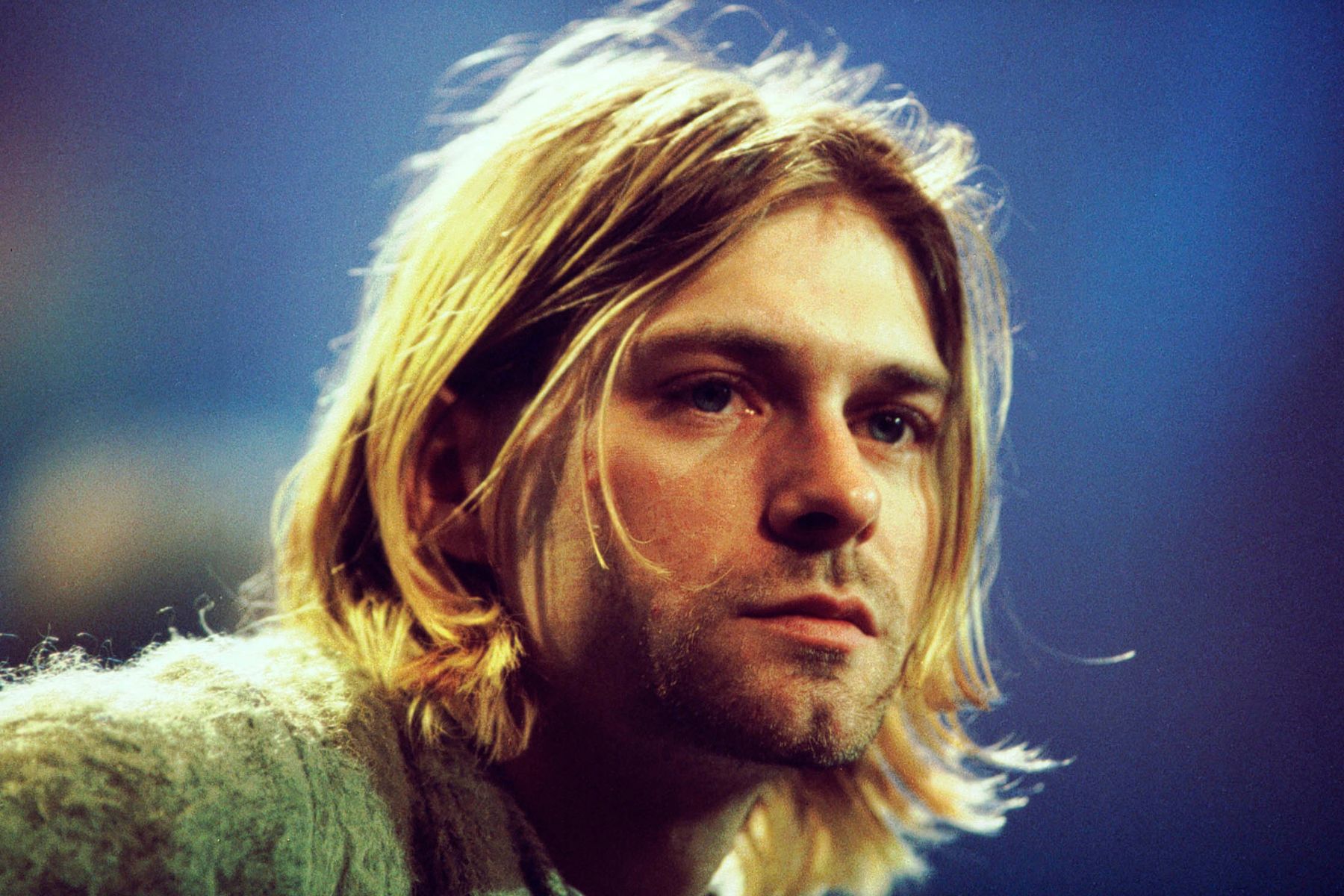
Kurt Cobain held a string of low-paid jobs before Nirvana took off, including working as a janitor. He cleaned offices and buildings while living in the precarious circumstances that characterised much of his early adulthood. The job fits rather neatly into the mythology of Cobain: mundane, poorly paid work on the margins of respectable society, followed by an explosion of creativity that made him an unlikely spokesman for a generation.
12. Johnny Cash: military codebreaker
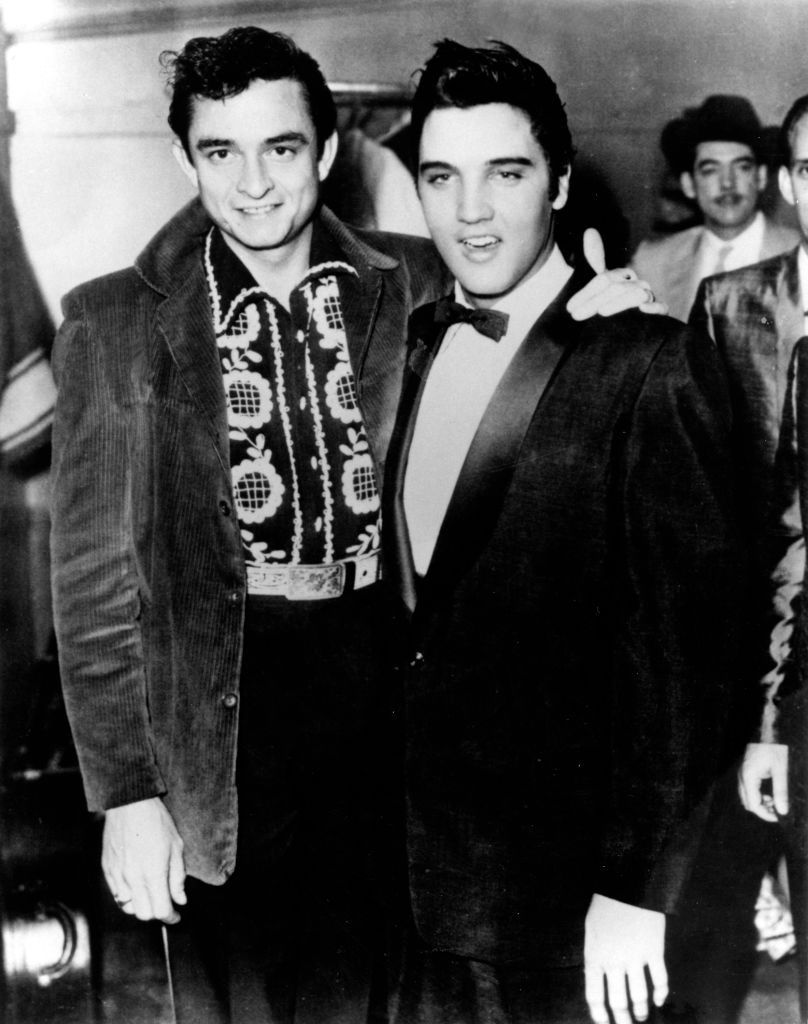
Johnny Cash's pre-fame CV was remarkably varied. He worked at an appliance company and briefly in a factory, but his most intriguing job came during his time in the US Air Force. Stationed in Germany, Cash worked as a Morse-code interceptor, listening to Soviet communications and transcribing messages during the early Cold War.
It sounds almost like the plot of a spy film, but Cash later said he was the first American to hear the news of Joseph Stalin's death, which he intercepted in 1953. The experience also gave him a lifelong fascination with the machinery of communication. Not long afterwards, he bought his first guitar and began writing the songs that would make him famous.
13. Malcolm Young: sewing-machine mechanic
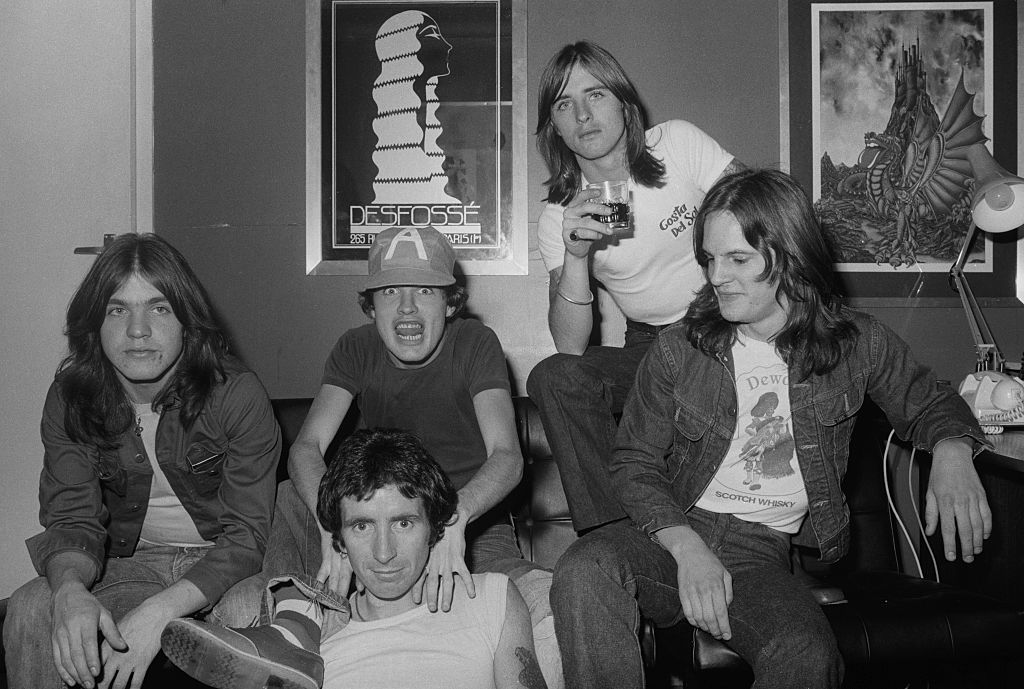
Malcolm Young left school at 15 and eventually found work as a sewing-machine mechanic at a bra factory in Sydney. It was a world away from the deafening guitar riffs that would eventually make him one of rock's most influential rhythm guitarists.
There's an especially nice piece of AC/DC lore attached to the job: the band's name is said to have been inspired by the electrical lettering on a sewing machine belonging to Young's sister Margaret.
14. Steve Harris: architectural draughtsman
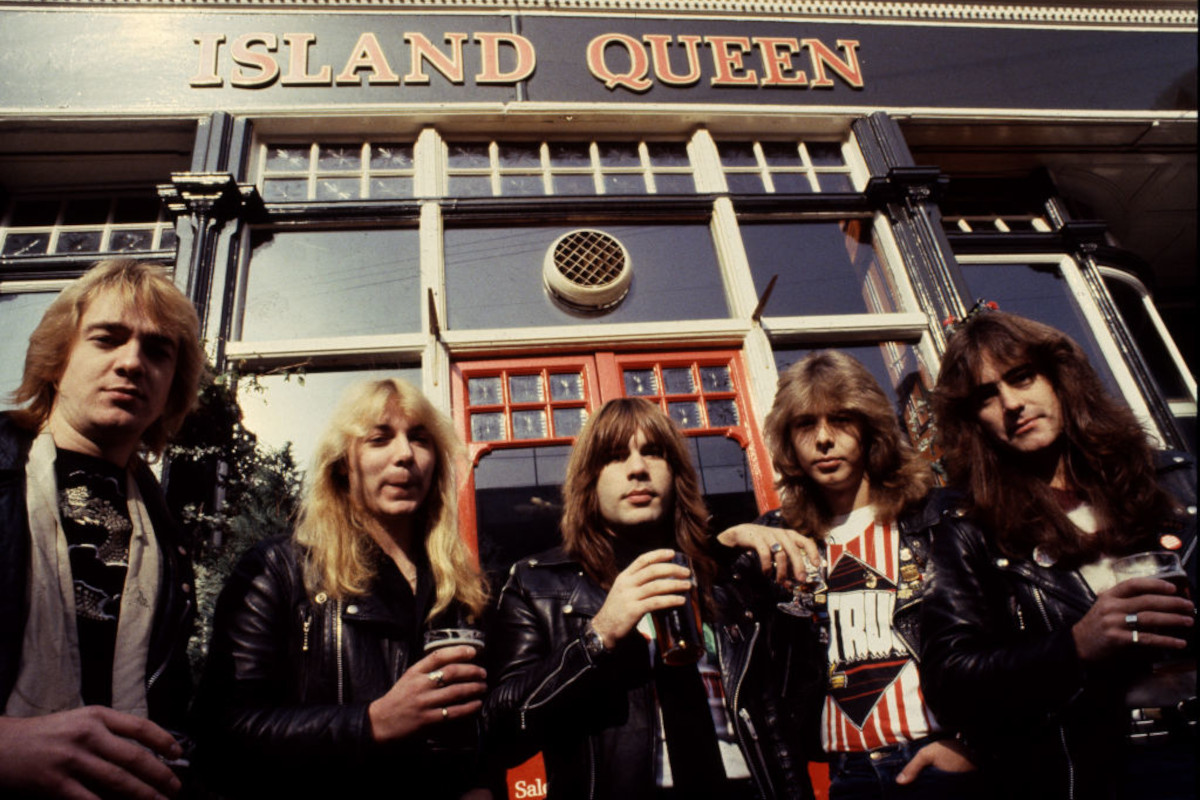
Iron Maiden's Steve Harris trained as an architectural draughtsman because he wasn't convinced that his fledgling band would ever provide a living. He was already deeply committed to music, but wanted a practical qualification to fall back on. The irony is that the meticulous eye for structure required by architecture seems strangely appropriate for the man who would build Iron Maiden's elaborate musical and visual world.
Harris eventually abandoned the day job as Maiden gathered momentum, leaving him free to concentrate on the band full-time.
- Iron Maiden finished strongly in our rundown of the greatest heavy metal albums of all time
15. Tom Araya: respiratory therapist
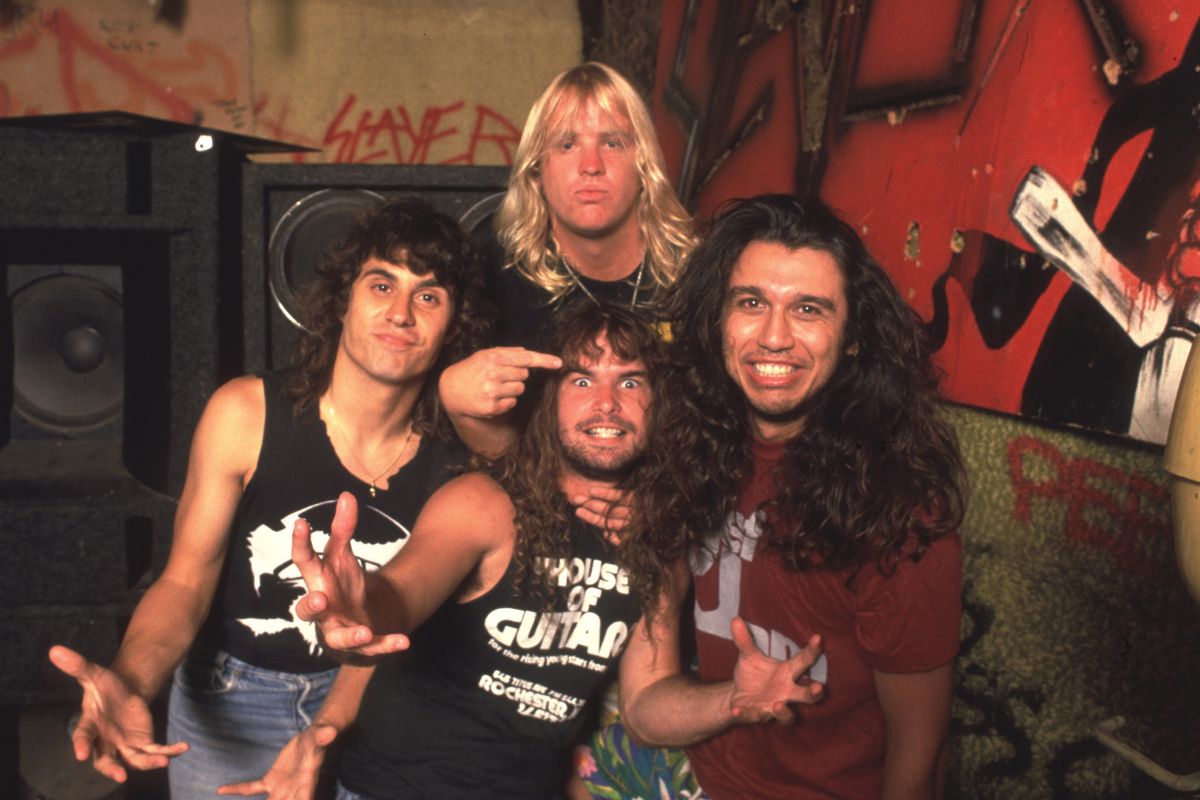
Before becoming the bassist and co-vocalist of Slayer, Tom Araya worked as a respiratory therapist in a hospital. It was a serious medical profession involving patients with breathing difficulties – about as far removed from the satanic imagery and sonic violence of Slayer as you could imagine.
Crucially, Araya's salary helped get early Slayer moving: he put his earnings towards the recording costs for the band's debut album, 1983's Show No Mercy.
16. Jon Bon Jovi: recording-studio janitor
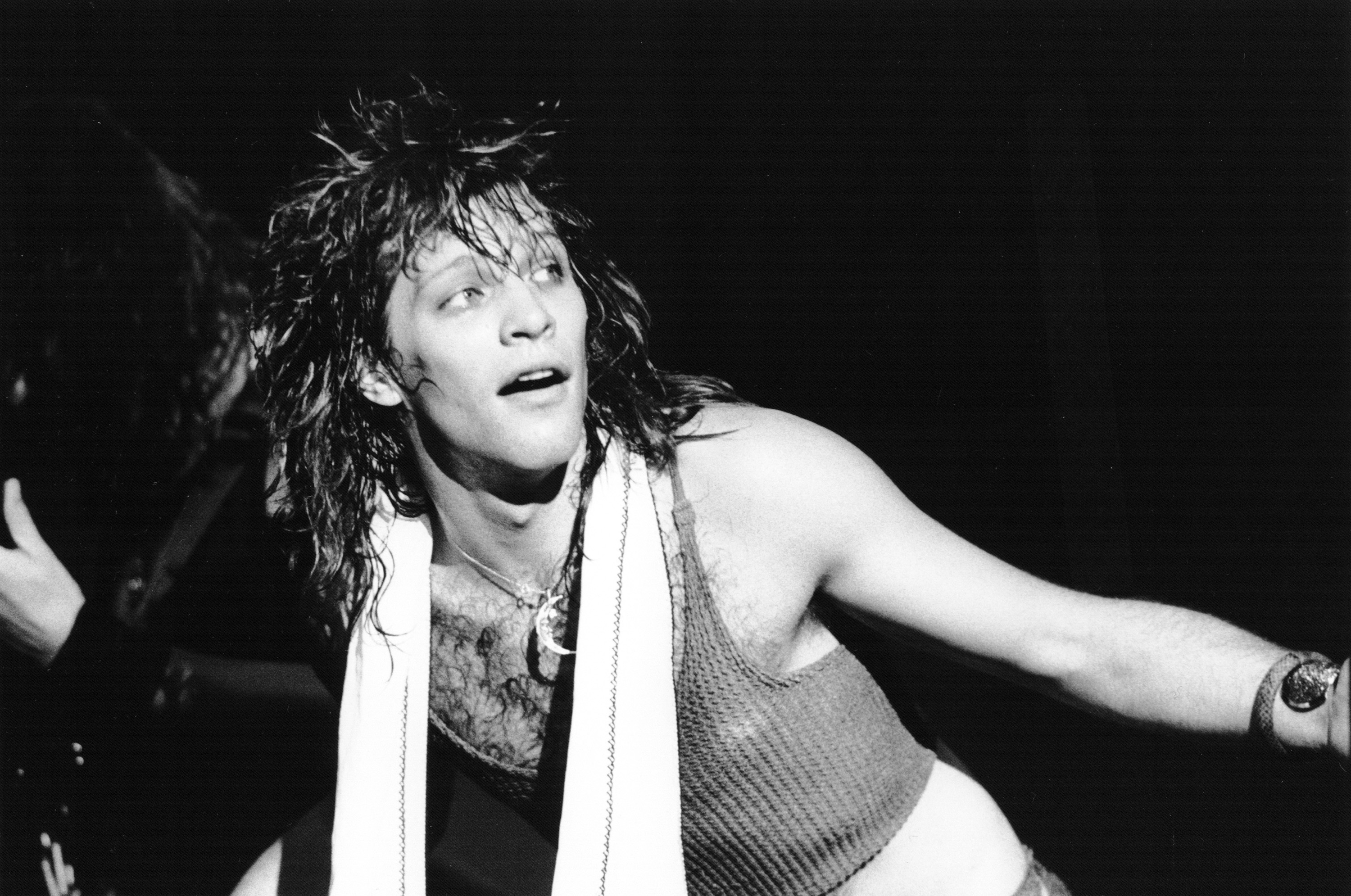
Jon Bon Jovi's pre-fame job was unusually useful for someone determined to become a musician: he worked as a cleaner at the Power Station recording studio in New York, where his cousin Tony Bongiovi was a producer.
Being around the studio gave him access to musicians, equipment and recording sessions – and, crucially, somewhere to make his own demos. He was eventually able to record the song Runaway there, which became his breakthrough hit. Nice to know that Bon Jovi's route to rock stardom began partly by sweeping the floor of a recording studio.
17. Lars Ulrich: tennis player
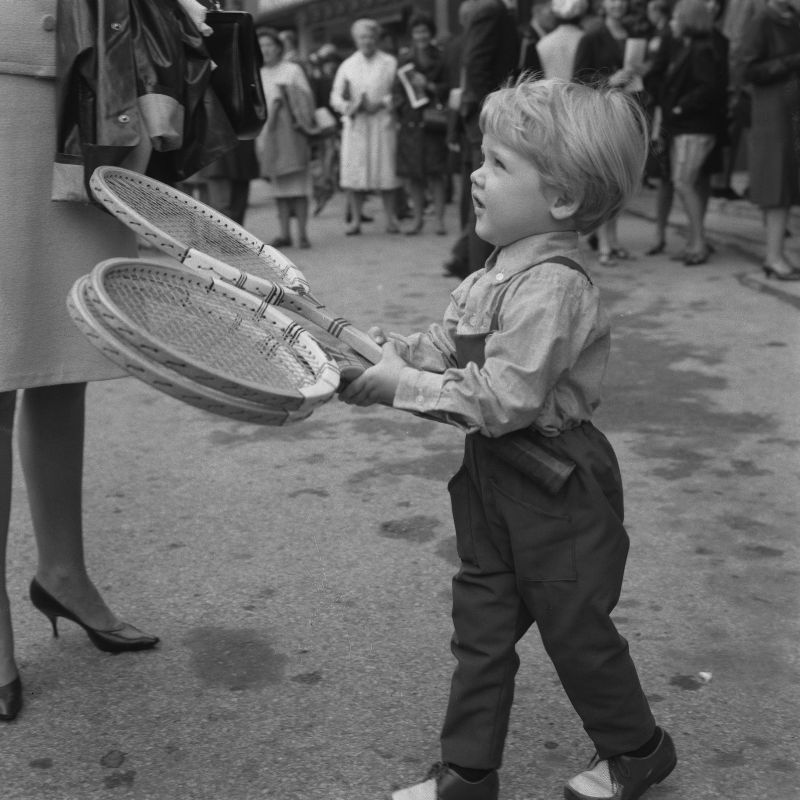
Lars Ulrich didn't really have a conventional day job before Metallica because, for a while, he was trying to become a professional tennis player. The son of Danish tennis star Torben Ulrich, Lars was a highly ranked junior and moved to California as a teenager partly to pursue the sport. He even attended the prestigious Nick Bollettieri Tennis Academy.
Eventually he realised that he wasn't going to reach the very top – and music took over. We can't know how far Lars might have gone in the tennis world, but it's probably safe to say he made a sound career choice.
Pics Getty Images
Top pic Mick Jagger backstage at The Great Pop Prom at the Royal Albert Hall, September 15 1963