Rock music’s greatest careers are rarely smooth ascents.
For some of its most celebrated bands, the view from the top was followed by a spectacular fall – and, sometimes, an unlikely climb back up again. They went from millions of records sold to commercial disasters, from creative triumphs to bitter internal battles, and from packed stadiums to wondering whether the whole thing was falling apart.
Some survived changing fashions and reinvented themselves; others never quite recovered. Behind the familiar legends are stories of extraordinary highs and crushing lows, many of them largely forgotten. Here are the rollercoaster moments that shaped the careers of some of rock’s greatest bands.
1. Aerosmith
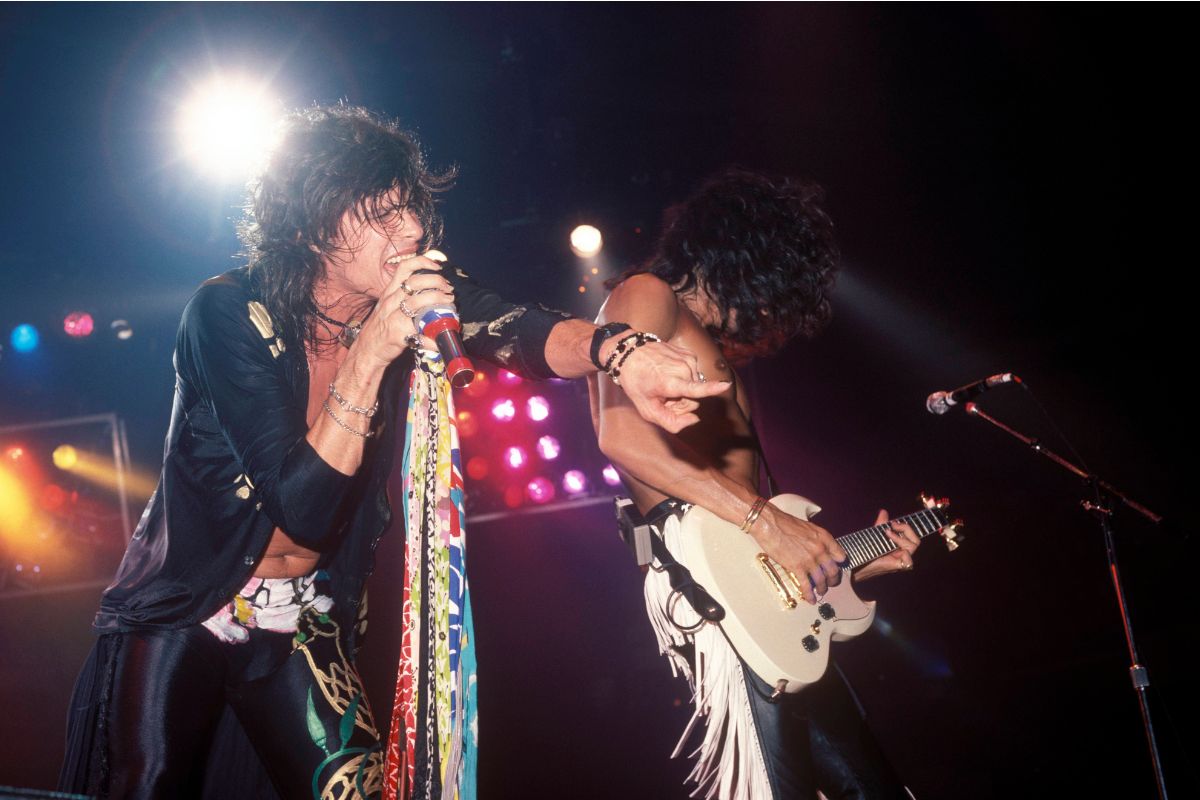
Aerosmith’s career is one of rock’s great rollercoasters.
By the mid-1970s, they were arena-rock superstars, with Toys in the Attic and Rocks establishing them as one of America’s biggest bands. But years of drug abuse and internal friction began to unravel everything. Joe Perry left in 1979, Brad Whitford followed in 1981, and 1982’s Rock in a Hard Place was the only Aerosmith album not to feature Perry.
By then, their commercial fortunes had plummeted and the band seemed close to finished. Then came one of rock’s most remarkable comebacks. After getting clean and reuniting the classic line-up, they returned with Permanent Vacation in 1987, followed by Pump and Get a Grip – three of their biggest-selling albums. The band that had seemed washed-up in the early 1980s was suddenly bigger than ever.
2. Fleetwood Mac
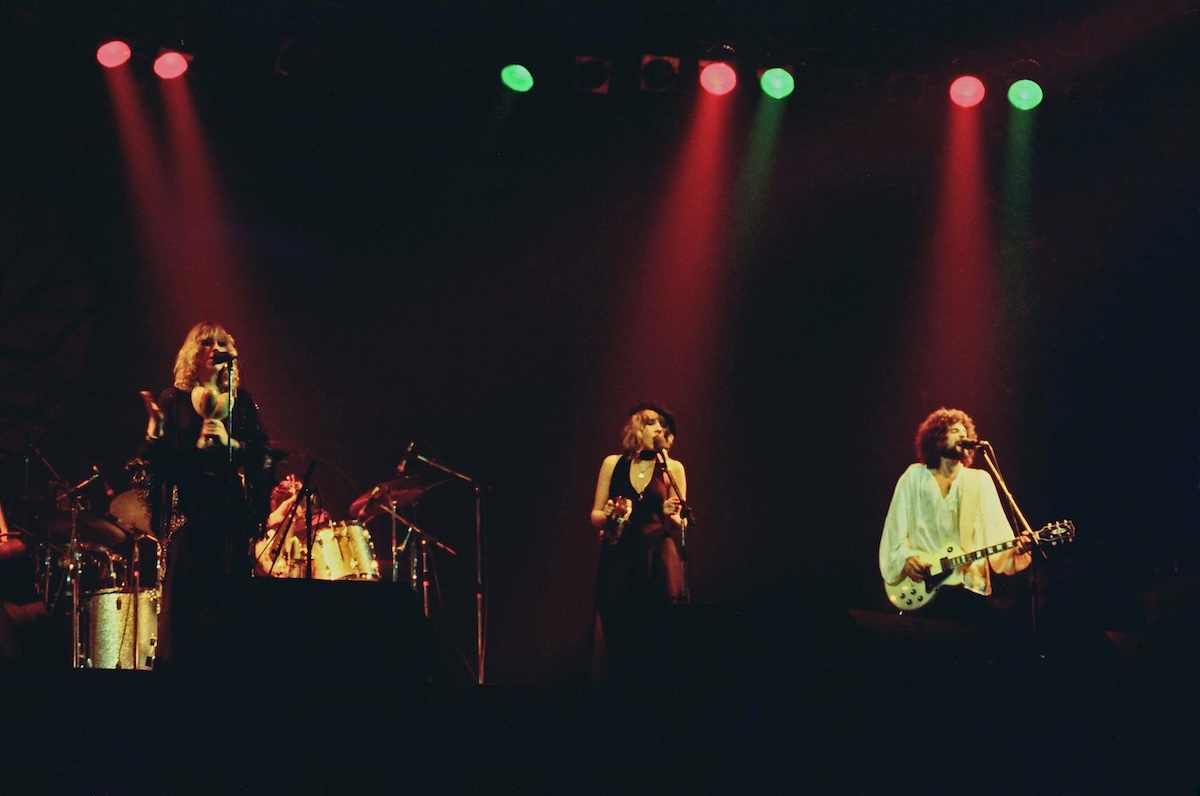
Fleetwood Mac’s journey from British blues hopefuls to one of the biggest bands on the planet was anything but straightforward.
Peter Green’s departure in 1970 left the group in turmoil, and further blows followed when Jeremy Spencer abruptly disappeared from an American tour and Danny Kirwan was fired after a turbulent period.
The arrival of Lindsey Buckingham and Stevie Nicks in 1974 finally transformed their fortunes, with Rumours turning the band into global superstars even as divorces, break-ups and affairs tore through their personal lives. But Tusk could not come close to matching Rumours’ phenomenal sales, leaving Buckingham particularly bruised.
Yet the rollercoaster had another climb in store: 1987’s Tango in the Night became their biggest album since Rumours – even as Buckingham finally walked away, triggering another round of upheaval.
3. Black Sabbath
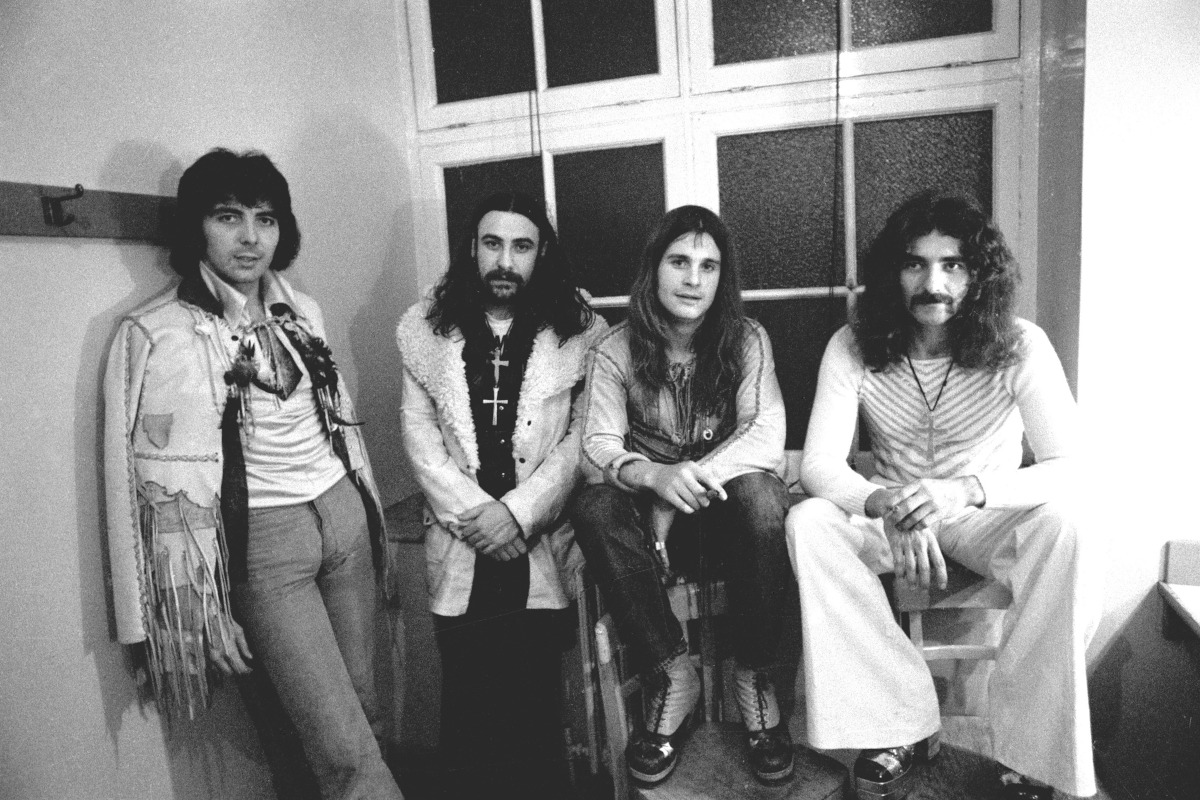
Black Sabbath’s career has more peaks and troughs than most bands could survive. They went from four working-class lads from Birmingham to heavy metal pioneers almost overnight, with Paranoid reaching No. 1 in Britain in 1970. But the relentless touring, substance abuse and internal turmoil took their toll, and their none-more-charismatic frontman Ozzy Osbourne was dismissed in 1979.
Rather than collapse, Sabbath reinvented themselves with Ronnie James Dio, producing the acclaimed Heaven and Hell in 1980 – but the years that followed brought further line-up upheaval and diminishing fortunes. Then came another extraordinary reversal.
After decades of fractured incarnations, the original line-up reunited, and in 2013 13 became their first UK No. 1 album in 43 years, setting an Official Charts record for the longest gap between chart-toppers. Few rock careers have been quite so spectacularly up, down – and up again.
4. Pink Floyd
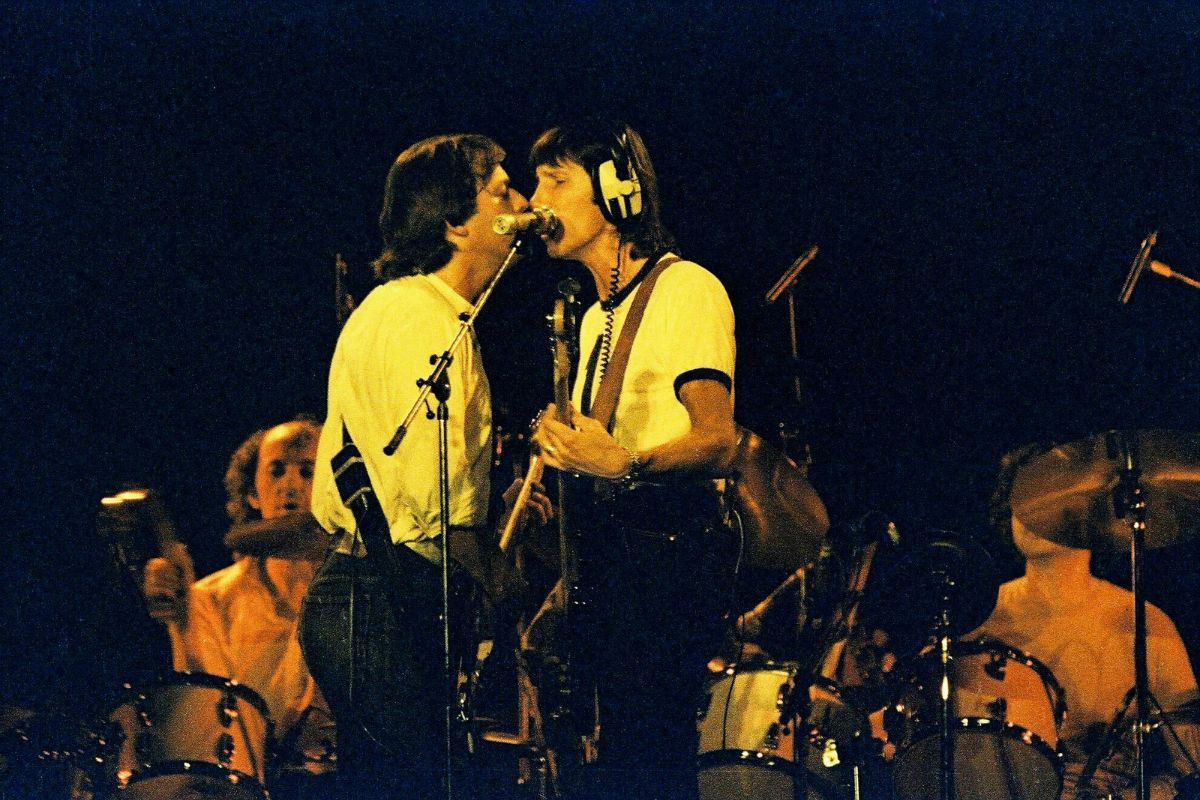
It was the departure of founding member Syd Barrett that threw Pink Floyd into disarray after the release of their second album. Strangely enough, around seven years after his departure from the band, Barrett returned to the studio with Pink Floyd in a bizarre encounter, while the band were recording ‘Wish You Were Here’, a tribute to Barrett.
But Pink Floyd carried on regardless, with David Gilmour brought in as Barrett’s replacement – and the greatest years of the band were still to come. In fact, there are surprisingly few failings in their discography – we named Pink Floyd as one of the bands who never made a bad album. That said, the power struggles between Roger Waters and David Gilmour were no secret, with Waters leaving the band in 1985 – only to return in occasional reunion gigs.
After the global success of The Dark Side of the Moon, Pink Floyd began an experiment project called Household Objects, which ultimately proved to be a complete failure. Setting out to create an entire album using the sounds of everyday objects, the band wanted to push its boundaries – but progress was slow and the results were unconvincing. They ultimately abandoned the project, but used some musical ideas in subsequent albums.
5. Metallica
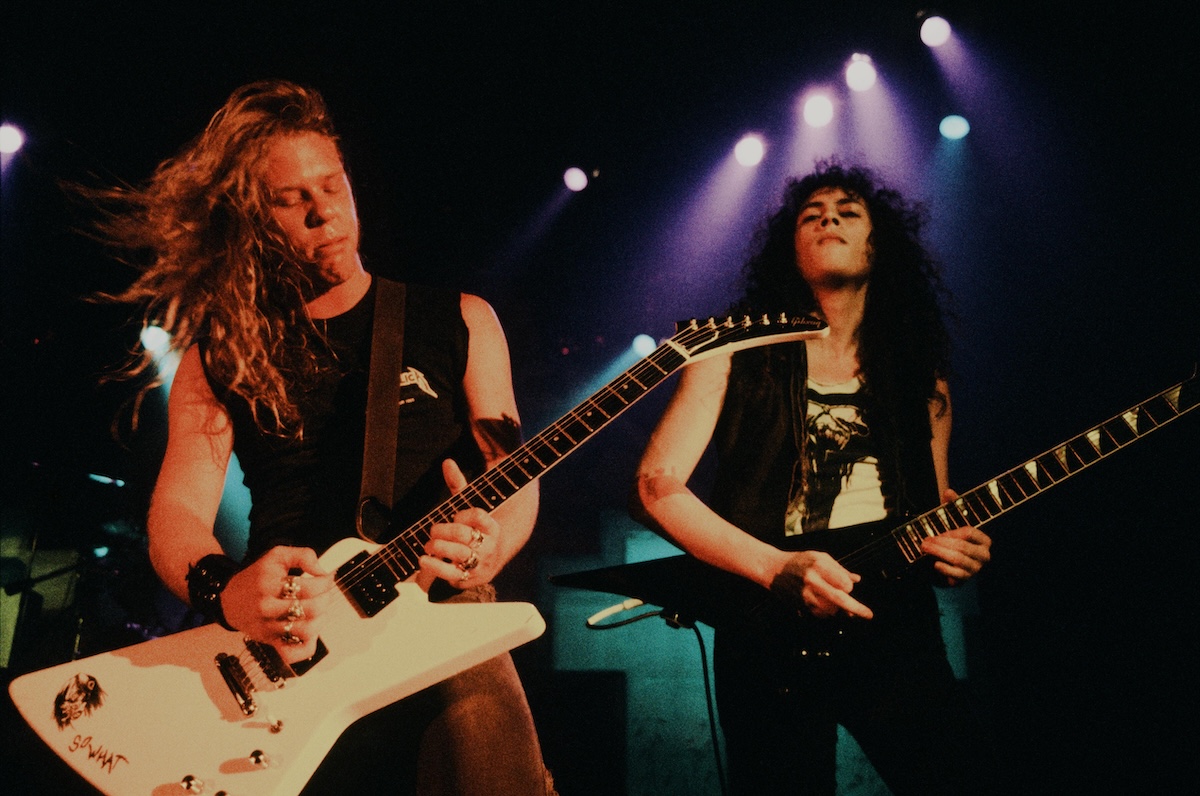
Metallica’s rise was astonishing, but their career has been punctuated by moments when the whole enterprise seemed in danger of coming apart. Kill ’Em All, Ride the Lightning and Master of Puppets established them as the leaders of thrash, only for tragedy to strike in 1986 when bassist Cliff Burton was killed in a tour-bus accident.
They carried on with Jason Newsted and reached another level with 1988’s ...And Justice for All, before changing direction dramatically on 1991’s Black Album. Its streamlined sound turned Metallica into a global phenomenon, selling more than 16 million copies worldwide and spawning stadium tours. Yet their willingness to experiment brought fresh lows: Load and Reload divided their old audience, while St. Anger emerged from a period of addiction, rehab and internal crisis.
Then came Lulu, their notoriously divisive collaboration with Lou Reed. Somehow, Metallica survived it all – and emerged as one of the biggest touring bands in the world.
6. Van Halen
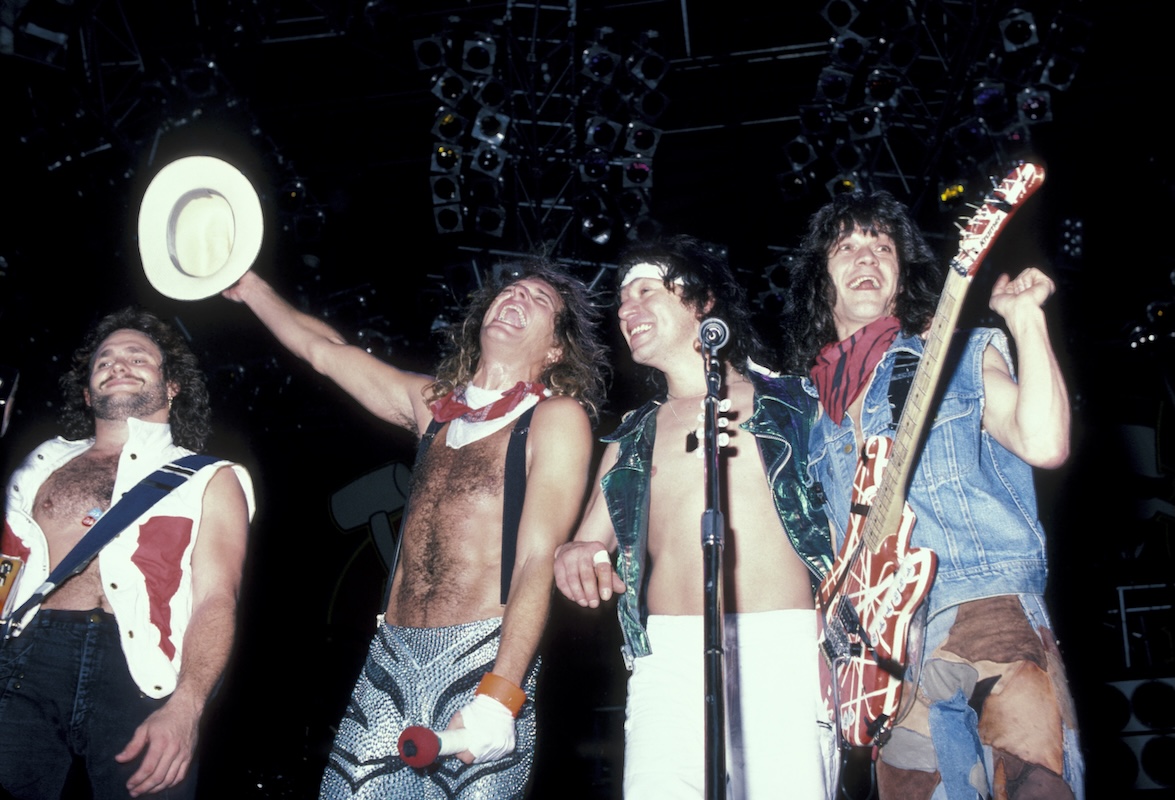
When life in Van Halen was good, it was great. But when it was bad, it was really bad. The band's dynamic shifted relentlessly over the years, with tension between members a theme of the band’s entire history. David Lee Roth and Eddie Van Halen had very different musical approaches, with Roth mocking Van Halen’s seriousness and Van Halen frustrated by Roth’s ego.
Things came to a head in 1985, when Roth left the band to pursue a solo career, following the enormous success of the 1984 album. Roth was replaced by Sammy Hagar – but this appointment didn’t go too smoothly either, due to creative differences.
He left in 1996, and was replaced by Gary Cherone, who stayed with the band for just one album: Van Halen III. This album was the band’s lowest-selling effort to date and was a critical failure – an album that nearly cost the band their career. It was their last new material for 14 years, during which time the band had internal struggles and their career stagnated.
7. Guns N’ Roses
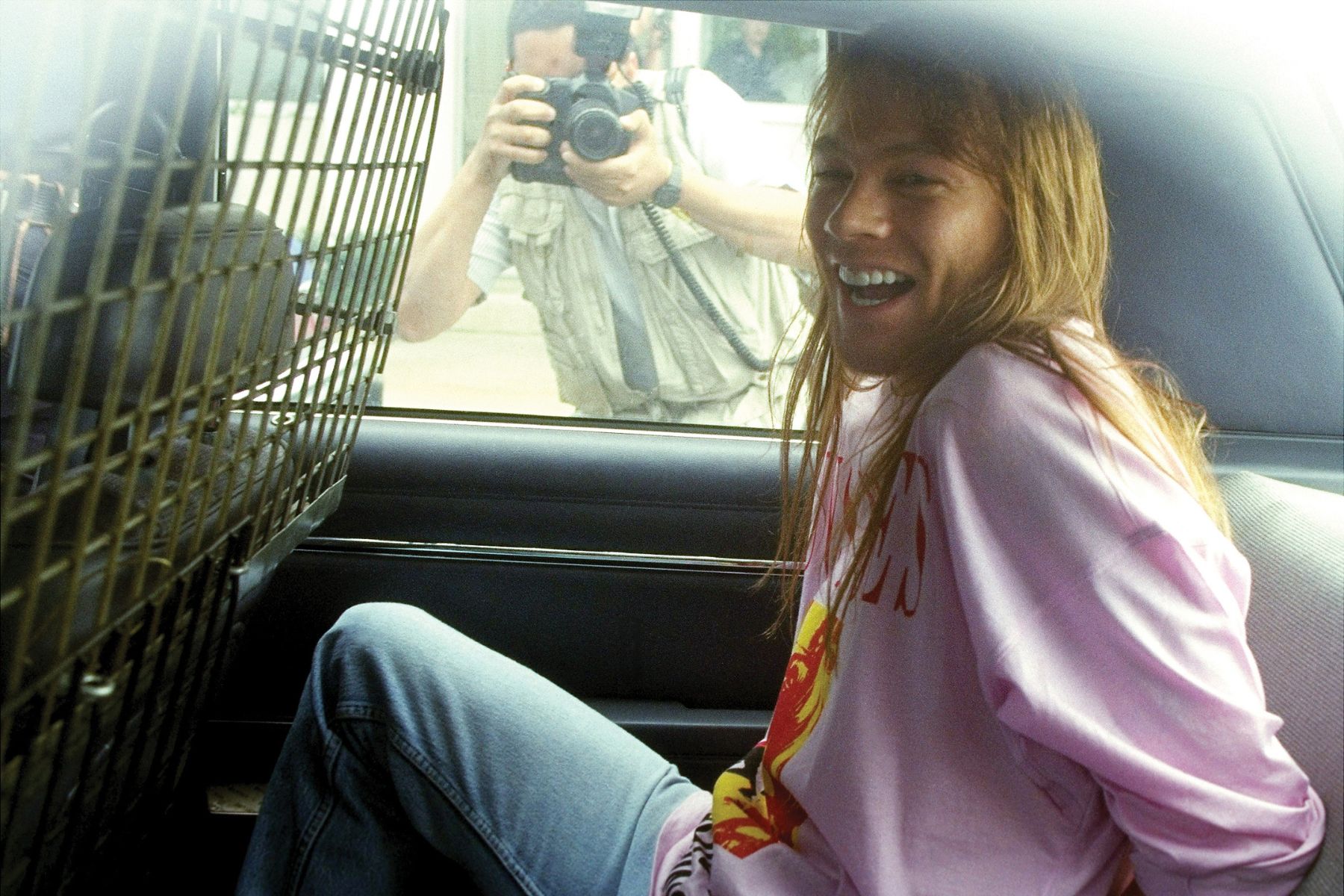
The debut album from Guns N’ Roses was such a smash hit, that they found themselves chasing their own success thereafter. Appetite for Destruction was brilliantly original, telling true stories of their life in LA with their trademark energetic hard rock swagger. That album brought international stardom overnight – and perhaps that kind of meteoric rise only comes with a fall. Their second album, G N’ R Lies was criticised as being stripped-down and uneven after the high-octane excitement of their debut.
Drug abuse haunted the band’s career from their earliest days, and with this brought personality clashes and creative difficulties. Even when they emerged with their first album, they were thought to be one of the most volatile bands on Earth, their unpredictability and volatility a draw for fans. When the band opened for the Rolling Stones in 1989, Axl Rose said to the crowd: ‘Unless certain people in this band get their s*** together, these will be the last Guns N’ Roses shows you’ll ever see.’
With band members quitting and being fired left and right, Axl Rose was the only remaining original member by the mid-1990s, joined by a revolving line-up of musicians thereafter. Chinese Democracy (2008) was considered their biggest failure, costing over £13 million – one of the most expensive albums ever made – and 14-year-delayed production. The album effectively ended the career of Guns N’ Roses as a creative force.
A surprising reunion in 2016 saw core members Axl Rose, Slash and Duff McKagan perform for the first time together since 1993.
8. Kiss
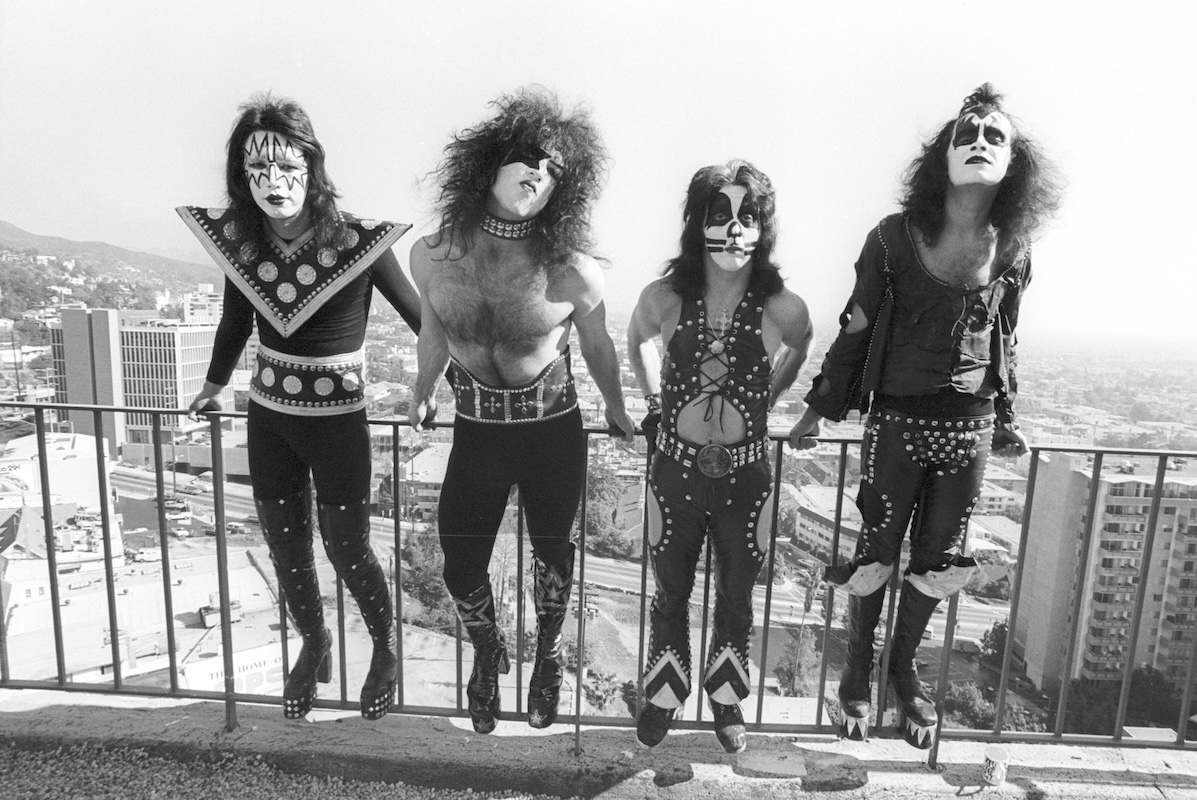
Say what you like about KISS, but they sure knew how to put on a show. With iconic face paint and pyrotechnic shows, their shows had real chutzpah – but perhaps their music didn’t... Indicative, perhaps, of their power in live music, their most crucial album is a live album: Alive! (released in 1975), which propelled them to superstar status.
KISS's first three studio albums had been only moderate successes, but this double album captured the raw energy of their live shows. The band enjoyed huge success in the late 1970s, but perhaps took it a step too far when they starred in KISS Meets the Phantom of the Park, a 1978 film that showed their complete… lack of film-making talent.
In 1983, the band removed their make-up in an attempt to gain credibility and boost flagging record sales – but this only lasted until 1996, when the band returned to their classic personas.
9. Queen
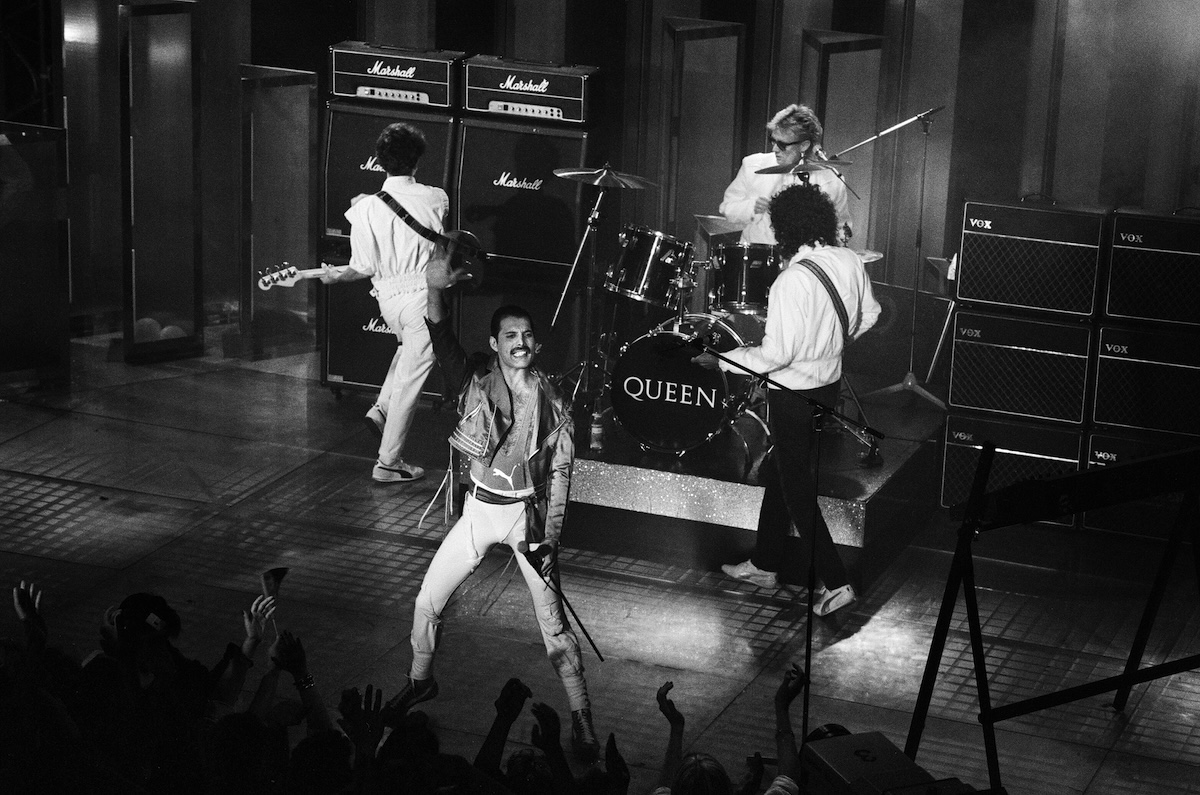
It seems surprising today to think of Queen as anything other than unrivalled global stars, but they had their fair share of ups and downs over the course of their career, just like any other band. Their early years were challenging: before Sheer Heart Attack made them stars at the end of 1974 and launched them to global stardom, Queen were facing bankruptcy.
They’d had a disastrous tour supporting Mott the Hoople, where Brian May had contracted hepatitis and nearly lost his arm to gangrene. It wasn’t looking great for them, until the success of their single ‘Killer Queen’ convinced them to keep ploughing on.
In the middle of their career, they experimented with different sounds – and suffered the occasional misfire. ‘Body Language’ from 1982’s Hot Space (one of rock’s most polarising albums) saw them adopt a synth-funk aesthetic, and the effect rang rather hollow.
Of course, it’s hard to forget about one of the most seismic tragedies of Queen’s history: the 1991 death of lead singer Freddie Mercury. The band took a pause, with Brian May and Roger Taylor continuing to work on projects before reforming in 2004 under the Queen name, performing with Paul Rodgers until 2009 and Adam Lambert since 2011.
All images: Getty Images