
Great songs often sound inevitable – as if they arrived fully formed, destined to become classics.
But scratch beneath the surface and you’ll find that many of music’s most iconic tracks began in wonderfully unlikely ways. A half‑asleep guitarist accidentally recording a masterpiece, a flare gun burning down a casino, a Beatles title with two competing origin stories, a grunge anthem named after a deodorant, a Led Zeppelin riff inspired by a wandering Labrador.
These aren’t polished myths, they’re chaotic truths. Creativity rarely behaves itself, and the stories behind these songs prove it. What follows is a tour through fifteen tracks whose origins are stranger, funnier and more accidental than their legendary status suggests.
15 songs with surprising origin stories
1. Van Halen – 'Jump' (1984)
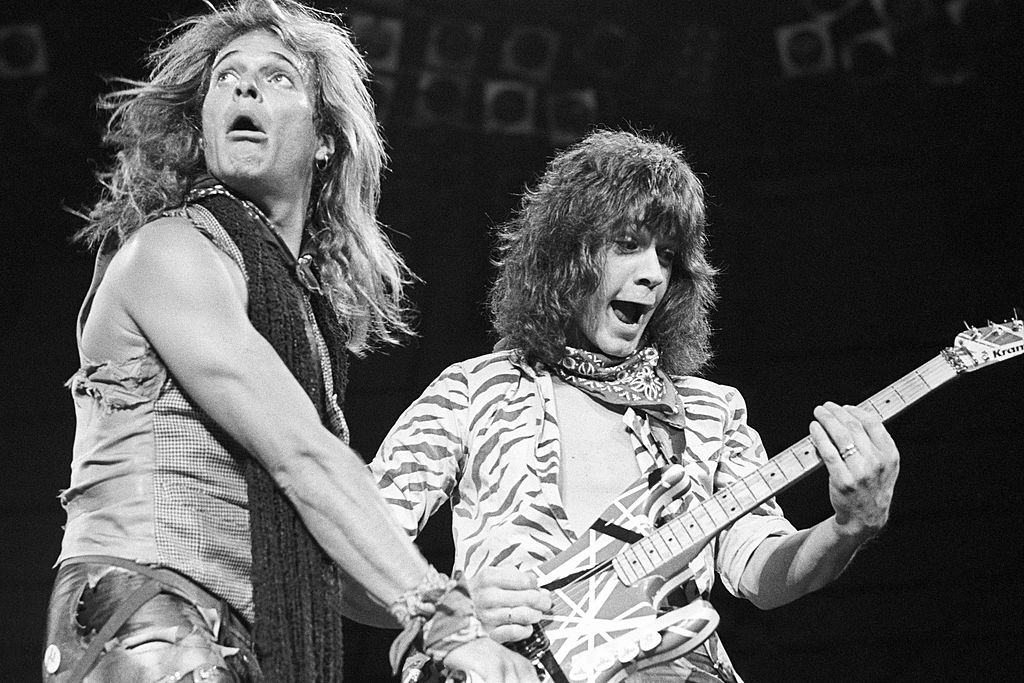
Jump was sparked by a news report about a man threatening to leap from a building. David Lee Roth imagined the crowd below shouting 'Go ahead and jump!' – a dark idea that eventually morphed into a motivational anthem. Eddie Van Halen’s synth riff, initially resisted by the band, gave the song its defining character.
What began as a grim, voyeuristic scenario became one of rock’s most exuberant, life‑affirming hits, born from a moment of unsettling inspiration.
2. The Beatles – 'Ticket to Ride' (1965)
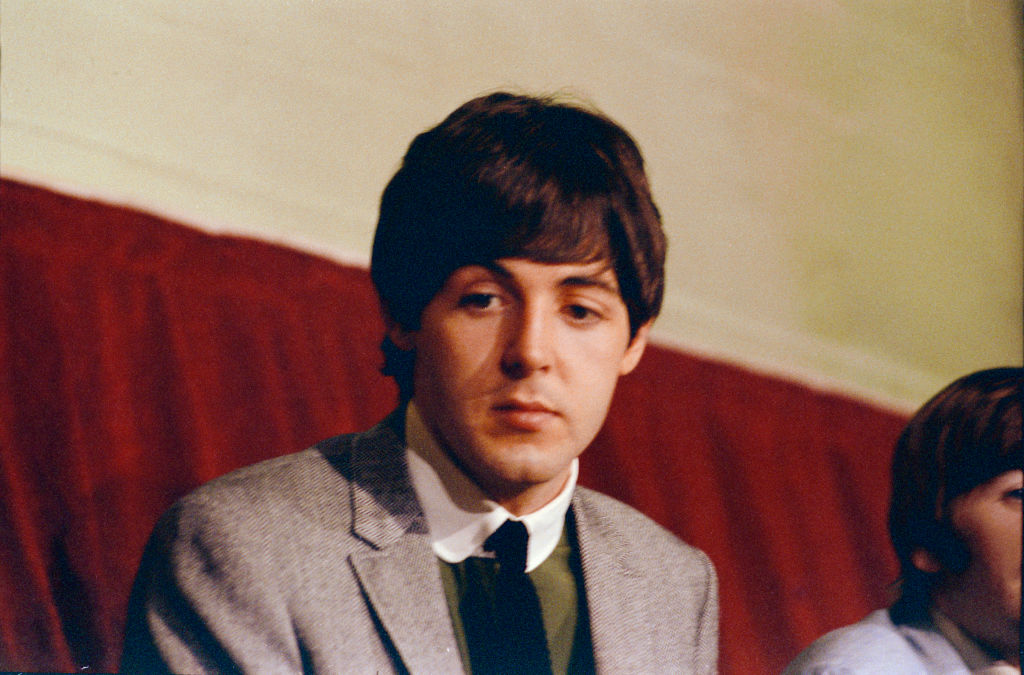
The origins of the Beatles' April 1965 single are famously disputed. Paul McCartney has said that the title came from a trip to Ryde on the Isle of Wight, inspired by the town’s railway tickets. John Lennon, however, claimed it referred to health certificates carried by sex workers in Hamburg – a 'ticket to ride'.
The conflicting stories give the song an unusual dual identity: a breezy pop hit with a potentially darker, more ambiguous backstory rooted in the band’s early years.
3. Deep Purple – 'Smoke on the Water' (1972)
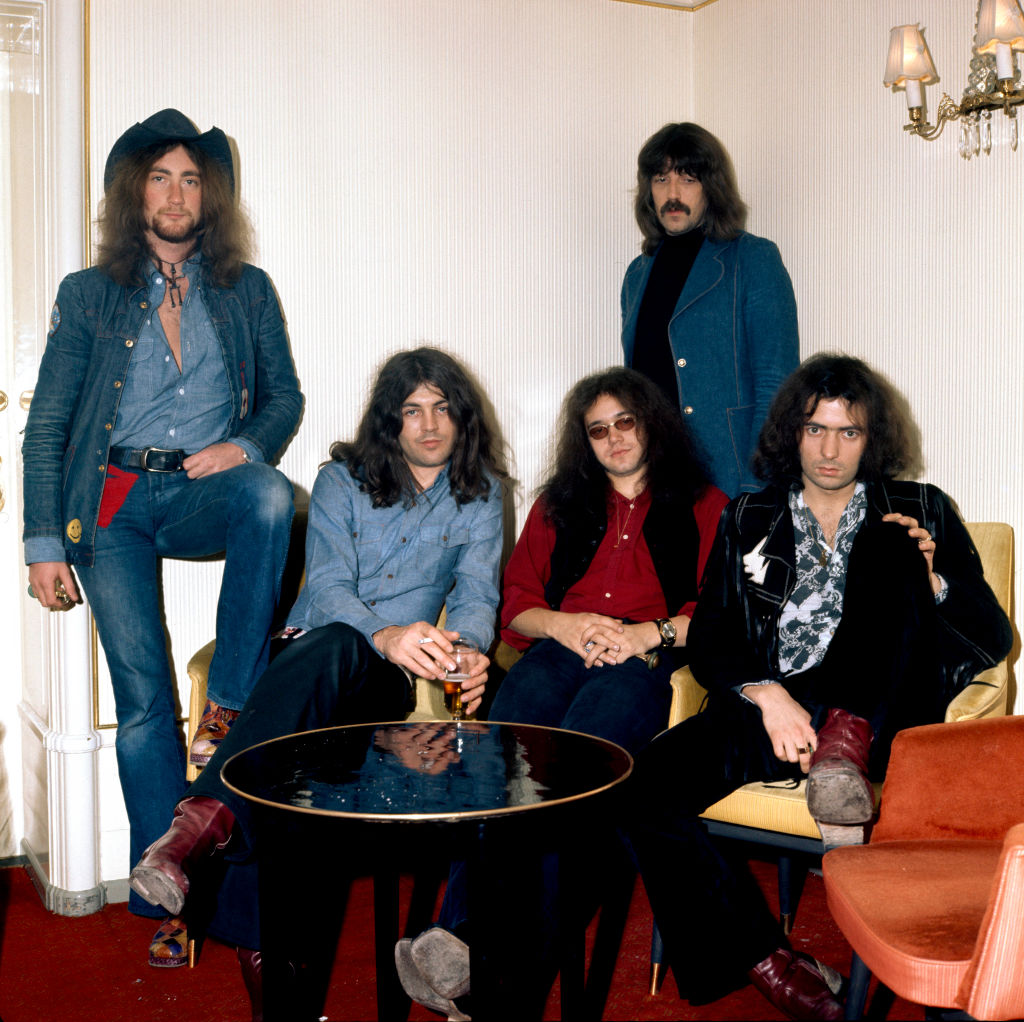
The most famous riff in rock – the first thing every beginner guitarist learns – was written as reportage. Deep Purple were in Montreux, Switzerland, in December 1971 to record what would become the Machine Head album, using a mobile recording studio lent to them by the Rolling Stones.
They were watching a Frank Zappa concert at the Montreux Casino when someone in the audience fired a flare gun. The casino caught fire and burned to the ground.
The band watched from across Lake Geneva as smoke billowed across the water in the moonlight. Bassist Roger Glover woke the next morning with the phrase 'smoke on the water' in his head. They wrote the song the same day, in the Montreux Grand Hotel corridor, using the mobile studio – because the casino, their original recording venue, no longer existed.
The riff itself was almost an afterthought: Ritchie Blackmore described it as a placeholder he expected to replace. Nobody replaced it. Instead, it became the entry point to rock guitar for millions of players worldwide.
4. David Bowie – 'Life on Mars?' (1971)
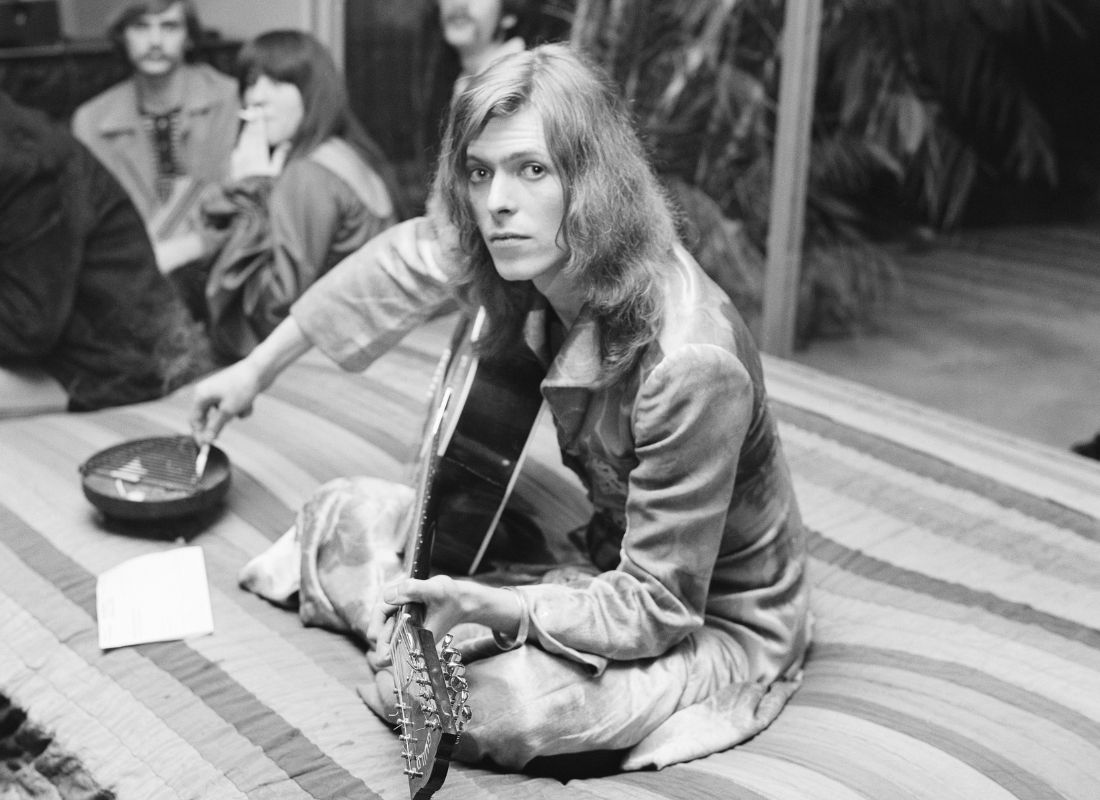
One of David Bowie's greatest songs owes its existence to a bruised ego. In 1968, Bowie was hired to write English lyrics for the French hit 'Comme d'habitude', released by Claude François the previous year. But his version was rejected, and songwriter Paul Anka instead bought the rights, rewriting it as Frank Sinatra's signature anthem 'My Way'.
The ever-ambitious Bowie never quite got over the disappointment. A few years later, he responded with 'Life on Mars?', describing it as 'a reaction to 'My Way''. Although musically far more adventurous, traces of the earlier melody remain buried within the song, transforming professional frustration into one of rock's most breathtaking pieces of songwriting.
Fun fact: in the liner notes to Bowie's 1971 album Hunky Dory, you'll find the phrase 'Inspired by Frankie' next to 'Life on Mars'.
5. Led Zeppelin – 'Black Dog' (1971)
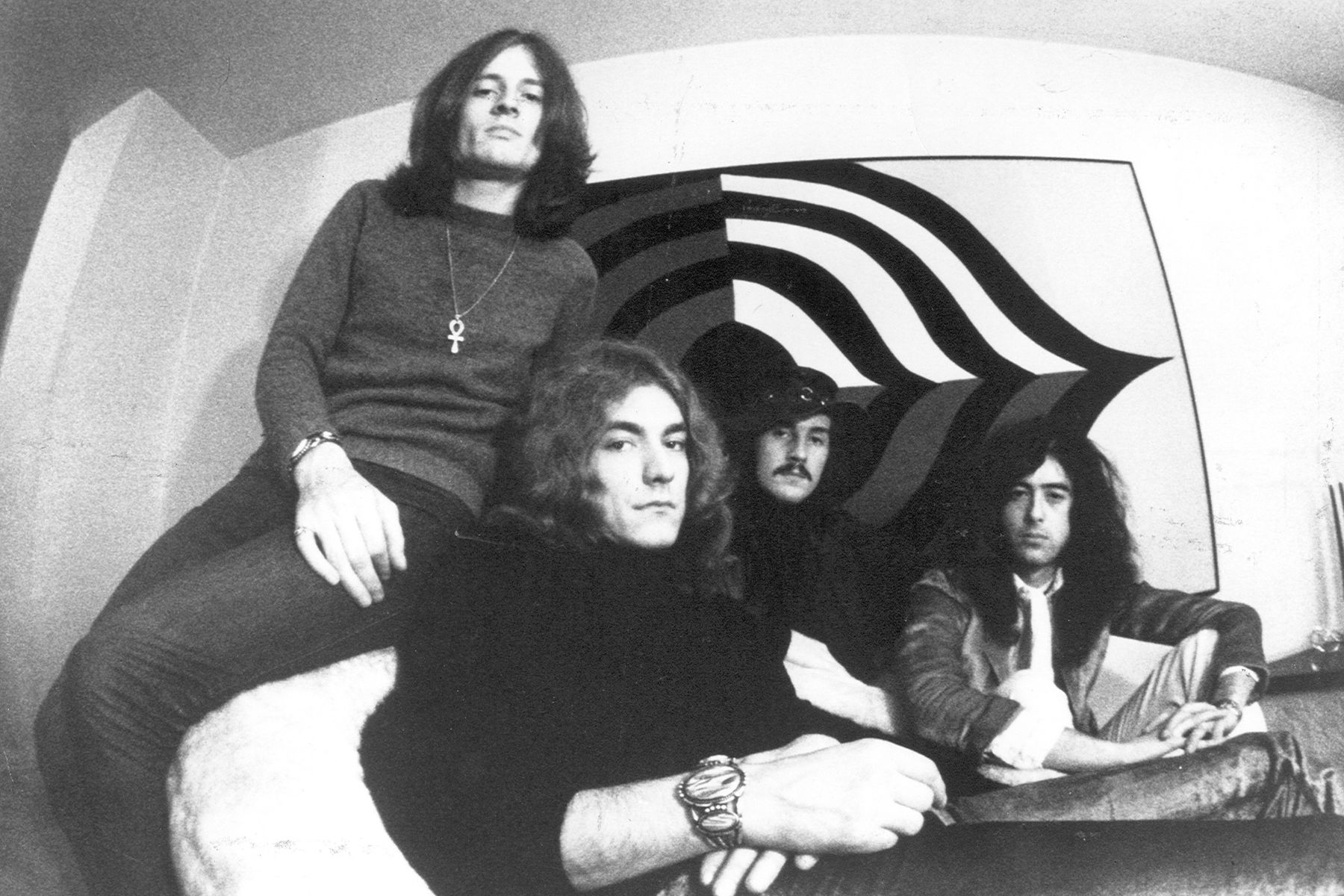
The title of one of Led Zeppelin's most celebrated riffs has nothing to do with depression, darkness, or occult mythology.
No, it was named after a stray Labrador that wandered around the grounds of Headley Grange, the remote Hampshire mansion where the band recorded their 1971 magnum opus IV.
The dog had no owner, no name, and no particular interest in the music being made inside. It simply ambled in and out of sessions, occasionally appearing in doorways, and was adopted informally as the house mascot. When bassist John Paul Jones arrived with the song's complex, a cappella riff – designed specifically to be difficult to play along to – the band needed a title.
Someone pointed at the dog. The name stuck. The riff, meanwhile, took days to perfect: its shifting rhythmic pattern was deliberately designed to wrong-foot anyone trying to clap along, giving the song its distinctive, lurching energy. Rock's most technical riff, named after a dog that didn't belong to anyone.
6. The Rolling Stones – 'Satisfaction' (1965)
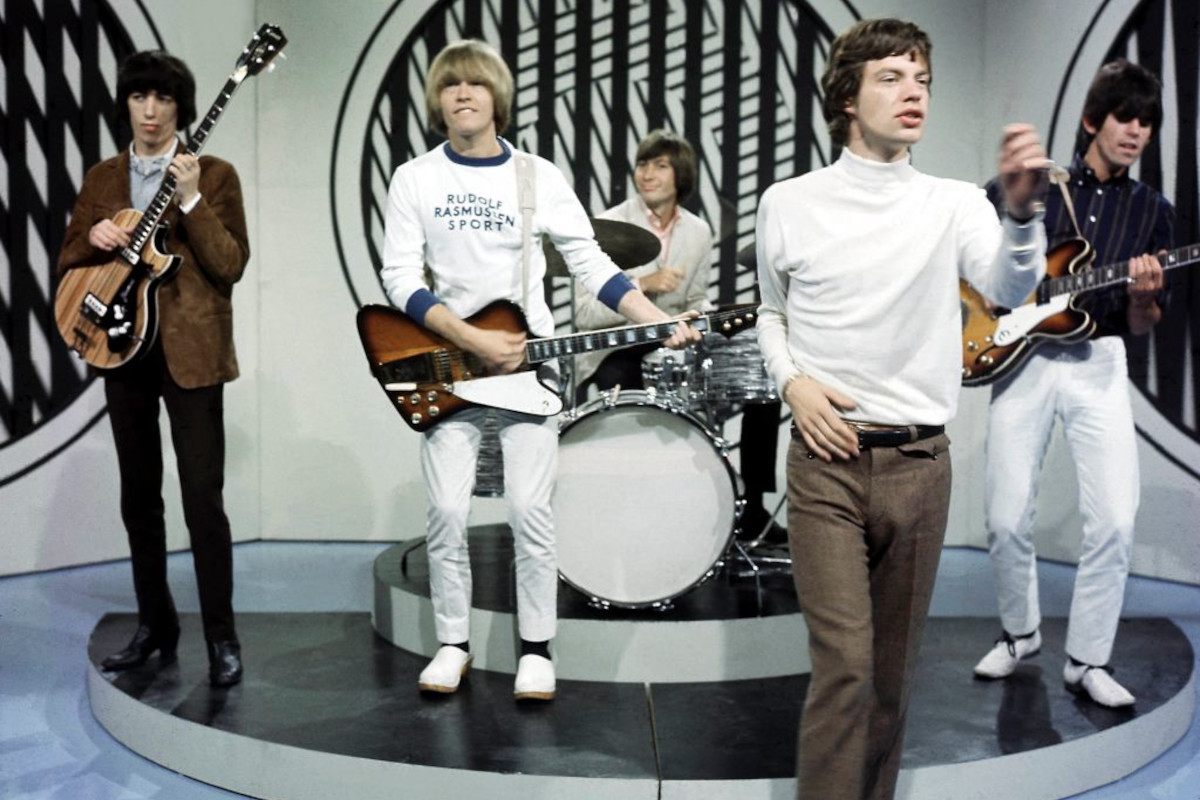
Few riffs in rock history are more instantly recognisable – and few were created in more unlikely circumstances.
Keith Richards woke in the middle of the night in a Florida hotel room with a melody fully formed in his head.
He grabbed his cassette recorder, played the riff, mumbled the opening words, and fell immediately back to sleep. When he listened back the next morning, the tape contained 45 seconds of guitar – followed by 40 minutes of snoring.
Richards was initially dismissive, considering it a rough sketch rather than a finished idea. Mick Jagger felt the fuzz guitar sound was too raw for a single and imagined it would eventually be replaced by brass. Both were wrong.
Producer Andrew Loog Oldham recognised immediately what they had, and the resulting recording – captured in one remarkable session in Chicago – became the Stones' first American number one and one of the most important singles in rock history. All from a half-asleep guitarist and a budget cassette machine.
7. Black Sabbath – 'Paranoid' (1970)
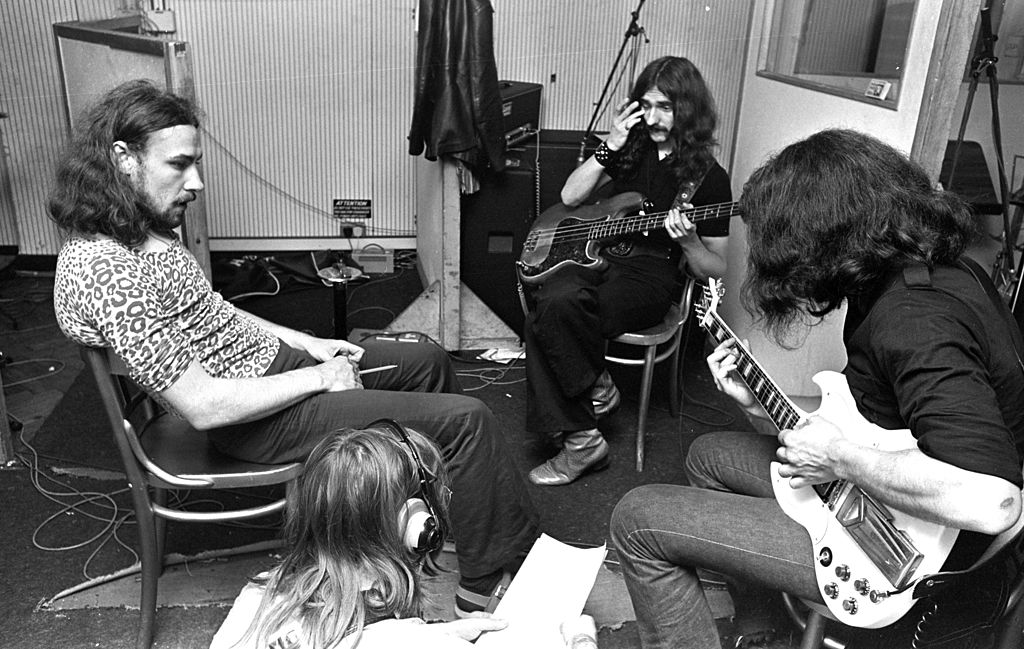
The song that gave Black Sabbath their only UK number one and became the defining anthem of their career was written in approximately twenty minutes as a last-minute filler.
The band had finished recording their second album and realised they were slightly short on running time. Producer Rodger Bain asked if they had anything else. They did not.
Tony Iommi played a riff he'd been noodling with, Geezer Butler wrote the lyrics in the time it took the others to tune up, and Ozzy Osbourne sang them almost sight unseen. The entire recording was done in a single take.
The original album title was going to be War Pigs, but when the label insisted on a change – concerned about the Vietnam War associations – someone suggested using the title of this throwaway filler track instead. So the band's most famous song not only named their most celebrated album, it did so despite being written faster than most people write a shopping list.
8. The Kingsmen – 'Louie Louie' (1963)
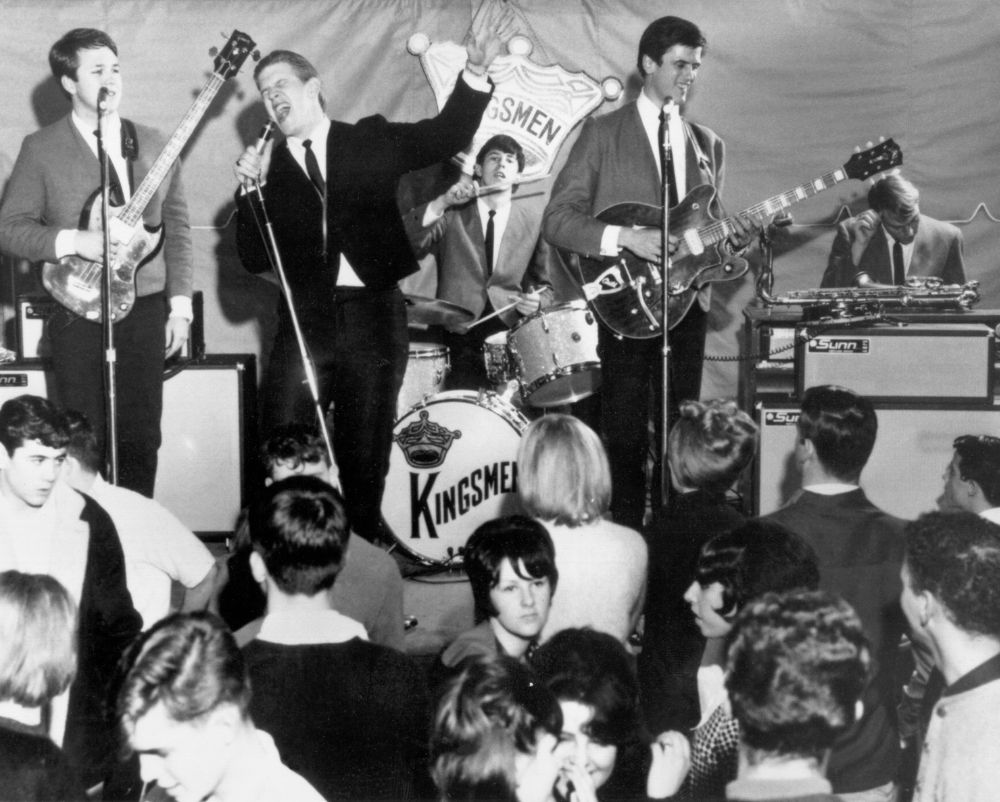
The most remarkable thing about 'Louie Louie' isn't the song itself – but the extraordinary panic it caused. The Kingsmen's scruffy recording was so poorly sung that parents became convinced the lyrics concealed obscene messages. Rumours spread across America, prompting complaints to politicians and eventually an FBI investigation.
Agents spent more than two years analysing the recording, slowing it down and attempting to decipher the words. Their conclusion was wonderfully anticlimactic: the lyrics were simply 'unintelligible'. No evidence of obscenity was ever found, making 'Louie Louie' perhaps the only garage-rock classic to receive an official federal investigation.
9. Pink Floyd – 'Wish You Were Here' (1975)
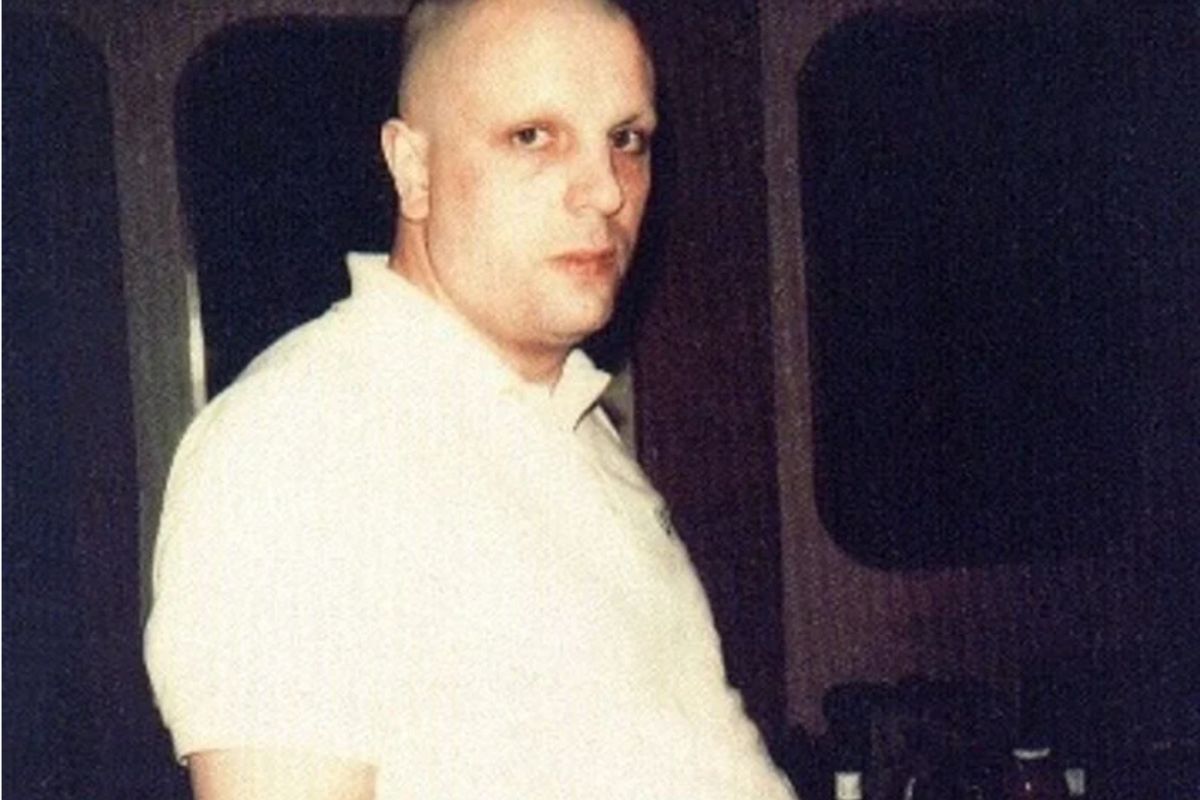
Pink Floyd were recording Wish You Were Here when they received an unexpected visitor.
On 5 June 1975, a bald, overweight man wandered into Abbey Road Studios while the band were working on Shine On You Crazy Diamond. It took several minutes before they realised the stranger was Syd Barrett, the group's original singer and songwriter, whose mental health had deteriorated dramatically since leaving the band seven years earlier.
Roger Waters was reportedly reduced to tears. Barrett quietly watched the session before disappearing again. His haunting appearance gave devastating real-world resonance to an album already conceived as a tribute to their absent friend.
10. The Beatles – 'Sexy Sadie' (1968)
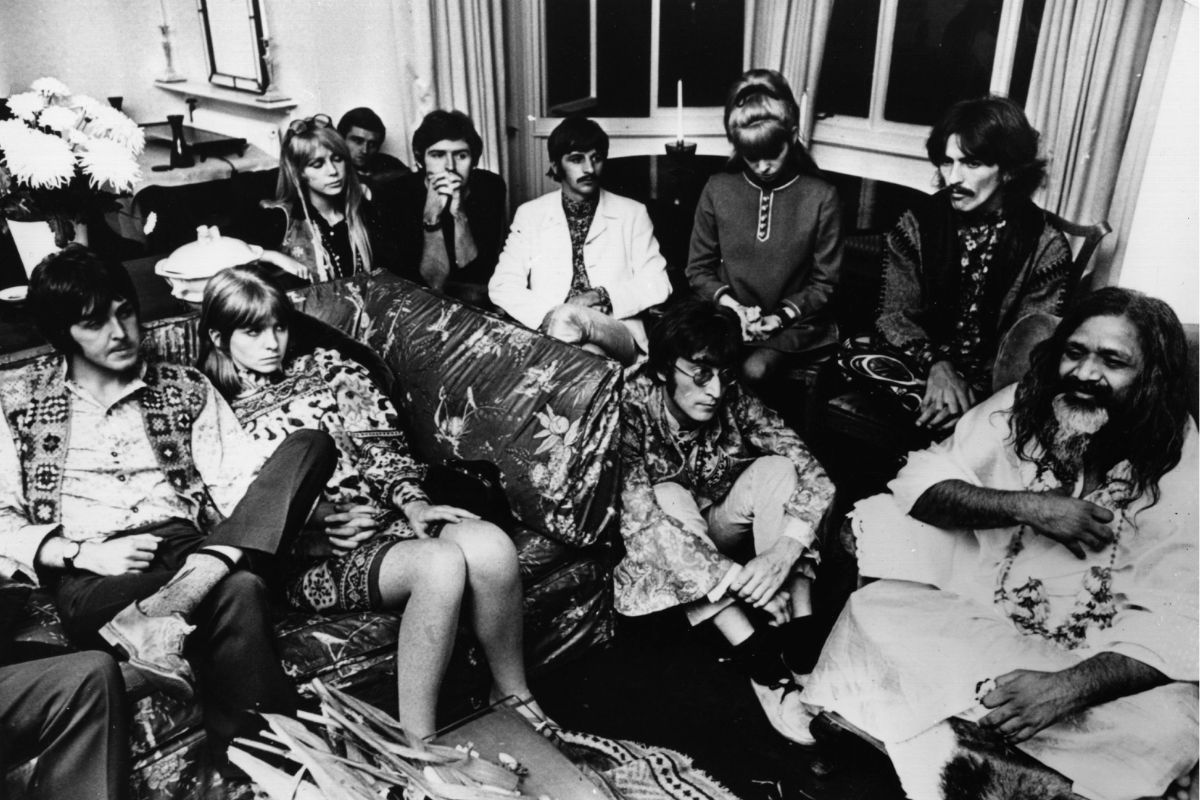
In early 1968, all four Beatles travelled to Rishikesh, India, to study Transcendental Meditation with Maharishi Mahesh Yogi. The experience began as a genuine spiritual quest and ended in bitter disillusionment when rumours spread – never conclusively proven – that the Maharishi had behaved inappropriately with female members of the group's entourage.
John Lennon was furious. He confronted the Maharishi directly, telling him he was leaving. When the Maharishi asked why, Lennon allegedly replied: "If you're so cosmic, you'll know why."
Back in London, he wrote a song called 'Maharishi' that was an explicit, furious attack on the guru – "Maharishi, what have you done? You made a fool of everyone." Paul McCartney persuaded him that the legal risks of naming a living person were too great.
Lennon substituted 'Sexy Sadie', changed the gender, softened the most explicit lines – and produced one of the White Album's most smouldering, barely concealed portraits of betrayal.
11. Nirvana – 'Smells Like Teen Spirit' (1991)
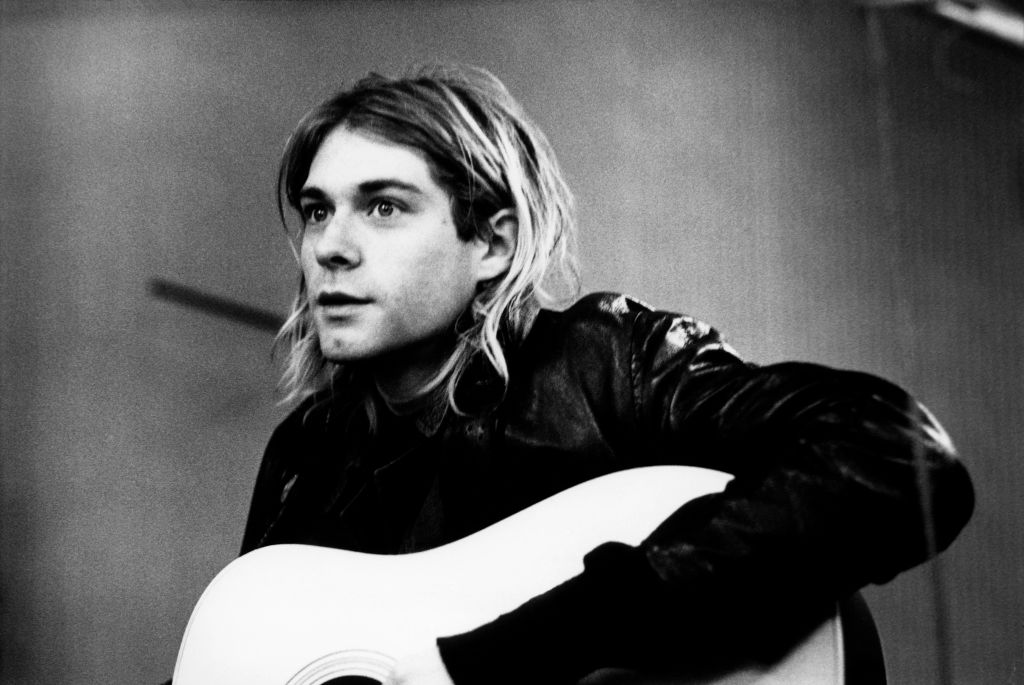
The song that supposedly ended hair metal and launched a generation didn't even have a title its writer understood.
Kurt Cobain's friend Kathleen Hanna – singer of punk band Bikini Kill – wrote 'Kurt smells like Teen Spirit' on his bedroom wall after a late night. She was referencing Teen Spirit, a popular deodorant brand used by Cobain's then-girlfriend Tobi Vail. The implication was that Cobain smelled of his girlfriend.
Cobain had no idea Teen Spirit was a deodorant. He thought Hanna was making a revolutionary political statement – comparing him to the spirit of rebellious youth. He adopted the phrase as the title of a song he'd been constructing, inspired by his admiration for the Pixies' quiet-loud dynamic.
It was only months after the song became a global phenomenon that he discovered the truth: the defining anthem of Generation X was named after a girl's deodorant. He later said he found the whole thing amusing, if slightly deflating.
12. Don McLean – 'American Pie' (1971)
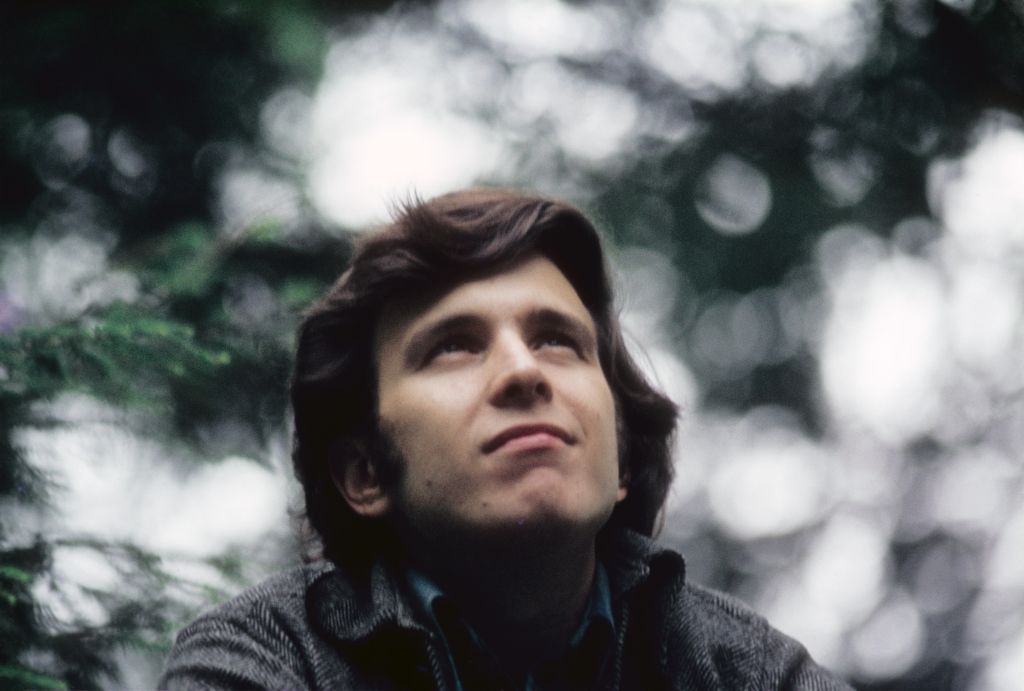
Few songs have inspired more theories than 'American Pie', and that's exactly how Don McLean intended it. Written after years of reflection on the death of Buddy Holly, Ritchie Valens and the Big Bopper in the 1959 plane crash later dubbed 'The Day the Music Died', the song expands into a sprawling meditation on the changing face of American culture throughout the 1960s.
Fans have spent decades trying to decode every reference, from "the jester" to "the king", but McLean has consistently refused to provide a definitive explanation. The mystery has become part of the song's enduring appeal, ensuring listeners are still debating its meaning more than 50 years later.
13. The Police – 'Every Breath You Take' (1983)
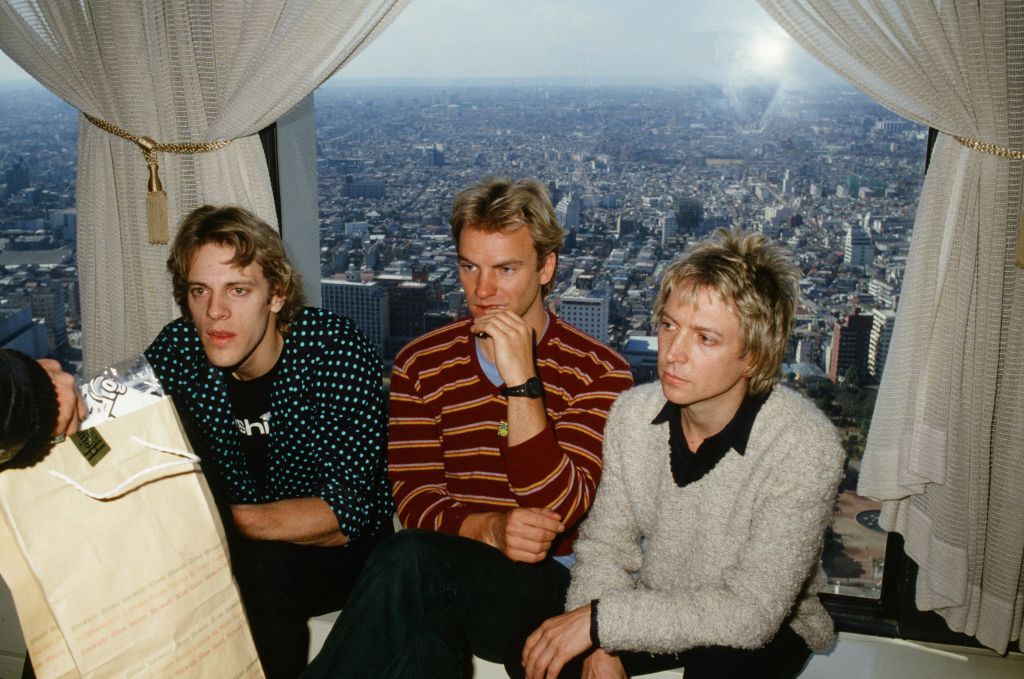
Despite being one of the most requested wedding songs ever recorded, Every Breath You Take is anything but romantic. Sting wrote it while his marriage to actress Frances Tomelty was collapsing and his relationship with future wife Trudie Styler was beginning.
Rather than celebrating devotion, the lyrics depict obsession, jealousy and possessiveness: "Every move you make, I'll be watching you." Sting has often expressed amusement that listeners mistake it for a tender love song when it is actually "a nasty little song" about surveillance and emotional control. Its smooth melody disguises one of pop music's darkest psychological portraits.
14. Fleetwood Mac – 'Go Your Own Way' (1977)
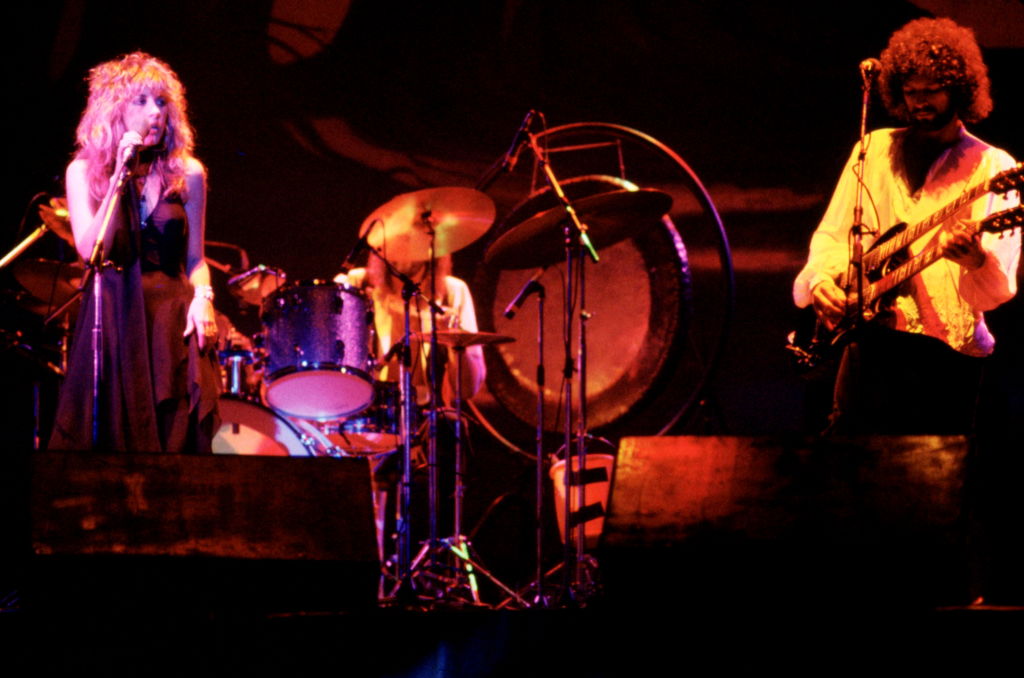
Few songs in rock history were as uncomfortable to perform as this one. Lindsey Buckingham wrote 'Go Your Own Way' as a direct, barely disguised letter to Stevie Nicks, his former girlfriend and bandmate, as their relationship collapsed during the recording of Fleetwood Mac's fractious masterpiece Rumours. The song accuses her of "packing up, shacking up" – a line Nicks found deeply unfair and publicly objected to throughout her career, arguing it misrepresented her character.
- The 7 Fleetwood Mac albums you should definitely own
- Rock’s greatest soap opera: the making of Fleetwood Mac’s Rumours
Buckingham refused to change it. Nicks was then required, night after night on tour, to stand six feet away from the man who'd written those lines about her and provide backing vocals for the chorus. She later said it was one of the most difficult professional experiences of her life.
What makes the story stranger still is that both knew the song was exceptional – Nicks never suggested removing it from the setlist, only that the specific lyric felt unjust. The tension between them, preserved in every performance, gave the song much of its crackling, barely contained energy.
15. The Kinks – 'Lola' (1970)
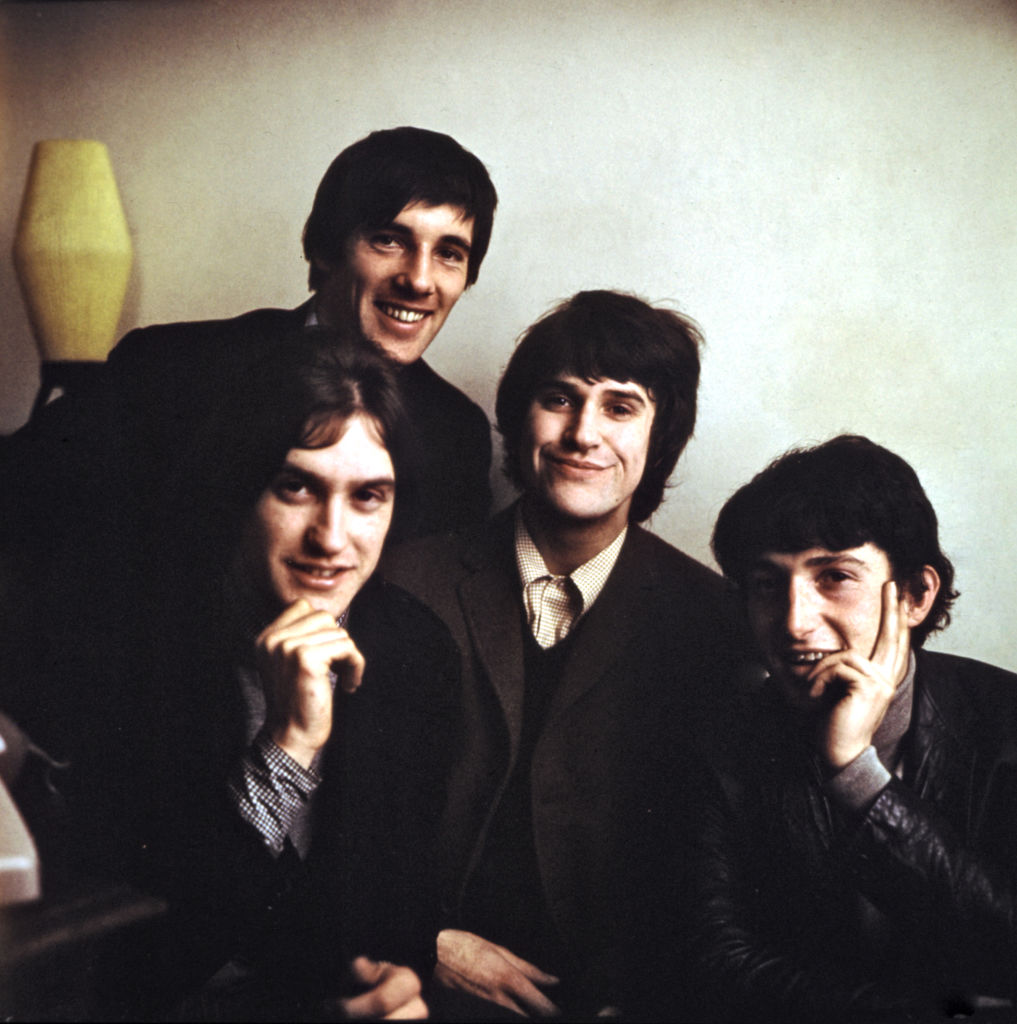
Ray Davies wrote 'Lola' – one of rock's most beloved character studies, about a young man's encounter with a transgender woman in a Soho club – after an experience involving the Kinks' manager Robert Wace.
Davies has said that Wace, after a long night out in Paris, found himself dancing with someone he initially assumed was a woman and only gradually realised was not. Wace was apparently entirely unbothered by the discovery. Davies, watching from across the room, found the scene both touching and funny – and quietly filed it away.
The song then ran into an entirely separate, entirely unexpected problem. The BBC banned it – not for its gender-fluid subject matter, which caused remarkably little controversy in 1970, but because Davies had mentioned Coca-Cola by name, violating the corporation's strict anti-advertising rules.
Davies had to fly from a tour in Japan back to London specifically to re-record the lyric, substituting "cherry cola." He then flew back to Japan to continue touring. The version most people know contains a drink that doesn't exist. The version with the real drink was banned.
Pics Getty Images


